Accounting Supplies
Accounting supplies are essential tools for any business, office, or home workspace looking to maintain accurate and efficient financial records. From basic necessities like pens, paper, and calculators to specialized items such as ledgers, filing systems, and software solutions, these supplies help streamline your accounting processes. Whether you're a professional accountant managing multiple clients or an individual keeping track of personal finances, having the right accounting supplies can make all the difference in staying organized and productive. Explore our wide selection to find everything you need to keep your financial affairs in order with ease.
Sort

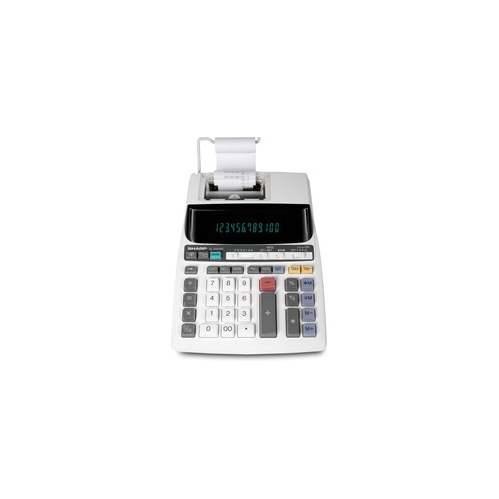

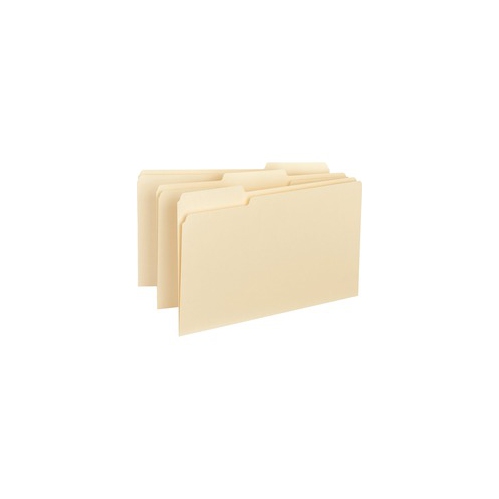






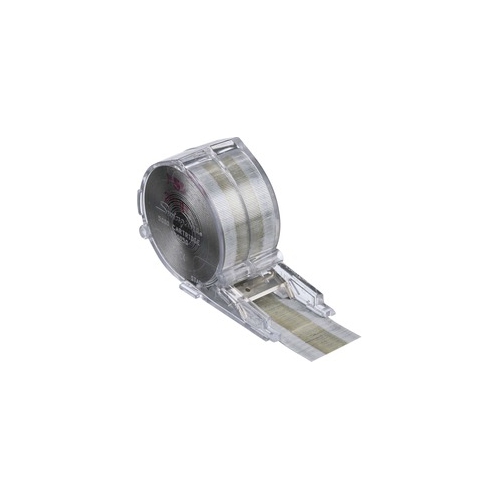

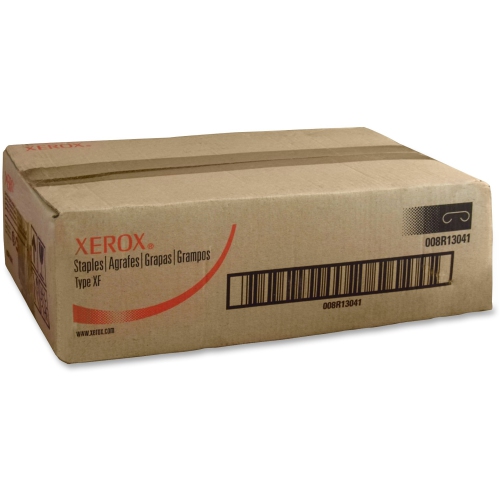







Everyday materials that turn paperwork into clear financial records
Accounting supplies are consumable materials a business uses in its daily operations rather than goods intended for resale. Within a bookkeeping workspace, they support the practical work of documenting transactions, organizing paperwork, checking figures, and keeping supporting information accessible. The category commonly includes writing materials, paper, filing materials, labels, and printing consumables used to turn everyday business activity into clear, usable records. Supplies serve a different purpose from durable equipment, which is generally intended for repeated use over a longer period. For an independent contractor, accounting supplies might support a compact home workspace where invoices, receipts, and expense documentation move through a single desk. In a larger office, similar materials help several people maintain a consistent filing system across purchasing, payroll, reimbursements, and customer accounts. Bookkeepers, administrators, small-business owners, and volunteer treasurers all rely on this kind of organization, even when most calculations and reporting happen digitally. A printed statement with handwritten annotations can help explain a discrepancy, while clearly labelled supporting paperwork makes it easier to trace a transaction back to its source. Picture a service business matching a supplier’s invoice with the related delivery paperwork: readable notes, an identifiable file, and enough space to keep the documents together make that task less cumbersome. Accounting supplies also have a place in household budgeting, rental-property administration, and community organizations where financial responsibilities may pass from one person to another. Their usefulness lies less in how elaborate a system looks than in whether the information remains legible, complete, and easy to find. Consistent document formats and sensible groupings can make a modest workspace more functional without introducing unnecessary complexity. They also give occasional tasks, such as checking an expense claim or preparing documents for an accountant, a clear starting point instead of a loose pile of unrelated paperwork.
Materials, dimensions, and construction influence how accounting supplies perform through repeated handling. Paper weight and opacity affect how clearly printed figures appear, particularly when documents are printed on both sides or include dense tables. A smooth surface can support crisp text, while sufficient thickness helps limit show-through and withstand annotation. Letter and legal formats serve different document needs, and matching the paper size to the printer, storage space, and paperwork already in use helps keep a filing system consistent. Filing materials vary in stiffness and surface finish; lighter paper-based materials suit straightforward sorting, while reinforced edges and more substantial construction can be useful for documents handled frequently. Closures, dividers, and binding styles also affect whether paperwork stays together when it travels between a desk, a meeting room, and an external accountant. Capacity matters as much as overall dimensions: a file that accommodates the document size may still be too shallow for a full set of supporting receipts and statements. For writing materials, a comfortable grip, a readable line, and ink suited to the writing surface matter during longer stretches of checking and annotation. Printing consumables need to match the equipment’s specifications, since compatibility cannot be assumed from appearance alone. Where the workspace extends beyond consumable materials, Office Equipment Supplies relates to the broader tools used alongside everyday accounting tasks. Thoughtful care helps materials remain usable: paper benefits from flat, dry storage, writing materials should be closed as intended, and printing consumables should be handled according to their packaging and equipment instructions. Documents that need to remain readable deserve particular attention to ink stability and storage conditions, since not every marking method is suitable for long-term reference. A clear distinction between temporary working notes and retained financial documentation also helps determine where durability matters most. On a busy desk, easy-to-read labels and manageable file sizes often make more difference than decorative details, especially when several people need to understand the same system.
Accounting supplies also have a financial-reporting meaning that is separate from their practical role on a desk. When unused business supplies have a material value and will benefit future reporting periods, their value may initially be recorded as a current asset, often described as supplies on hand. As those materials are consumed, the related amount is recognized as supplies expense. An adjustment at the end of a reporting period can reflect the difference between what remains unused and what has been used during that period. For smaller, less significant amounts, a business may recognize supplies as an expense when purchased, depending on its accounting policies, applicable reporting requirements, and materiality considerations. Materiality concerns whether information could reasonably influence decisions made using the financial statements; it is not simply a universal dollar threshold that applies to every organization. Goods acquired for resale have a different purpose, while longer-lived equipment may require separate treatment as a capital asset. The appropriate classification depends on the nature and use of the purchase, not just the department that ordered it. This distinction gives everyday documentation a useful role beyond keeping a desk tidy. A receipt showing what was acquired, a clear description of its business purpose, and an organized record of where the paperwork belongs can support accurate entry and later review. For example, a shared office may use the same general supplies across administration and bookkeeping, but still need a consistent way to document those purchases. Clear filing categories help preserve that context without turning each routine transaction into a complicated process. Physical organization can complement digital records when document references and naming conventions are consistent across both formats. Confidential paperwork also needs appropriate handling, with access limited to the people who require it and disposal managed according to the organization’s policies. Across these uses, accounting supplies provide the practical connection between daily activity and the records that explain it, helping information remain orderly through routine checks, reporting, and handovers.
Top selling and popular products
-
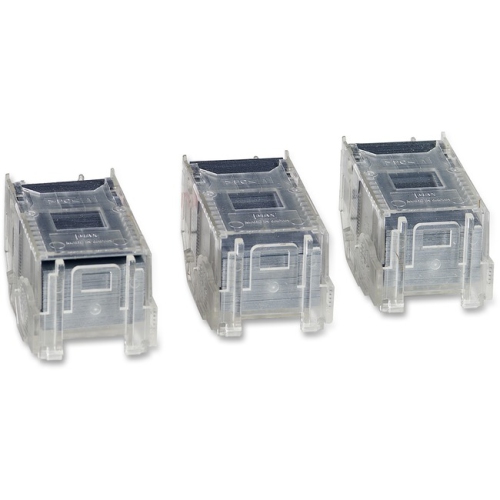
 Your price for this item is $103.99
-
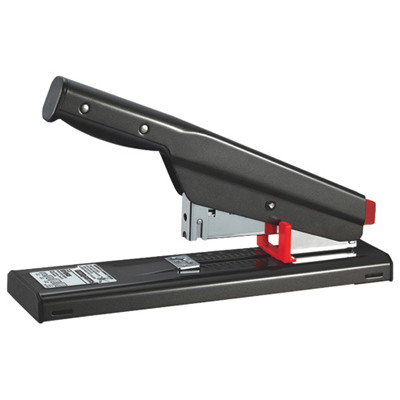 Your price for this item is $44.99
-
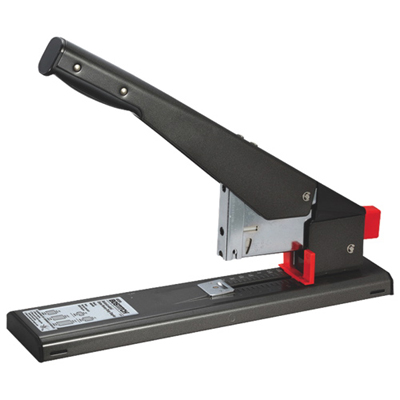 Your price for this item is $118.99
-
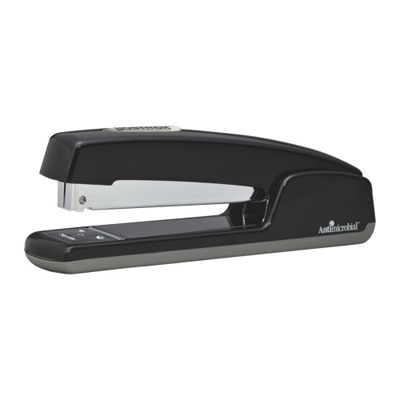 Your price for this item is $19.99
-
 Your price for this item is $57.99
-
 Your price for this item is $6.99
-
 Your price for this item is $69.99
-
 Your price for this item is $29.99
Discover more categories related to Accounting Supplies


Top Collections:
Pokemon Centers, Best Black Friday Deals This Year, Best Black Friday Deals On Electronics, Kindle Devices, Best Budget Office Chairs, Best Black Friday Deals On Apple Products, Best Cameras for Sports Photography, Pokémon 30th Celebration Cards, Dyson Airwrap, Canon G7X Cameras
Some products may be subject to Environmental Handling Fees
(EHF) depending on your province.
Learn more about EHFs.