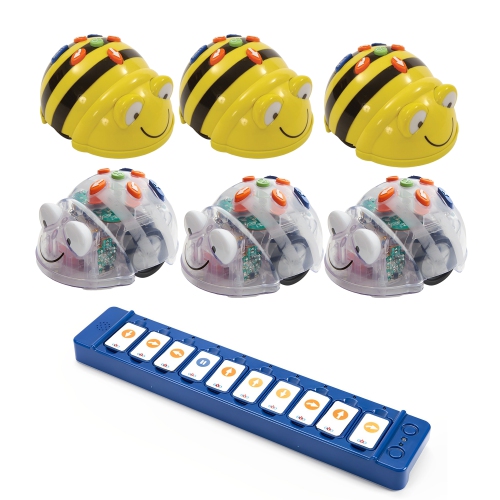
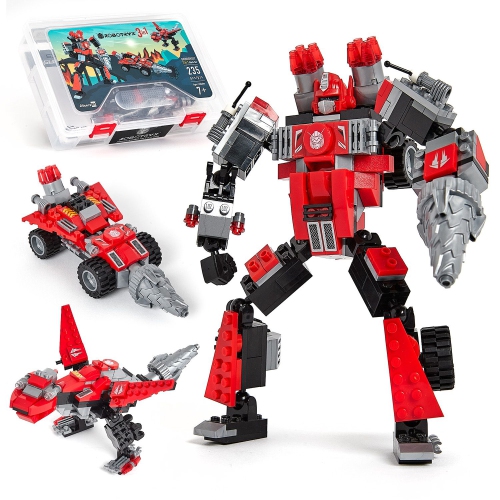
Coding Toys And Learning Kits For Young Students
Coding Toys and Learning Kits for Young Students offer engaging ways to introduce key STEM concepts through hands-on play and interactive learning. These educational tools are designed to spark curiosity and support foundational skills in coding, problem-solving, and logical thinking. With a wide variety of options available, finding the right resources to inspire creativity and foster a love for technology has never been easier. Explore Coding Toys and Learning Kits for Young Students to help young learners build confidence and have fun while developing important skills for the future.
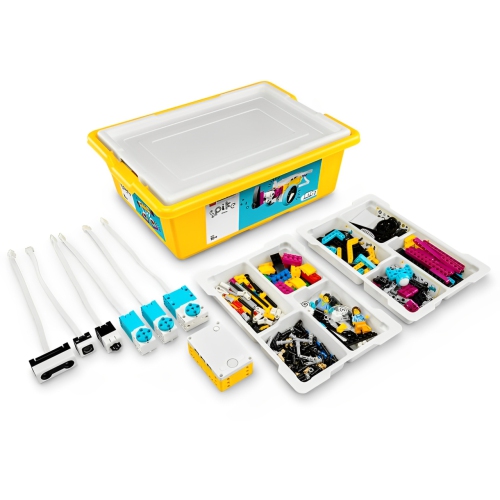
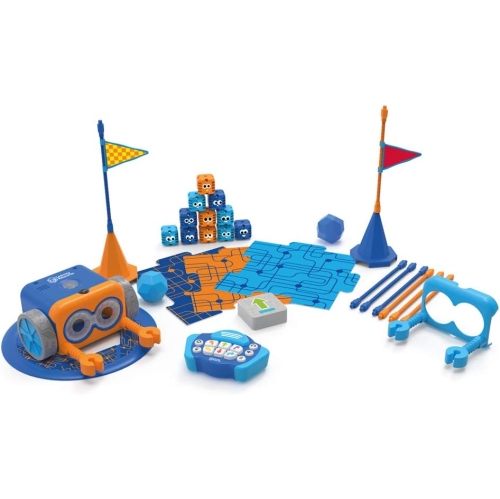
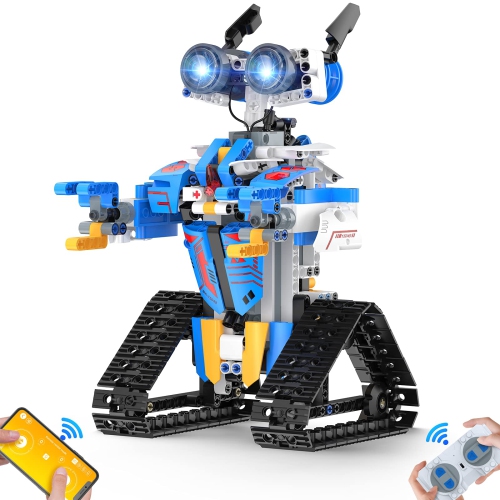
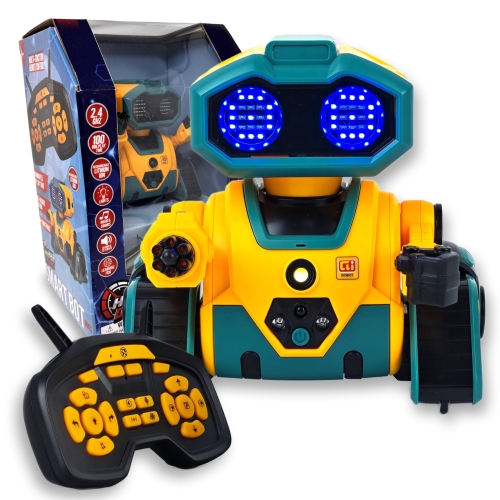

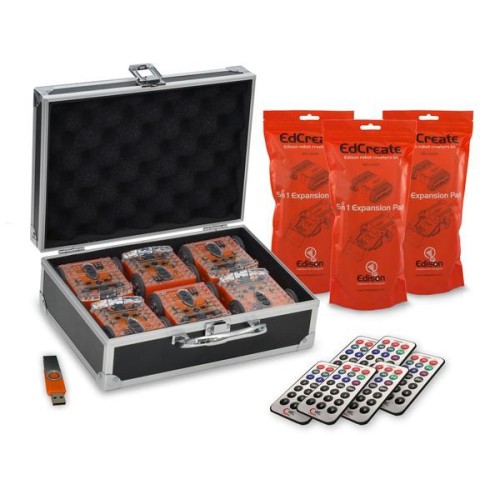
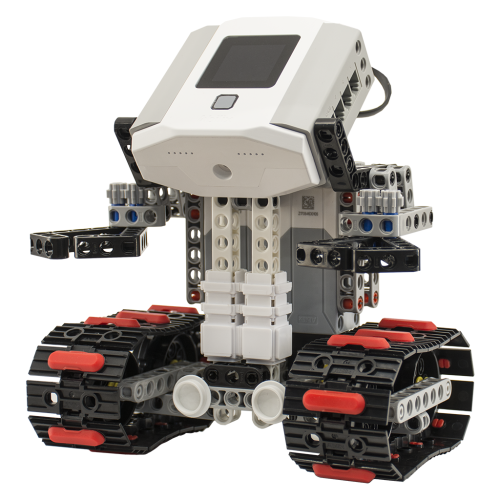
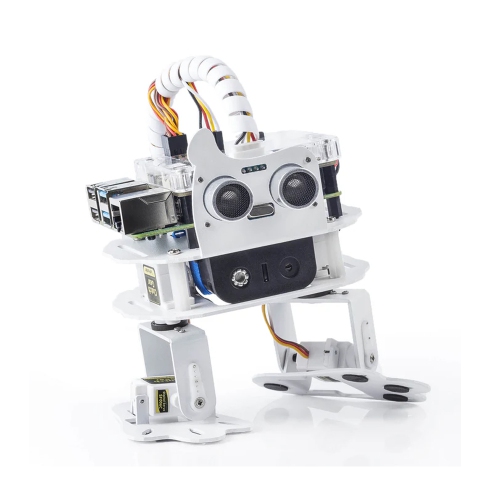
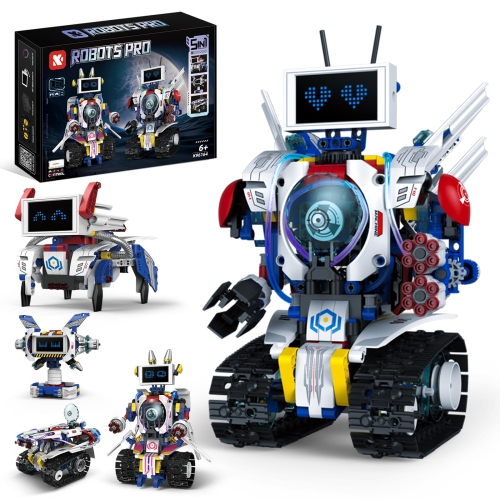
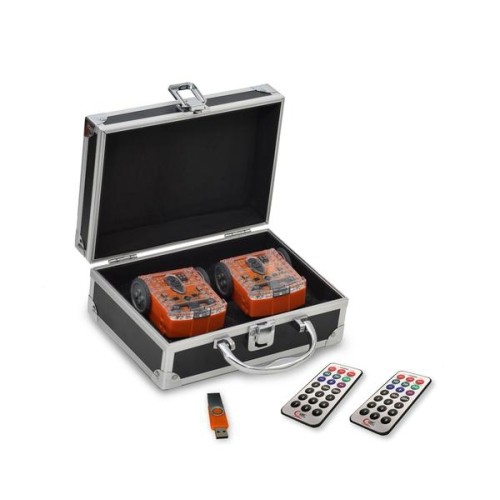
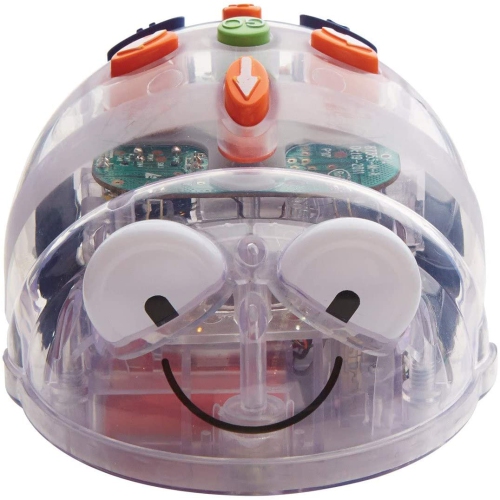
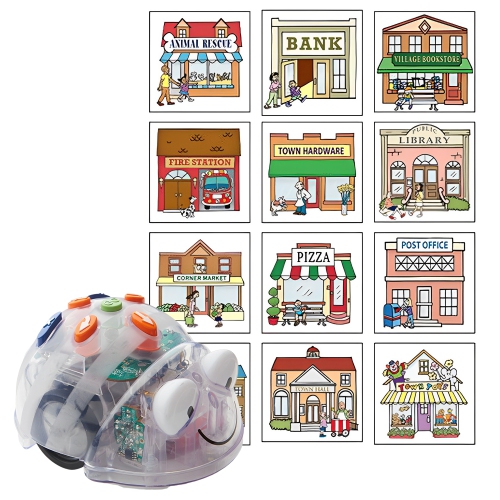
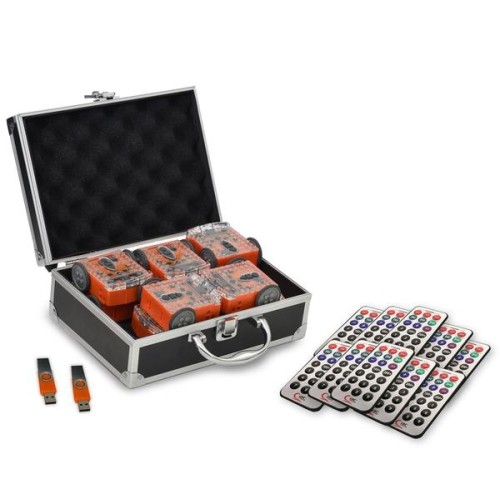
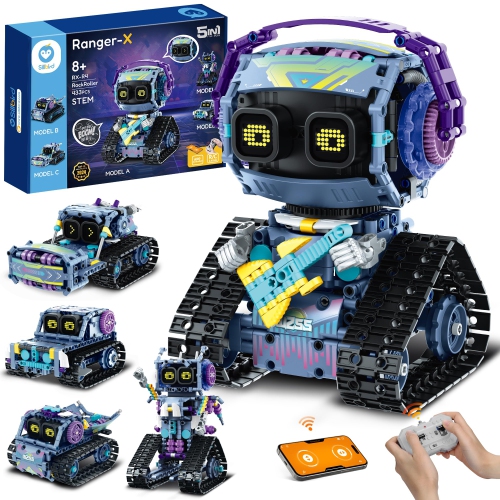
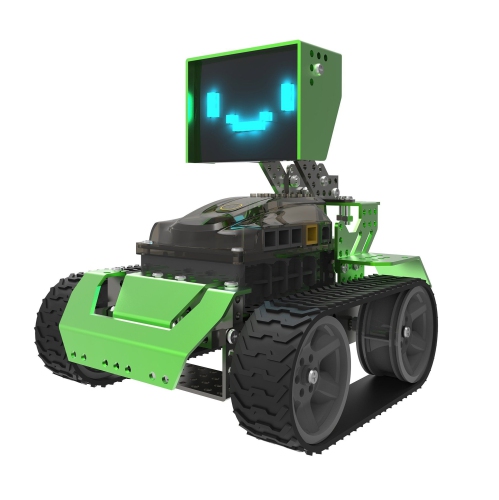
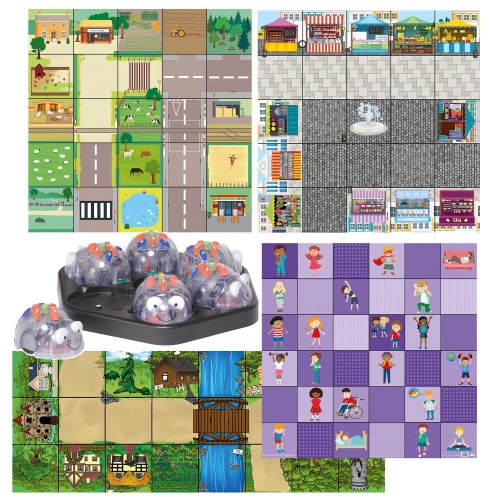
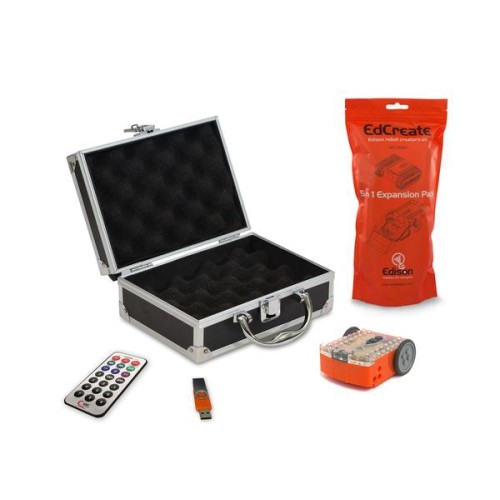
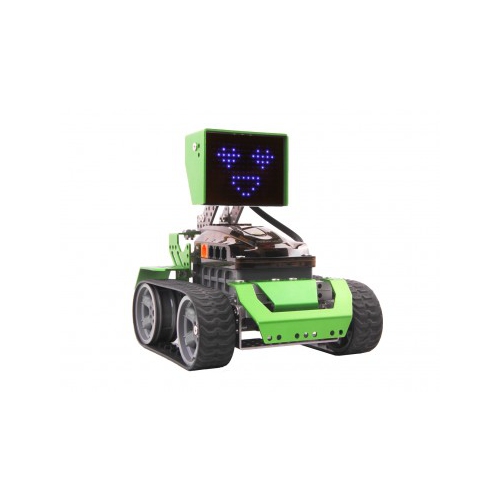
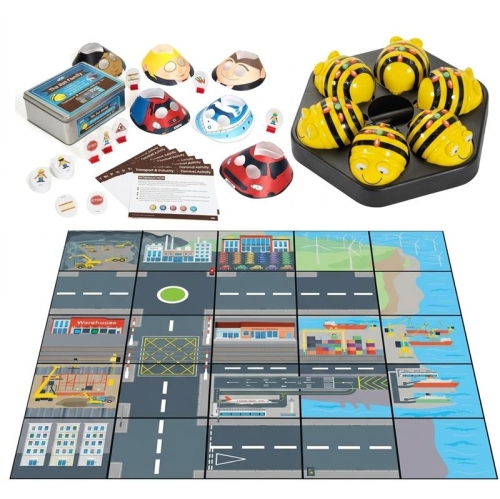
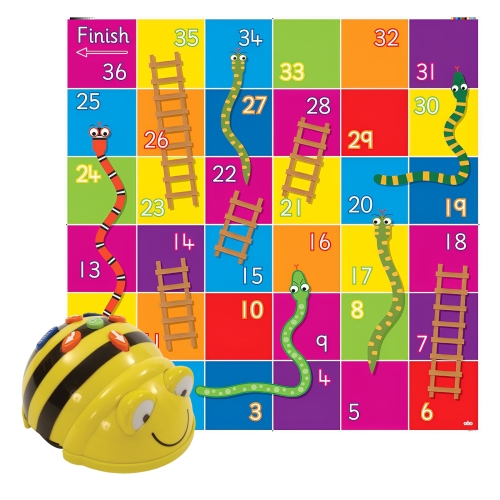
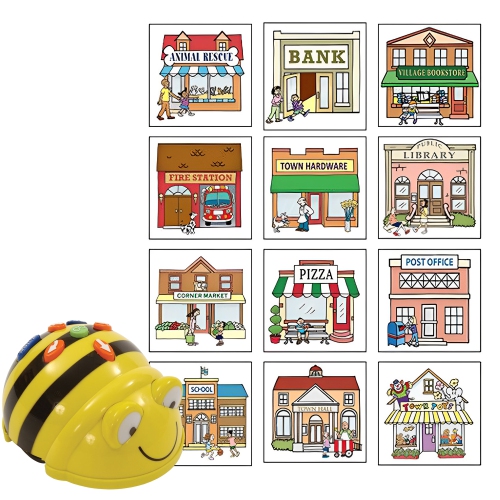

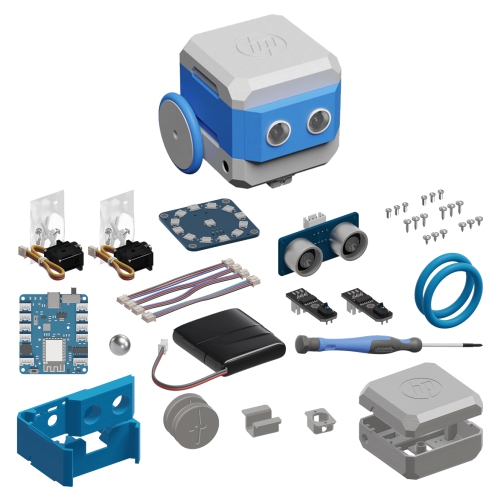
Hands-on projects turn coding concepts into creative discoveries
When choosing coding toys and learning kits, it’s important to consider the child’s age, interests, and skill level. Many kits are tailored for beginners, with colour-coded pieces and intuitive instructions that guide users through the basics of sequencing, loops, and conditional logic. For more advanced students, there are options that introduce real-world programming languages, robotics, or even mobile development equipment for students who are curious about creating their own apps. The tactile nature of these products—snapping together components, dragging code blocks on a tablet, or watching a robot respond to commands—helps bridge the gap between abstract concepts and concrete understanding. Parents often remark on the pride their children feel when a project comes to life, whether it’s a simple animation or a robot navigating a maze. For those looking to expand learning beyond the kit itself, there are resources like the Coding Robots for Elementary Students page, which offers more specialized options and inspiration for continued exploration.
As the weather warms and routines shift, coding toys and learning kits offer a productive way to balance screen time with hands-on play. They’re portable enough for road trips, quiet afternoons indoors, or creative sessions at the kitchen table. These kits are not only about learning to code—they foster perseverance, logical thinking, and confidence in tackling new challenges. Whether you’re shopping for a budding engineer, a future game designer, or a curious explorer eager to understand how technology shapes the world, there’s a wide variety of kits to suit every interest and ability. With each project, young students gain skills that will serve them well in school and beyond, making these kits a thoughtful investment in their growth and imagination.
FAQ
What are coding toys and learning kits for young students?
Coding toys and learning kits are educational tools designed to introduce young students to the basics of programming, problem-solving, and computational thinking through interactive play and hands-on activities.
At what age can children start using coding toys and learning kits?
Many coding toys and learning kits are designed for children as young as 3 years old, with options available for various age groups to match different developmental stages and skill levels.
How do coding toys help develop STEM skills in children?
Coding toys encourage logical thinking, creativity, and perseverance by engaging children in activities that involve sequencing, pattern recognition, and troubleshooting—key components of STEM (Science, Technology, Engineering, and Math) education.
Do coding toys require a computer or tablet to use?
Some coding toys are screen-free and use physical pieces or cards to teach concepts, while others may require a computer or tablet for interactive lessons or app-based activities. Product descriptions typically specify any required devices.
Can coding kits be used in both home and classroom settings?
Yes, most coding kits are versatile enough for both home use and classroom environments. They often include lesson plans or activity guides that make them suitable for group learning as well as individual exploration.
Top selling and popular products
-
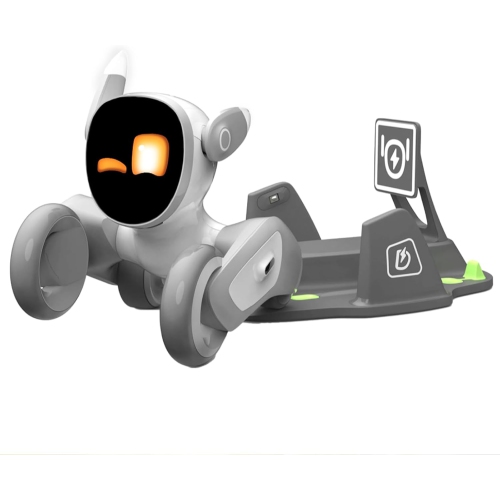 Your price for this item is $699.99
-
 Your price for this item is $199.99
-
 Your price for this item is $75.99
-
 Your price for this item is $39.99
-
 Your price for this item is $52.95
-
 Your price for this item is $39.99
-
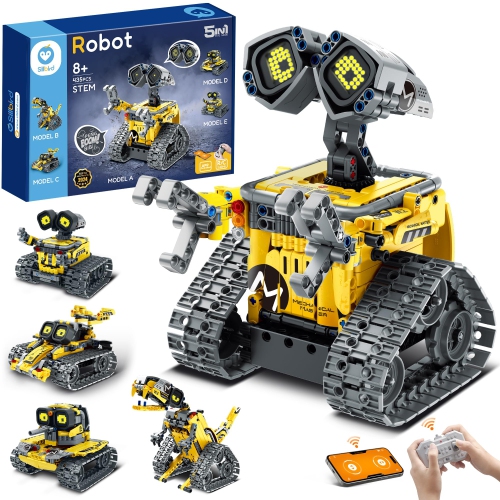 Your price for this item is $99.99
-
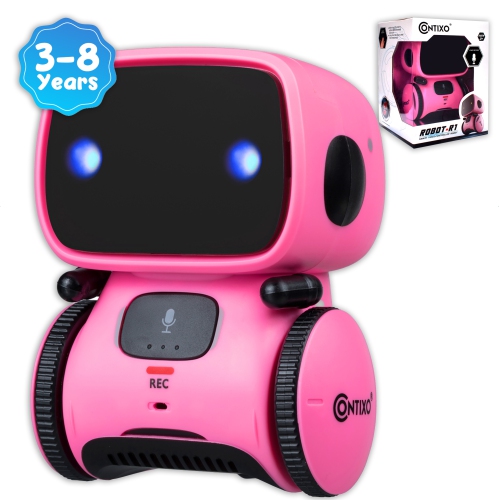 Your price for this item is $39.99