Coding Robot Toys
Get ready to ignite your child's imagination with our incredible selection of coding robot toys. These cutting-edge playmates are designed to introduce young minds to the exciting world of programming in a fun and interactive way. Whether your little one is a beginner or already has some coding experience, our range of robot toys offers something for everyone. From programmable robots that can be controlled through a smartphone app to those that can follow commands using colorful coding blocks, these toys will not only entertain but also educate your child, fostering critical thinking skills and creativity.
Sort













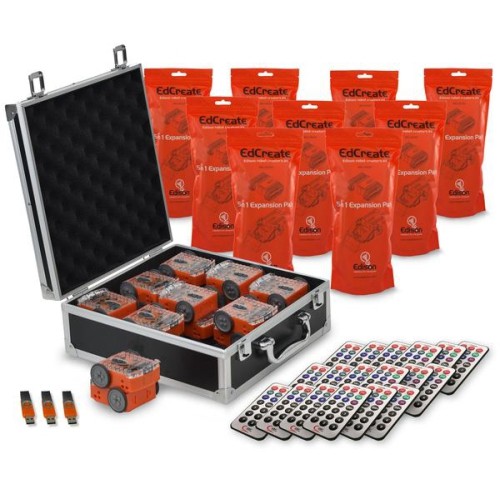

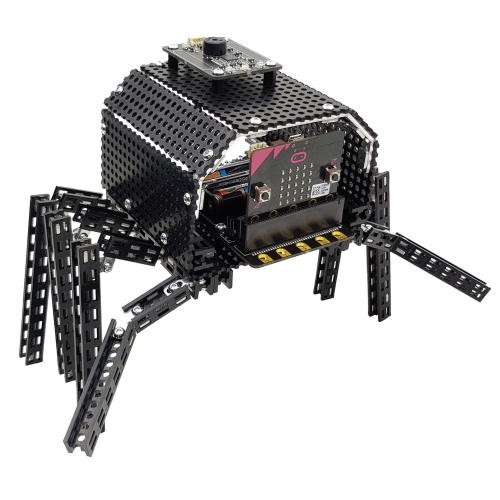
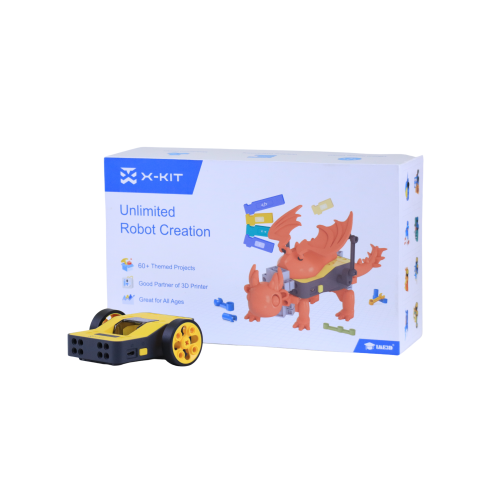
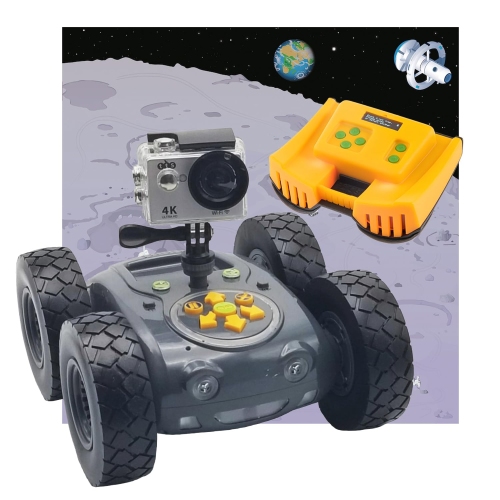















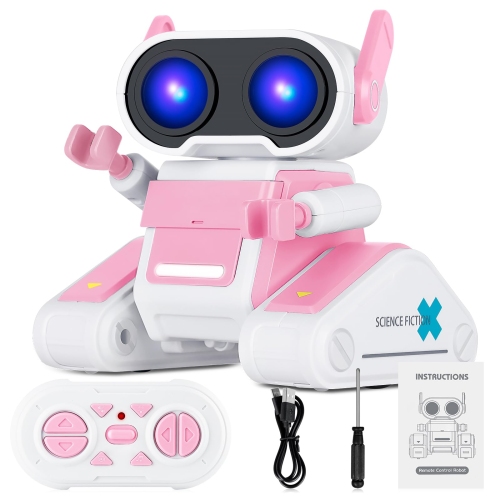
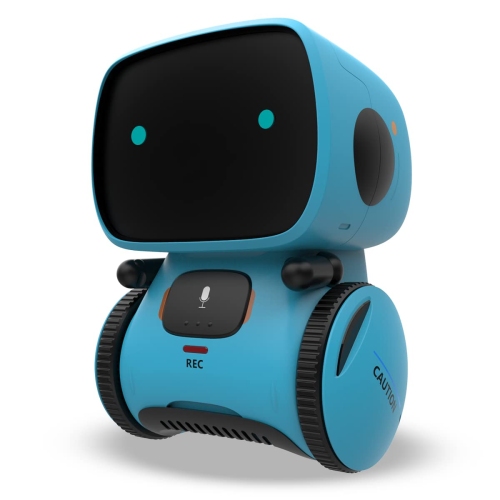
How simple commands set robots in motion
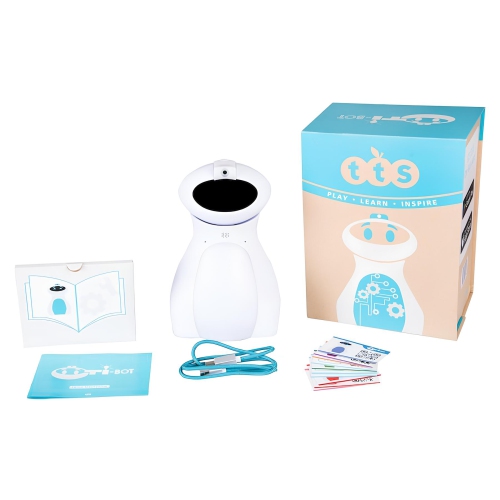
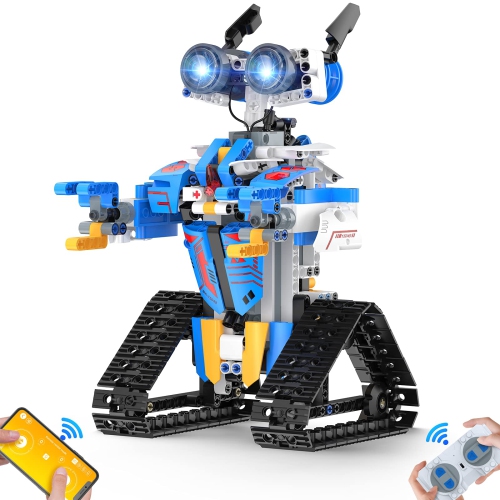
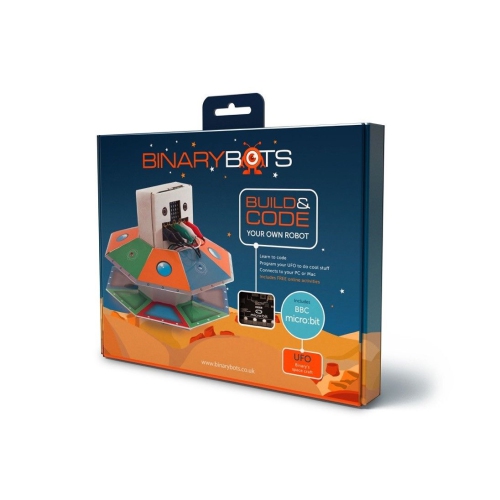
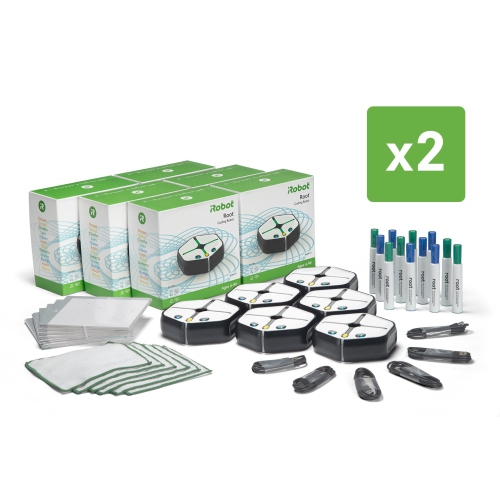
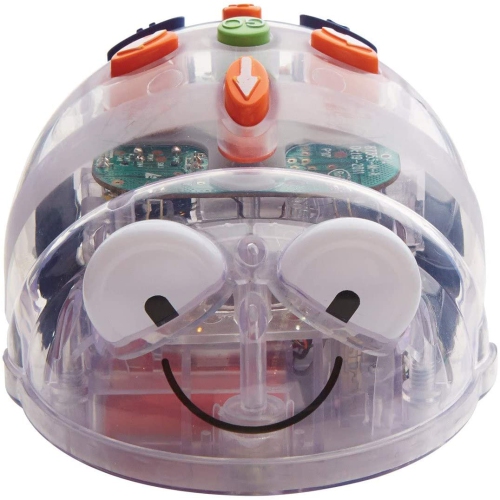
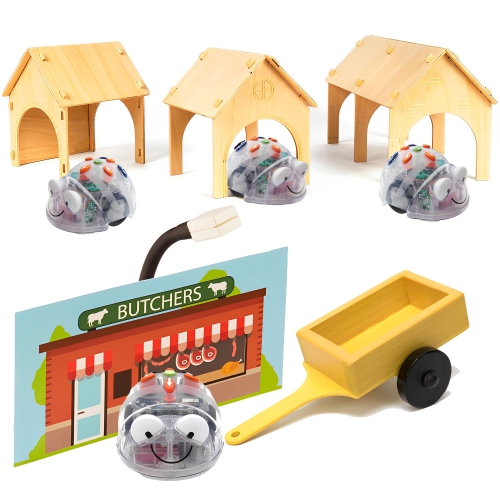
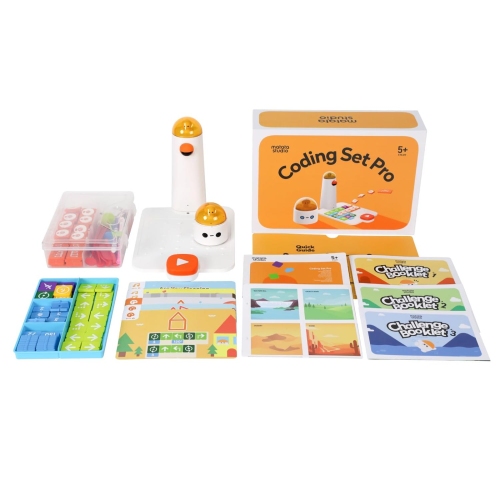
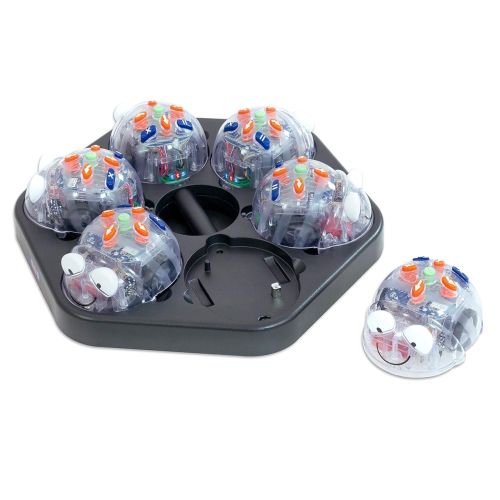
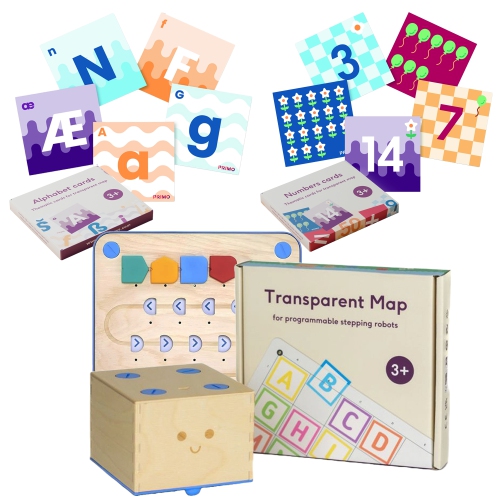
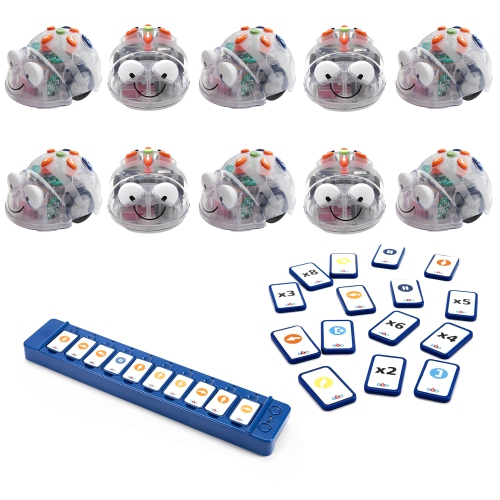
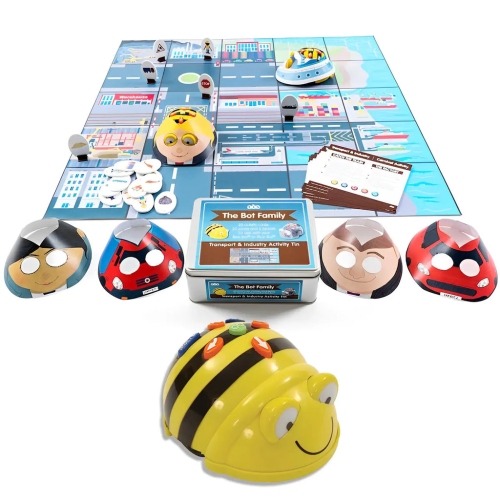
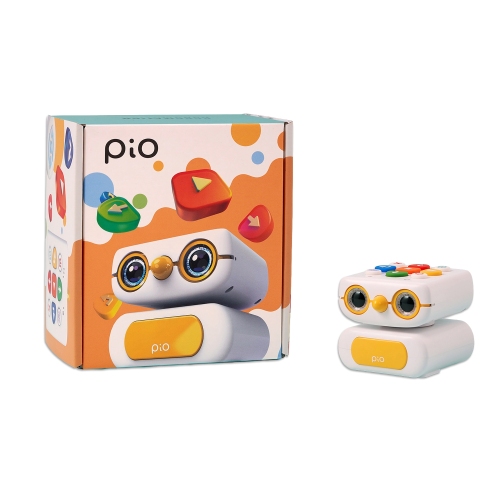
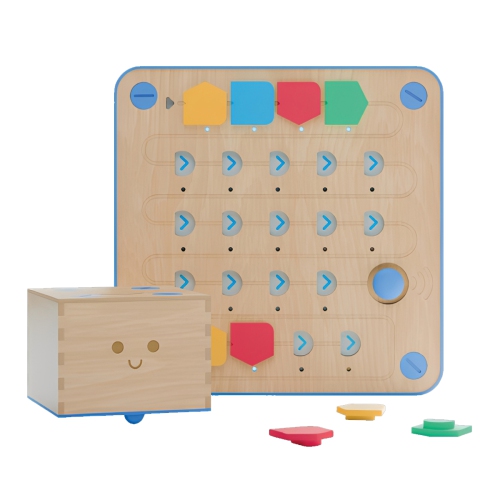
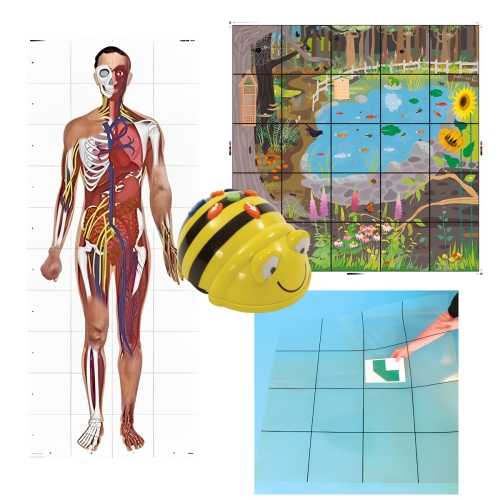
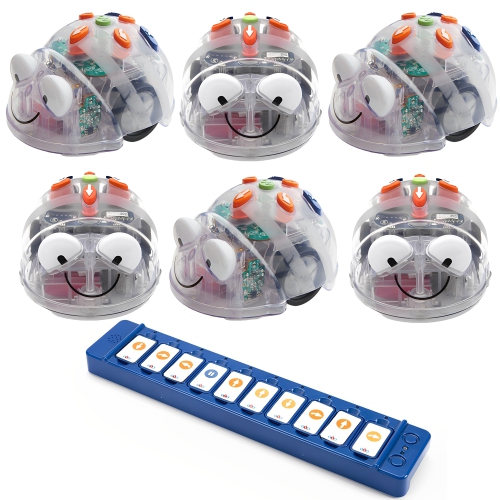
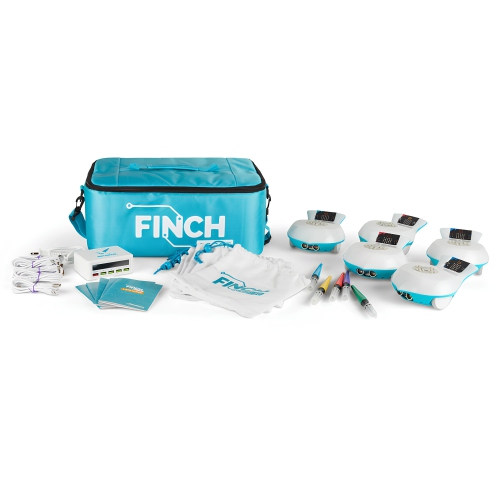
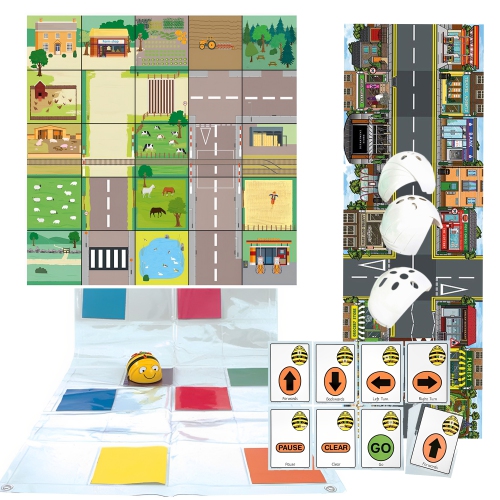
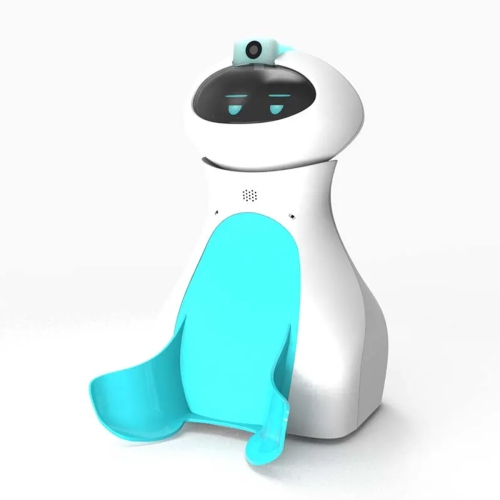
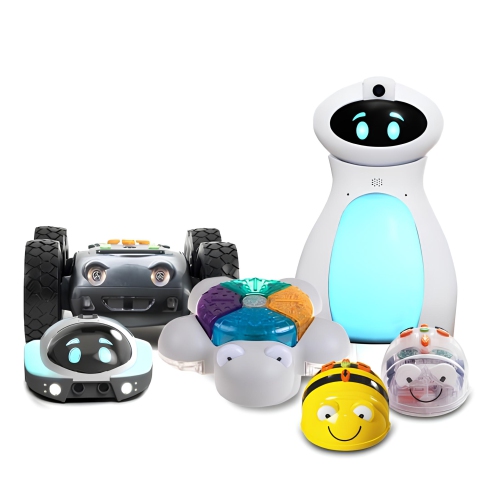
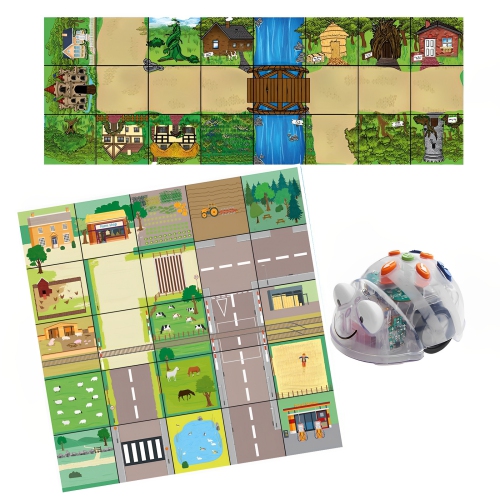
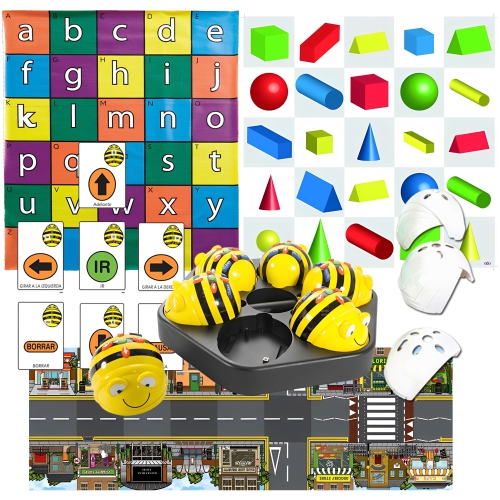
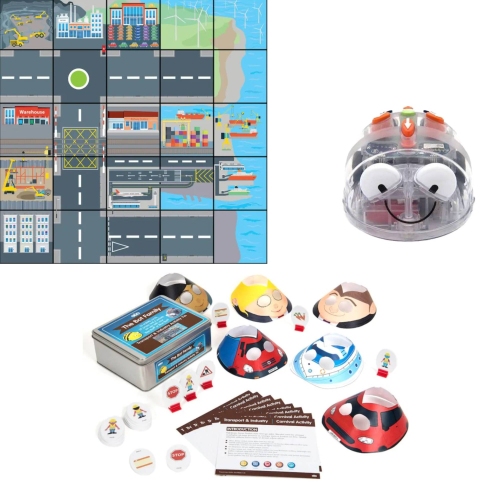
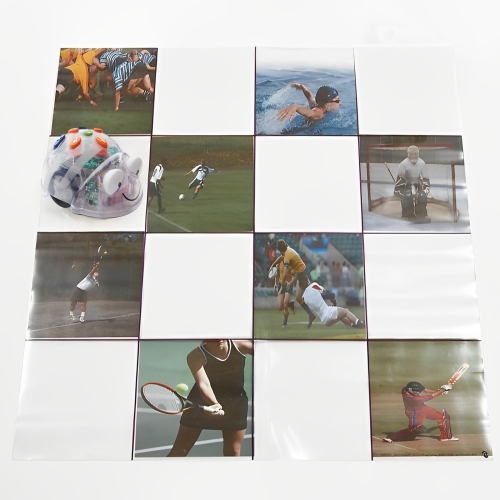
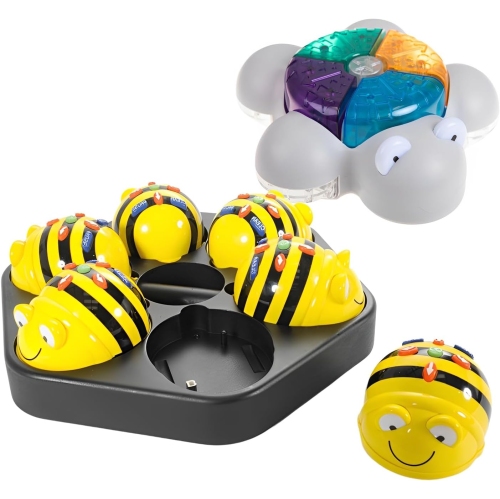
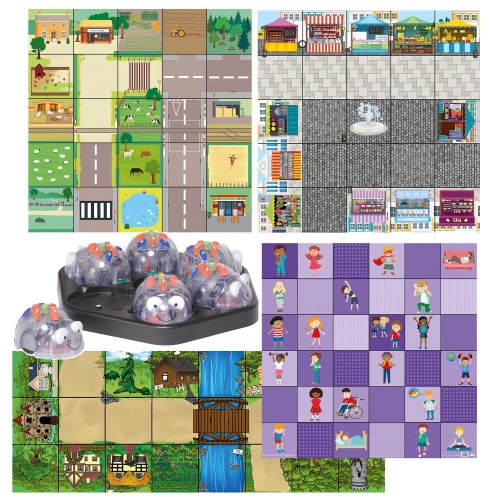
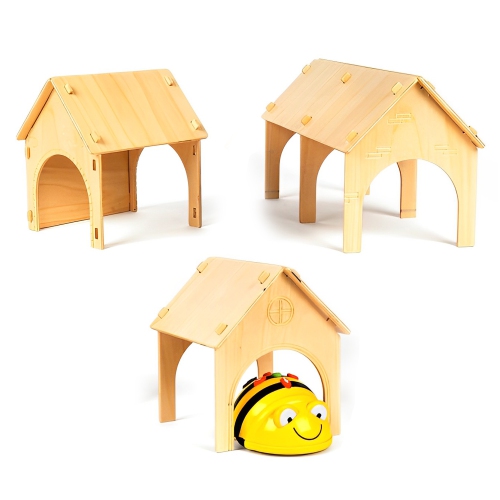
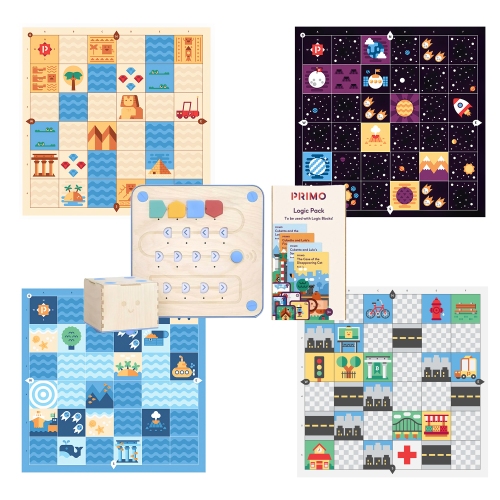
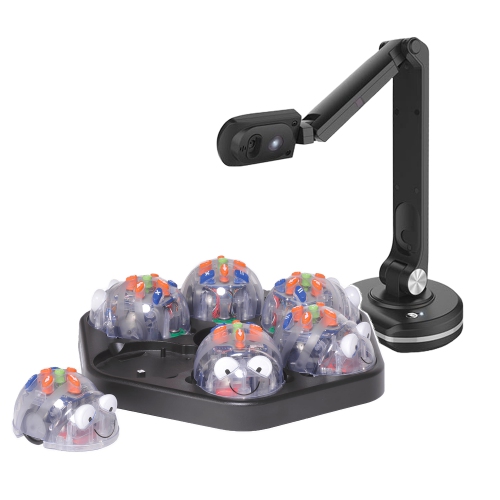
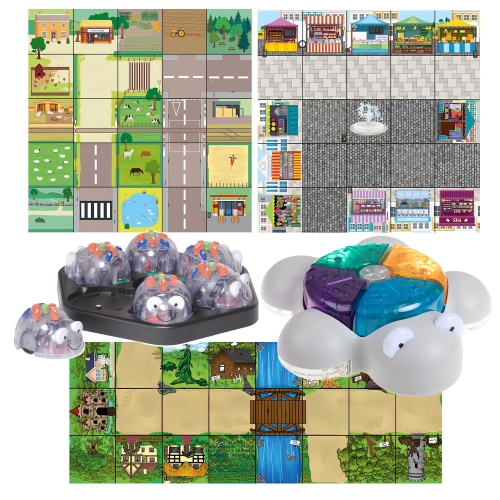
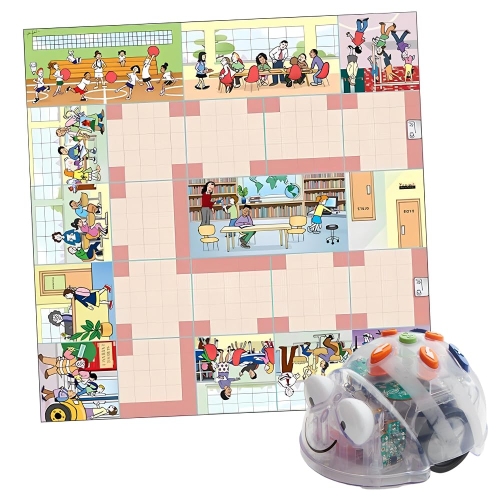
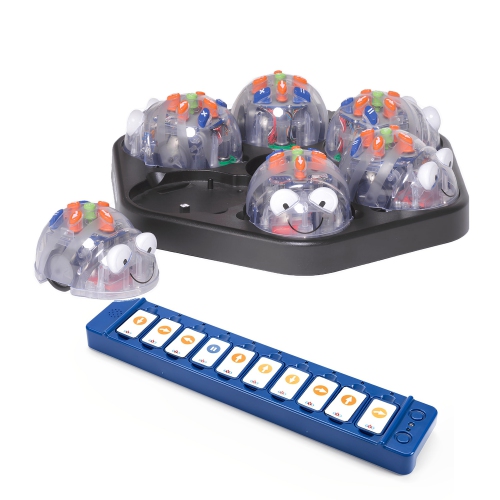
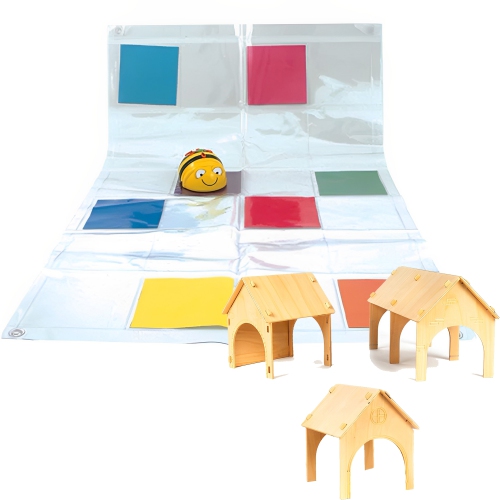
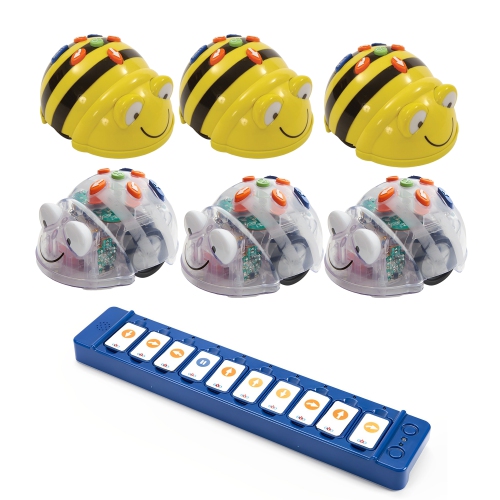
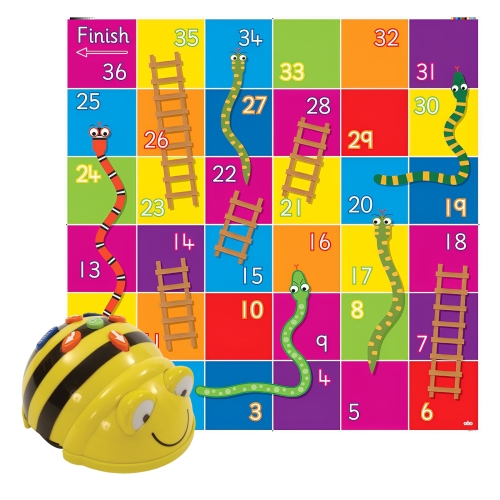
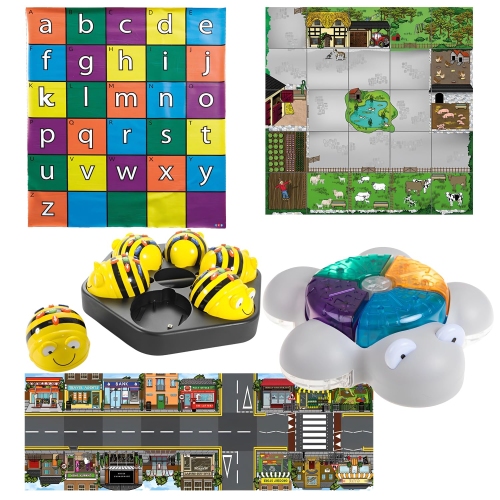
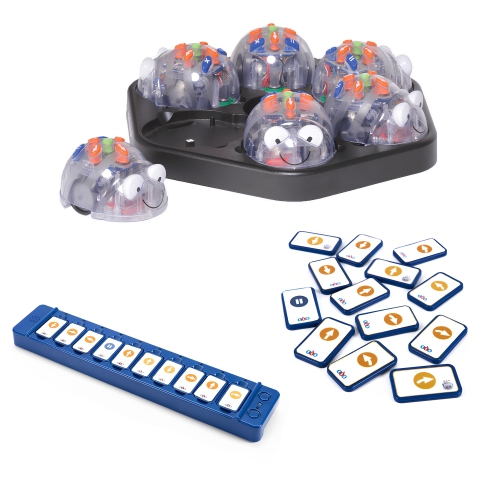
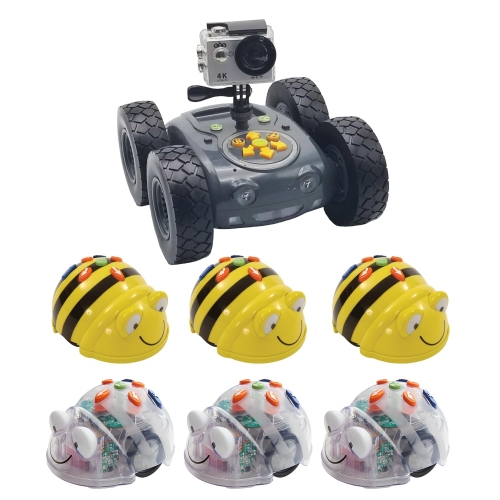
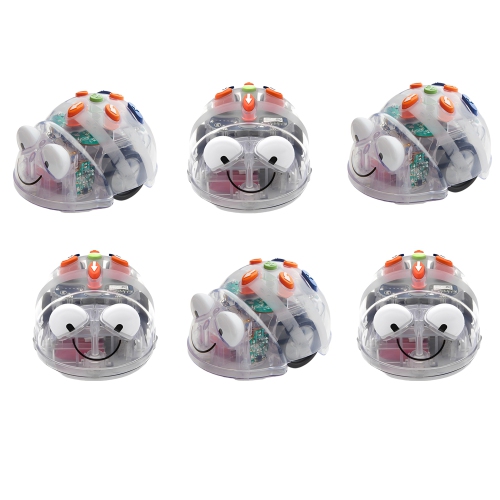
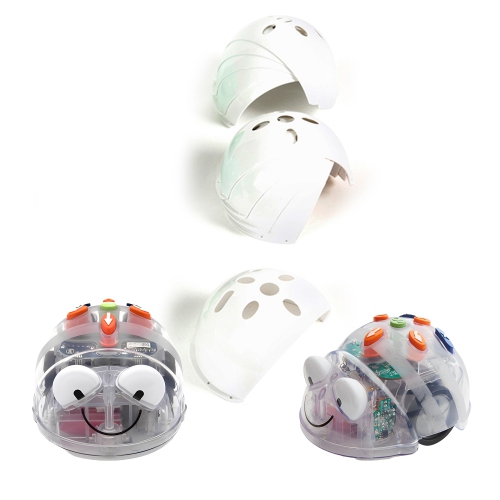
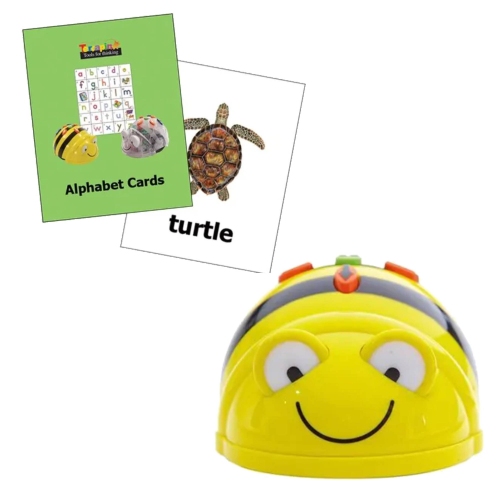
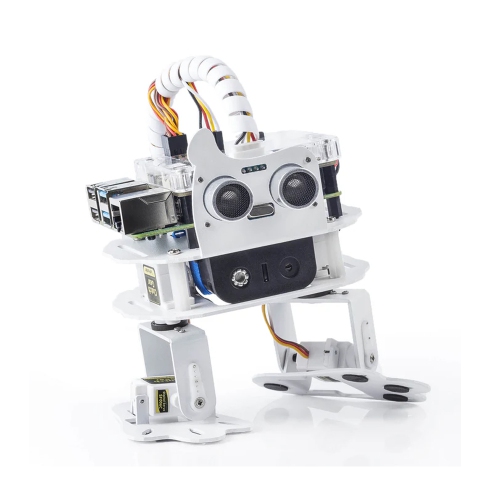
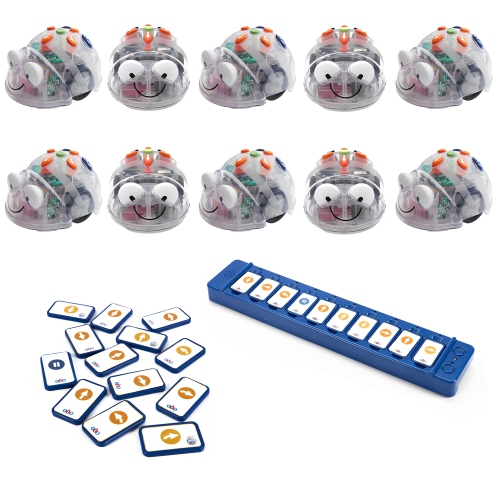
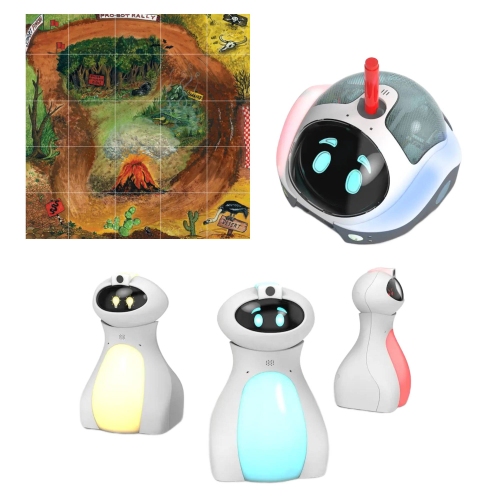
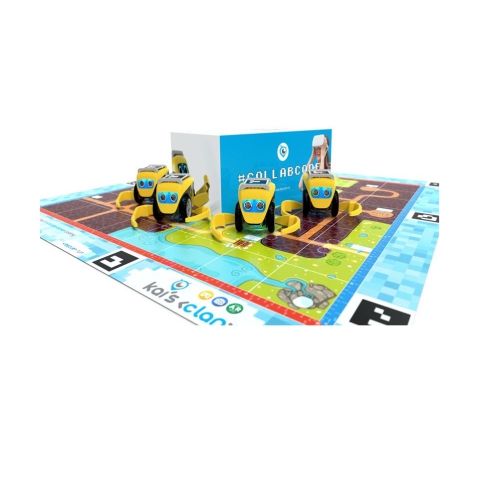
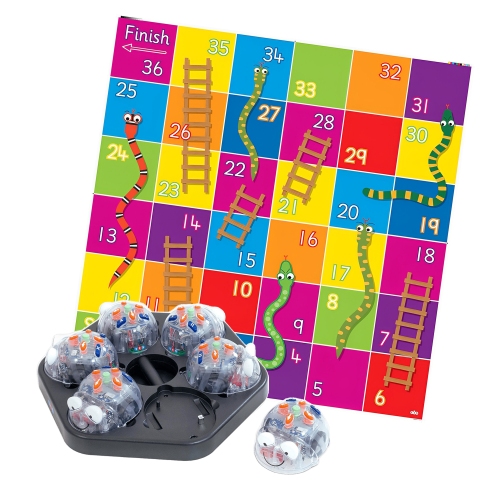
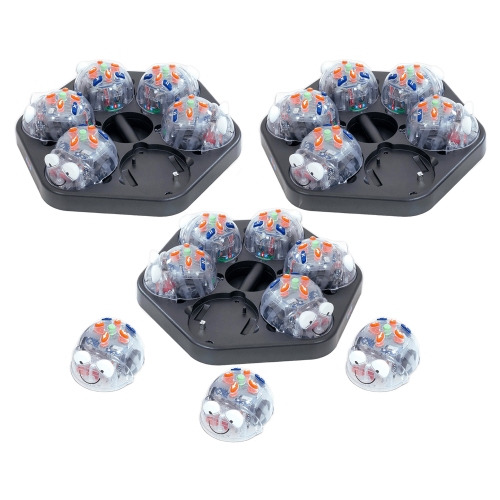
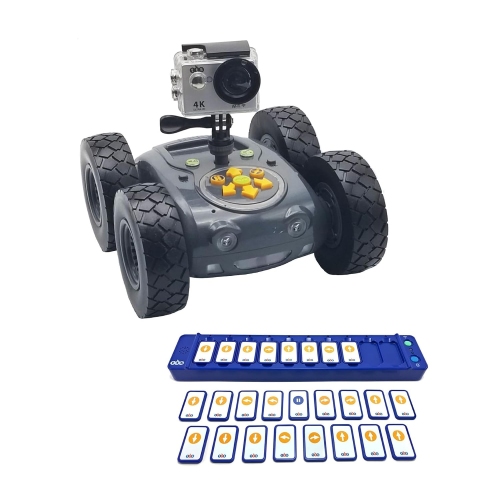
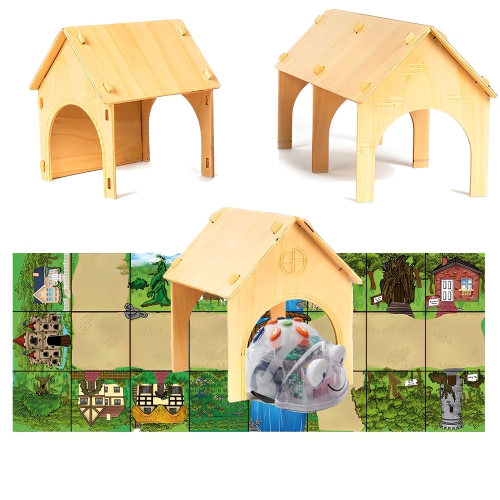
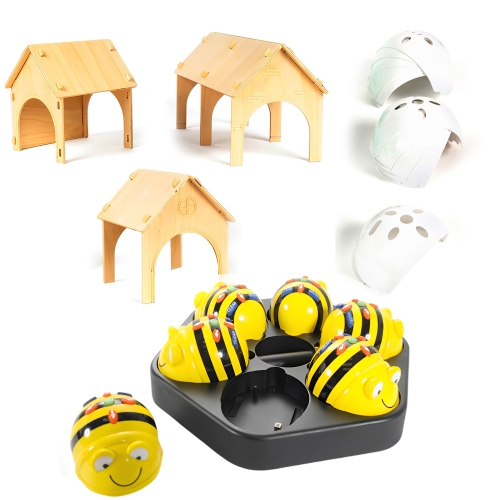
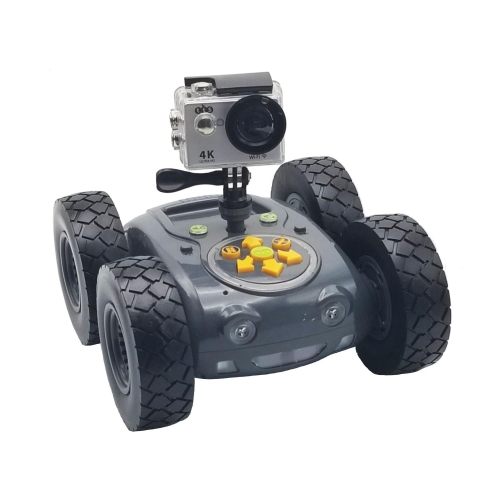
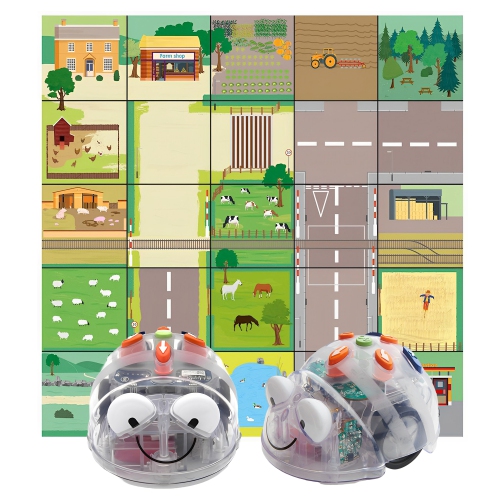
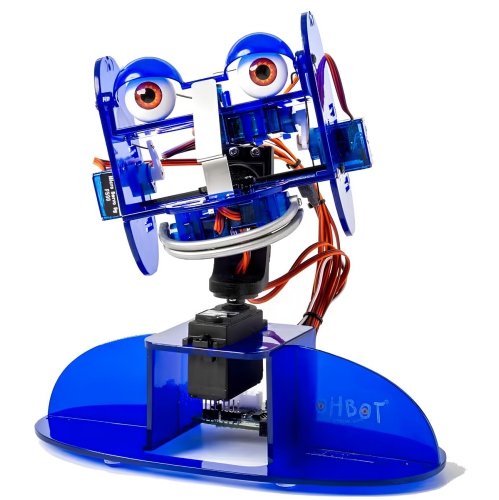
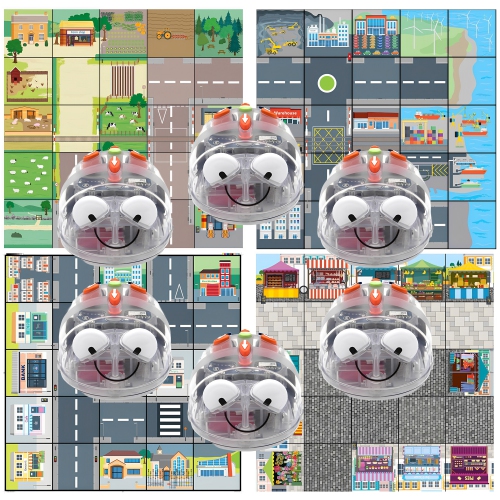
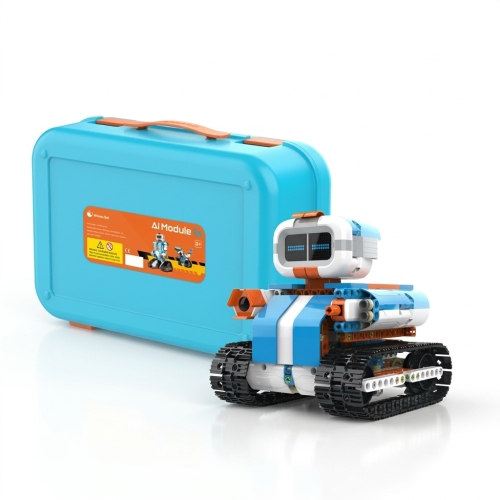
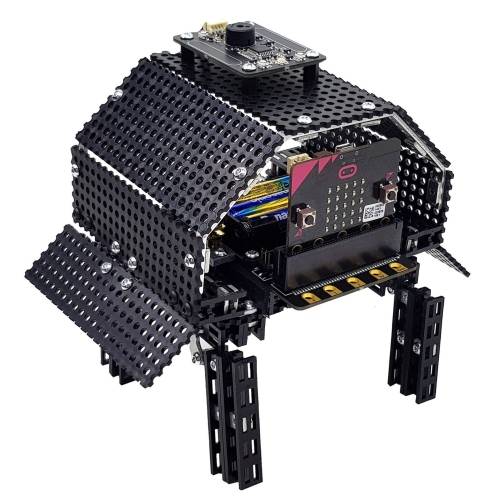
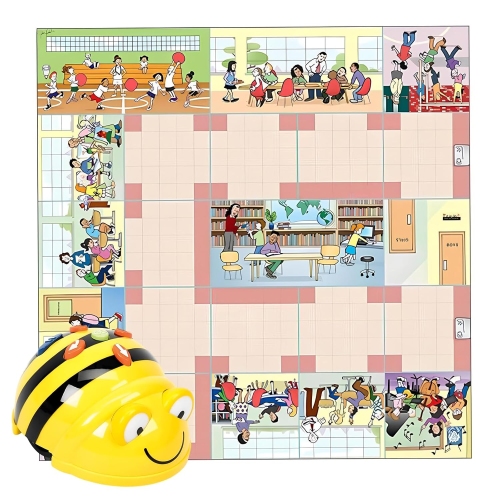
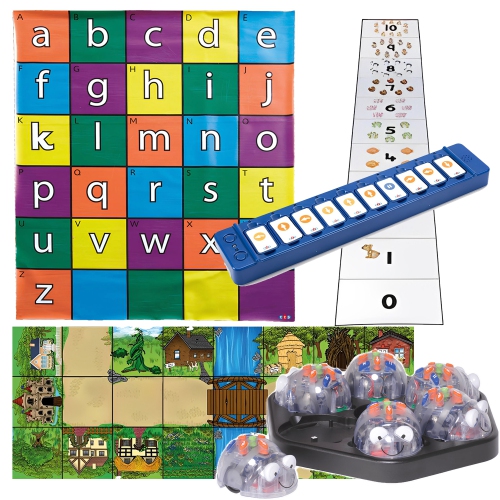
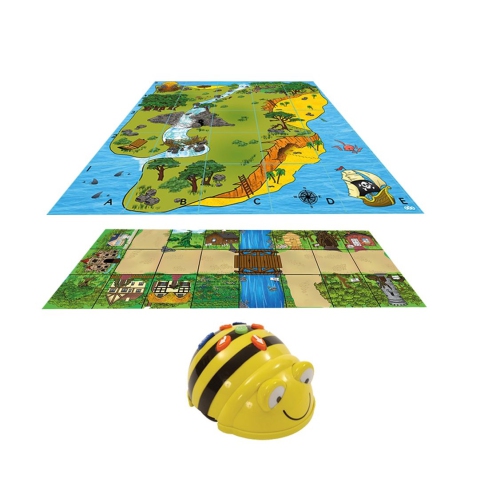
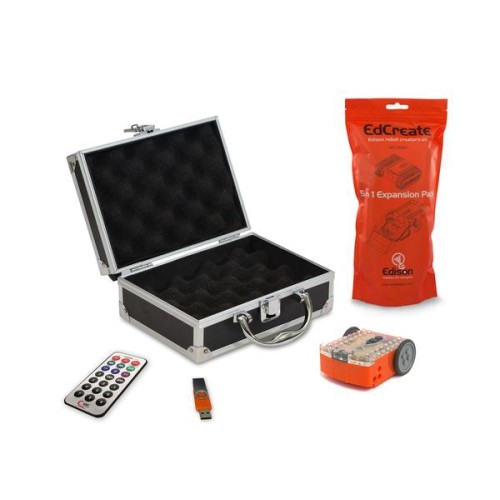
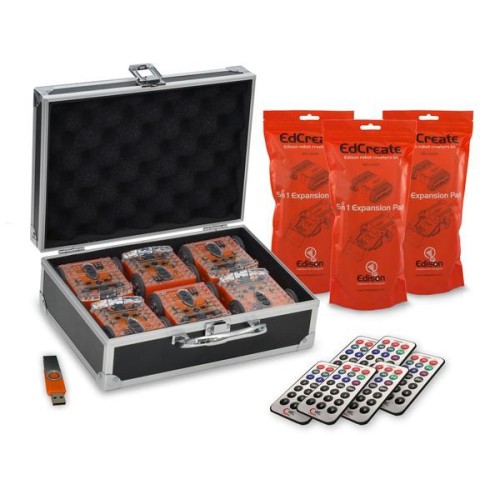
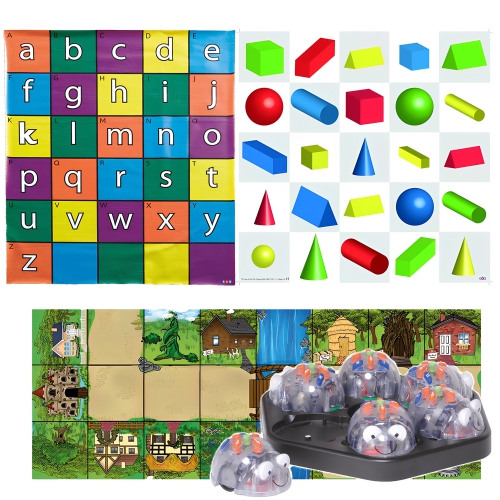
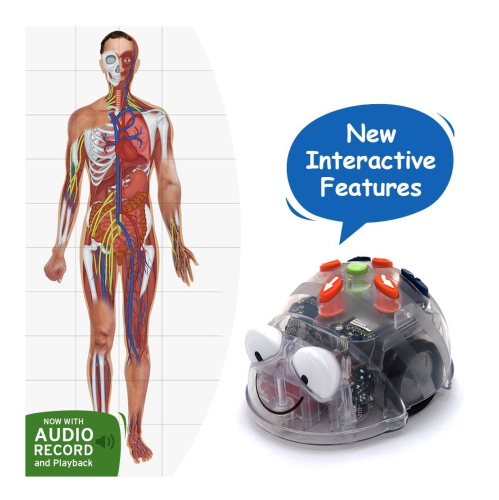
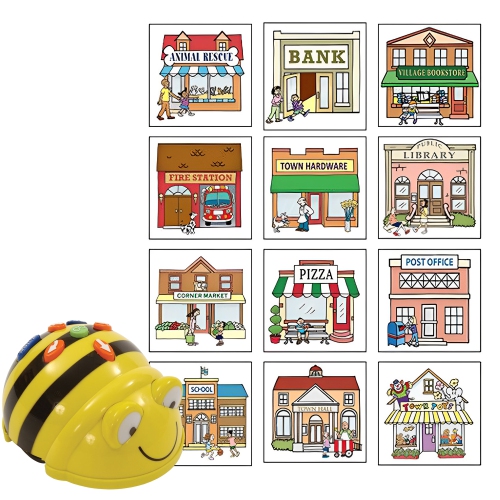
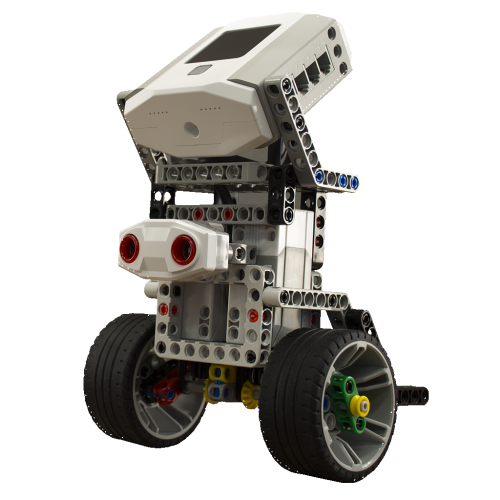
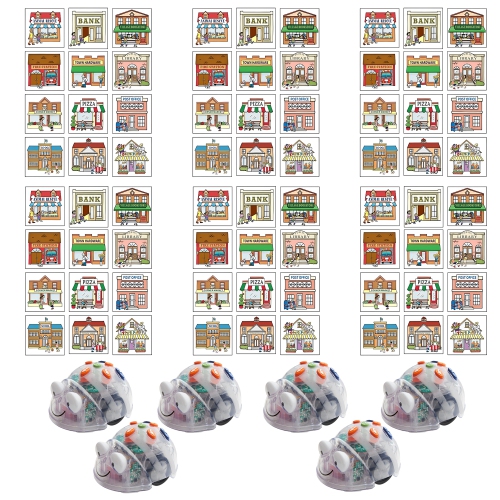
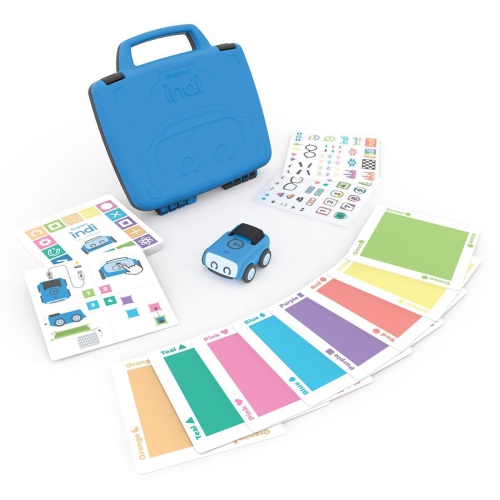
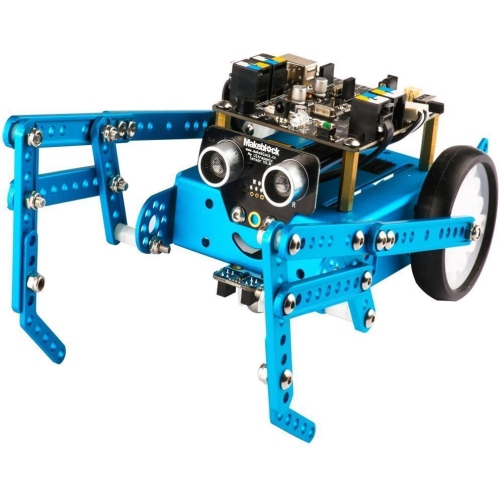
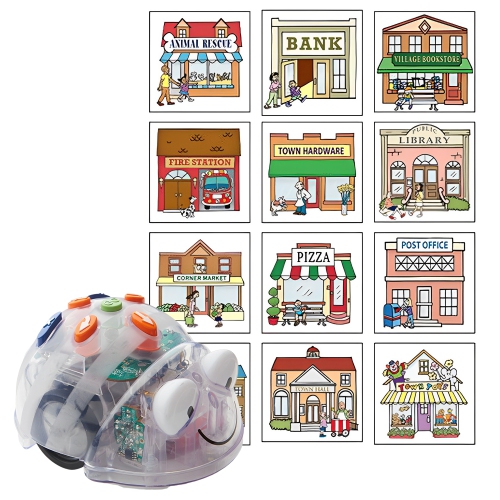
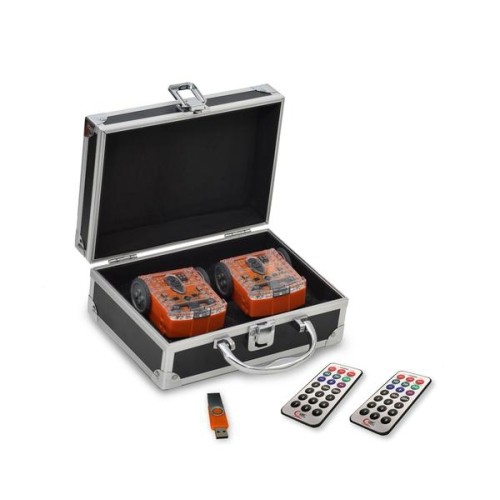
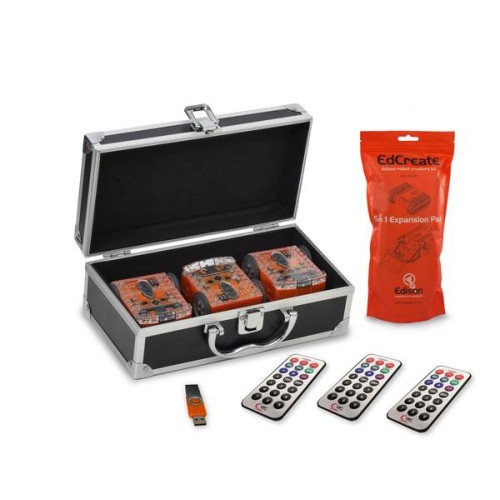
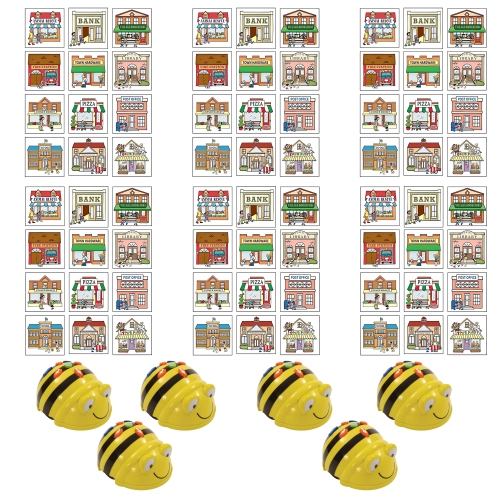
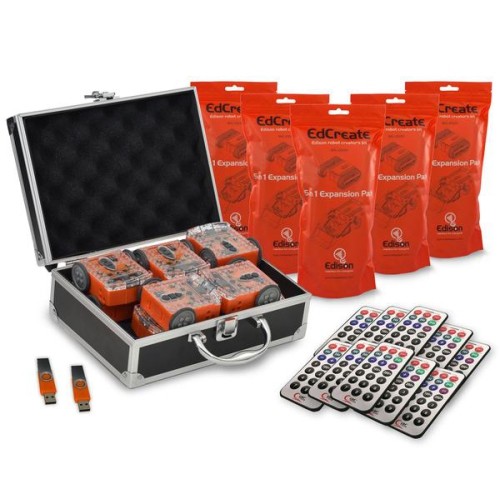
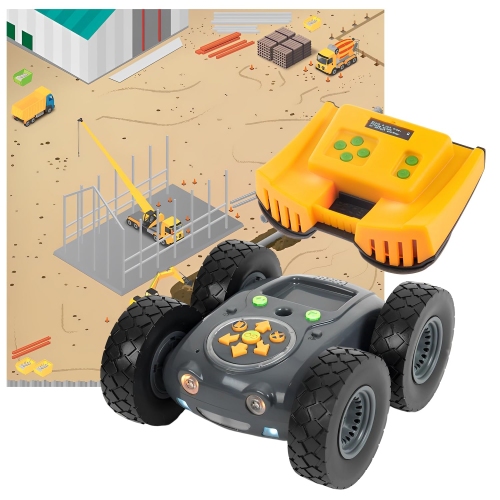
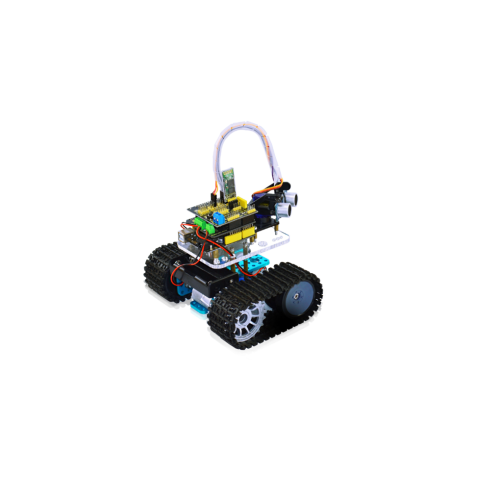
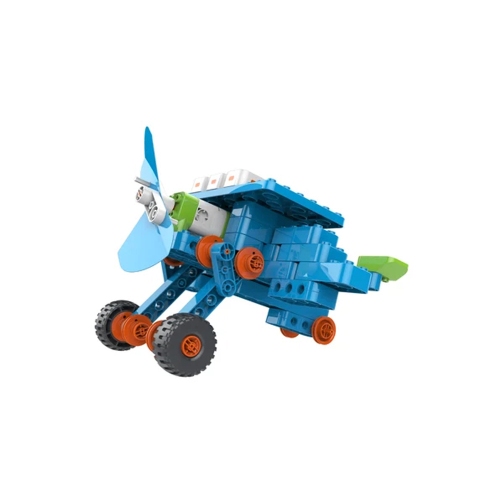
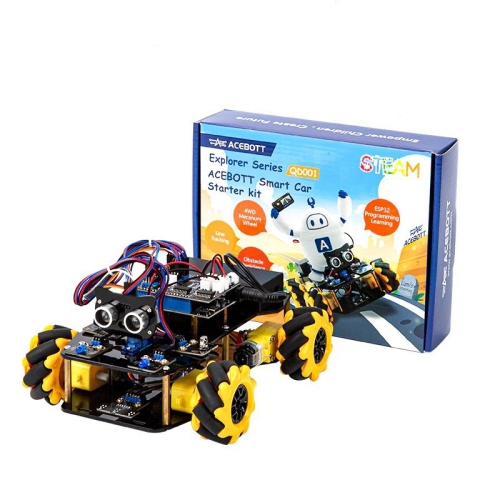
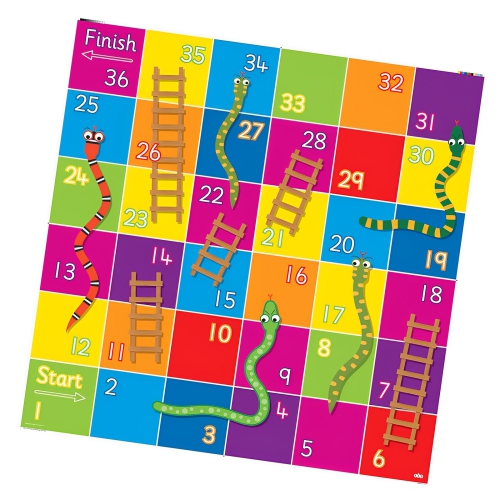
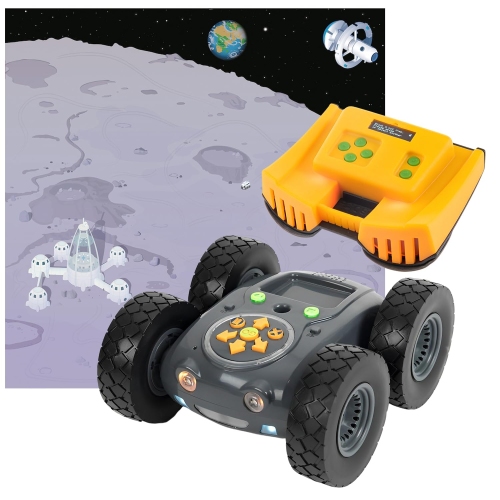
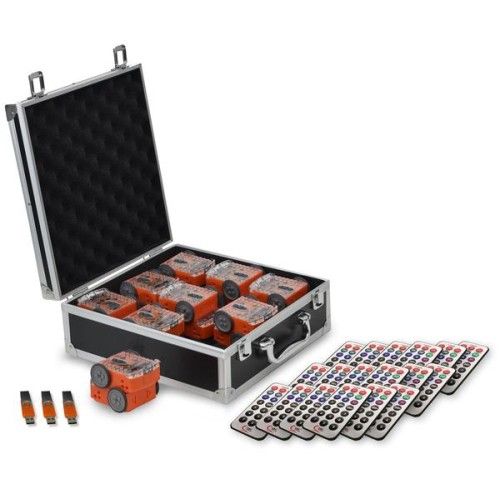
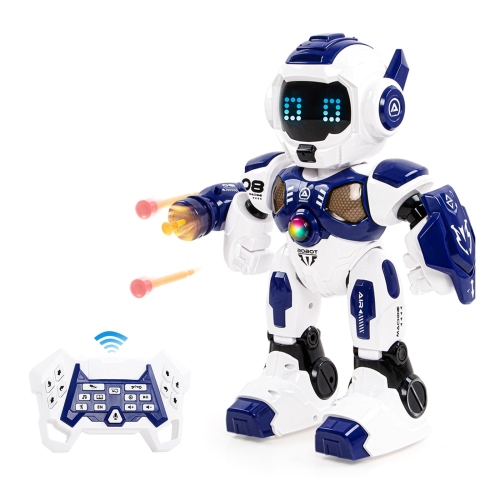
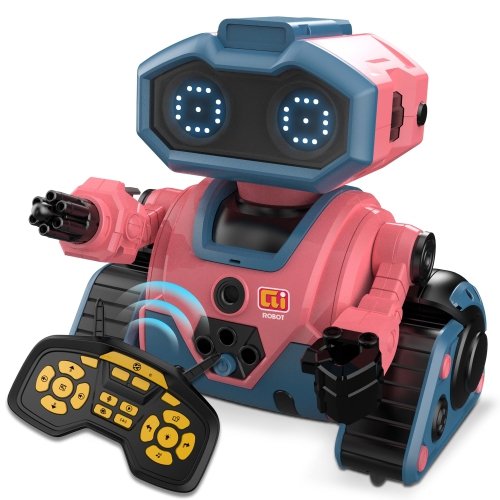
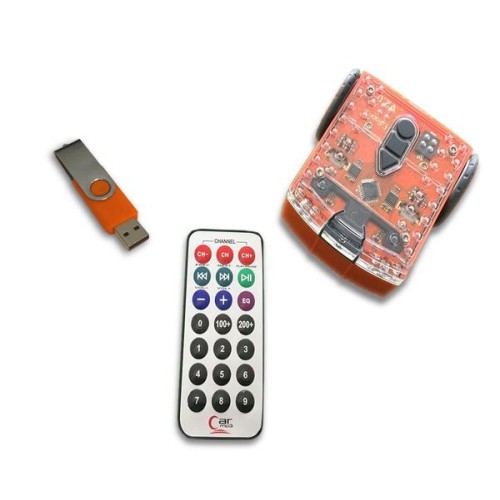
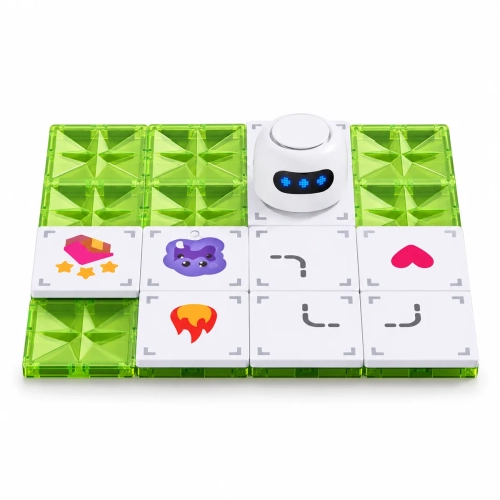
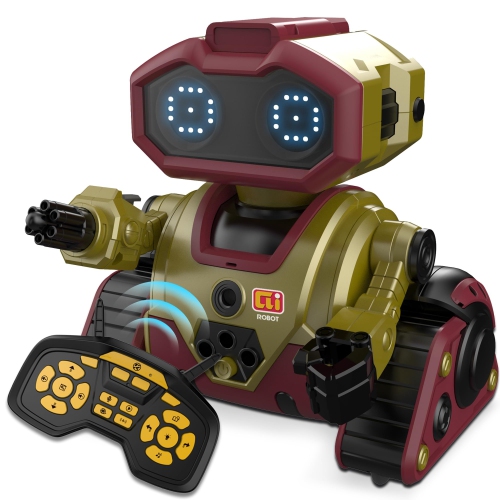
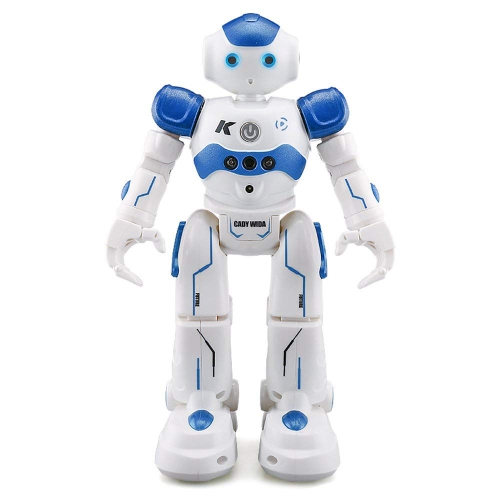
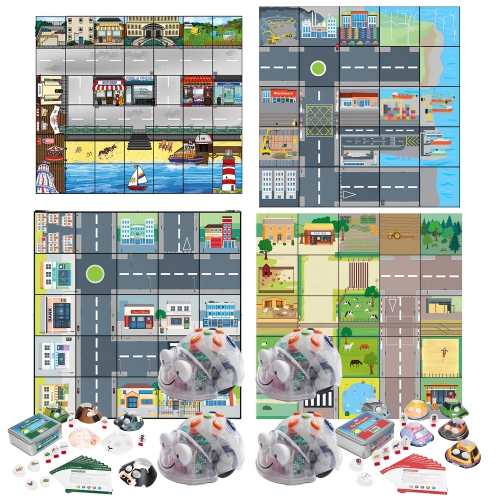
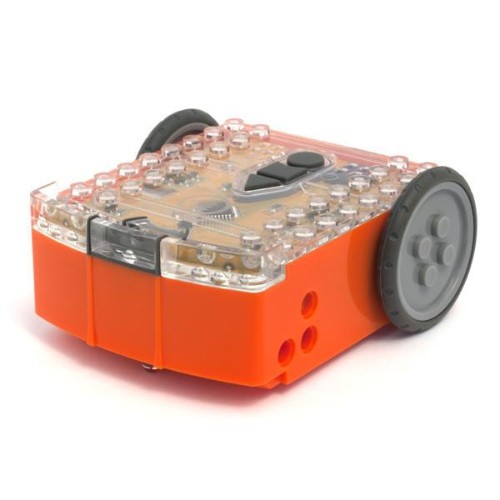
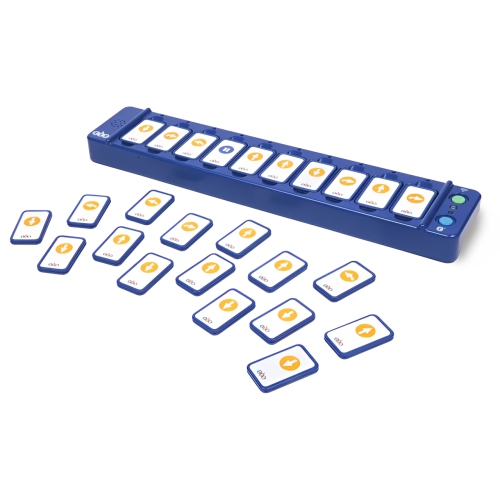
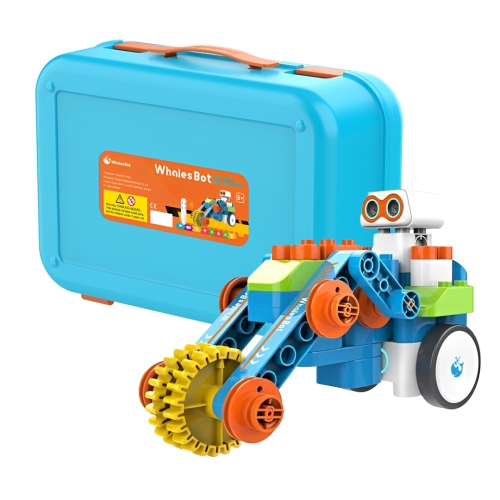
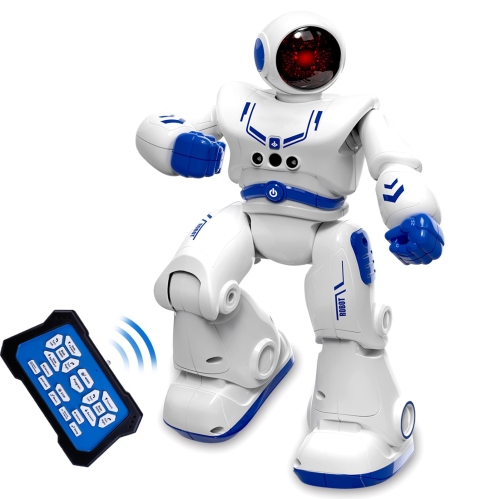
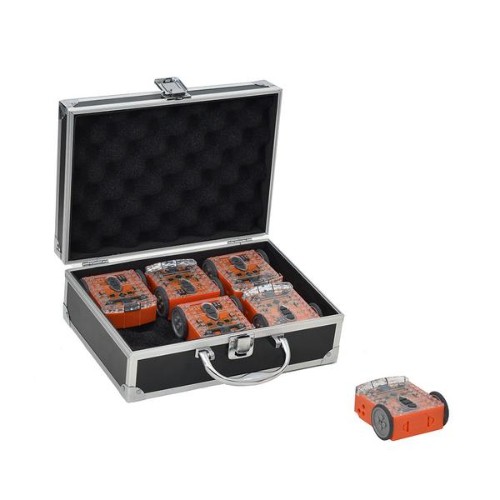
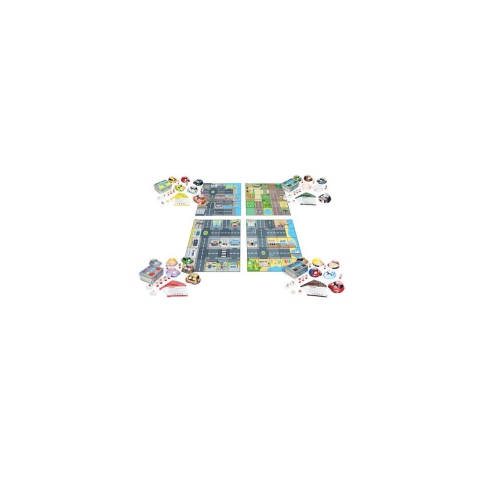
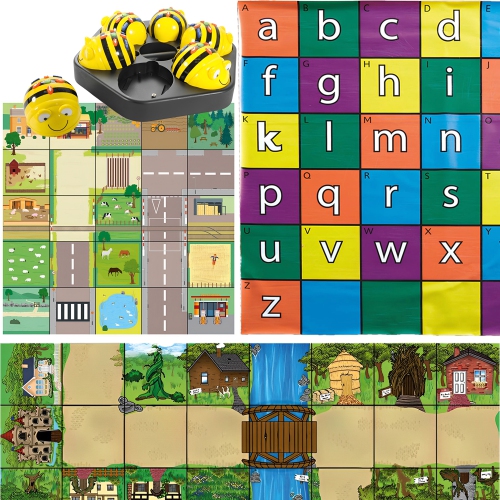
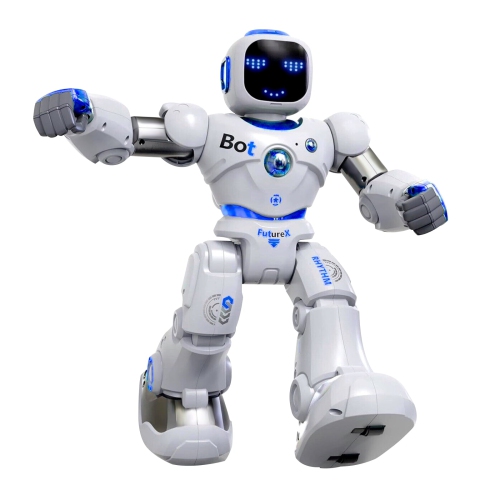
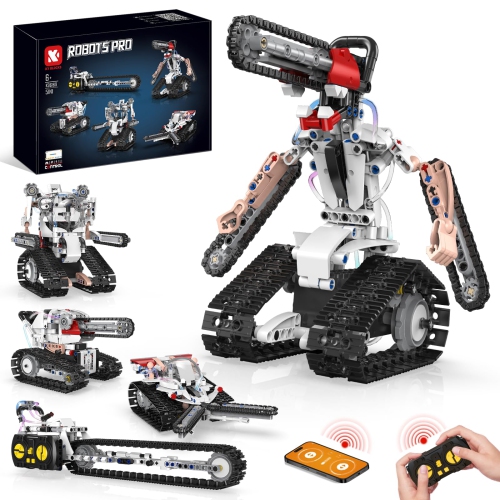
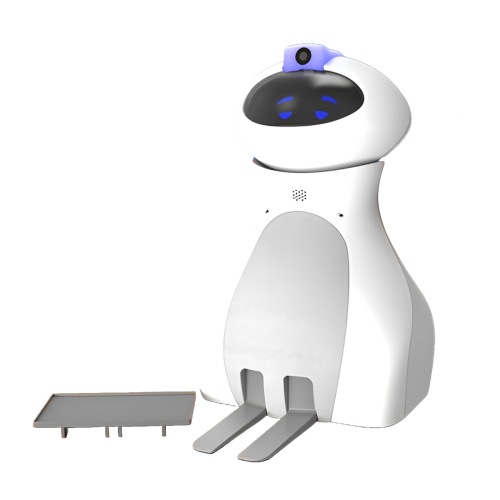
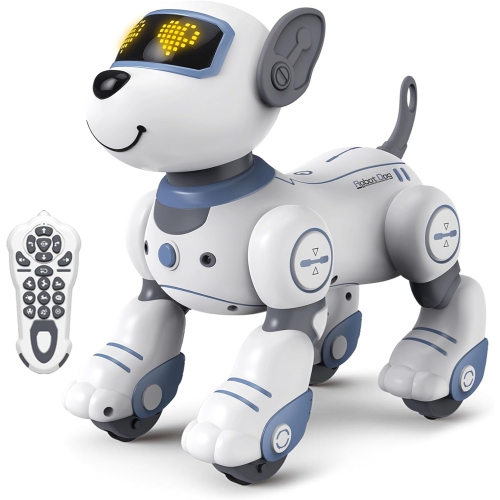
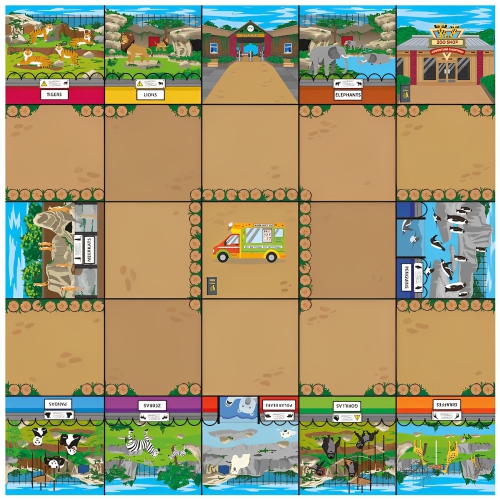
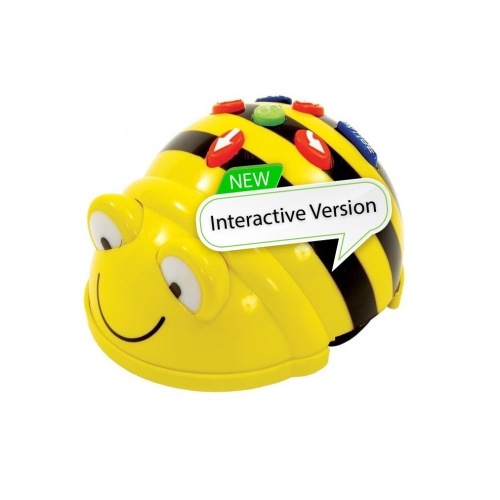
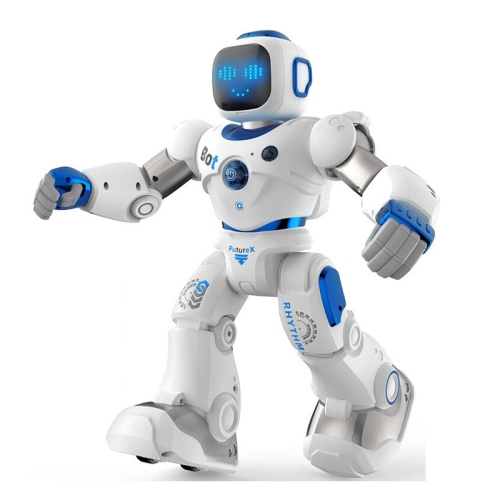
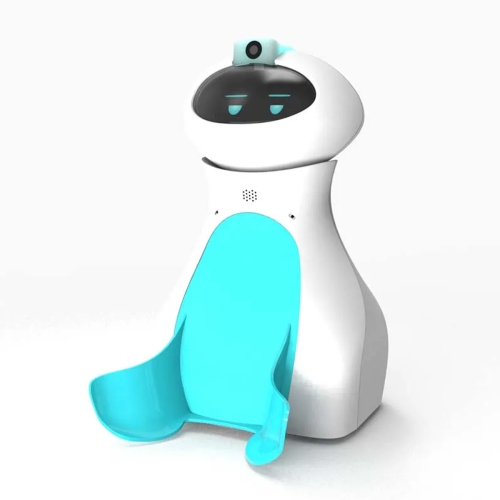
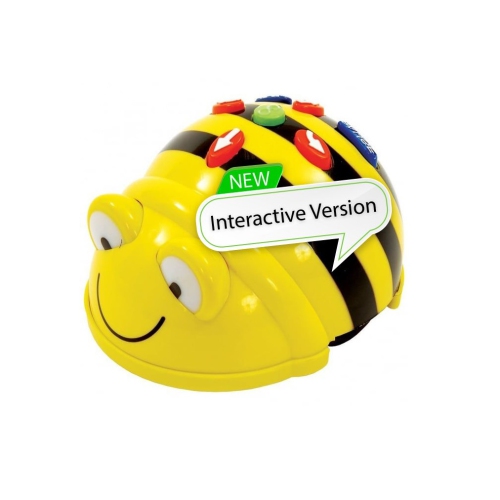
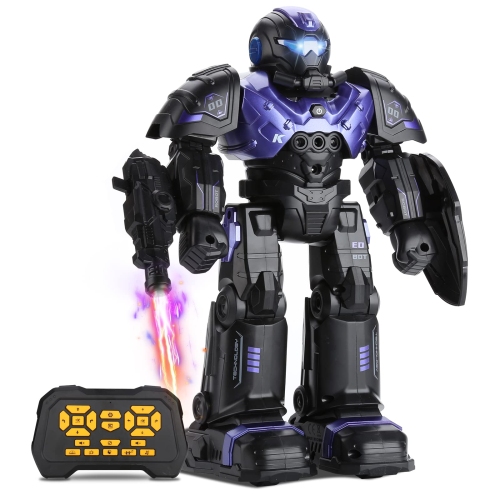
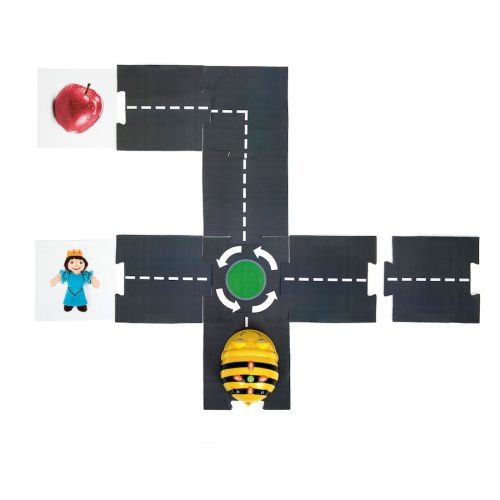
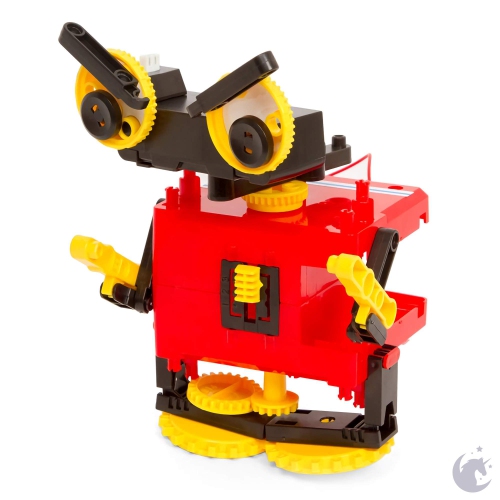
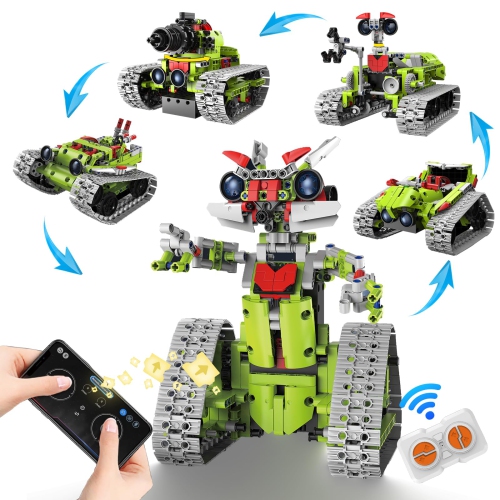
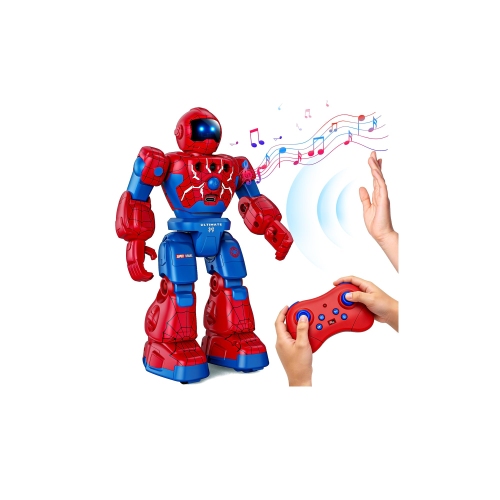
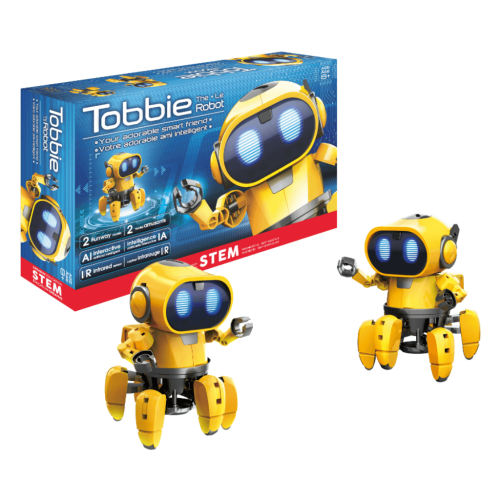
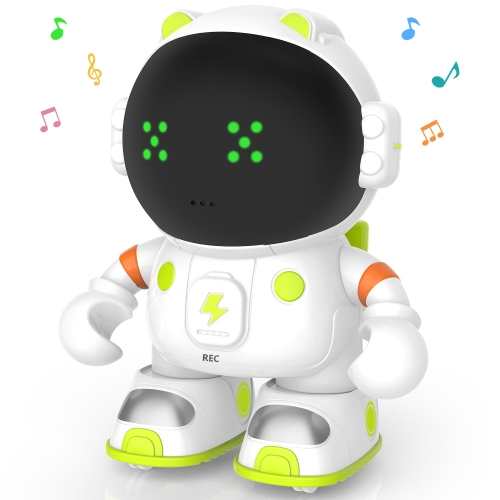
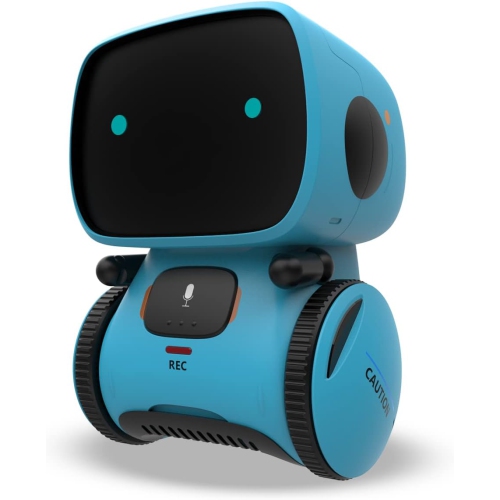
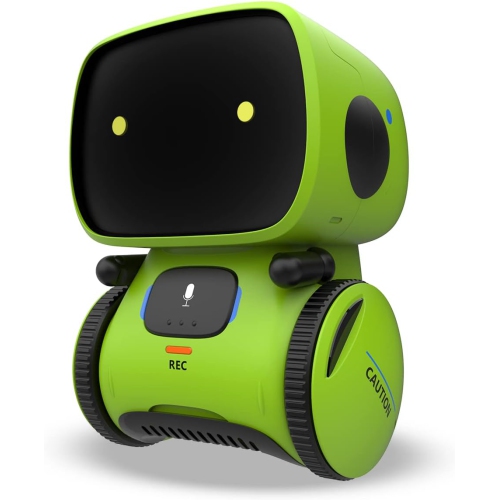
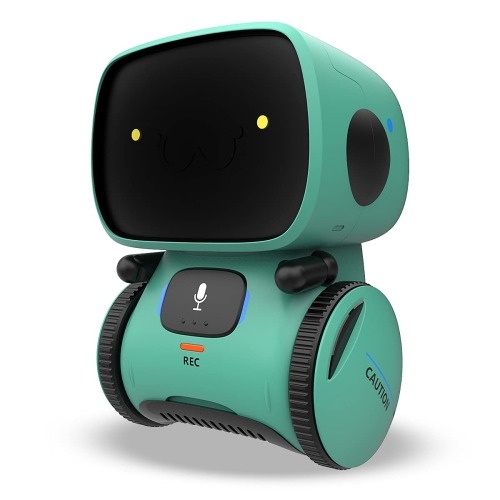
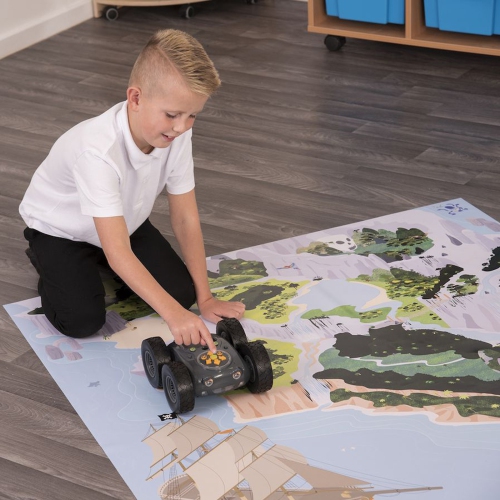
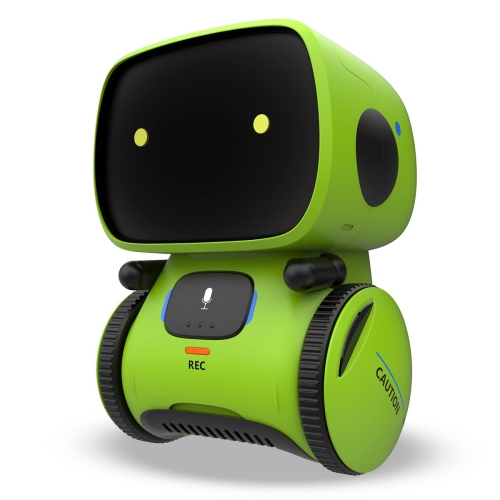
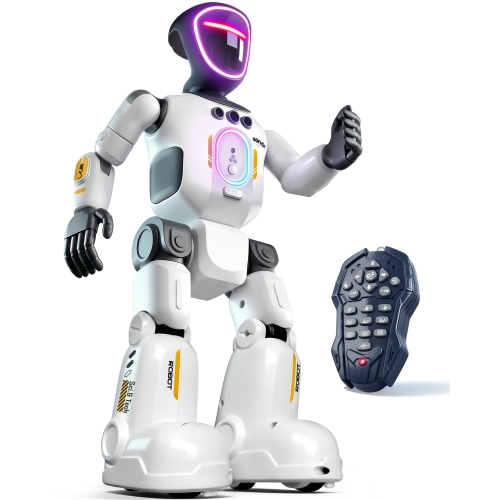
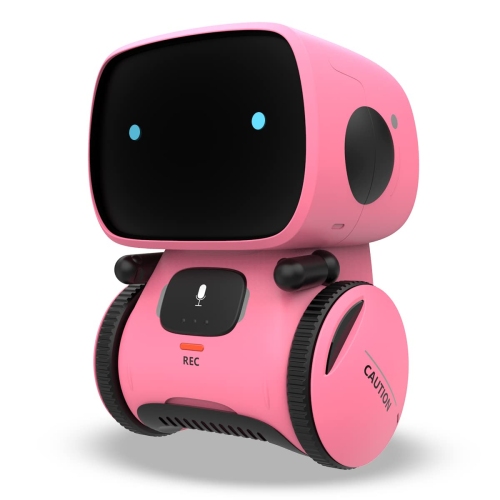
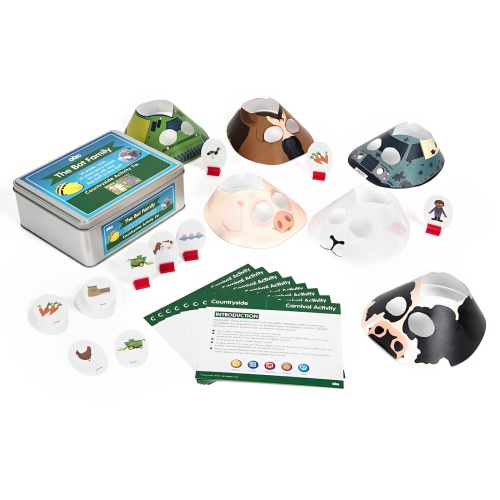
Coding robot toys introduce programming through physical play: children create instructions, send them to a robot, and watch what happens as it moves, lights up, makes sounds, or responds to its surroundings. The connection between a command and an action makes abstract ideas easier to explore. A sequence of forward movements and turns becomes a route across the floor, while a repeated command can send a robot around the same shape several times. Screen-free coding robots may use buttons, directional cards, or physical command pieces, giving younger learners a way to practise sequencing without navigating an app. App-connected designs often use visual coding blocks that snap together on a compatible tablet or computer, with symbols or text representing movement, timing, sound, and other actions. More advanced platforms may support text-based programming, including Python, although that capability varies by model. These different approaches suit different reading levels, attention spans, and experiences with technology; the manufacturer’s age recommendation remains an important starting point. For a beginner, successfully programming a short journey from a pretend garage to a delivery point can be satisfying on its own. A more experienced child might add a loop, adjust the route around an obstacle, or use a supported sensor to trigger a response. Coding toys differ from ordinary remote-controlled robots because programming involves creating instructions for the robot to carry out, rather than directing every movement as it happens. Some designs offer both modes, allowing free play alongside structured coding activities. In a family play space, classroom, or supervised club, that combination can support storytelling, turn-taking, and collaborative problem-solving. One child might plan a route, another enter the commands, and a third compare the result with the original plan. Mistakes become visible and specific: an extra turn, a missing movement, or a command in the wrong position gives children something concrete to change and try again.
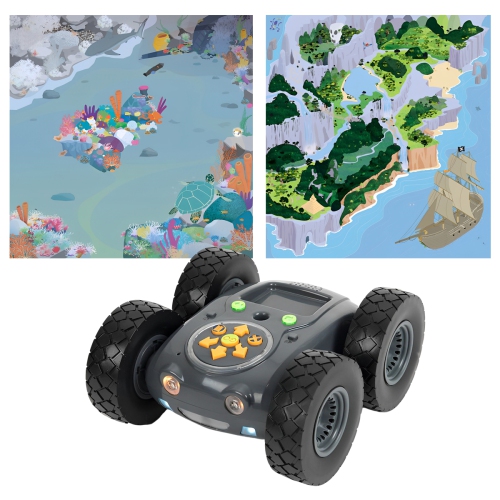
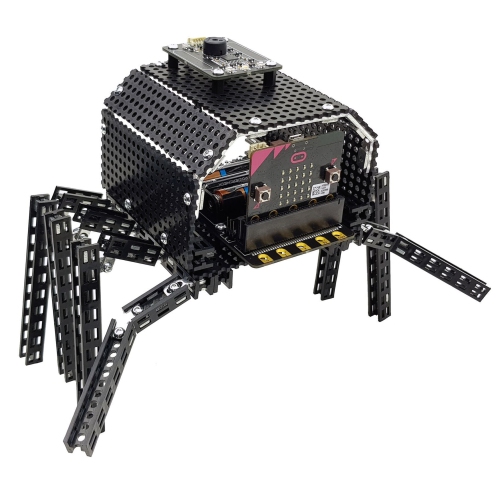
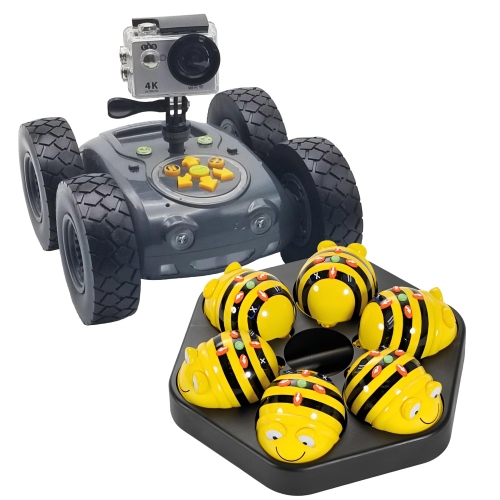
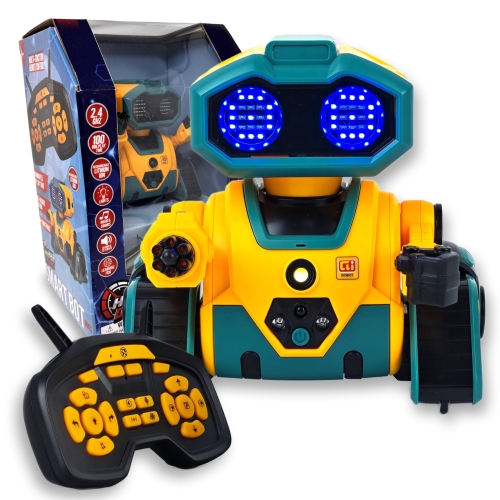
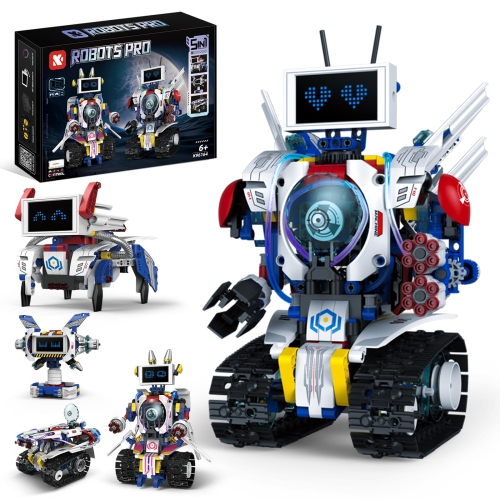
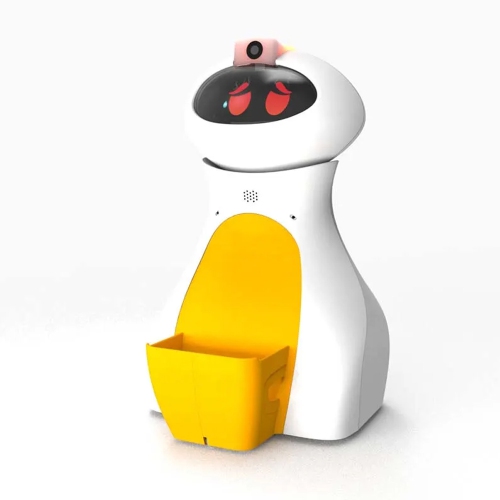
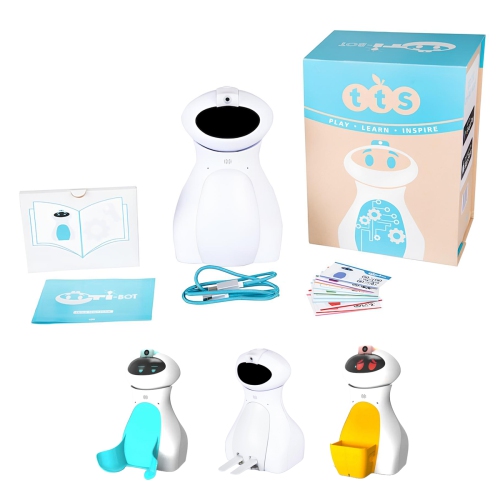
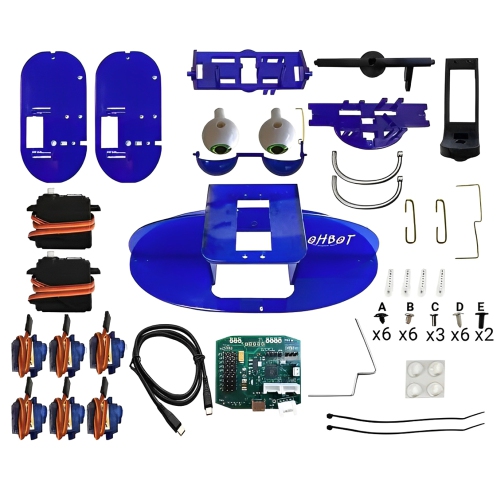
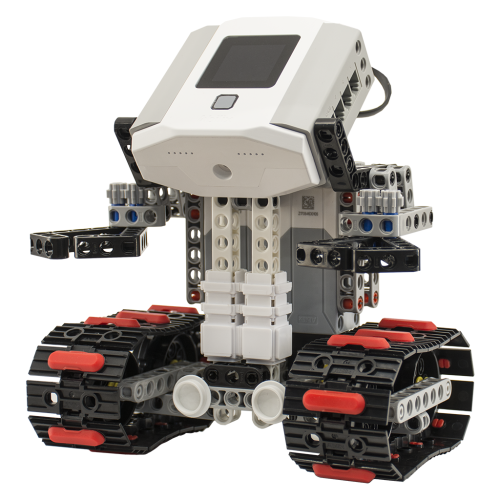
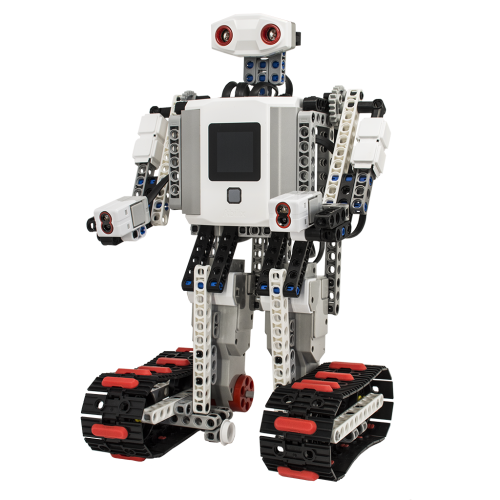
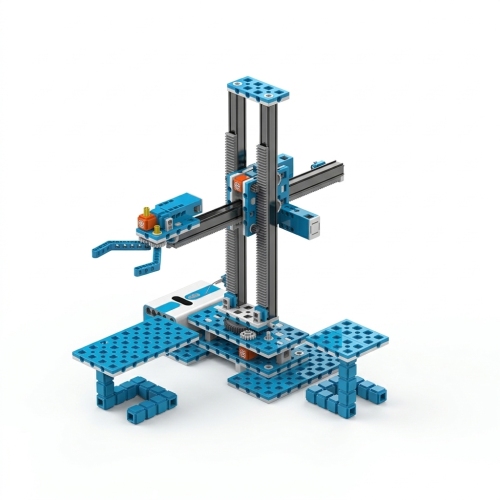
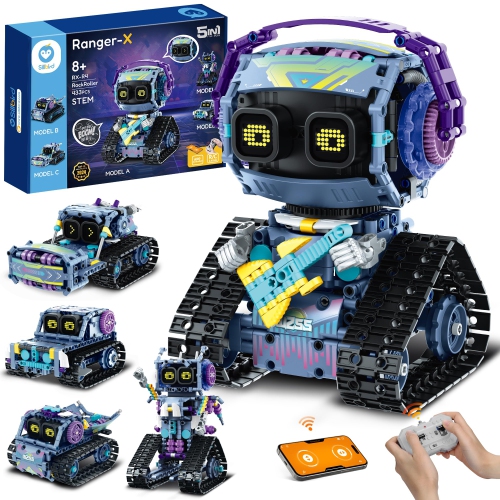
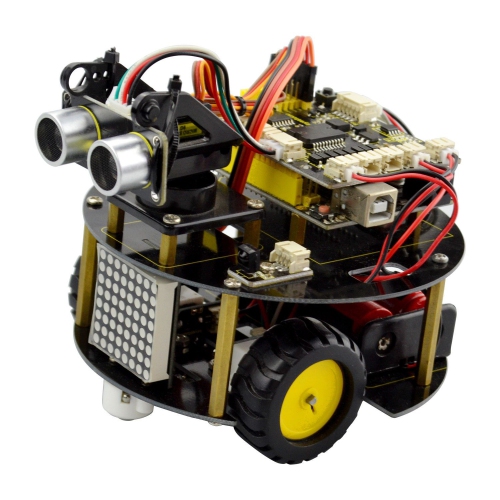
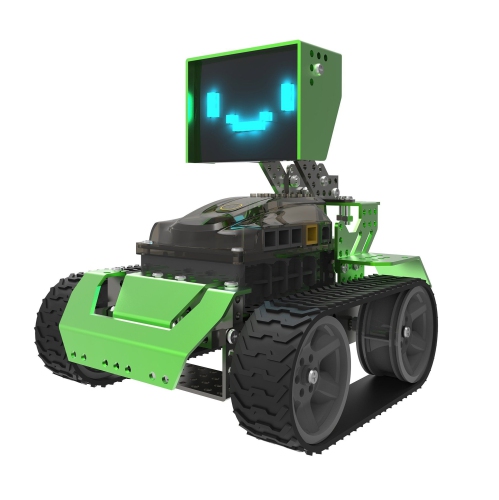
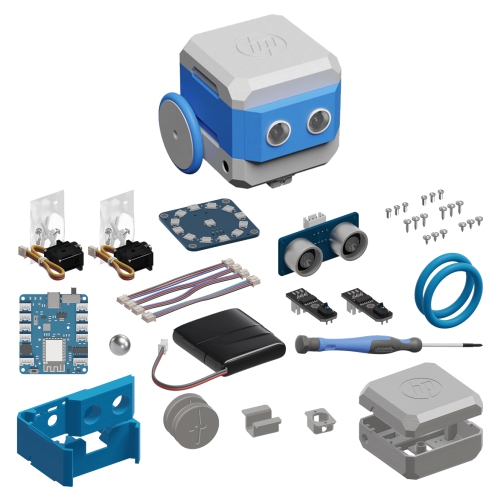
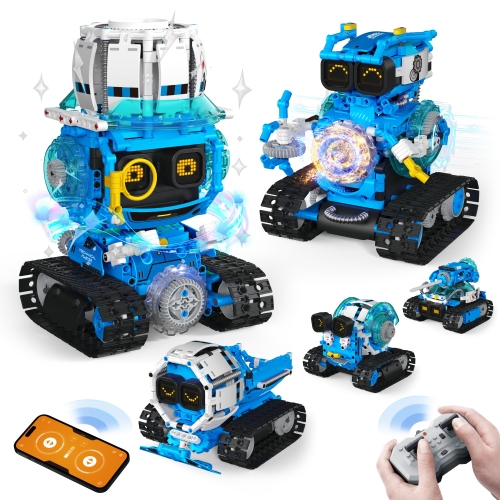
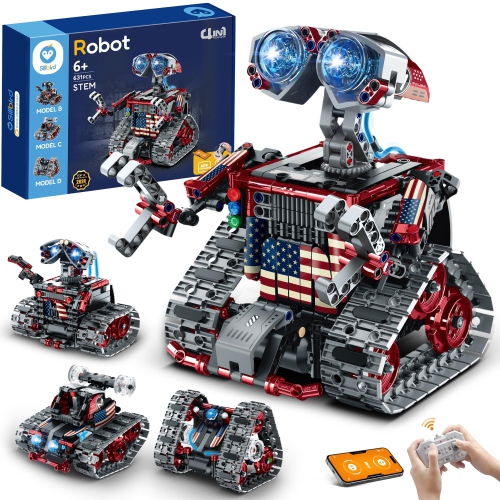
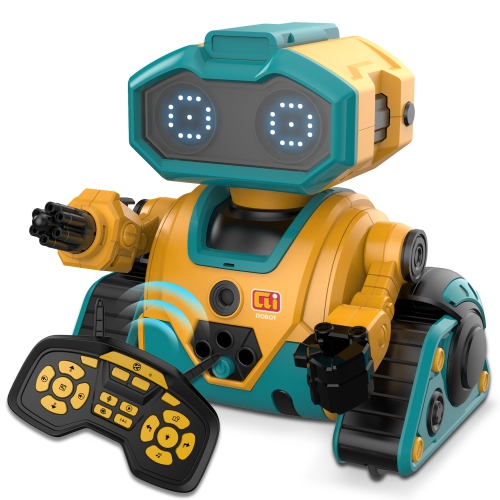
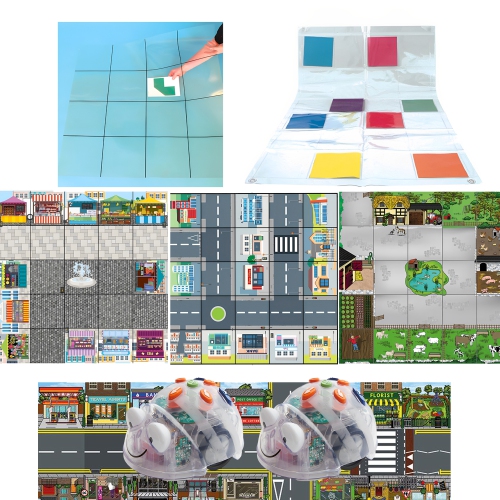
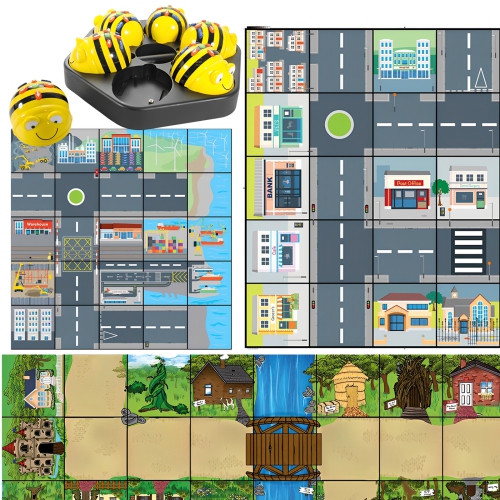
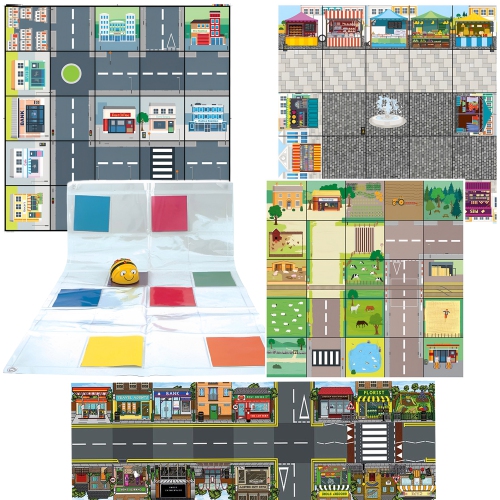
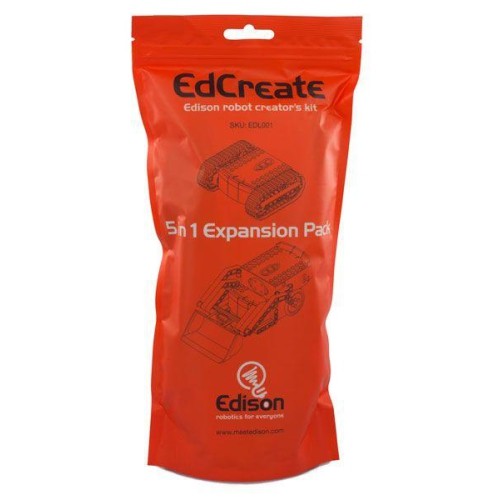
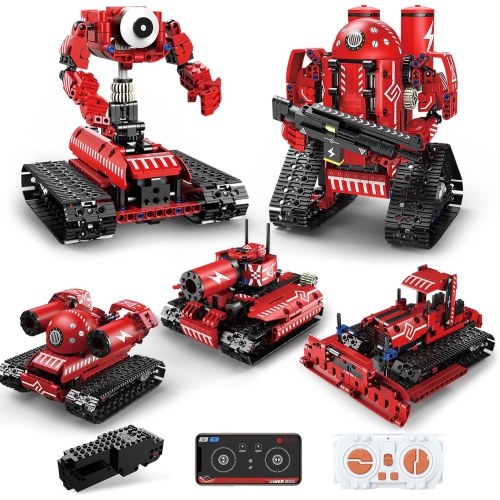
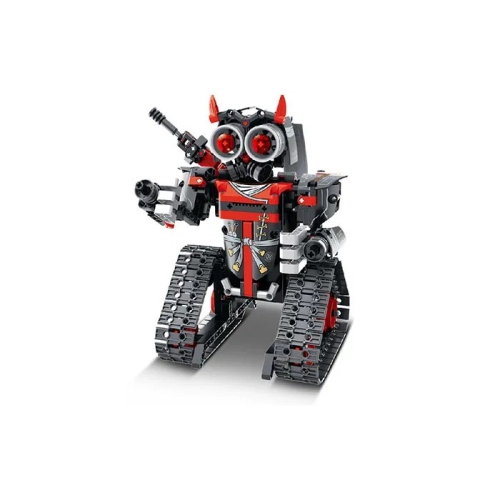
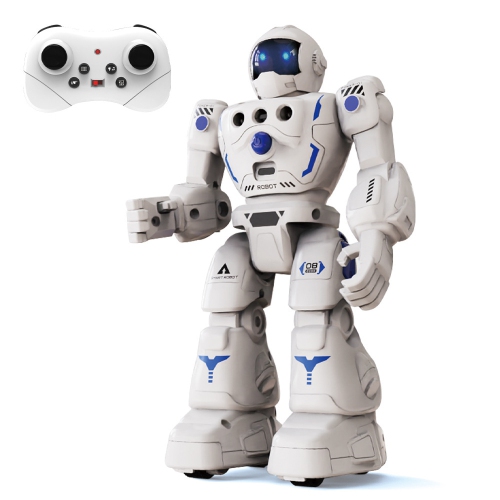
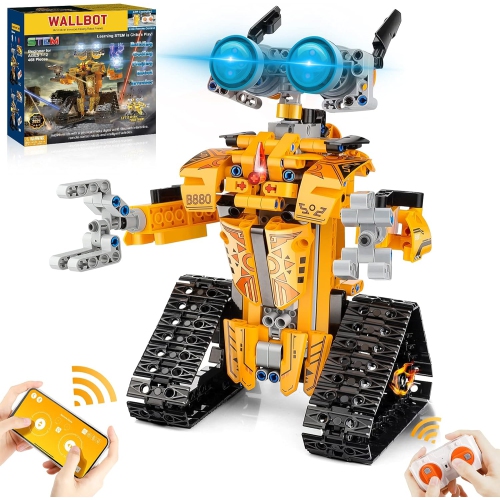
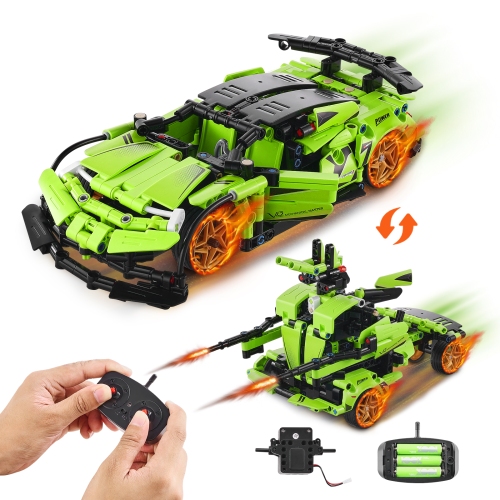
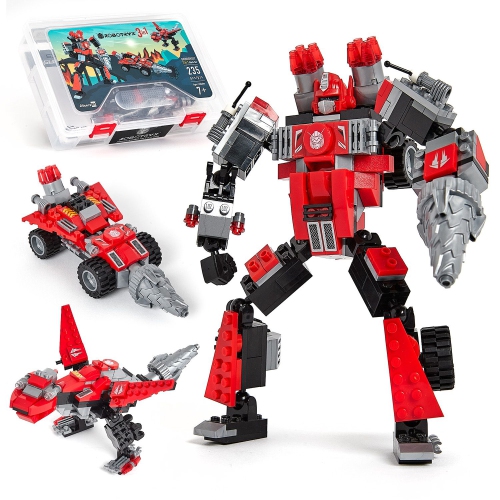
The physical design of a coding robot shapes how it fits into everyday play. Ready-assembled robots let children focus on commands and activities, while buildable designs add the experience of joining components, following diagrams, and understanding how moving parts work together. Some construction-based robots can be rebuilt into different forms, but rebuilding options depend on the design and included components. Materials also influence handling and care. Moulded plastic bodies are common, and designs may combine rigid shells with wheels, tracks, flexible connectors, or exposed construction pieces. A compact robot can be convenient for tabletop activities, whereas a larger wheeled design may need a clear section of floor to complete turns without bumping into furniture. Small hands benefit from controls and components that are easy to grip, and children who are still learning to read may find clear symbols more approachable than text-heavy menus. Durability involves more than the outer shell: wheel attachments, cable connections, removable panels, and frequently handled pieces all matter when a toy is used repeatedly. A sturdy appearance does not mean a robot is designed to withstand drops or rough handling. Smooth, level surfaces generally make movement more predictable, while thick carpet, uneven joins, and loose objects can affect traction or interrupt a route. Robots that follow lines or use light-based sensors may also need particular surface colours or lighting conditions, as described in their instructions. Keeping the play area consistent helps children distinguish a coding mistake from a physical obstacle. Routine care usually means removing loose debris from wheels, keeping liquids away from electronics, and wiping suitable exterior surfaces according to the manufacturer’s directions. Motors, sensors, and battery compartments need different care from washable, non-electronic toys. For buildable designs, a divided storage container can keep small connectors together and make the next session easier to start. Age-appropriate supervision is especially important where small parts, tools, or accessible batteries are involved.
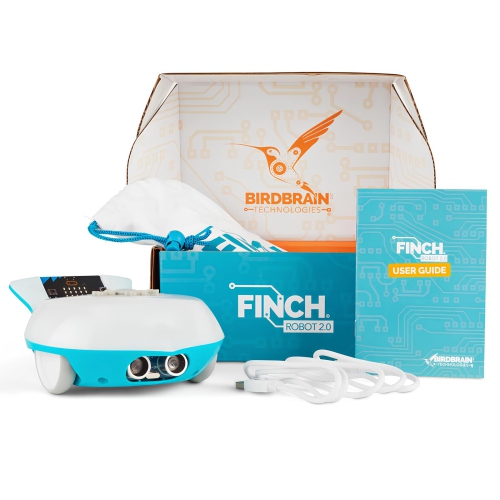
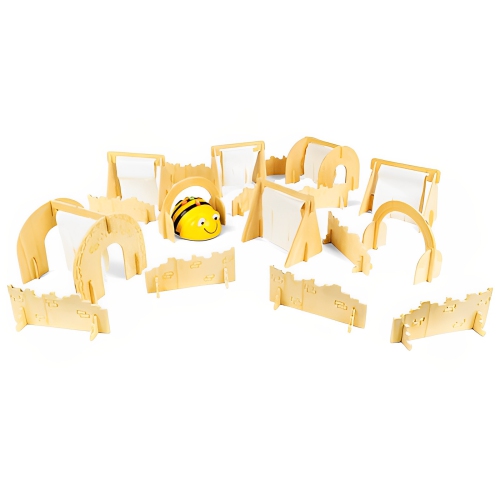
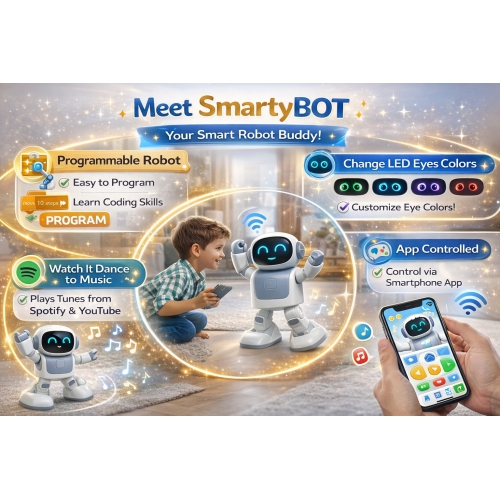
The digital side deserves the same attention as the robot itself. App-based coding toys require a compatible device, and compatibility can depend on the operating system version, connection method, and permissions needed for the robot’s features. An app that runs on one tablet may not run on another, and a computer-based coding platform may have different requirements again. Some robots need a connected device throughout play, while others can carry out stored instructions after the connection is removed. Screen-free designs can be a practical fit for families who prefer a self-contained activity, but they still vary in how commands are entered, edited, and cleared. Power arrangements also affect the rhythm of play: rechargeable designs need charging time, while replaceable-battery designs require the correct battery type and secure compartment handling. Following the supplied charging and storage directions helps protect the electronics and keeps routines straightforward. Beyond setup, the strongest match is often a toy whose challenges fit the child’s interests and leave room for experimentation. A child who enjoys building may spend as much time changing the robot’s structure as programming it; a storyteller may prefer creating missions, characters, and destinations. Someone drawn to puzzles might enjoy finding the shortest route through a maze made from blocks. Coding robot toys can make thoughtful birthday gifts for children interested in construction, science, or interactive play, provided the age rating, required device, and level of adult help suit the recipient. Shared activities can be simple: plan a path together, run the program, then let the child explain which instruction needs changing. That conversation keeps attention on the reasoning rather than just the finished movement. Families interested in robotic play beyond programming can also explore Cool Robot Toys. For coding-focused play, the lasting appeal comes from the freedom to revisit an idea, change a few instructions, and see a familiar robot do something different.
Top selling and popular products
-
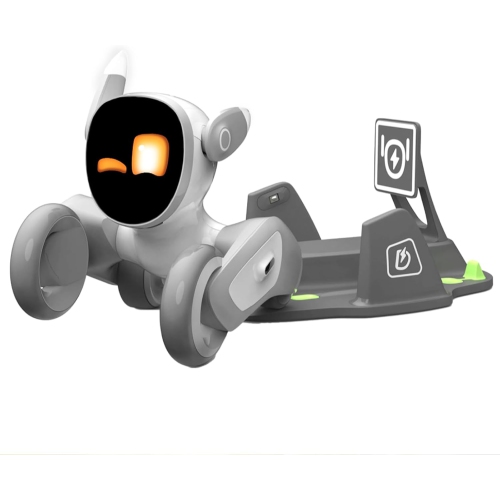 Your price for this item is $699.99
-
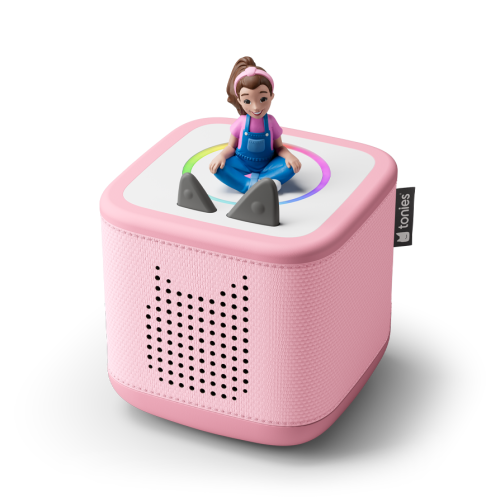 Your price for this item is $199.99
-
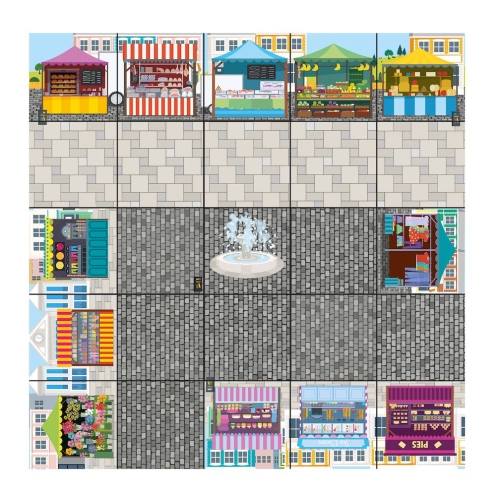 Your price for this item is $75.99
-
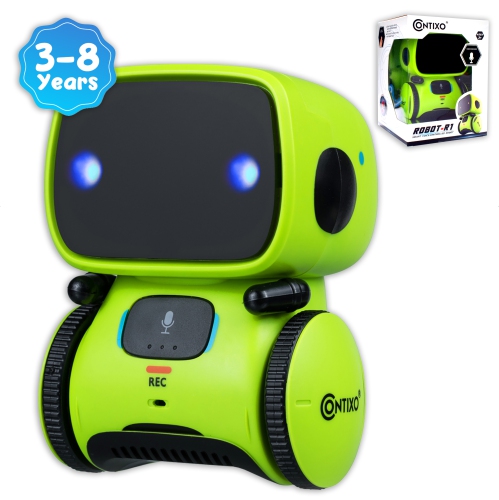 Your price for this item is $39.99
-
 Your price for this item is $52.95
-
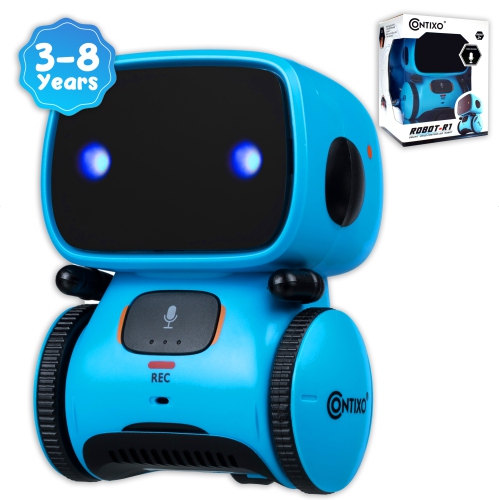 Your price for this item is $39.99
-
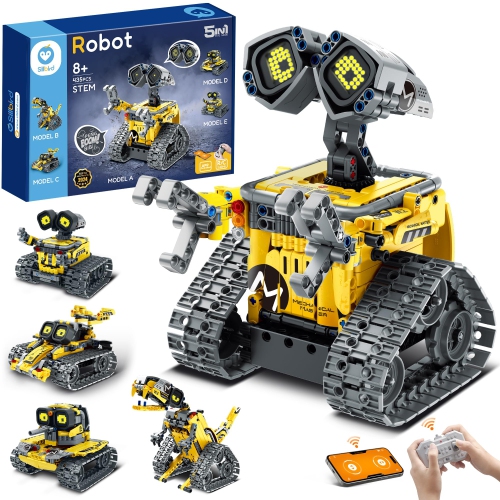 Your price for this item is $99.99
-
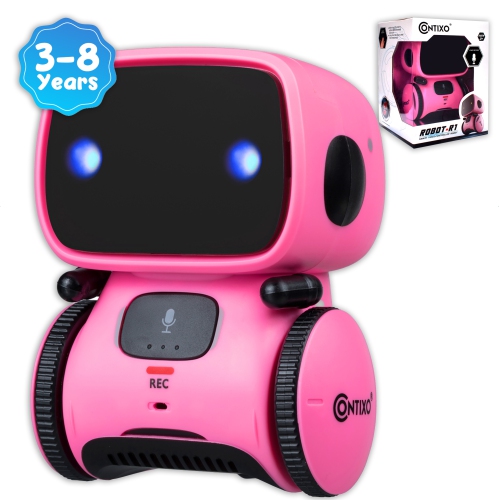 Your price for this item is $39.99
Discover more categories related to Coding Robot Toys
Top Collections:
Pokemon Centers, Pokémon 30th Celebration Cards, Best Budget Office Chairs, Kindle Devices, Best Cameras for Sports Photography, Canon G7X Cameras, Best Black Friday Deals On Electronics, Best Laptops for Writers, iPhone 15 Apple, Jackery Power Stations
Some products may be subject to Environmental Handling Fees
(EHF) depending on your province.
Learn more about EHFs.