Powerful Sound Systems
A sound system is one of the most important components in your home theater or gaming set. It's what makes the video and makes it come alive. With these powerful sound systems, you will have a great experience of watching movies at home and also a great gaming experience. Here are some great options for powerful sound systems available today.
Sort
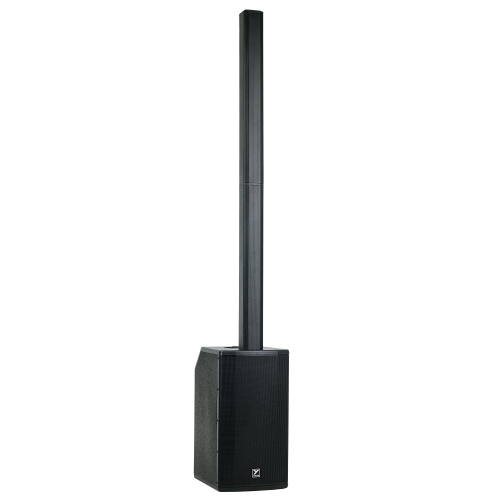
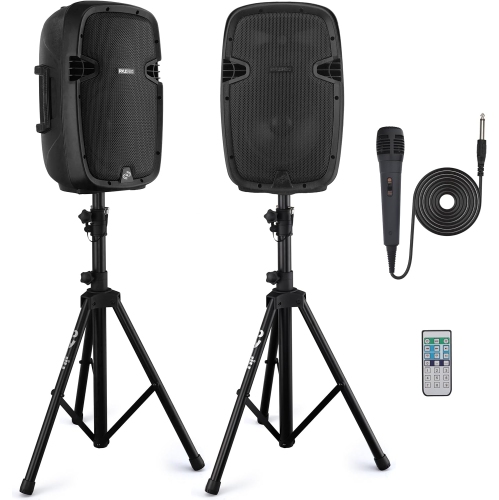
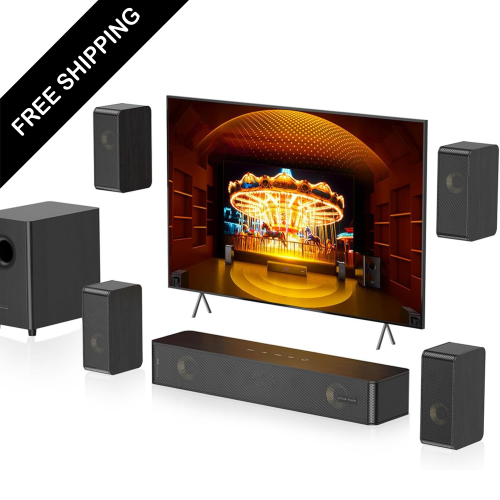
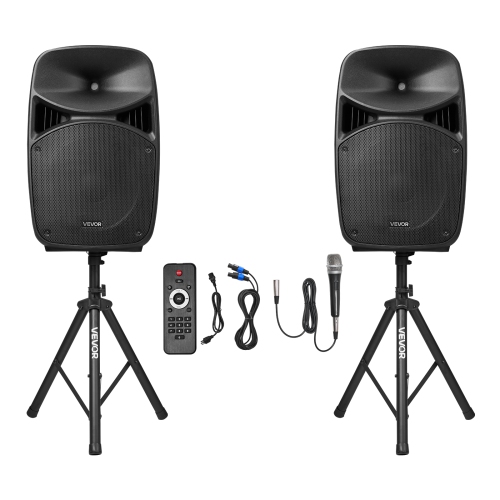
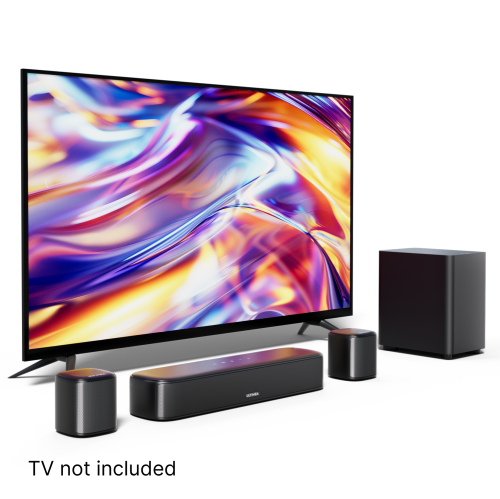
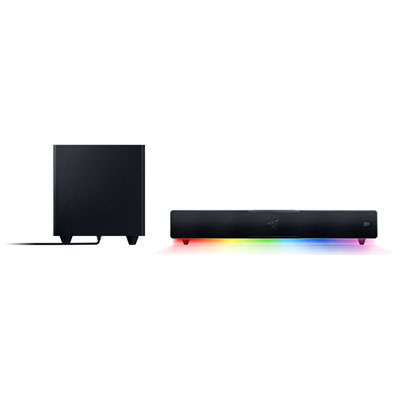
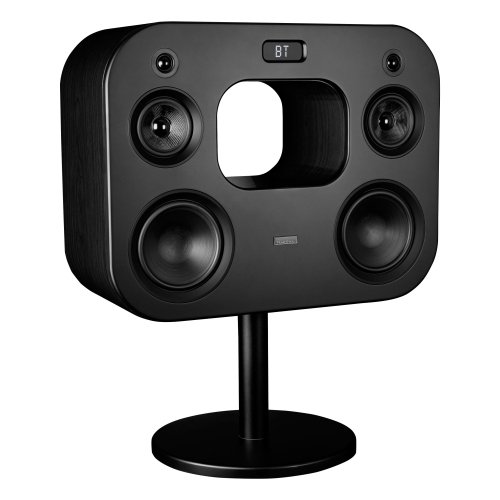
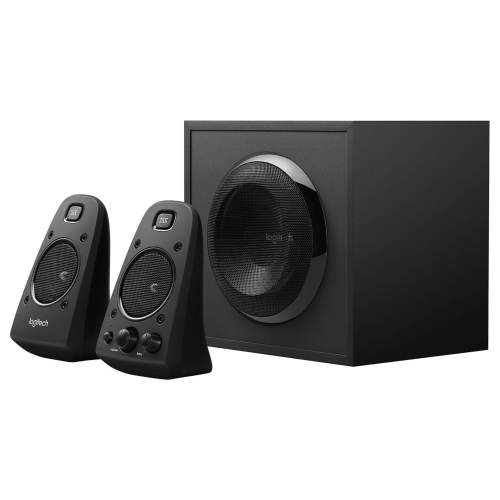



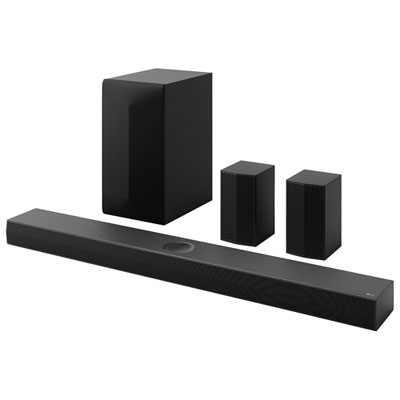
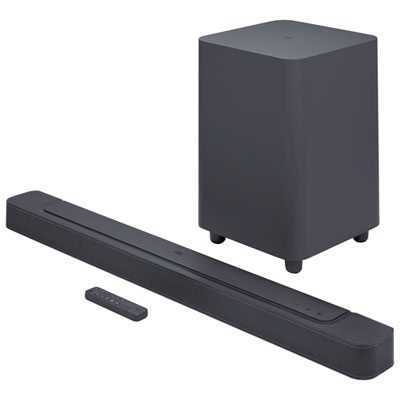
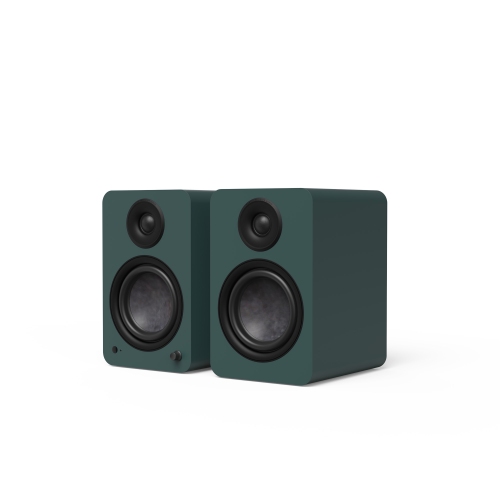
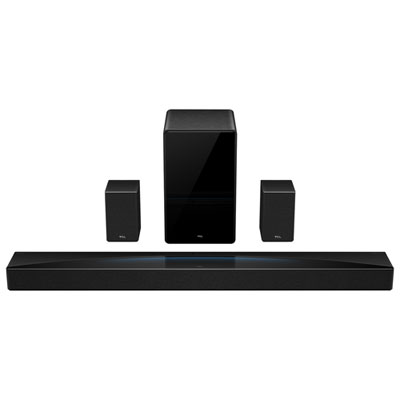
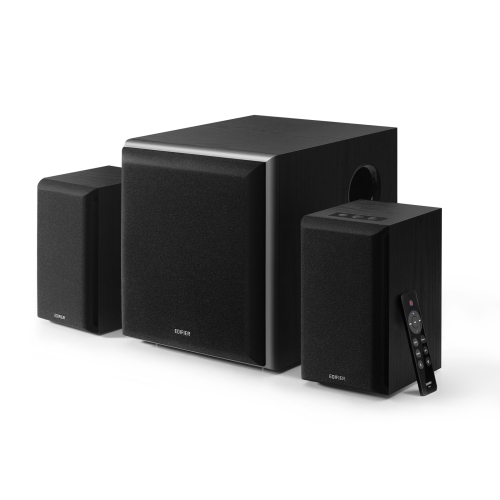
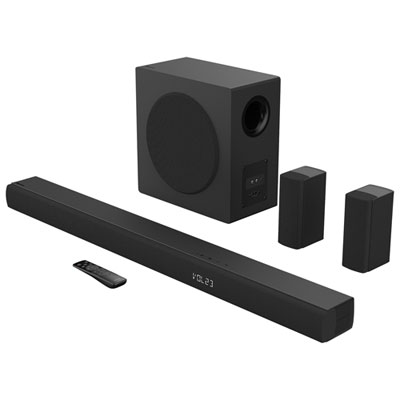
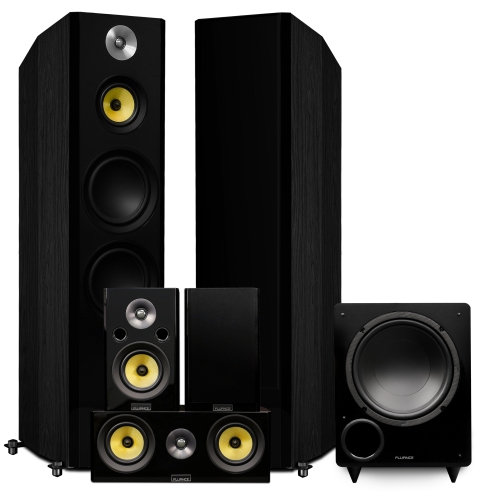
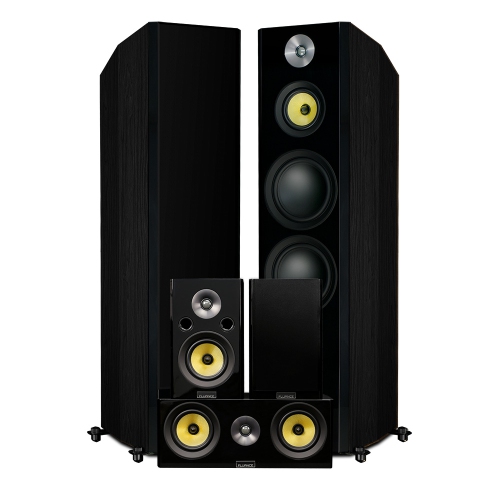
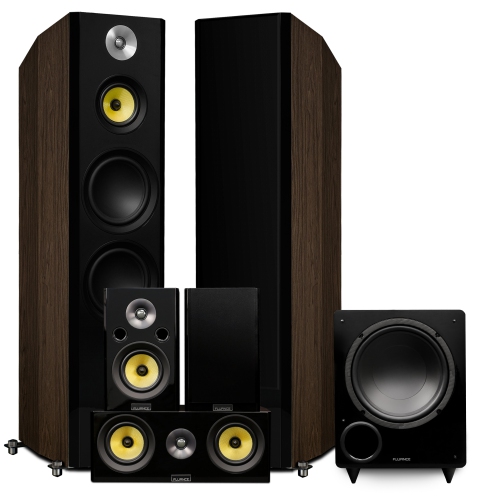
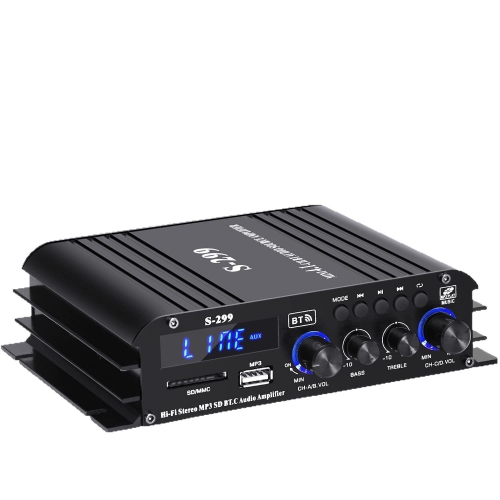
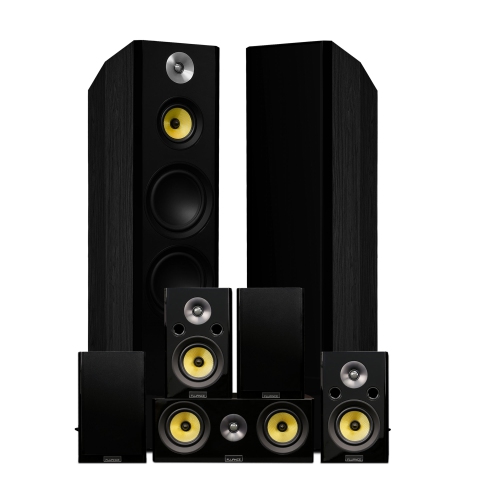
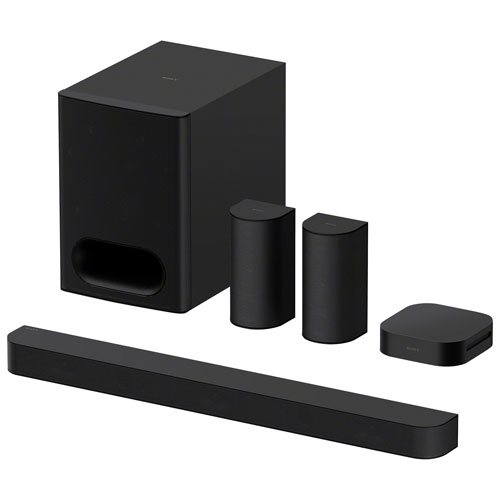




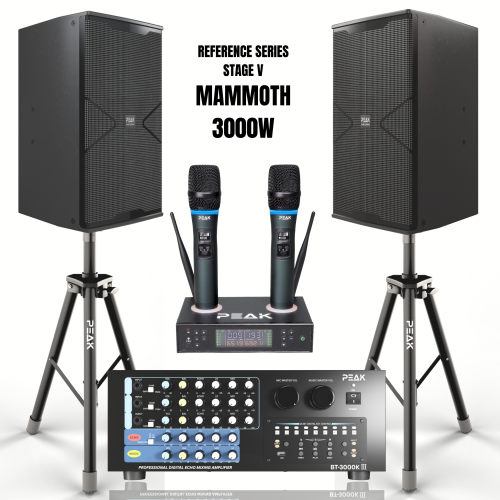
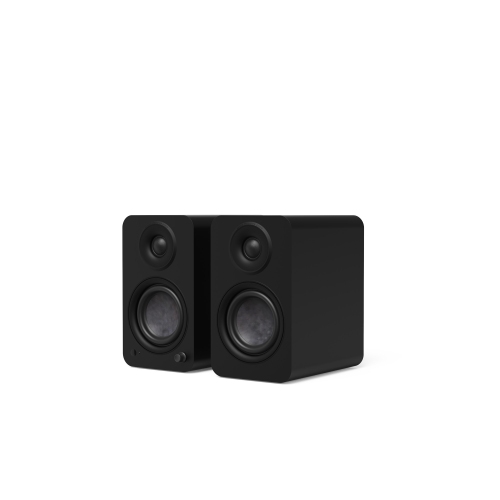
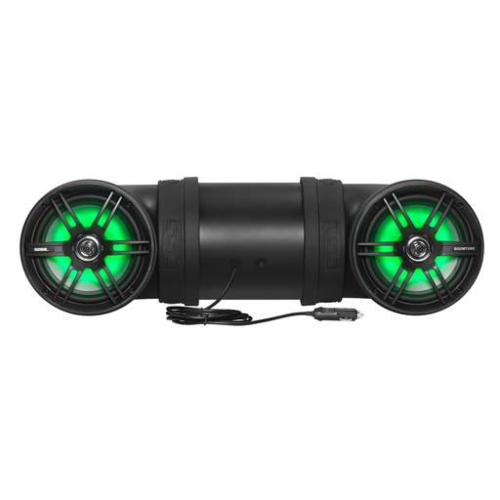
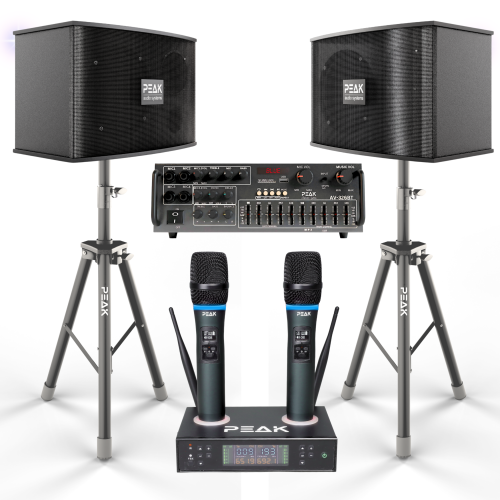
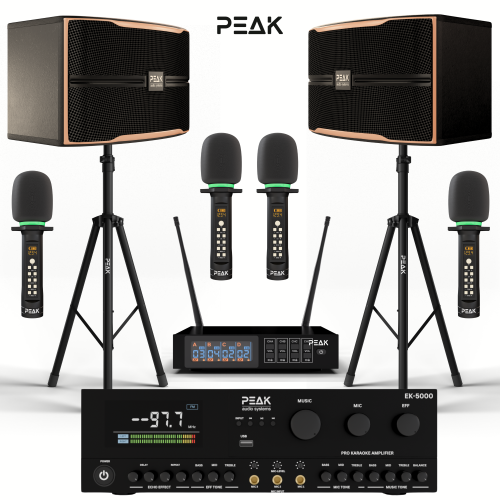

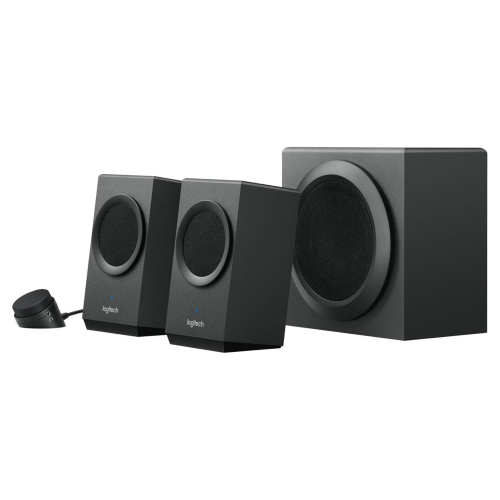

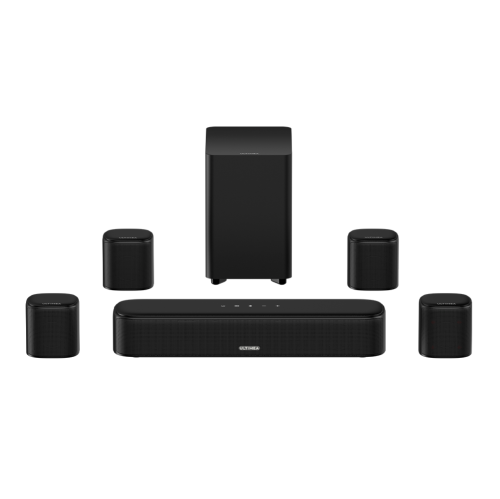
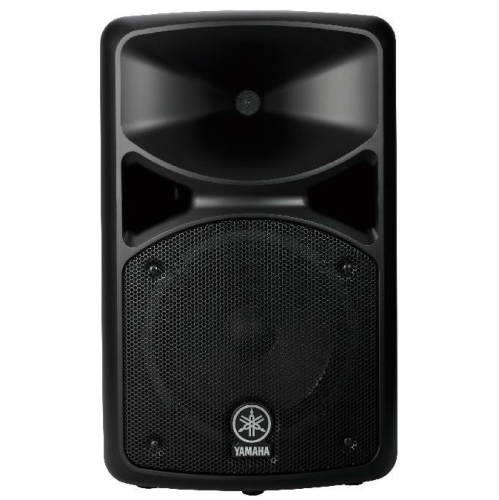
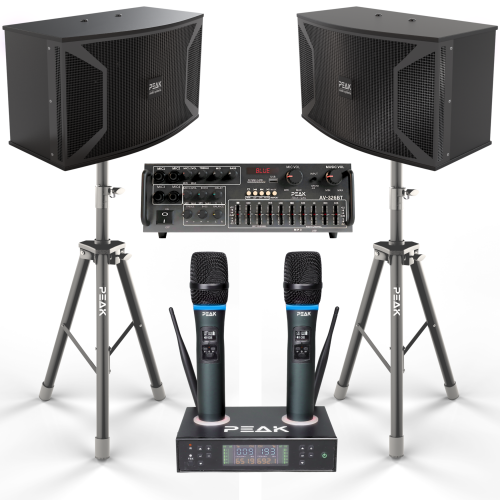
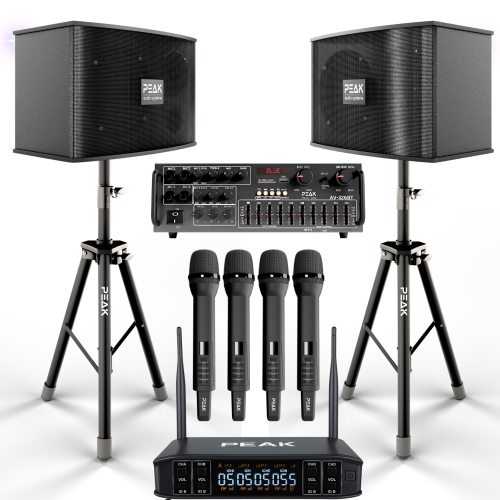
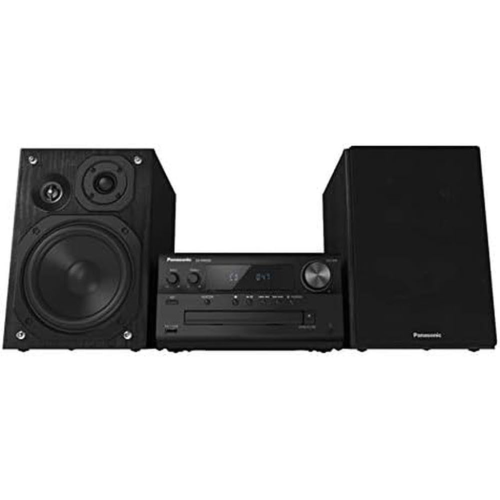
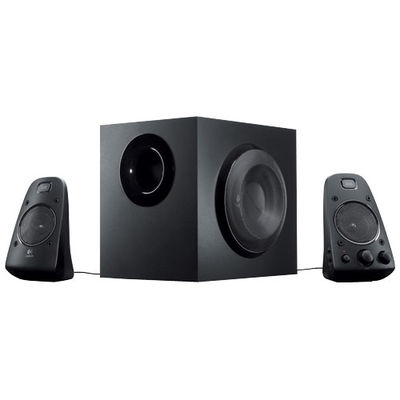


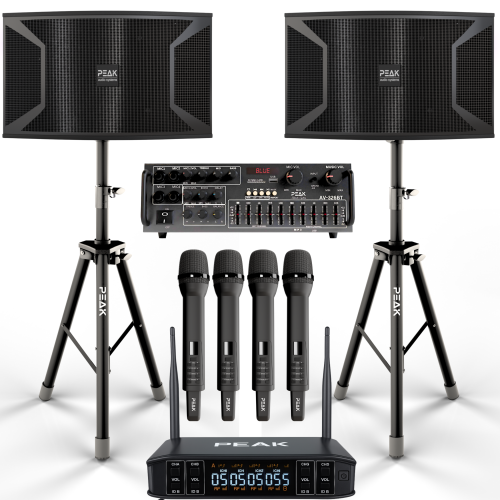
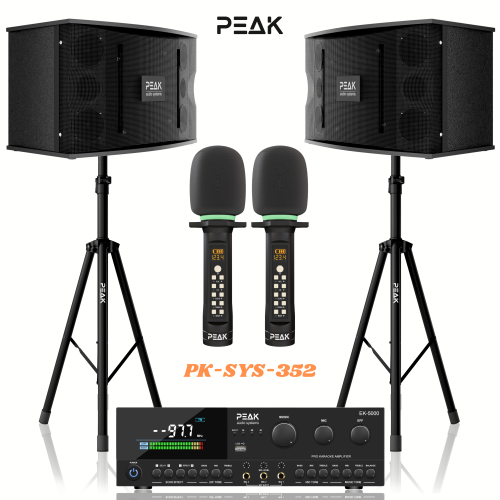

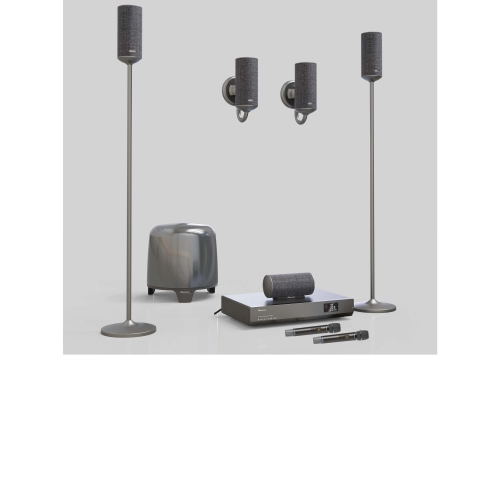
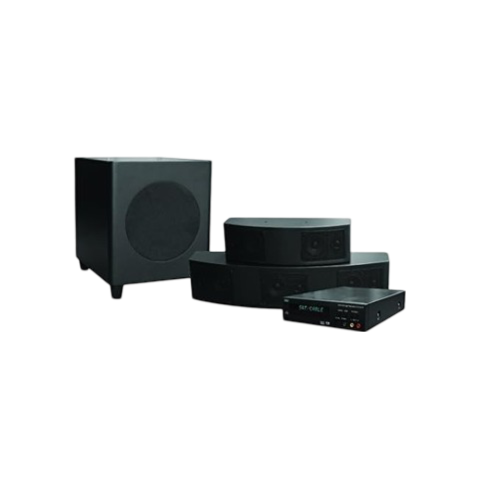
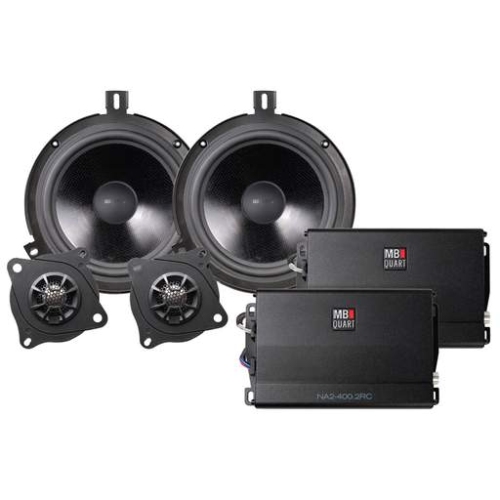


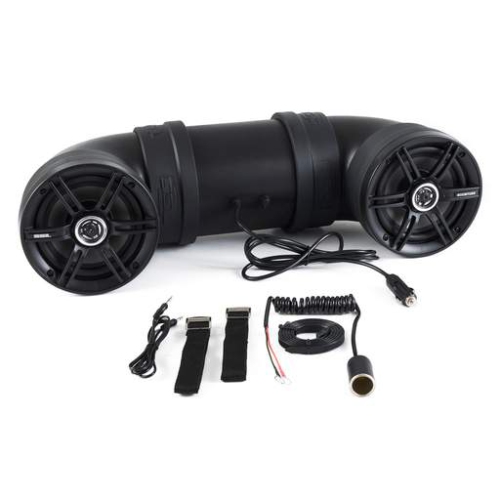
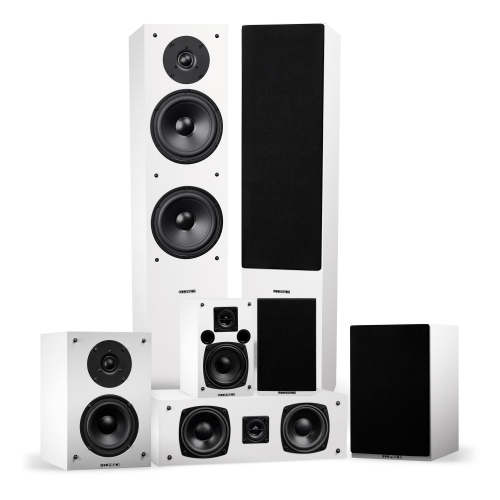
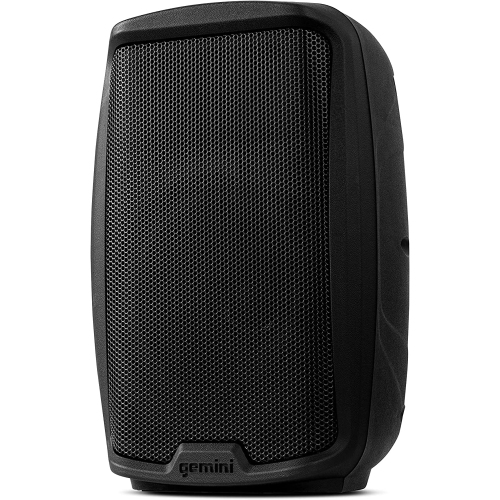
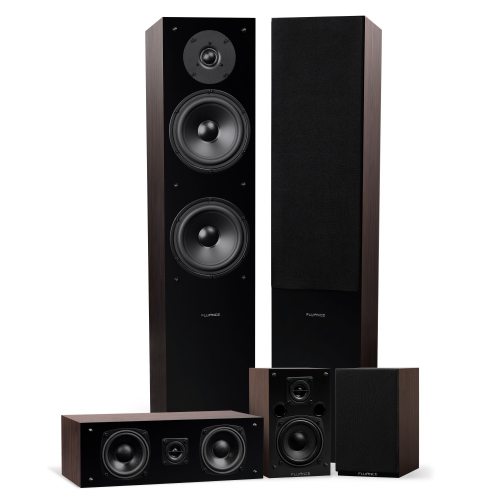
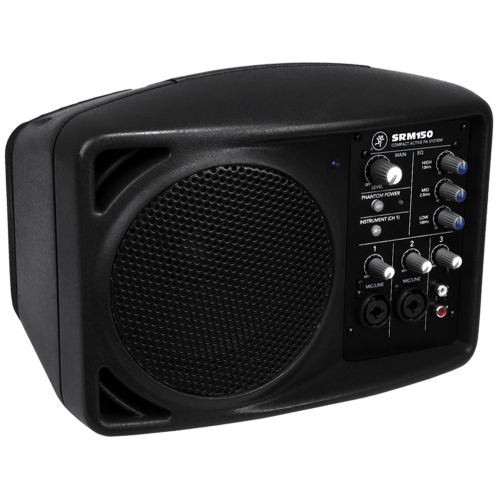
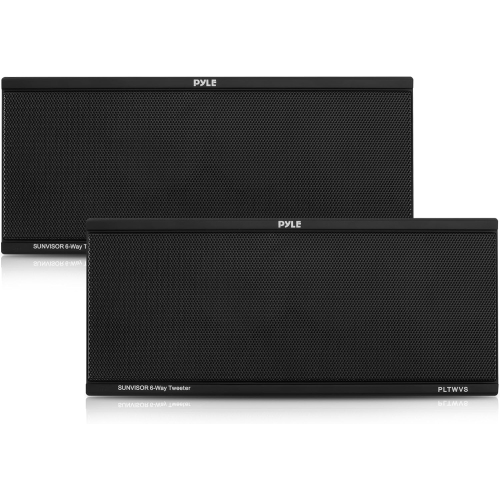
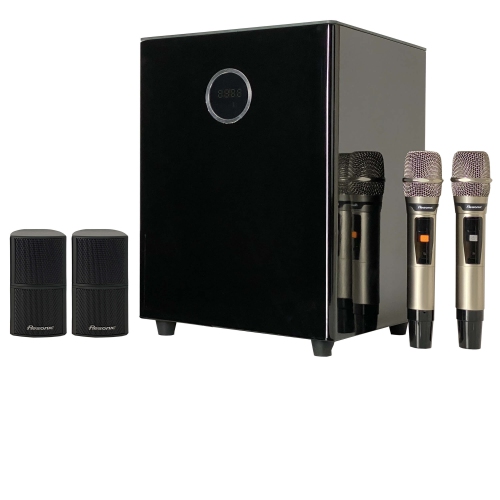
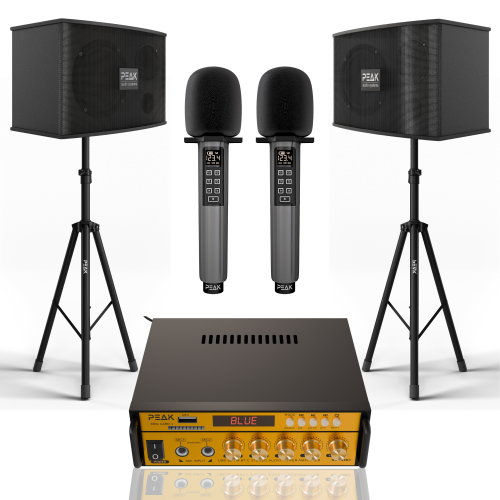
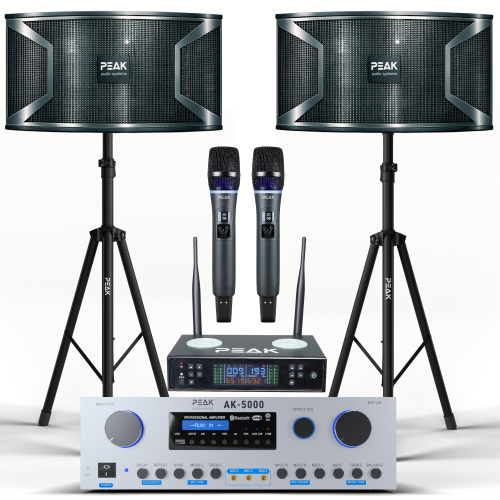
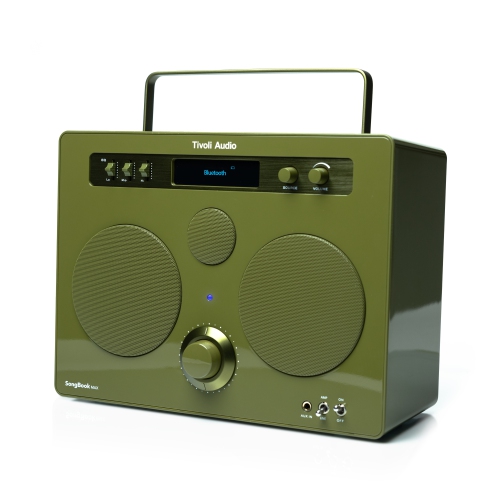

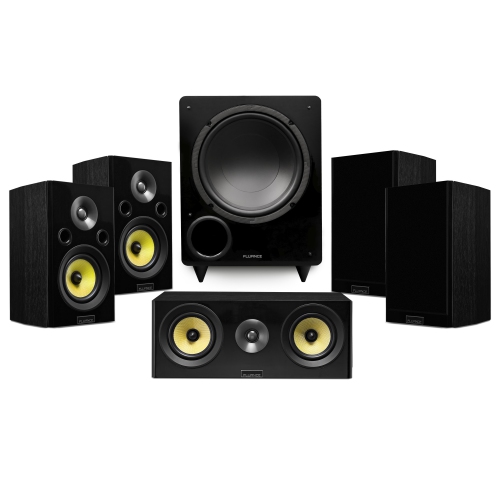
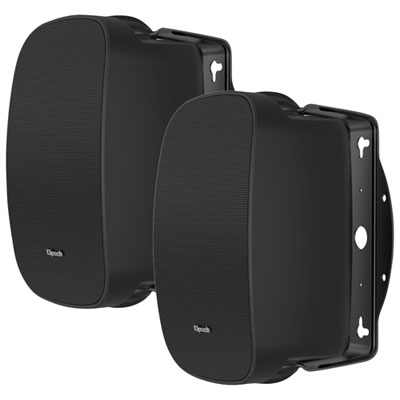

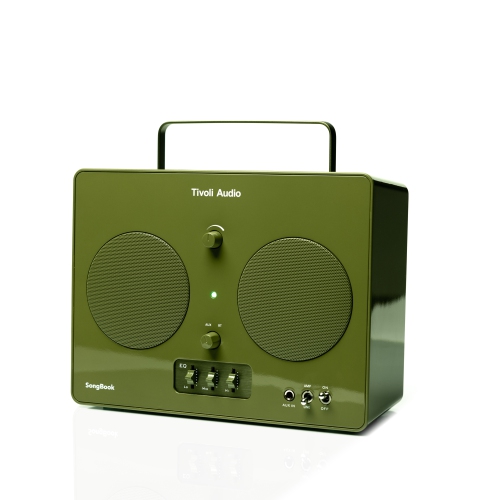
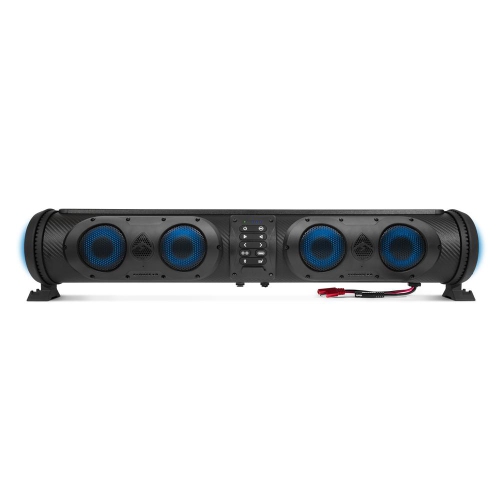
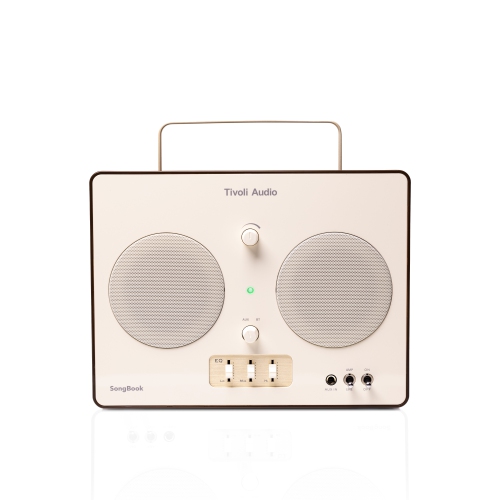


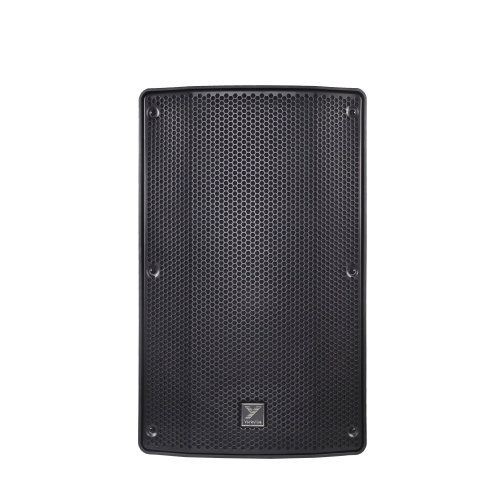
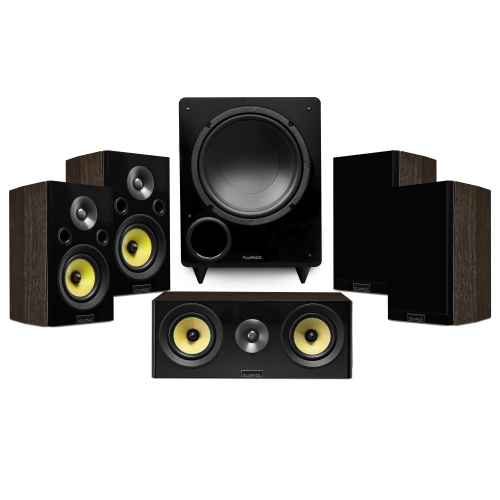
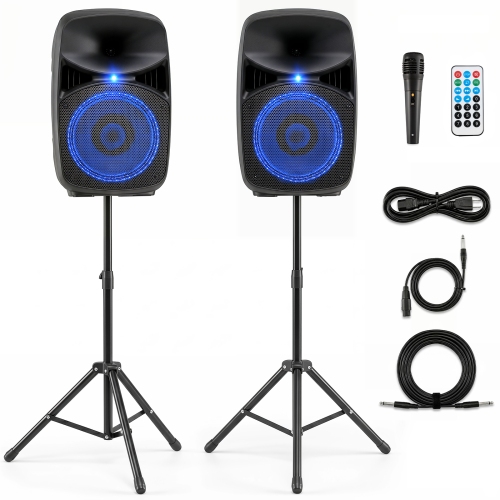
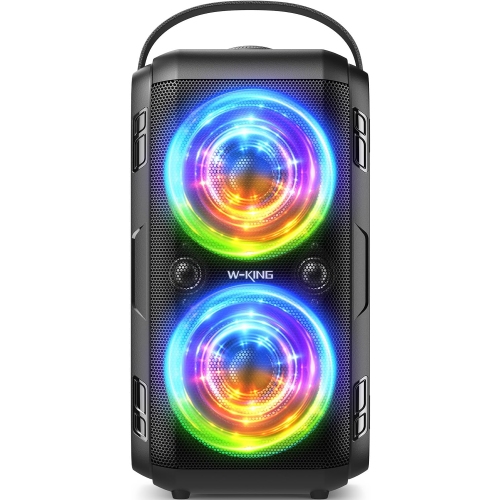
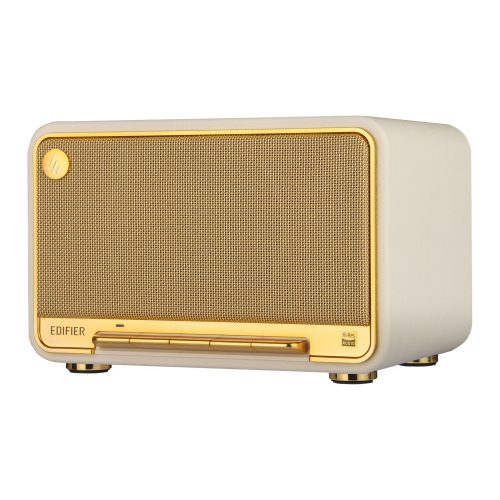
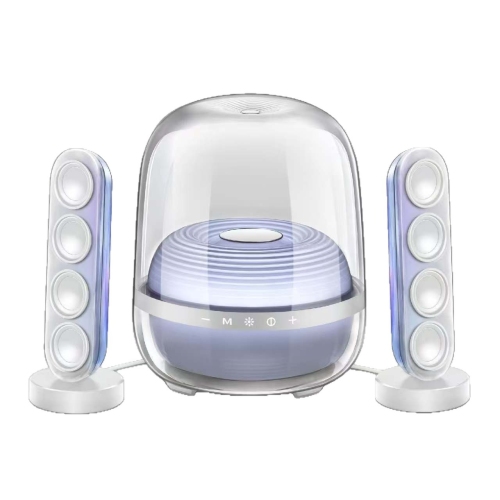
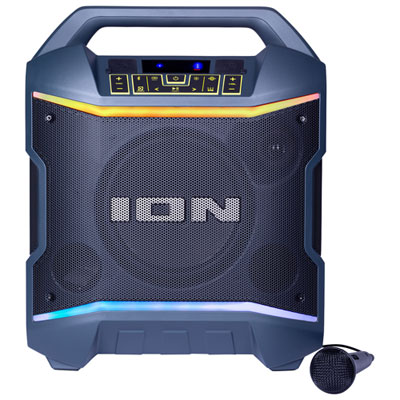


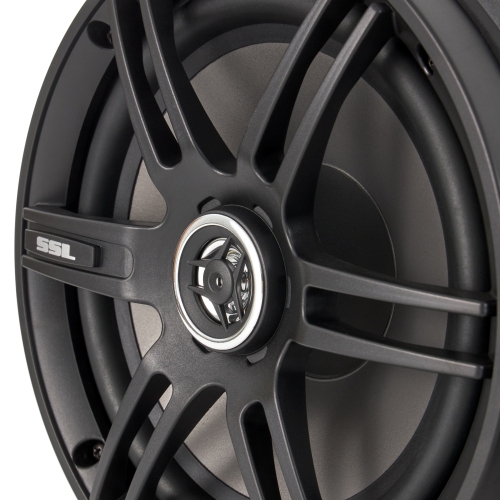
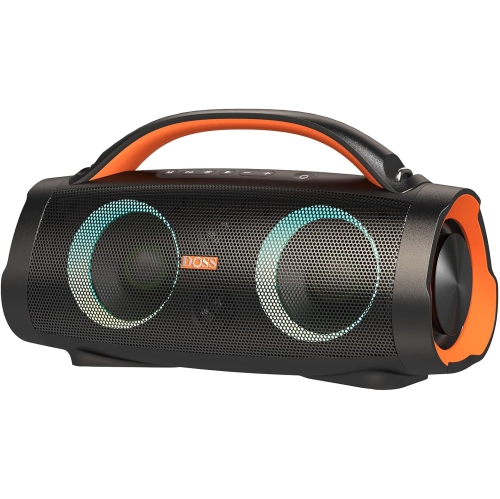

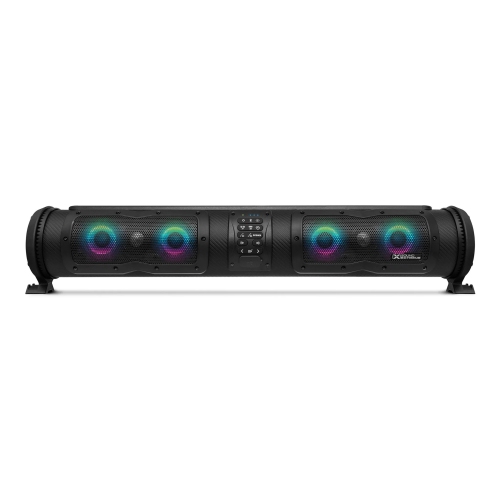
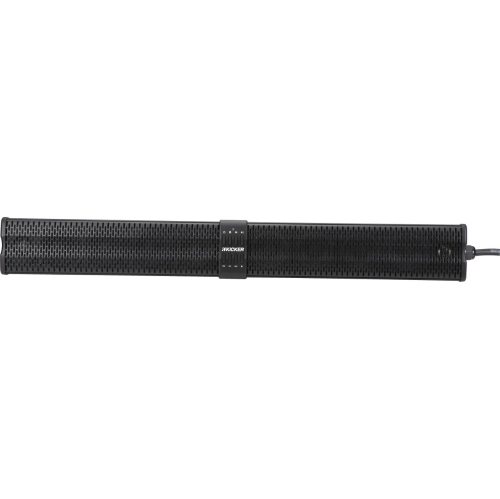
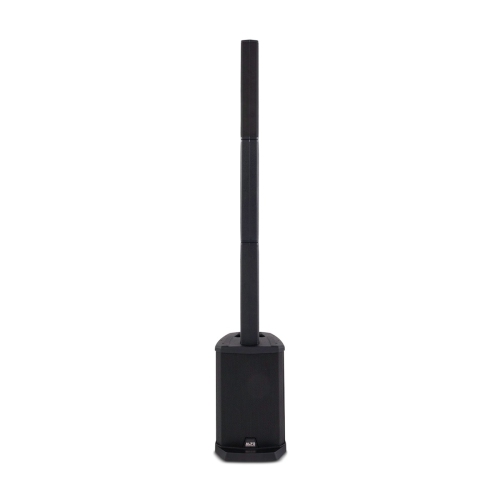

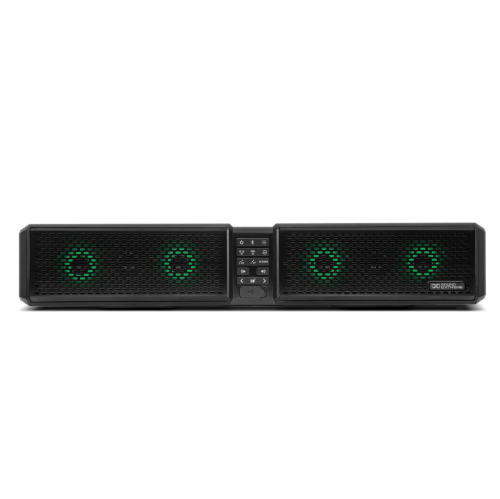
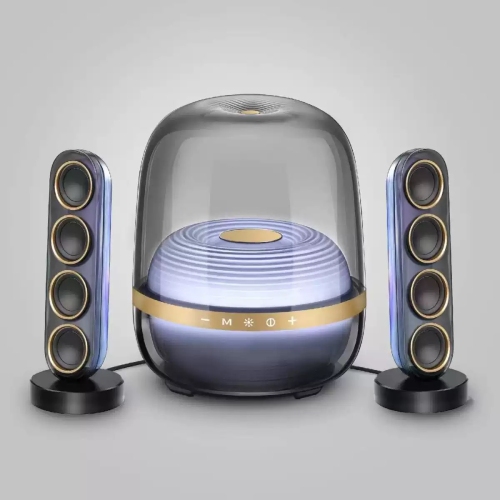
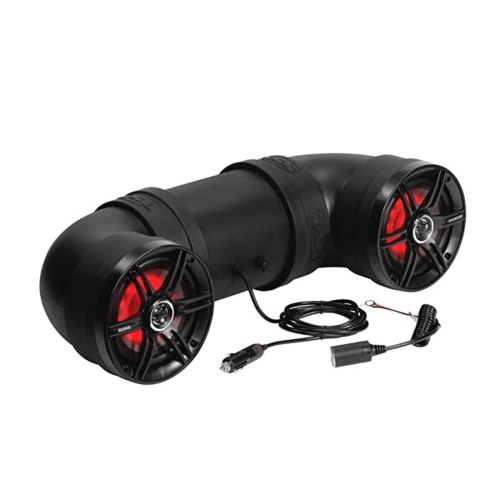
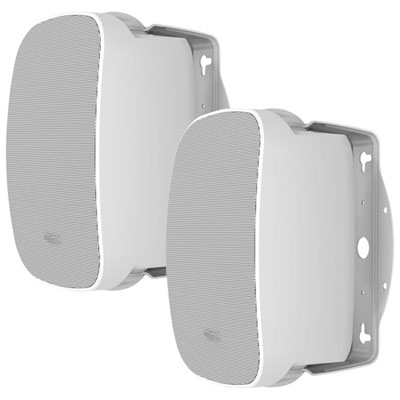


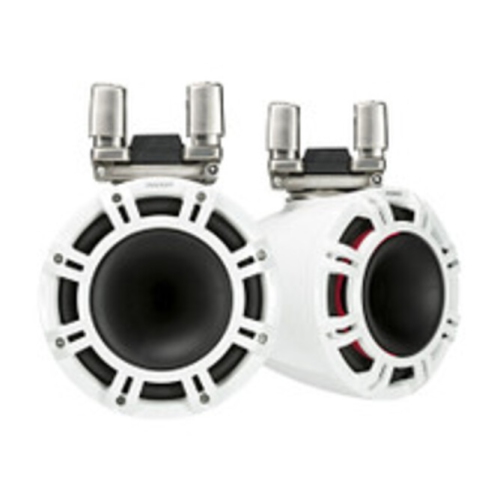
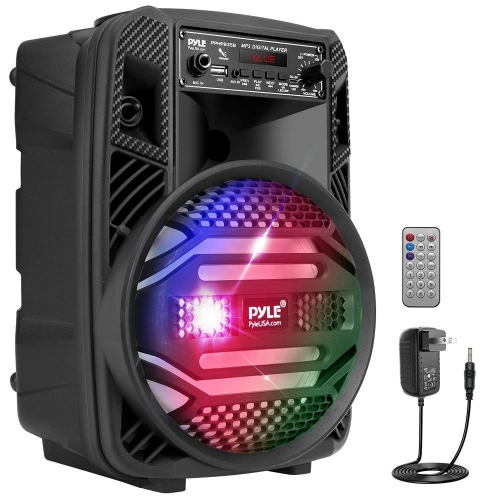
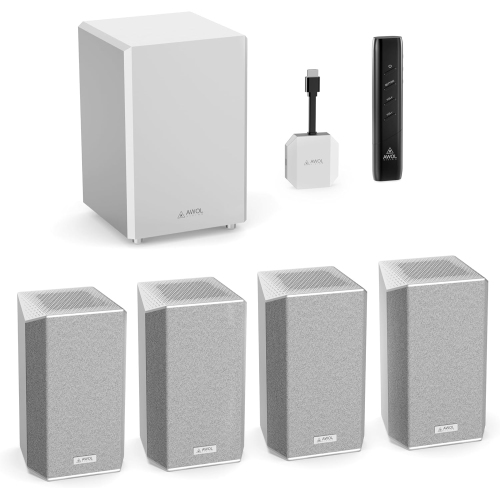

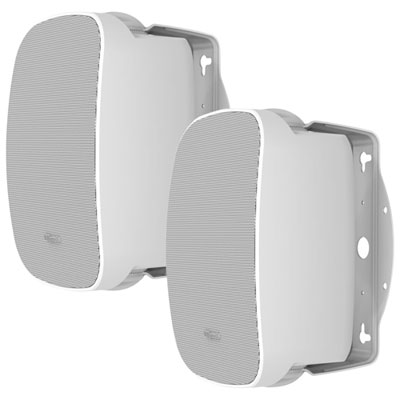
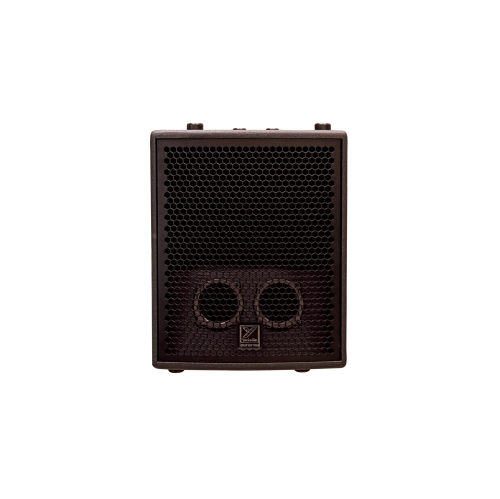
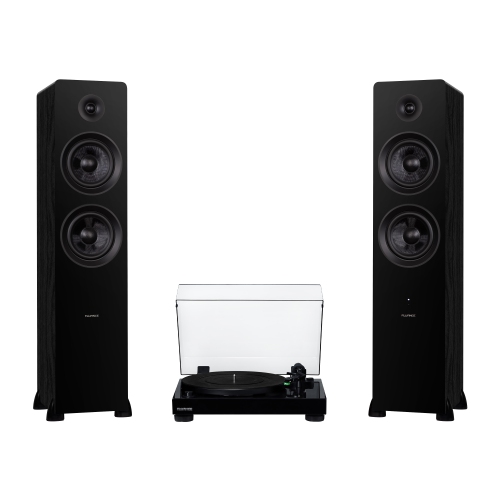
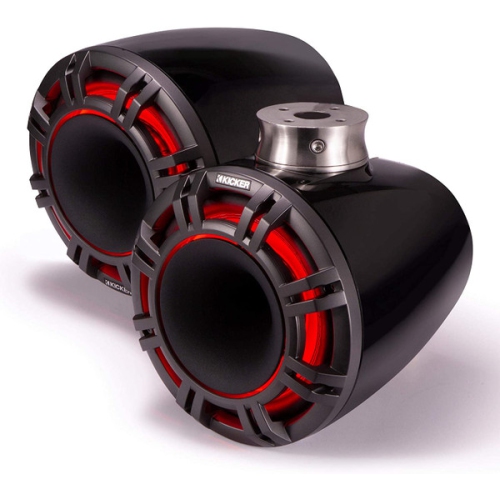

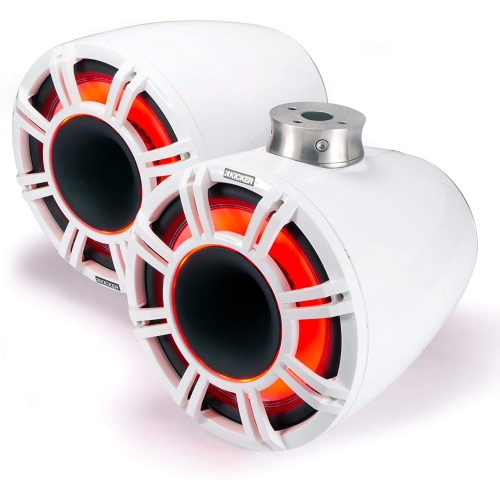
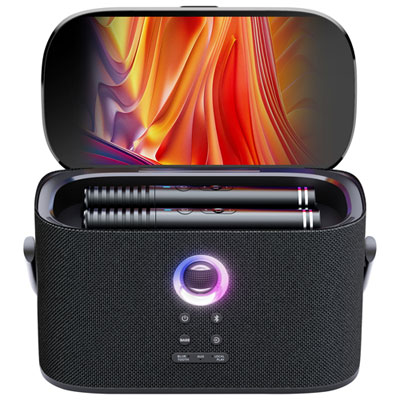
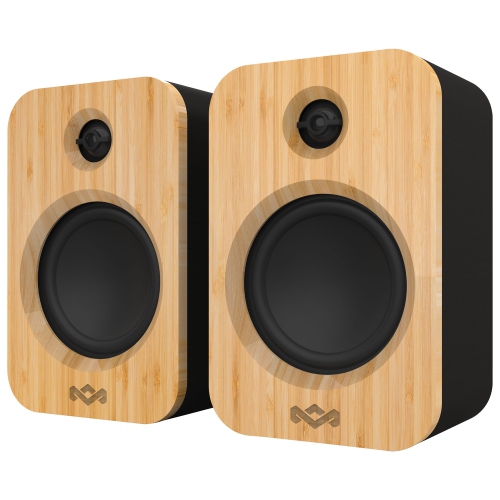
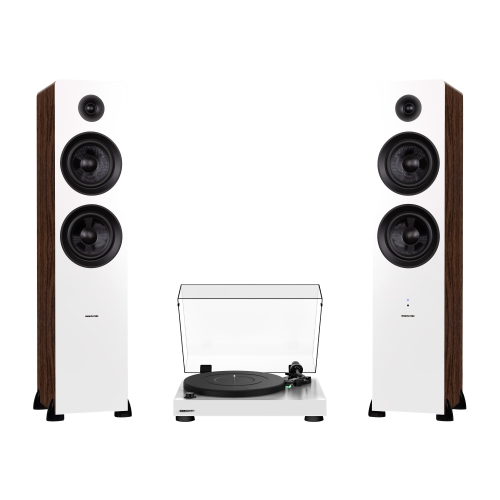






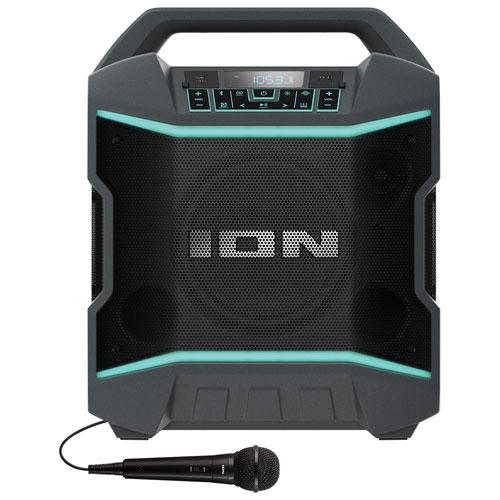
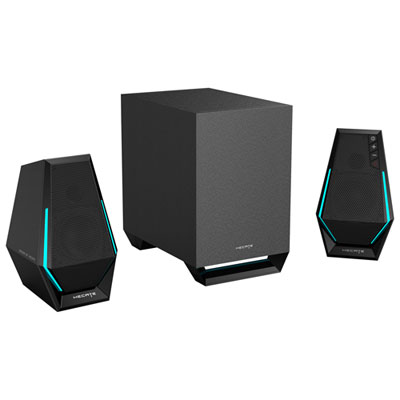
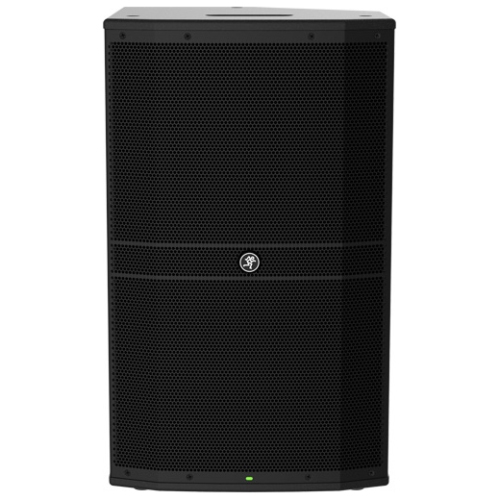
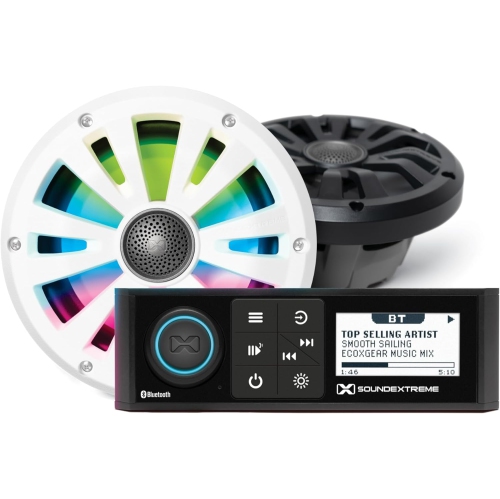
Room-filling sound takes more than high wattage
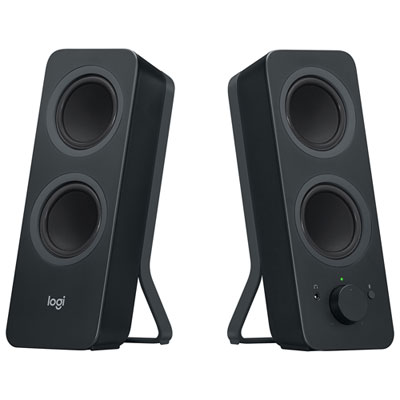
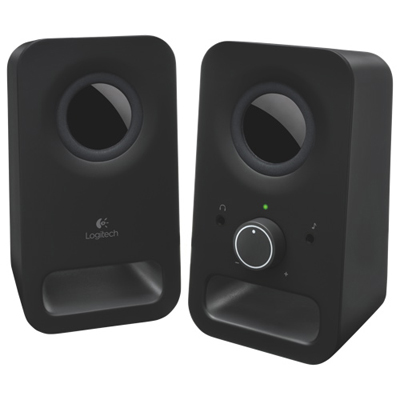
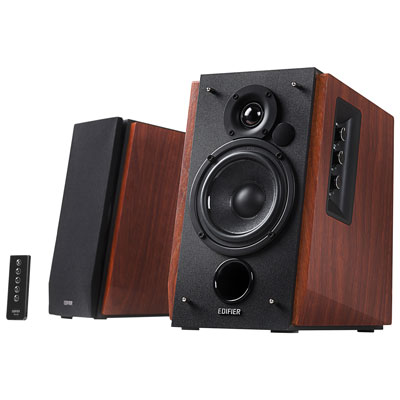
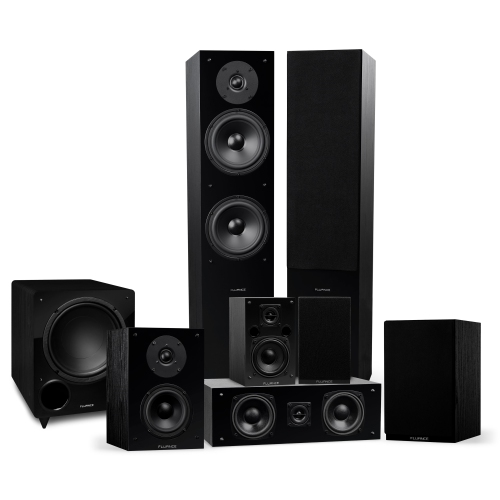
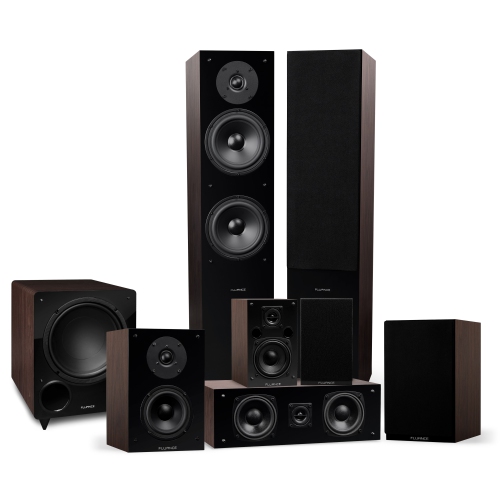
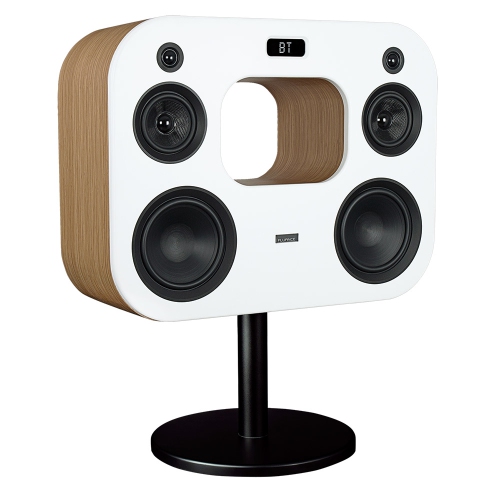
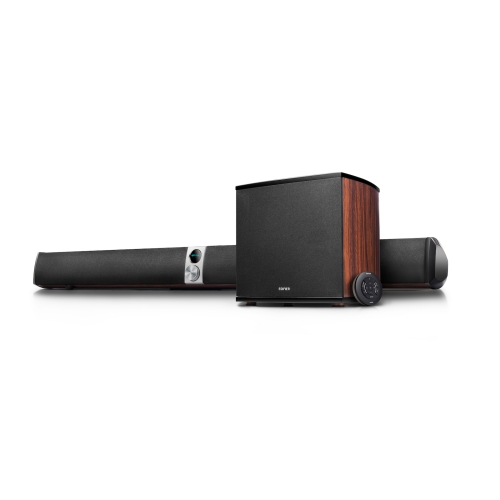
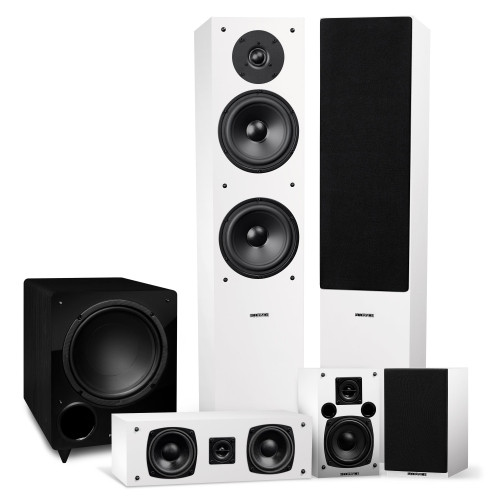
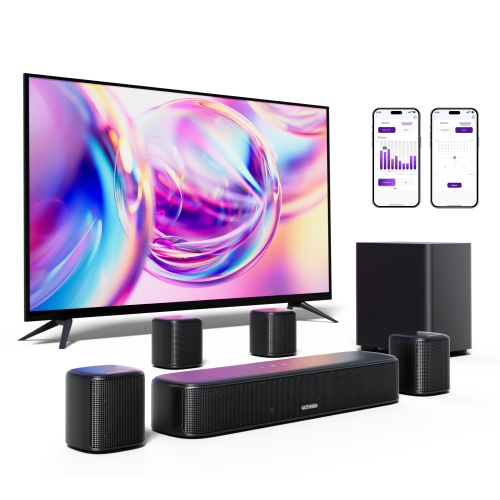
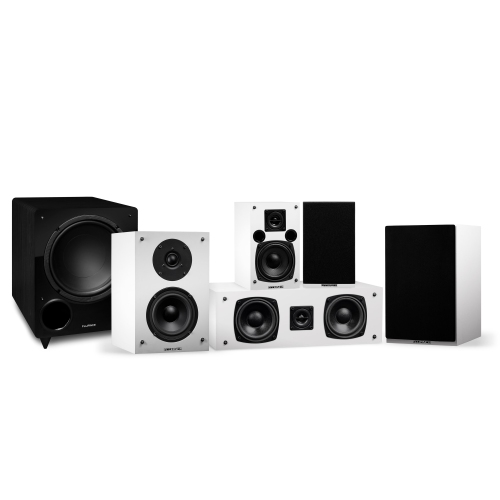
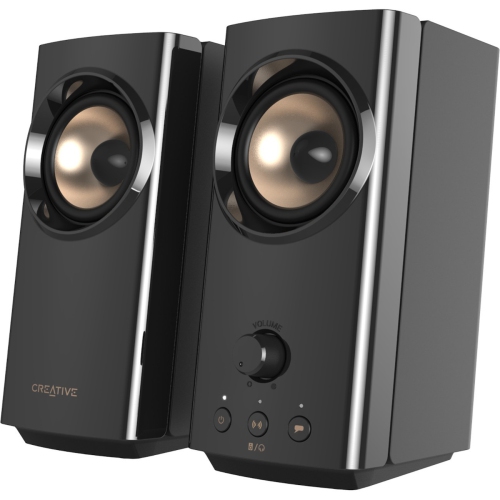
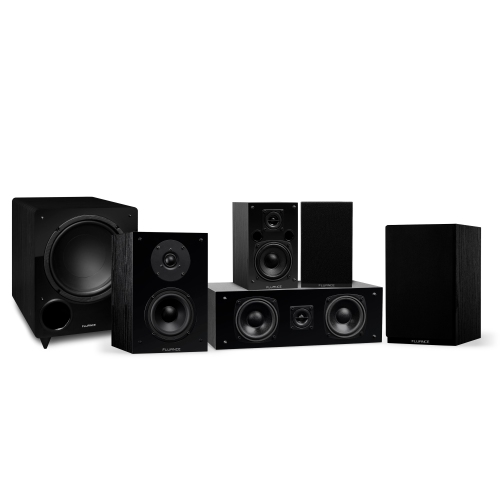
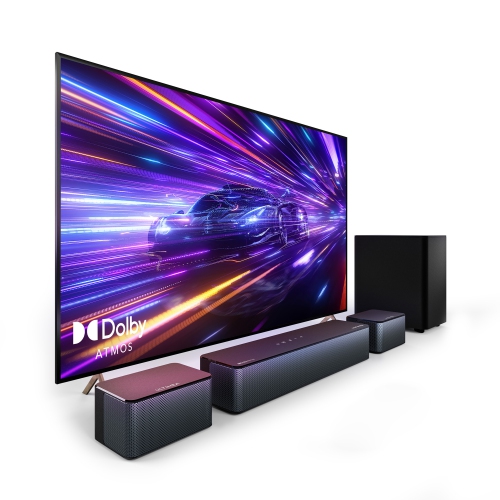
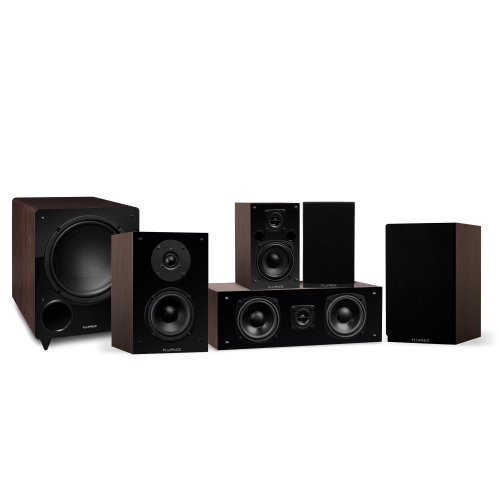
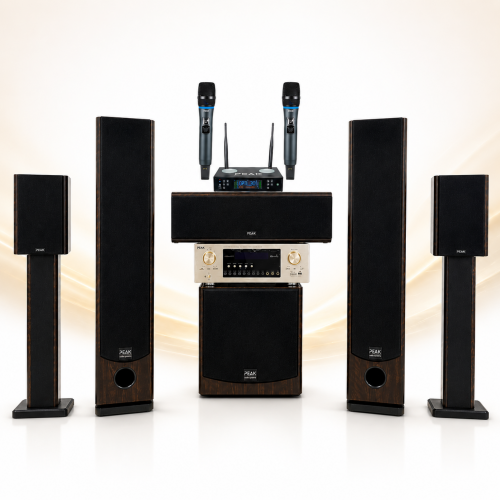
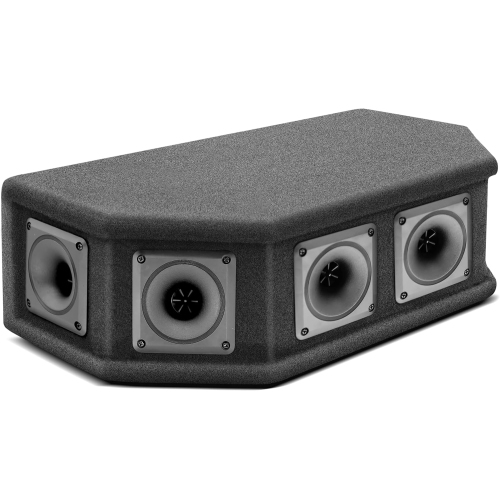
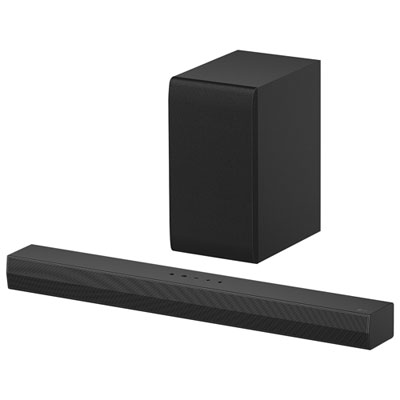
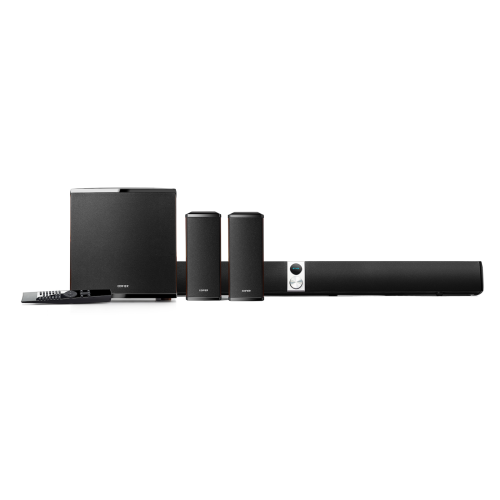
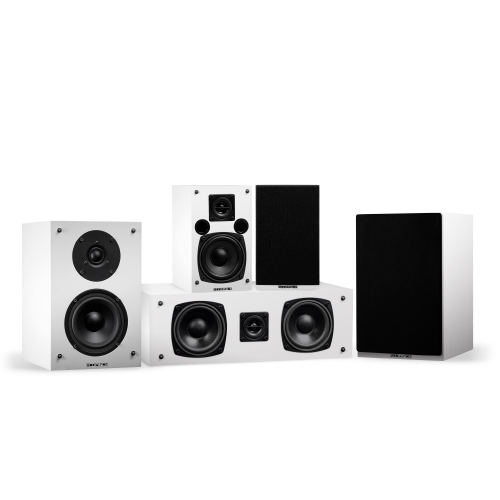
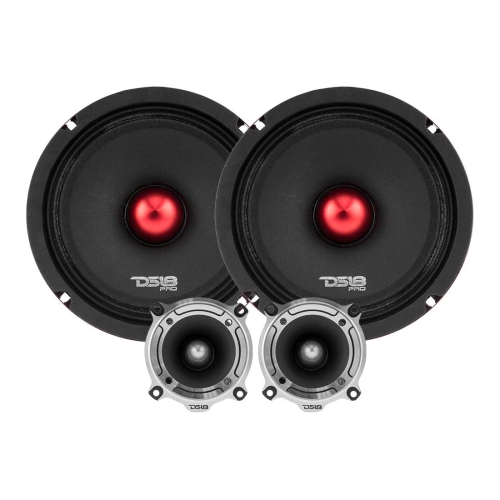
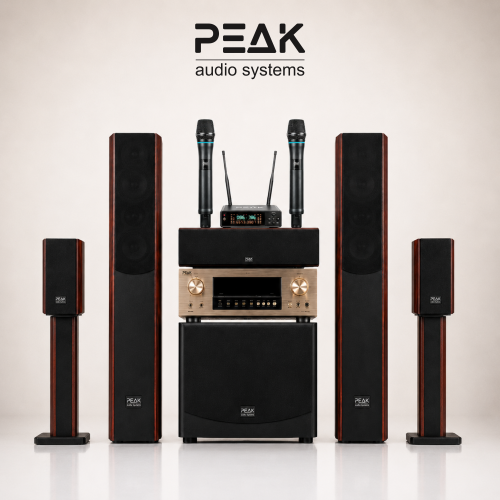
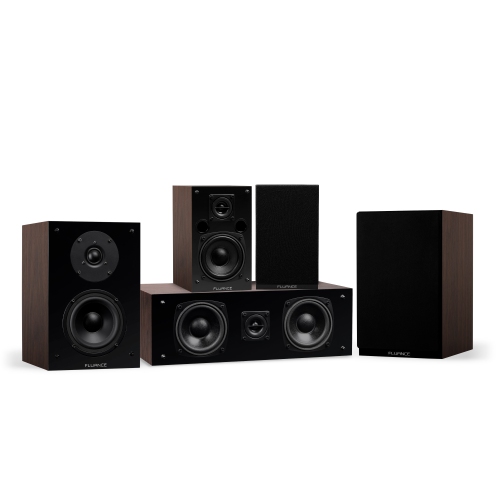
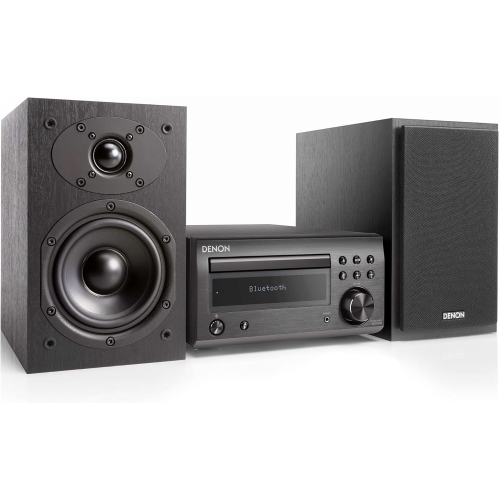
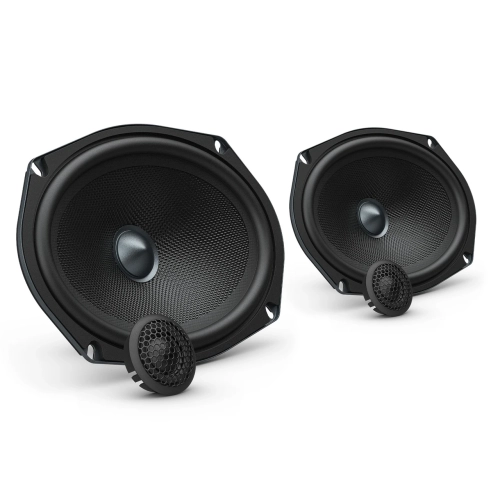
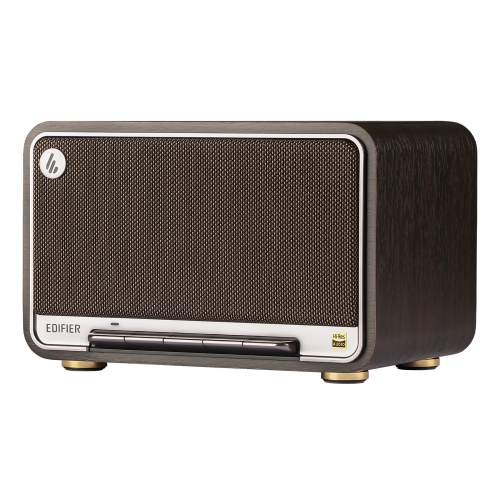
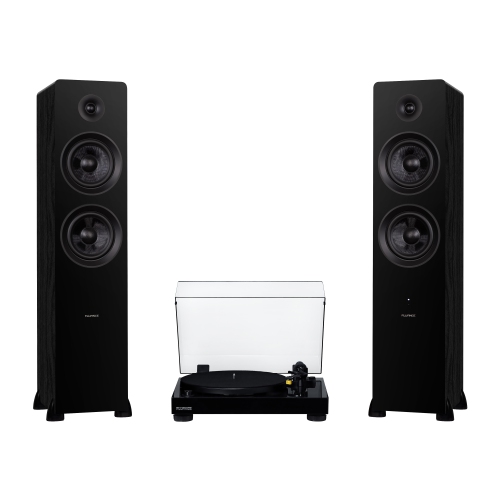
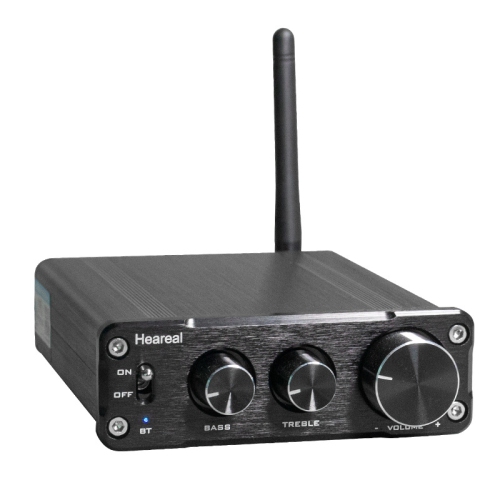
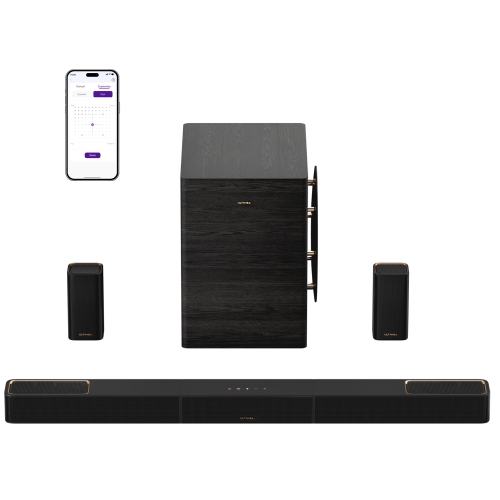
Powerful sound systems deliver more than high volume: they bring weight to a film soundtrack, keep vocals distinct from instruments, and reproduce sudden changes in intensity without sounding strained. A convincing setup can make a kick drum feel solid, give dialogue a clear place in the room, and preserve the quieter details between louder passages. The right type of system depends on the listening space and its main purpose. Home theatre systems use multiple channels to position sound around the seating area, while stereo systems concentrate on a spacious, well-defined presentation from left and right speakers. A subwoofer adds low-frequency extension, giving bass notes and cinematic effects greater depth without asking smaller speakers to handle the entire frequency range. There is no single wattage that makes a sound system powerful. Room size, listening distance, speaker sensitivity, amplifier capability, and distortion all affect the result. Continuous power ratings are generally more useful than headline peak figures, although meaningful comparisons require similar test conditions and the same number of channels driven. Higher speaker sensitivity can produce greater sound output from the same amplifier power, but it does not establish sound quality on its own. Passive speakers need a compatible amplifier or receiver, with attention to the specified impedance and recommended power range; active speakers have amplification built in. Neither format guarantees a better listening experience. In a smaller living room, a well-matched compact system can sound fuller and clearer than an oversized setup squeezed into unsuitable positions. Larger rooms and more distant seating often call for greater output capability and broader coverage. For film fans, clear dialogue and smooth transitions between speakers matter as much as dramatic bass. For music listeners, balanced voices, natural instruments, and consistent performance across everyday listening levels can make a system satisfying long after the initial impression of loudness wears off. That balance is especially noticeable when a recording moves from a lone singer to a full band: a capable system preserves separation rather than turning the performance into a wall of sound.
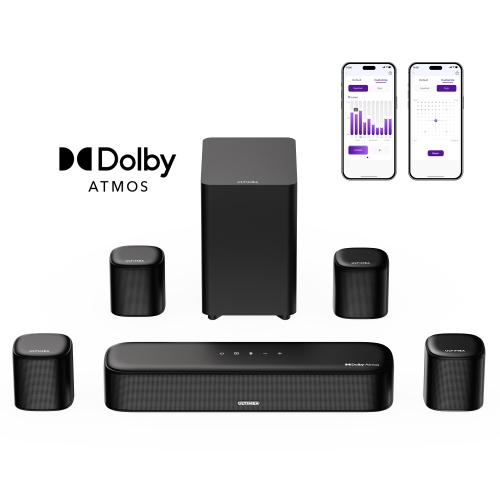
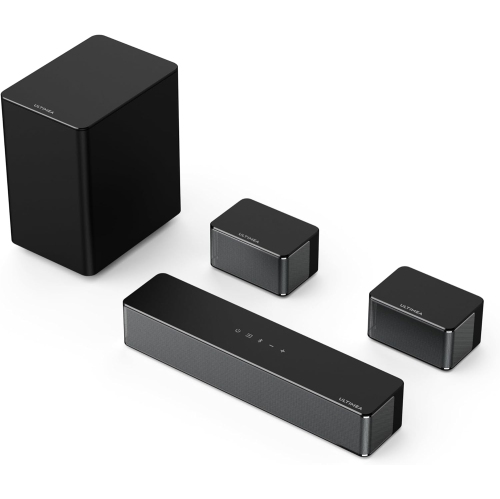
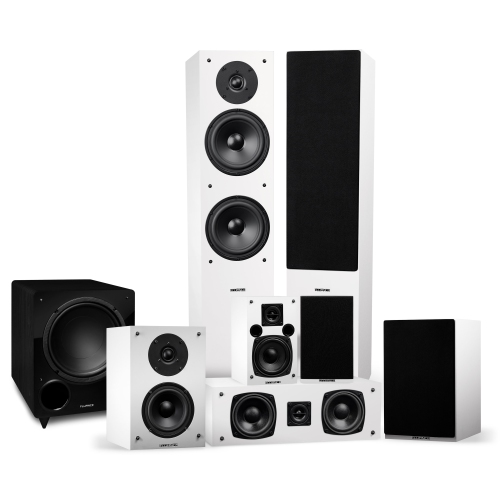
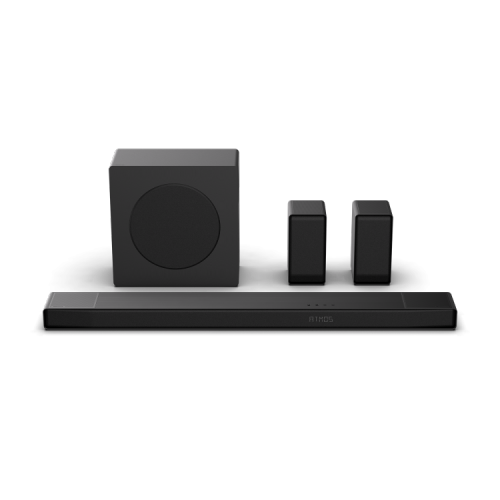
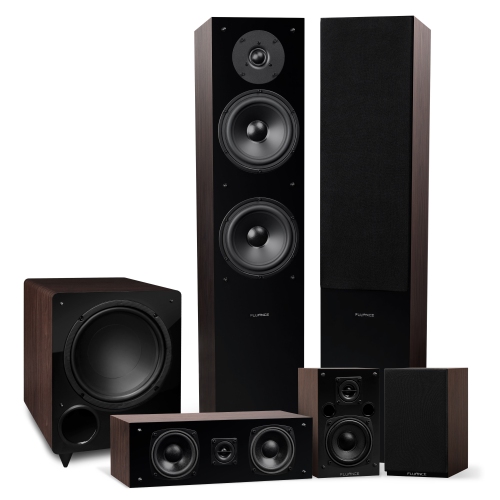
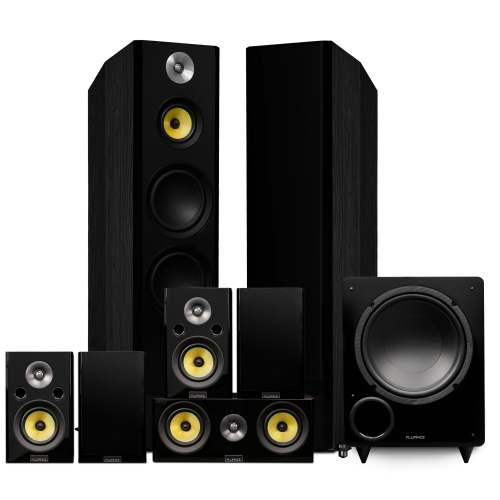
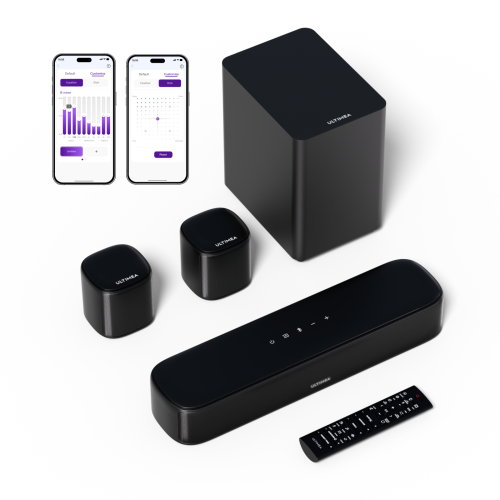
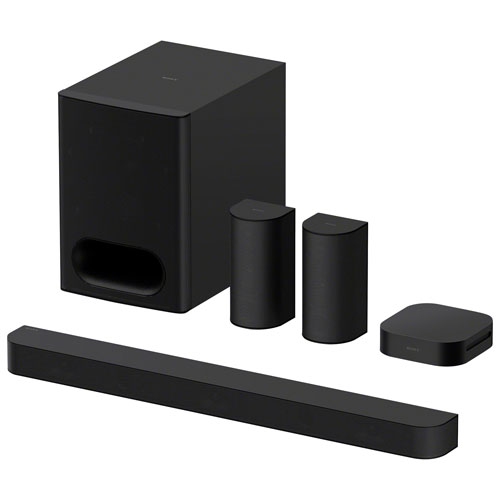
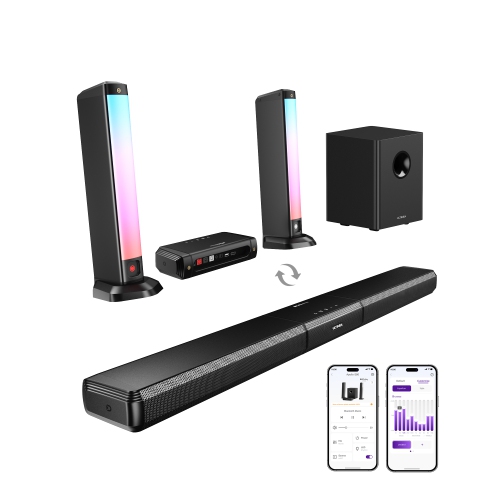
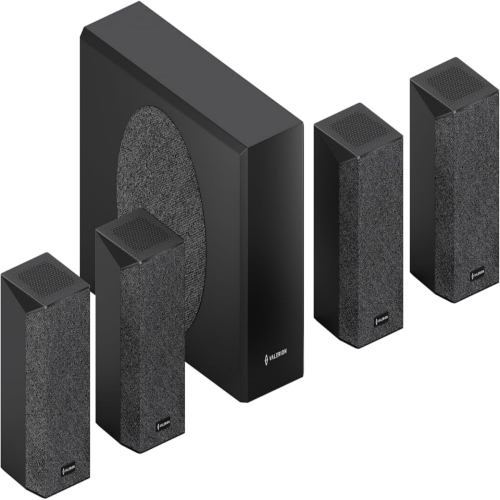
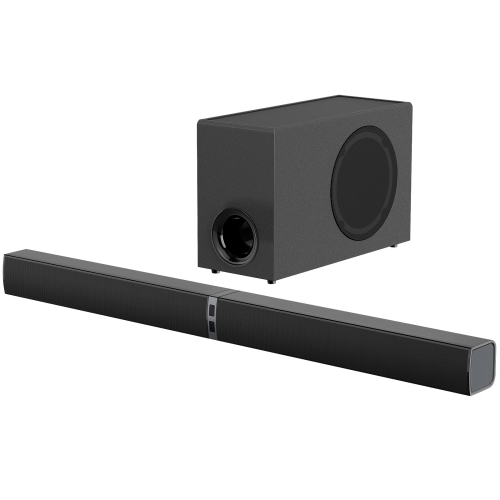
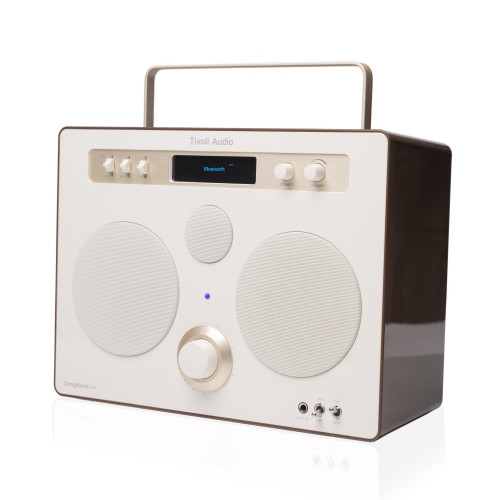
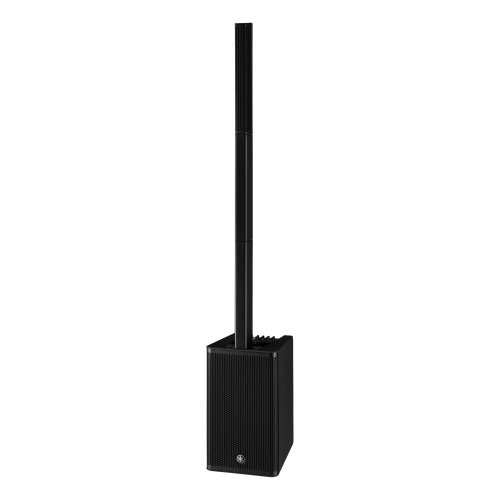
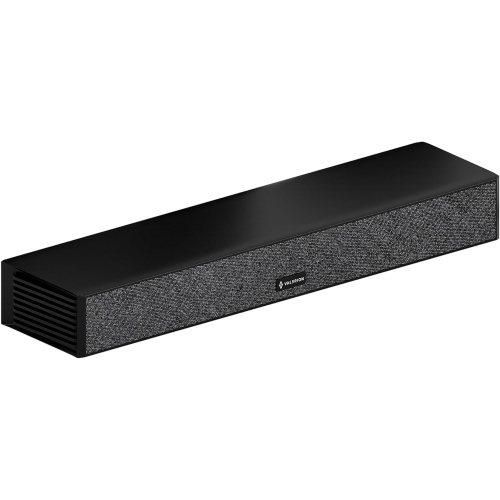
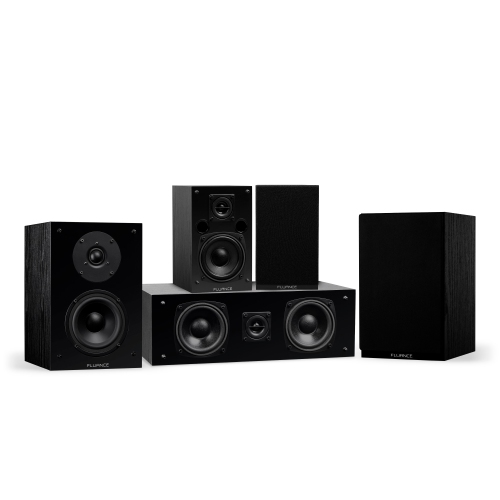
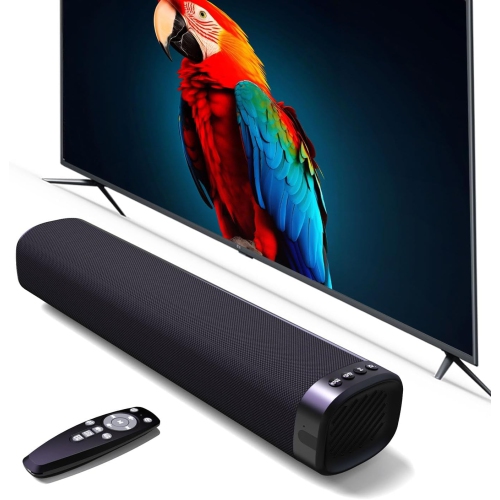
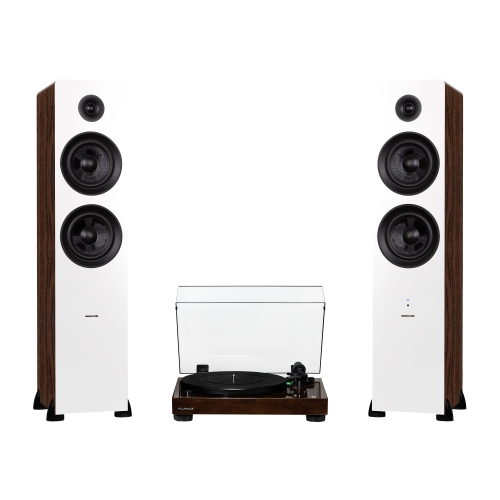
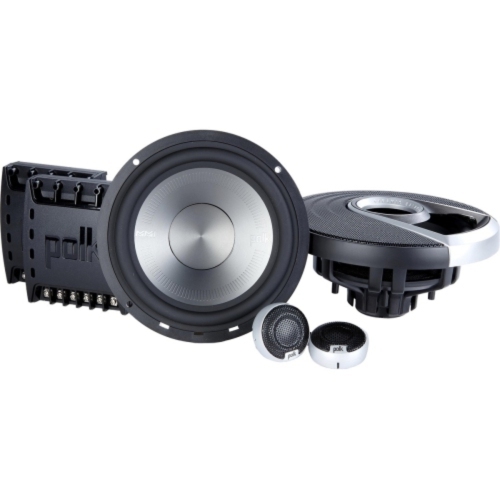
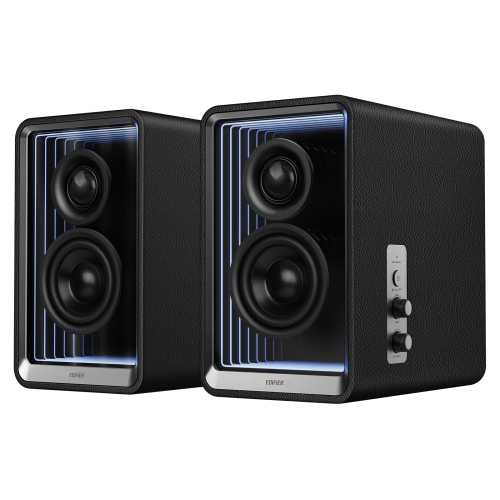
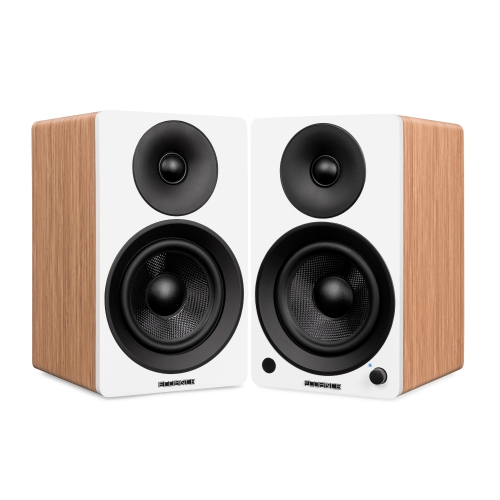
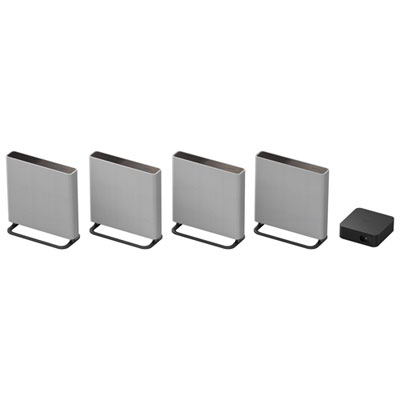
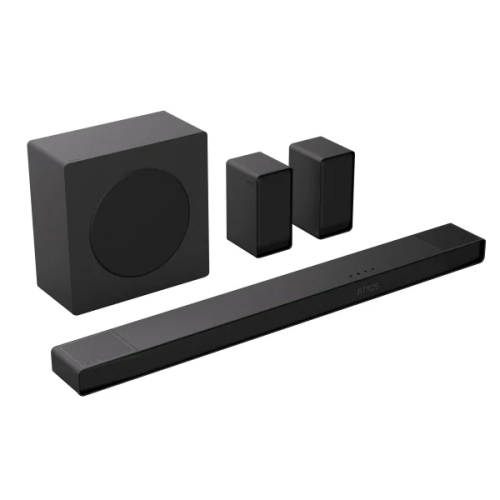
Soundbars, separate speaker packages, and wireless stereo systems offer different ways to fit substantial sound into a home. A soundbar keeps the front of the room relatively uncluttered, while separate bookshelf or floorstanding speakers allow more flexibility in spacing and positioning. A dedicated centre speaker can anchor dialogue near the screen, and surround speakers add movement and atmosphere when the content and playback equipment support those channels. Height effects also depend on compatible audio formats, speaker design, and room layout; upward-firing drivers are particularly influenced by ceiling shape and height. Physical fit deserves the same attention as connection options. A soundbar should not obstruct the television’s picture or remote sensor, bookshelf speakers need stable support, and floorstanding cabinets require enough space to stand securely without blocking walkways. Rear-ported speakers may need clearance from the wall, following the manufacturer’s placement recommendations. Cabinet construction can influence both durability and performance: rigid engineered-wood enclosures help limit unwanted vibration, while well-designed moulded cabinets can keep portable systems lighter and easier to handle. Driver materials vary, and no single cone material guarantees better sound; the enclosure, crossover, amplification, and overall design work together. Fabric grilles and finishes also affect how comfortably speakers blend with furniture and décor. Behind the scenes, connectivity determines how easily the system becomes part of daily listening. HDMI ARC or eARC can carry television audio to compatible equipment, optical inputs serve many digital audio sources, and analogue connections remain useful for supported components. Bluetooth makes direct playback from a phone convenient, while Wi-Fi can support network streaming and multiroom listening in compatible setups. Wireless audio does not necessarily mean cable-free installation, since many speakers still need a nearby power outlet. Automatic calibration and room adjustment can help balance playback, but sensible placement remains important. For listeners exploring Quality Sound Systems, these practical details help connect room-filling performance with clear, enjoyable sound.
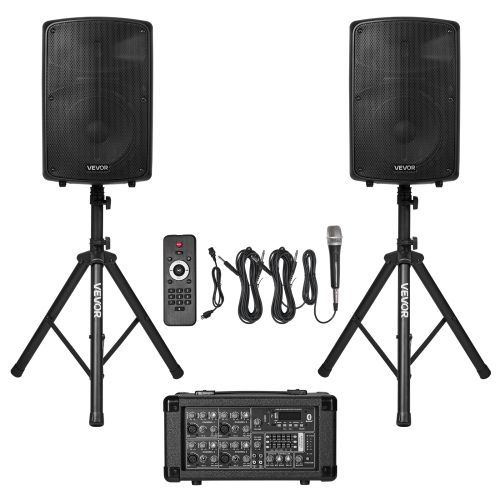
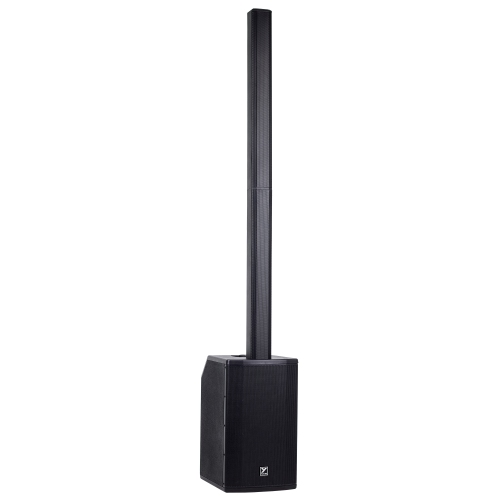
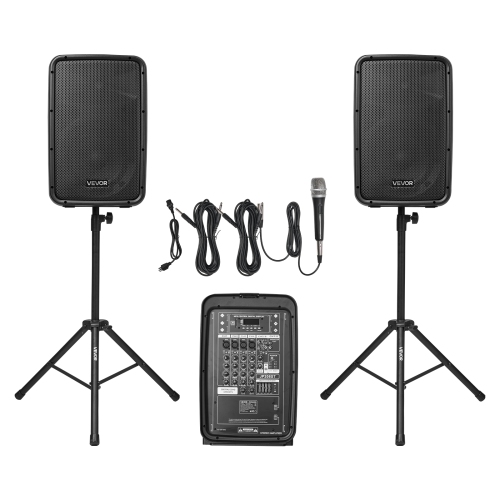
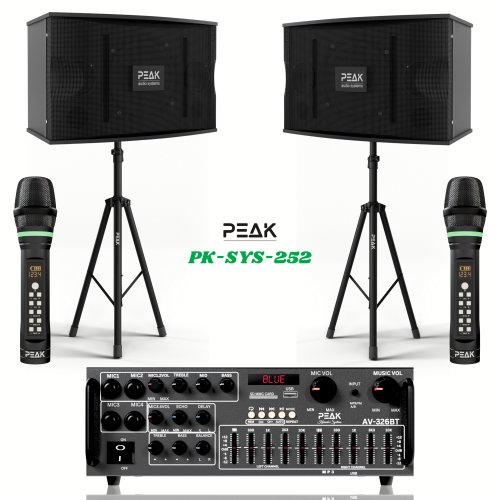
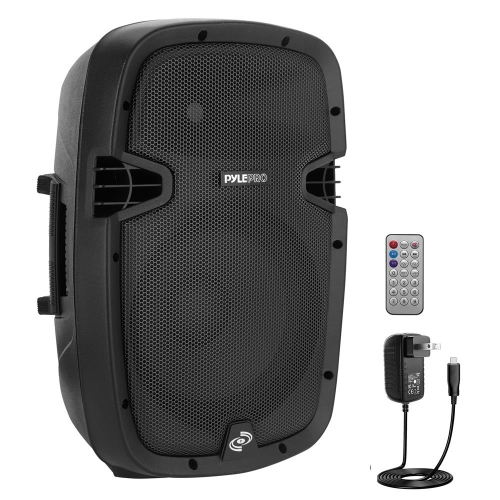
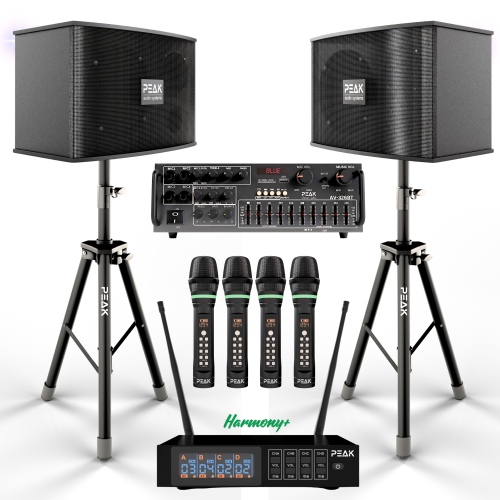
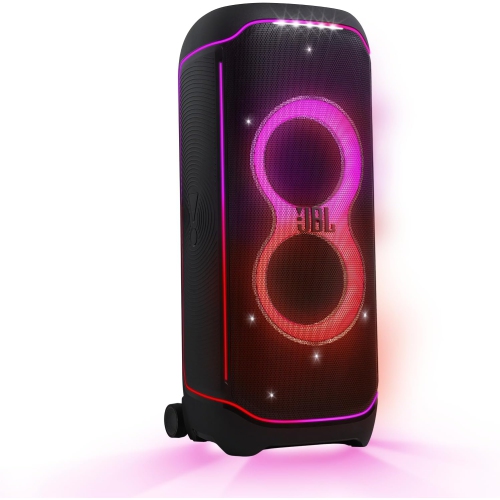
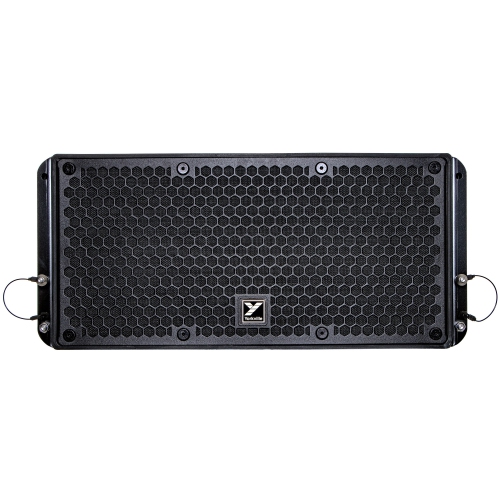
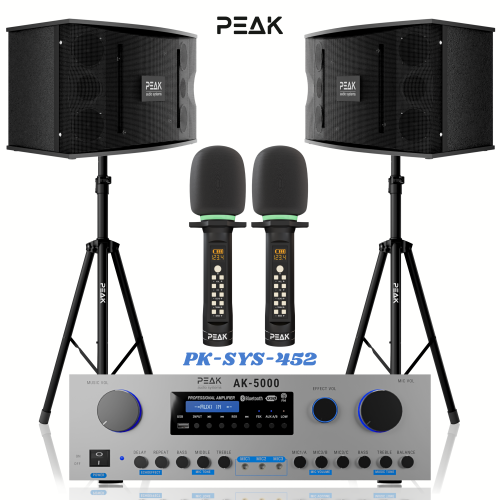
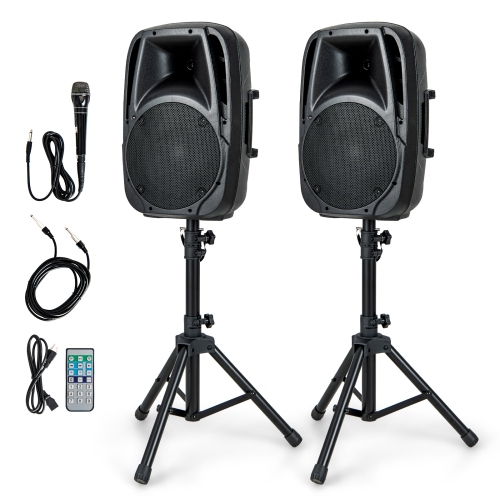
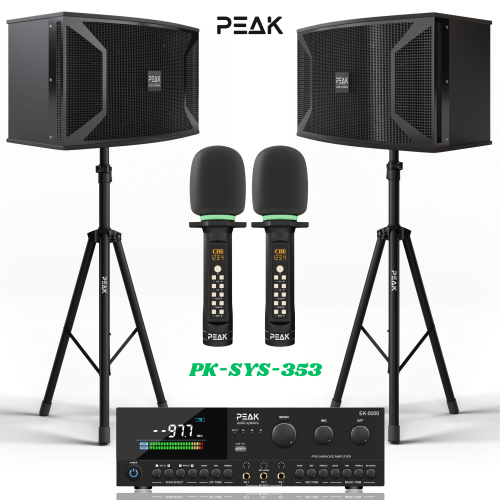
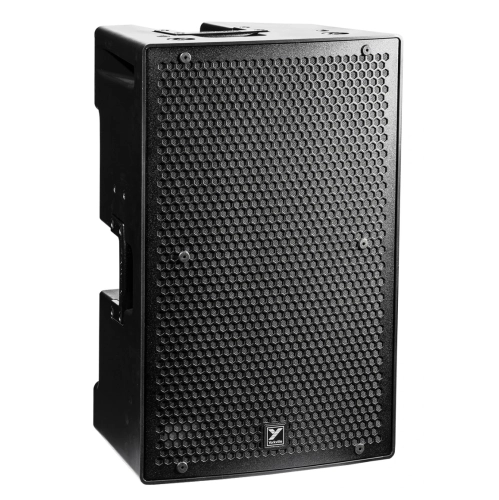
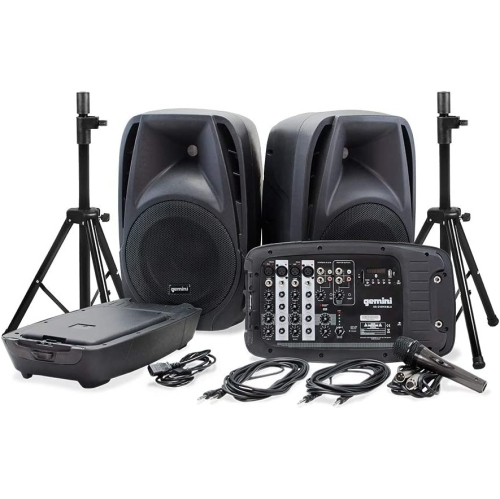
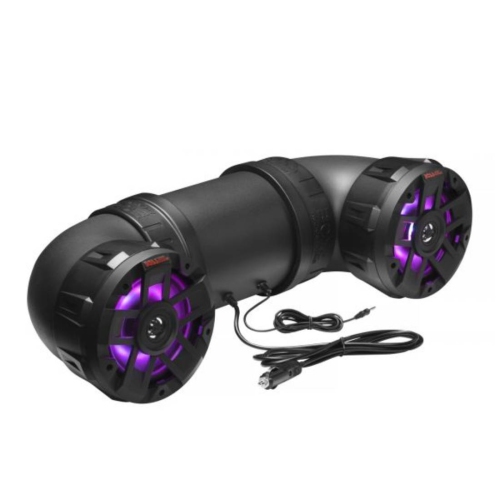
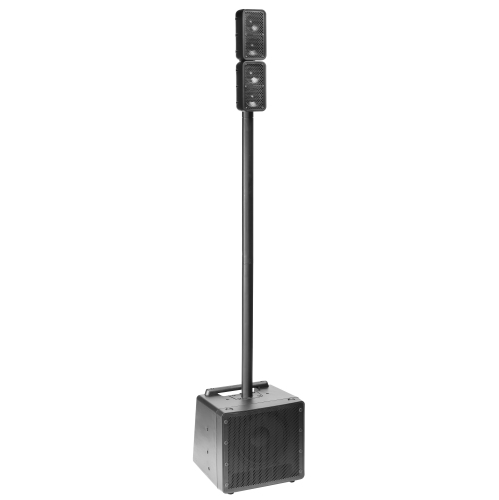
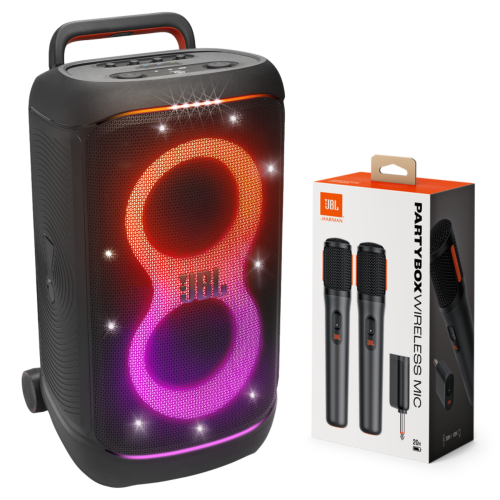
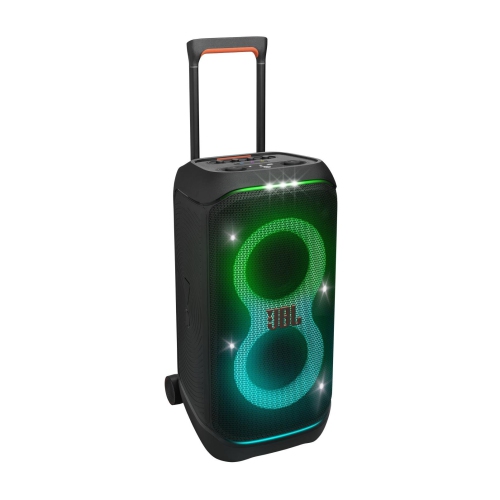
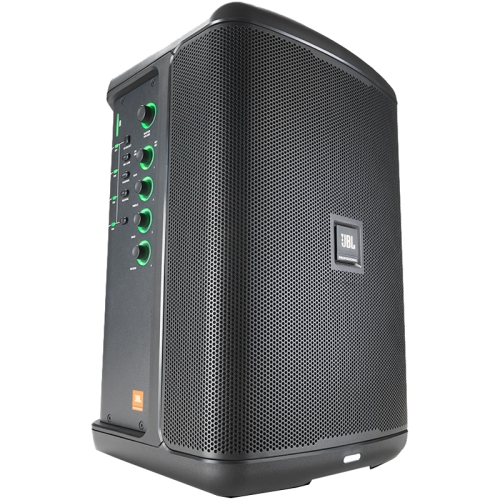
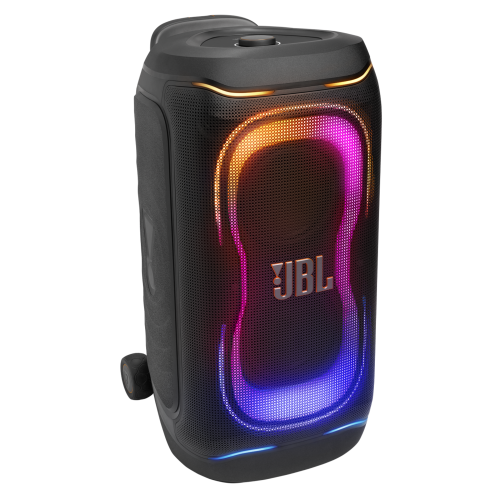
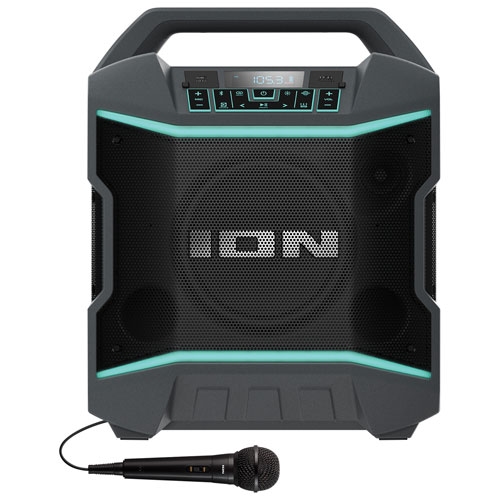
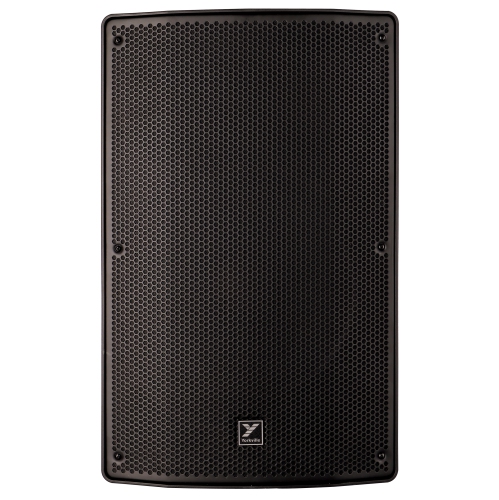
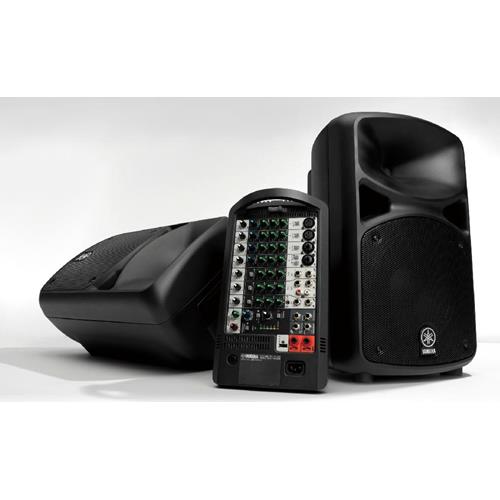
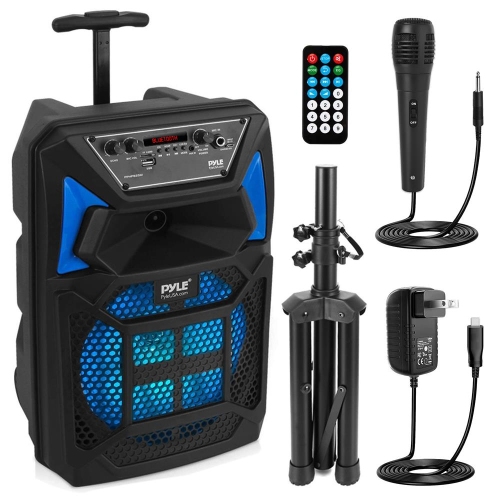
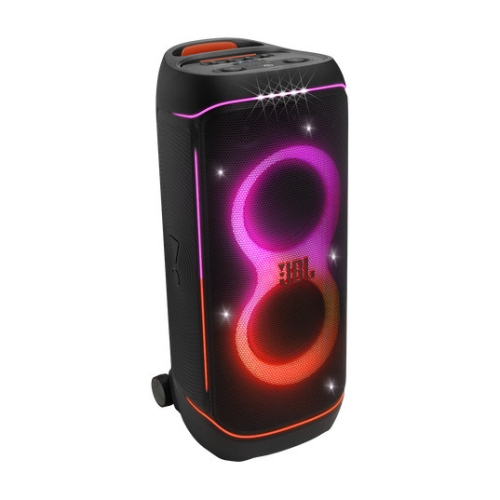
Portable PA systems and larger party speakers serve a different purpose from a home theatre setup, even when both are described as powerful sound systems. A PA system is built to project voices and music to an audience, making microphone inputs, mixer controls, and even coverage especially relevant for presentations, rehearsals, community gatherings, and small performances. Separate input controls allow a speaker’s voice to sit clearly above background music, while compatible instrument connections can simplify a singer’s or musician’s setup. Party-focused speakers place more emphasis on convenient music playback and energetic bass, although microphone support and other features vary. Portability involves more than cabinet size: handle placement, weight, wheels, and secure transport all affect how manageable a system feels between uses. Battery-powered operation can be useful away from an outlet, but playback time depends on volume, bass settings, connected features, and battery condition. Rugged grilles and reinforced corners can help withstand regular handling, while any resistance to moisture or dust should be confirmed through the stated protection rating rather than assumed from appearance. At home or at an event, stable placement protects the equipment and the people around it. Speaker stands need an appropriate load rating, cables should stay clear of walking routes, and amplifiers need the ventilation specified by the manufacturer. Routine care is usually straightforward: a soft, dry cloth removes surface dust, liquids stay away from connections and drivers, and the original packaging or a suitable protective case helps during transport. Strong bass can travel through shared walls and floors, so apartment listening often benefits from careful subwoofer placement and lower evening levels. Comfortable listening levels also protect hearing during extended sessions. As a gift, a sound system is most useful when it suits the recipient’s room, existing equipment, and preferred activities, whether that means movie nights, focused album listening, hosting friends, or amplifying a live performance. The lasting appeal comes from sound that feels effortless and equipment that fits naturally into the way it will be used.
Top selling and popular products
-
 Your price for this item is $1099.99
-
 Your price for this item is $2999.99
-
 Your price for this item is $999
-
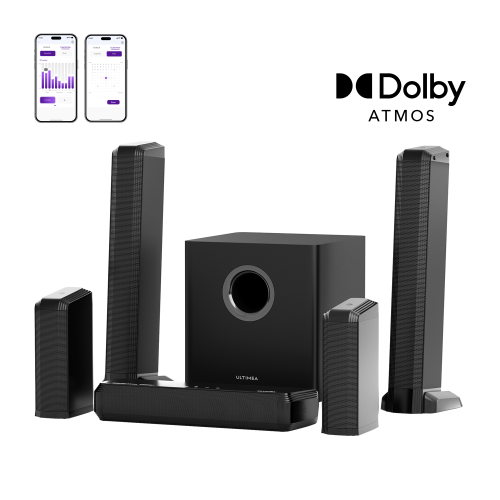 Your price for this item is $499
-
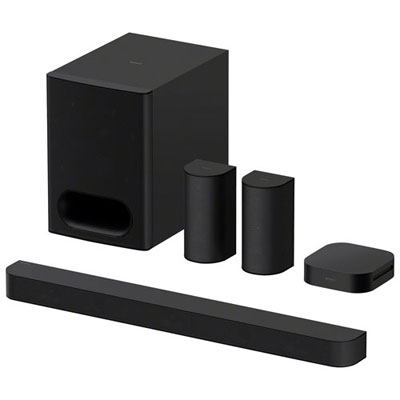 Your price for this item is $799.99
-
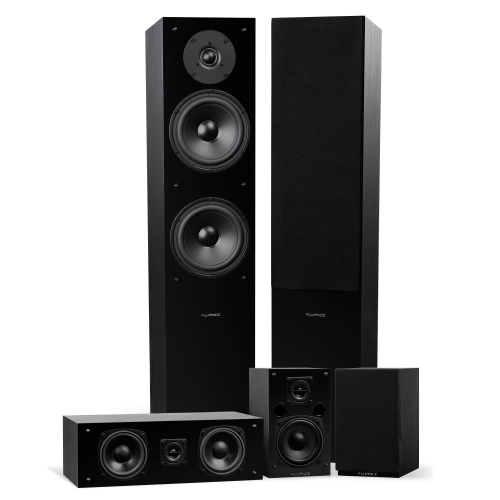 Your price for this item is $699.99
-
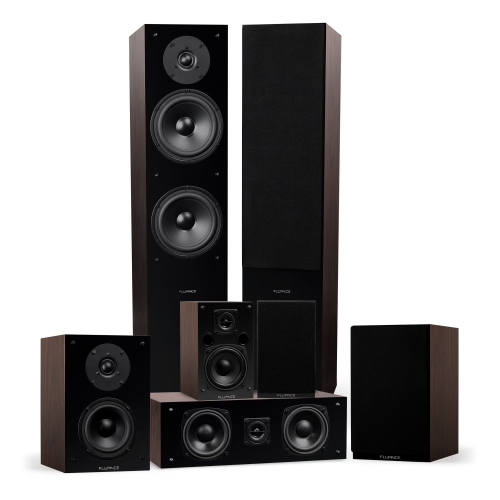 Your price for this item is $900.99
-
 Your price for this item is $329.99
Discover more categories related to Powerful Sound Systems
Top Collections:
Best Black Friday Deals This Year, Best Black Friday Deals On Electronics, Kindle Devices, Pokemon Centers, Best Black Friday Deals On Apple Products, Best Cameras for Sports Photography, Dyson Airwrap, Pokémon 30th Celebration Cards, Apple iPhone 17 Pro, Canon G7X Cameras
Some products may be subject to Environmental Handling Fees
(EHF) depending on your province.
Learn more about EHFs.