2.0 Speakers
Upgrade your audio experience with our selection of 2.0 speakers. Whether you're a music enthusiast, a gamer, or simply looking to enhance your movie nights, these speakers are designed to deliver crystal-clear sound and immersive audio. With sleek designs and powerful performance, our range of 2.0 speakers will transform your entertainment setup into a captivating audio hub.
Sort














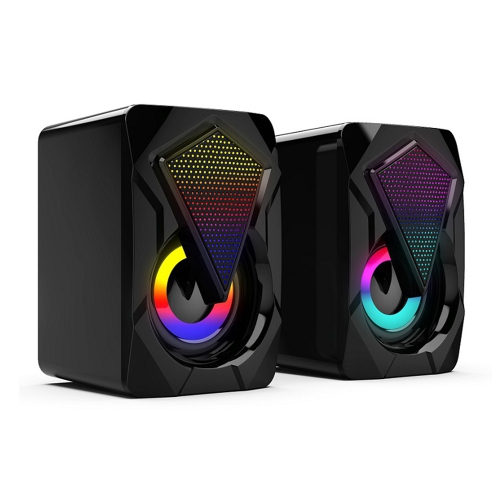

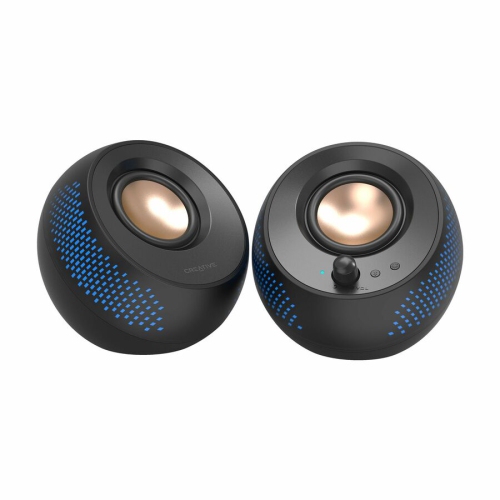

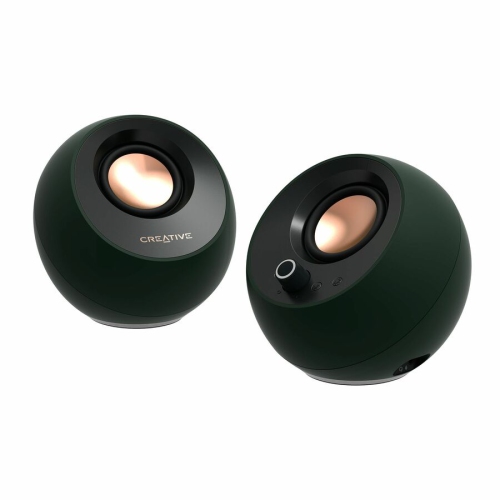
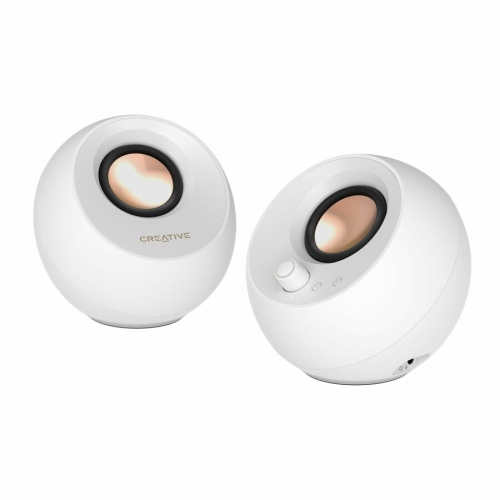
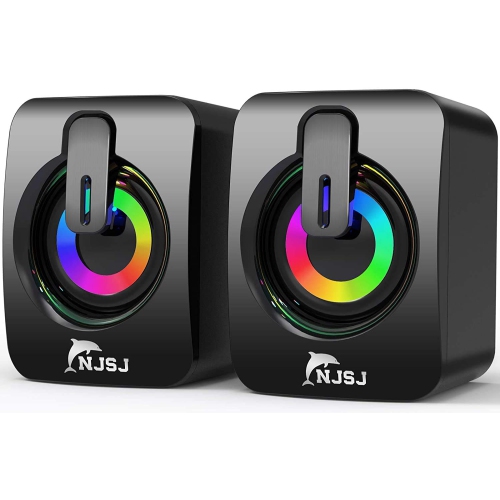
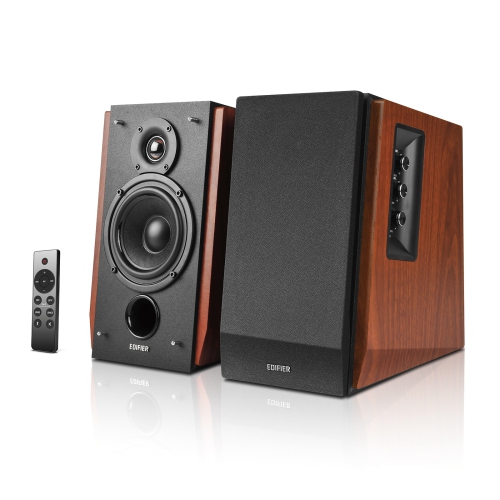
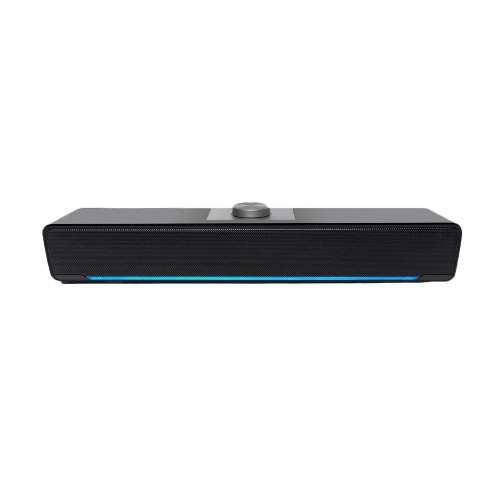
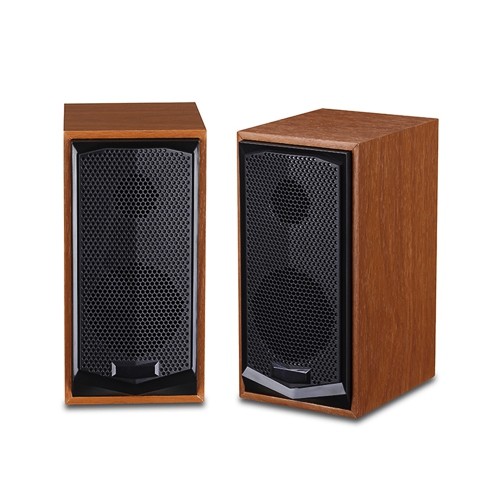
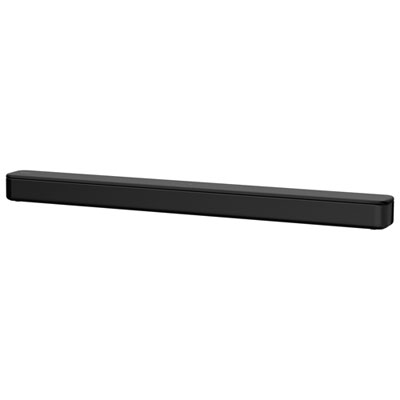
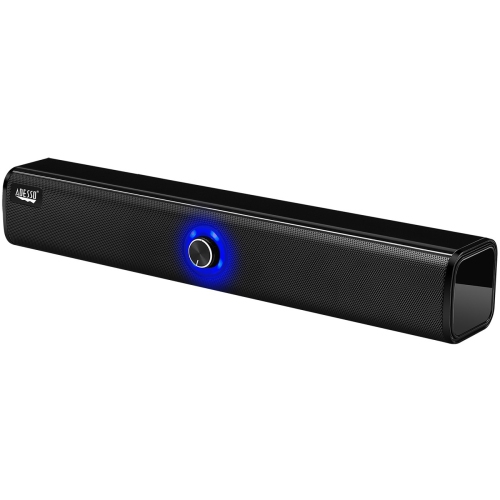
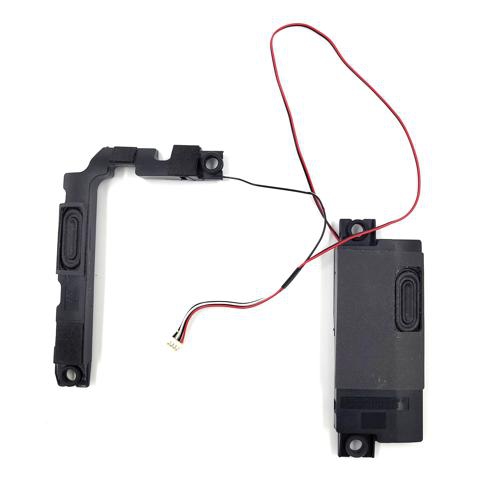
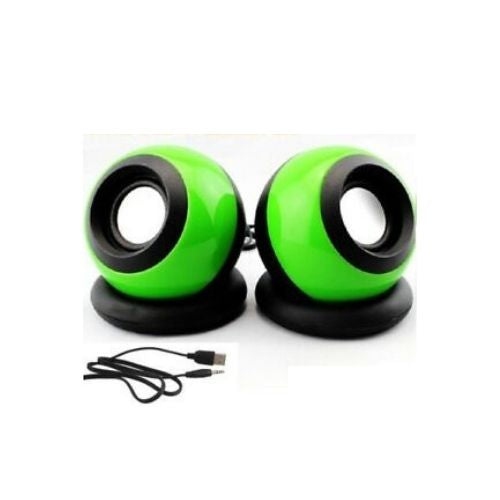

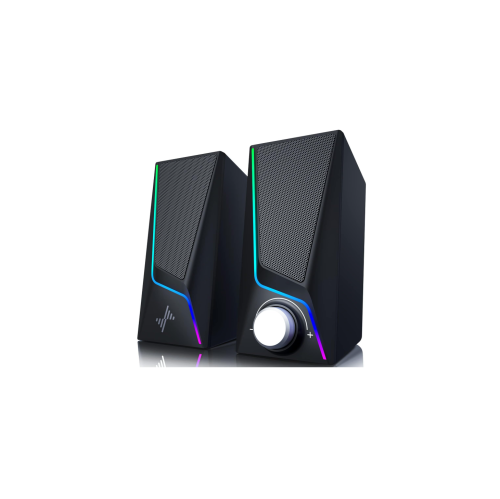

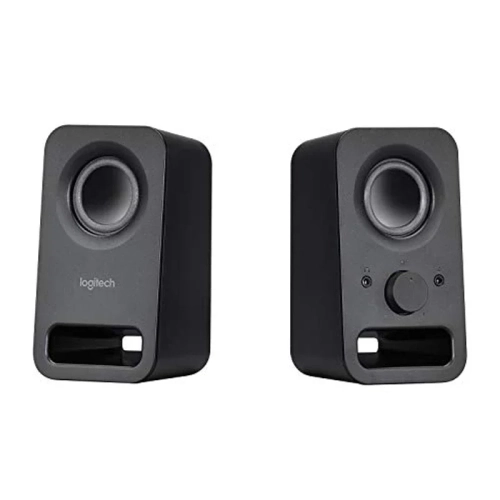
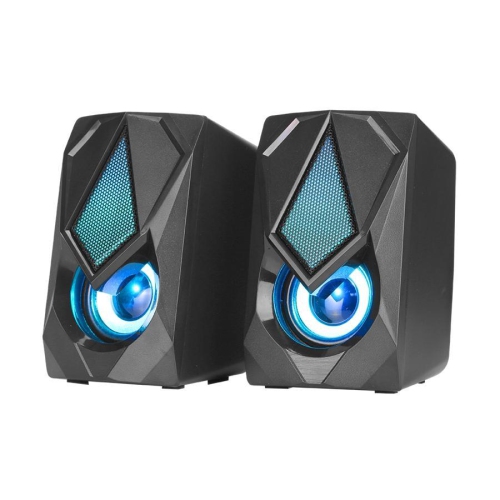
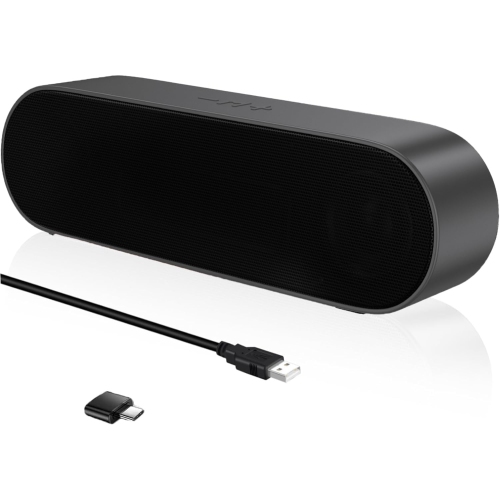
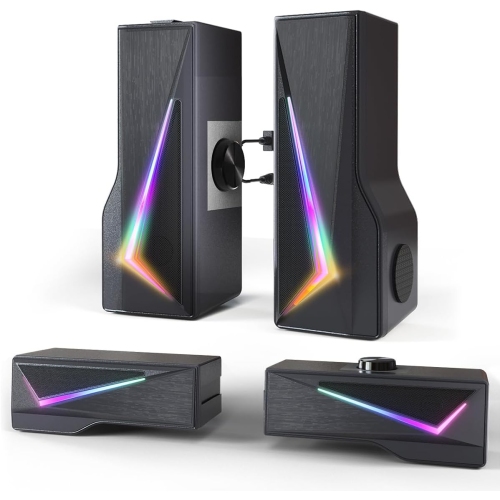
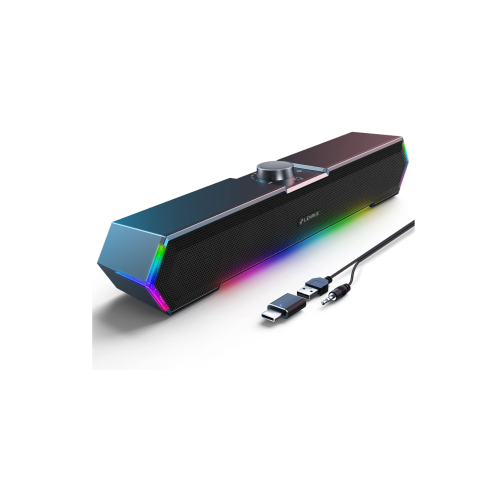
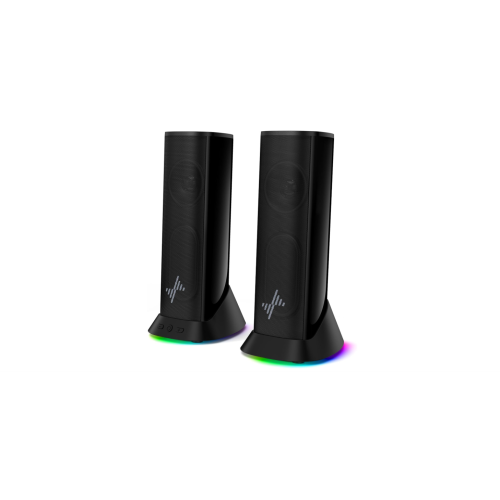

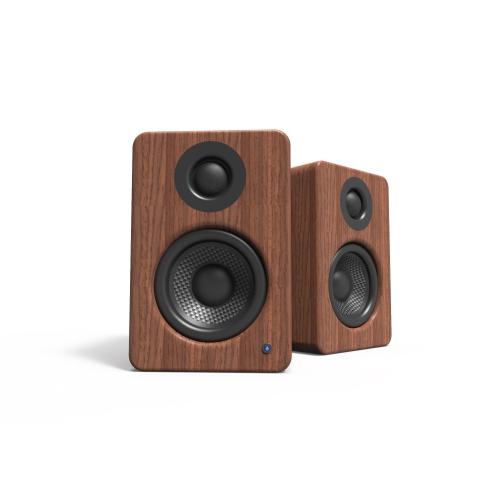
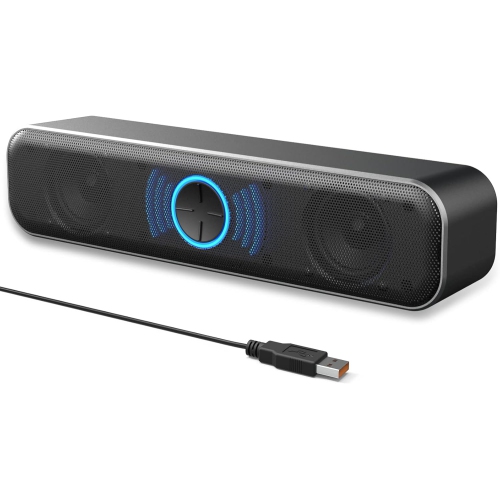
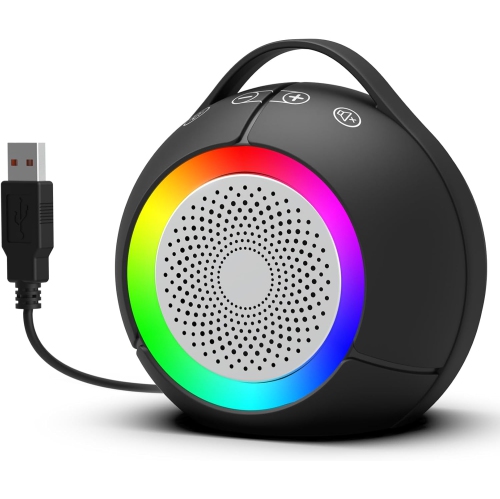
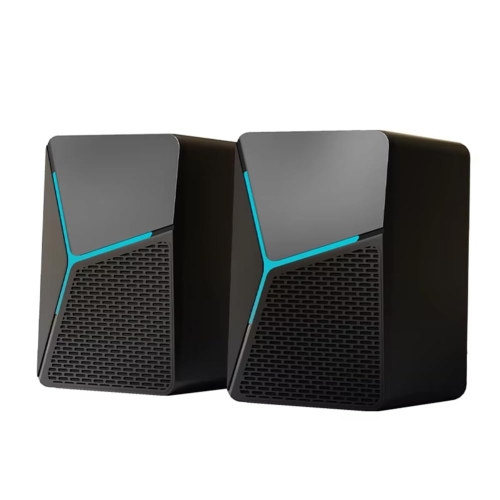


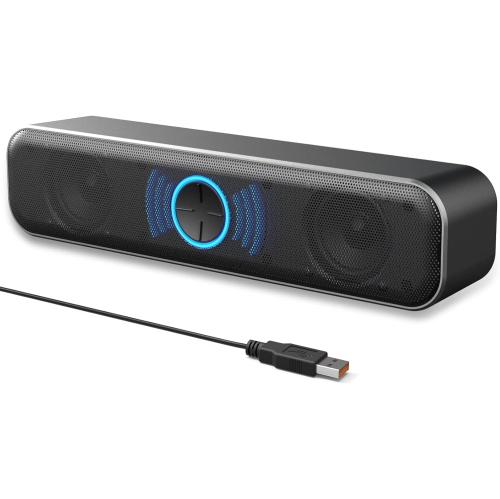
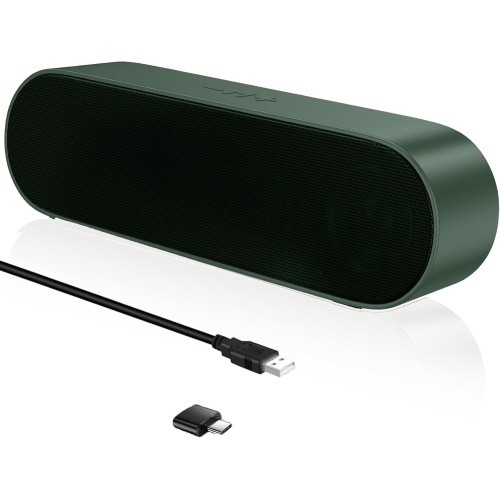
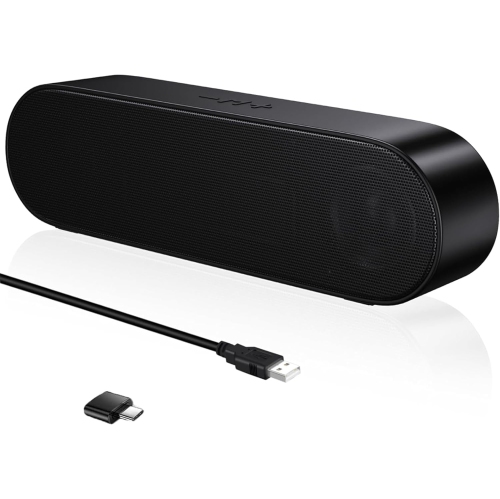
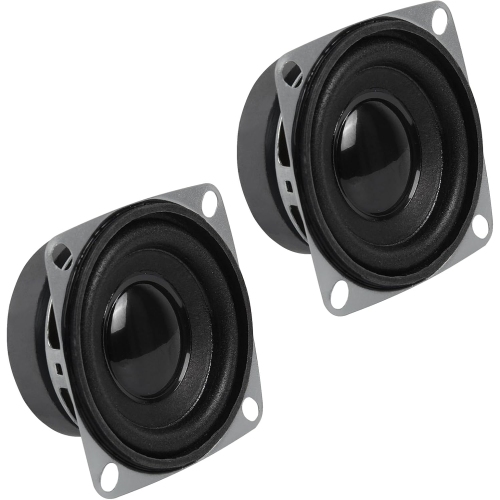
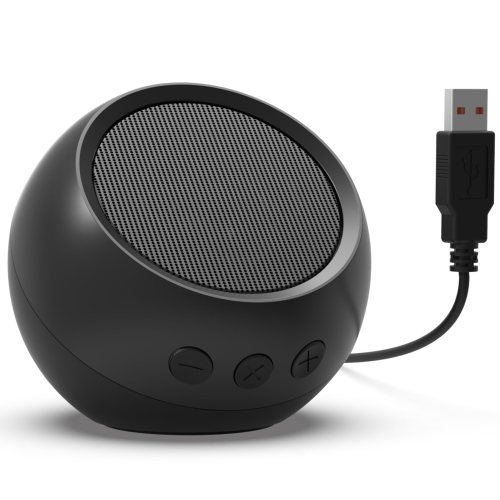
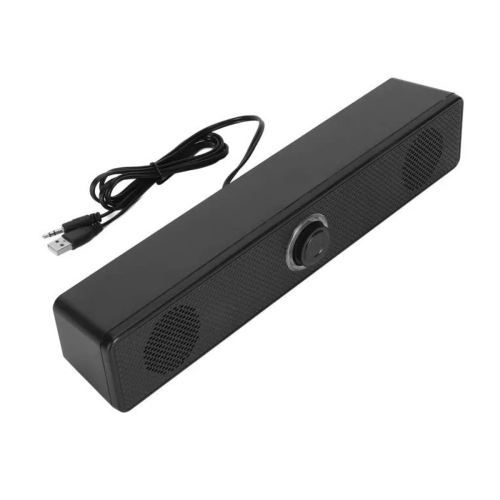

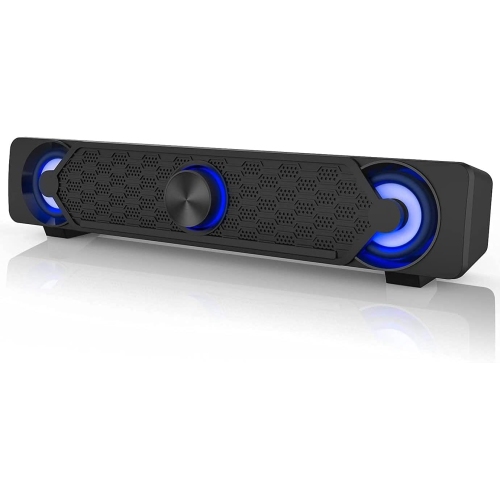
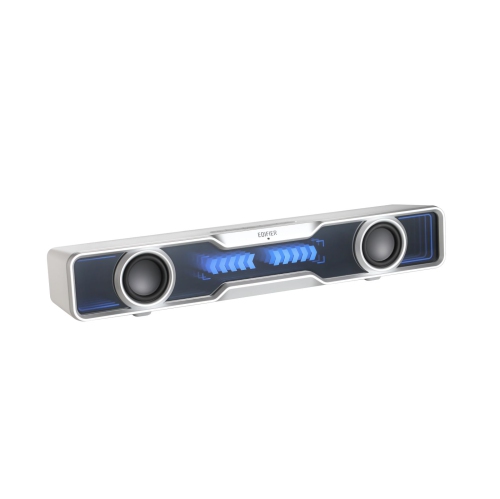
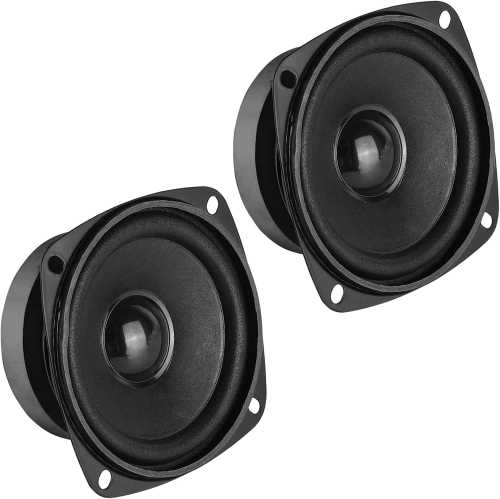
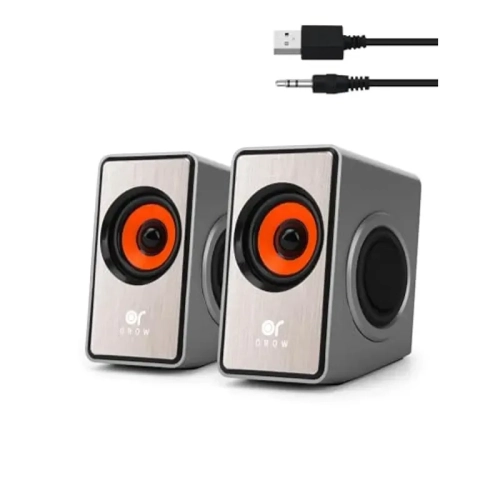
![DOLAER Single] Computer Speaker for Desktop PC, USB-Powered, Plug-N-Play, Wired, External Speaker for Laptop, w Crystal-Clear Sound, Loud Volume](https://multimedia.bbycastatic.ca/multimedia/products/500x500/196/19663/19663562.jpeg)
Stereo sound for your desk without a separate subwoofer
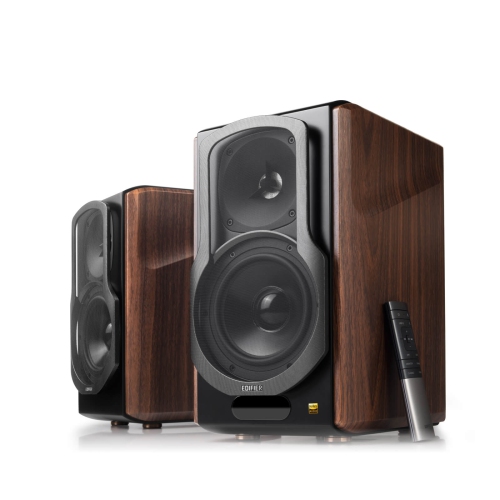
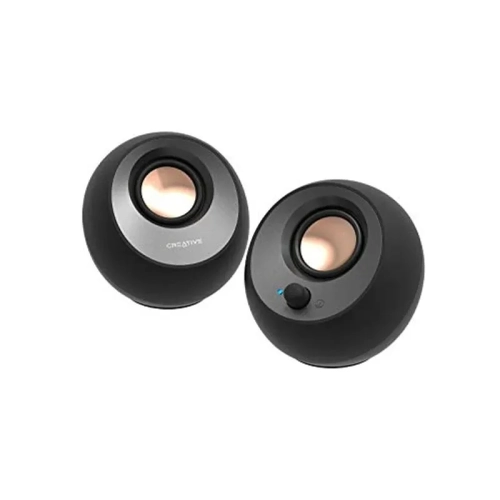
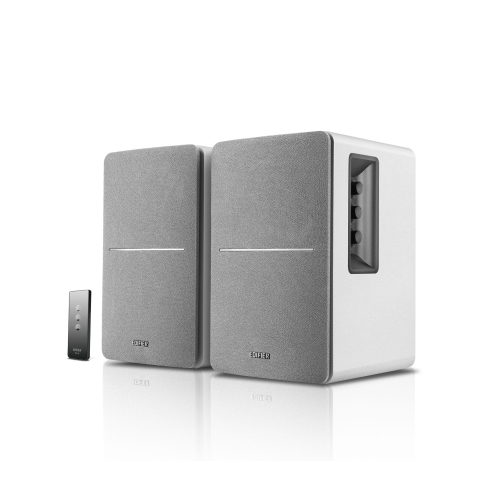
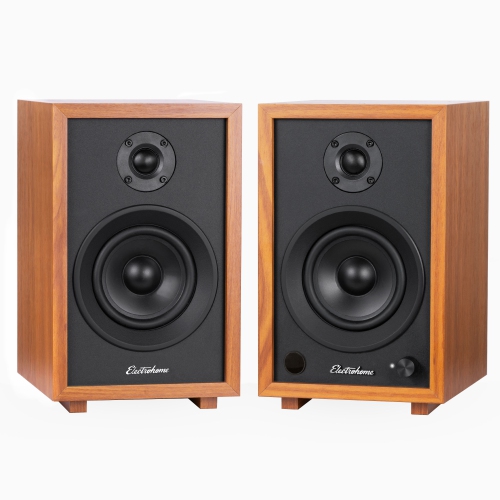
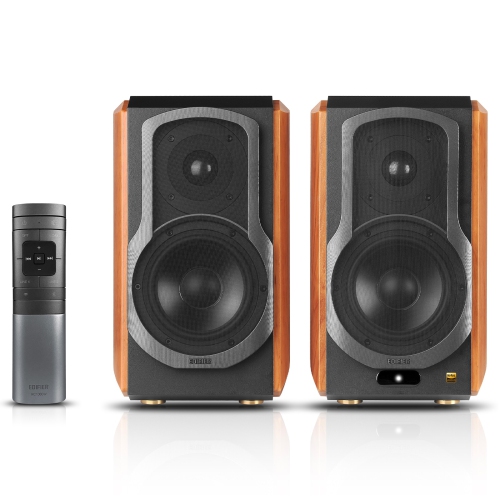
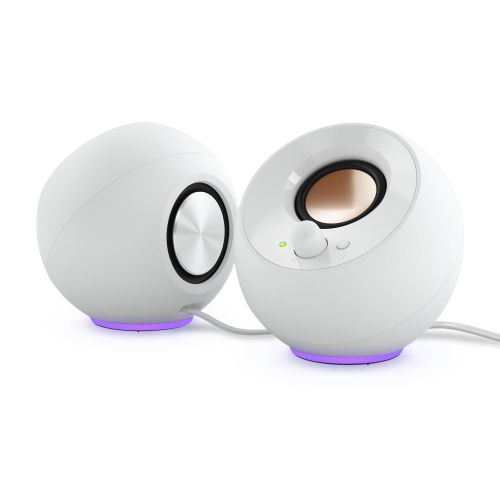
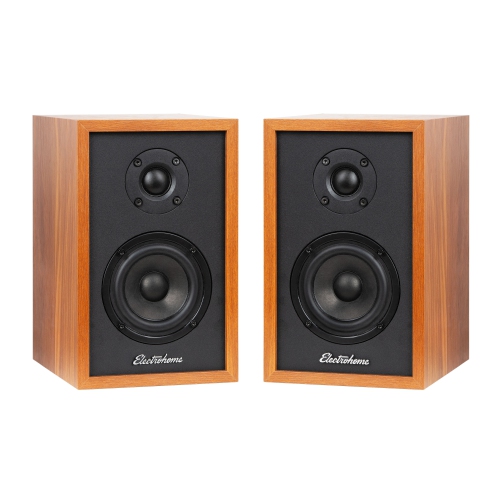
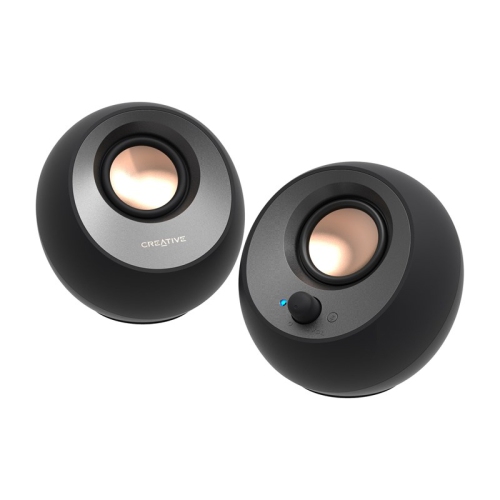
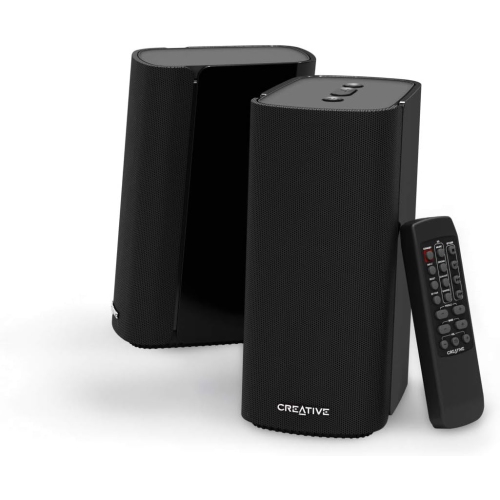
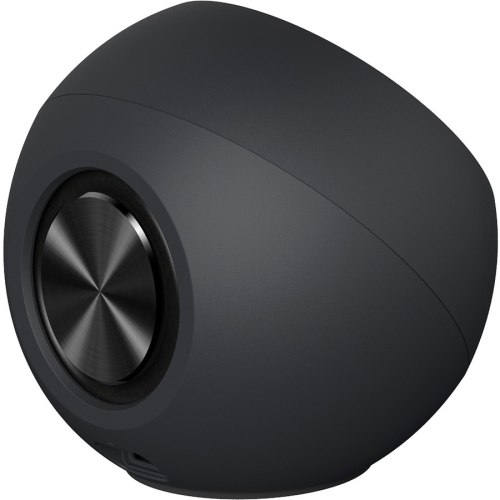
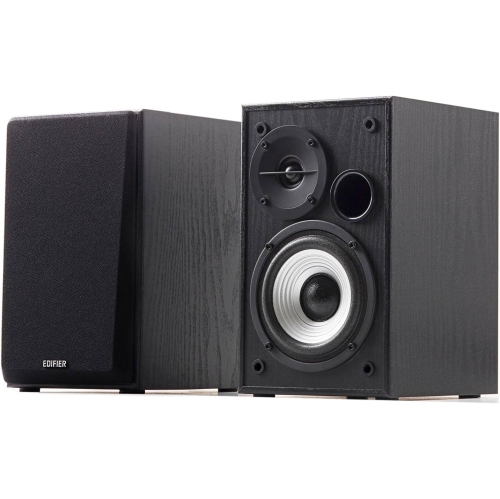
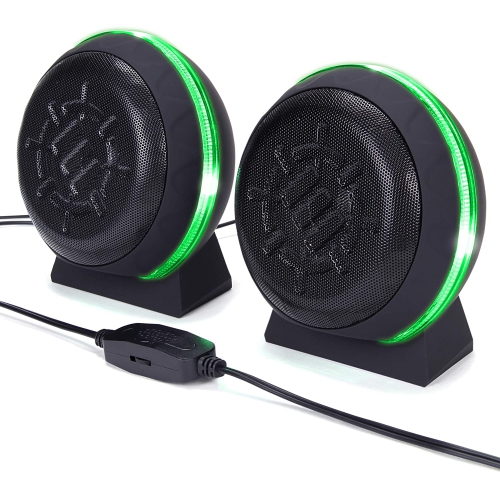
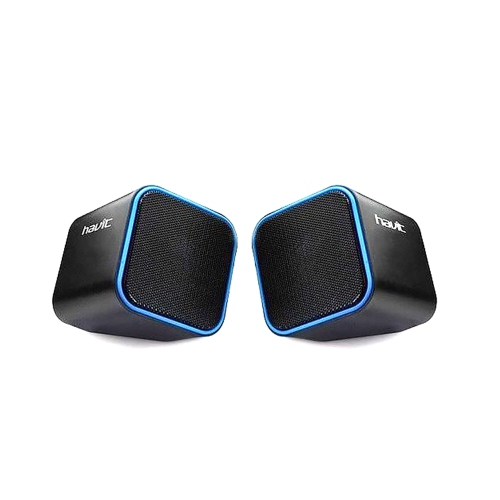
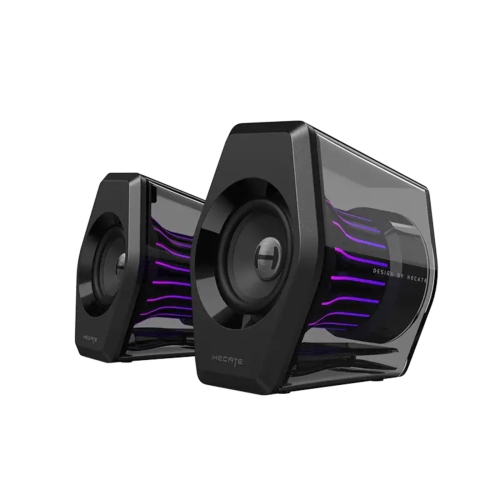
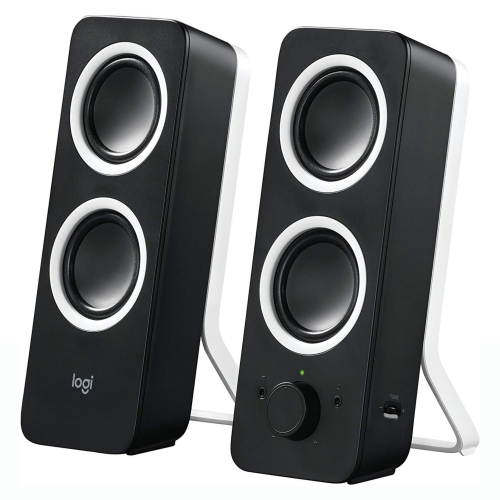
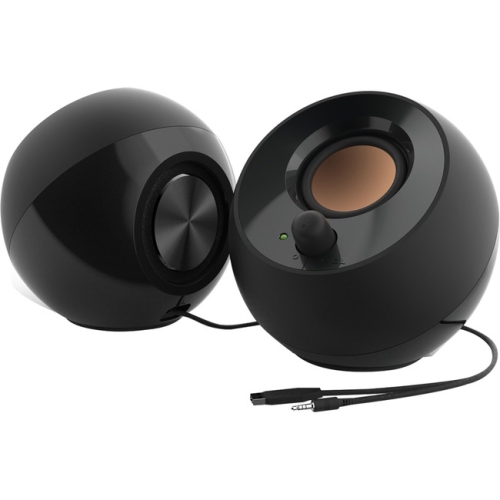
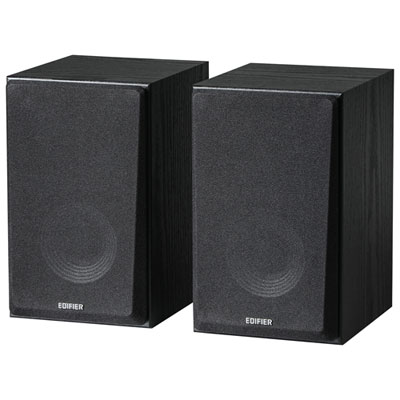
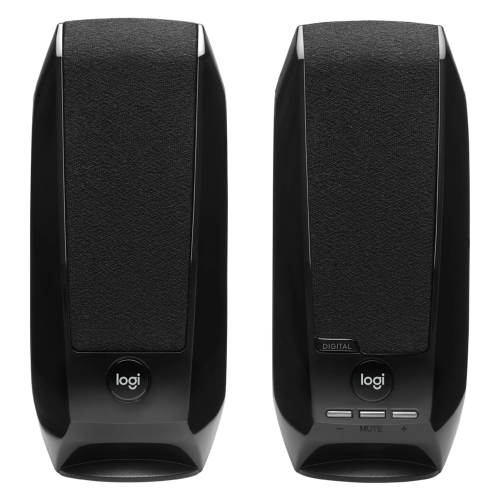
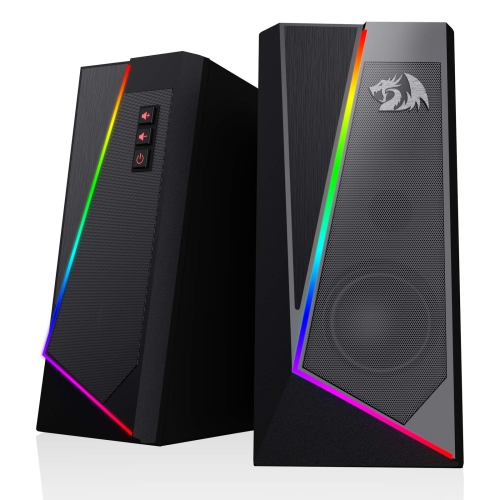
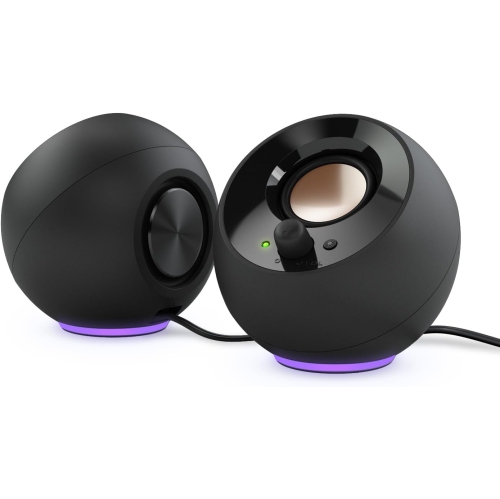
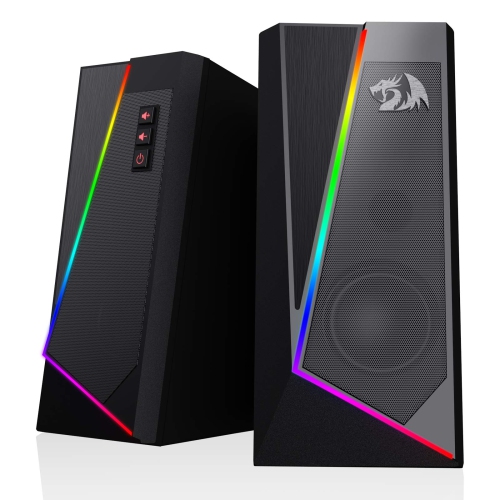
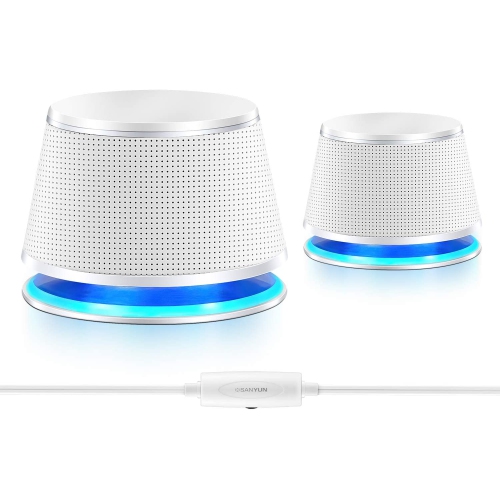
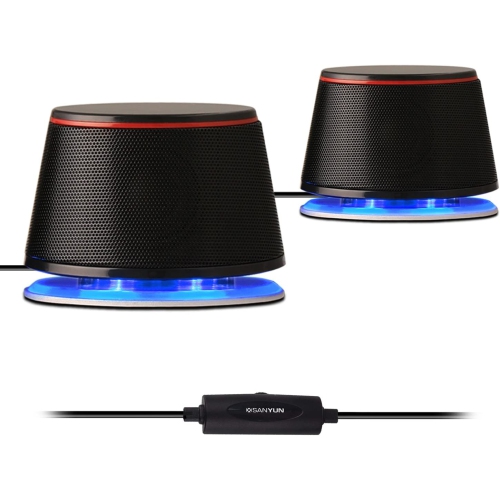
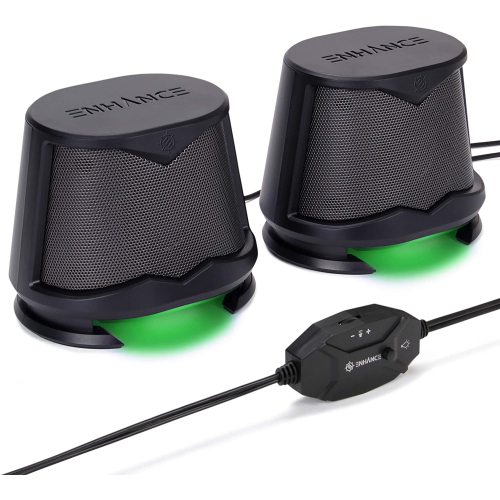
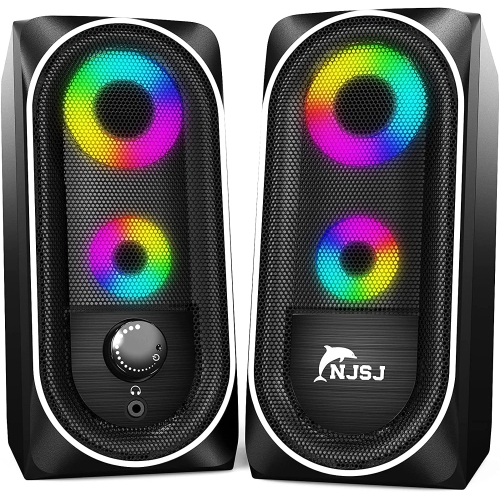
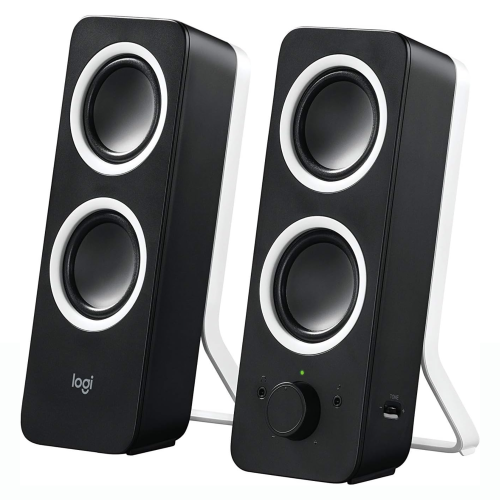
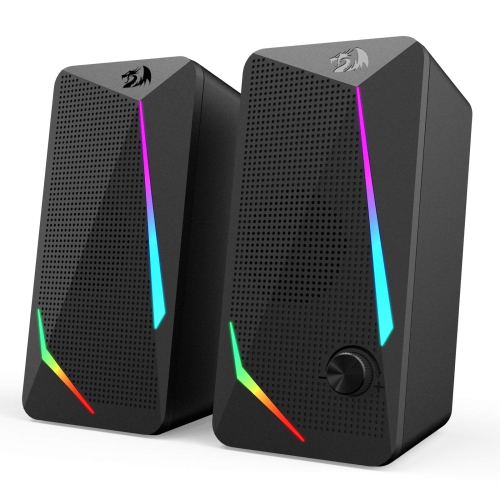
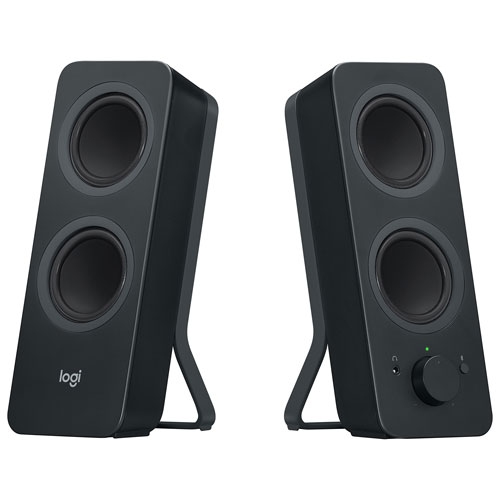
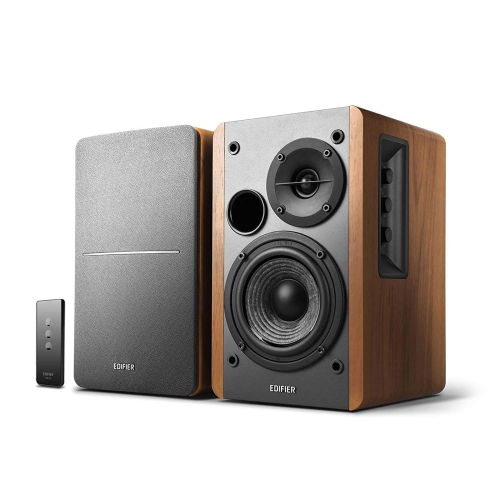
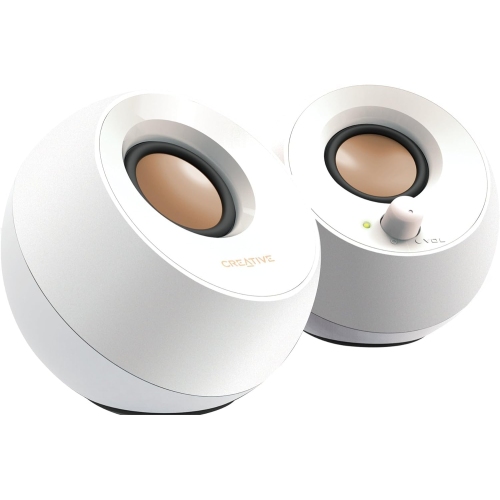
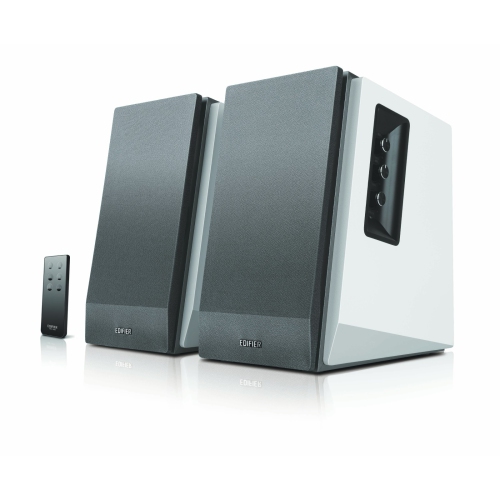
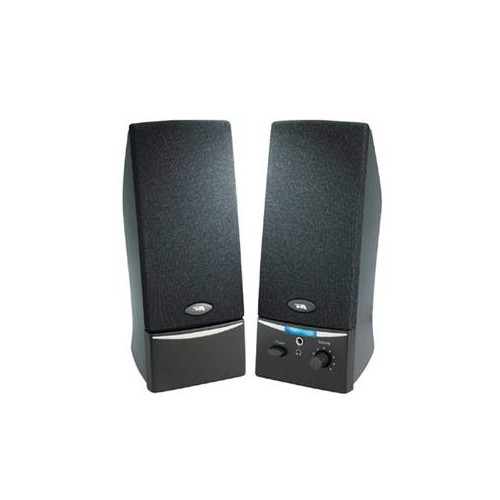
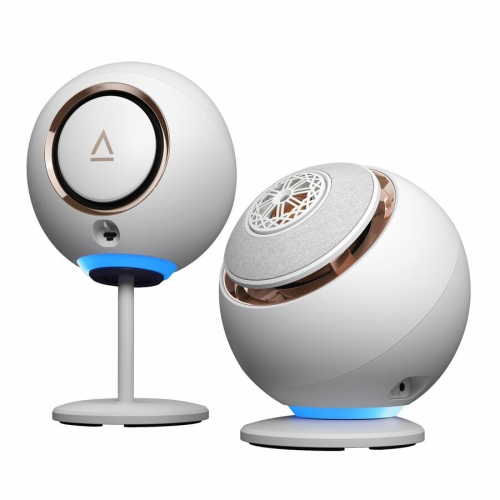
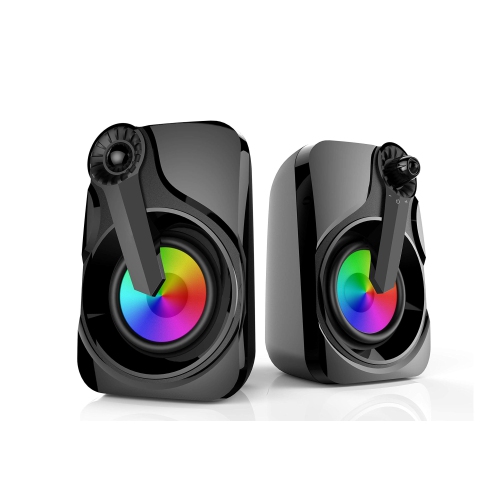
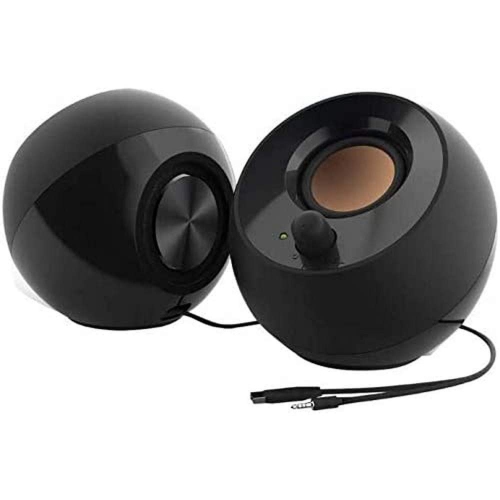
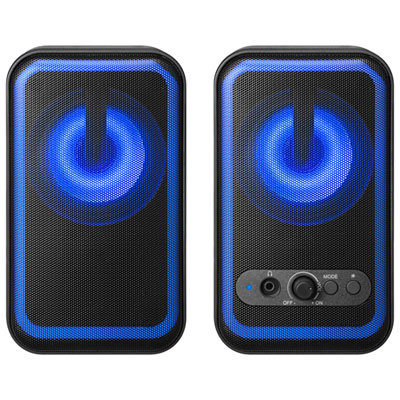
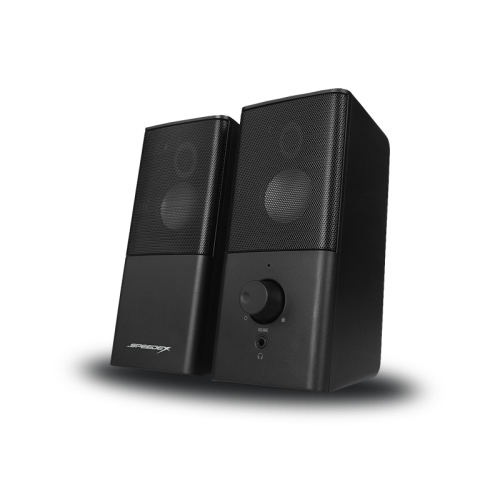
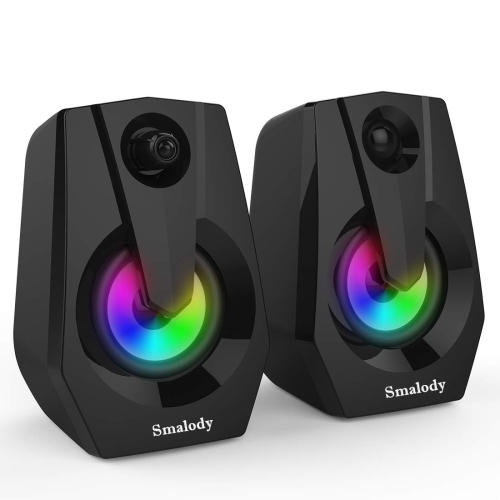
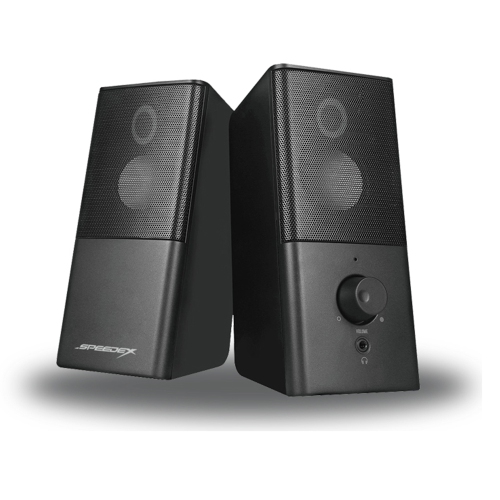
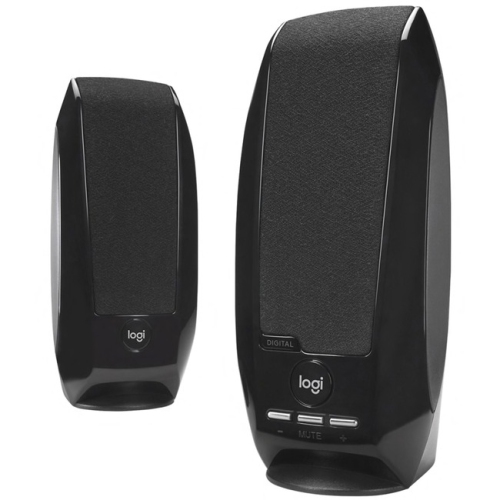
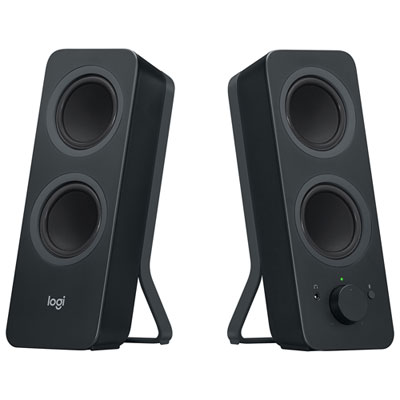
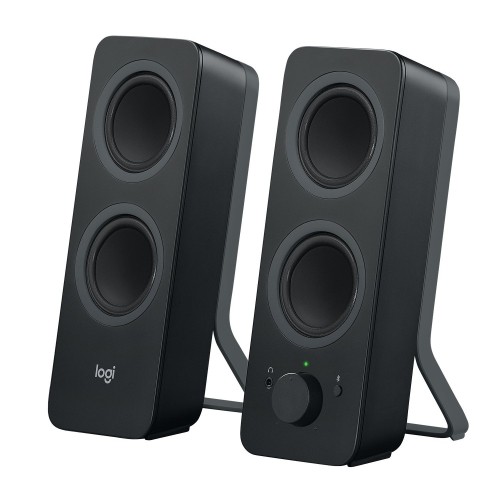
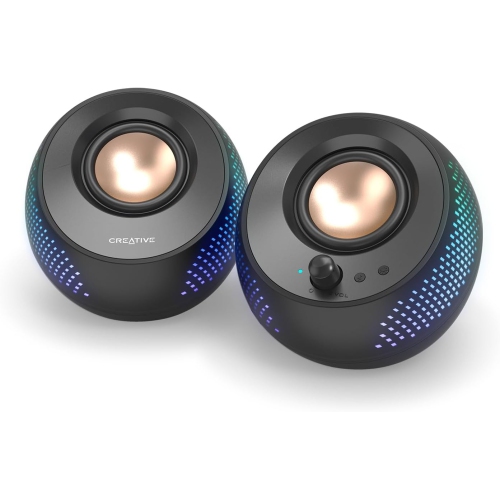
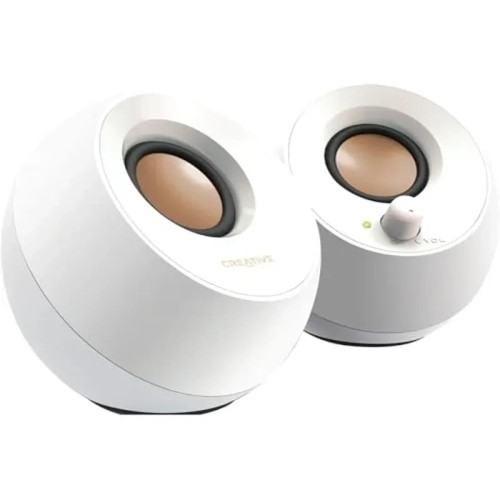
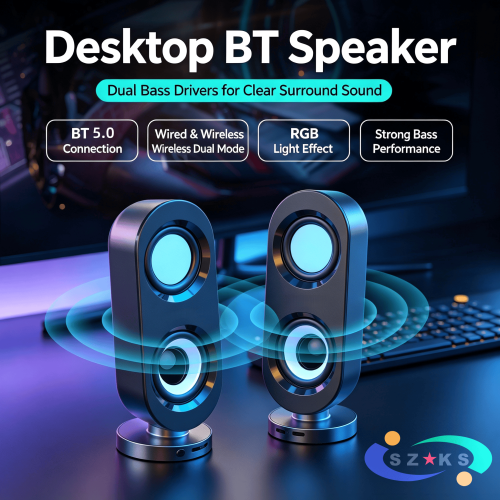
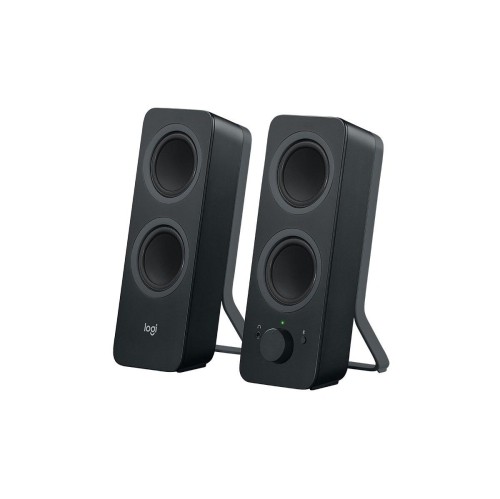
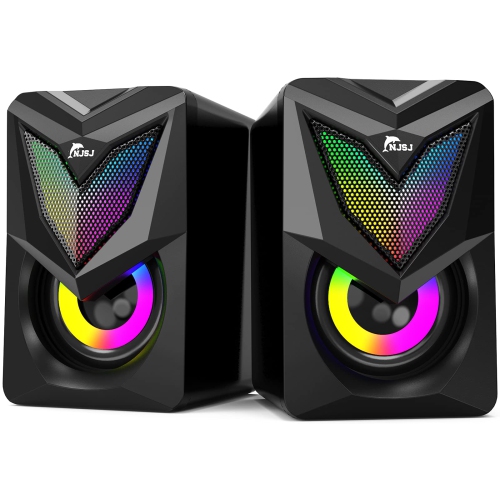
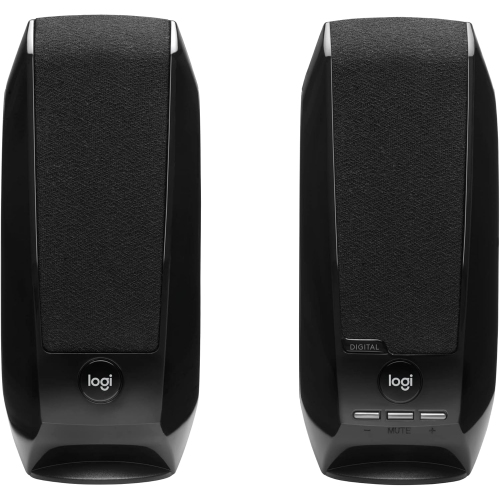
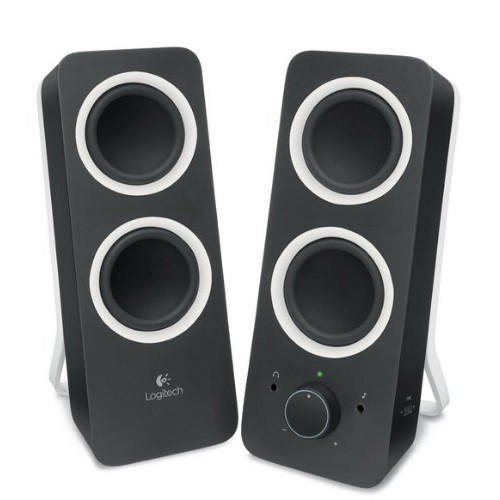
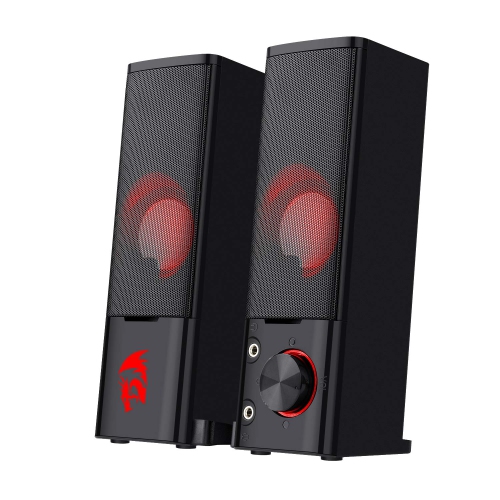
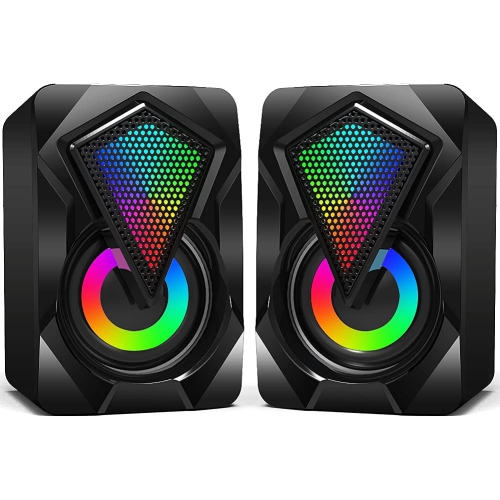
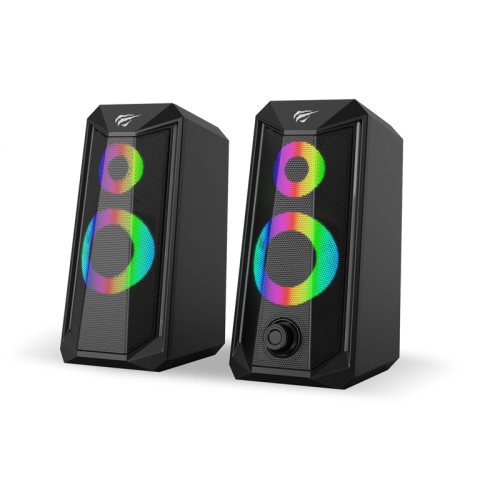
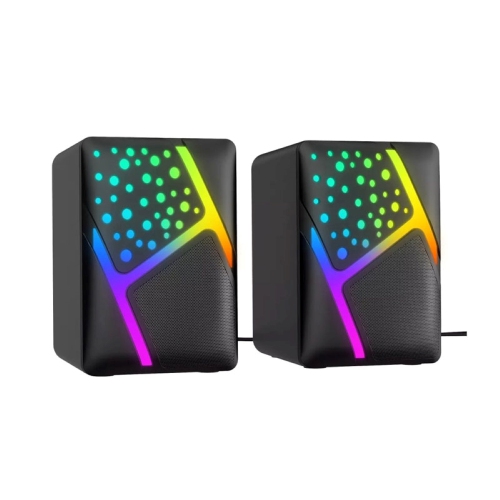
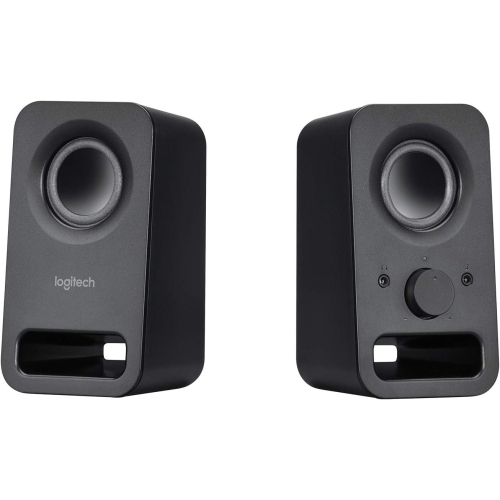
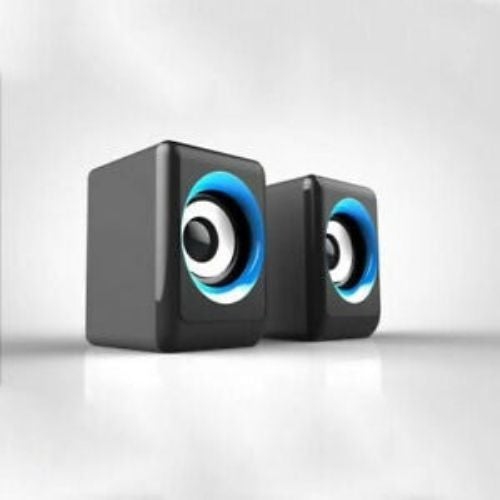
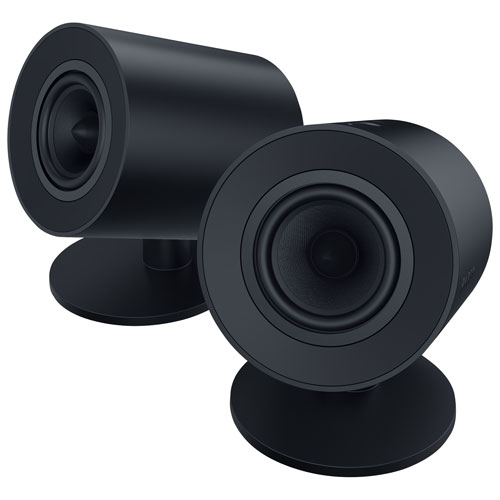
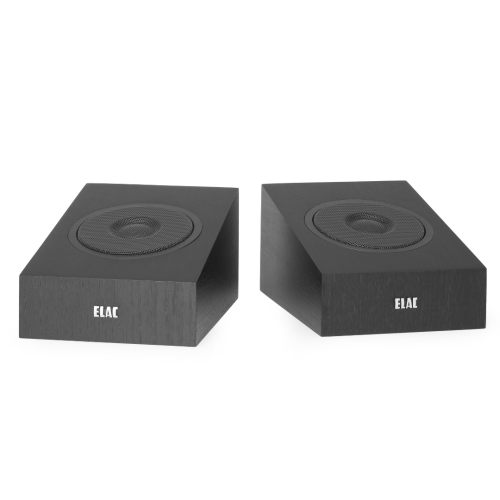
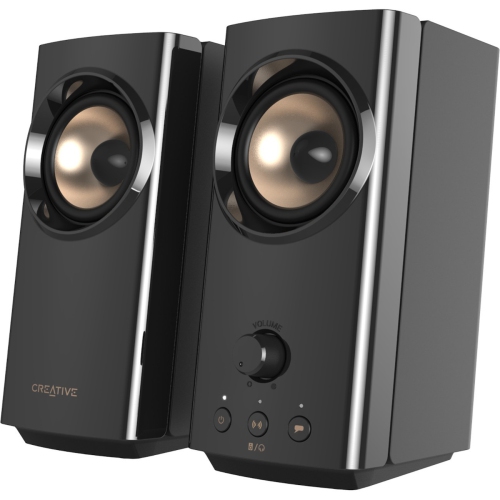
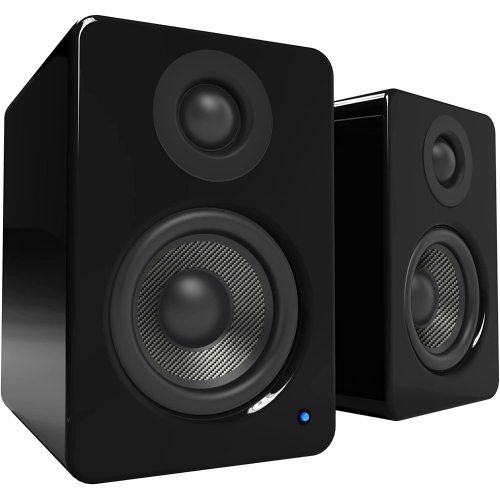
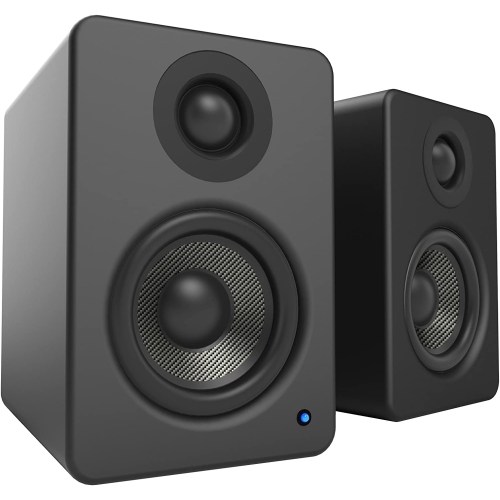
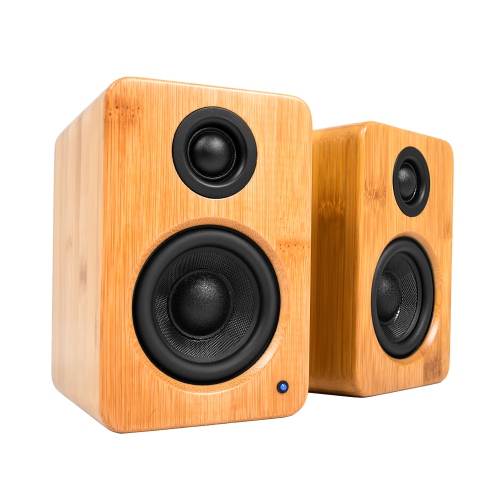
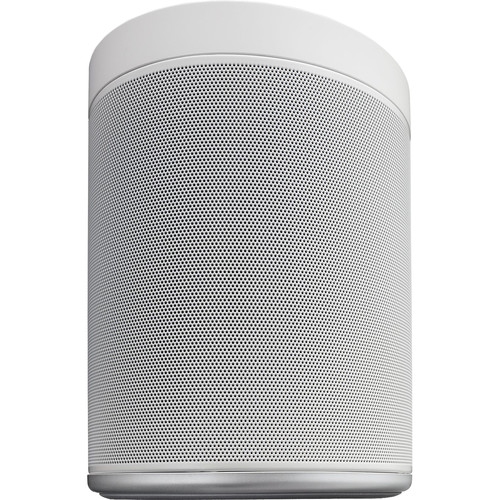
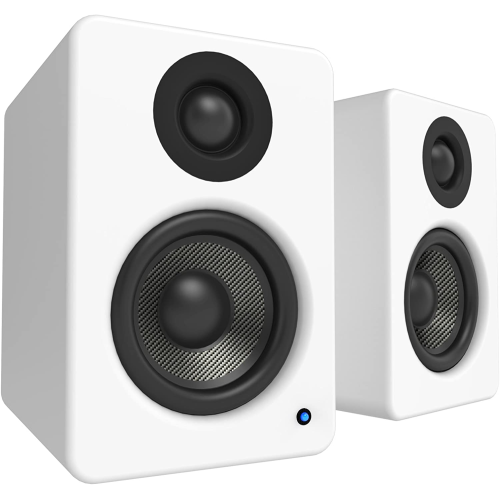
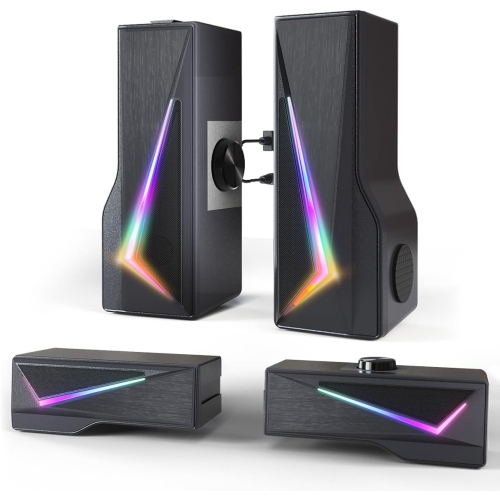
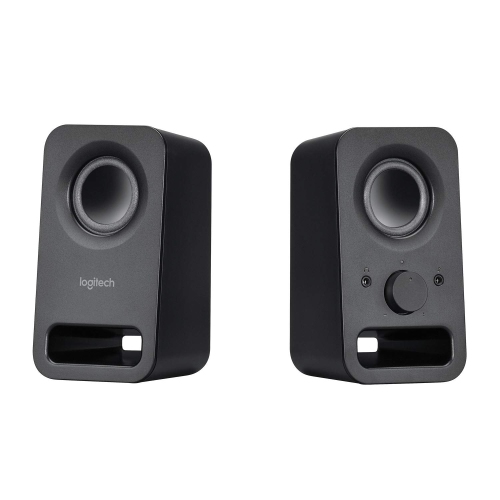
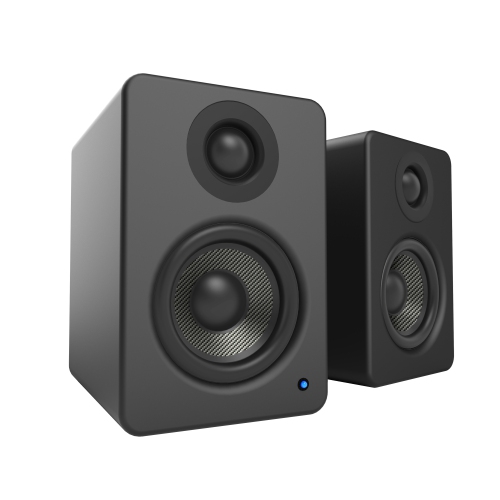
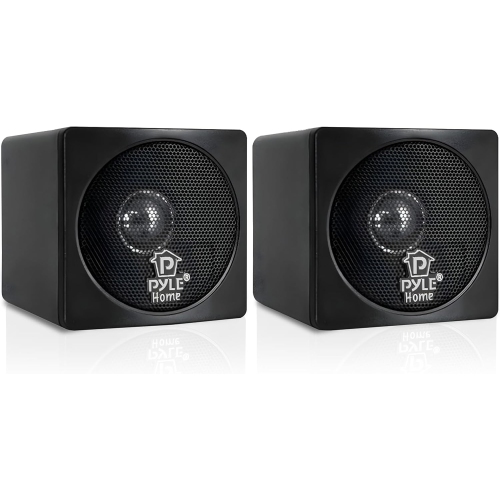
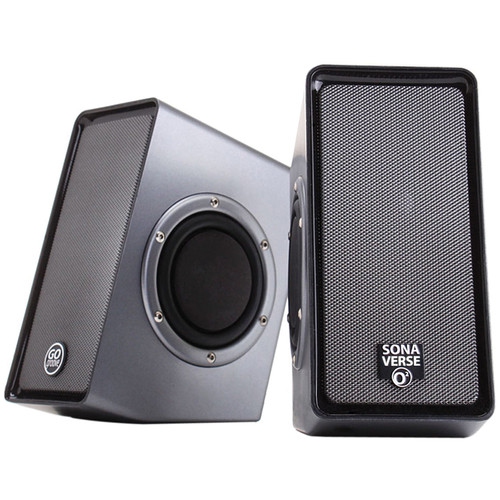
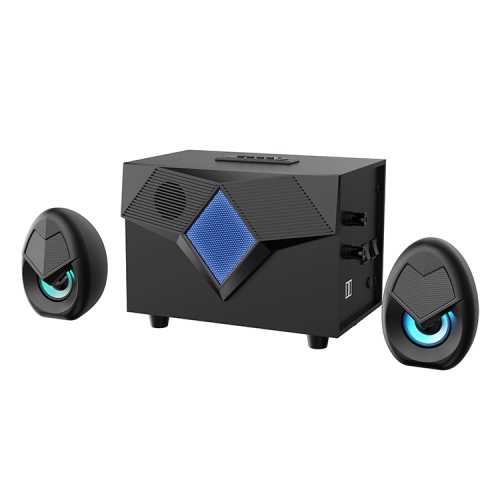
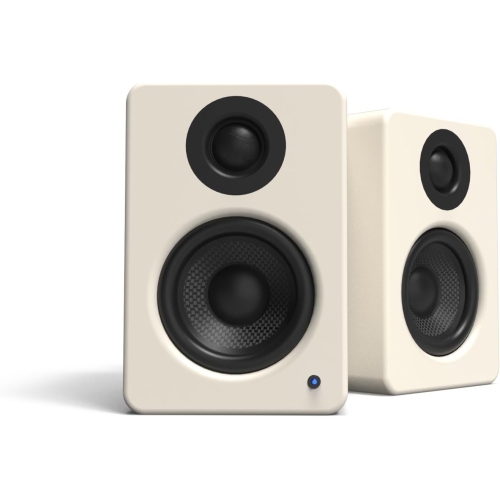
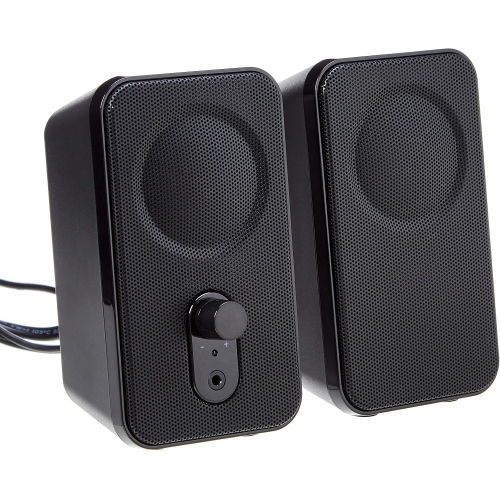
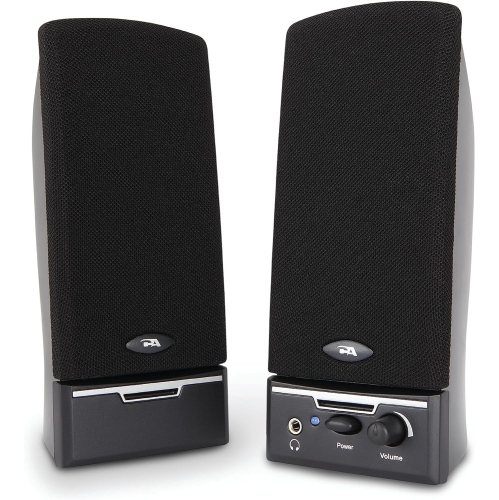
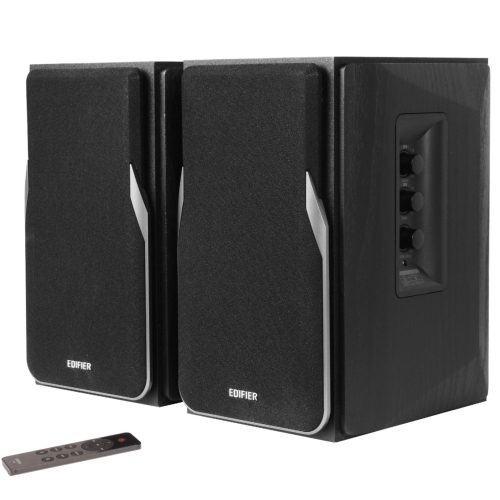
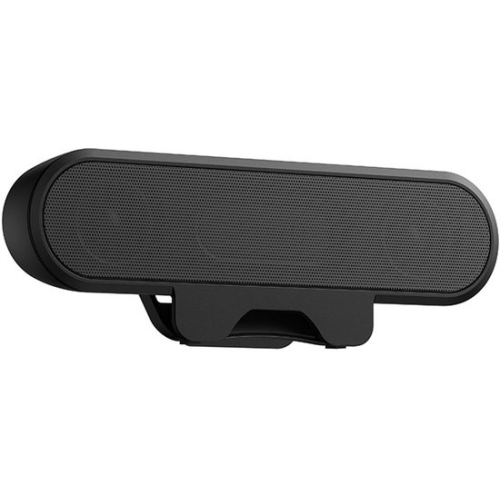
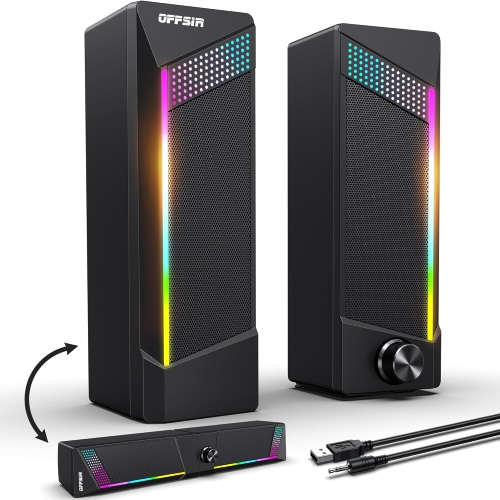
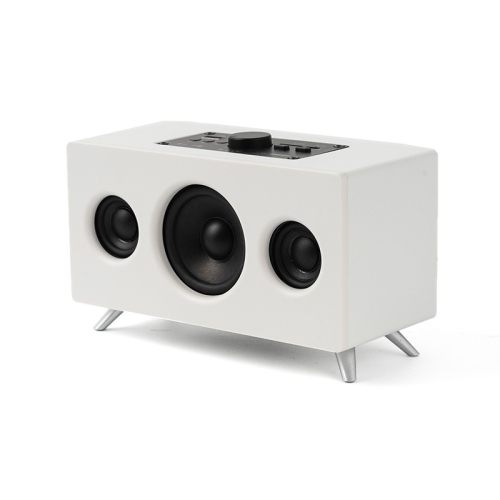
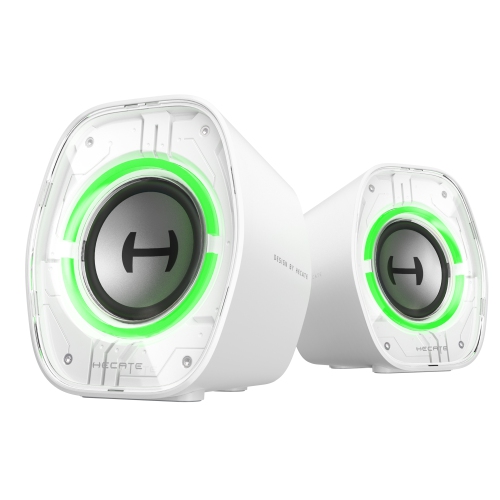
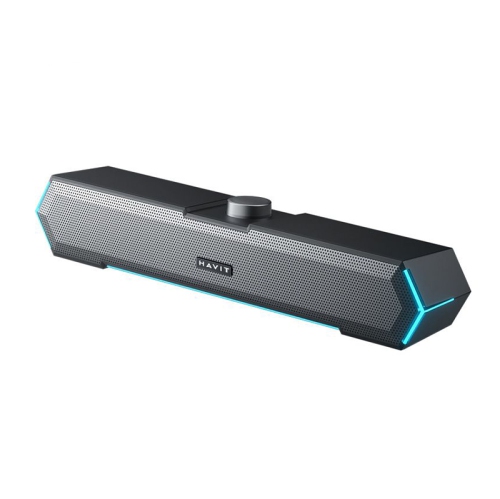
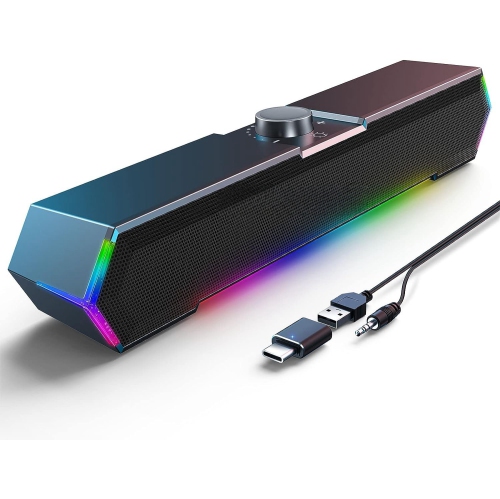
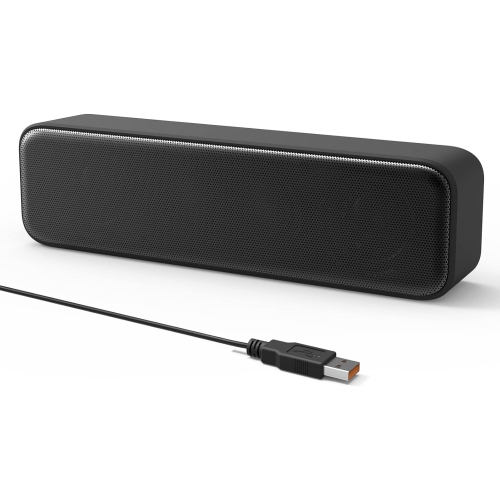
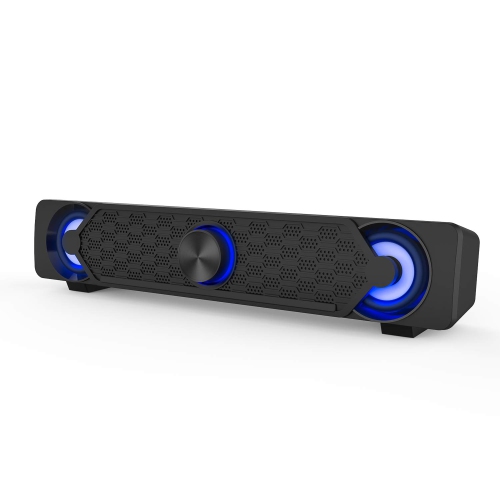
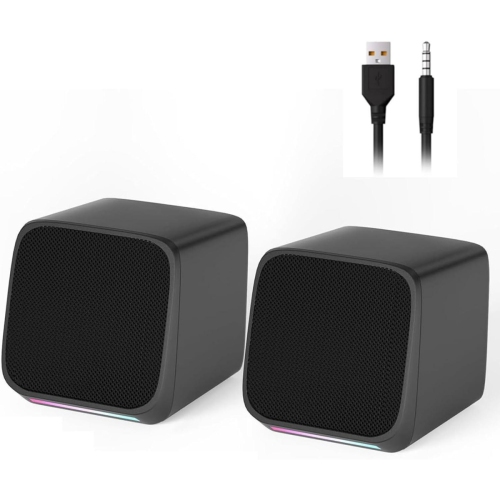
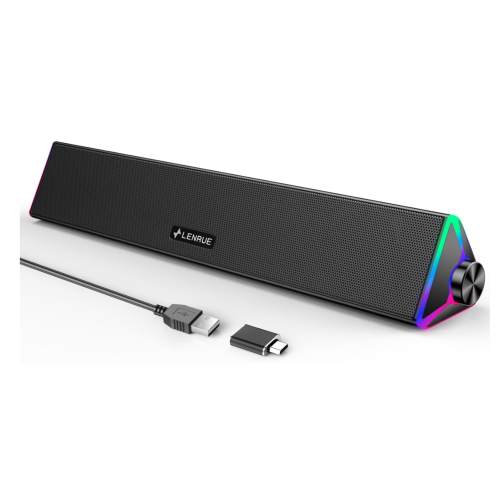
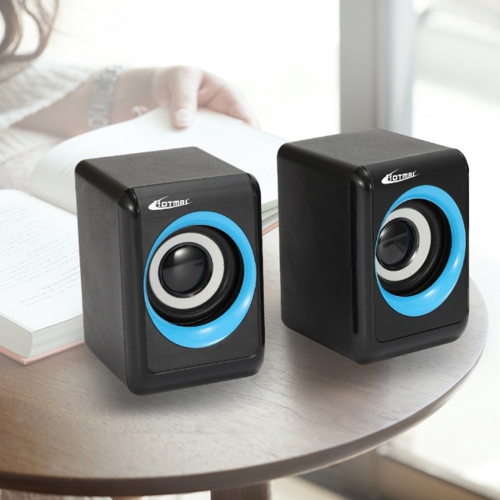
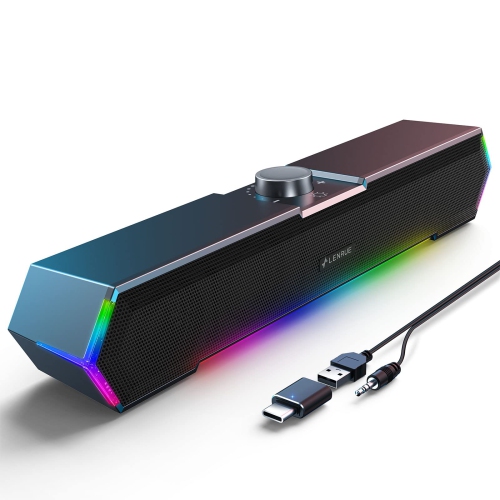
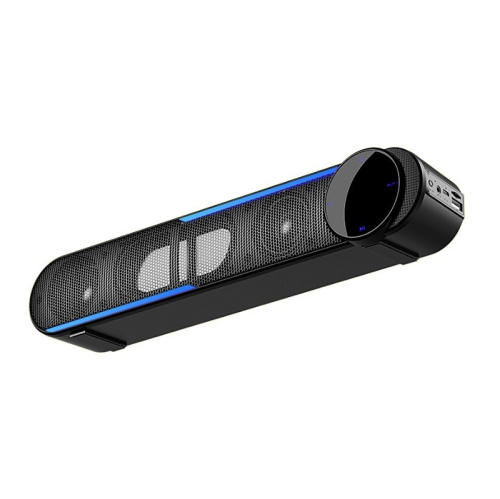
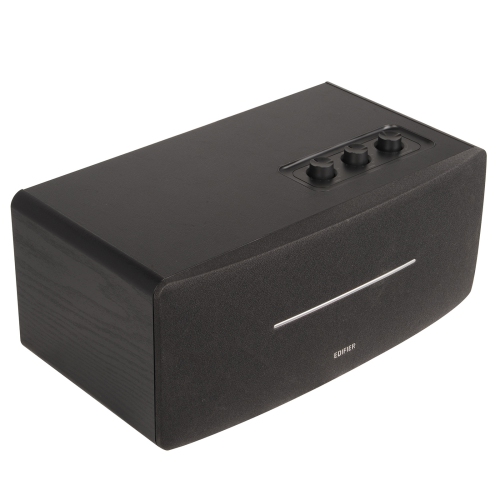
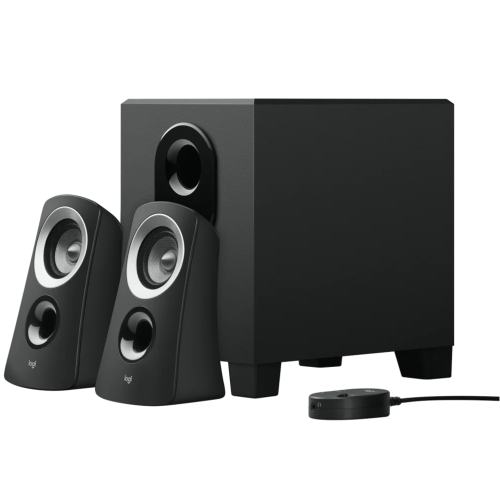
2.0 speakers are a two-channel stereo audio system with left and right speakers and no separate subwoofer. They bring sound to a computer desk, study area, or small entertainment setup without requiring space for an additional bass cabinet. With one speaker on either side of a screen, music can spread across the desk rather than seem to come from a single point, while dialogue has more room to stand apart from background sound. That makes this format useful for everyday listening, streaming video, online lessons, and gaming. Stereo separation can help reveal details such as an instrument positioned to one side of a recording or movement across a game’s soundscape, although two speakers do not provide the same experience as a dedicated surround sound system. Many desktop 2.0 speakers are powered, meaning an amplifier is built into the speaker system; passive speakers require a compatible external amplifier or receiver. That distinction matters when considering how much equipment and cable space a setup will need. Sound character also varies within the category. Small enclosures suit close-up listening and modest workspaces, while larger cabinets and drivers may deliver fuller lower notes and greater output. A separate subwoofer is not part of a 2.0 system, but that does not mean bass is absent: the speakers reproduce low frequencies within their design limits. For speech, acoustic music, and casual listening, a balanced presentation may matter more than deep bass. For bass-heavy music or cinematic effects, cabinet size and low-frequency performance deserve closer attention. Power ratings offer some context, but watts alone do not establish how clear or enjoyable a speaker will sound. Driver design, cabinet construction, listening distance, and room acoustics all contribute to the result. A pair used at arm’s length beside a monitor has a different job from speakers expected to fill a large living area, so the intended listening space is a useful starting point.
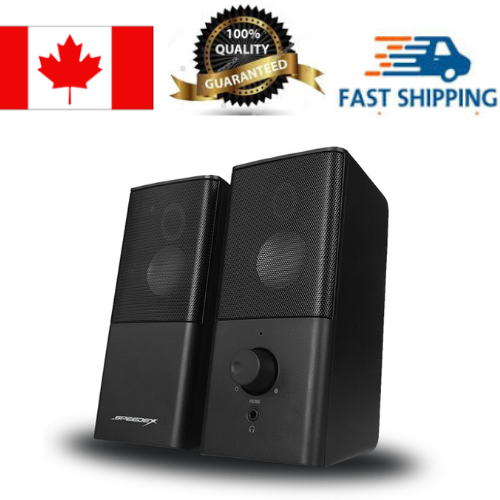
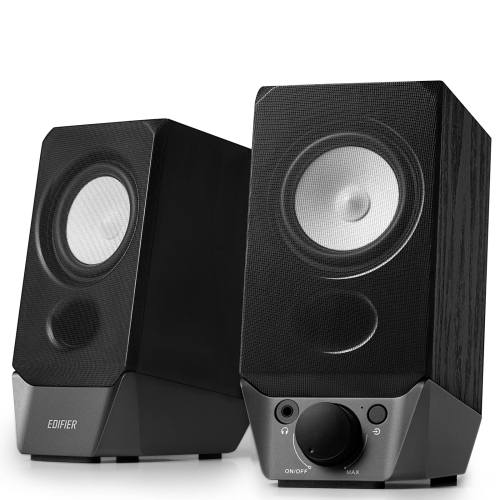
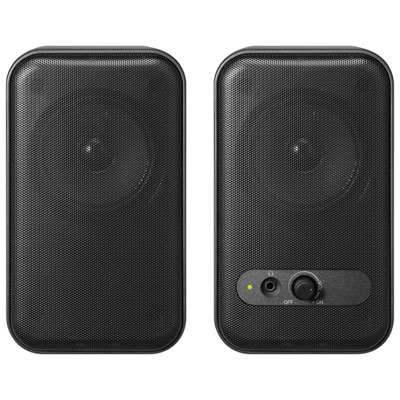
Physical fit involves more than whether a speaker can sit beside a monitor. Height, width, depth, cable clearance, and the position of controls all affect how comfortably a pair works on a desk or shelf. A taller cabinet may compete with a low shelf, while a deep enclosure can leave less room for a keyboard, notebook, or drawing tablet. Front-facing volume controls are convenient during calls or videos, particularly when the speakers sit against a wall and rear controls would be difficult to reach. An accessible headphone socket can also make it easier to switch to private listening, though its behaviour varies by design. Connections should match the devices supplying the audio. An analogue 3.5 mm input is common on desktop speaker systems, while other designs may accept USB audio, optical audio, or Bluetooth. USB deserves particular attention because a USB connection may provide power only rather than carry sound; some systems still need a separate audio cable. Bluetooth reduces the need for a signal cable from a compatible phone or computer, but the speakers still require power, and wireless audio can introduce delay that matters more for games or video editing than for music. Materials influence both appearance and daily use. Plastic cabinets can be lightweight and easy to position, while wood-based cabinets may offer a more substantial feel; neither material alone guarantees better sound. Cabinet rigidity, driver quality, and overall construction matter together. Fabric grilles soften the look of a desk setup and cover delicate drivers, while exposed drivers need more protection from accidental contact. Placement makes a practical difference, too. Similar spacing from the listening position helps maintain a centred stereo image, and aiming the speakers towards ear level can improve clarity. Leaving any specified clearance around rear ports and ventilation openings supports proper operation, while suitable isolation pads may reduce vibration transmitted into a hollow desk.
For a student, 2.0 speakers can handle recorded lectures, background music, and a film after coursework without adding a subwoofer beneath a crowded desk. For someone working from home, they can make spoken presentations easier to follow and provide a more comfortable alternative to wearing headphones throughout the day. Speakers do not replace a microphone for calls, however, and microphone placement still matters because sound played into the room can be picked up during a conversation. Casual gamers may appreciate a wider sense of left-to-right movement, while people editing video or making music may place greater importance on balanced sound and clearly audible detail. A desktop pair can also make a thoughtful gift for someone setting up a home office or enjoying music at a computer, provided the connections, available space, and need for an external amplifier are understood. Day-to-day durability often comes down to straightforward details: stable bases, secure sockets, accessible controls, and cables that can be routed without strain. Keeping drinks away from the cabinets and leaving slack at connection points helps prevent common desk mishaps. For routine care, a soft, dry cloth is generally suitable for cabinet surfaces, with the manufacturer’s cleaning directions taking priority. Cleaning liquid should not be sprayed into grilles, ports, or controls, and exposed cones or tweeters should not be pressed or wiped unless the manufacturer specifically permits it. A tidy cable route also makes it easier to move a monitor or clean the desk without pulling a speaker towards the edge. In shared rooms, the most useful setup is often one that remains clear at a comfortable volume rather than one built around maximum loudness. The Value Speakers category provides another way to explore straightforward audio setups for everyday use. Across different listening habits, the appeal of 2.0 speakers remains their focused format: two stereo channels, no separate subwoofer, and a manageable footprint for bringing fuller sound to a familiar space.
Top selling and popular products
-
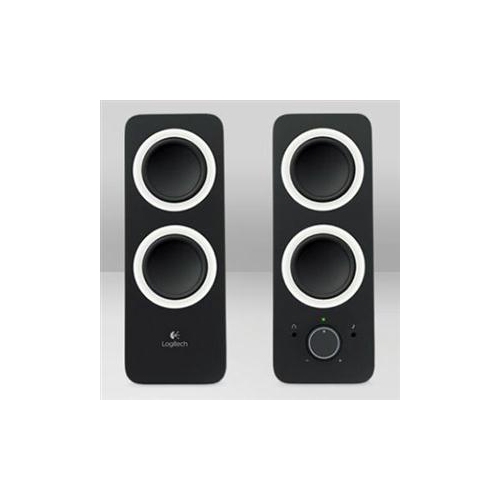 Your price for this item is $101.68
-
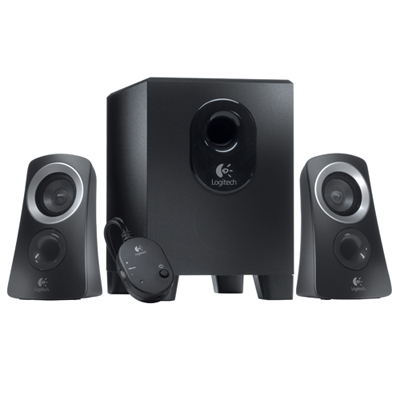 Your price for this item is $79.98
-
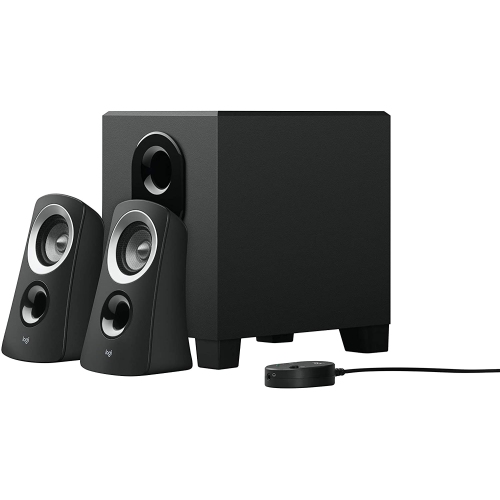 Your price for this item is $106.11
-
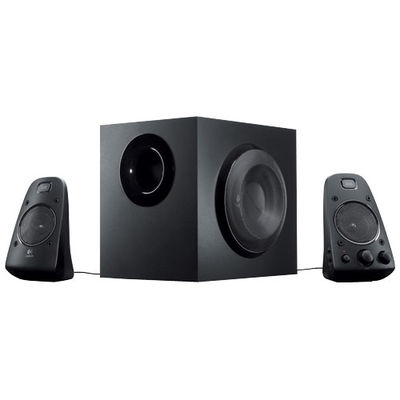 Your price for this item is $231.98
-
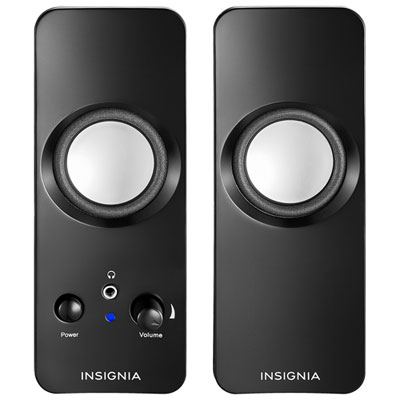 Your price for this item is $29.95
-
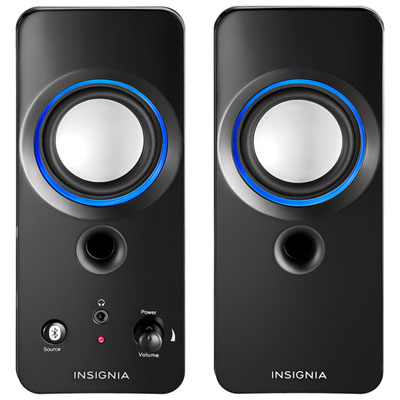 Your price for this item is $39.95
-
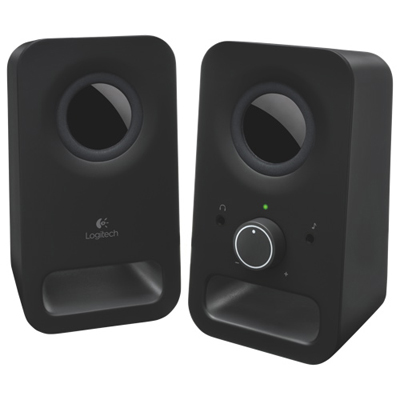 Your price for this item is $34.98
-
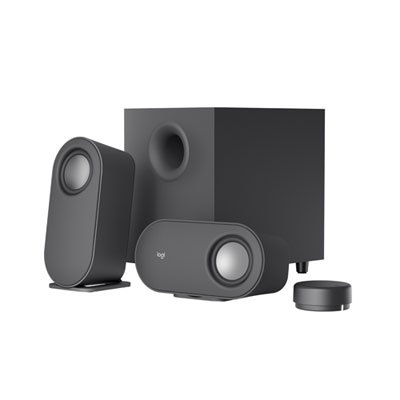 Your price for this item is $179.99
Discover more categories related to 2.0 Speakers
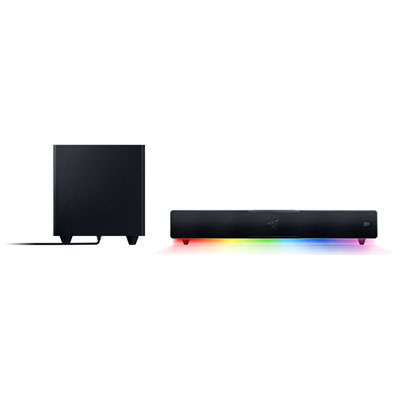

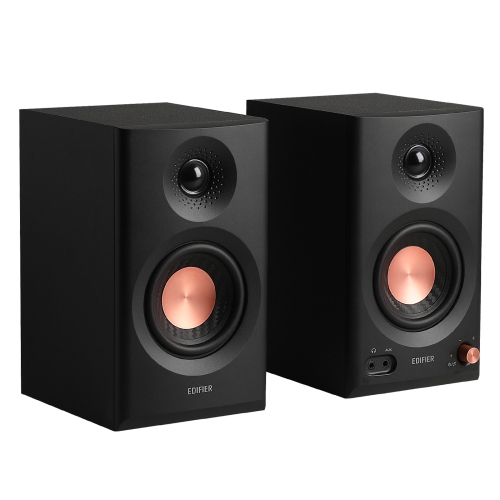
Top Collections:
Best Black Friday Deals This Year, Best Black Friday Deals On Electronics, Kindle Devices, Pokemon Centers, Best Black Friday Deals On Apple Products, Best Cameras for Sports Photography, Dyson Airwrap, Pokémon 30th Celebration Cards, Apple iPhone 17 Pro, Canon G7X Cameras
Some products may be subject to Environmental Handling Fees
(EHF) depending on your province.
Learn more about EHFs.