Back To School Dual Monitor Setups For Productivity
Build a back-to-school dual monitor setup for productivity with monitors and accessories for your study space. A second screen gives you room to keep research, lecture notes and assignments open side by side. Compare screen sizes, resolutions and connection options to find a setup that works with your laptop or desktop and fits your desk.


FAQ
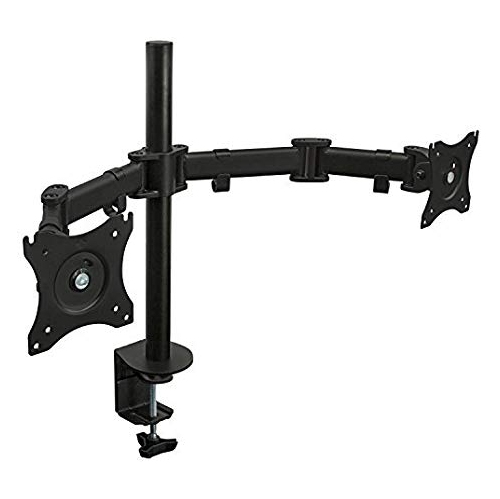
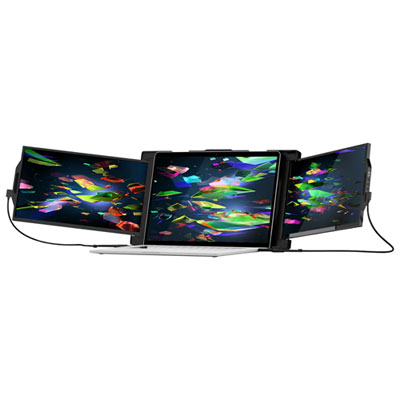
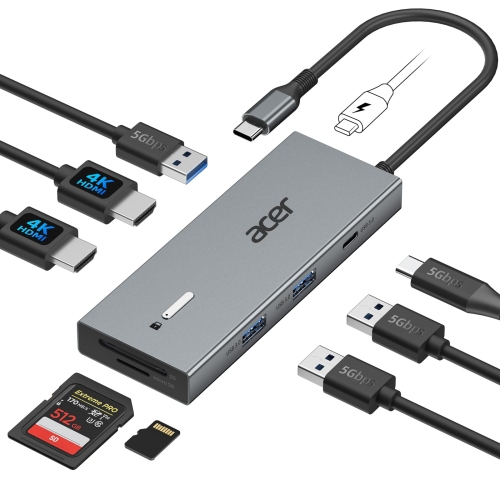
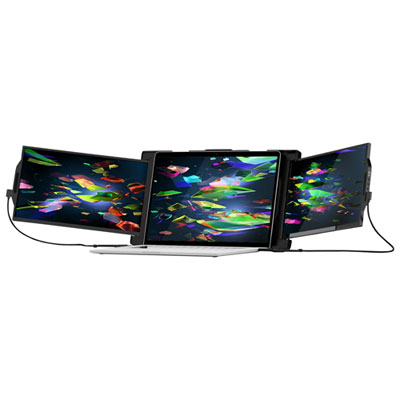
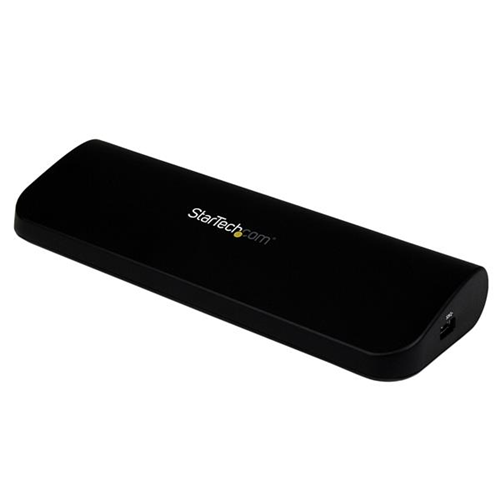
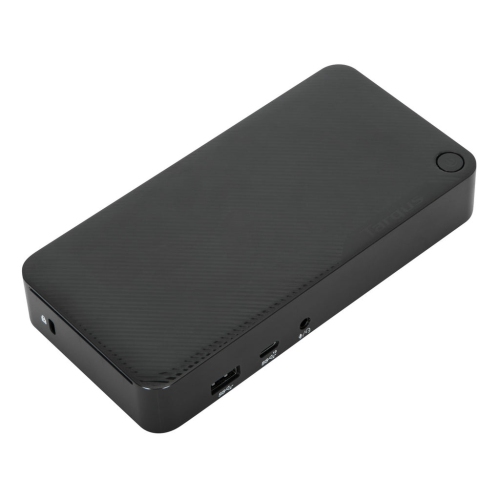
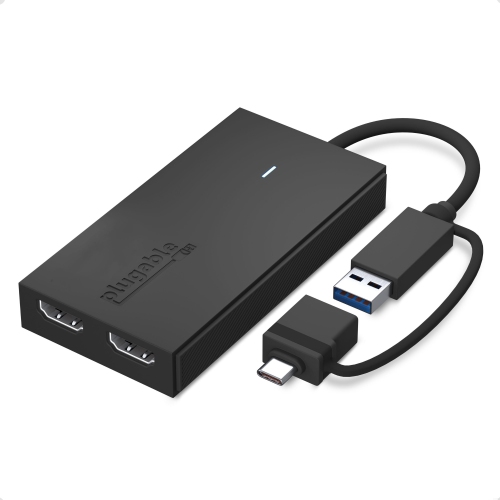
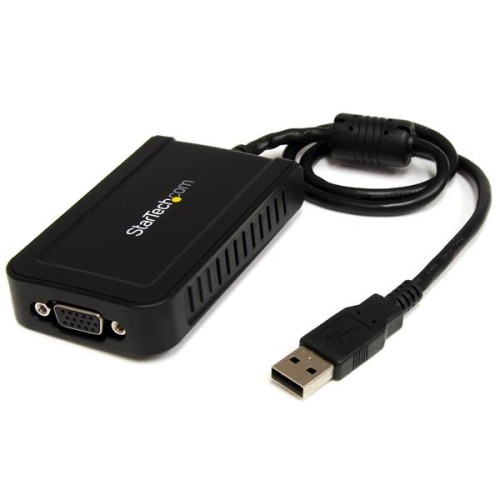
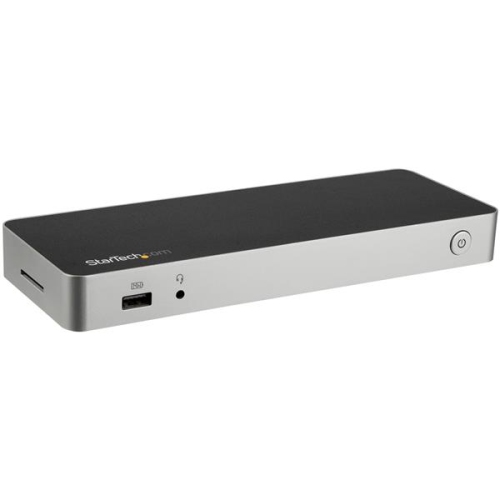
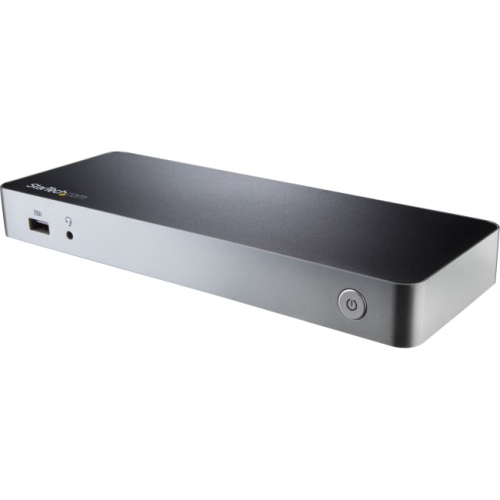
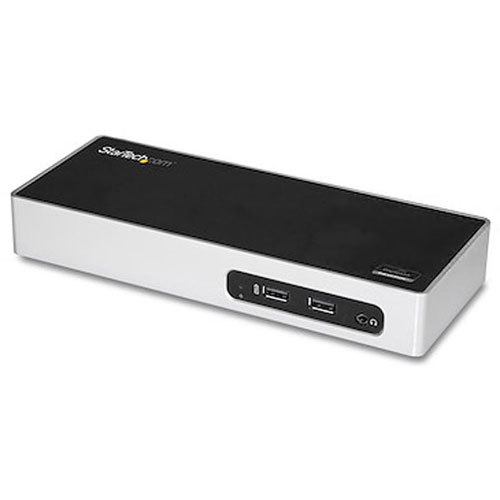
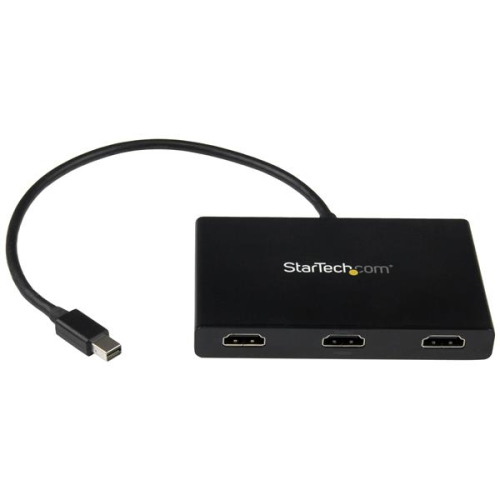
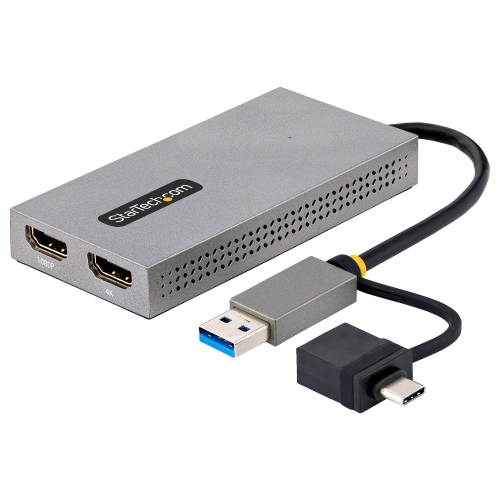
A typical setup includes two monitors, a compatible laptop or desktop, and the appropriate video cables. Depending on your computer’s ports, you may also need adapters or a docking station. Check how many external displays your computer supports before choosing your equipment.
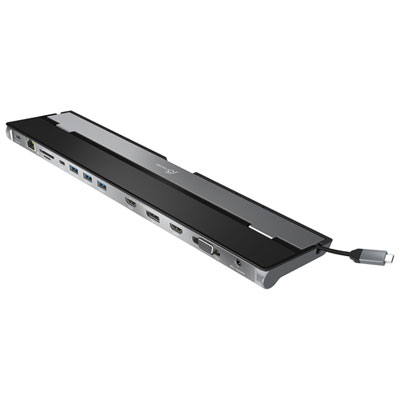
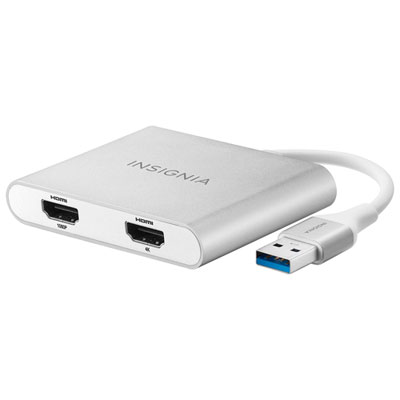
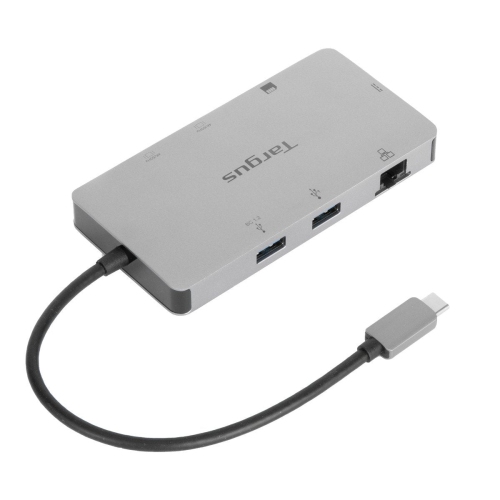
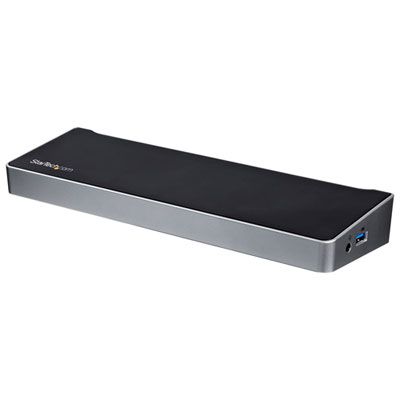
You can connect each monitor to a compatible video output or use a docking station that supports two displays. HDMI, DisplayPort, and video-capable USB-C or Thunderbolt ports are common options. Check your laptop’s specifications, since not every USB-C port supports video and some laptops limit the number of external displays.
Extending creates a desktop across both monitors, so you can place different windows on each screen, such as course notes on one and an assignment on the other. Mirroring shows the same content on both screens. You can choose either mode in your computer’s display settings.
No. You can use different monitor models as long as your computer supports their connections and display settings. Monitors can have different resolutions, refresh rates, and panel types. Your operating system typically lets you adjust scaling and other settings separately for each screen.
Open your computer’s display settings and arrange the screen icons to match the monitors’ physical positions on your desk. Select a primary display and choose the orientation for each screen. If a monitor supports rotation, you can set it to portrait orientation for documents or lecture notes.
Top selling and popular products
Discover more categories related to Back To School Dual Monitor Setups For Productivity
Some products may be subject to Environmental Handling Fees (EHF) depending on your province. Learn more about EHFs.