Back To School High Capacity NAS Drives

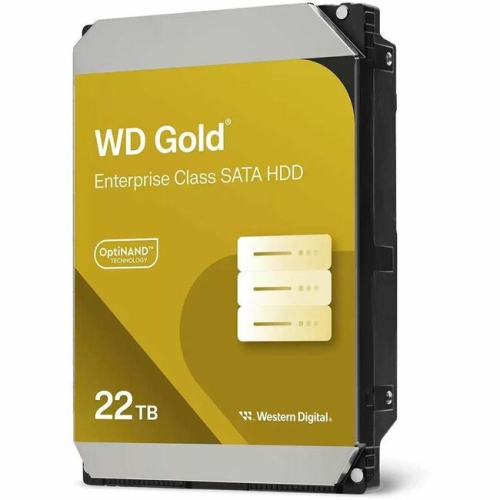
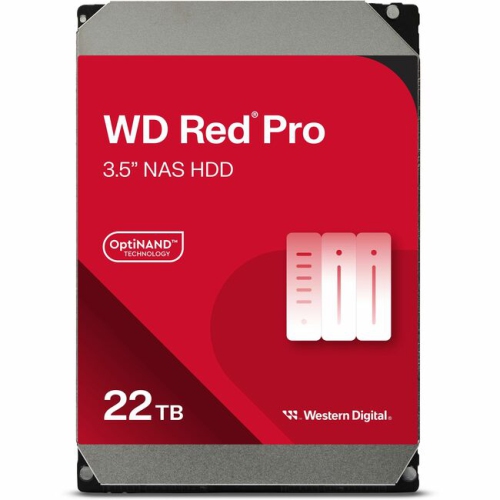
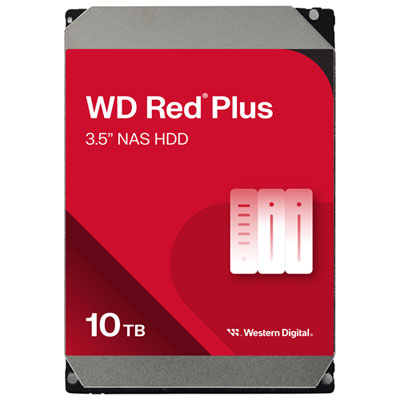
Back-to-school high-capacity NAS drives offer room for coursework, research files, and shared projects in a network-attached storage setup. Browse drives by storage capacity and check compatibility with your NAS enclosure, whether you’re expanding an existing system or planning centralized storage and backups for the school year.
Read More

Sort

Back To School High Capacity NAS Drives
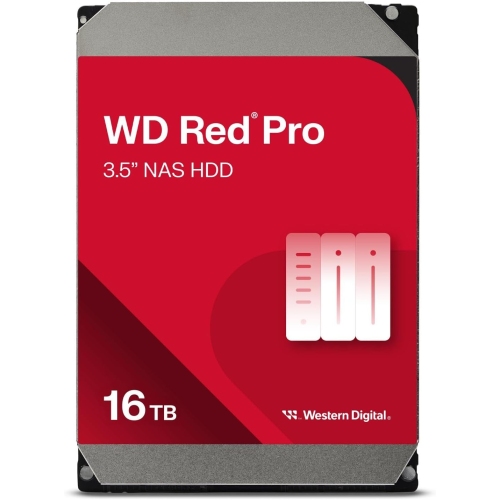
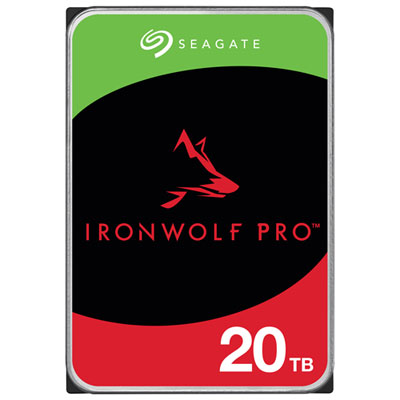
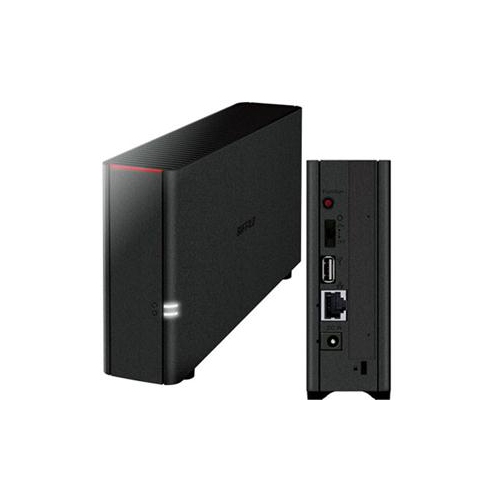
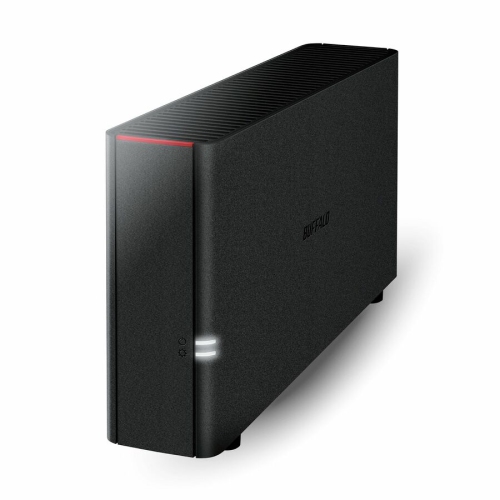
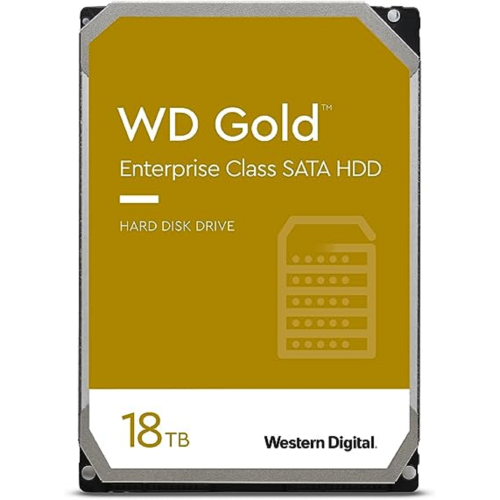
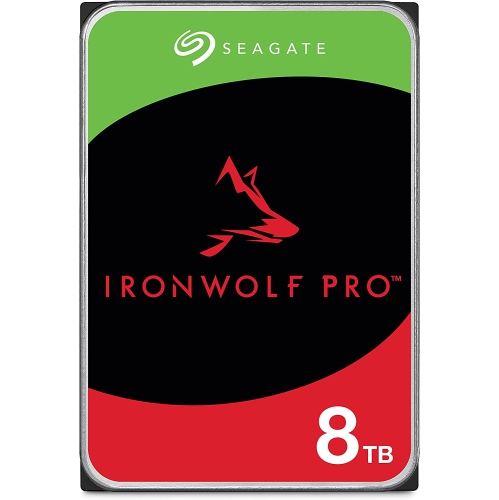
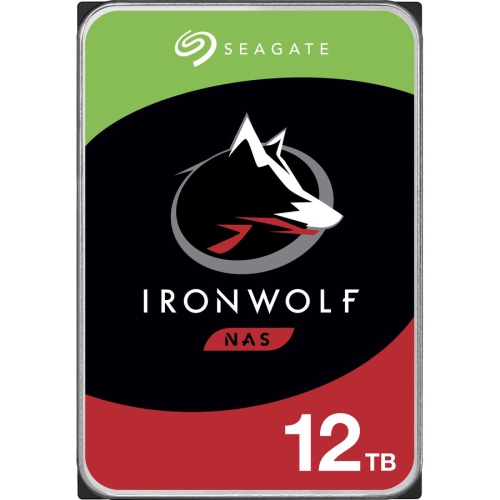
Back to School High Capacity NAS Drives bring extra room to a school year filled with research, creative projects, and growing digital collections. A network-attached storage (NAS) setup gives compatible devices a shared place to store files, making it useful for students moving between a laptop at school and a desktop at home, families managing several students’ coursework, or teachers keeping years of lesson materials organised. High-capacity drives are especially practical when assignments go beyond text documents: raw photography files, video footage, design portfolios, and large datasets can quickly crowd a computer’s internal storage. Picture a semester-long film project with folders of interview clips, multiple edits, and a final submission that needs to stay easy to find. With suitable drives installed in a compatible NAS enclosure, those files can live in a central location rather than being scattered across several portable drives. For a student heading into a media-heavy programme, additional storage can also make a thoughtful, practical gift, particularly when it matches a NAS system they already own.

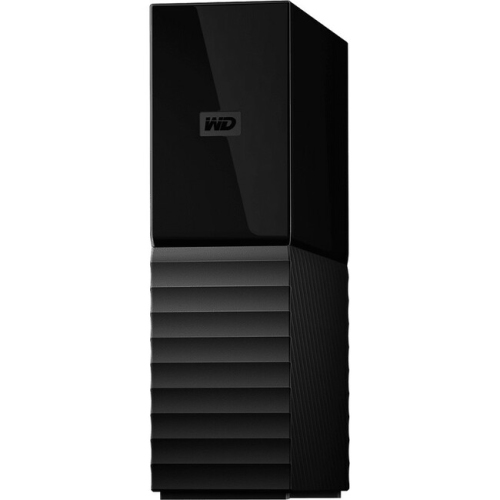
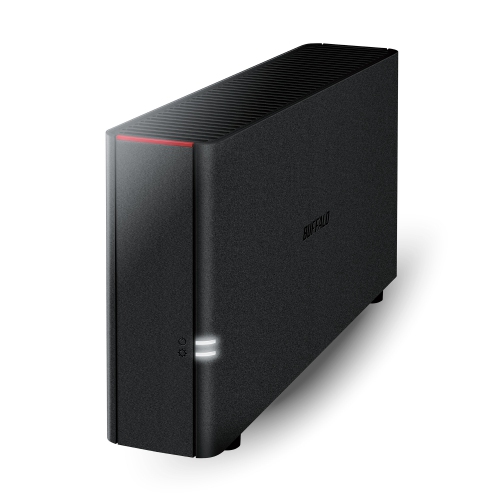
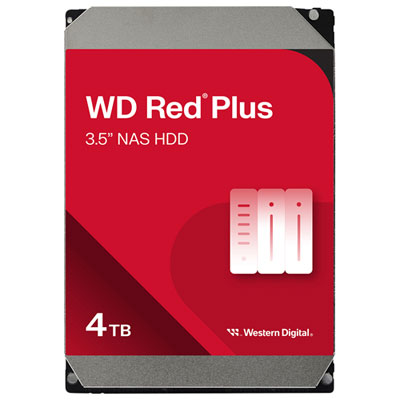
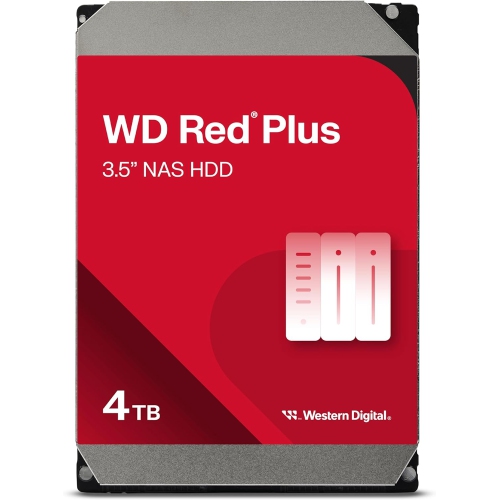
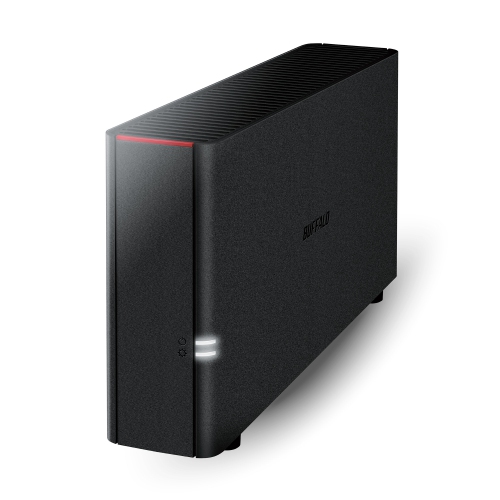
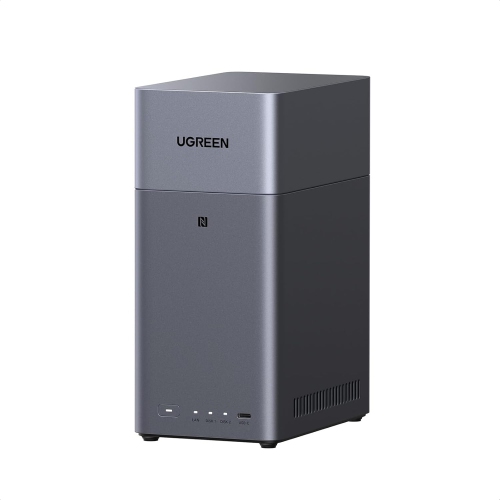
Choosing capacity starts with the files you have today and the work you expect to create over the next few years. A student writing essays will have different needs from someone working with architectural models, virtual machines, or high-resolution video, and a shared household setup needs room for everyone’s files and backups. Look beyond the capacity printed on an individual drive: the usable space in a multi-drive NAS depends on the number of installed drives, formatting, and the storage configuration you choose. Some configurations reserve capacity for redundancy, so the total available for files can be considerably less than the combined drive capacities. Compatibility matters just as much as size. Before choosing a drive, check the NAS manufacturer’s compatibility list, supported drive capacities, interface, and physical drive size. NAS drives are commonly sold as individual internal drives and typically require a compatible enclosure to provide network storage; they should not be confused with a complete, ready-to-use NAS system. For an upgrade or gift, knowing the enclosure model and whether it has an available drive bay helps avoid an otherwise promising purchase that cannot be used.

Day-to-day suitability also comes down to how the storage will be used and where it will sit. Drives designed for NAS workloads are built with considerations such as extended operation and multi-drive use in mind, but workload ratings, warranty coverage, recording technology, and supported bay counts vary. Checking these details is worthwhile for a system that will handle frequent backups or serve several users at once. Noise and heat deserve attention, too, especially if the enclosure will share a desk with textbooks or sit near a bed in a small student room. File-transfer performance depends on the whole setup, including the drives, enclosure, network connection, and number of people accessing files, rather than capacity alone. Once installed, scheduled backups and clearly named folders can make the difference between a useful storage system and another place to lose track of assignments. Keep a separate backup of important work, since drive redundancy does not protect against every risk, including accidental deletion, theft, or damage to the enclosure. Remote access, where supported and securely configured, can add flexibility for students away from home, while individual accounts and permissions help keep shared class materials separate from personal files.

Read More

FAQ

Some products may be subject to Environmental Handling Fees (EHF) depending on your province. Learn more about EHFs.