Cable Clamps
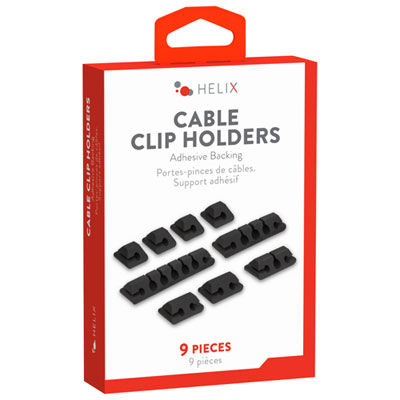
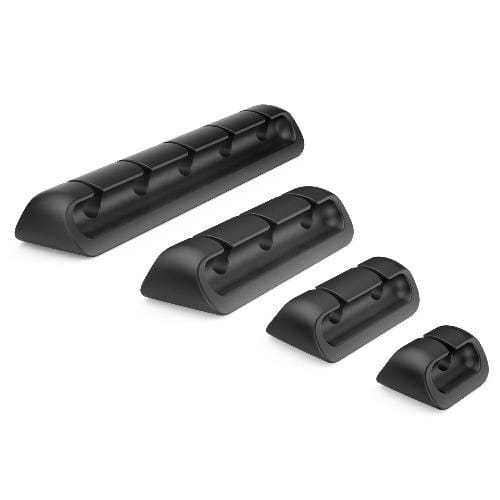
Keep your cables organized and tidy with this selection of cable clamps. Say goodbye to tangled cords and messy workspaces by using these versatile and practical solutions to secure and manage your cables. Whether you're looking to streamline your home entertainment setup, declutter your office space, or tidy up your gaming console area, cable clamps are the perfect accessory to help you maintain a neat and efficient environment.
Sort
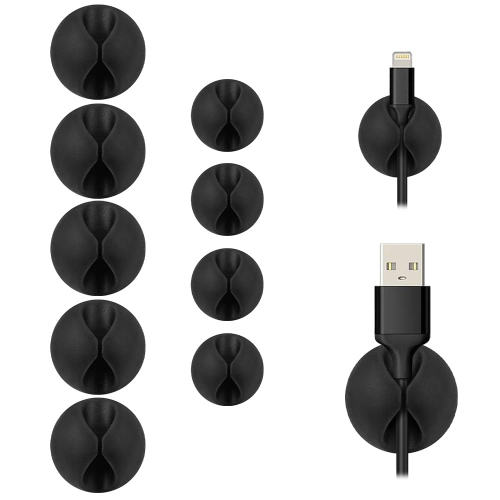
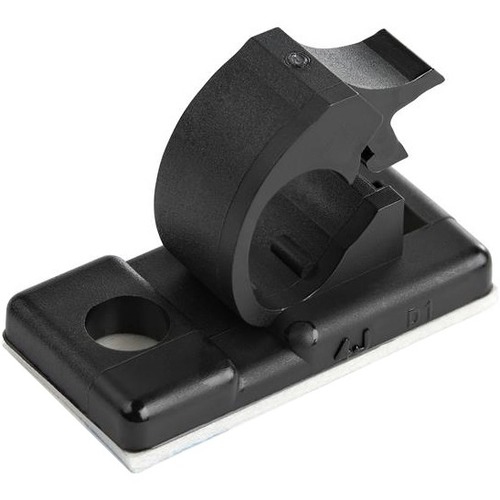
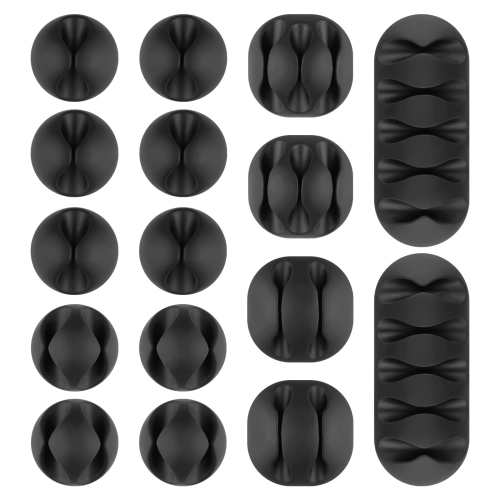

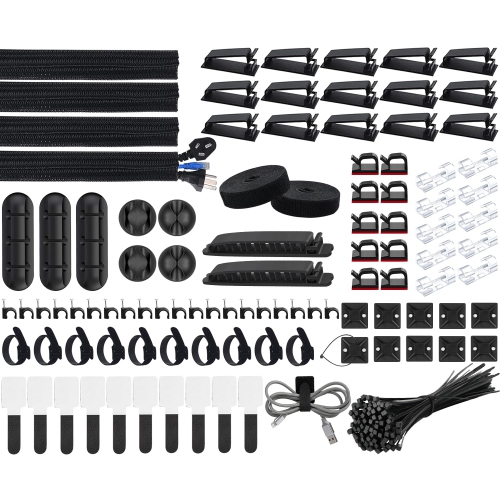

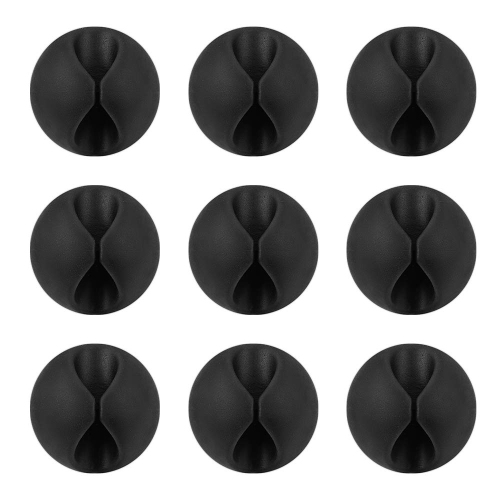

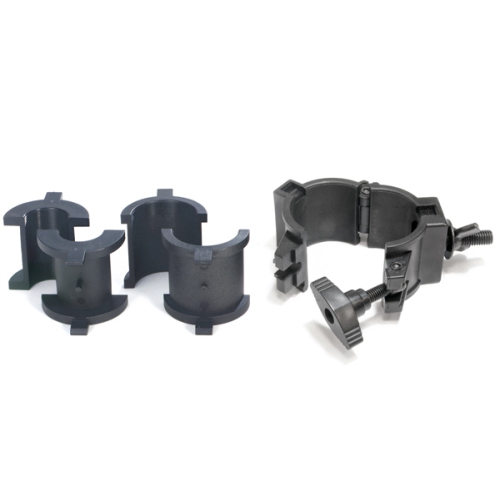
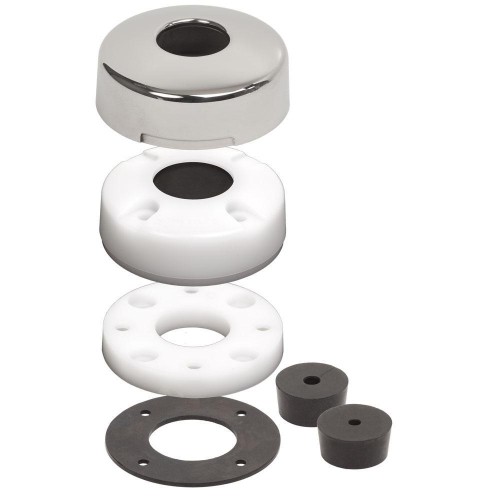
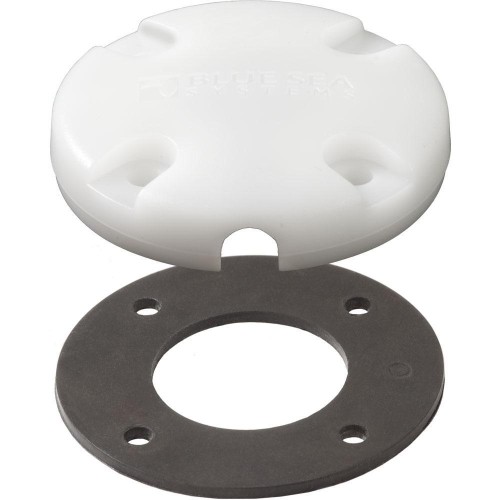
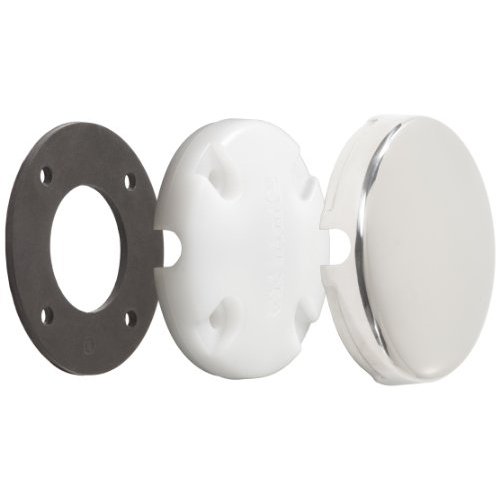
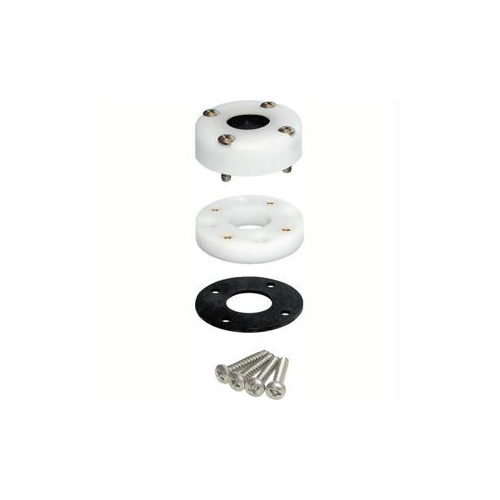
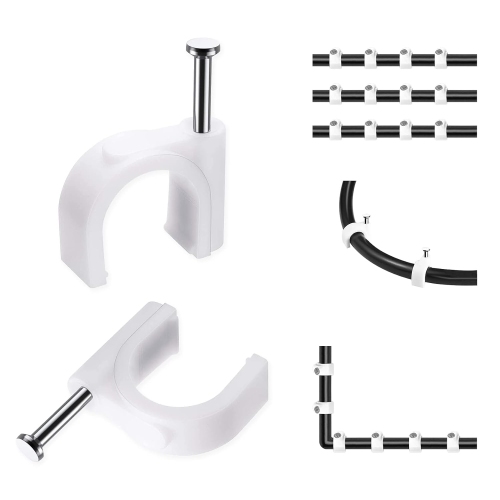
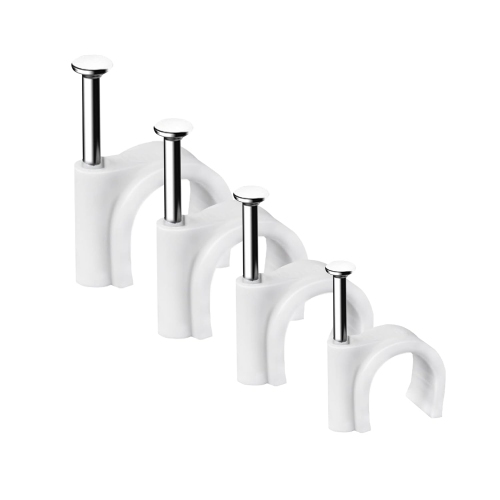
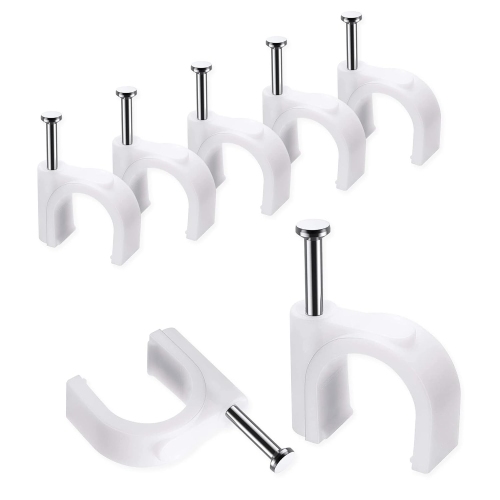
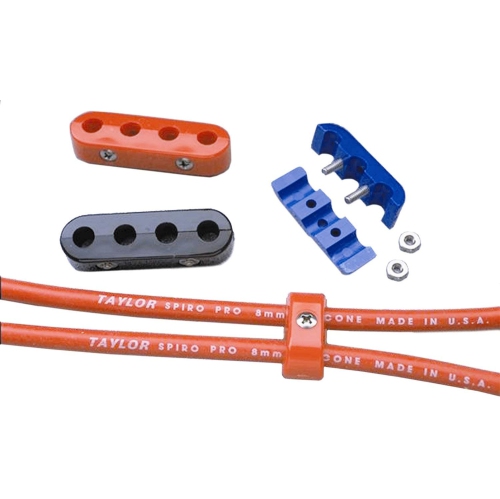
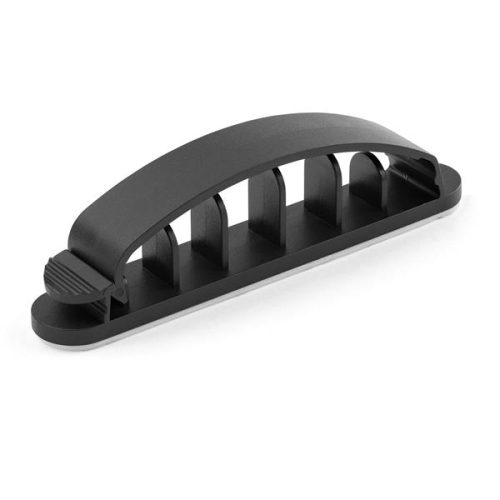
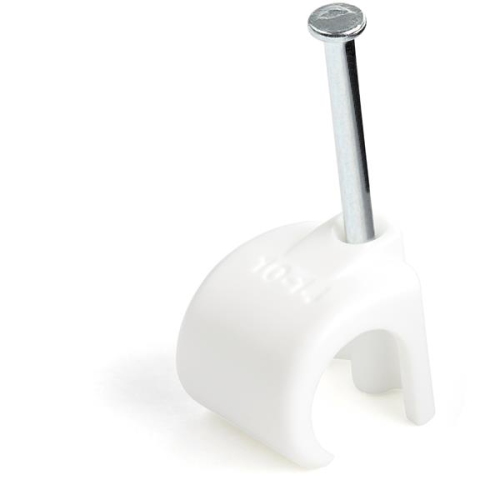
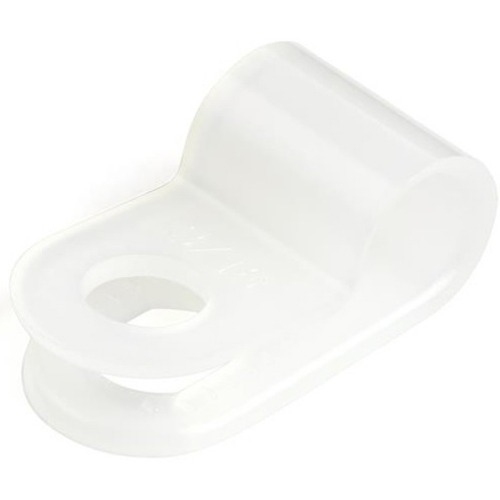
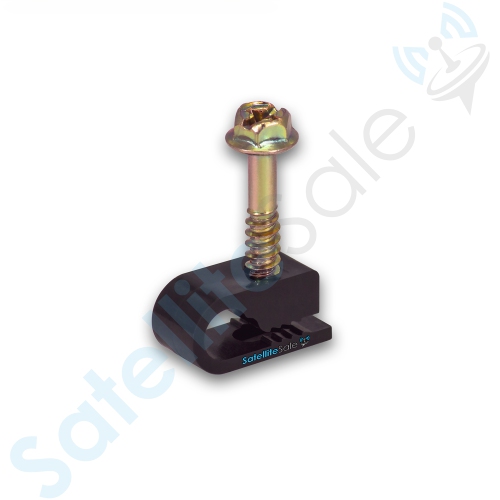
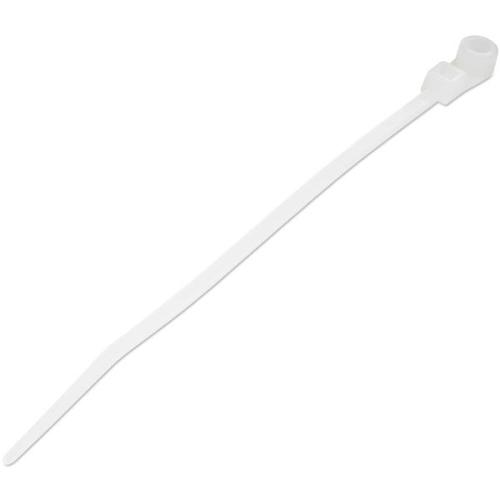
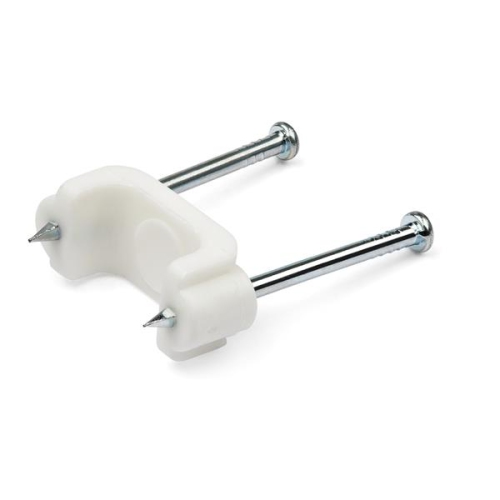
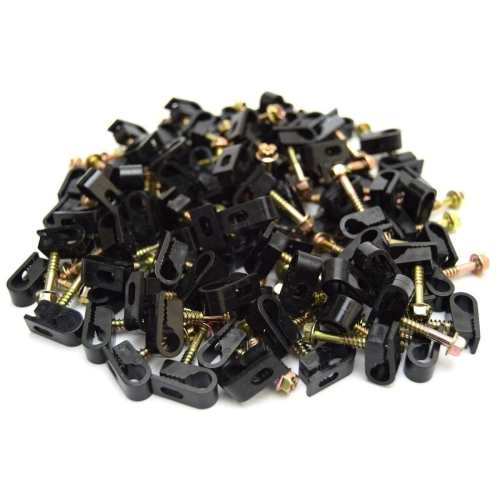
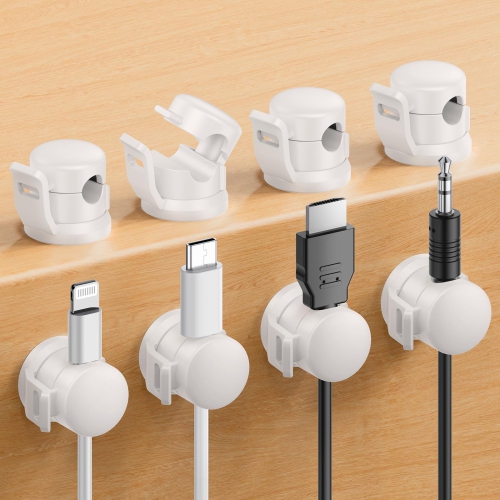
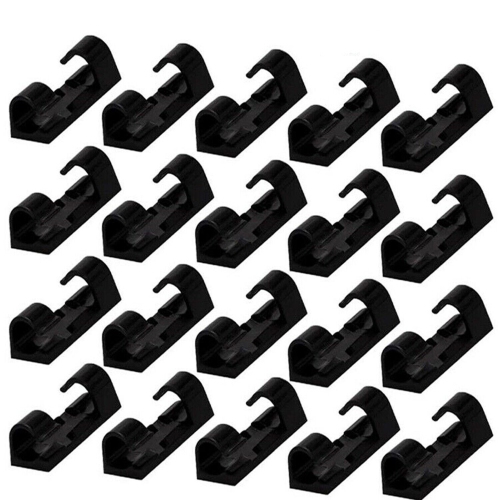
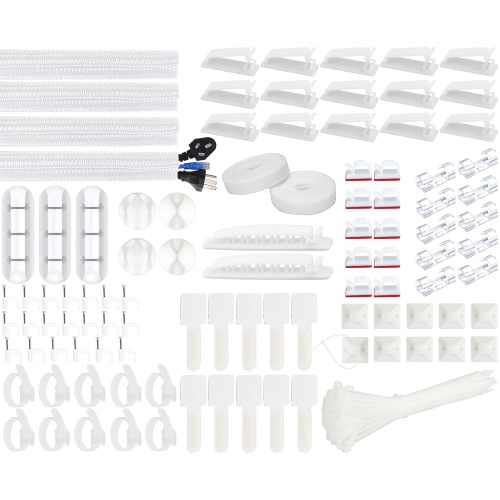
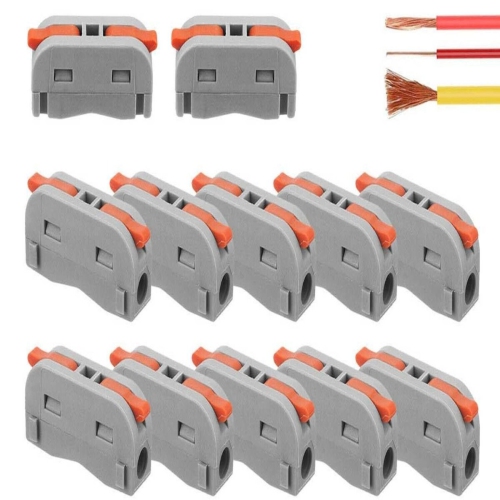
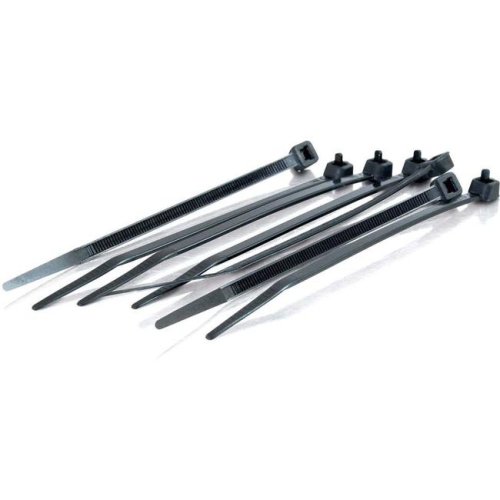
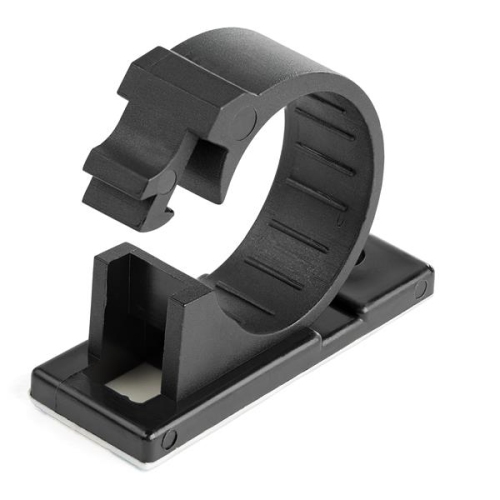
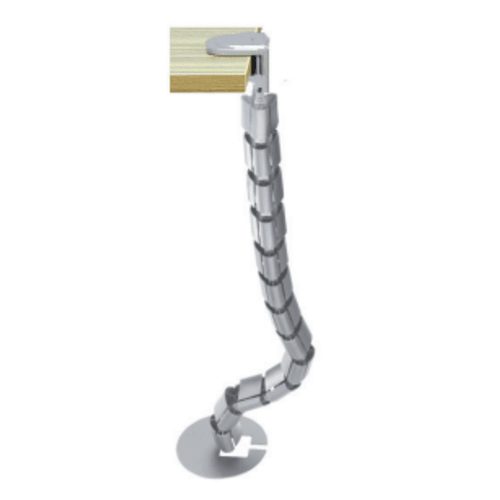
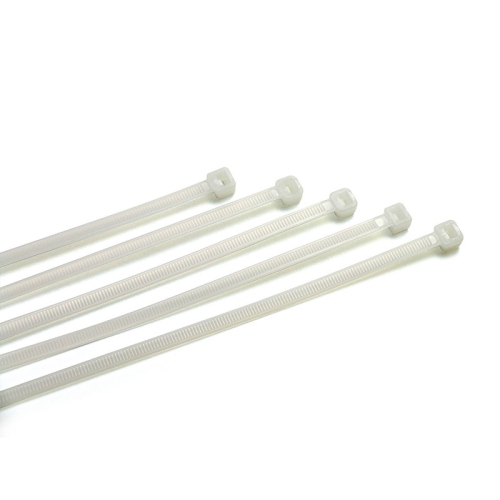
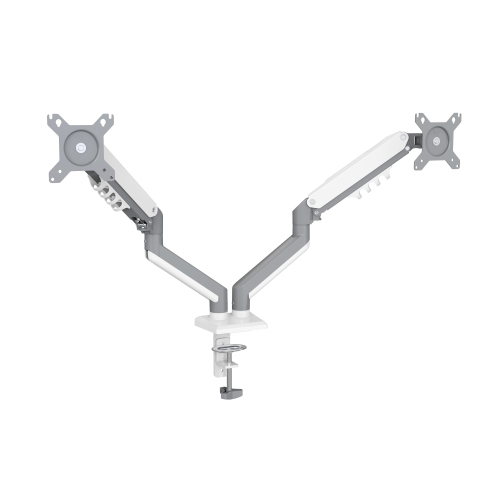
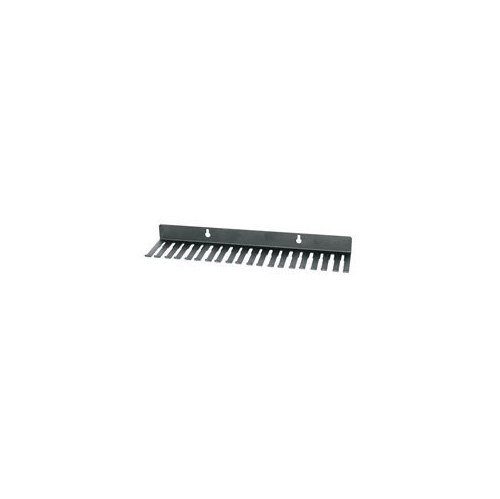

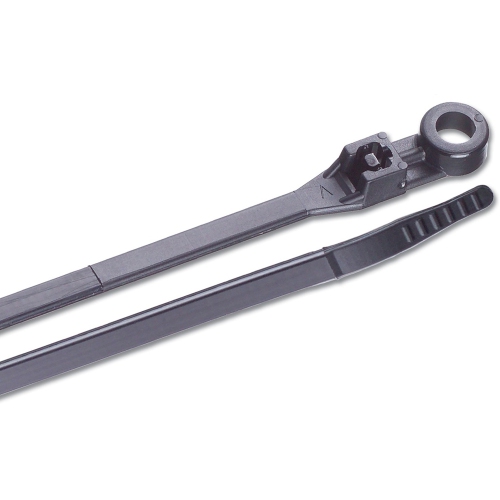
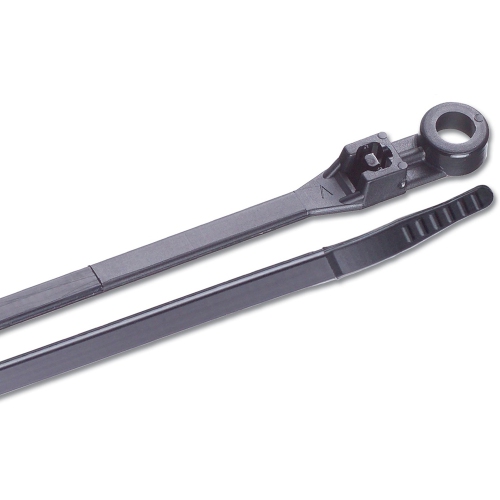
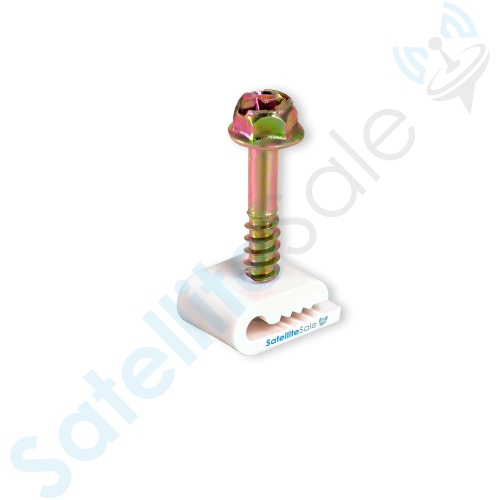
Support for neater runs, safer routing and easier access
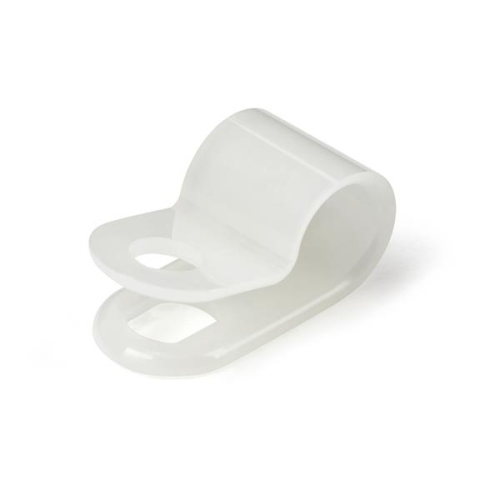
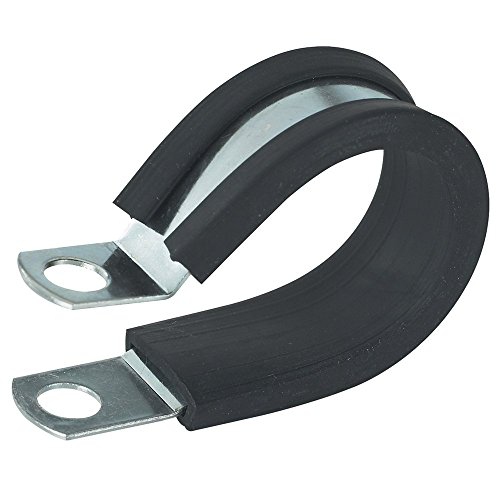
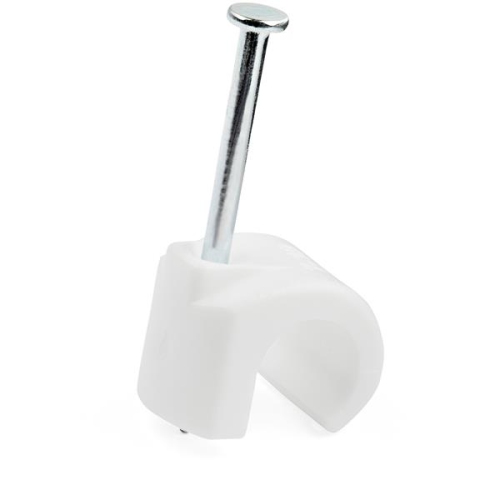
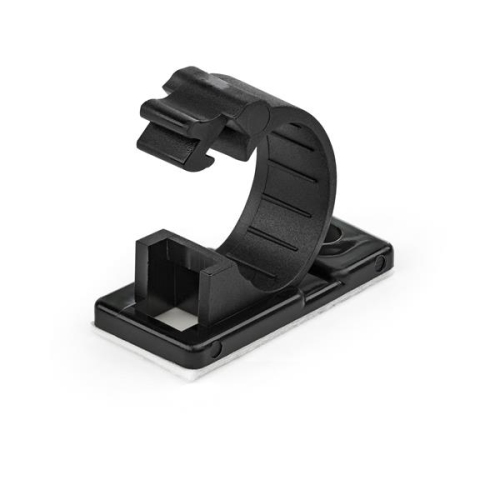
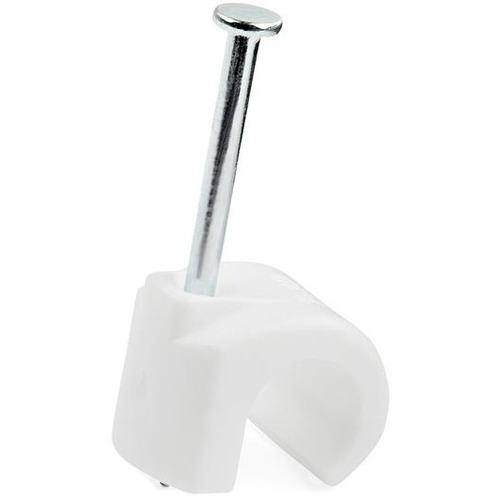
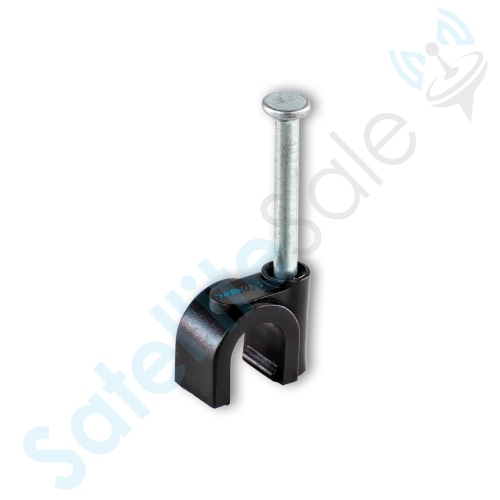
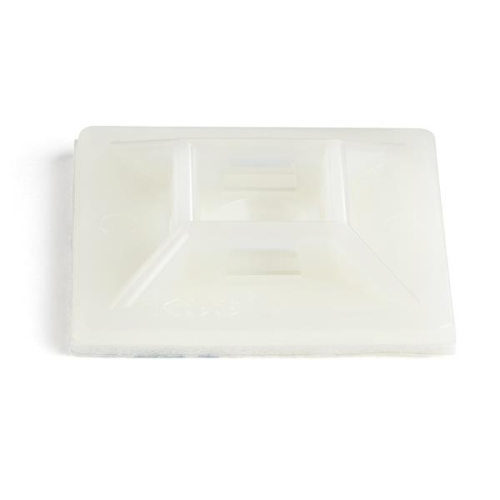
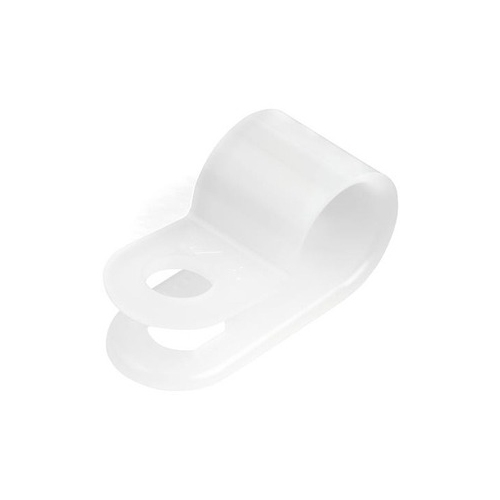
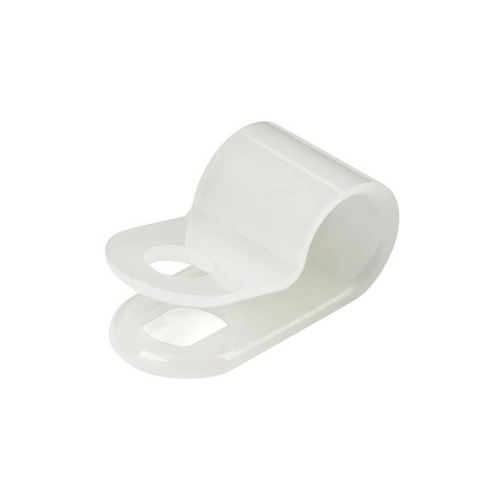
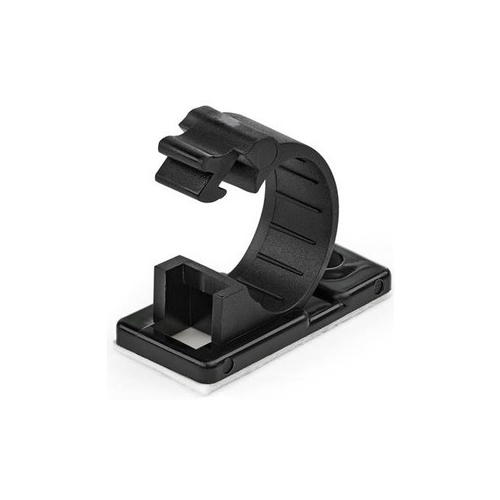
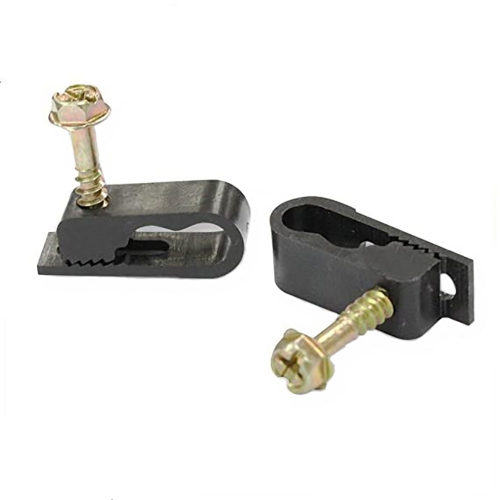
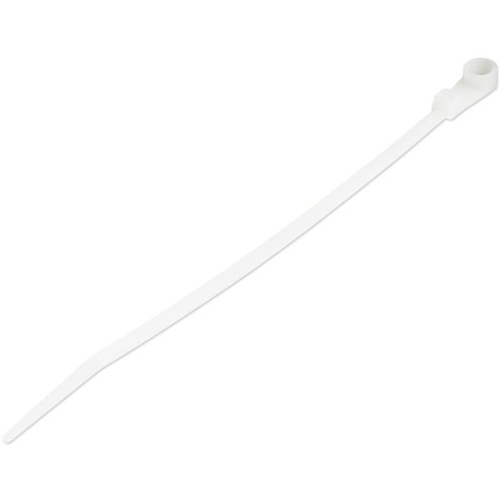
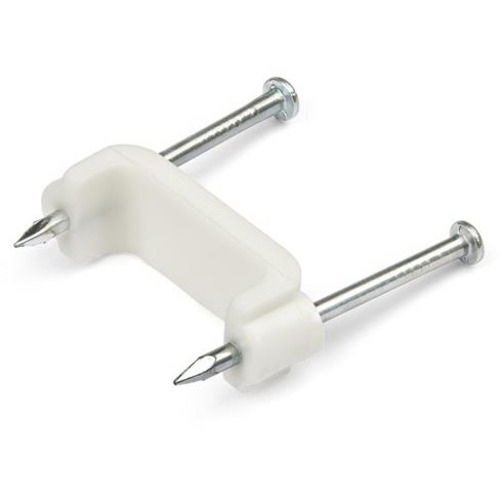
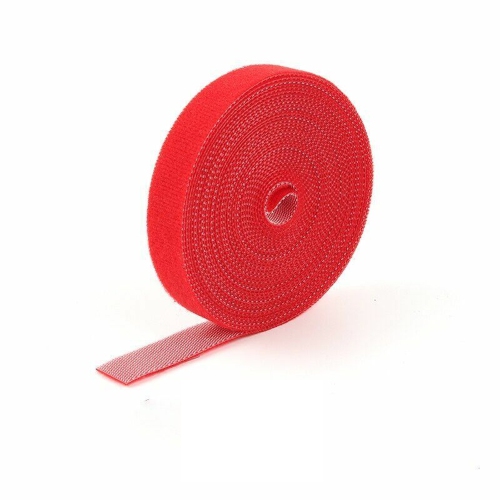
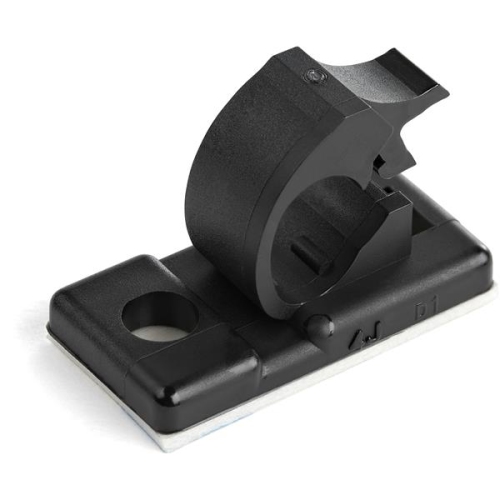
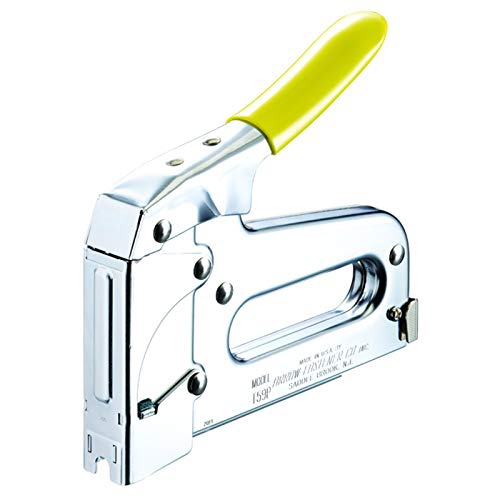
Cable clamps are practical hardware for keeping wires, cords, tubing and other flexible lines secure, orderly and protected from unnecessary strain. Rather than allowing cables to trail across a workbench, hang behind a desk or rub against a sharp edge, the right clamp helps guide each run along a wall, cabinet, vehicle panel, work surface or other mounting point. They are useful in many everyday settings, from home offices and entertainment areas to workshops, garages, utility rooms and hobby spaces. A neat cable layout can make it easier to identify connections, clear dust and reach surrounding equipment without first untangling a knot of cords. It can also help reduce pulling at plugs and ports when a cable is accidentally moved. Shoppers will find several styles designed for different tasks. Plastic or nylon P-clamps are lightweight and commonly used for smaller wires and low-voltage cables, with a single mounting hole that allows them to be fastened to a suitable surface. Rubber-insulated metal clamps add a cushioned layer between the cable and the metal band, making them a useful choice where vibration, movement or repeated contact may be a concern. Adjustable reusable clamps are suited to loose bundling, allowing cords to be gathered and released without cutting the fastener. Hammer-in staples or cramps are made for securing compatible building cable directly to wood framing, while other clamp formats may be designed for panels, channels or temporary routing. For a broader selection of related options, shoppers can also browse Wire Clamps.
Choosing a cable clamp begins with understanding the cable or bundle being secured. Measure the outside diameter of the cable, or the combined diameter of several cables, and compare it with the clamp’s stated capacity. A clamp that is too narrow can pinch insulation, create pressure points or make installation difficult, while one that is too loose may allow the cable to shift, sag or rattle. The cable’s construction matters as well. Delicate signal wires, charging leads and computer cables generally benefit from gentle support that does not compress the jacket. Thicker power cords, automotive wiring and tubing may call for a stronger hold or a cushioned metal design that can cope with movement. Consider whether the cable needs to remain grouped together or whether each line should follow its own route. Adjustable styles are handy when a setup changes often, such as a home office that is being reorganized, a media centre with several devices or a workshop where tools are moved between stations. Fixed clamps are a better fit for permanent runs that should stay in a defined position. The mounting surface is equally important. Wood, metal, drywall, plastic panels and masonry each require compatible fasteners and installation methods, and not every clamp is intended for every material. Check the required screw, nail or anchor type, and avoid relying on adhesive alone where a cable is heavy, exposed to movement or positioned overhead. Before fastening, plan the route so cables do not pass across walkways, door hinges, hot surfaces, sharp corners or areas where they may be crushed. Leave enough slack near plugs and connection points to prevent tension, but avoid large loops that can catch on objects or collect dust. For electrical installations, follow applicable local requirements and use a qualified professional when the work involves mains wiring, in-wall routing or anything beyond a simple low-voltage cable-management task.
Cable clamps can make a noticeable difference in rooms where many connections gather in one place. Behind a television stand, they can keep power leads and signal cables from spreading across the floor. At a computer desk, they can guide charging cords toward the edge of the work surface while keeping them within easy reach. In a workshop, clamps can support cords along the side of a bench and help keep them away from moving tools. In a garage or vehicle, cushioned clamps may help manage wiring or tubing where vibration and repeated motion are part of normal use. They are also useful for people setting up a new home, refreshing a study area, organizing a gaming station or preparing a practical gift for a hobbyist, do-it-yourselfer or technology enthusiast. A compact assortment can be a thoughtful addition to a tool kit because cable-management needs often appear after the main equipment has been installed. During the cooler months, when more time may be spent indoors, securing loose cords around a desk, entertainment area or utility space can make a room feel more comfortable and easier to maintain. Look for clamp packs that match the number of cables in the project, and consider keeping several sizes available for future changes. Inspect the finished installation occasionally to make sure fasteners remain secure, insulation is not being pinched and cables are not rubbing against edges. With the appropriate size, material and mounting method, cable clamps provide a simple way to create cleaner cable runs, protect connected equipment and keep everyday spaces more manageable.
Choosing a cable clamp begins with understanding the cable or bundle being secured. Measure the outside diameter of the cable, or the combined diameter of several cables, and compare it with the clamp’s stated capacity. A clamp that is too narrow can pinch insulation, create pressure points or make installation difficult, while one that is too loose may allow the cable to shift, sag or rattle. The cable’s construction matters as well. Delicate signal wires, charging leads and computer cables generally benefit from gentle support that does not compress the jacket. Thicker power cords, automotive wiring and tubing may call for a stronger hold or a cushioned metal design that can cope with movement. Consider whether the cable needs to remain grouped together or whether each line should follow its own route. Adjustable styles are handy when a setup changes often, such as a home office that is being reorganized, a media centre with several devices or a workshop where tools are moved between stations. Fixed clamps are a better fit for permanent runs that should stay in a defined position. The mounting surface is equally important. Wood, metal, drywall, plastic panels and masonry each require compatible fasteners and installation methods, and not every clamp is intended for every material. Check the required screw, nail or anchor type, and avoid relying on adhesive alone where a cable is heavy, exposed to movement or positioned overhead. Before fastening, plan the route so cables do not pass across walkways, door hinges, hot surfaces, sharp corners or areas where they may be crushed. Leave enough slack near plugs and connection points to prevent tension, but avoid large loops that can catch on objects or collect dust. For electrical installations, follow applicable local requirements and use a qualified professional when the work involves mains wiring, in-wall routing or anything beyond a simple low-voltage cable-management task.
Cable clamps can make a noticeable difference in rooms where many connections gather in one place. Behind a television stand, they can keep power leads and signal cables from spreading across the floor. At a computer desk, they can guide charging cords toward the edge of the work surface while keeping them within easy reach. In a workshop, clamps can support cords along the side of a bench and help keep them away from moving tools. In a garage or vehicle, cushioned clamps may help manage wiring or tubing where vibration and repeated motion are part of normal use. They are also useful for people setting up a new home, refreshing a study area, organizing a gaming station or preparing a practical gift for a hobbyist, do-it-yourselfer or technology enthusiast. A compact assortment can be a thoughtful addition to a tool kit because cable-management needs often appear after the main equipment has been installed. During the cooler months, when more time may be spent indoors, securing loose cords around a desk, entertainment area or utility space can make a room feel more comfortable and easier to maintain. Look for clamp packs that match the number of cables in the project, and consider keeping several sizes available for future changes. Inspect the finished installation occasionally to make sure fasteners remain secure, insulation is not being pinched and cables are not rubbing against edges. With the appropriate size, material and mounting method, cable clamps provide a simple way to create cleaner cable runs, protect connected equipment and keep everyday spaces more manageable.
Top selling and popular products
-
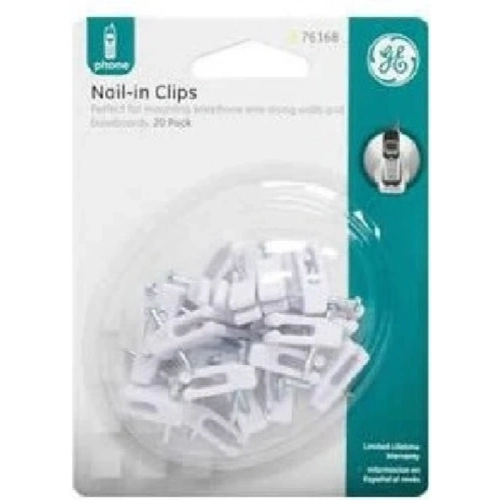 Your price for this item is $3.99
 -
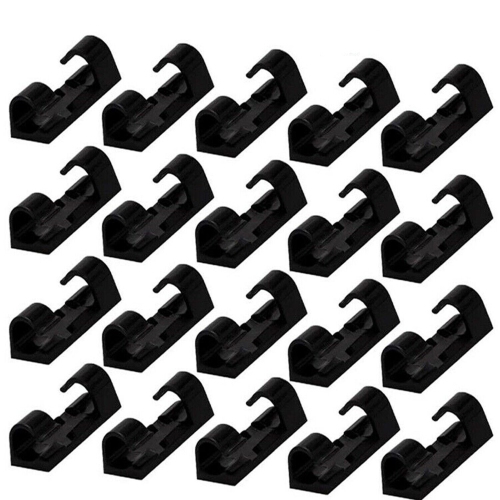 Your price for this item is $20.99
 -
 Your price for this item is $7.99
 -
 Your price for this item is $25.96
 -
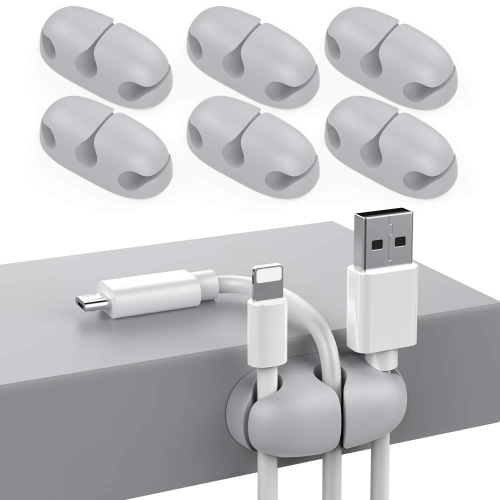 Your price for this item is $29.96
 -
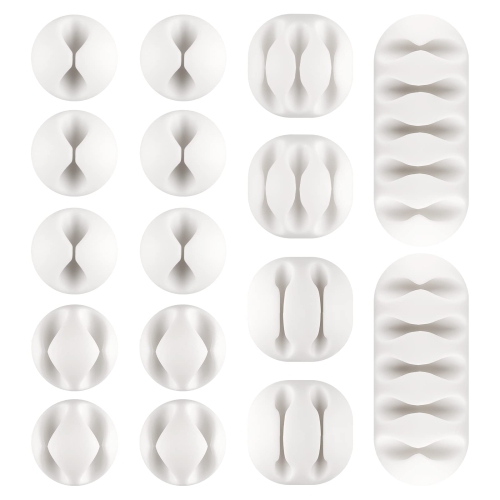 Your price for this item is $27.96
 -
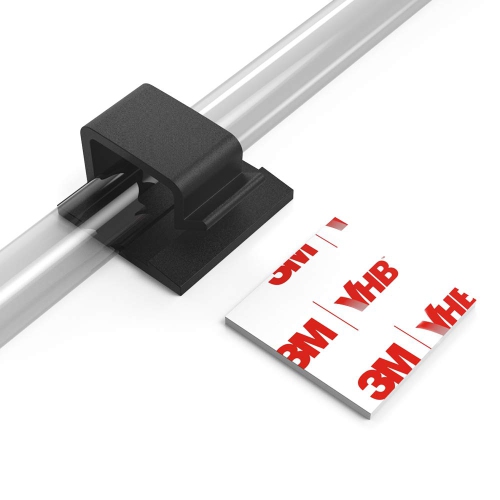 Your price for this item is $33.96
 -
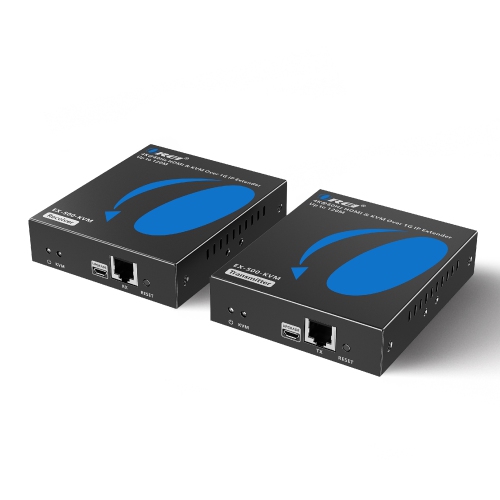 Your price for this item is $277.99
Discover more categories related to Cable Clamps
Top Collections:
Pokemon Centers, Kindle Devices, Best Budget Office Chairs, Apple iPhones 16, Best Laptops for Writers, iPhone 15 Apple, Canon G7X Cameras, Refurbished Apple Laptops, Alarm Clock, Motorola Razr Phones
Some products may be subject to Environmental Handling Fees
(EHF) depending on your province.
Learn more about EHFs.