Cable Clips
Organize your cables with ease and keep your workspace tidy with this selection of cable clips. These versatile accessories are designed to securely hold and manage various cables, preventing tangles and maintaining a clutter-free environment. Whether you're working from home, setting up a home entertainment system, or simply looking to streamline your office space, this range of cable clips offers practical solutions for all your cable management needs. Browse through this collection to find the perfect cable clips to suit your setup and say goodbye to messy cords once and for all.
Sort
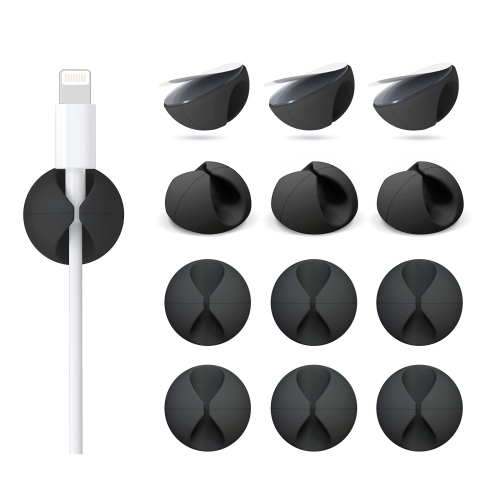
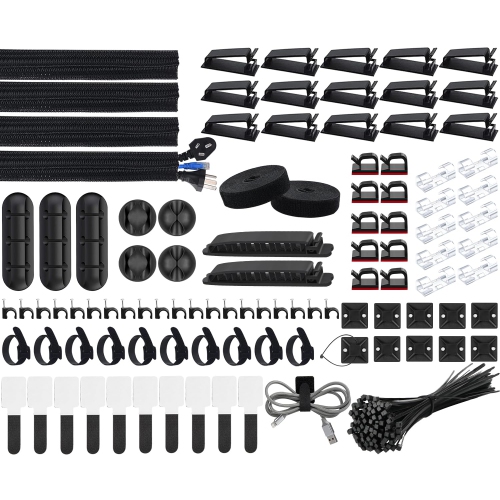
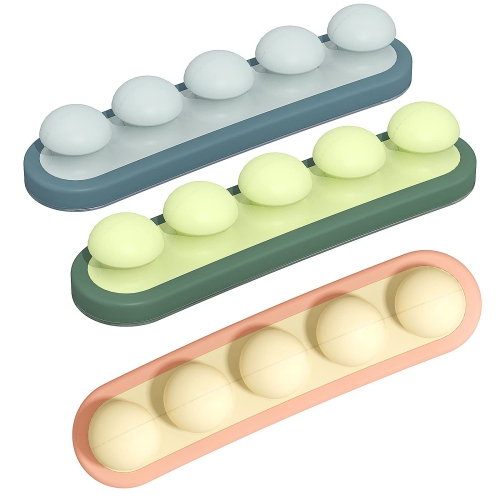
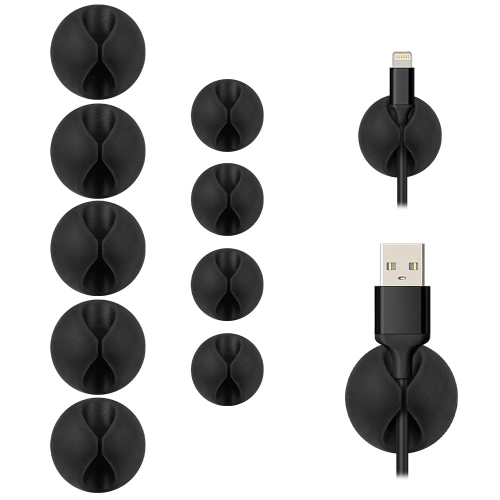
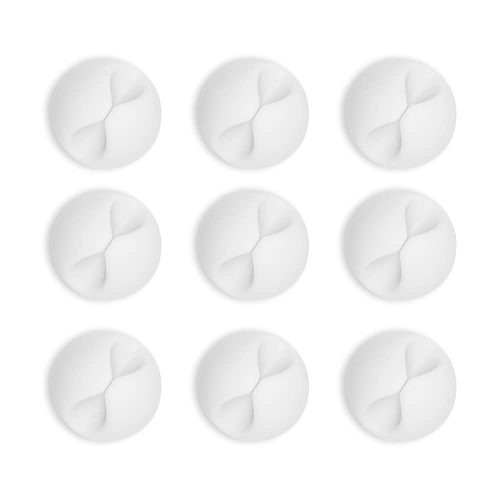
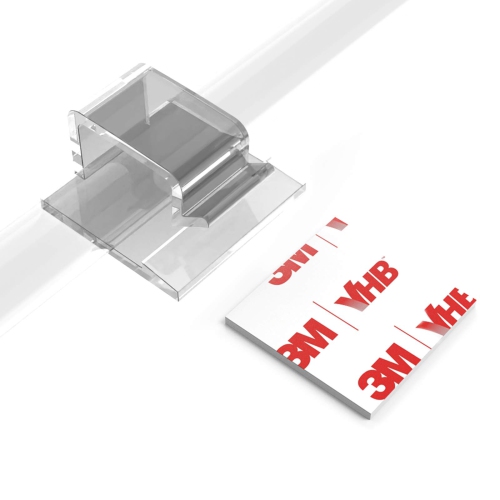
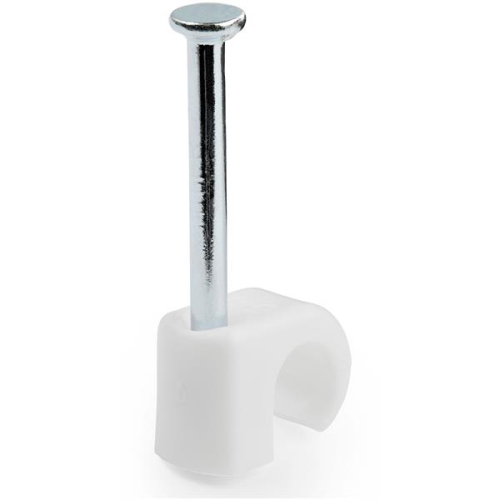
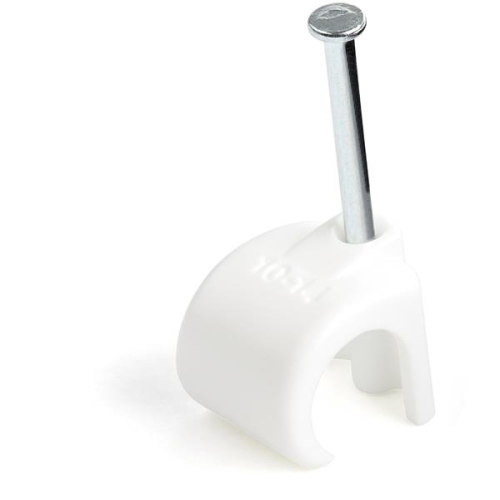
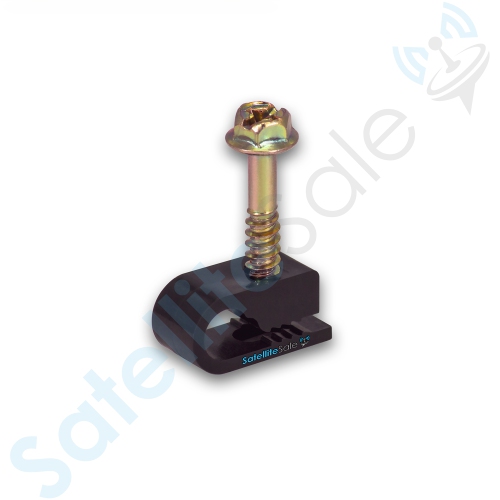
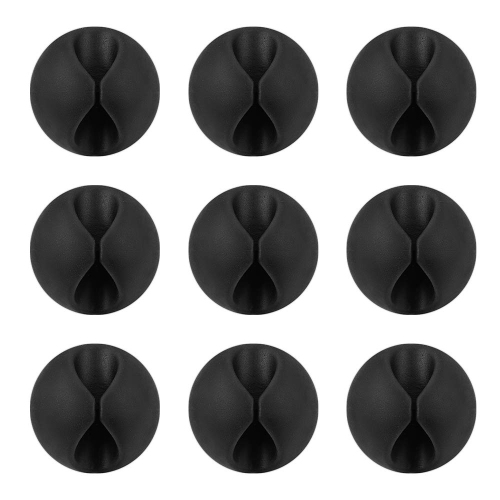
A resting place for cords that keep slipping
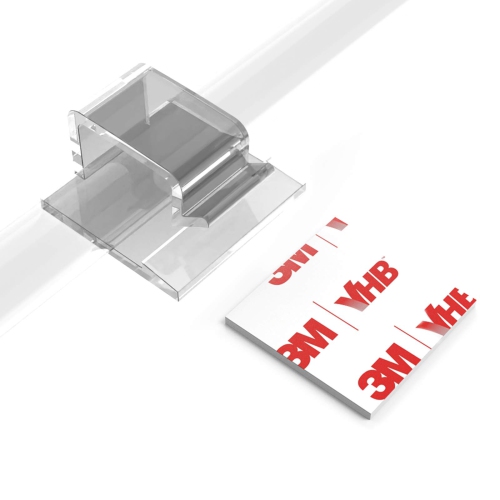
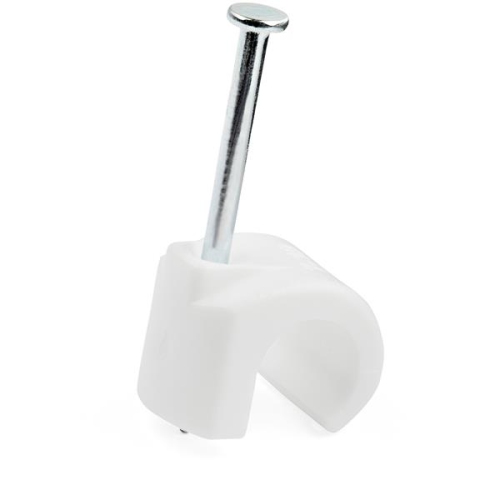
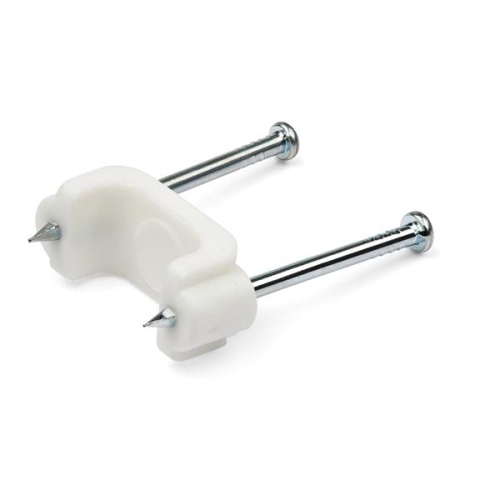
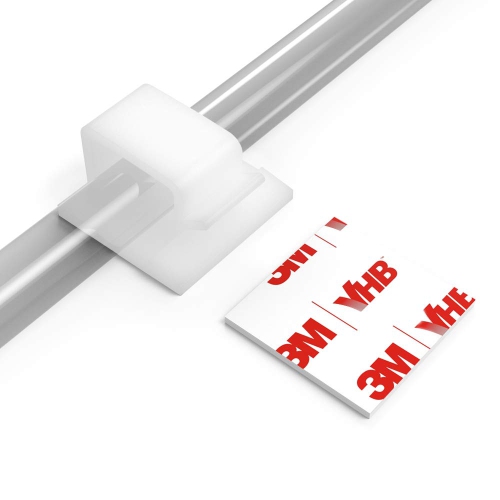
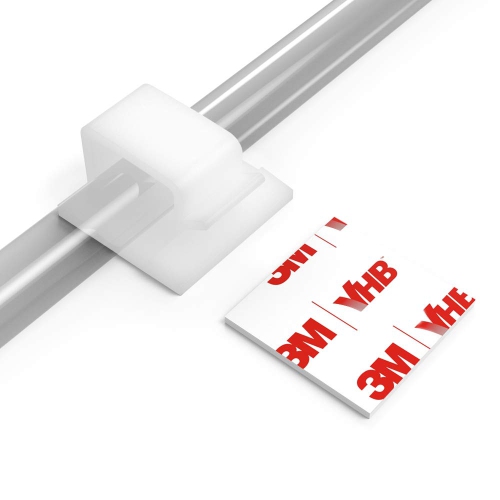
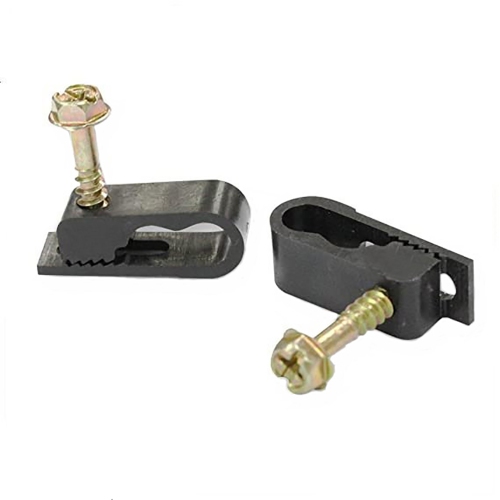
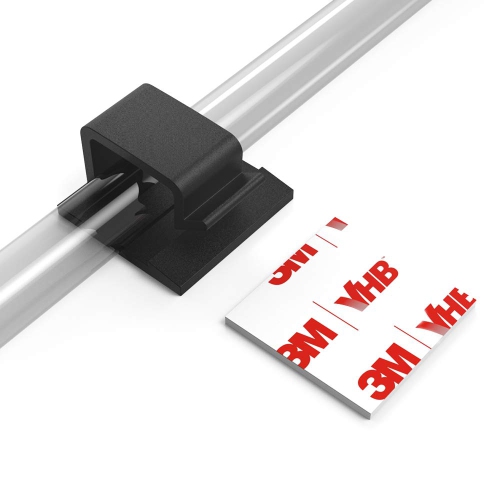
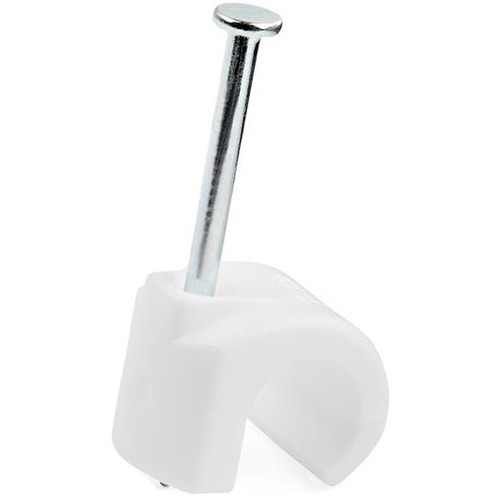
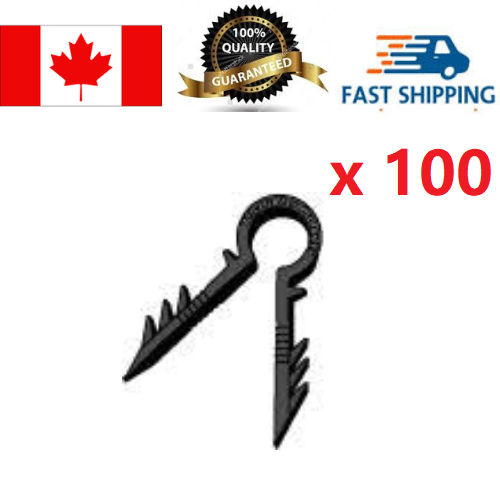
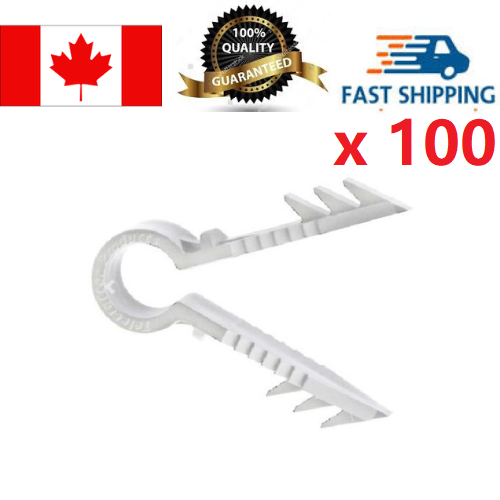
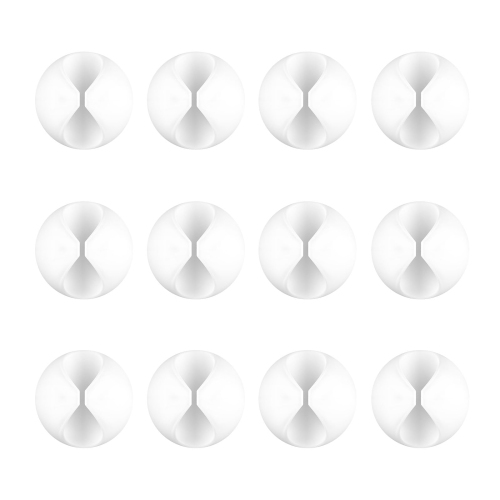
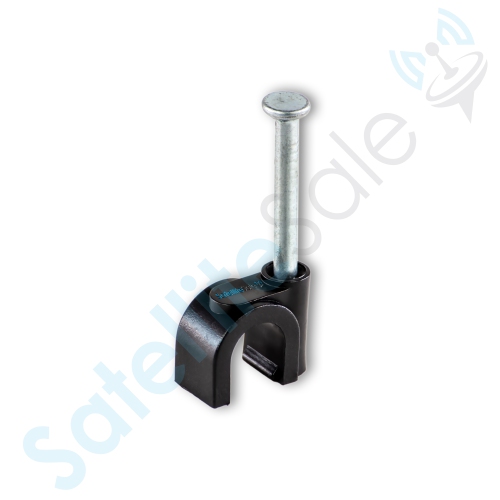
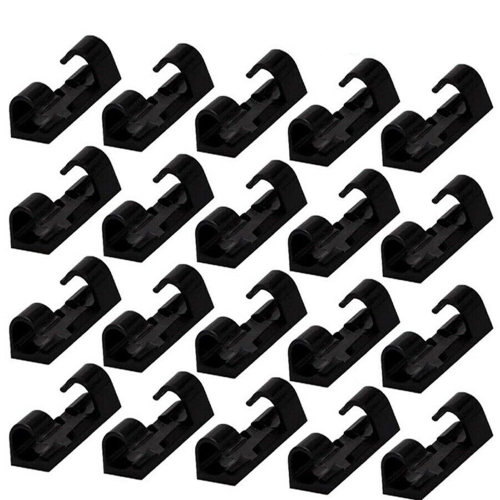
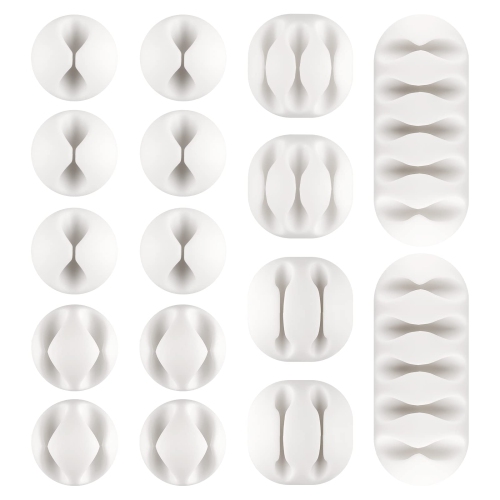
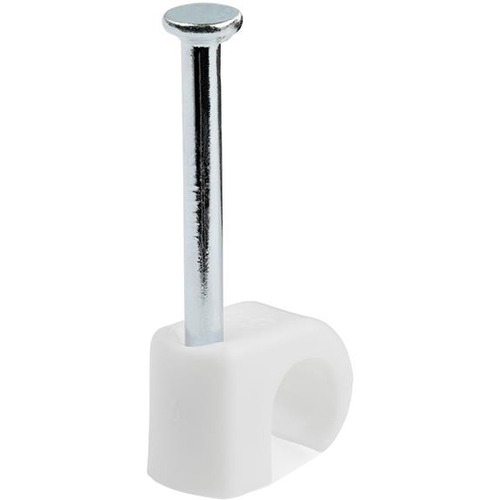
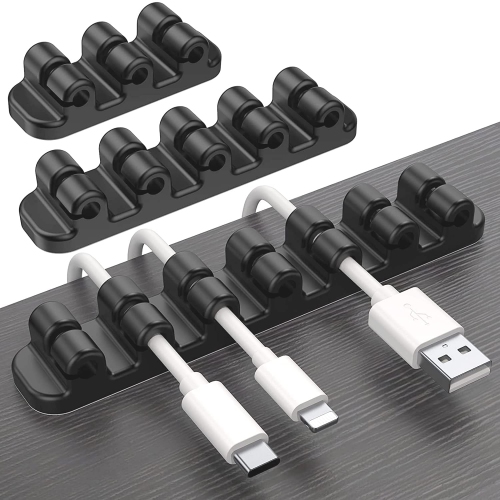
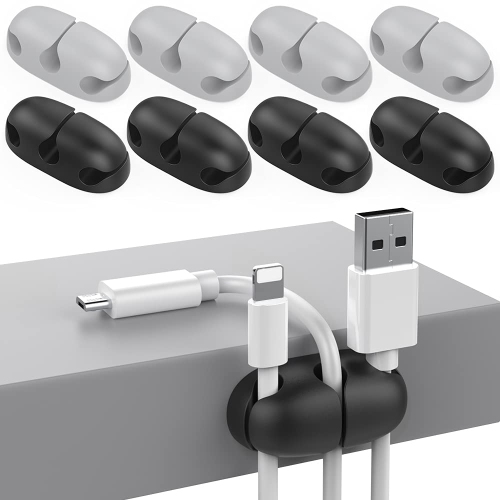
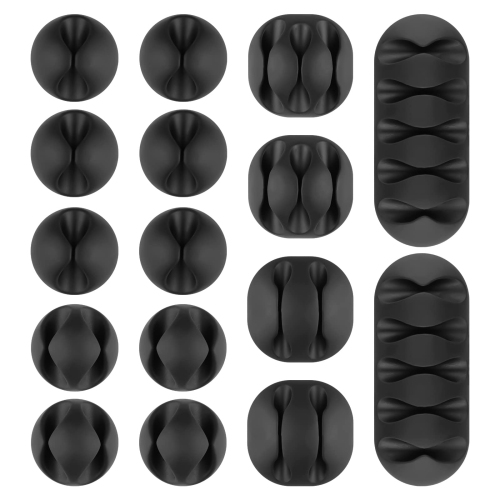
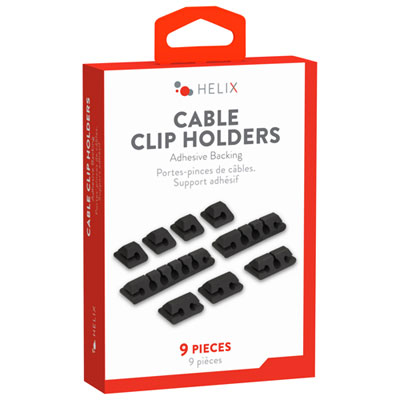
Cable clips are small fasteners that hold cords and cables in a chosen position on a desktop, along a furniture edge, behind a television, or against another suitable surface. They help keep charging leads within reach, separate cables that run to different devices, and prevent loose lengths from slipping behind furniture. A single-slot clip can give a phone charging cable a regular resting place beside a bed, while a multi-slot design can keep several leads arranged along the back of a work surface. Larger clips can support thicker cords or small bundles, provided their stated capacity matches the cables being held. Common styles include adhesive-backed clips, screw-mounted and nail-in fasteners, magnetic clips, and designs that clamp onto a compatible edge. Each suits a different setup: adhesive mounting avoids drilling, mechanical fasteners provide a more permanent attachment, and removable styles can be useful where the arrangement changes often. Open channels make it easy to lift a cable out when moving a laptop, while closing loops or latches help retain cables that are meant to stay in place. At a shared charging station, separate channels can make individual connectors easier to identify without pulling on neighbouring cords. Behind a television stand, a row of clips can keep HDMI, audio, and power cables arranged along their intended paths rather than hanging in a tangled curtain. Cable clips are useful for home offices, gaming desks, study areas, bedside tables, and entertainment centres, with the best fit depending on cable size, mounting location, and how often the connected equipment moves. They can also make shared spaces easier to use: a charging lead that stays near the front edge of a table is easier to find than one that repeatedly drops to the floor. Their main purpose is cable positioning and organization, rather than supporting devices or carrying the weight of heavy adapters.
Material and fit affect how a cable clip feels in use and how well it suits its location. Flexible silicone or rubber designs can accommodate small variations in cable diameter and may offer a softer contact point for frequently handled charging leads. Rigid plastic designs, including nylon styles, hold a more defined shape, while metal fasteners may suit installations that call for a firmer attachment. The clip’s rated use matters more than appearance alone, especially where repeated opening, moisture, sunlight, or heavier cables are involved. Cable diameter refers to the outside of the cable jacket, not the size of the connector at its end. A narrow slot may grip a slim lead neatly but compress a thicker braided cable; an oversized opening may allow a thin cord to slide through. Multi-channel clips also vary in the spacing between slots, which matters when several bulky connectors need to rest side by side. Enough room around each lead helps keep plugs accessible without forcing sharp bends near their ends. Mounting surfaces deserve equal attention. Adhesive-backed clips generally need a clean, dry, compatible surface, and textured finishes, dust, grease, or some coatings can weaken the bond. Any preparation method and waiting period should follow the manufacturer’s directions, since adhesives differ. Painted walls, veneers, and delicate furniture finishes may mark or lift during removal, even when a clip is described as removable. Screw-mounted and nail-in designs require a suitable base and care around concealed wiring or plumbing. Magnetic clips need an appropriate magnetic surface; not every metal panel will hold them. Edge-mounted designs depend on the thickness and shape of the furniture lip. For care, occasional dusting and gentle cleaning suited to the material can keep channels clear, while inspection for cracked plastic, loose fasteners, or lifting adhesive helps identify when an attachment is no longer dependable.
A useful cable arrangement leaves connectors easy to reach and allows equipment to move normally. On a sit-stand desk, that means enough slack for the full height adjustment, without stretching a power lead or pulling a plug sideways. Beside a laptop dock, it may mean keeping a few regularly disconnected cables near the front of the work surface while routing less-used connections along the back. Related accessories such as Cable Holders can also help keep loose charging ends accessible between uses. A compact clip near a bedside table edge can stop a cable from falling behind a drawer, while several spaced clips can follow the rear edge of an entertainment unit without gathering every cord into one tight bundle. Spacing depends on the cable’s stiffness, weight, and route: a heavier lead may need more support, but clips should not pinch the jacket or force abrupt turns. Cables should remain clear of drawer runners, chair wheels, hinges, ventilation openings, and other places where movement or heat could cause damage. Routing a cord along furniture is also different from making it suitable for a walkway; small cable clips are not a substitute for a purpose-built floor cable protector. In households with children or pets, tidier routing can reduce dangling lengths, but clips do not make cords childproof or chew-resistant. Colour and shape can make the finished arrangement either discreet or easy to identify, with dark clips blending into some equipment setups and lighter options suiting pale furniture. Low-profile shapes are useful where clearance behind a cabinet is limited, while larger openings may be more practical for accessible bundles. For students, remote workers, gamers, and anyone who regularly connects several devices, thoughtfully placed clips can turn a frequently tangled corner into a more orderly space, without making everyday connections difficult to change.
Top selling and popular products
-
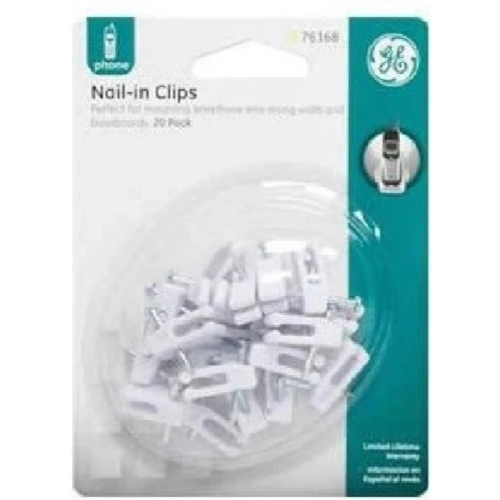 Your price for this item is $3.99
-
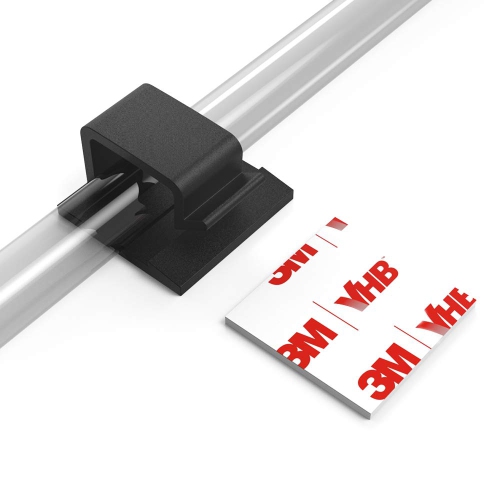 Your price for this item is $31.49
-
 Your price for this item is $20.99
-
 Your price for this item is $27.96
-
 Your price for this item is $7.68
-
 Your price for this item is $29.97
-
 Your price for this item is $21.96
-
 Your price for this item is $27.96
Discover more categories related to Cable Clips
Top Collections:
Best Black Friday Deals This Year, Best Black Friday Deals On Electronics, Kindle Devices, Pokemon Centers, Best Black Friday Deals On Apple Products, Best Cameras for Sports Photography, Dyson Airwrap, Pokémon 30th Celebration Cards, Apple iPhone 17 Pro, Canon G7X Cameras
Some products may be subject to Environmental Handling Fees
(EHF) depending on your province.
Learn more about EHFs.