Charger 40W
Charger 40W options provide a reliable solution for powering up your devices efficiently at home, in the office, or on the go. With a range of designs and compatibility choices, these chargers are ideal for keeping smartphones, tablets, laptops, and other electronics ready for use. Explore the latest Charger 40W selections to find the perfect fit for your charging needs and enjoy uninterrupted connectivity wherever you are.
Sort






Why charging compatibility matters more than wattage alone
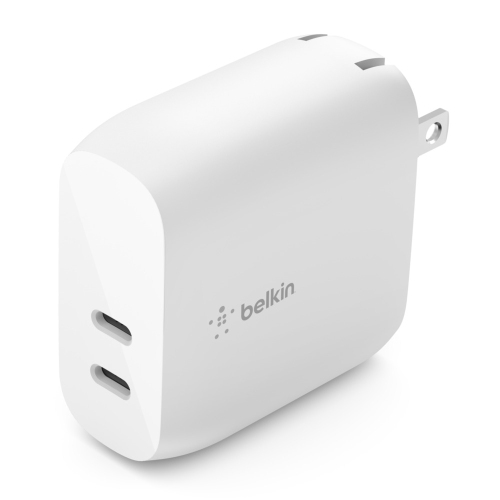
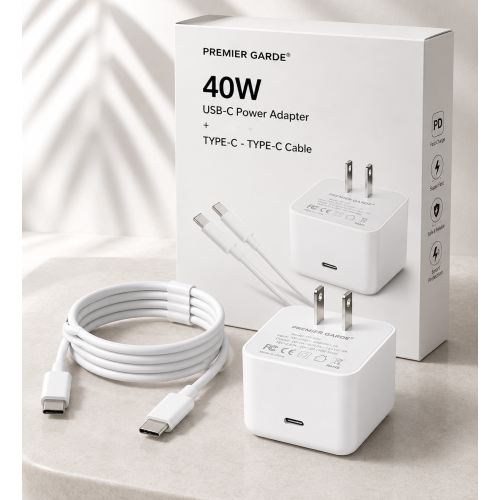
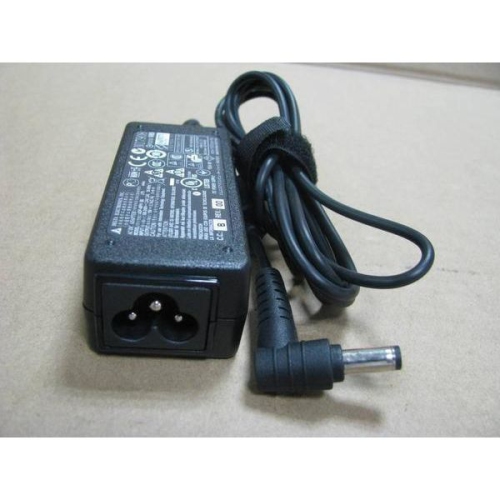
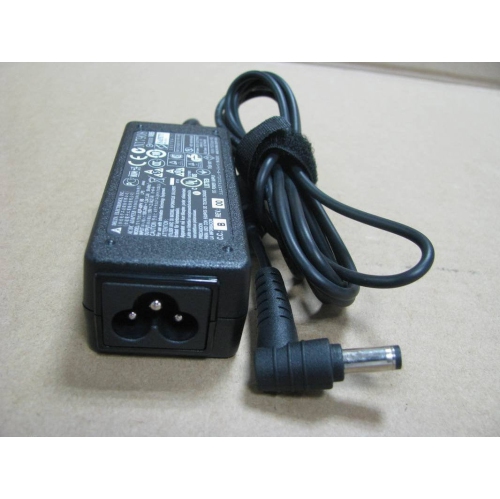
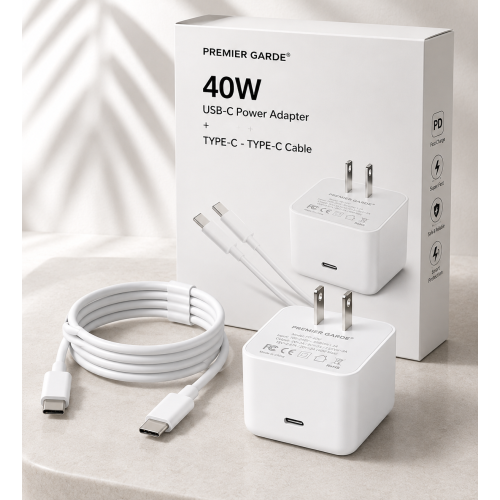
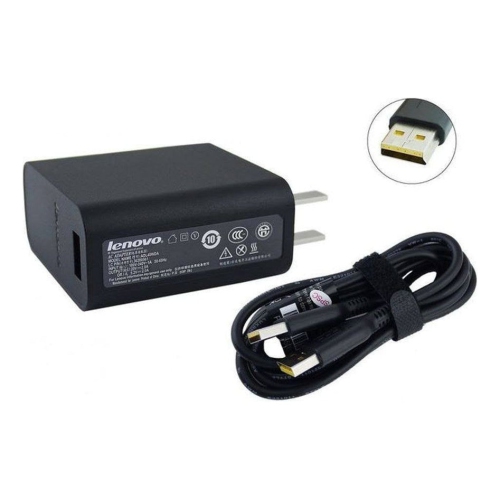
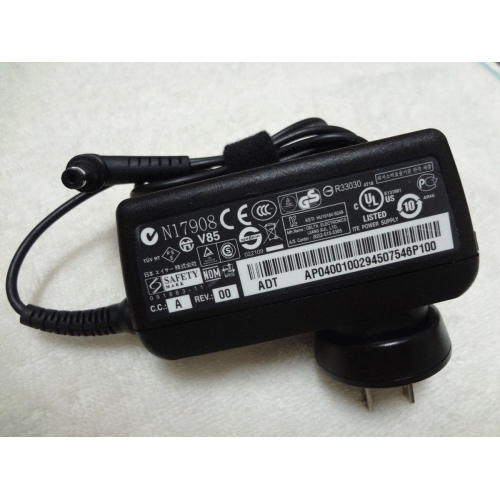
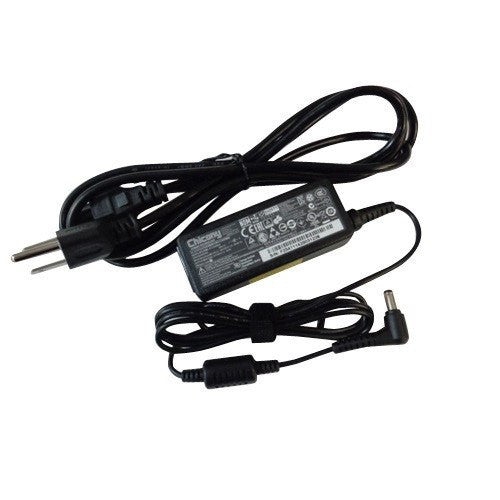
A 40W charger supplies power to compatible devices, with the 40W rating describing electrical output rather than battery capacity or a guaranteed charging speed. This power range can suit many smartphones, tablets, and smaller USB-powered devices, although the amount of power each device accepts depends on its own charging specifications. A phone does not automatically receive 40 watts simply because it is connected to a 40W adapter. With compatible USB charging standards, the device and charger establish an appropriate power level, and the cable must also support that connection. USB-C describes the connector shape, while technologies such as USB Power Delivery describe how compatible equipment manages power. Programmable Power Supply, often abbreviated to PPS, allows finer adjustments to voltage and current when supported by both the charger and the device. These distinctions matter when a phone’s fast-charging feature requires a particular protocol rather than just a sufficiently high wattage. A USB-C socket alone does not establish which charging technologies are supported. The output specifications also matter because an advertised wattage may apply to one port, the combined output of several ports, or a temporary peak under defined conditions. For everyday use, a compatible 40W charger can provide a convenient connection beside a sofa, at a desk, or wherever a tablet is regularly used for reading and video calls. Actual charging speed will still vary with battery level, device activity, and charging controls built into the device. A nearly full battery generally takes power more slowly than one at a low charge level, and a phone running navigation or a video call uses some of the incoming power while charging. Cable condition and supported power ratings are part of the same connection. A cable that fits physically may not support every charging mode, making compatibility across the adapter, cable, and device more meaningful than the wattage printed on the adapter alone.
The physical design of a 40W charger affects how comfortably it fits into a daily routine. A compact wall adapter can leave more room in a laptop bag, while the position of its ports can determine whether a cable hangs neatly beside a desk or bends awkwardly behind furniture. On a crowded power bar, a wide charger body may cover a neighbouring outlet even when its overall size seems modest. Foldable prongs, where included, can make an adapter easier to pack without exposed metal catching on other belongings. Charger housings are commonly made from rigid plastics, with durability depending on construction, secure assembly, and how well the ports withstand repeated connections. A firm connection is useful; a plug that needs to be forced or a port that feels loose deserves attention rather than repeated pressure. Single-port designs keep the power arrangement straightforward, while multiport designs can serve more than one compatible device from the same outlet. However, a 40W total rating does not mean every port can supply 40W at once. Connecting a second device may reduce the power assigned to the first, and some chargers redistribute output according to the ports in use. The stated per-port and shared-output ratings help distinguish a setup suited to one tablet from one intended to charge a phone and smaller accessories together. Cable length adds another practical consideration: a short cable keeps a desktop tidy, but an outlet behind a bedside table may call for more reach without stretching the connector. Features such as reinforced cable ends and flexible jackets can help manage the repeated bending that occurs near plugs. Electrical safety certification recognized in Canada, clear input and output markings, and documented protective features are also important considerations. Protection against excessive current, voltage, and heat supports normal operation, but it does not replace careful handling or the need to keep the charger uncovered while connected.
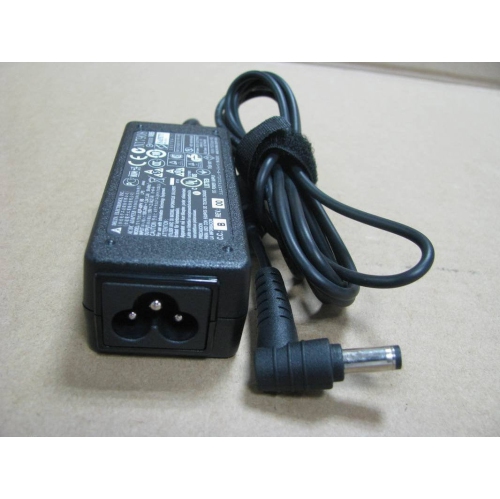
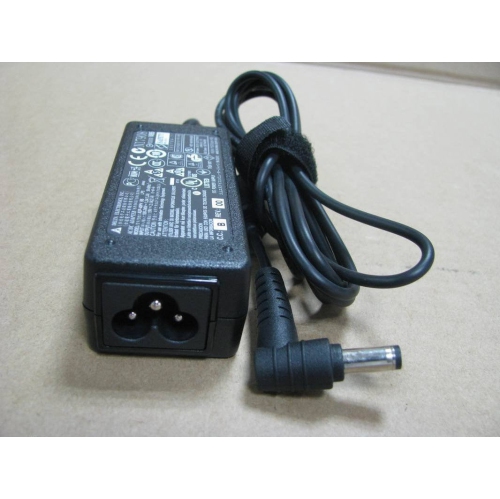
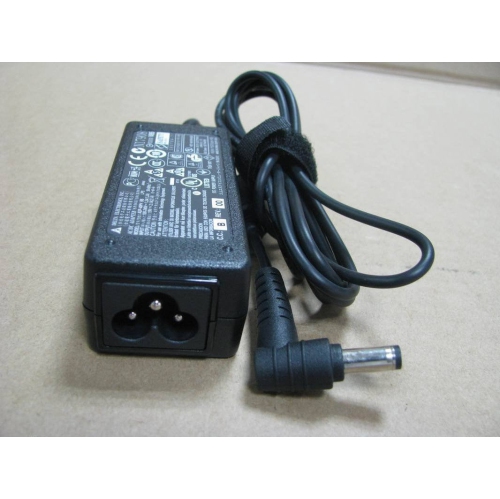
A 40W charger can serve different roles depending on the devices it supports. For a student moving between study spaces, a compact adapter and a suitable cable can keep a phone or tablet ready without adding much bulk to a bag. At a shared household charging spot, clearly understood port limits help prevent confusion when several devices need power. Someone using a tablet for recipes, sheet music, or video meetings may value a cable that reaches the work surface comfortably, while a frequent traveller may place more importance on the adapter’s dimensions and input rating. An adapter marked for 100–240V input is designed for that stated voltage range, but its plug must still suit the destination’s sockets; a plug adapter alone does not convert voltage. Laptop charging requires particular care with compatibility. Some smaller laptops can accept power in this range, while others require more power or a specific charging arrangement, and a laptop may charge slowly or continue losing battery power during demanding use if the supply is insufficient. For devices with higher power requirements, 65W Type C Chargers offer a different output category, subject to the same checks for supported charging standards, cables, and device requirements. Routine care helps preserve a dependable connection: disconnect a cable by holding its plug rather than pulling the cord, keep connectors dry and free of debris, and avoid tightly winding cables around the adapter. A damaged housing, frayed cable, bent prong, or unusual smell is a reason to stop using the affected component. Some warmth during charging can be normal, but covering an adapter with bedding or leaving it wedged beneath cushions can trap heat. As a practical gift, a charger is most useful when its connector, power profile, and port arrangement match the recipient’s equipment. Those details turn a general-purpose accessory into something that fits naturally into a desk setup, travel bag, or everyday charging space.
Top selling and popular products
-
 Your price for this item is $69.99
-
 Your price for this item is $117.37
-
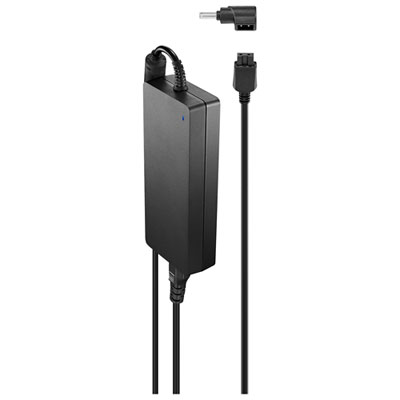 Your price for this item is $109.99
-
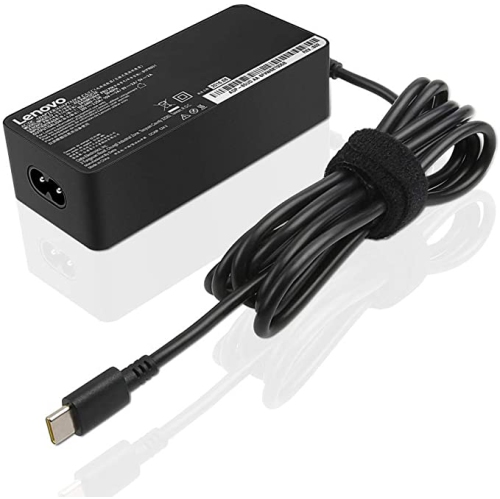 Your price for this item is $67
-
 Your price for this item is $49.99
-
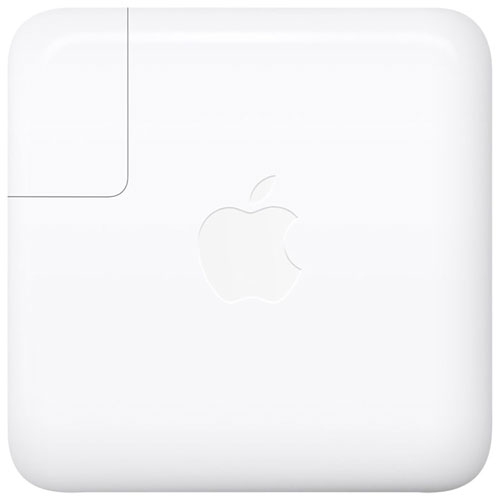 Your price for this item is $71
-
 Your price for this item is $46.68
-
 Your price for this item is $68.68
Discover more categories related to Charger 40W


Top Collections:
Pokemon Centers, Pokémon 30th Celebration Cards, Best Budget Office Chairs, Kindle Devices, Best Cameras for Sports Photography, Canon G7X Cameras, Best Black Friday Deals On Electronics, Best Laptops for Writers, iPhone 15 Apple, Jackery Power Stations
Some products may be subject to Environmental Handling Fees
(EHF) depending on your province.
Learn more about EHFs.