65W Type C Chargers
Power up your devices efficiently with a 65W Type C Charger, designed to keep your electronics ready for action whether you're at home, in the office, or on the go. Explore a range of options that deliver reliable charging performance for laptops, smartphones, tablets, and more. With a 65W Type C Charger, you can enjoy compatibility with a variety of modern gadgets, making it a versatile addition to your tech setup. Find the ideal charger to suit your needs and stay connected without missing a beat.
Sort


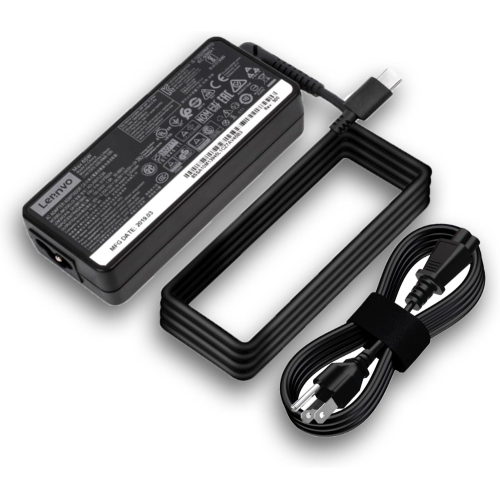

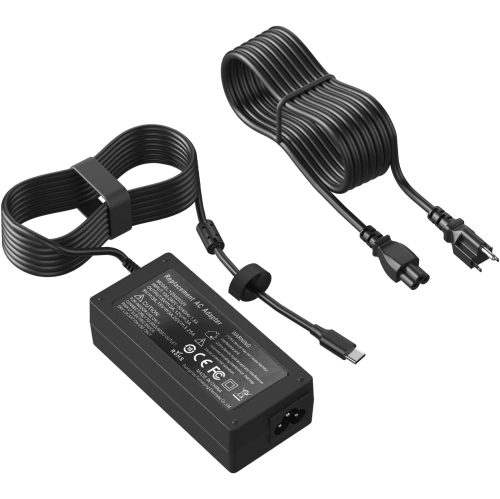


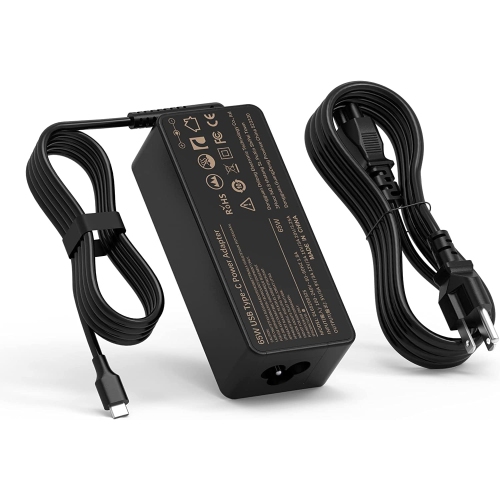


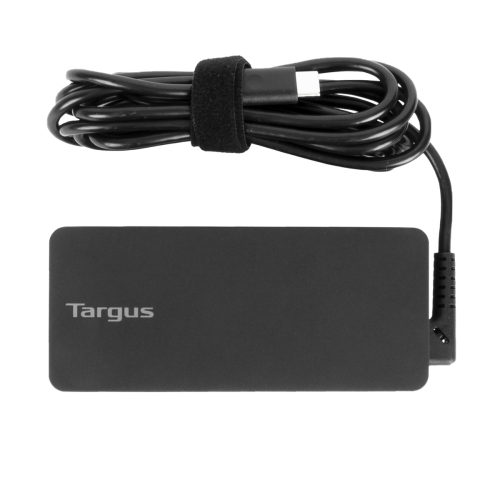





Why charging power depends on more than wattage
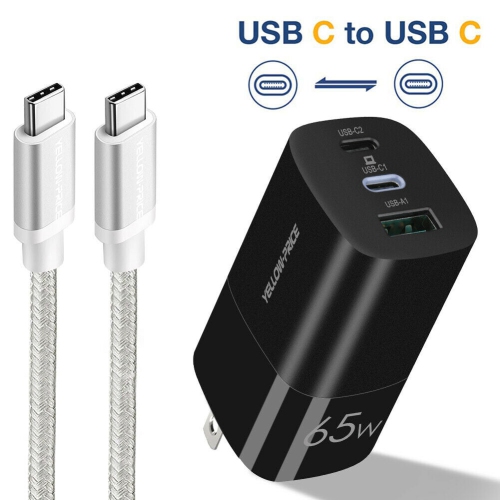
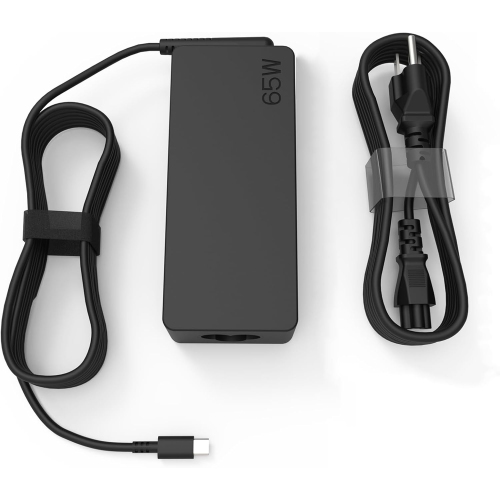
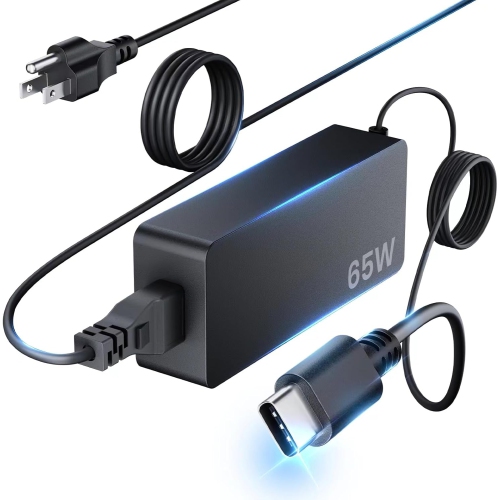
A 65W USB Type-C charger is a power adapter that delivers up to 65 watts through a USB-C connection, making it suitable for compatible smartphones, tablets, and many thin-and-light laptops. USB Power Delivery, often shortened to USB PD, allows the charger and connected device to negotiate a supported power level rather than sending the full 65 watts to every device. A phone that accepts less power draws only what its charging system supports, while a compatible laptop can draw more from the same adapter. This flexibility makes 65W Type-C chargers useful for desks, bedside tables, shared workspaces, and bags that carry more than one device. The wattage describes the charger’s maximum output, not a guaranteed charging speed for everything plugged into it. Actual performance depends on the device’s charging limit, the supported voltage and current combinations, the cable, and whether other ports are in use. Battery level also matters: charging usually slows as a battery approaches full capacity, so a fast start does not mean the same pace continues throughout a charging session. For a student moving between lectures or someone working between home and an office, a compatible 65W adapter can provide a convenient way to power a laptop and charge smaller devices without carrying a separate adapter for each one. It is particularly well suited to everyday tasks such as writing, browsing, video calls, and streaming on laptops designed around this power range. Higher-powered laptops may require more than 65W, especially while running demanding software, and some may charge slowly or not accept a lower-powered adapter at all. A USB-C socket alone does not establish charging compatibility, since some ports support data without accepting power input. The device’s stated charging requirements remain the clearest reference for matching an adapter to its intended use. For phones, support for Programmable Power Supply, or PPS, can also matter when a particular fast-charging mode requires it; a 65W rating by itself does not establish that support.
Port layout changes how a 65W charger fits into a daily routine. A single-port design keeps the connection straightforward for one laptop or tablet, while a multiport design can accommodate a phone, wireless earbuds, or another small device alongside a computer. With multiport chargers, 65W may describe the total shared output rather than the power available from every socket at once. An adapter might supply its highest output through one USB-C port when used alone, then divide that power differently when a second device is connected. The output combinations listed for each port are therefore more informative than the headline wattage when two devices need charging together. Someone joining a long video meeting with a laptop and phone connected may need a different power split from someone charging a tablet and earbuds overnight. For laptop-focused browsing, USB C 65W Laptop Chargers provides a related category centred on that use. Cable capability is just as important as the adapter: a cable that fits both sockets may still limit the available power. For standard USB PD charging at 20 volts, delivering more than 60 watts requires an appropriately rated 5A USB-C cable with electronic marking, which identifies its capabilities to the connected equipment. A standard 3A cable generally limits that connection to 60 watts, even when the charger itself is rated for 65W. Detachable cables offer flexibility in length and make it possible to replace a worn cable separately, while an attached cable keeps the charging connection together in one piece. A shorter cable can keep a small desk tidy, whereas extra reach is useful when an outlet sits behind furniture or beneath a meeting table. Braided jackets can help resist everyday abrasion, while smooth, flexible jackets are often easier to coil into a compact pouch. Neither finish alone guarantees durability; reinforced strain relief, well-fitted connectors, and avoiding sharp bends near the plug all contribute to reliable everyday use.
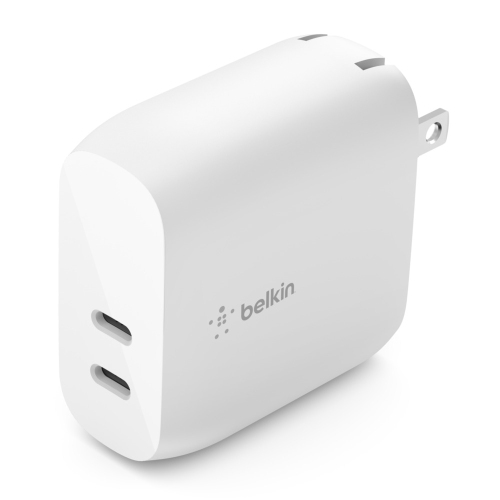
The physical design of a 65W Type-C charger affects how comfortably it fits into a workspace or travel bag. Compact adapters can leave more room around a crowded outlet, although the position of the prongs and the width of the casing matter as much as overall size. Folding prongs, where included, make an adapter easier to pack beside cables without exposed metal catching on other belongings. Models using gallium nitride, commonly called GaN, can offer a smaller body at this power level, but dimensions, port spacing, and the manufacturer’s electrical specifications remain more useful than the material name alone. Durable construction typically includes a securely assembled insulating casing and ports that hold a cable firmly without requiring force. A charger used daily in a backpack benefits from protection against impacts and pressure from other contents, while a desk adapter needs enough clearance for cables to connect without pulling sideways on the sockets. Care is straightforward: disconnect the adapter before cleaning, wipe the exterior with a dry cloth, and keep moisture and debris away from the ports. Frayed cables, bent connectors, loose prongs, or cracked casings are reasons to stop using the affected component rather than continue charging through visible damage. An uncovered surface with room for airflow is more appropriate than bedding or an enclosed pocket during use. Electrical safety certification recognized in Canada is another relevant consideration, alongside clearly stated input and output ratings. For international travel, a charger’s input-voltage range determines whether it can accept the local electrical supply; a plug adapter changes the physical connection but does not convert voltage. These details make 65W chargers practical accessories for commuters, students, remote workers, and travellers whose devices support this charging range. They can also make useful gifts when the recipient’s device requirements are known. A well-matched charger brings convenience to ordinary moments, whether that means keeping a laptop powered through an afternoon of work or topping up a phone before leaving home.
Top selling and popular products
-
 Your price for this item is $69.99
-
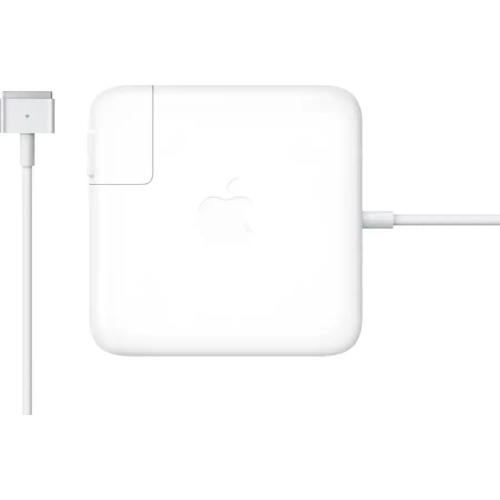 Your price for this item is $117.37
-
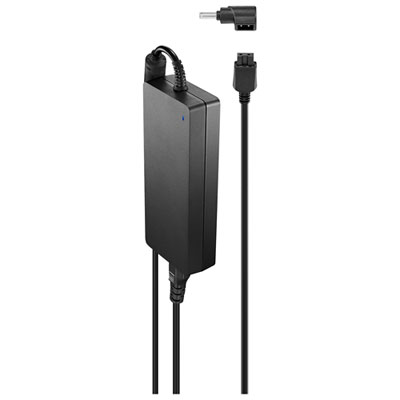 Your price for this item is $109.99
-
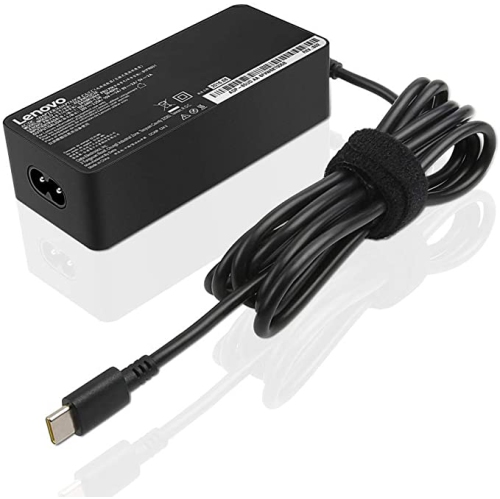 Your price for this item is $67
-
 Your price for this item is $49.99
-
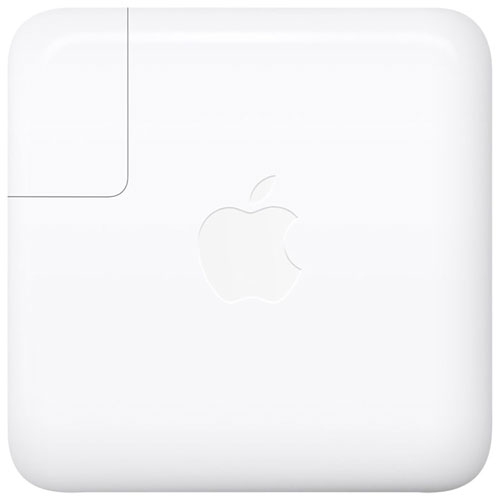 Your price for this item is $71
-
 Your price for this item is $46.68
-
 Your price for this item is $68.68
Discover more categories related to 65W Type C Chargers

Top Collections:
Pokemon Centers, Pokémon 30th Celebration Cards, Best Budget Office Chairs, Kindle Devices, Best Cameras for Sports Photography, Canon G7X Cameras, Best Black Friday Deals On Electronics, Best Laptops for Writers, iPhone 15 Apple, Jackery Power Stations
Some products may be subject to Environmental Handling Fees
(EHF) depending on your province.
Learn more about EHFs.