45W USB C Chargers
Power up your devices efficiently with a reliable selection of a 45w usb c charger. Perfect for keeping your smartphones, tablets, laptops, and other compatible gadgets ready to go, these chargers are designed for convenience at home, in the office, or on the move. Explore options that make it easy to stay connected and charged wherever your day takes you. Find the right 45w usb c charger to match your charging needs and enjoy seamless performance for all your essential electronics.
Sort



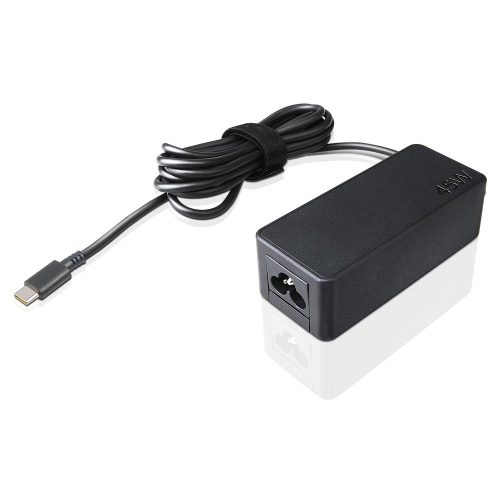


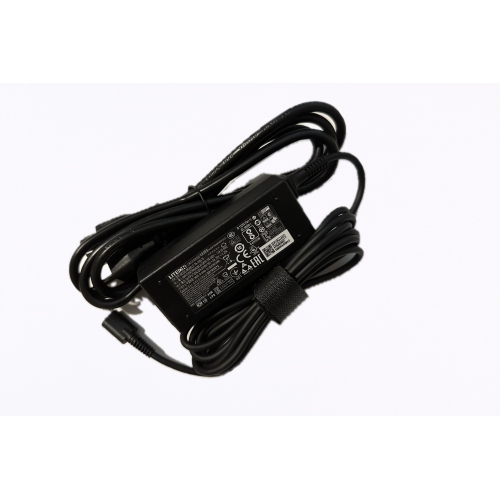


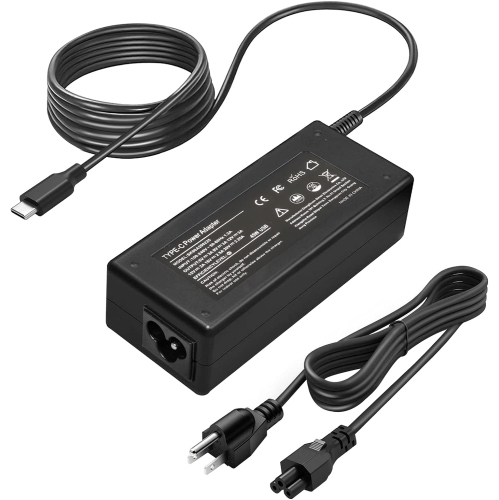

Why charging speed depends on more than wattage
45W USB-C chargers offer a practical balance of charging power and portability for compatible phones, tablets, handheld gaming devices, and some lightweight laptops. The 45W rating describes the charger’s maximum power output, not the amount every connected device will receive. With a compatible USB Power Delivery connection, the charger and device negotiate a supported power level, so a phone that accepts less than 45W can still charge without being forced to take the full output. Actual charging speed depends on the device’s specifications, the cable, the supported charging protocol, and how much charge remains in the battery. Charging typically slows as the battery approaches full, and using a device for navigation, video calls, or gaming while it is plugged in can also affect how quickly its battery fills. USB Power Delivery, often shortened to USB PD, is an important specification for this category because it supports negotiated charging across many types of USB-C devices. Programmable Power Supply, or PPS, is an additional capability that allows compatible equipment to adjust voltage and current more precisely during charging. Some phones need PPS support and particular output ranges to reach their highest supported charging rate, so the 45W label alone does not confirm maximum-speed compatibility. A charger’s listed output profiles provide a clearer picture of what it can deliver than wattage alone. The cable matters just as much: a USB-C connector describes the connection shape, but it does not guarantee a particular power rating or charging feature. Some phones require an electronically marked 5A USB-C cable for their highest supported charging rate, even with a 45W adapter. For everyday use, a compatible charger and cable can make a useful pairing beside a reading chair, at a desk, or in a bag, allowing one charging setup to serve several devices that are used at different times.
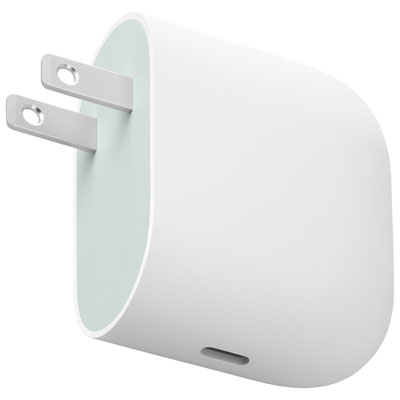
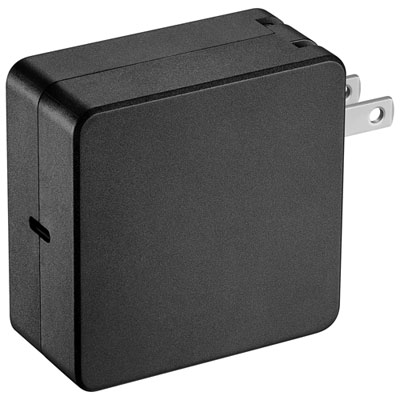
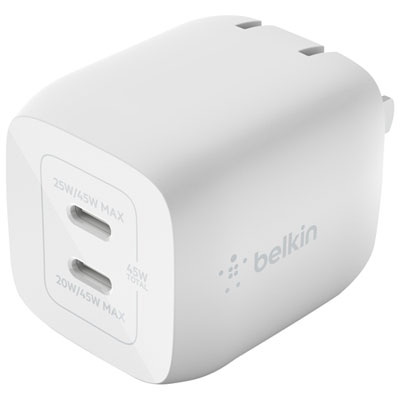
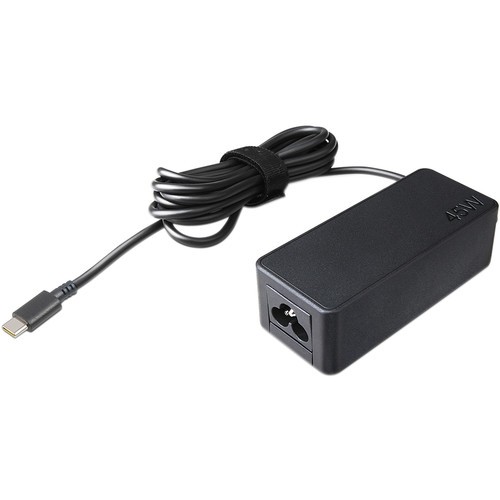
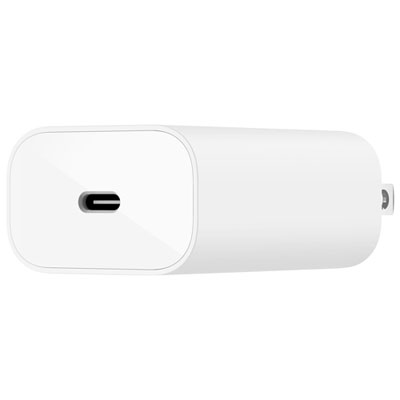
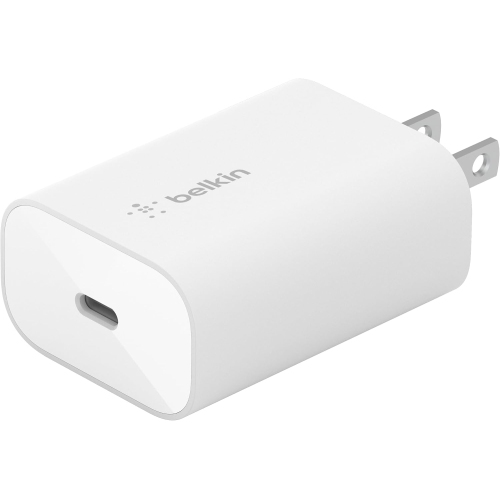
Physical design makes a noticeable difference when a charger becomes part of a daily routine. A compact body is easier to tuck into a small accessory pouch, while the position of the USB-C port can determine whether the cable hangs neatly behind a desk or projects into a walkway. Foldable prongs, where included, help keep the plug contained during transport and reduce the chance of catching it on fabric inside a bag. The width and shape of the adapter also matter on a crowded power bar, particularly when neighbouring outlets already hold larger plugs. Many charger housings use rigid insulating plastics, and a well-assembled casing should feel secure around the prongs and port. Some designs use gallium nitride, commonly called GaN, in their power electronics to support a smaller form factor, although dimensions, port placement, and supported charging profiles remain important considerations regardless of the internal technology. Built-in protections against overcurrent, overvoltage, short circuits, and overheating are relevant safety features, alongside electrical safety certification marks recognized in Canada. These protections do not replace careful handling: cracked housings, loose prongs, frayed cables, or a port that no longer holds its connector securely are reasons to stop using the affected accessory. Routine care is straightforward, with the charger unplugged before its exterior is wiped with a soft, dry cloth and cables stored without tight bends at the connector. Cable length also influences comfort and durability. A shorter cable keeps a desk tidy, while a longer one can reach from a wall outlet to a bedside table without pulling the device towards the edge. On multiport chargers, the advertised 45W may describe the total shared output rather than the power available from each port simultaneously. Connecting a second device can change that allocation, making the listed single-port and combined-port ratings especially useful for anyone charging a phone and tablet together.
A 45W USB-C charger can suit several everyday settings without requiring a separate adapter for every task. For a student, it may cover a compatible phone and tablet between classes; for someone working between home and an office, a dedicated desk charger can keep the main travel adapter packed. A single-port design keeps the arrangement simple when only one device needs power, while a multiport design can reduce the number of adapters around a shared workspace, provided its power-sharing behaviour matches the devices being connected. For travel, input-voltage support and plug shape are separate considerations: an adapter labelled for 100–240V input may work with different electrical supplies, but it still needs the correct physical plug arrangement for the destination. A wall charger also requires an outlet and should not be confused with a portable battery pack. Laptop charging deserves particular attention because a USB-C port does not automatically mean that the computer accepts power through that port, and some laptops need more than 45W for normal operation. A compatible low-power laptop may charge adequately from a 45W source, while a higher-power model may charge slowly, display a low-power notification, or continue drawing down its battery during demanding work. For computers specified for a higher input, USB C 65W Laptop Chargers represent a different power class to consider alongside the laptop manufacturer’s requirements. As a practical gift, a charger is most useful when the recipient’s device, charging protocol, and cable needs are already known. Including a suitably rated cable can make the setup ready for everyday use, especially when replacing an older adapter with a different port type. The right fit ultimately comes from matching power, protocol, cable capability, and physical design to the way the device is used, whether that means brief charging breaks at a desk or a dependable connection beside the bed.
Top selling and popular products
-
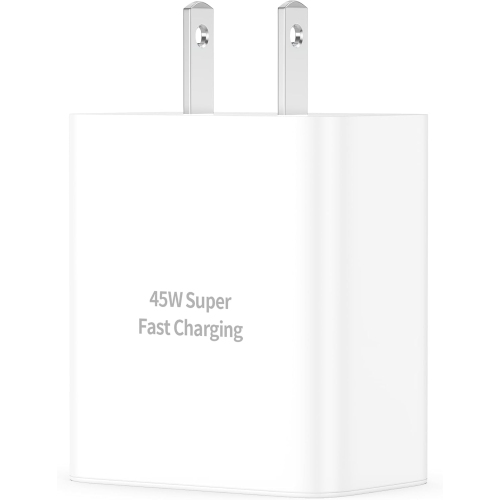 Your price for this item is $27.99
-
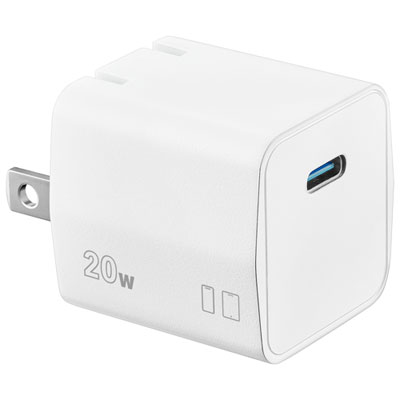 Your price for this item is $16.99
-
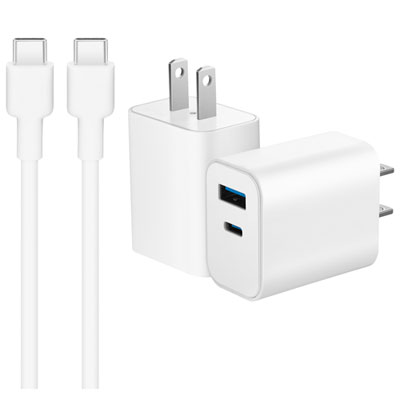 Your price for this item is $24.99
-
 Your price for this item is $49.99
-
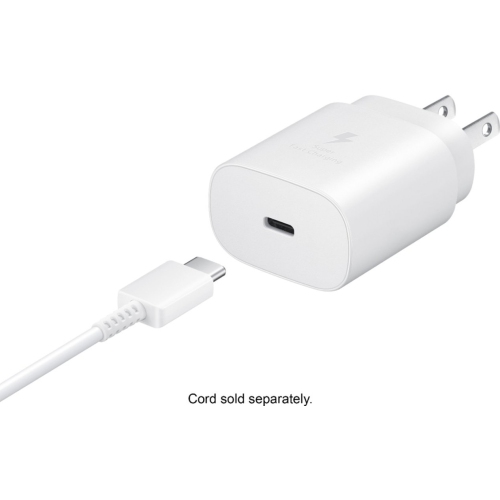 Your price for this item is $25
-
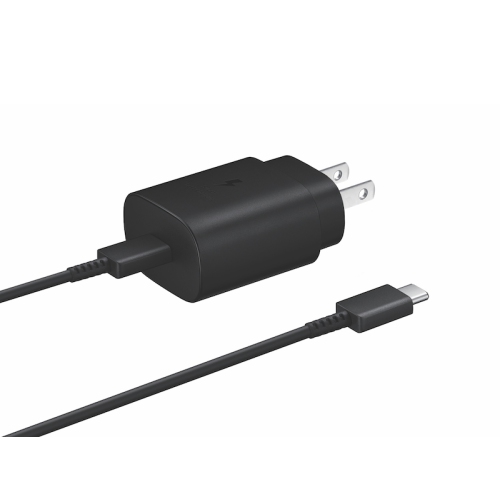 Your price for this item is $14.99
-
 Your price for this item is $19.98
-
 Your price for this item is $43.49
Discover more categories related to 45W USB C Chargers


Top Collections:
Pokemon Centers, Pokémon 30th Celebration Cards, Best Budget Office Chairs, Kindle Devices, Best Cameras for Sports Photography, Canon G7X Cameras, Best Black Friday Deals On Electronics, Best Laptops for Writers, iPhone 15 Apple, Jackery Power Stations
Some products may be subject to Environmental Handling Fees
(EHF) depending on your province.
Learn more about EHFs.