2.1 Home Theaters
A home theater is a place where you can watch movies and play video games in a way that makes you feel like you're in the movie or playing with the game. It's an experience that you can share with your friends and family. The best home theaters are immersive, fun, and easy to set up.
Sort

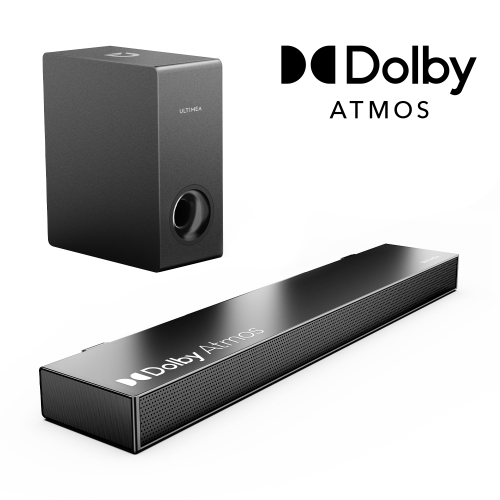
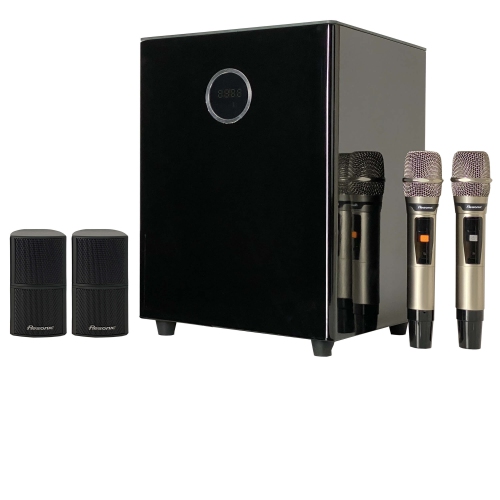
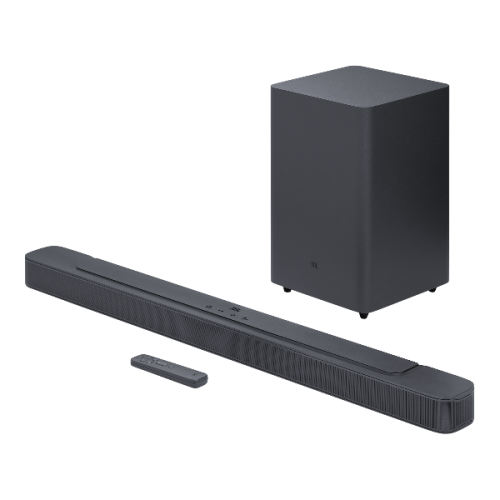
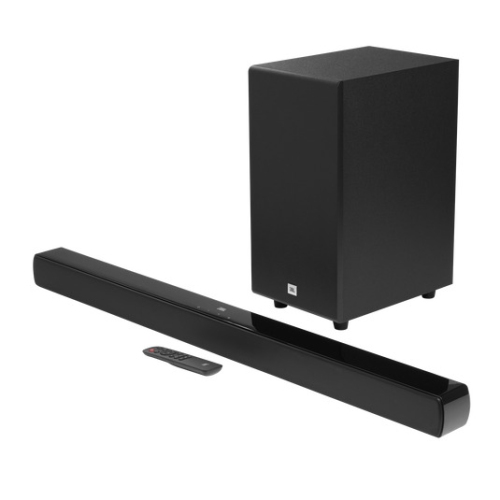

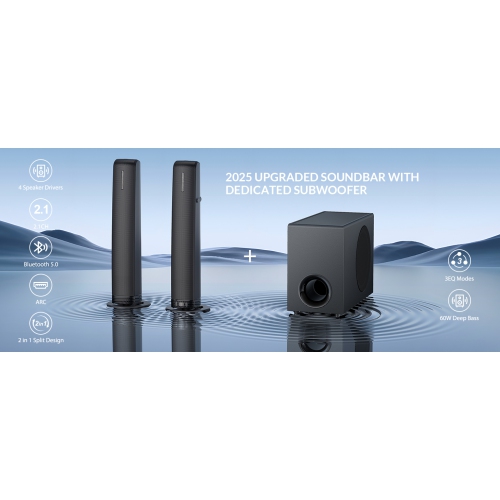
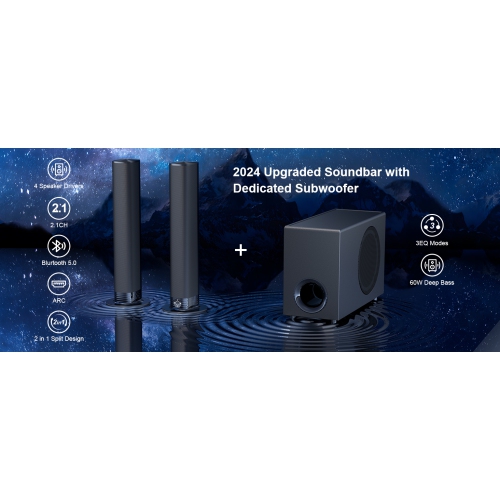
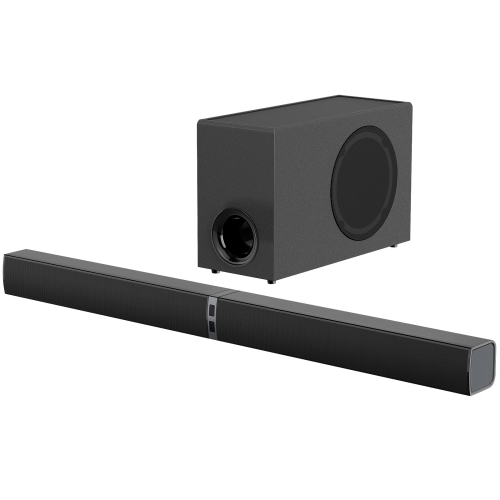



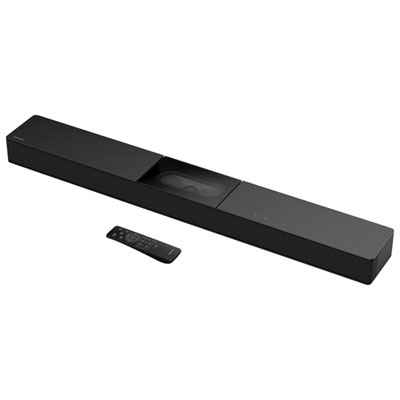
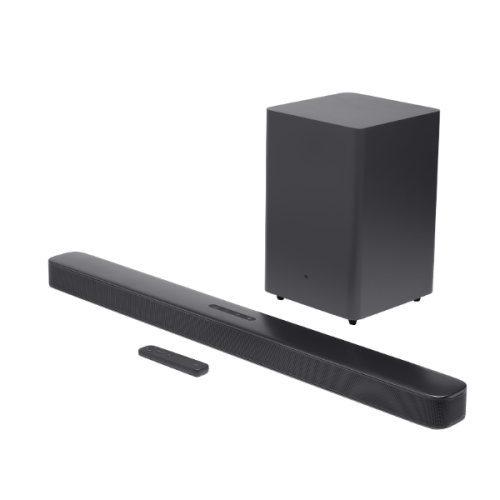
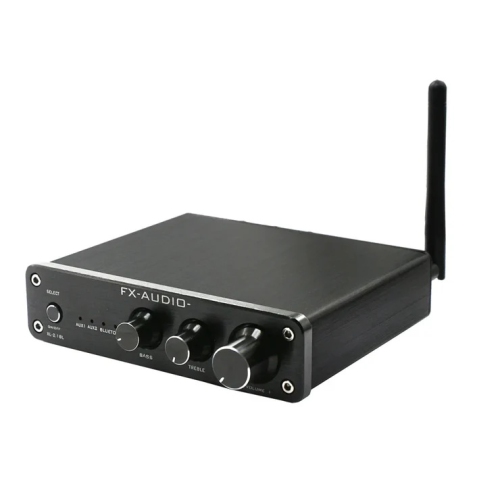

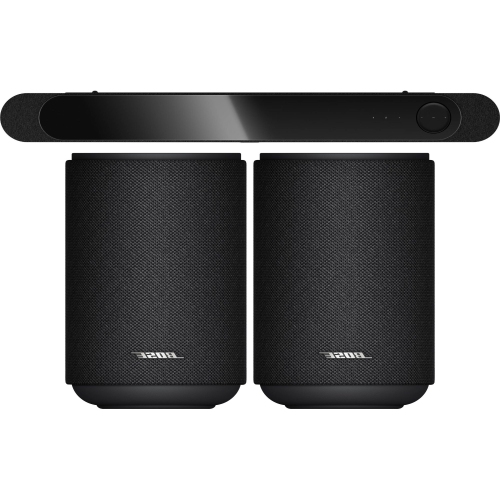

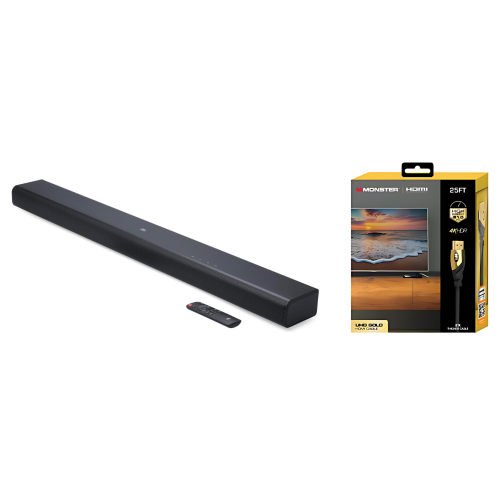
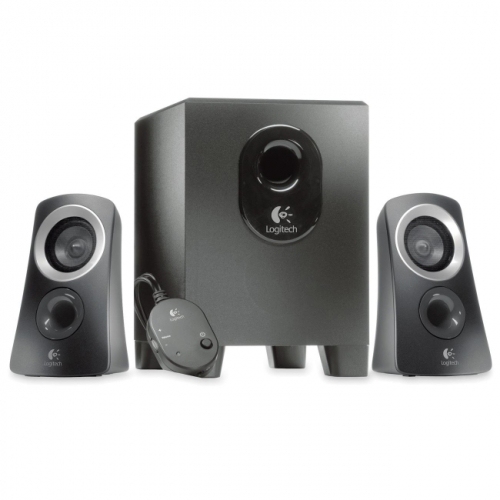
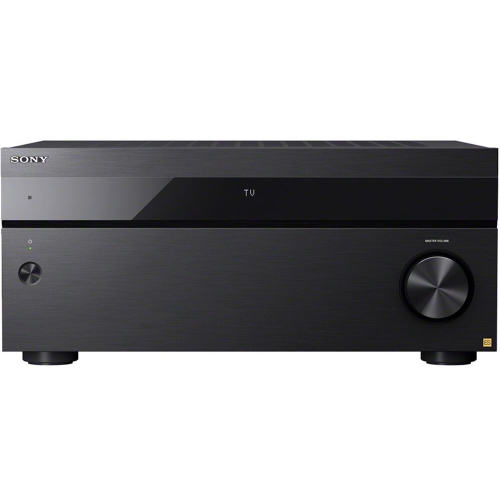
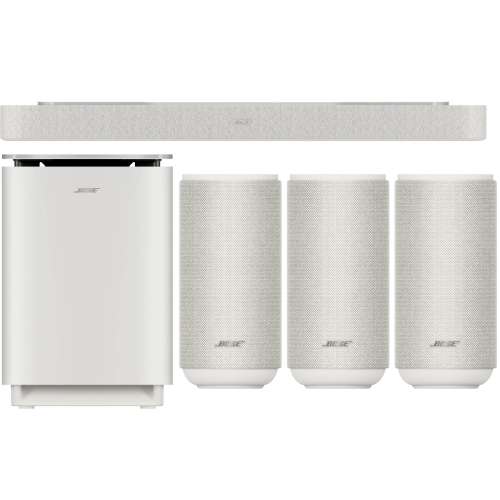
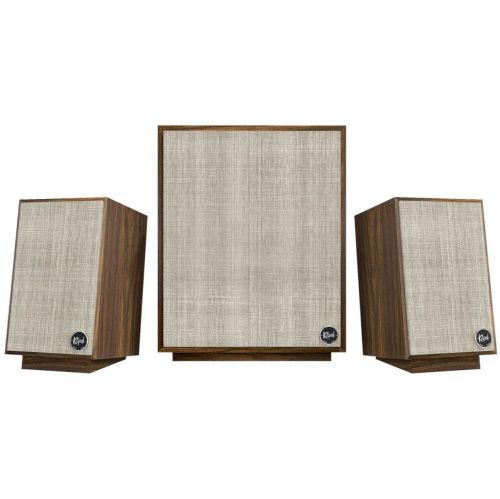
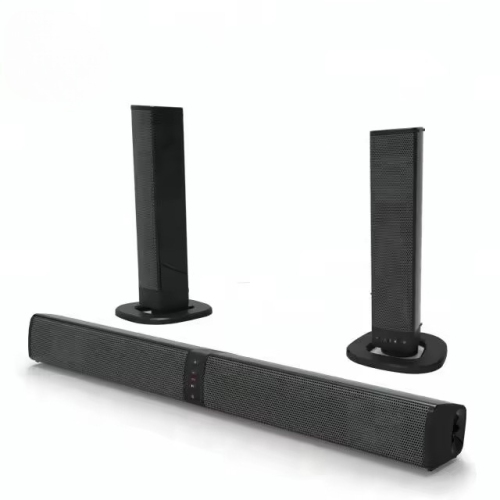
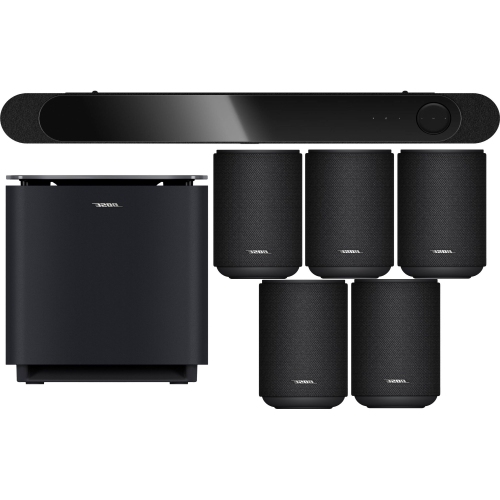
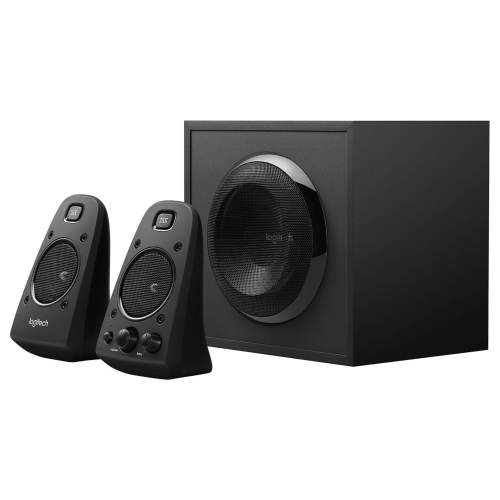
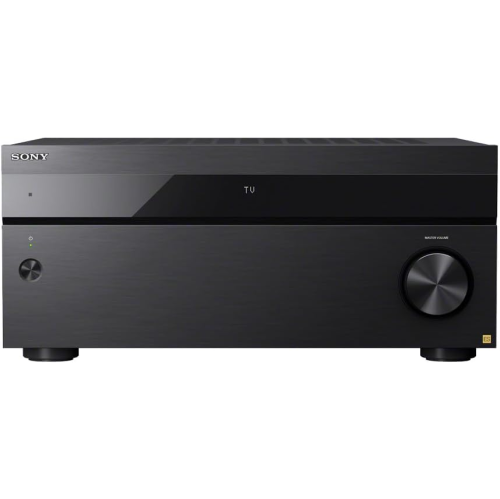
Stereo sound and deeper bass without rear speakers
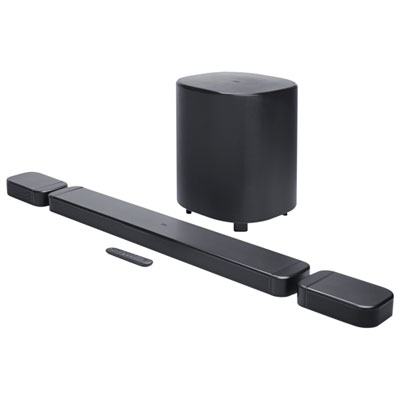
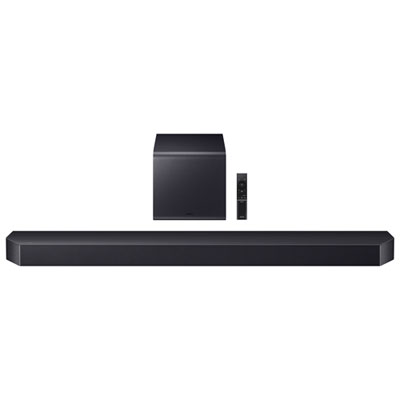
A 2.1 home theatre system combines two audio channels, left and right, with a dedicated subwoofer for bass. The two main channels reproduce voices, music, and most sound effects, while the subwoofer handles deeper sounds such as a rolling drumbeat, an engine rumble, or the impact of an action scene. This arrangement offers a practical upgrade from built-in television speakers without requiring speakers behind the seating area. In a soundbar-based system, the left and right channels share a single enclosure beneath the TV; in a separate-speaker setup, they sit on either side of the screen. Both approaches can suit everyday television, movie nights, console gaming, and music listening, with the choice depending on room layout and the listening experience preferred. Separate speakers offer flexibility in stereo spacing, while a soundbar keeps the front of the room visually simple. A 2.1 system does not have a dedicated centre channel, rear speakers, or height speakers, so it should not be confused with a full surround sound arrangement. Some systems offer virtual surround processing, but that effect does not replace speakers physically positioned around the room. Dialogue comes through the left and right channels, and voices can appear to originate near the middle of the screen when the seating position and speaker placement are well balanced. For a couple watching a drama from a sofa, that can create a convincing connection between the picture and the conversation. For someone playing a racing game at a desk, the same basic format adds weight to acceleration and a clearer distinction between sounds on the left and right. The appeal is not simply louder audio: it is the combination of stereo separation, fuller low frequencies, and a setup that can fit comfortably into a living room, bedroom, or shared entertainment space. Powered systems include amplification, while passive speaker arrangements require a compatible amplifier or receiver, making that distinction important when comparing how each setup connects.
Physical fit matters as much as the channel count. A soundbar should fit the television stand without covering the lower edge of the picture or blocking the TV’s remote-control sensor. Its depth also matters when the television’s feet leave only a narrow strip of usable space. Separate speakers need stable surfaces or suitable stands, with enough room to position the left and right channels sensibly around the screen. Cabinet dimensions, wall-mounting provisions, cable routes, and the location of power outlets all influence how neatly a system becomes part of the room. A subwoofer can often sit away from the television, but its placement changes how bass sounds at the listening position. A corner may reinforce low frequencies, sometimes making them feel overpowering, while another position may produce a more even balance. Clearance around ports and ventilation openings should follow the manufacturer’s recommendations rather than treating the cabinet as something that can be tightly enclosed in furniture. A wireless subwoofer reduces the need for an audio cable between components, but it generally still needs a power outlet. For layouts where every surface has a purpose, Home Theatre Small Room offers a related way to browse audio options for compact spaces. Connections are another important part of everyday fit. HDMI ARC or eARC can carry television audio to a compatible system and may allow volume control through the TV remote, depending on the connected equipment and settings. Optical audio is another common connection, though its supported audio formats and control functions differ from HDMI. A headphone-style analogue connection may be useful with certain televisions or computers when both devices support it. Bluetooth can make casual music playback convenient, but delay can vary, so a wired TV connection is often better suited to keeping speech and on-screen action synchronized. Wi-Fi playback, USB functions, app controls, and additional inputs vary between systems rather than being standard features of every 2.1 setup. Compatibility with the television and other source devices is more useful than a long feature list that does not match the way the system will be used.
The character of the sound also depends on the room and the balance between the main speakers and subwoofer. Hard floors, bare walls, and large windows can make sound more reflective, while rugs, upholstered seating, and curtains can help soften those reflections. In an open living area, bass may behave differently from the same system in a smaller enclosed bedroom. Adjustable bass levels can be especially useful in apartments or shared homes, where a satisfying low-end presence does not need to become a vibration through the floor. Where included, dialogue settings may make speech easier to follow, and night modes may reduce the contrast between quiet conversation and sudden loud effects. These features are helpful for late-evening viewing, but their operation varies, and they do not make a system inaudible to neighbouring rooms. Wattage alone is not a complete measure of sound quality or usable volume; speaker design, distortion, room size, and listening distance also matter. Construction deserves attention because these components often remain in the same room for years. Speaker and subwoofer enclosures may use engineered wood, plastic, or metal, with fabric or metal grilles protecting the drivers. Cabinet rigidity, secure mounting points, and stable feet contribute to practical durability, while the finish should suit the furniture and withstand ordinary handling. Grilles offer some protection but are not a reason to place drinks above a speaker or leave a subwoofer where it becomes a footrest. Care is generally straightforward: a soft, dry cloth removes surface dust, ventilation openings should remain unobstructed, and cleaning products should follow the manufacturer’s directions. Exposed speaker cones need gentle handling rather than pressure from a cloth or vacuum attachment. For a gift recipient who enjoys films, sports broadcasts, or games, a 2.1 home theatre system can be a thoughtful addition when its dimensions, connections, and controls match the existing setup. Easy-to-read controls, accessible volume adjustment, and a manageable number of remotes can matter just as much as bass output. The strongest fit is a system that makes familiar entertainment sound fuller while remaining comfortable to use, straightforward to maintain, and proportionate to the space.
Top selling and popular products
-
 Your price for this item is $1379.99
-
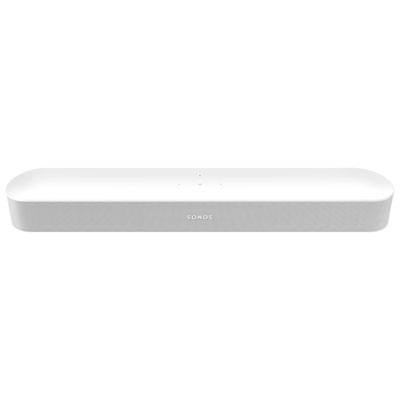 Your price for this item is $649.99
-
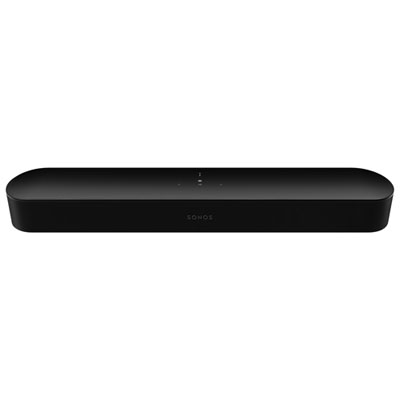 Your price for this item is $649.99
-
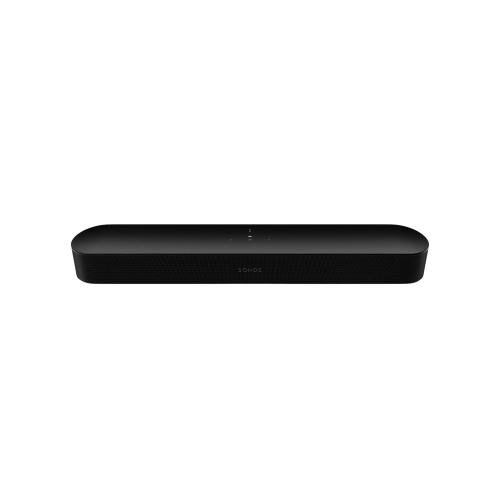 Your price for this item is $649.99
-
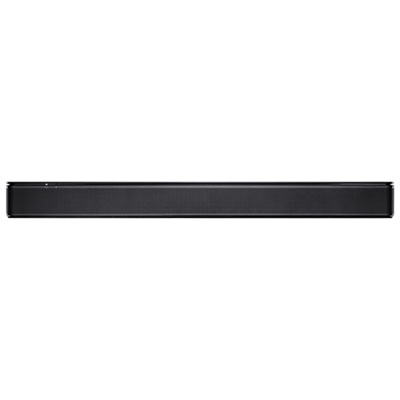 Your price for this item is $329.99
-
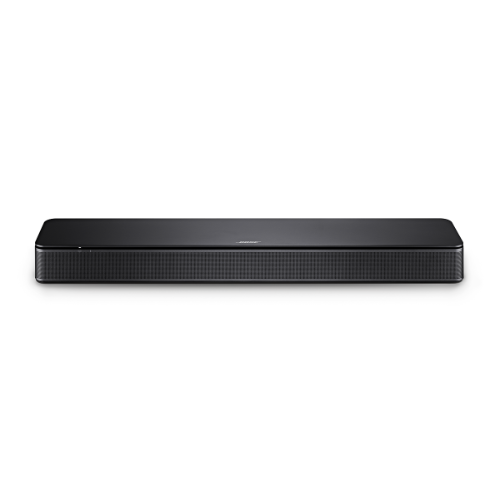 Your price for this item is $284.99
-
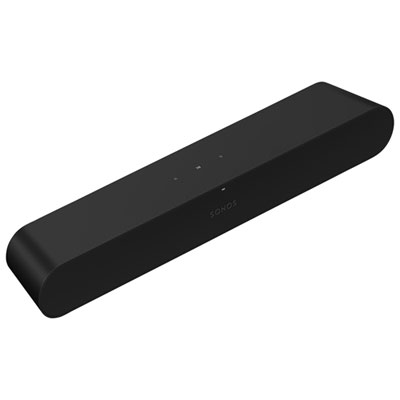 Your price for this item is $289.99
-
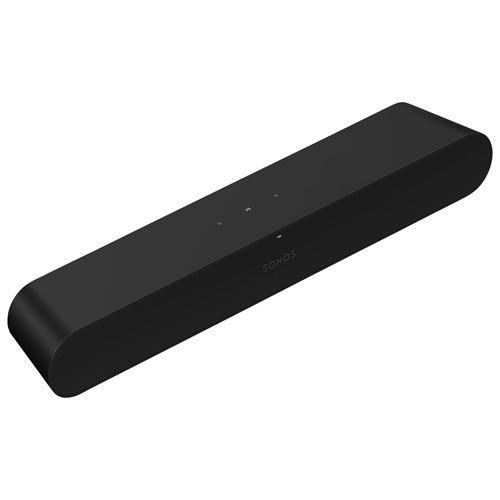 Your price for this item is $299.98
Discover more categories related to 2.1 Home Theaters
Top Collections:
Best Black Friday Deals This Year, Best Black Friday Deals On Electronics, Kindle Devices, Pokemon Centers, Best Black Friday Deals On Apple Products, Best Cameras for Sports Photography, Dyson Airwrap, Pokémon 30th Celebration Cards, Apple iPhone 17 Pro, Canon G7X Cameras
Some products may be subject to Environmental Handling Fees
(EHF) depending on your province.
Learn more about EHFs.