Color Printers for Home
Color printers for home make it easy to bring your documents, photos, and creative projects to life with vibrant results. Whether you're printing school assignments, family photos, or everyday paperwork, these printers offer convenience and quality for a variety of needs. Explore a wide selection of color printers for home to find the perfect match for your space and printing preferences. Enjoy the flexibility of producing colorful prints from the comfort of your own home.
Sort
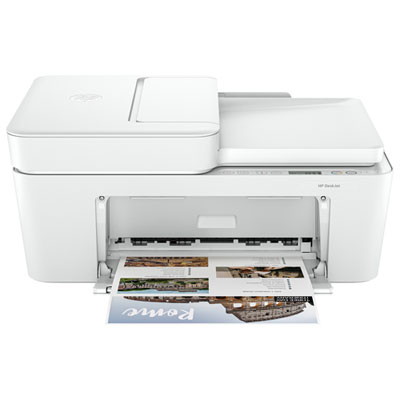
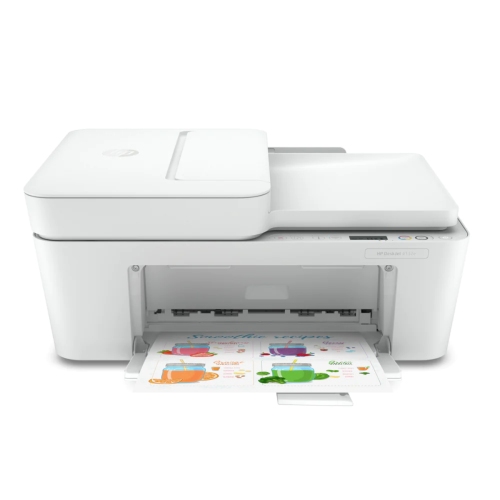
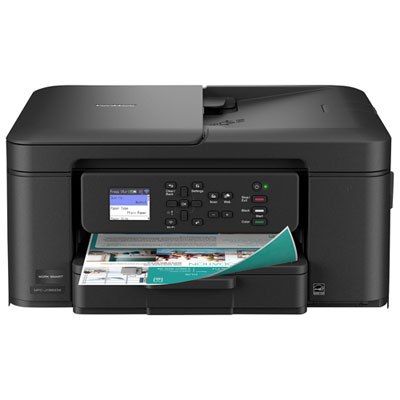
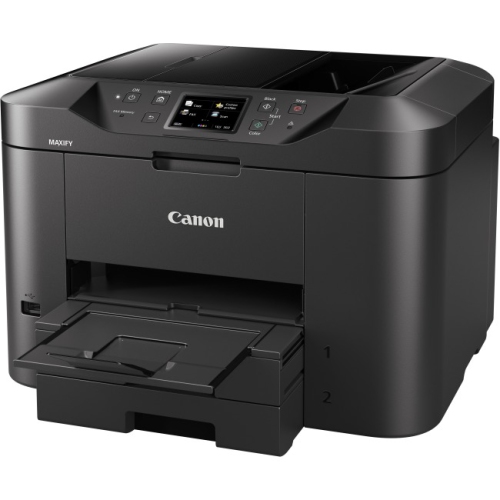
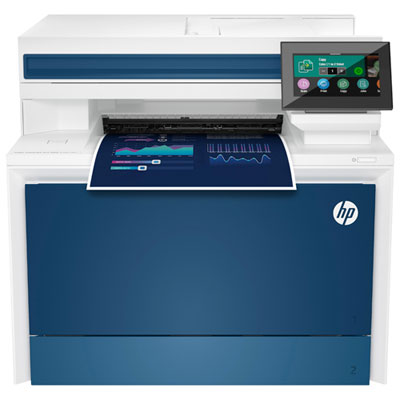
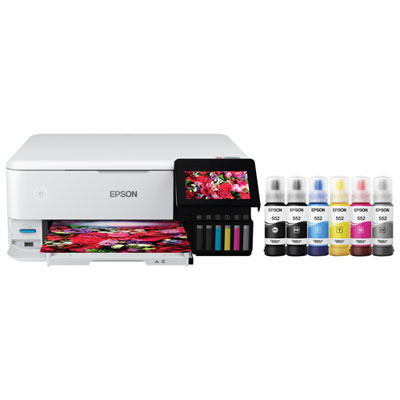
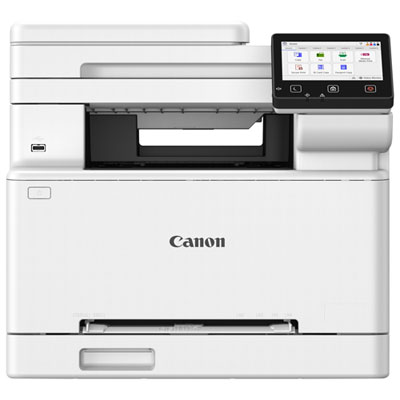
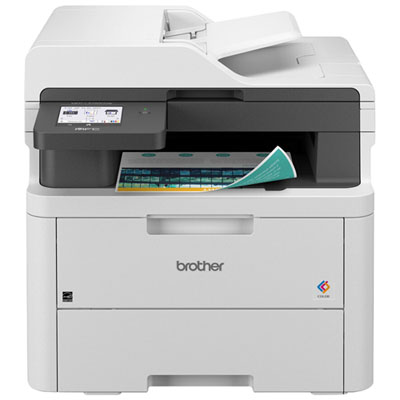
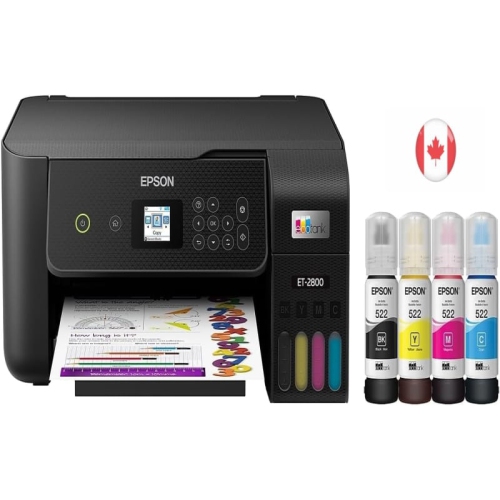
What homework and family photos need from a printer
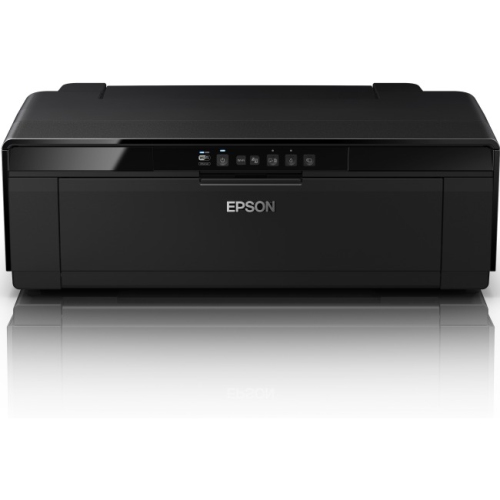
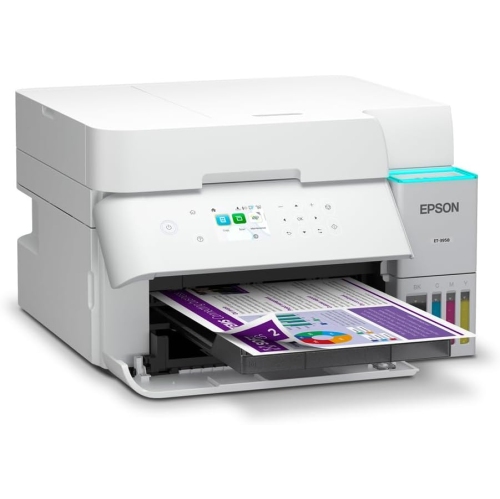
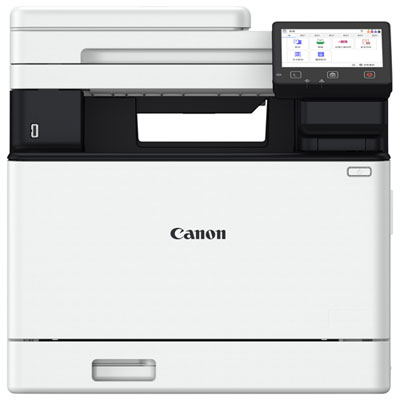
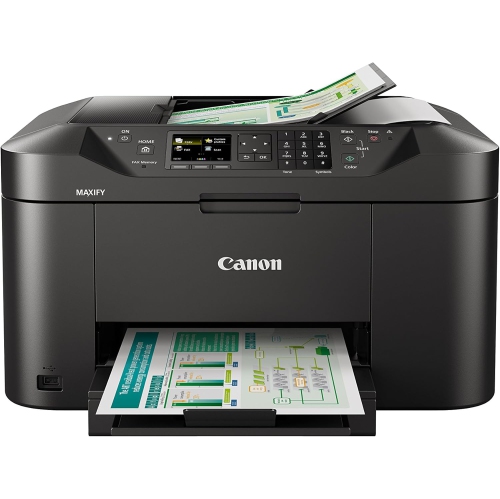
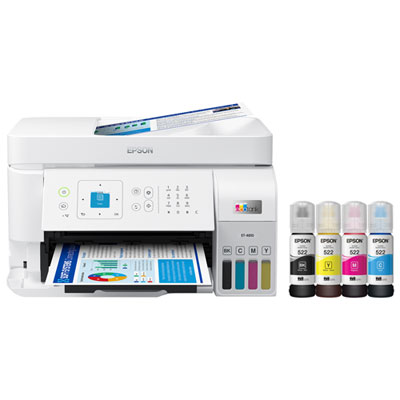
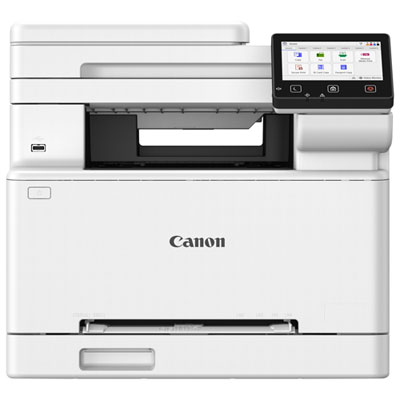
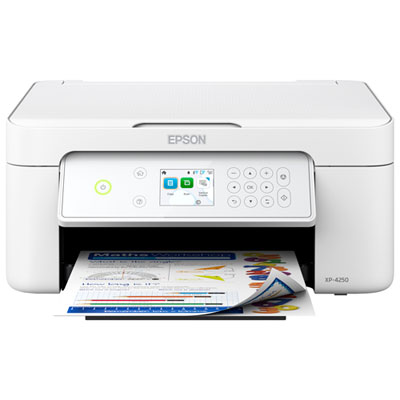
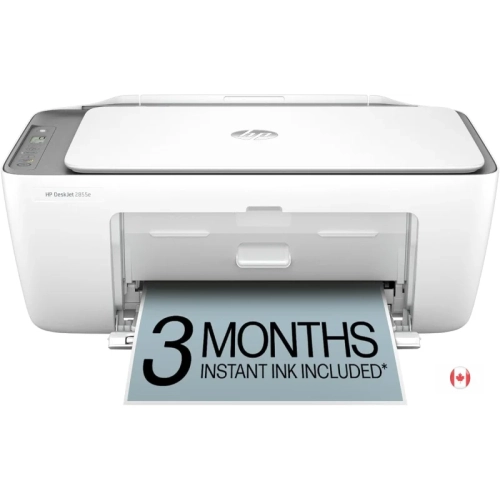
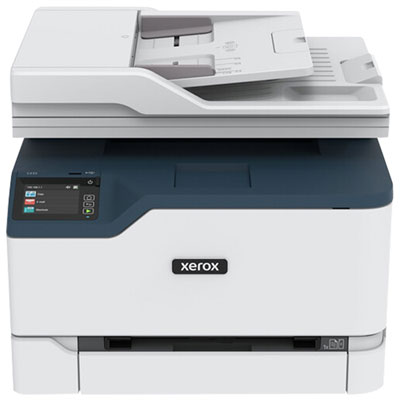
Colour printers for home bring school projects, family photos, recipes, and everyday documents onto the page without a trip to a print counter. The main choices are cartridge inkjet printers, refillable ink tank printers, and colour laser or LED printers, with different strengths depending on what gets printed and how often. Cartridge inkjets suit mixed household tasks, from a few pages of homework to illustrated invitations, and many support photo paper for images that deserve more than a screen. Refillable ink tank printers also use inkjet technology, but hold ink in reservoirs rather than conventional cartridges. Their larger ink supplies can suit households that regularly print worksheets, craft templates, or documents with colour graphics. Colour laser and LED printers use toner rather than liquid ink and are often a good match for text-heavy documents, charts, and longer batches of work. Because toner does not dry out like liquid ink, these printers can also appeal to households whose printing happens in occasional bursts. Photo quality varies across printer types, and a model designed for crisp reports will not necessarily produce the same subtle skin tones or smooth gradients as a photo-focused inkjet. For family albums, creative projects, or images intended for framing, compatible photo paper, supported print sizes, and borderless printing deserve attention alongside resolution. For school assignments and home office documents, legible small text, clear diagrams, and consistent results on plain paper may matter more. Advertised resolution is only one part of print quality; ink or toner formulation, paper choice, and the source image also affect the finished page. A sharp original photo usually produces a better result than a heavily compressed image, even on a printer with a high stated resolution. The most useful match is a printer whose everyday strengths reflect the household’s actual mix of documents and images, whether that means illustrated worksheets at the kitchen table or presentation notes beside a home office desk.
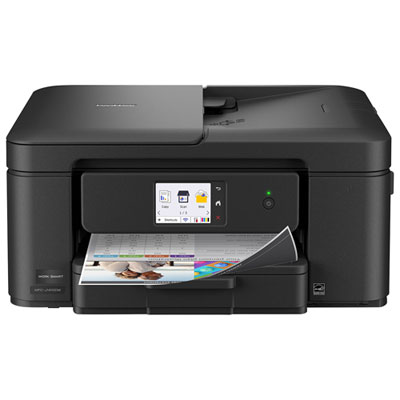
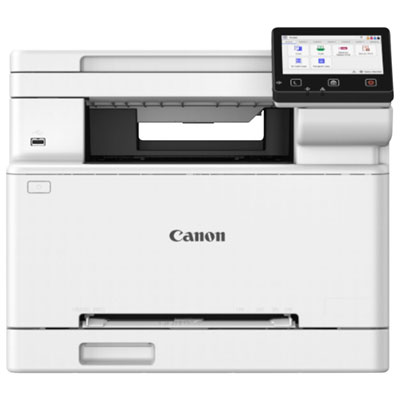
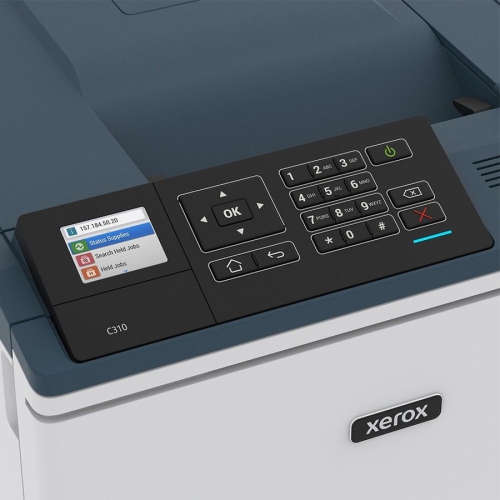
The way a printer fits into daily routines matters as much as what it prints. An all-in-one colour printer combines printing with scanning and copying, making it useful for signed forms, children’s drawings, receipts, and household paperwork. A flatbed scanner accommodates single sheets and items such as a page from a book, while an automatic document feeder can simplify scanning or copying a stack of loose pages. Duplex scanning and automatic two-sided printing are separate features, so support for one does not necessarily mean support for the other. A household handling lengthy forms may appreciate both, while someone printing occasional recipes may rarely need either. Wi-Fi connectivity allows a compatible printer to serve more than one computer without a cable running across the room, and supported mobile printing can make it easier to print a document received on a phone. Compatibility with the household’s computers, phones, and tablets is worth checking, including any required app, operating system version, or network band. Some printers also support a direct wireless connection, USB, or Ethernet, but the connection options vary by model. Physical fit deserves the same attention: the stated dimensions may describe the printer with its trays closed, rather than the space needed while printing or scanning. An open output tray, raised scanner lid, rear paper feed, and access to ink or toner can all require extra clearance. A stable desk or shelf with room for ventilation and maintenance access is more practical than a tightly enclosed cupboard. Noise can also influence placement, especially beside a study area or in a shared living space. Paper capacity affects how often a tray needs refilling, while a separate photo tray or manual feed can make switching between documents and creative work less fiddly. For households narrowing their selection by manufacturer, Canon Printers for Home provides a focused collection to explore alongside these practical requirements.
Paper handling, upkeep, and the rhythm of household printing help determine how well a printer serves its purpose over time. Plain paper is a sensible choice for drafts, forms, and most schoolwork, while heavier presentation sheets can give charts and graphics a more substantial feel. Glossy photo paper adds shine and contrast; matte finishes reduce reflections and offer a different look for portraits, artwork, and display prints. Supported paper weights and sizes vary, so cardstock, labels, envelopes, and craft materials need to match the printer’s specifications. Media must also be suitable for the printing technology, since paper or labels made only for inkjet use may not tolerate the heat inside a laser printer. Keeping paper flat and dry helps it feed consistently, and avoiding overfilled trays reduces the chance of skewed pages or jams. Inkjet printers benefit from use and maintenance according to the manufacturer’s directions, particularly when there are long gaps between printing sessions. Nozzle checks and cleaning cycles can address certain print defects, although repeated cleaning uses ink and is not a substitute for following the recommended troubleshooting steps. Laser and LED printers have their own maintenance needs, which may include drum units or other replaceable components in addition to toner. Access to these parts, clear status messages, and straightforward replacement procedures can make ownership easier. Print speed also needs context: a quoted document speed may not reflect the time required for a detailed photo, two-sided job, or first page after the printer has been idle. Students may value dependable text and diagrams, home office users may need scanning and multipage handling, and creative households may put more weight on colour detail and flexible media support. As a gift, a home printer is most useful when it fits the recipient’s space, devices, and projects. Matching those everyday needs creates a useful place for printing, from a clearly labelled school assignment to a favourite photo ready for a frame.
Top selling and popular products
-
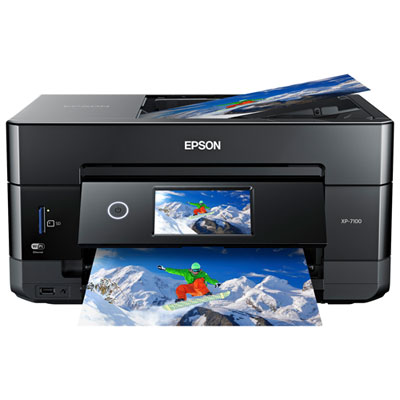 Your price for this item is $199.99
-
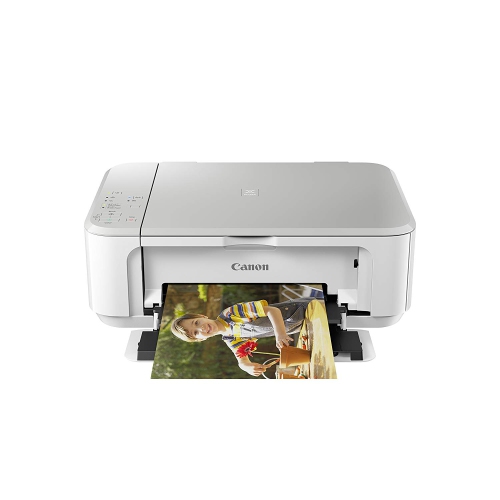 Your price for this item is $75
-
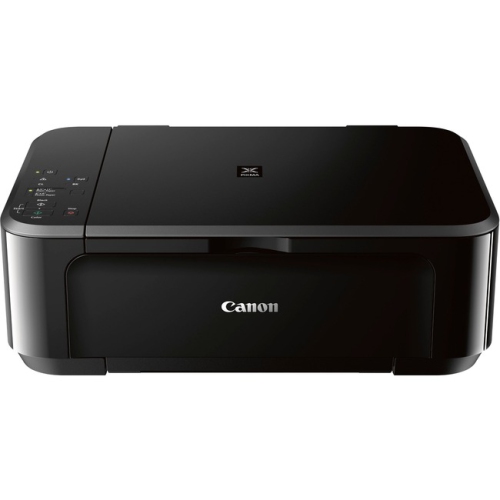 Your price for this item is $65
-
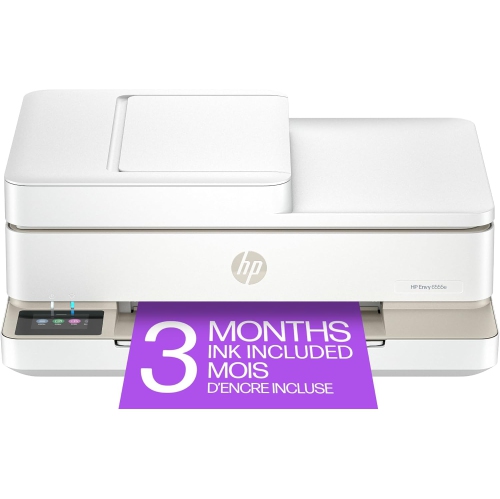 Your price for this item is $214.79
-
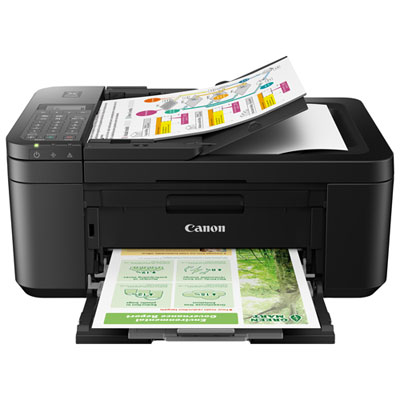 Your price for this item is $79.99
-
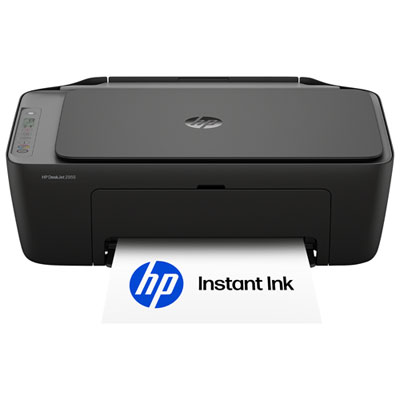 Your price for this item is $49.99
-
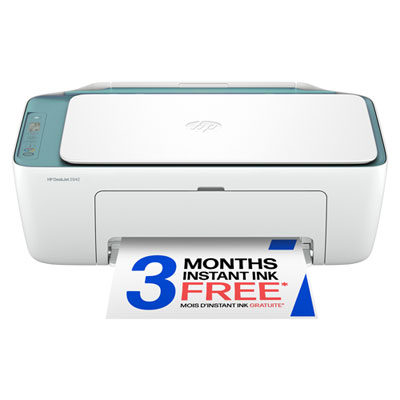 Your price for this item is $49.99
-
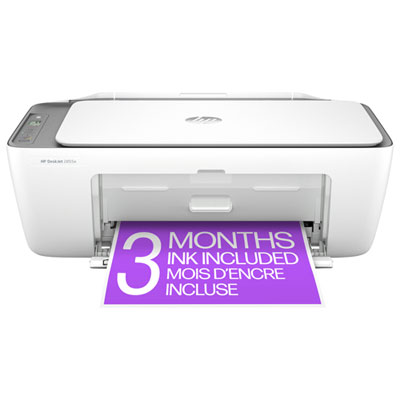 Your price for this item is $59.97
Discover more categories related to Color Printers for Home
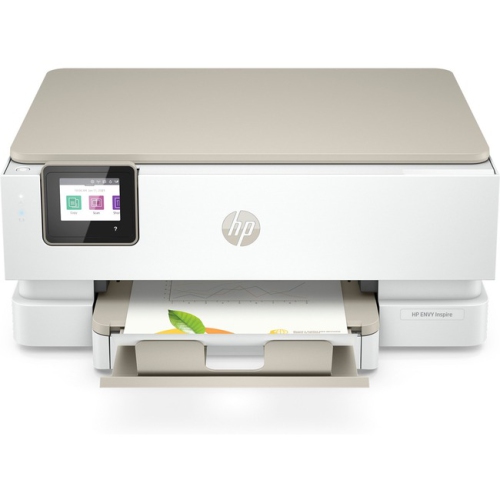
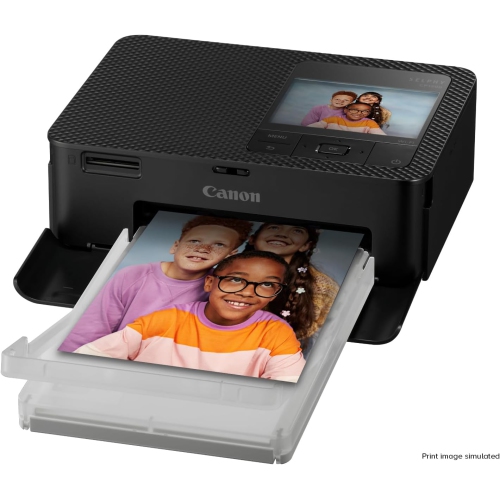
Top Collections:
Pokemon Centers, Pokémon 30th Celebration Cards, Best Budget Office Chairs, Kindle Devices, Best Cameras for Sports Photography, Canon G7X Cameras, Best Black Friday Deals On Electronics, Best Laptops for Writers, iPhone 15 Apple, Jackery Power Stations
Some products may be subject to Environmental Handling Fees
(EHF) depending on your province.
Learn more about EHFs.