Fastest DDR4 RAM
Looking to upgrade your computer's performance? Look no further than our selection of the fastest DDR4 RAM modules. Designed to provide lightning-fast speeds and seamless multitasking, these high-performance memory modules are perfect for gamers, content creators, and professionals who demand the best from their systems. With their cutting-edge technology and impressive data transfer rates, you can experience smoother gameplay, faster rendering times, and improved overall system responsiveness. Explore our collection of the fastest DDR4 RAM modules and take your computing experience to new heights.
Sort
























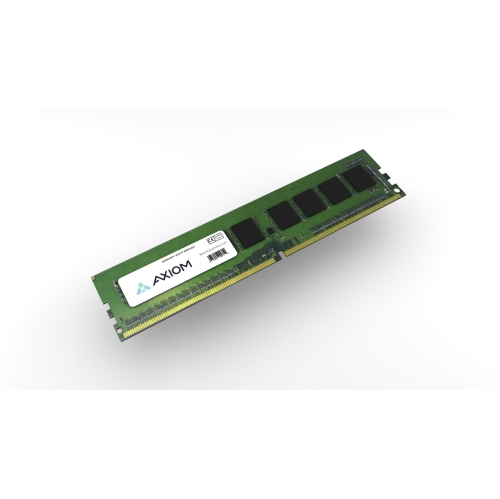
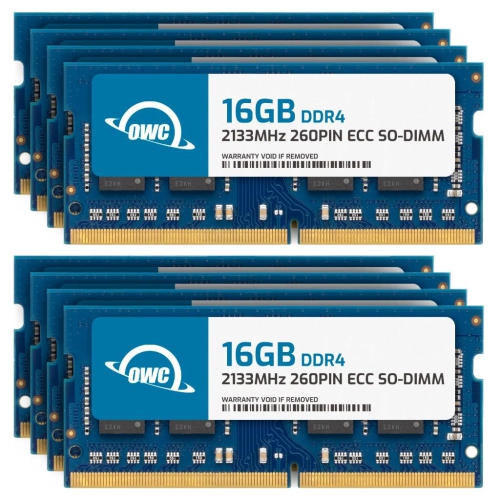
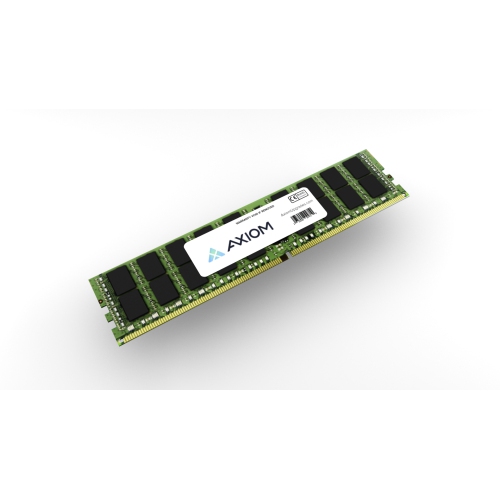
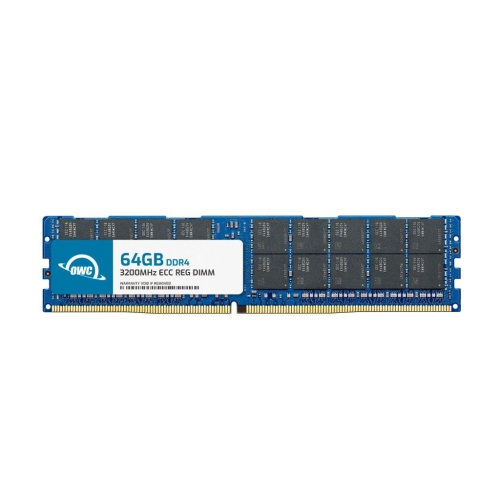
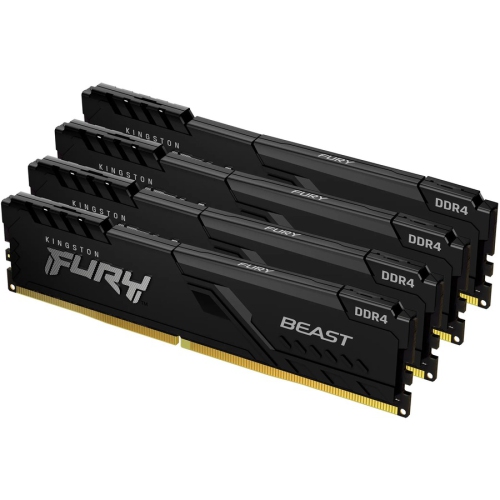
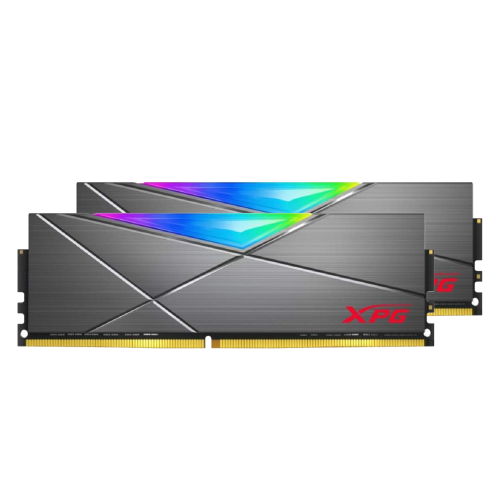

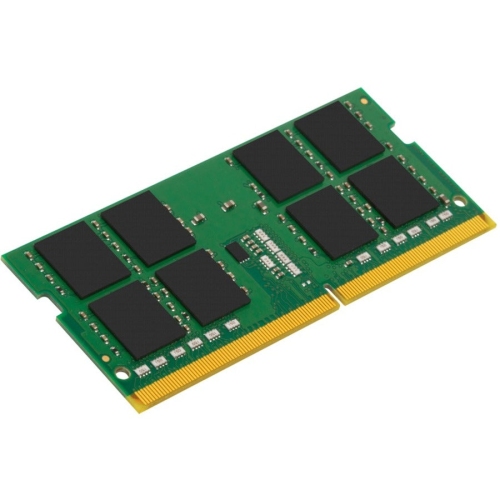
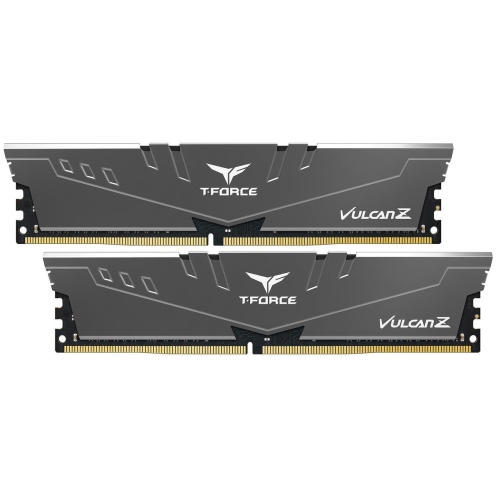










Why DDR4 performance goes beyond the advertised speed
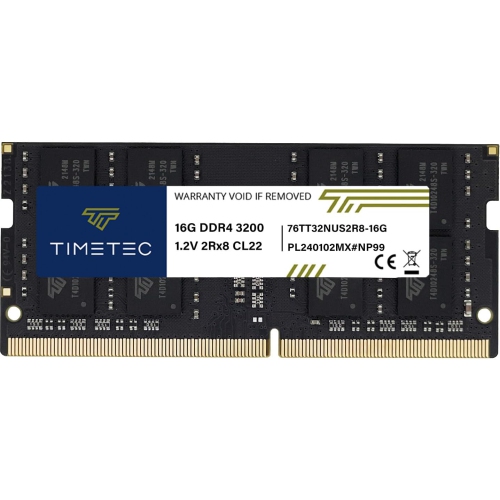
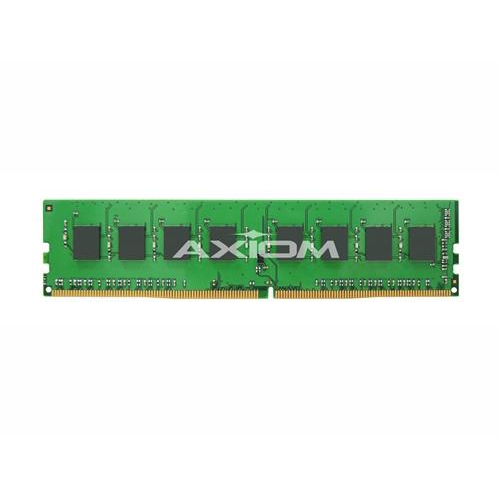
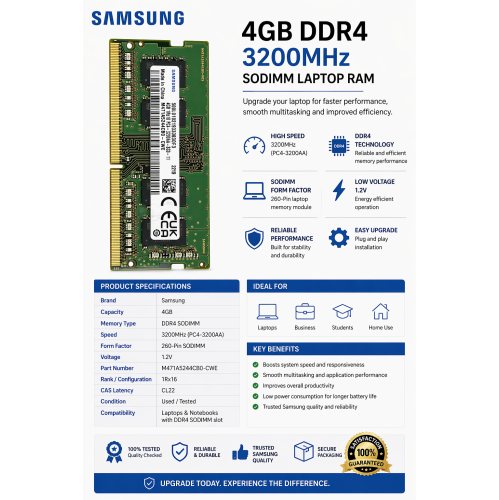
The fastest DDR4 RAM sits in a small enthusiast tier, with some performance kits rated around 5,000 to 5,333 megatransfers per second (MT/s) and specialist overclocked configurations exceeding 5,500 MT/s. These figures describe different levels of performance: a kit’s advertised rating is a tested specification under particular conditions, while an extreme overclock depends heavily on the processor, motherboard, settings, and cooling. Neither guarantees that every compatible computer will reach the same speed. For everyday gaming and productivity, DDR4 rated at 3,200 or 3,600 MT/s often offers a more practical balance of bandwidth, latency, and stability, depending on the platform. MT/s measures data transfers rather than clock frequency; for example, DDR4-3600 transfers data at 3,600 MT/s while operating at a memory clock of 1,800 MHz. That distinction matters when comparing specifications that loosely describe transfer rates as MHz. Speed also involves more than the largest number on the label. CAS latency, commonly shown as CL followed by a number, describes part of the delay involved in accessing data. Lower CL is useful when comparing memory at the same transfer rate, but it does not tell the whole story across different speeds. DDR4-3200 CL16 and DDR4-3600 CL18 both have a theoretical CAS delay of about 10 nanoseconds, although the faster kit provides greater bandwidth. Other timings and the processor’s memory-controller settings also affect results. A gaming system chasing high frame rates in a processor-limited game may benefit from well-tuned memory, while a system limited by its graphics card may show a much smaller improvement. Faster RAM can also help certain compression, rendering, and data-heavy tasks, but it will not speed up an internet connection or replace the role of a faster storage drive. The most useful definition of fast DDR4 is therefore memory that delivers strong, stable performance in the computer where it will actually be used.
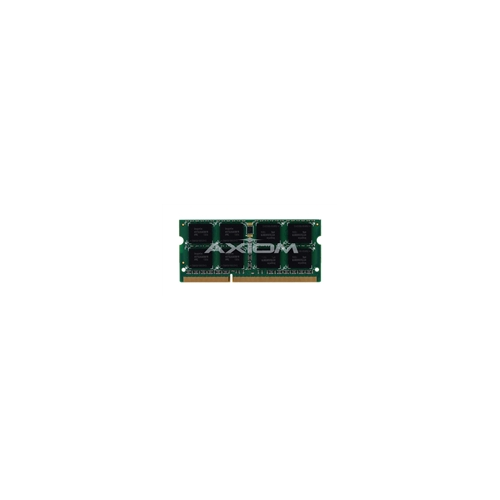
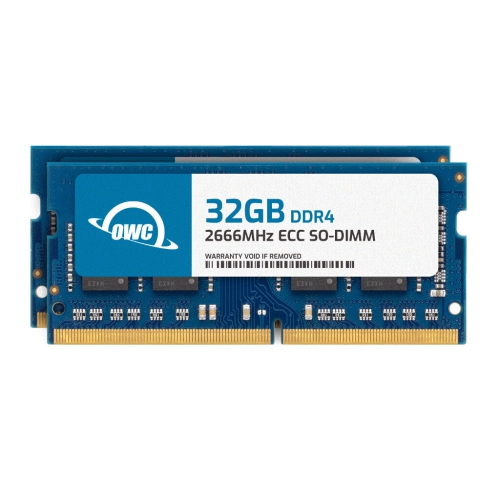
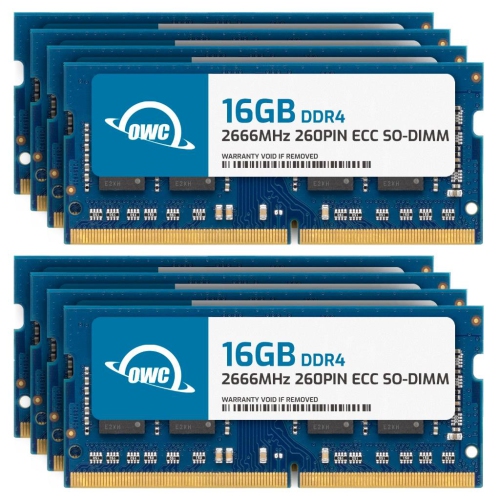
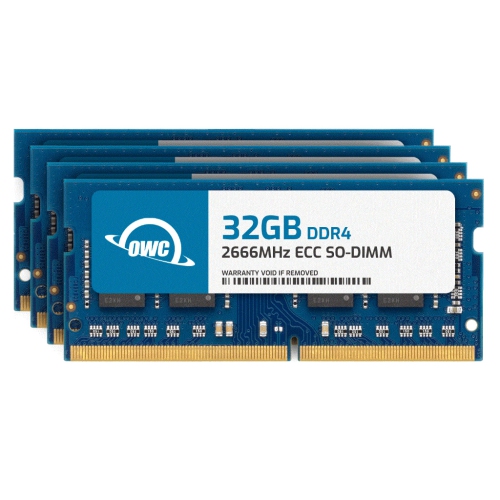
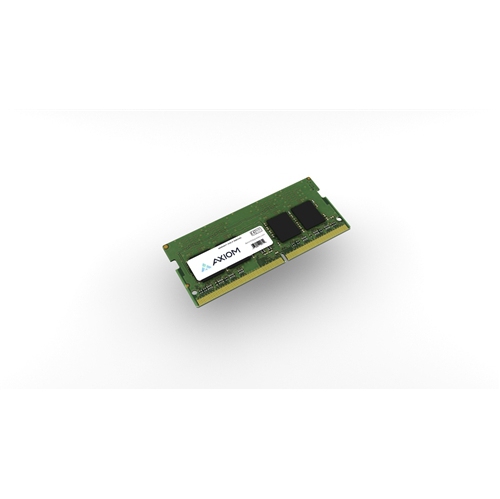
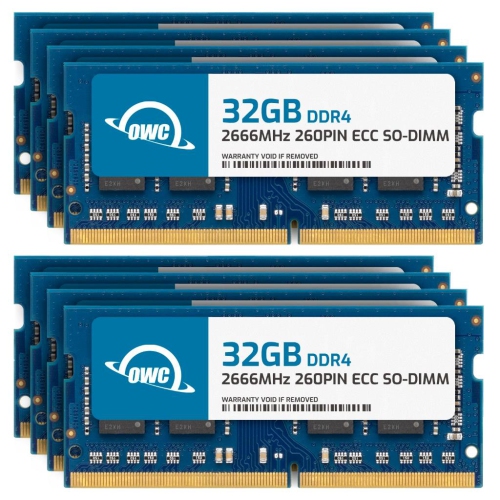
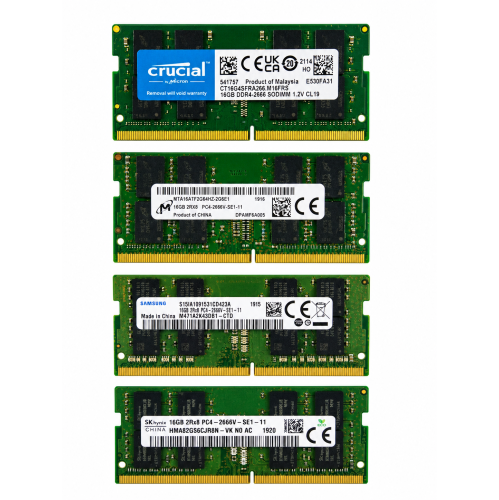
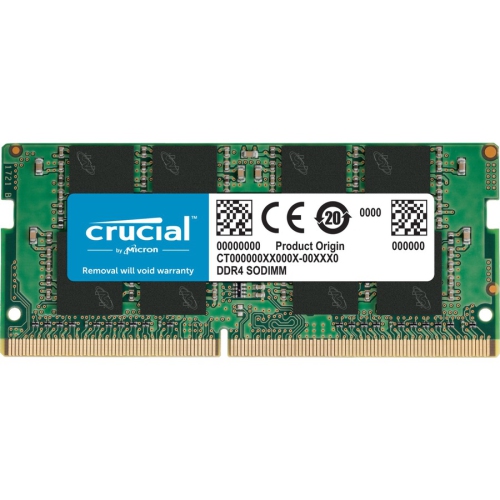
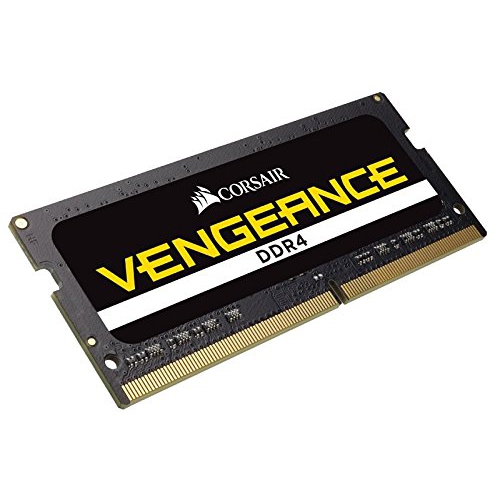
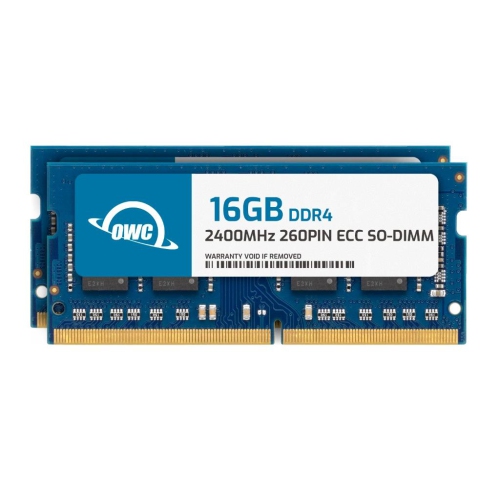
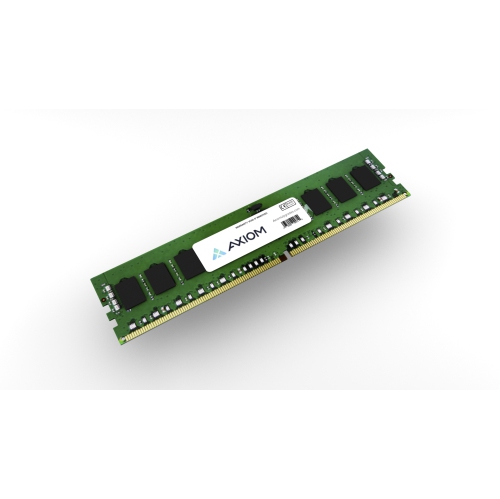
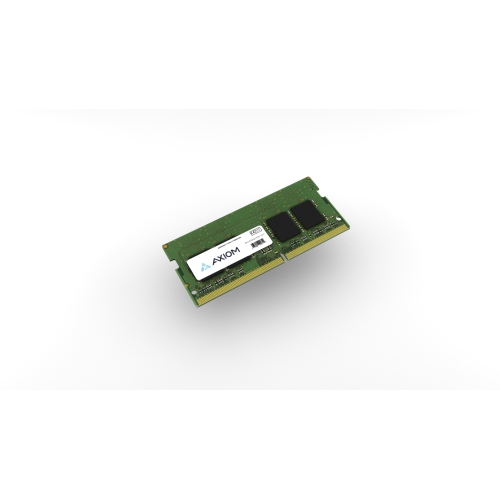
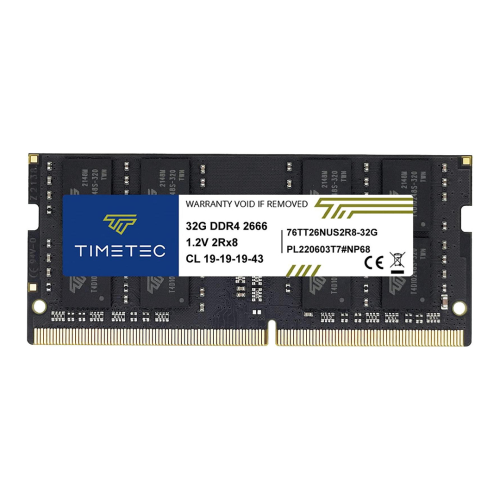
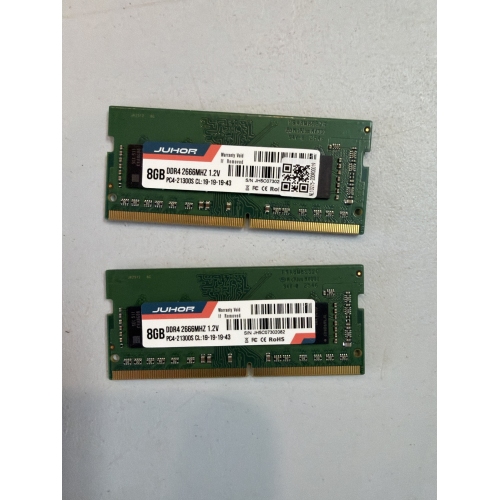
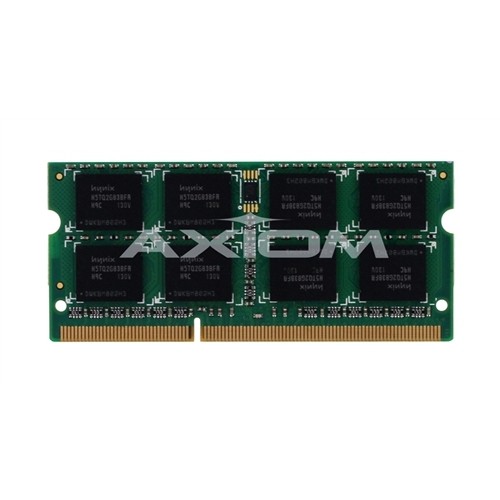
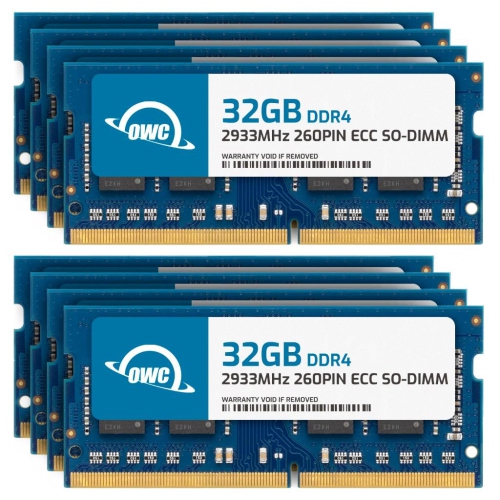
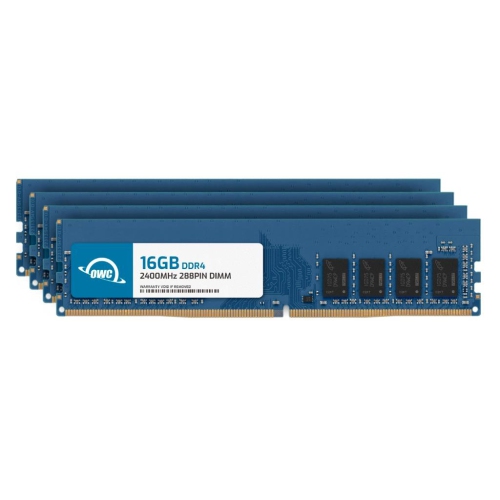
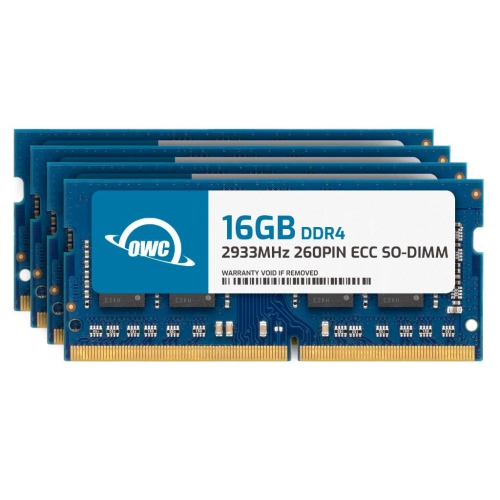
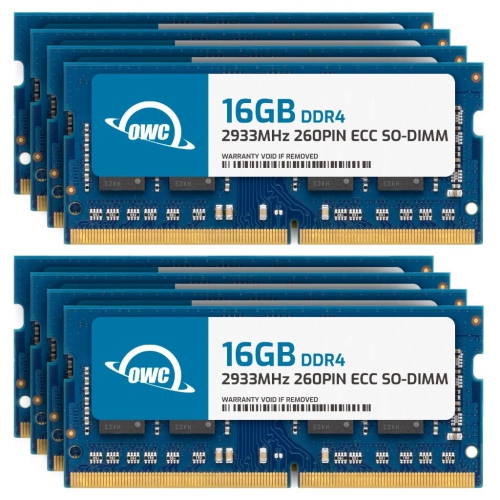
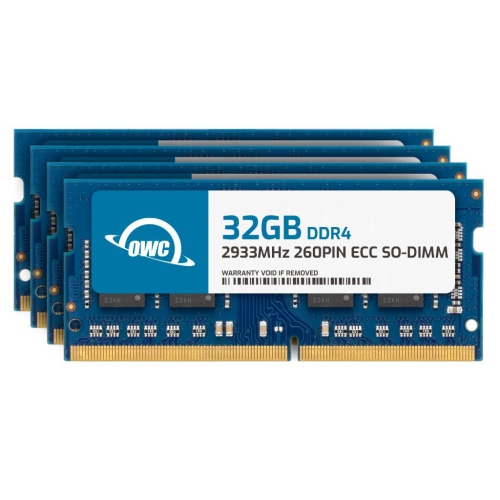
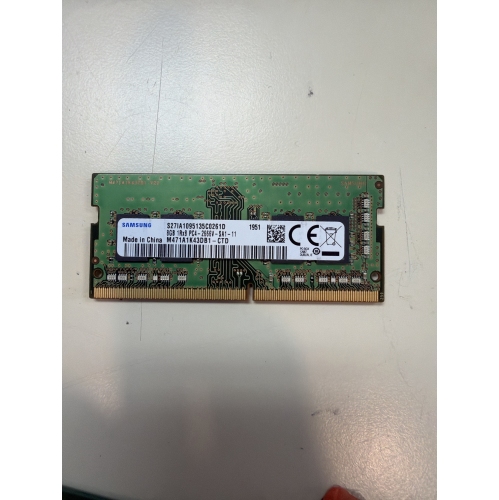
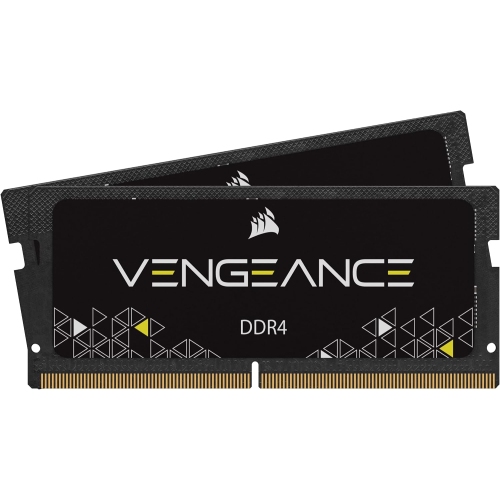
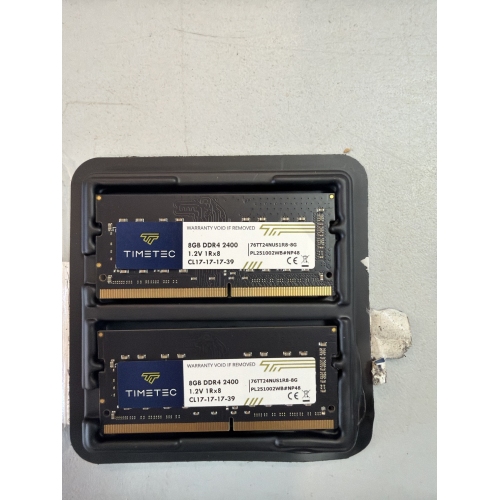
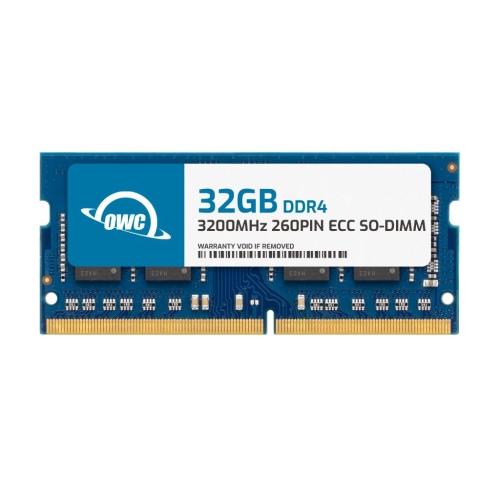
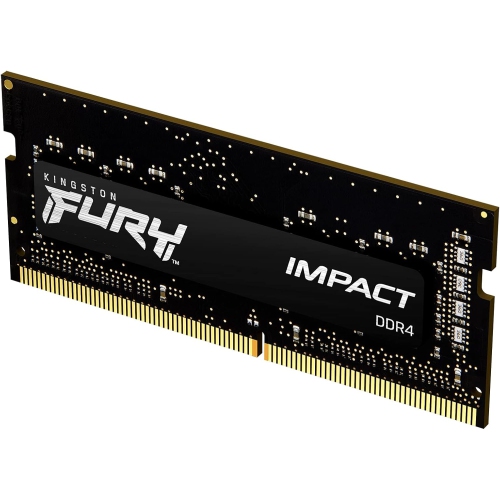
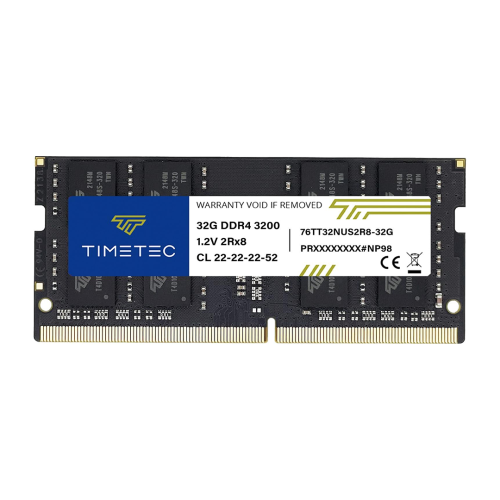
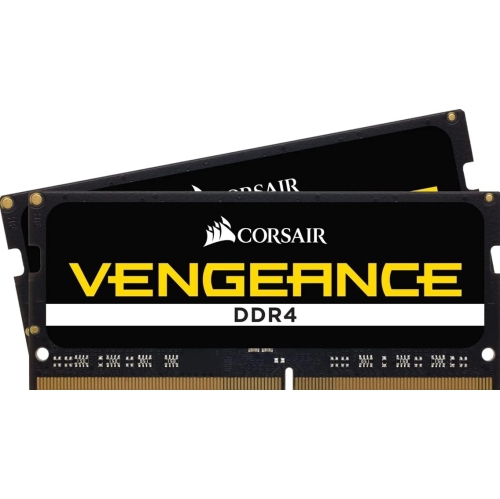
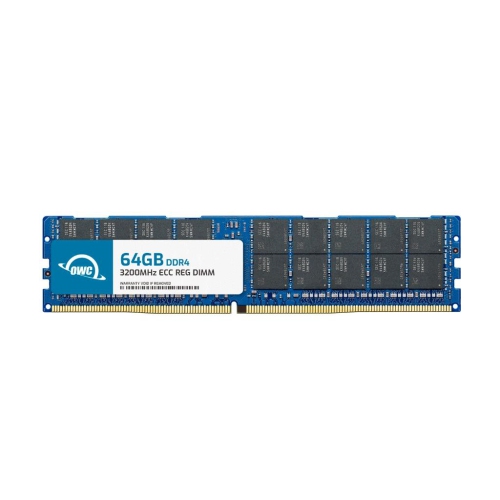
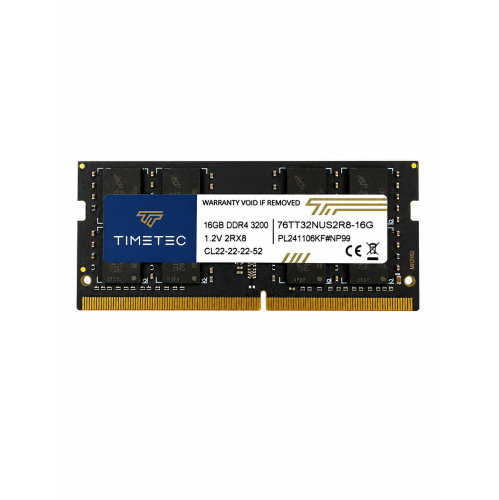
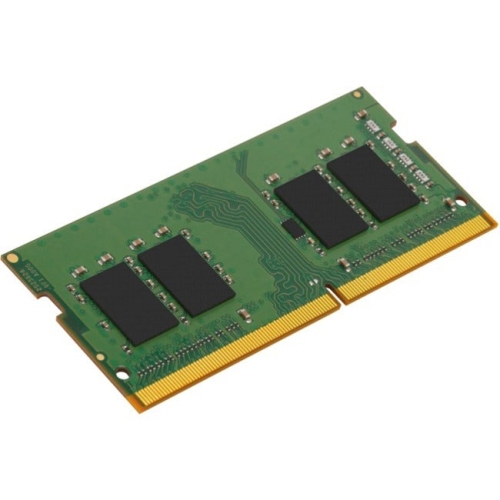
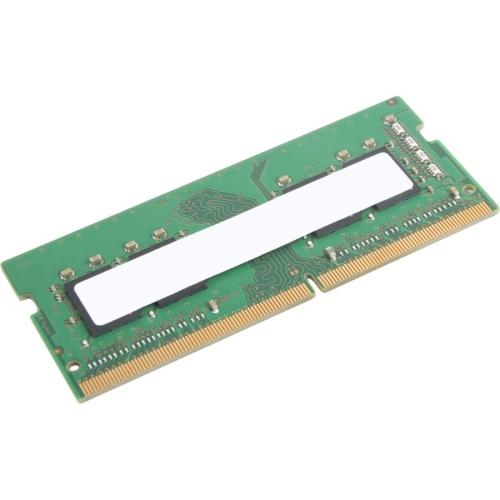
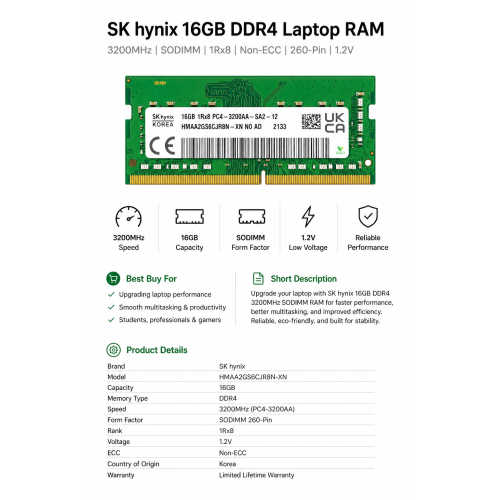
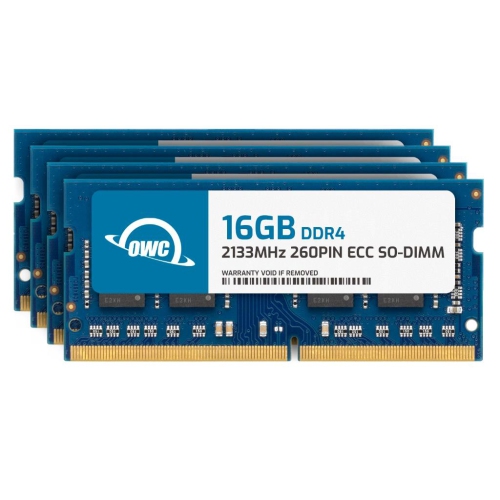
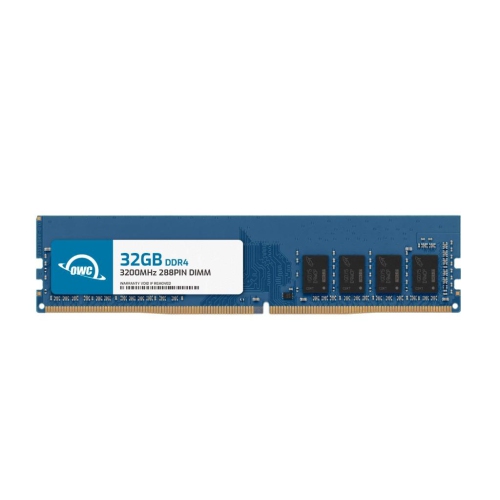
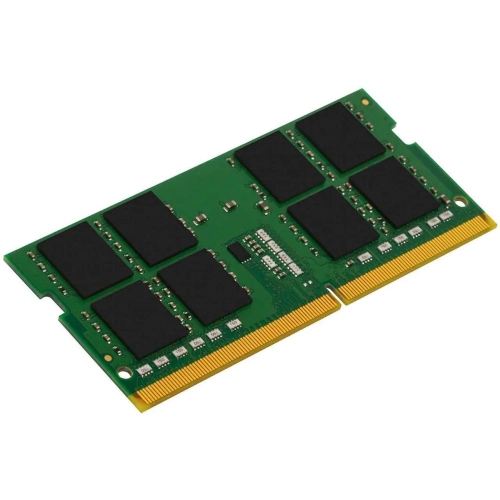
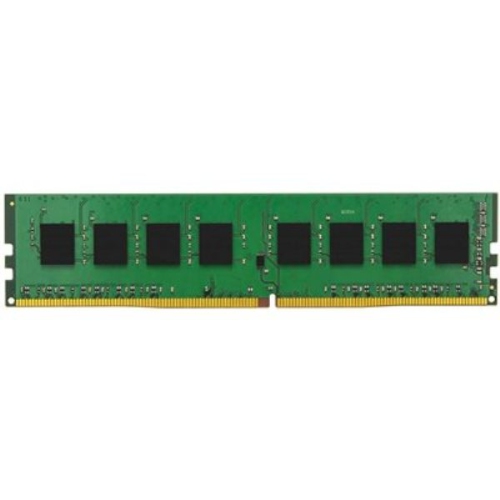
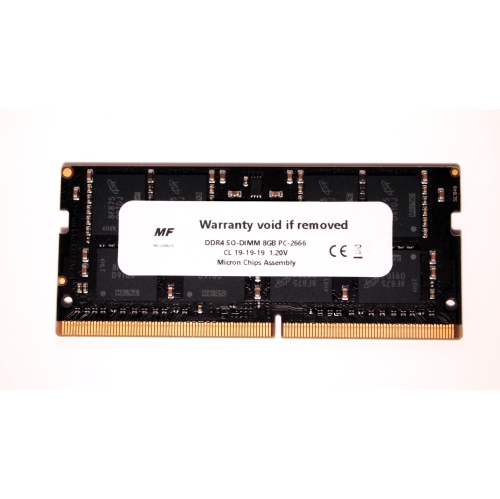
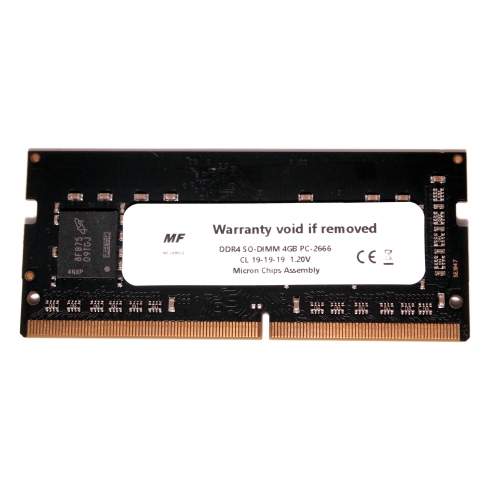
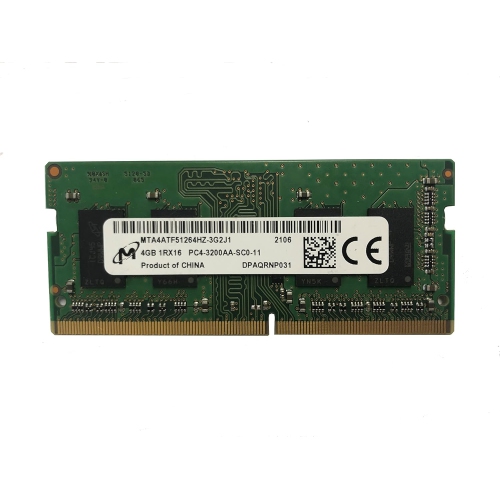
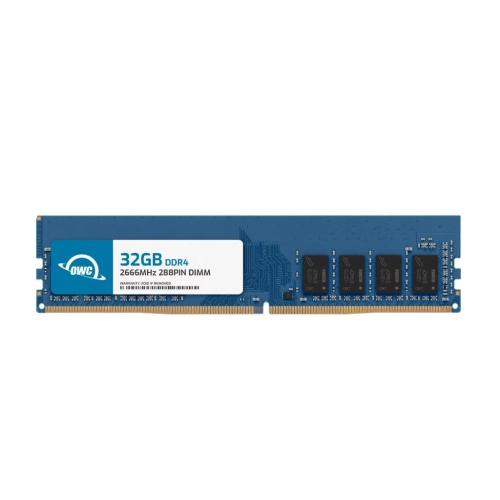
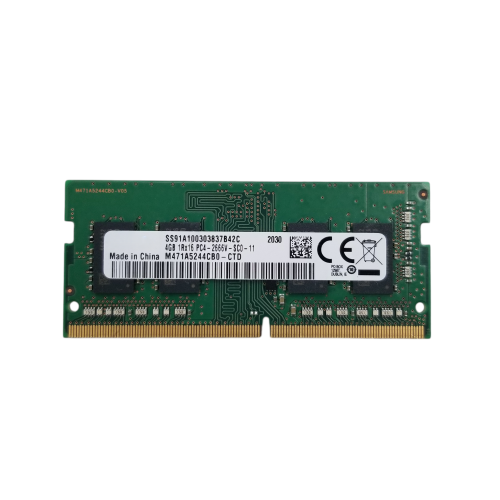
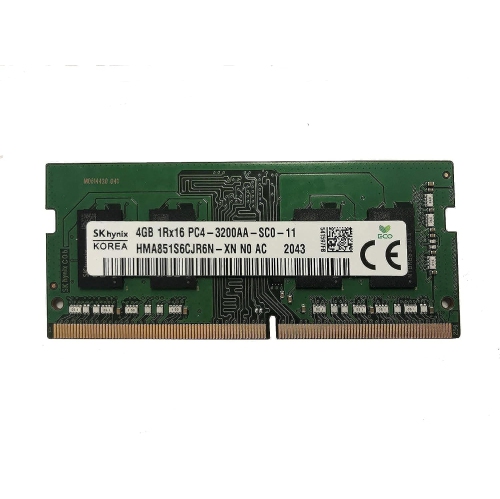
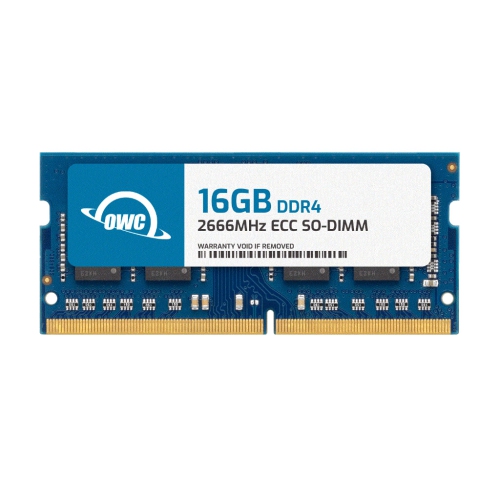
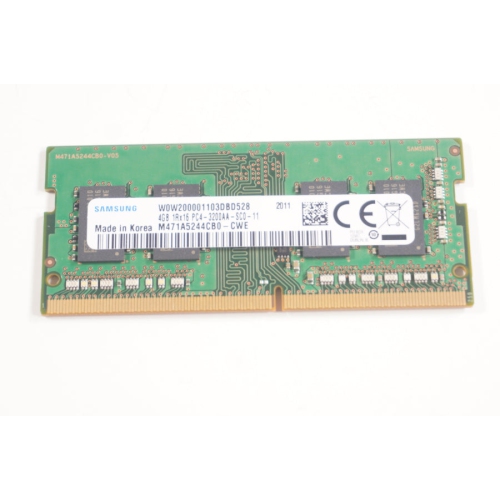
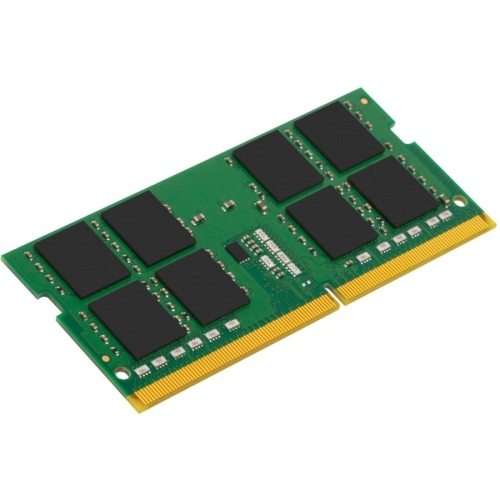
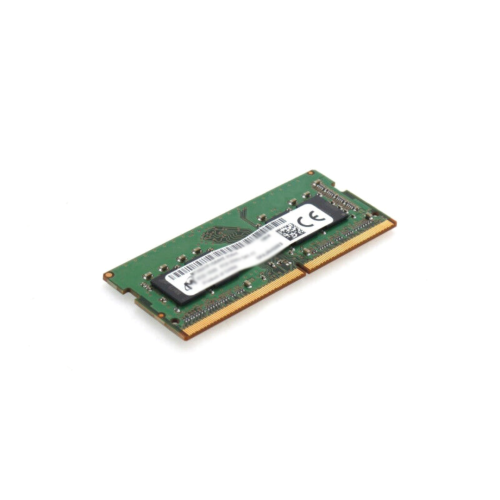
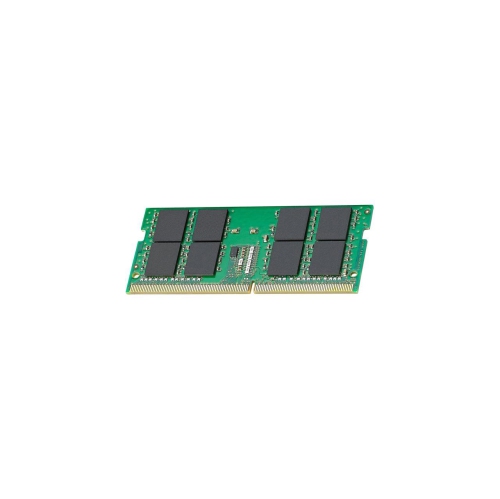
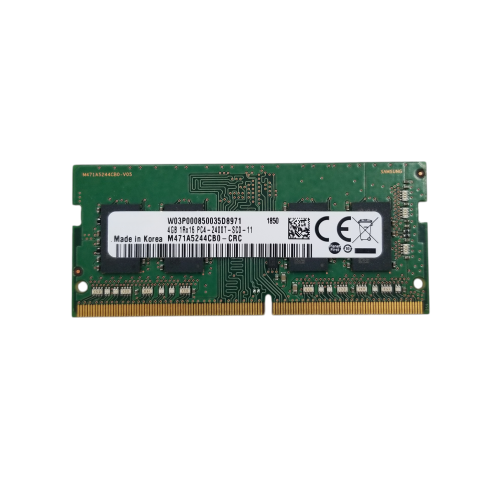
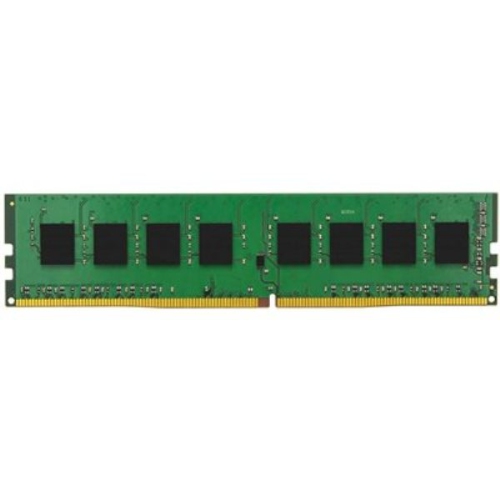
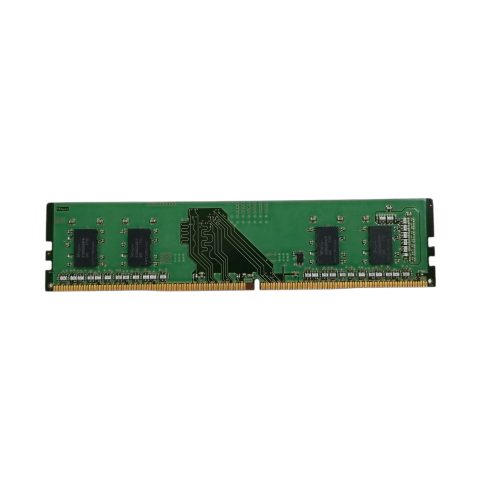
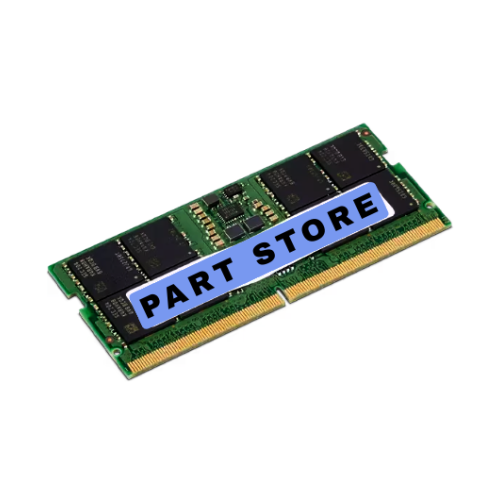
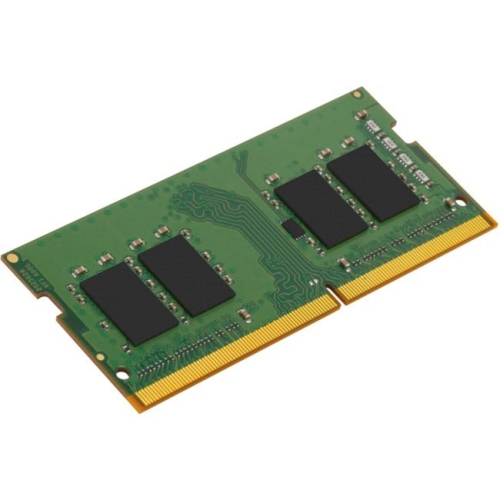
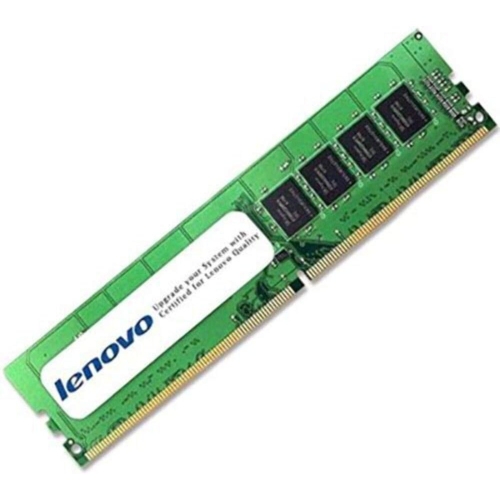
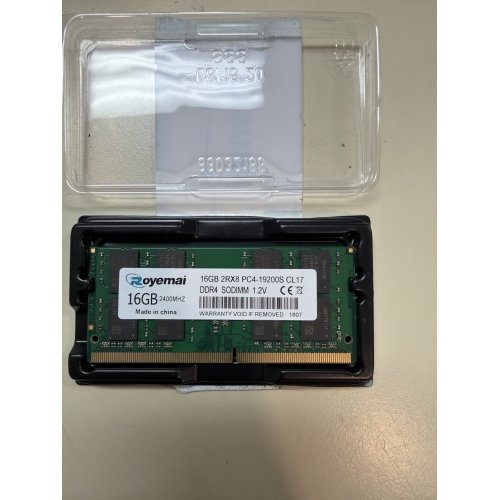
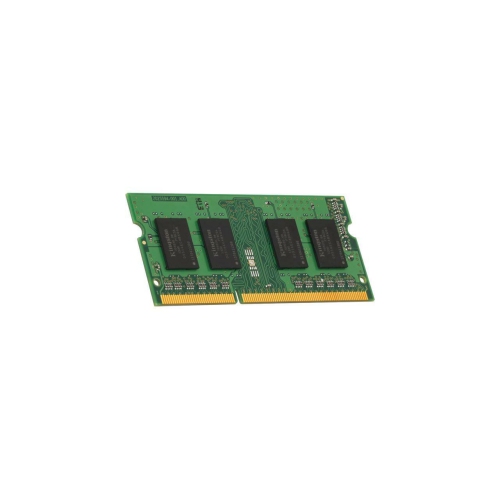
Compatibility determines which DDR4 memory can deliver that performance. Desktop systems generally use full-size DIMMs, while many upgradeable laptops and compact computers use shorter SO-DIMMs. These formats are not interchangeable, and some computers have soldered memory that cannot be replaced. DDR4 is also physically and electrically different from DDR3 and DDR5, so matching the memory generation is essential even when a module looks similar. The motherboard’s supported capacities, processor specifications, firmware, and memory support list provide important context for interpreting high-speed ratings. A supported-memory list records tested combinations rather than every possible working configuration, but it can be especially helpful when considering an unusually fast kit. Advertised enthusiast speeds commonly rely on a memory profile enabled through the system firmware, rather than the default settings used at first startup. Many laptops and prebuilt desktops offer limited profile controls, making standard supported speeds more relevant than an ambitious rating that the computer cannot use. Capacity deserves equal attention. A 16 GB configuration can suit lighter gaming and everyday applications, while 32 GB provides more room for demanding games, voice chat, browser tabs, and creative software running together. Larger capacities can be useful for substantial video projects, virtual machines, or extensive sample libraries, provided the system supports them. Running short of memory can cause disruptive slowdowns that a higher transfer rate alone cannot solve. Matched kits are designed to work together at their stated specifications, whereas combining separate kits can introduce differences even when their headline ratings match. Two modules installed in the appropriate slots typically enable dual-channel operation on mainstream desktops, increasing the memory bandwidth accessible to the processor. This can be particularly important when integrated graphics share system memory. Filling every slot may increase capacity, but it can also place a greater load on the memory controller and reduce the highest stable speed. A balanced configuration considers capacity, channel arrangement, and attainable speed together.
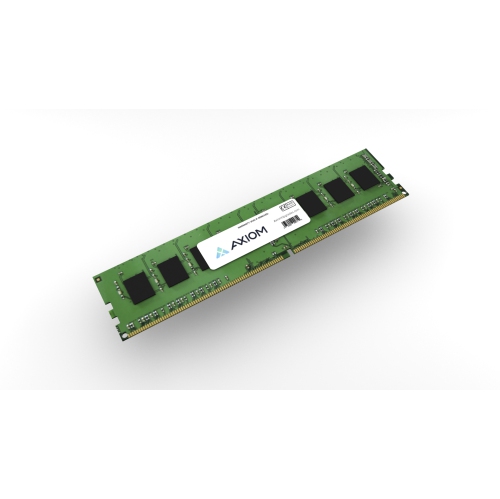
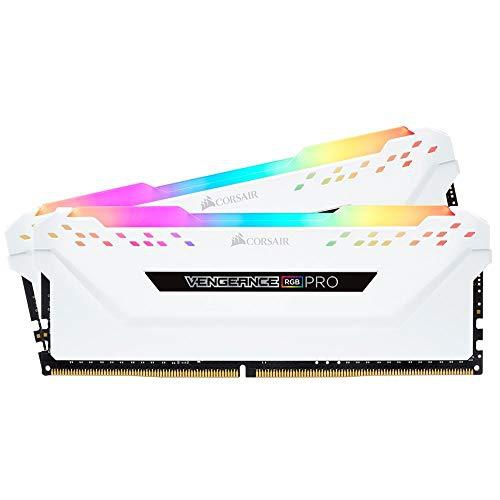
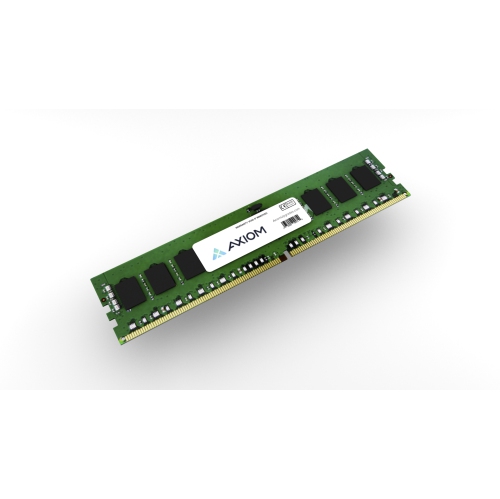
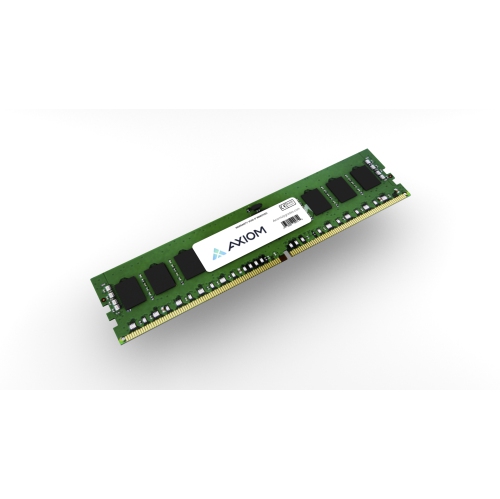
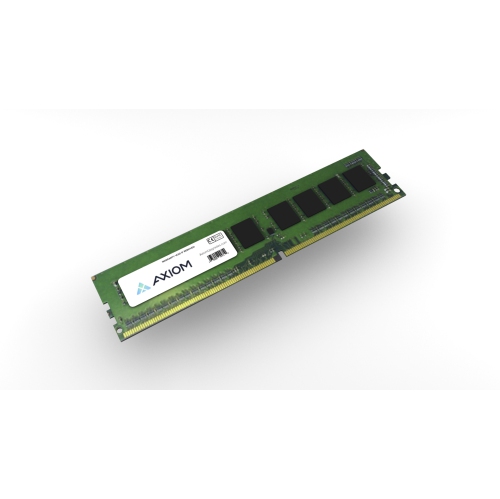
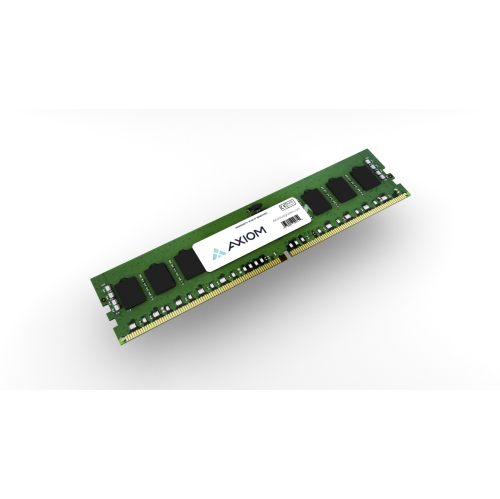
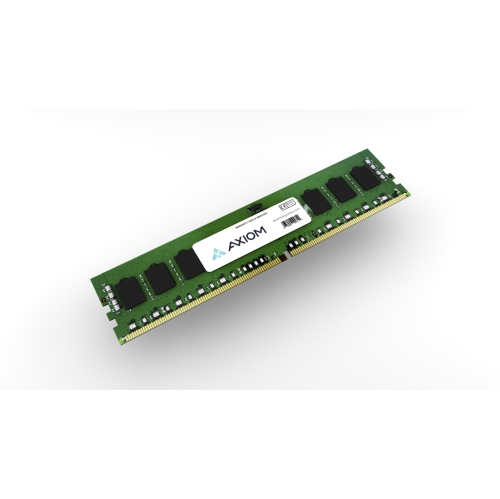
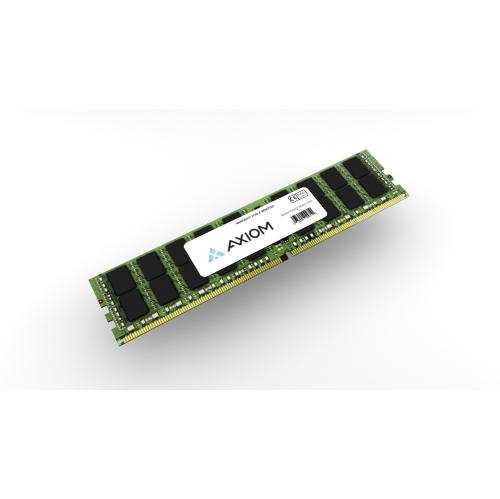
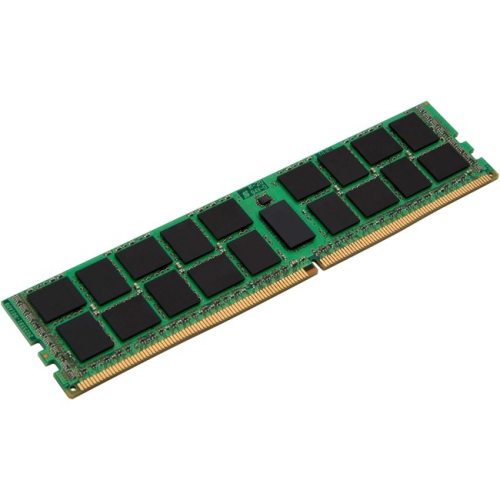
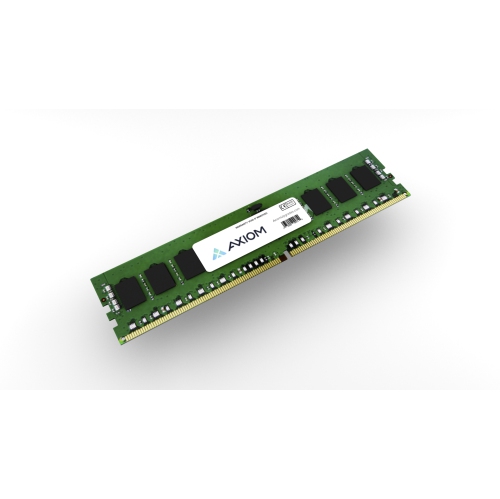
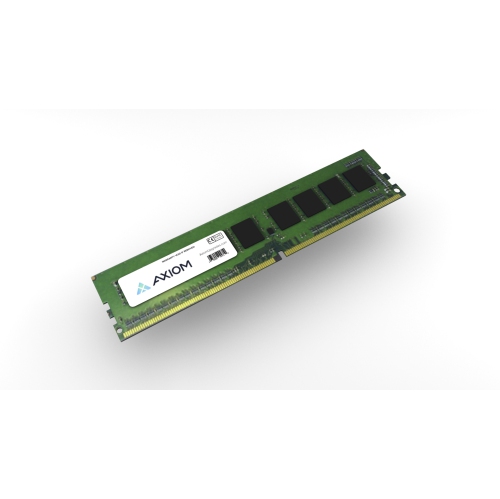
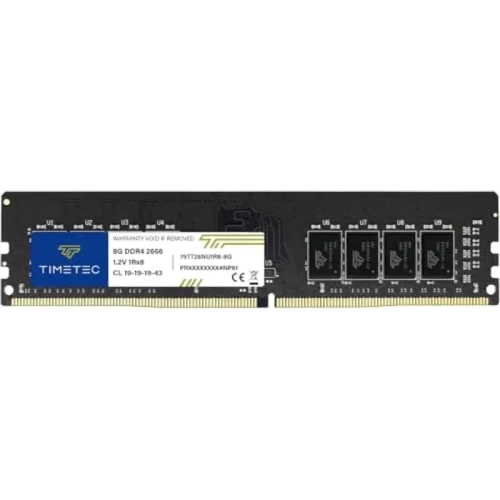
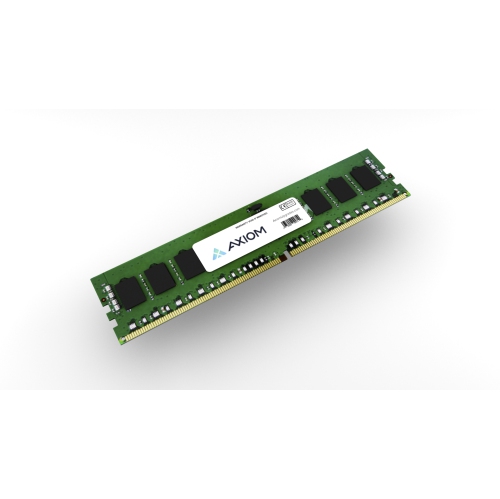
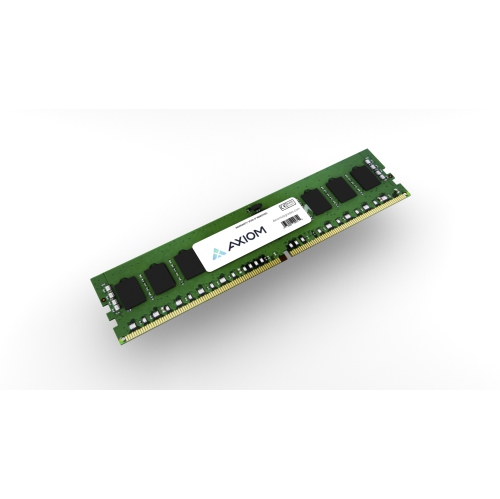
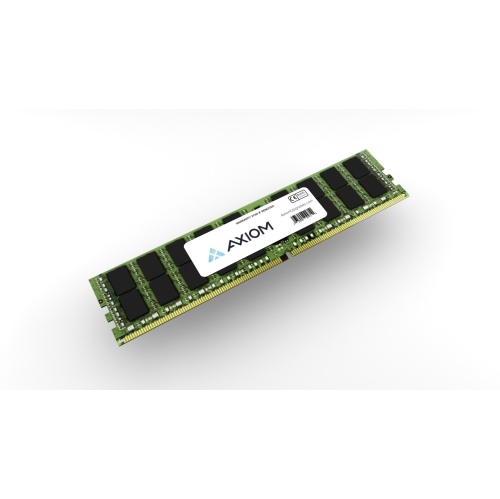
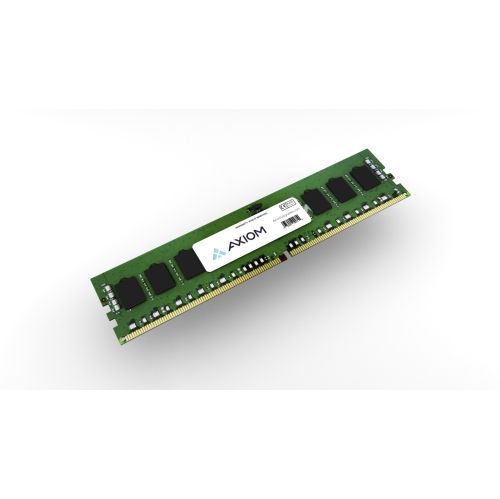
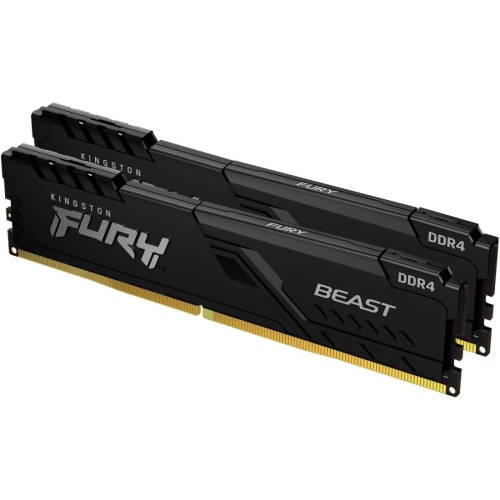
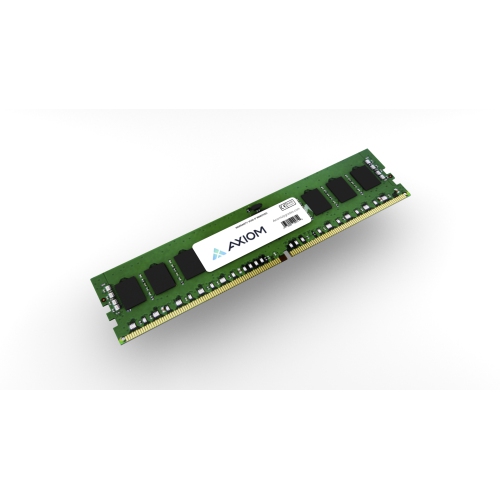
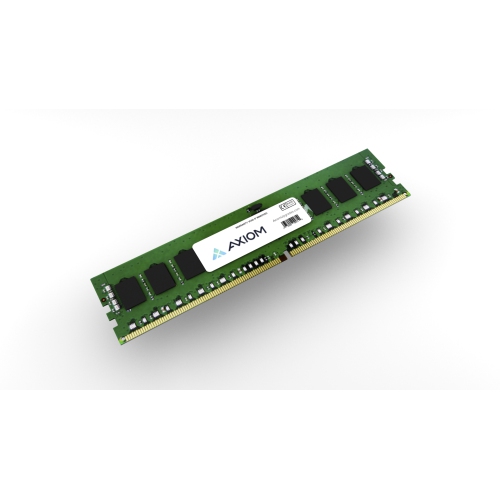
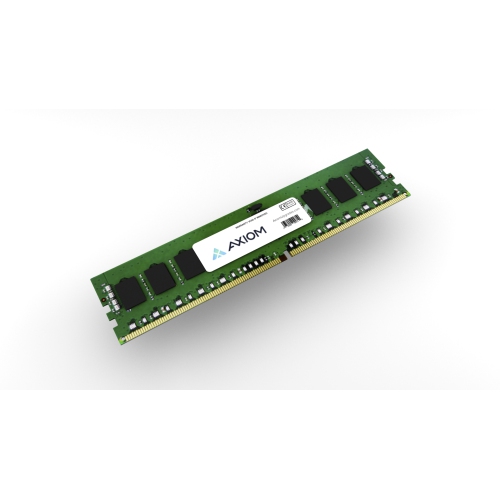
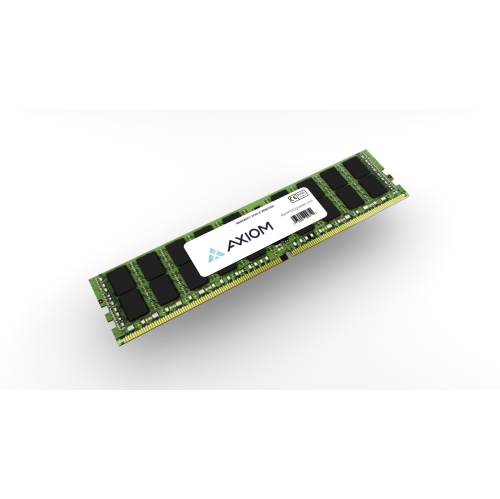
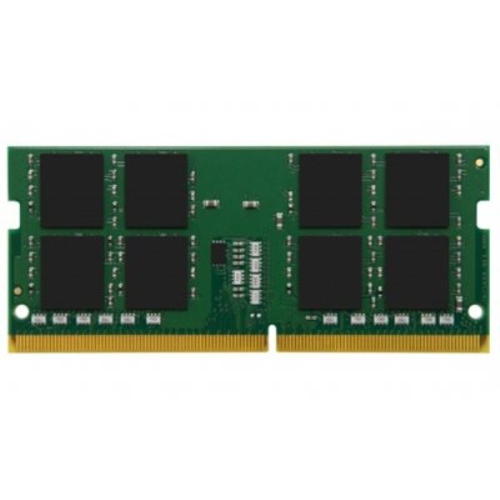
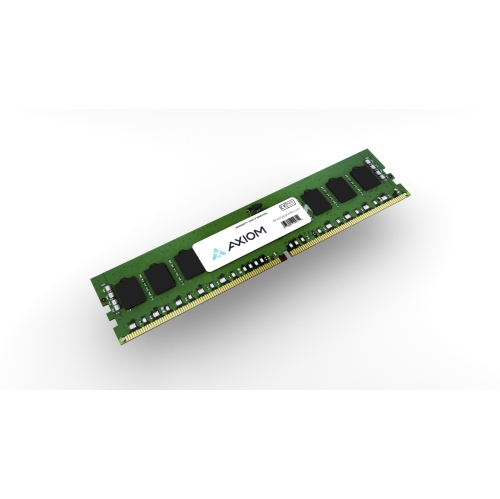
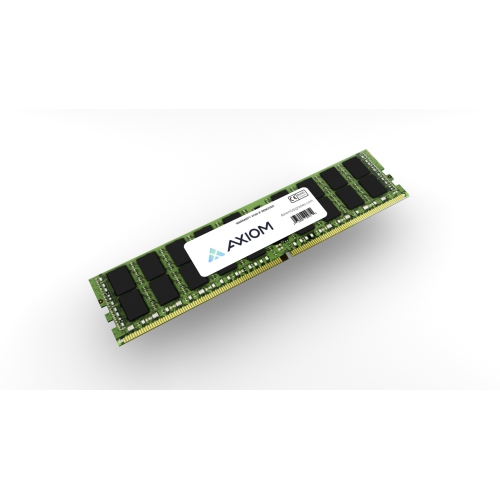
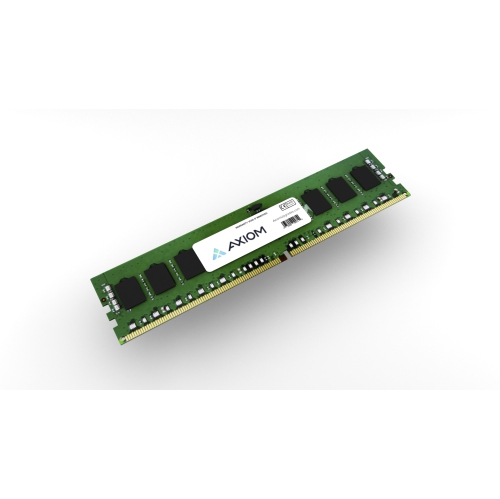
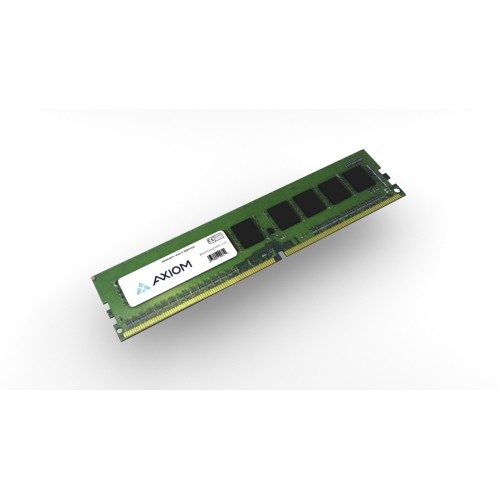
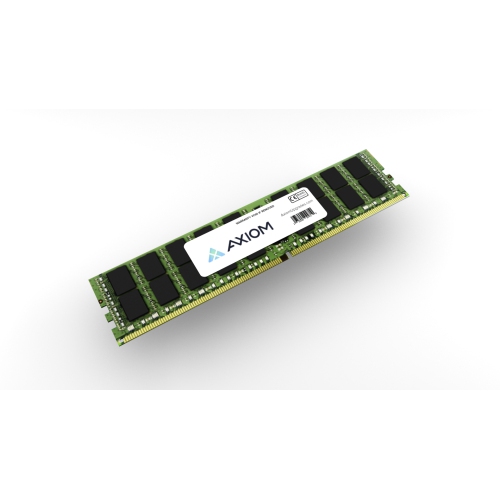
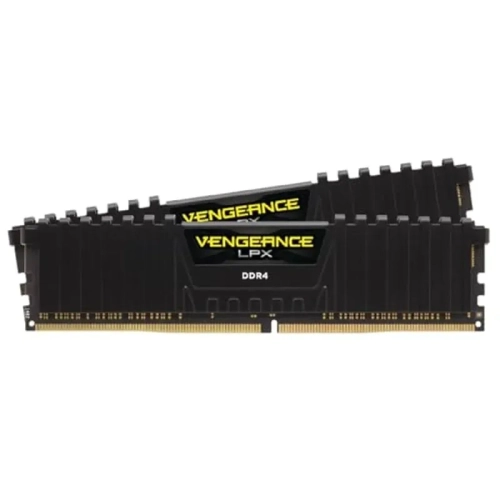
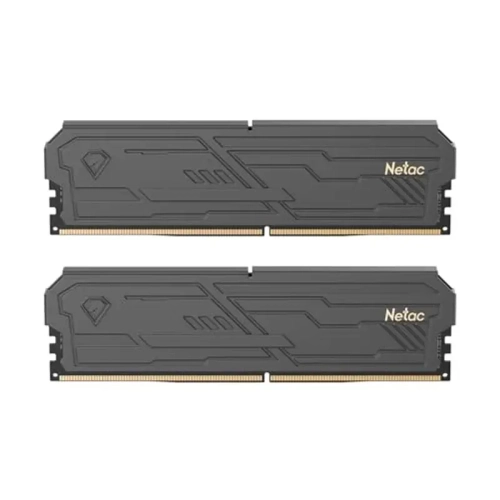
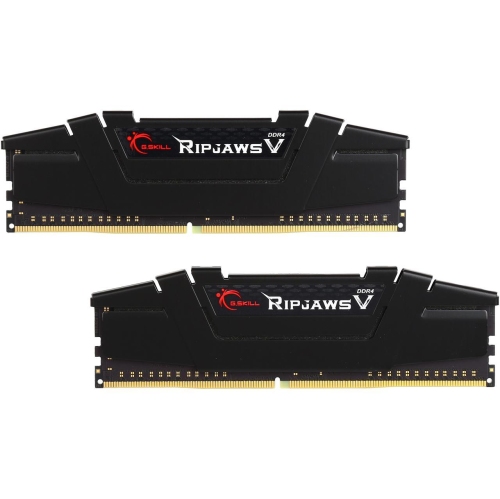
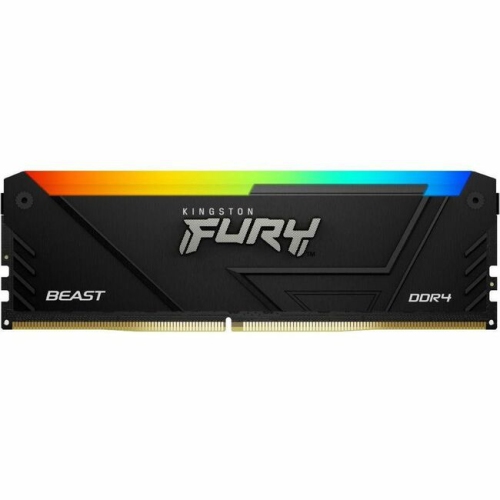
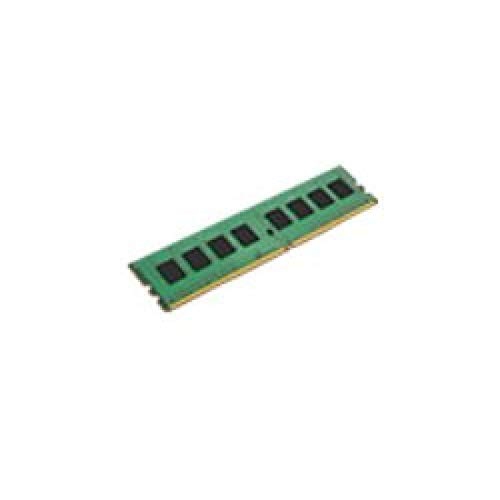
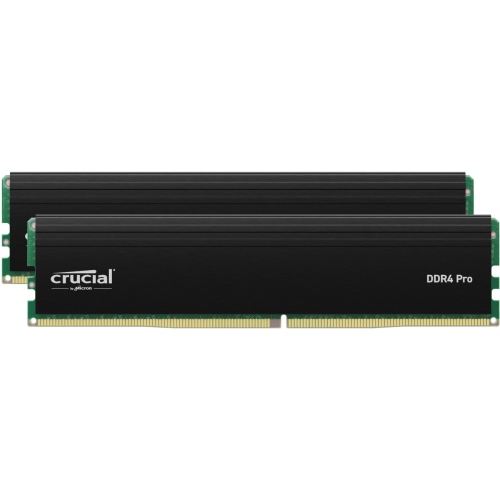
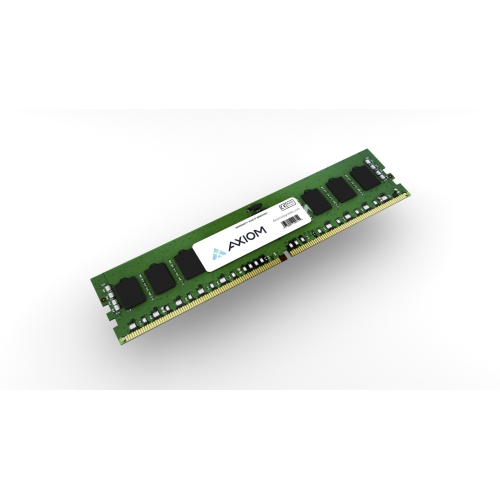
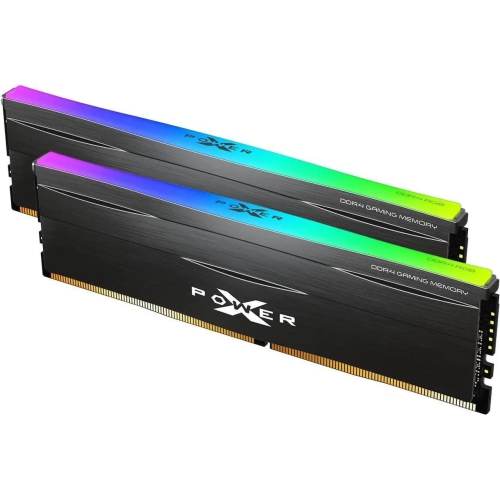
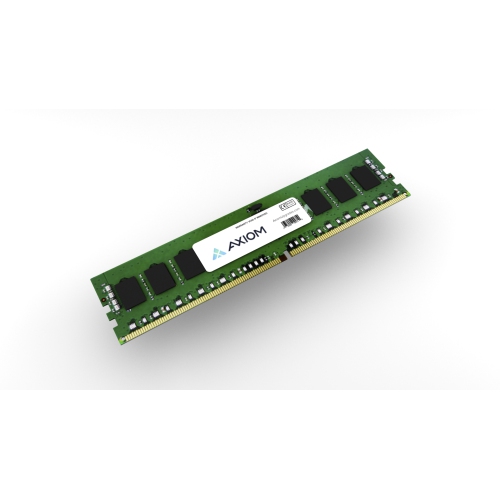
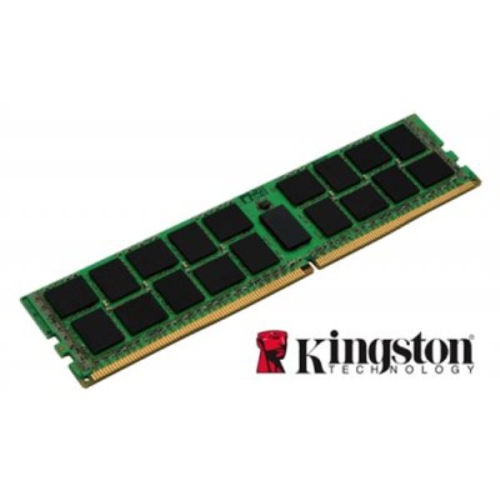
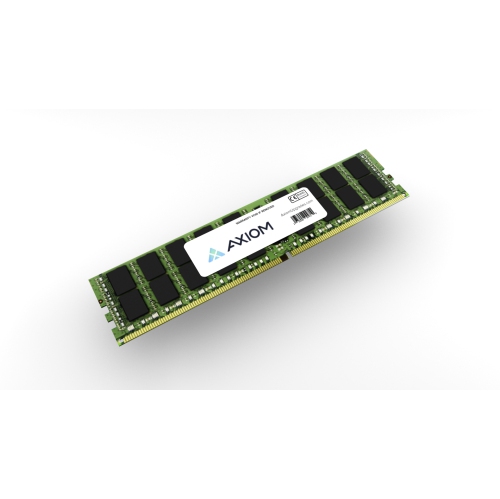
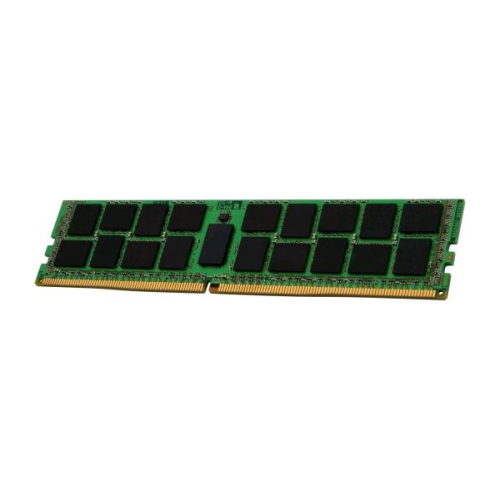
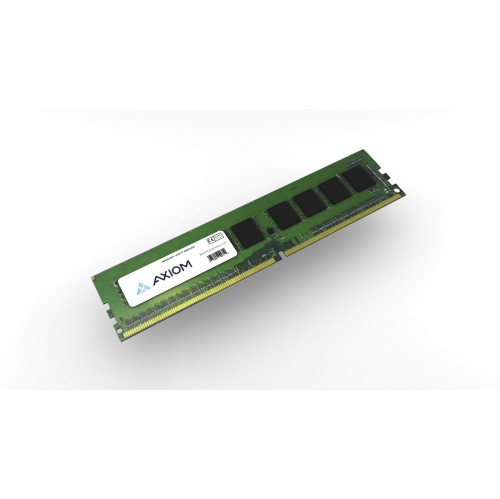
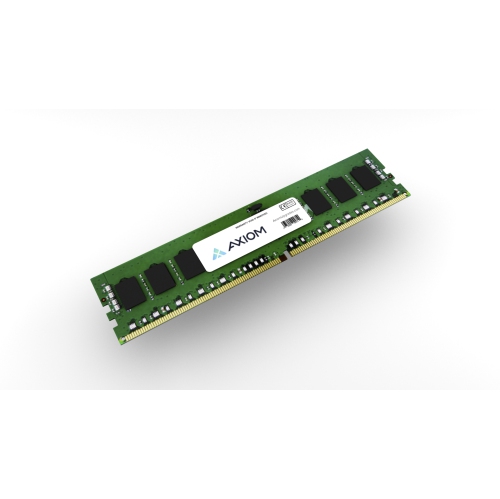
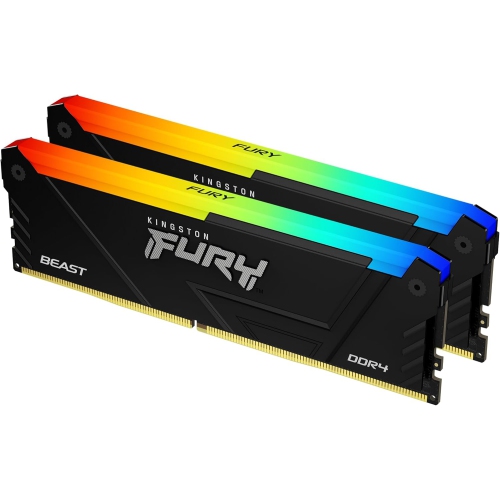
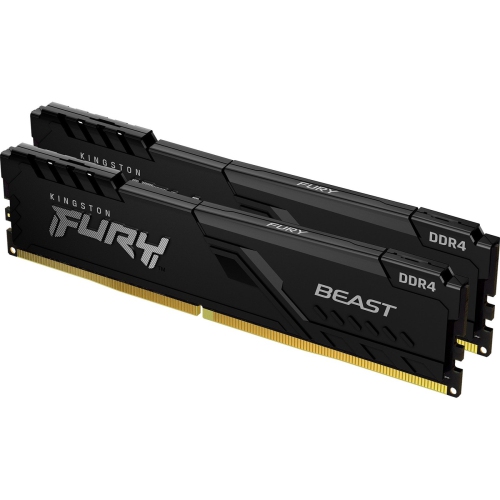
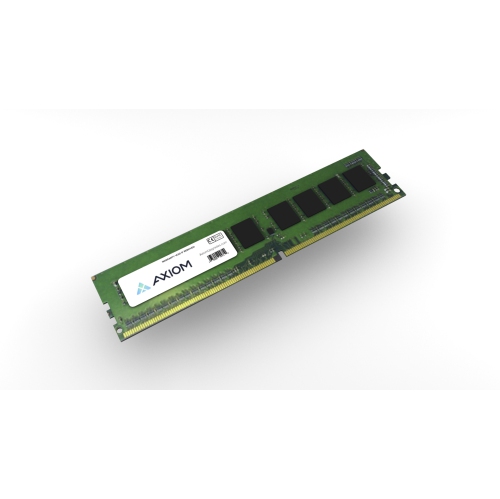
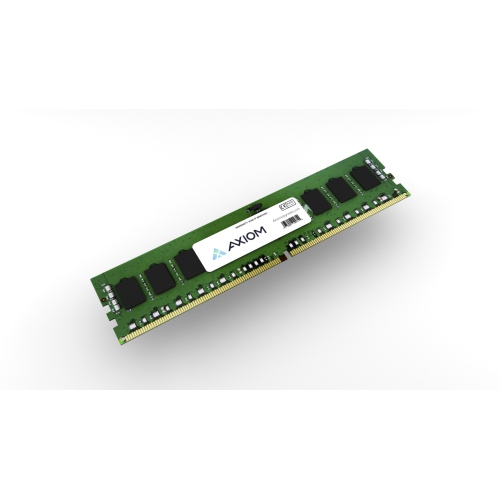
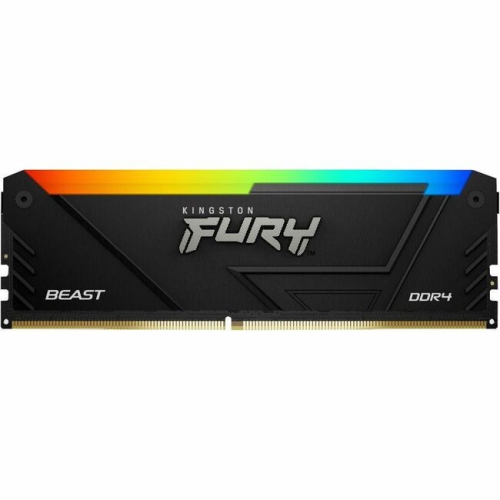
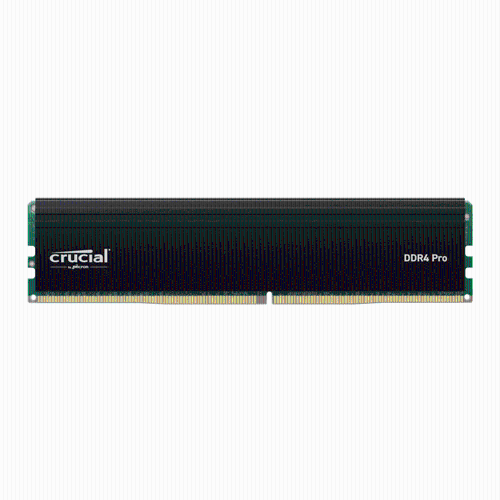
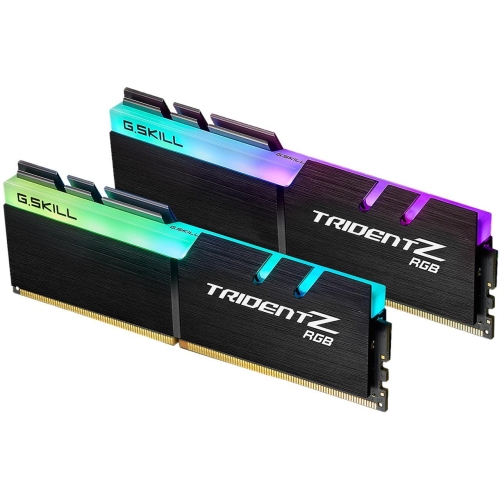
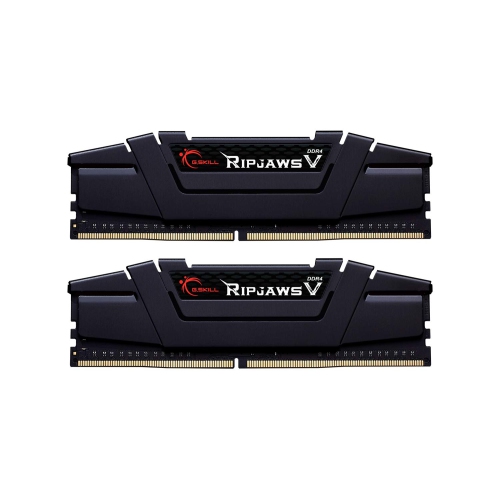
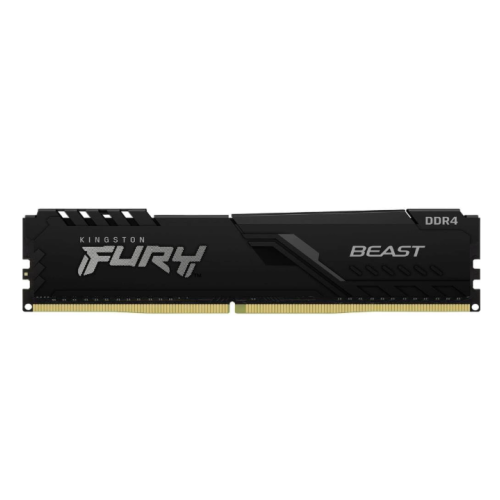
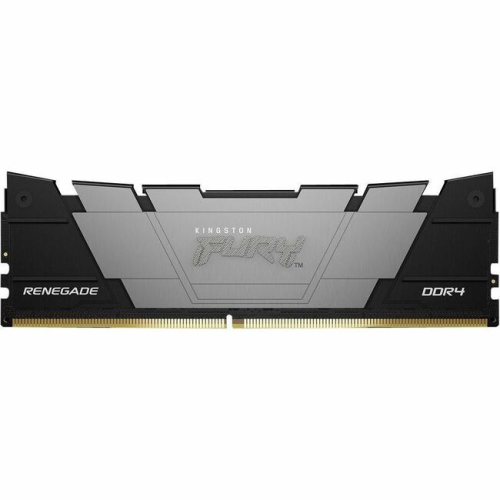
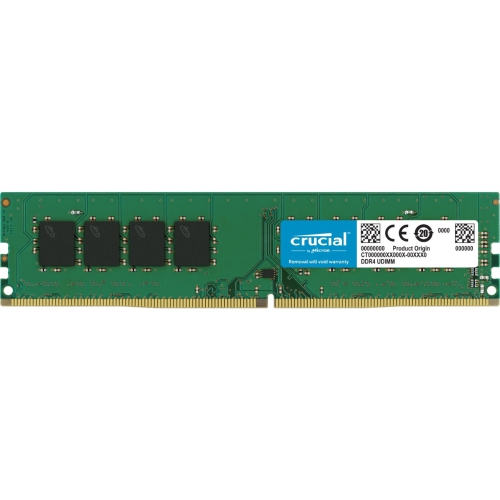
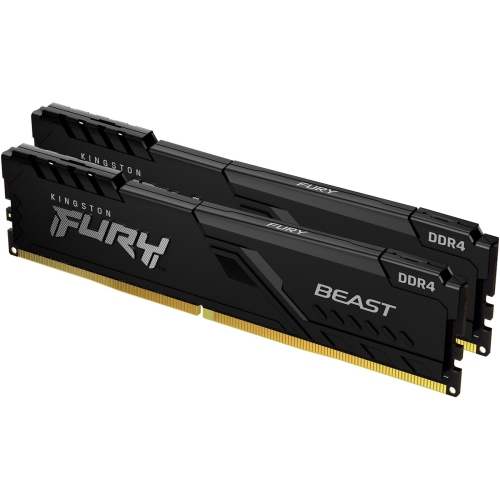
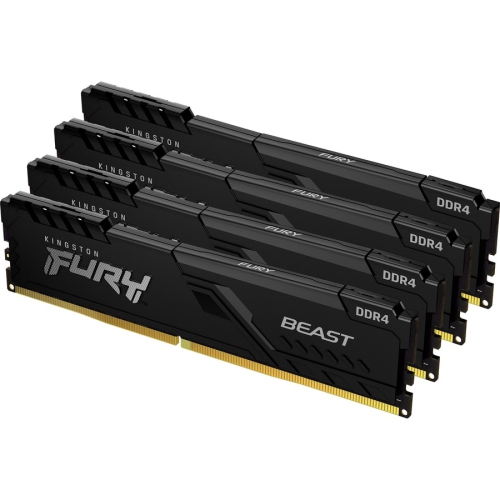
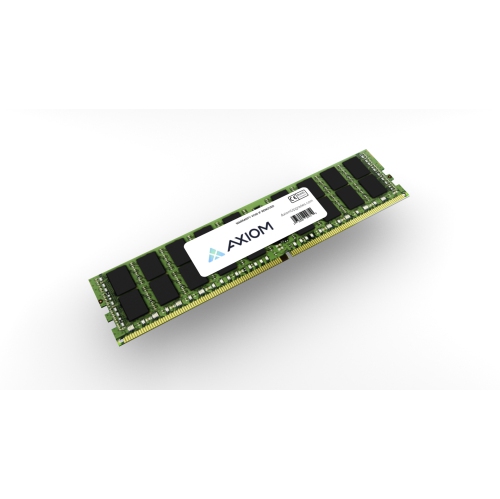
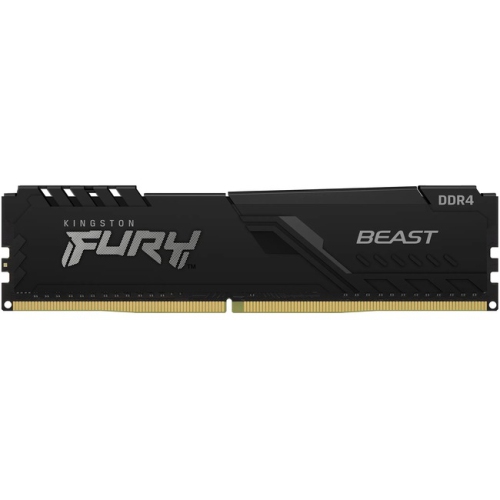
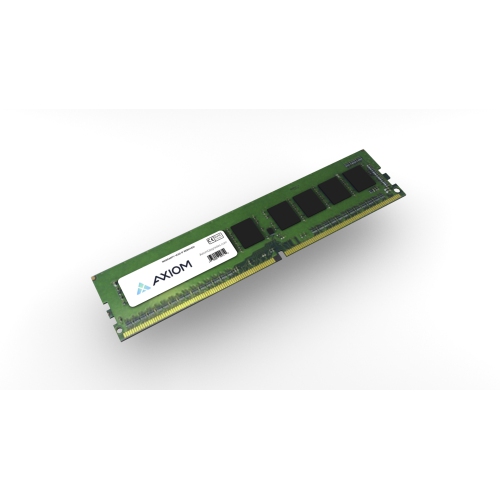
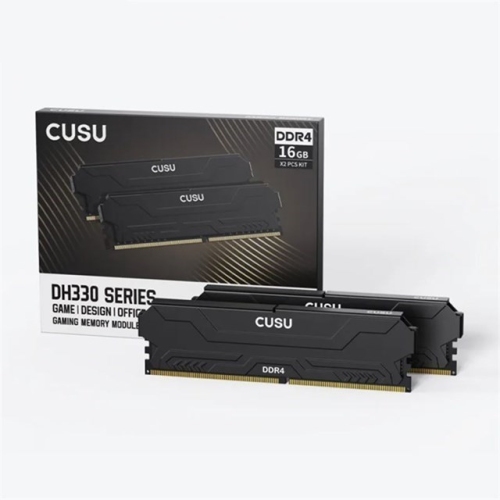
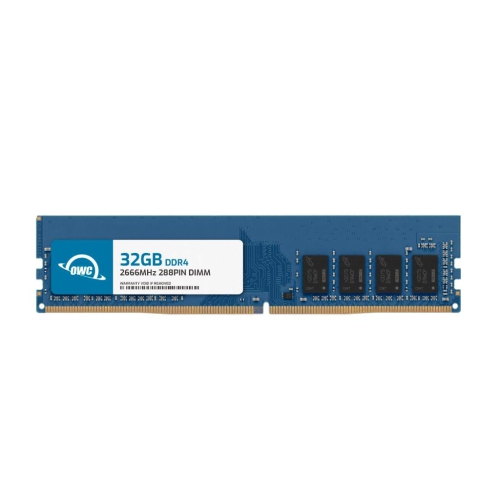
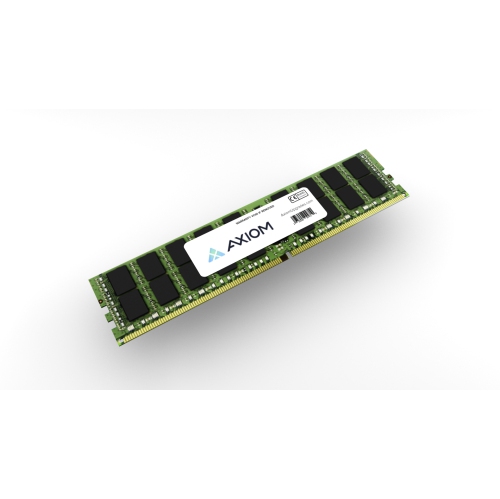
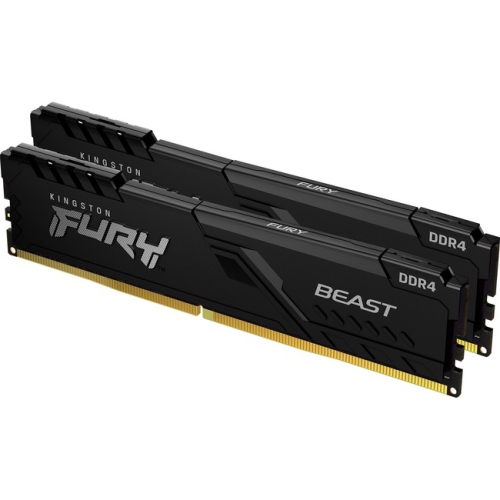
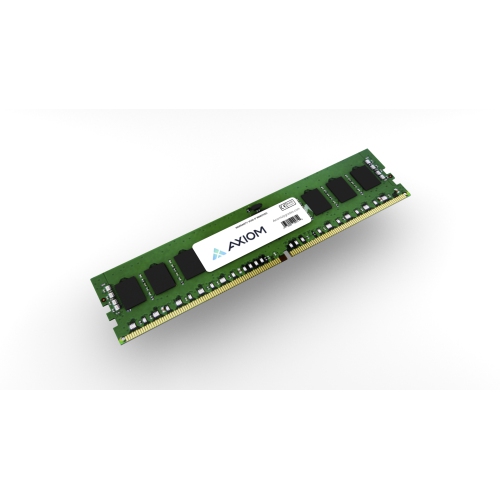
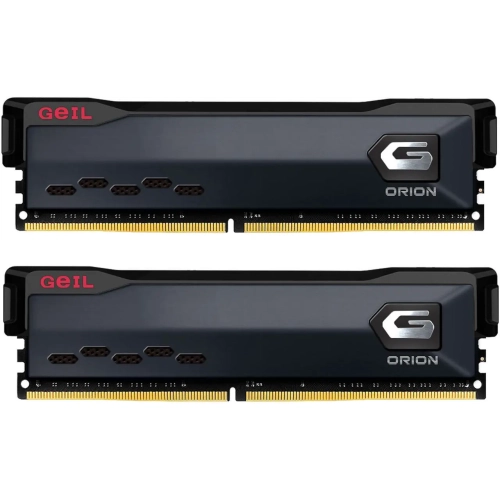
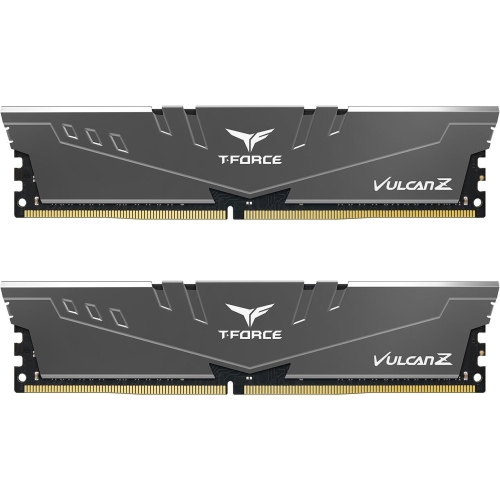
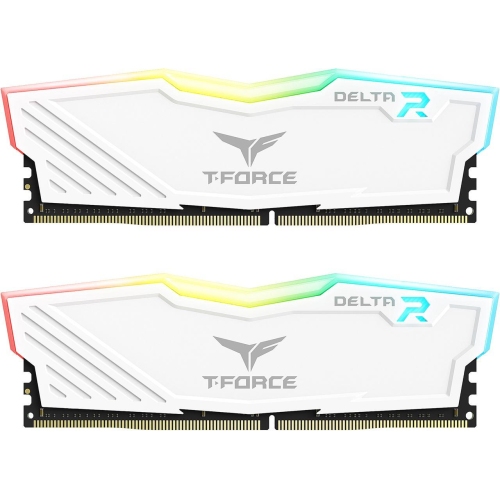
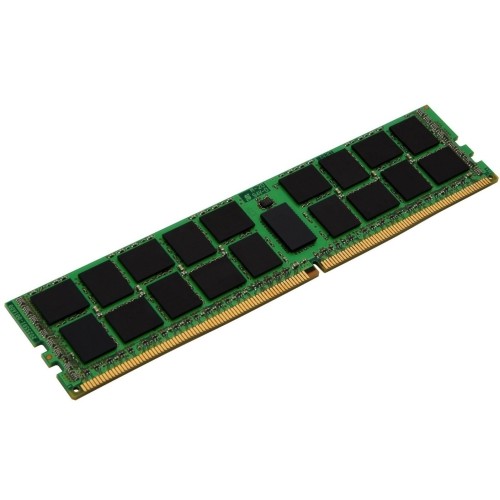
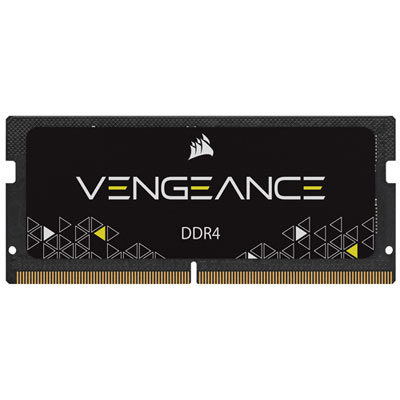
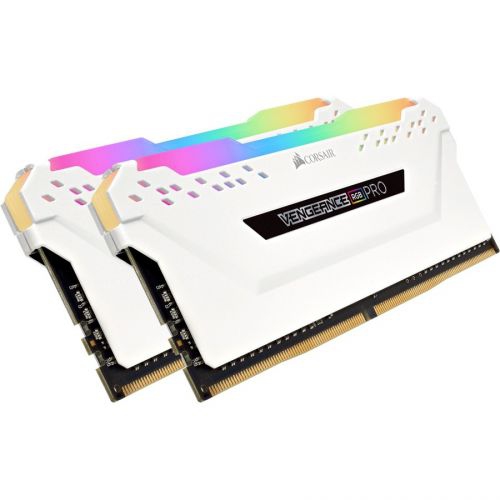
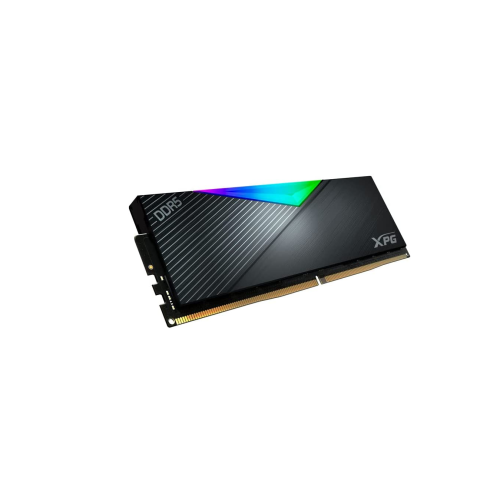
Physical design matters when high-performance DDR4 becomes part of a finished build. Many desktop modules combine a circuit board and memory chips with aluminium heat spreaders, which help distribute heat and give the modules their distinctive appearance. A taller heat spreader is not proof of faster memory, and decorative lighting does not improve transfer rates or latency. Low-profile modules can be a better fit beneath a large processor cooler, while taller designs may suit a case with generous clearance and a visible interior. Dimensions are particularly important in compact builds, where the cooler, memory slots, and nearby components can sit close together. Consistent case airflow supports reliable operation, especially when memory is running above standard settings. Appropriate handling also helps protect the exposed contacts and small components: modules are best held by their edges, with protection against static discharge during installation. DDR4 has no moving parts and requires little routine maintenance, but aggressive voltage settings and unstable overclocks can compromise dependable use. For a computer used for work, study, or long creative sessions, stability matters more than a benchmark result that cannot be repeated reliably. A video editor moving between a timeline, effects tools, and large media files may value ample matched capacity more than an extreme speed rating. A competitive gamer with a compatible desktop may place greater emphasis on latency and bandwidth, while a hobbyist building a showcase PC may also care about lighting controls and a coordinated appearance. As a gift for a PC enthusiast, RAM is most useful when the recipient’s exact system specifications and upgrade plans are known. For a new build based on a DDR5-compatible motherboard, Fastest DDR5 RAM covers the newer memory generation rather than an interchangeable upgrade for DDR4 slots. Within a DDR4 system, the strongest choice brings together suitable capacity, compatible dimensions, realistic speed expectations, and timings that complement the processor’s capabilities.
Top selling and popular products
-
 Your price for this item is $307.68
-
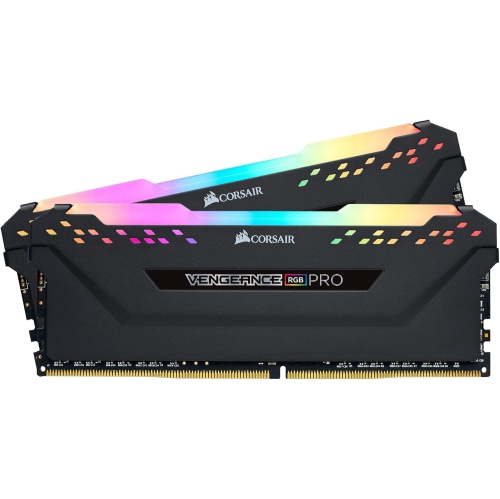 Your price for this item is $389.99
-
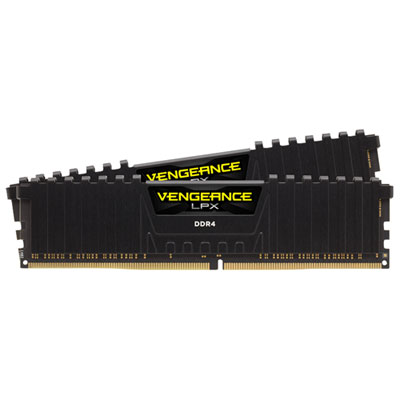 Your price for this item is $431.98
-
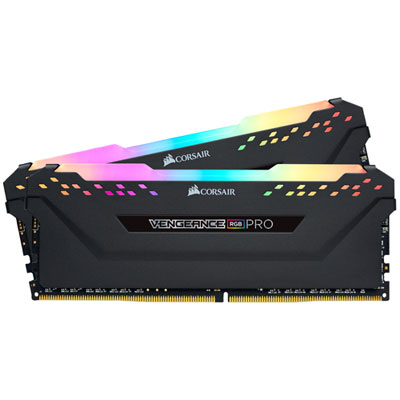 Your price for this item is $450.98
-
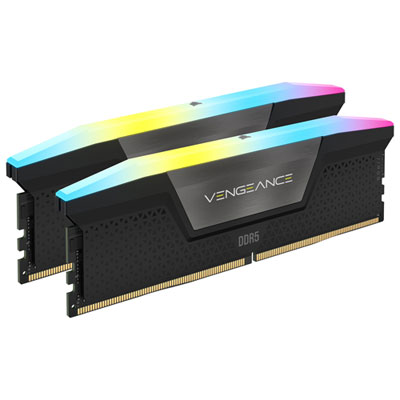 Your price for this item is $844.99
-
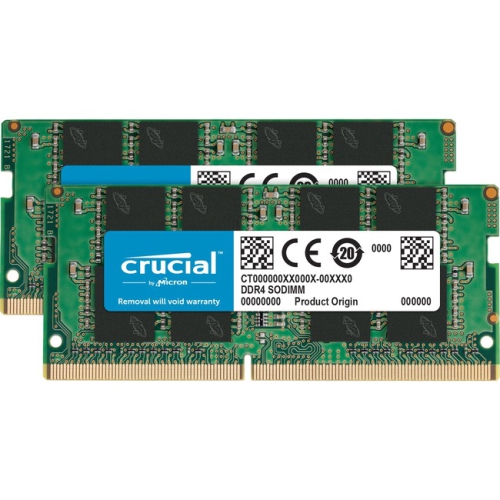 Your price for this item is $388.88
-
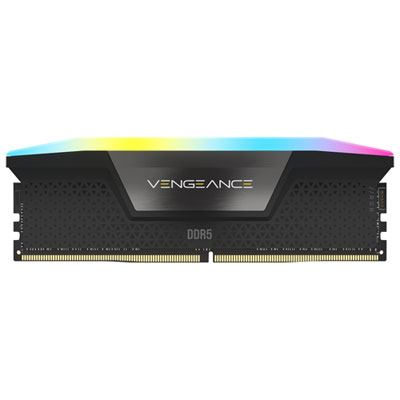 Your price for this item is $1853.99
-
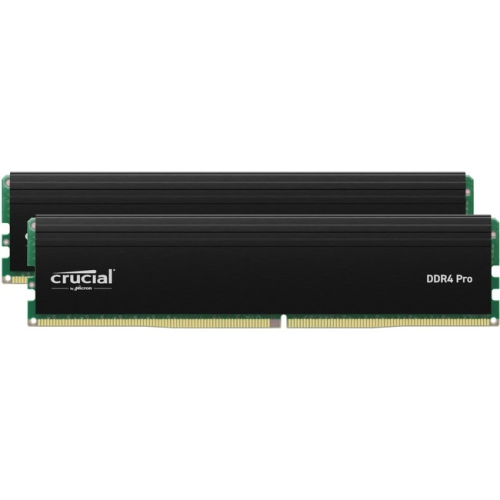 Your price for this item is $975.68
Discover more categories related to Fastest DDR4 RAM

Top Collections:
Best Black Friday Deals This Year, Best Black Friday Deals On Electronics, Kindle Devices, Pokemon Centers, Best Black Friday Deals On Apple Products, Best Cameras for Sports Photography, Dyson Airwrap, Pokémon 30th Celebration Cards, Apple iPhone 17 Pro, Canon G7X Cameras
Some products may be subject to Environmental Handling Fees
(EHF) depending on your province.
Learn more about EHFs.