Fiber Optic Cables for Backbone Networks
Fiber Optic Cables for Backbone Networks are essential components for supporting high-speed data transmission across large distances in enterprise, campus, and data center environments. Designed to handle the demands of modern networking infrastructure, these cables help ensure reliable connectivity and efficient communication between network hubs. Explore a range of options that can meet your requirements for performance and scalability as you build or upgrade your backbone network.
Sort
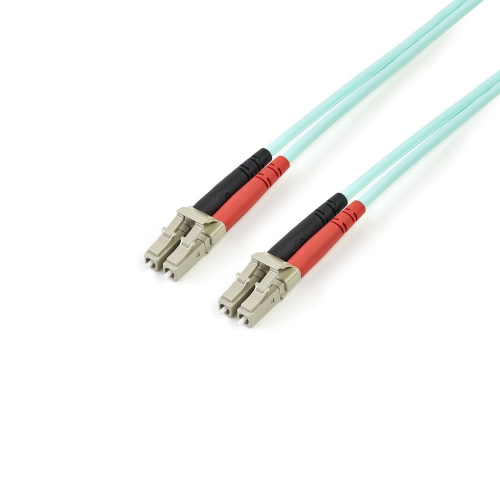
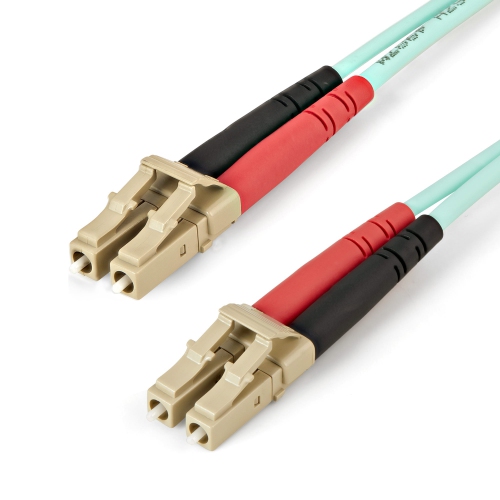
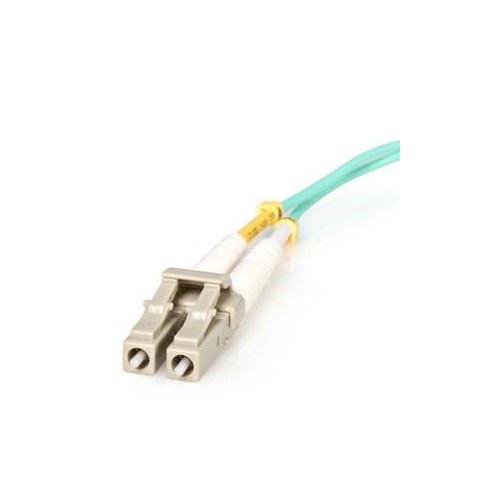
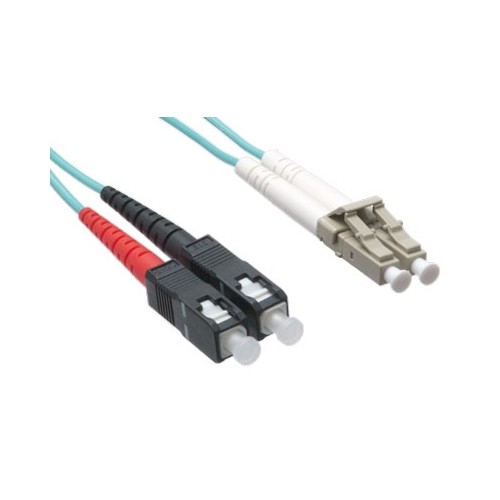
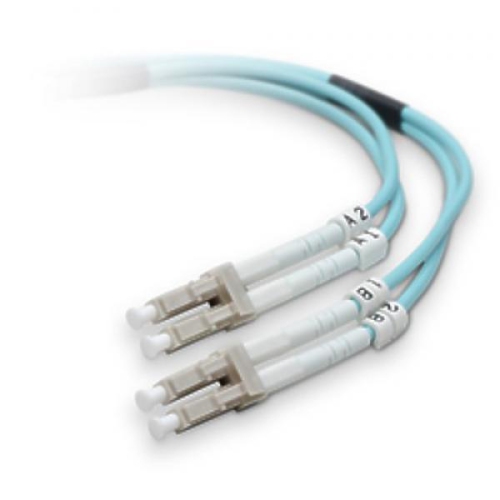
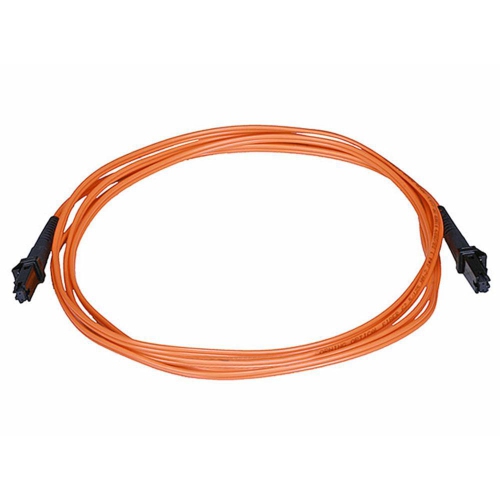
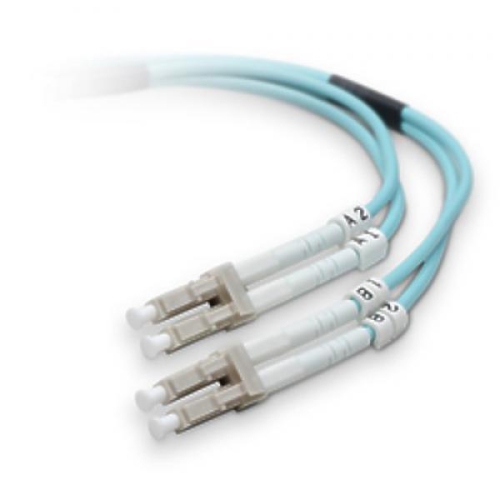
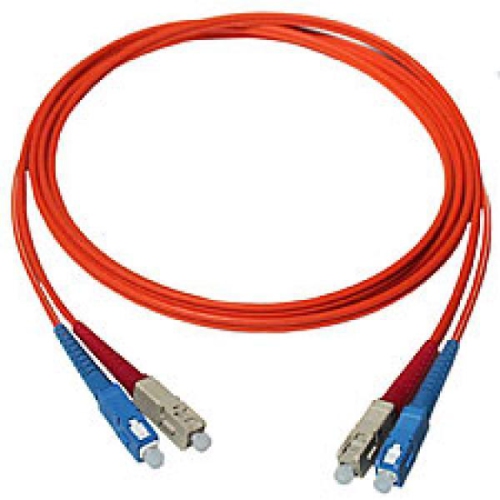
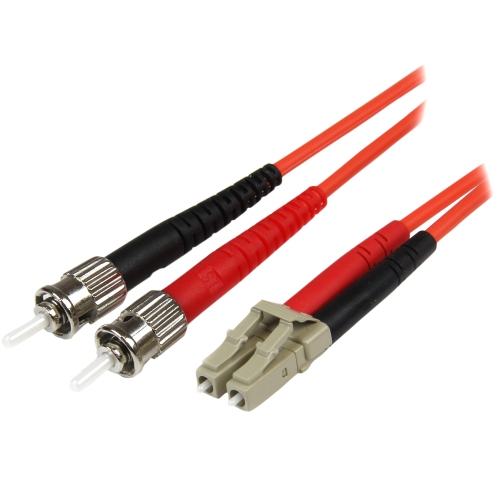
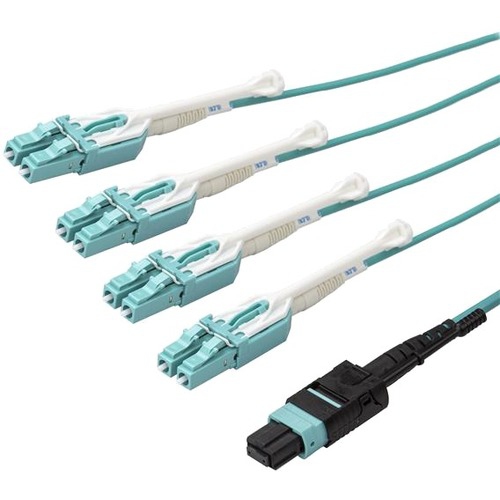
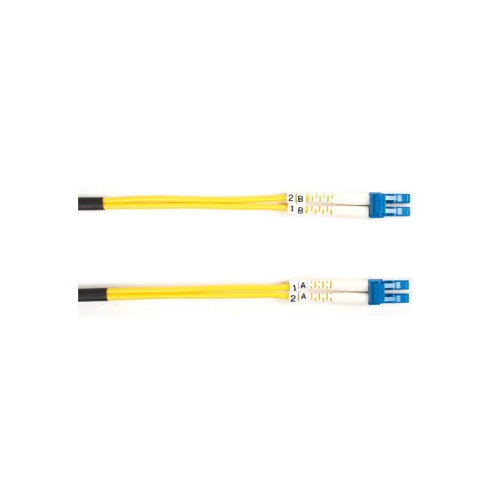
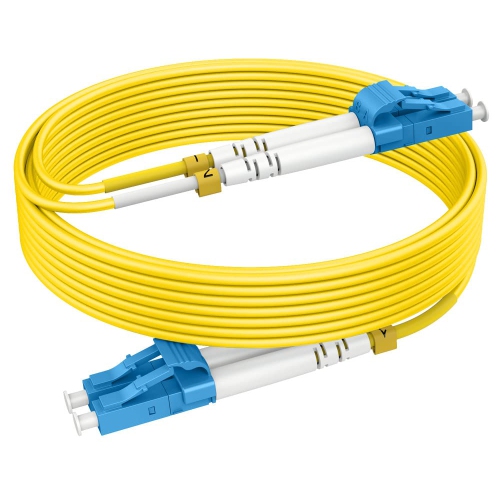

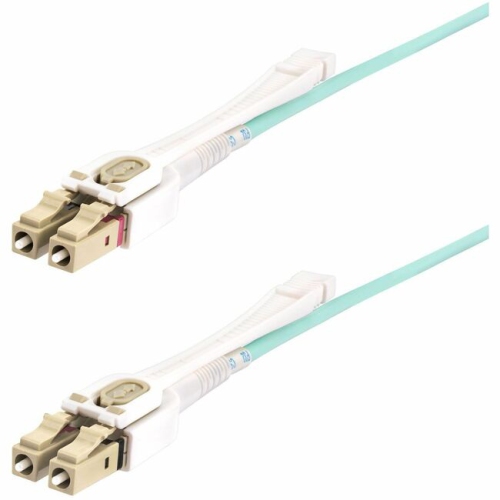
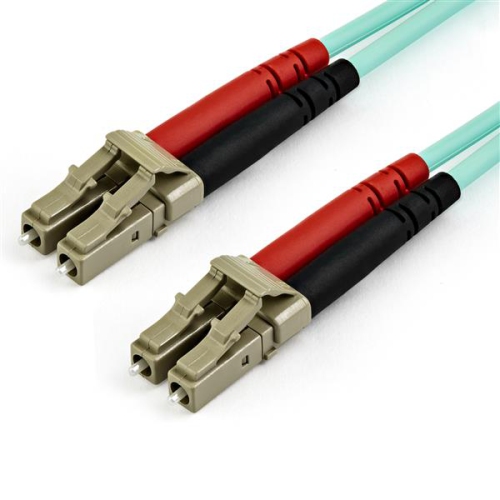
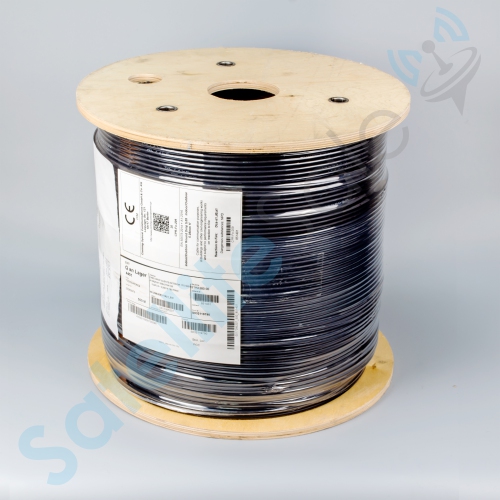
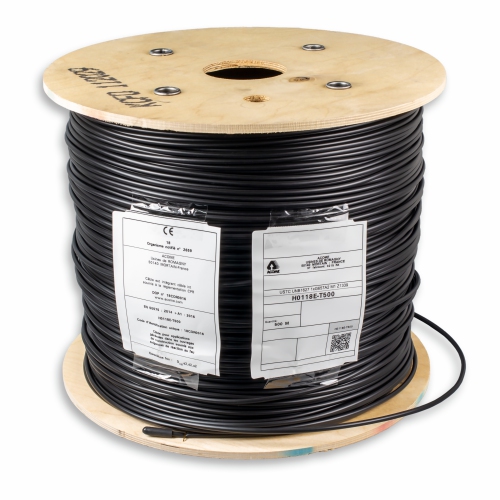
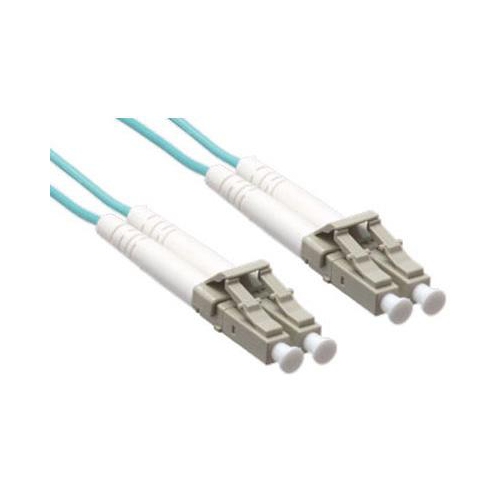
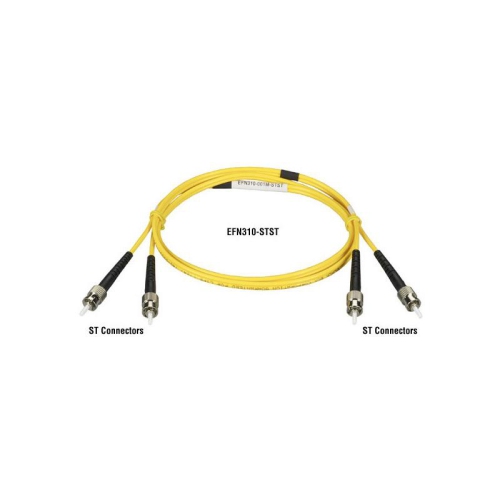
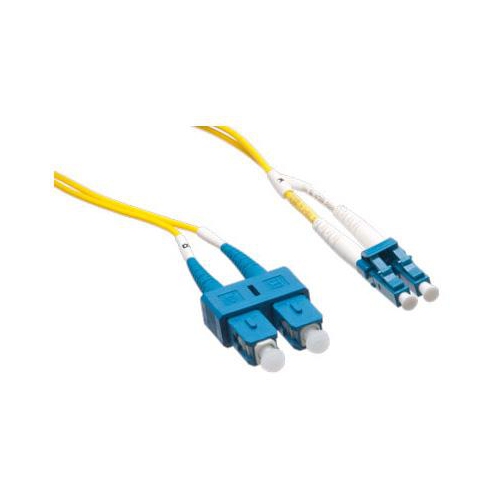
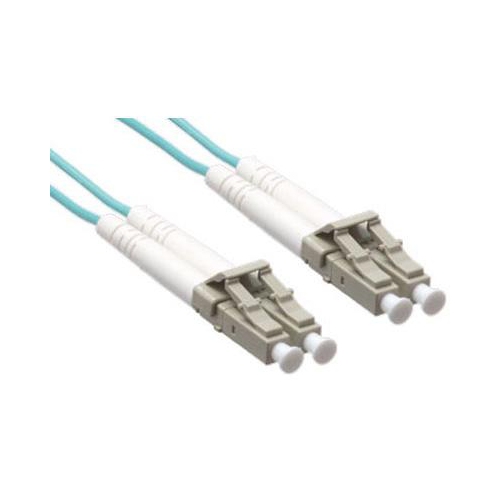
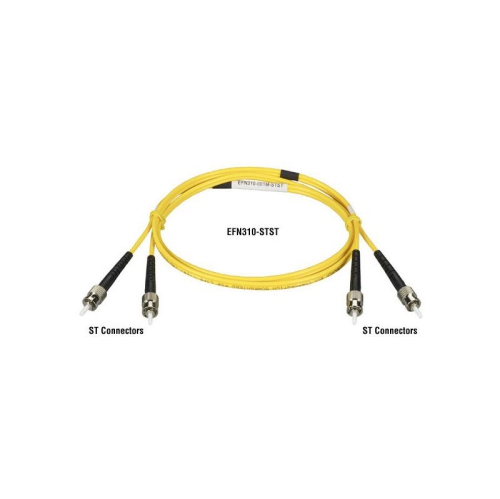
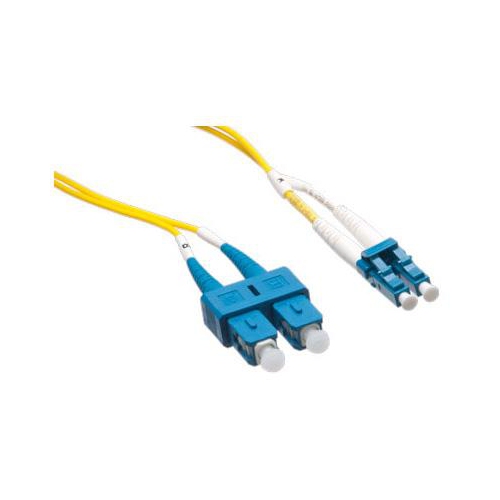
High-speed backbone connections built for long-distance performance
When it comes to building the backbone of a reliable, high-speed network, fibre optic cables are the gold standard for both performance and future scalability. These cables use pulses of light to transmit data at remarkable speeds—10G, 40G, 100G and beyond—making them essential for anyone tasked with connecting campus buildings, data centres, or key network infrastructure across long distances. Unlike traditional copper cabling, fibre optics deliver minimal signal loss over extended runs, which means you can bridge buildings or floors without worrying about degraded performance. This is especially important in environments where data integrity and uptime are critical, such as hospitals, universities, tech campuses, or enterprise headquarters. As the weather warms and organizations often plan upgrades or expansions, IT teams and network professionals turn to fibre optic cables to lay the groundwork for robust, high-capacity connections that will stand the test of time.
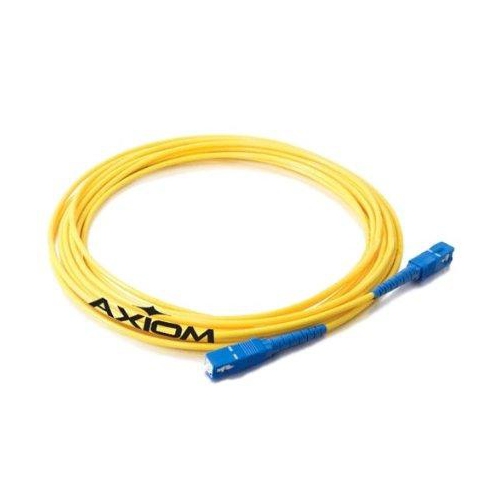
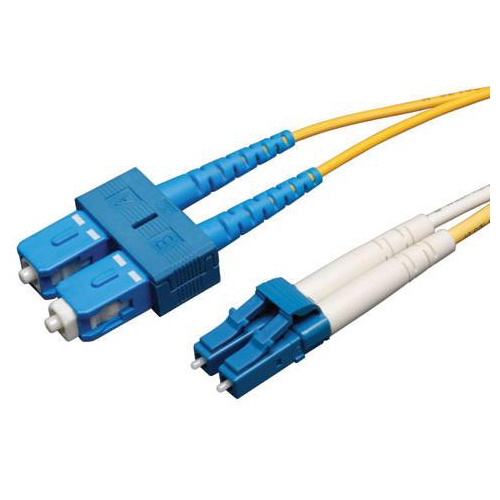
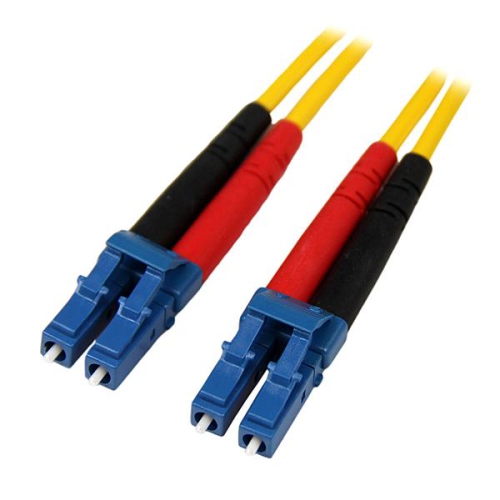
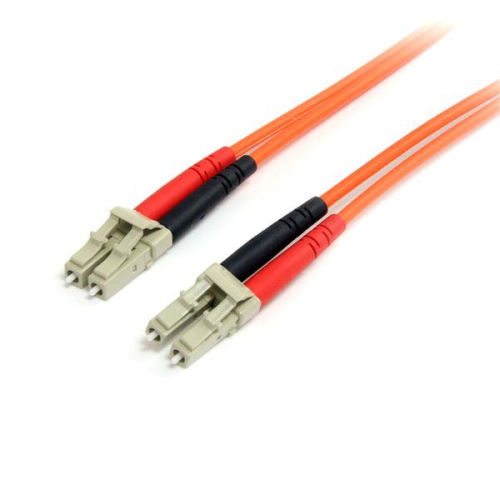
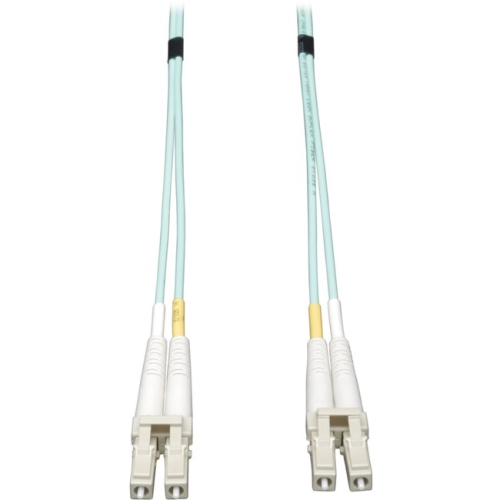
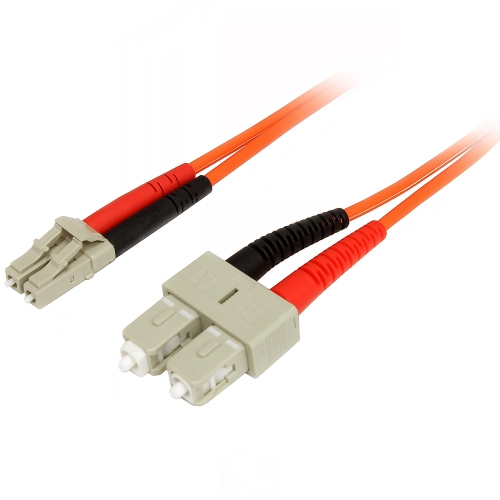
Choosing the right fibre optic cable for a backbone network involves several key considerations. Single-mode fibre (often labelled OS2) is typically selected for long-distance, high-bandwidth applications, such as linking separate buildings or extending connections across a wide-area network. In contrast, multi-mode fibre (like OM3, OM4, or OM5) is more common for shorter runs within a building, such as connecting main distribution areas to telecommunications rooms on each floor. The environment where the cable will be installed also matters: riser-rated (OFNR) cables are designed for vertical shafts, plenum-rated (OFNP) cables are required for air handling spaces, and low-smoke zero-halogen (LSZH) jackets are ideal for enclosed areas where safety is a concern. For outdoor use, weather-resistant construction ensures longevity and performance, even when temperatures fluctuate from the cooler months into the warmth of summer. Fibre optic cables are also immune to electromagnetic interference, making them a smart choice in industrial settings or anywhere large amounts of electrical equipment could introduce signal noise. Whether you’re an IT manager planning a campus upgrade, a facilities coordinator overseeing a new building, or a network engineer prepping for a seasonal maintenance window, selecting the right fibre optic backbone cabling ensures your network will be fast, reliable, and ready for whatever the future holds. For a deeper dive into the technology and options available, explore our Fiber Optic Networks page.
Choosing the right fibre optic cable for a backbone network involves several key considerations. Single-mode fibre (often labelled OS2) is typically selected for long-distance, high-bandwidth applications, such as linking separate buildings or extending connections across a wide-area network. In contrast, multi-mode fibre (like OM3, OM4, or OM5) is more common for shorter runs within a building, such as connecting main distribution areas to telecommunications rooms on each floor. The environment where the cable will be installed also matters: riser-rated (OFNR) cables are designed for vertical shafts, plenum-rated (OFNP) cables are required for air handling spaces, and low-smoke zero-halogen (LSZH) jackets are ideal for enclosed areas where safety is a concern. For outdoor use, weather-resistant construction ensures longevity and performance, even when temperatures fluctuate from the cooler months into the warmth of summer. Fibre optic cables are also immune to electromagnetic interference, making them a smart choice in industrial settings or anywhere large amounts of electrical equipment could introduce signal noise. Whether you’re an IT manager planning a campus upgrade, a facilities coordinator overseeing a new building, or a network engineer prepping for a seasonal maintenance window, selecting the right fibre optic backbone cabling ensures your network will be fast, reliable, and ready for whatever the future holds. For a deeper dive into the technology and options available, explore our Fiber Optic Networks page.
Top selling and popular products
-
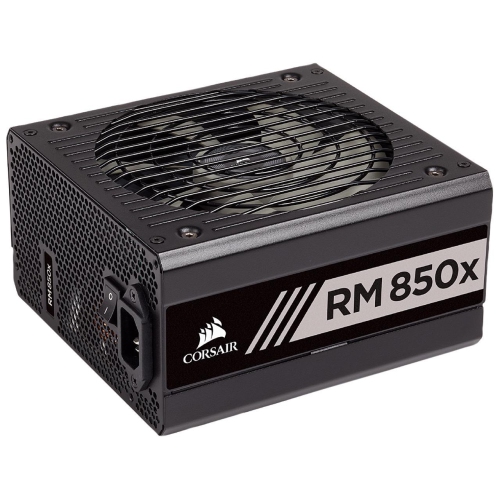 Your price for this item is $199.99
 -
 Your price for this item is $719.68
 -
 Your price for this item is $45.37
 -
 Your price for this item is $16.68
 -
 Your price for this item is $32.99
 -
 Your price for this item is $31.99
 -
 Your price for this item is $89.68
 -
 Your price for this item is $27.99
Discover more categories related to Fiber Optic Cables for Backbone Networks
Top Collections:
Pokemon Centers, Best Camera Tripods Under $100, Vlogging Cameras for Beginners, Kindle Devices, Best Electric Toothbrushes Under $100, Portable Solar Power Stations for Emergency, Best Wrist Fitness Trackers, Samsung Z Fold, Back To School Wireless Presentation Clickers, Canon G7X Cameras
Some products may be subject to Environmental Handling Fees
(EHF) depending on your province.
Learn more about EHFs.