High Capacity Fiber Optic Cables
High Capacity Fiber Optic Cables deliver exceptional performance for demanding data transmission needs in both residential and commercial settings. Designed to support high-speed connectivity, these cables are ideal for network infrastructure, audio-visual setups, and other applications requiring reliable signal transfer. Explore a wide range of High Capacity Fiber Optic Cables to find the perfect solution for your setup, whether you’re upgrading an existing network or building a new one from the ground up.
Sort





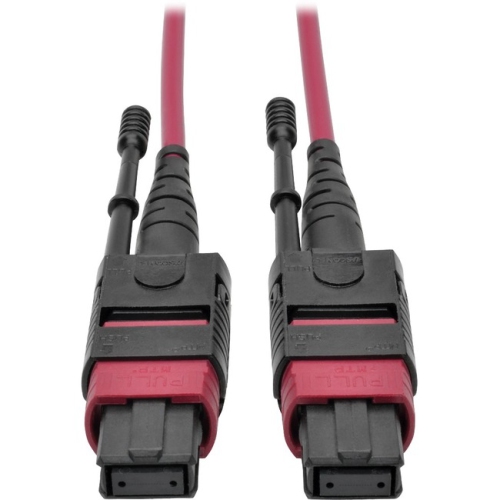


Network capacity depends on more than fibre count
High-capacity fibre optic cables carry data as pulses of light through fine optical fibres, supporting connections where bandwidth, distance, and dependable signal transmission matter. They are used in server rooms, data centres, office networks, campus connections, and other installations that need to move large volumes of information between network devices. A busy office backing up files while employees join video meetings, or a production team transferring high-resolution footage to shared storage, can place substantial demands on the links connecting switches and servers. Fibre provides a transmission path for those workloads, but capacity is not determined by the cable alone. Fibre type, the number of fibres, optical transceivers, connector configuration, and the networking equipment at each end all influence the supported connection. Higher fibre counts provide more physical paths within a cable, while compatible wavelength-division multiplexing equipment can send separate signals at different wavelengths through the same fibre. These are distinct ways to expand capacity: more fibres create additional paths, and multiple wavelengths allow a path to carry more channels. High-density cable construction can also fit many fibres into limited routing space, which matters when conduits and cable trays already carry numerous connections. Specialist multi-core fibres place several light-guiding cores within one fibre, but they are different from conventional high-count cables containing many separate fibres and require equipment designed for that architecture. For most network installations, matching established fibre types and connectors to the intended equipment is more relevant than choosing an advanced design by name. Optical fibre does not pick up electromagnetic interference in the way copper conductors can, making it useful for data links routed near electrical equipment. It also separates the optical data path from electrical conduction, although a cable with metallic armour or other metal components may still have bonding requirements. For IT teams, network installers, and technically experienced home users, high-capacity fibre optic cables offer a practical way to build the physical connections behind demanding digital workloads without treating every cable as interchangeable.
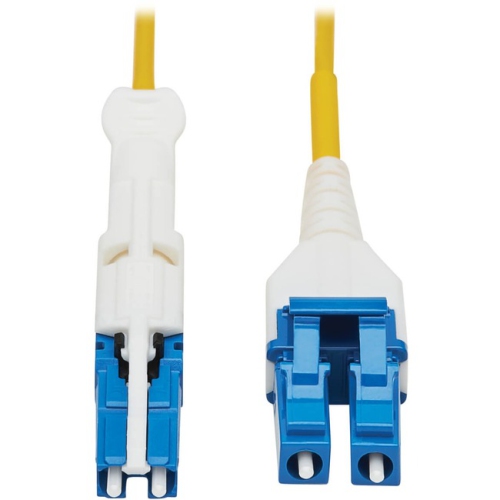
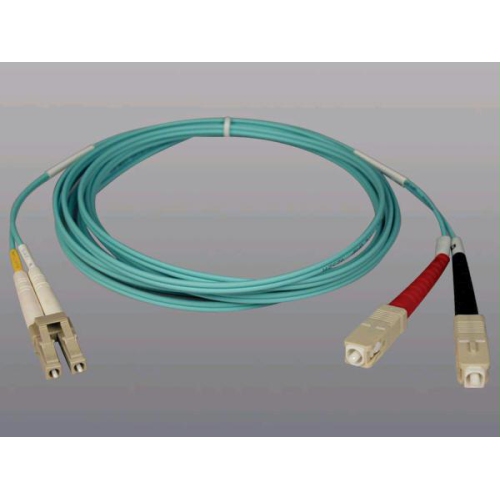
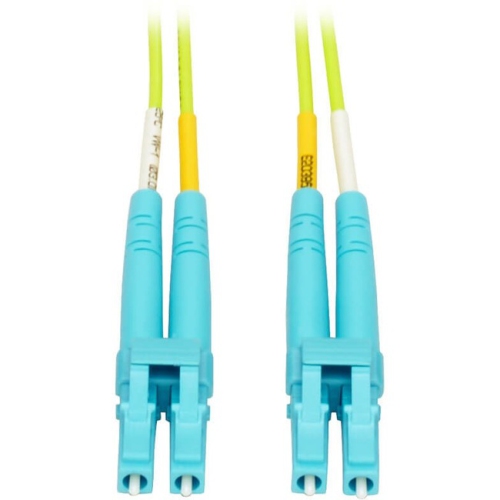
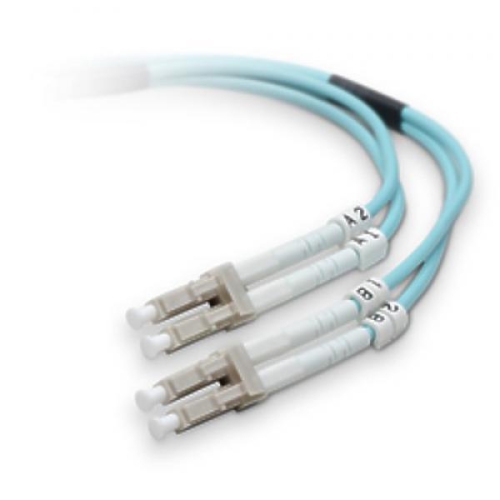
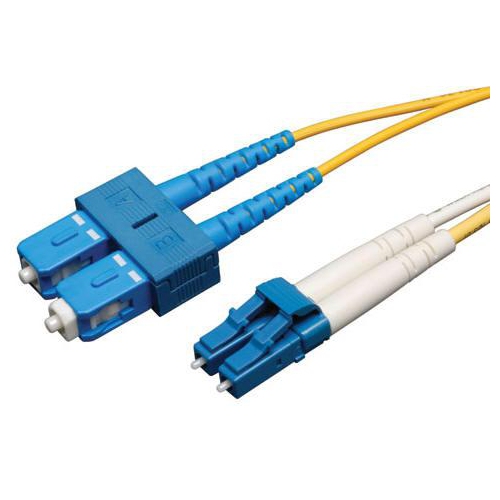
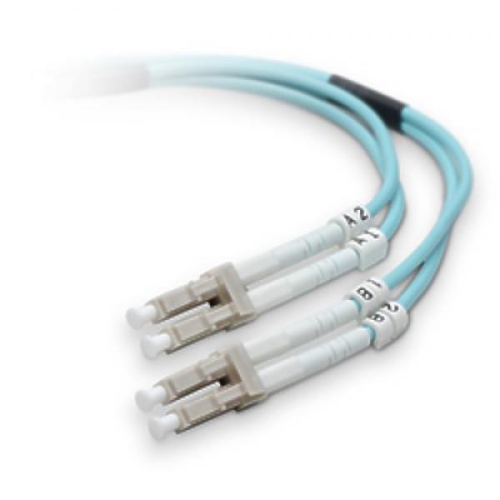
Single-mode and multimode fibre serve different connection needs. OS2 single-mode fibre is commonly used for longer links, including connections between buildings, and can support high data rates when paired with suitable optics. Its small core carries a single spatial mode, helping limit the modal dispersion that affects multimode transmission. Multimode fibre, including OM3, OM4, and OM5 classifications, is often used for shorter links within data centres and equipment rooms. Supported reach varies with the fibre classification, wavelength, transceiver specification, and network speed; a cable rated for one application does not automatically support every faster connection over the same distance. OM5 is designed to support specified short-wavelength multiplexing applications, rather than being universally faster than OM4. Networks operating at 10, 40, or 100 Gbps and beyond can use different optical arrangements, so those speed labels need to be considered alongside the actual interface requirements. A duplex connection commonly uses two fibres, while some parallel-optics interfaces use several fibres to transmit and receive across multiple lanes. Other interfaces use bidirectional optics or multiple wavelengths, which changes the fibre arrangement required. LC connectors are common on many optical transceivers, SC connectors appear in various access and distribution applications, and MPO connectors bring multiple fibres into a single interface. Connector shape is only part of the fit: fibre type, polish, polarity, and, for applicable multi-fibre connections, pinned or unpinned connector arrangements also matter. APC and UPC connector finishes should not be mated together, and matching jacket colours alone is not a reliable compatibility check. In a rack where a storage server connects to a network switch, the useful cable is the one that matches both optical ports and follows the required transmit-and-receive arrangement. In a larger installation, higher fibre counts can provide separate links for different network areas or leave unused fibres for later expansion. Cable length also affects practical fit. A connection needs enough slack for orderly routing and servicing without leaving large coils crowded behind equipment. Clear labelling, accessible connection points, and consistent fibre management make a dense installation easier to maintain, particularly when several visually similar cables share the same rack.
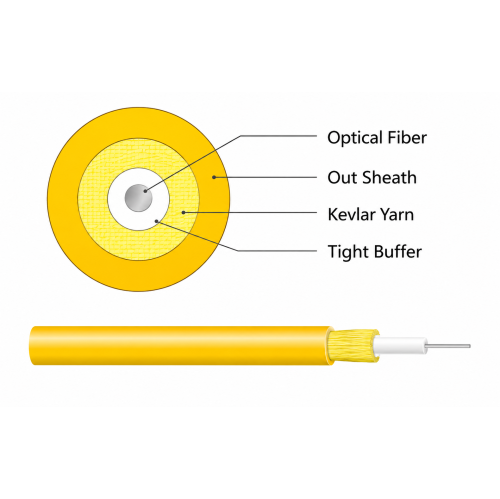
Construction influences how well a fibre optic cable suits its intended route. Many network cables use silica glass fibres with protective coatings, strength members, and an outer jacket that helps protect the internal strands during handling and installation. Aramid yarn can provide tensile support, while armoured designs add protection against crushing or other mechanical damage. Armour does not make a cable immune to sharp bends, and metallic protection may introduce installation requirements that do not apply to an all-dielectric design. Tight-buffered construction is common in indoor applications and patching, while loose-tube designs are often associated with longer distribution runs. The appropriate construction depends on the route, handling demands, and applicable installation requirements rather than on fibre count alone. Jacket ratings are important for cables passing through risers, air-handling spaces, or other building areas with specific fire-safety requirements. Low-smoke, zero-halogen materials describe particular material characteristics, but that description is not a substitute for the required cable rating or local code compliance. Factory-terminated assemblies can simplify equipment connections, while larger distribution installations may use cables intended for professional termination or splicing. Connections joining wiring closets, server rooms, or buildings also relate to Fiber Optic Cables for Backbone Networks, where reach, fibre count, and dependable routing are central considerations. Across these uses, durability depends on respecting the cable’s specified bend radius and pulling limits, not simply choosing a thicker jacket. A fibre cable bent tightly around a rack edge or trapped beneath equipment can suffer signal loss or physical damage even when its exterior looks intact. Clean connector end faces are equally important because tiny particles can interfere with light transmission; protective caps help keep disconnected ends clean, while inspection and cleaning require tools intended for optical connectors. Fibre ends should never be viewed directly, as transmitted light may be invisible. Careful handling and a compatible cable design help preserve reliable connections, whether the installation supports shared business storage, multiple network switches, or a dedicated high-speed link in a home workspace.
Top selling and popular products
-
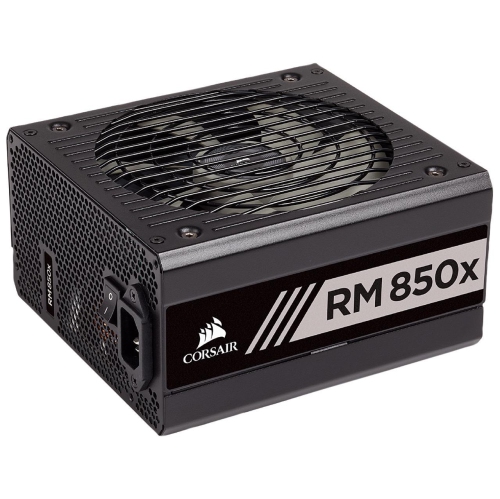 Your price for this item is $199.99
-
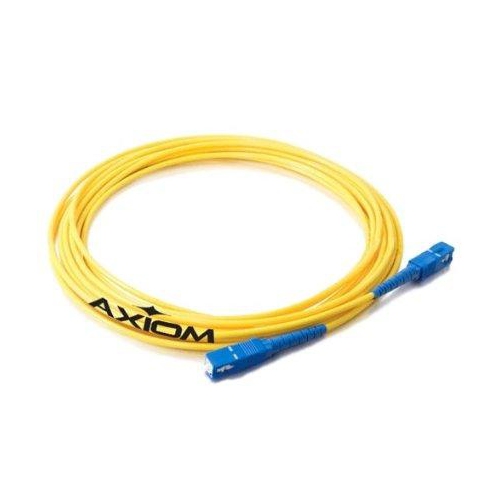 Your price for this item is $45.37
-
 Your price for this item is $46
-
 Your price for this item is $28.99
-
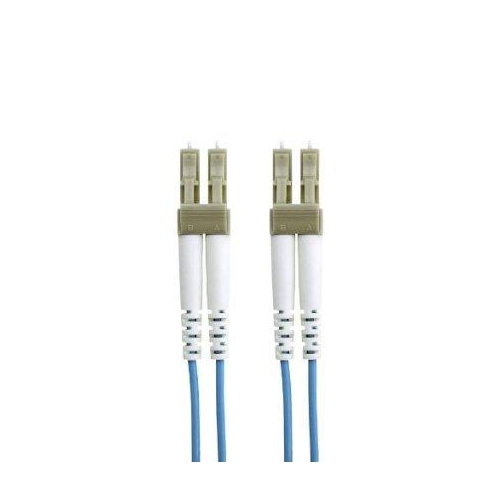 Your price for this item is $77.68
-
 Your price for this item is $36.37
-
 Your price for this item is $57.99
-
 Your price for this item is $11.97
Discover more categories related to High Capacity Fiber Optic Cables
Top Collections:
Pokemon Centers, Kindle Devices, Best Cameras for Sports Photography, Pokémon 30th Celebration Cards, Apple iPhones 16, Canon G7X Cameras, iPhone 15 Apple, Flip Phones, Samsung Galaxy Phones, Alarm Clock
Some products may be subject to Environmental Handling Fees
(EHF) depending on your province.
Learn more about EHFs.