Fiber Optic Cables for Telecommunications
Fiber Optic Cables for Telecommunications are essential components in modern communication networks, delivering reliable connectivity for homes, businesses, and large-scale operations. Designed to support high-speed data transfer and clear signal transmission, these cables play a vital role in maintaining seamless communication. Explore a wide selection of fiber optic cables tailored for telecommunications applications to help ensure your network runs efficiently and meets your connectivity needs.
Sort










Why fibre connections depend on more than cable capacity
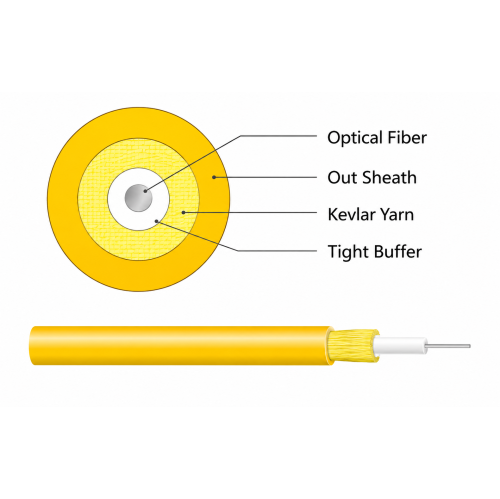
Fibre optic cables for telecommunications carry digital information as pulses of light, connecting the equipment that supports internet access, telephone services, business networks, and data transmission. Unlike copper cabling, which carries electrical signals, optical fibre directs light through a fine glass or plastic core. Glass fibre is the usual choice for telecommunications links. Surrounding the core, a layer called cladding has a lower refractive index that helps keep light confined within the fibre through total internal reflection. Protective coatings, strength members, and an outer jacket shield the delicate strands from handling stress and physical damage. This construction allows large amounts of information to travel over long distances with low signal loss, while the optical signal remains unaffected by electromagnetic interference from nearby electrical equipment. Actual connection speed and reach depend on the complete link, including the cable, optical transceivers, connectors, and network equipment. Single-mode fibre, typically built around a core approximately 9 micrometres wide, supports long-distance connections and is common in service provider networks, building-to-building links, and fibre internet infrastructure. Multimode fibre has a larger core, commonly 50 or 62.5 micrometres, and is often used for shorter connections within offices, equipment rooms, and data centres. Neither type is a universal substitute for the other: each must match the optical equipment and the distance involved. For a business connecting network cabinets on separate floors, the fibre specification matters just as much as the route between them. For a home with a fibre service connection, compatibility with the provider’s termination equipment is more relevant than choosing a cable solely by its advertised capacity. The broader connections between cabling, optical hardware, and supporting equipment are reflected in Fiber Optic Networks. Across these applications, the cable is one part of a coordinated system, with dependable performance relying on an appropriate match between the physical connection and the devices sending and receiving light. A cable with greater potential capacity cannot, by itself, increase the speed of an internet service or remove a limitation elsewhere in the network.
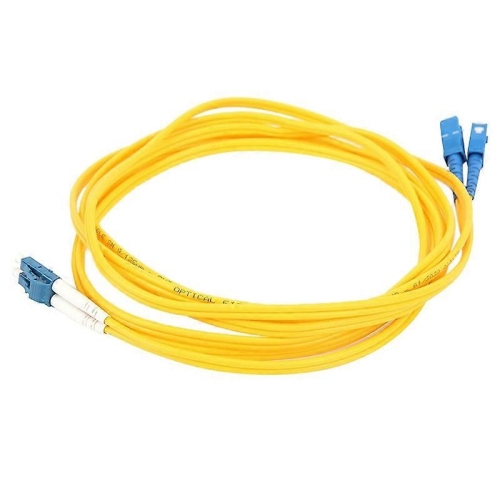
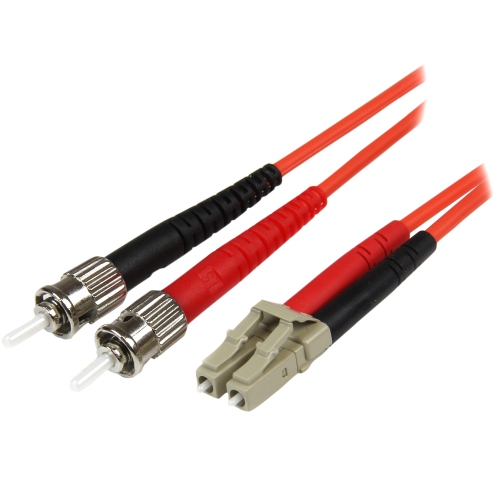
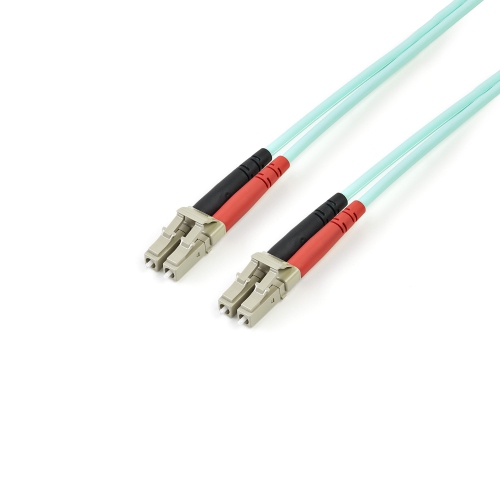
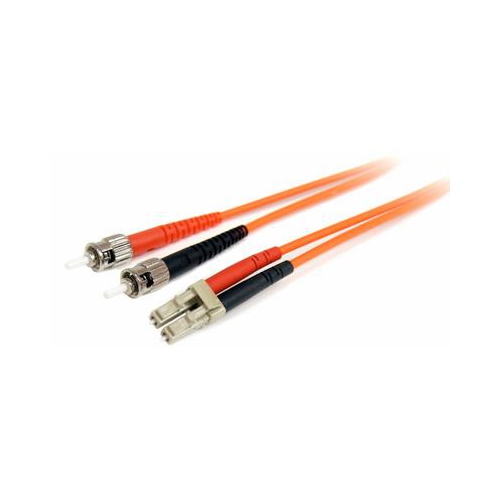
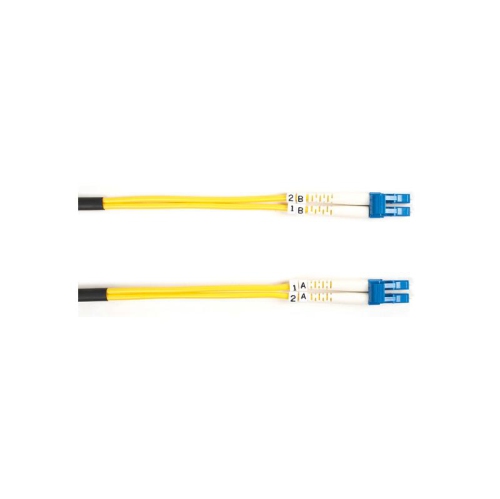
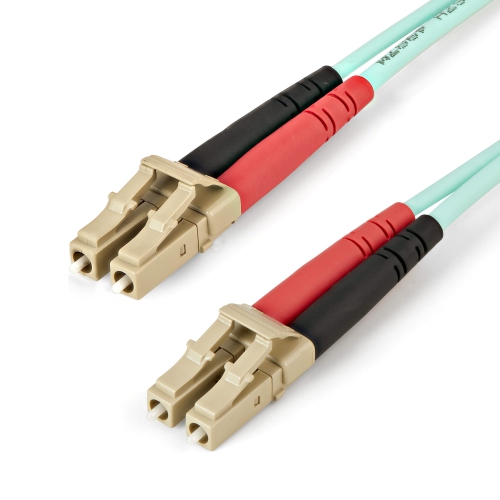
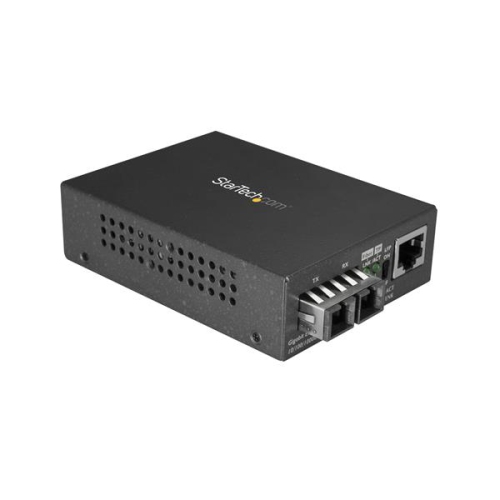
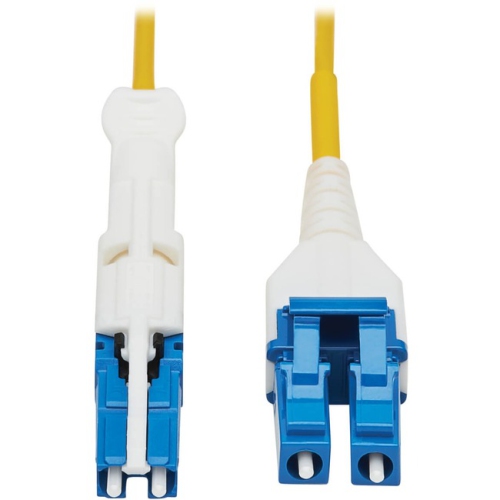
Physical fit is especially important with fibre optic cabling because connectors that look similar can have different functions or finishing requirements. LC connectors have a compact format suited to densely populated network equipment, while SC connectors use a larger push-pull housing commonly found in telecommunications connections and patch panels. The connector at each end needs to suit its corresponding port; some connections use the same connector format at both ends, while others require different formats. Connector polish also matters. Angled physical contact, or APC, and ultra physical contact, or UPC, describe different end-face finishes and are not intended to mate directly with each other. Housing colours can provide clues, but the printed specification is a more dependable reference than colour alone. Simplex cables contain one fibre, while duplex cables contain two, often paired for separate transmit and receive paths. Some compatible optical systems send and receive over a single fibre using different wavelengths, so strand count needs to reflect the equipment rather than an assumption about how all fibre links work. Single-mode and multimode designations, along with classifications such as OS2, OM3, and OM4, help identify cable characteristics, but connector shape alone does not establish compatibility. Transceiver requirements, operating wavelength, and the permitted optical loss across the connection also affect suitability. Length deserves similar attention. A patch lead needs enough reach to follow the intended path through a cabinet without pulling against a port, yet excessive slack can crowd cable management spaces and make individual connections harder to trace. A neatly routed service loop provides useful flexibility when equipment moves, provided it respects the cable’s minimum bend radius. In a busy communications cabinet, clear labels at both ends make it easier to distinguish an uplink from a connection serving another room. Fibre patch cables also serve a different purpose from copper Ethernet leads: they require suitable optical ports or conversion equipment rather than plugging directly into a standard RJ45 socket.
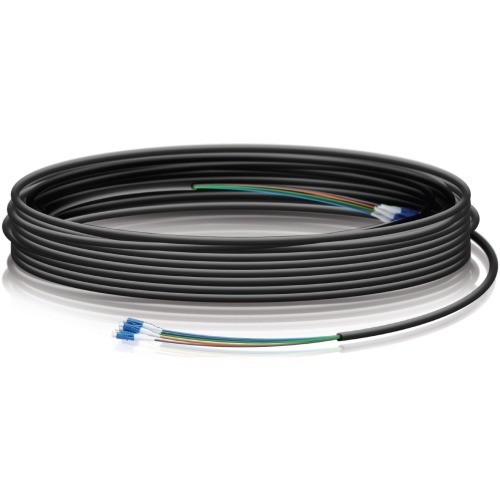
Cable construction influences where a fibre connection belongs and how well it stands up to everyday handling. Tight-buffered designs are often used for indoor connections where flexibility and convenient termination are important, while loose-tube designs are common in longer outside installations that need additional protection for the fibres. Depending on the design, aramid yarn or other strength members help absorb pulling forces so that the glass strands do not take the full strain. An armoured construction can add crush protection, but armour does not automatically make a cable suitable for every installation. Indoor, outdoor, duct, aerial, and direct-burial applications have distinct requirements, and a cable intended for one route may not be approved for another. For outdoor routes, resistance to moisture and ultraviolet exposure can be important; direct burial requires an explicit rating rather than simply a thick jacket. Inside a building, jacket fire ratings and local electrical and building requirements need to match the pathway, particularly in vertical risers or spaces used for air circulation. Although the optical fibres themselves do not conduct electricity, cables with metallic armour or other metal components can introduce bonding and grounding requirements. Qualified installation is valuable for these more involved runs. Day-to-day care centres on protecting both the cable and its connector end faces. Tight bends, sharp staples, pinched cabinet doors, and pulling on connectors can damage a link even when the outer jacket appears intact. Bend-insensitive fibre can tolerate tighter routing than some conventional designs, but it still has specified limits. Dust caps help protect disconnected ends, while appropriate fibre cleaning tools and inspection support clean mating surfaces; even a small particle can interfere with light transmission. Looking into a fibre connector is unsafe because active optical signals may be invisible. For installers, network administrators, and technically experienced home users, durable cabling is therefore about more than jacket thickness. Suitable construction, careful routing, clean connections, and documented test results all contribute to a link that remains dependable when equipment is serviced, cabinets are rearranged, or network demands grow.
Top selling and popular products
-
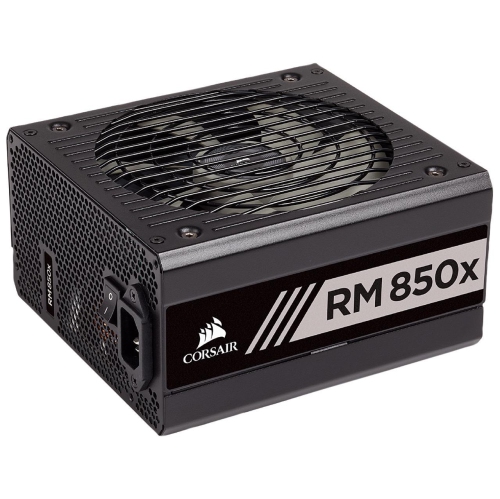 Your price for this item is $199.99
-
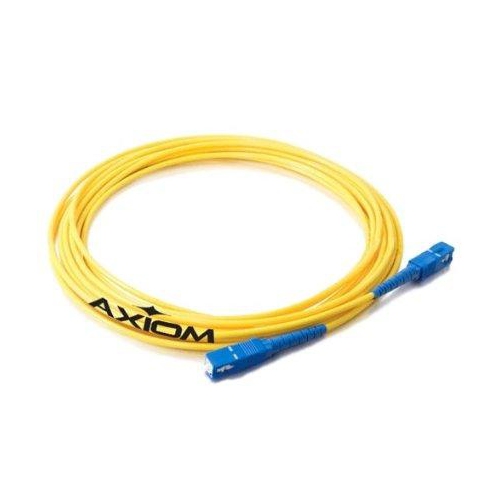 Your price for this item is $45.37
-
 Your price for this item is $46
-
 Your price for this item is $28.99
-
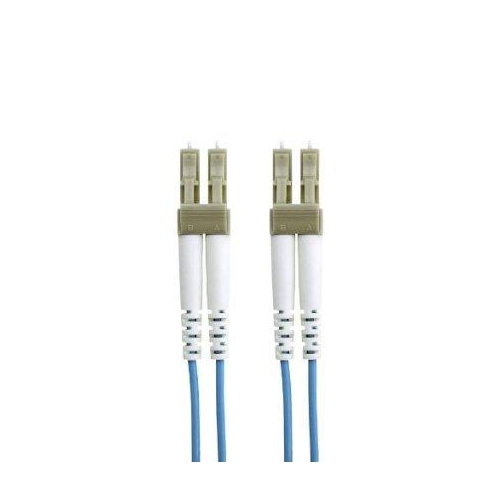 Your price for this item is $77.68
-
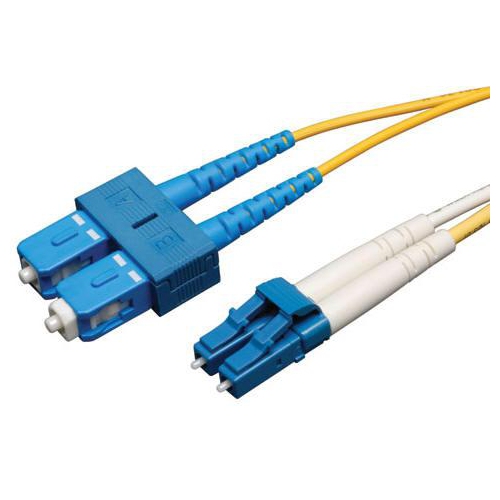 Your price for this item is $36.37
-
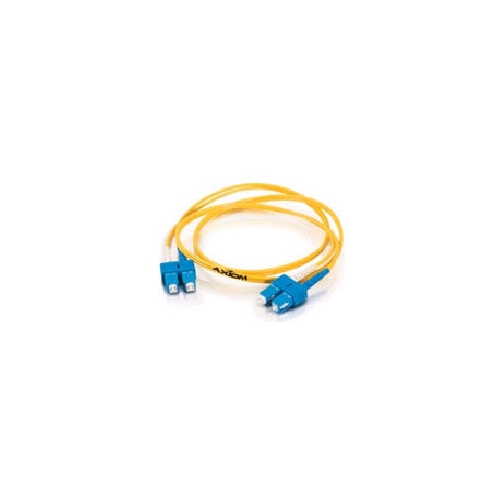 Your price for this item is $57.99
-
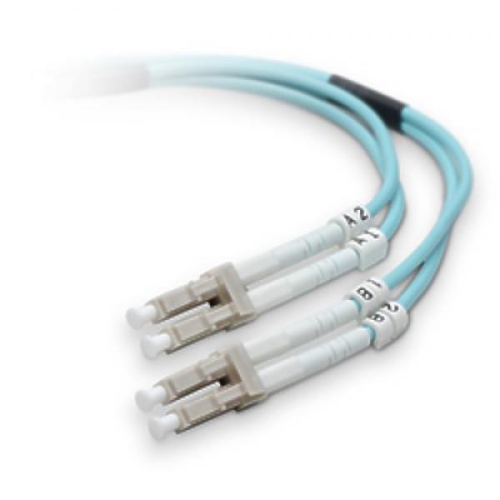 Your price for this item is $11.97
Discover more categories related to Fiber Optic Cables for Telecommunications
Top Collections:
Pokemon Centers, Kindle Devices, Best Cameras for Sports Photography, Pokémon 30th Celebration Cards, Apple iPhones 16, Canon G7X Cameras, iPhone 15 Apple, Flip Phones, Samsung Galaxy Phones, Alarm Clock
Some products may be subject to Environmental Handling Fees
(EHF) depending on your province.
Learn more about EHFs.