Long Distance Fiber Optic Cables
Long Distance Fiber Optic Cables provide a reliable solution for transmitting data across extended distances with efficiency and speed. Ideal for both home and professional networking needs, these cables are designed to support high-performance connectivity in various settings. Explore a wide selection of Long Distance Fiber Optic Cables to find the right fit for your setup, ensuring seamless communication and robust network performance wherever you need it most.
Sort









Network reach depends on more than cable length
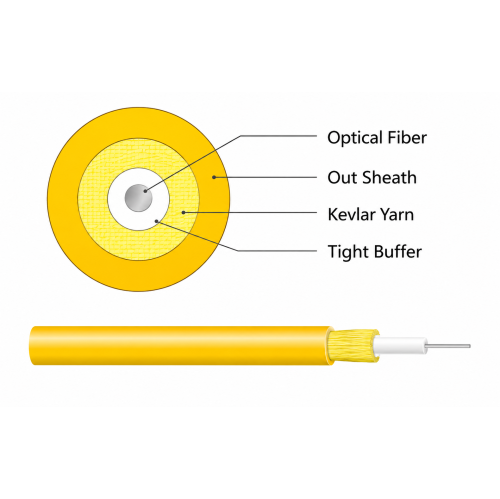
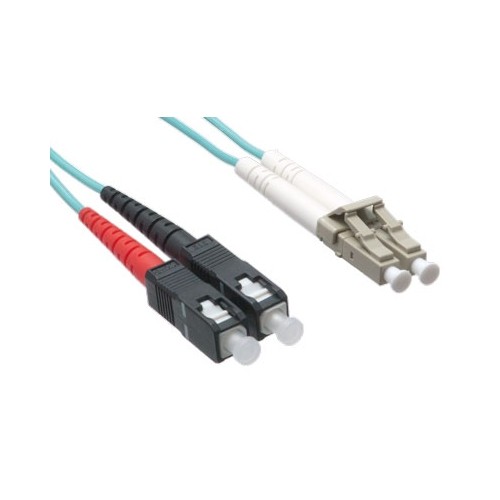
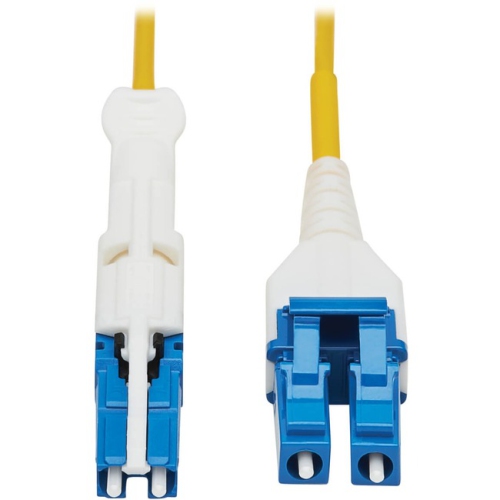
Long-distance fibre optic cables carry data as pulses of light through fine strands of glass, connecting network equipment across distances that can exceed the reach of conventional copper Ethernet cabling. They are used for links between buildings, connections across large facilities, and routes between network cabinets, helping offices, schools, warehouses, and larger properties maintain dependable communications. Single-mode fibre is a common choice for these longer connections because its small core, typically about 9 micrometres across, limits the spreading of light into different paths. OS2 single-mode cable is widely used for longer network links, while OS1 cable may appear in existing indoor installations. Neither designation guarantees a particular transmission distance: reach depends on the connected optical equipment, operating wavelength, data rate, and total signal loss along the route. Compatible single-mode transceivers can support connections spanning several kilometres or more, with some specialized systems reaching much farther. Common operating wavelengths include 1310 nm and 1550 nm, but the equipment specifications determine which cable and optical components belong together. Multimode fibre has a larger core and remains useful for shorter links within buildings or facilities; its supported distance varies considerably with the fibre grade and network speed. For a connection across a large property, the important distinction is not simply whether a cable is described as long-distance, but whether the complete link supports the required speed over the measured route. Fibre also resists the electromagnetic interference that can affect copper data cabling near motors, machinery, and electrical equipment. This makes it useful in busy commercial spaces as well as for a home network connecting separate structures. Within Fiber Optic Networks, the cable serves as the physical pathway between compatible devices, rather than determining performance on its own. A well-matched connection can carry shared files, video streams, security camera traffic, and other network data without relying on a wireless signal between distant points.
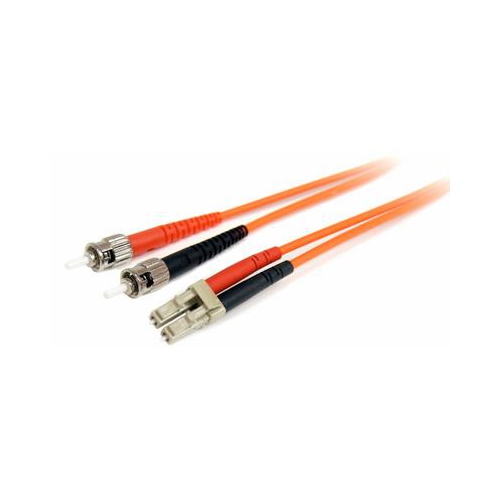
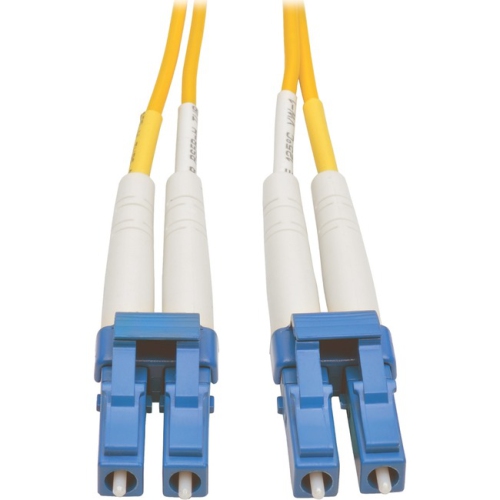
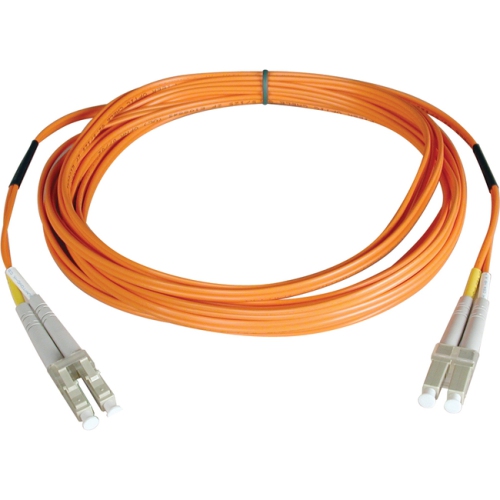
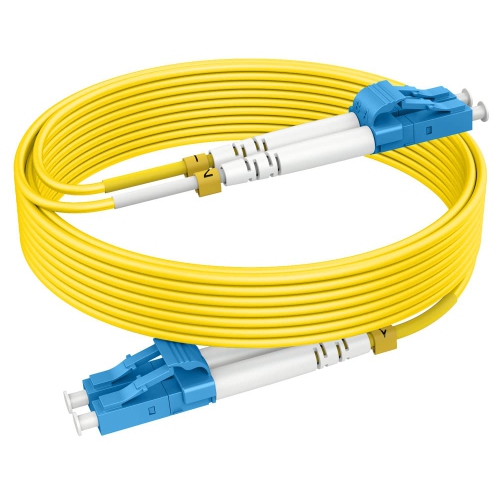
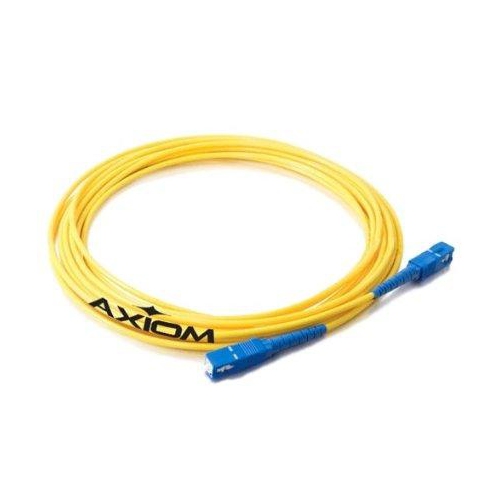
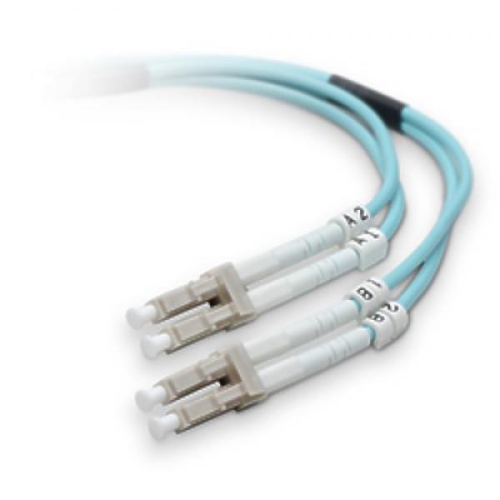
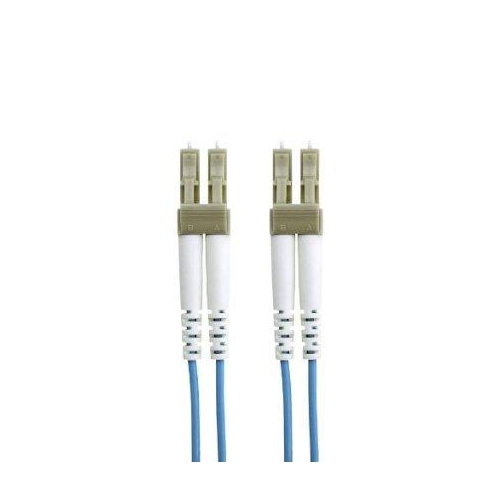
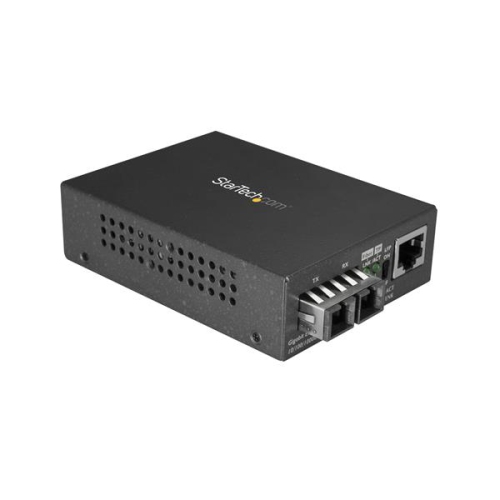
The construction and termination of a long-distance fibre optic cable affect how it fits into a network. Pre-terminated cables arrive with connectors attached, making them practical for routes where the ends can pass safely through the planned pathway. Bulk cable provides flexibility for longer or more complex installations, although it usually requires professional termination or splicing, along with appropriate testing. LC and SC are common connector formats, and the correct choice depends on the transceiver, patch panel, or other equipment at each end. LC connectors are compact and often used on network transceivers, while SC connectors have a larger push-pull body found in many distribution panels and other optical connections. Connector shape is only one part of compatibility. The polish type matters too: UPC and APC connectors use different end-face geometries and should not be mated directly together. Colour coding can help identify components, but printed specifications are the more reliable reference. Fibre type, connector type, and polish should all match the requirements of the connection. The number of strands also affects suitability. Many optical Ethernet links use a duplex pair, with one strand transmitting and the other receiving, while compatible bidirectional optics can send and receive over a single strand using paired wavelengths. Those arrangements require different equipment, so a single-strand cable is not automatically a substitute for a duplex cable. For an office connecting a main network cabinet to a distant workshop, additional unused strands can provide room for future connections without another cable pull. Route length deserves similar attention: the cable needs enough length for the actual pathway, vertical sections, cabinet entry, and manageable service loops, not merely the straight-line distance between rooms. A passive fibre cable does not convert an Ethernet port into an optical port or increase the supported speed of connected equipment. Compatible switches, transceivers, or media converters complete the link, and their rated reach must account for losses through connectors, splices, and the fibre itself.
Durability depends on the cable’s outer jacket, internal protection, and suitability for the installation location. A lightweight indoor patch cable is designed for a different task than a cable pulled through conduit or routed between separate buildings. Outdoor-rated constructions may include protection against moisture and sunlight, while direct-burial cable must be specifically rated for installation in the ground. An outdoor rating alone does not establish that a cable is suitable for direct burial, overhead suspension, or every indoor pathway. Building-entry requirements and local electrical and fire codes can also affect the permitted jacket type and how the route is completed. Low-smoke, zero-halogen construction describes particular material characteristics; it does not automatically mean a cable meets every required fire rating. Armoured construction can provide added resistance to crushing or physical damage, but metallic armour may introduce bonding or grounding requirements even though the glass fibres themselves do not conduct electricity. For a network connection running from an office to a detached workspace, these construction details can matter as much as connector compatibility. Inside a cabinet, bend tolerance and strain relief become especially important. Fibre should follow gentle curves within the manufacturer’s minimum bend radius, with enough support to avoid tension at the connectors. Bend-insensitive fibre can offer more flexibility in tight spaces, but it still has handling limits. Routine care centres on keeping connector end faces clean and protected: dust or residue at the connection can increase signal loss, even when the cable looks undamaged. Protective caps, appropriate fibre cleaning tools, and organized storage help preserve unused ends, while labels make it easier to trace a connection without disturbing neighbouring cables. Optical connectors should never be viewed directly, because active links may carry invisible laser light. For longer installations, documented loss testing provides a clearer picture of link quality than a simple connection indicator. Together, suitable construction, compatible terminations, careful routing, and verified optical performance support a dependable connection for everyday network use.
Top selling and popular products
-
 Your price for this item is $199.99
-
 Your price for this item is $45.37
-
 Your price for this item is $46
-
 Your price for this item is $282.68
-
 Your price for this item is $57.99
-
 Your price for this item is $11.97
-
 Your price for this item is $28.99
-
 Your price for this item is $77.68
Discover more categories related to Long Distance Fiber Optic Cables
Top Collections:
Pokemon Centers, Kindle Devices, Best Cameras for Sports Photography, Pokémon 30th Celebration Cards, Apple iPhones 16, Canon G7X Cameras, iPhone 15 Apple, Flip Phones, Samsung Galaxy Phones, Alarm Clock
Some products may be subject to Environmental Handling Fees
(EHF) depending on your province.
Learn more about EHFs.