Fiber Optic Tools
Enhance your fiber optic projects with our selection of top-quality tools designed to streamline installation, maintenance, and troubleshooting tasks. From precision cleavers to fusion splicers and everything in between, our range of fiber optic tools is tailored to meet the demands of professionals and DIY enthusiasts alike. Whether you're expanding your network, upgrading existing infrastructure, or simply looking to enhance your toolkit, we have the tools you need to ensure seamless connectivity and optimal performance.
Sort
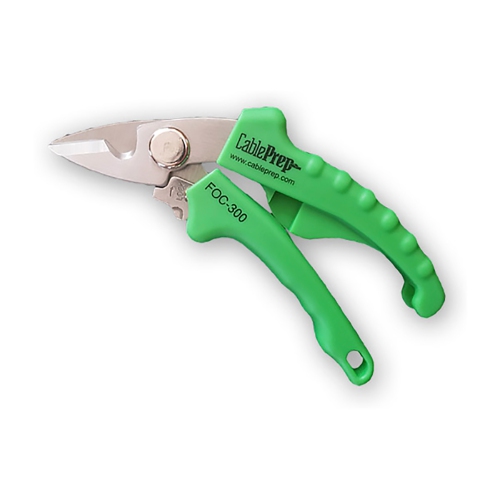
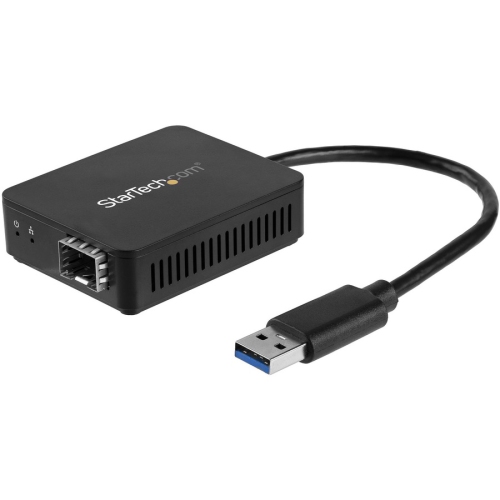
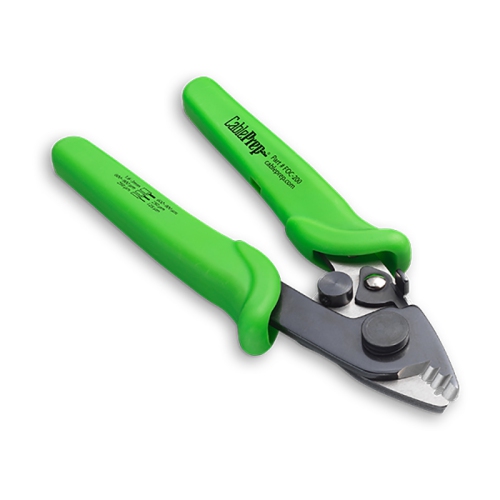
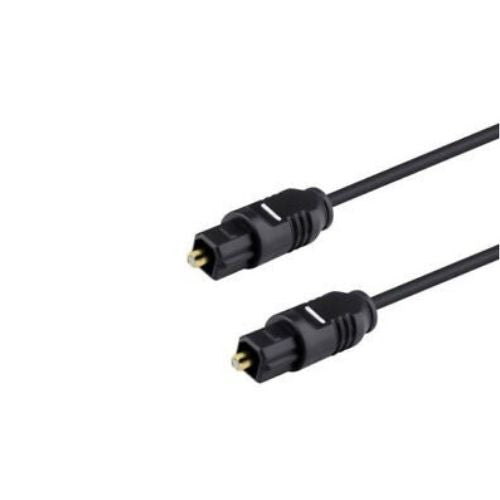
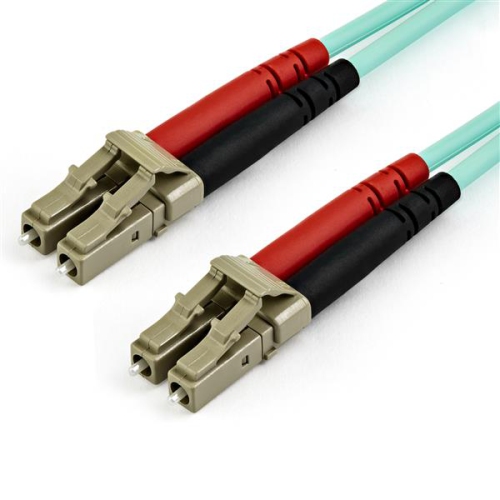
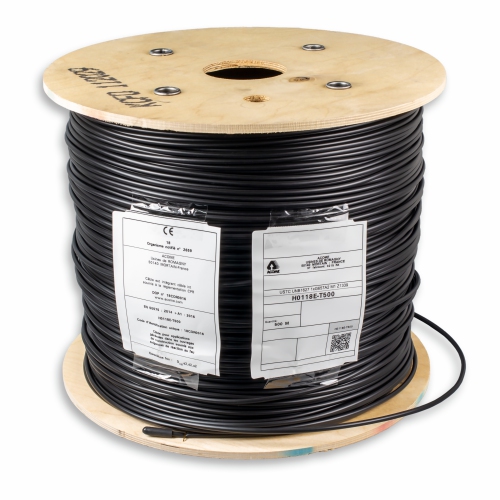
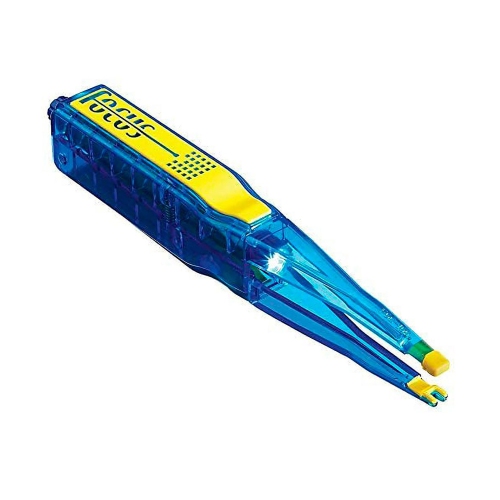
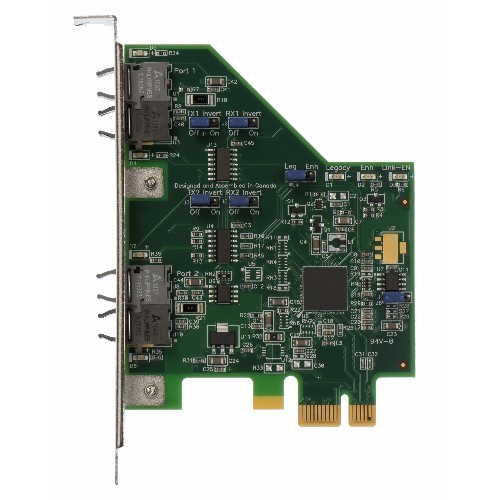
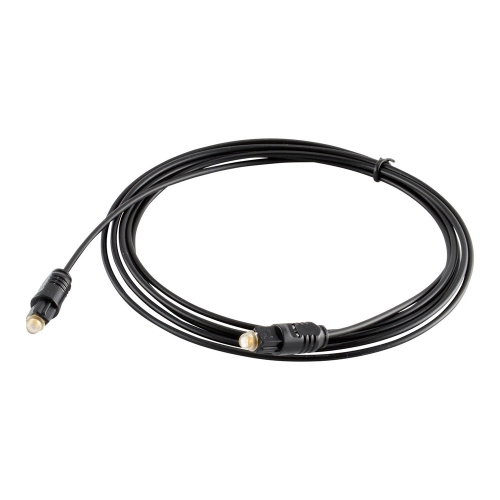
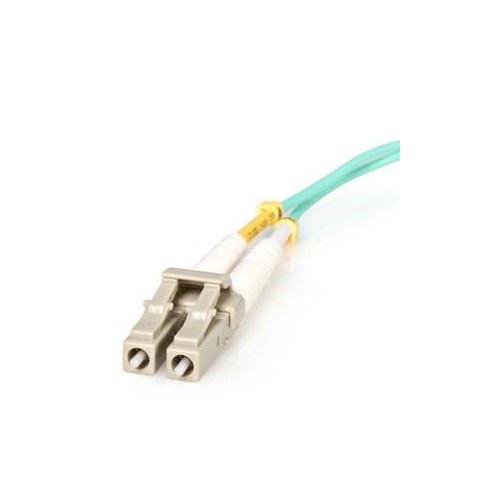
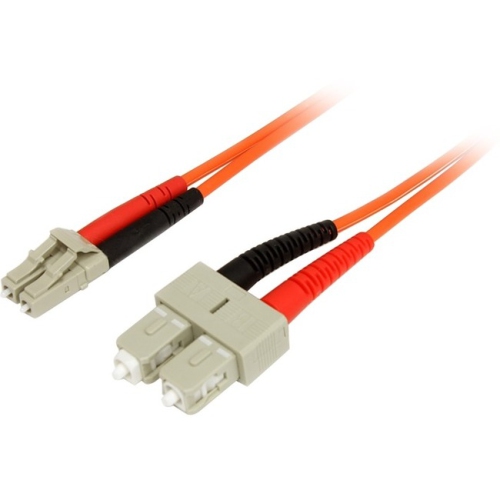

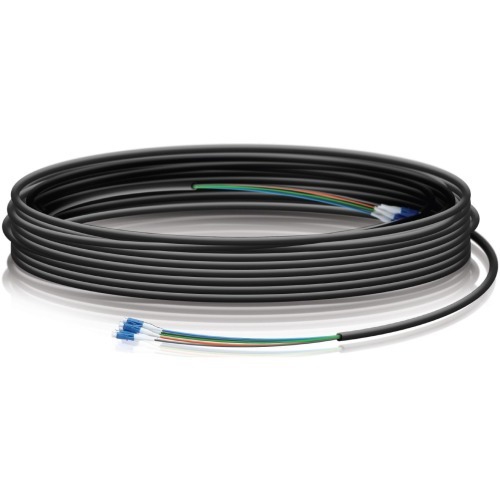

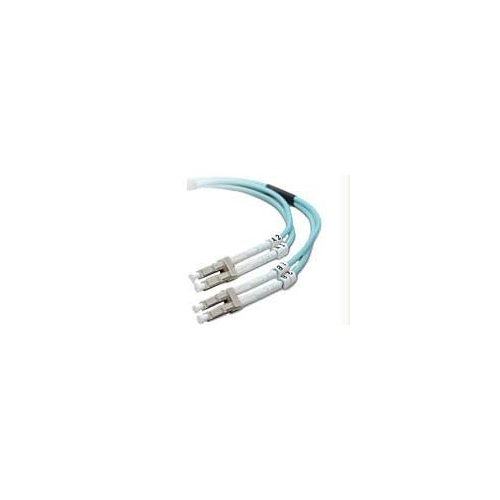
Essential tools for precise fibre preparation, testing, and repairs
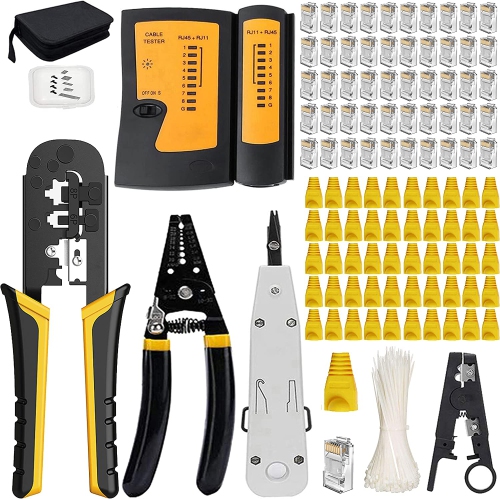
Fiber optic tools help installers, network technicians, telecommunications professionals, and experienced home users prepare, connect, inspect, and test fibre optic cable with the precision these delicate glass strands require. Unlike copper wire, fibre carries data through light, so even a small scratch, speck of dust, poorly cut end, or overly tight bend can affect signal performance. A well-equipped tool collection typically includes fibre strippers, Kevlar scissors, precision cleavers, visual fault locators, optical power meters, connector cleaning supplies, and practical hand tools such as flush cutters and sharp snips. Each tool has a distinct role in the installation process. Tri-hole fibre strippers can remove the outer jacket, expose the 900-micron buffer, and carefully remove the 250-micron acrylate coating without damaging the glass. Serrated Kevlar scissors are designed to cut the tough aramid yarn used as a strength member inside many fibre cables, while flush cutters can help trim cable components neatly during preparation. A precision cleaver scores and snaps the exposed fibre at a clean, consistent angle, which is essential for fusion splicing, mechanical splicing, or fitting compatible connectors. When selecting fibre optic tools, consider the type of cable being handled, the fibre size, the connector style, and whether the work involves single-mode fibre, multimode fibre, or both. Tools intended for occasional repairs may be compact and straightforward, while installers working on multiple cables can benefit from a more complete assortment that keeps stripping, cutting, cleaving, inspection, and testing equipment together. For anyone planning to terminate or service a network, it is also useful to review compatible Fiber Optic Connectors before choosing tools, since connector designs and termination methods can influence the preparation process.
Testing and inspection tools are just as important as cutting and stripping equipment because they help identify faults that may not be visible at a glance. A visual fault locator sends visible red light through a fibre run, making it easier to spot breaks, sharp bends, poor splices, or other points where light escapes. This can be especially helpful when tracing a cable through a communications room, equipment cabinet, wall cavity, or outdoor conduit. An optical power meter measures light power and signal loss at standard wavelengths, giving technicians useful information about the condition of a link and helping them verify that an installation is performing within expected limits. A light source may be used alongside a power meter for more controlled testing, while inspection tools can magnify connector end-faces to reveal dust, residue, chips, or scratches. Cleaning supplies should be treated as essential rather than optional. Lint-free wipes, cleaning sticks, and high-purity isopropyl alcohol can remove microscopic particles from connector surfaces, but the cleaning method should match the connector and the manufacturer’s instructions. Ordinary cloth, paper towel, or household cleaners may leave fibres or residue behind and can create additional problems. Fibre work also calls for careful handling. Wear appropriate eye protection, keep cut fibre fragments away from skin and work surfaces, and dispose of scraps in a suitable container. Never look directly into a fibre or connector that may be connected to an active light source. Good lighting, a stable work surface, and organized storage can make delicate tasks easier, particularly when working in a cramped network enclosure or while repairing a cable during the cooler months when indoor connectivity projects often become more appealing.
Fibre optic tools can be useful for professional installers building high-speed networks, technicians maintaining data and telecommunications infrastructure, and students or apprentices developing practical skills in cabling and network service. They may also suit an experienced computer enthusiast who is extending a fibre connection between rooms, upgrading a home network, or learning how optical links are assembled and tested. For a beginner, a coordinated kit that combines basic stripping and cutting tools with a cleaver, visual fault locator, power meter, and cleaning accessories can provide a practical starting point, provided the included tools match the intended cable type and termination method. More experienced users may prefer to build a collection piece by piece, choosing a cleaver with the required fibre capacity, a stripper with clearly marked coating sizes, and test equipment that covers the wavelengths used by their network. Consider grip comfort and adjustment controls if the tools will be used for long installation sessions, as precise work becomes tiring when handles are awkward or difficult to operate. A protective case can help keep blades, wipes, adapters, and test leads together while reducing the chance of dust or damage between jobs. It is also worth checking whether replacement blades, batteries, cleaning supplies, and calibration support are available for equipment that will see frequent use. Fibre optic tools are not usually an impulse gift, but they can be a thoughtful choice for a networking student, tradesperson, IT professional, or technically minded hobbyist who is setting up a workbench. The best selection depends on the work ahead: stripping and cleaving tools support fibre preparation, visual fault locators help trace visible faults, optical power meters help confirm signal levels, and cleaning kits help maintain reliable connector performance. With the right combination, users can approach fibre installation and troubleshooting in a more controlled way, protecting fragile glass strands while building cleaner, more dependable optical connections.
Testing and inspection tools are just as important as cutting and stripping equipment because they help identify faults that may not be visible at a glance. A visual fault locator sends visible red light through a fibre run, making it easier to spot breaks, sharp bends, poor splices, or other points where light escapes. This can be especially helpful when tracing a cable through a communications room, equipment cabinet, wall cavity, or outdoor conduit. An optical power meter measures light power and signal loss at standard wavelengths, giving technicians useful information about the condition of a link and helping them verify that an installation is performing within expected limits. A light source may be used alongside a power meter for more controlled testing, while inspection tools can magnify connector end-faces to reveal dust, residue, chips, or scratches. Cleaning supplies should be treated as essential rather than optional. Lint-free wipes, cleaning sticks, and high-purity isopropyl alcohol can remove microscopic particles from connector surfaces, but the cleaning method should match the connector and the manufacturer’s instructions. Ordinary cloth, paper towel, or household cleaners may leave fibres or residue behind and can create additional problems. Fibre work also calls for careful handling. Wear appropriate eye protection, keep cut fibre fragments away from skin and work surfaces, and dispose of scraps in a suitable container. Never look directly into a fibre or connector that may be connected to an active light source. Good lighting, a stable work surface, and organized storage can make delicate tasks easier, particularly when working in a cramped network enclosure or while repairing a cable during the cooler months when indoor connectivity projects often become more appealing.
Fibre optic tools can be useful for professional installers building high-speed networks, technicians maintaining data and telecommunications infrastructure, and students or apprentices developing practical skills in cabling and network service. They may also suit an experienced computer enthusiast who is extending a fibre connection between rooms, upgrading a home network, or learning how optical links are assembled and tested. For a beginner, a coordinated kit that combines basic stripping and cutting tools with a cleaver, visual fault locator, power meter, and cleaning accessories can provide a practical starting point, provided the included tools match the intended cable type and termination method. More experienced users may prefer to build a collection piece by piece, choosing a cleaver with the required fibre capacity, a stripper with clearly marked coating sizes, and test equipment that covers the wavelengths used by their network. Consider grip comfort and adjustment controls if the tools will be used for long installation sessions, as precise work becomes tiring when handles are awkward or difficult to operate. A protective case can help keep blades, wipes, adapters, and test leads together while reducing the chance of dust or damage between jobs. It is also worth checking whether replacement blades, batteries, cleaning supplies, and calibration support are available for equipment that will see frequent use. Fibre optic tools are not usually an impulse gift, but they can be a thoughtful choice for a networking student, tradesperson, IT professional, or technically minded hobbyist who is setting up a workbench. The best selection depends on the work ahead: stripping and cleaving tools support fibre preparation, visual fault locators help trace visible faults, optical power meters help confirm signal levels, and cleaning kits help maintain reliable connector performance. With the right combination, users can approach fibre installation and troubleshooting in a more controlled way, protecting fragile glass strands while building cleaner, more dependable optical connections.
Top selling and popular products
-
 Your price for this item is $199.99
 -
 Your price for this item is $719.68
 -
 Your price for this item is $45.37
 -
 Your price for this item is $16.68
 -
 Your price for this item is $32.99
 -
 Your price for this item is $31.99
 -
 Your price for this item is $89.68
 -
 Your price for this item is $18.68
Discover more categories related to Fiber Optic Tools
Top Collections:
Pokemon Centers, Best Camera Tripods Under $100, Vlogging Cameras for Beginners, Kindle Devices, Best Electric Toothbrushes Under $100, Portable Solar Power Stations for Emergency, Best Wrist Fitness Trackers, Samsung Z Fold, Back To School Wireless Presentation Clickers, Canon G7X Cameras
Some products may be subject to Environmental Handling Fees
(EHF) depending on your province.
Learn more about EHFs.