Ethernet Cable Tools
Looking to optimize your home or office network setup? Dive into the world of Ethernet cable tools, where efficiency meets reliability. From crimping tools to cable testers, this collection has everything you need to ensure seamless connectivity and smooth data transmission. Whether you're a tech enthusiast or a professional network installer, these essential tools are designed to help you achieve optimal performance and precision in all your networking projects. Explore our range of Ethernet cable tools and take your networking game to the next level.
Sort




Why patch leads and wall jacks need different tools
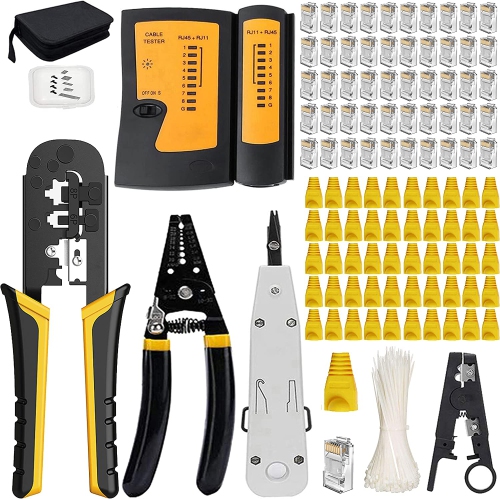
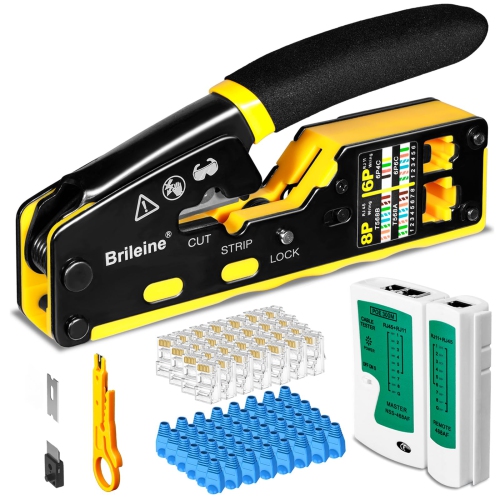
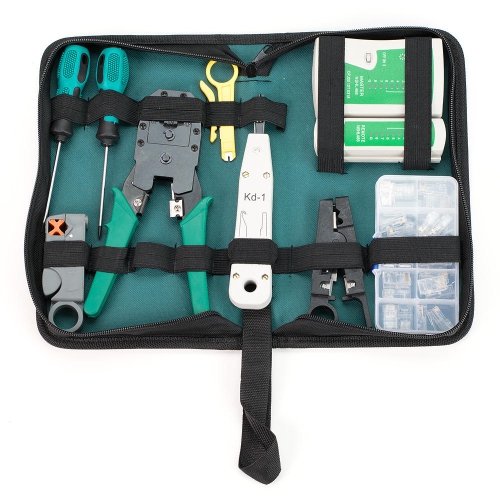
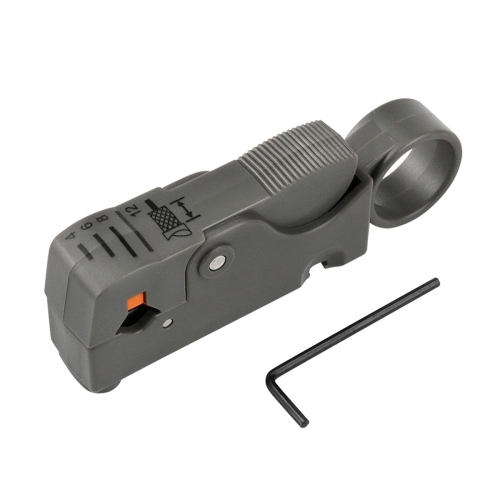
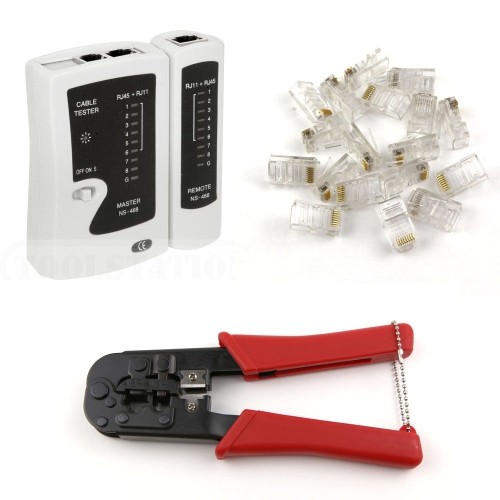
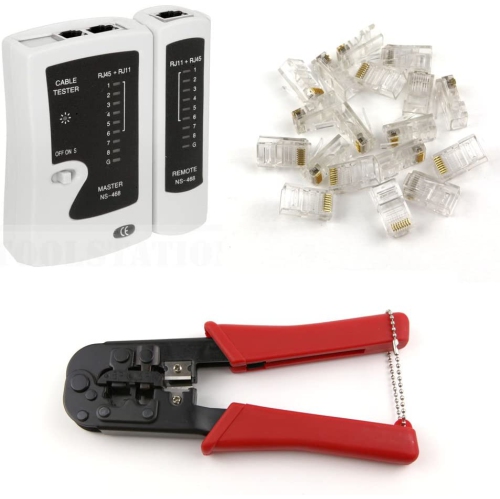
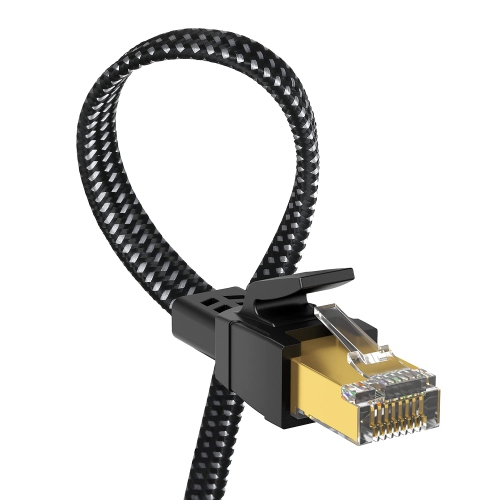
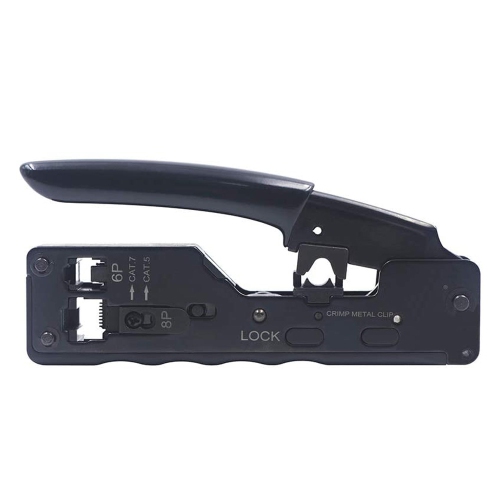
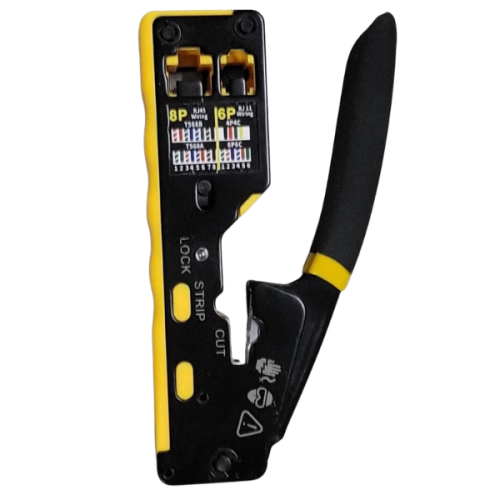
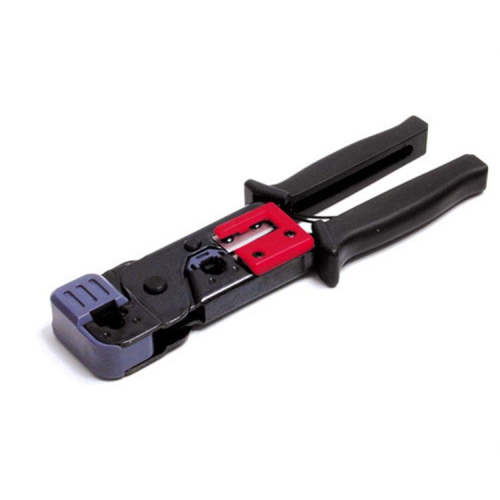
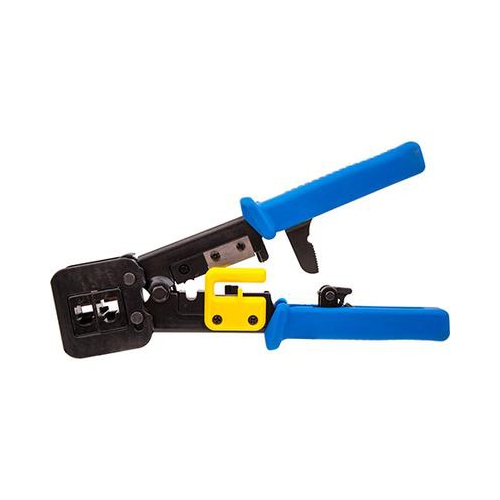
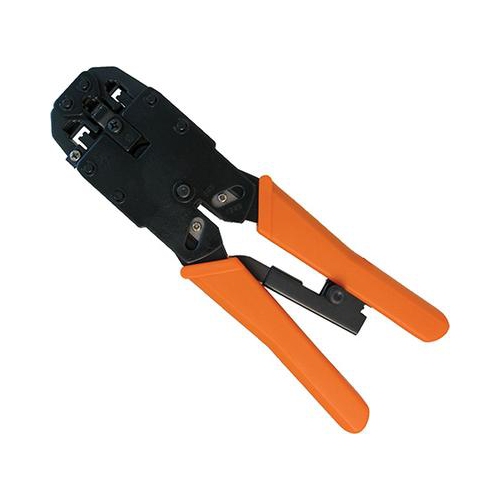
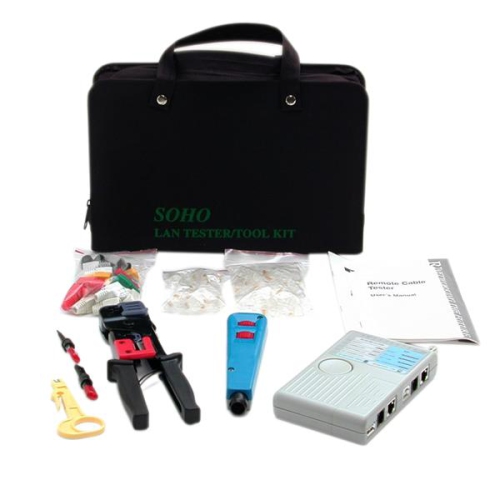
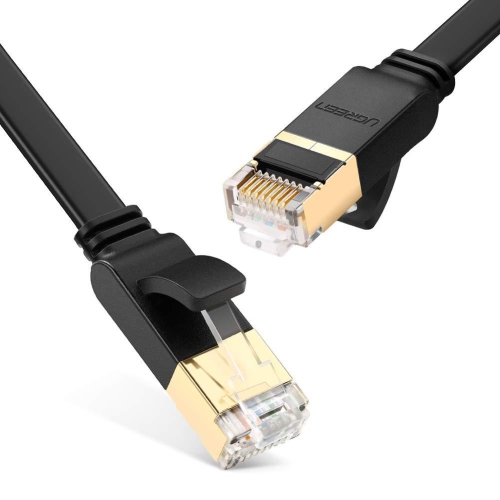
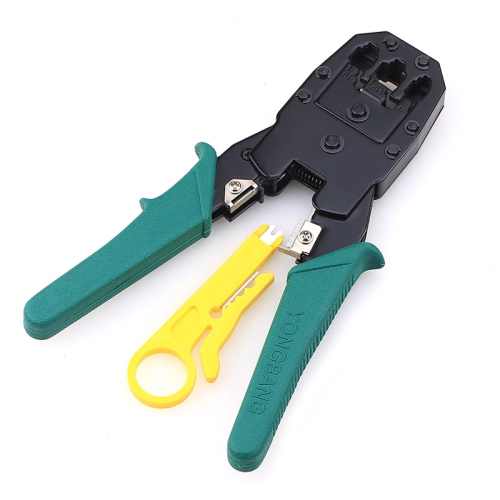
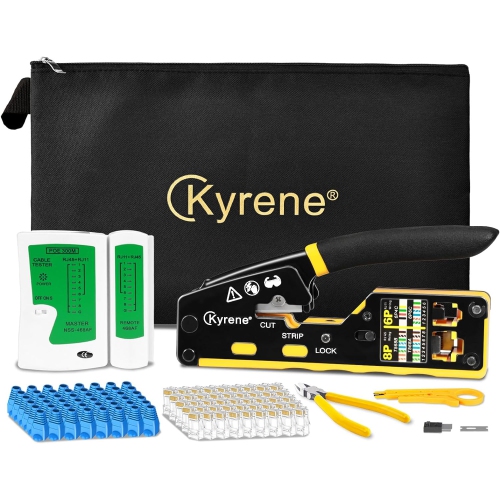
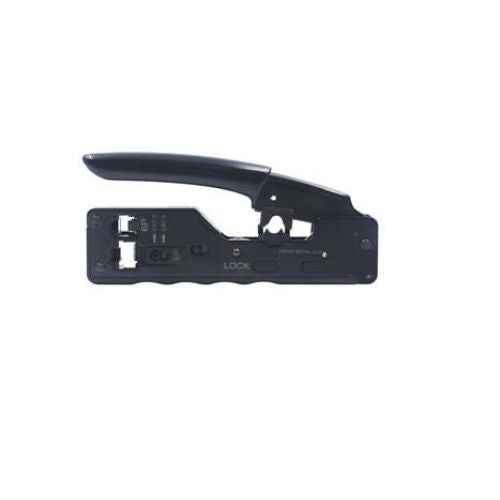
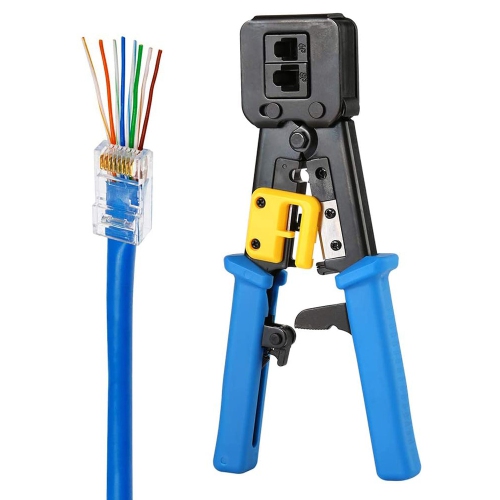
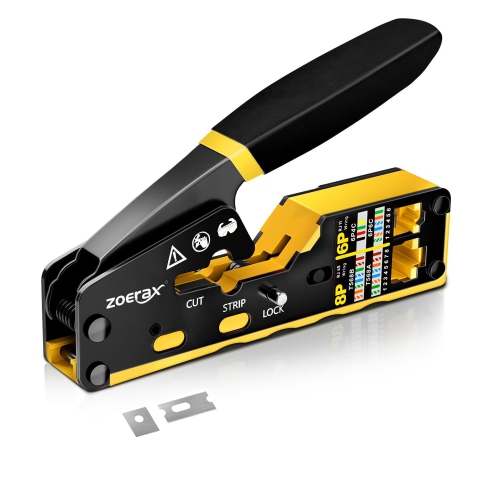
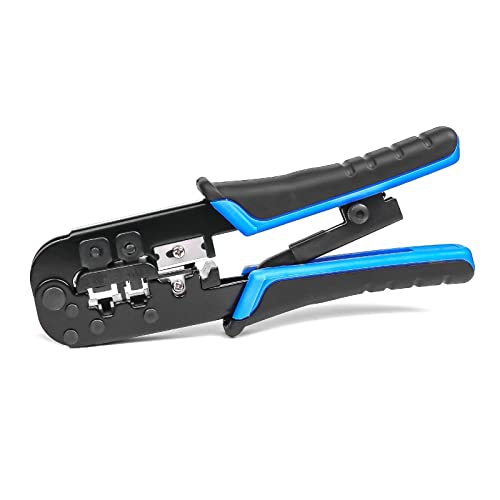
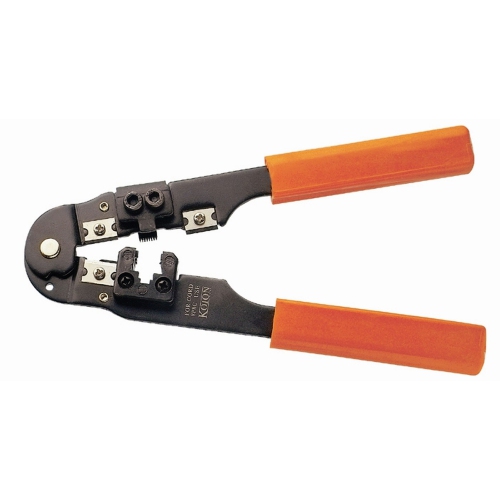
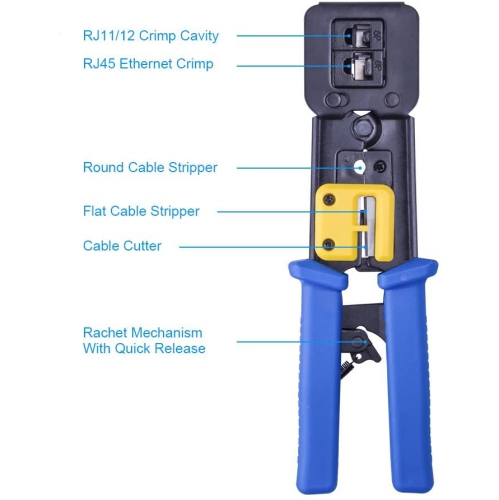
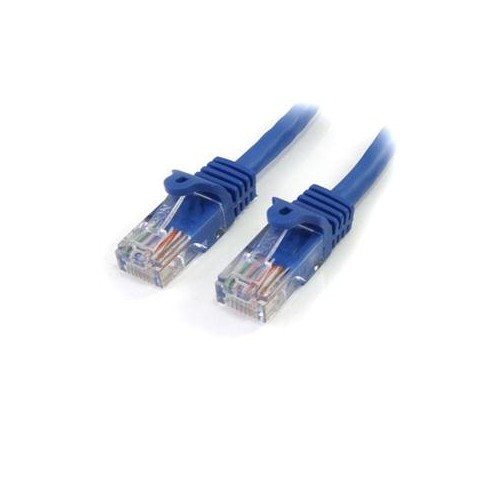
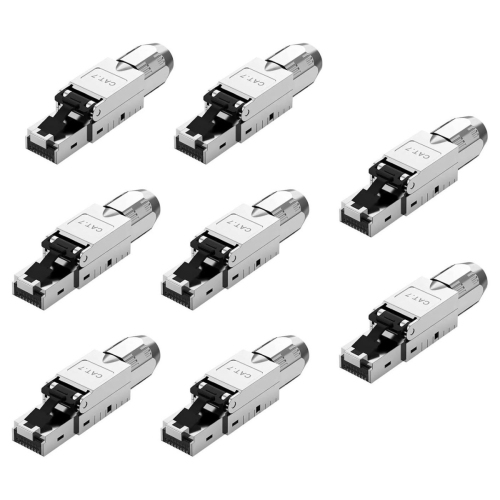
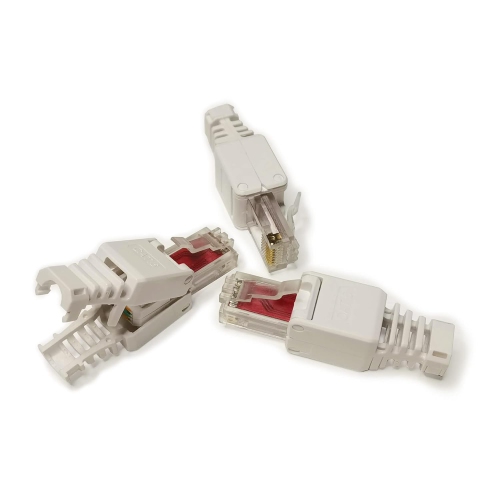
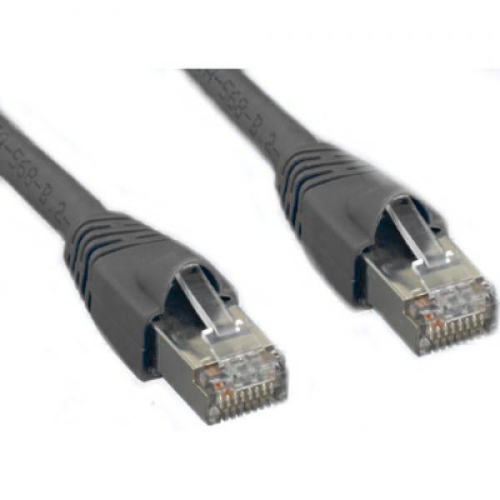
Ethernet cable tools are used to cut, strip, terminate, and test the twisted-pair cables that connect computers, routers, switches, and other network equipment. The main tool types include modular plug crimpers, cable strippers, cutters, punch-down tools, and network cable testers, with each serving a different part of the job. A crimper secures an RJ45-style modular plug to a cable, while a stripper removes the outer jacket so the insulated conductors can be arranged without damage. Cutters help create a clean, even cable end, and punch-down tools seat individual conductors in compatible keystone jacks or patch panels. A basic tester checks wiring continuity and can help identify faults such as open connections, shorts, or incorrectly assigned pins. Together, these tools support tasks ranging from replacing a damaged plug behind a desk to terminating several wall outlets in a home office or small business. They are useful for network installers, IT technicians, property maintenance teams, and hands-on homeowners who want to work on their own wired connections. The task determines which tools matter most: making custom-length patch leads usually calls for cutting, stripping, crimping, and testing, whereas finishing permanent cable runs at wall plates often requires a punch-down tool rather than a plug crimper. Some jacks use tool-free termination, so the connector design also affects the tool selection. For a desk with a computer, docking station, and network switch, neatly sized cables can reduce excess loops hanging behind the furniture. In a utility room, clear terminations and readable cable labels make a group of similar-looking runs easier to identify later. A complete kit can keep the essentials together for occasional projects, while separate tools allow frequent users to choose the grip, blade style, and testing functions that suit their work. Factory-terminated cables remain a practical choice when standard lengths fit the space and custom termination is unnecessary. The value of an Ethernet tool set lies in matching its capabilities to the connections being made, rather than simply having the largest number of pieces.
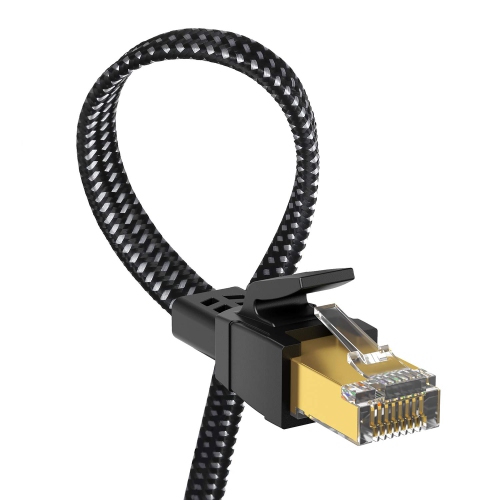
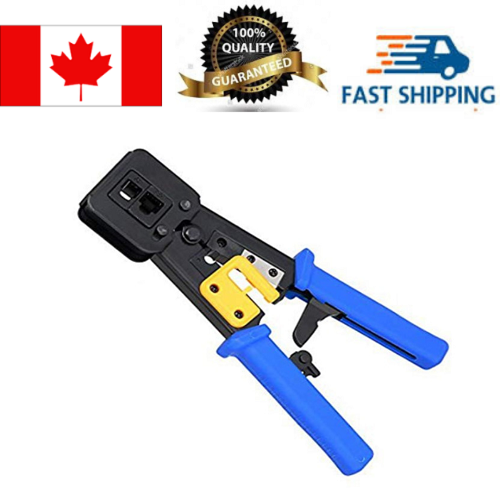
Compatibility is an important consideration because Ethernet cables, plugs, jacks, and termination tools are not interchangeable in every combination. Cat5e, Cat6, and Cat6a cables can differ in conductor size, overall diameter, insulation thickness, and internal construction, which affects how they fit a connector and how much jacket a stripping tool needs to accommodate. Solid and stranded conductors also require plugs designed for their construction; a plug that fits over the jacket is not necessarily suitable for the wires inside. Shielded cabling introduces additional requirements for compatible connectors and proper shield termination. When pairing tools with Ethernet Cables for Networking, cable specifications and connector requirements provide a more useful starting point than appearance alone. Pass-through plugs allow conductors to extend through the front before trimming and termination, but they require a compatible crimper that cuts those ends flush. Closed-end plugs use a different preparation approach, and the crimper must still match the plug design. Ratcheting crimpers are designed to complete a controlled compression cycle before releasing, which can help with consistency across repeated terminations. Handle shape, opening width, and tool weight influence comfort, particularly when preparing several connections at a bench or working with limited clearance beside a cabinet. Hardened steel cutting edges, a rigid frame, and well-aligned jaws contribute to durability and clean operation. Cushioned or textured handles can improve grip, although ordinary comfort grips should not be mistaken for electrical insulation. Adjustable stripping depth is useful when working with different jacket thicknesses, since a blade that cuts too deeply can nick conductor insulation. For punch-down work, blade compatibility matters just as much as the handle: the blade must suit the terminal style, and cutting blades need the correct orientation to trim the loose end rather than the connected wire. Replaceable blades and accessible wear parts can be worthwhile features for regular use. These details are particularly relevant when a project moves between flexible patch cables, thicker horizontal cabling, and closely spaced terminals on a patch panel.
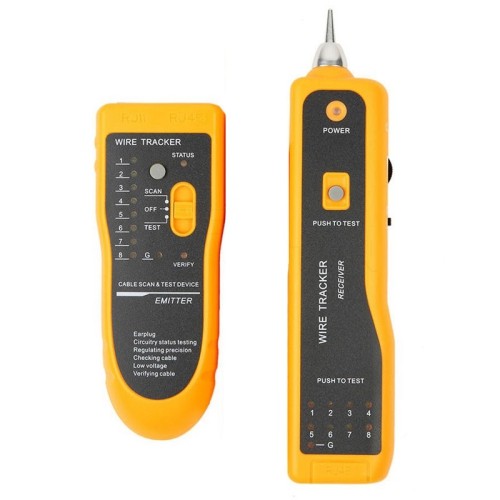
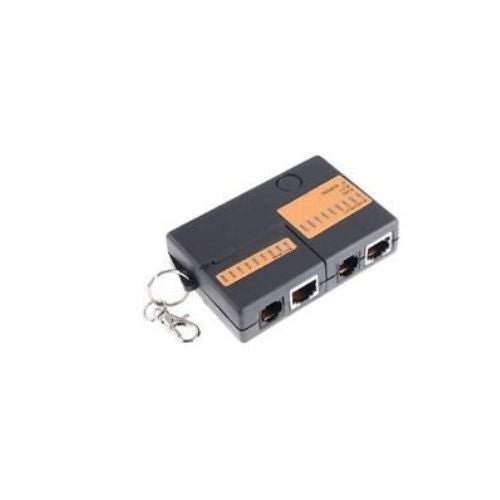
Testing tools help distinguish a connection that merely looks finished from one that is wired as intended. A simple continuity tester generally uses a main unit and a remote connected at opposite ends of a cable, allowing the pin sequence to be checked even when the ends are in different rooms. Depending on its functions, a tester may identify open circuits, shorts, reversals, or other wire-map errors, but not every basic model can detect split pairs. More capable testers may add cable-length estimates, fault-distance measurements, tone generation, or support for identifying multiple remote endpoints. These functions can be useful when an unlabelled wall jack leads to one of several cables in a basement or communications cupboard. A basic wiring check does not certify that an installation meets a cable category’s performance requirements or will support a particular network speed; qualification and certification require equipment designed for those purposes. Anyone testing connections attached to switches or Power over Ethernet equipment should check the tester’s supported connections and safety limits first. Beyond the electronics, practical storage and care make a difference to the usefulness of a kit. A fitted case keeps sharp blades covered, protects tester sockets from loose hardware, and makes small accessories easier to find. Tools stored in a dry place and wiped clean after use are less likely to accumulate debris around moving parts or cutting edges. Worn blades, loose pivots, and damaged test leads deserve attention because they can introduce faults that resemble cable problems. Manufacturer care instructions remain important for lubrication, blade replacement, and battery storage. For occasional home projects, a compact arrangement that is easy to inspect and put away may be more useful than a bulky case with seldom-used attachments. For frequent installation work, comfortable handles, serviceable components, and dependable test functions carry greater weight. Ethernet cable tools can also make a thoughtful gift for a networking student or an experienced tinkerer, especially when the tool types match the cabling and connectors they already use. Whether the setting is a spare-room workspace or a busy equipment cupboard, the right combination supports tidy terminations, clearer fault finding, and easier maintenance.
Compatibility is an important consideration because Ethernet cables, plugs, jacks, and termination tools are not interchangeable in every combination. Cat5e, Cat6, and Cat6a cables can differ in conductor size, overall diameter, insulation thickness, and internal construction, which affects how they fit a connector and how much jacket a stripping tool needs to accommodate. Solid and stranded conductors also require plugs designed for their construction; a plug that fits over the jacket is not necessarily suitable for the wires inside. Shielded cabling introduces additional requirements for compatible connectors and proper shield termination. When pairing tools with Ethernet Cables for Networking, cable specifications and connector requirements provide a more useful starting point than appearance alone. Pass-through plugs allow conductors to extend through the front before trimming and termination, but they require a compatible crimper that cuts those ends flush. Closed-end plugs use a different preparation approach, and the crimper must still match the plug design. Ratcheting crimpers are designed to complete a controlled compression cycle before releasing, which can help with consistency across repeated terminations. Handle shape, opening width, and tool weight influence comfort, particularly when preparing several connections at a bench or working with limited clearance beside a cabinet. Hardened steel cutting edges, a rigid frame, and well-aligned jaws contribute to durability and clean operation. Cushioned or textured handles can improve grip, although ordinary comfort grips should not be mistaken for electrical insulation. Adjustable stripping depth is useful when working with different jacket thicknesses, since a blade that cuts too deeply can nick conductor insulation. For punch-down work, blade compatibility matters just as much as the handle: the blade must suit the terminal style, and cutting blades need the correct orientation to trim the loose end rather than the connected wire. Replaceable blades and accessible wear parts can be worthwhile features for regular use. These details are particularly relevant when a project moves between flexible patch cables, thicker horizontal cabling, and closely spaced terminals on a patch panel.
Testing tools help distinguish a connection that merely looks finished from one that is wired as intended. A simple continuity tester generally uses a main unit and a remote connected at opposite ends of a cable, allowing the pin sequence to be checked even when the ends are in different rooms. Depending on its functions, a tester may identify open circuits, shorts, reversals, or other wire-map errors, but not every basic model can detect split pairs. More capable testers may add cable-length estimates, fault-distance measurements, tone generation, or support for identifying multiple remote endpoints. These functions can be useful when an unlabelled wall jack leads to one of several cables in a basement or communications cupboard. A basic wiring check does not certify that an installation meets a cable category’s performance requirements or will support a particular network speed; qualification and certification require equipment designed for those purposes. Anyone testing connections attached to switches or Power over Ethernet equipment should check the tester’s supported connections and safety limits first. Beyond the electronics, practical storage and care make a difference to the usefulness of a kit. A fitted case keeps sharp blades covered, protects tester sockets from loose hardware, and makes small accessories easier to find. Tools stored in a dry place and wiped clean after use are less likely to accumulate debris around moving parts or cutting edges. Worn blades, loose pivots, and damaged test leads deserve attention because they can introduce faults that resemble cable problems. Manufacturer care instructions remain important for lubrication, blade replacement, and battery storage. For occasional home projects, a compact arrangement that is easy to inspect and put away may be more useful than a bulky case with seldom-used attachments. For frequent installation work, comfortable handles, serviceable components, and dependable test functions carry greater weight. Ethernet cable tools can also make a thoughtful gift for a networking student or an experienced tinkerer, especially when the tool types match the cabling and connectors they already use. Whether the setting is a spare-room workspace or a busy equipment cupboard, the right combination supports tidy terminations, clearer fault finding, and easier maintenance.
Top selling and popular products
-
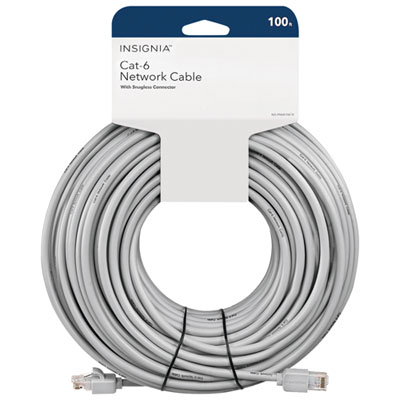 Your price for this item is $49.95
 -
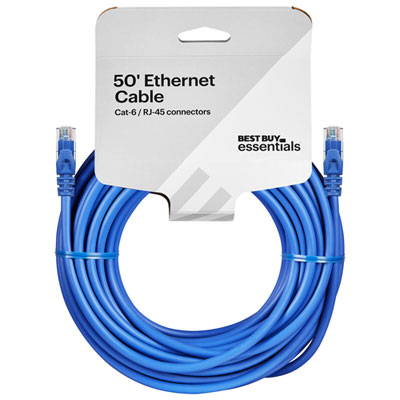 Your price for this item is $24.99
 -
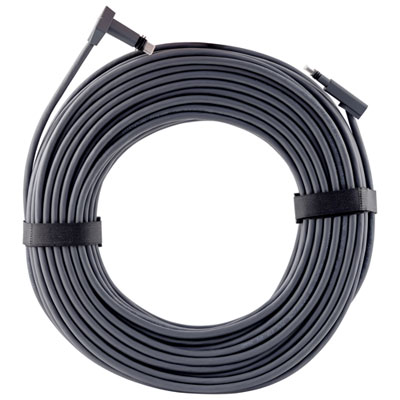 Your price for this item is $164.99
 -
 Your price for this item is $11.68
 -
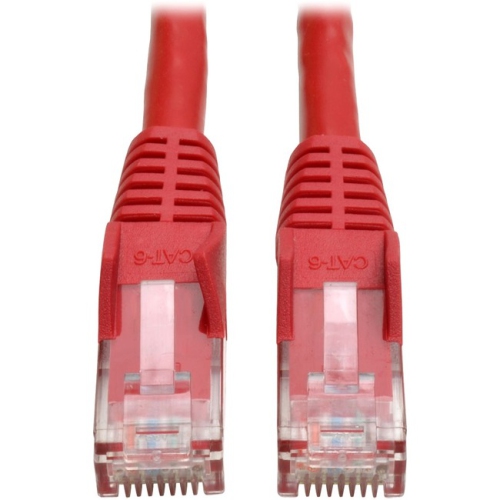 Your price for this item is $68.68
 -
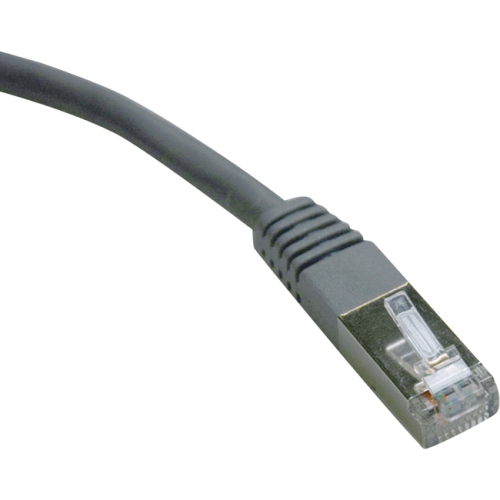 Your price for this item is $47.68
 -
 Your price for this item is $46.68
 -
 Your price for this item is $24.68
Discover more categories related to Ethernet Cable Tools
Top Collections:
Pokemon Centers, Kindle Devices, Best Budget Office Chairs, Apple iPhones 16, Best Laptops for Writers, iPhone 15 Apple, Canon G7X Cameras, Refurbished Apple Laptops, Alarm Clock, Motorola Razr Phones
Some products may be subject to Environmental Handling Fees
(EHF) depending on your province.
Learn more about EHFs.