Fiber Patch Cables
Our selection of fiber patch cables offers reliable and efficient solutions for your networking needs. Whether you're upgrading your home office setup or enhancing your business network, these cables are designed to deliver fast and stable connections. With various lengths and connector types available, you can easily find the perfect fiber patch cables to suit your requirements. Upgrade your network performance today with our premium selection of fiber patch cables.
Sort









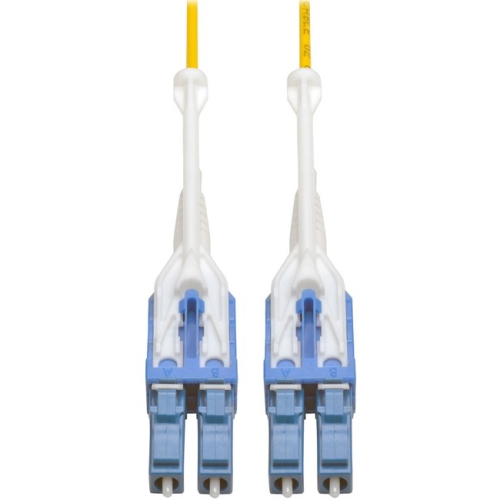


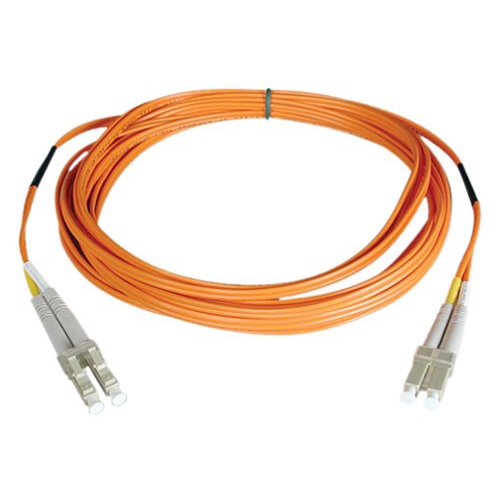
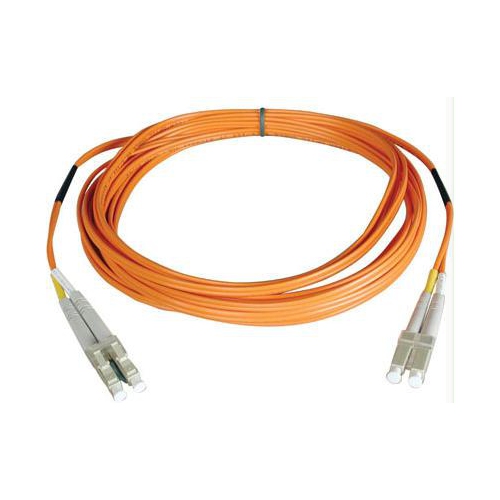


























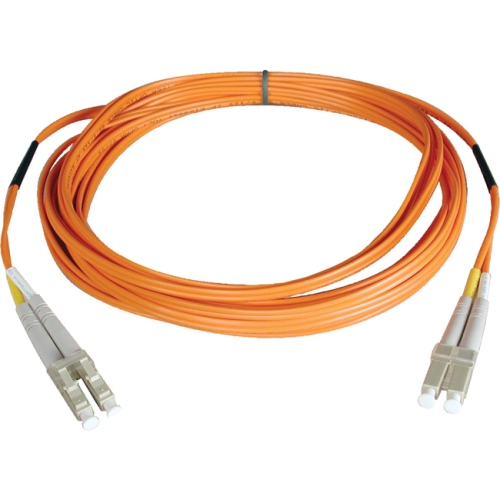

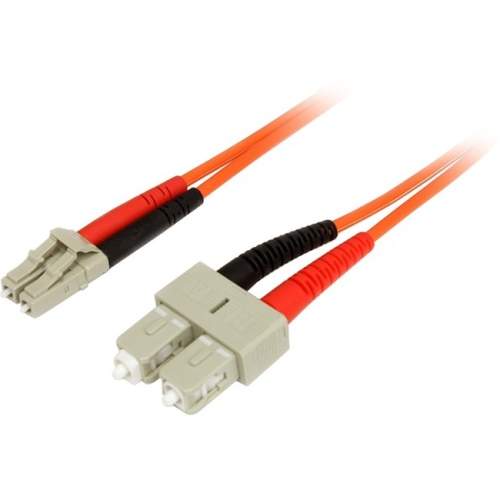
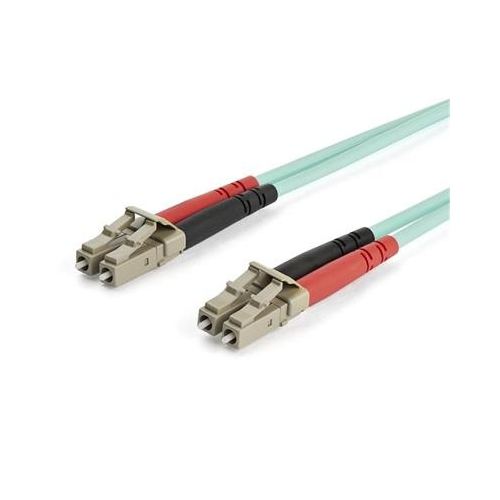





























Why fibre type and connector compatibility matter
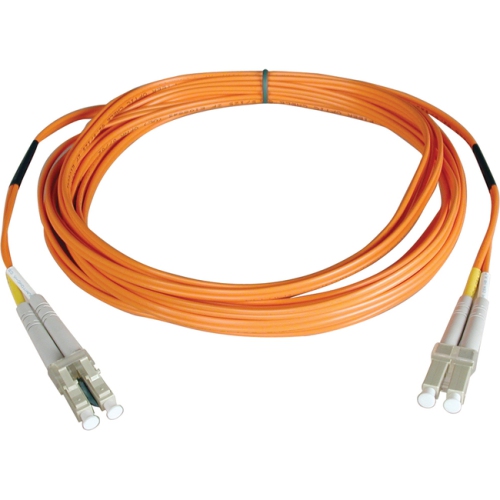
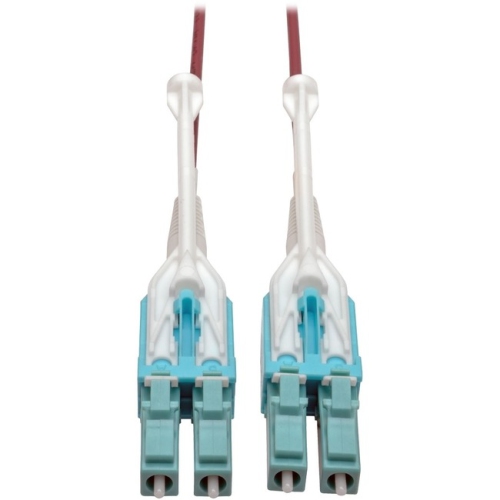
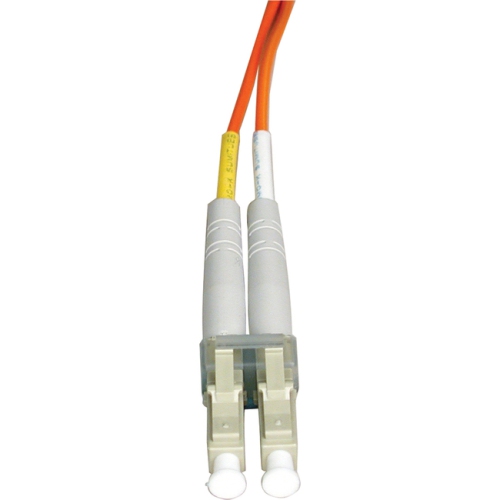
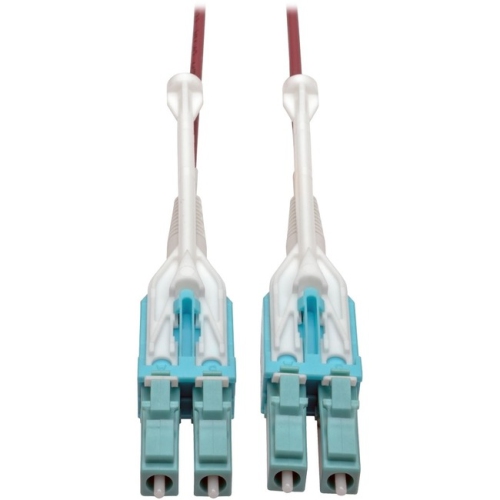
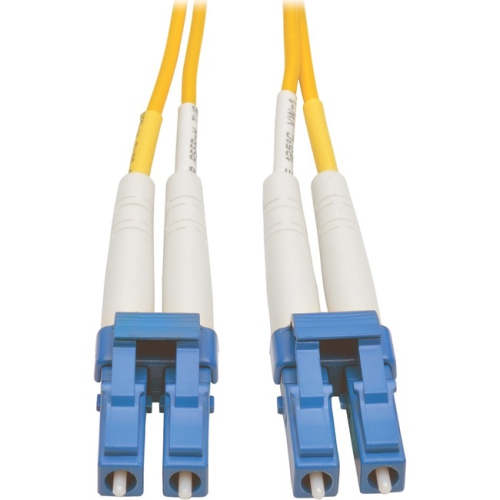
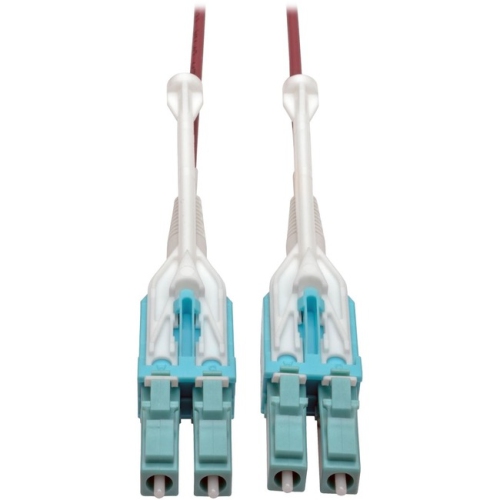
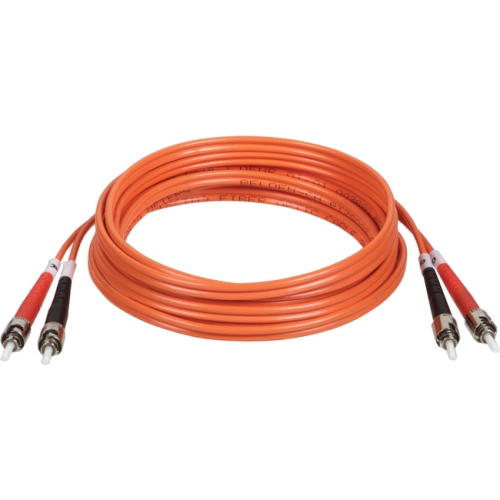
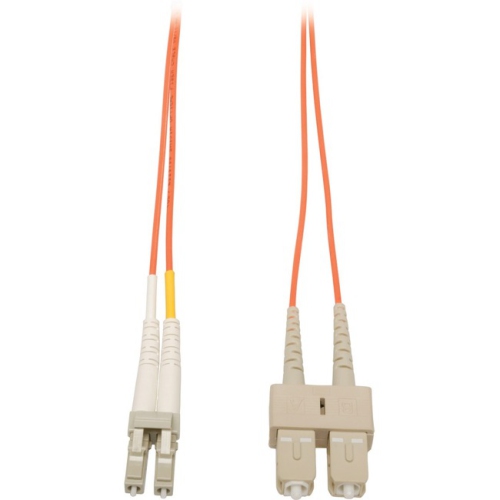
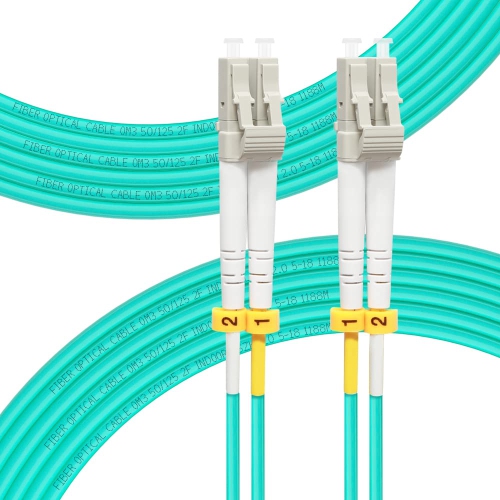
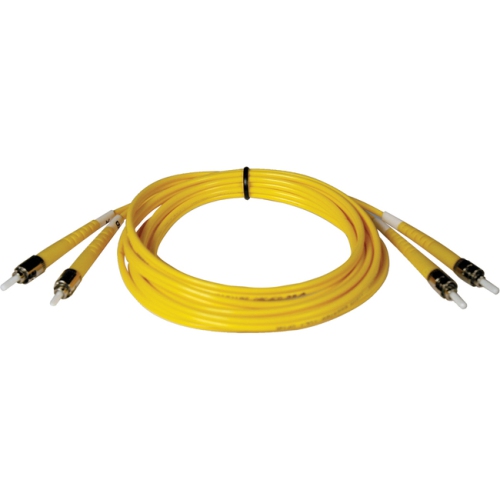
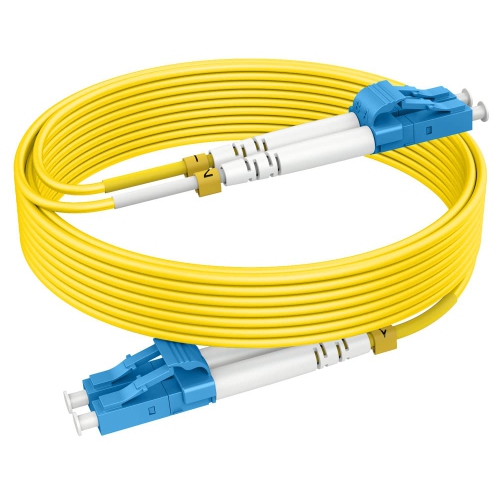
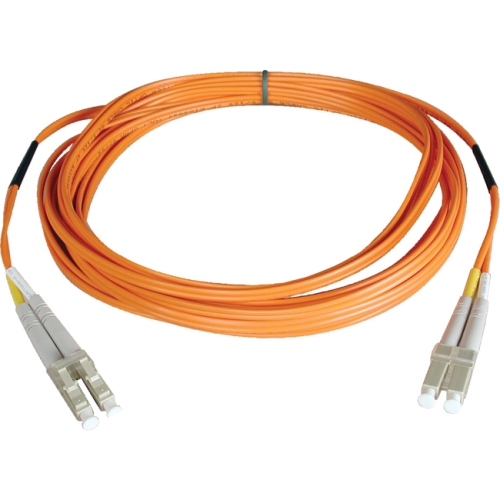
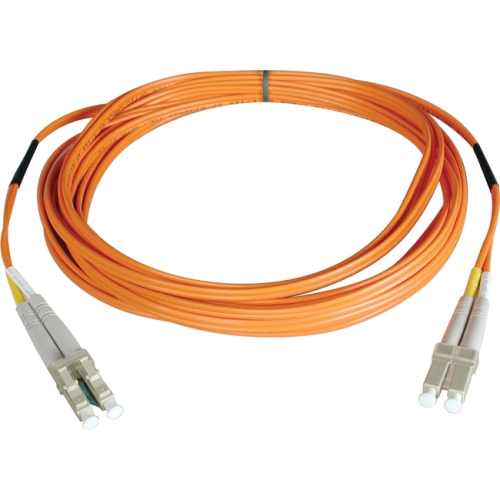
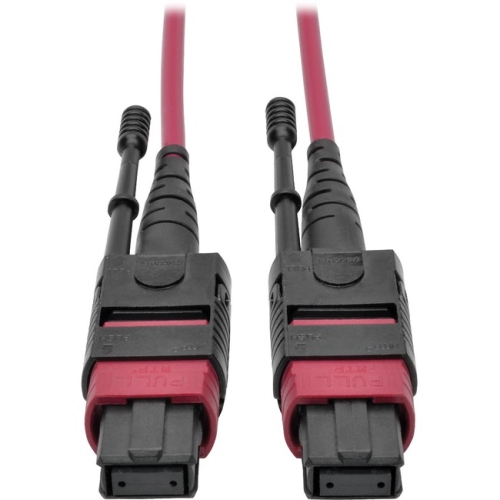
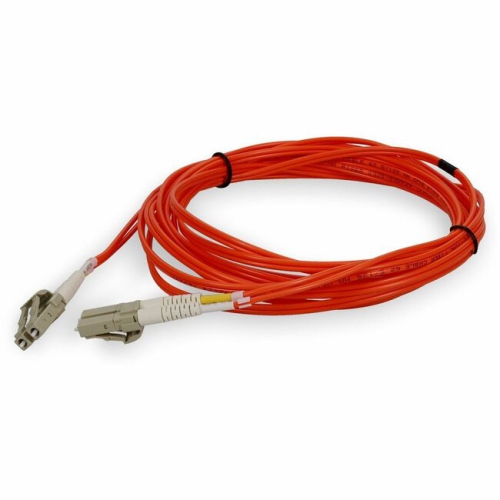
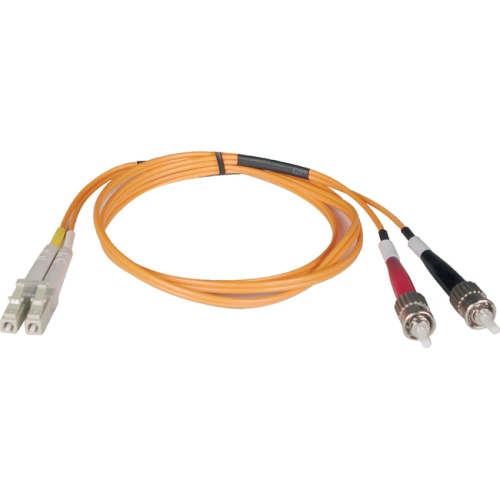
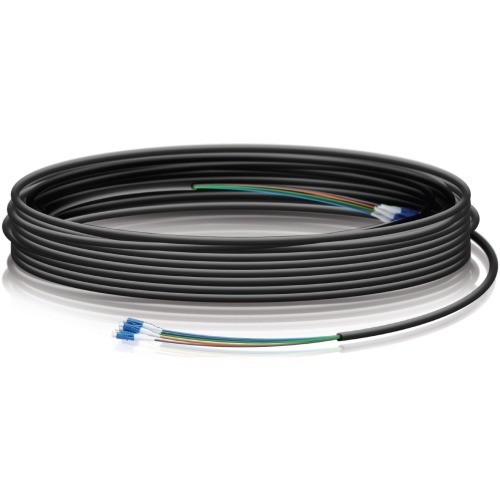
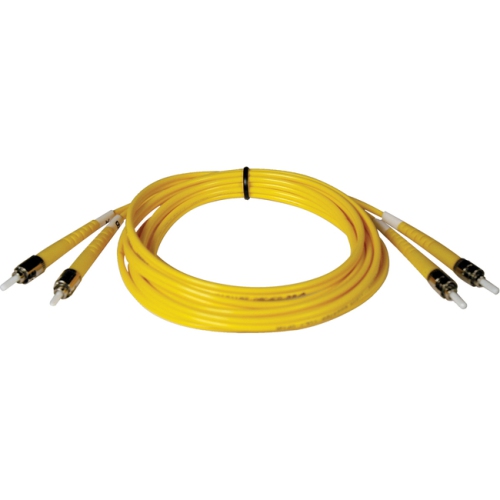
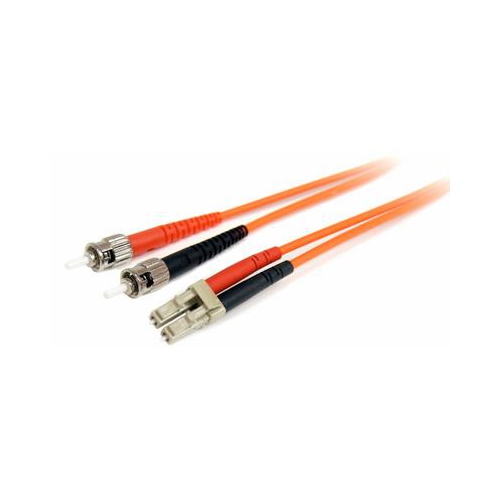
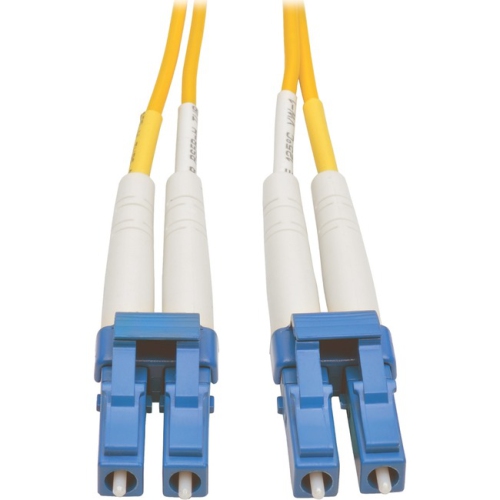
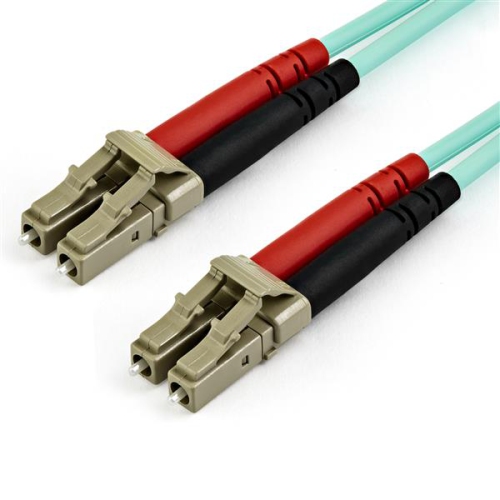
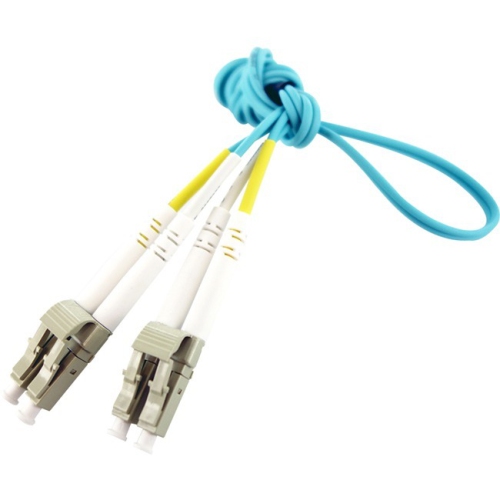
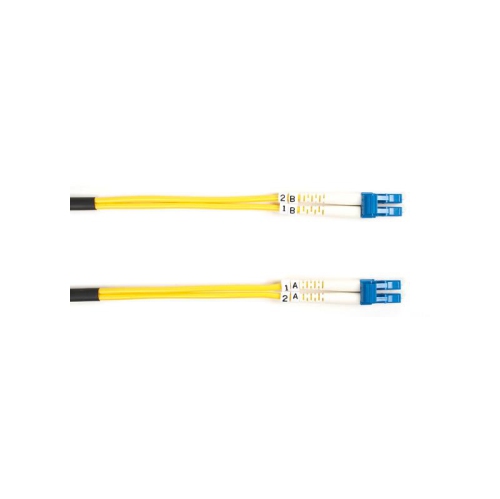
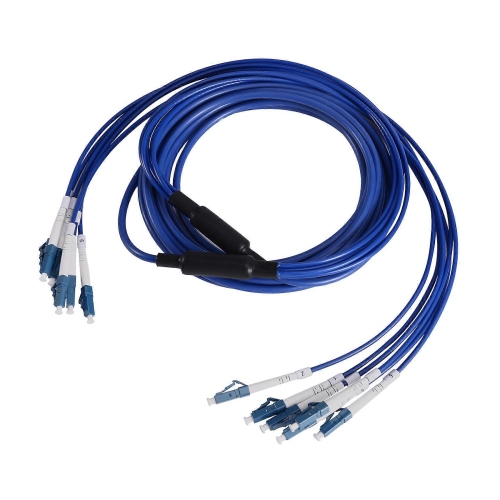
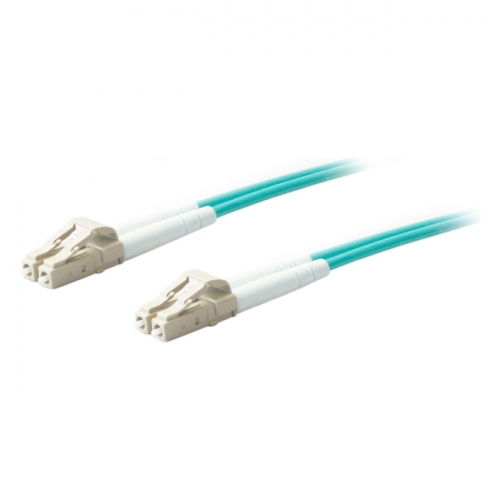
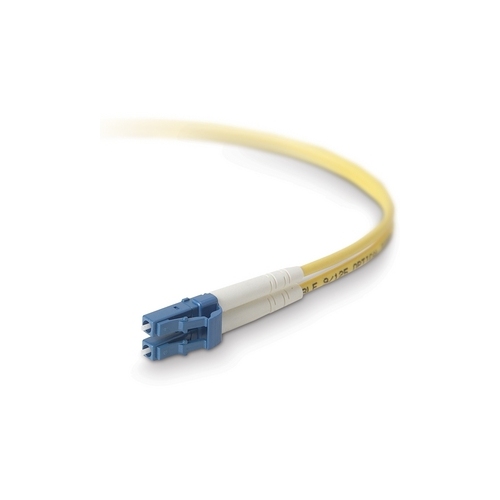
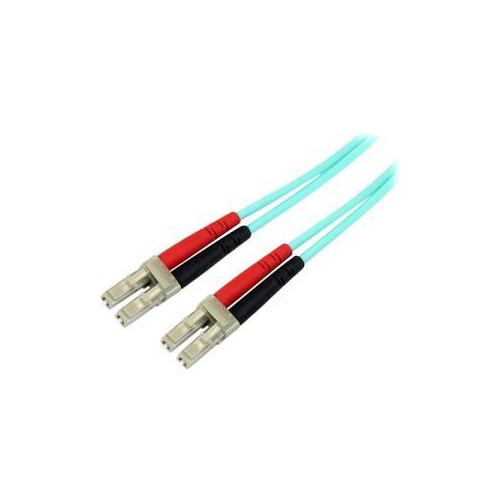
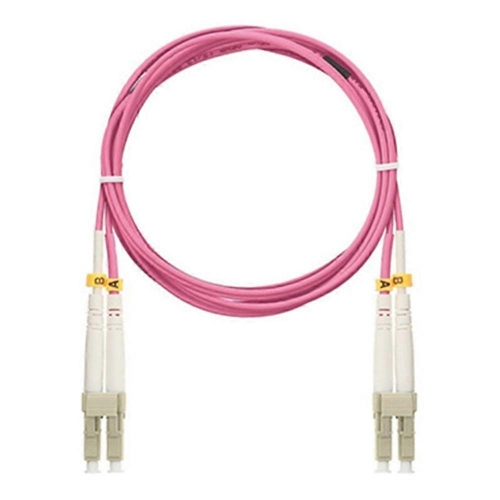
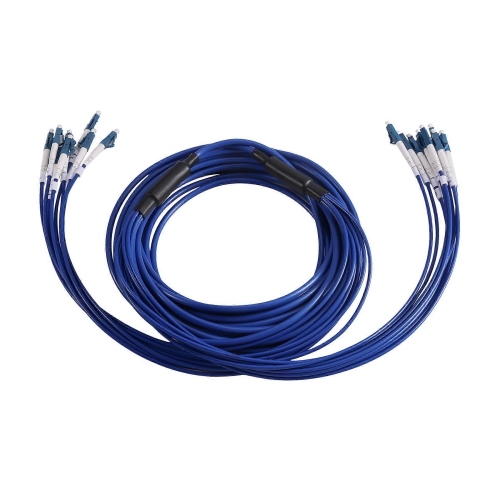
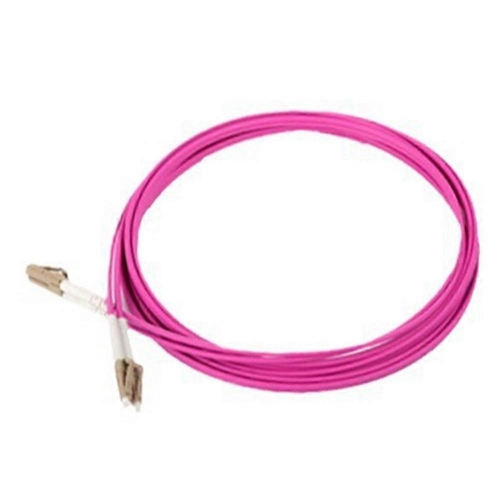
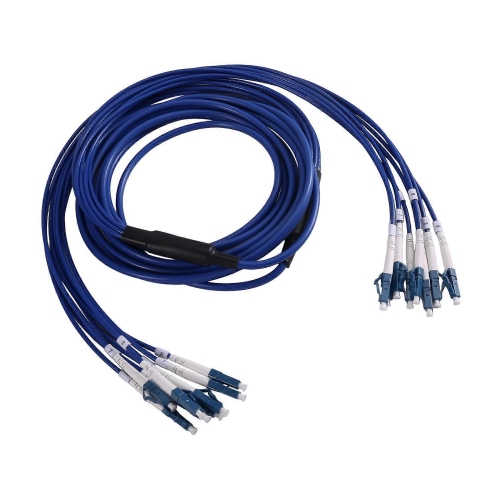
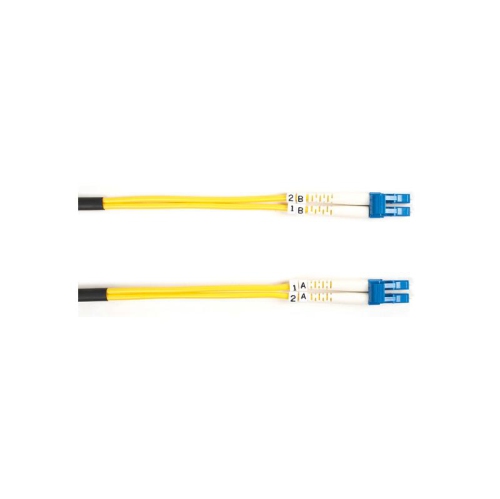
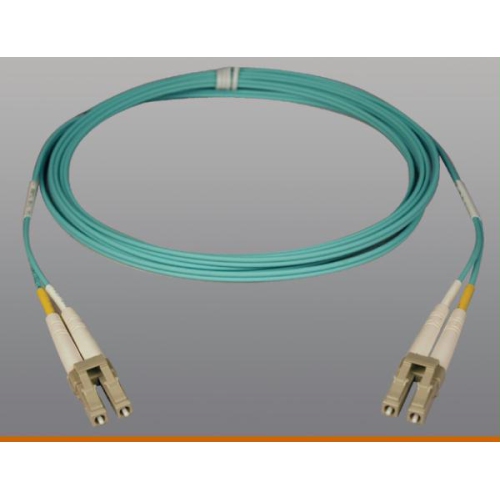
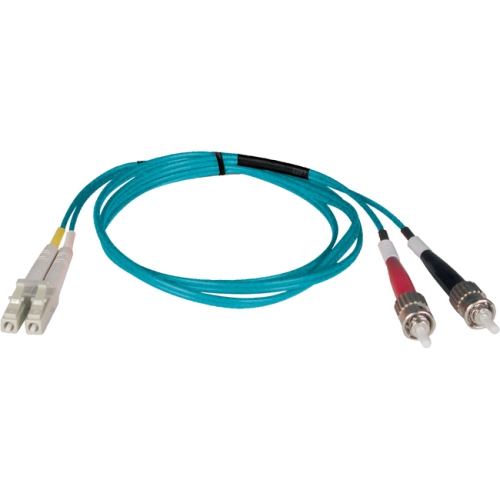
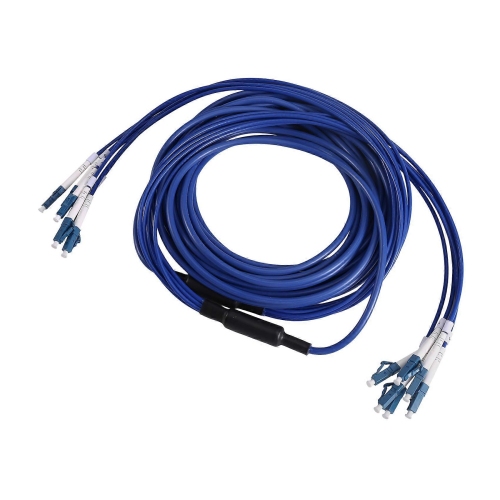
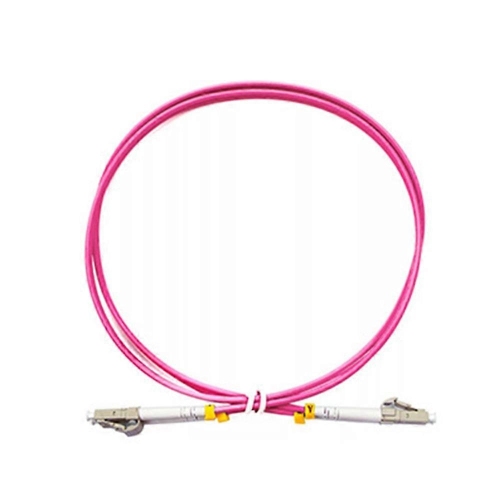
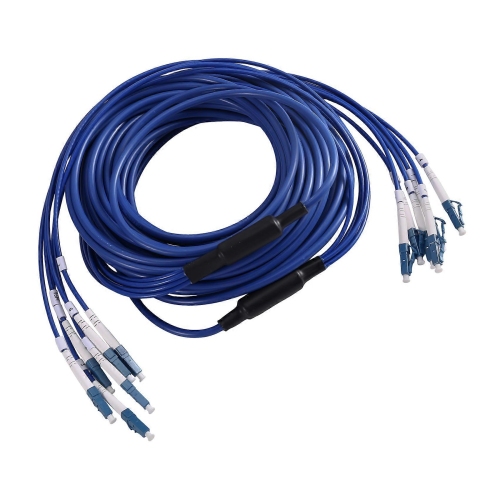
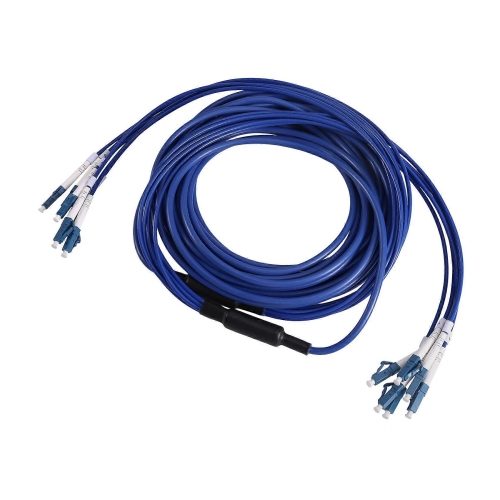
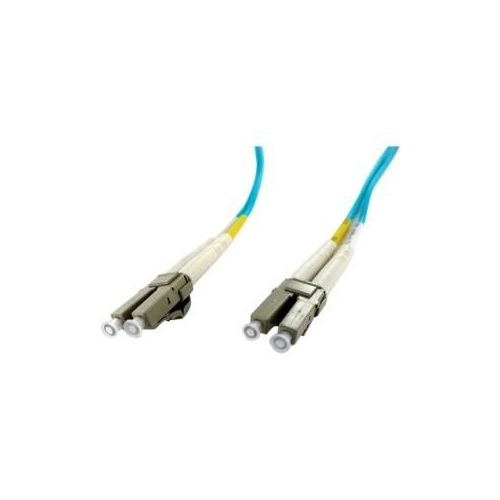
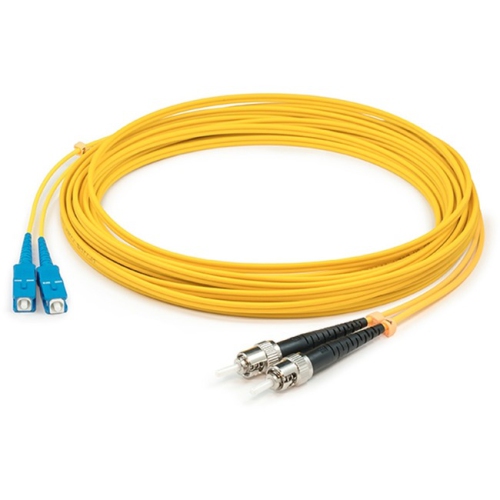
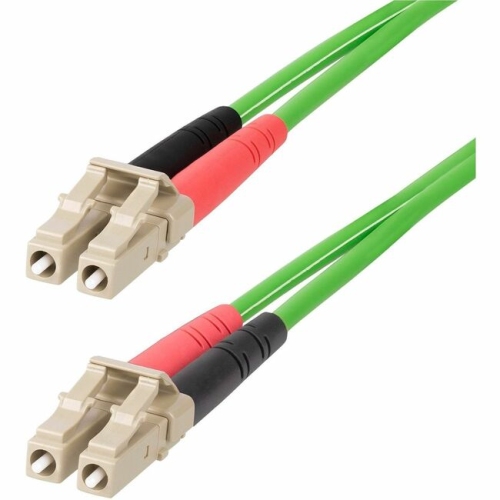
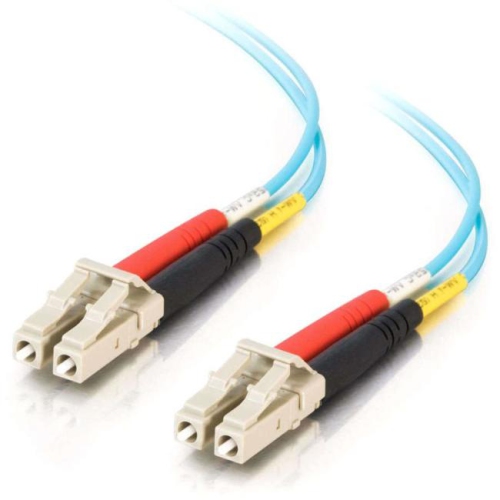
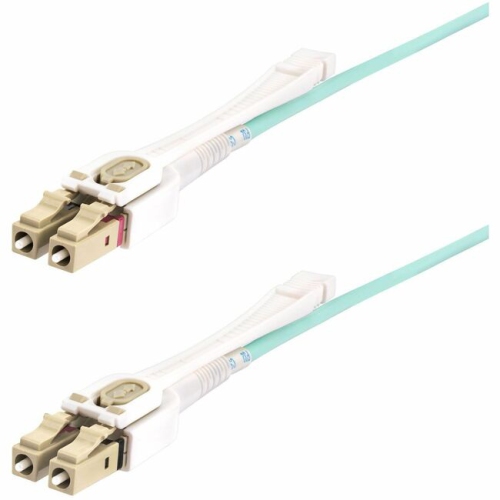
Fibre patch cables are optical cables with connectors fitted at both ends, used to link network equipment, optical transceivers, patch panels, and wall outlets. Also called fibre patch cords or fibre-optic patch leads, they carry data as pulses of light rather than electrical signals. Their role is often the final, manageable connection between a fixed cable installation and the equipment that uses it: a short lead from a patch panel to a network switch, for example, or a connection between an optical wall outlet and compatible internet equipment. They suit office networks, server rooms, telecommunications installations, and homes with equipment designed for optical connections. The most important distinction is between single-mode and multimode fibre. Single-mode cables have a smaller light-carrying core and are commonly used with optics intended for longer transmission distances. Multimode cables have a larger core and are widely used for shorter connections within buildings and data centres. A short patch cable still needs to match the fibre type used by the connected equipment and the rest of the link; its length alone does not determine which type is appropriate. Labels such as OS2, OM3, and OM4 identify fibre categories with different characteristics. These markings are more useful than a general claim that a cable is suitable for high-speed networking, because supported performance depends on the fibre category, optical transceivers, connection quality, and total link distance together. Fibre also resists electromagnetic interference along the optical path, making it useful where data cabling runs near electrically noisy equipment. It does not, however, supply electrical power to a connected device. For network administrators, installers, and technically confident home users, a suitable patch cable provides a tidy connection that fits the existing optical system without requiring connectors to be fitted on site.
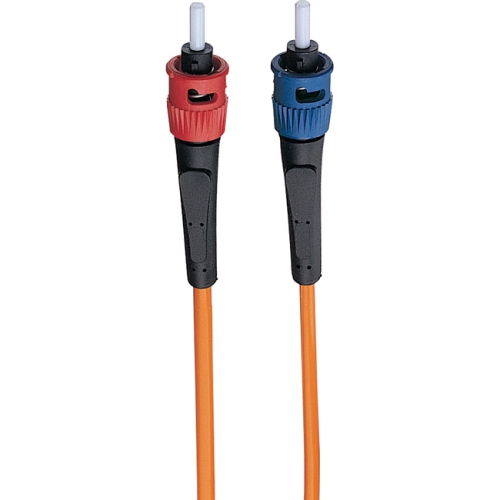
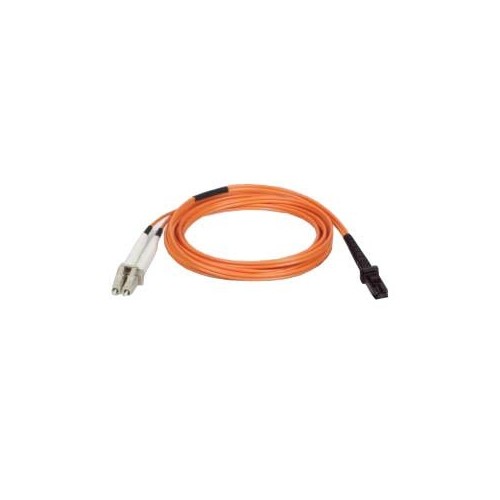
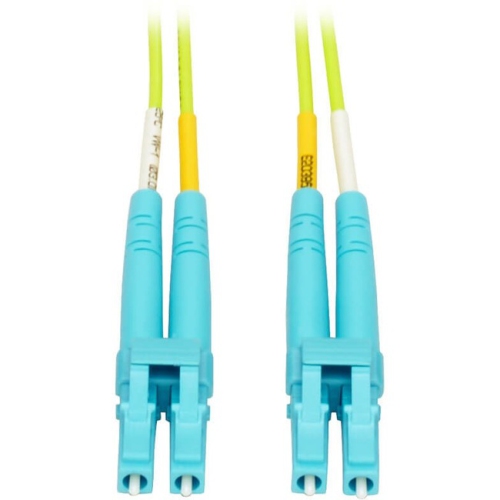
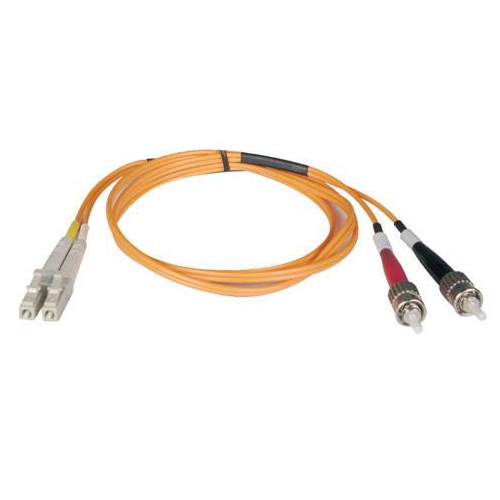
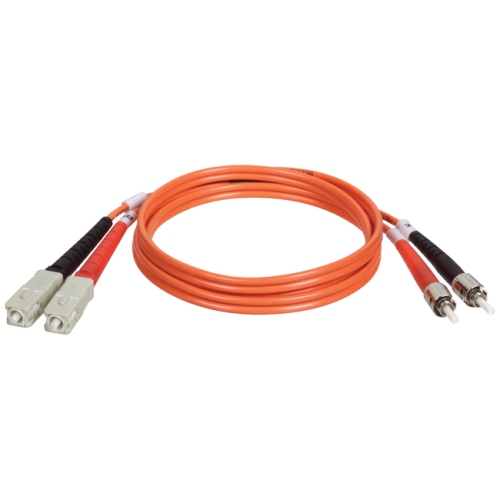
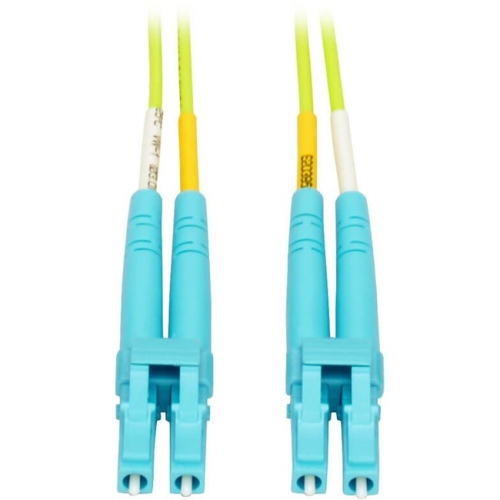
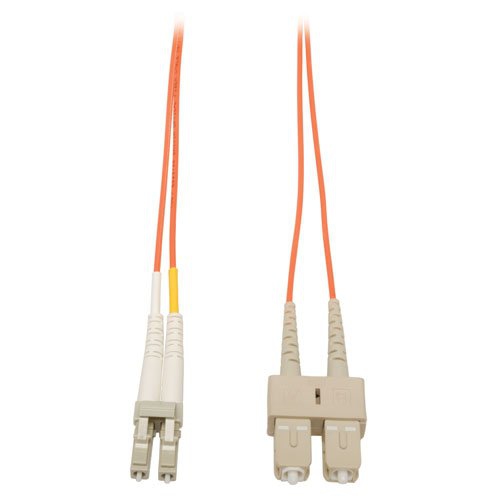
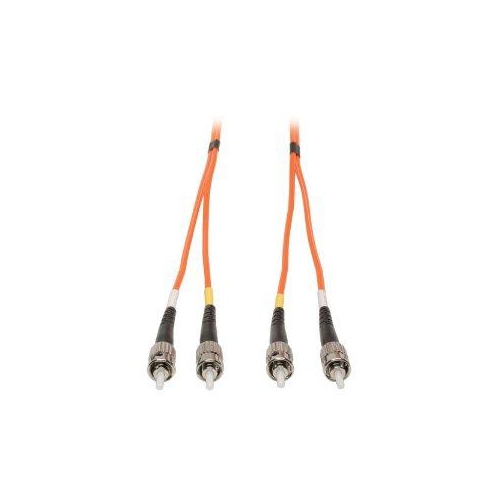
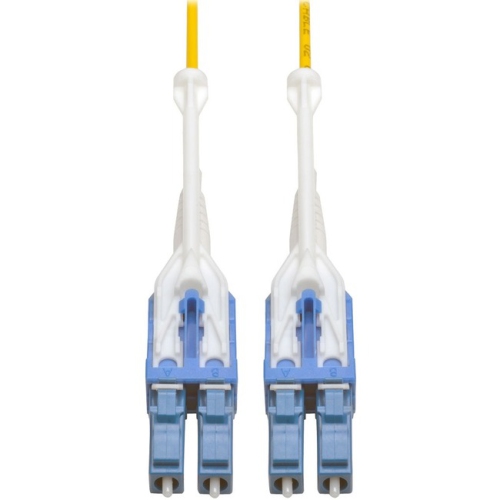
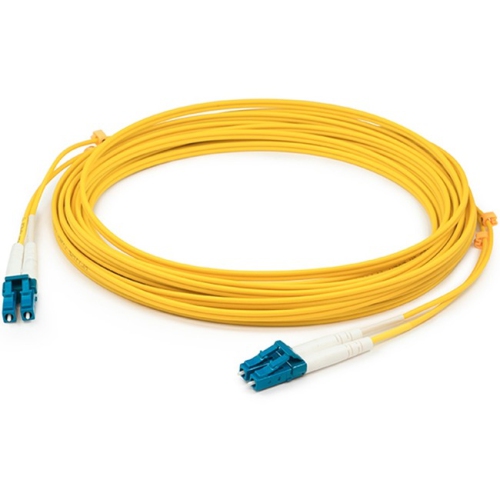
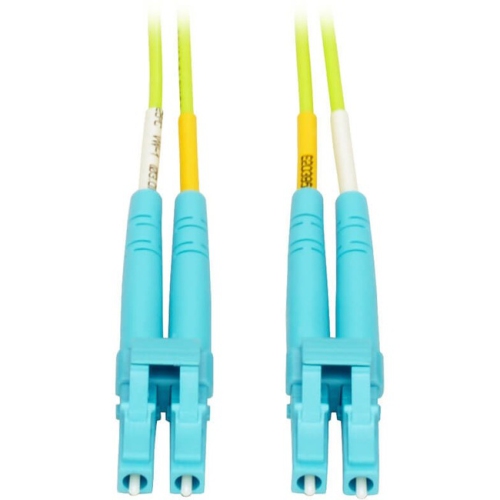
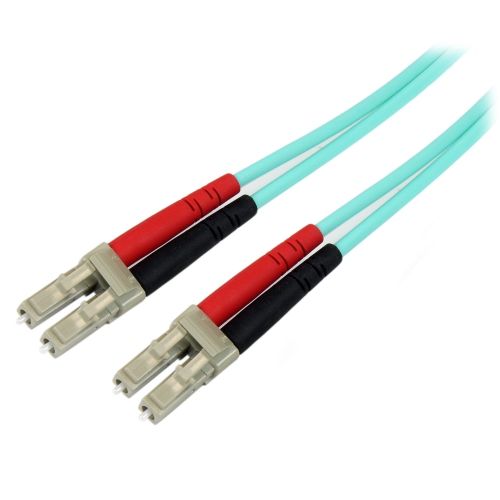
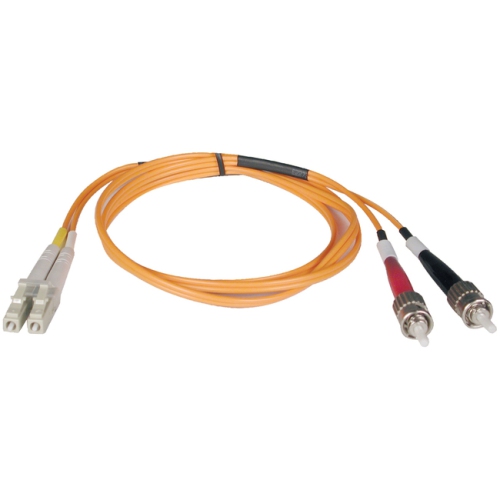
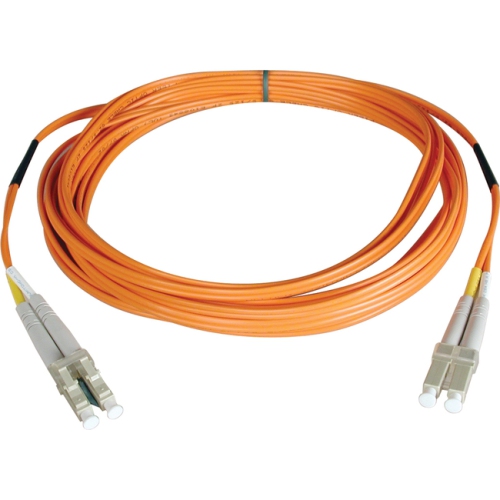
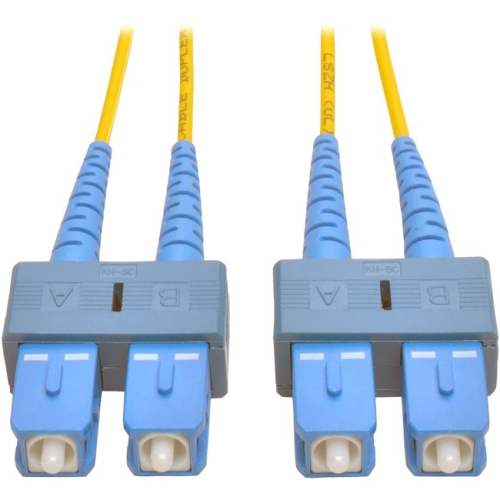
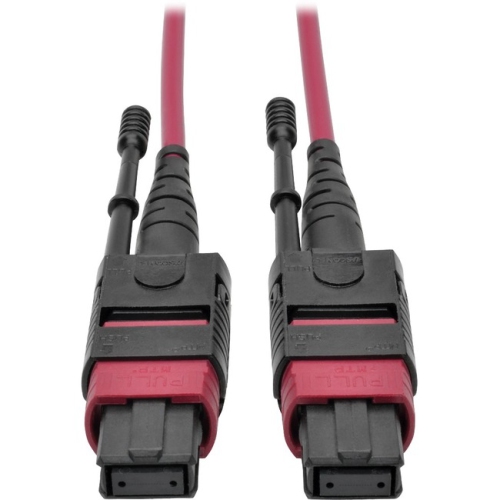
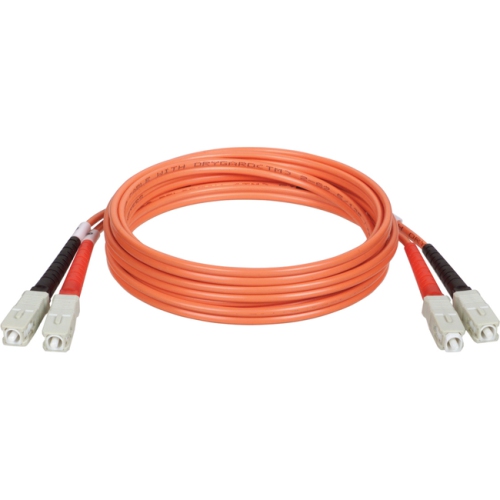
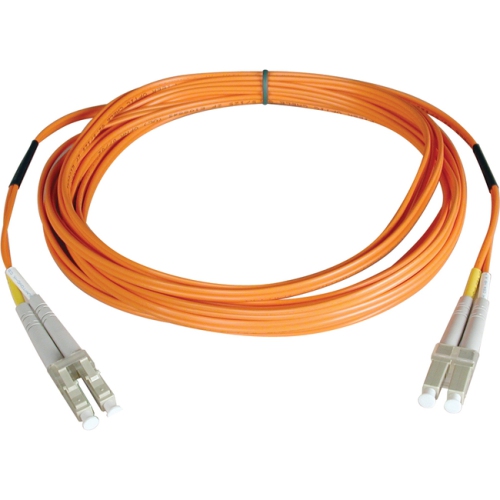
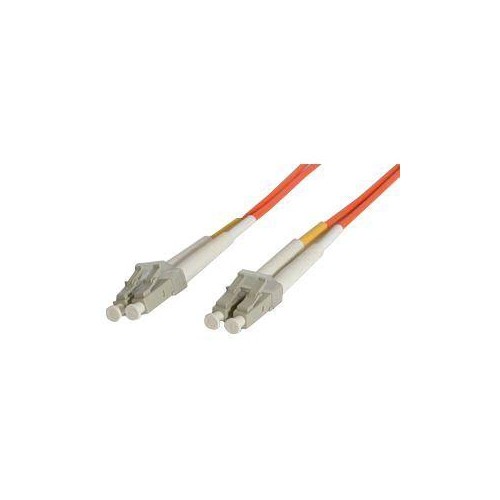
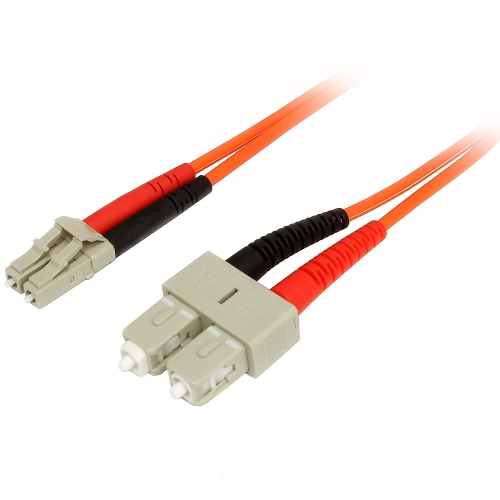
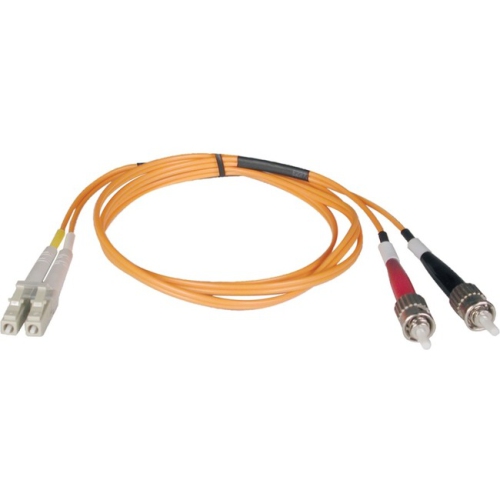
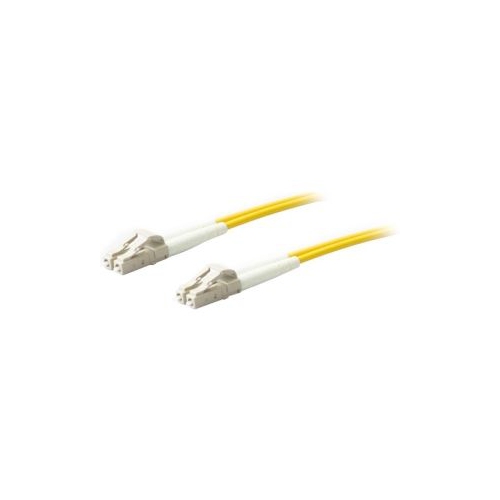
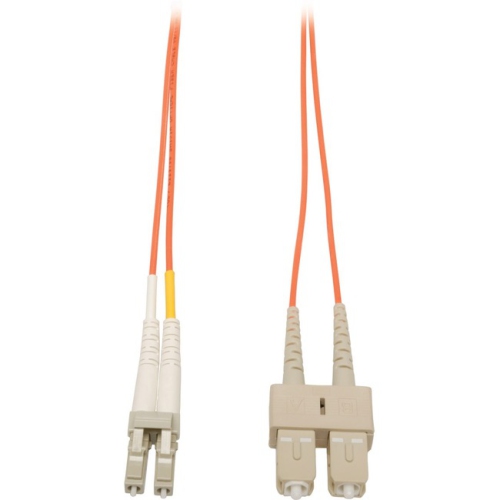
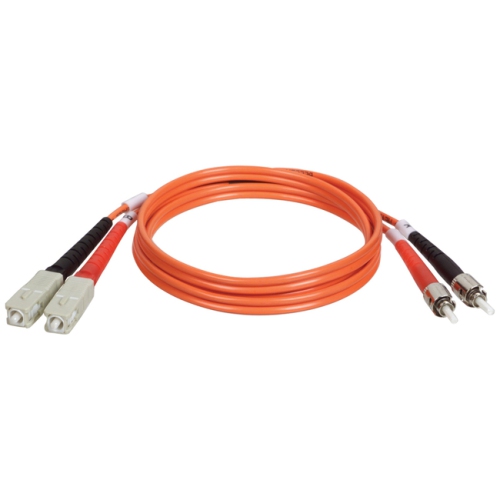
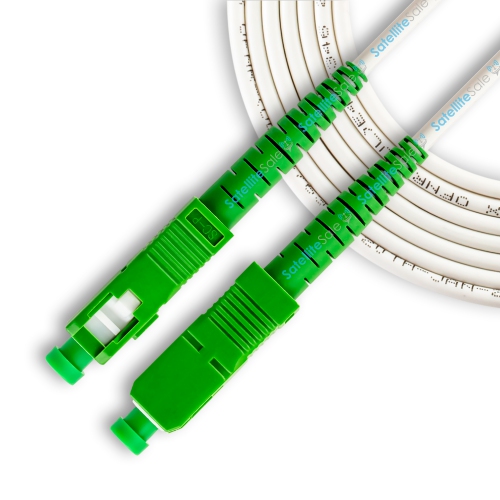
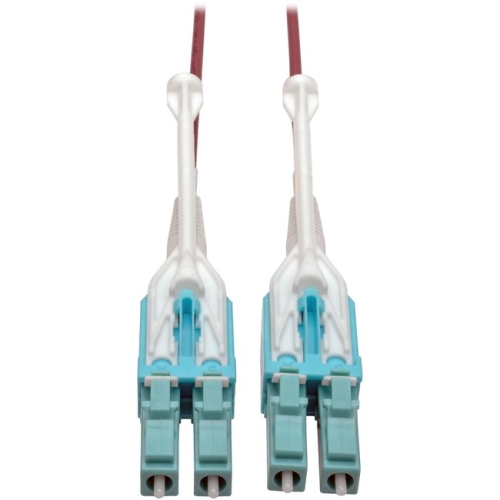
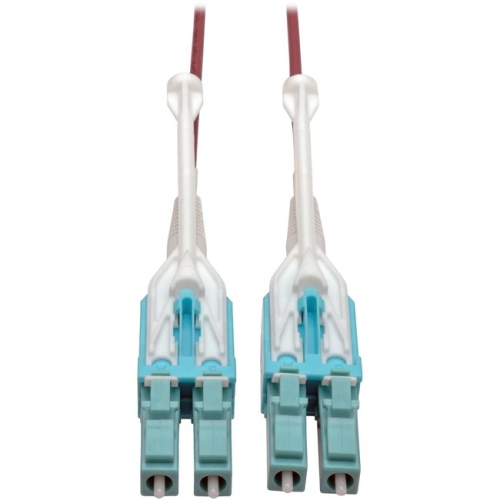
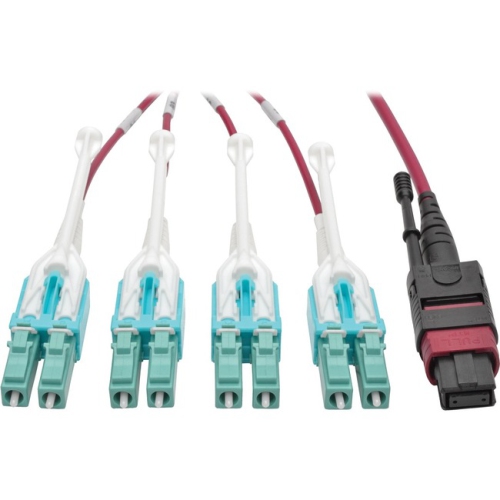
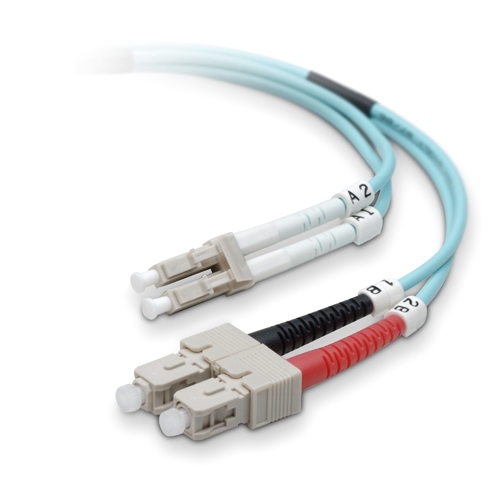
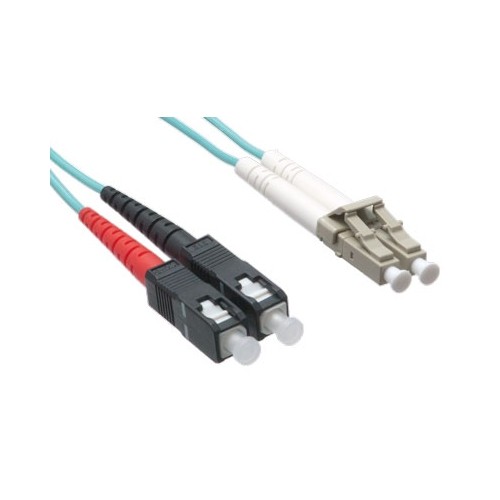
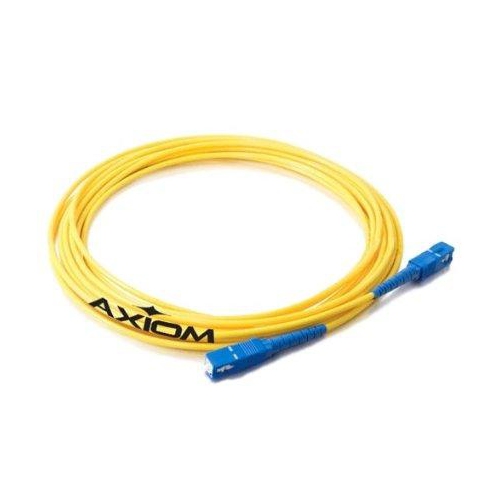
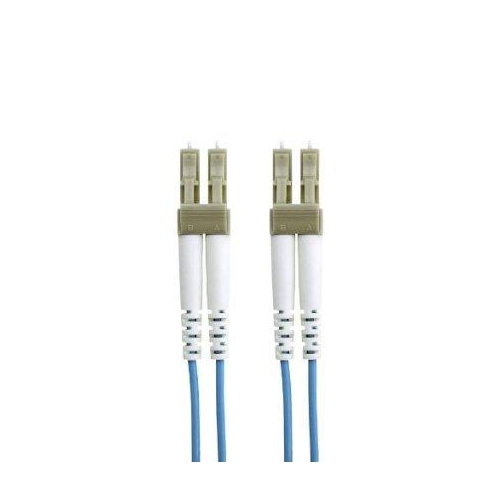
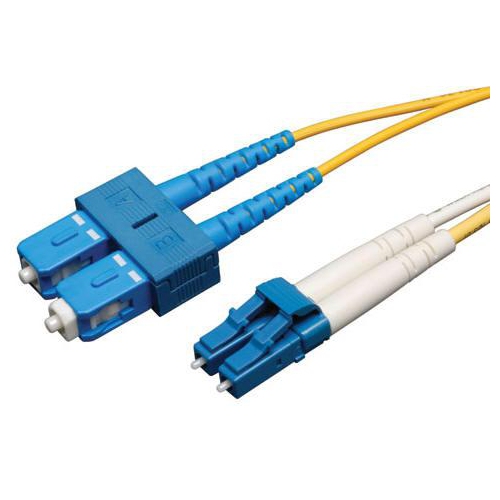
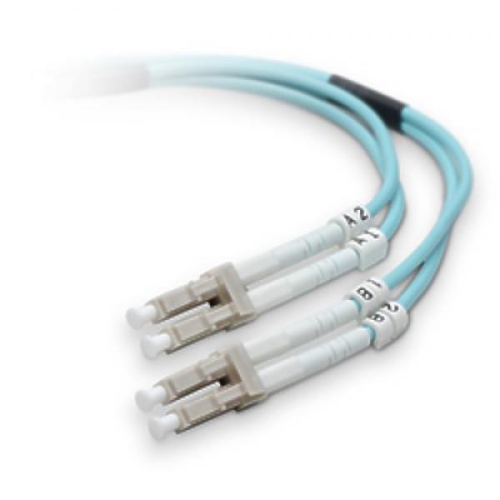
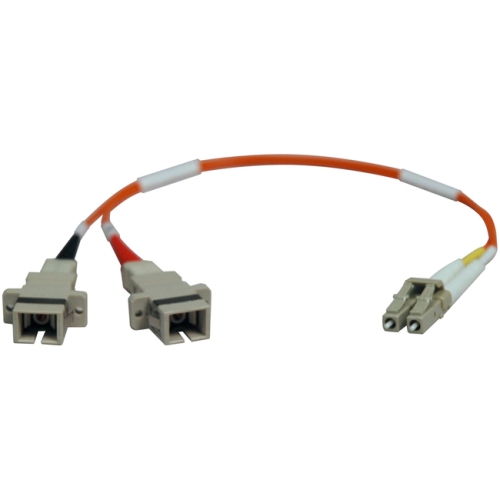
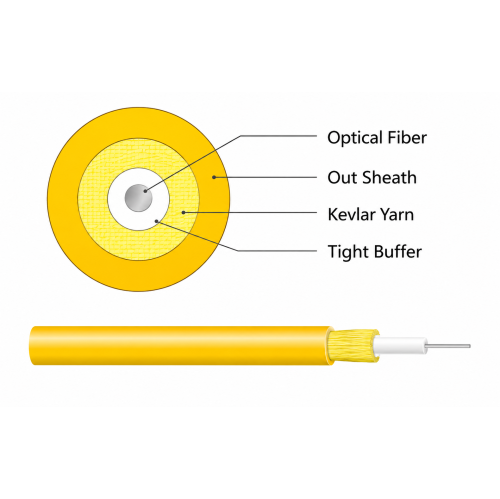
Connector compatibility determines whether a fibre patch cable will fit the ports at each end. LC connectors are compact and common on optical networking equipment, while SC connectors have a larger, square push-pull housing frequently found on patch panels and telecommunications connections. Some patch cables use the same connector at both ends; others join different connector formats. Matching the connector shape is only part of the fit. The connector’s polish also matters: UPC and APC connections have different end-face geometries and should not be mated together. Blue and green connector housings often distinguish these finishes, but written specifications remain the reliable reference. Simplex cables contain one fibre, while duplex cables contain two, often joined side by side. Many optical links use separate fibres for transmitting and receiving, although compatible bidirectional equipment can send and receive over a single fibre. The equipment’s optical interface therefore determines the required arrangement. Cable length deserves similar attention. A lead that comfortably reaches between ports without pulling on either connector is easier to manage than one stretched across a rack; excessive spare length can crowd cable managers and make individual connections harder to trace. Inside the jacket, glass fibre is protected by coatings, buffers, and, in many constructions, reinforcing materials such as aramid yarn. These layers help the cable withstand normal handling, but they do not make it immune to crushing, sharp bends, or tension. Bend-insensitive fibre can be helpful in compact cabinets, provided the cable’s specified minimum bend radius is still respected. Jacket materials and construction also affect suitability for different installations. Low-smoke, riser, and plenum designations describe different properties or requirements and are not interchangeable. Where a cable enters a building pathway rather than simply connecting adjacent equipment, its stated rating needs to suit that location and applicable requirements. Clear labels, readable length markings, and distinguishable cable colours can also make a crowded panel easier to manage, though colour alone should never establish compatibility.
Day-to-day reliability depends as much on handling and cleanliness as on the cable’s construction. The optical surface at a connector tip is small enough that dust or residue can disrupt an otherwise suitable connection. Protective caps help shield unused ends, but they are not a substitute for proper cleaning, and an ordinary cloth or household cleaner can leave contamination behind. Purpose-made fibre cleaning tools and inspection equipment are useful for people maintaining optical networks, especially where connections are moved regularly. Avoiding contact with the connector end face helps preserve its condition, and unused ports benefit from suitable protective covers. Active fibre ends should never be viewed directly, because the transmitted light may be invisible and potentially harmful. Good cable management also protects performance: gentle curves, supported runs, and suitable cable managers reduce strain without pinching the jacket. In a rack where several similar leads sit together, labels at both ends can save considerable effort when equipment is replaced or a connection needs tracing. A desk-side optical connection may need only a short, unobtrusive lead, while a business installation may benefit from consistent lengths and identification across multiple cabinets. A wider installation may also call for Fiber Optic Cables for Backbone Networks to connect major network areas, with patch cables completing the local connections at either end. For home internet connections, the service provider’s equipment specifications are particularly important, since optical ports, connector finishes, and fibre arrangements are not universal. A fibre patch cable also cannot connect directly to a standard copper Ethernet port without suitable conversion equipment. Across these uses, the practical details remain consistent: matching fibre and connector specifications, enough length for relaxed routing, protection appropriate to the installation, and clean optical connections. Those details help create an orderly setup that is easier to maintain when equipment moves, ports change, or the network grows.
Top selling and popular products
-
 Your price for this item is $199.99
-
 Your price for this item is $45.37
-
 Your price for this item is $46
-
 Your price for this item is $28.99
-
 Your price for this item is $77.68
-
 Your price for this item is $36.37
-
 Your price for this item is $57.99
-
 Your price for this item is $11.97
Discover more categories related to Fiber Patch Cables

Top Collections:
Pokemon Centers, Kindle Devices, Best Cameras for Sports Photography, Pokémon 30th Celebration Cards, Apple iPhones 16, Canon G7X Cameras, iPhone 15 Apple, Flip Phones, Samsung Galaxy Phones, Alarm Clock
Some products may be subject to Environmental Handling Fees
(EHF) depending on your province.
Learn more about EHFs.