Flexible Keyboards
If you're looking for a keyboard that can keep up with your on-the-go lifestyle, look no further than these flexible keyboards. These innovative devices are designed to provide you with the ultimate convenience and flexibility, allowing you to type comfortably wherever you are. Whether you're a frequent traveler, a digital nomad, or simply someone who values versatility, this range of flexible keyboards is sure to meet your needs. With their slim and lightweight design, these keyboards are perfect for slipping into your bag or backpack without adding any extra bulk.
Sort

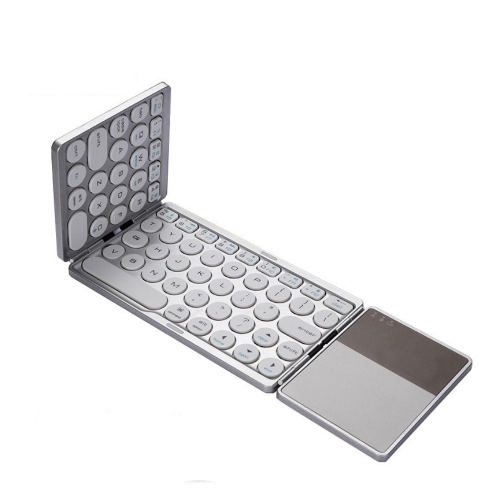
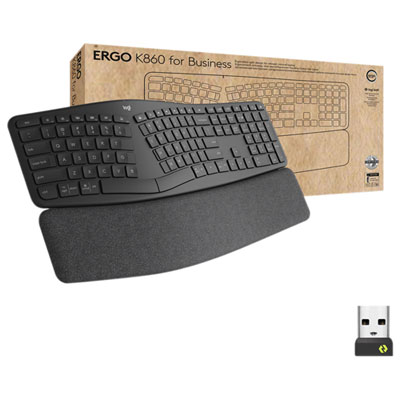
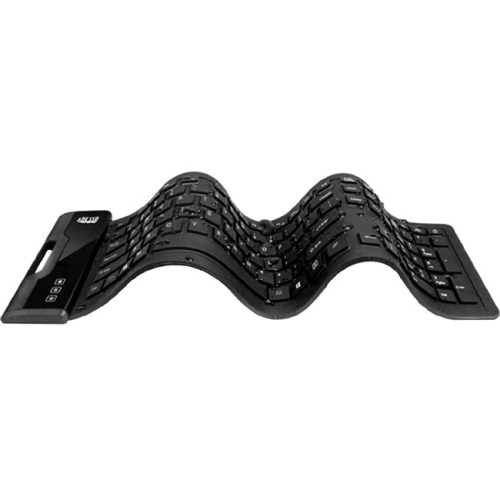
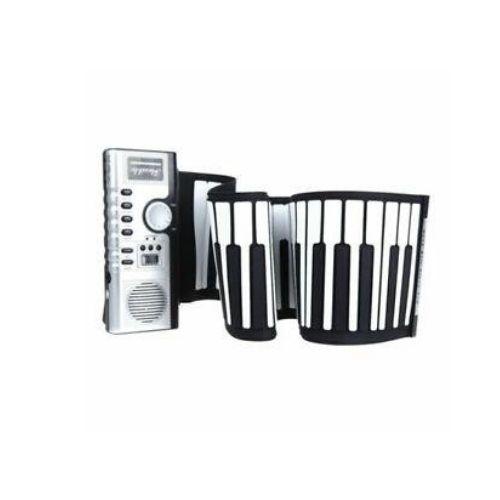
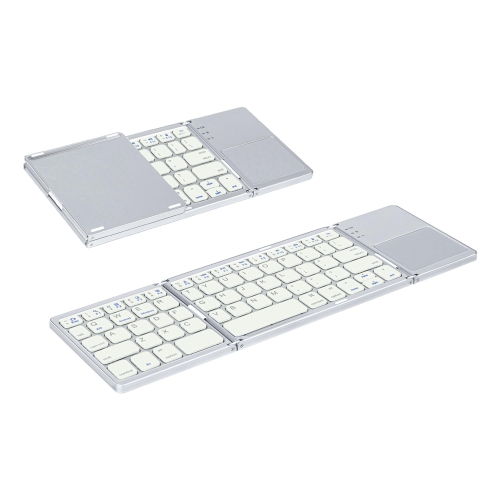
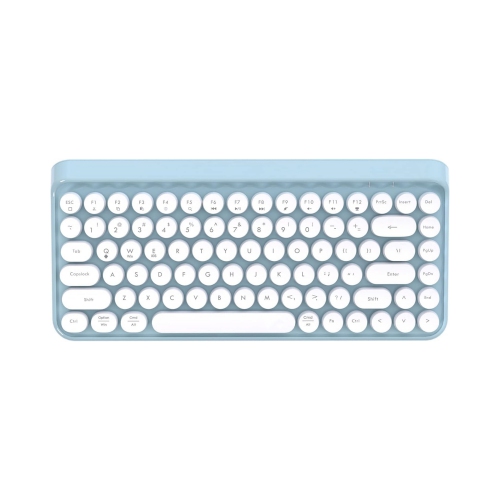
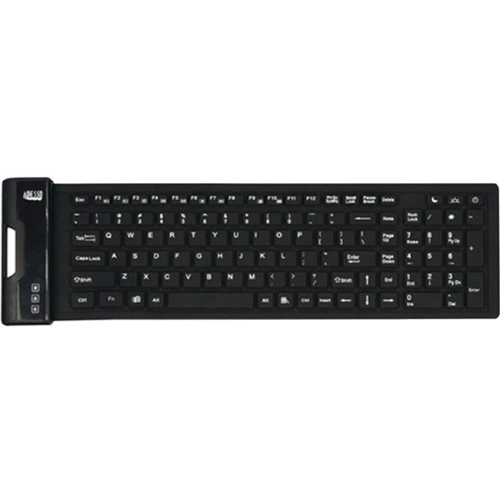
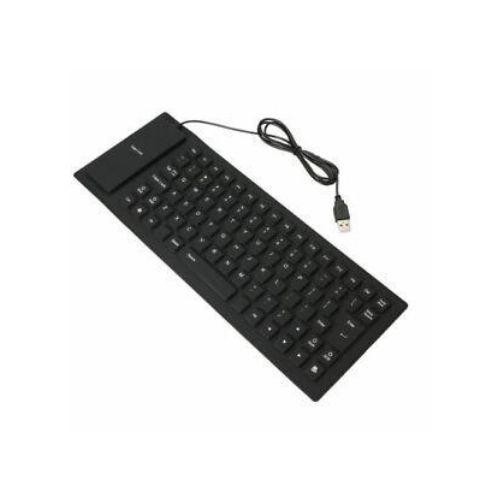
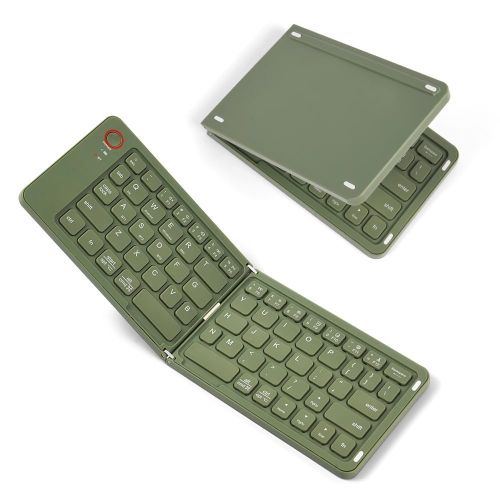
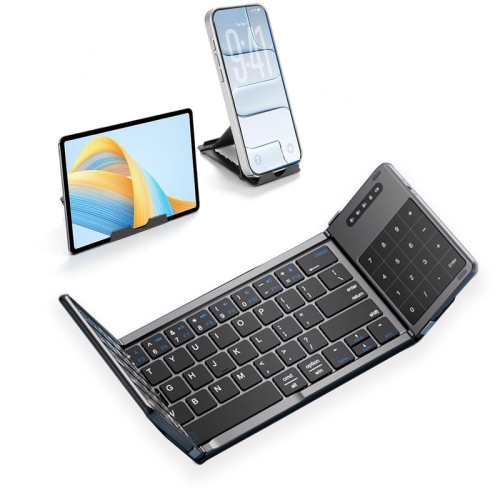
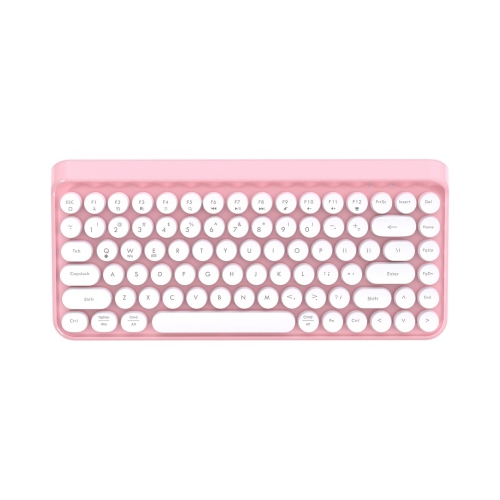
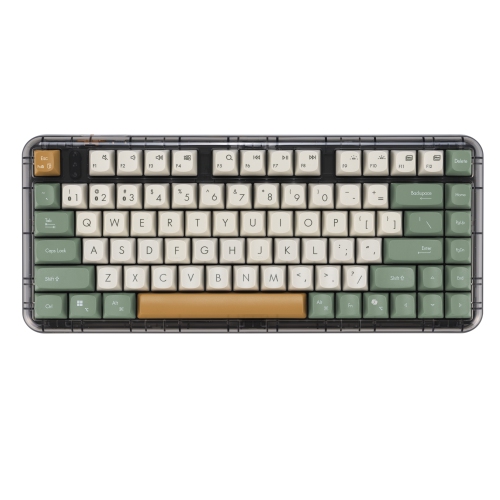
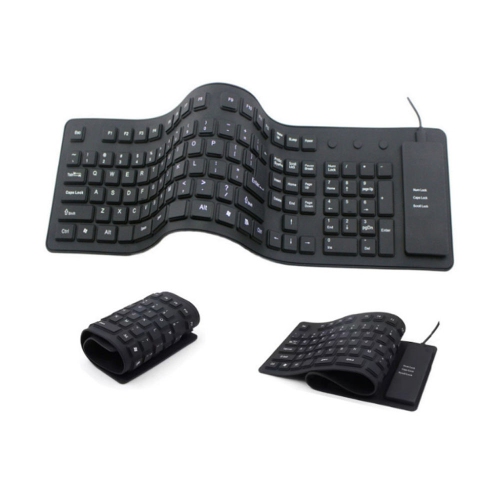
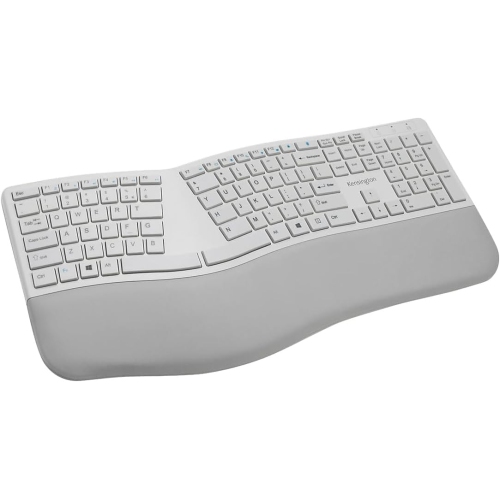
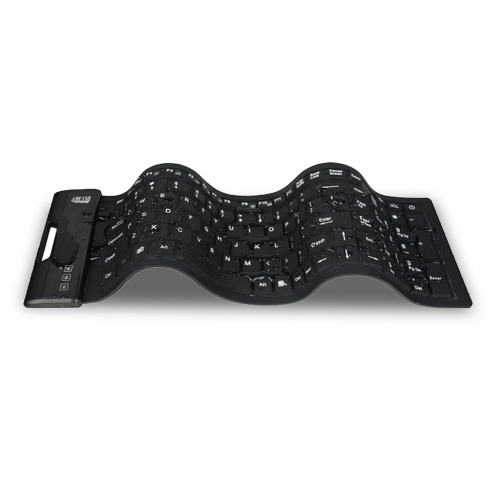
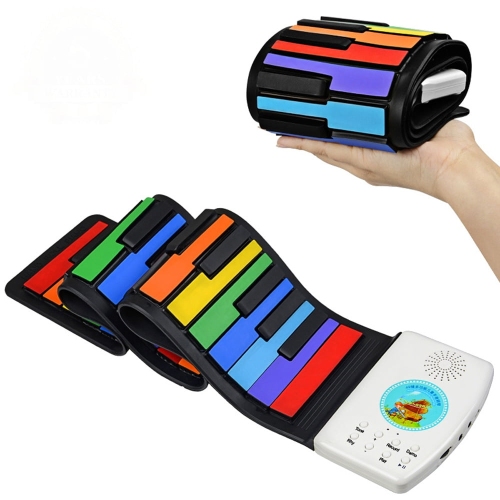
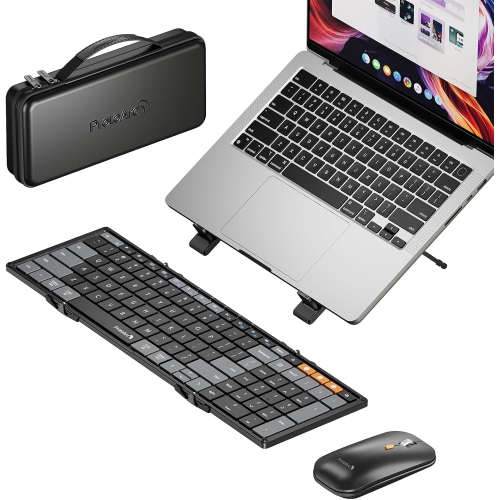
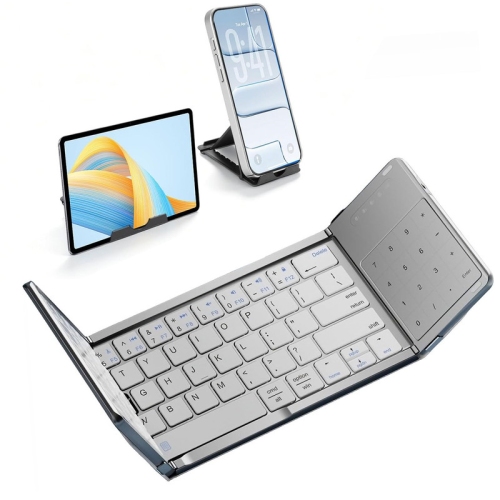
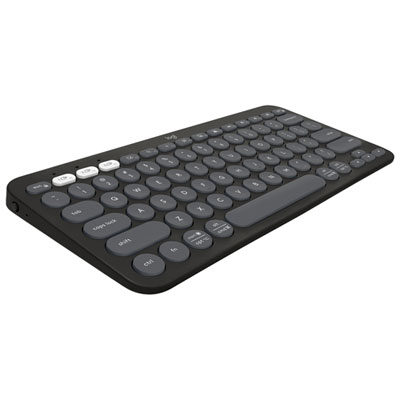
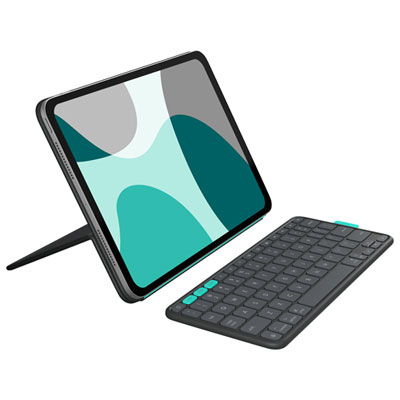
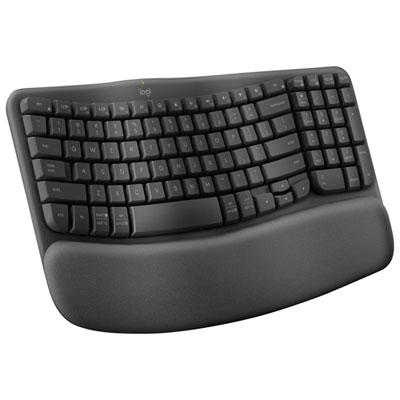
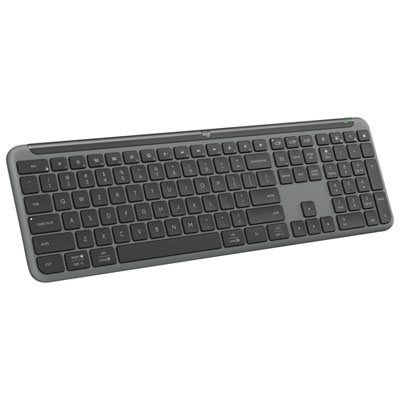
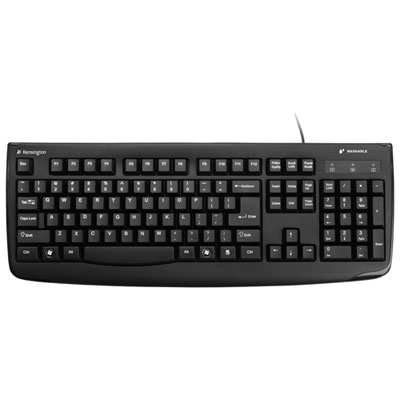
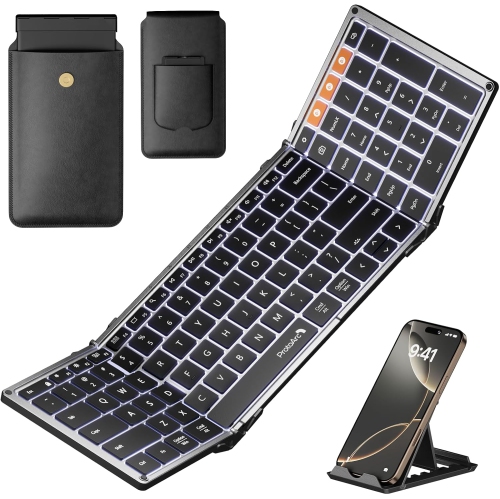
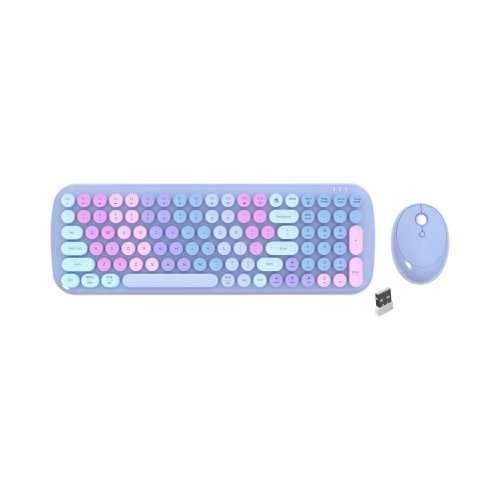
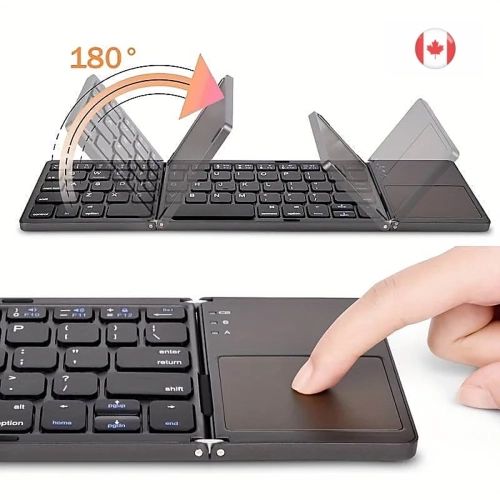
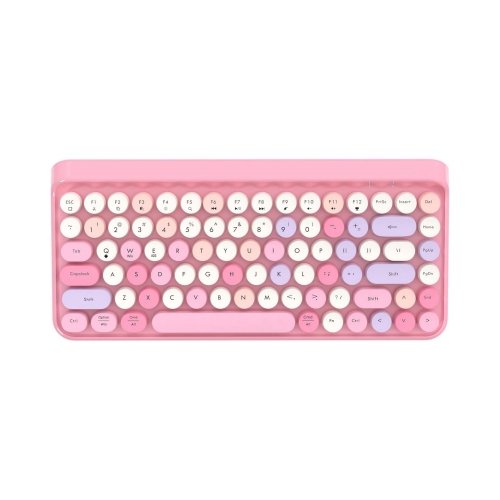
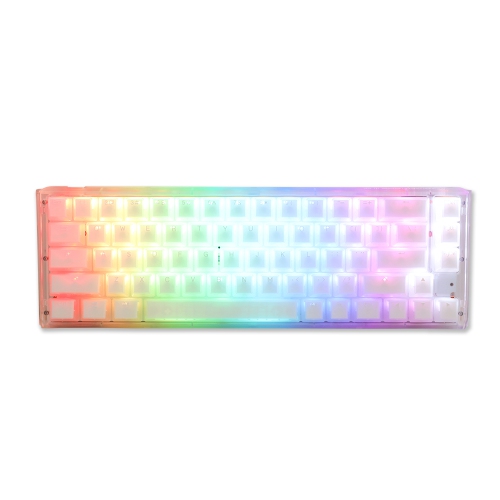
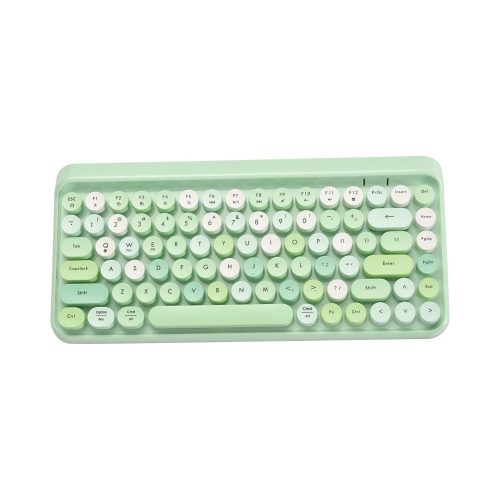
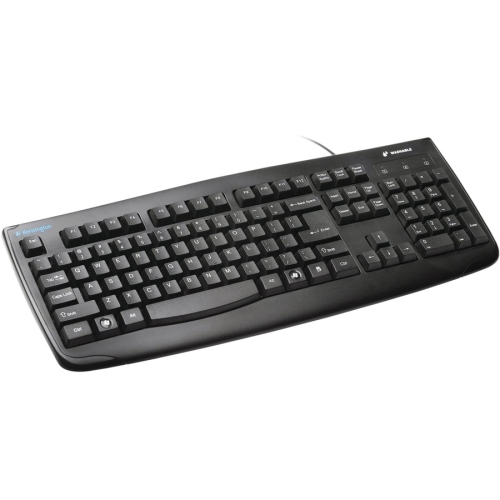
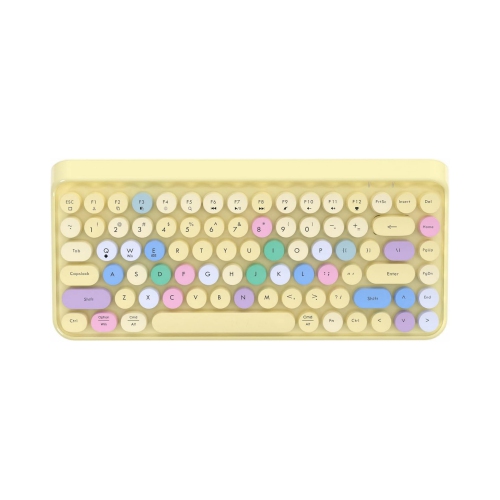

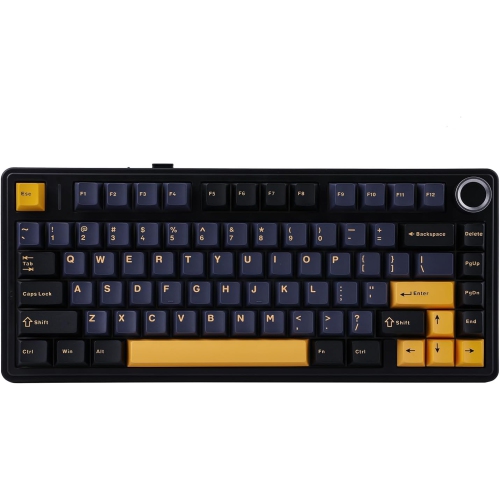

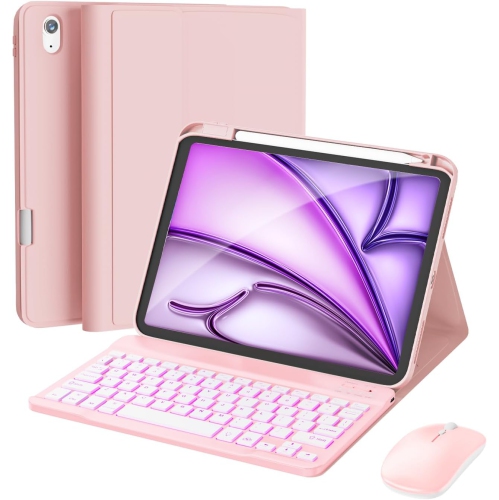
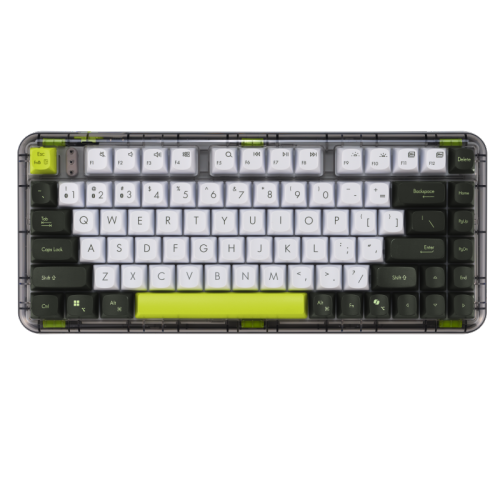
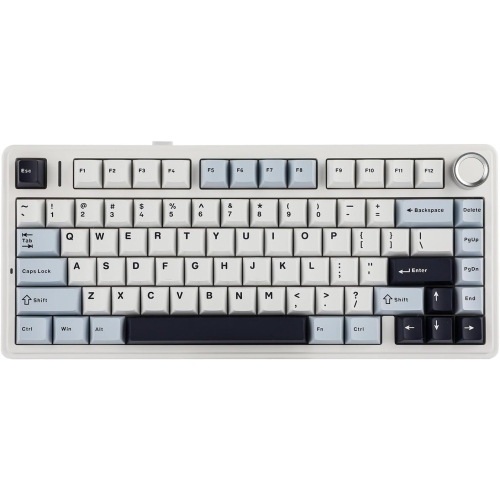
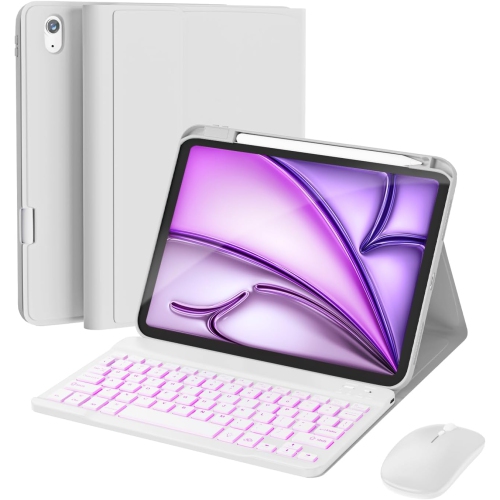
Roll-up convenience comes with a different typing feel
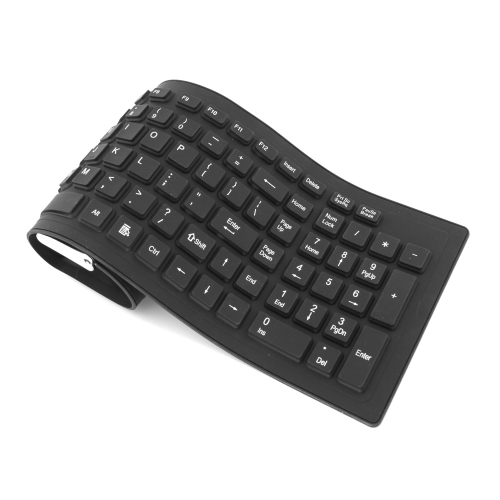
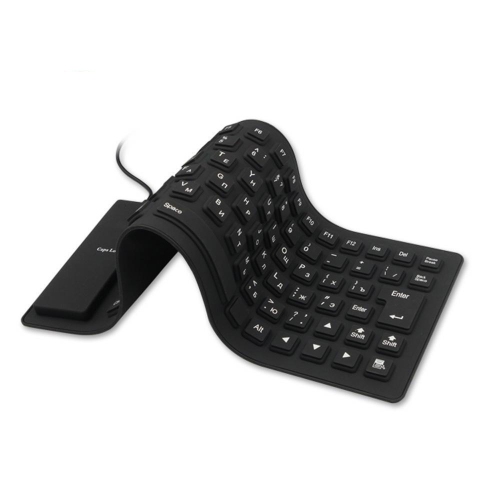
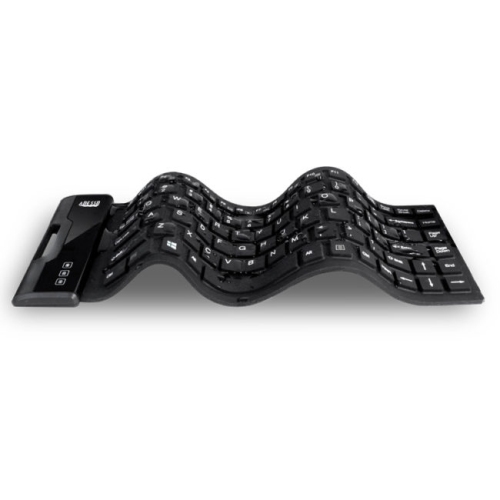
Flexible keyboards are portable typing devices with a bendable body, often made from silicone or a similar rubber-like material, that can be rolled for storage when the design permits. Unlike a conventional keyboard with a rigid frame, a roll-up keyboard packs into a smaller space between uses, making it practical for a laptop bag, desk drawer, or travel pouch. Its main appeal is the combination of a soft typing surface and a body that is easy to carry, rather than the firm, springy response associated with many desktop keyboards. A silicone keyboard typically has moulded keys over an internal circuit layer, with a cable or connection module that may remain rigid even when the rest of the keyboard bends. That distinction matters when packing: a loose roll keeps pressure away from the internal connections, while a tight fold can damage a keyboard that was never designed to crease. For typing, the keyboard needs to lie flat on a firm, smooth surface. A small desk or meeting table gives the keys better support than a lap, cushion, or uneven tray. Students moving between study spaces, people working across several desks, and travellers who prefer a separate keyboard for their laptop may find this format useful. It can also serve as a spare input device that stays tucked away until needed. The soft key surface generally produces less clatter than many rigid keyboards, although it should not be assumed to be completely silent. Typing feel varies, and some designs need a deliberate press near the centre of each key to register consistently. For short emails, search queries, notes, and occasional document changes, that trade-off may be reasonable. People who spend hours typing without a break may place greater importance on key spacing, feedback, and wrist comfort than on how tightly the keyboard packs away.
Materials and construction influence how a flexible keyboard handles everyday use. A continuous silicone surface can help keep crumbs and dust from settling between separate keycaps, and certain designs offer protection against spills. However, a flexible body does not automatically make the entire keyboard waterproof. Seams, plugs, charging ports, and connection modules can remain vulnerable even when the key surface is sealed. Any water-resistance claim needs to apply to the complete device, with care instructions that clearly describe what cleaning it can tolerate. For routine care, disconnecting the keyboard and wiping its surface with a soft cloth is a sensible starting point, provided this matches the manufacturer's directions. Washing, soaking, or using alcohol-based cleaners is appropriate only when expressly permitted; cleaning agents can affect printed legends, coatings, or other parts. Allowing the keyboard to dry fully before reconnecting it also matters. On a shared desk or near a craft area, an easy-to-wipe surface can be convenient, but it does not replace proper handling around liquids. Durability depends as much on storage habits as on the material itself. Sharp objects in a bag can puncture a soft body, heavy contents can crush a connection module, and pulling on the cord can strain the point where it enters the keyboard. A separate pouch helps keep cables and small accessories from pressing into the keys. Before use, the surface underneath should be clear of grit or other debris that could create raised spots and interfere with key presses. The underside may provide useful grip on a clean tabletop, but that grip varies with the material and surface finish. Key legends deserve attention too: clear contrast and readable characters can make a compact layout easier to use, especially when several functions share one key. For a keyboard that travels frequently, legibility, a secure cable connection, and a storage shape that fits the bag are practical details worth considering alongside flexibility.
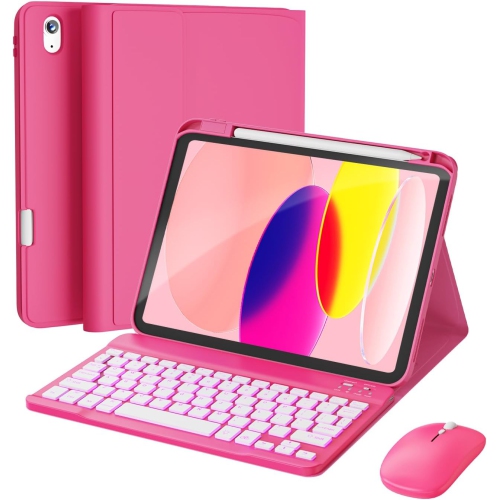
Fit involves both the physical layout and compatibility with the device receiving the keystrokes. A full-size flexible keyboard may include a number pad that suits spreadsheets, expense entries, and other number-heavy tasks, while a shorter layout leaves more room for a mouse on a narrow desk. Compact designs can change the position or size of arrow keys, punctuation, and navigation controls, so overall width alone does not tell the whole story. Familiar key spacing is particularly helpful when switching between a laptop keyboard and a separate roll-up model throughout the day. Canadian English and French typing needs may also influence layout preferences, including access to accented characters and the placement of commonly used symbols. A wired USB connection can keep setup straightforward and avoids the need to charge a keyboard, but the plug must match an available port or work through a suitable adapter. Connecting to a tablet or phone requires support for an external keyboard; a matching connector by itself does not establish compatibility. Wireless flexible designs, where supported, bring different considerations, including pairing, battery care, and any receiver required for the connection. Operating-system support also matters because shortcut keys and media controls may behave differently across devices. A keyboard provides text entry, but it does not necessarily include a pointing device or a stand to hold a screen upright. For a tablet setup, a stable stand and a comfortable viewing position can be just as important as the typing surface. Shoppers comparing travel-friendly formats can also explore Mobile Keyboards, a broader category that can include rigid compact and hinged folding designs. Those formats are distinct from roll-up silicone keyboards: a hinged model folds at designated joints rather than bending across its body. As a practical gift, a flexible keyboard can suit someone who values a packable spare, provided the connection, layout, and typing feel match their needs. Its strongest role is often a portable companion for occasional typing, with usefulness shaped by where it will be placed, how it will connect, and how much text its owner expects to enter.
Materials and construction influence how a flexible keyboard handles everyday use. A continuous silicone surface can help keep crumbs and dust from settling between separate keycaps, and certain designs offer protection against spills. However, a flexible body does not automatically make the entire keyboard waterproof. Seams, plugs, charging ports, and connection modules can remain vulnerable even when the key surface is sealed. Any water-resistance claim needs to apply to the complete device, with care instructions that clearly describe what cleaning it can tolerate. For routine care, disconnecting the keyboard and wiping its surface with a soft cloth is a sensible starting point, provided this matches the manufacturer's directions. Washing, soaking, or using alcohol-based cleaners is appropriate only when expressly permitted; cleaning agents can affect printed legends, coatings, or other parts. Allowing the keyboard to dry fully before reconnecting it also matters. On a shared desk or near a craft area, an easy-to-wipe surface can be convenient, but it does not replace proper handling around liquids. Durability depends as much on storage habits as on the material itself. Sharp objects in a bag can puncture a soft body, heavy contents can crush a connection module, and pulling on the cord can strain the point where it enters the keyboard. A separate pouch helps keep cables and small accessories from pressing into the keys. Before use, the surface underneath should be clear of grit or other debris that could create raised spots and interfere with key presses. The underside may provide useful grip on a clean tabletop, but that grip varies with the material and surface finish. Key legends deserve attention too: clear contrast and readable characters can make a compact layout easier to use, especially when several functions share one key. For a keyboard that travels frequently, legibility, a secure cable connection, and a storage shape that fits the bag are practical details worth considering alongside flexibility.
Fit involves both the physical layout and compatibility with the device receiving the keystrokes. A full-size flexible keyboard may include a number pad that suits spreadsheets, expense entries, and other number-heavy tasks, while a shorter layout leaves more room for a mouse on a narrow desk. Compact designs can change the position or size of arrow keys, punctuation, and navigation controls, so overall width alone does not tell the whole story. Familiar key spacing is particularly helpful when switching between a laptop keyboard and a separate roll-up model throughout the day. Canadian English and French typing needs may also influence layout preferences, including access to accented characters and the placement of commonly used symbols. A wired USB connection can keep setup straightforward and avoids the need to charge a keyboard, but the plug must match an available port or work through a suitable adapter. Connecting to a tablet or phone requires support for an external keyboard; a matching connector by itself does not establish compatibility. Wireless flexible designs, where supported, bring different considerations, including pairing, battery care, and any receiver required for the connection. Operating-system support also matters because shortcut keys and media controls may behave differently across devices. A keyboard provides text entry, but it does not necessarily include a pointing device or a stand to hold a screen upright. For a tablet setup, a stable stand and a comfortable viewing position can be just as important as the typing surface. Shoppers comparing travel-friendly formats can also explore Mobile Keyboards, a broader category that can include rigid compact and hinged folding designs. Those formats are distinct from roll-up silicone keyboards: a hinged model folds at designated joints rather than bending across its body. As a practical gift, a flexible keyboard can suit someone who values a packable spare, provided the connection, layout, and typing feel match their needs. Its strongest role is often a portable companion for occasional typing, with usefulness shaped by where it will be placed, how it will connect, and how much text its owner expects to enter.
Top selling and popular products
-
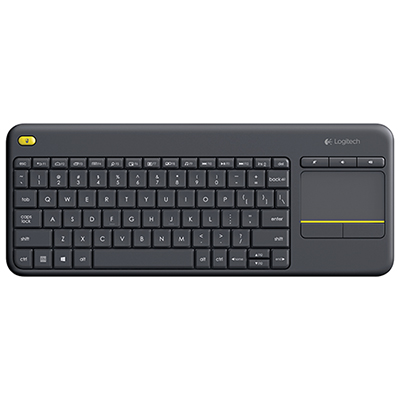 Your price for this item is $39.98
 -
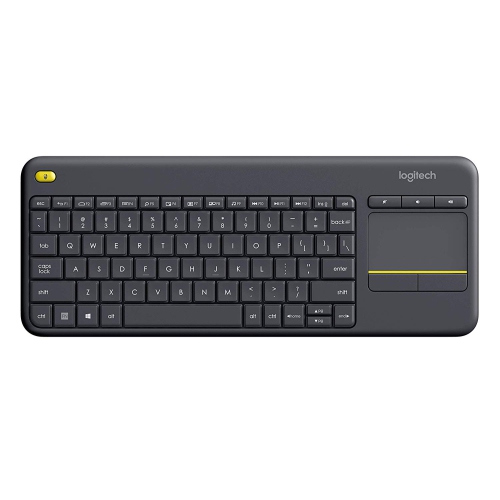 Your price for this item is $49.72
 -
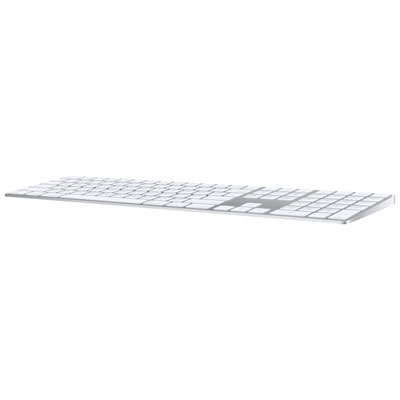 Your price for this item is $159
 -
 Your price for this item is $219.99
 -
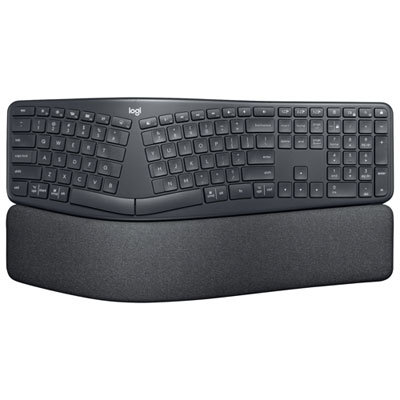 Your price for this item is $199.99
 -
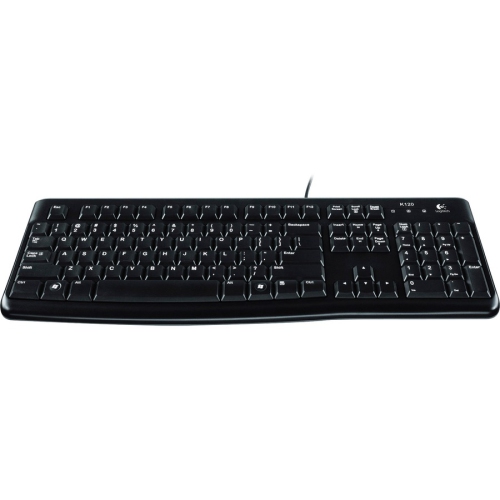 Your price for this item is $44.69
 -
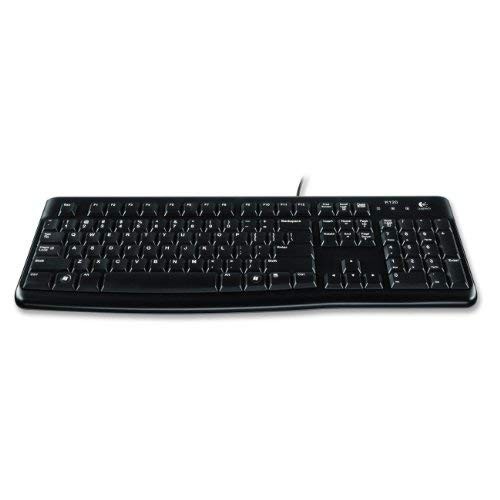 Your price for this item is $29.99
 -
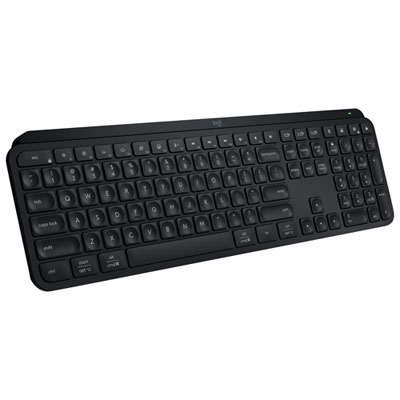 Your price for this item is $169.99
Discover more categories related to Flexible Keyboards

Top Collections:
Pokemon Centers, Kindle Devices, Best Budget Office Chairs, Apple iPhones 16, Canon G7X Cameras, iPhone 15 Apple, Alarm Clock, Refurbished Apple Laptops, Flip Phones, Best Laptops for Writers
Some products may be subject to Environmental Handling Fees
(EHF) depending on your province.
Learn more about EHFs.