Travel Keyboards
Looking for a portable and convenient solution to type on the go? Look no further than our collection of travel keyboards. These compact and lightweight keyboards are designed to provide you with a comfortable typing experience, whether you're working on your laptop during a flight or writing emails on your tablet while lounging at the beach. With their sleek and ergonomic designs, these travel keyboards are perfect for frequent travelers, digital nomads, or anyone who needs to stay productive while on the move. Discover the perfect travel keyboard that suits your needs and enhances your productivity wherever you go.
Sort
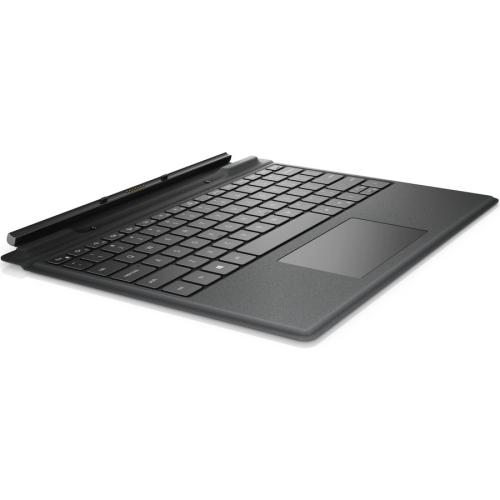
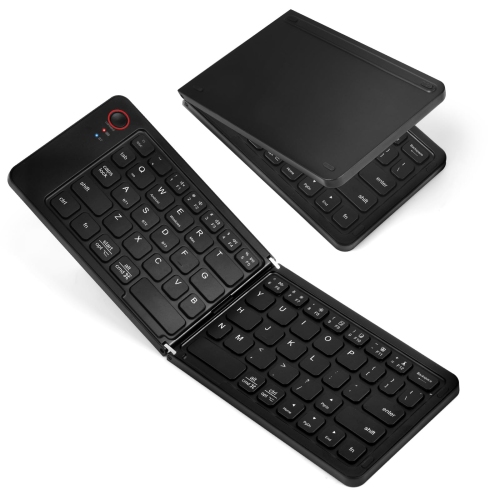
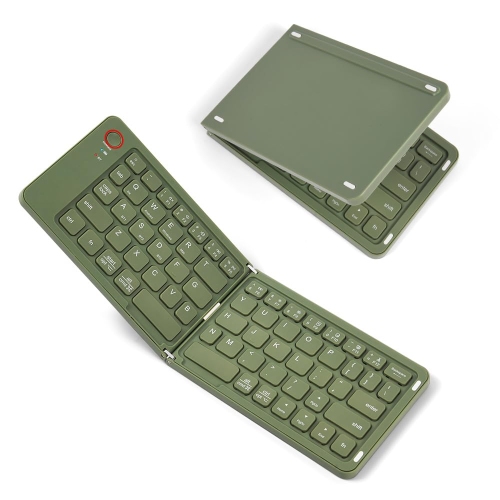

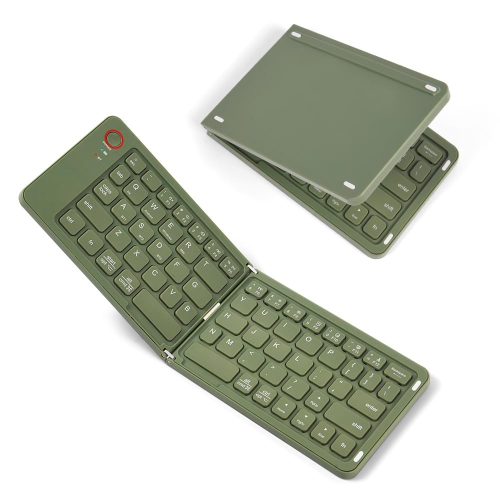


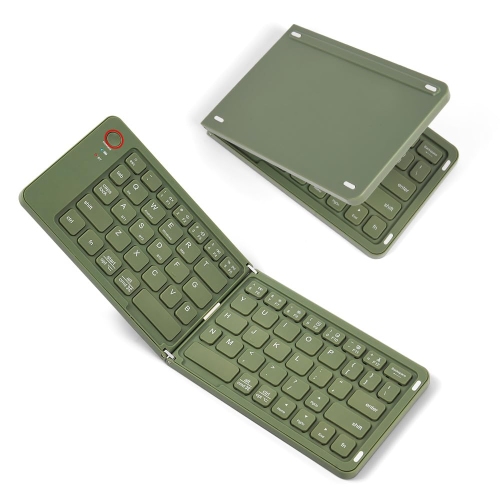
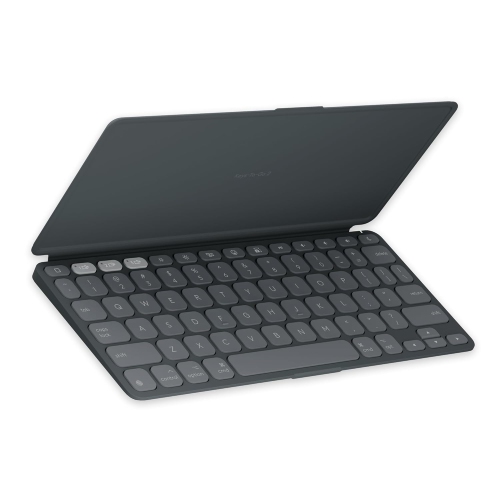
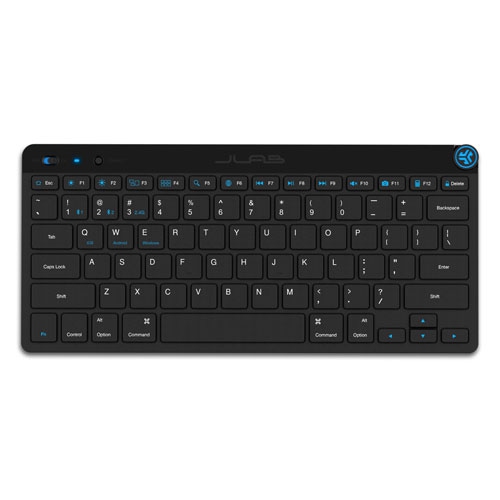
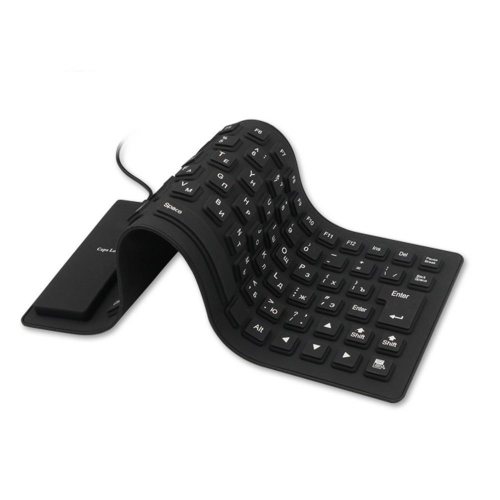
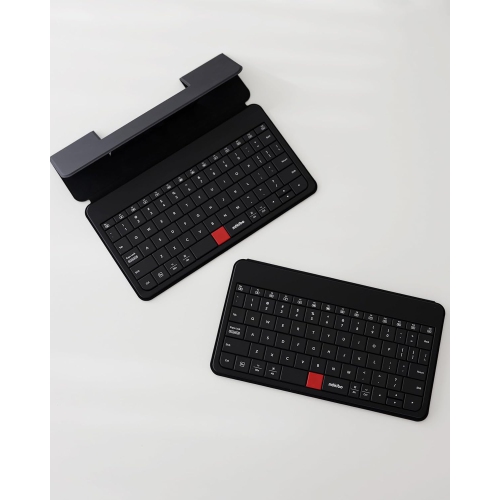
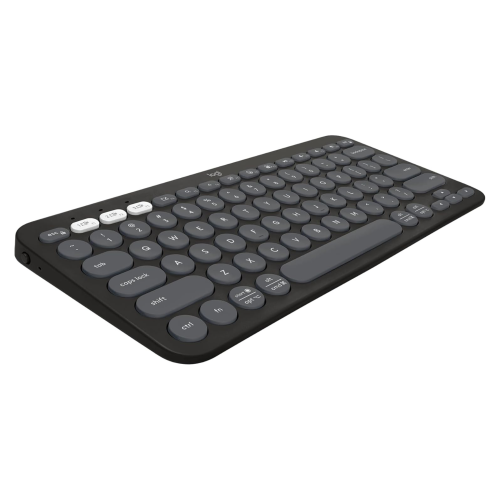
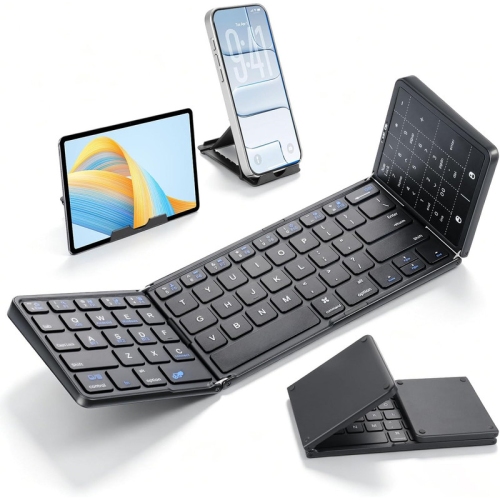
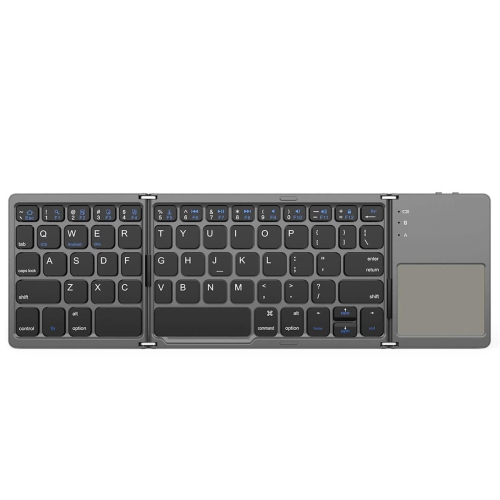
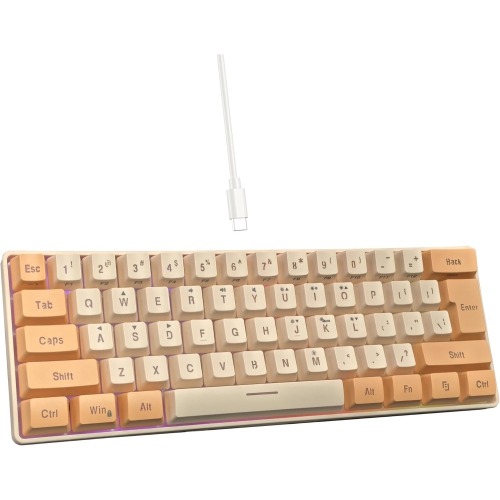
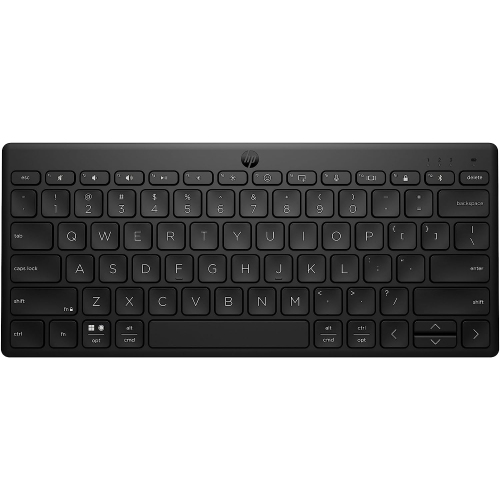
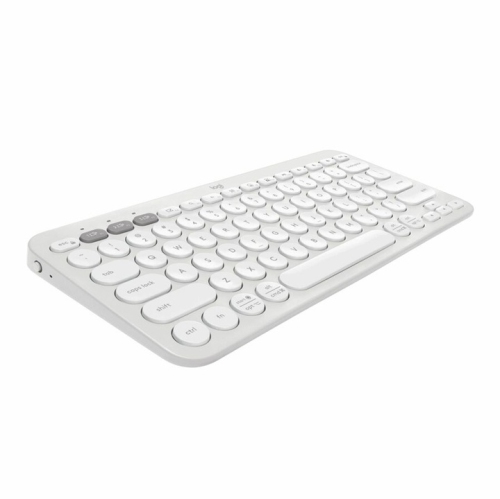
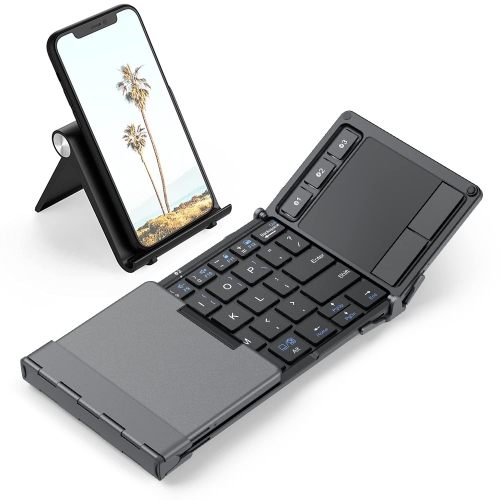
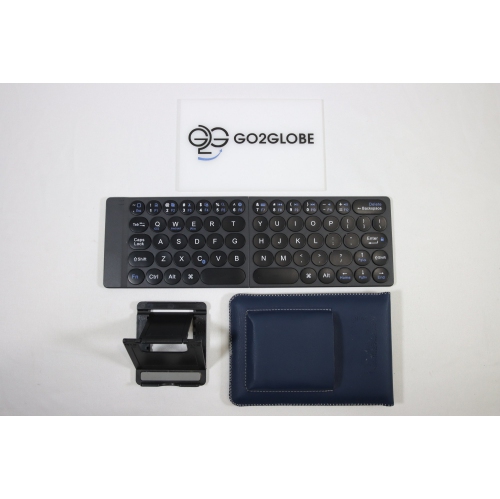
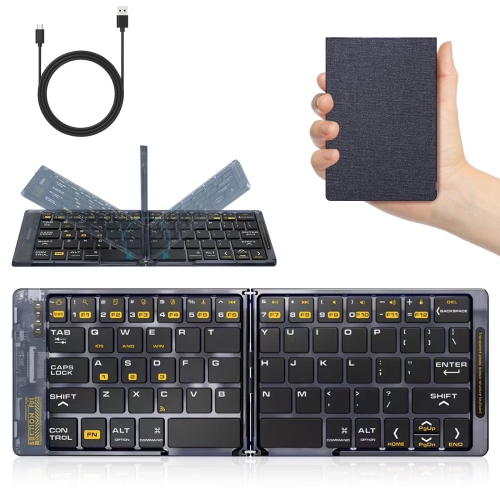

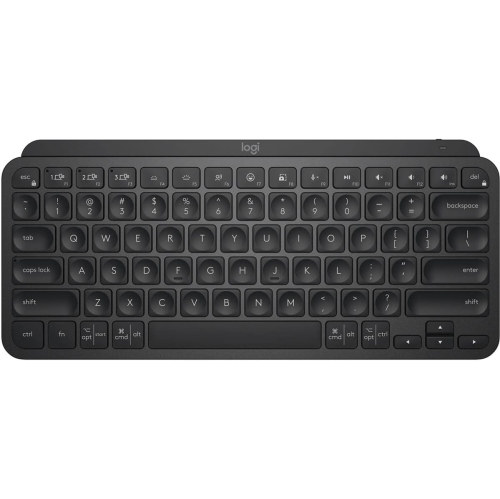
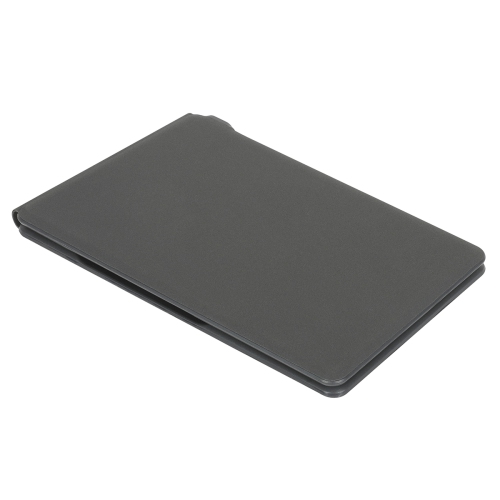
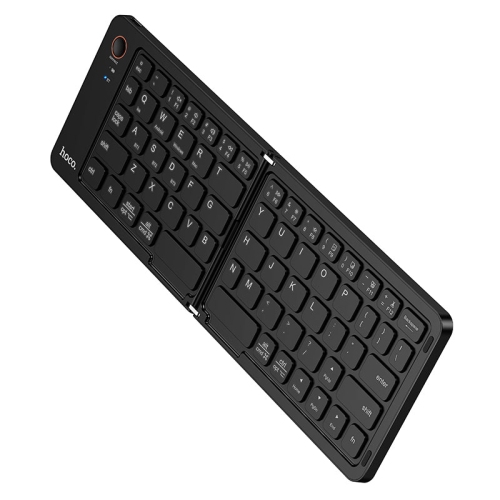
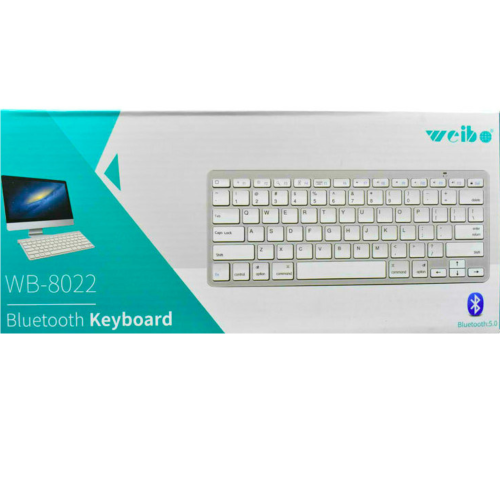
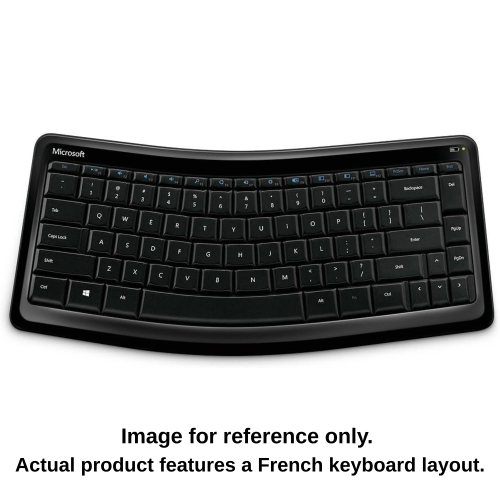
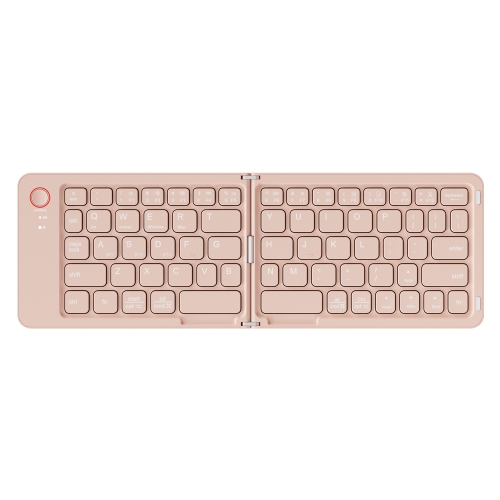


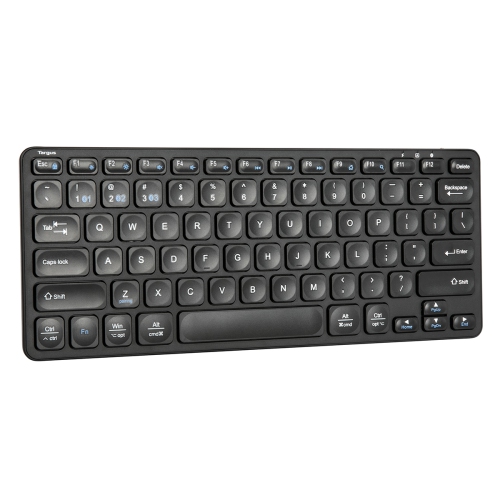
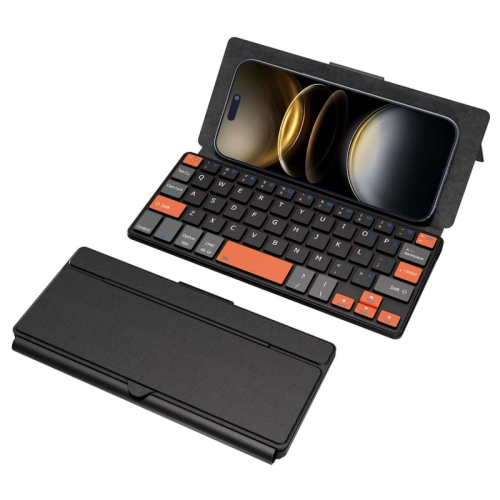
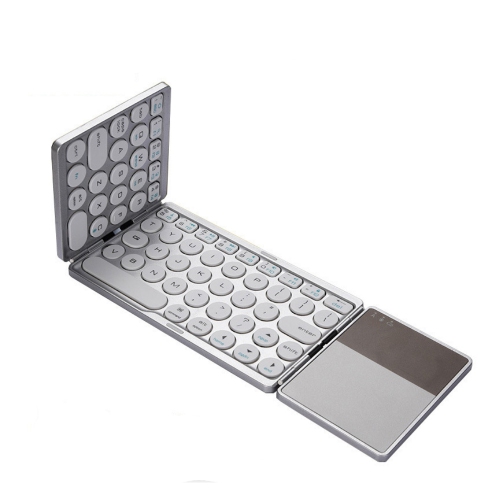

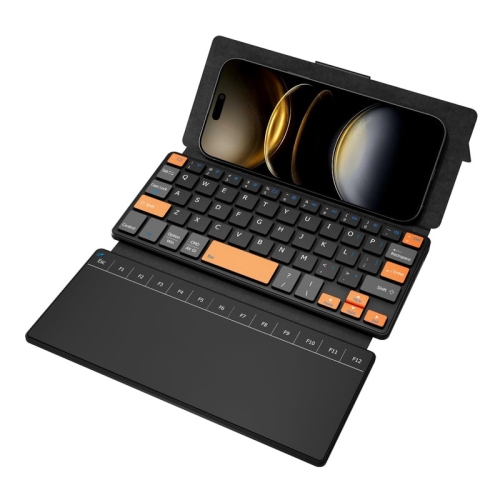
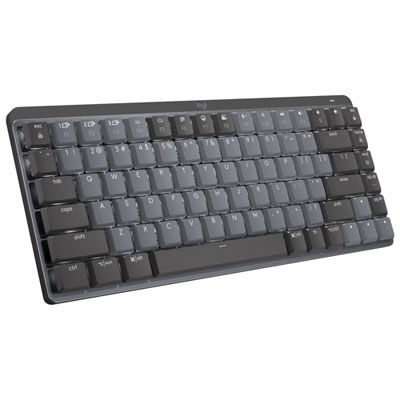

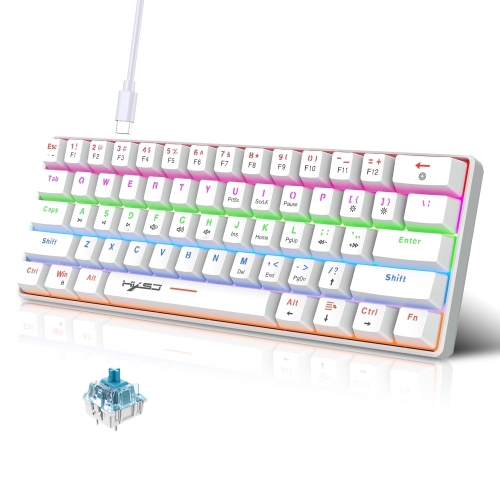
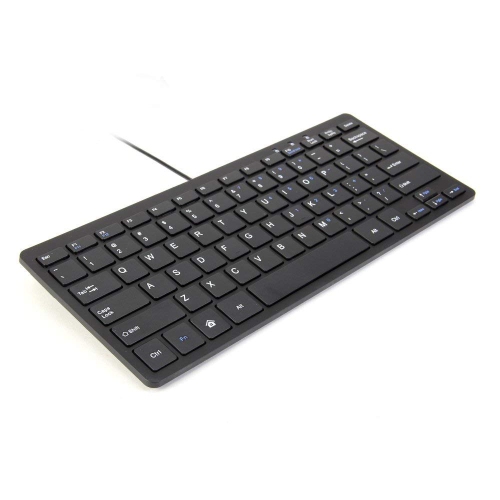

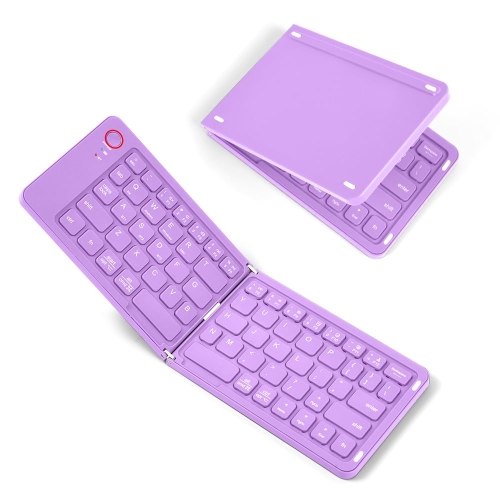
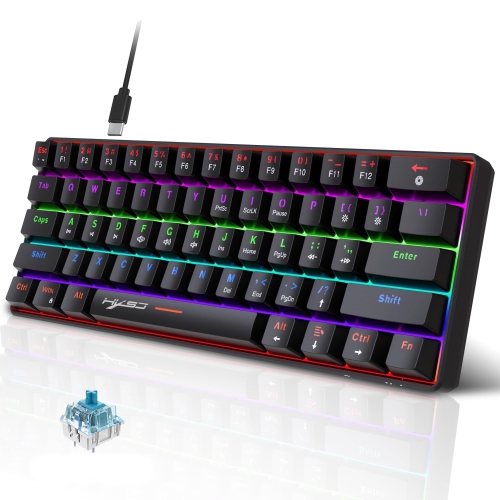

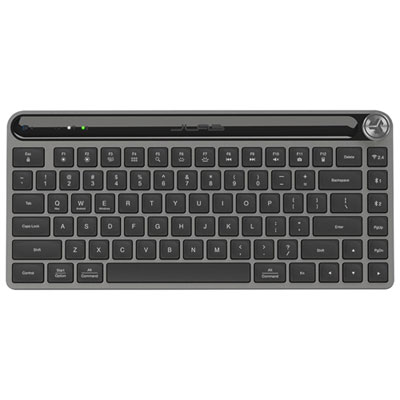
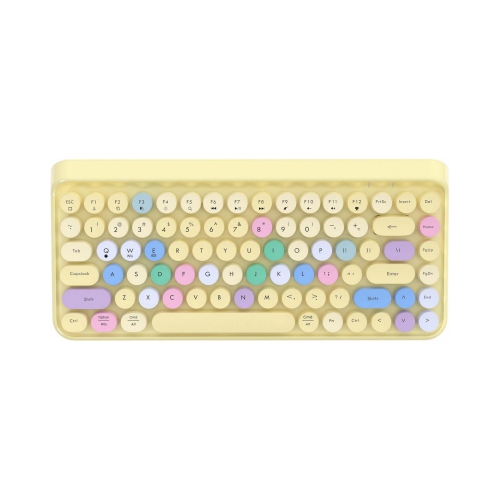
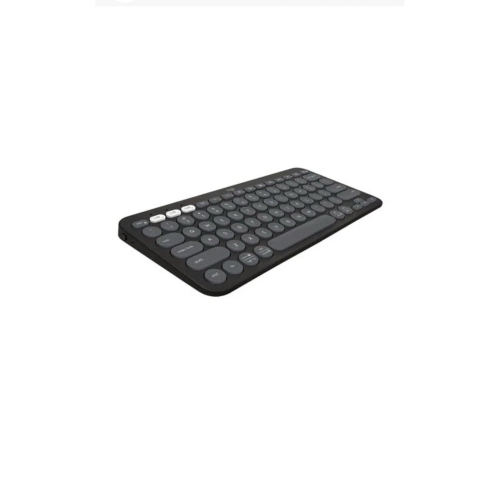
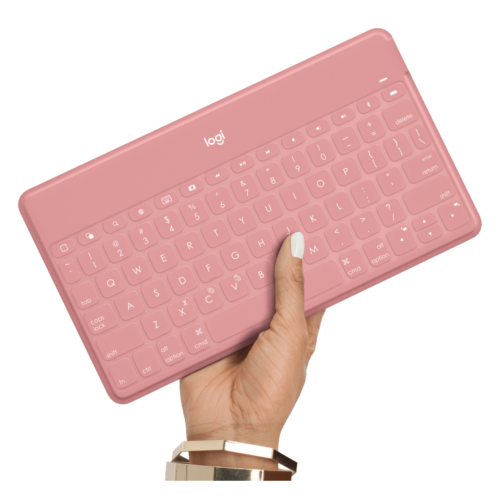
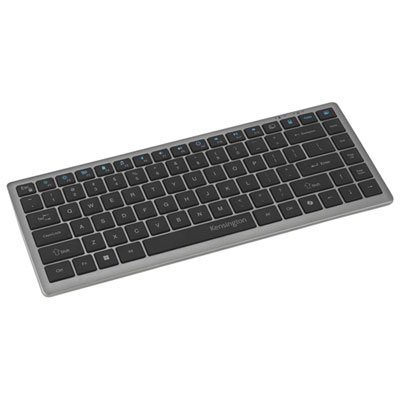
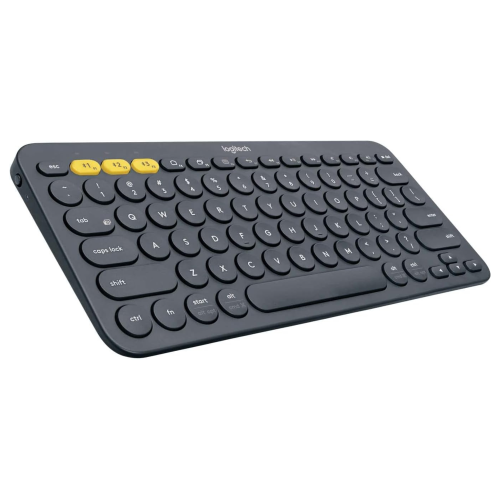
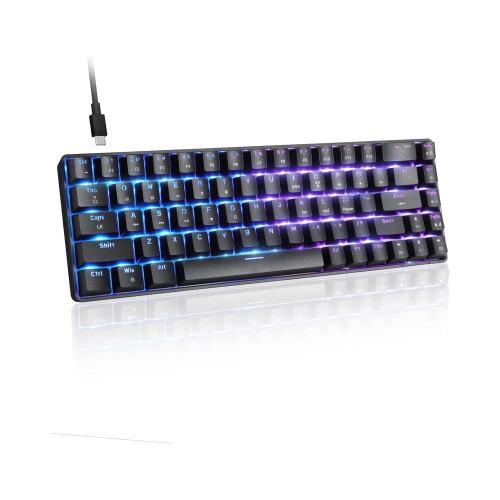
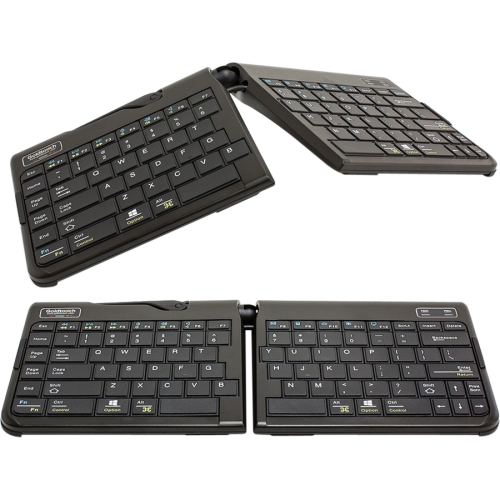
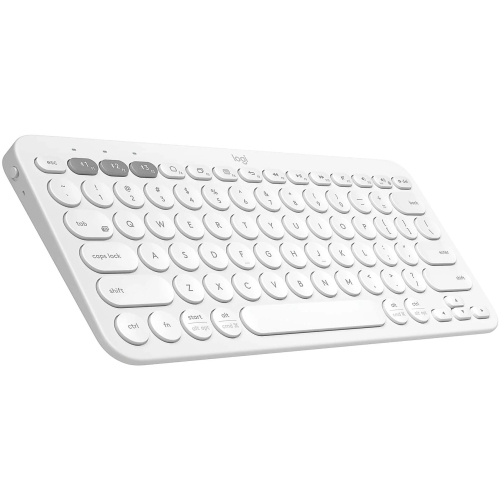
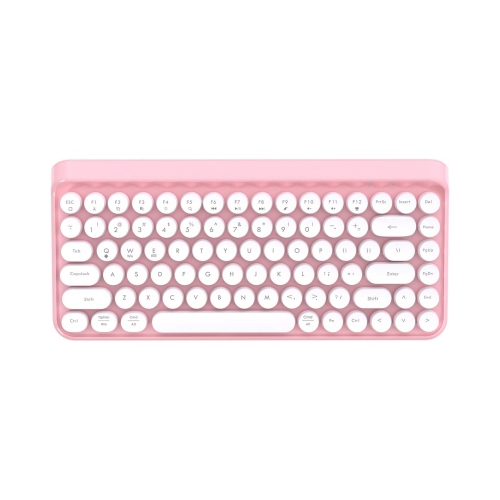
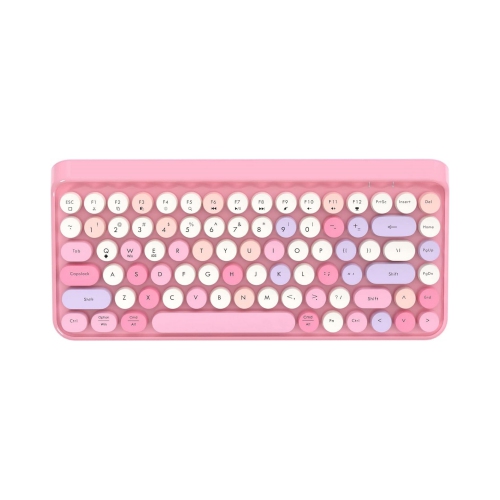
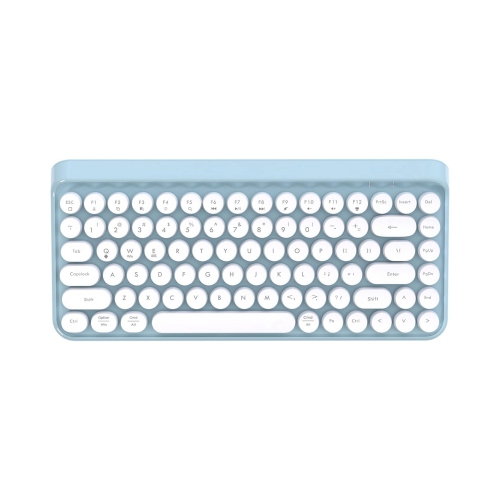
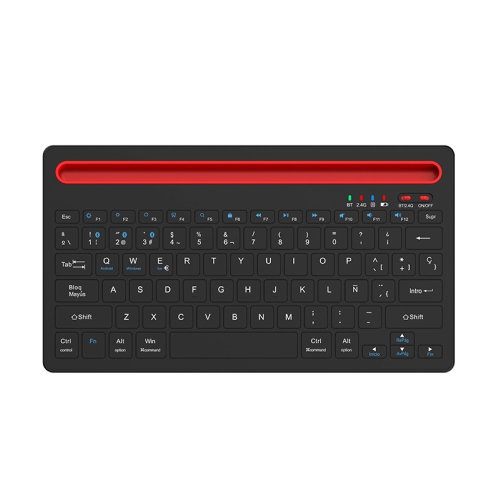
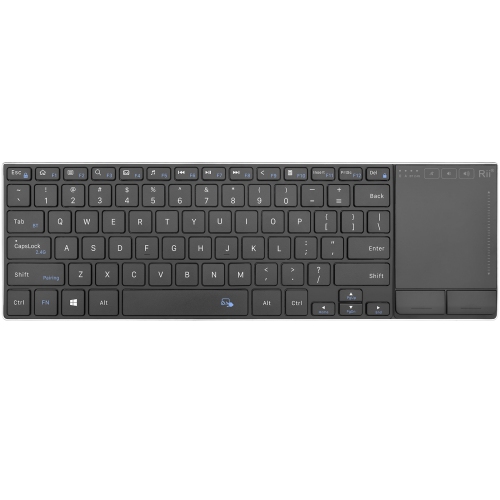
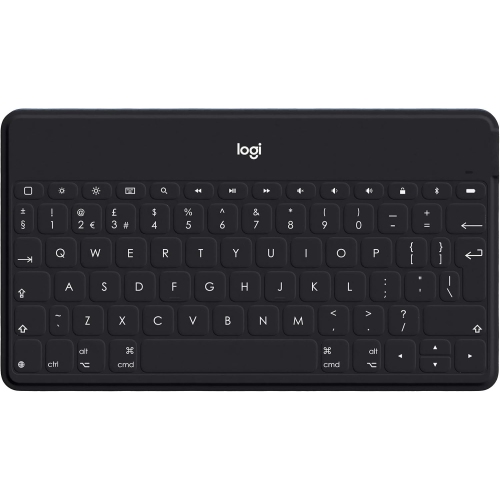
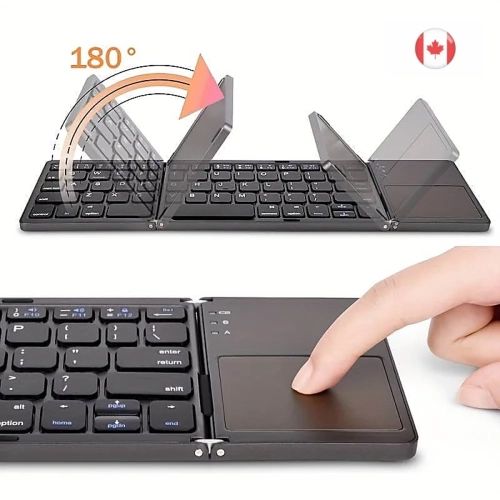
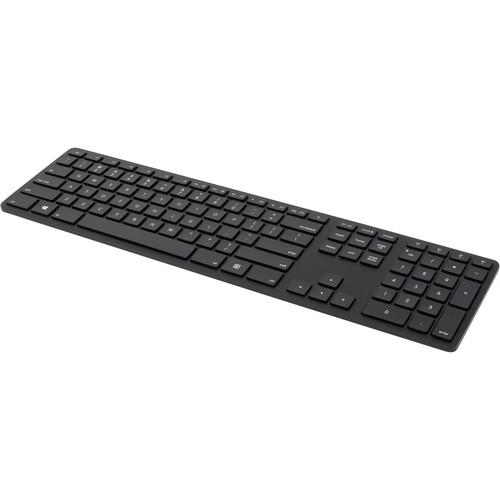

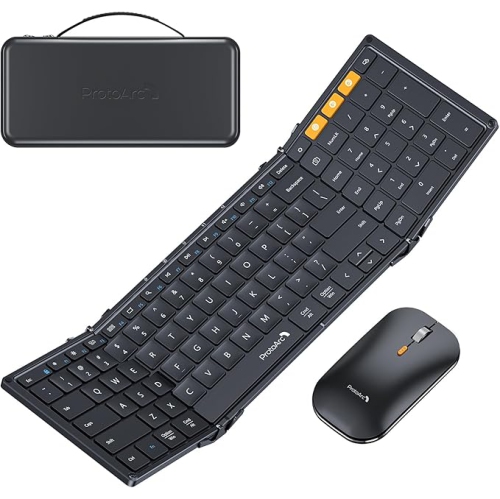
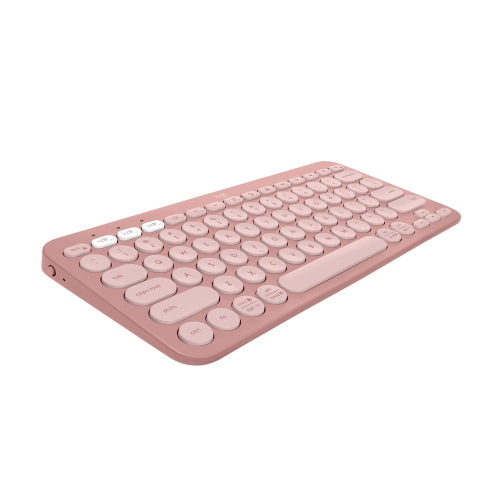
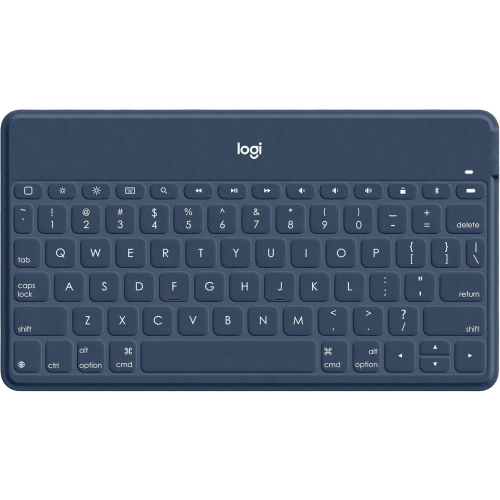
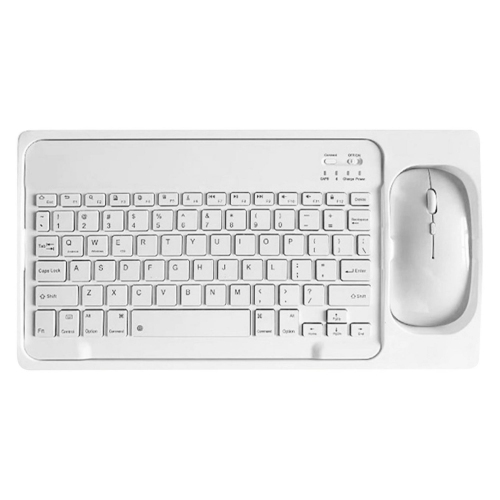
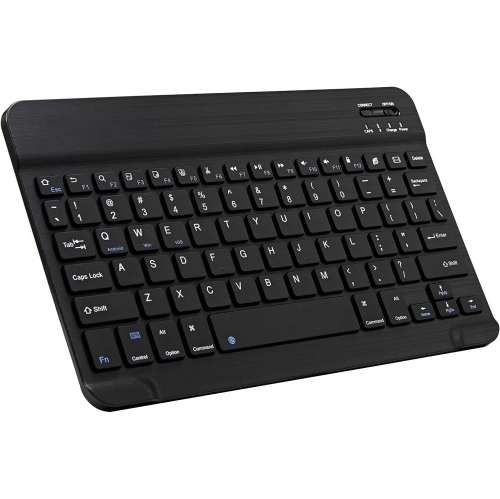
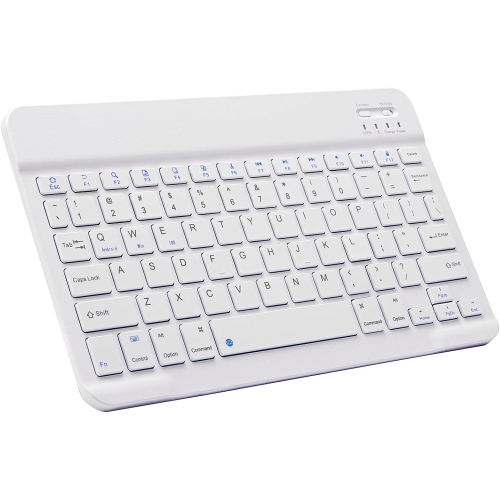
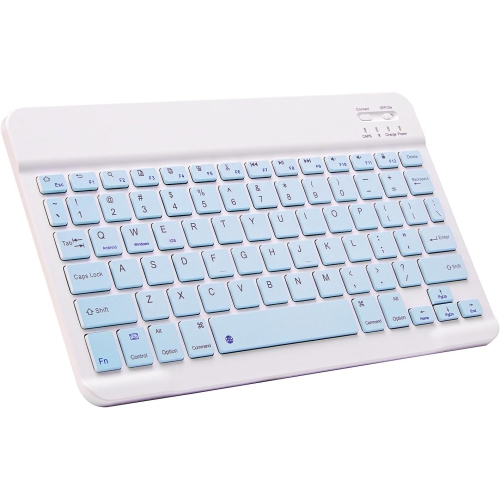
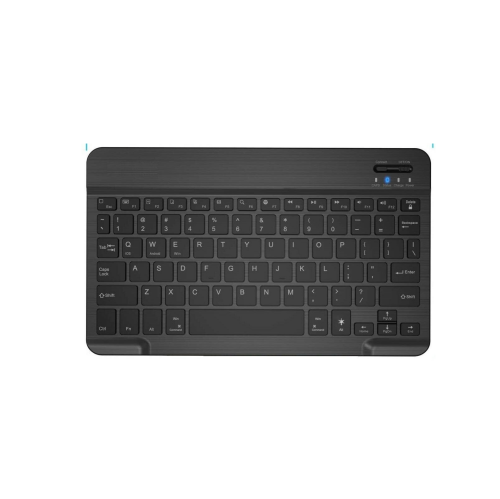


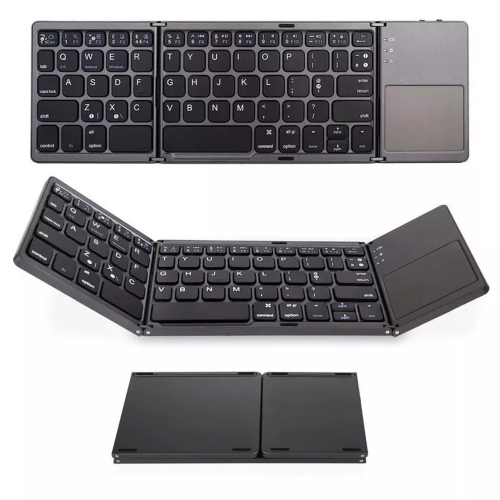
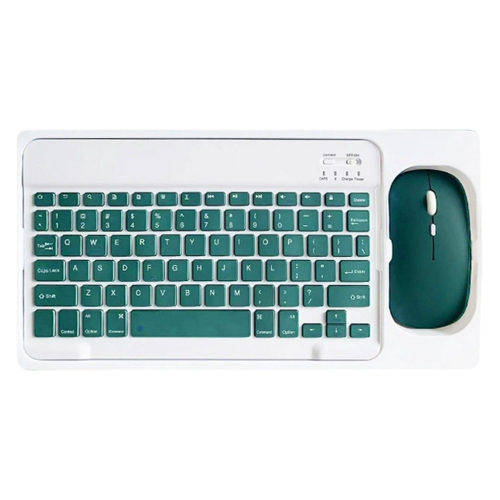
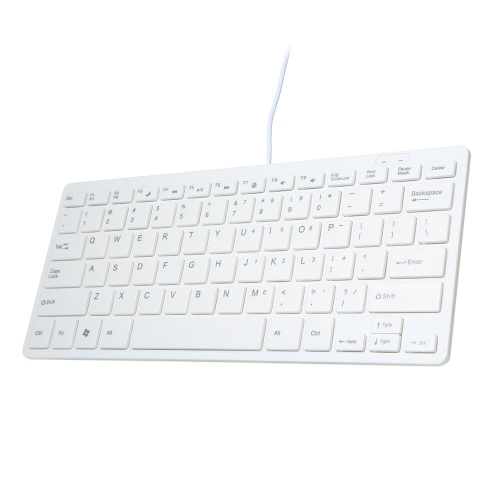
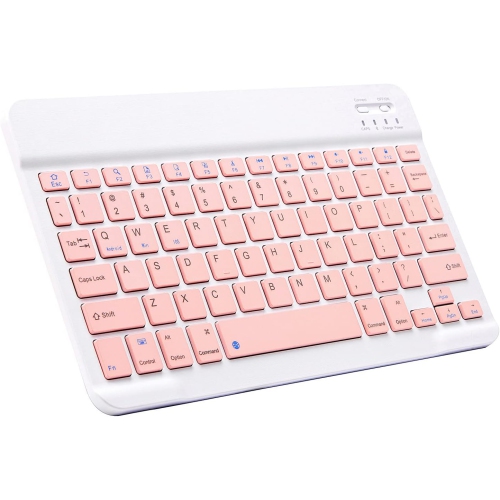
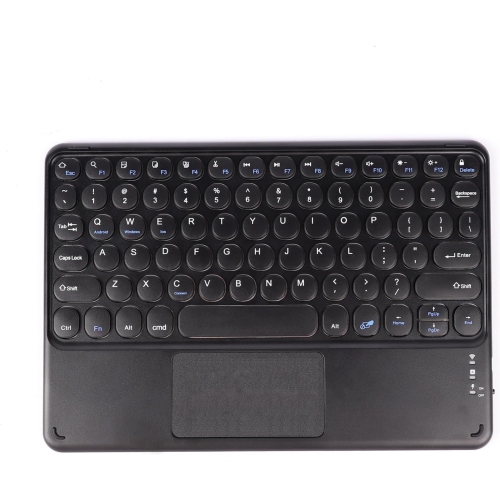

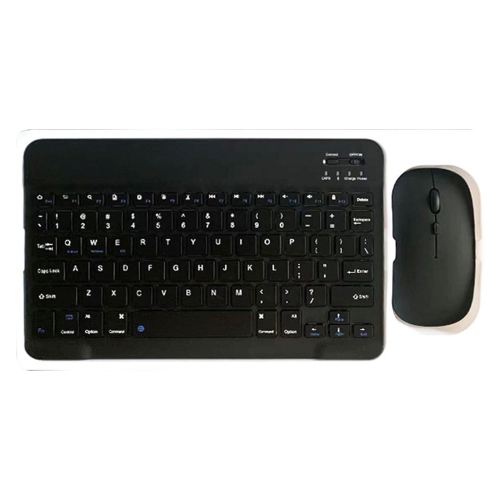
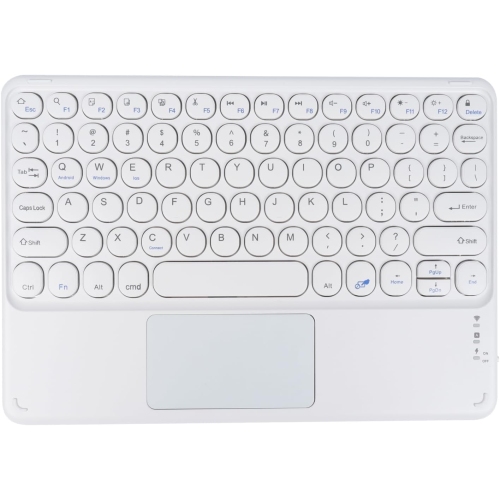
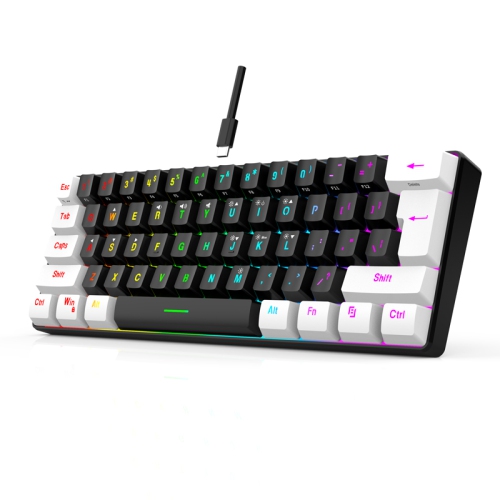
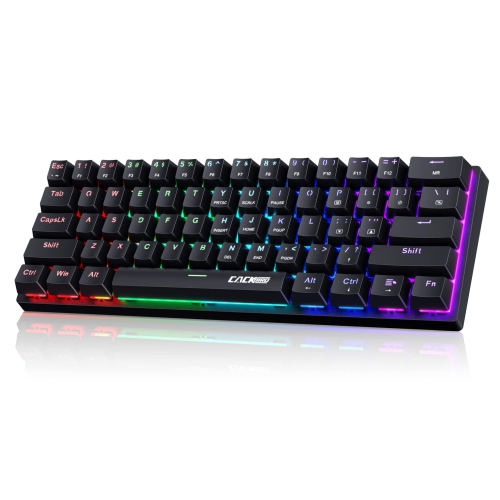
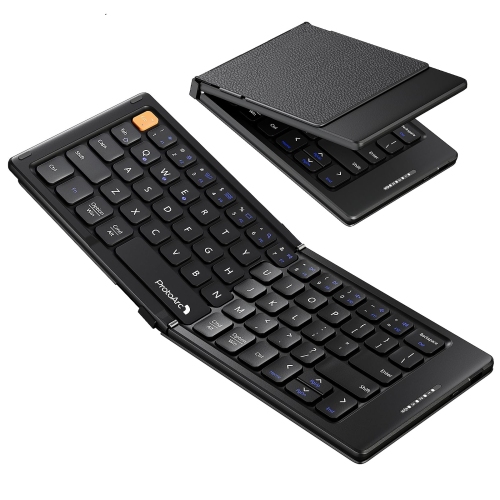
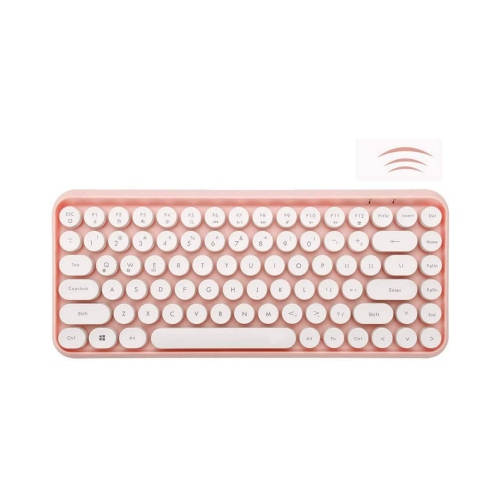
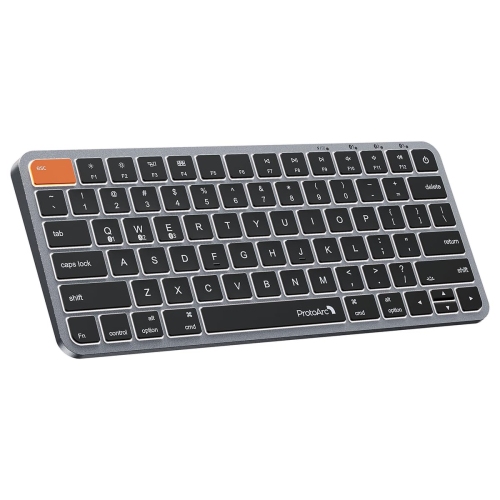
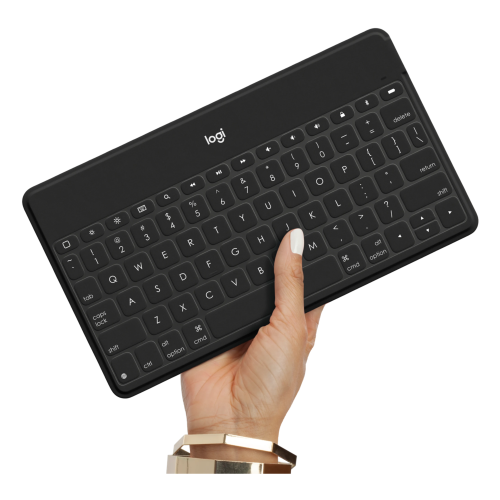
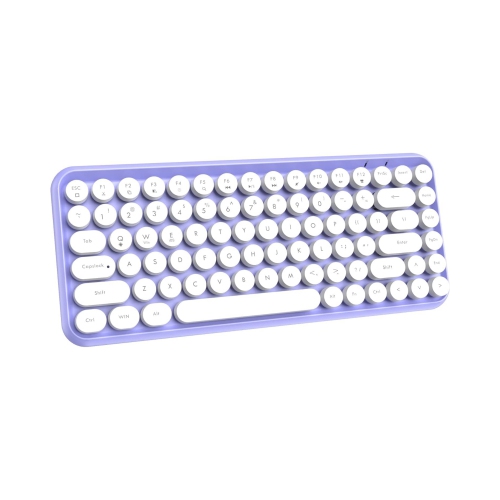
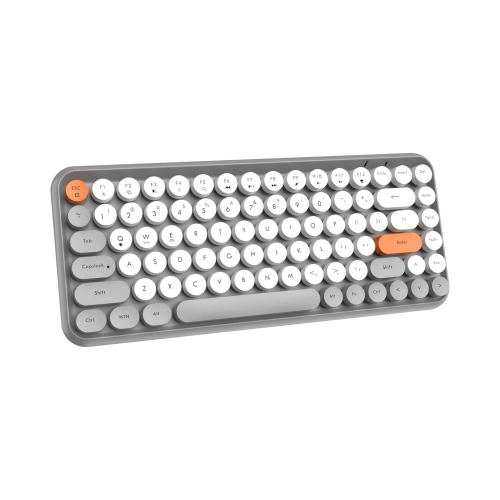
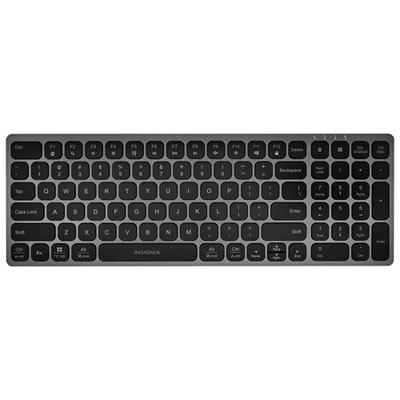
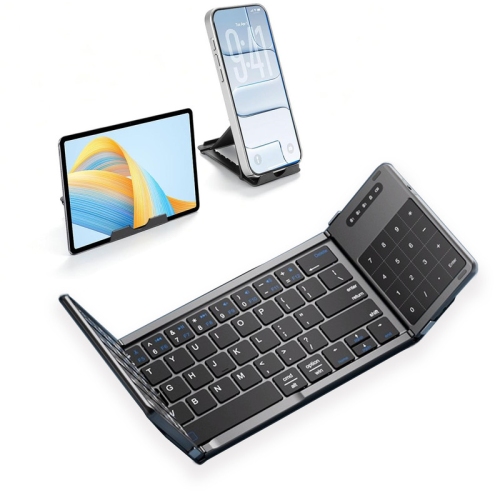
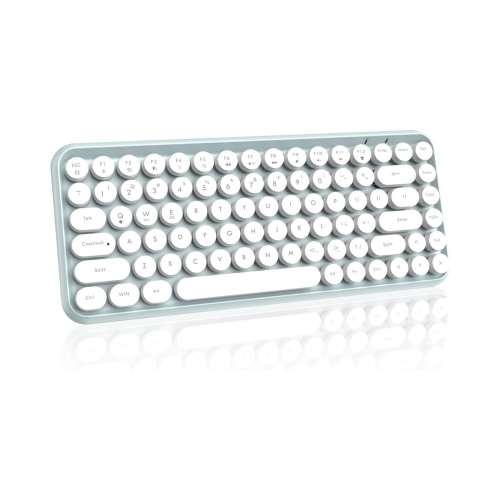
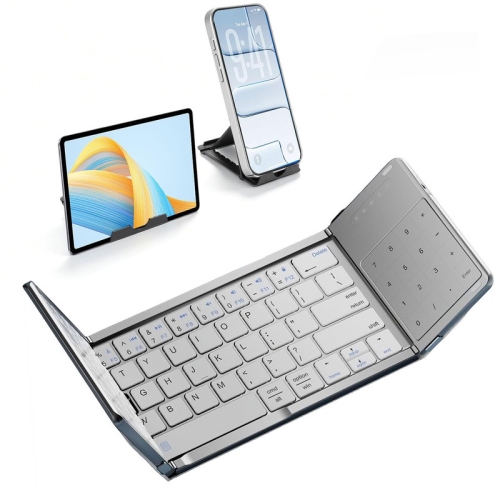
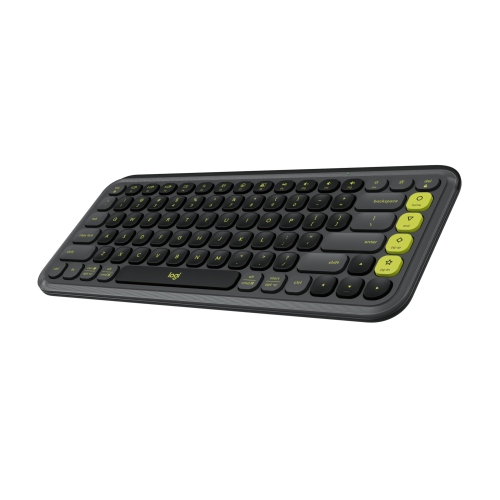
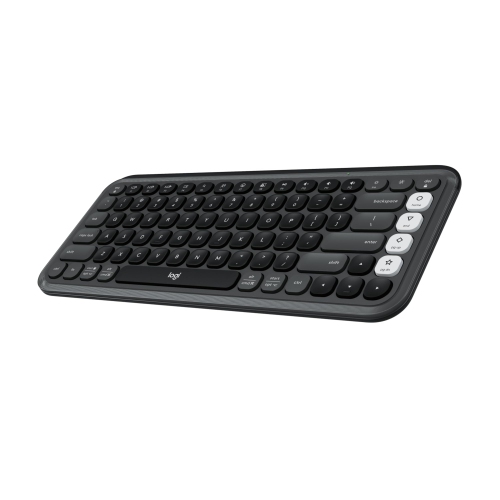
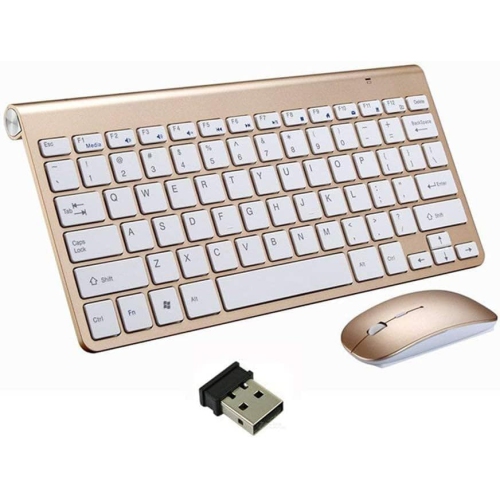

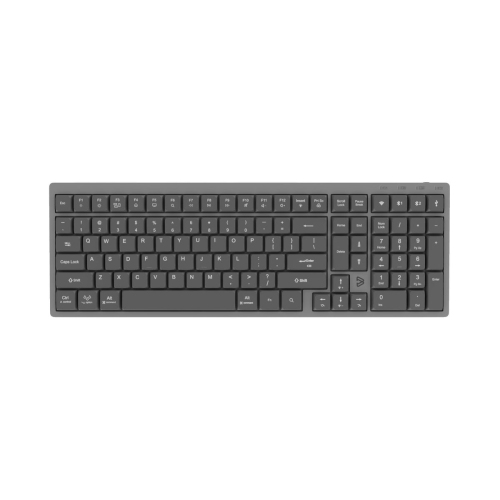
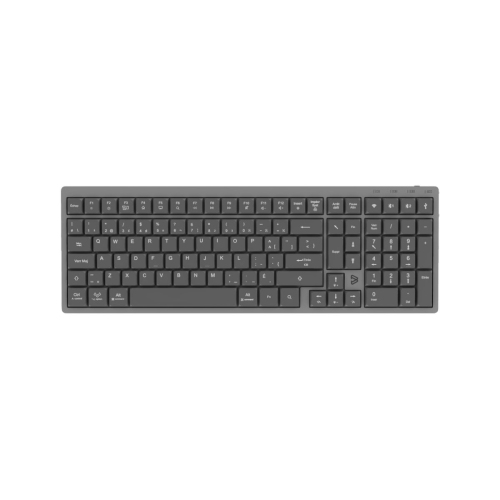
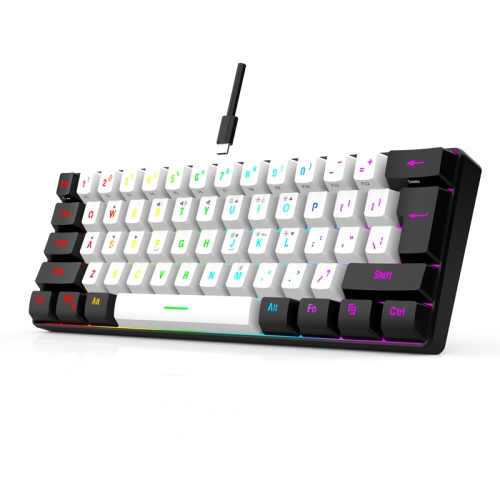
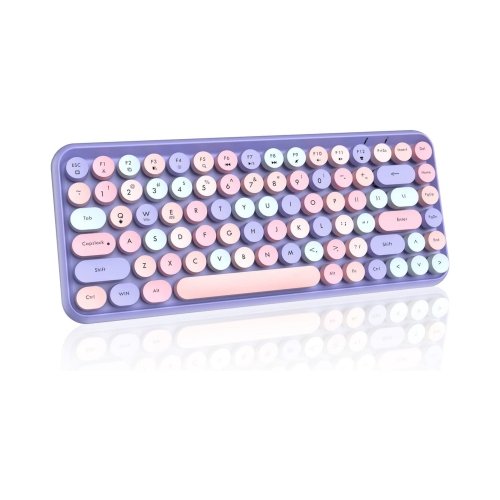
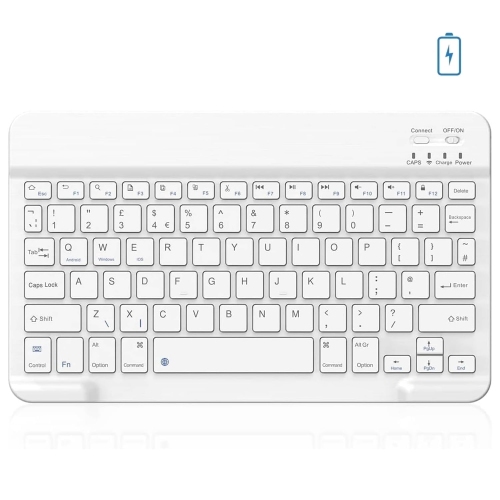
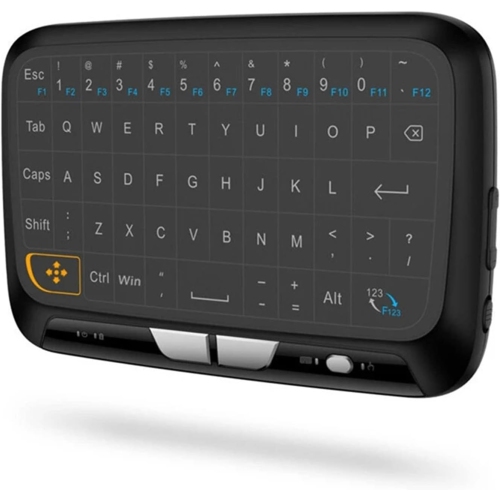
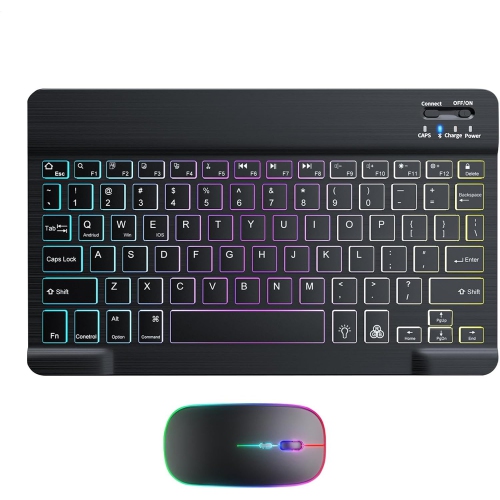
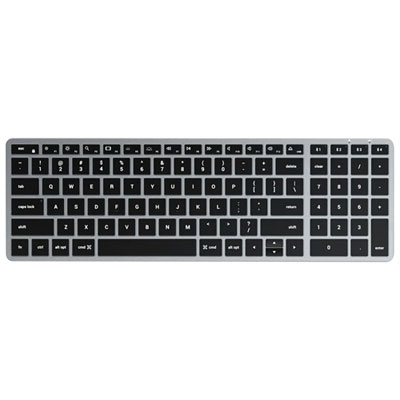
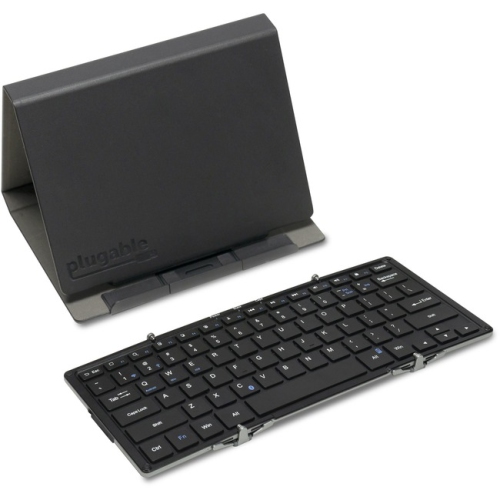
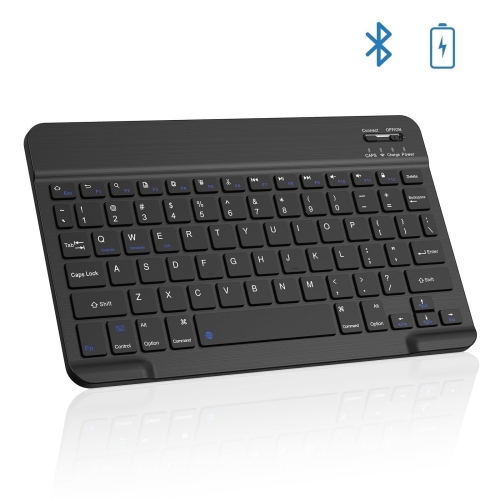
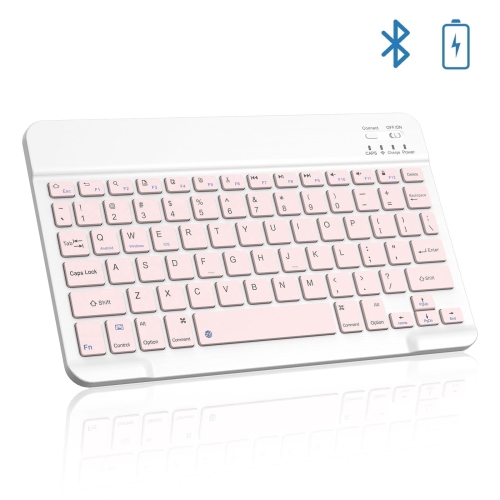
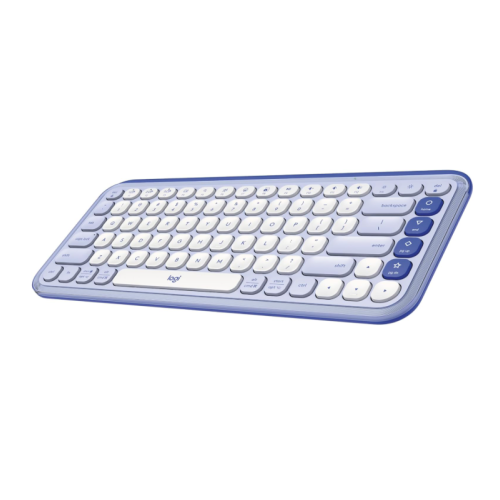
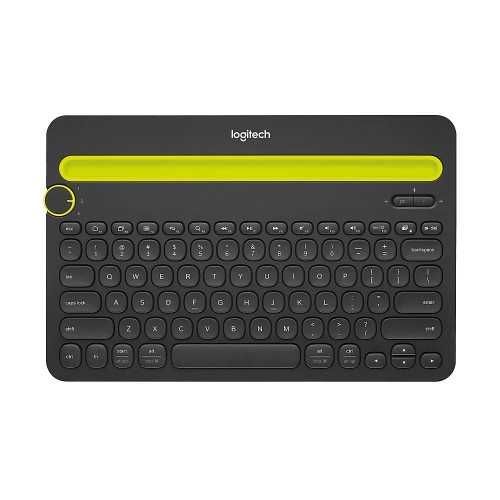
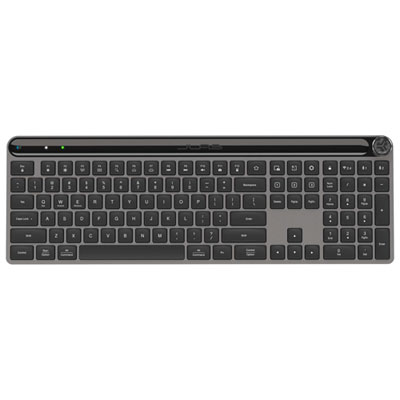
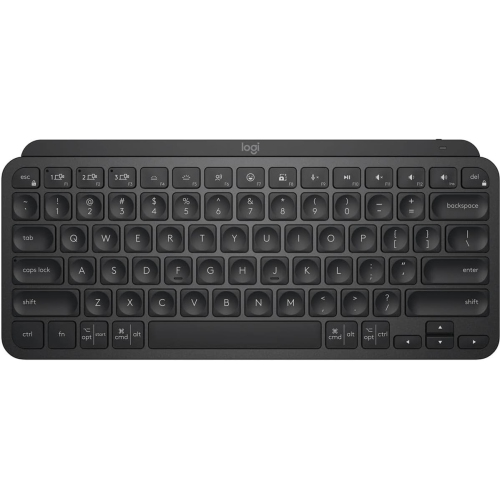
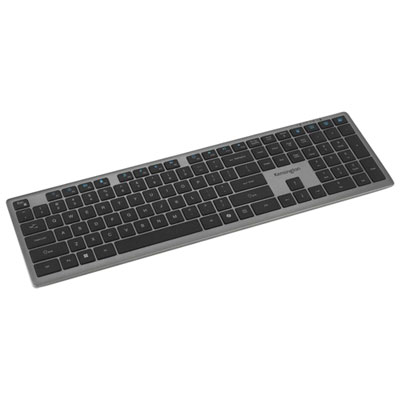
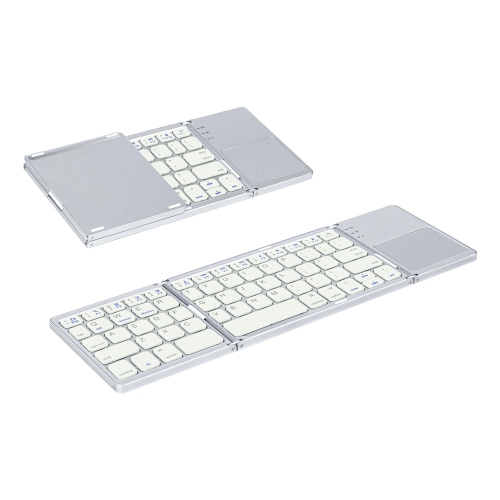
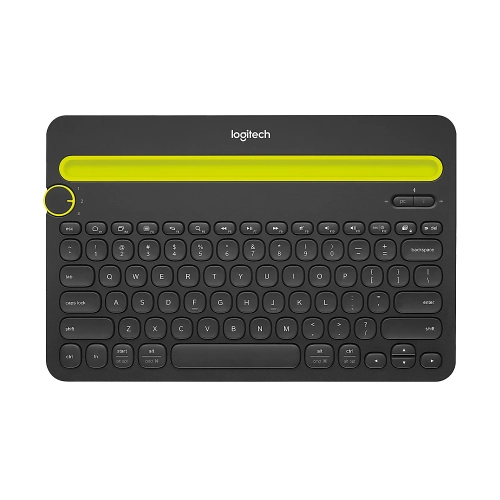
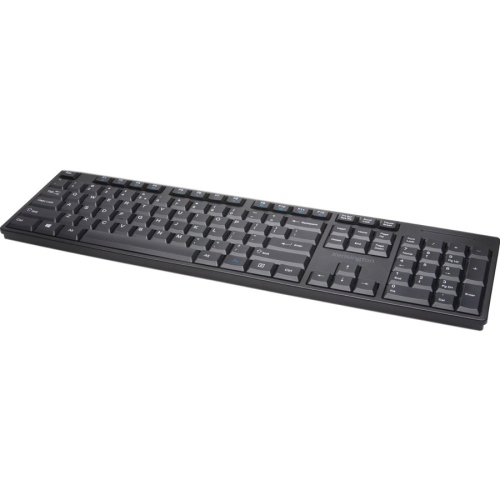
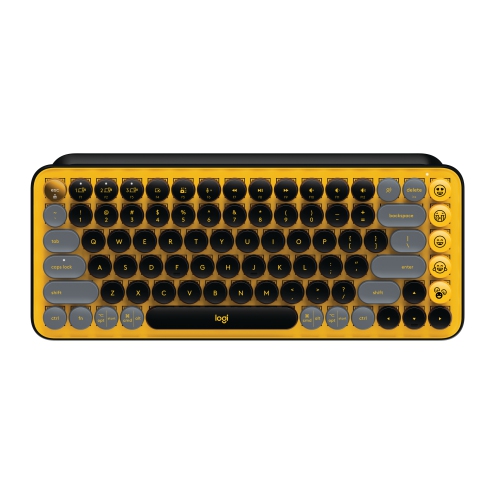

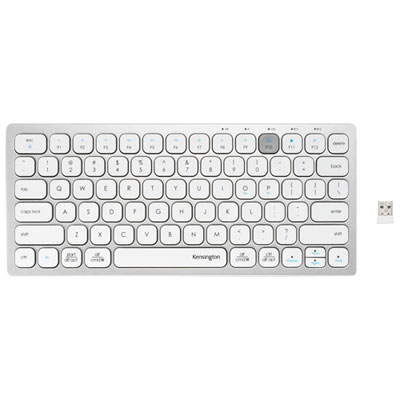
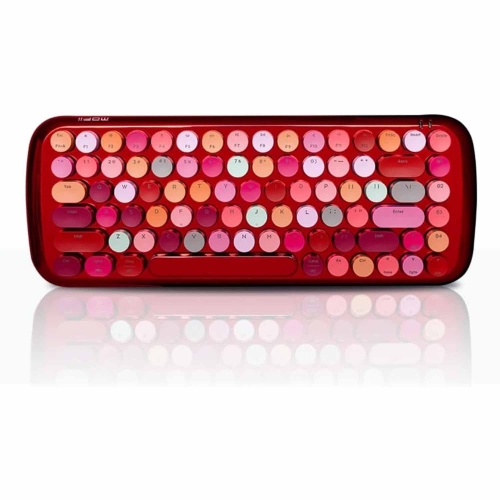
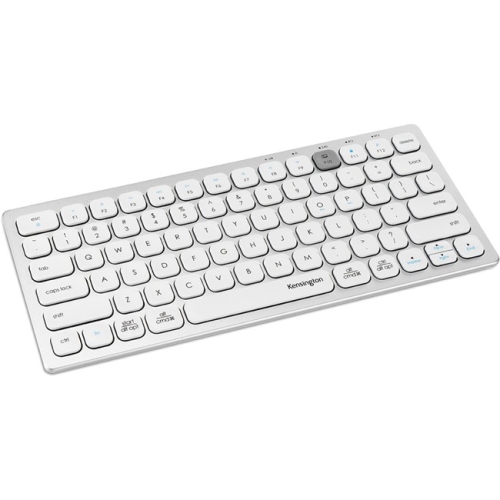
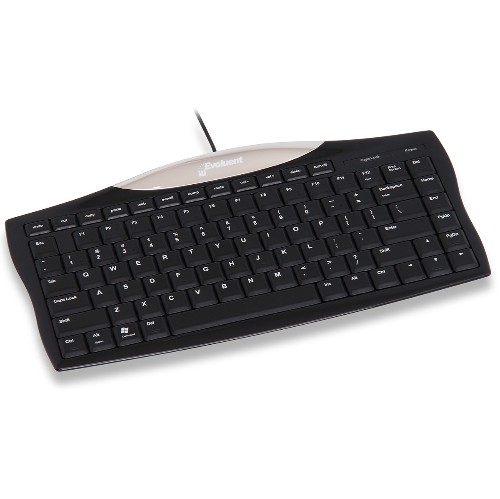
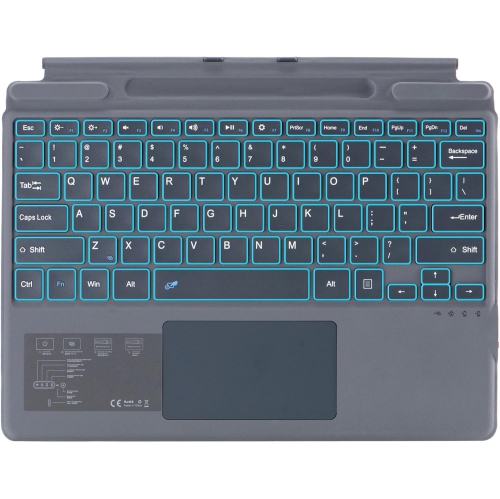
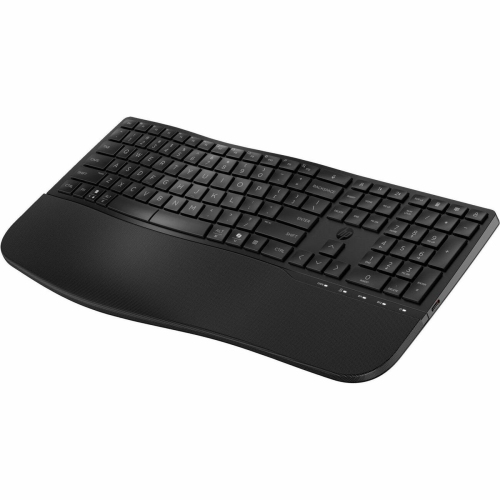
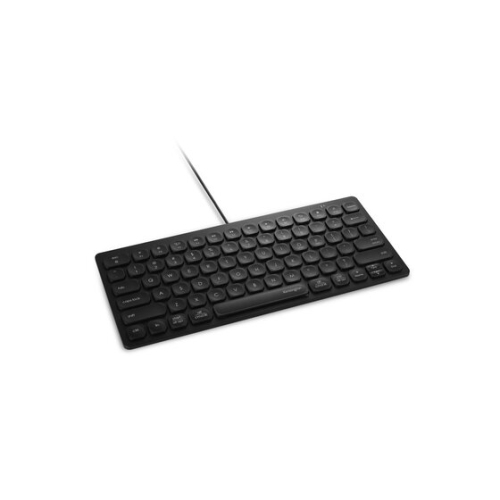
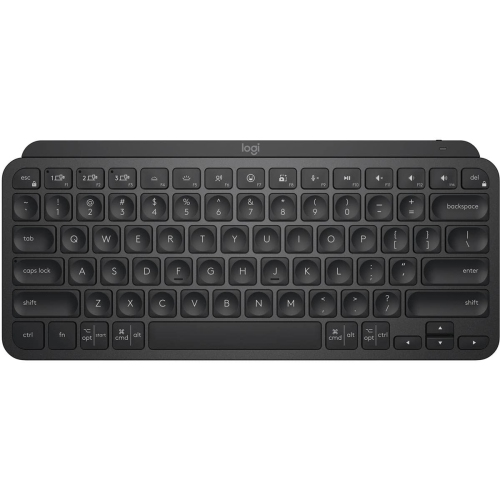
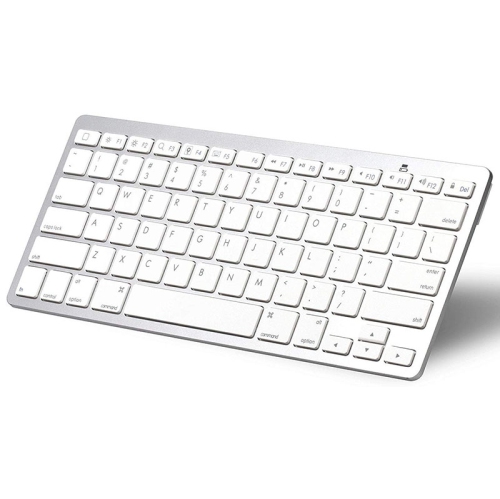
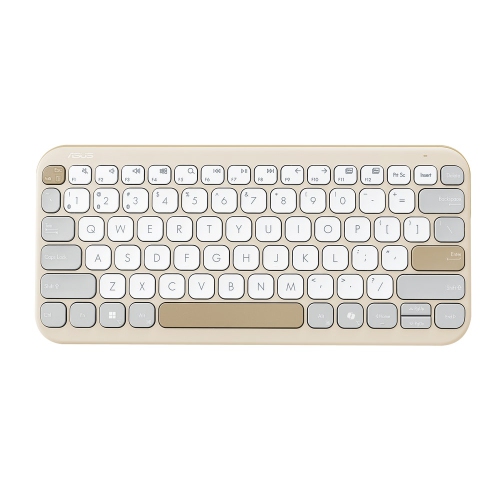
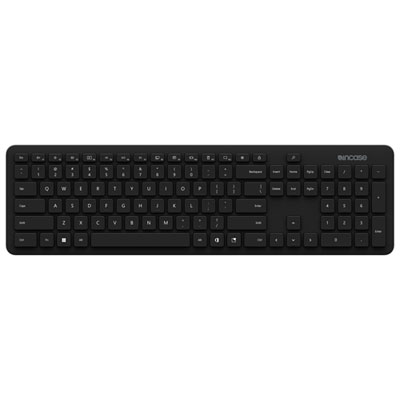
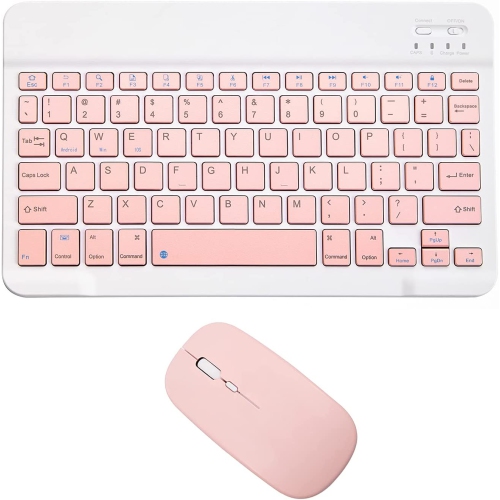
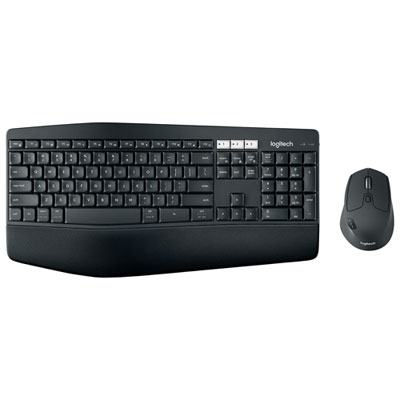
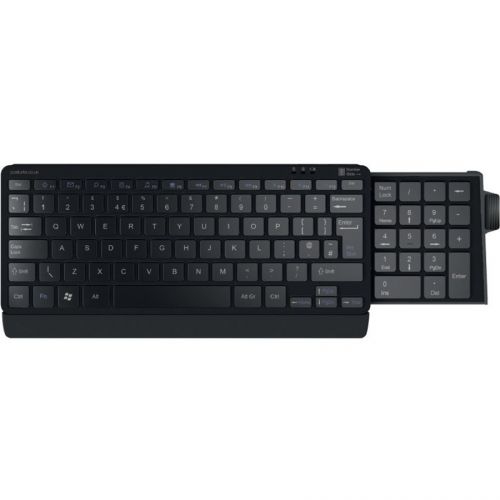
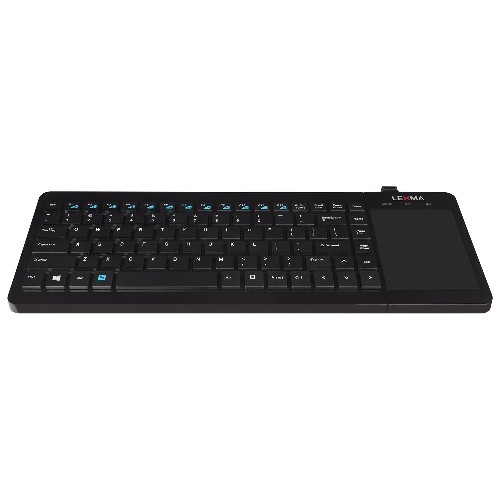
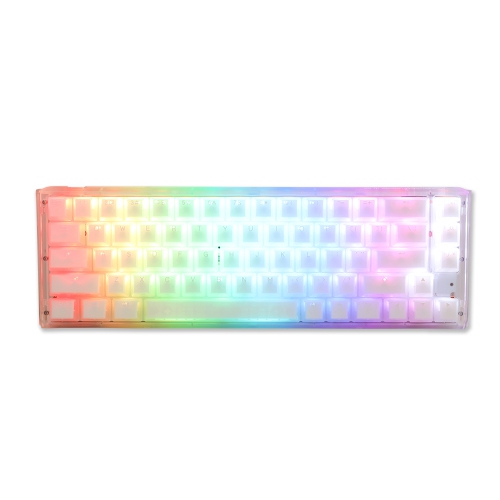
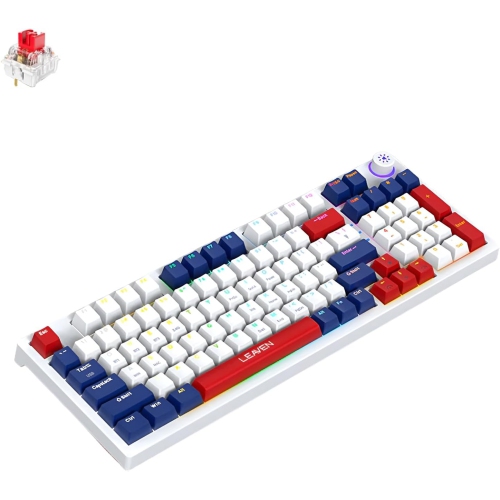

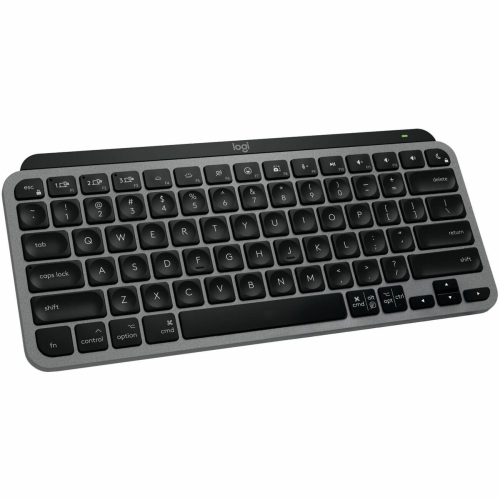
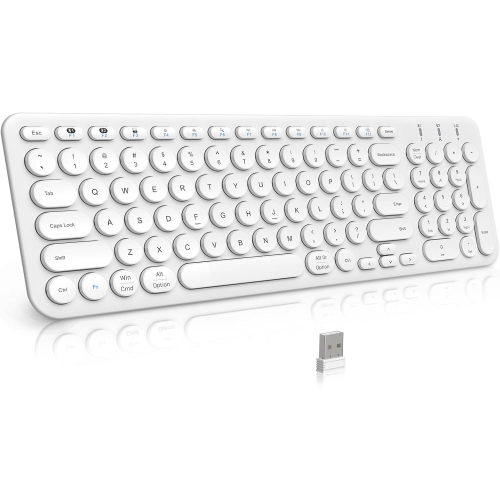
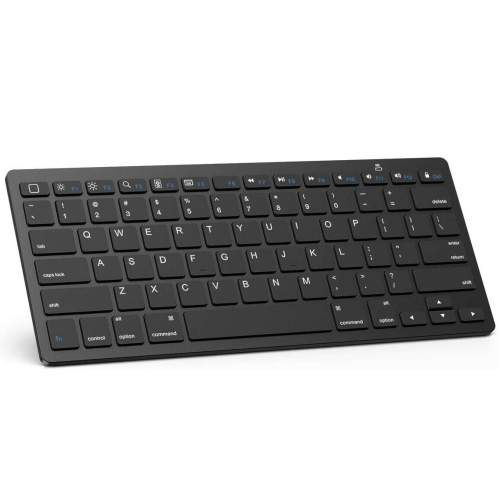
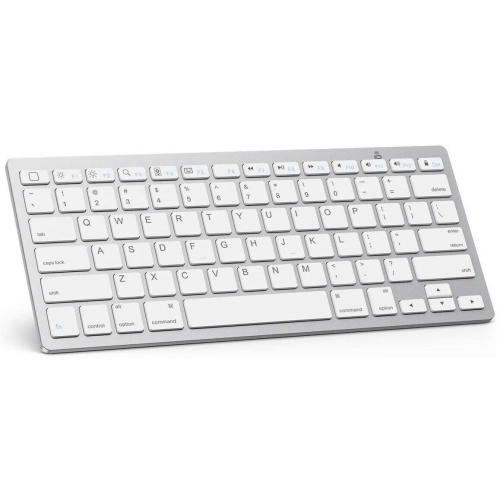
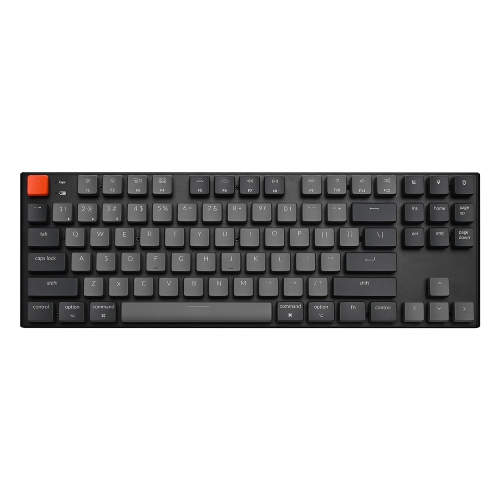
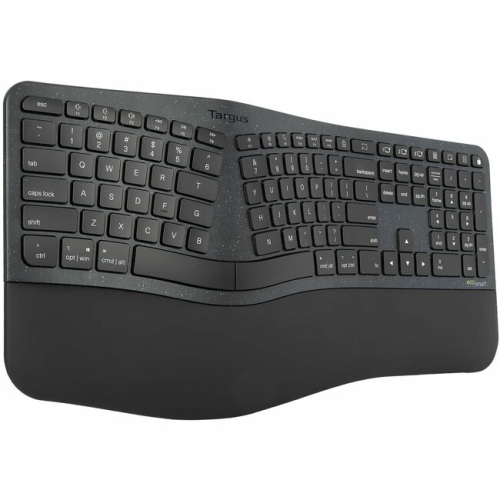
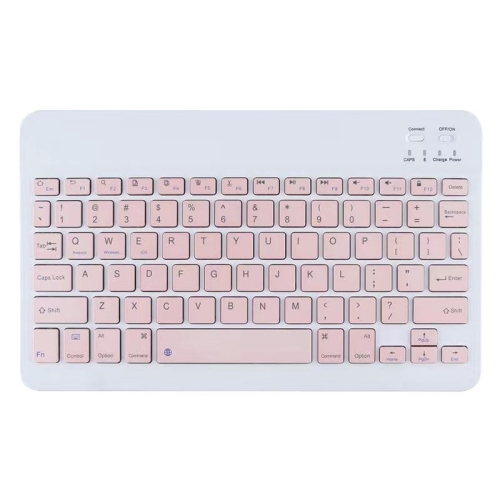
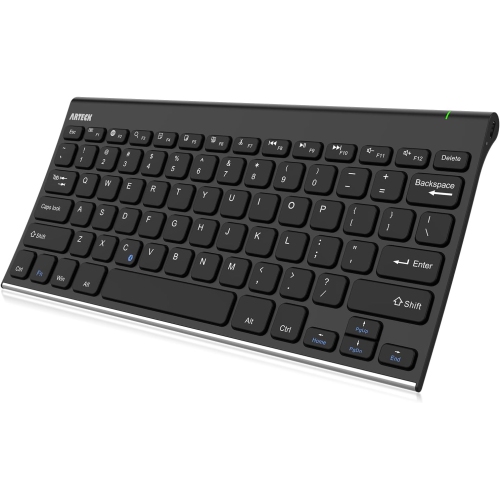
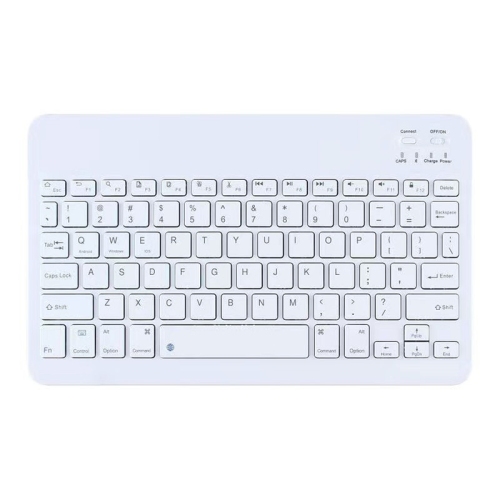
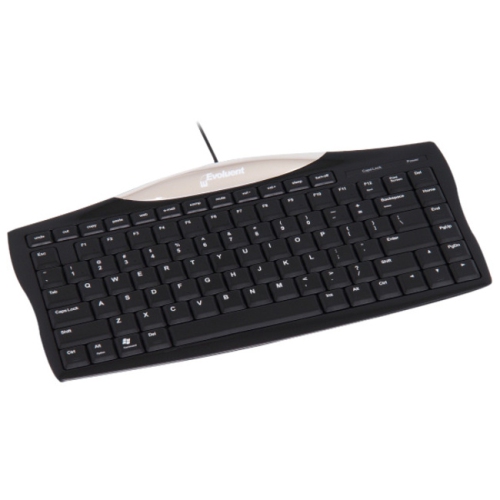
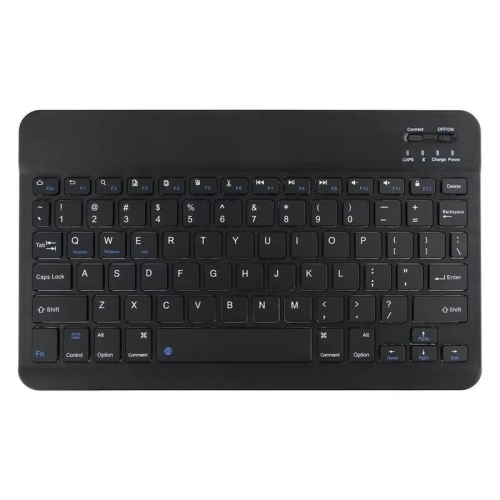
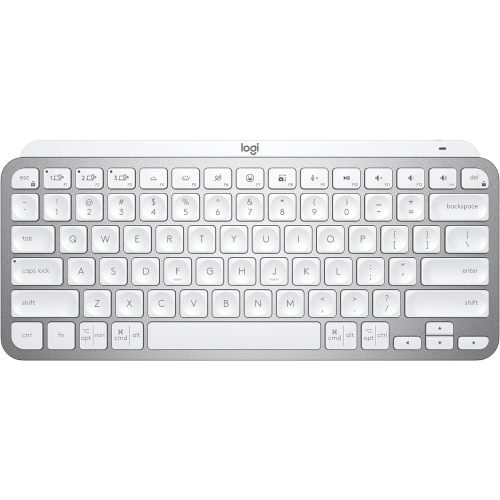
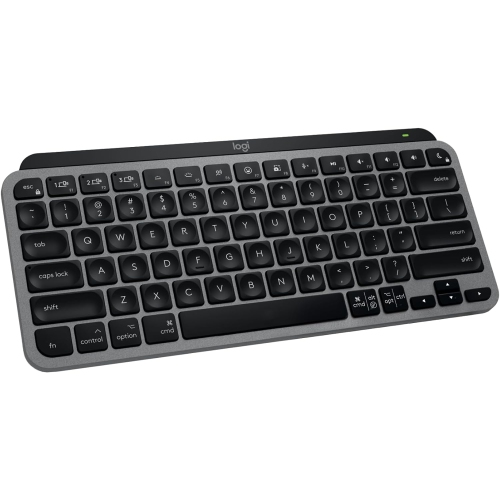
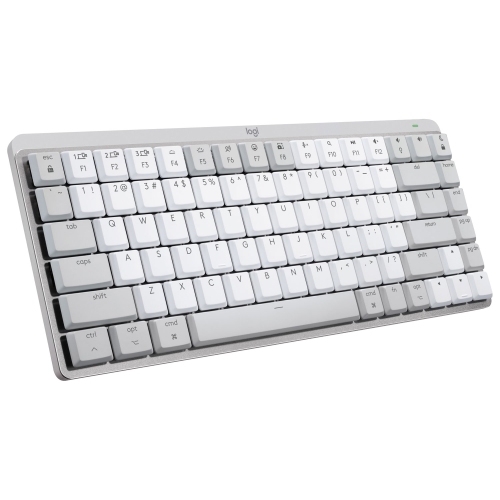
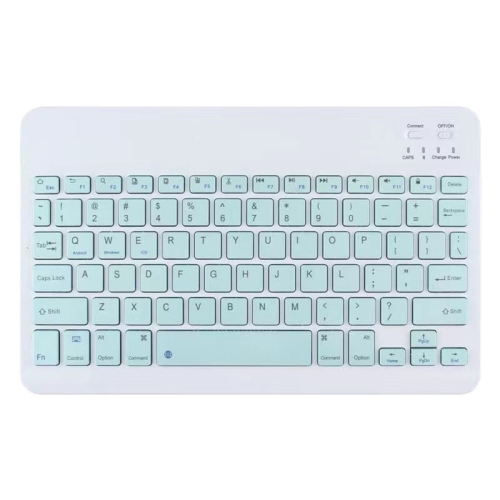
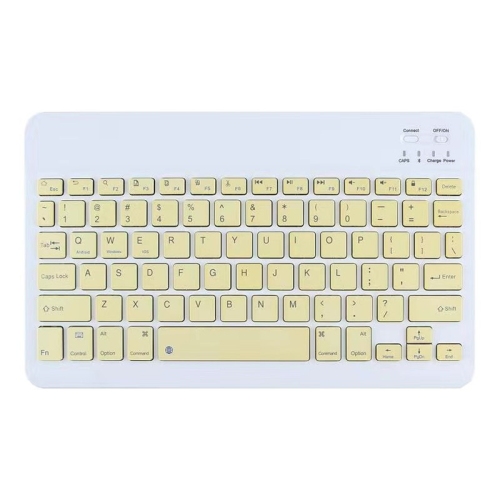
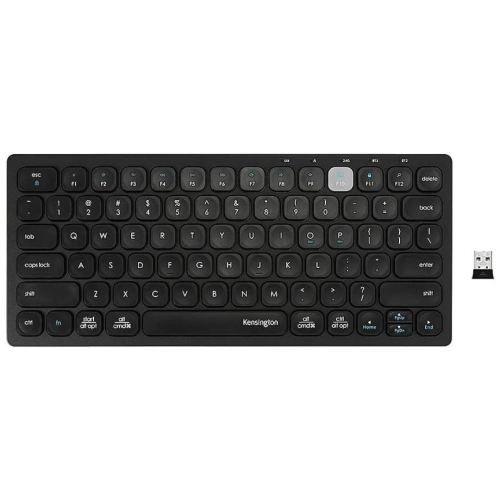
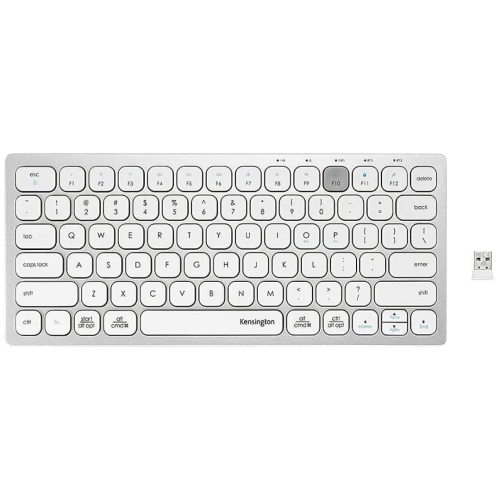
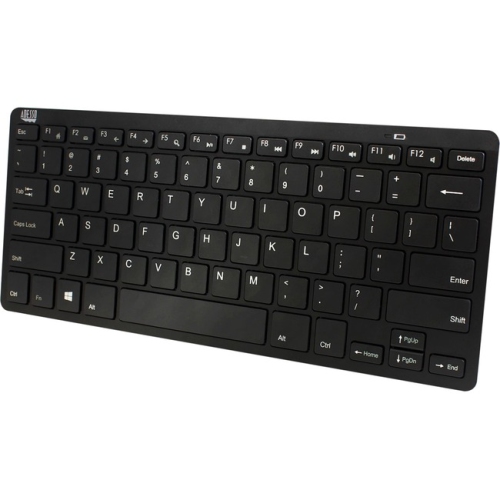
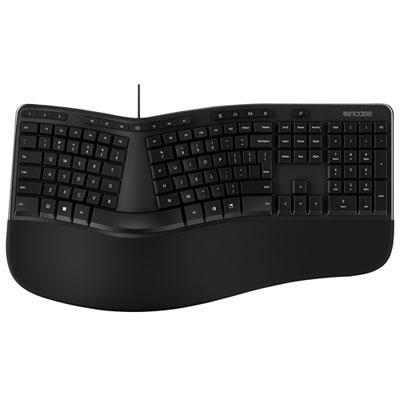
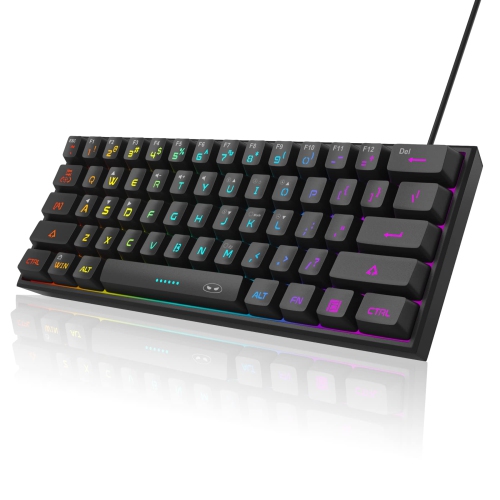

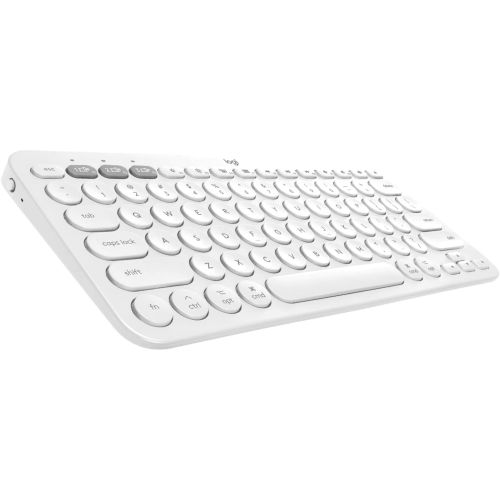
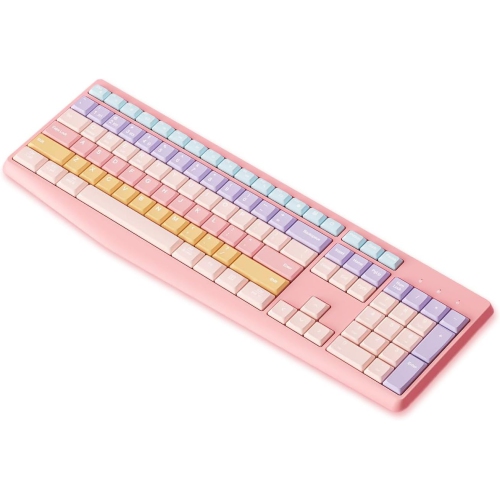
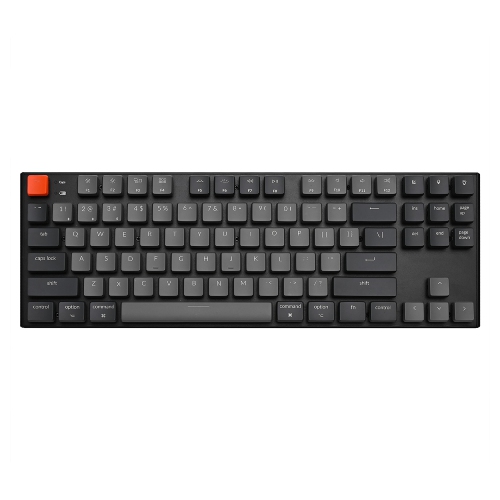
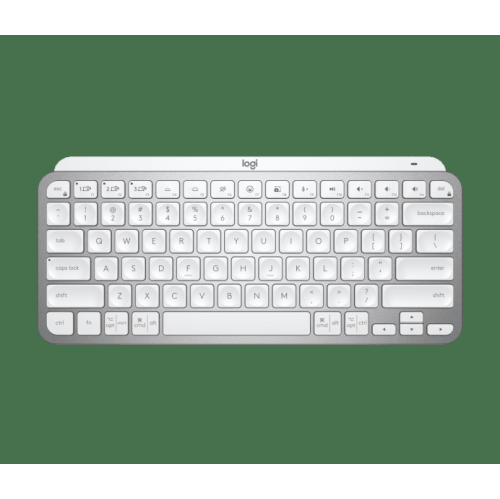
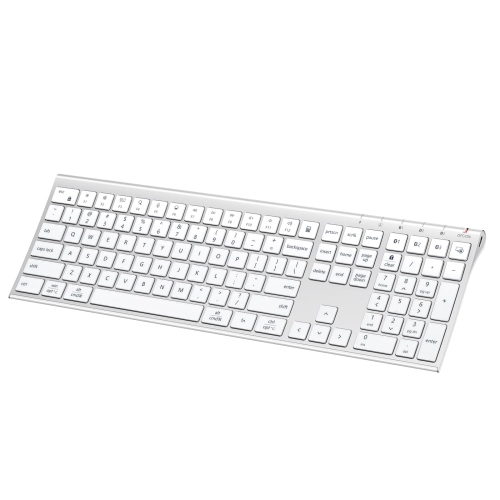

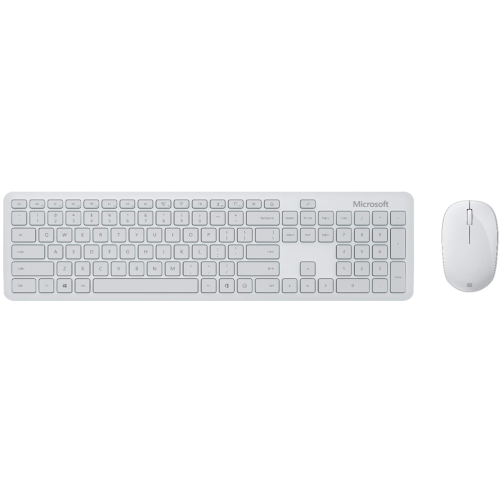
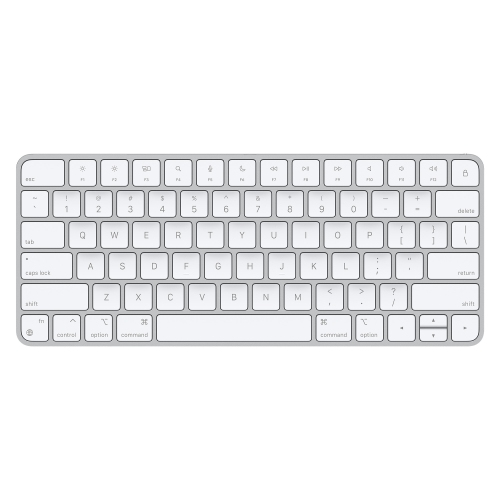
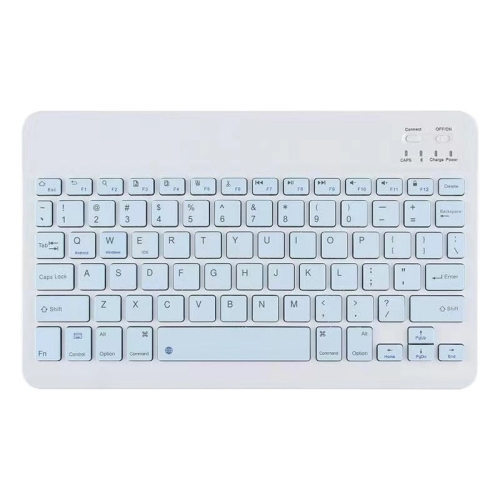
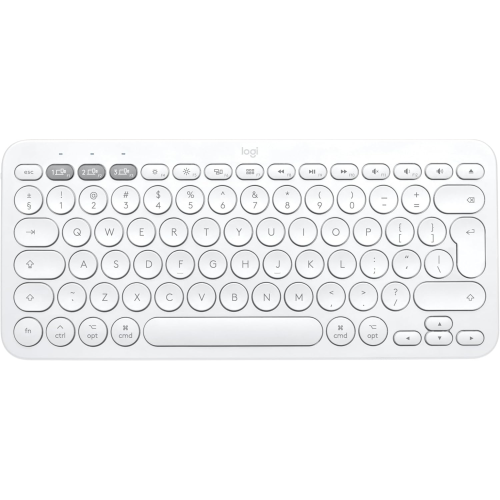
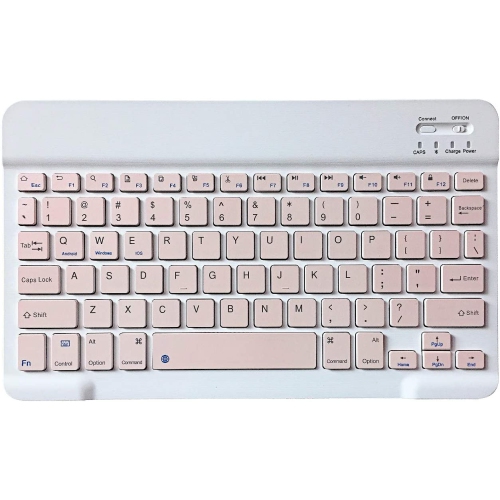

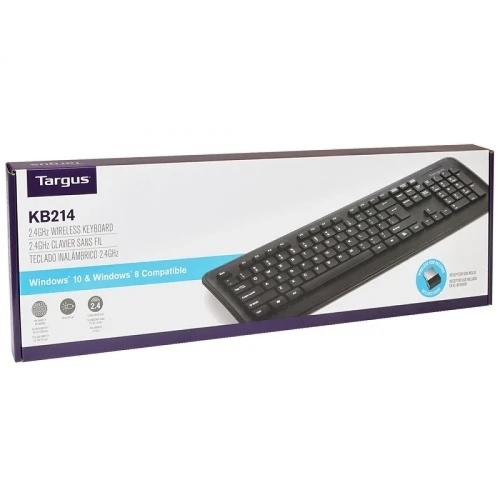

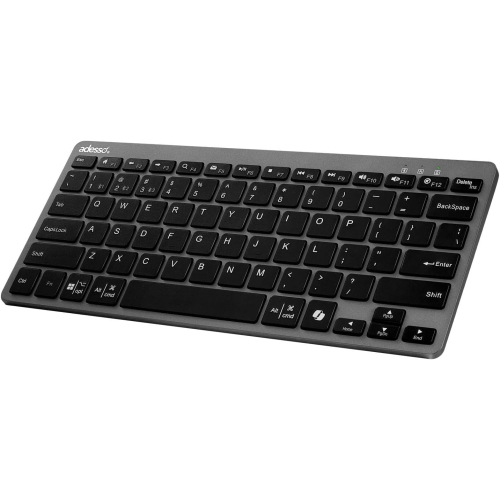
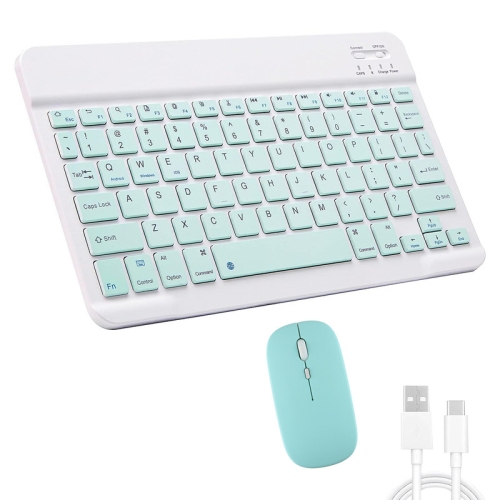
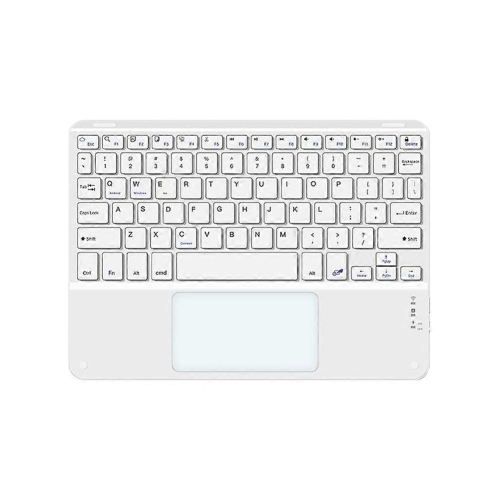
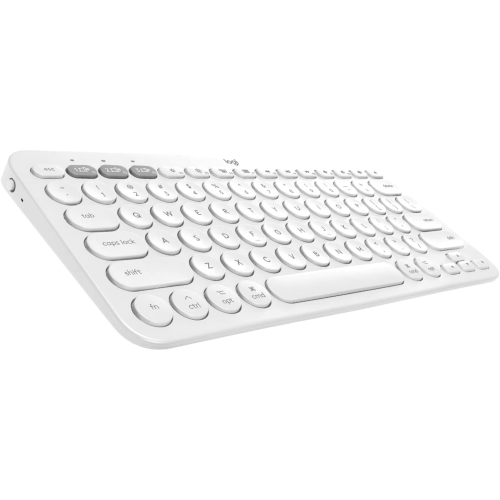
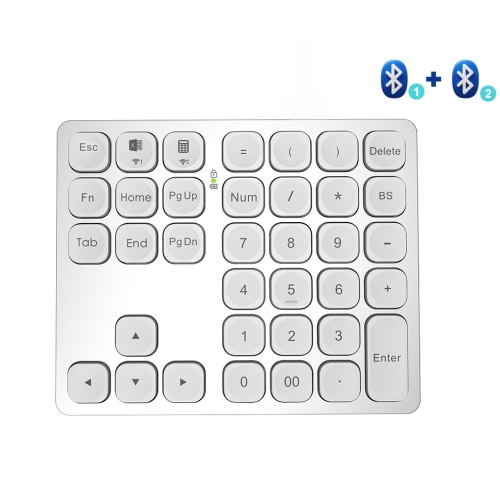
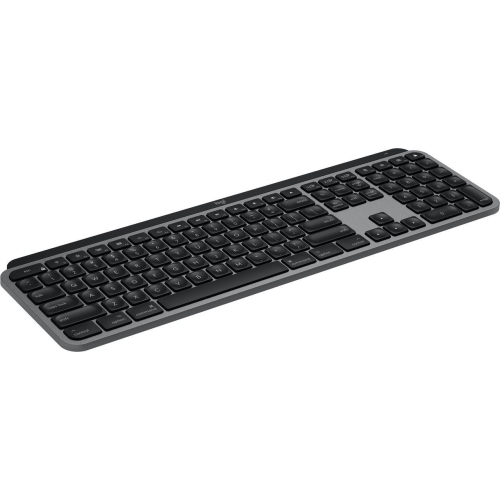
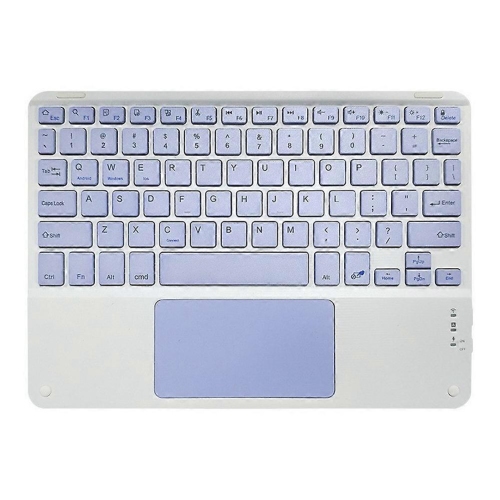
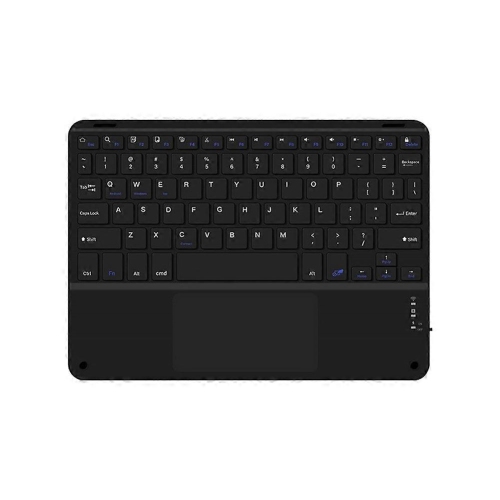
Portable typing setups for work, study, and travel
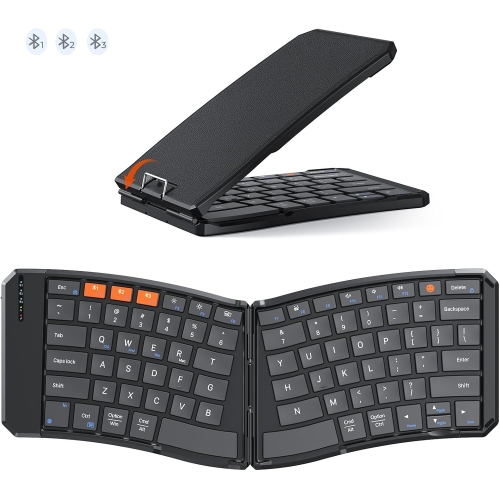
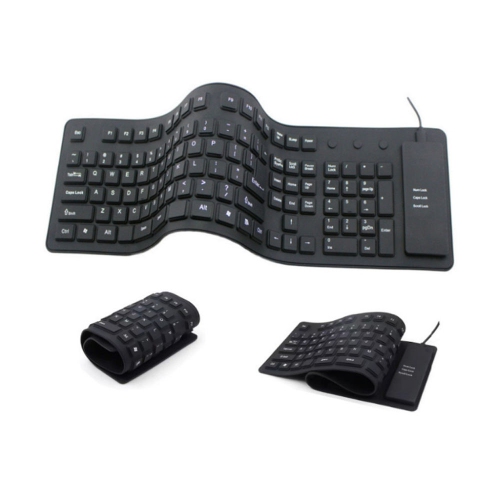
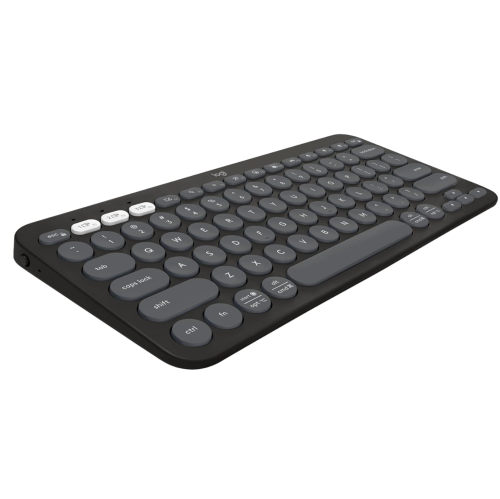
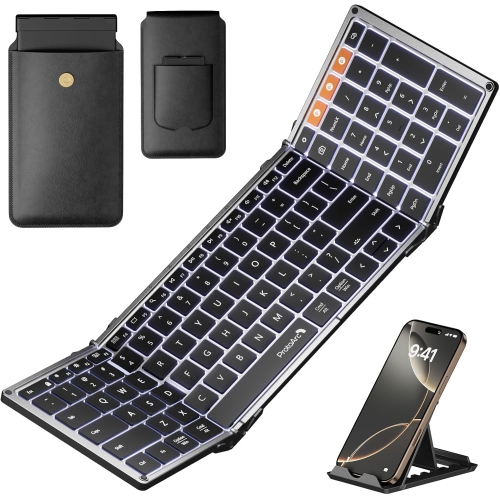
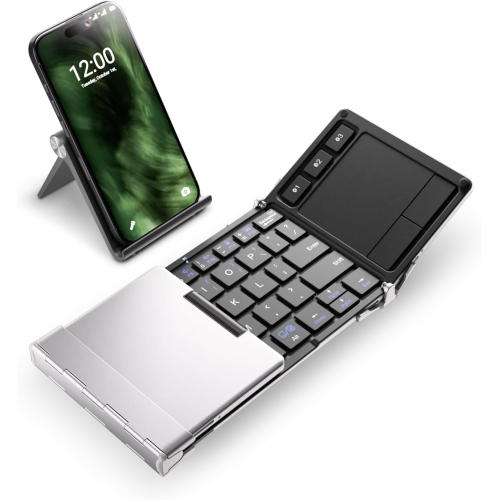
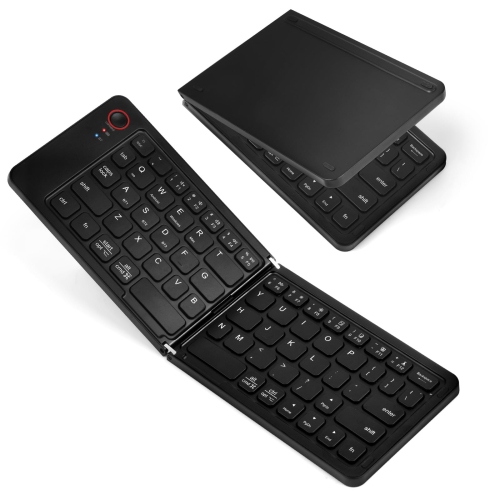
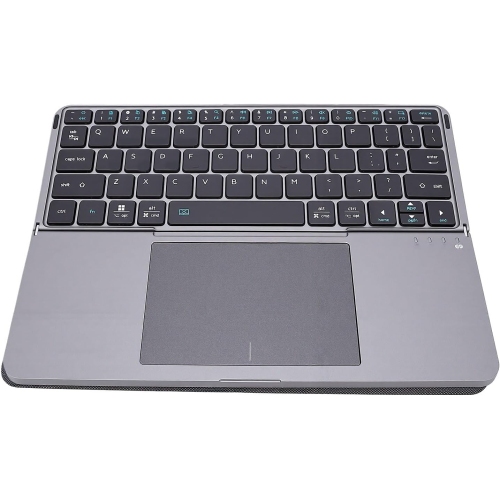
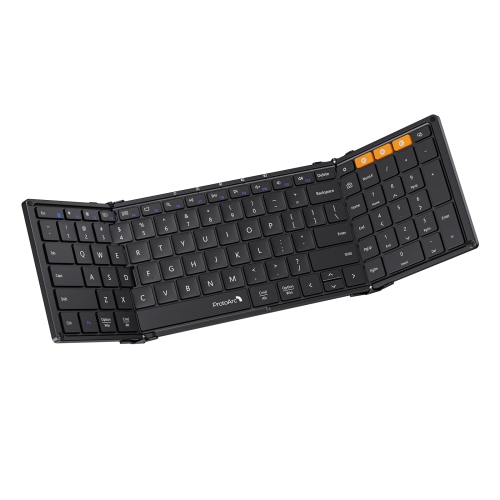
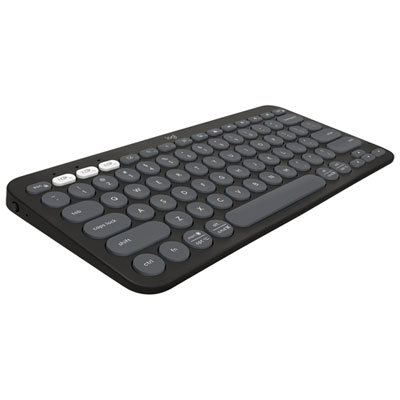
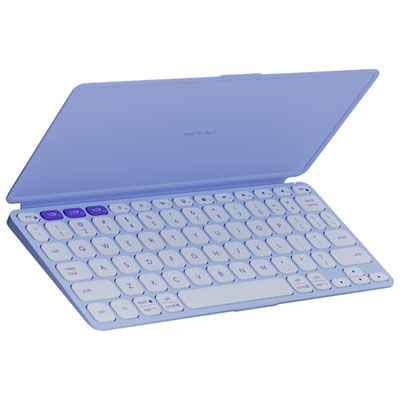
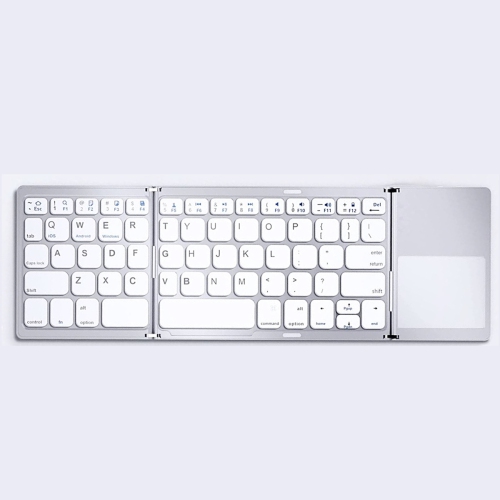
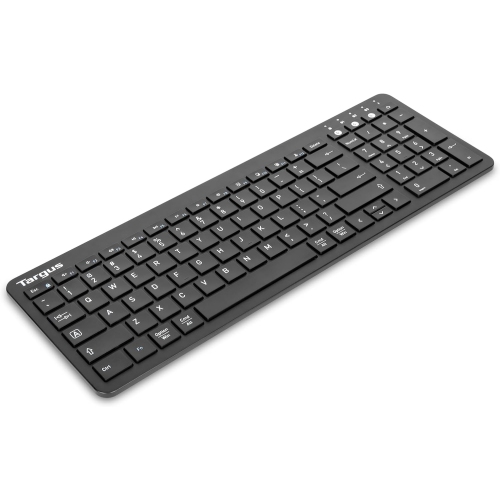
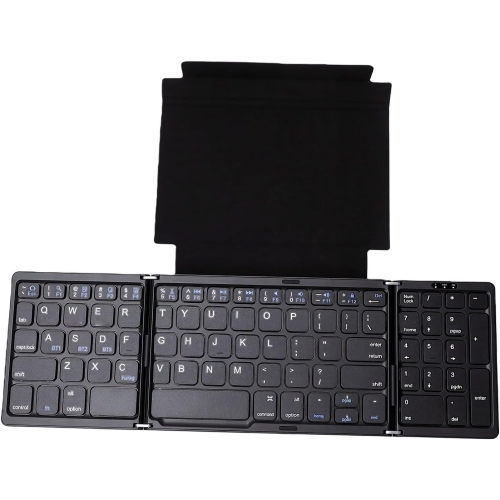
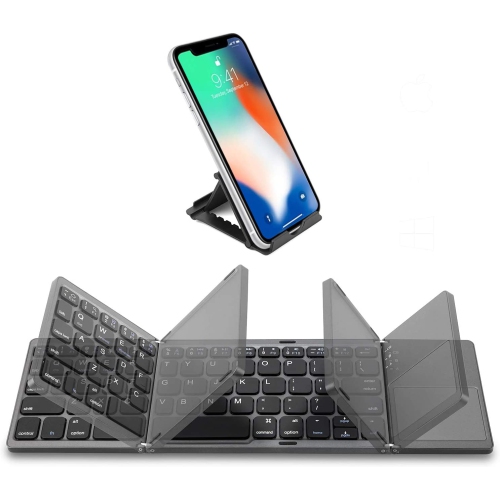
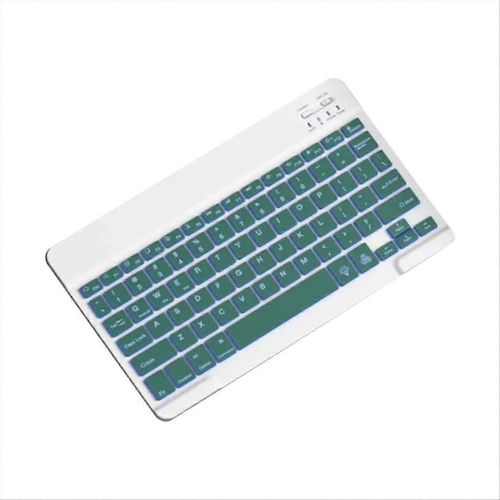
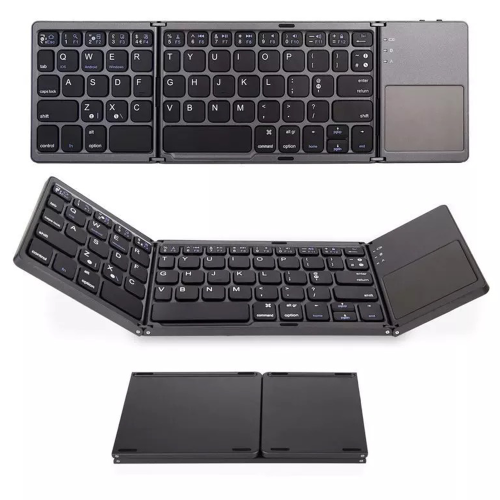
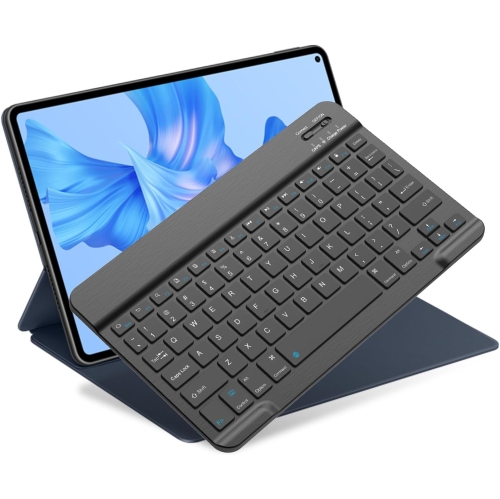
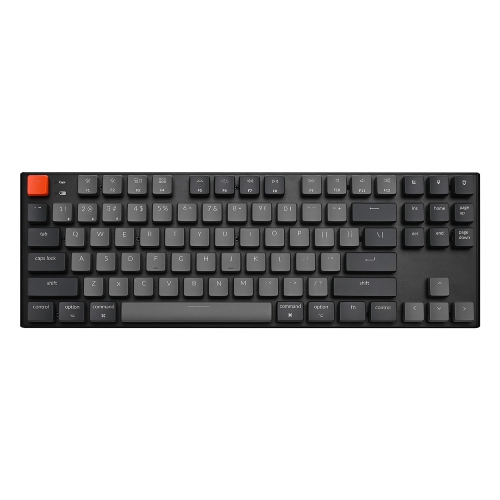
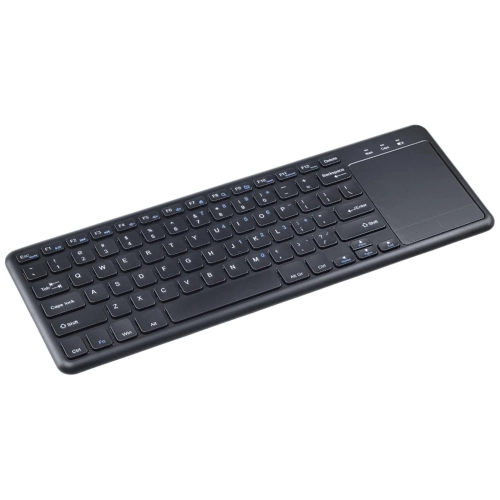
Travel keyboards are compact typing tools designed for people who need a more comfortable and capable setup away from a permanent desk. They can turn a phone, tablet, or lightweight laptop into a practical workstation for writing messages, editing documents, completing assignments, managing spreadsheets, or keeping up with work while travelling. Unlike a full-size desktop keyboard, a travel keyboard is made to take up minimal room in a backpack, tote, briefcase, or carry-on bag. Many weigh roughly 200 g to 350 g, making them easy to carry alongside a charger, notebook, headphones, and other daily essentials. Their small footprint is especially helpful in places where desk space is limited, such as an airport lounge, hotel room, train table, café, or shared workspace. A compact keyboard can also make a tablet more useful for longer typing sessions, since the physical keys provide a familiar layout and tactile feedback that can be more comfortable than an on-screen keyboard. When choosing among travel keyboards, consider how much portability matters compared with typing comfort. Foldable keyboards collapse into a smaller shape for storage and may be ideal for commuters, frequent flyers, students, and anyone who prefers to travel light. Some folding designs include an integrated touchpad, reducing the need to carry a separate mouse when paired with a tablet or phone. Ultra-slim rigid keyboards often provide a flatter, more stable typing surface and may include a protective cover to help shield the keys while the keyboard is packed. Compact scissor-switch or mechanical-style keyboards can offer a typing feel closer to a traditional laptop or desktop board, although they may be slightly larger and heavier. The right form depends on the way the keyboard will be carried and used: a traveller who types short notes between appointments may value the smallest possible folded profile, while someone writing reports from a hotel desk may prefer a wider layout with dedicated function keys and more generous spacing.
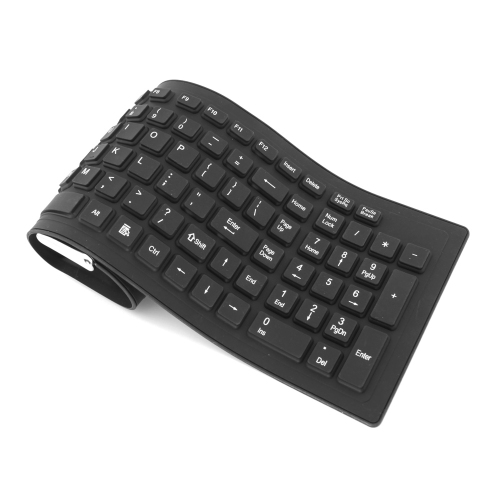
Compatibility and connection options are important details to review before choosing a travel keyboard. Most portable models connect wirelessly through Bluetooth, which helps keep a temporary workspace free from cables and makes it easier to pair with phones, tablets, laptops, and other compatible devices. Some keyboards can remember or connect to up to three devices, allowing a user to move between a work laptop, personal tablet, and smartphone with a dedicated switching button rather than pairing each device from the beginning. This can be convenient for responding to a message on a phone, returning to a document on a tablet, or checking a calendar on a laptop. Before purchasing, confirm that the keyboard supports the operating systems used by the intended devices and that the key layout matches personal preferences. Canadian users may wish to pay attention to the placement of symbols, punctuation, and modifier keys, particularly if they frequently type in both English and French or use keyboard shortcuts for work and school. A built-in stand, when included, can help hold a phone or tablet at a more comfortable viewing angle, while a touchpad can be useful when a separate pointing device is impractical. Battery design also affects convenience. Rechargeable models commonly use USB-C and can provide many hours of typing between charges, while models powered by replaceable coin-cell batteries may be ready to use for a long period without carrying a charging cable. Check the stated battery life, charging time, sleep mode, and whether the keyboard can be used while charging. Key protection matters as well: a folding body, removable cover, or slim protective case can help prevent keys from being pressed inside a crowded bag. Travellers who often work outdoors, in busy terminals, or in dim hotel rooms may also appreciate quiet keys, clear legends, backlighting, and a finish that is easy to wipe clean. Those features are not essential for every user, but they can make the difference between a keyboard that stays in a drawer and one that becomes a dependable part of a daily carry kit. For shoppers comparing other compact typing designs, Flexible Keyboards may also be worth exploring when storage space and easy packing are priorities.
Travel keyboards can suit a wide range of routines and make thoughtful gifts for students, remote workers, writers, frequent commuters, and family members who often use a tablet instead of a traditional computer. A university student can keep one in a backpack for taking notes in the library or finishing an assignment between classes. A consultant, salesperson, or hybrid employee can pack one for a client visit and create a comfortable typing setup without relying on an unfamiliar office keyboard. For someone who works while travelling, the small convenience becomes noticeable in everyday moments: a quiet corner of a hotel room can become a temporary office, and a tablet on a dining table can handle a full email response rather than a few hurried taps. Travellers who keep a journal, manage bookings, answer messages, or update a small business while away may appreciate the control and speed of physical keys. They can also be useful at home when paired with a smart device, television, or tablet for occasional typing in a living room or kitchen. When giving a travel keyboard as a gift, consider the recipient’s devices, typing habits, and preferred way of packing. Someone who values the smallest possible luggage may prefer a folding model, while a person who writes for long periods may be happier with a rigid compact keyboard that provides more stable key spacing. A multi-device connection can be helpful for anyone who regularly moves between personal and work screens, and a rechargeable USB-C design may suit households that already use USB-C charging accessories. During the cooler months, when trips may include indoor waiting areas, weekend visits, and longer stays with family, a portable keyboard can provide a familiar way to stay organized without bringing a full computer setup. The best travel keyboards balance size, weight, comfort, connectivity, and power so they are easy to carry yet pleasant enough for real typing. By matching those features to the devices and destinations involved, shoppers can choose a compact keyboard that feels useful on the first journey and remains practical for everyday mobile work afterward.
Top selling and popular products
-
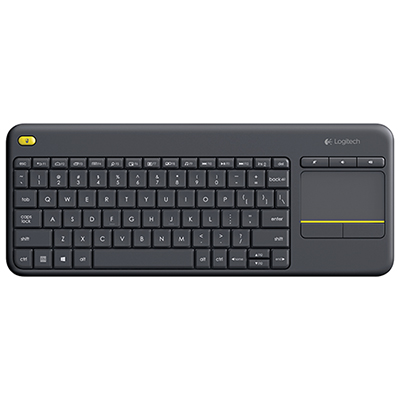 Your price for this item is $39.99
-
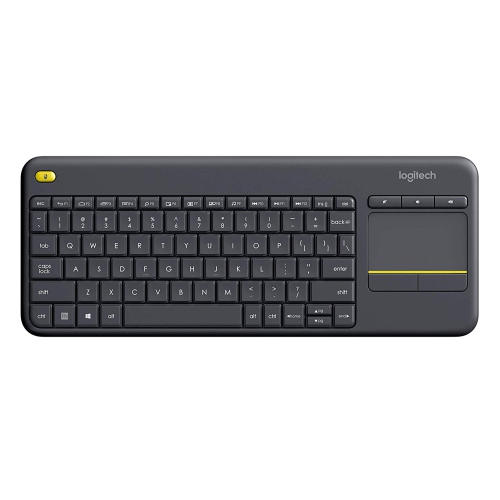 Your price for this item is $49.72
-
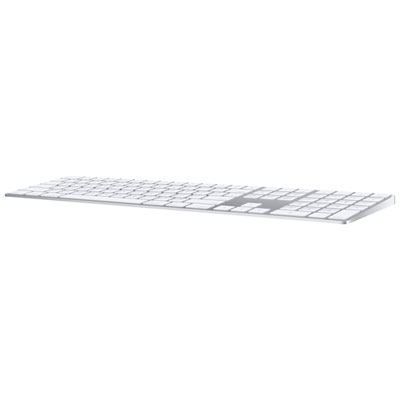 Your price for this item is $159
-
 Your price for this item is $219.99
-
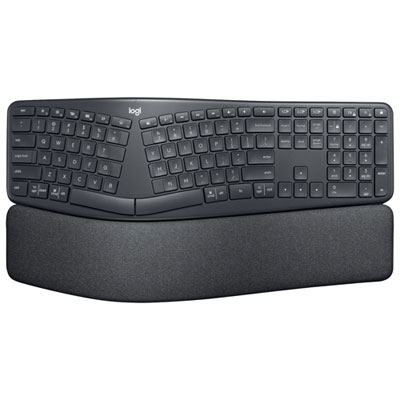 Your price for this item is $189.99
-
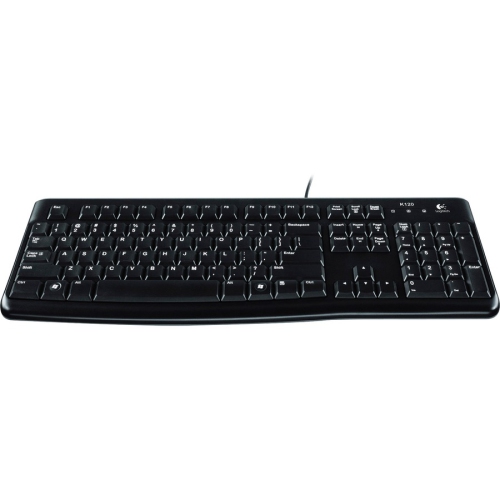 Your price for this item is $44.99
-
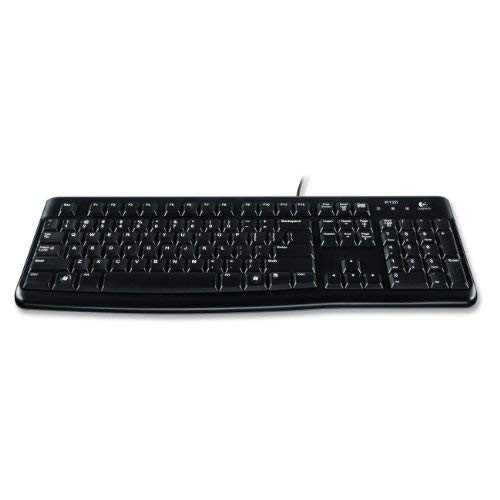 Your price for this item is $29.99
-
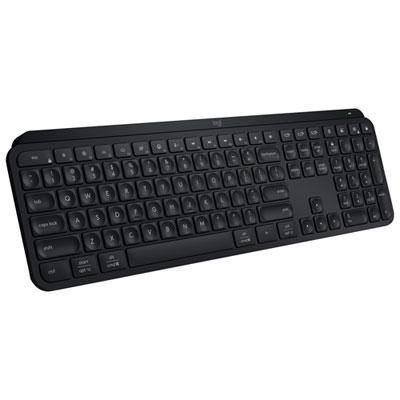 Your price for this item is $159.99
Discover more categories related to Travel Keyboards
Top Collections:
Pokemon Centers, Best Cameras for Sports Photography, Kindle Devices, Samsung Galaxy Phones, Canon G7X Cameras, Pokémon 30th Celebration Cards, Refurbished Apple Laptops, iPhone 15 Apple, Laptops for Students, Budget Smartphones
Some products may be subject to Environmental Handling Fees
(EHF) depending on your province.
Learn more about EHFs.