Hexa Core Processors
Upgrade your computing power with hexa-core processors. Designed to deliver lightning-fast performance and seamless multitasking, these processors are perfect for gamers, content creators, and professionals who demand the best from their machines. With six cores and an advanced architecture, hexa-core processors offer enhanced speed, improved efficiency, and exceptional responsiveness. Whether you're editing videos, playing graphics-intensive games, or running complex software applications, these processors will elevate your computing experience to new heights. Shop from our wide selection of hexa-core processors and unlock the full potential of your device today.
Sort
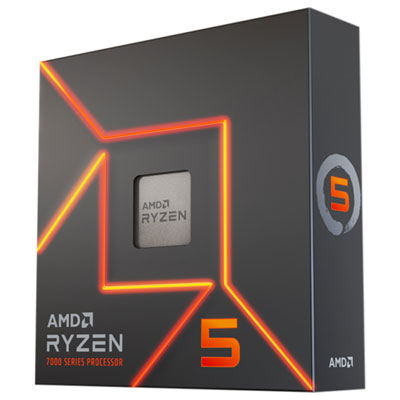
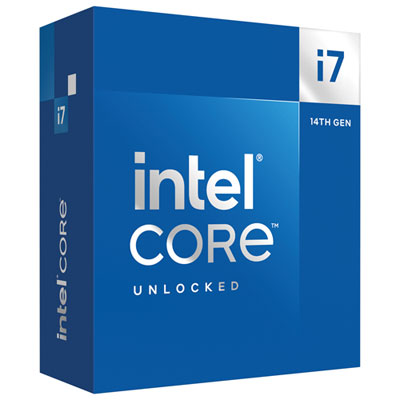
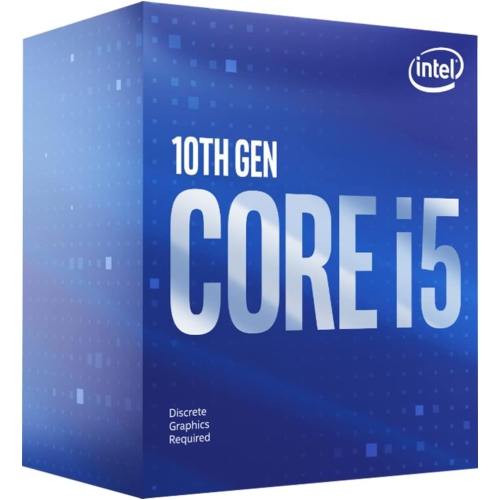
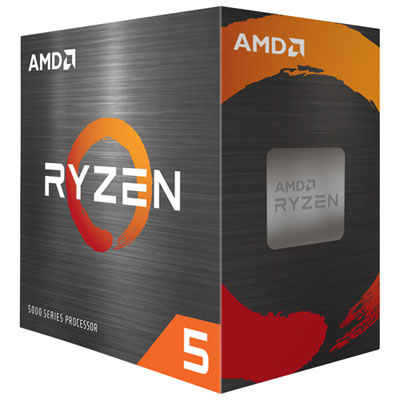
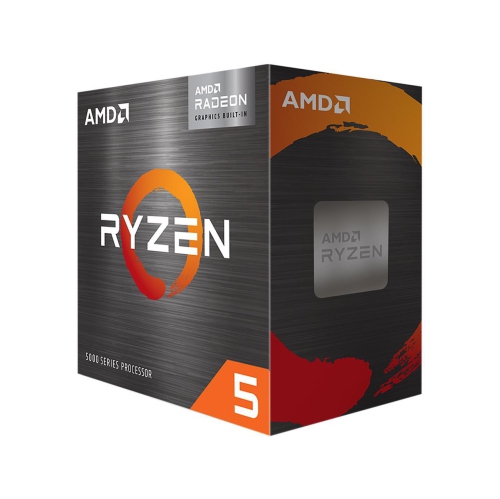
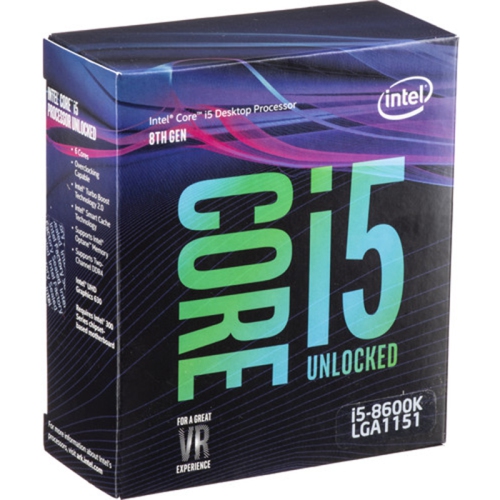
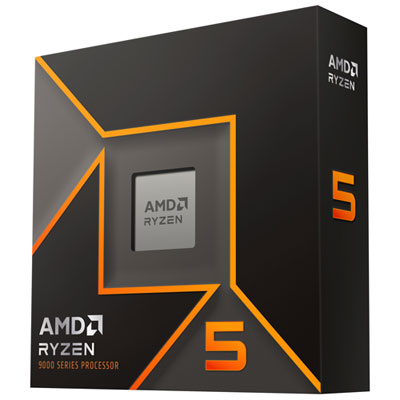
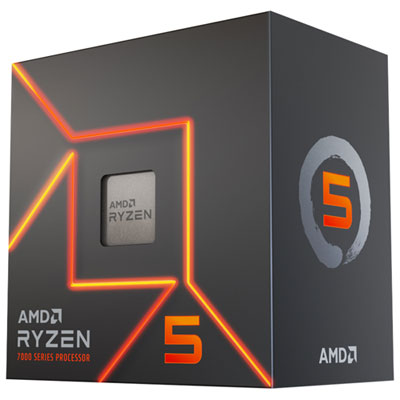
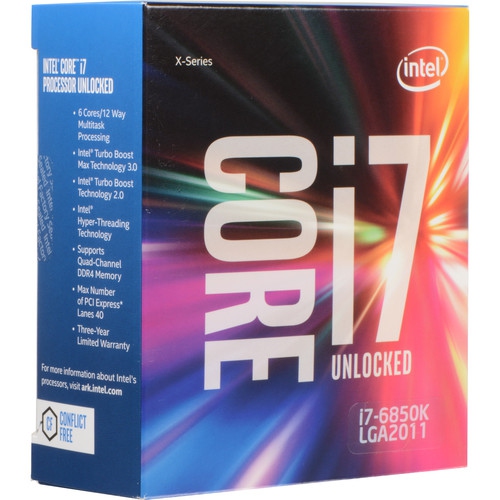
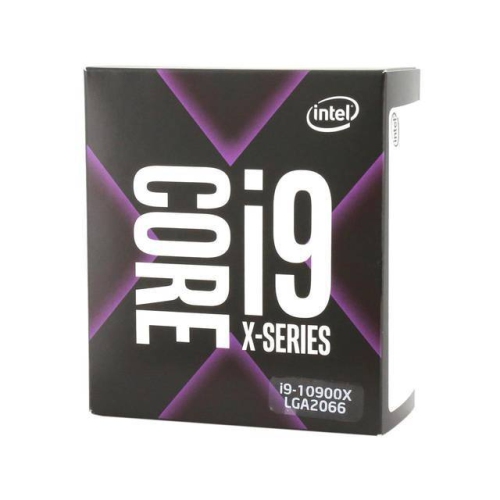

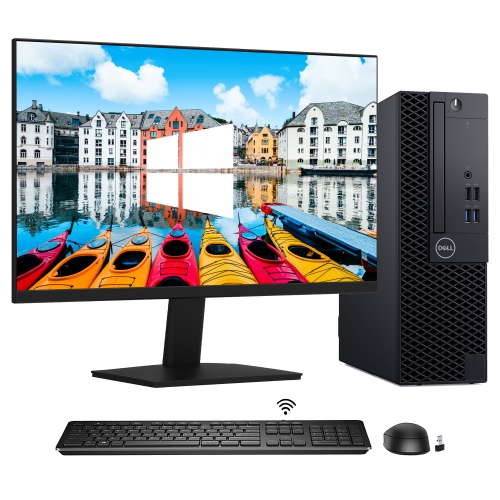
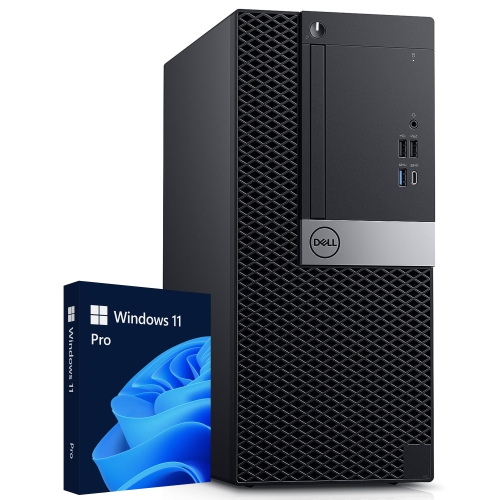
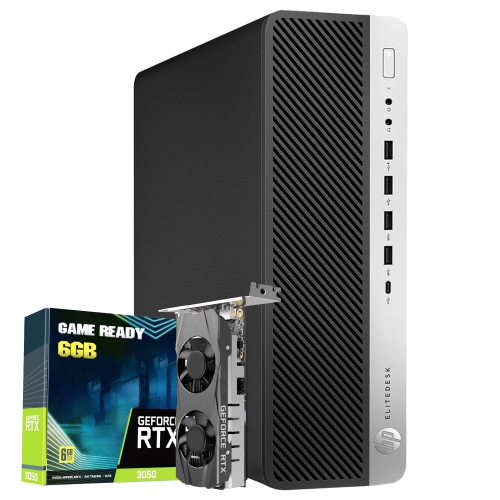
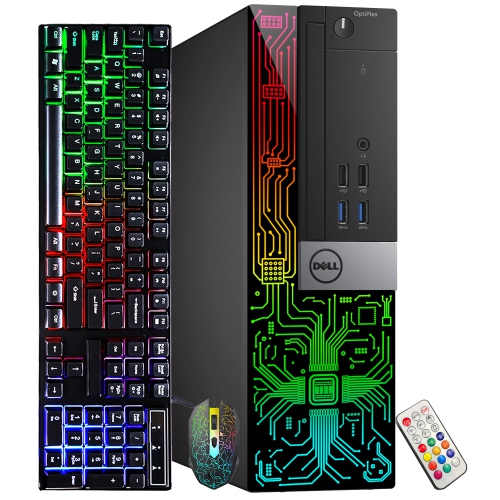
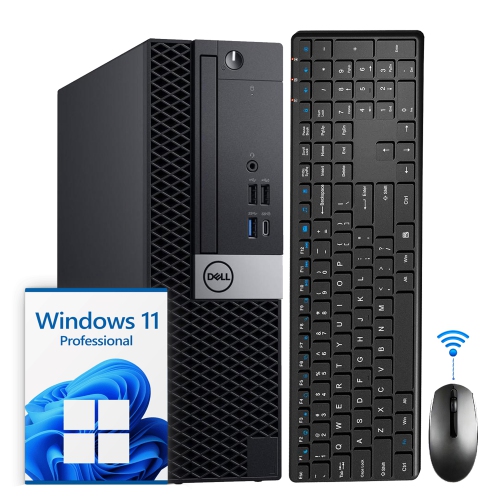
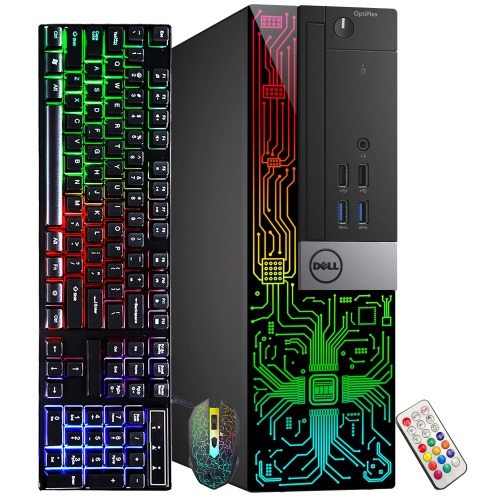
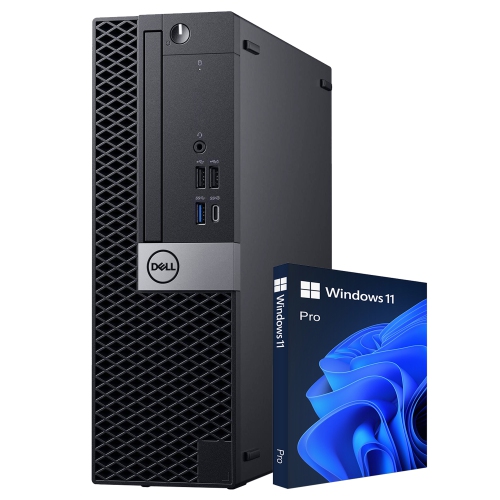
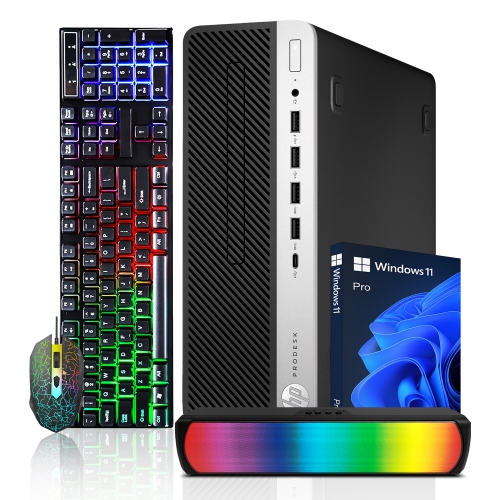
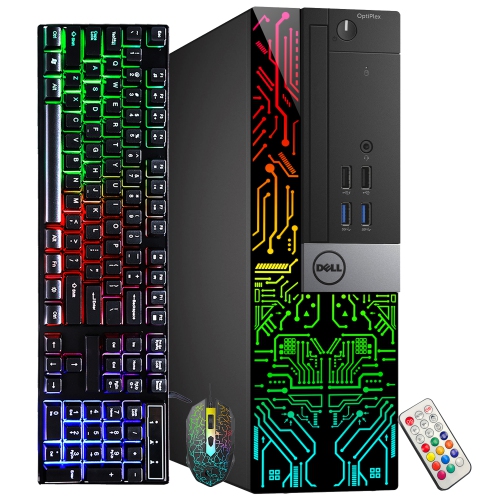
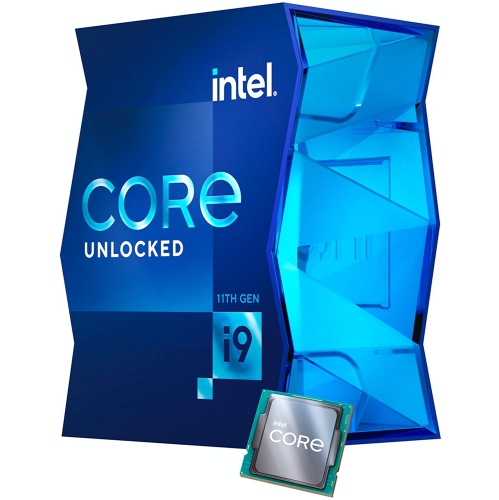
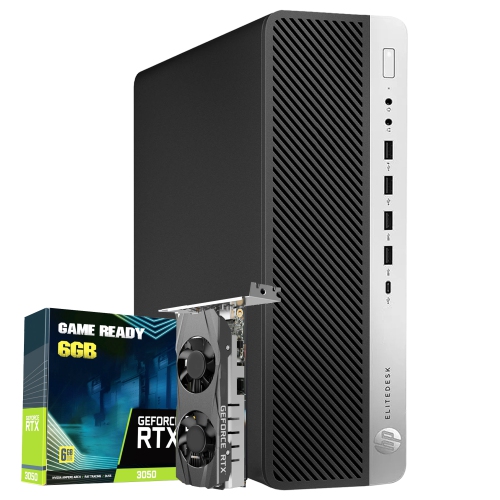
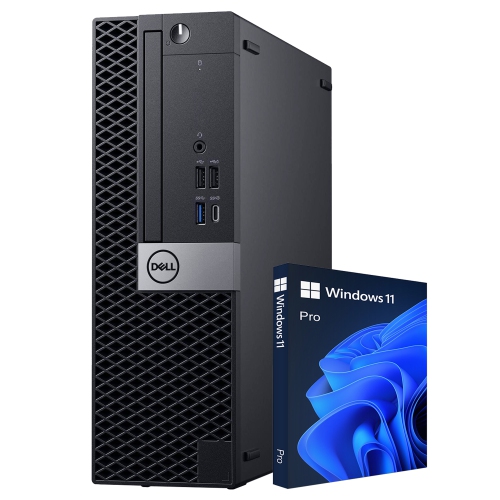
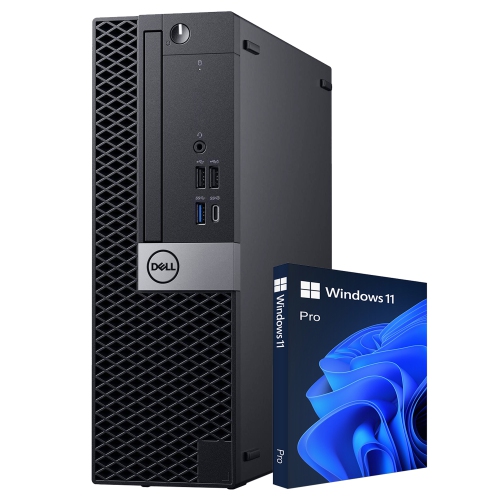
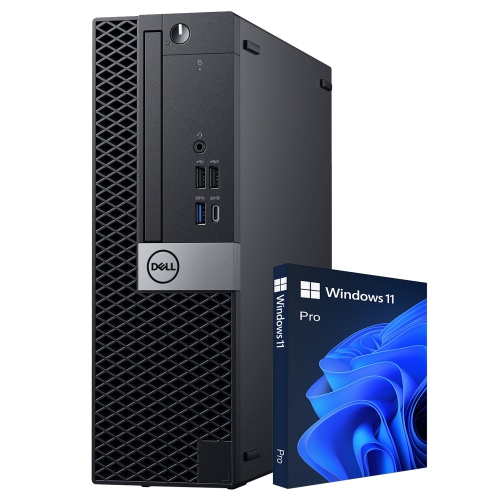

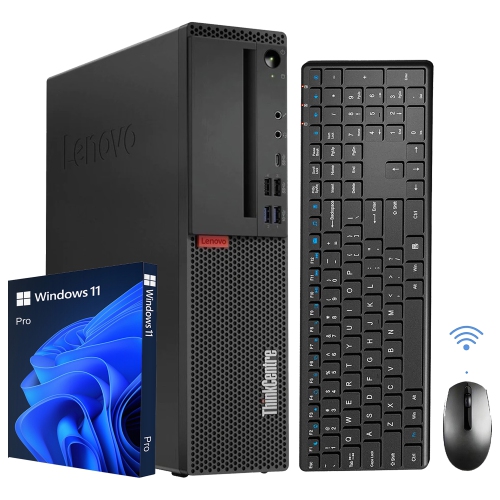
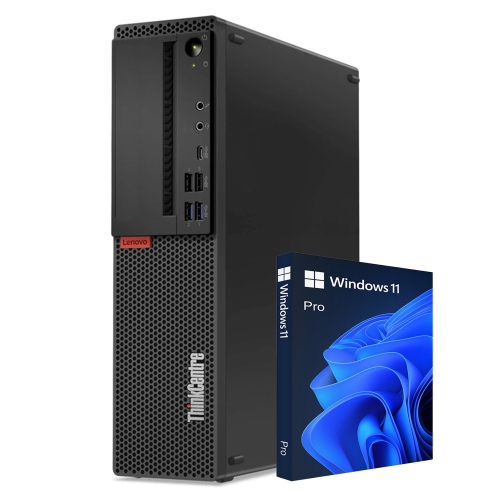
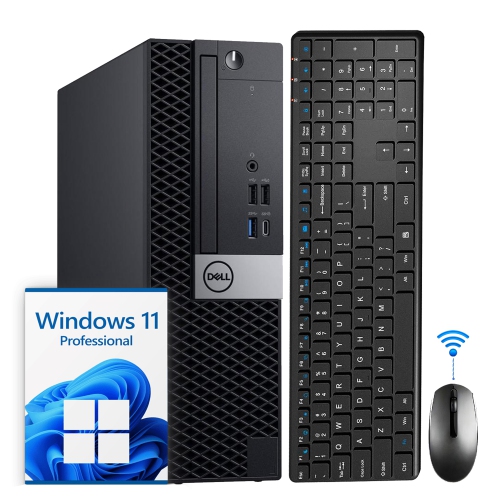
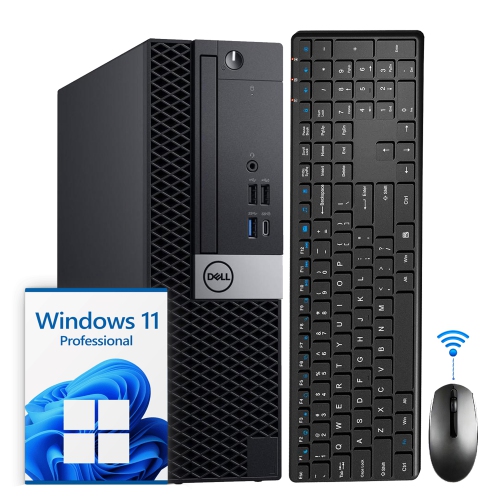
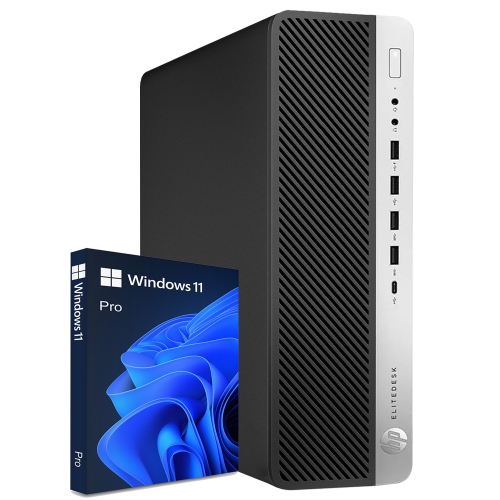
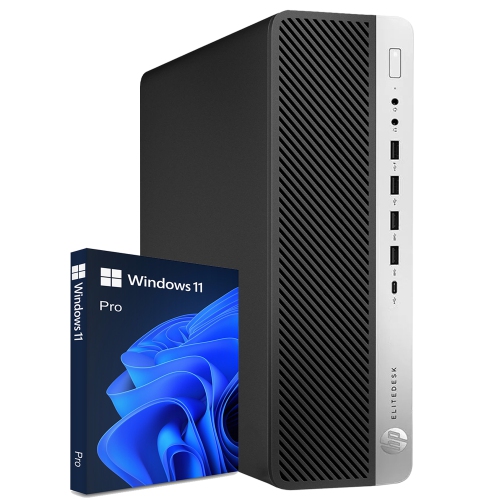

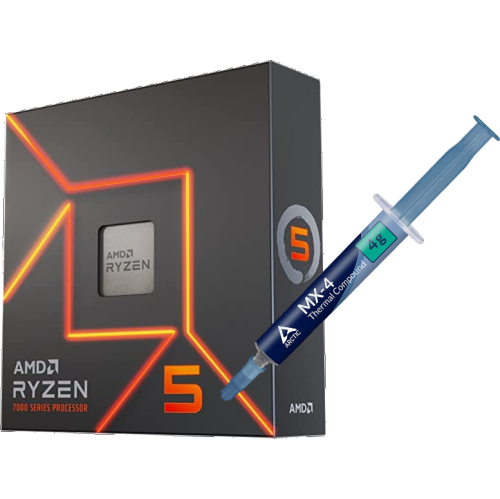
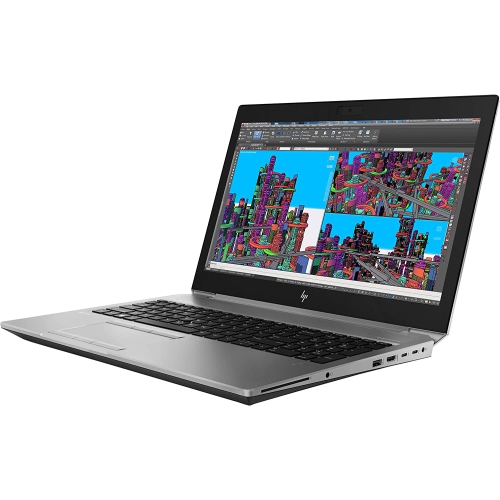
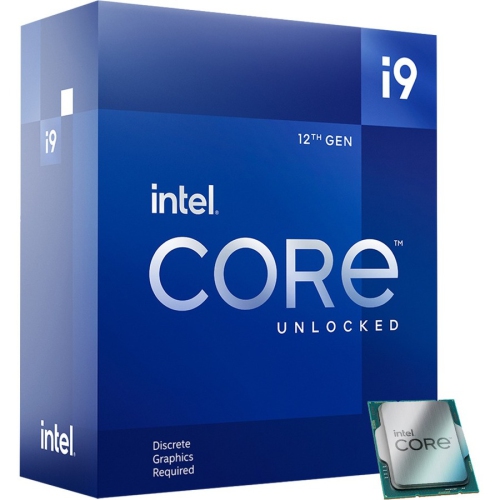
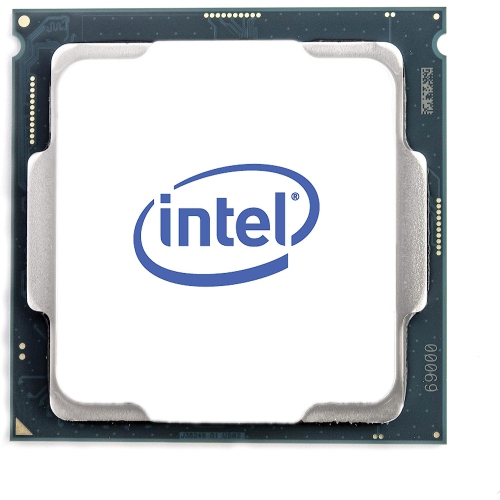
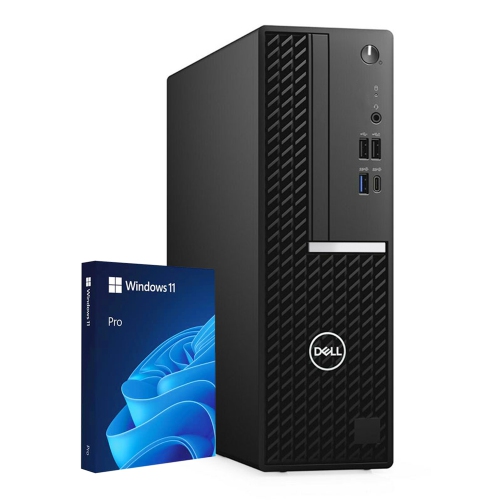
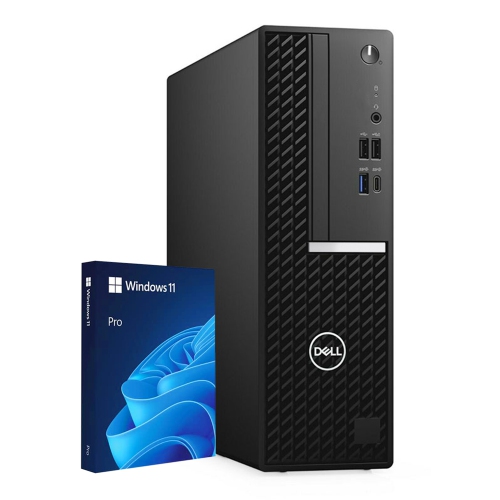
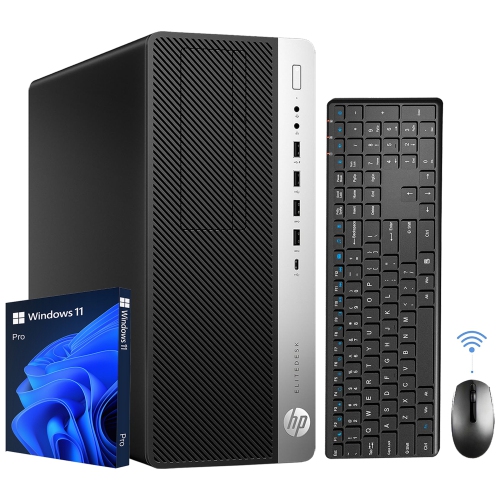
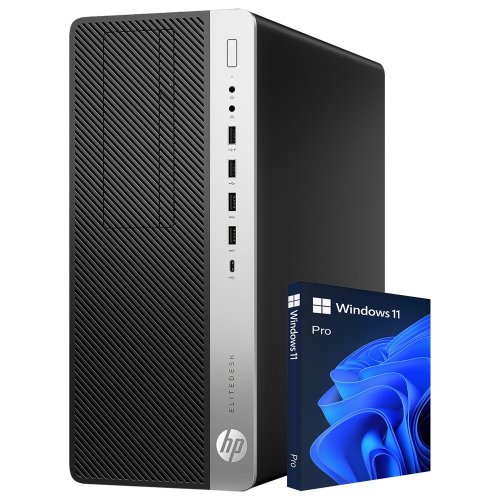
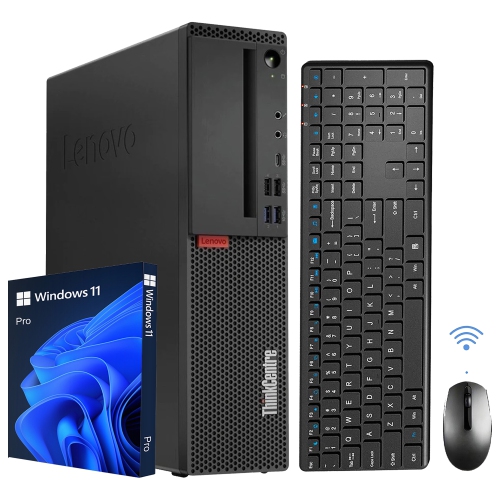
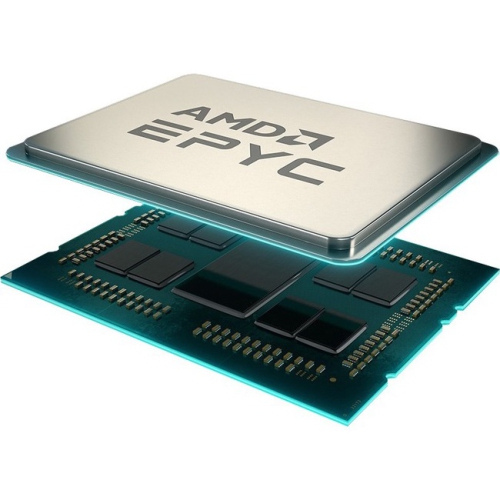
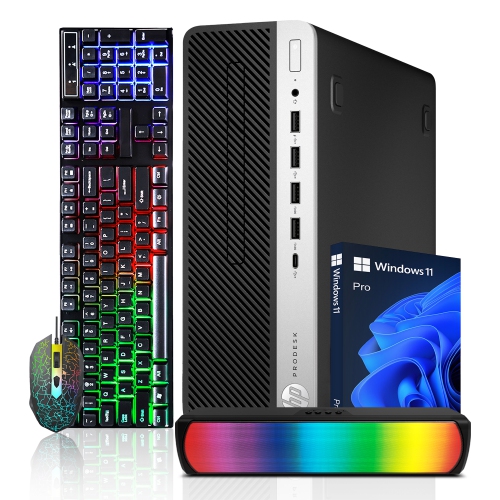
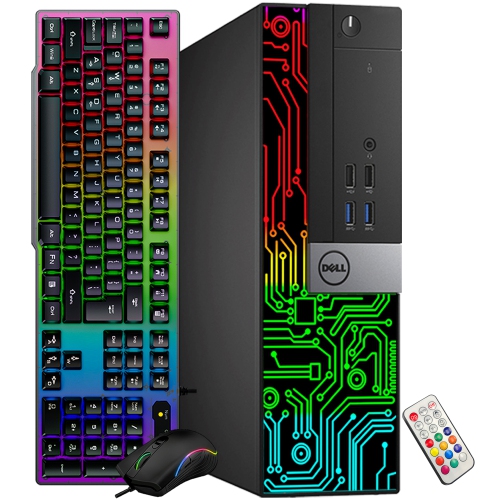

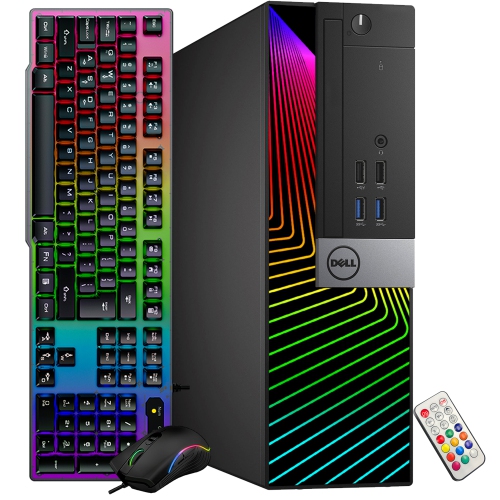
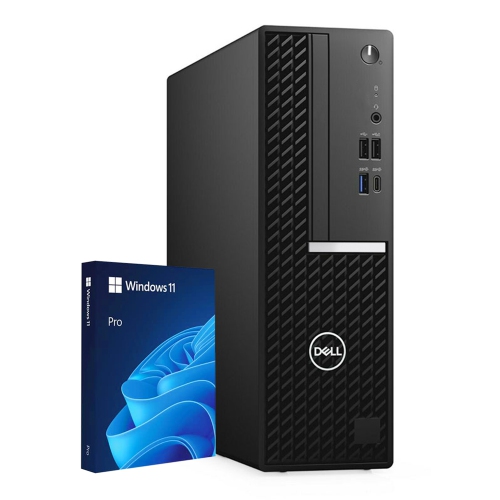
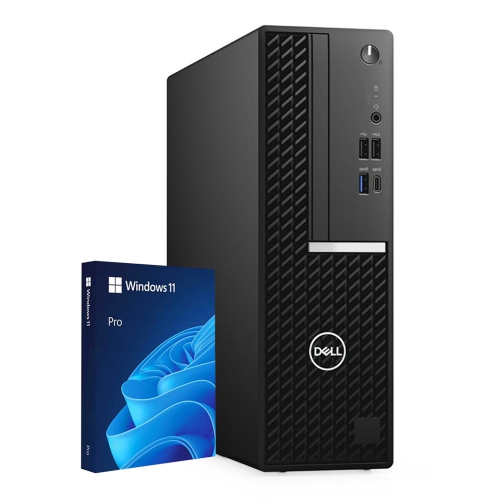
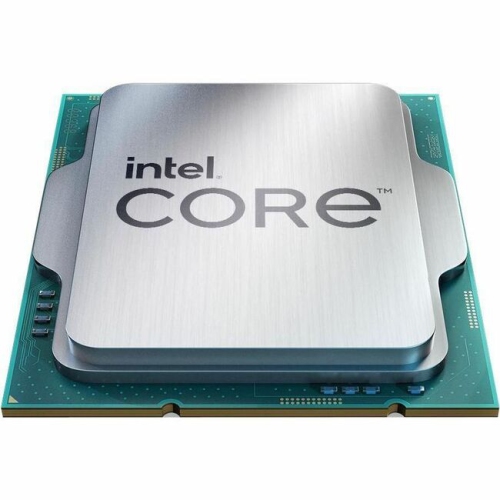
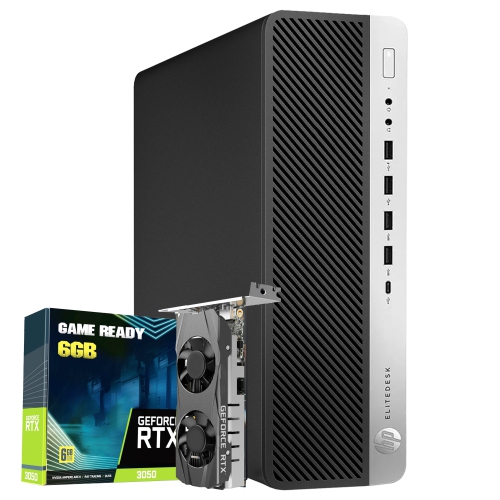
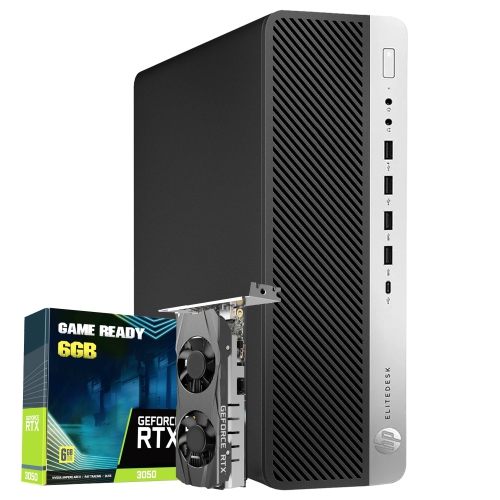
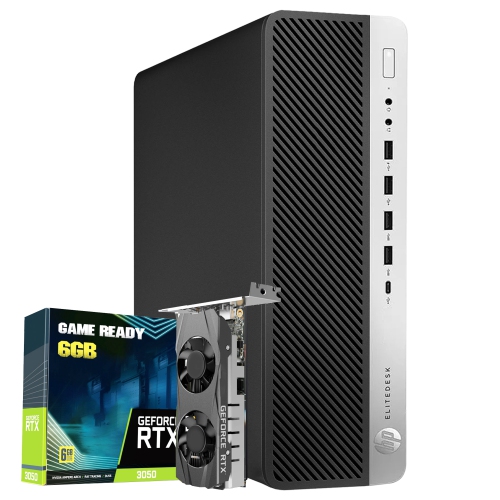

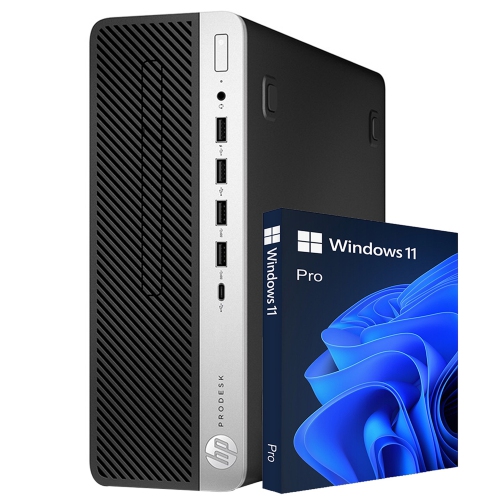
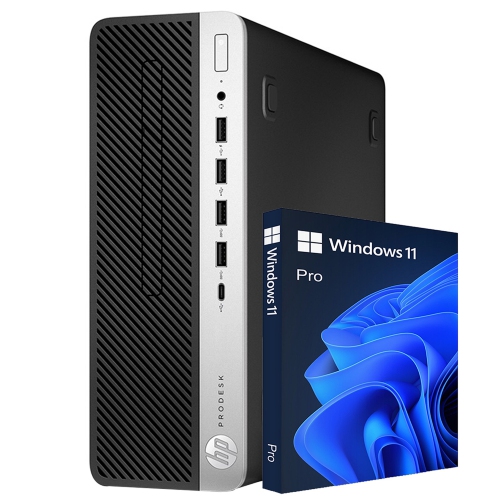
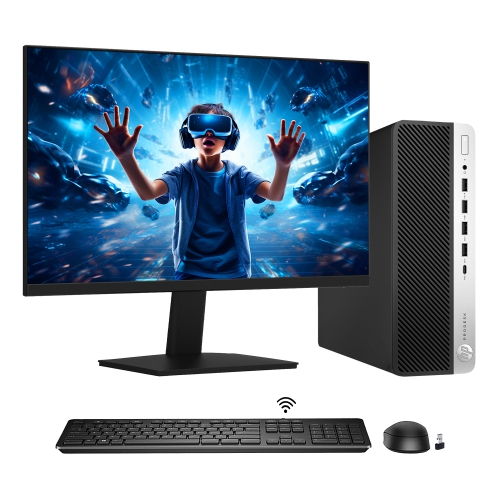
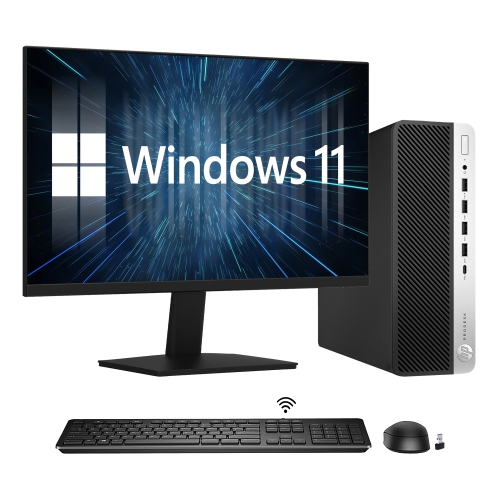
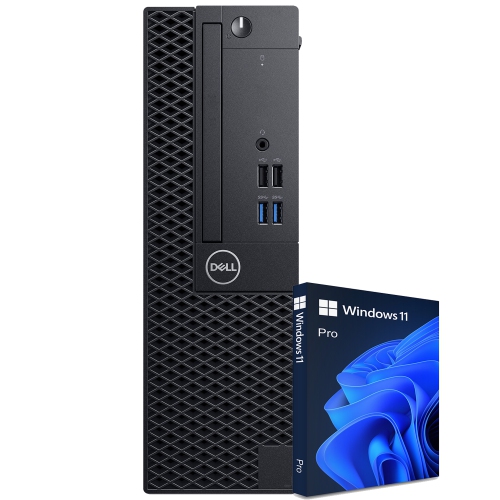
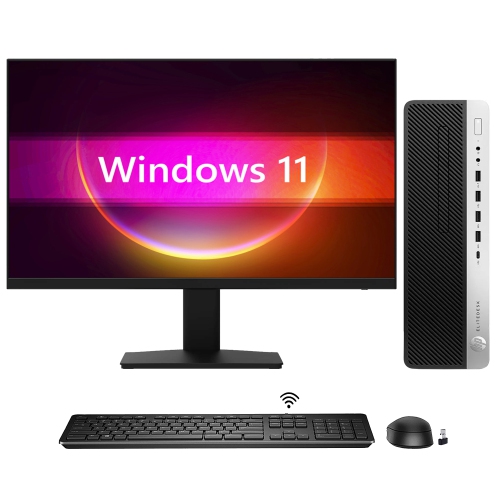
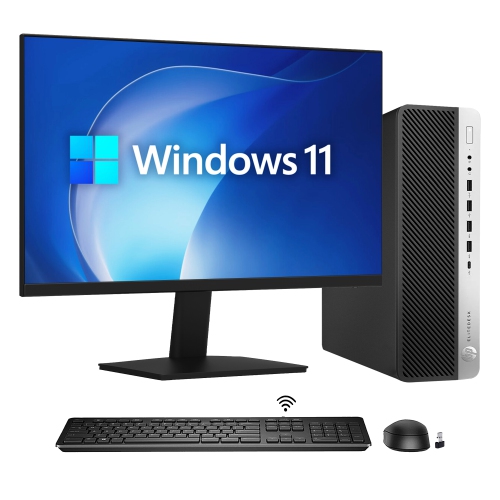
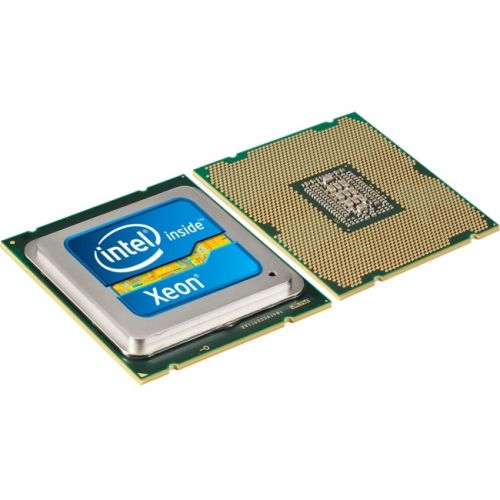
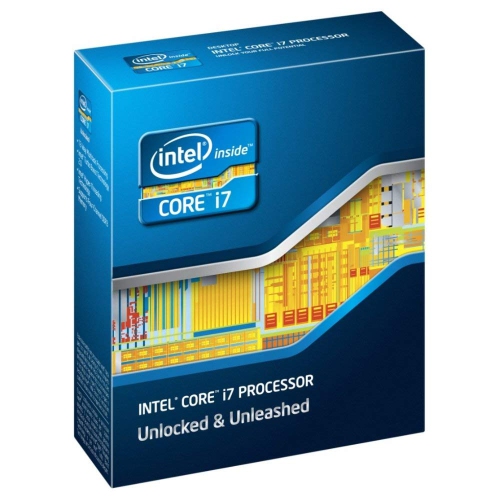
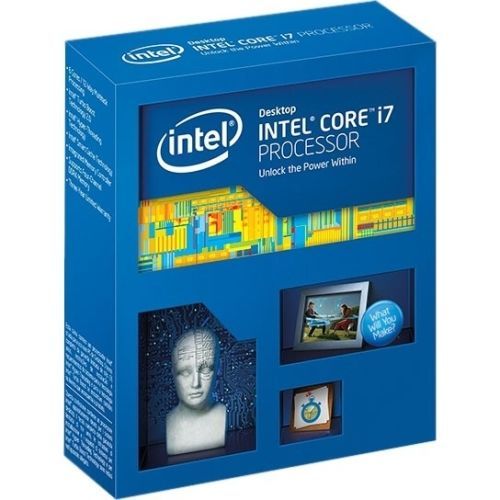
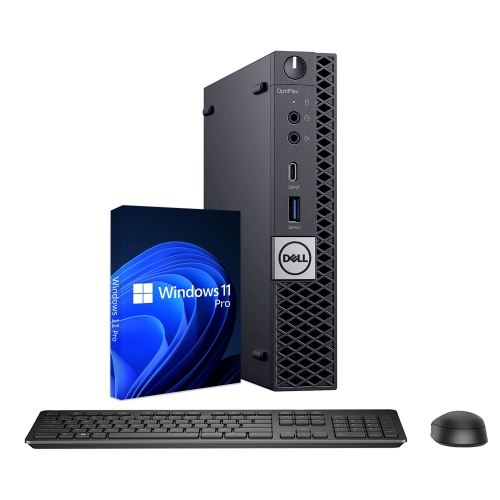

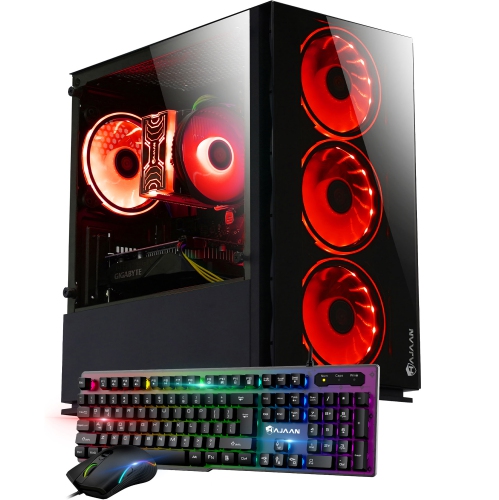
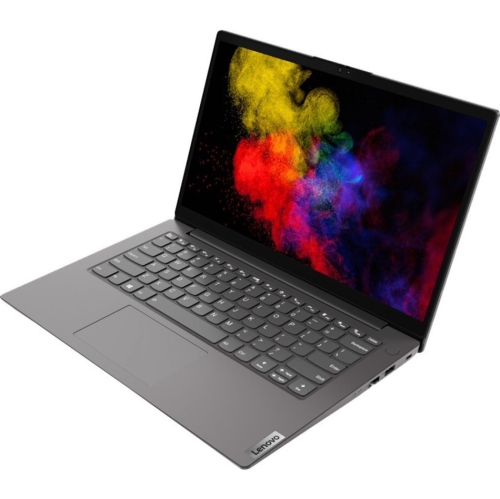
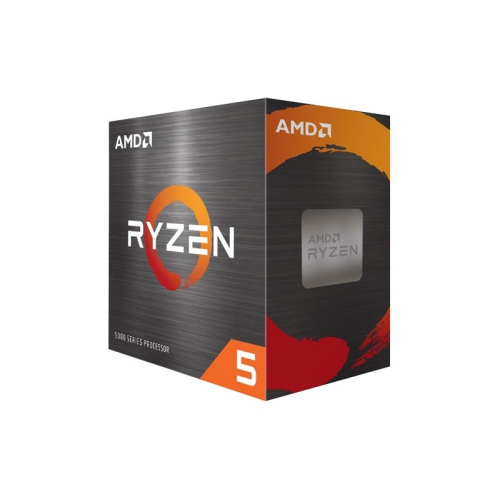

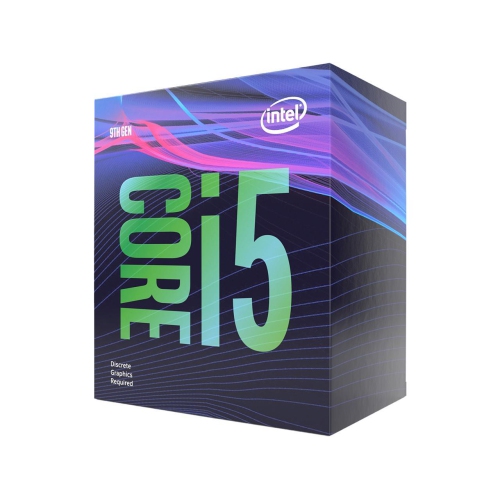
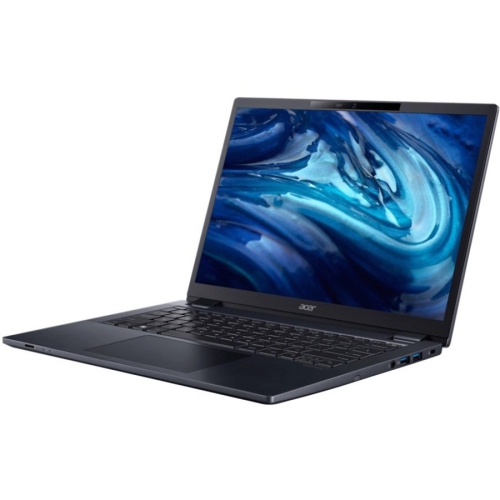
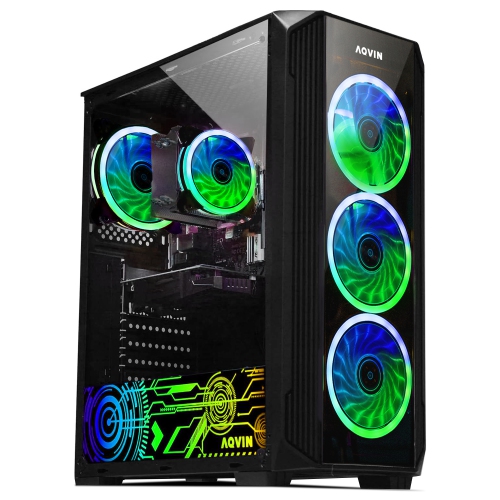


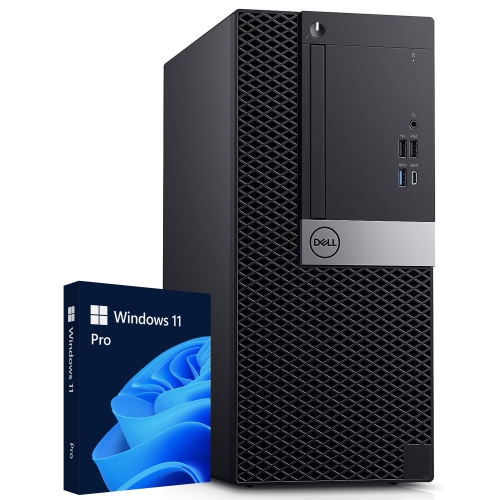
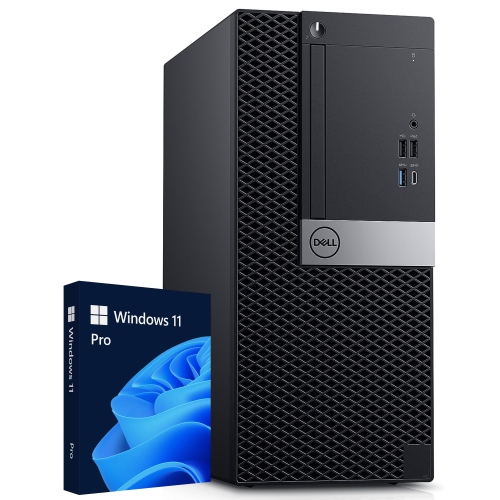
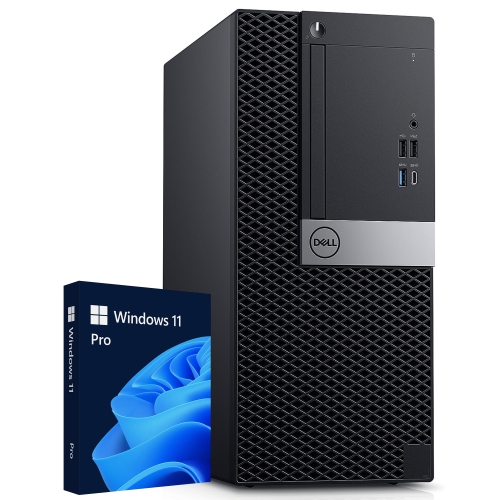
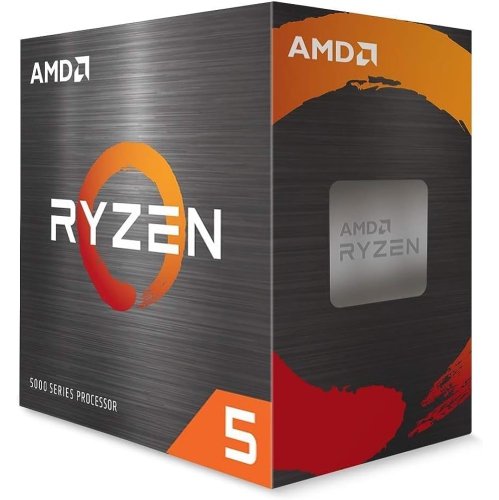
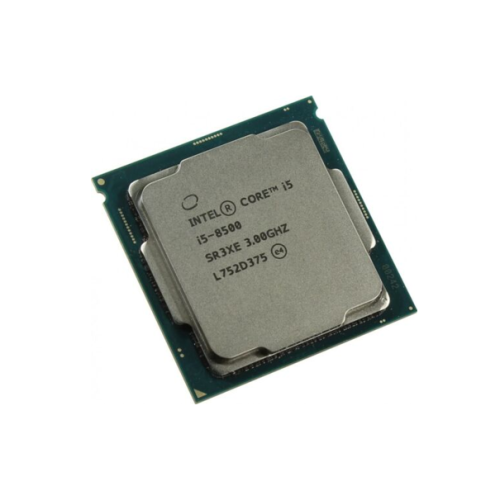

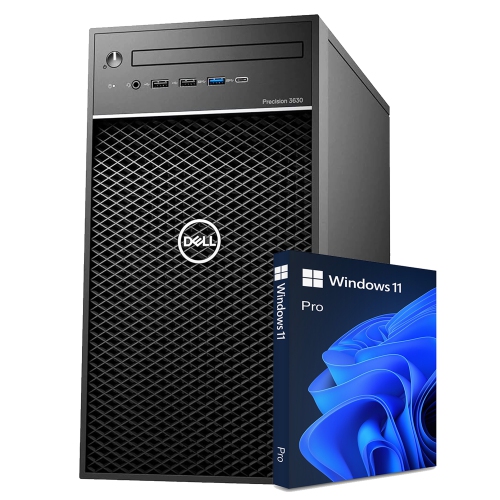
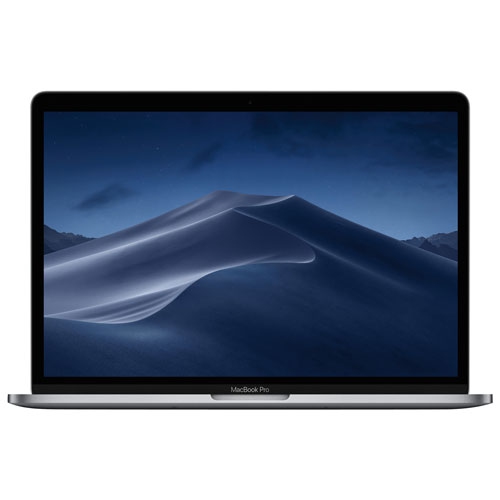
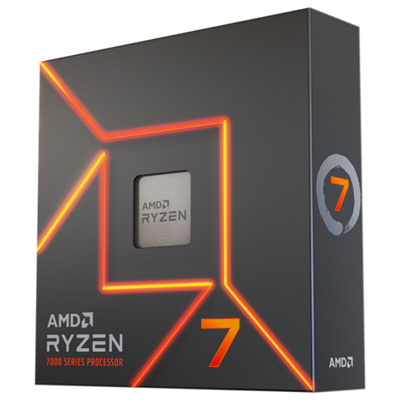
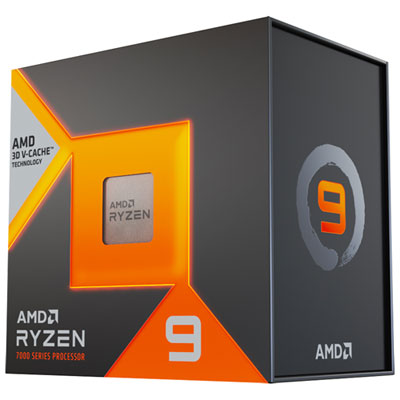
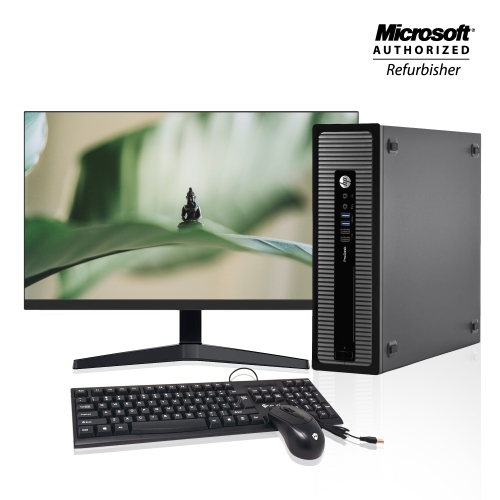
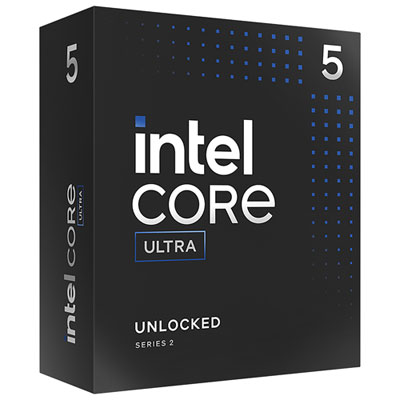
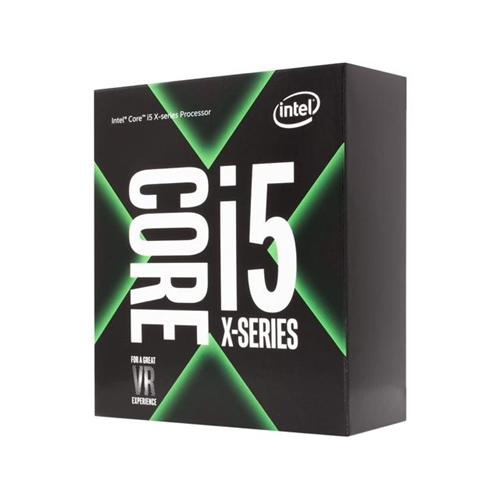
Balanced performance for multitasking, gaming, and creative work
Hexa Core Processors contain six physical processing cores on a single chip, giving a computer several independent paths for handling instructions. Instead of relying on one core to complete every task in sequence, the operating system can distribute compatible workloads across the available cores. This makes a hexa-core processor a practical choice for people who regularly move between demanding applications, browser tabs, communication tools, and media. A student might research in one window, join a video lecture, edit a presentation, and play music in the background without the system feeling overwhelmed. At home, a hexa-core desktop or laptop can handle streaming, photo sorting, online shopping, document work, and everyday multitasking with a comfortable level of responsiveness. The six-core design also suits shared family computers, where one person’s background downloads or cloud backups are less likely to interfere with another person’s work. Depending on the processor architecture and platform, simultaneous multithreading (SMT) or a similar feature may allow each physical core to manage more than one software thread, with some six-core processors supporting up to twelve threads. This does not mean that twelve physical cores are present, but it can improve efficiency when compatible software has several tasks ready to run. A shared Level 3 cache can further reduce the need to retrieve frequently used data from slower system memory, helping applications exchange information efficiently. Core count is only one part of the experience, however. Clock speed, processor generation, cache capacity, thermal design, graphics support, and compatibility with the computer’s motherboard or memory all influence real-world performance. A newer hexa-core processor may outperform an older chip with the same number of cores, while a system with insufficient RAM or slow storage can limit the benefits of a capable CPU.
For gaming, Hexa Core Processors offer a balanced foundation for modern titles, particularly when paired with a suitable graphics card, adequate memory, and fast storage. Six physical cores can keep game-related calculations moving while leaving room for voice chat, browser guides, game launchers, recording software, or streaming tools in the background. This balance is especially useful at a desk where a game, chat window, and music playlist may all be active at once. For creative work, the additional processing paths can shorten waits during video exports, photo batches, audio projects, and entry-level 3D modelling compared with many older quad-core systems. Editing a family video, adjusting a collection of high-resolution images, or preparing a school presentation with embedded media can feel more fluid when the processor has enough headroom for several operations at the same time. Office users can also benefit from responsive performance when working with large spreadsheets, multiple documents, web-based applications, and video meetings. A hexa-core computer is often a sensible middle ground: it can provide a noticeable step up from basic or aging processors without being aimed exclusively at specialised workstations. It may be well suited to home offices, students in technical or creative programmes, casual creators, and gamers who want dependable multitasking rather than the highest possible core count. It can also make a thoughtful gift for someone setting up a first desktop, upgrading a family computer, or building a system for school and hobbies during the cooler months, when indoor projects and gaming sessions naturally become part of the routine. Before choosing a computer with this processor class, consider the complete configuration and the intended applications. Check the amount of RAM, storage type, graphics hardware, display connection, operating system, and upgrade options. Laptop shoppers should also review battery expectations, cooling design, screen size, and portability, since performance can vary between mobile and desktop versions of processors that share a similar core count.
Hexa Core Processors are designed for balanced performance, but they are not automatically the best fit for every workload. Six cores can handle demanding everyday use and many creative applications effectively, yet professionals working with complex simulations, large-scale software builds, advanced 3D rendering, extensive virtual machines, or intensive server tasks may benefit from a processor with more physical cores and additional platform features. In those cases, exploring options such as 12 Core Processors may provide more parallel processing capacity, depending on the software and the rest of the system. It is also important to distinguish between physical cores and logical threads: additional threads can help organise compatible workloads, but they do not replace the resources of separate physical cores. Software optimisation matters as well. Some games and applications rely heavily on one or two fast cores, while rendering, compression, video production, and other parallel tasks may make better use of all available cores. For a desktop, review the motherboard socket, chipset support, cooling requirements, power supply, and case airflow before purchasing a processor separately. For a laptop or prebuilt computer, compare the complete specifications rather than judging performance from core count alone. Consider how long the computer is expected to remain in use, whether it will be upgraded later, and whether the system will be used for work, entertainment, learning, or a mix of all three. A well-matched hexa-core computer can feel quick and composed as several tasks unfold together: a video call remains clear, a file copies in the background, a game loads, and a collection of photographs opens without bringing everything else to a halt. Choosing the right balance of cores, clock speed, memory, graphics, cooling, and storage helps ensure that the processor supports the way the computer will actually be used.
For gaming, Hexa Core Processors offer a balanced foundation for modern titles, particularly when paired with a suitable graphics card, adequate memory, and fast storage. Six physical cores can keep game-related calculations moving while leaving room for voice chat, browser guides, game launchers, recording software, or streaming tools in the background. This balance is especially useful at a desk where a game, chat window, and music playlist may all be active at once. For creative work, the additional processing paths can shorten waits during video exports, photo batches, audio projects, and entry-level 3D modelling compared with many older quad-core systems. Editing a family video, adjusting a collection of high-resolution images, or preparing a school presentation with embedded media can feel more fluid when the processor has enough headroom for several operations at the same time. Office users can also benefit from responsive performance when working with large spreadsheets, multiple documents, web-based applications, and video meetings. A hexa-core computer is often a sensible middle ground: it can provide a noticeable step up from basic or aging processors without being aimed exclusively at specialised workstations. It may be well suited to home offices, students in technical or creative programmes, casual creators, and gamers who want dependable multitasking rather than the highest possible core count. It can also make a thoughtful gift for someone setting up a first desktop, upgrading a family computer, or building a system for school and hobbies during the cooler months, when indoor projects and gaming sessions naturally become part of the routine. Before choosing a computer with this processor class, consider the complete configuration and the intended applications. Check the amount of RAM, storage type, graphics hardware, display connection, operating system, and upgrade options. Laptop shoppers should also review battery expectations, cooling design, screen size, and portability, since performance can vary between mobile and desktop versions of processors that share a similar core count.
Hexa Core Processors are designed for balanced performance, but they are not automatically the best fit for every workload. Six cores can handle demanding everyday use and many creative applications effectively, yet professionals working with complex simulations, large-scale software builds, advanced 3D rendering, extensive virtual machines, or intensive server tasks may benefit from a processor with more physical cores and additional platform features. In those cases, exploring options such as 12 Core Processors may provide more parallel processing capacity, depending on the software and the rest of the system. It is also important to distinguish between physical cores and logical threads: additional threads can help organise compatible workloads, but they do not replace the resources of separate physical cores. Software optimisation matters as well. Some games and applications rely heavily on one or two fast cores, while rendering, compression, video production, and other parallel tasks may make better use of all available cores. For a desktop, review the motherboard socket, chipset support, cooling requirements, power supply, and case airflow before purchasing a processor separately. For a laptop or prebuilt computer, compare the complete specifications rather than judging performance from core count alone. Consider how long the computer is expected to remain in use, whether it will be upgraded later, and whether the system will be used for work, entertainment, learning, or a mix of all three. A well-matched hexa-core computer can feel quick and composed as several tasks unfold together: a video call remains clear, a file copies in the background, a game loads, and a collection of photographs opens without bringing everything else to a halt. Choosing the right balance of cores, clock speed, memory, graphics, cooling, and storage helps ensure that the processor supports the way the computer will actually be used.
Top selling and popular products
-
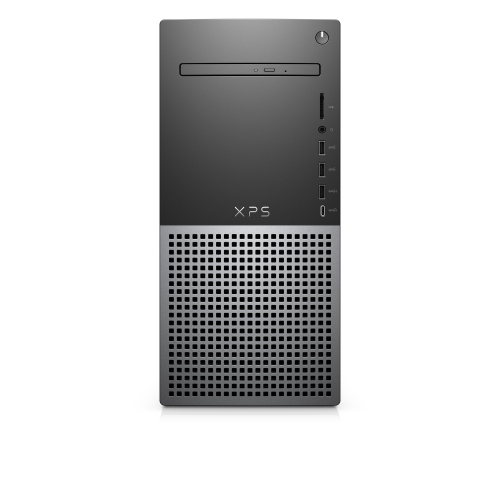 Your price for this item is $1599
 -
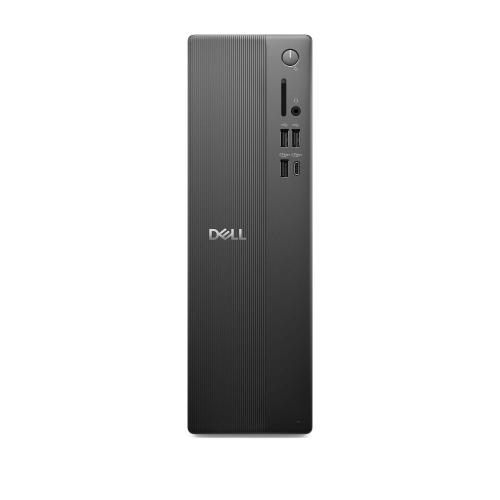 Your price for this item is $1629.79
 -
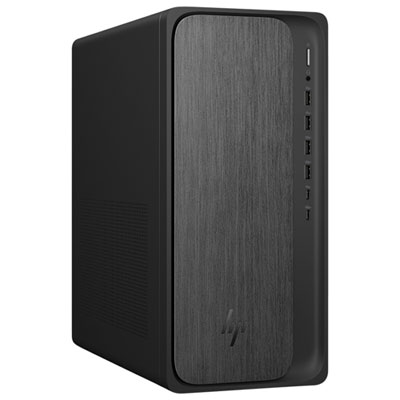 Your price for this item is $1999.99
 -
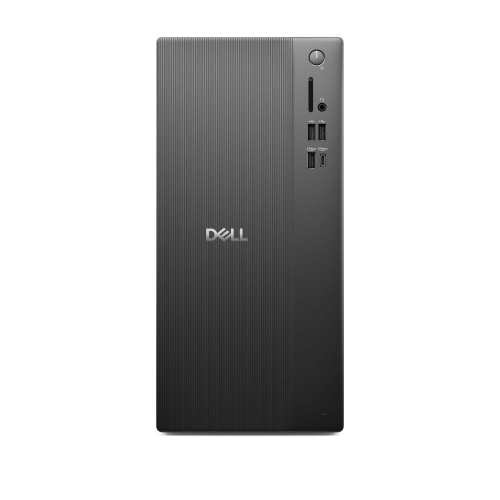 Your price for this item is $1459.79
 -
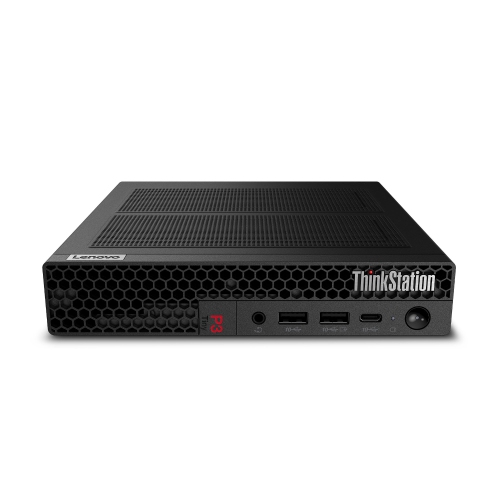 Your price for this item is $879
 -
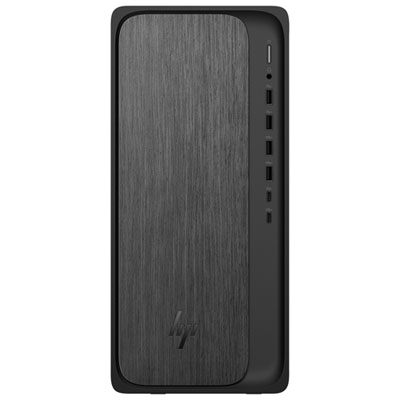 Your price for this item is $1199.99
 -
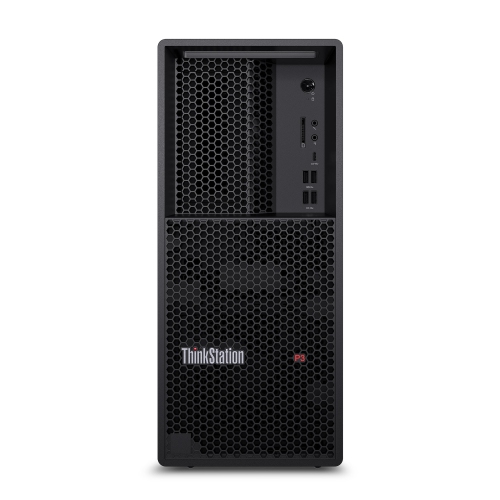 Your price for this item is $1839
 -
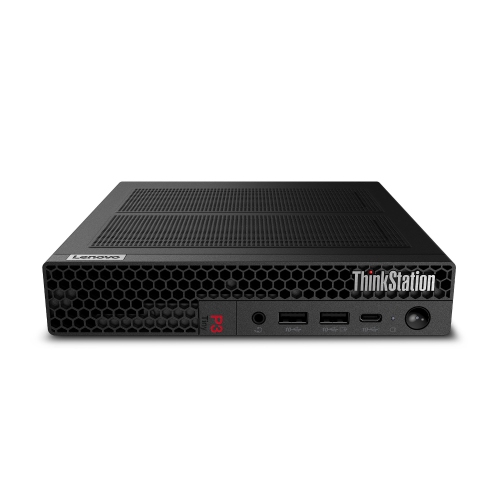 Your price for this item is $879
Discover more categories related to Hexa Core Processors
Top Collections:
Pokemon Centers, Kindle Devices, Best Budget Office Chairs, Apple iPhones 16, Best Laptops for Writers, iPhone 15 Apple, Canon G7X Cameras, Refurbished Apple Laptops, Alarm Clock, Motorola Razr Phones
Some products may be subject to Environmental Handling Fees
(EHF) depending on your province.
Learn more about EHFs.