Lens Cleaning Cloths
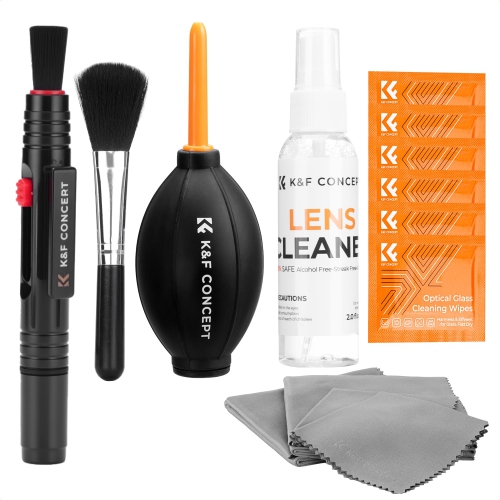
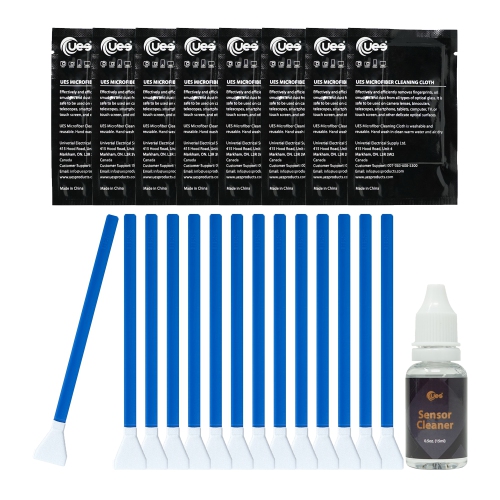
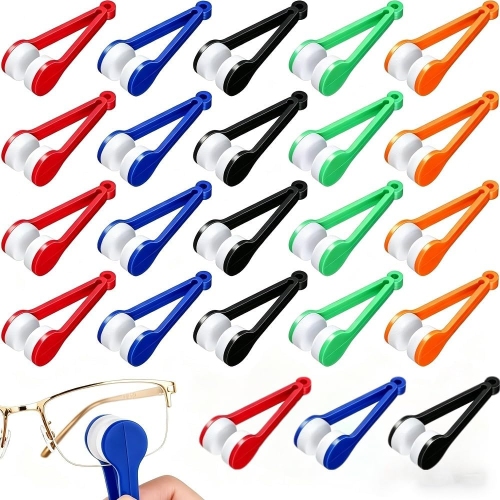
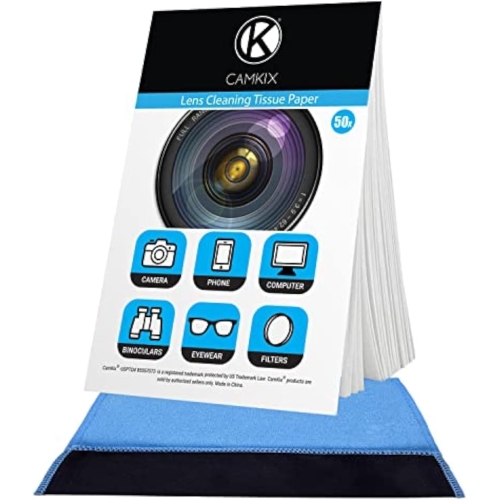
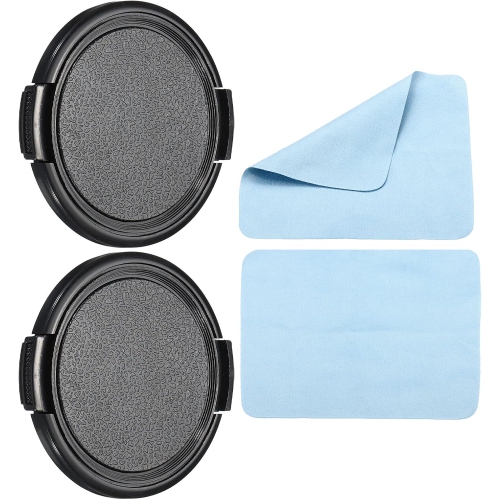
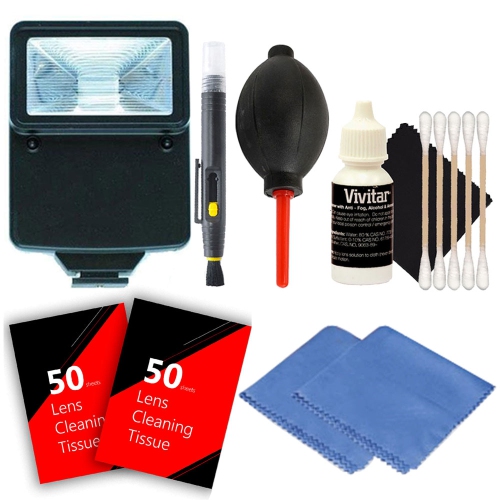
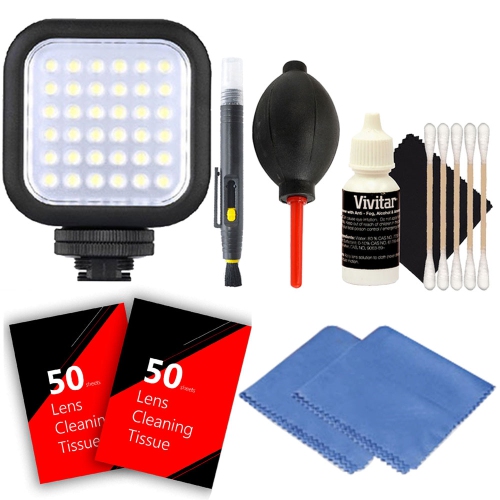
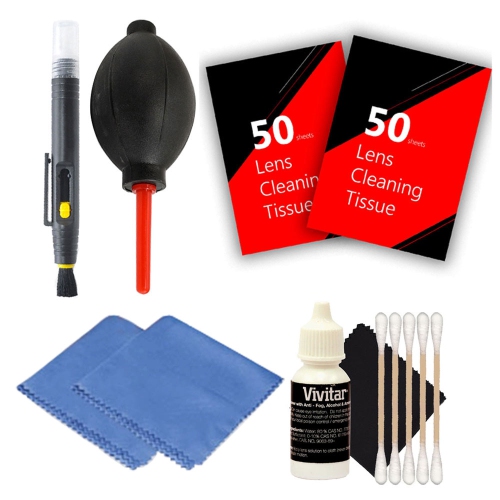
Keeping your lenses crystal clear is essential for capturing the perfect shot or enjoying a crisp view on your favorite devices. Our lens cleaning cloths are designed to gently remove smudges, fingerprints, and dust without leaving any scratches behind. Made from high-quality materials, these cloths are ideal for cleaning camera lenses, eyeglasses, sunglasses, and even smartphone screens. With their compact size and portable design, they can easily be carried in your bag or pocket, ensuring that you always have a reliable cleaning solution at hand. Say goodbye to blurry photos and distorted visuals with our lens cleaning cloths.
Sort
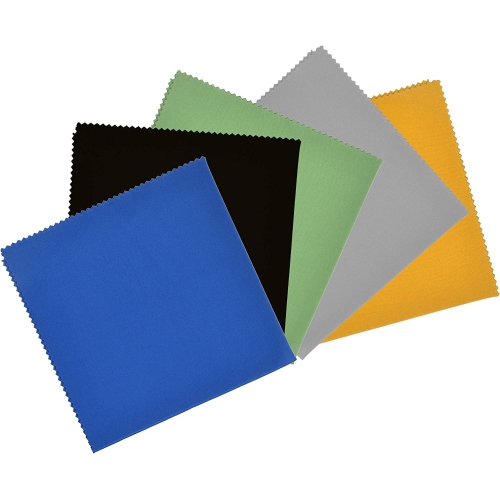
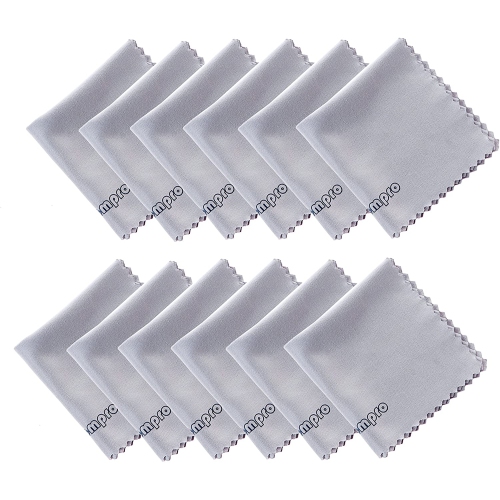
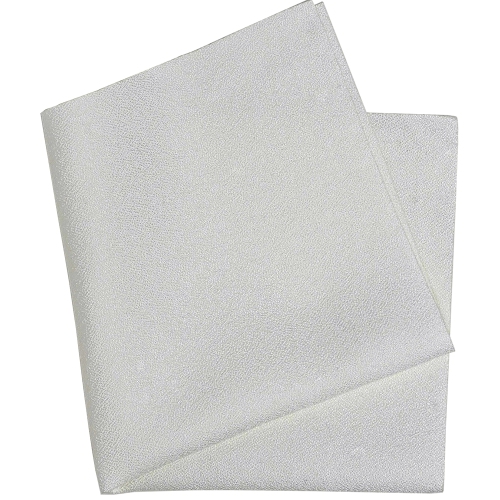
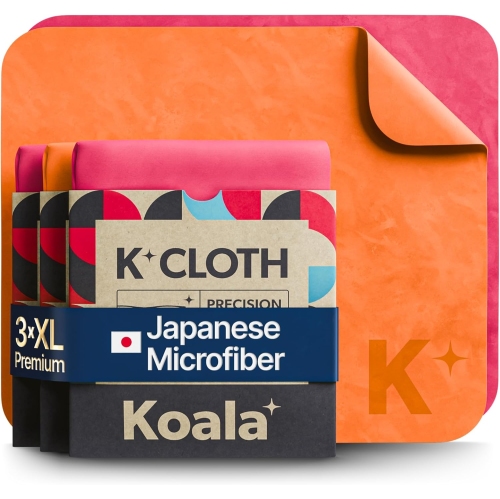
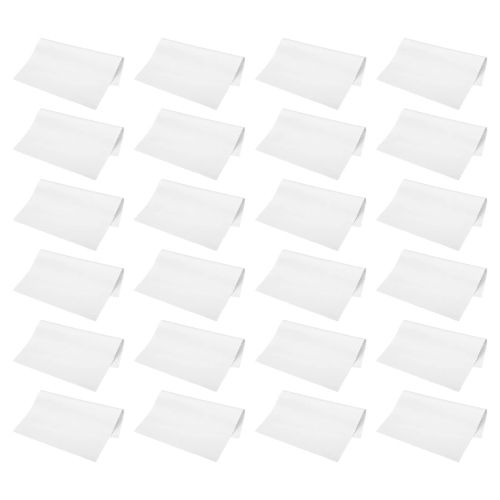
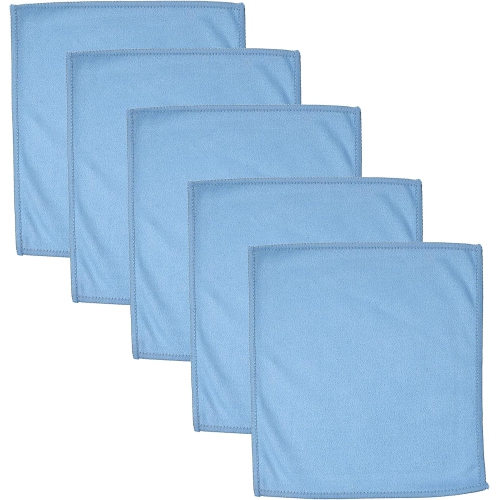
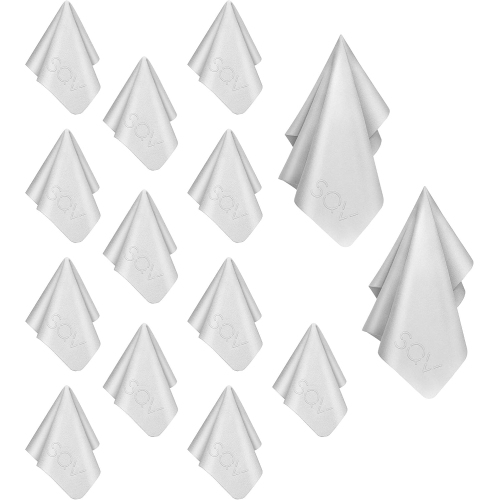
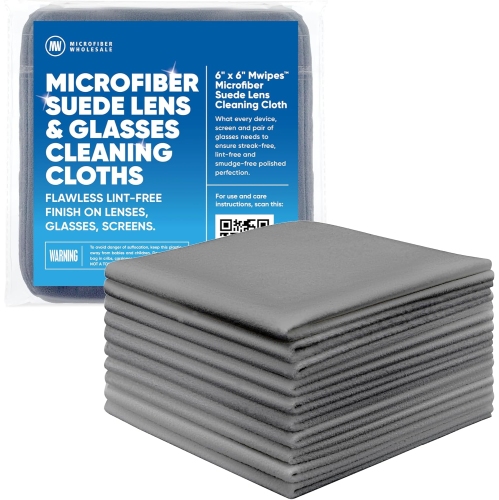
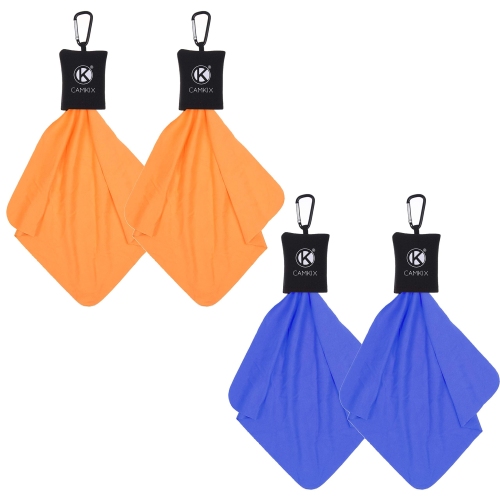
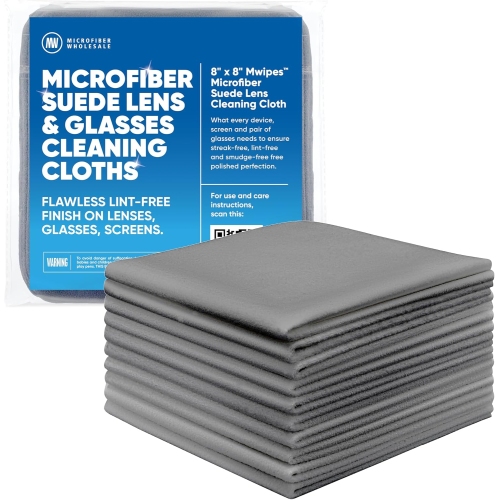
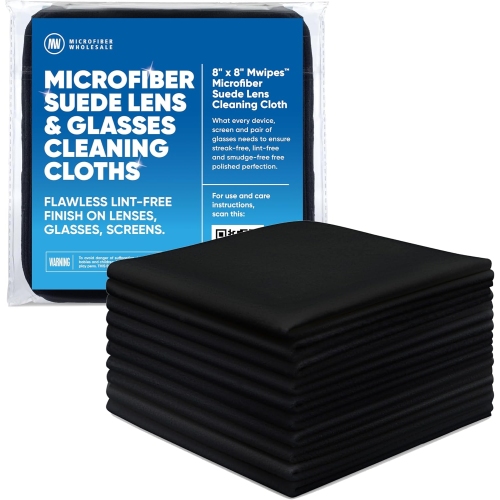
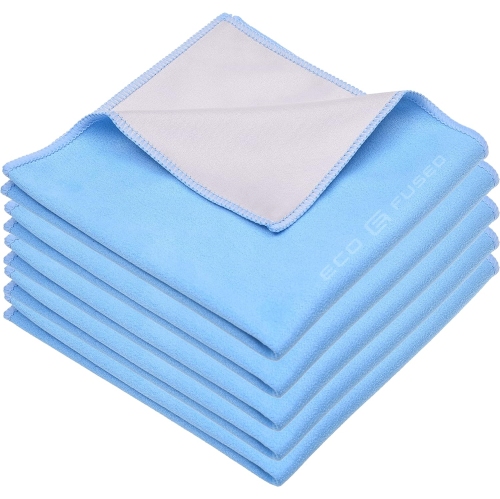
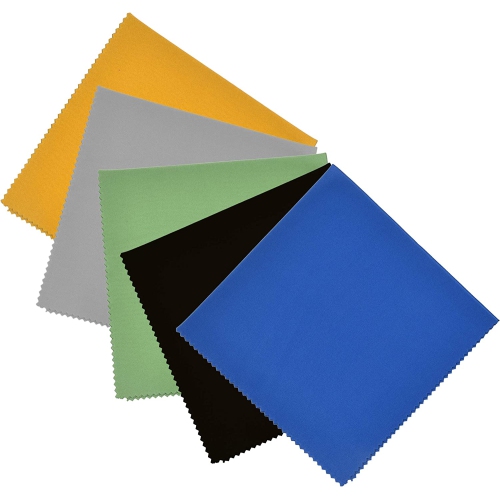
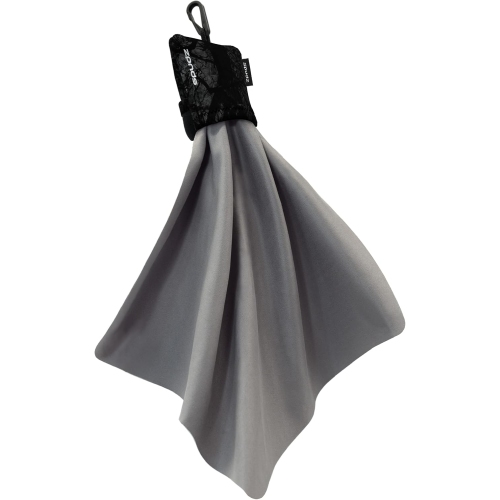
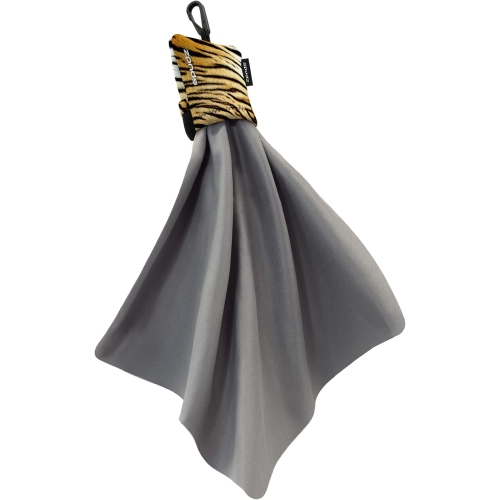
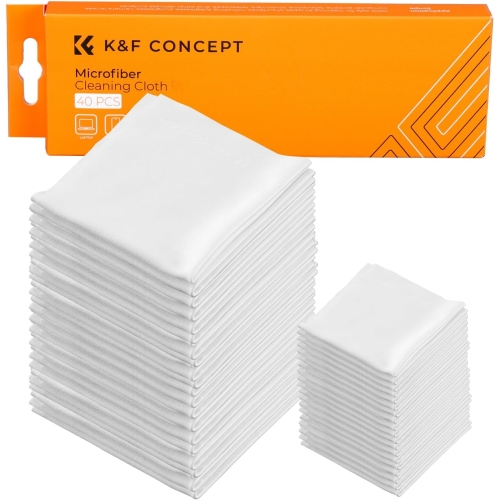
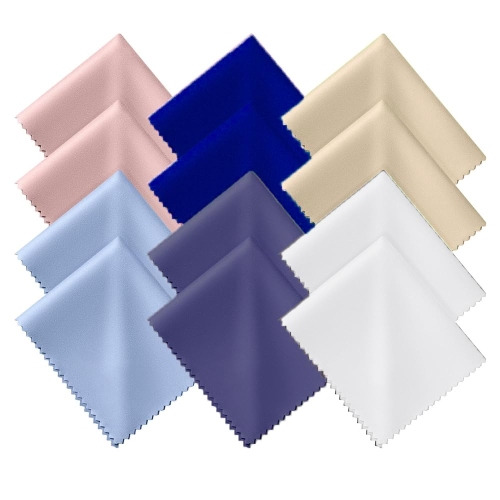
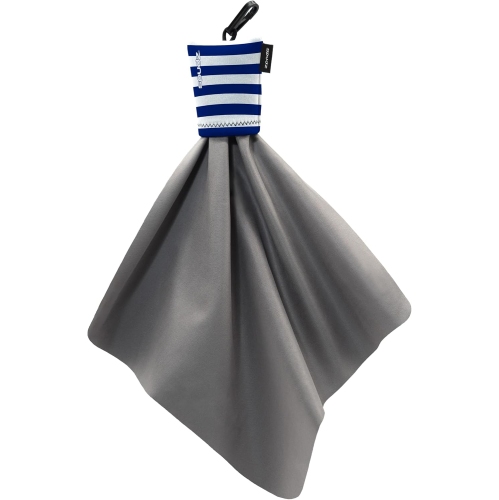
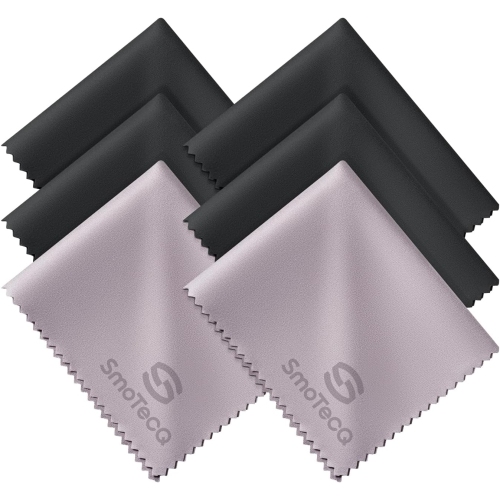
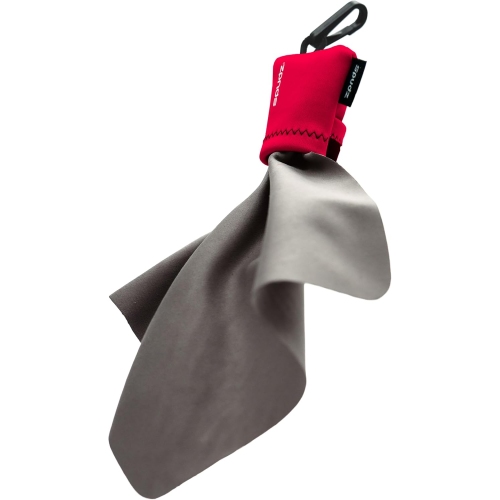
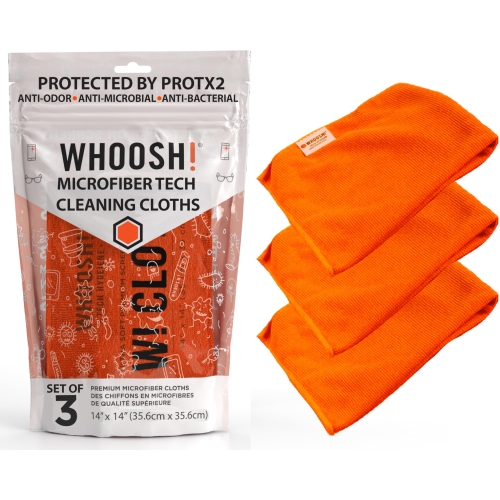
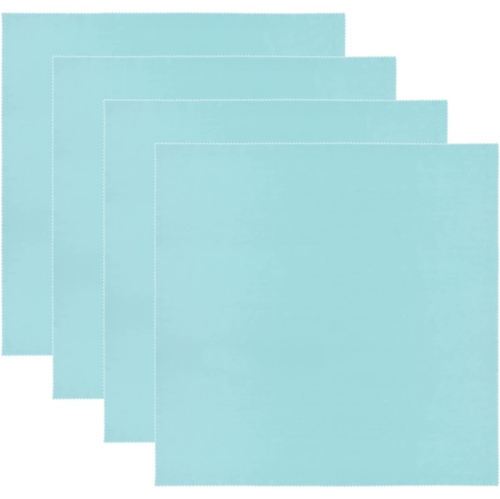
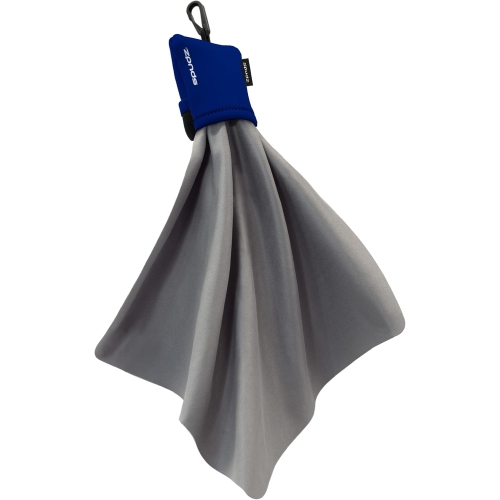
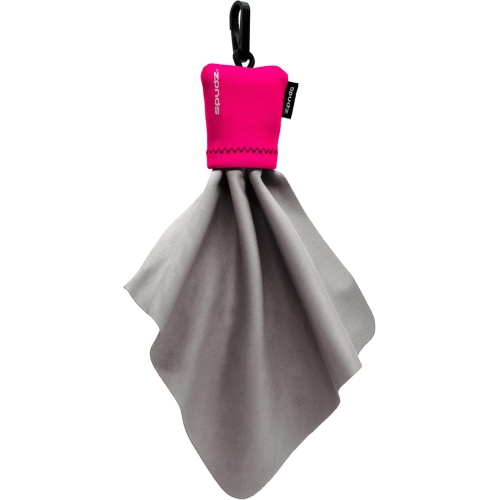

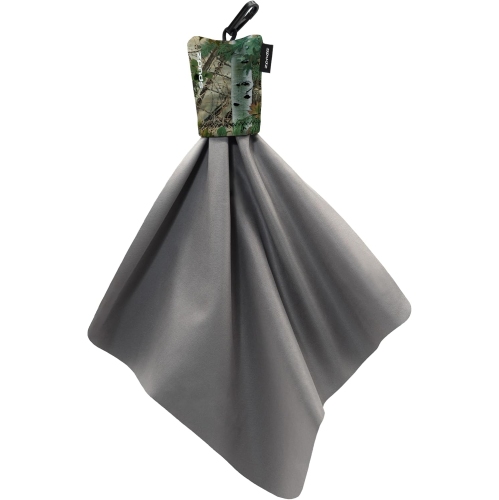

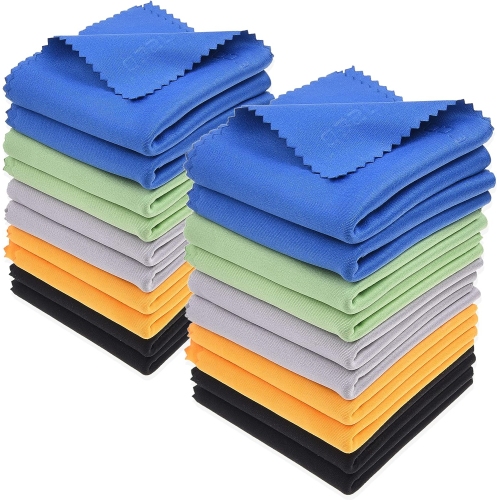
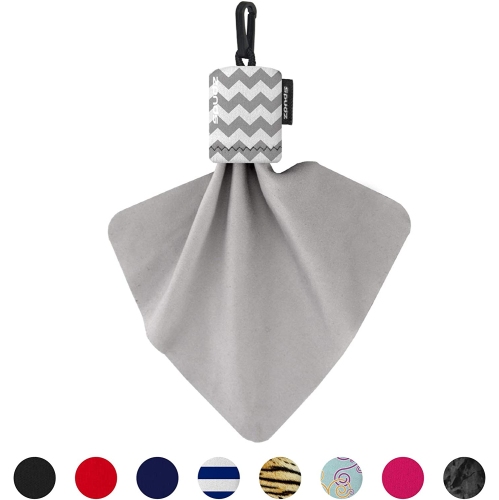
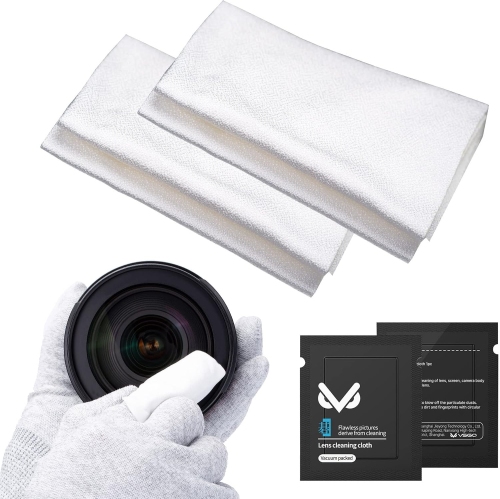

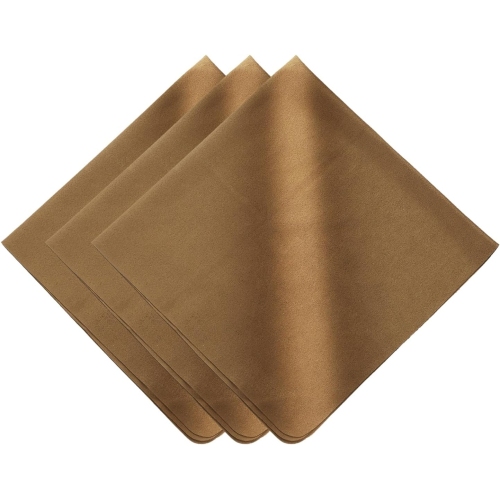
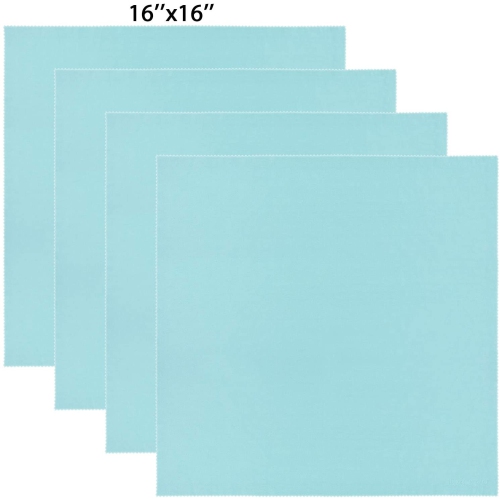

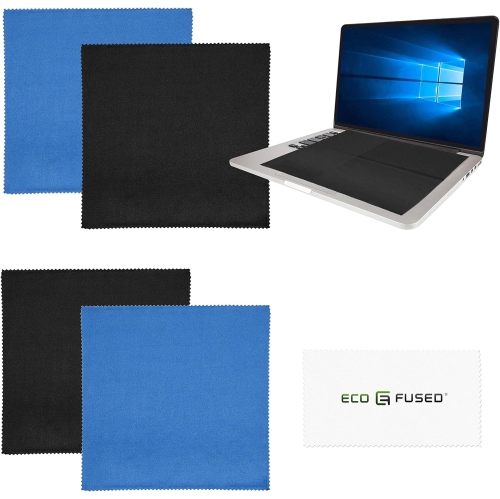



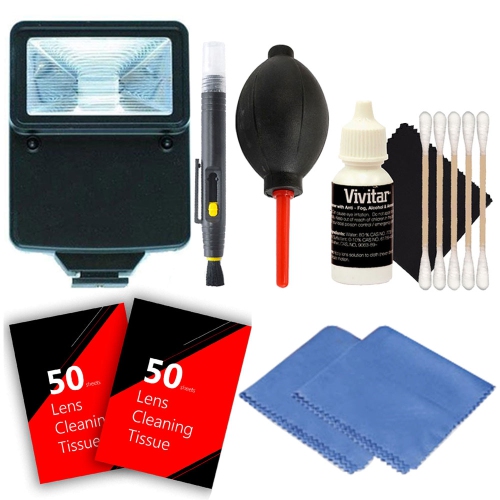
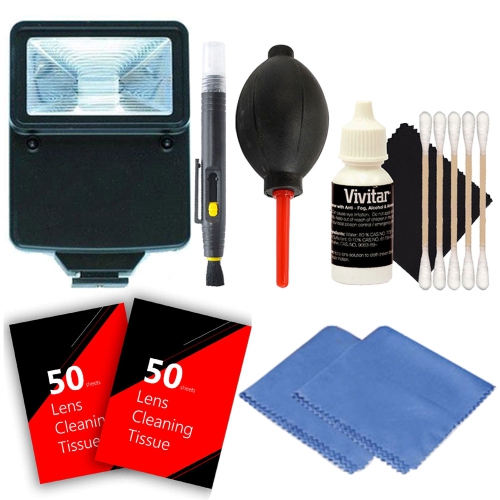
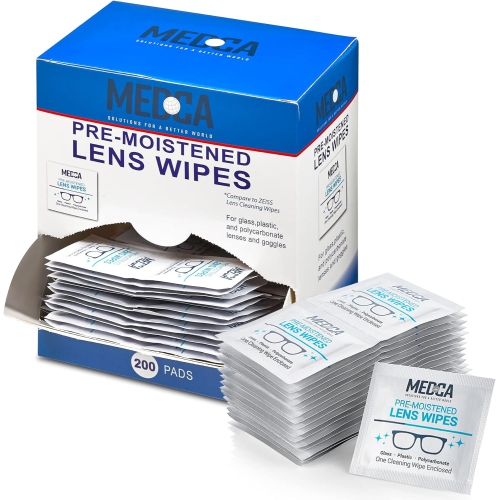
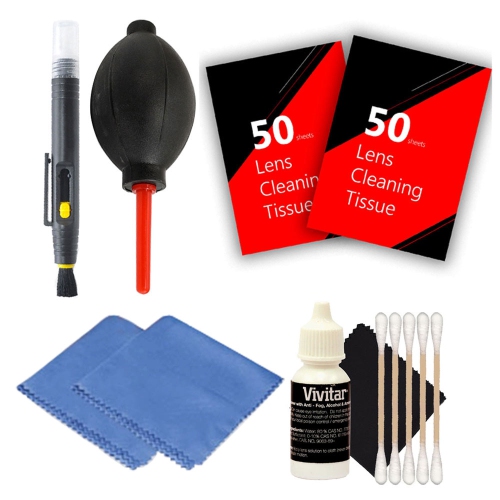
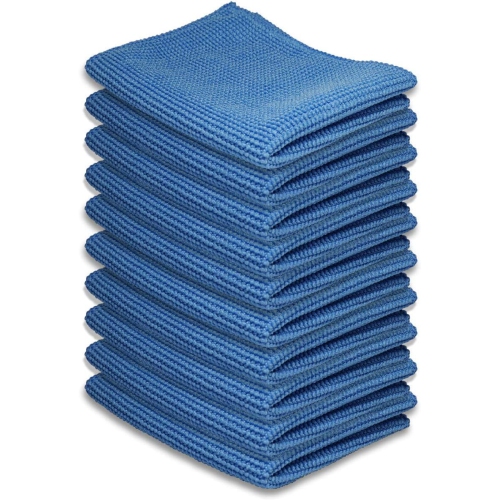
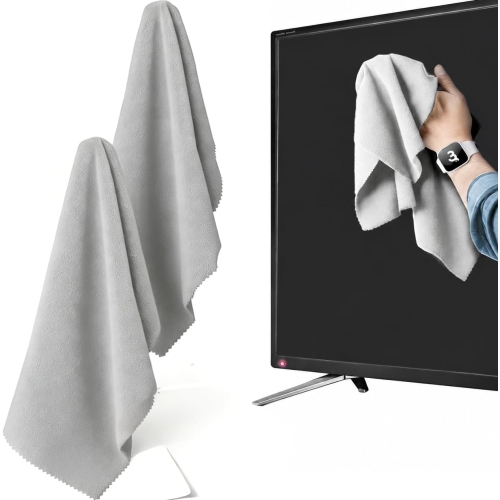
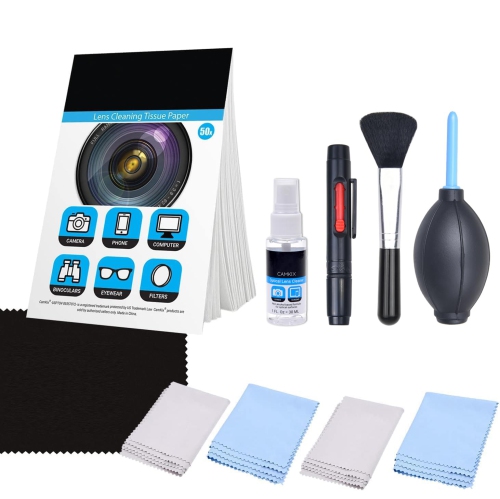
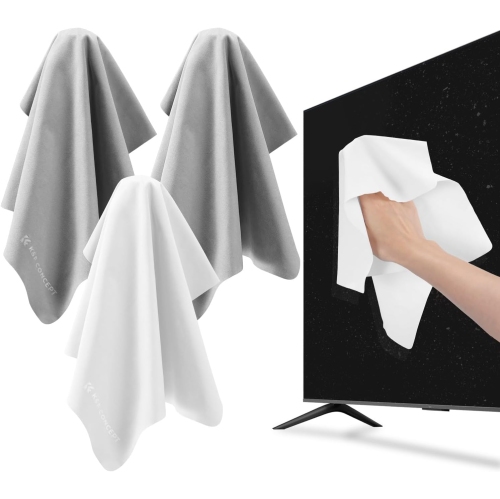


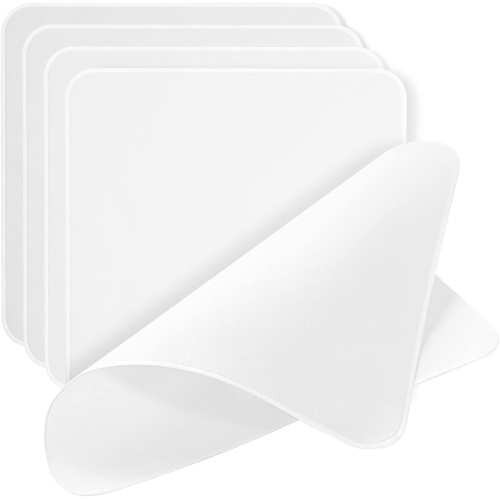

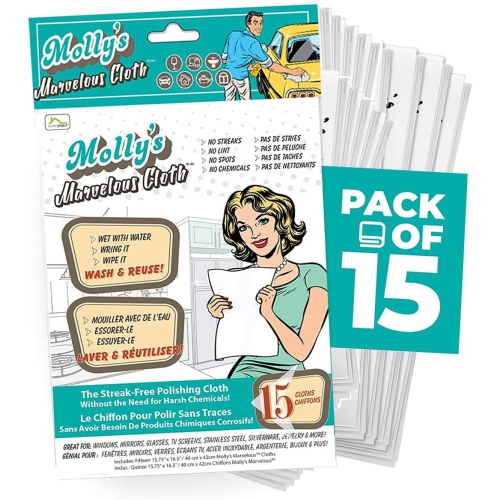
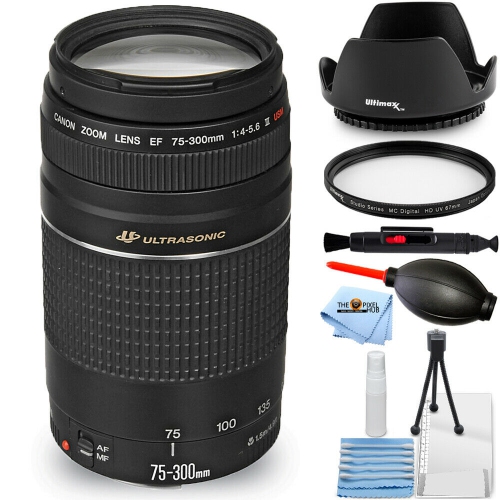

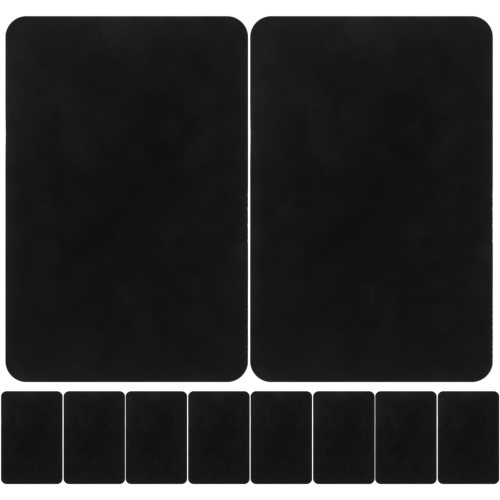
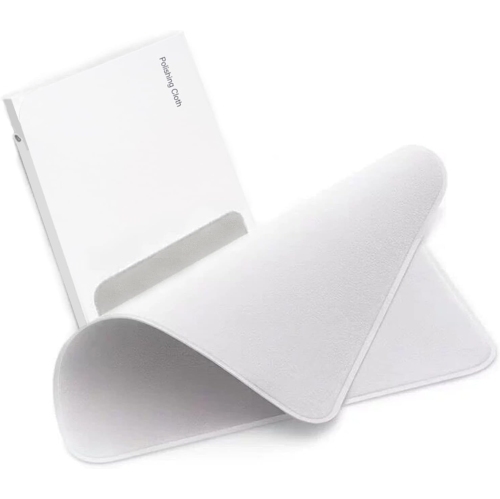
Why fabric and care matter for clearer lenses
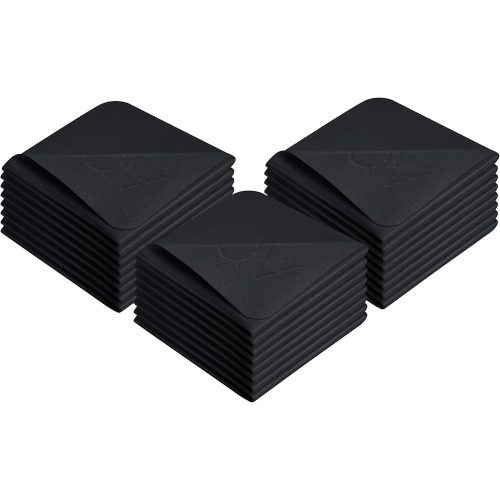
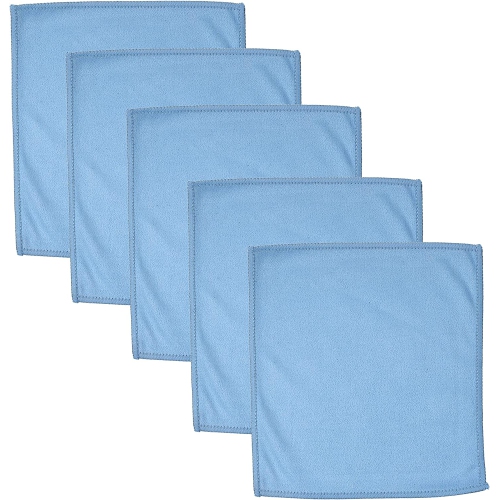
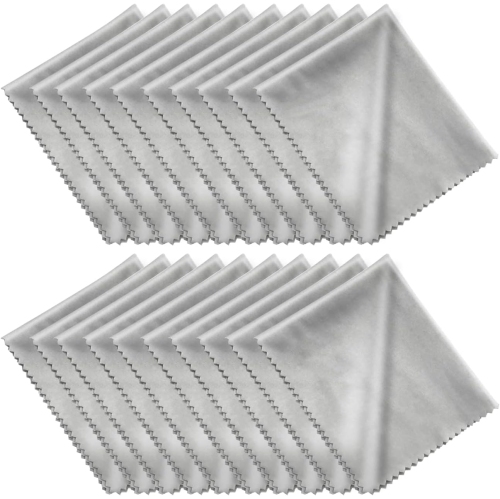
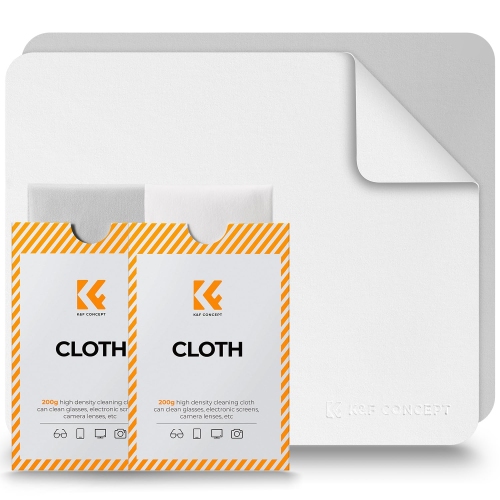
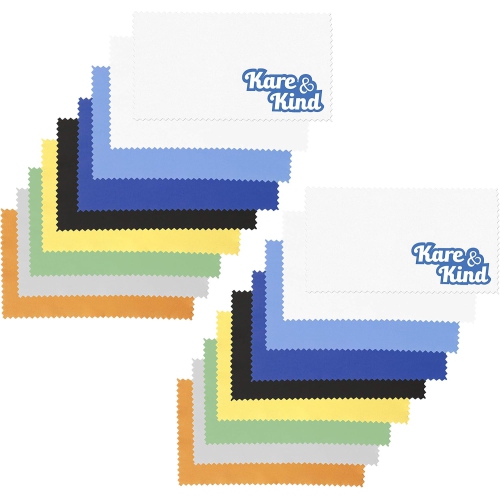
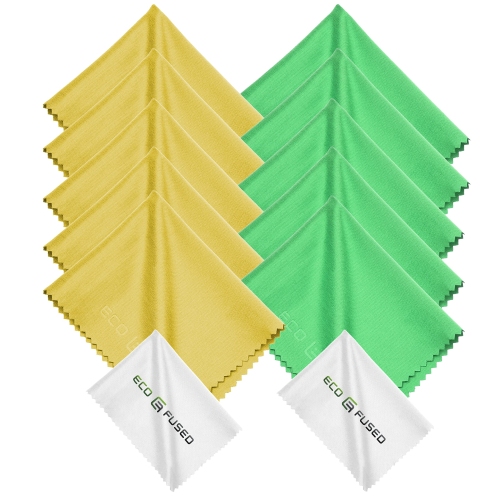
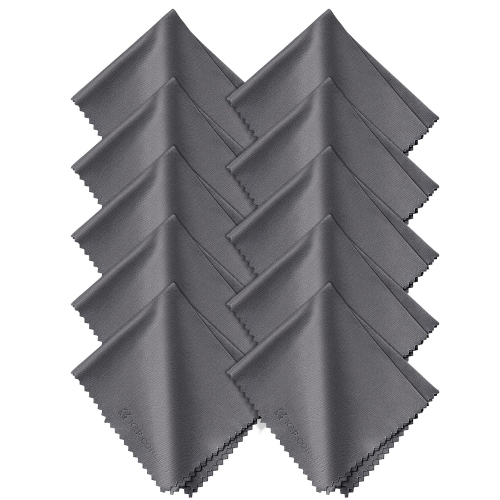
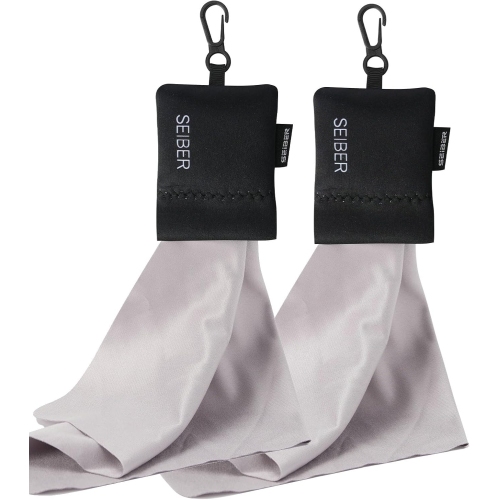
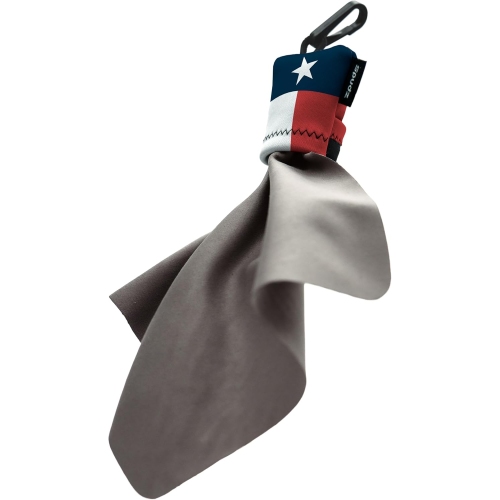
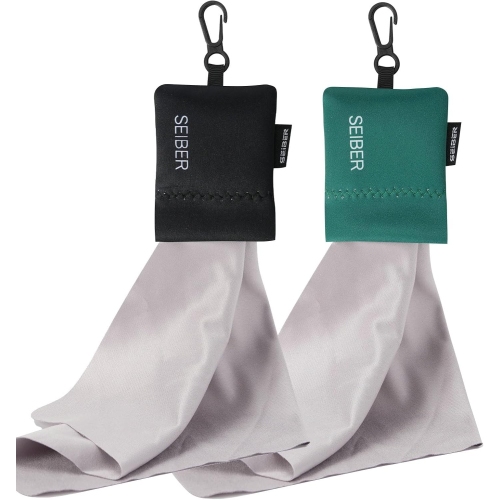
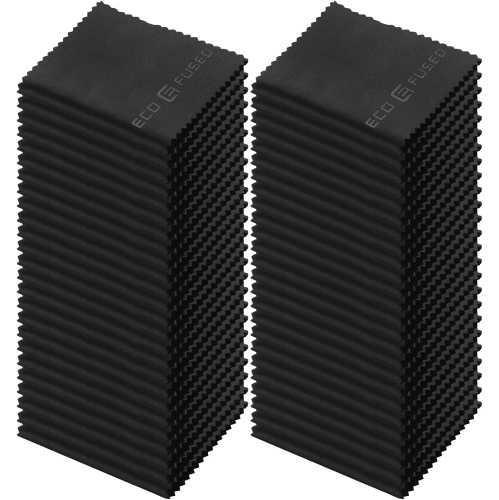
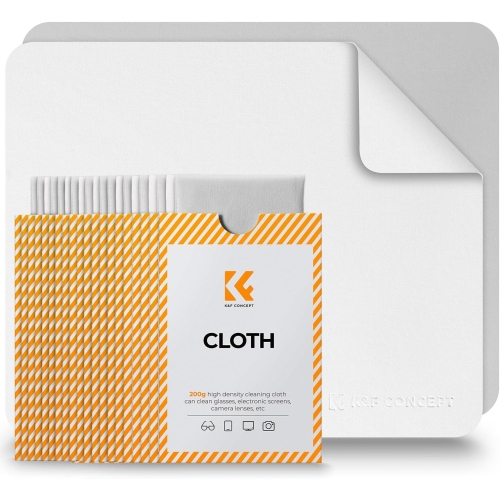
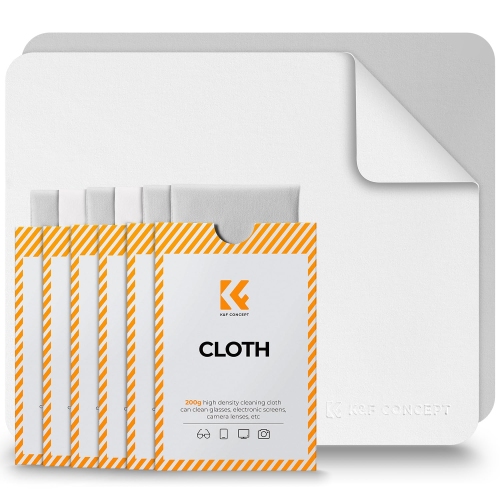
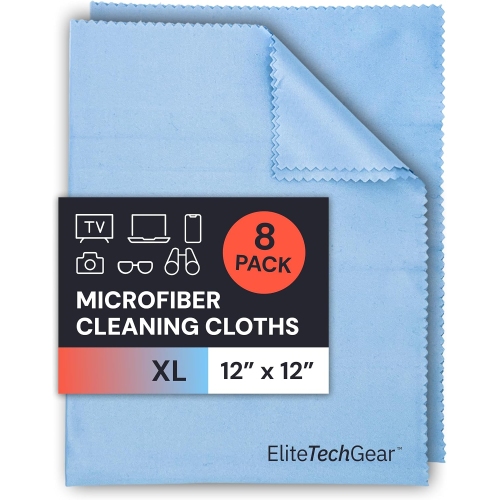
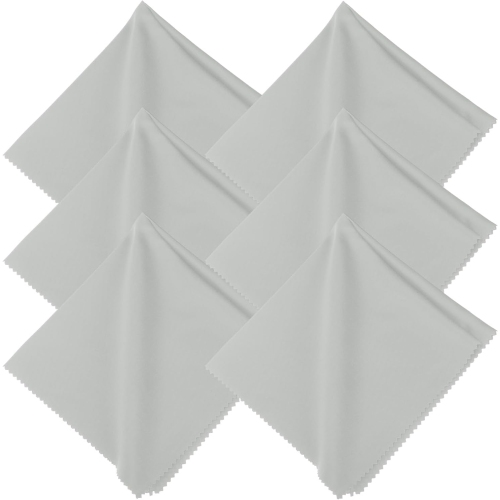
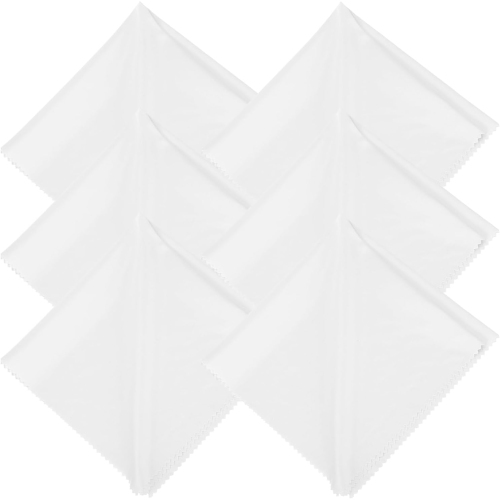
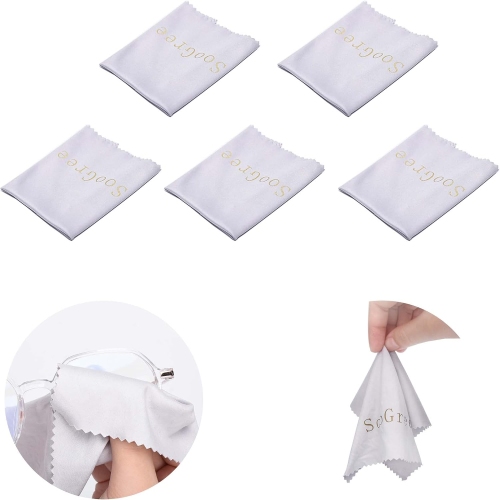
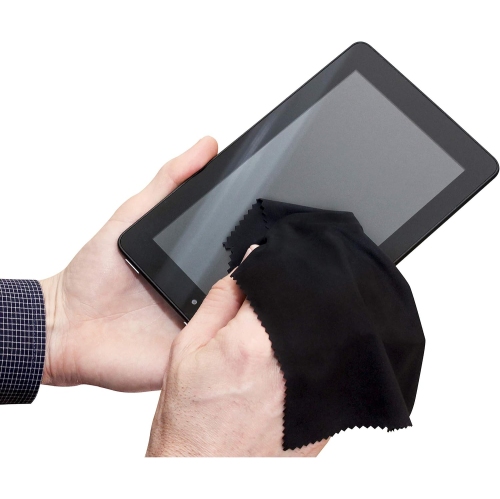
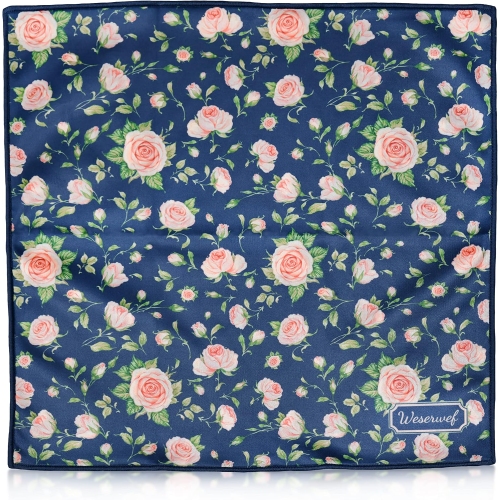
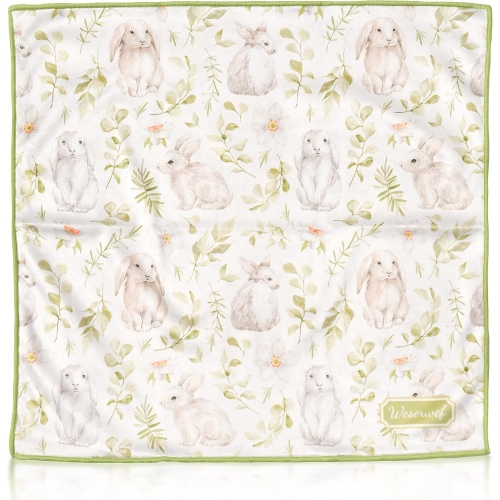
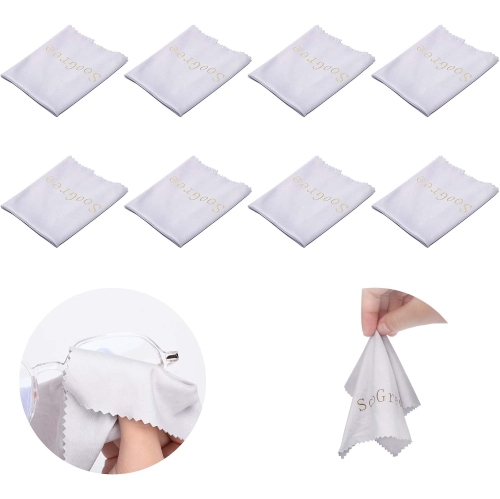
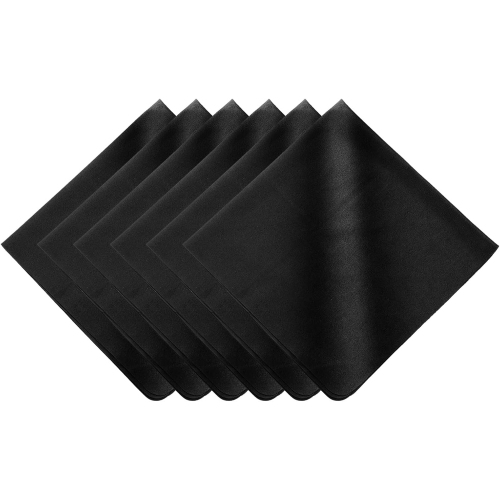
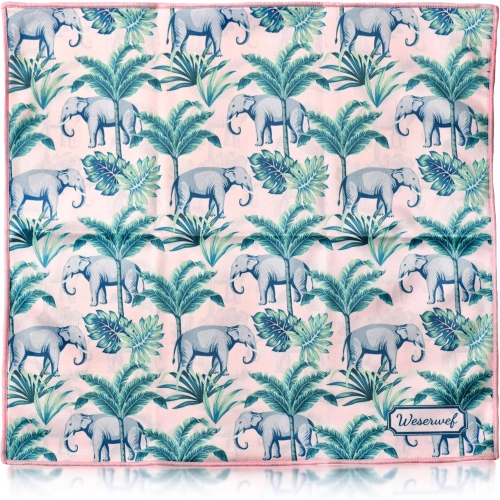
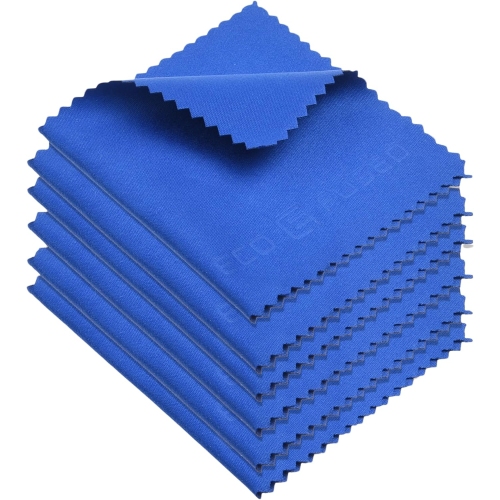
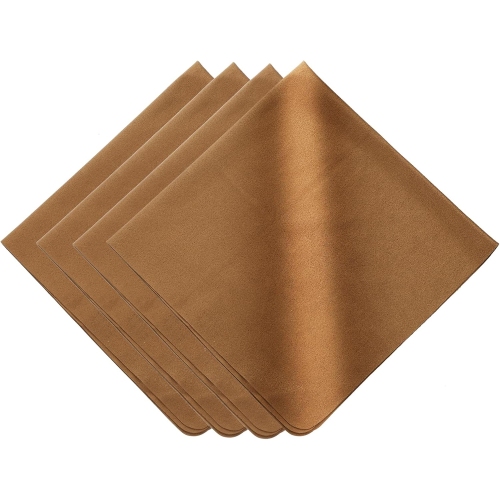
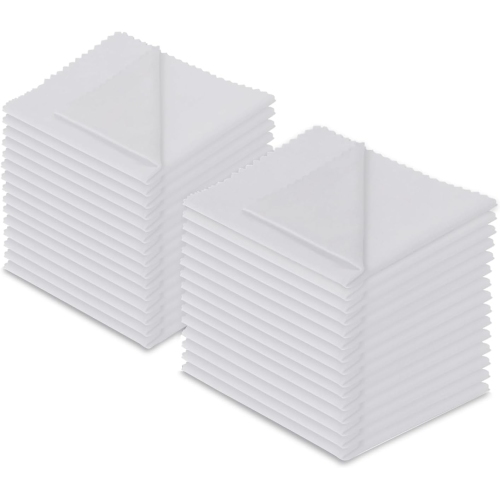
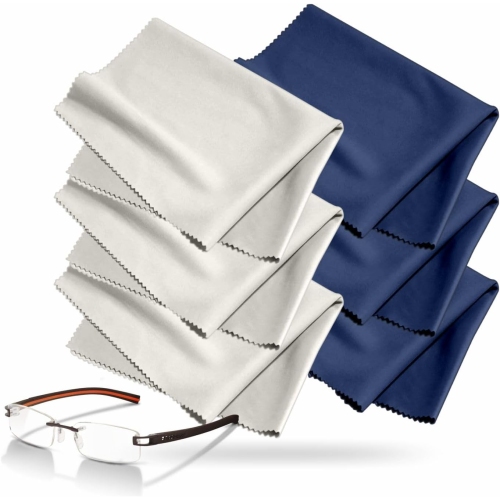
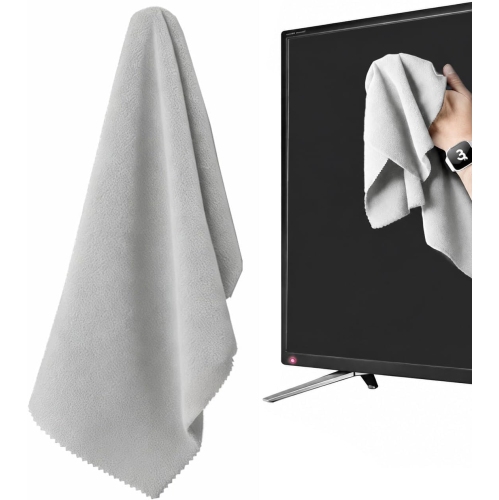
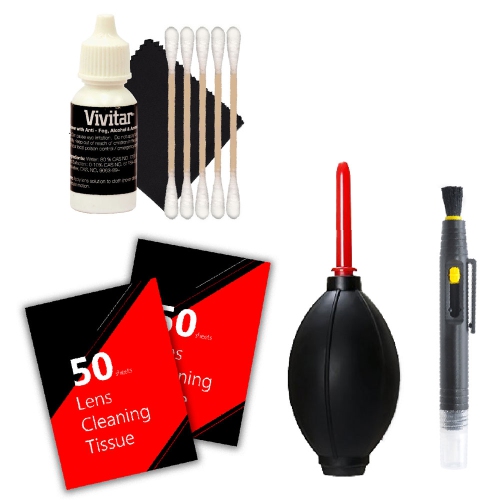
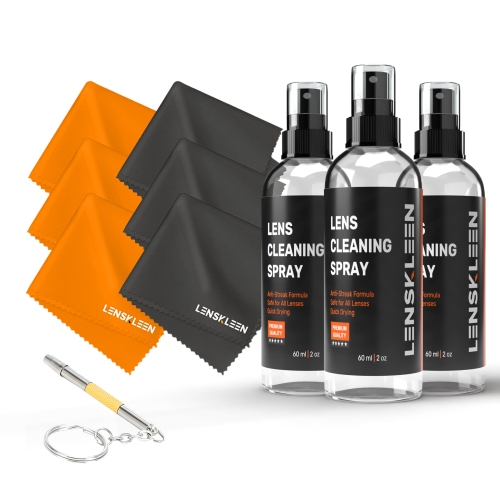
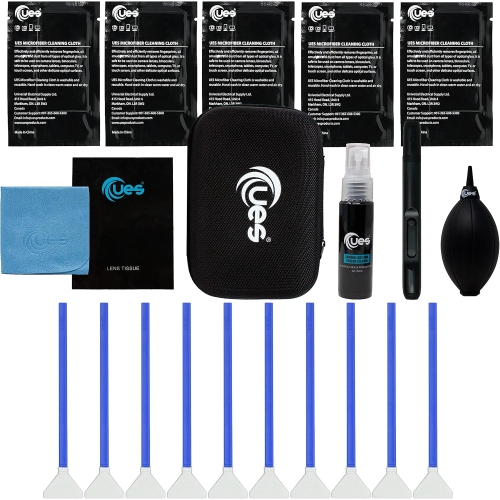
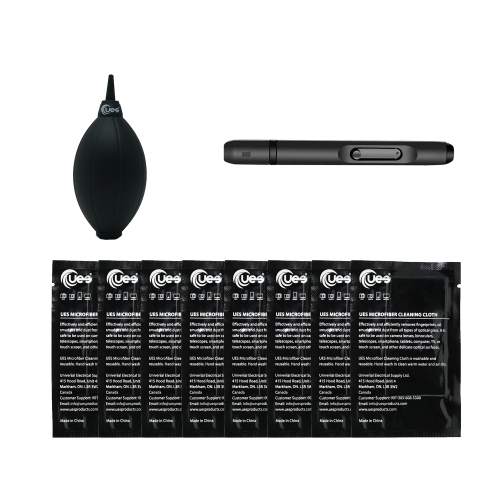
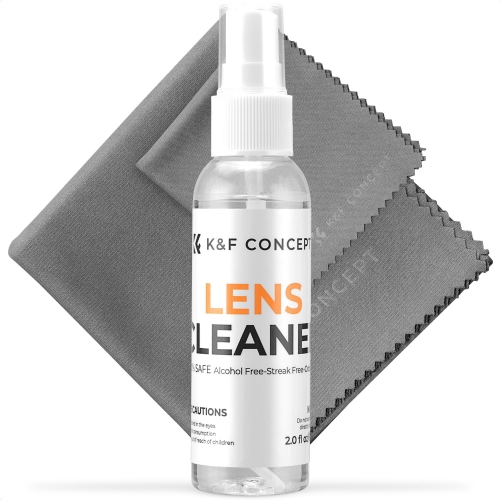
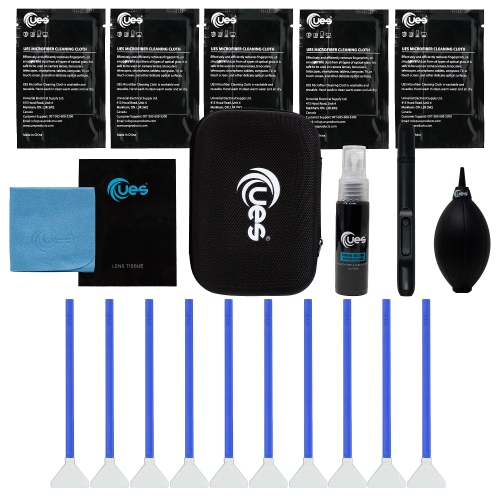
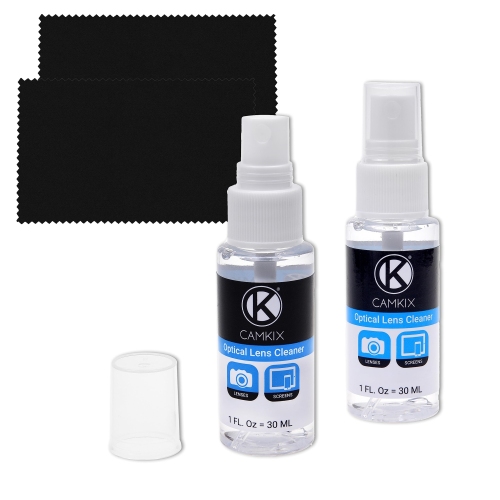
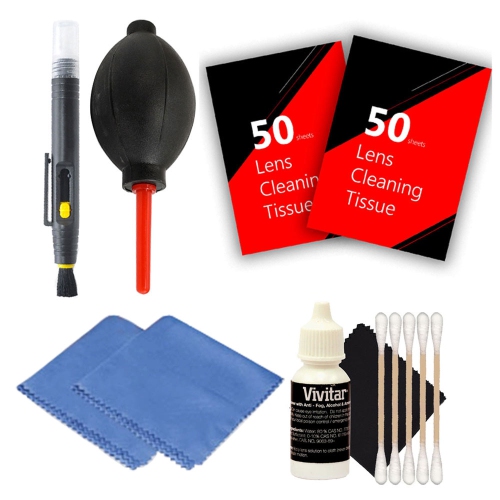
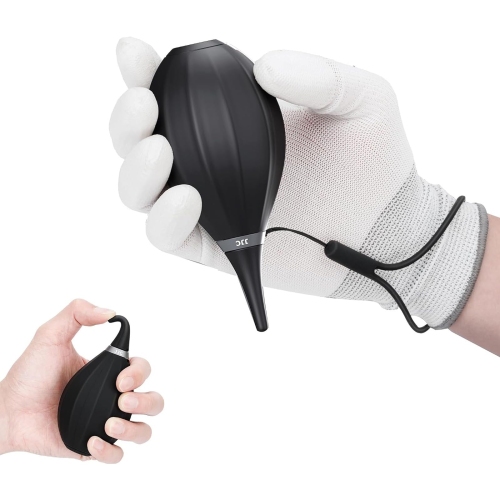
Lens cleaning cloths help remove fingerprints, facial oils, and light smudges from delicate optical surfaces, including eyeglass lenses, camera lenses, and binocular eyepieces. A clean lens can make small but noticeable differences in everyday use: text looks clearer through glasses, distracting marks disappear from a viewfinder, and oily smears are less likely to soften a photograph or create flare around bright lights. Many lens cloths are made from microfibre, a fabric with very fine synthetic fibres, often polyester blended with polyamide. The fabric’s construction helps lift and hold residue rather than simply spread it across the surface. A smooth, tightly woven finish is common for optical care because it offers close contact with the lens and leaves little lint behind. Softer, more textured fabrics may hold more moisture, but thickness alone does not determine whether a cloth is suitable for coated optics. Intended use, cleanliness, fabric construction, and the equipment manufacturer’s care instructions matter more than how plush the material feels. Cloths designed for household dusting are not automatically appropriate for a camera lens or prescription glasses, even when both are labelled microfibre. Optical cleaning cloths should feel supple and have no rough areas, raised decorations, or abrasive fibres that could catch against a surface. The edge finish also deserves attention, particularly when wiping a small lens where the border can easily come into contact with the glass. No cloth can make trapped grit harmless, so loose sand or visible particles need attention before wiping; an appropriate lens blower can help remove loose debris without dragging it across a coating. For photographers, commuters who wear glasses, and anyone handling optical equipment throughout the day, a dedicated lens cloth offers a practical way to deal with ordinary marks without reaching for a shirt sleeve or paper tissue. Those familiar substitutes can carry grit, leave fibres, or be unsuitable for delicate finishes.
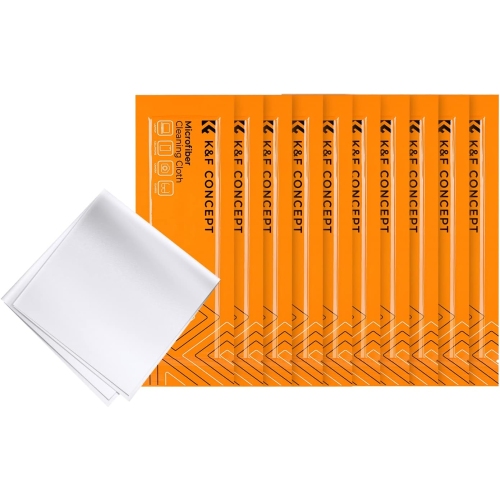
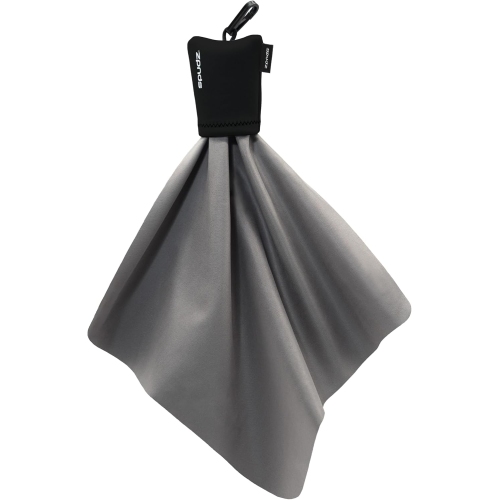
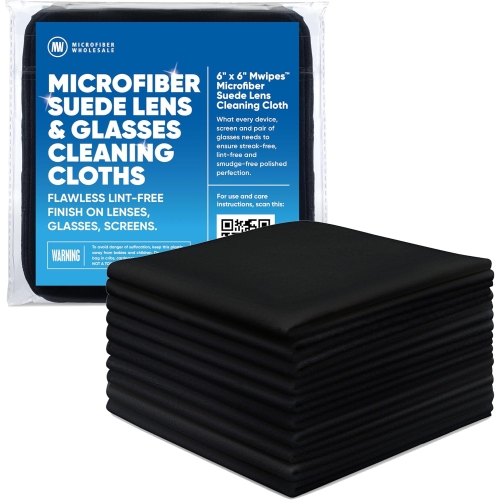
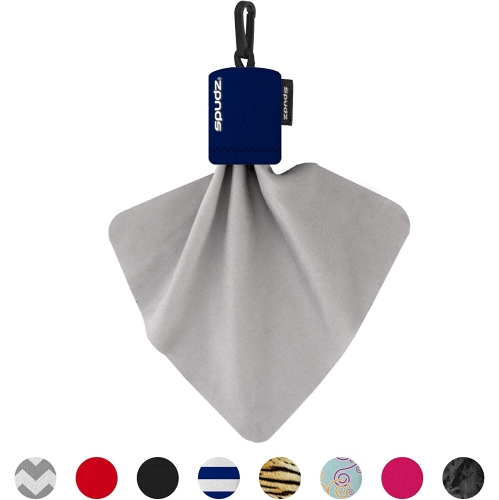
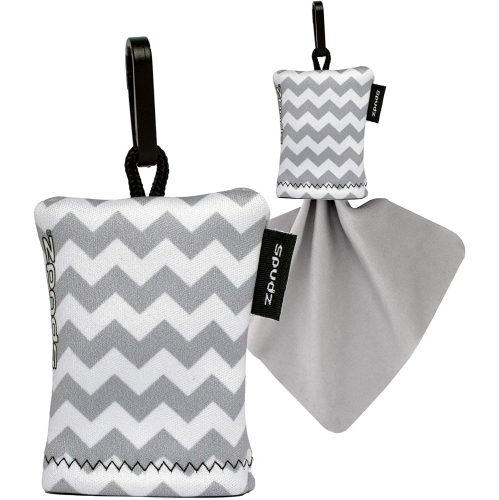
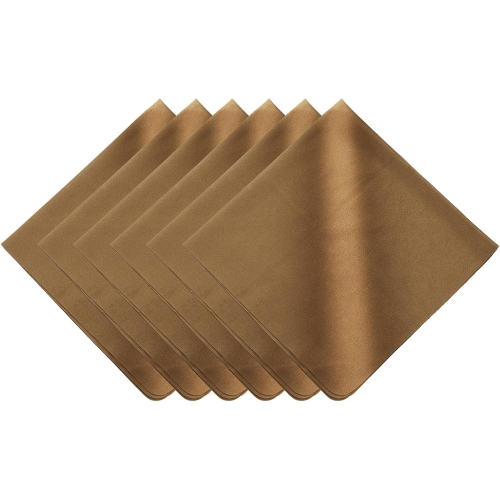
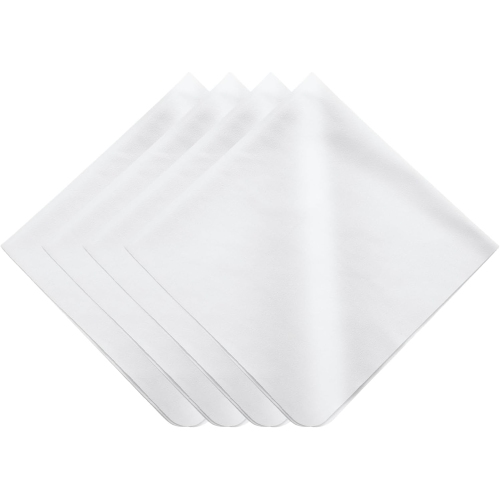
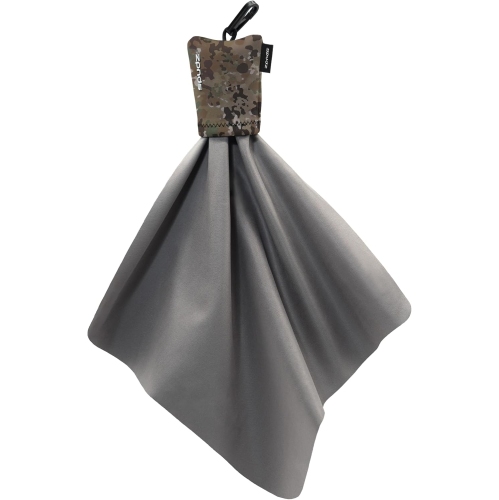
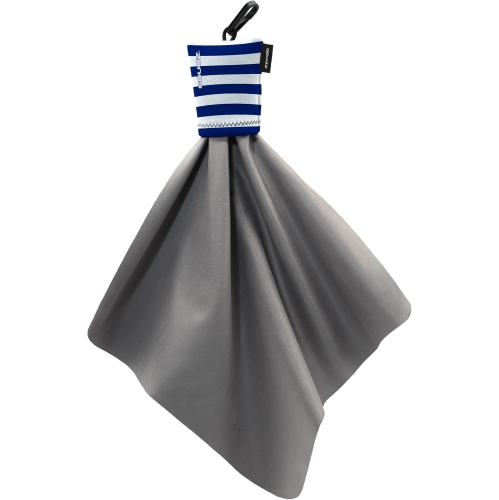
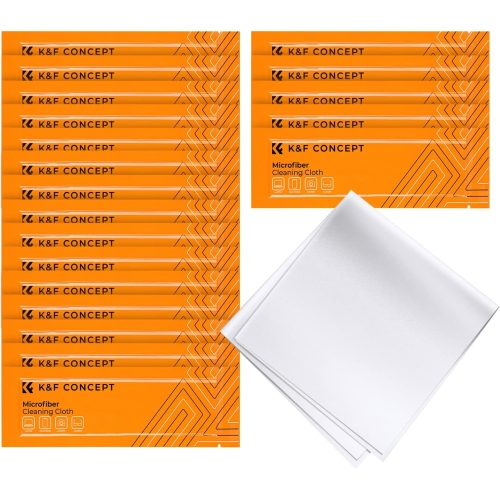
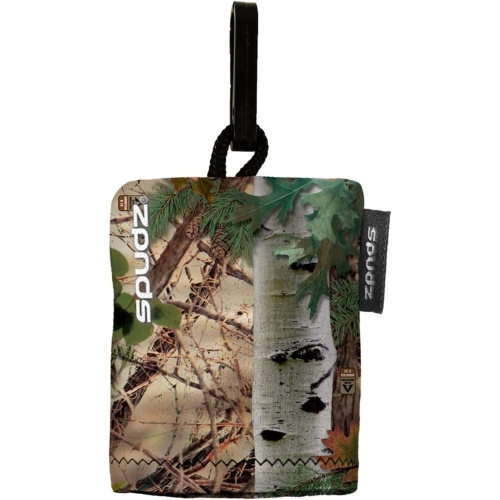
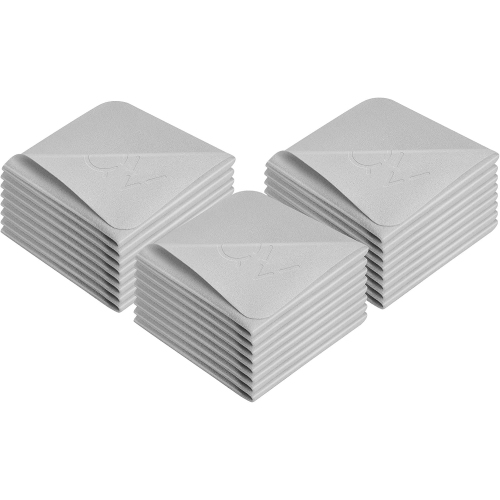
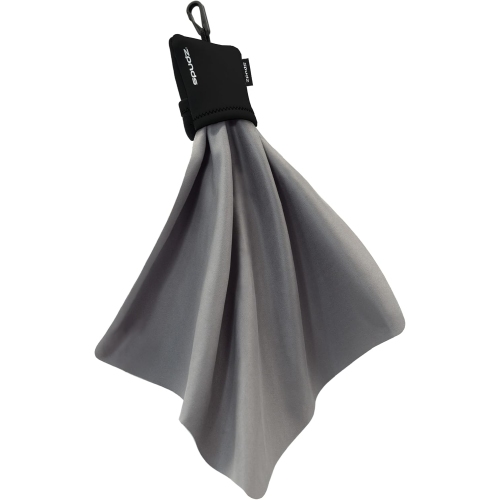
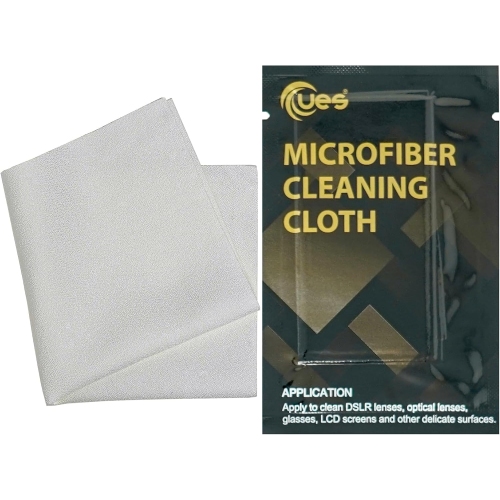
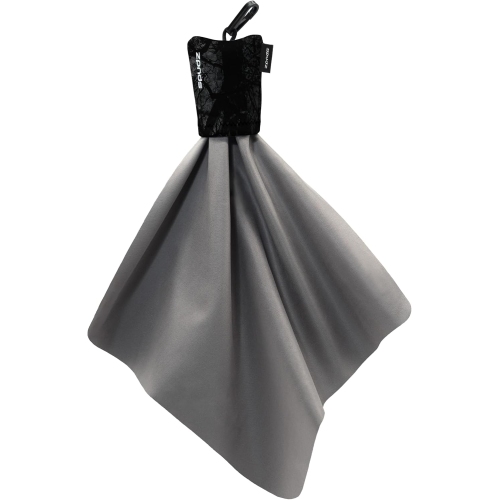
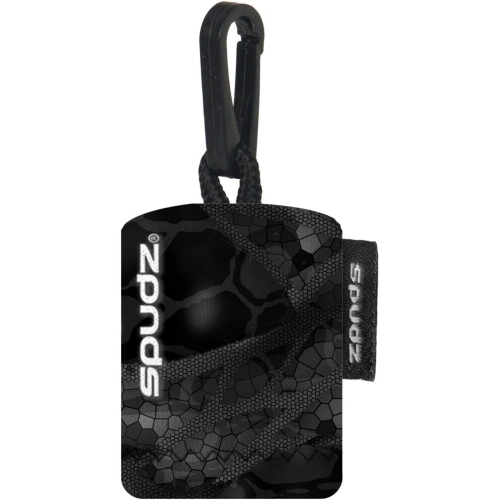
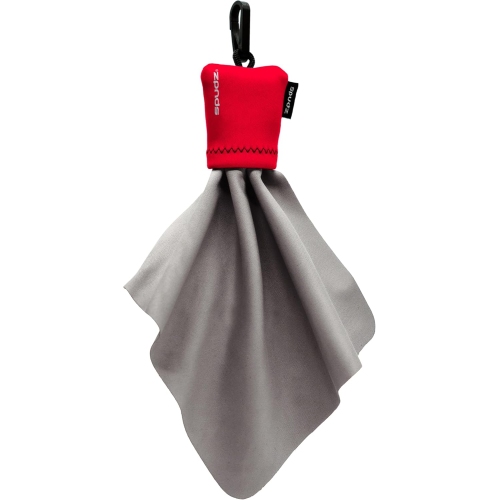
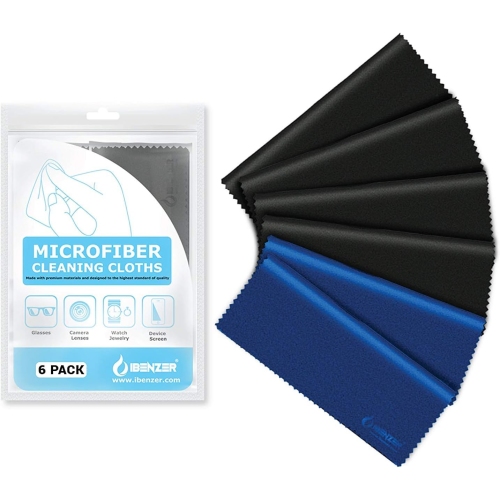
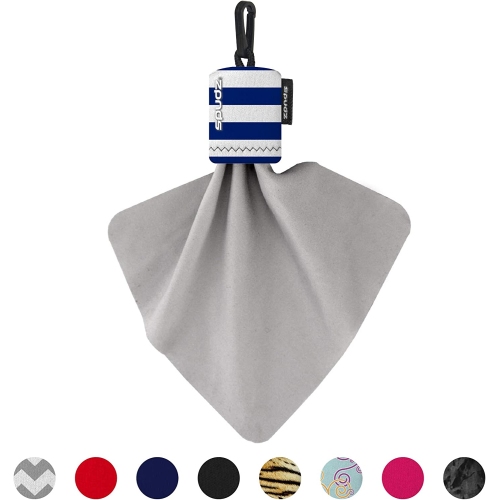
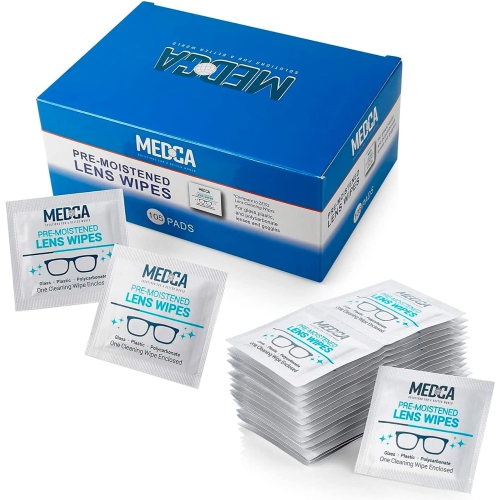
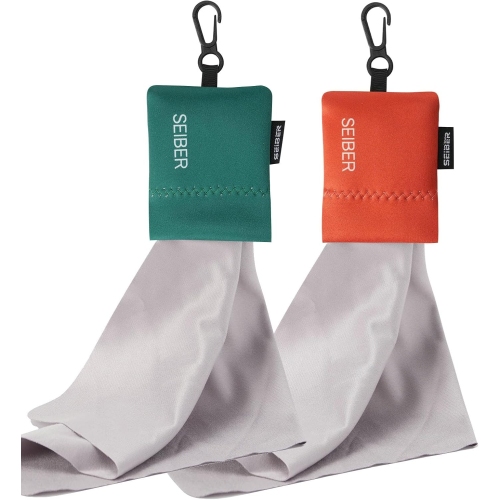
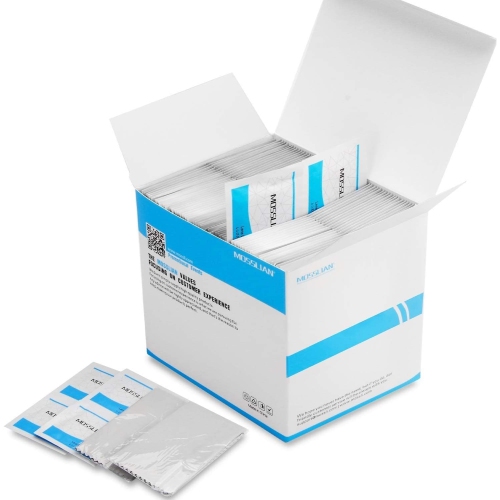
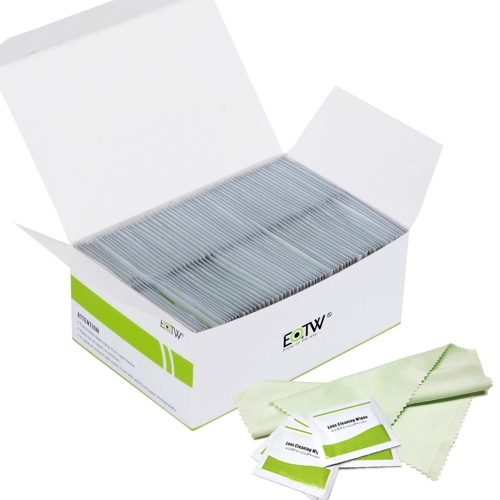
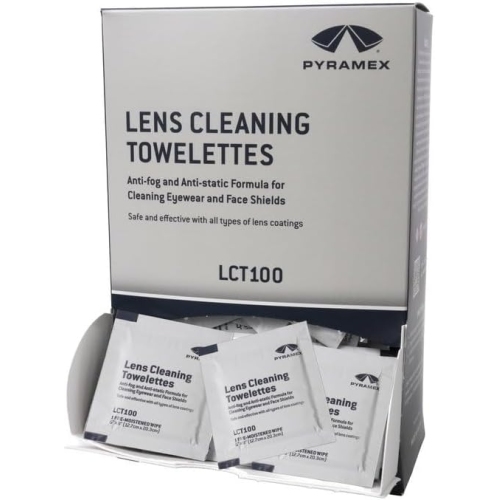
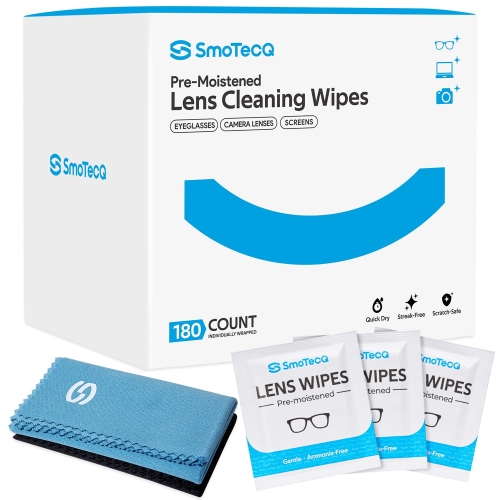
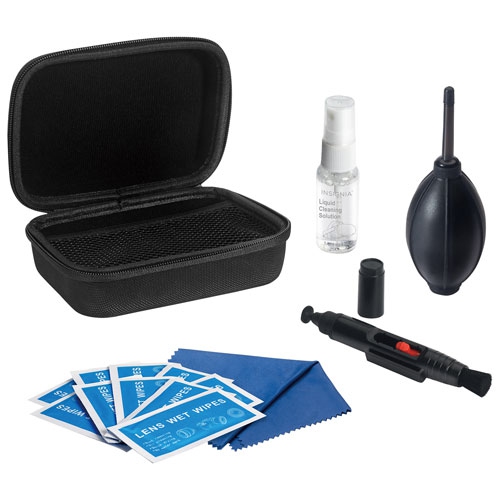
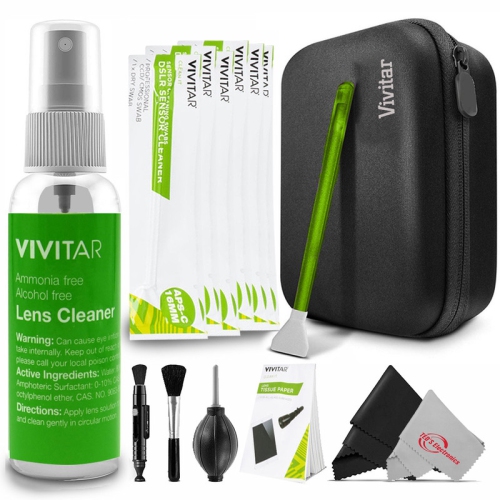
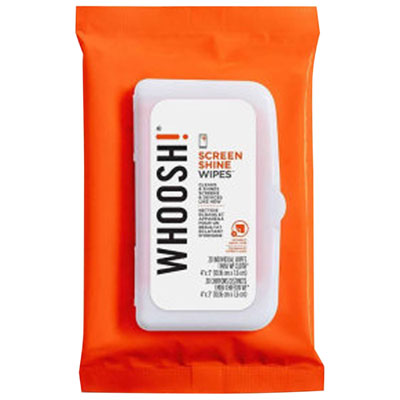
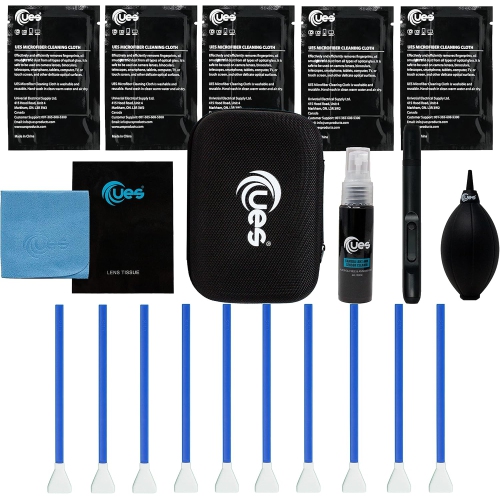
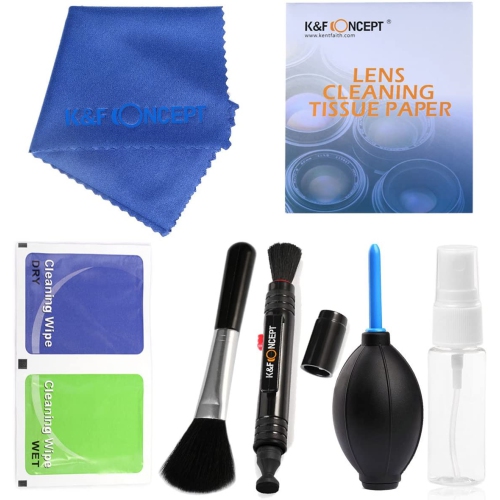
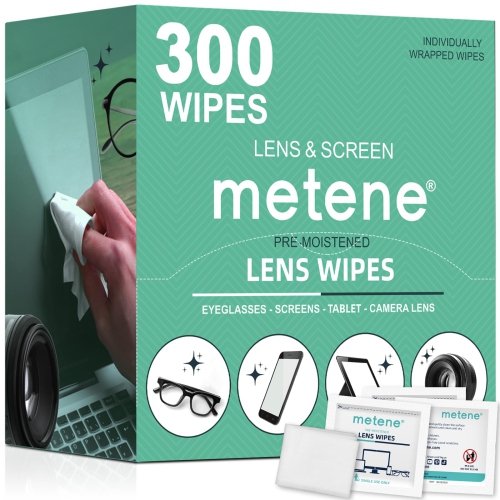
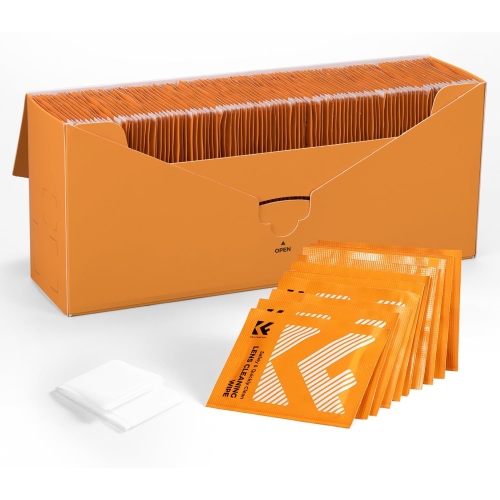
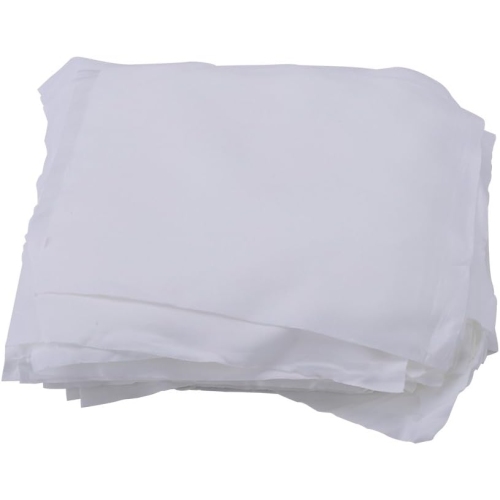
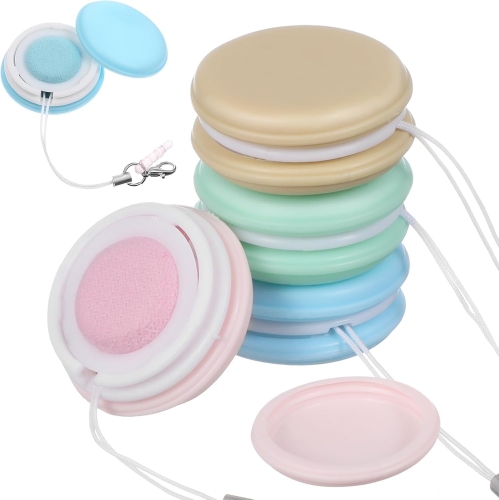
Size and shape affect how comfortably a lens cleaning cloth fits into a daily routine. A compact square folds neatly into an eyeglass case or a small camera pouch, making it convenient for a quick touch-up before reading a menu or looking through a viewfinder. A larger cloth provides more surface area to hold and fold, which can be useful with wider lenses or compatible display surfaces. It also gives fingers more room to grip the fabric without touching the area being cleaned. The best fit depends on the task rather than simply choosing the largest piece of material: a generous cloth may be comfortable at a desk, while a smaller one is easier to keep beside a pair of glasses. A protective pouch or sleeve helps separate the cloth from pocket lint, crumbs, and the grit that collects at the bottom of a bag. Individually packaged cloths can also be convenient for carrying a clean spare, although any cloth needs protection after its packaging is opened. Dry microfibre is often sufficient for light fingerprints and everyday smudges when the lens manufacturer permits it. More persistent oily residue may need a compatible optical cleaner rather than additional rubbing. The options described under Lens Cleaning Solutions can complement a suitable cloth, with the choice depending on the surface and its coating. Cleaning directions matter because eyeglasses, photographic filters, binocular lenses, and electronic displays do not necessarily tolerate the same liquids or treatment. A cloth approved for one purpose is not a guarantee that every cleaner used with it will be suitable for another. Disposable pre-moistened lens wipes are a different format from reusable fabric cloths; their liquid ingredients and coating compatibility deserve separate consideration. For reusable cloths, a soft feel, low lint, and clear care information are more useful qualities than broad promises of universal compatibility.
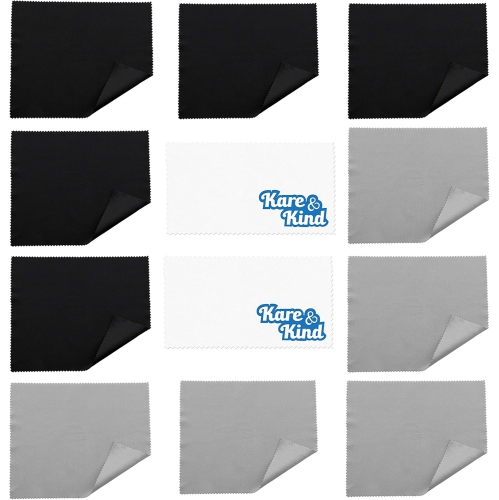
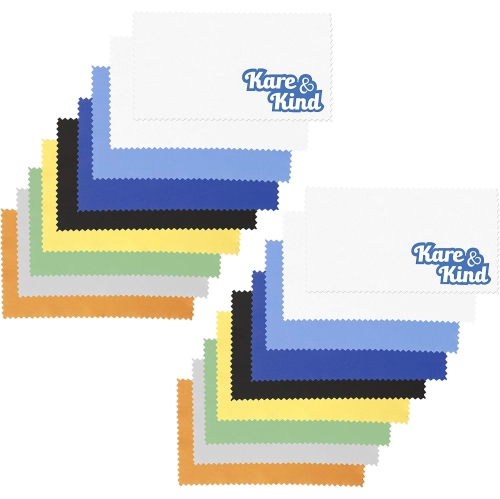
Care and storage have a direct effect on how well a reusable lens cleaning cloth performs over time. As the fabric collects skin oils and residue, it can begin to leave streaks instead of lifting marks cleanly. Washability is therefore a useful consideration for a cloth that will see frequent use, but washing methods should follow its care label. Some cloths can be rinsed or handwashed, while others permit machine washing under specified conditions. Where detergent is allowed, a small amount of mild detergent and a thorough rinse help limit residue left in the fibres. Fabric softener and dryer sheets can deposit substances that interfere with cleaning, while excessive heat may damage the material; drying instructions are worth checking before placing a cloth in the dryer. A freshly washed cloth also needs a clean place to dry and a protective place to stay between uses. Keeping it loose beside keys, cosmetics, or tools makes contamination more likely, even if the fabric still looks tidy. Durability is best judged by how the cloth holds its shape, edge finish, and cleaning performance through the care routine it is designed to tolerate. There is no single wash count that applies to every microfibre cloth, and fabric that feels rough, sheds fibres, has damaged edges, or continues to smear after washing may need replacing. Separate cloths can be helpful for separate tasks: one for eyeglasses, another for camera equipment, and a different one for compatible screens. This reduces the chance of transferring residue between surfaces and keeps an optical cloth from becoming a general-purpose rag. People who move between home, work, and a camera bag may also appreciate having a dedicated cloth in each location rather than relying on one that is easily misplaced. As a small gift alongside eyewear accessories or photographic equipment, lens cleaning cloths are practical without requiring an exact personal fit. Their usefulness comes from simple details: fabric suited to the surface, a comfortable size, straightforward care, and storage that keeps the cleaning area ready for its next use.
Top selling and popular products
-
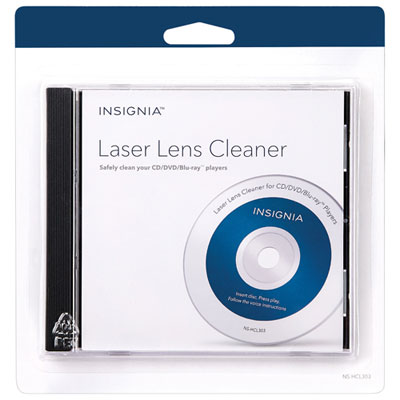 Your price for this item is $11.99
-
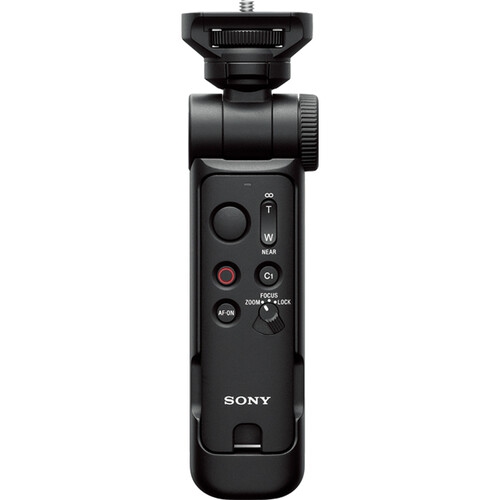 Your price for this item is $219.99
-
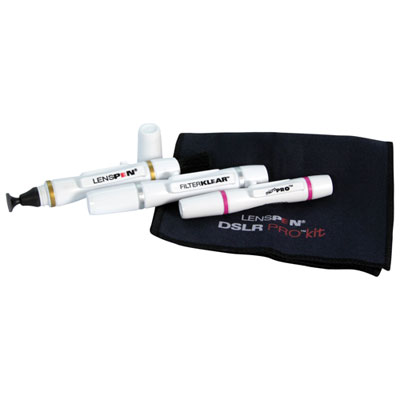 Your price for this item is $24.97
-
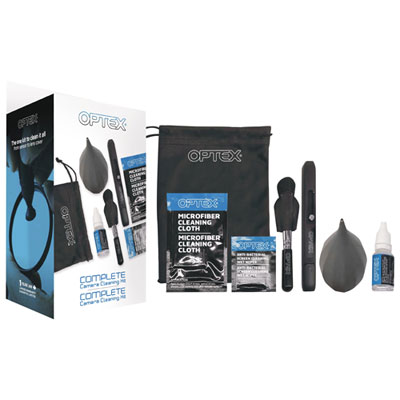 Your price for this item is $24.99
-
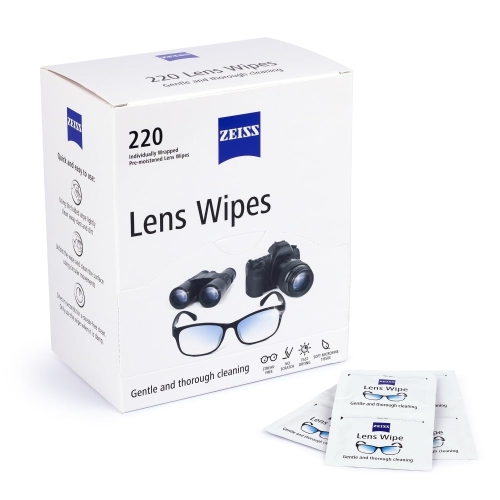 Your price for this item is $75.67
-
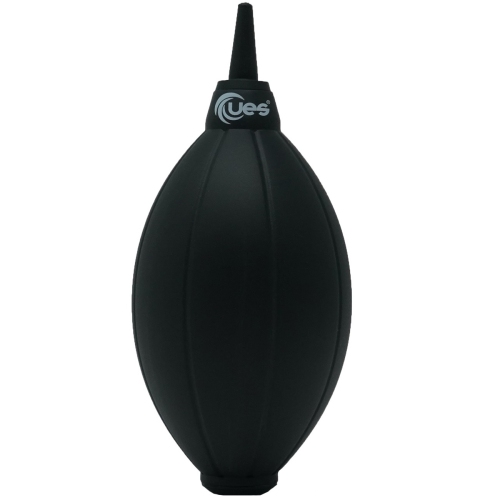 Your price for this item is $19.99
-
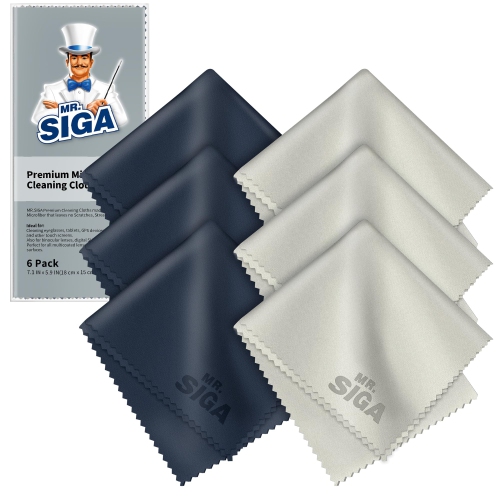 Your price for this item is $36.96
-
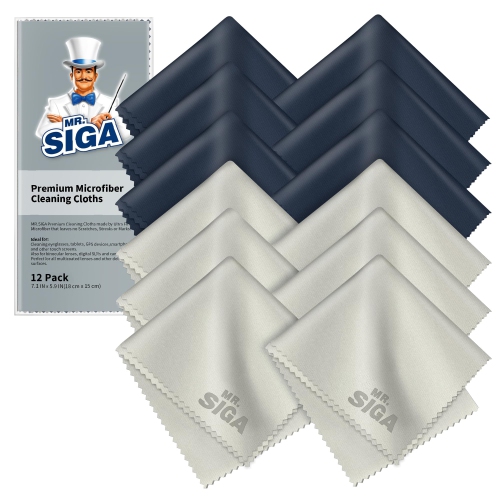 Your price for this item is $46.96
Discover more categories related to Lens Cleaning Cloths

Top Collections:
Best Black Friday Deals This Year, Best Black Friday Deals On Electronics, Kindle Devices, Pokemon Centers, Best Black Friday Deals On Apple Products, Best Cameras for Sports Photography, Dyson Airwrap, Pokémon 30th Celebration Cards, Apple iPhone 17 Pro, Canon G7X Cameras
Some products may be subject to Environmental Handling Fees
(EHF) depending on your province.
Learn more about EHFs.