Lens Cleaning Solutions
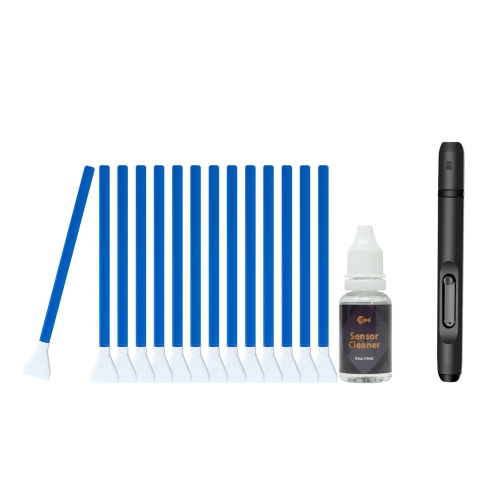
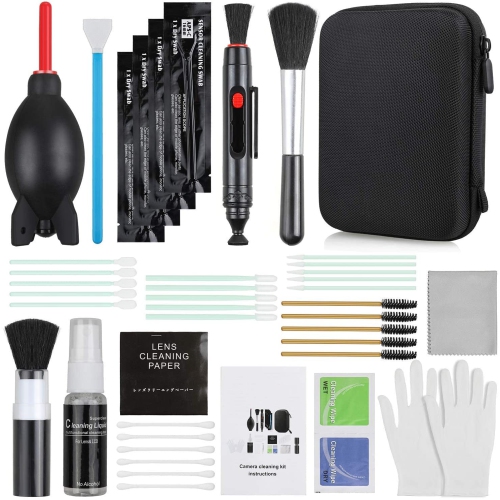
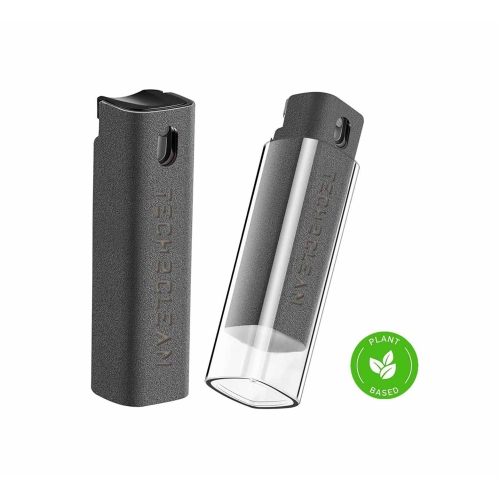
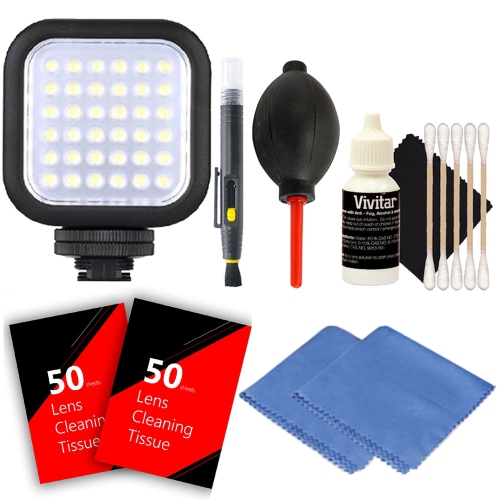
Keep your lenses crystal clear and smudge-free with our wide selection of lens cleaning solutions. Whether you're a professional photographer, a hobbyist, or simply someone who wears glasses, maintaining the clarity and cleanliness of your lenses is essential for optimal performance. Our range of Professional Photography lense cleaning solutions offers effective and safe formulas to remove dirt, fingerprints, and smudges without causing any damage or leaving behind residue. From sprays to wipes, find the perfect solution to keep your lenses spotless and ensure a clear view every time.
Sort

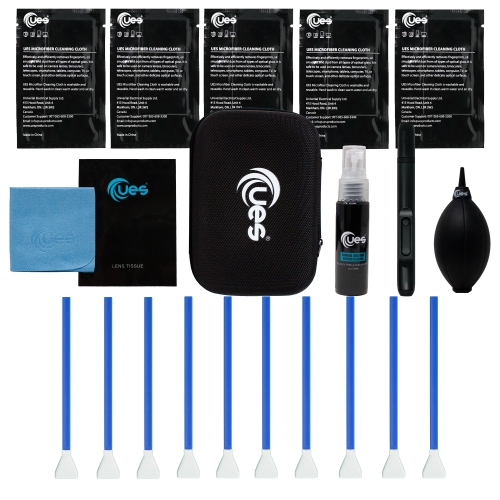
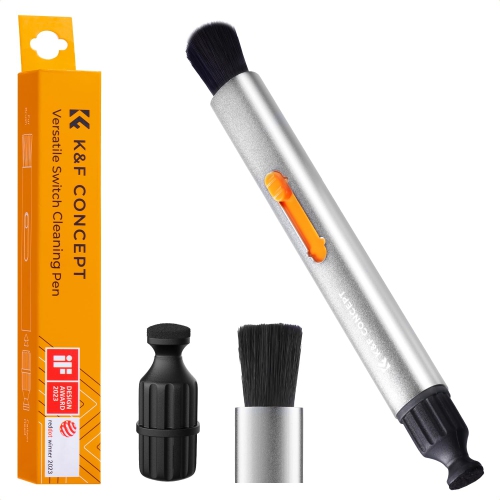
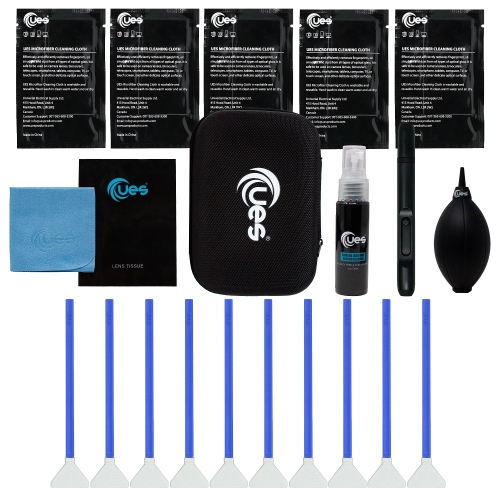
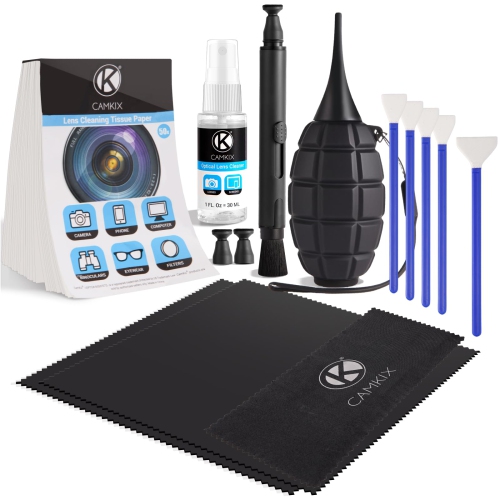


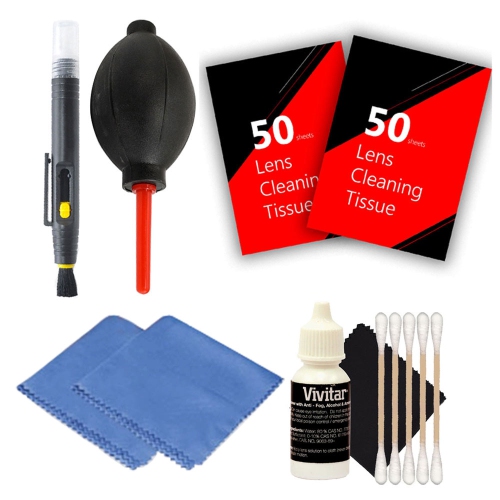
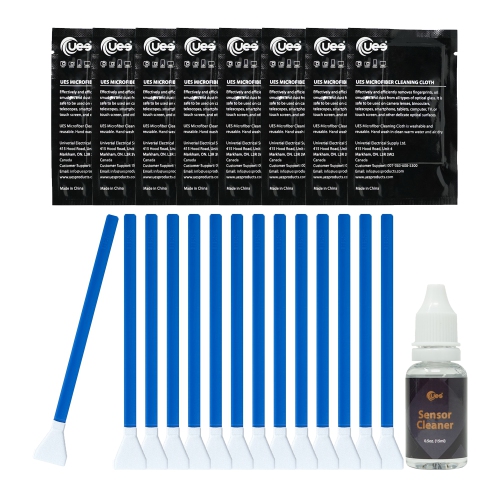
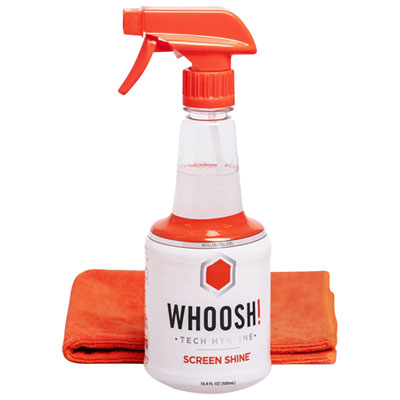
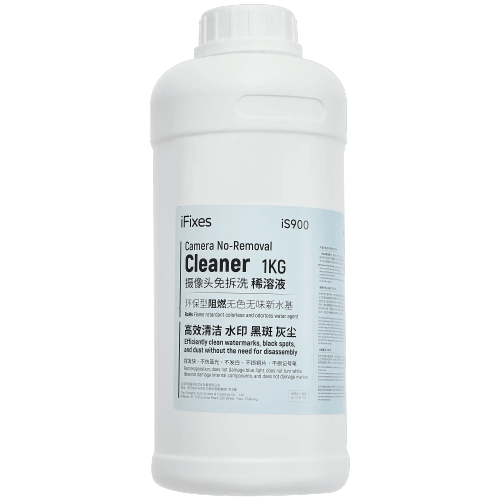
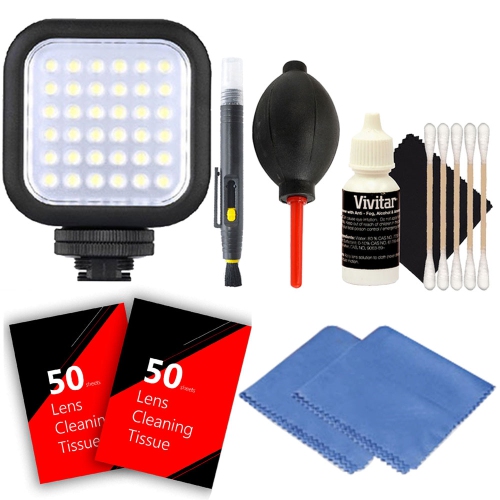
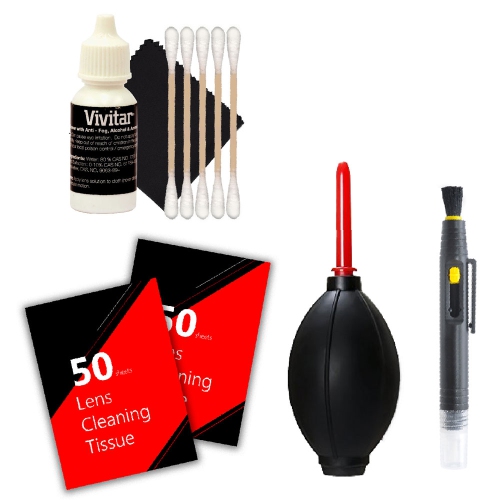
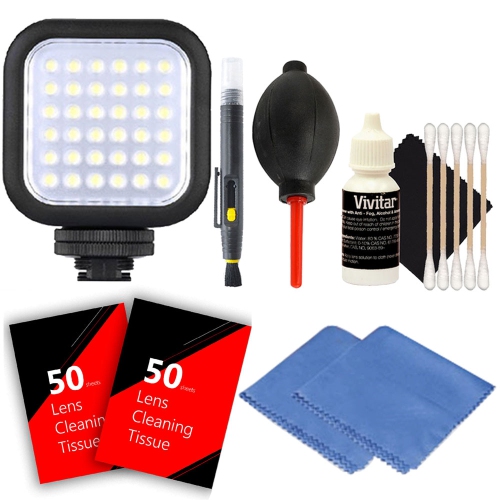
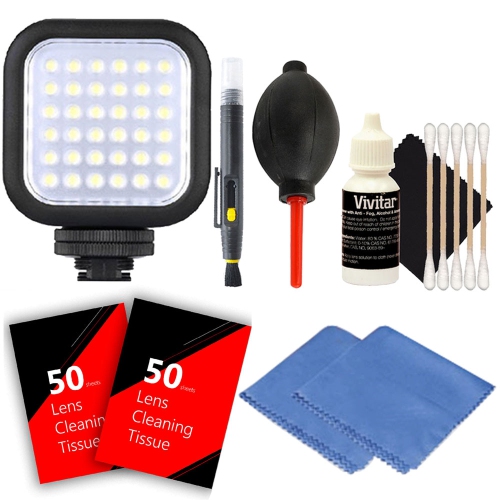
![MEDCA Lens Cleaning Wipes - [100 Pack] Pre Moistened Cleansing Cloths And Eyeglass Cleaner Wipe Pads for Phones, Tablet Screens, Helps Clean Cameras](https://multimedia.bbycastatic.ca/multimedia/products/500x500/175/17593/17593358.jpeg)
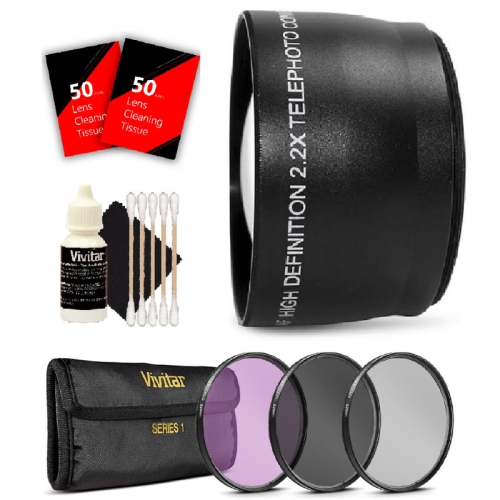
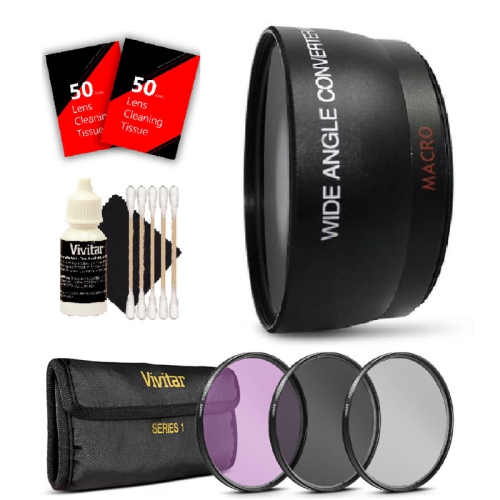
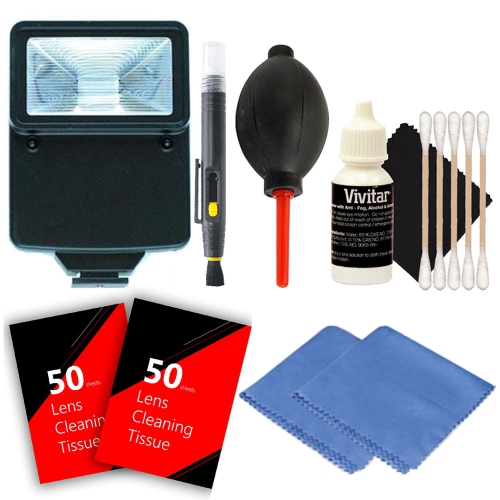
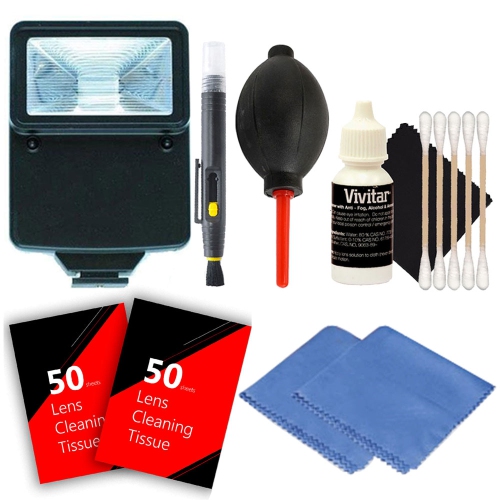
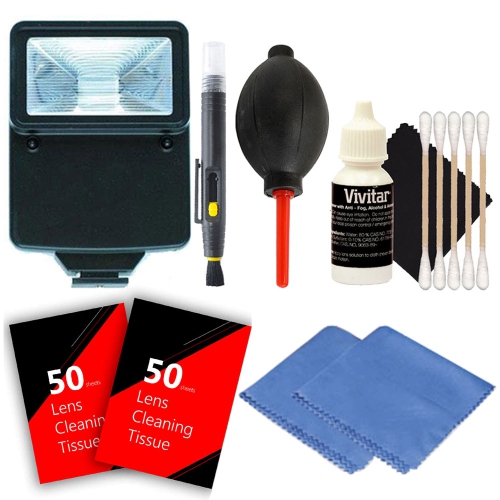
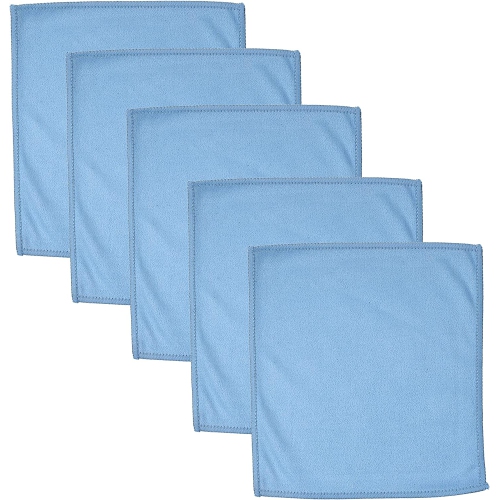
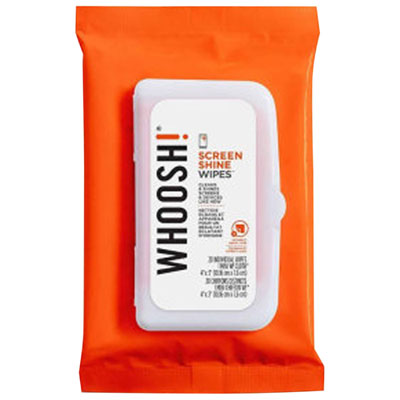
Safe cleaning habits help protect delicate lenses and coatings
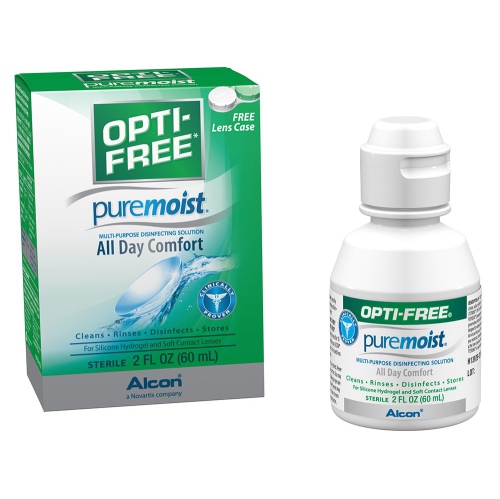
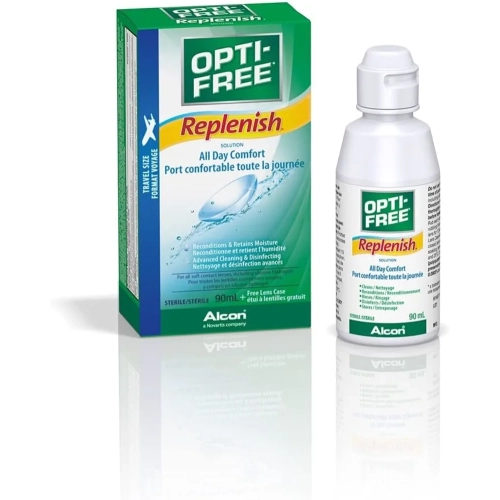
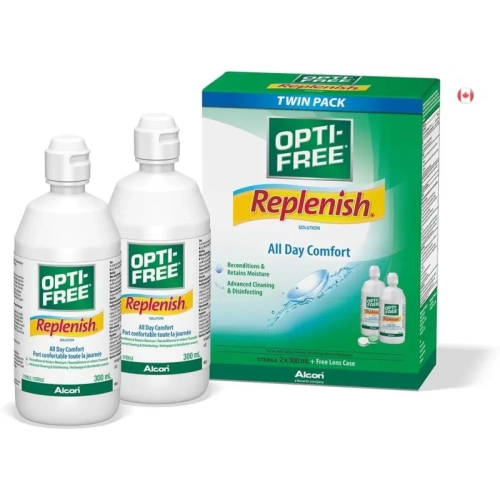
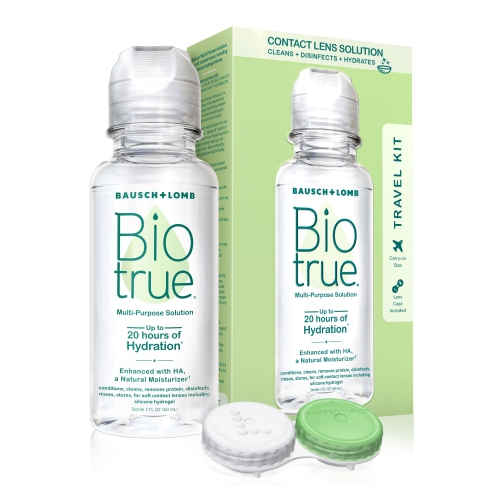
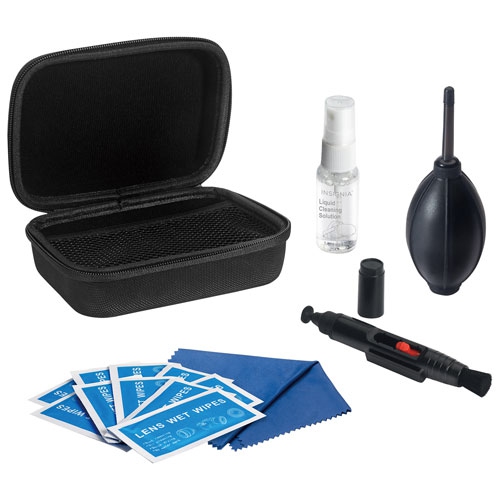
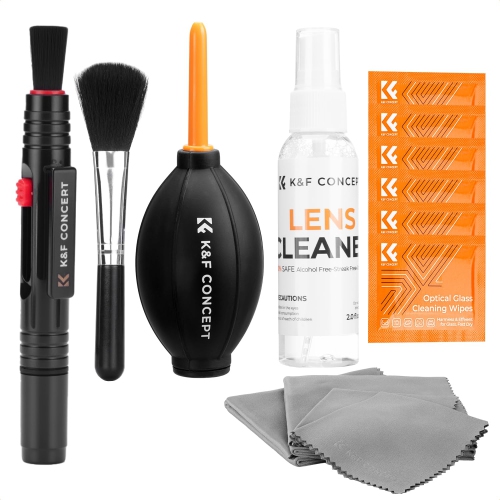
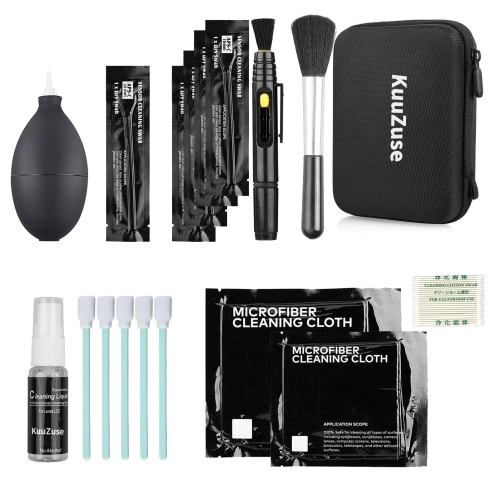
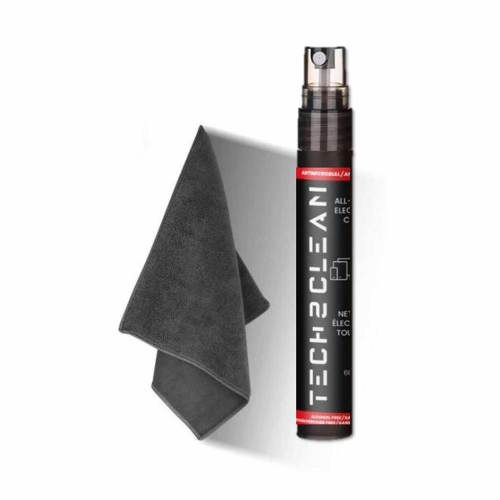
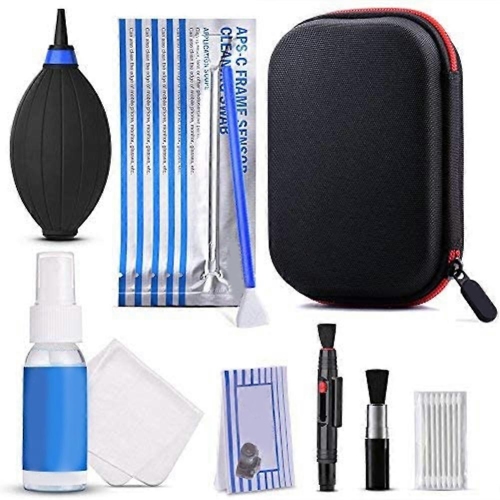
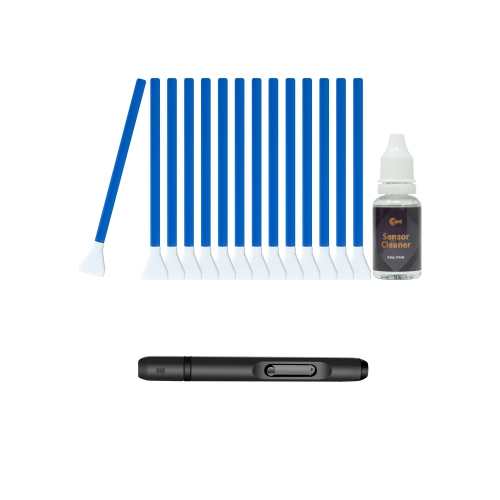
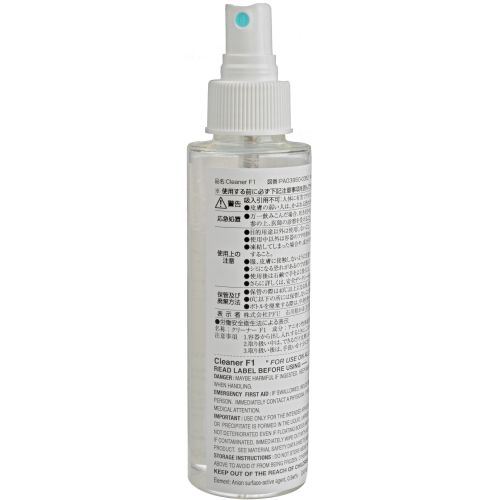
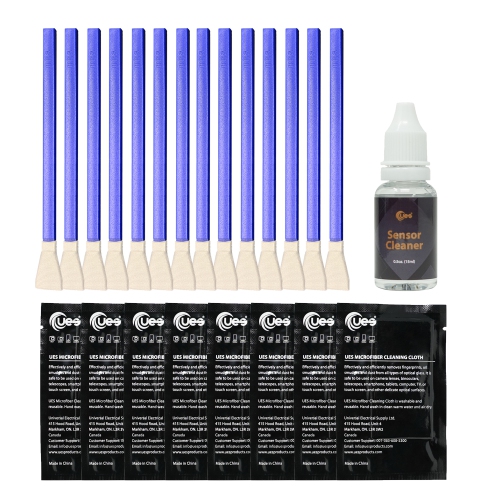
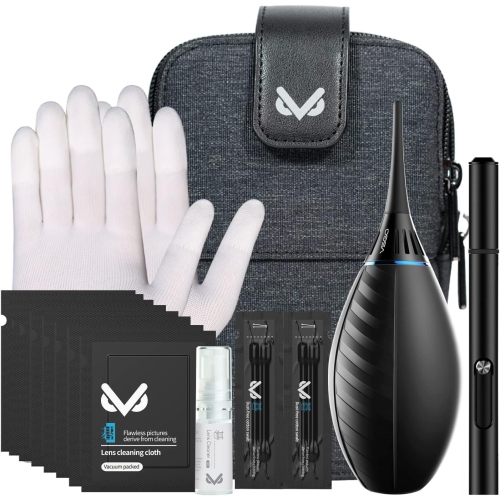
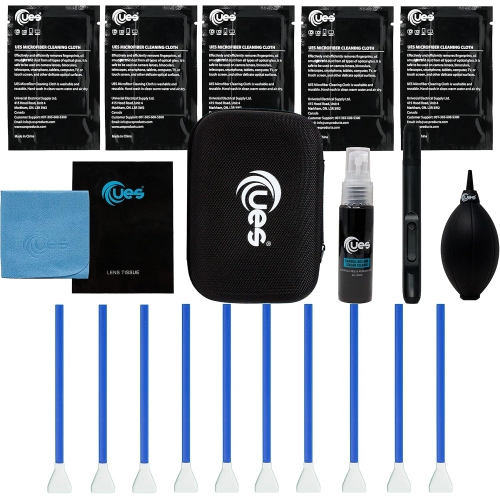
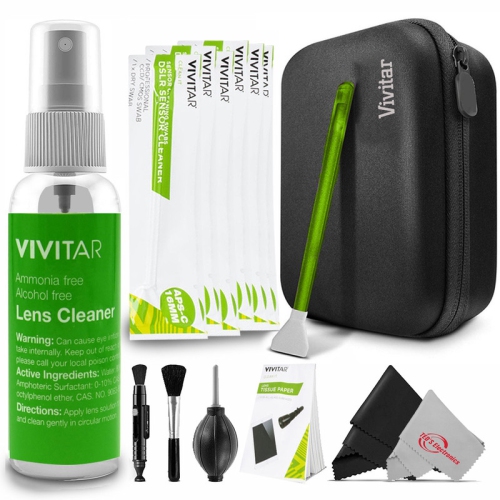
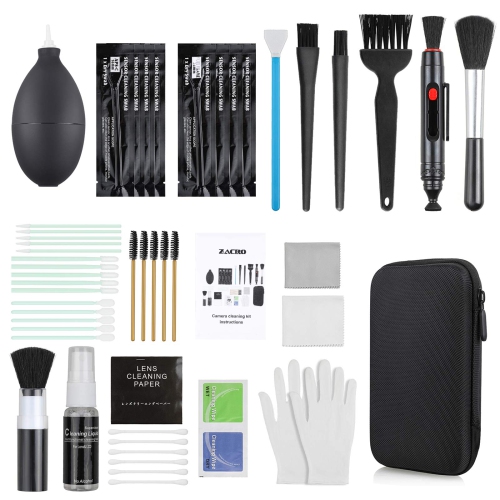
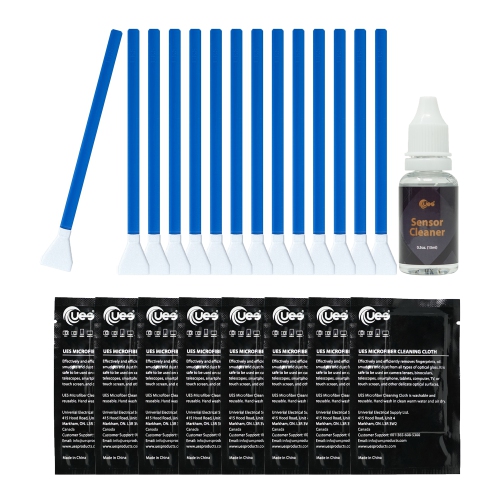
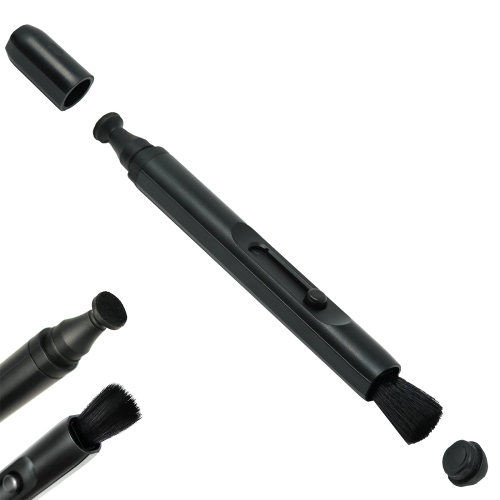
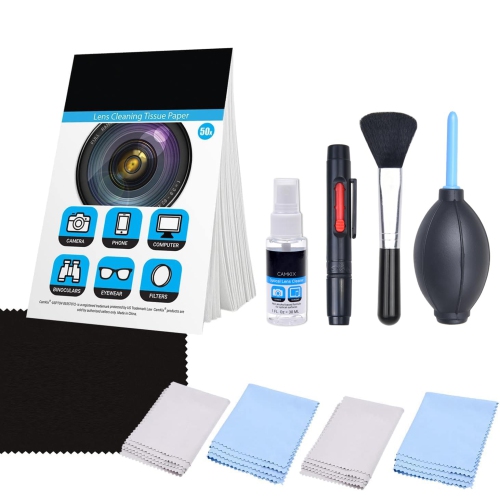
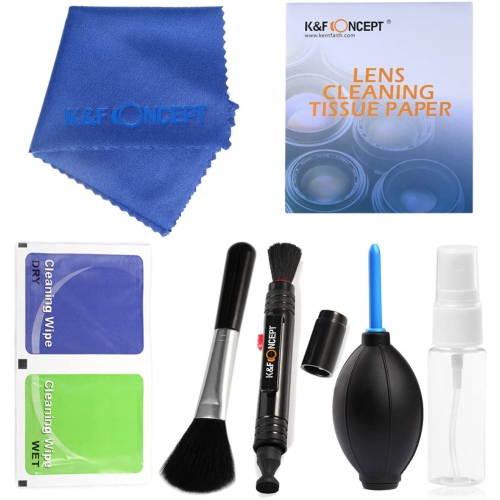
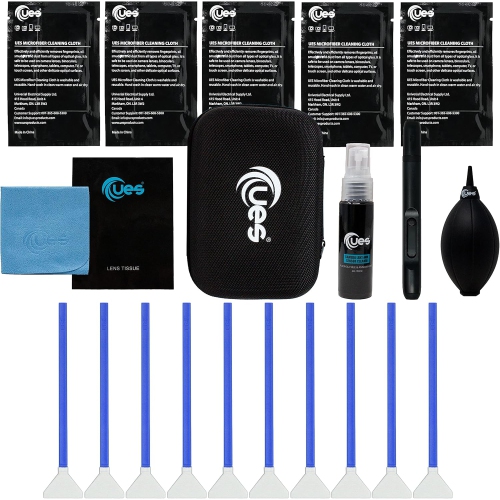
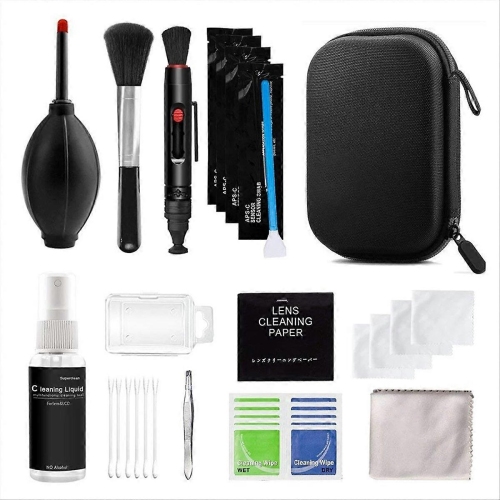
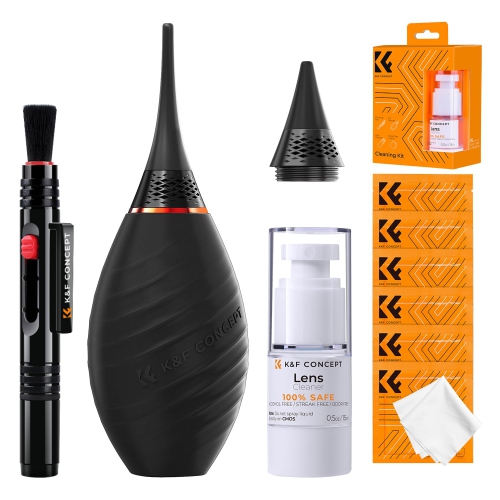
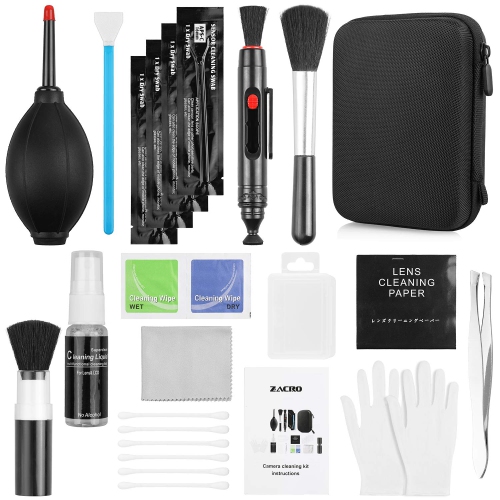
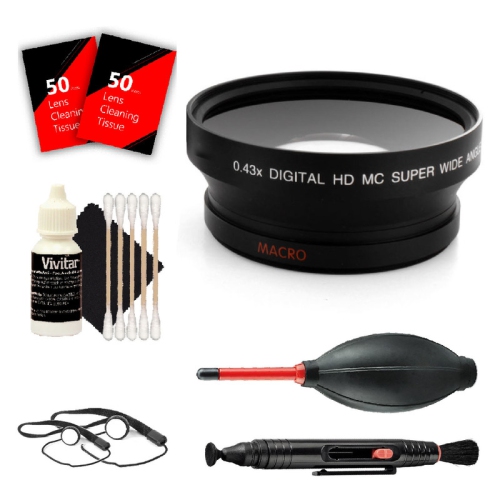
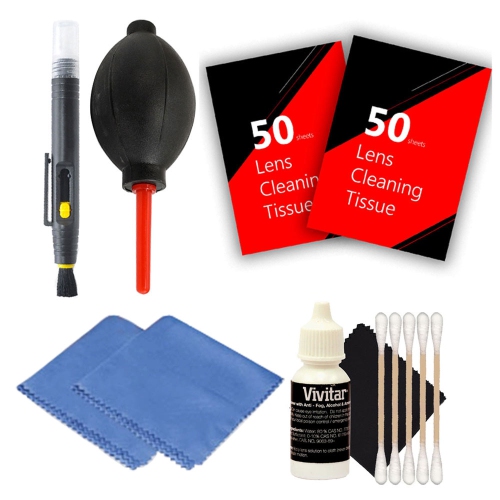
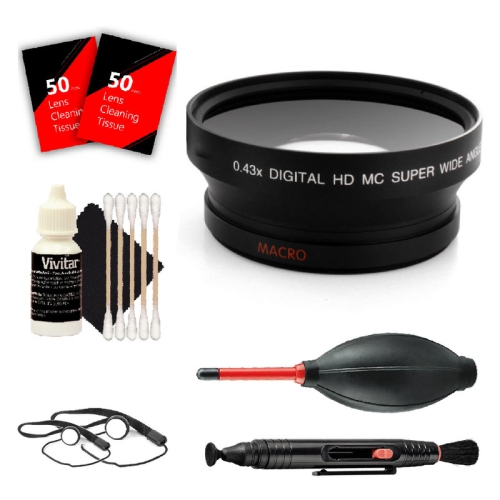
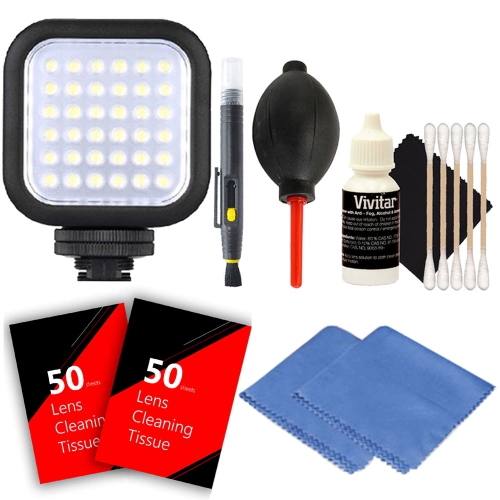
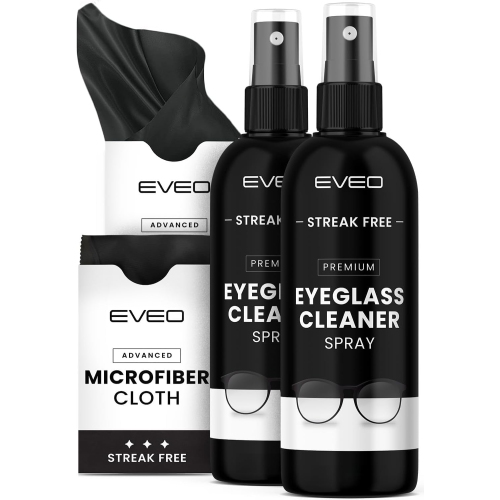
Lens cleaning solutions help remove fingerprints, skin oils, dust, smudges and light residue from eyeglasses, sunglasses, camera lenses, binoculars, spotting scopes and other delicate optical surfaces. They are useful for anyone who relies on clear vision throughout the day, from commuters and students to photographers, birdwatchers, travellers and outdoor enthusiasts. A small bottle can also be a thoughtful, practical gift for someone who has recently purchased a camera, updated their eyewear or enjoys keeping their equipment carefully maintained. The right cleaning solution is designed to lift oils and marks without leaving a heavy film, while an accompanying cloth or tissue helps collect loosened residue rather than spreading it across the surface. Some options are made for frequent use at home, while compact sprays and individually packaged wipes are convenient in a camera bag, desk drawer, vehicle or travel case. When comparing products, consider the type of lens you need to clean, the size of the container, whether a cloth or applicator is included and whether the formula is intended for coated optical surfaces. Eyeglass lenses may have anti-reflective, scratch-resistant, tinted or blue-light coatings, while camera lenses can include multiple delicate coatings that require careful handling. Always check the manufacturer’s care instructions before applying a solution, particularly when cleaning specialty optics, prescription lenses or equipment with electronic components. Contact lens solutions are a separate category intended for contact lens care and should not be substituted for a surface cleaner on glasses, camera lenses or other optical equipment.
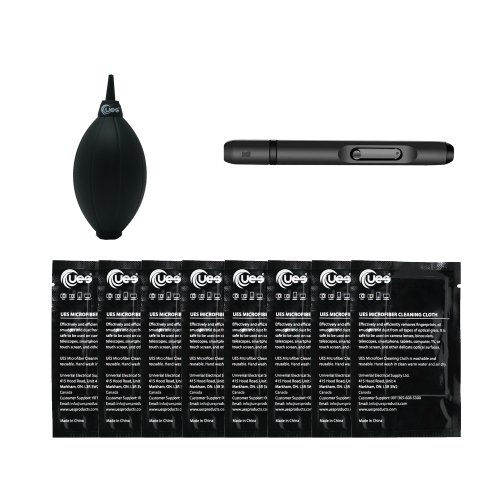
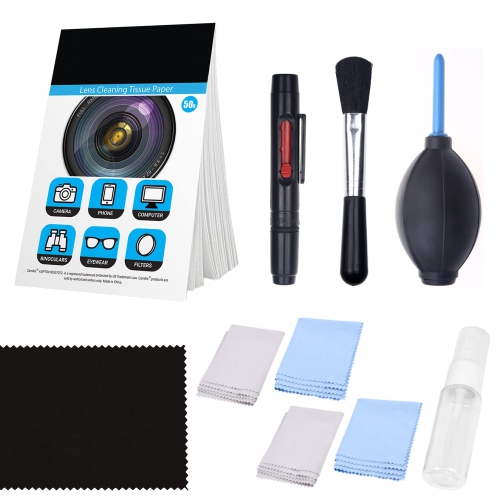
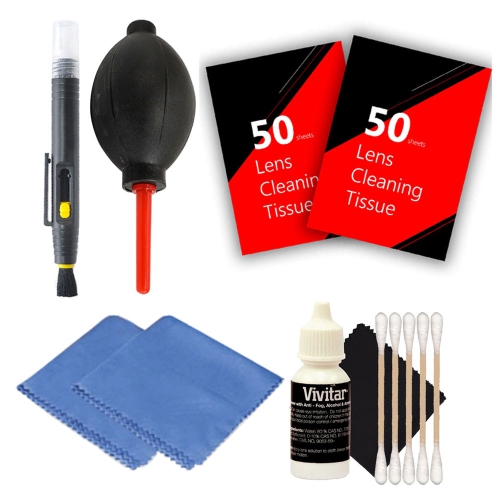
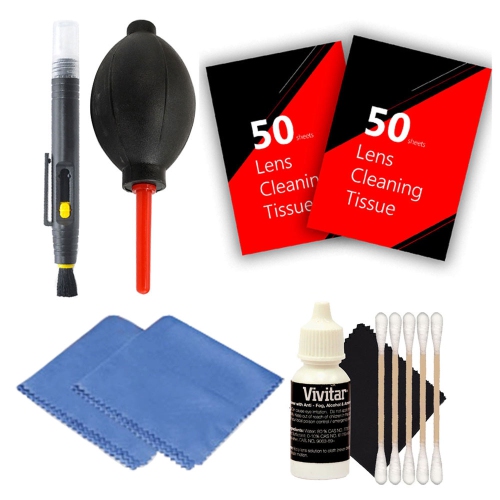
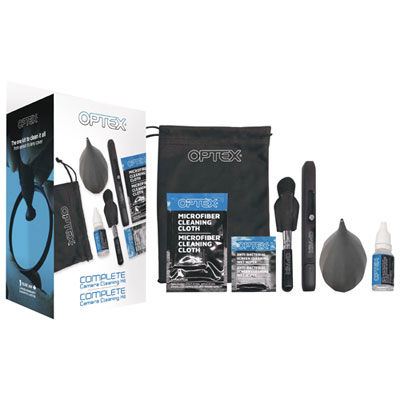
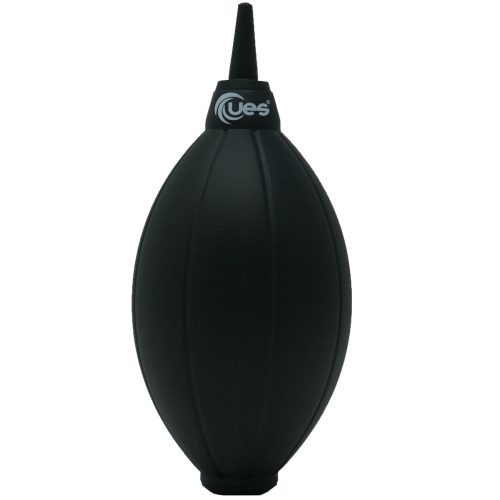
Good lens care starts before any liquid touches the surface. Hold the lens under a bright, indirect light so dust, grit and fingerprints are easy to see, then use a clean air blower or a gentle stream of air to dislodge loose particles. Removing surface dust first is important because rubbing a grain of grit across a lens can create fine scratches, even when the cloth feels soft. Avoid blowing with your mouth, as moisture droplets and oils can settle on the glass. Once loose debris has been removed, apply a small amount of lens cleaning solution to a clean microfibre cloth or use the application method recommended on the packaging. Spraying directly onto camera bodies, eyeglass frames, viewfinders or the edges of lenses can allow liquid to seep into areas that are difficult to dry, so controlled application is generally preferable. Wipe with light pressure, working from the centre outward or using gentle, overlapping strokes, and finish with a dry section of the cloth if needed. Do not use paper towels, tissues made for facial care, clothing or a cloth that has been washed with fabric softener, since these materials can leave lint, oils or abrasive particles behind. Keep cleaning cloths in a closed pouch and wash them according to their care instructions; a cloth that has collected dust can do more harm than good. For a convenient, low-lint option, browse Lens Cleaning Tissues designed for delicate optical surfaces.
Household glass cleaners, ammonia-based sprays, strong solvents and general-purpose disinfectants are not suitable substitutes for lens cleaning solutions. They may damage protective coatings, dry out frame materials or leave streaks that are harder to remove than the original smudge. Homemade mixtures are also not universally safe: formulas involving isopropyl alcohol, distilled water or dish soap can react differently with coatings, plastics and adhesives, so they should only be considered when the lens or equipment manufacturer specifically permits them. For camera lenses, remove the lens cap in a clean area, avoid touching the glass with your fingers and take extra care around the mount, focus rings and electronic contacts. For eyeglasses, rinse away visible grit when appropriate, use lukewarm water rather than hot water and dry with a clean optical cloth after cleaning. During warmer weather, sunscreen and perspiration can build up quickly on sunglasses and sports eyewear; during cooler months, condensation from moving between heated interiors and cold air can create frequent fogging and smears. Keeping a compact cleaning kit nearby makes it easier to maintain clear optics before a hike, a school day, a long drive, a photo session or an evening event. Regular gentle cleaning is better than aggressive scrubbing, and replacing a worn, dirty cloth or nearly empty bottle helps ensure that routine care remains safe and effective. With the appropriate solution, a clean applicator and a few careful habits, shoppers can protect the clarity and performance of the lenses they use every day.
Good lens care starts before any liquid touches the surface. Hold the lens under a bright, indirect light so dust, grit and fingerprints are easy to see, then use a clean air blower or a gentle stream of air to dislodge loose particles. Removing surface dust first is important because rubbing a grain of grit across a lens can create fine scratches, even when the cloth feels soft. Avoid blowing with your mouth, as moisture droplets and oils can settle on the glass. Once loose debris has been removed, apply a small amount of lens cleaning solution to a clean microfibre cloth or use the application method recommended on the packaging. Spraying directly onto camera bodies, eyeglass frames, viewfinders or the edges of lenses can allow liquid to seep into areas that are difficult to dry, so controlled application is generally preferable. Wipe with light pressure, working from the centre outward or using gentle, overlapping strokes, and finish with a dry section of the cloth if needed. Do not use paper towels, tissues made for facial care, clothing or a cloth that has been washed with fabric softener, since these materials can leave lint, oils or abrasive particles behind. Keep cleaning cloths in a closed pouch and wash them according to their care instructions; a cloth that has collected dust can do more harm than good. For a convenient, low-lint option, browse Lens Cleaning Tissues designed for delicate optical surfaces.
Household glass cleaners, ammonia-based sprays, strong solvents and general-purpose disinfectants are not suitable substitutes for lens cleaning solutions. They may damage protective coatings, dry out frame materials or leave streaks that are harder to remove than the original smudge. Homemade mixtures are also not universally safe: formulas involving isopropyl alcohol, distilled water or dish soap can react differently with coatings, plastics and adhesives, so they should only be considered when the lens or equipment manufacturer specifically permits them. For camera lenses, remove the lens cap in a clean area, avoid touching the glass with your fingers and take extra care around the mount, focus rings and electronic contacts. For eyeglasses, rinse away visible grit when appropriate, use lukewarm water rather than hot water and dry with a clean optical cloth after cleaning. During warmer weather, sunscreen and perspiration can build up quickly on sunglasses and sports eyewear; during cooler months, condensation from moving between heated interiors and cold air can create frequent fogging and smears. Keeping a compact cleaning kit nearby makes it easier to maintain clear optics before a hike, a school day, a long drive, a photo session or an evening event. Regular gentle cleaning is better than aggressive scrubbing, and replacing a worn, dirty cloth or nearly empty bottle helps ensure that routine care remains safe and effective. With the appropriate solution, a clean applicator and a few careful habits, shoppers can protect the clarity and performance of the lenses they use every day.
Top selling and popular products
-
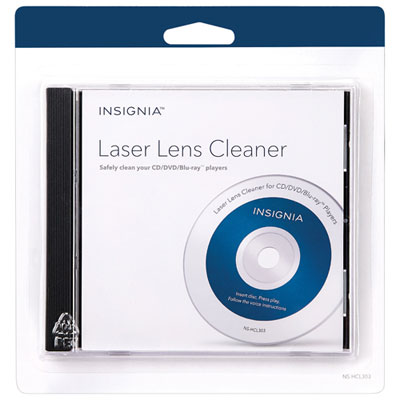 Your price for this item is $11.99
 -
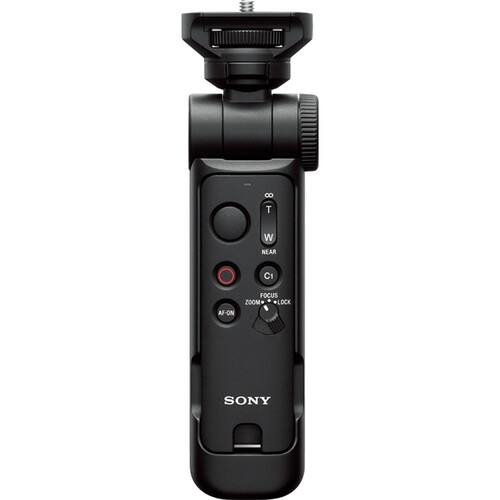 Your price for this item is $219.99
 -
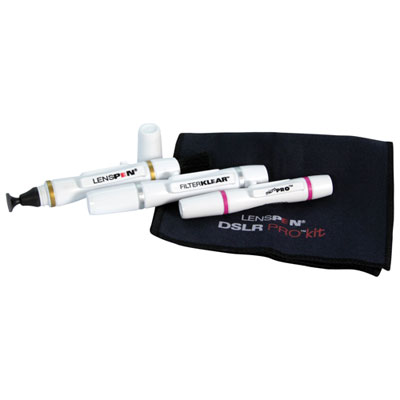 Your price for this item is $24.97
 -
 Your price for this item is $24.99
 -
 Your price for this item is $36.46
 -
 Your price for this item is $16.99
 -
 Your price for this item is $19.99
 -
 Your price for this item is $25.99
Discover more categories related to Lens Cleaning Solutions
Top Collections:
Pokemon Centers, Best Cameras for Sports Photography, Kindle Devices, Samsung Galaxy Phones, Canon G7X Cameras, Pokémon 30th Celebration Cards, Refurbished Apple Laptops, iPhone 15 Apple, Laptops for Students, Budget Smartphones
Some products may be subject to Environmental Handling Fees
(EHF) depending on your province.
Learn more about EHFs.