Lens Cleaning Tissues
Keep your lenses crystal clear with our selection of lens-cleaning tissues. Whether you're an avid photographer, a glasses wearer, or simply want to keep your electronic screens smudge-free, these tissues are a must-have accessory. Designed to gently remove dirt, fingerprints, and smudges without scratching delicate surfaces, our lens cleaning tissues offer a convenient and effective solution for maintaining your optics.
Sort
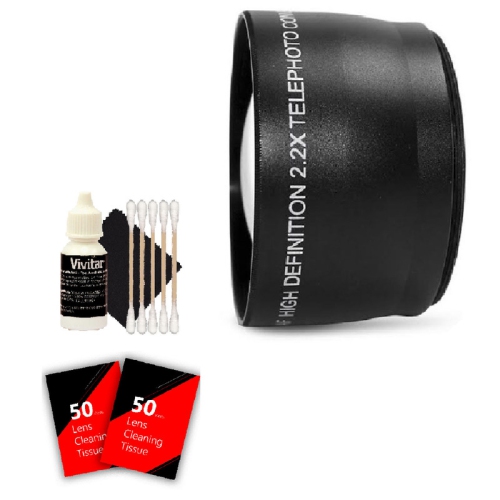
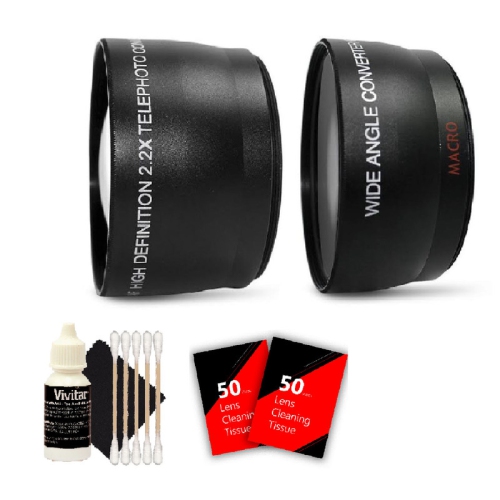
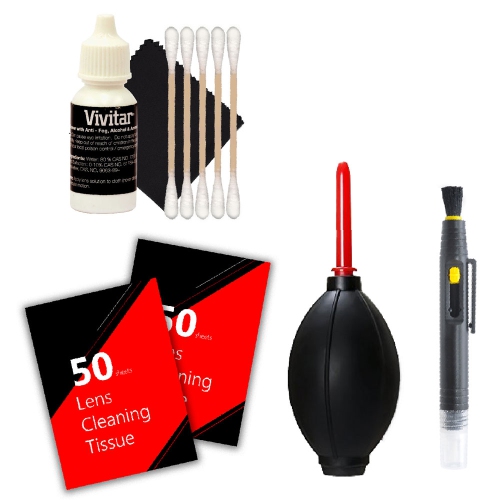
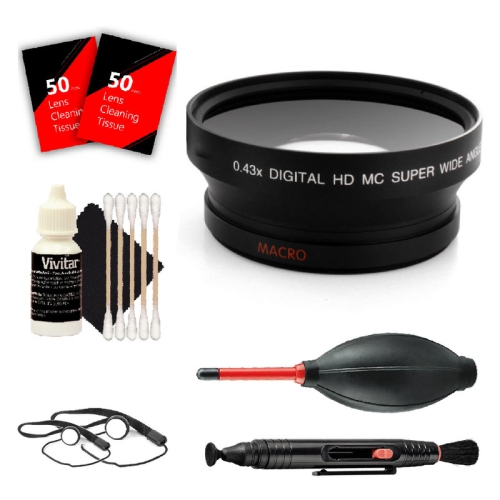
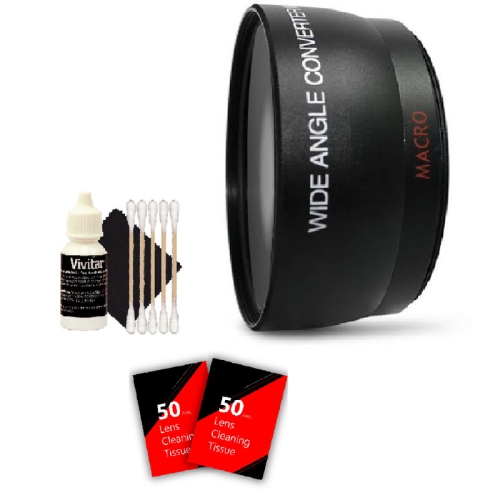
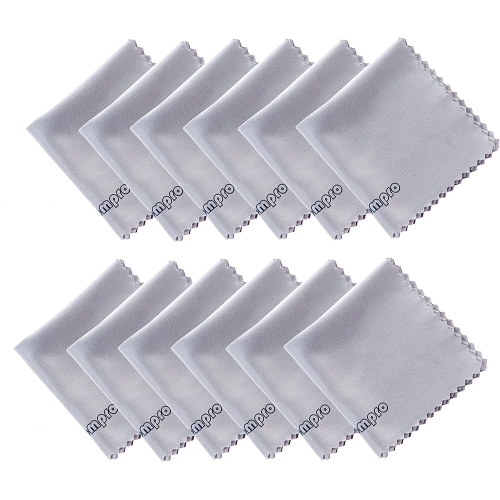
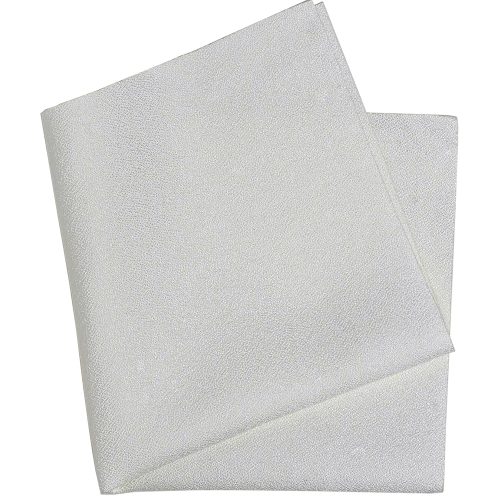
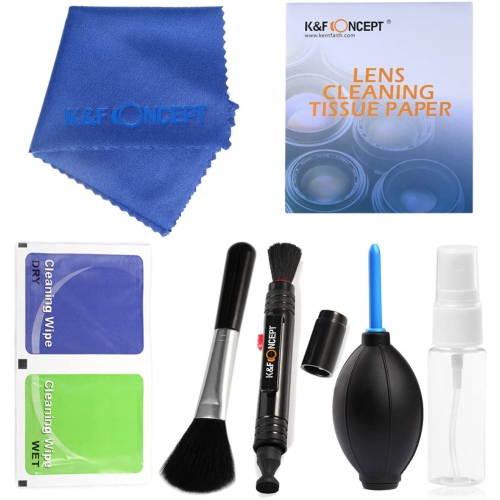
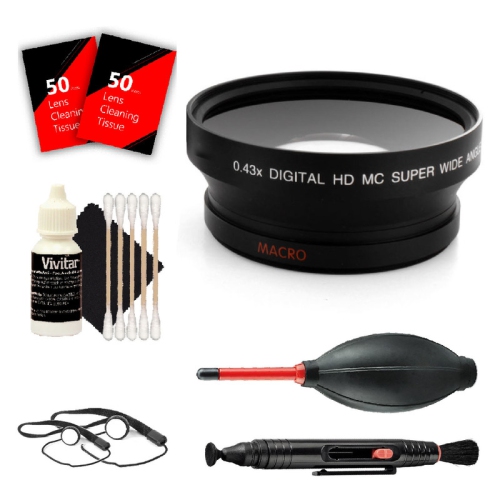
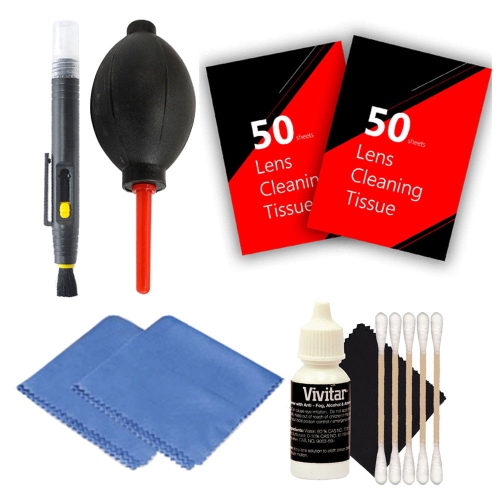
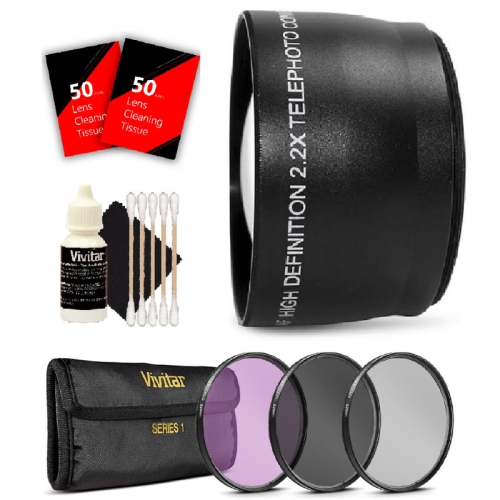
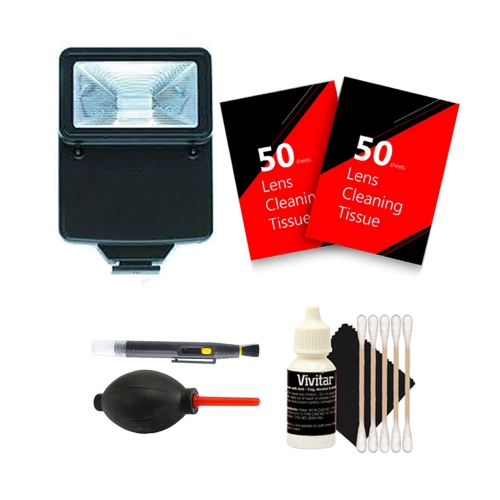
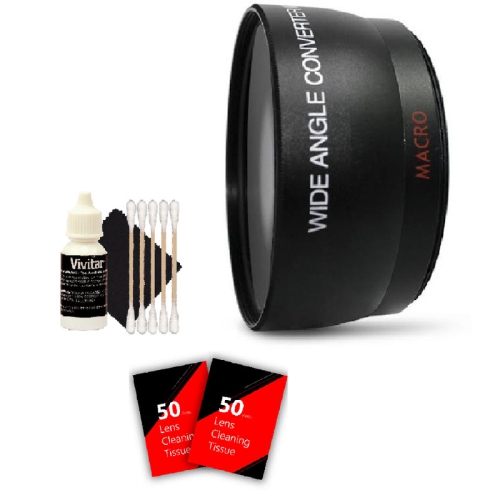
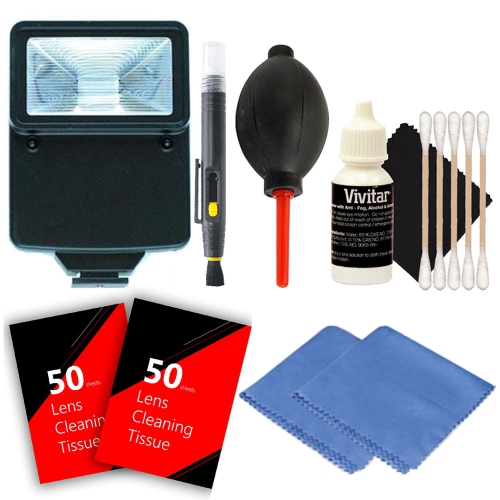
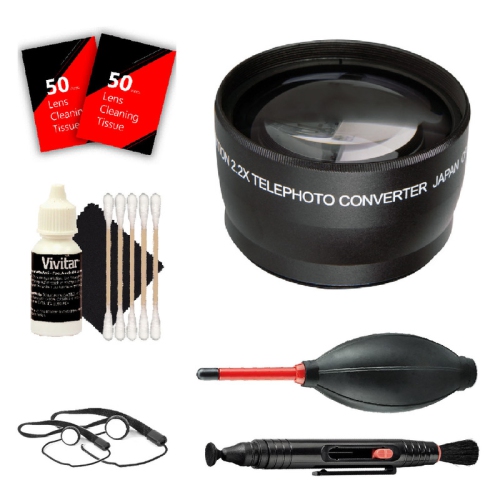
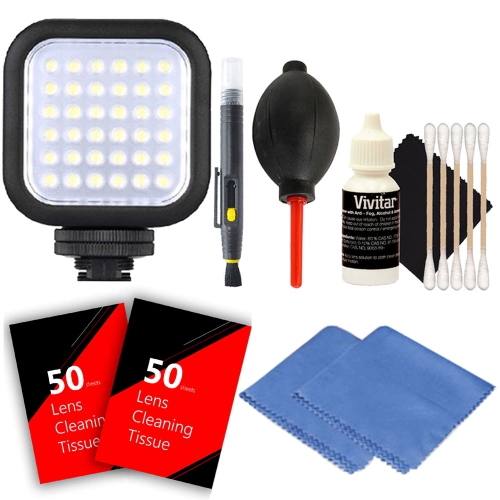
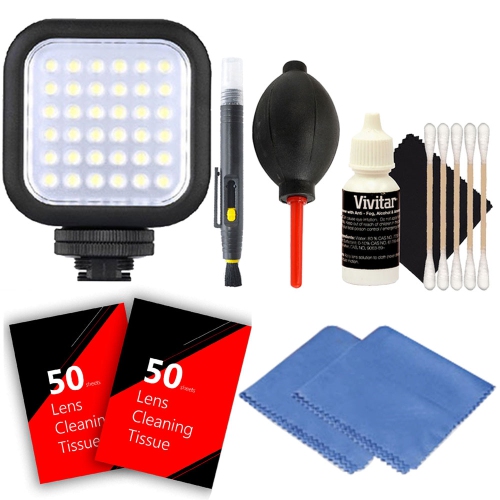
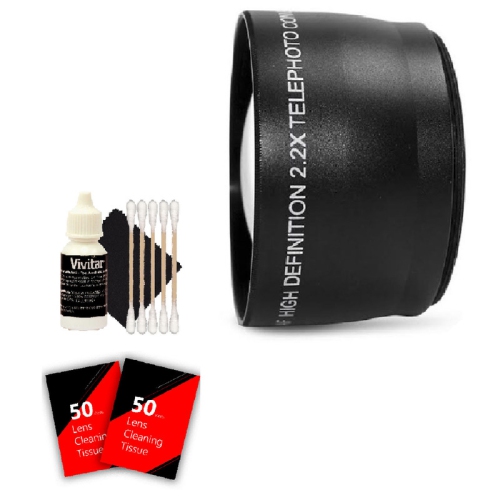
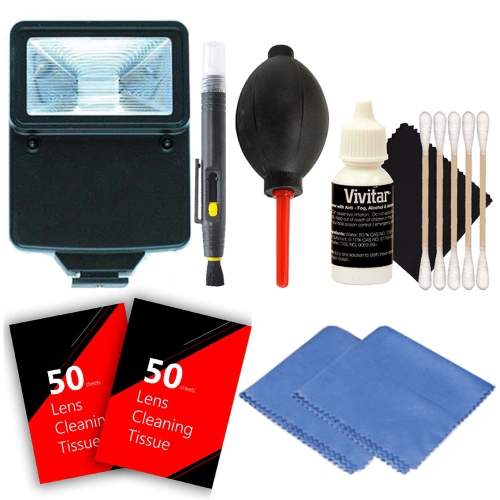
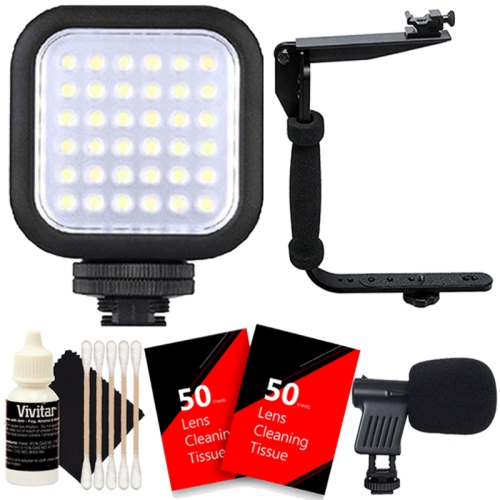
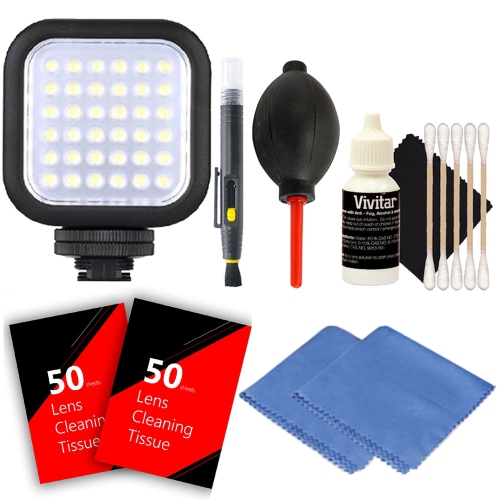
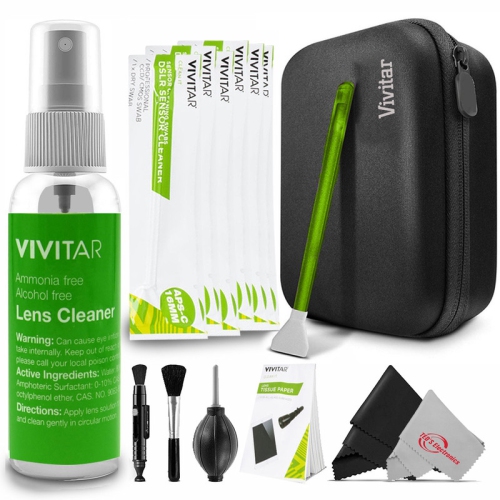
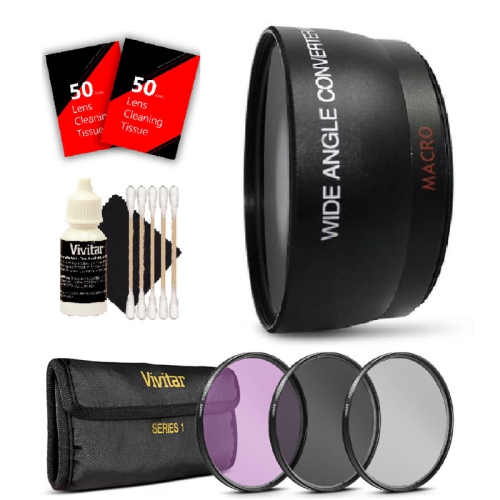
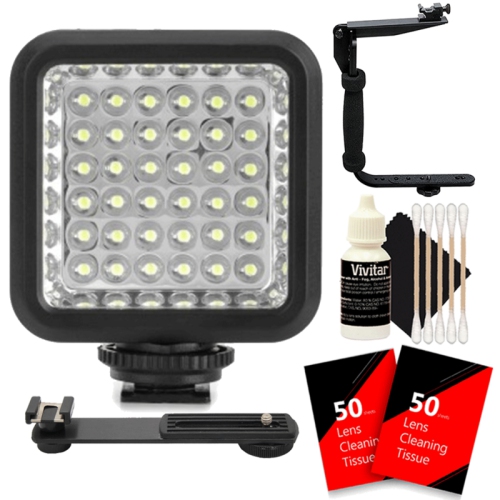
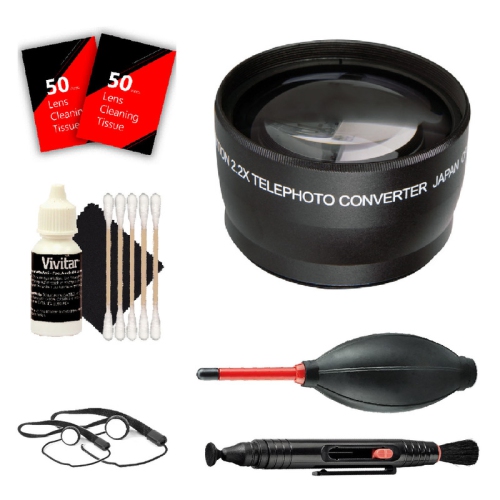
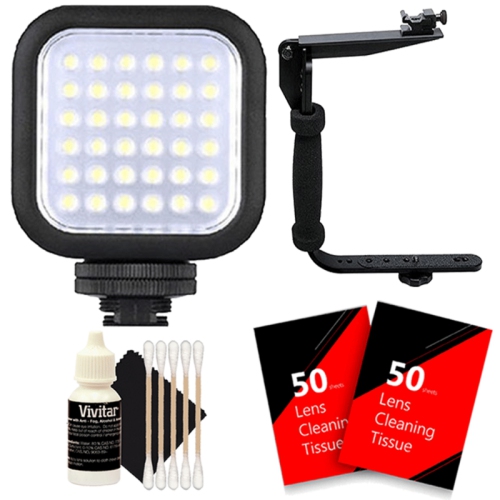
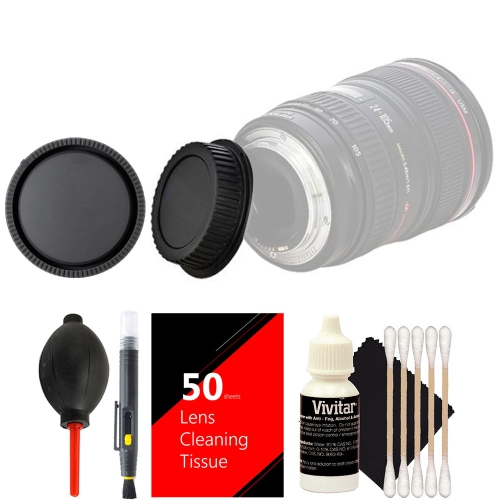
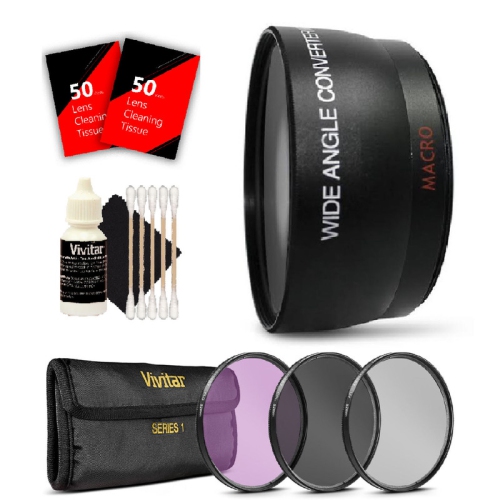
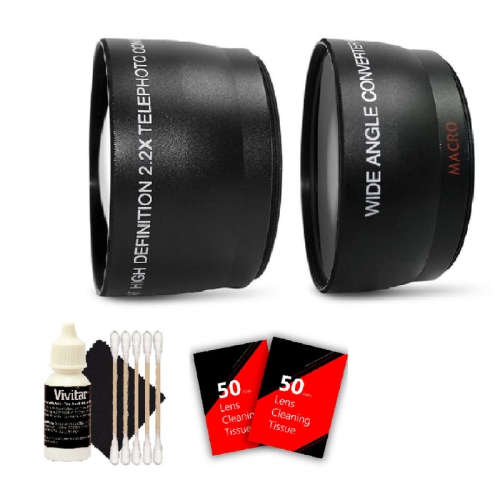
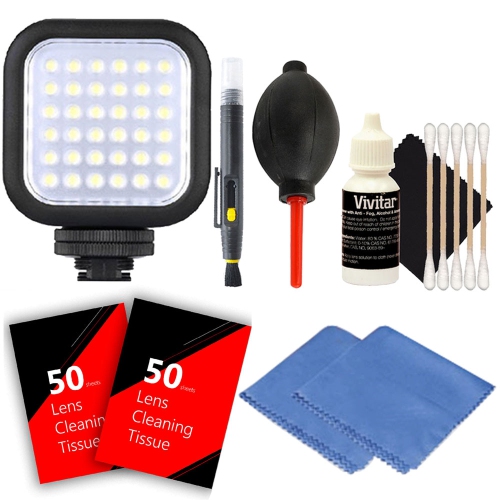
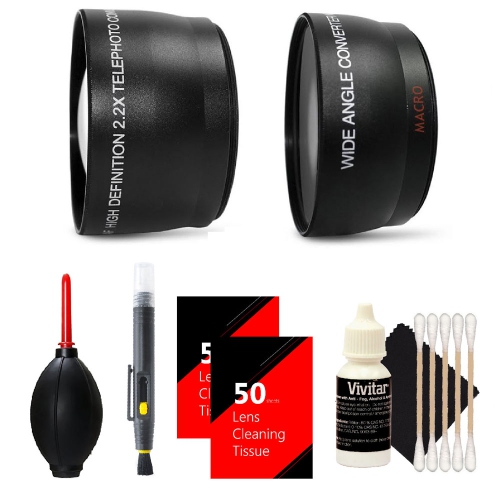
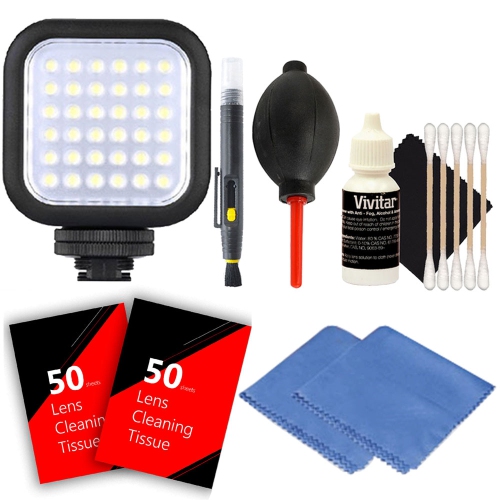
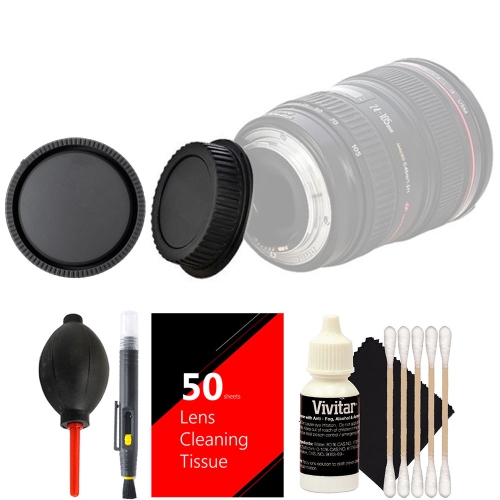
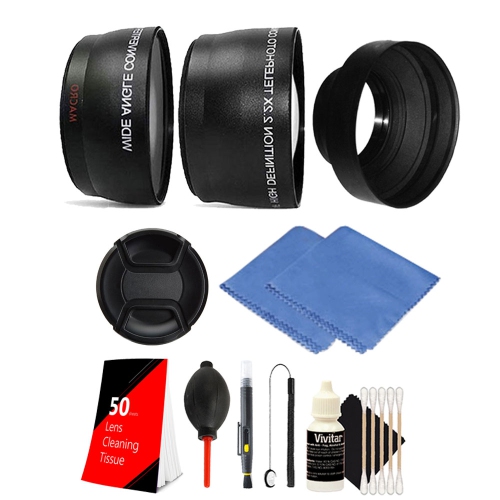
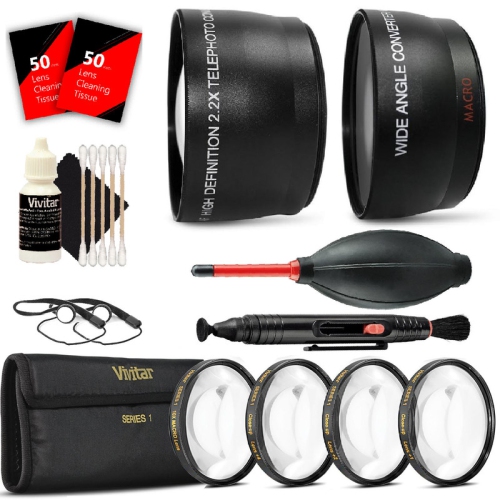
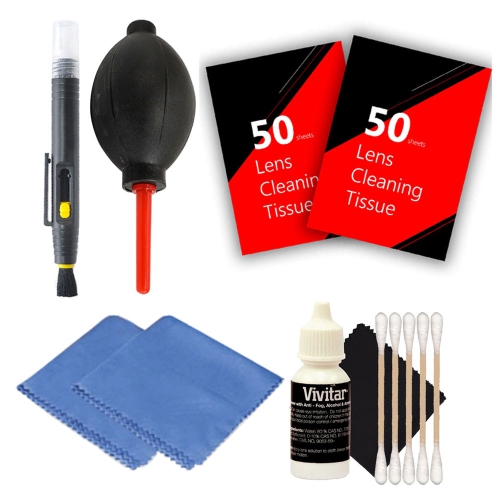
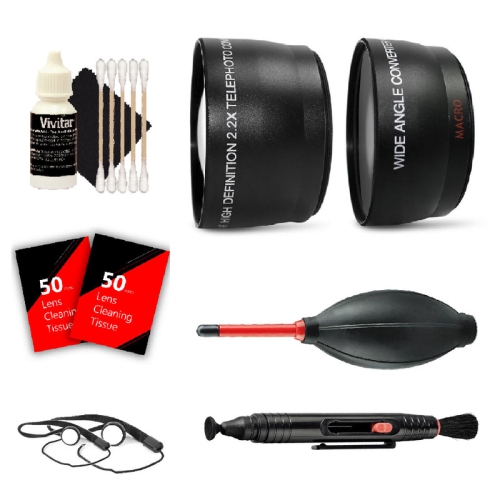
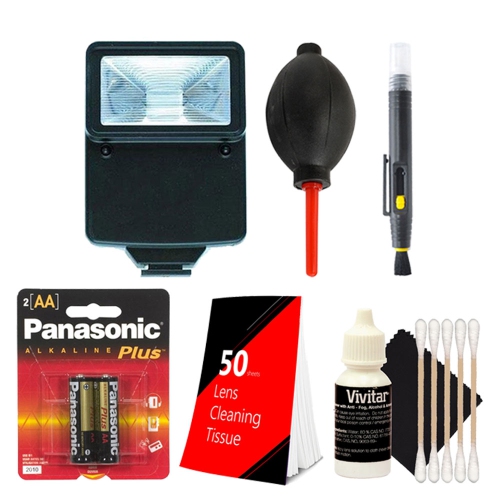
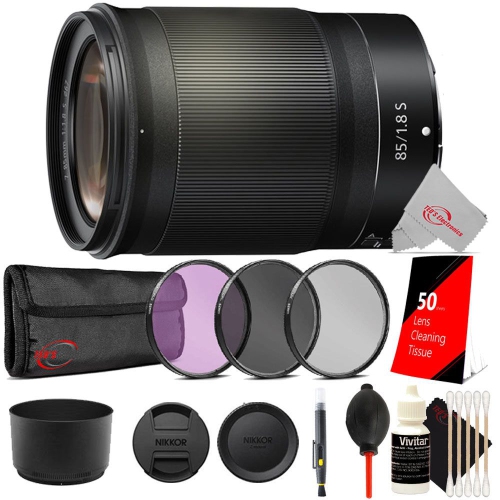
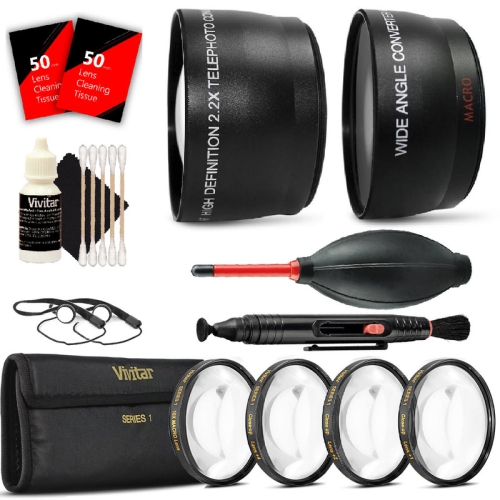
Gentle care for lenses, glasses and precision equipment
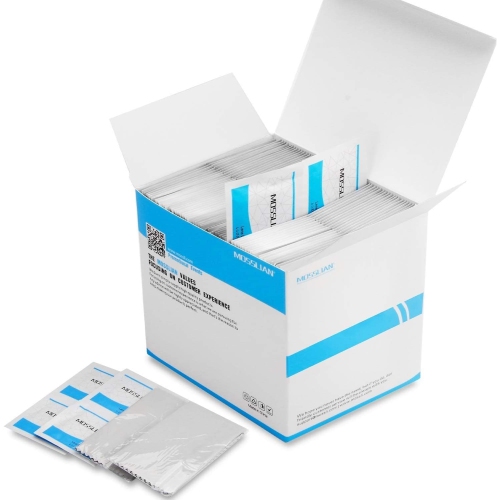
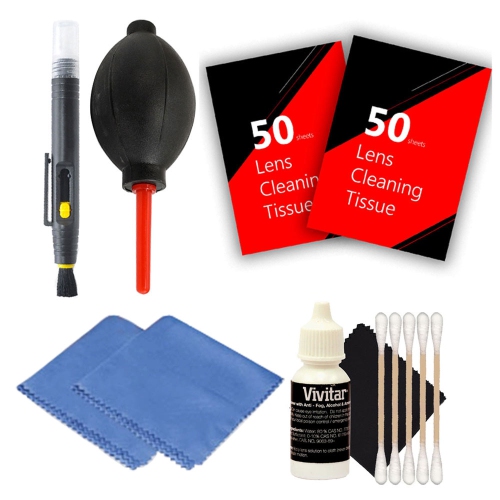
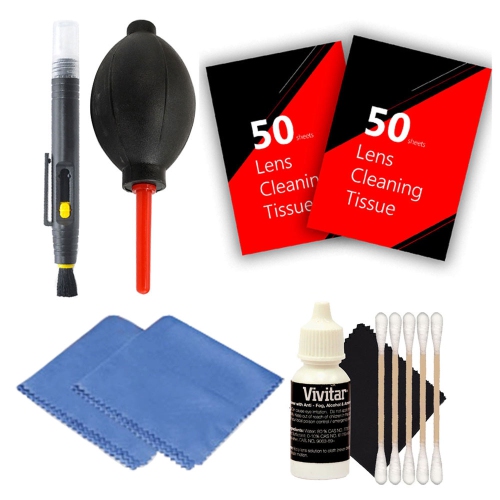
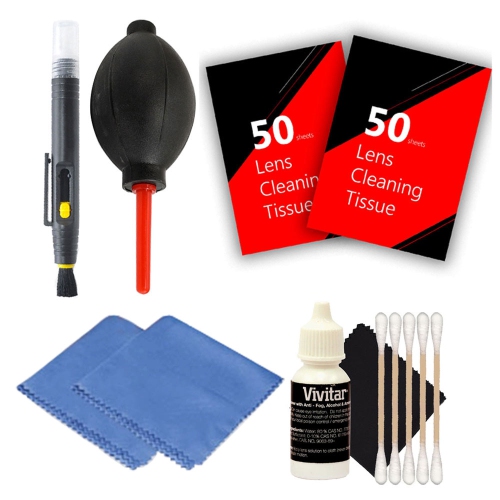
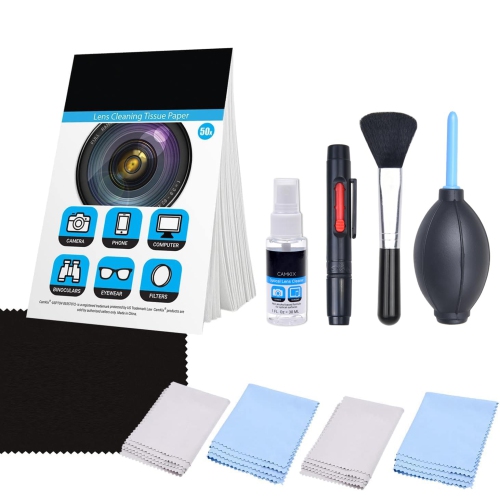
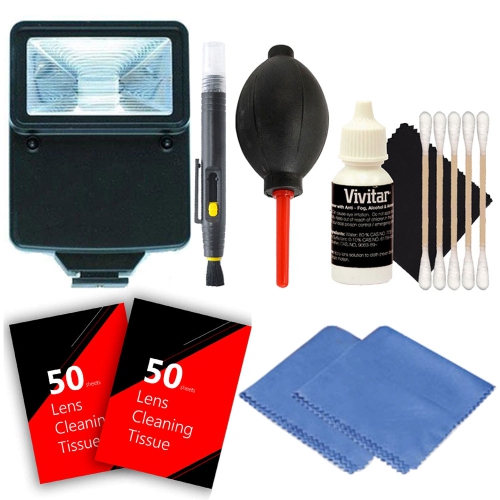
Lens cleaning tissues are purpose-made sheets for caring for delicate optical surfaces, including camera lenses, eyeglasses, binoculars, scopes, microscopes and other precision equipment. Unlike ordinary facial tissues, paper towels or napkins, lens tissues are designed to be low-lint and non-abrasive, helping lift fingerprints, skin oils, dust and light smudges without leaving behind a trail of fibres. This matters because modern lenses often have coatings that can improve clarity, reduce glare or support accurate colour, but those coatings can be affected by rough materials, excess pressure or unsuitable household cleaners. A small mark may not seem important when you are looking through a viewfinder or checking a pair of glasses, yet fingerprints can soften detail and become more difficult to remove once they have been repeatedly smeared across the surface. Lens cleaning tissues are useful at home, in a camera bag, at an optical counter, in a classroom or in a laboratory, making them a practical choice for photographers, birdwatchers, students, researchers, travellers and anyone who relies on clear lenses throughout the day. Dry tissue sheets are often paired with a suitable cleaning liquid, while pre-moistened tissues offer a convenient, ready-to-use option for quick maintenance. Individually wrapped wipes can be particularly handy when travelling, commuting or attending an outdoor event, since each sheet stays protected until needed. Larger dispenser formats can suit households with several glasses wearers, shared workspaces, studios, clinics or teaching environments where lenses and screens are cleaned regularly. Before choosing a format, consider the surfaces you plan to clean, how often you expect to use the tissues and whether portability or a larger supply is more important. People who frequently change lenses, work outdoors or carry cameras through dusty environments may appreciate having a compact pack close at hand, while someone who cleans multiple pairs of glasses each day may prefer a box or booklet that is easy to store near a desk or entryway. Lens tissues can also make a thoughtful practical gift for a photography enthusiast, a student beginning a science course, a traveller who wears glasses or a family member who takes pride in keeping their optical equipment in good condition.
Safe cleaning begins before the tissue touches the glass. First, inspect the surface in good light and remove loose grit with a gentle air blower or a lens-safe brush. Small particles can behave like sand when dragged across a lens, so wiping immediately over visible dust may create fine marks. Once loose debris has been cleared, follow the care instructions supplied with the equipment and use a cleaning solution intended for the relevant optical surface when a dry tissue is not suitable. For more information about choosing a compatible liquid, explore Lens Cleaning Solutions. Apply only the amount recommended for the tissue or equipment; a lens should not be soaked, and moisture should not be allowed to run into seams, buttons, ports or the housing around the glass. Use a light touch, working from the centre outward in a gentle circular motion or with short strokes directed toward the edge. This approach helps move residue away from the most important viewing area instead of spreading it back across the middle. If the tissue becomes visibly dirty, replace it rather than continuing to use the same sheet. A fresh tissue should be used for each pass when there is noticeable grit, oil or stubborn residue, since reusing a sheet can transfer captured debris back onto the surface. It is also wise to keep unused tissues sealed or covered so they do not collect dust inside a camera bag, drawer or vehicle. Pre-moistened sheets should remain in their individual packaging until use, and dry tissues should be handled by the edges whenever possible. For eyeglasses, remove the glasses first and hold them by the frame, taking care around nose pads and hinges. For camera lenses, avoid pressing on the glass and clean the surrounding barrel separately with an appropriate method. Equipment with special coatings, anti-reflective treatments or other manufacturer-specific care requirements should always be cleaned according to its instructions.
The right lens cleaning tissues can make routine maintenance feel simple rather than delicate or time-consuming. A photographer preparing for a walk during warmer weather may notice a fingerprint just before setting up a shot and reach for a tissue instead of rubbing the lens with a shirt sleeve. During the cooler months, glasses can collect smudges from frequent transitions between indoor and outdoor spaces, while binoculars and scopes may need attention after time spent near a trail, shoreline or sporting field. In each case, the goal is the same: remove surface marks carefully while avoiding unnecessary contact, pressure and contamination. When comparing options, look for clear information about whether the tissues are dry or pre-moistened, individually packaged or supplied in a dispenser, and intended for optical surfaces. Pack size is another practical consideration. A small pack may fit neatly in a pocket, purse or camera case, whereas a larger supply can help ensure that a clean sheet is always available for a busy household or shared workspace. Texture, sheet size and ease of dispensing also affect the experience, especially for people with limited dexterity or those cleaning several items in succession. Lens cleaning tissues are not a replacement for professional servicing when glass is damaged, moisture has entered the equipment or residue will not lift with normal care, but they are a useful part of a regular cleaning routine. Store them in a dry place away from loose dust, keep cleaning liquids closed when not in use and avoid substituting general-purpose paper products. With the right tissue and a careful technique, eyeglasses can stay clearer through a full day, camera equipment can be ready for the next image and precision optics can receive the considerate care they require.
Safe cleaning begins before the tissue touches the glass. First, inspect the surface in good light and remove loose grit with a gentle air blower or a lens-safe brush. Small particles can behave like sand when dragged across a lens, so wiping immediately over visible dust may create fine marks. Once loose debris has been cleared, follow the care instructions supplied with the equipment and use a cleaning solution intended for the relevant optical surface when a dry tissue is not suitable. For more information about choosing a compatible liquid, explore Lens Cleaning Solutions. Apply only the amount recommended for the tissue or equipment; a lens should not be soaked, and moisture should not be allowed to run into seams, buttons, ports or the housing around the glass. Use a light touch, working from the centre outward in a gentle circular motion or with short strokes directed toward the edge. This approach helps move residue away from the most important viewing area instead of spreading it back across the middle. If the tissue becomes visibly dirty, replace it rather than continuing to use the same sheet. A fresh tissue should be used for each pass when there is noticeable grit, oil or stubborn residue, since reusing a sheet can transfer captured debris back onto the surface. It is also wise to keep unused tissues sealed or covered so they do not collect dust inside a camera bag, drawer or vehicle. Pre-moistened sheets should remain in their individual packaging until use, and dry tissues should be handled by the edges whenever possible. For eyeglasses, remove the glasses first and hold them by the frame, taking care around nose pads and hinges. For camera lenses, avoid pressing on the glass and clean the surrounding barrel separately with an appropriate method. Equipment with special coatings, anti-reflective treatments or other manufacturer-specific care requirements should always be cleaned according to its instructions.
The right lens cleaning tissues can make routine maintenance feel simple rather than delicate or time-consuming. A photographer preparing for a walk during warmer weather may notice a fingerprint just before setting up a shot and reach for a tissue instead of rubbing the lens with a shirt sleeve. During the cooler months, glasses can collect smudges from frequent transitions between indoor and outdoor spaces, while binoculars and scopes may need attention after time spent near a trail, shoreline or sporting field. In each case, the goal is the same: remove surface marks carefully while avoiding unnecessary contact, pressure and contamination. When comparing options, look for clear information about whether the tissues are dry or pre-moistened, individually packaged or supplied in a dispenser, and intended for optical surfaces. Pack size is another practical consideration. A small pack may fit neatly in a pocket, purse or camera case, whereas a larger supply can help ensure that a clean sheet is always available for a busy household or shared workspace. Texture, sheet size and ease of dispensing also affect the experience, especially for people with limited dexterity or those cleaning several items in succession. Lens cleaning tissues are not a replacement for professional servicing when glass is damaged, moisture has entered the equipment or residue will not lift with normal care, but they are a useful part of a regular cleaning routine. Store them in a dry place away from loose dust, keep cleaning liquids closed when not in use and avoid substituting general-purpose paper products. With the right tissue and a careful technique, eyeglasses can stay clearer through a full day, camera equipment can be ready for the next image and precision optics can receive the considerate care they require.
Top selling and popular products
-
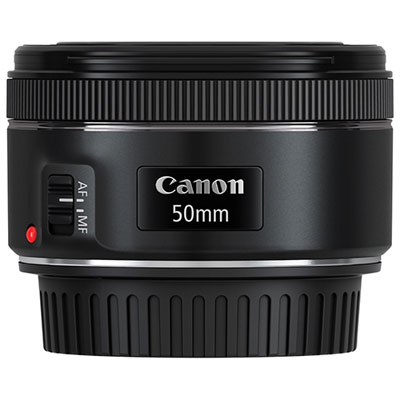 Your price for this item is $169.99
 -
 Your price for this item is $329.99
 -
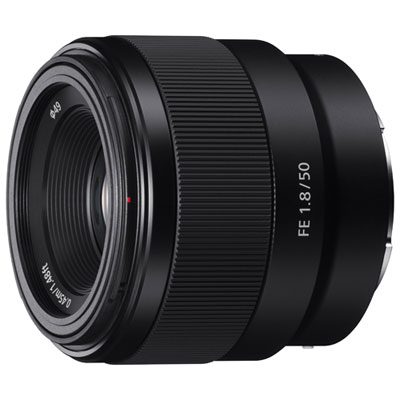 Your price for this item is $349.99
 -
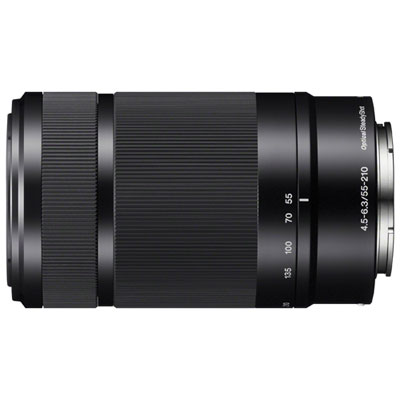 Your price for this item is $399.99
 -
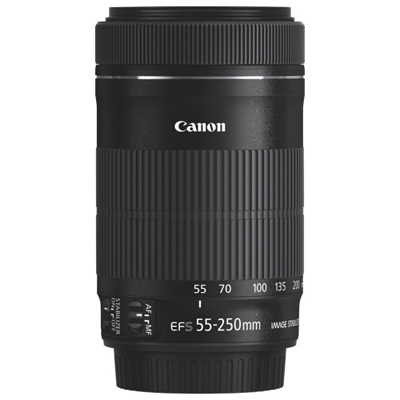 Your price for this item is $399.99
 -
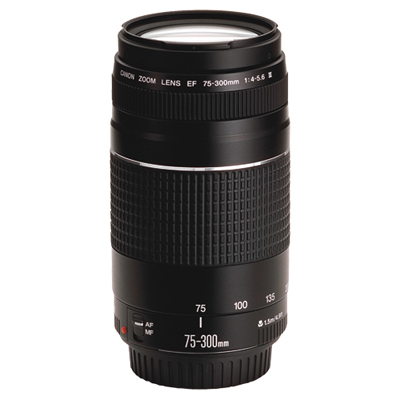 Your price for this item is $199.99
 -
 Your price for this item is $174.99
 -
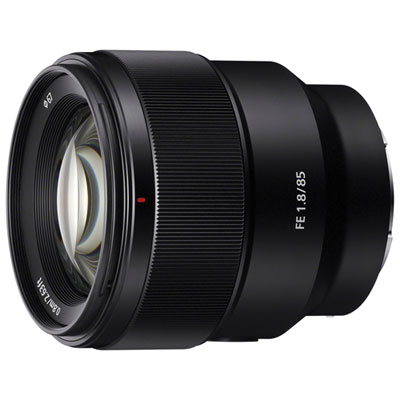 Your price for this item is $799.99
Discover more categories related to Lens Cleaning Tissues


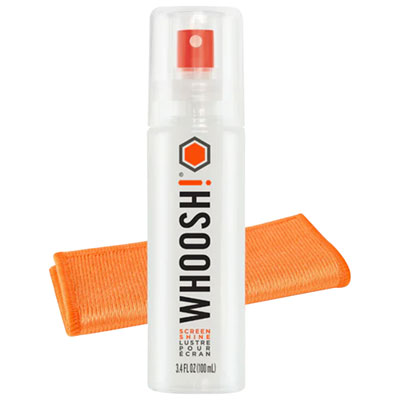
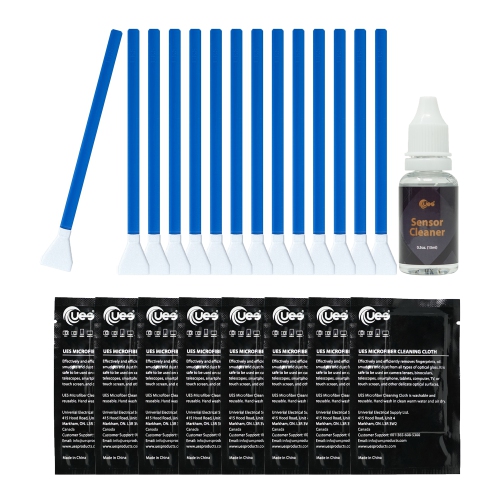
Top Collections:
Pokemon Centers, Best Cameras for Sports Photography, Kindle Devices, Samsung Galaxy Phones, Canon G7X Cameras, Pokémon 30th Celebration Cards, Refurbished Apple Laptops, iPhone 15 Apple, Laptops for Students, Budget Smartphones
Some products may be subject to Environmental Handling Fees
(EHF) depending on your province.
Learn more about EHFs.