Long Range Wi-Fi Extenders Outdoor
Extend your WiFi signal and enjoy seamless connectivity with a long-range WiFi extender designed for outdoor use. Whether you're working, streaming, or simply browsing the web, this powerful device expands the reach of your wireless network, ensuring a strong and reliable connection throughout your outdoor space. Say goodbye to dead zones and hello to uninterrupted internet access as you effortlessly extend your WiFi range with this selection of outdoor WiFi extenders.
Sort
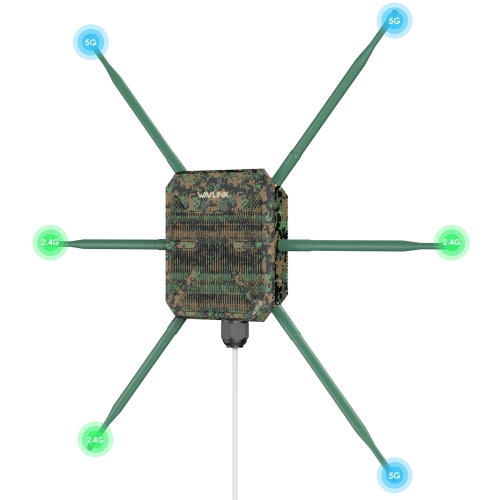
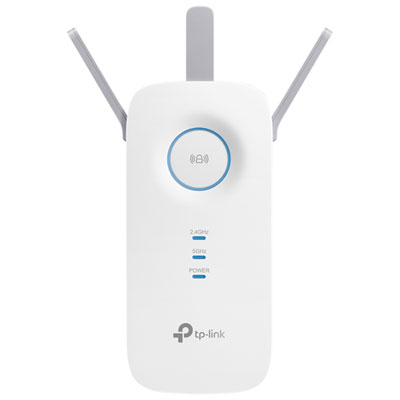
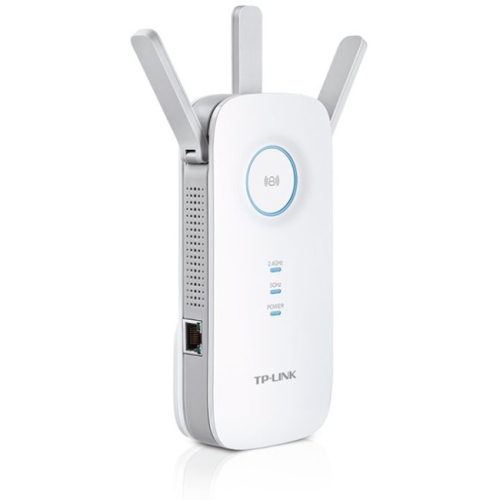

Why reliable outdoor Wi-Fi takes more than range
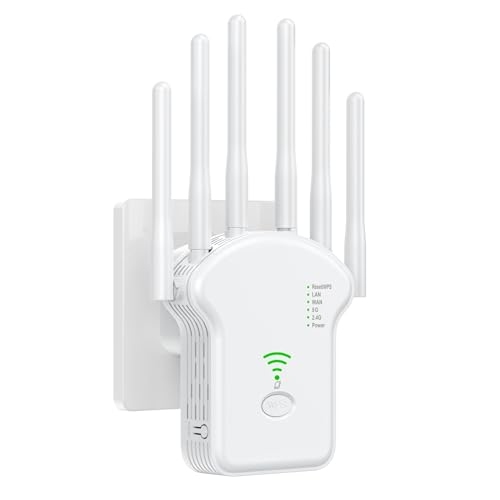
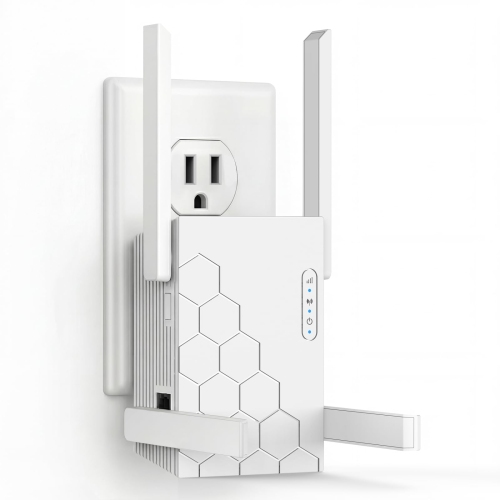
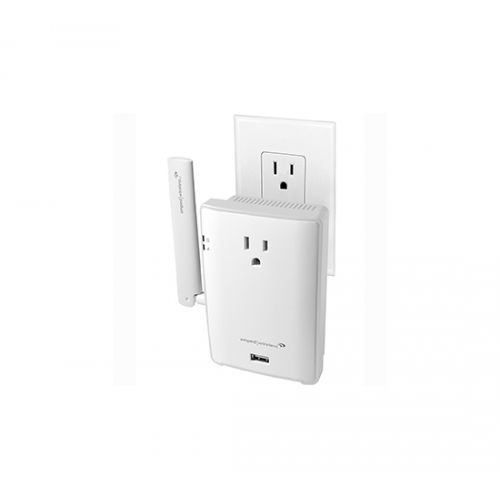
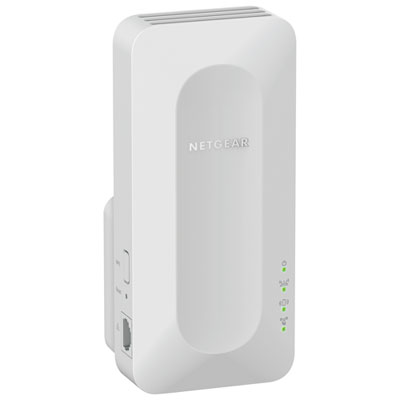
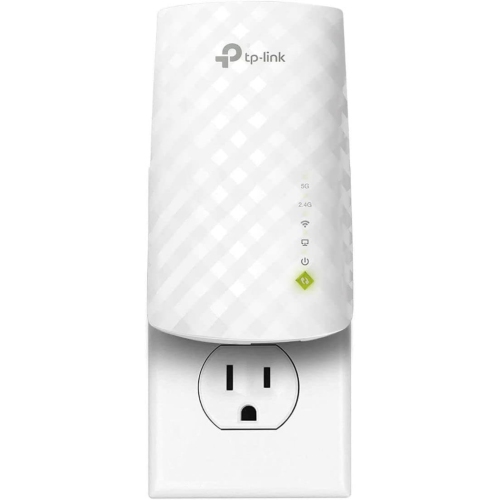
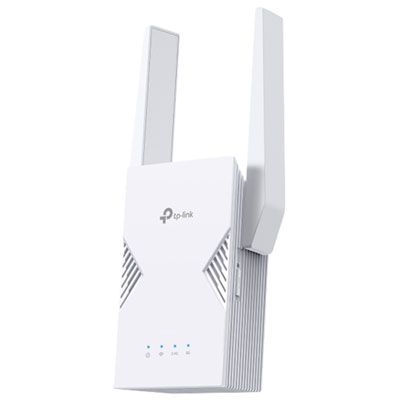
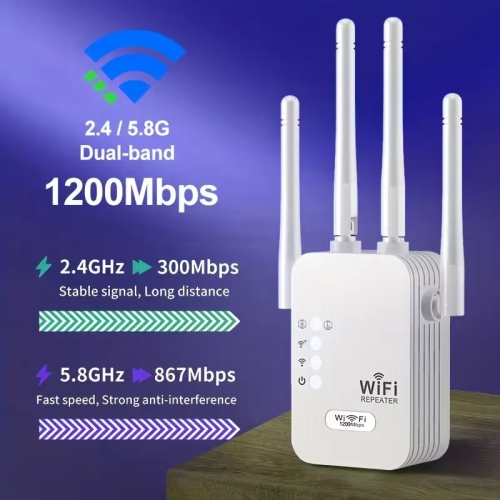
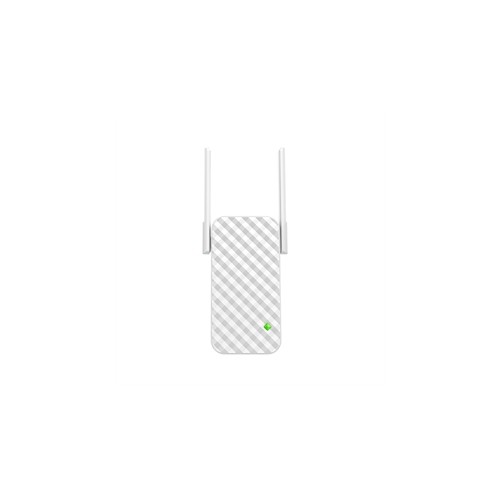
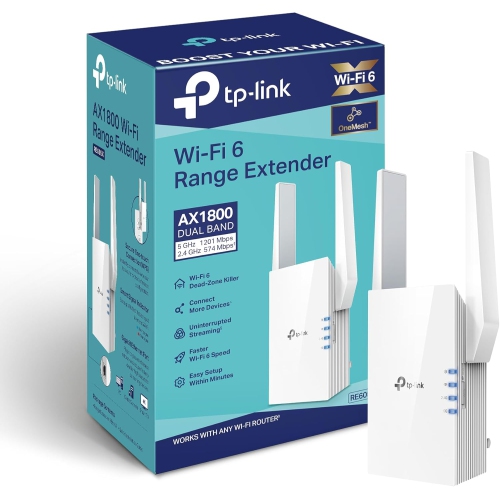
Long-range outdoor Wi-Fi extenders help carry a home or small-business network beyond the walls of a building, bringing a more usable connection to patios, larger yards, detached workshops, and other outdoor spaces. They are designed for locations where an indoor router’s signal becomes weak or unreliable, often combining outdoor-rated housings with mounting options that let the equipment sit closer to the area needing coverage. A dependable connection can make everyday activities easier, from joining a video call at a backyard table to checking a connected camera near a garage. For properties with several separate spaces, Outdoor Wi-Fi Extenders can form part of a network that supports both indoor and outdoor use. Long range, however, is not a fixed distance that every property will achieve. Advertised coverage figures depend on testing conditions, while actual reach is influenced by walls, trees, terrain, neighbouring networks, and the devices connecting to the signal. A clear path across an open yard is very different from a route through brick, metal siding, or dense foliage. The connection also needs to work in both directions: a phone must be able to send data back to the network, not simply detect a strong broadcast. This is why a high signal reading alone does not guarantee smooth video or fast uploads at the far edge of a property. Placement matters as much as the stated range. An extender that repeats an existing wireless signal needs a reliable connection to the router, so positioning it inside a dead zone generally leaves it with too little signal to extend effectively. A mounting point near the edge of strong coverage often provides a better foundation. For a detached garage or garden workspace, the layout of the buildings and the path between them can be more useful indicators of suitability than a large coverage number on its own.
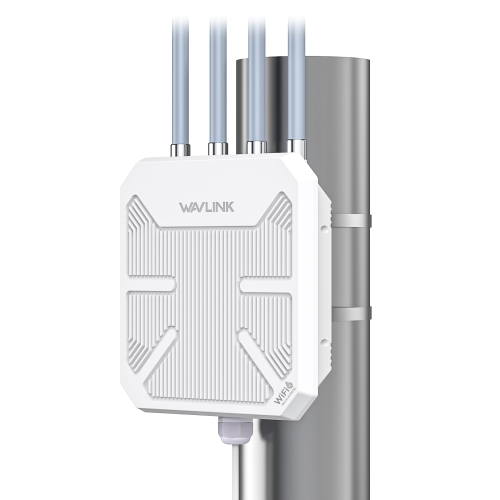
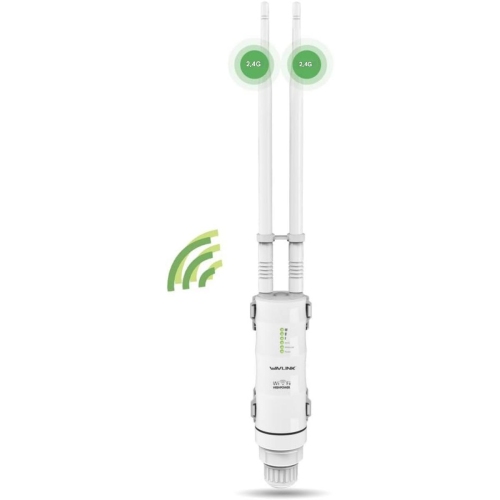
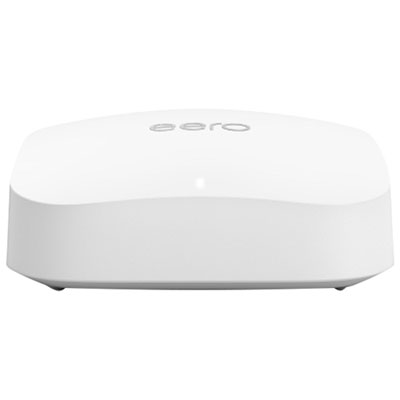
Outdoor networking equipment can provide coverage in several different ways, and those differences affect how well it fits a property. A wireless extender receives an existing Wi-Fi signal and rebroadcasts it, making it useful where running a network cable is impractical. An outdoor access point typically connects to the router or network by Ethernet, then supplies Wi-Fi around its mounting location. That wired connection avoids relying on a weak wireless link back to the house and can provide more consistent performance for video meetings, streaming, or several connected devices. Some equipment supports both operating modes, but the supported functions need to match the intended setup. A wireless bridge serves a different purpose: it links two locations, such as a house and a detached workshop, and may require a separate access point to provide Wi-Fi inside the remote building. Antenna design also affects fit. Broad coverage suits a patio or yard surrounding a mounting point, while a directional connection concentrates the signal towards a particular area or another network device. Frequency bands bring further trade-offs. The 2.4 GHz band generally reaches farther and passes through obstacles more readily than 5 GHz, but it can be more crowded and offers less capacity. The 5 GHz band can support higher throughput over a suitable connection, though distance and obstructions often affect it more noticeably. Dual-band equipment provides flexibility for a mix of connected devices. Wi-Fi 6 features can help manage compatible devices efficiently, but a newer standard does not eliminate the limits imposed by distance or a weak connection to the router. Published wireless speeds are theoretical link rates rather than a promise of internet speed at a garden table. Actual performance also depends on the internet plan, network traffic, and connected hardware. For cameras, stable upload performance may matter more than peak download speed; for a shared outdoor workspace, consistency across several simultaneous connections can be the more useful measure.
Durability and installation details are particularly important for equipment mounted outside. Outdoor-rated housings may use UV-resistant plastics, protective seals, and corrosion-resistant hardware, but protection varies by design. An ingress protection rating describes tested resistance to dust and water; it does not mean a device can be submerged or installed in any orientation. The stated operating temperature range, mounting instructions, and cable-entry requirements help establish whether the equipment suits an exposed wall, sheltered eave, or pole. A compact wall-mounted unit may fit neatly beside a garage, while a larger antenna assembly needs adequate clearance and a secure fixing point. Mounting higher can improve the signal path, but height alone will not overcome a metal roof or a blocked route to another building. Power arrangements deserve equal attention. Power over Ethernet, often called PoE, can carry power and network data through one cable, reducing the need for an electrical outlet beside the access point. PoE standards and passive power systems are not interchangeable, so the power source must match the equipment’s requirements. Outdoor cable runs need suitable cable, protected connections, and installation methods that follow the manufacturer’s directions and applicable electrical requirements. Surge protection and grounding may also be necessary, particularly for exposed installations; a qualified installer can assess those needs. Ongoing care is usually straightforward: accessible mounts make it easier to inspect fasteners, cable seals, and housings for damage without disturbing the alignment. Network management is another part of long-term usability. Supported security settings, firmware updates, and a strong administrator password help protect the connection, while a guest network can separate visitors’ devices from personal computers and storage. Using the same network name indoors and outdoors may simplify access, although smooth roaming depends on both the network equipment and the connected device. Together, suitable placement, dependable power, outdoor protection, and compatible network features help make extended coverage useful where it matters, whether that is a quiet corner of the yard, a busy patio, or a workshop beyond the house.
Top selling and popular products
-
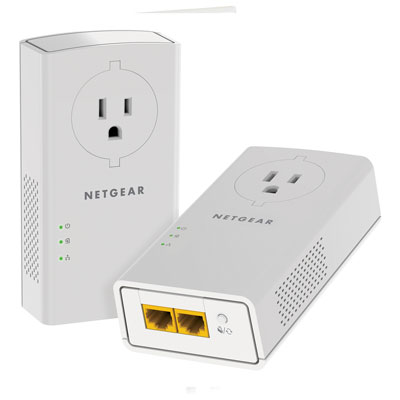 Your price for this item is $139.99
-
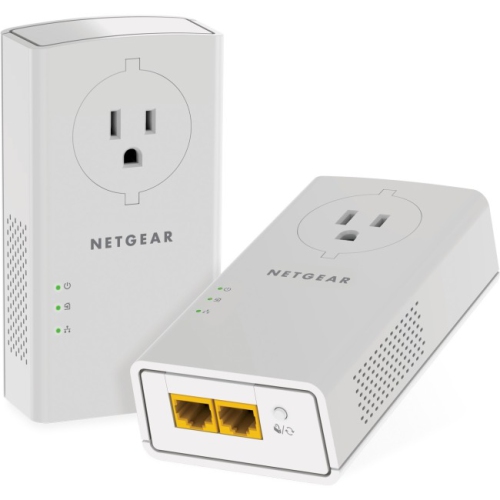 Your price for this item is $182.68
-
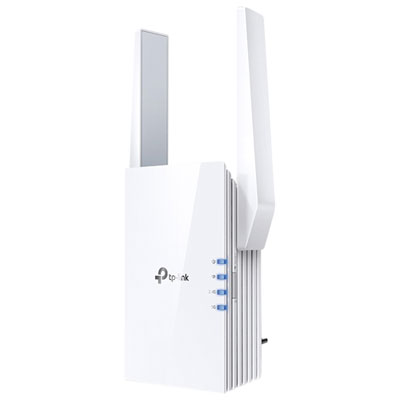 Your price for this item is $89.99
-
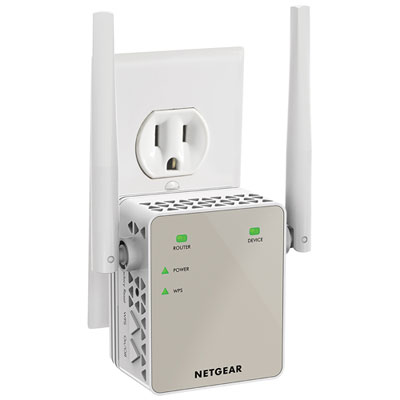 Your price for this item is $79.99
-
 Your price for this item is $45.78
-
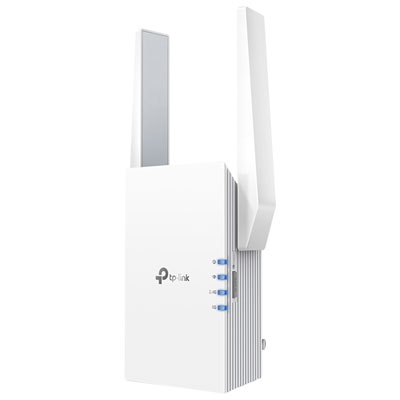 Your price for this item is $109.99
-
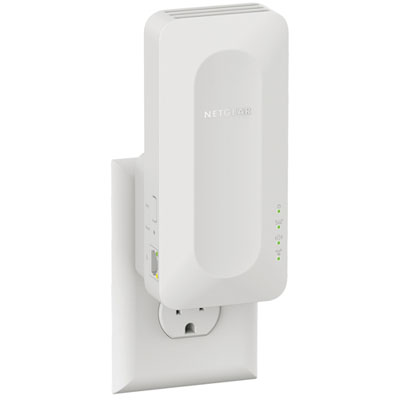 Your price for this item is $79.99
-
 Your price for this item is $147.29
Discover more categories related to Long Range Wi-Fi Extenders Outdoor
Top Collections:
Best Black Friday Deals This Year, Best Black Friday Deals On Electronics, Kindle Devices, Pokemon Centers, Best Black Friday Deals On Apple Products, Best Cameras for Sports Photography, Dyson Airwrap, Pokémon 30th Celebration Cards, Apple iPhone 17 Pro, Canon G7X Cameras
Some products may be subject to Environmental Handling Fees
(EHF) depending on your province.
Learn more about EHFs.