Loud Mics
Loud Mics are designed to deliver powerful sound projection, making them ideal for a range of settings from live performances to public speaking events. Whether you're recording vocals, amplifying your voice on stage, or ensuring clear communication in a busy environment, these microphones offer reliable performance when you need to be heard. Explore a variety of options to find the right fit for your needs and experience enhanced audio clarity with Loud Mics.
Sort



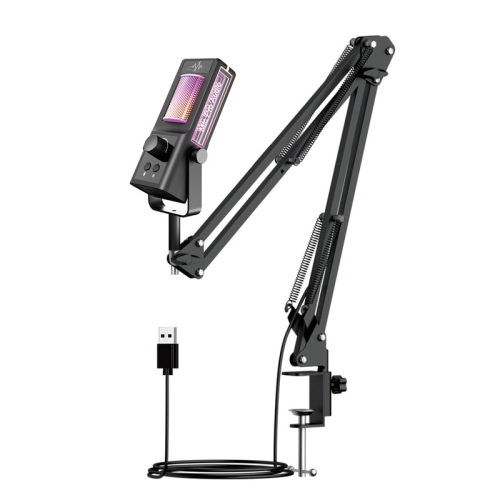
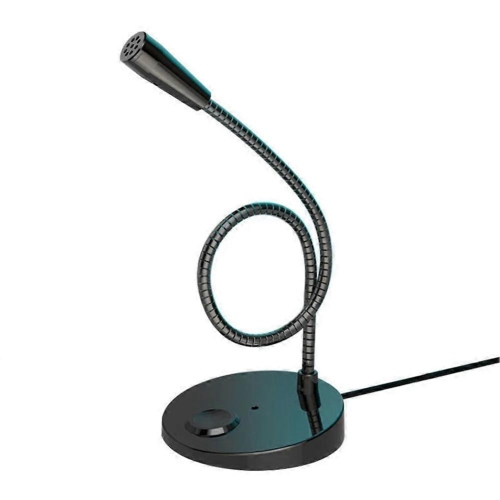

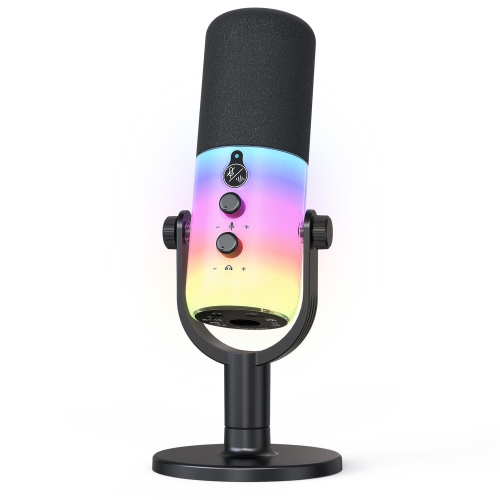
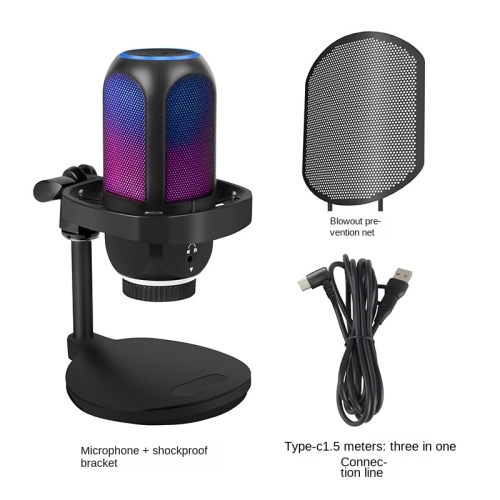
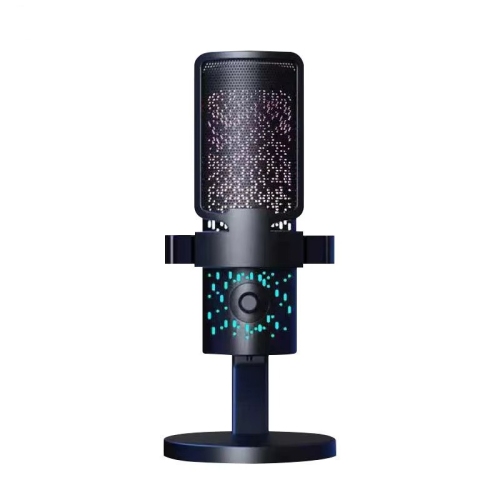
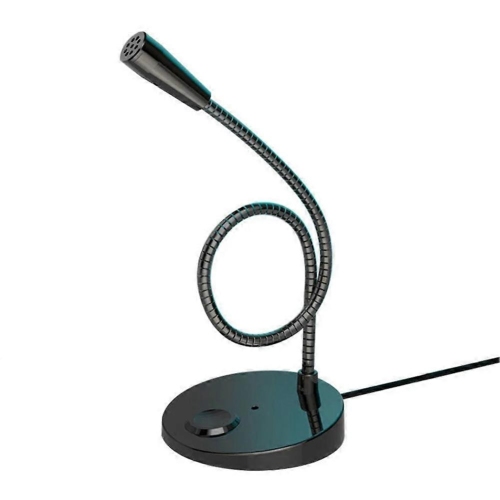
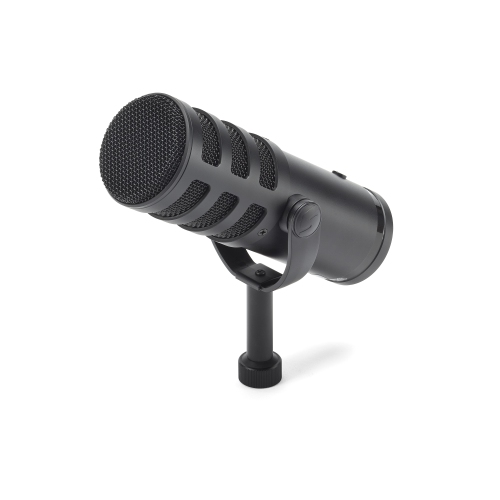

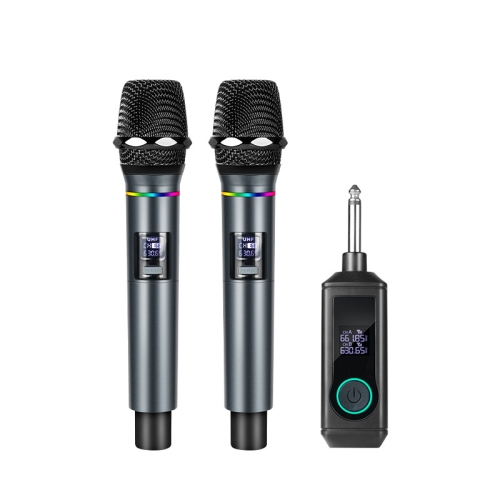

Why louder microphone signals are not always clearer
Microphones for loud vocals, energetic rehearsals, gaming chats, and live presentations need to capture a clear signal without turning strong sound into harsh distortion. Loud mics can mean microphones that handle high sound levels, but the phrase can also describe a microphone whose input is simply set too high. A microphone that sounds too loud, clips, or distorts often has excessive input gain. Lowering that gain at the microphone, audio interface, or recording software can restore headroom, provided the distortion is not already happening inside the microphone itself. Turning down speaker or headphone volume only makes the distorted signal quieter; it does not repair the recording. This distinction matters whether someone is speaking a few centimetres from a desktop mic or singing over a drum kit. Microphone sensitivity describes how much electrical output a mic produces for a given sound level, while maximum sound pressure level describes how much sound it can handle before reaching a stated distortion threshold. A more sensitive microphone is not automatically clearer, and a lower-sensitivity microphone may need more clean gain from its connected equipment. For speech, a useful setup leaves room for laughter, emphasis, and an unexpectedly loud sentence without pushing the input meter into clipping. Operating-system microphone levels, application input settings, automatic gain control, and audio enhancements can all affect the result, so a strong signal in one program may behave differently in another. Noise suppression may reduce some unwanted sound, but it cannot reliably restore peaks that have already clipped. Where supported, a microphone’s attenuation pad can help its electronics accommodate stronger signals, while greater distance from the source can reduce the sound reaching the capsule. These differences make input controls, clear level indicators, and predictable performance especially relevant to shoppers comparing microphones for voices and instruments that vary in volume. A clear, usable signal is the goal, rather than the highest possible meter reading.
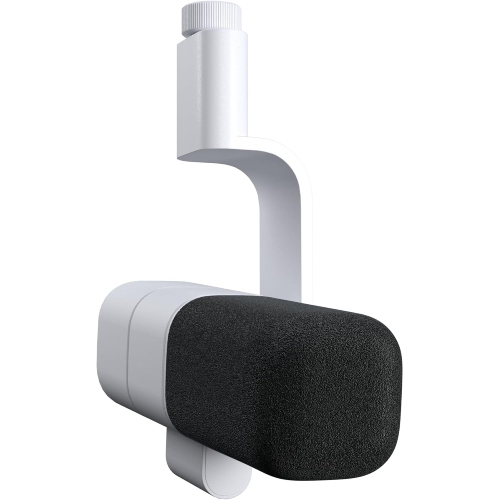
Microphone type and pickup pattern shape how that signal sounds in everyday use. Dynamic microphones are common choices for close-up vocals, spoken performances, and amplified instruments because many designs combine sturdy construction with the ability to handle strong sound sources. They often have lower sensitivity than condenser microphones, although sensitivity and sound quality vary by design. Condenser microphones can capture fine vocal detail and subtle acoustic textures, making them useful for voiceovers, singing, and instrument recording when placement and room sound are well controlled. Many XLR condenser microphones require phantom power from a compatible interface or mixer; USB microphones receive power through their USB connection. Neither type automatically removes background noise. A cardioid pickup pattern favours sound from the front and reduces pickup from behind, which can help keep a keyboard, audience, or other unwanted source less prominent when positioned appropriately. Omnidirectional microphones collect sound from all directions and can suit shared conversations, but they also capture more of what is happening around them. A singer leaning close to a directional microphone may hear a fuller, bassier tone because of proximity effect, while a presenter moving farther away may sound thinner and allow more room reflections into the recording. Pop filters and foam windscreens help manage breath noise, though they do not prevent electronic clipping. Shock mounts can reduce vibrations travelling through a desk or stand, such as the thump of a hand landing beside a keyboard. For live amplification, keeping loudspeakers from feeding directly back into the microphone is important: the familiar rising squeal is feedback, not simply a microphone being powerful. Headphones offer a practical way to monitor a recording without sending playback into the mic. These details matter for a streamer who gets animated during a match, a vocalist switching between soft verses and forceful choruses, or a speaker who needs consistent intelligibility while addressing a room.
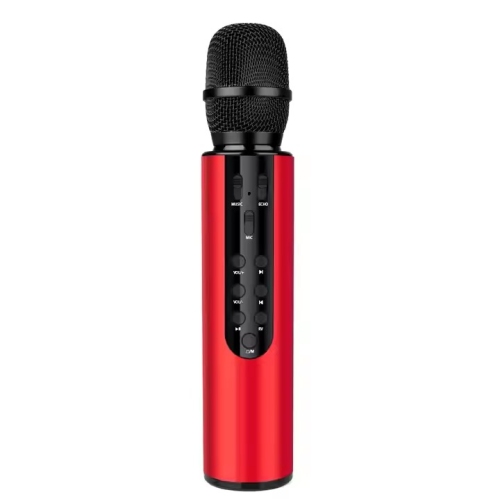
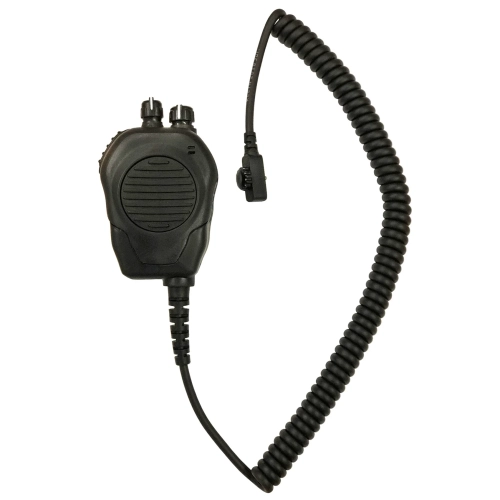
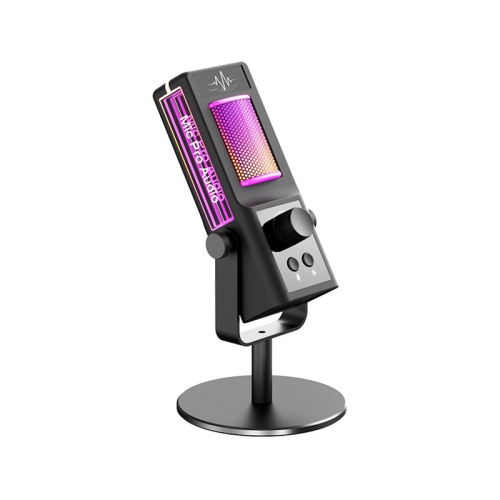
Connections, physical fit, and construction determine how comfortably a microphone becomes part of a setup. USB microphones can suit straightforward computer recording, online conversations, and small desktop workspaces, while XLR microphones connect to compatible mixers, recorders, or audio interfaces and allow the microphone and supporting equipment to be chosen separately. Connector shape alone does not guarantee compatibility: computers, mobile devices, cameras, and consoles may support different audio connections, power requirements, and software functions. A headphone socket with direct monitoring can make it easier to hear the microphone signal without the distracting delay that some software monitoring introduces. Physical controls for gain, mute, or headphone level are useful when a conversation or performance changes quickly. For handheld use, a comfortable grip, manageable weight, and a grille that tolerates regular handling matter; for desk use, stand height, boom-arm reach, mounting threads, and clearance around a screen can be just as important as the capsule. Metal bodies and reinforced grilles can provide durability, while lighter housings may make a microphone easier to position on a compact stand. Secure connectors and cables with suitable strain relief help limit wear from repeated setup and packing. Care generally involves a soft, dry cloth, protection from dust and moisture, and following the manufacturer’s directions for any removable windscreen or grille. Cleaning liquid should not be sprayed into the capsule, and a padded case or pouch helps protect the microphone in transit. Microphones capture sound, while Loud Stereos serve the playback side of a setup; a microphone still needs a compatible input and any required amplification before its signal can reach a sound system. For gifting, the recipient’s existing connections and main activity are more useful starting points than appearance alone. A podcaster, musician, gamer, or frequent presenter benefits most from a microphone that fits their equipment, speaking or playing style, and available space, with enough control to stay clear when the volume rises.
Top selling and popular products
-
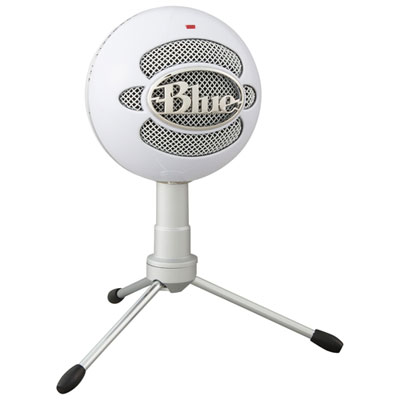 Your price for this item is $59.99
-
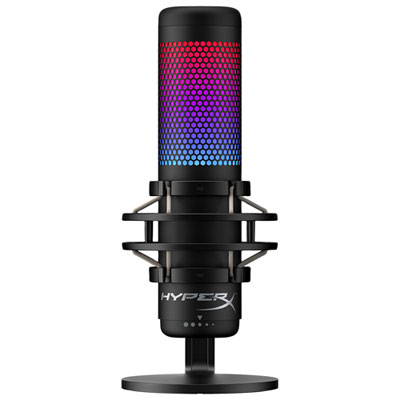 Your price for this item is $209.95
-
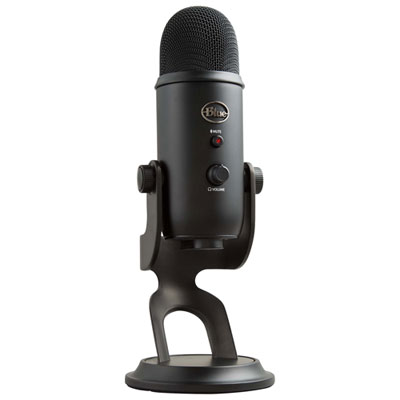 Your price for this item is $129.98
-
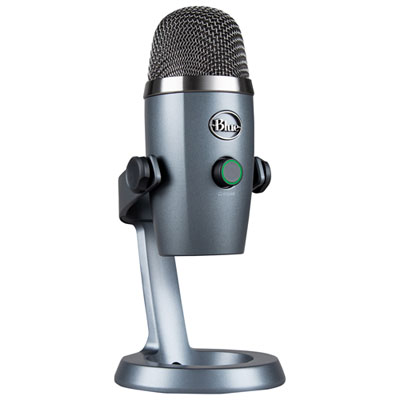 Your price for this item is $109.98
-
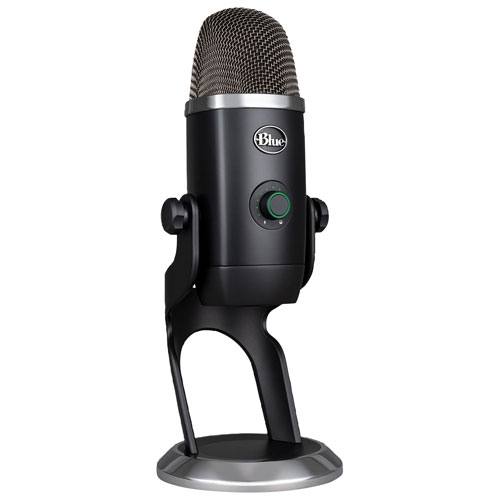 Your price for this item is $292.68
-
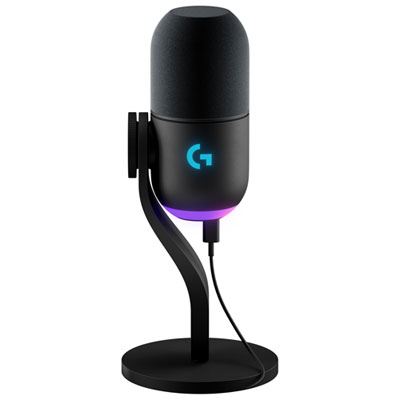 Your price for this item is $229.99
-
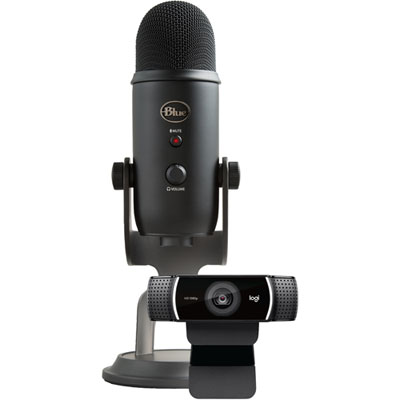 Your price for this item is $279.99
-
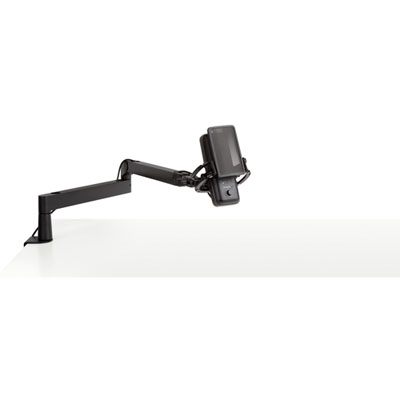 Your price for this item is $139.99
Discover more categories related to Loud Mics


Top Collections:
Pokemon Centers, Kindle Devices, Best Cameras for Sports Photography, Pokémon 30th Celebration Cards, Apple iPhones 16, Canon G7X Cameras, iPhone 15 Apple, Flip Phones, Samsung Galaxy Phones, Alarm Clock
Some products may be subject to Environmental Handling Fees
(EHF) depending on your province.
Learn more about EHFs.