Microphones for Pianos
Enhance your piano performances with our selection of high-quality microphones designed specifically for capturing the rich and nuanced sound of your instrument. Whether you're a professional pianist looking to record studio-quality tracks or a musician wanting to amplify your live performances, our range of microphones for pianos offers exceptional clarity and precision. From dynamic mics to condenser mics, find the perfect microphone to showcase the full depth and resonance of your piano playing. Elevate your music with top-notch audio capture technology that brings out the best in every note.
Sort

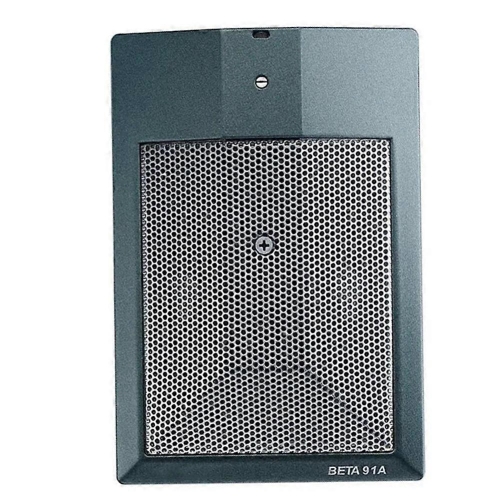
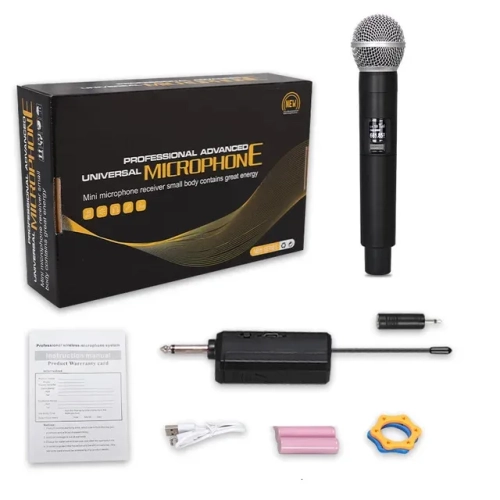
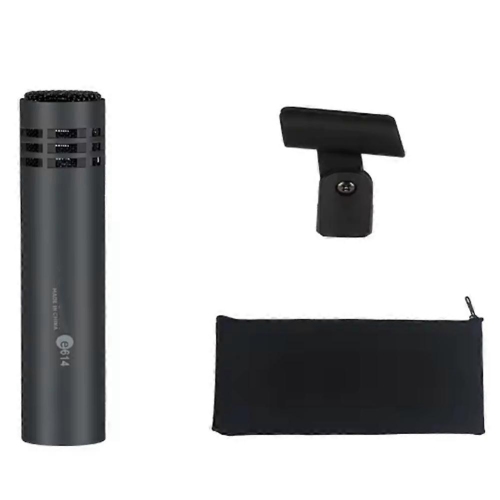


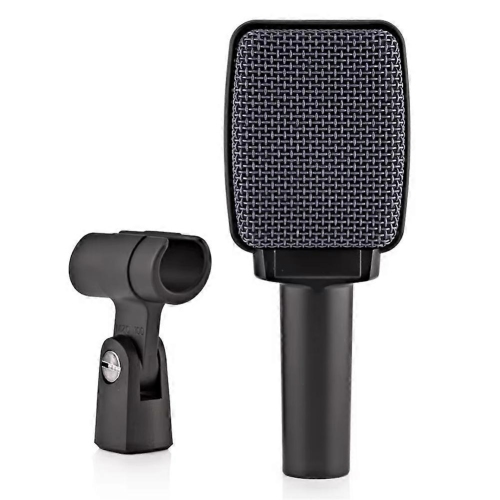
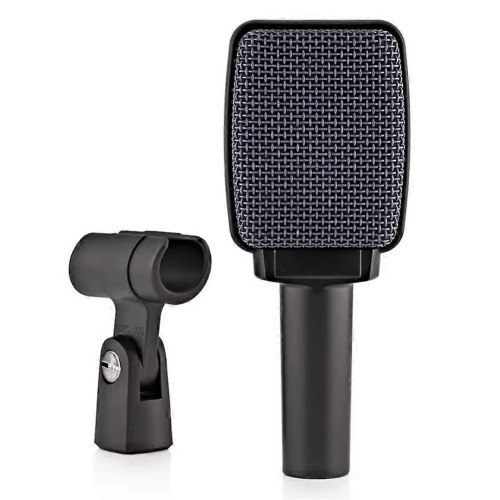

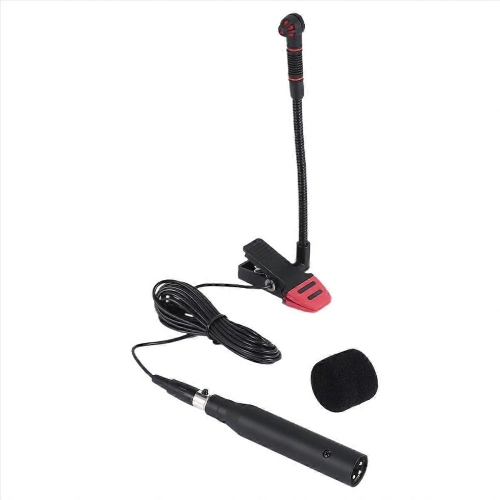

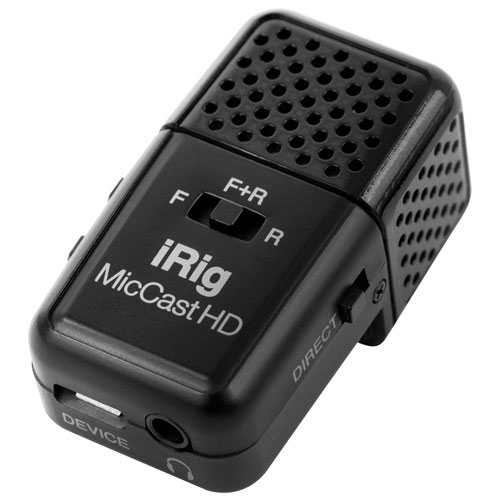

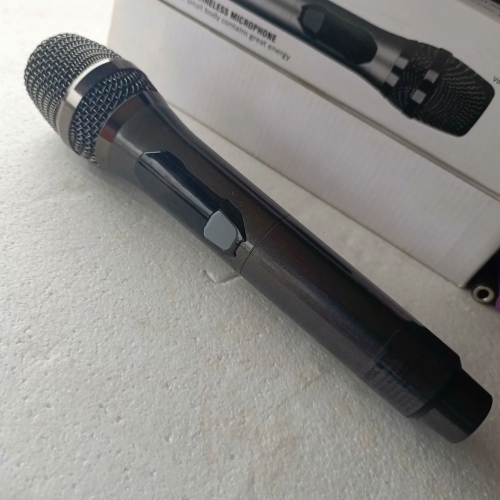

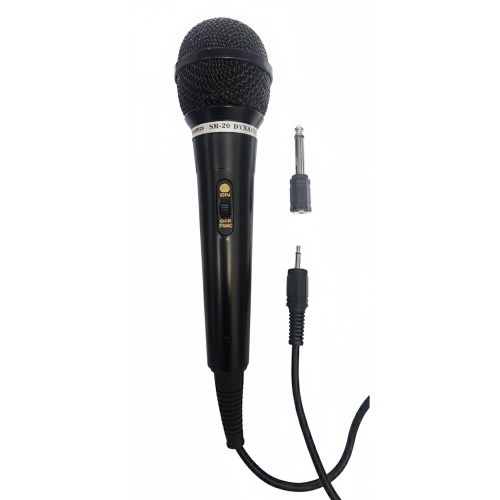


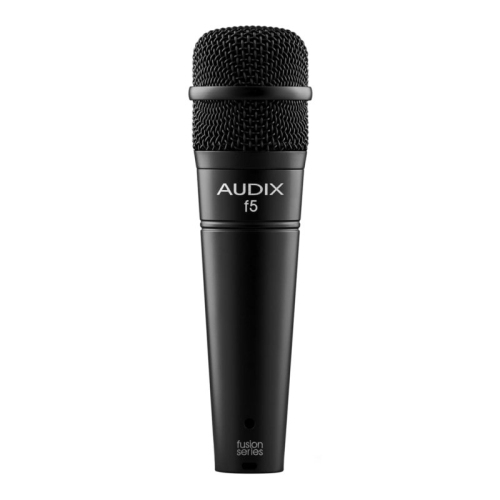
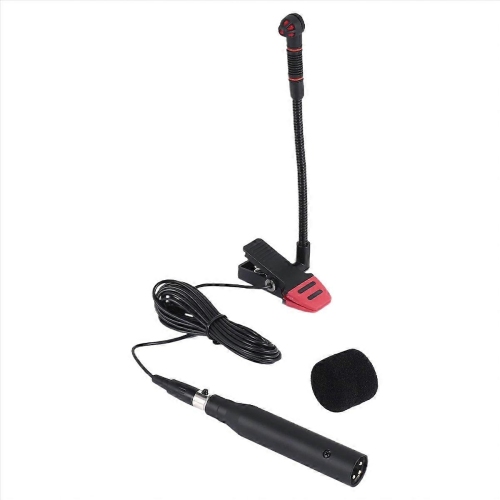
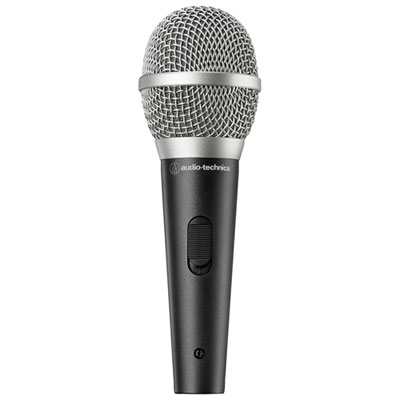














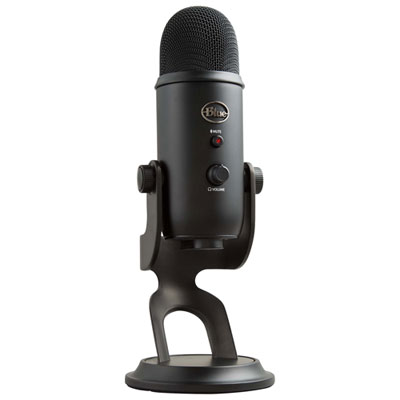
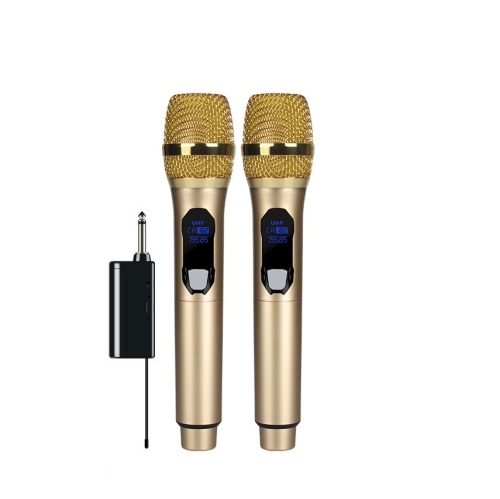
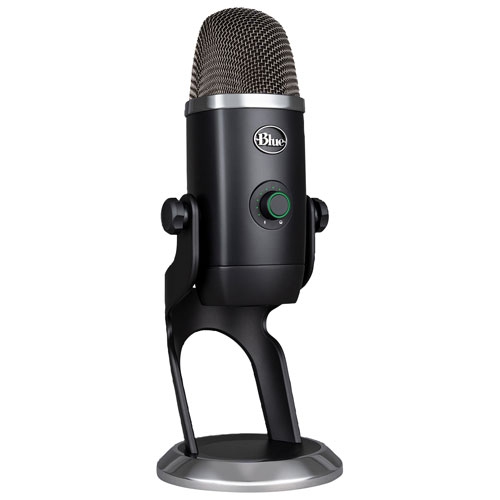
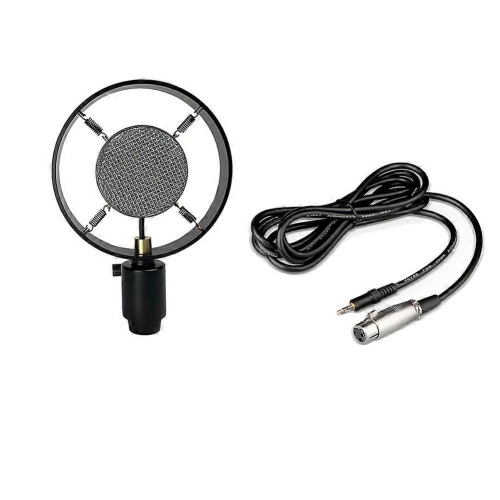

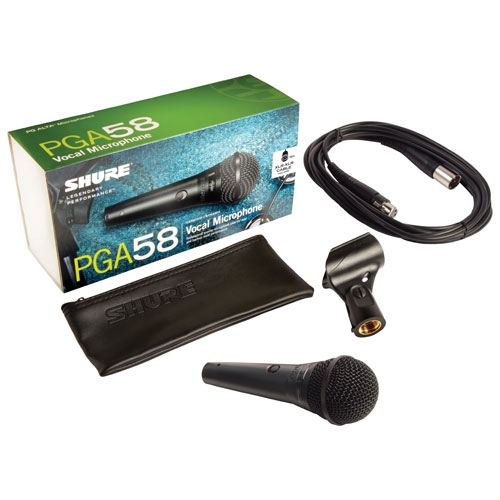
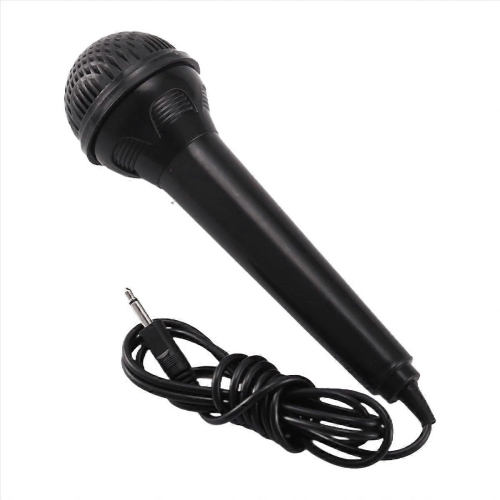
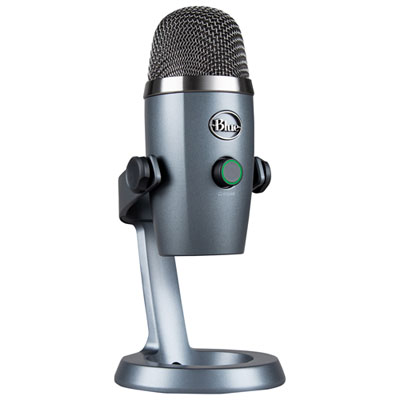

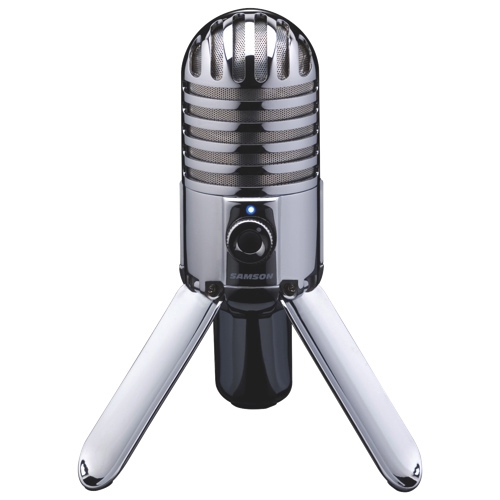

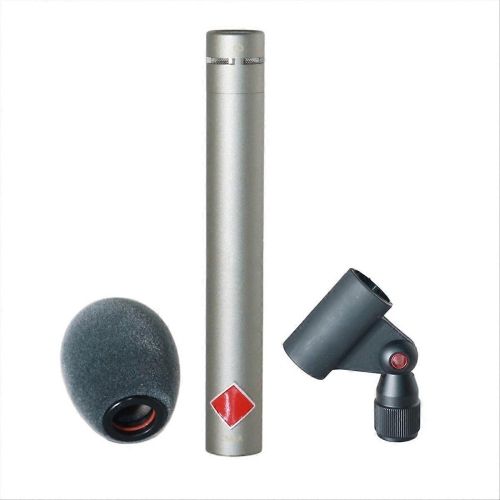
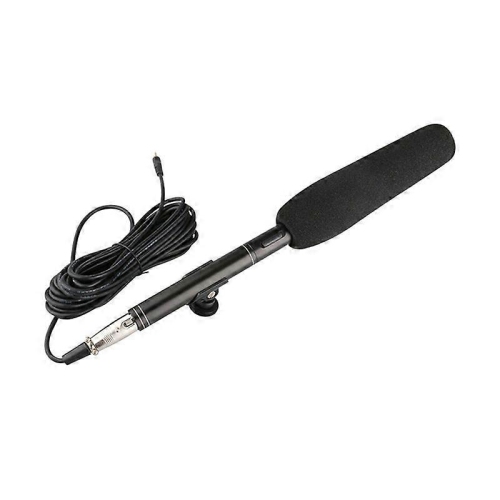

Placement and microphone choice shape every piano recording
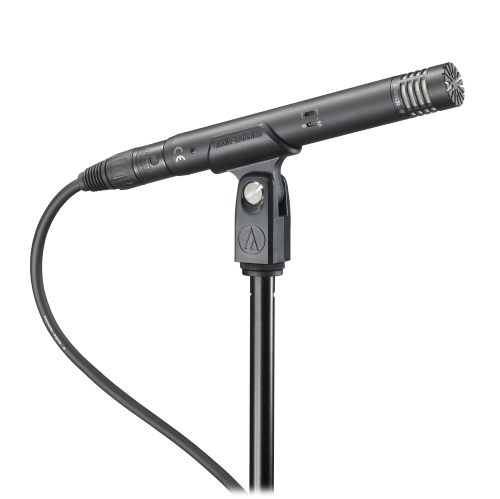
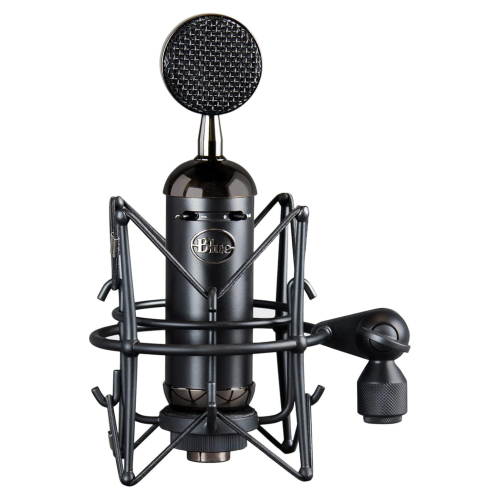
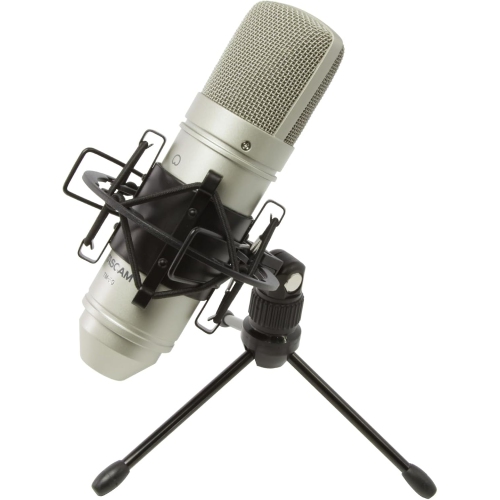
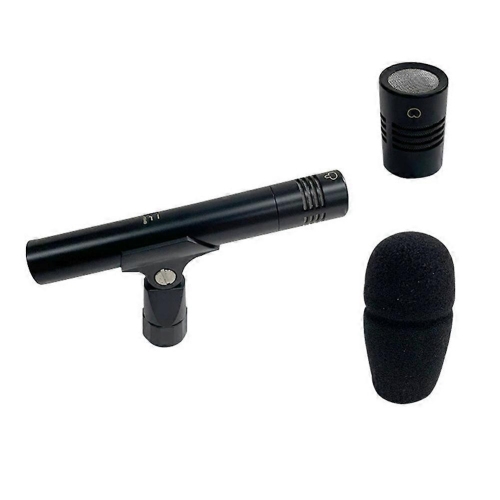
Microphones for pianos help capture the character, dynamics, and room-filling presence of an acoustic instrument for recording, live performance, streaming, lessons, rehearsals, and home music projects. The right setup depends first on the type of piano and then on the space around it. A grand piano offers access to the strings and soundboard beneath the lid, while an upright piano has a more compact design that may require microphones to be positioned near the upper panel, the hammers, or the open back. Studio musicians and recording engineers often choose condenser microphones because they can reveal subtle details such as the soft movement of felt hammers, the shimmer of treble strings, and the rich resonance that continues after a key is released. Small-diaphragm condensers are often valued for their clear transient response and natural detail, making them well suited to the wide range of volume and frequency found in piano playing. Look for microphones with suitable sensitivity, a wide frequency response, and enough sound-pressure-level handling to stay clean when the instrument is played forcefully. A cardioid pickup pattern can help focus on the piano while reducing sound from behind the microphone, which is useful in a busy rehearsal room or a home studio where nearby reflections and other instruments may compete with the piano. For a more open and spacious recording, a pair of microphones can be arranged in stereo. An A-B spaced pair, with one microphone aimed toward the bass strings and another toward the treble strings, can create a broad image that reflects the natural spread of the keyboard. Other stereo arrangements can provide a more centred, focused sound, so the best choice depends on whether the performance should feel intimate and direct or expansive and room-filling.
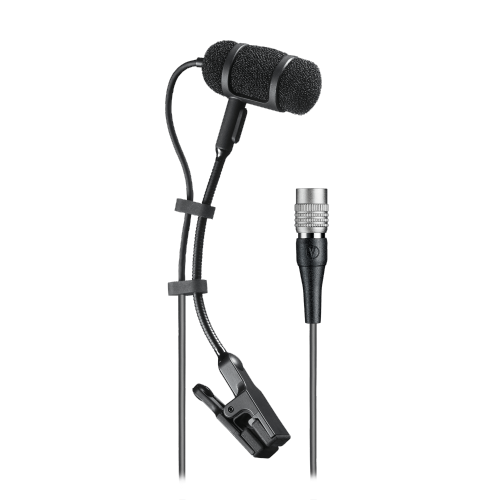
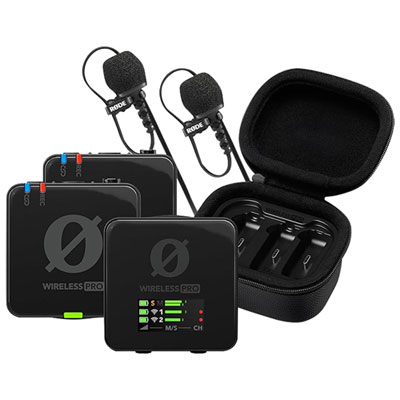
Placement has a noticeable effect on the final sound, even when the same microphones and piano are used. On a grand piano, placing microphones closer to the hammers usually emphasizes attack, articulation, and the percussive quality that helps fast passages remain distinct. Moving them farther toward the soundboard or the curve of the instrument can produce a warmer, rounder balance with more resonance and less mechanical detail. Raising or lowering the lid, changing the distance between the capsules, and angling each microphone toward the desired register can also alter the stereo image and tonal balance. A setup inside the piano may provide excellent separation from other instruments on a live stage, while microphones positioned farther away can include more of the room and the natural bloom of the instrument. Clip-on systems and compact mounting options are useful when quick setup, consistent placement, and a clean performance area matter. They can attach securely to an appropriate part of the piano without requiring a full microphone stand beside the instrument, which is helpful for concerts, worship spaces, recitals, and mobile recording. For upright pianos, opening the top or front panel can allow microphones to face the strings and hammers directly, bringing out definition and brightness. Positioning a pair near the back soundboard can create a fuller, more resonant impression, although the room and the distance from the wall will influence the result. In any arrangement, allow enough space to avoid unwanted contact with moving piano parts, pedals, music stands, or the performer. A short listening test while playing soft chords, powerful octaves, and passages across the entire keyboard can reveal whether the bass is too prominent, the treble is too sharp, or the centre image needs adjustment.
These microphones can suit many listeners, from pianists recording original compositions to teachers creating clear online lessons and performers who need dependable sound reinforcement. They can also be a thoughtful gift for a student moving from casual practice into recording, a family member preparing a recital, or a songwriter who wants piano parts to sit naturally beside vocals and other instruments. A home user may connect the microphones to an audio interface, mixer, portable recorder, or compatible recording system, while a stage performer may prioritize secure mounting, cable flexibility, feedback control, and a setup that can be repeated from venue to venue. Anyone recording vocals alongside piano may also want to explore Microphones for Vocals to help create a balanced setup for both sound sources. Consider whether a single microphone is sufficient for a focused, straightforward sound or whether a matched stereo pair will better represent the piano’s width and tonal range. Check the required connection type, phantom-power needs, mounting hardware, cable length, and compatibility with the rest of the audio equipment before choosing. Accessories such as shock mounts, clips, stands, windscreens, and protective cases can make regular setup easier and help keep the recording area organized. During the warmer seasons and into the cooler months, a well-placed piano microphone can bring the instrument into a variety of settings, from a bright living-room session with sunlight across the keys to an intimate evening performance surrounded by soft room ambience. With the right combination of microphone type, placement, and recording equipment, the detailed touch of the player and the full voice of the piano can come through with clarity and depth.
Top selling and popular products
-
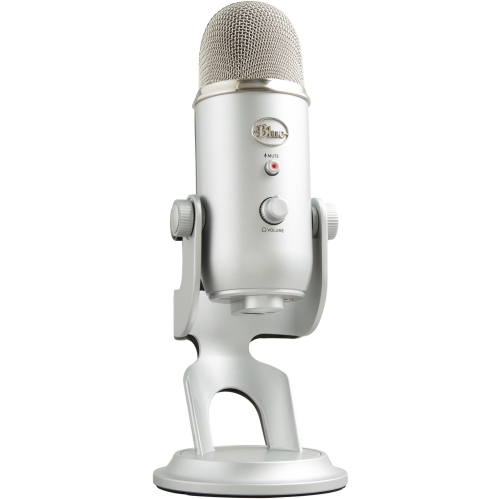 Your price for this item is $204.37
-
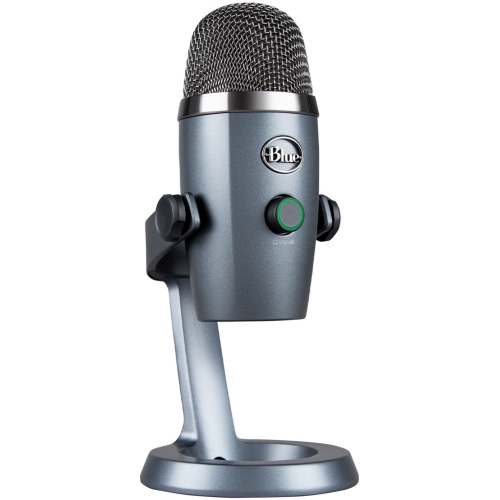 Your price for this item is $155.37
-
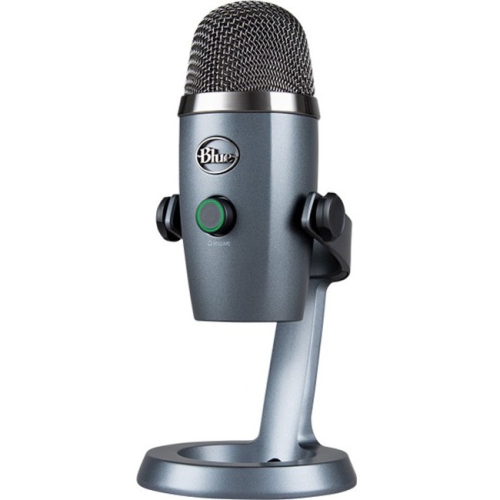 Your price for this item is $152.68
-
 Your price for this item is $419.99
-
 Your price for this item is $79.99
-
 Your price for this item is $75.35
-
 Your price for this item is $139.99
-
 Your price for this item is $62.99
Discover more categories related to Microphones for Pianos

Top Collections:
Pokemon Centers, Kindle Devices, Best Budget Office Chairs, Canon G7X Cameras, Apple iPhones 16, Samsung Galaxy Phones, Refurbished Apple Laptops, Laptops for Students, iPhone 15 Apple, Budget Smartphones
Some products may be subject to Environmental Handling Fees
(EHF) depending on your province.
Learn more about EHFs.