Network Transceivers
Looking to enhance your network connectivity? Look no further than our selection of network transceivers. These versatile devices allow for seamless communication between different types of networks, ensuring reliable and efficient data transmission. Whether you're looking to upgrade your existing network infrastructure or expand your connectivity options, our range of network transceivers has got you covered. With their advanced technology and compatibility with various networking equipment, you can enjoy faster speeds, increased bandwidth, and improved performance for all your networking needs. Shop our collection today and take your network to the next level.
Sort







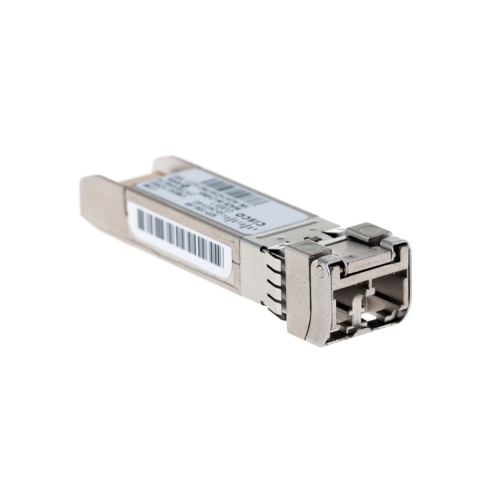
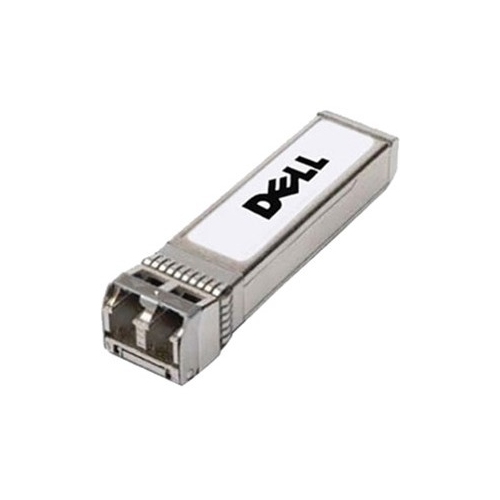
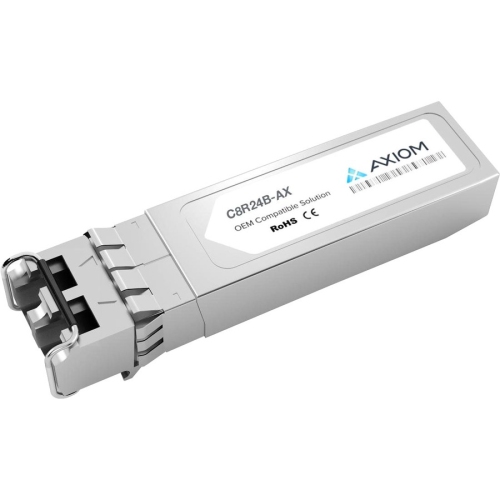

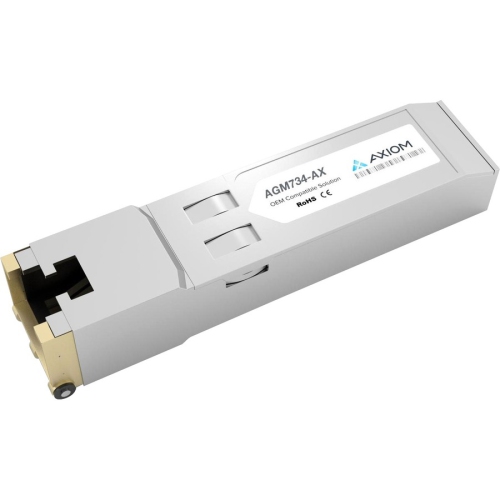




























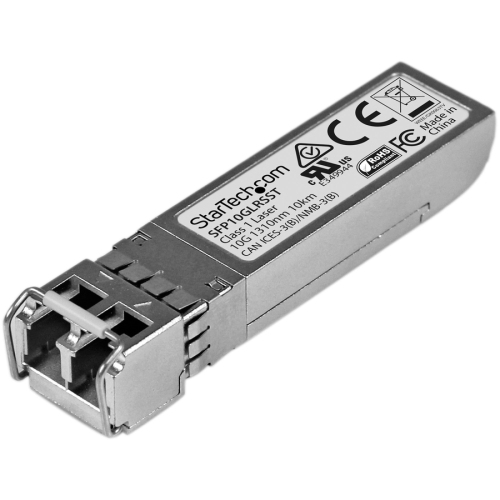

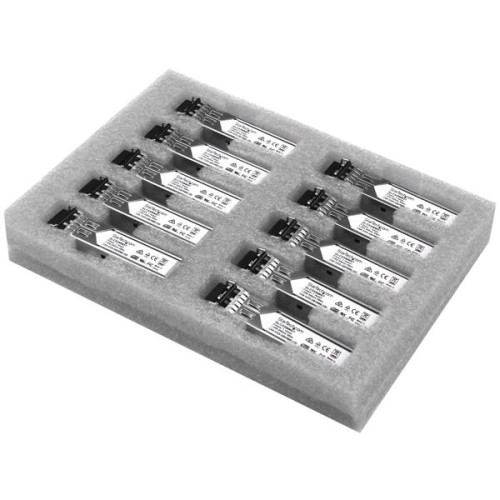

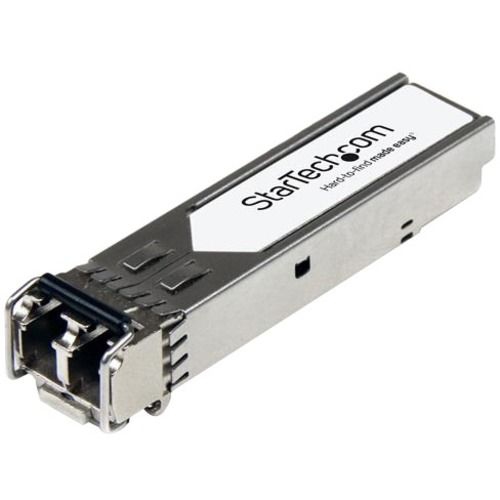
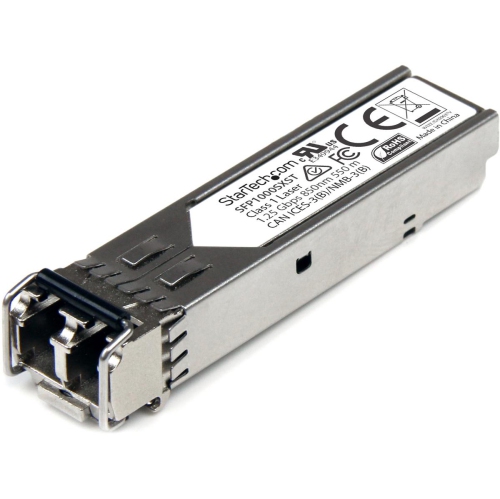
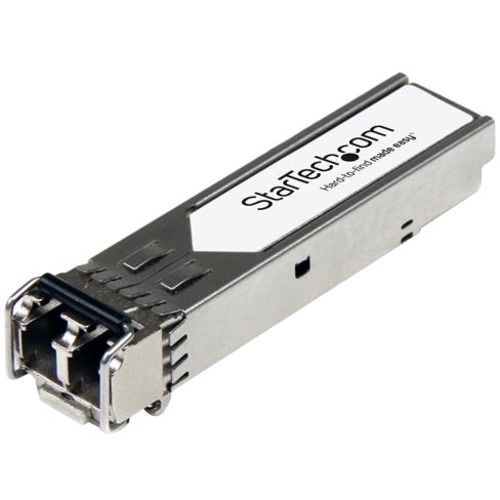
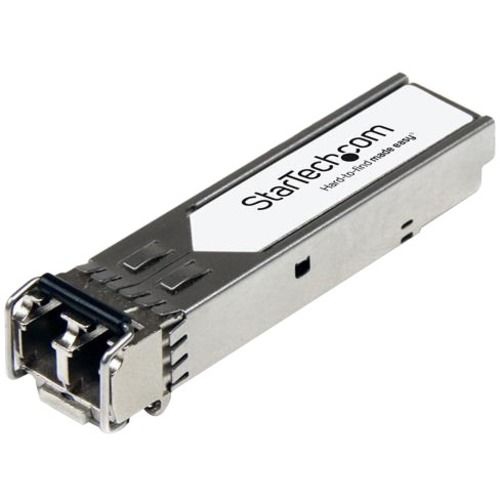
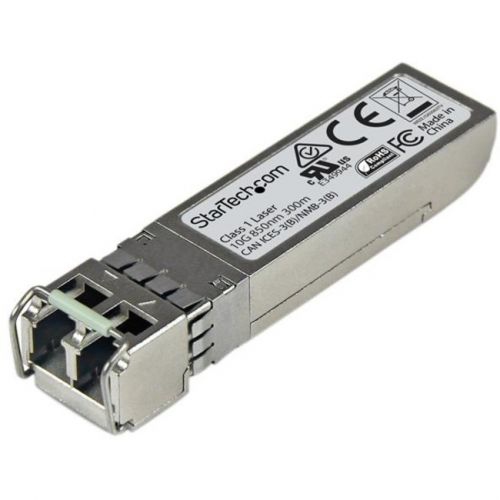

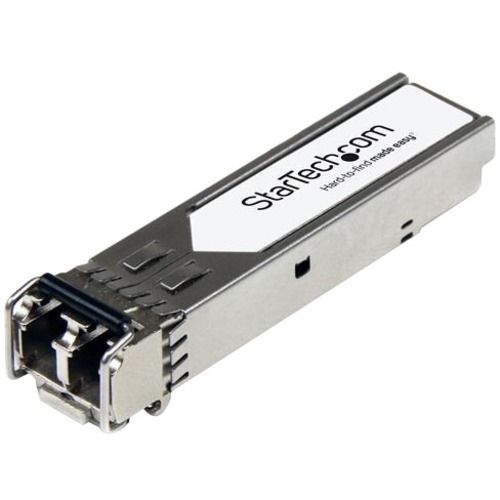



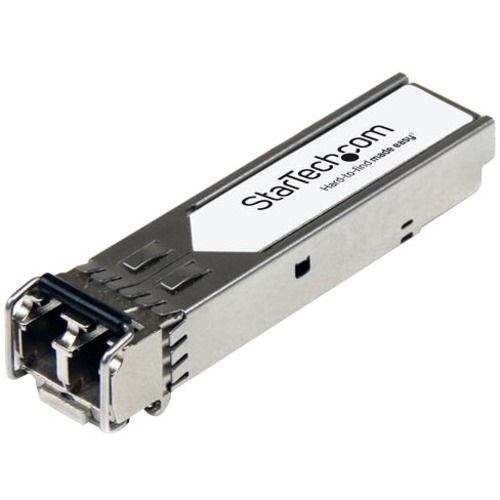

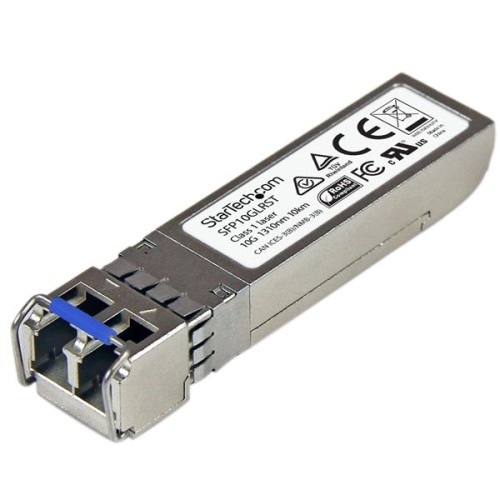
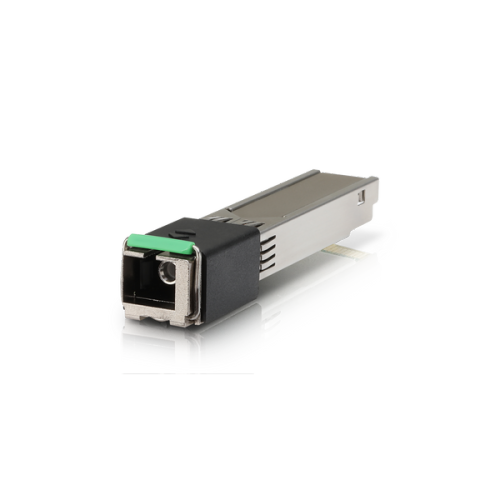
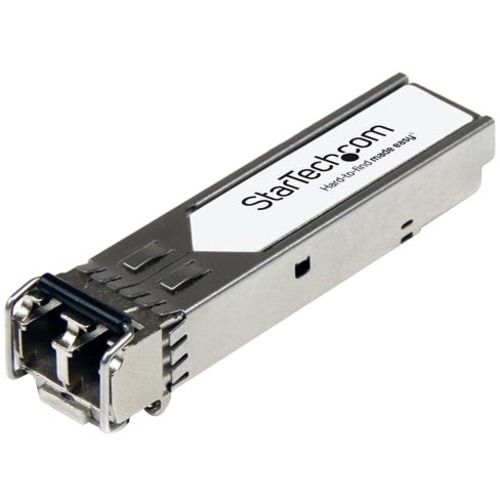

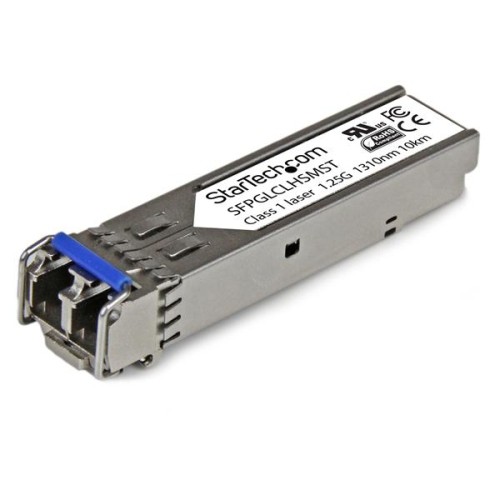
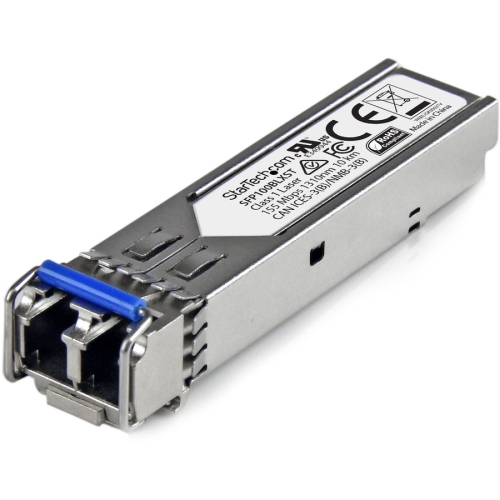
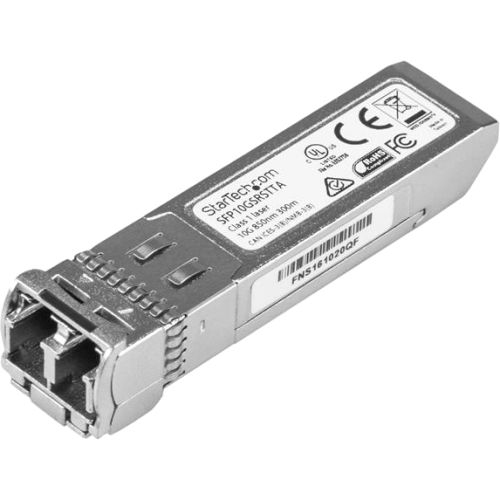
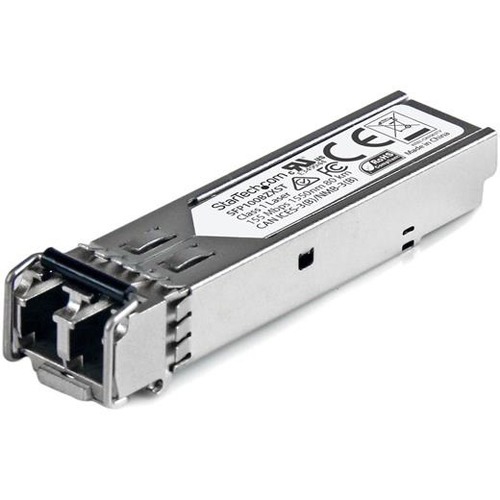
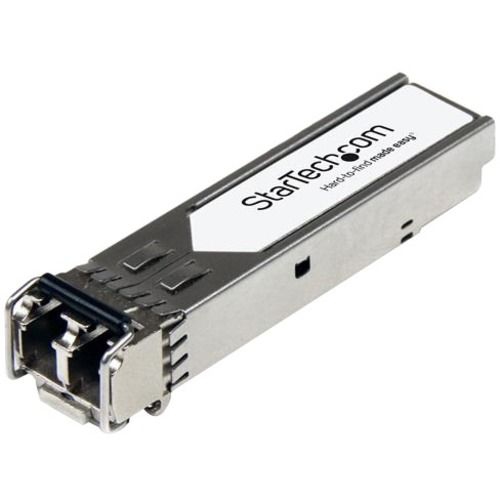
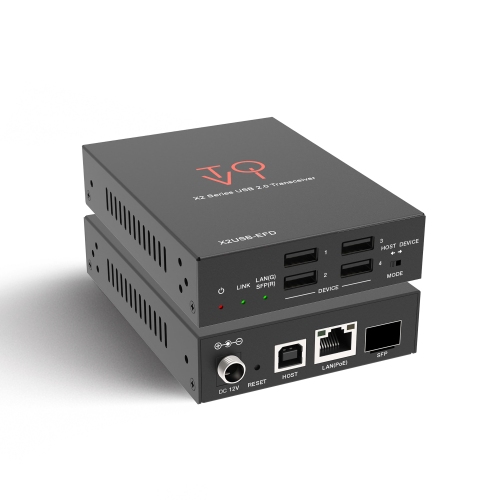
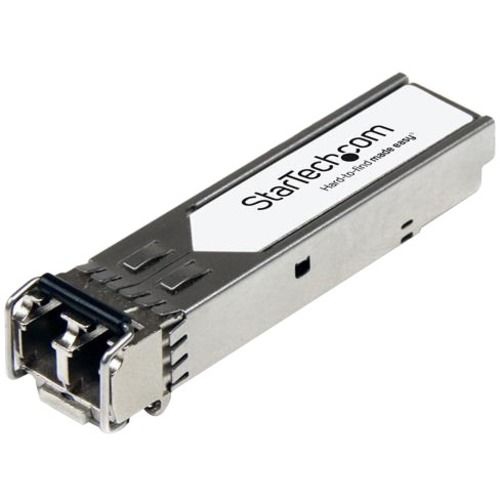
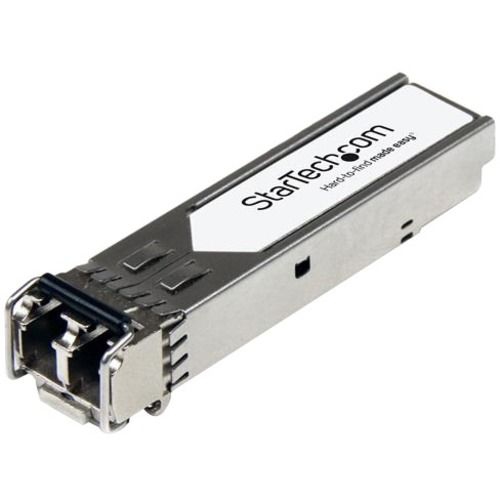


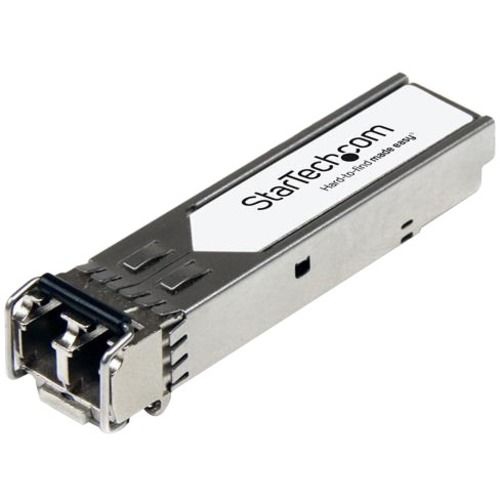
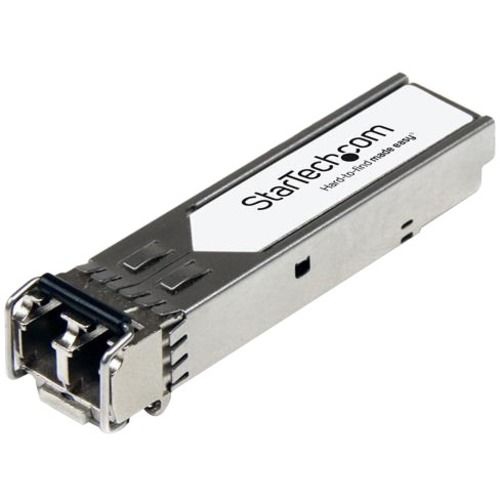

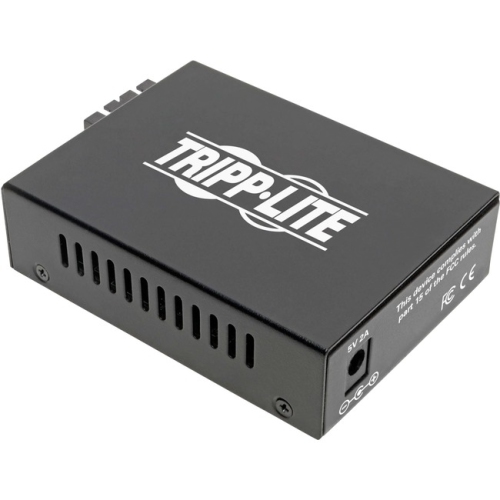

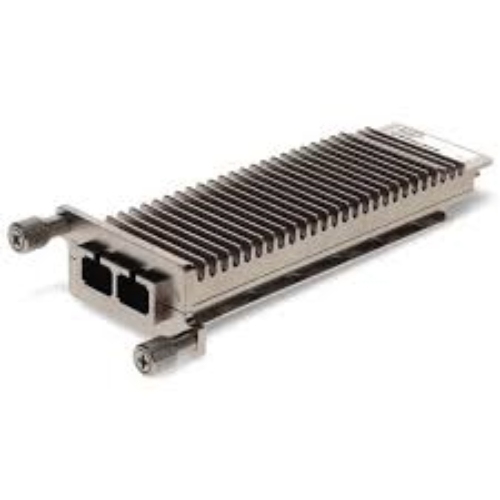




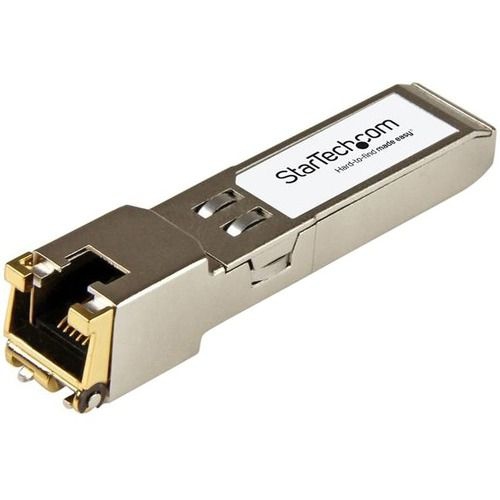
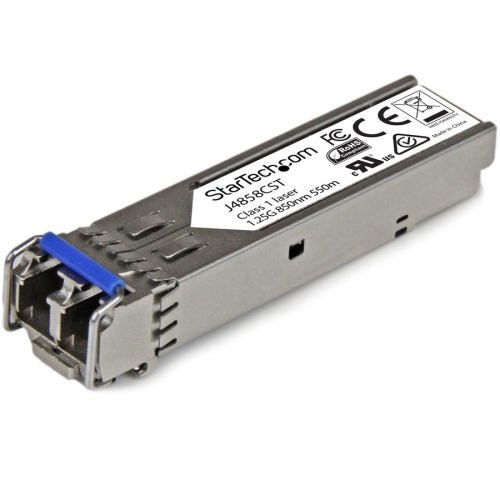

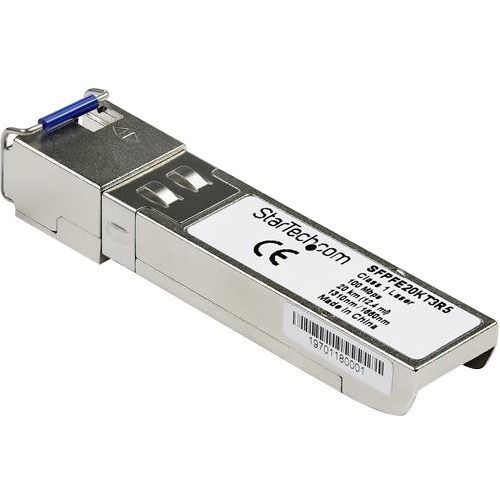

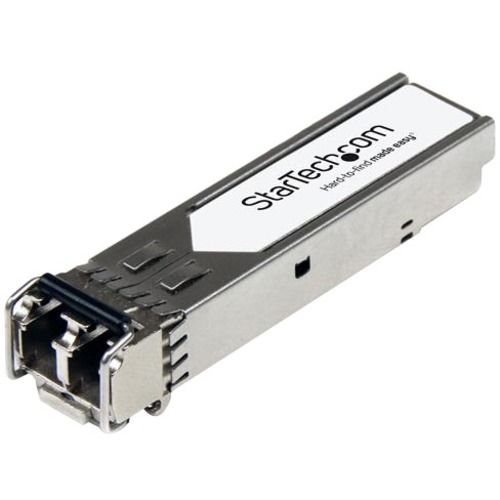
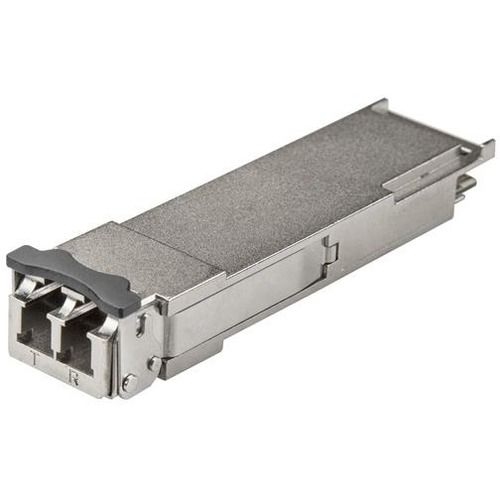


Small modules solve complex network connectivity challenges
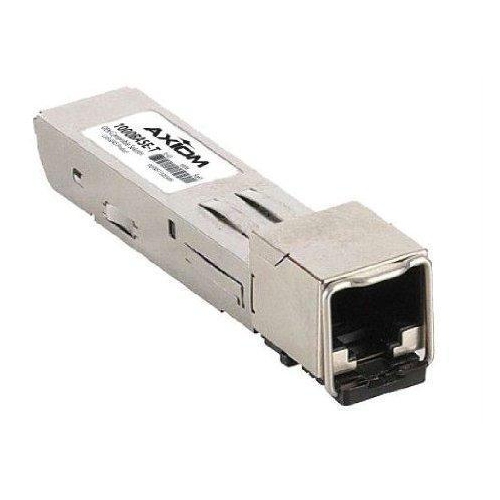
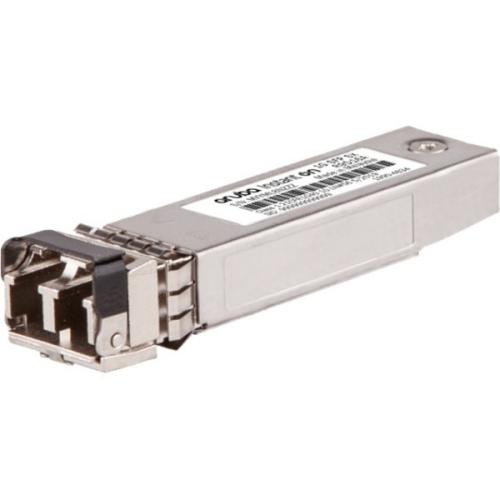
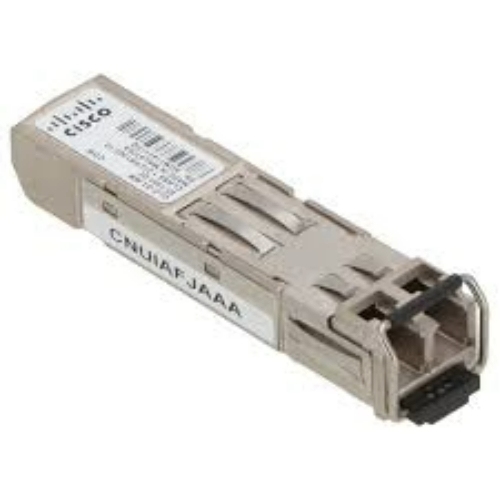
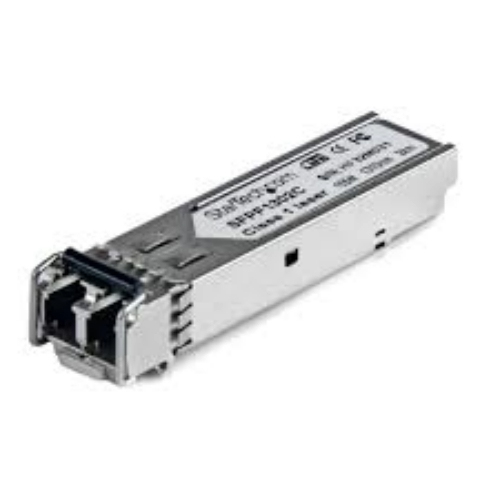
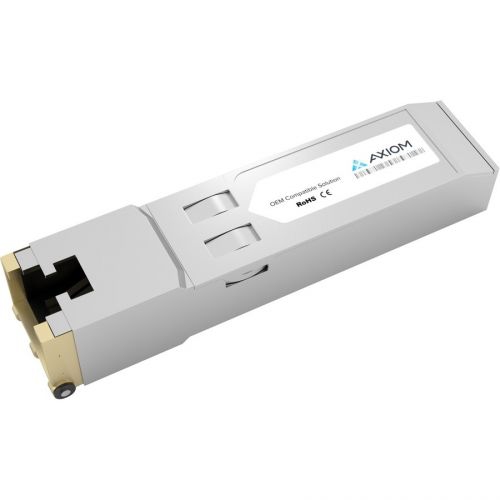
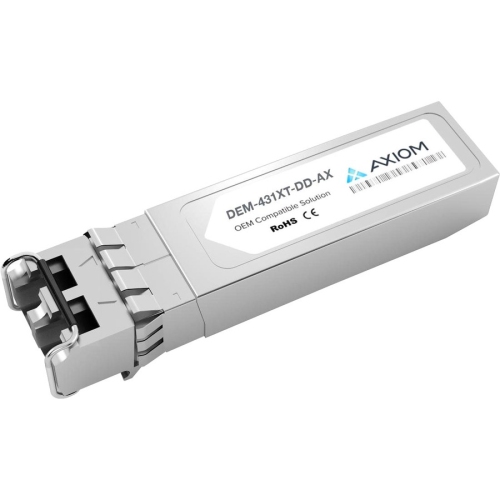
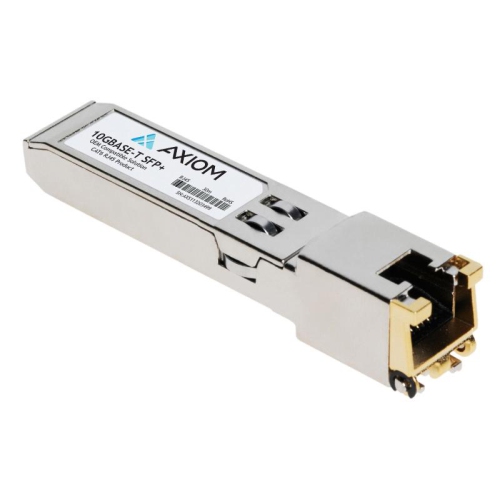
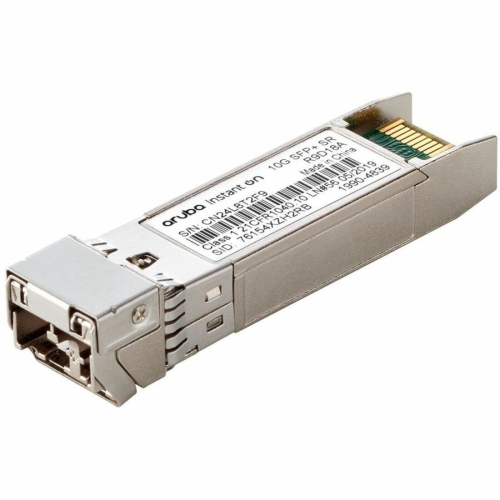
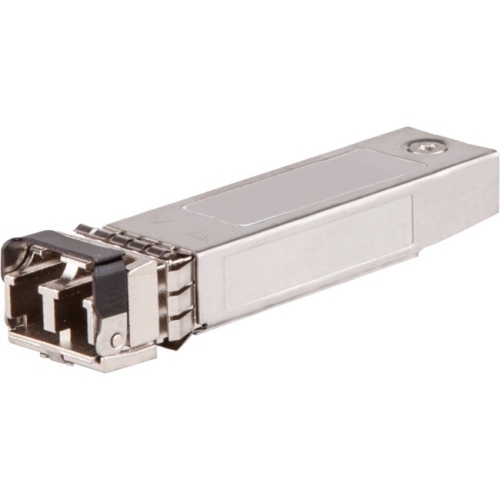
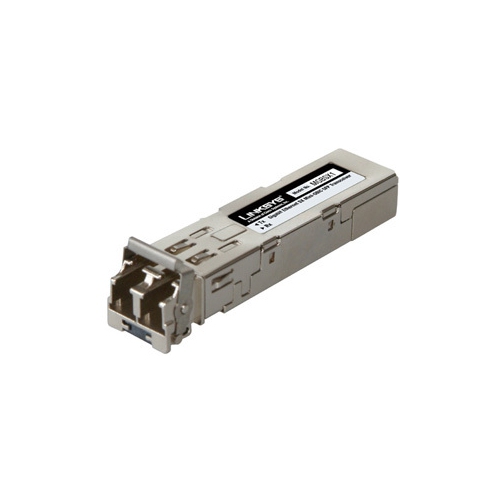
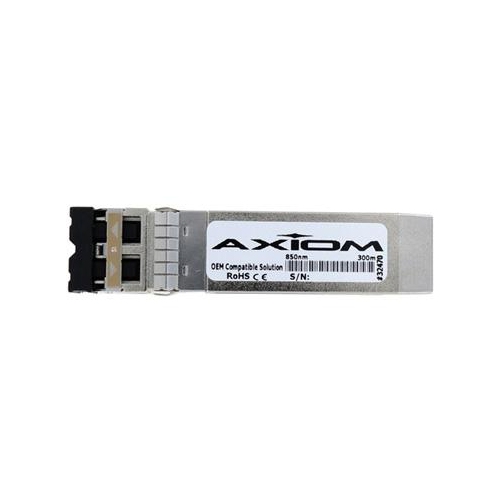
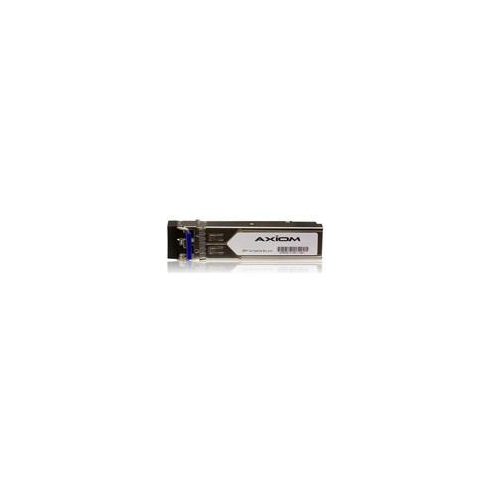
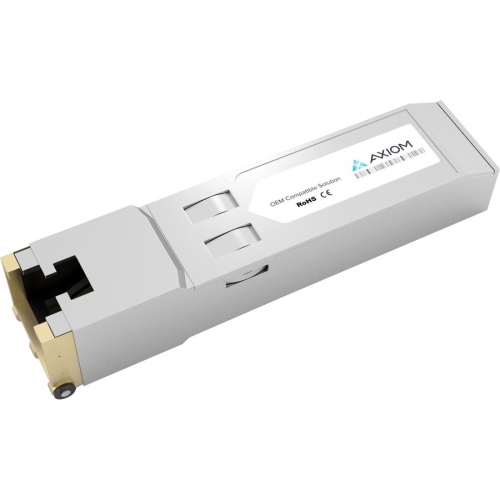
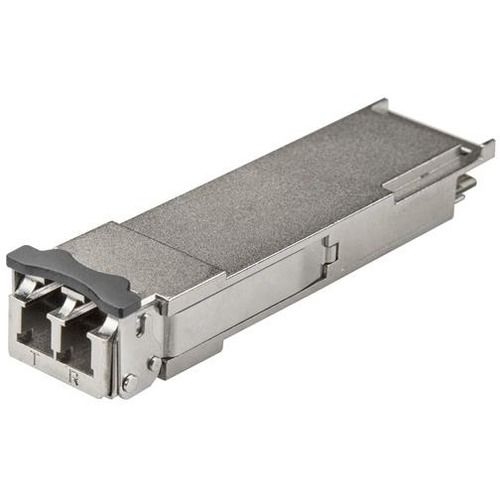
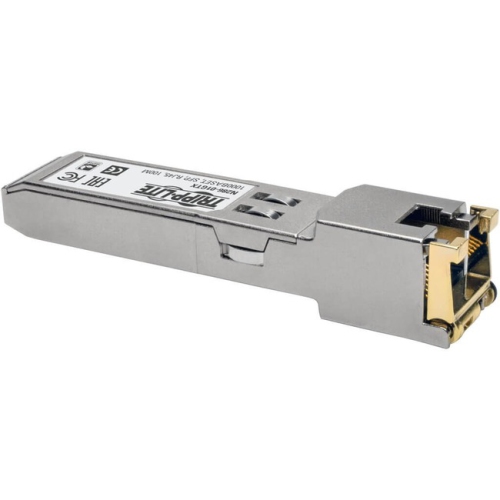
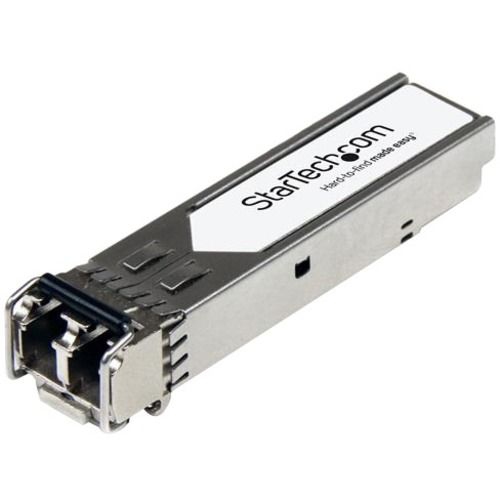
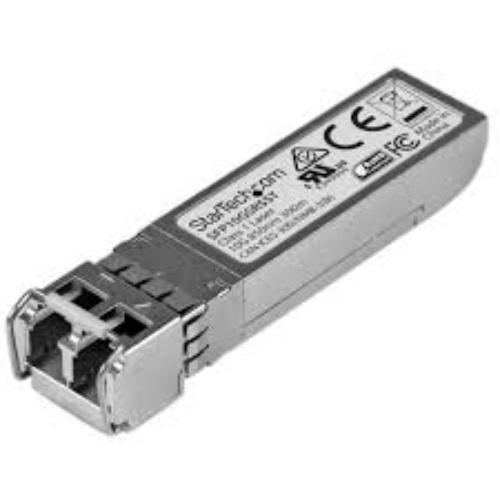
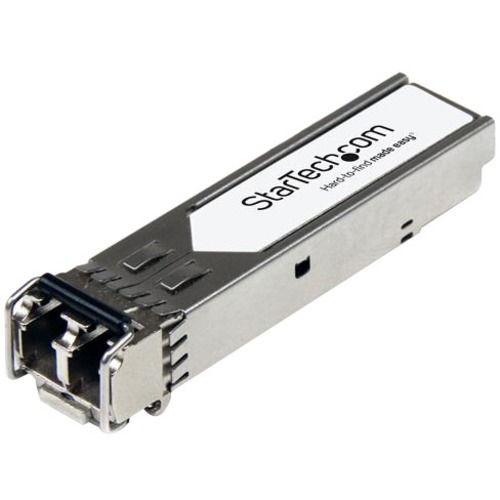
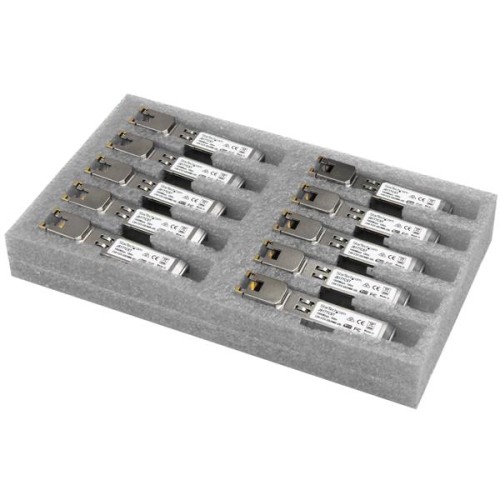
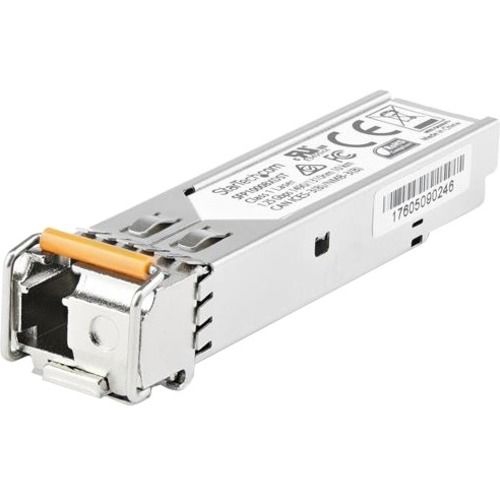
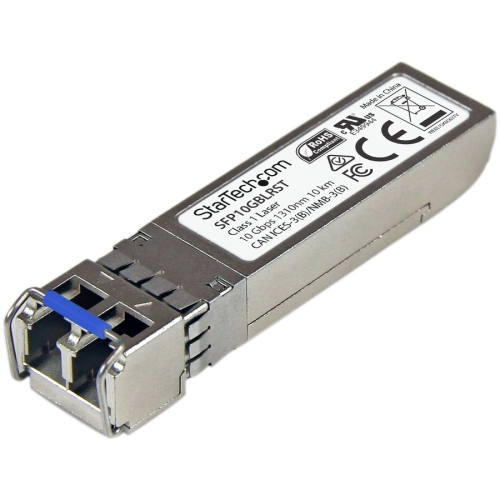
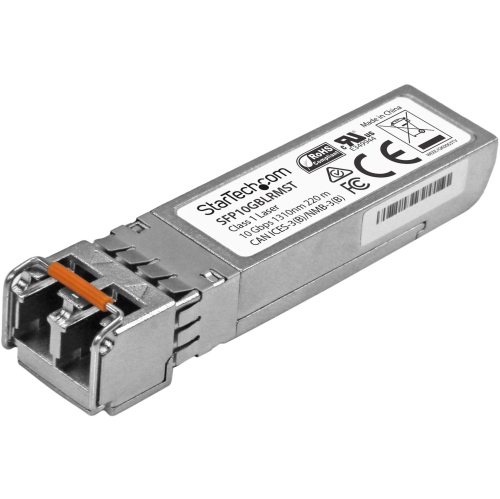
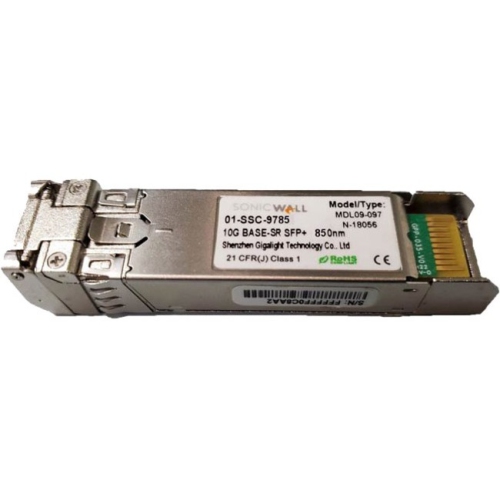
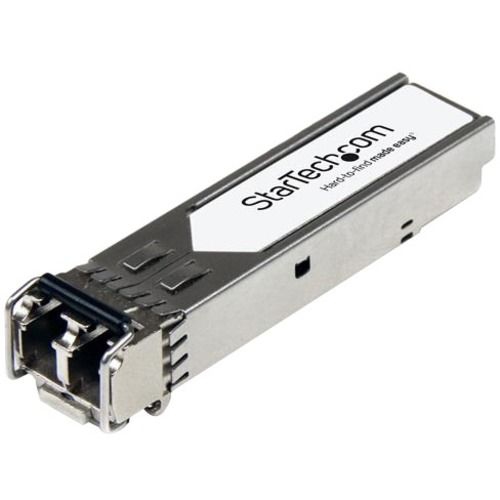
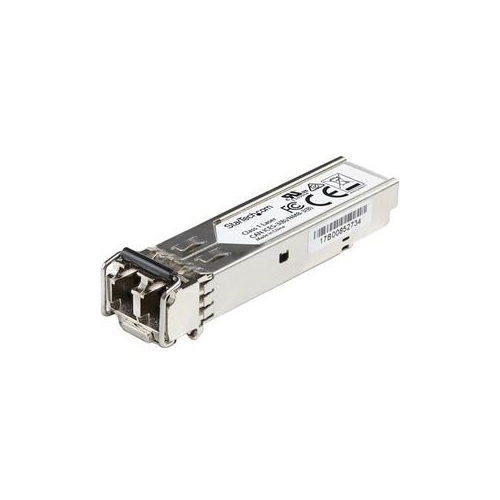
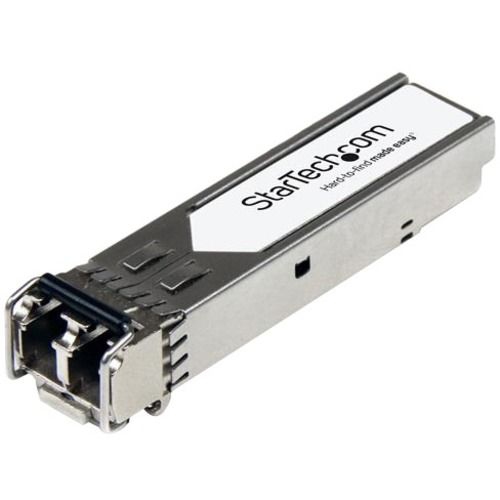
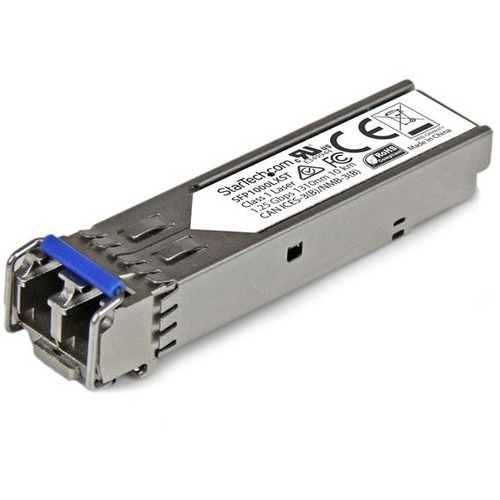
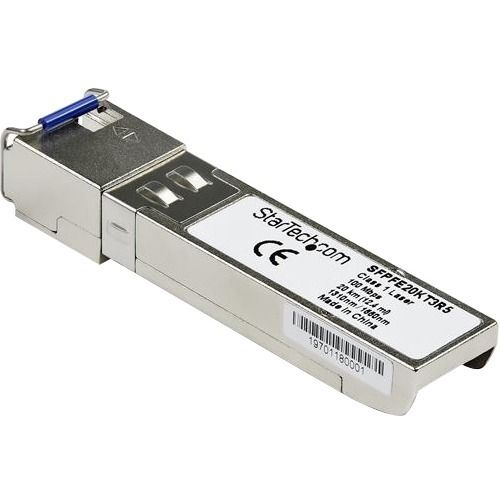
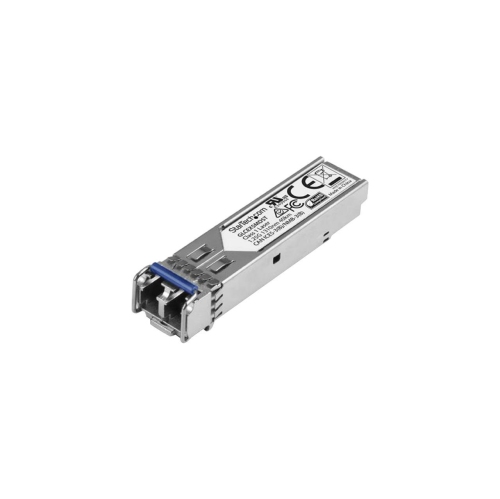
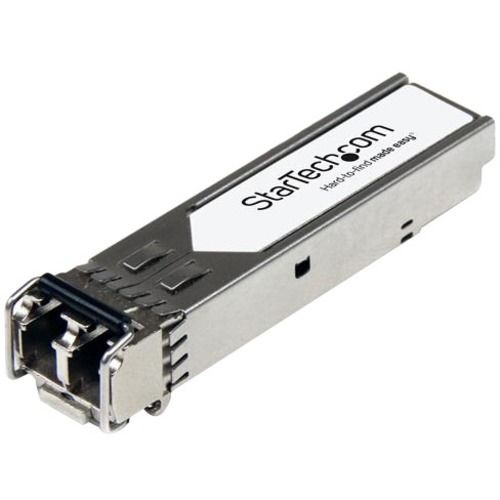
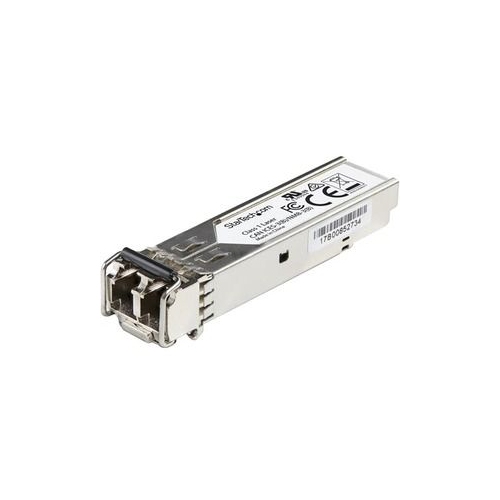
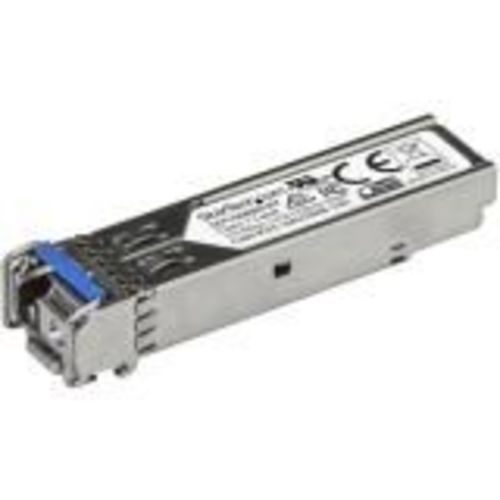
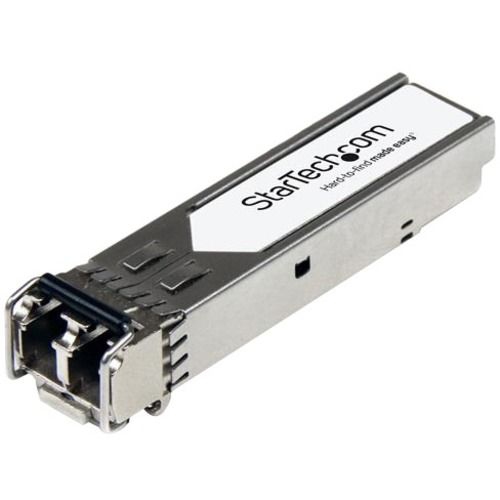
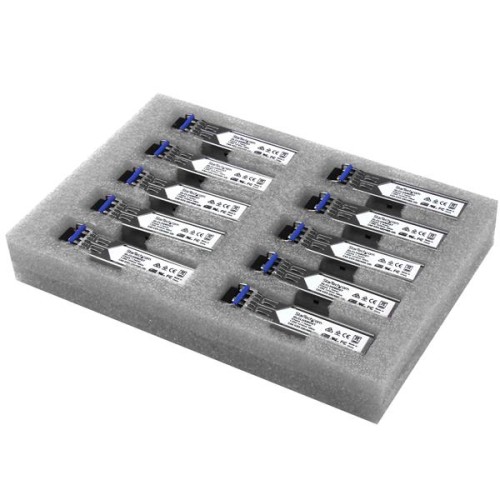
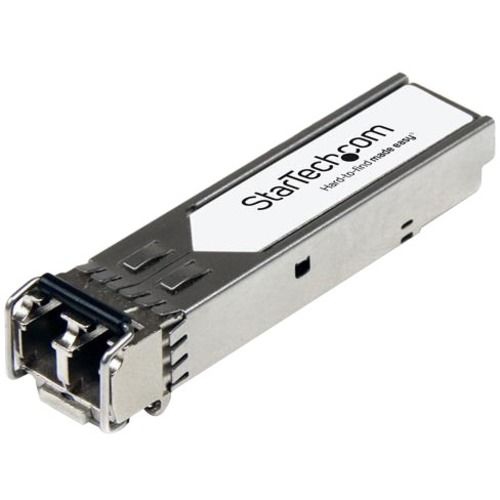
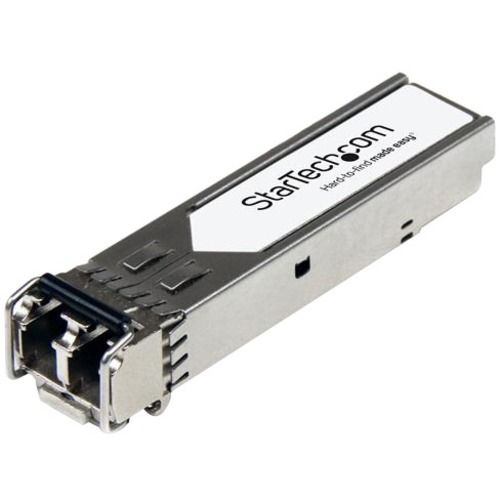
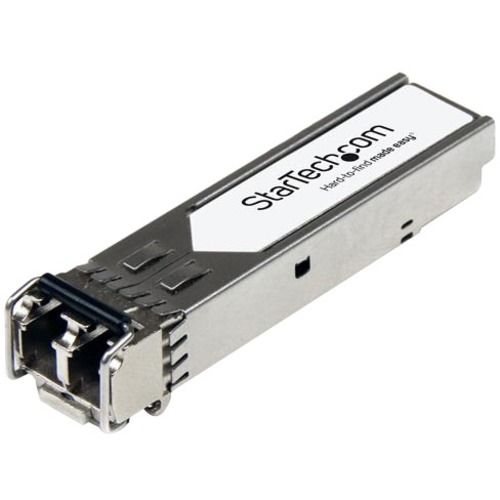
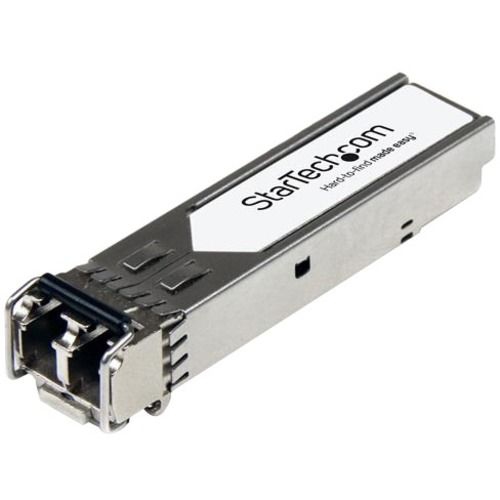
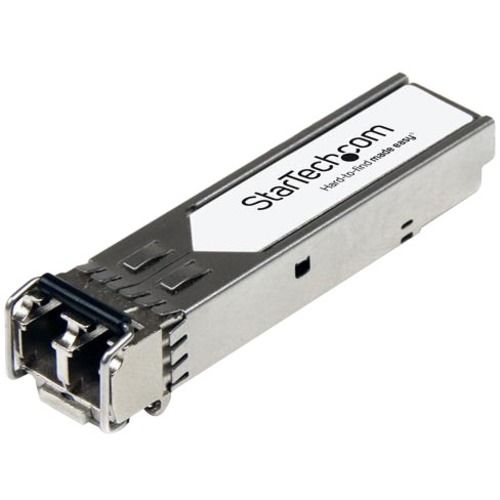
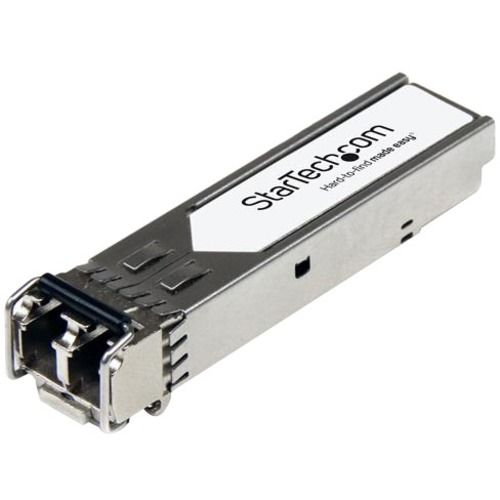
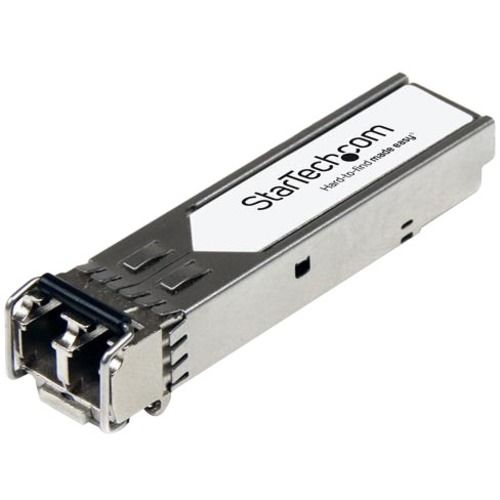
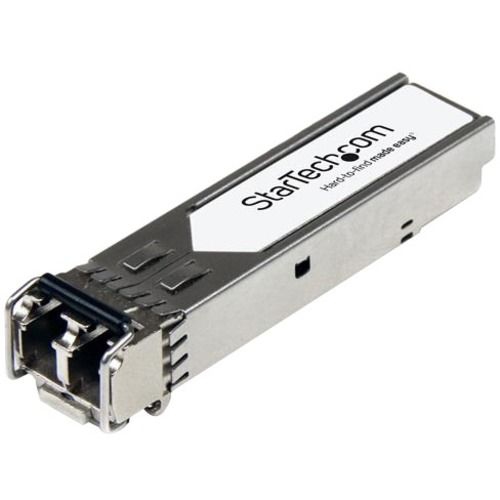
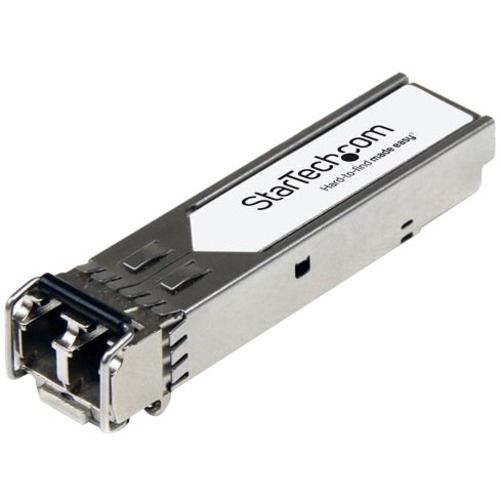
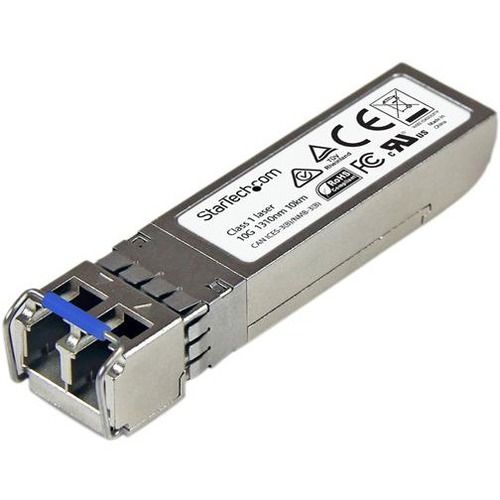
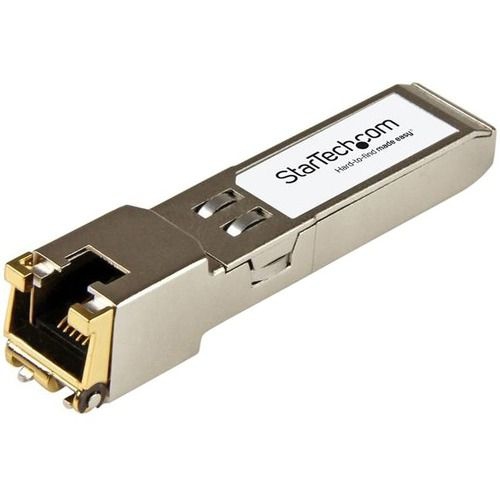
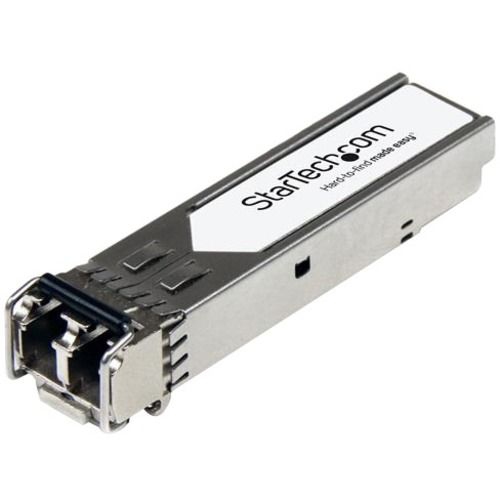
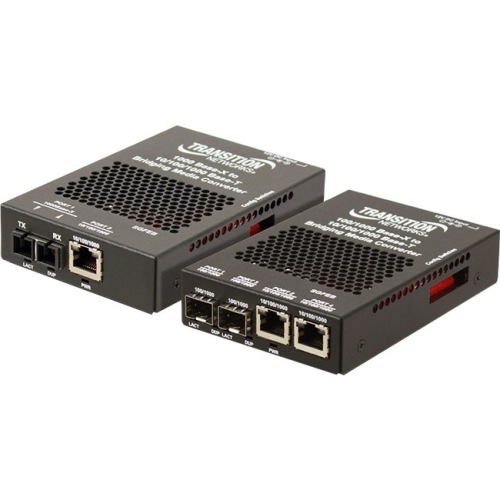
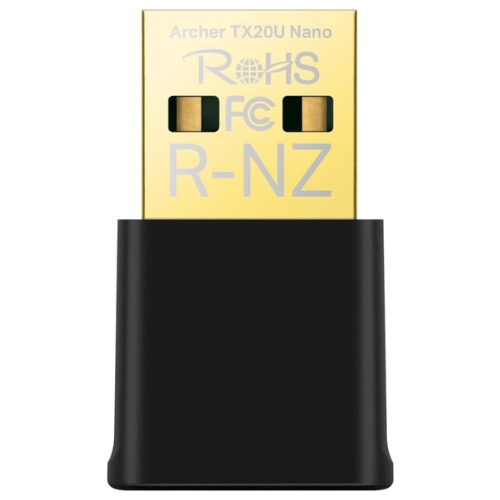
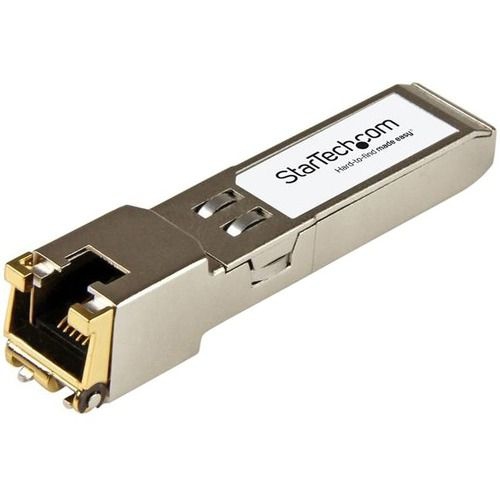
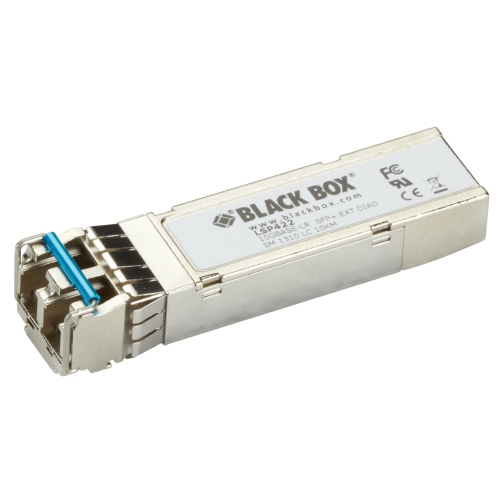
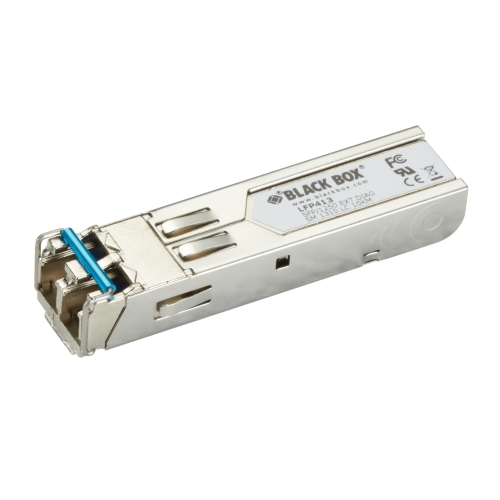
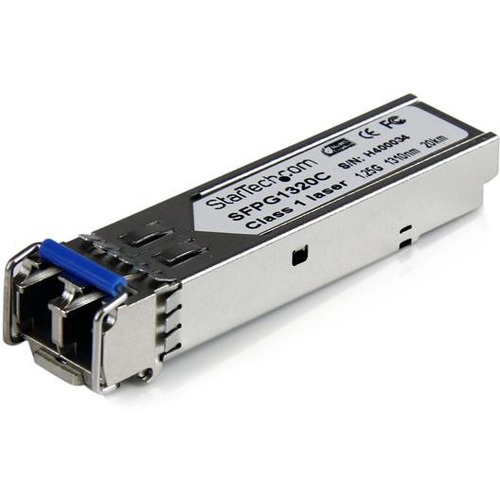
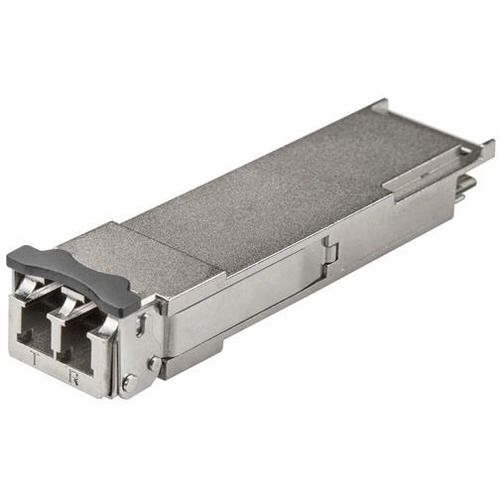
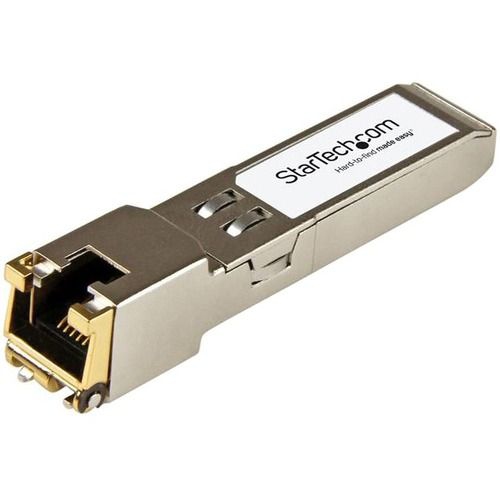
Network transceivers are compact hardware modules that combine a transmitter and a receiver in one unit, allowing network equipment to communicate over copper or fibre optic cabling. They typically plug into compatible ports on switches, routers, servers, storage systems and other networking hardware, converting electrical signals into either copper-based signals or pulses of light and converting incoming signals back again. Many are hot-pluggable, which means they can be installed or replaced without shutting down an entire network, although the equipment manufacturer’s instructions should always be followed. This modular approach makes it easier to build a network around the required speed, cable type and distance instead of replacing a complete switch or router whenever the layout changes. Network administrators may use transceivers to connect rooms within an office, link network cabinets on different floors, expand a data centre, connect servers to shared storage or extend a high-speed connection across a campus. They can also be useful in a home lab, workshop or small business where equipment from different generations needs to work together. Because the module sits between the network port and the cable, selecting the correct type is essential. Check the equipment documentation for the supported form factor, data rate, media type, fibre mode, connector and vendor compatibility before ordering. A transceiver that fits physically may still fail to establish a connection if its speed, coding, wavelength or network standard does not match the host device.
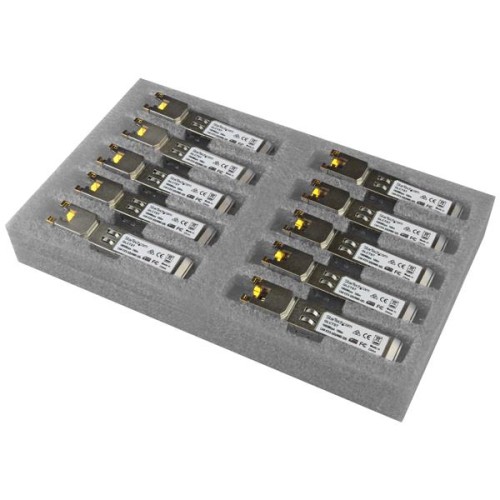
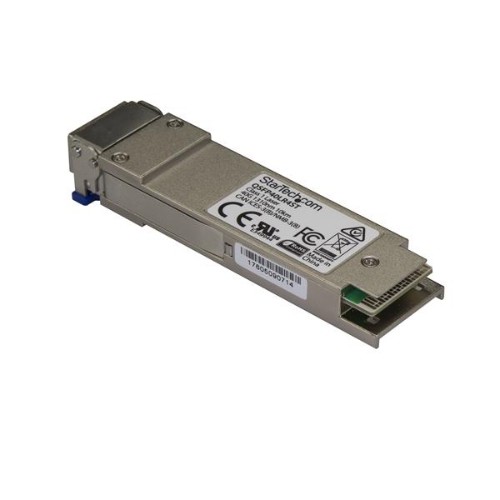
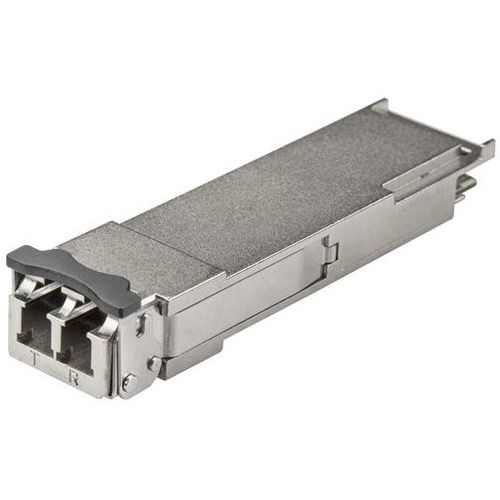
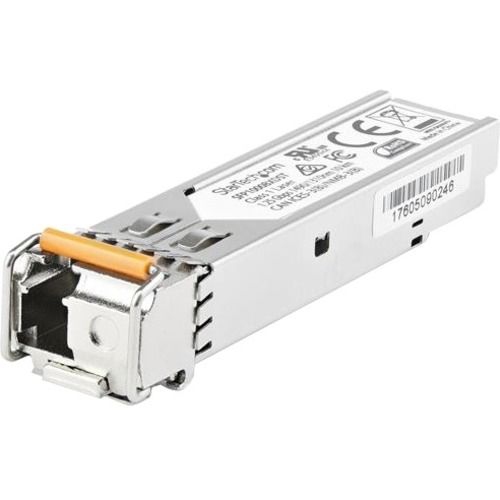
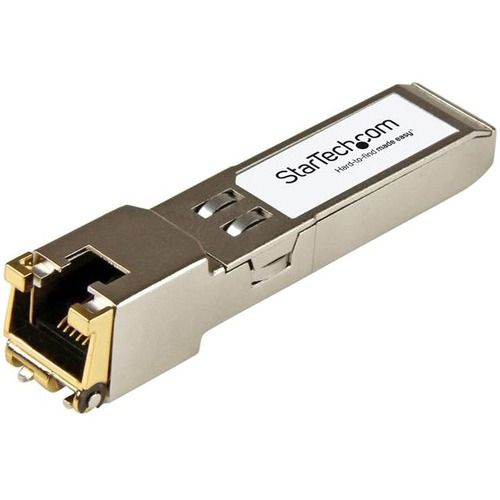
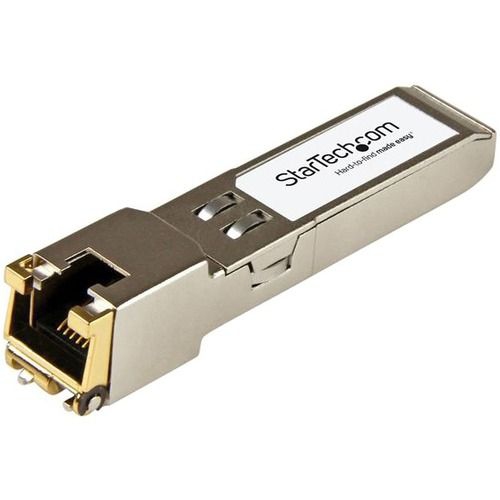
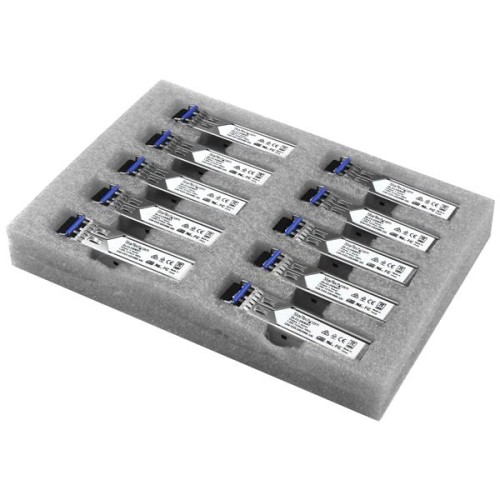
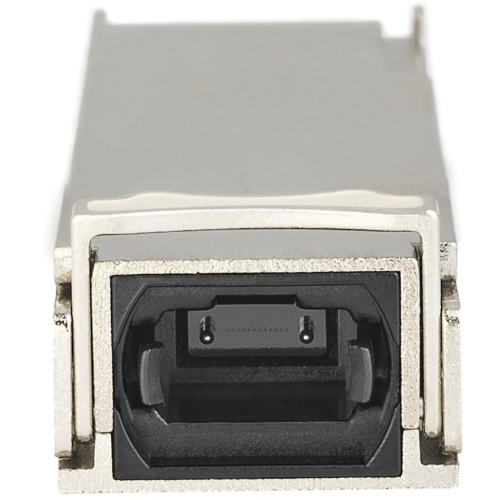
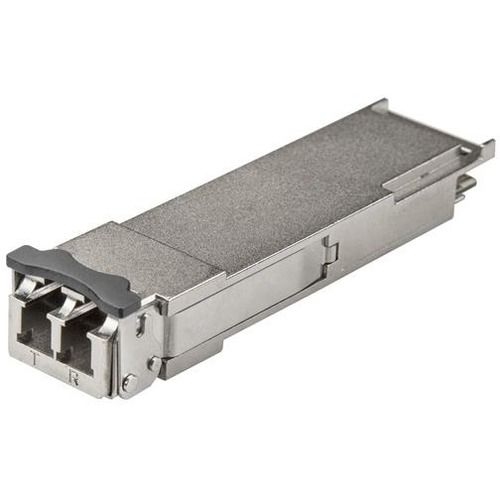
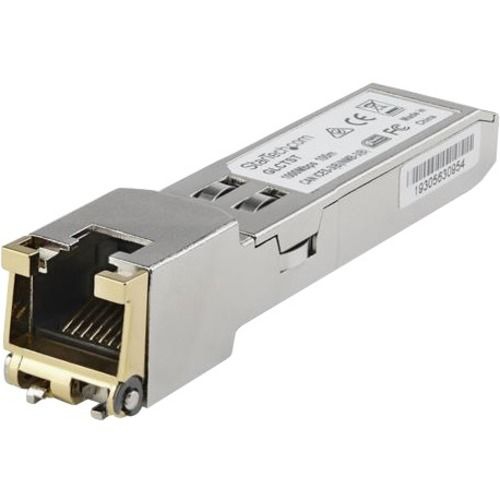
The form factor is one of the first details to compare. GBIC modules are an older, larger format that was used for early Gigabit Ethernet connections and are now less common in modern installations. SFP, or Small Form-factor Pluggable, is a compact format generally associated with connections up to 1 Gbps, while SFP+ uses the same basic physical size for higher-speed links, commonly up to 10 Gbps. For higher-density connections, QSFP and QSFP+ modules use multiple channels within one transceiver and are designed for 40 Gbps or faster applications, depending on the equipment and standard. If a network requires enhanced performance without changing compatible hardware, explore the selection of Sfp+ Transceivers alongside other supported formats. Copper transceivers usually provide an RJ45 connection and are a practical choice for shorter runs that use familiar twisted-pair Ethernet cabling. Fibre optic transceivers are suited to longer distances, areas with substantial electrical interference or installations where low weight and high bandwidth are important. Multimode fibre, often identified by designations such as SR, is commonly used for shorter optical links and may support distances up to approximately 550 metres, depending on the speed, cable and transceiver. Singlemode fibre, often identified by designations such as LR, is intended for substantially longer spans, with supported distances ranging from around 10 kilometres to more than 80 kilometres in some applications. These figures are not universal guarantees: the cable grade, connector quality, network standard, wavelength and number of joins in the path can all affect performance.
Before adding a transceiver to a shopping list, map the complete connection from one endpoint to the other. Note the port type on each switch, router or server, then confirm whether the equipment expects copper, multimode fibre or singlemode fibre. Verify the required speed at both ends, since a faster module cannot automatically upgrade a port that supports a lower rate. Fibre installations also require attention to connector style, usually a duplex connector for separate transmit and receive paths, as well as polarity and matching wavelengths. For copper modules, check the supported cable category, maximum run length and whether the connection needs a particular Ethernet speed. Manufacturer or OEM configuration requirements deserve special attention in managed networks; some devices accept only transceivers with a matching brand code, while others support a broader range of standards. Features such as digital optical monitoring can provide useful information about temperature, voltage and signal levels, but they are valuable only when the host equipment can read and display that information. It is also wise to consider the environment where the module will operate. A densely populated network cabinet may benefit from a design rated for the expected temperature and airflow, while a remote installation may call for carefully documented compatibility and dependable cable termination. Network transceivers are primarily practical tools for IT professionals, installers, small-business owners, data-centre teams and technology enthusiasts building a reliable wired network. They are rarely chosen as a casual gift, but they can be a thoughtful addition to a home lab or technical workspace when the recipient already knows the port and cabling requirements of their equipment. With the right match, a small module can quietly solve a large connectivity challenge, helping separate devices communicate across a room, between buildings or through a carefully planned high-speed network.
Top selling and popular products
-
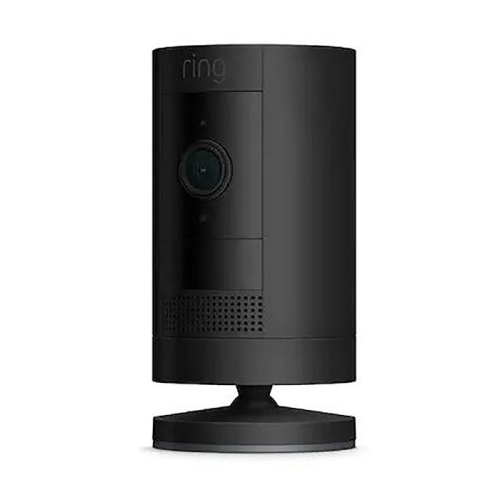 Your price for this item is $165
-
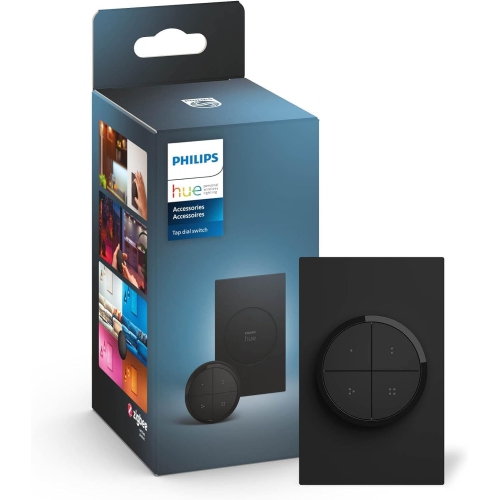 Your price for this item is $96.68
-
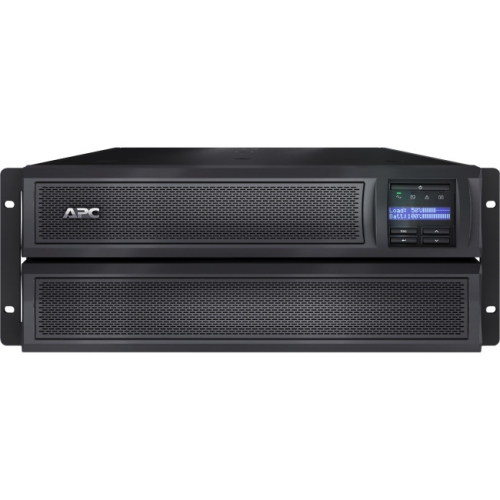 Your price for this item is $3952.99
-
 Your price for this item is $229.95
-
 Your price for this item is $119.99
-
 Your price for this item is $270.99
-
 Your price for this item is $207.68
-
 Your price for this item is $234.99
Discover more categories related to Network Transceivers
Top Collections:
Pokemon Centers, Best Budget Office Chairs, Kindle Devices, Best Cameras for Sports Photography, Pokémon 30th Celebration Cards, Best Laptops for Writers, Canon G7X Cameras, iPhone 15 Apple, Best Cell Phones Under $300, Apple iPhones 16
Some products may be subject to Environmental Handling Fees
(EHF) depending on your province.
Learn more about EHFs.