RJ45 Keystone
RJ45 Keystone solutions are essential for creating reliable and organized network connections in both home and office environments. Designed for seamless integration into wall plates and patch panels, RJ45 Keystone jacks help streamline your Ethernet setup while maintaining a tidy appearance. Whether you're upgrading your current network or setting up new connections, discover a range of RJ45 Keystone options to suit various cabling needs and configurations. Find the right fit to support your networking projects and enjoy efficient connectivity throughout your space.
Sort










Where permanent cabling meets replaceable patch leads
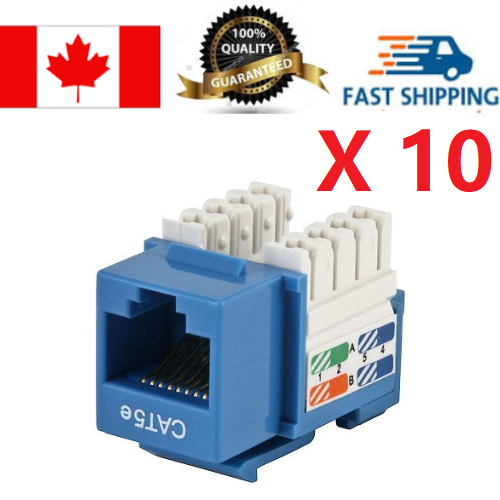
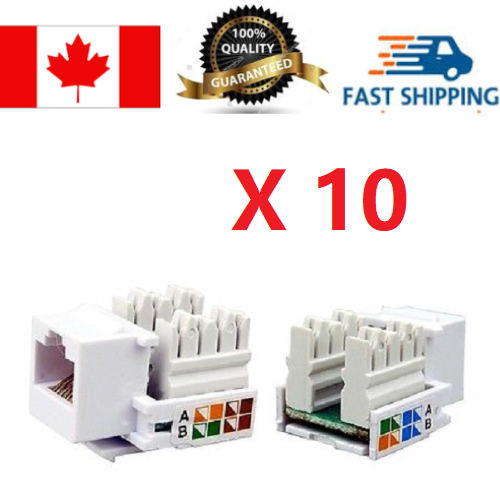
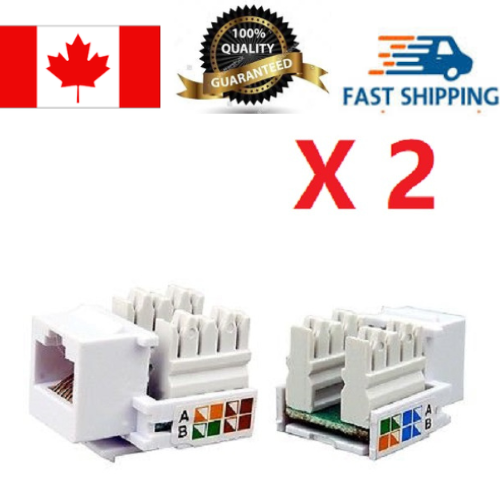
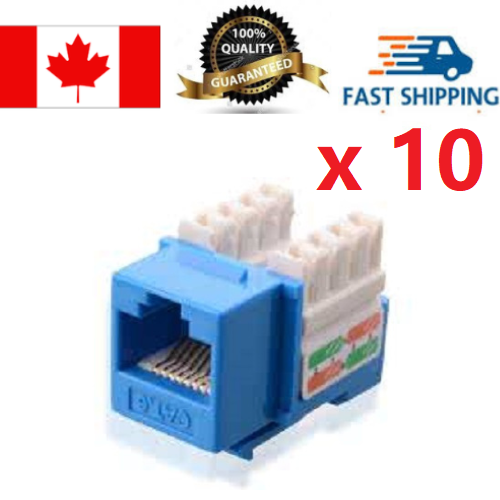
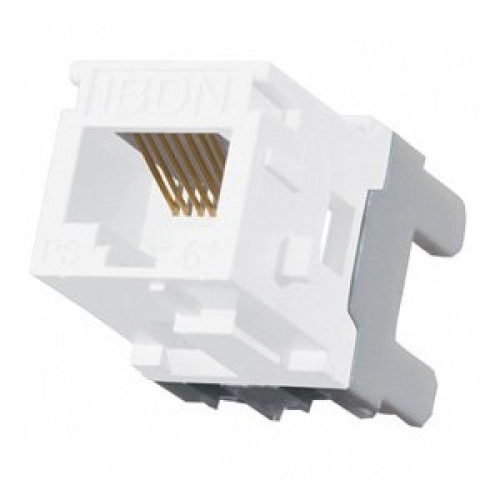
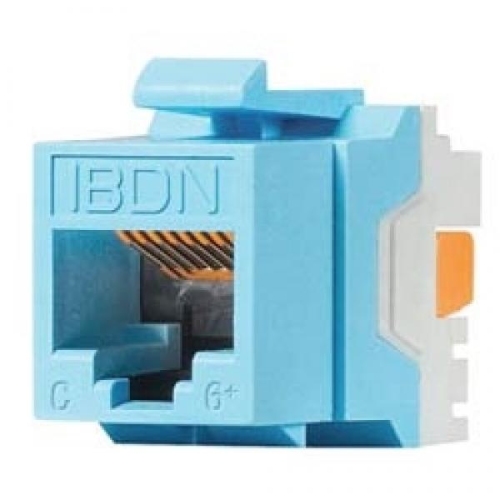
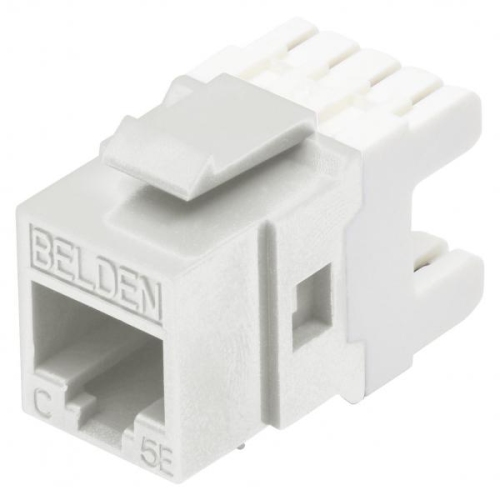
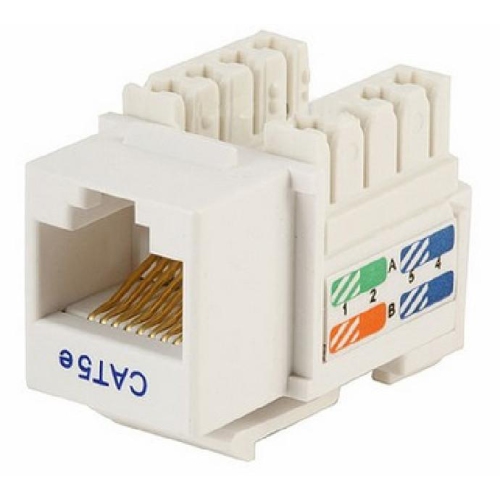
An RJ45 keystone jack is a female, eight-position modular connector used to terminate Ethernet cabling in wall plates, surface-mount boxes, and patch panels. It creates a fixed network outlet where a compatible Ethernet patch cable can connect a computer, television, game console, or other networked device. Instead of leaving a long cable hanging through an opening in the wall, a keystone jack gives the connection a defined place and keeps the permanent cable run separate from the replaceable lead connecting equipment. The term keystone describes the snap-in mounting format, while RJ45 commonly refers to the eight-contact Ethernet interface on the front. These jacks are available in versions designed for Cat5e, Cat6, and Cat6A cabling, with differences in construction and performance requirements. Matching the jack’s category to the installed cable helps preserve the intended capability of the connection; a higher-category jack alone does not upgrade a lower-category cable run. Cat5e is commonly used for gigabit Ethernet, while Cat6A supports 10-gigabit Ethernet over channel lengths of up to 100 metres when the complete installation meets the applicable requirements. Actual network speed also depends on the connected equipment, patch cables, cable length, and quality of termination. For a home office, a fixed outlet behind a desktop can provide a tidy wired connection without relying on a cable stretched across a doorway. In a media area, several outlets can serve a television, streaming device, and game console while keeping the connections accessible behind furniture. Small offices, workshops, and shared workspaces also use keystone jacks to bring individual cable runs back to a central patch panel. The appeal is practical: equipment can be moved or replaced at the outlet without disturbing the cable inside the wall, and individual modules can be changed without replacing an entire multiport wall plate.
The most important compatibility details extend beyond the category printed on the jack. Cable conductor gauge, insulation diameter, shielding, and supported conductor type all affect whether a termination is suitable. Many termination-style keystone jacks are intended for solid copper installation cable, so compatibility with stranded conductors should be confirmed rather than assumed. Punch-down jacks use insulation-displacement contacts that seat the individual conductors, typically with a compatible punch-down tool. Toolless versions use a closing mechanism to press the conductors into their contacts without a separate punch-down tool, although cable preparation and careful placement are still necessary. Neither format removes the need to follow the jack’s wiring layout and maintain the cable pairs as specified. T568A and T568B colour-coded layouts are commonly marked on the housing; the appropriate scheme should remain consistent at both ends of a typical straight-through cable run. Feed-through keystone couplers are a different option: they accept an RJ45 plug on each side rather than terminating individual conductors. That distinction matters when the cable behind the plate already has a plug attached. Physical fit deserves equal attention. Although keystone modules share a common snap-in format, their overall width, depth, and latch shape can affect compatibility with tightly spaced patch panels, shallow boxes, and neighbouring modules. A wider shielded housing may need more room than a compact unshielded design, particularly in a dense row of ports. Space behind the jack must also accommodate the cable without forcing a sharp bend. Durable plastic housings provide structure and insulation, while metal shielding is used on designs intended for shielded cabling. Shielded components need to be part of a properly bonded cabling system rather than treated as an automatic improvement to an unshielded installation. Contact construction, plating, secure cable retention, and a firmly seated mounting latch all contribute to a connection that stands up to normal use.
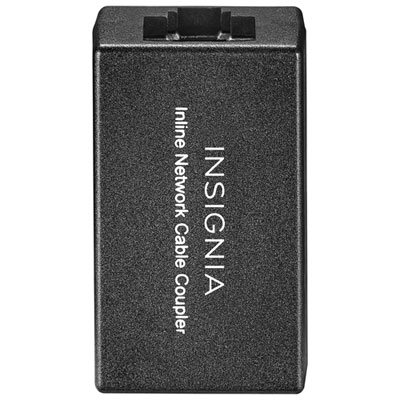
A well-chosen RJ45 keystone jack suits both the installation and the way the outlet will be used. A single-port plate can be sufficient beside a desk, while a multiport plate can accommodate several wired devices in a home office or entertainment area. Colour choices can help distinguish connections, and clear labels make it easier to identify the matching port at a patch panel without repeatedly disconnecting equipment. For connections serving wireless access points, IP cameras, or desk phones, Power over Ethernet compatibility should be checked against the jack’s specifications and the requirements of the complete cable run. The broader family of RJ45 Connectors includes connection formats for different parts of a network, so the distinction between a cable-end plug, a termination jack, and a feed-through coupler is useful when matching components. Around furniture, outlet placement and patch-cable routing matter as much as the visible finish. A plug pressed against the back of a cabinet can put strain on its latch and the socket, while an accessible outlet with enough clearance allows equipment to be disconnected cleanly. In locations where cables are changed frequently, a replaceable patch lead helps keep that handling away from the permanent termination. Routine care is straightforward: keep unused openings protected from dust, avoid pulling cables out by the cord, and release the plug’s locking tab before disconnecting it. Exterior surfaces can be wiped with a soft, dry cloth, without spraying liquid into the contacts. Paint, plaster dust, and debris should be kept away from open ports during decorating or renovations. If an outlet becomes intermittent, visible damage, loose seating, and the condition of the patch cable are worth checking before assuming the concealed cable needs replacement. For homeowners organizing a renovation, installers finishing a structured wiring project, or small businesses adding workstations, compatible keystone jacks provide a neat, serviceable endpoint for everyday wired connections.
Top selling and popular products
-
 Your price for this item is $39.99
-
 Your price for this item is $19.99
-
 Your price for this item is $51.68
-
 Your price for this item is $14.99
-
 Your price for this item is $118.68
-
 Your price for this item is $53.68
-
 Your price for this item is $63.49
-
 Your price for this item is $73.99
Discover more categories related to RJ45 Keystone

Top Collections:
Best Black Friday Deals This Year, Best Black Friday Deals On Electronics, Kindle Devices, Pokemon Centers, Best Black Friday Deals On Apple Products, Best Cameras for Sports Photography, Dyson Airwrap, Pokémon 30th Celebration Cards, Apple iPhone 17 Pro, Canon G7X Cameras
Some products may be subject to Environmental Handling Fees
(EHF) depending on your province.
Learn more about EHFs.