Router Machines
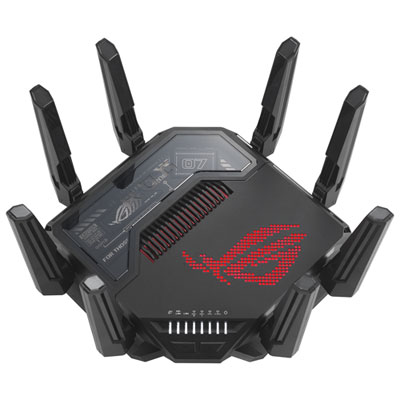
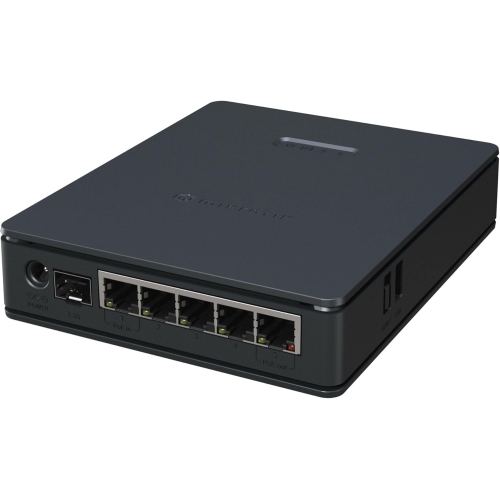
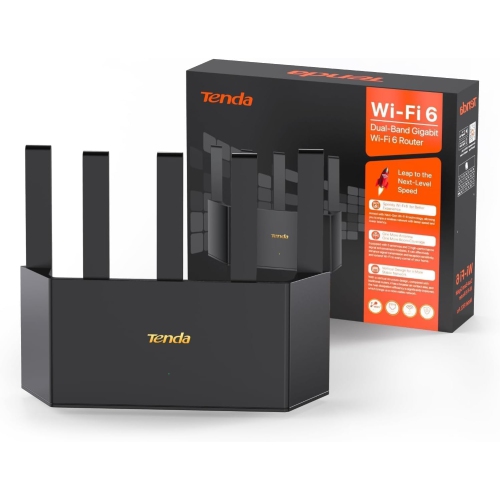
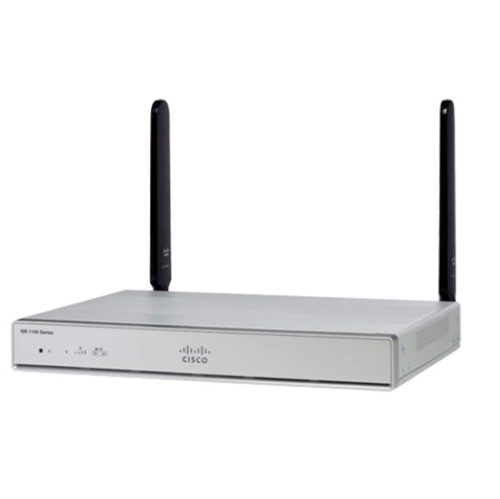
Looking to enhance your internet connectivity and streamline your online experience? Look no further than a router machine. A router machine is an essential device that helps you connect multiple devices to the internet simultaneously, ensuring a seamless and uninterrupted connection throughout your home or office. Whether you're a gaming enthusiast, a remote worker, or simply someone who loves streaming high-definition content, a router machine is designed to meet your specific needs and optimize your online activities. Discover the power of efficient networking with a router machine and take your internet experience to new heights.
Sort





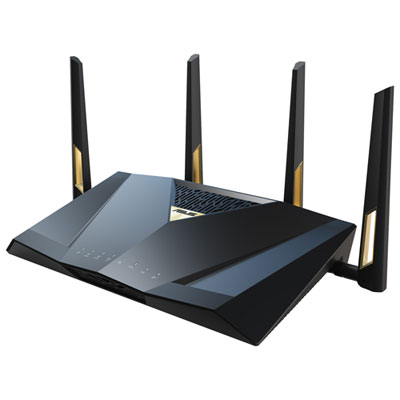


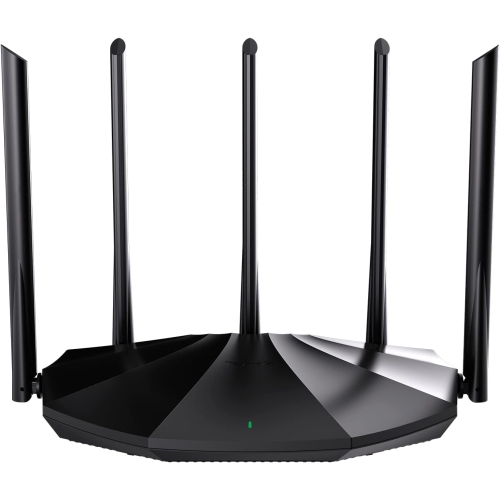
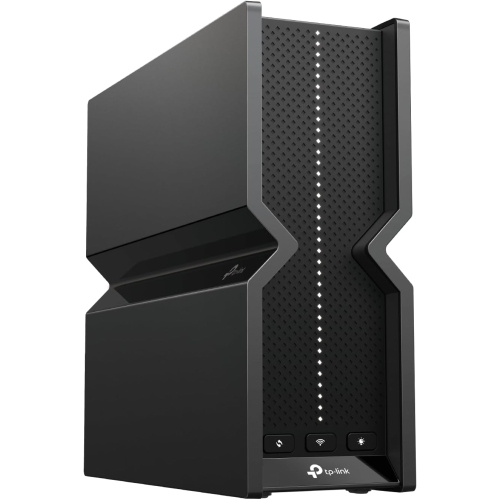
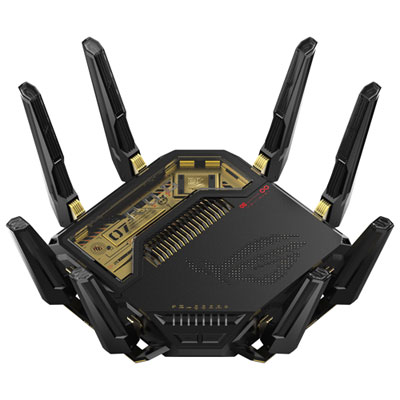























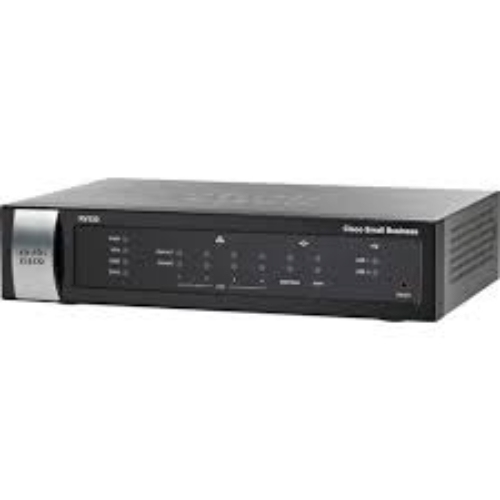
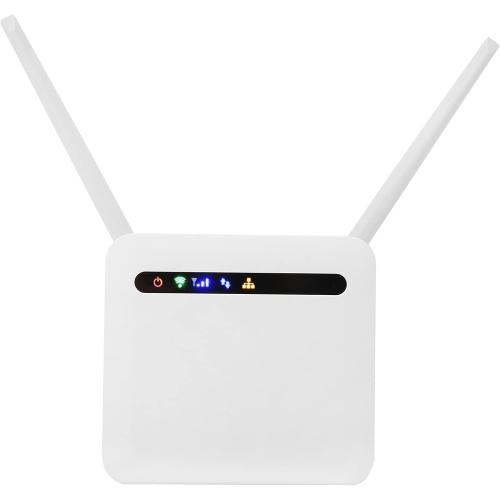
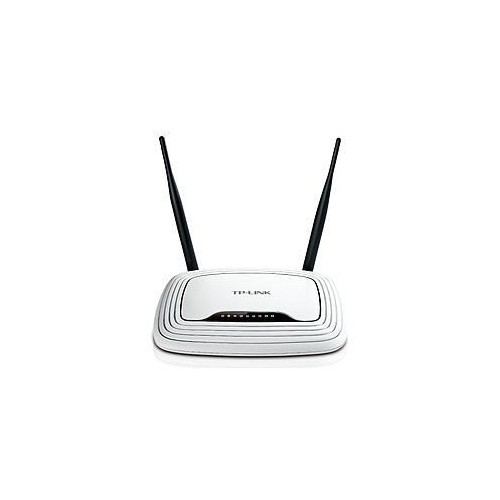
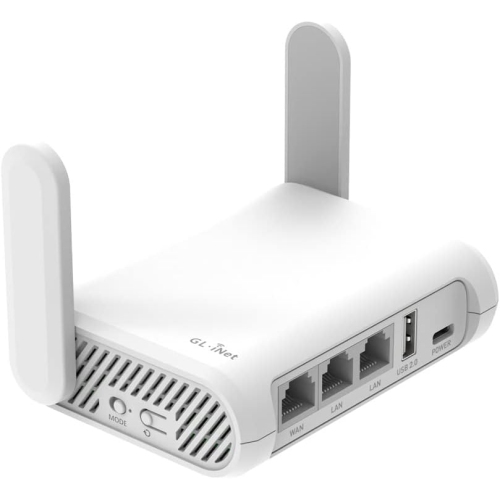
















How router machines add precision to woodworking projects
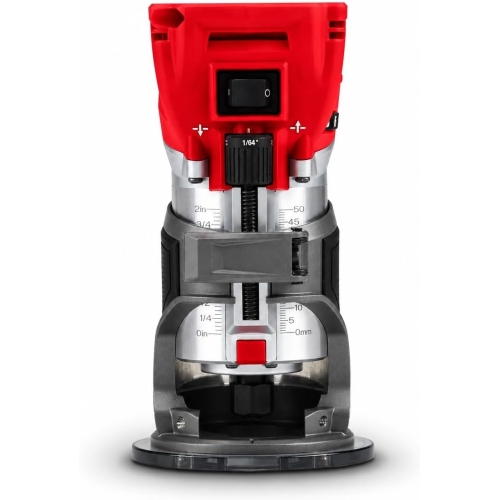
Router machines are versatile power tools designed to rout, shape, hollow out, and trim materials with accuracy. In woodworking, a router spins a cutting bit at high speed to create clean edges, decorative profiles, grooves, dados, rabbets, pockets, and joinery. They can be used on hardwood, softwood, plywood, MDF, plastic, and, with the correct bit and manufacturer-approved settings, certain soft metals. For anyone setting up a workshop, renovating furniture, building cabinets, making signs, or completing detailed home projects, a router machine can add a level of precision that is difficult to achieve with hand tools alone. The right model depends on the type of work, the size of the material, and how often the tool will be used. A compact or trim router is light and easy to guide around narrow edges, making it useful for rounding over shelves, flush-trimming laminate, easing sharp corners, or adding a small profile to a tabletop. Its smaller size can also be less tiring during extended edge work, especially when the project involves several pieces that need a consistent finish. A fixed-base router keeps the motor at a set depth in relation to the base, which makes it well suited to repeated edge profiles, straight cuts, and use with a router table. Once the depth is adjusted, the tool can provide steady, repeatable results across multiple workpieces. A plunge router allows the motor and bit to move down into the material while the base remains supported on the surface. This makes it a practical choice for cutting mortises, creating stopped grooves, carving pockets, and starting an opening away from an outside edge. Some models combine fixed-base and plunge functionality, offering flexibility for a workshop that handles a variety of projects without needing several separate tools.
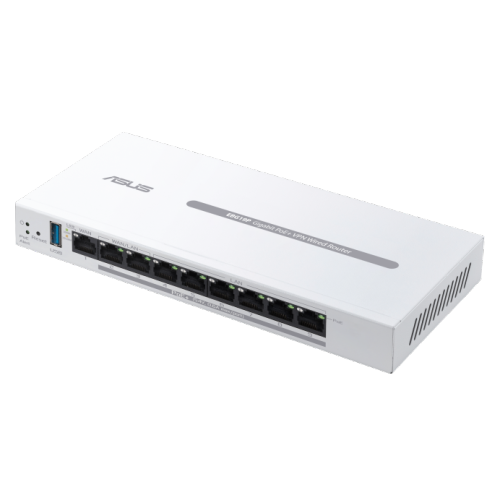
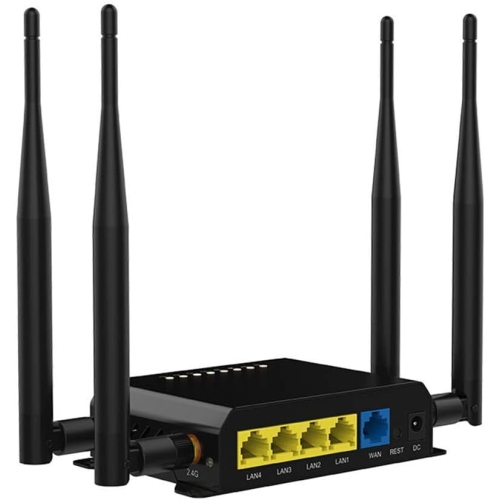
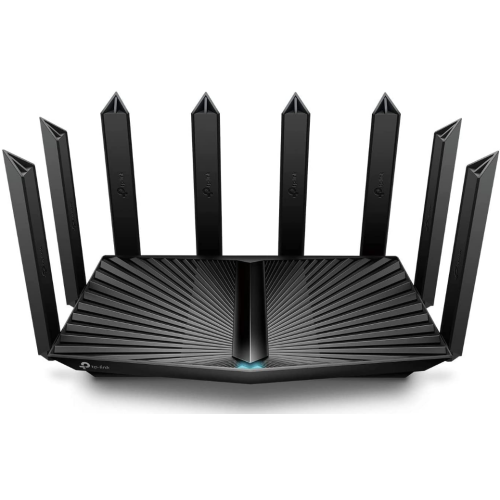
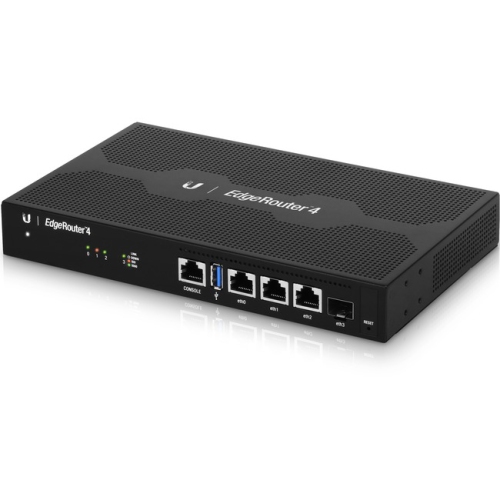
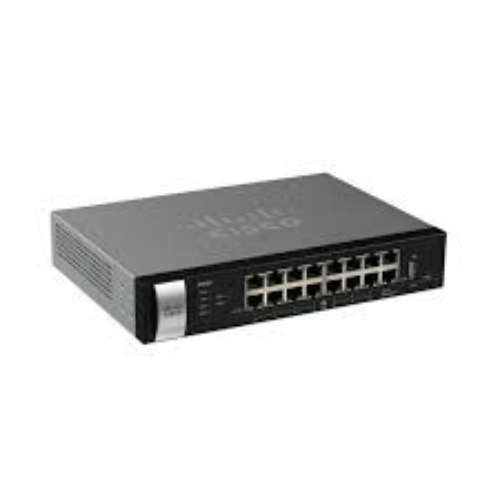
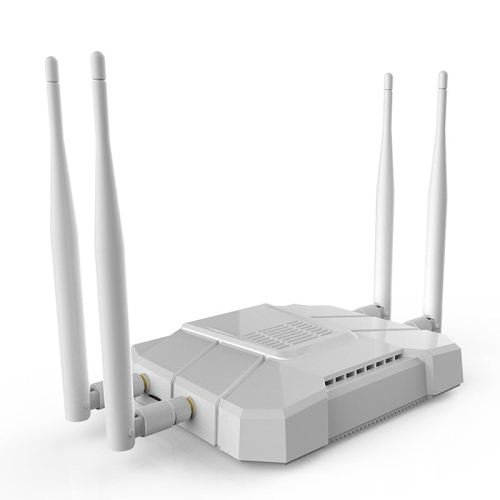
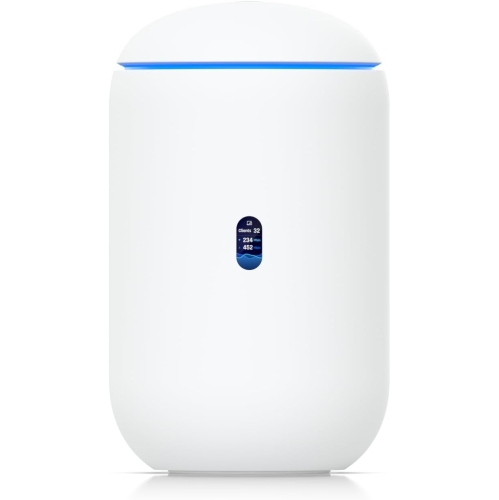
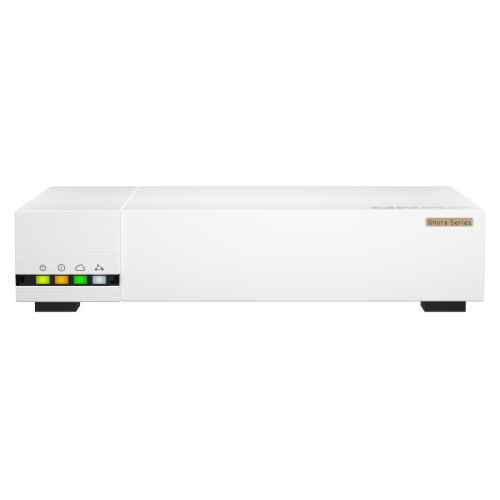
When choosing among router machines, start with the work you expect to do most often. Motor power affects how confidently a tool handles deeper cuts and denser stock, while a lighter model may be easier to control for trimming and detail work. Variable-speed control can help match the bit speed to its diameter and the material being cut; larger bits generally require slower settings, while smaller bits can run faster when the manufacturer permits it. Look for an adjustment system that makes depth changes clear and repeatable, along with a base that sits securely and provides a broad, stable view of the cutting area. Soft-start operation can make the initial power-up feel more controlled, and dust collection compatibility can help keep the work surface visible as shavings build up. Collet size is another important consideration because it determines which router bits can be used. A broader selection of compatible bits allows one machine to handle edge rounding, chamfering, veining, sign-making, joinery, and decorative detailing. A router table can turn a handheld tool into a more stationary setup for long edges and repeated cuts, while edge guides, templates, guide bushings, and clamps can improve consistency. For computer-controlled carving, a CNC router uses digital design files to direct cutting along programmed paths. Desktop CNC machines can be suited to lettering, signs, panels, inlays, relief patterns, and intricate two-dimensional or three-dimensional designs, though they require additional attention to software, workholding, bit selection, file preparation, and cutting depth. Shoppers comparing network equipment rather than woodworking tools can explore Advanced Routers for a different type of router designed to manage internet connections and connected devices.
Router machines can be useful for experienced woodworkers, renovation enthusiasts, makers, contractors, and beginners building confidence with practical projects. They are also thoughtful gifts for someone creating a home workshop, learning furniture-making, or developing a sign-making hobby, particularly when paired with compatible bits, safety glasses, hearing protection, clamps, and a sturdy work surface. Before making a selection, consider whether the tool will be used by hand, mounted in a table, or operated as part of a CNC setup. Check the available power source, cord length or battery platform, grip design, visibility around the base, included accessories, and the availability of replacement parts and compatible bits. A beginner may appreciate straightforward controls, stable handles, and clear depth markings, while an experienced user may prioritize fine adjustment, electronic speed control, interchangeable bases, and compatibility with workshop accessories. Safe technique matters with every configuration: secure the workpiece firmly, choose a sharp bit suited to the material, set a suitable depth, keep both hands positioned as directed, and move the router against the bit’s rotation when using a handheld setup. Taking several shallow passes is often smoother and more controlled than attempting one deep cut, and allowing the bit to reach full speed before contacting the material can help produce a cleaner result. During the cooler months, a router machine can bring a satisfying sense of progress to indoor workshop projects, from refining a handmade shelf to adding a shaped edge to a dining table. With thoughtful bit selection and careful setup, these tools can support both small finishing touches and ambitious builds, helping turn measured lines and rough boards into polished, functional pieces.
Top selling and popular products
-
 Your price for this item is $189.99
-
 Your price for this item is $189.99
-
 Your price for this item is $219
-
 Your price for this item is $899.99
-
 Your price for this item is $299.99
-
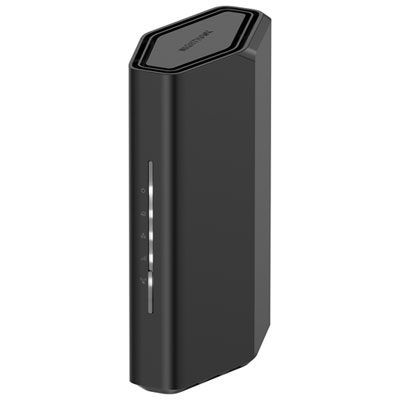 Your price for this item is $139.99
-
 Your price for this item is $189.99
-
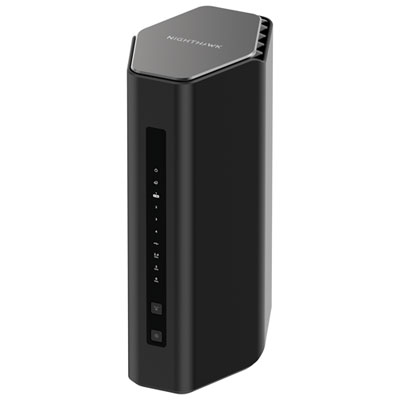 Your price for this item is $499.99
Discover more categories related to Router Machines
Top Collections:
Pokemon Centers, Kindle Devices, Best Cameras for Sports Photography, Pokémon 30th Celebration Cards, Apple iPhones 16, Canon G7X Cameras, iPhone 15 Apple, Flip Phones, Samsung Galaxy Phones, Alarm Clock
Some products may be subject to Environmental Handling Fees
(EHF) depending on your province.
Learn more about EHFs.