Tools for Product Designers
Tools for product designers are essential for turning creative ideas into tangible products. Whether you're sketching concepts, building prototypes, or refining final designs, having the right equipment can streamline your workflow and enhance productivity. Explore a wide selection of tools for product designers that support every stage of the design process, from initial brainstorming to detailed modeling. Find the perfect additions to your workspace and bring your innovative visions to life with confidence.
Sort
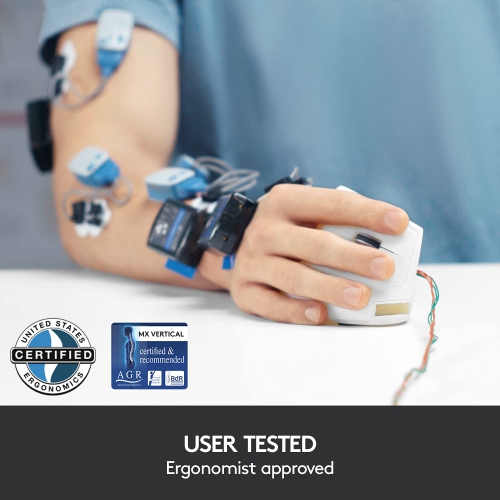
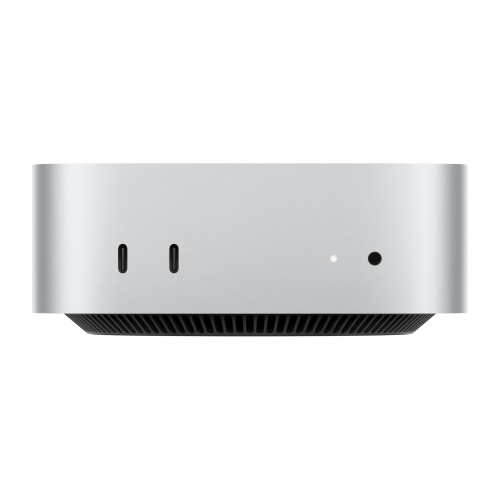
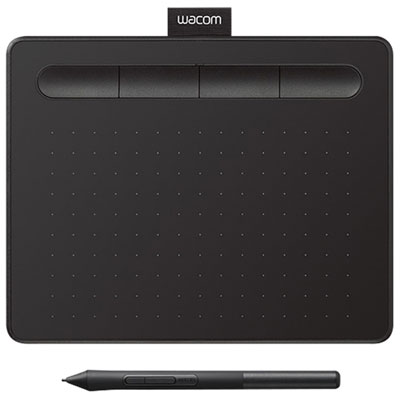
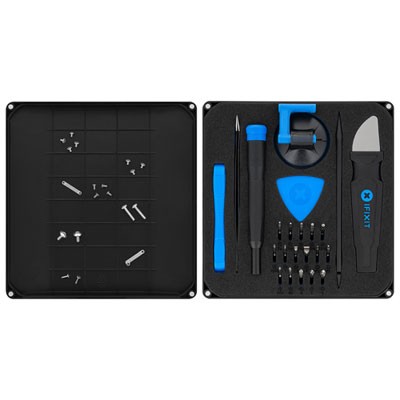
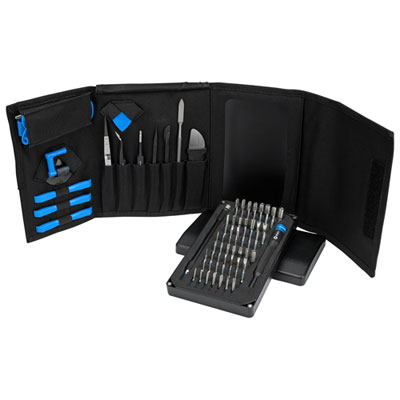
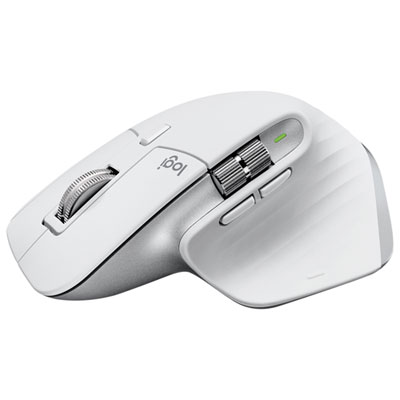
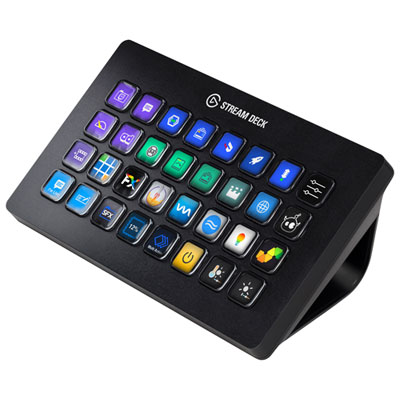
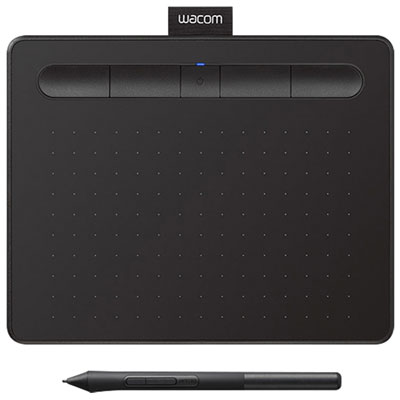
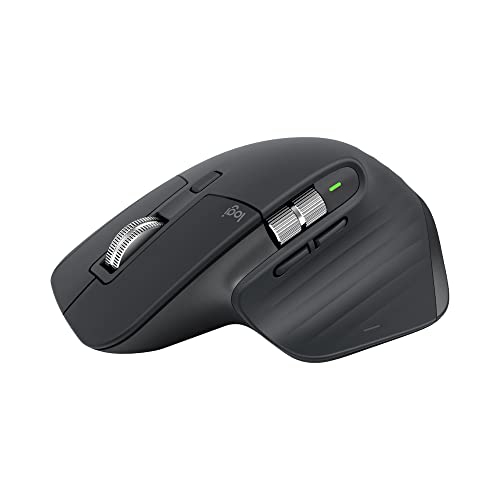
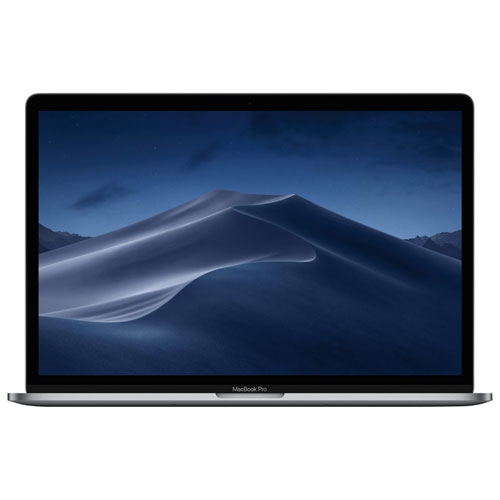
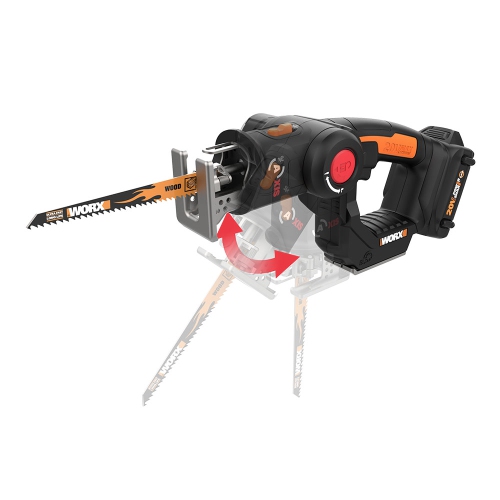

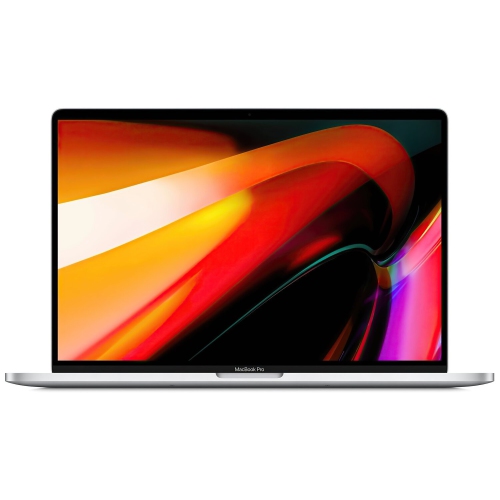

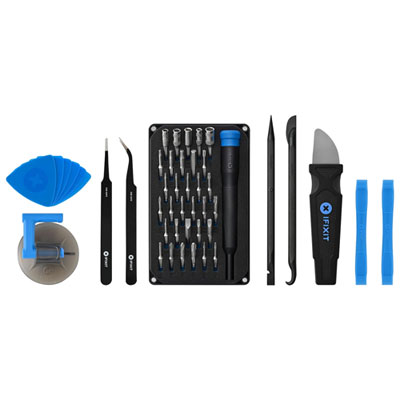
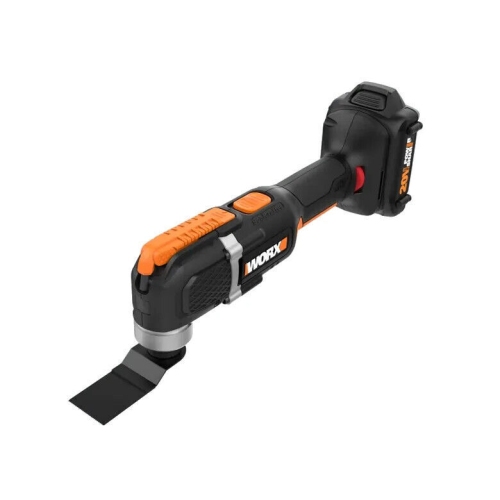
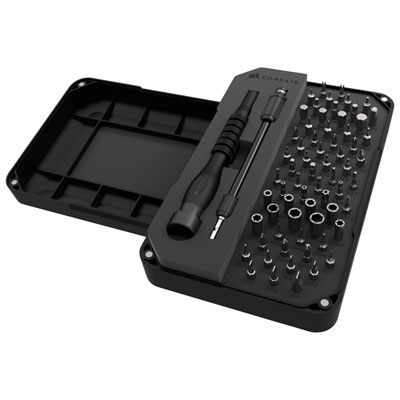
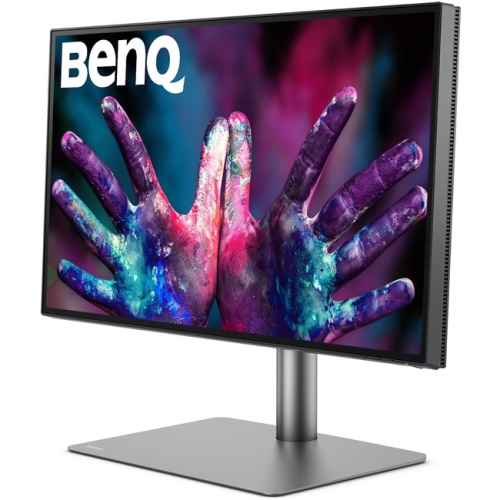
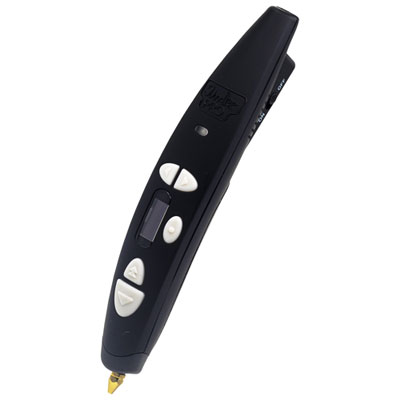
Tools that move product ideas from sketches to prototypes
Product designers rely on a diverse range of tools to bring their creative visions to life, whether they’re working on digital interfaces, physical products, or integrated systems. The right set of tools can streamline every stage of the design process, from initial sketches and brainstorming to advanced 3D modelling, prototyping, and user testing. For those just starting out in product design, investing in versatile and intuitive tools can make it easier to experiment with ideas and refine concepts quickly. Meanwhile, experienced professionals often look for advanced features that support collaboration, precise modelling, and seamless integration with other software and hardware. As the weather warms and projects ramp up for summer launches or fall releases, having reliable design tools on hand ensures that deadlines are met and creativity is never compromised. These products are not only essential for individual designers but also make thoughtful gifts for students entering design programs, recent graduates, or anyone passionate about innovation and making things better.
When selecting tools for product design, it’s important to consider the specific needs of the user and the type of projects they’ll be tackling. For digital product designers, tools that enable collaborative UI and UX development are invaluable, especially in team-based settings where real-time feedback and version control matter. Mechanical and industrial designers may prioritize robust 3D modelling and simulation capabilities to visualize how a product will function and fit together before moving to physical prototypes. As artificial intelligence becomes more integrated into design workflows, tools that leverage AI-driven features can help automate repetitive tasks, generate new ideas, and accelerate prototyping. The shift towards remote and hybrid work has also made portability and cloud-based access key considerations, allowing designers to work efficiently from anywhere—be it a sunlit studio or a cozy home office during the cooler months. For those interested in hands-on experimentation, exploring dedicated Prototyping Tools can open up new possibilities for rapid iteration and user testing, bridging the gap between digital concepts and tangible products.
Whether you’re outfitting a professional design studio or searching for the perfect gift for a creative friend, the right tools empower designers to push boundaries and turn ideas into reality. Many designers appreciate multifunctional devices that can handle everything from detailed renderings to quick sketches, while others may seek specialized equipment tailored to their workflow. Thoughtful features like ergonomic design, customizable shortcuts, and compatibility with popular design platforms can make long sessions more comfortable and productive. As innovation continues to drive the field forward, staying updated with the latest tools not only enhances efficiency but also inspires new ways of thinking and problem-solving. With so many options available, choosing tools that align with individual goals and project requirements ensures that every design journey is as rewarding as the finished product.
When selecting tools for product design, it’s important to consider the specific needs of the user and the type of projects they’ll be tackling. For digital product designers, tools that enable collaborative UI and UX development are invaluable, especially in team-based settings where real-time feedback and version control matter. Mechanical and industrial designers may prioritize robust 3D modelling and simulation capabilities to visualize how a product will function and fit together before moving to physical prototypes. As artificial intelligence becomes more integrated into design workflows, tools that leverage AI-driven features can help automate repetitive tasks, generate new ideas, and accelerate prototyping. The shift towards remote and hybrid work has also made portability and cloud-based access key considerations, allowing designers to work efficiently from anywhere—be it a sunlit studio or a cozy home office during the cooler months. For those interested in hands-on experimentation, exploring dedicated Prototyping Tools can open up new possibilities for rapid iteration and user testing, bridging the gap between digital concepts and tangible products.
Whether you’re outfitting a professional design studio or searching for the perfect gift for a creative friend, the right tools empower designers to push boundaries and turn ideas into reality. Many designers appreciate multifunctional devices that can handle everything from detailed renderings to quick sketches, while others may seek specialized equipment tailored to their workflow. Thoughtful features like ergonomic design, customizable shortcuts, and compatibility with popular design platforms can make long sessions more comfortable and productive. As innovation continues to drive the field forward, staying updated with the latest tools not only enhances efficiency but also inspires new ways of thinking and problem-solving. With so many options available, choosing tools that align with individual goals and project requirements ensures that every design journey is as rewarding as the finished product.
Top selling and popular products
-
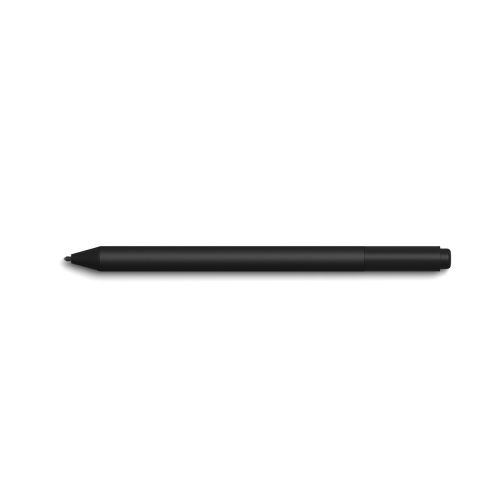 Your price for this item is $168.68
 -
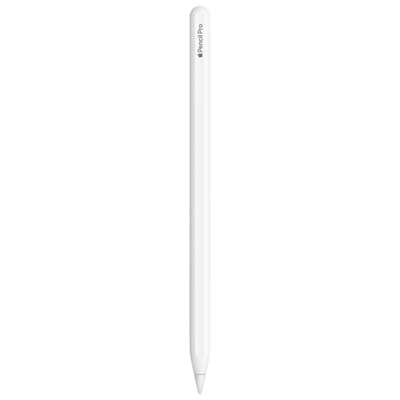 Your price for this item is $148.98
 -
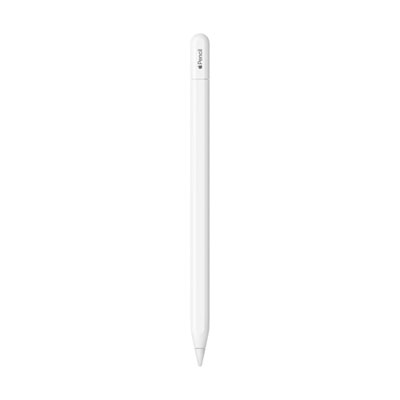 Your price for this item is $93.98
 -
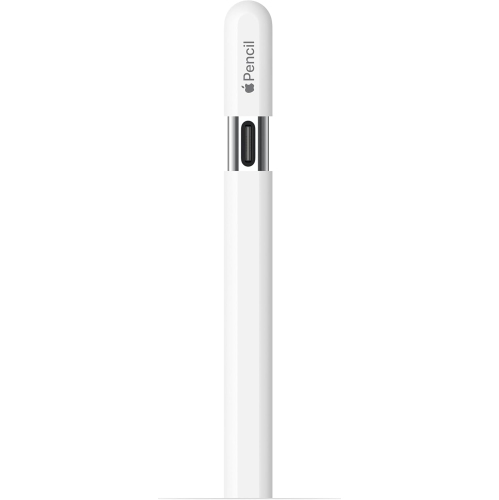 Your price for this item is $94.99
 -
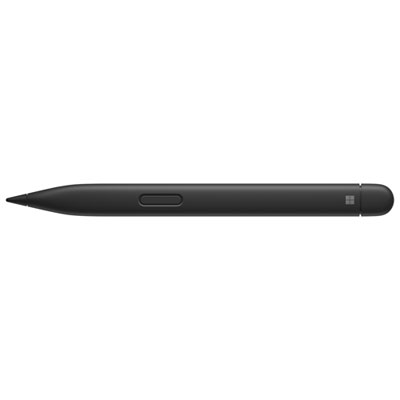 Your price for this item is $189.99
 -
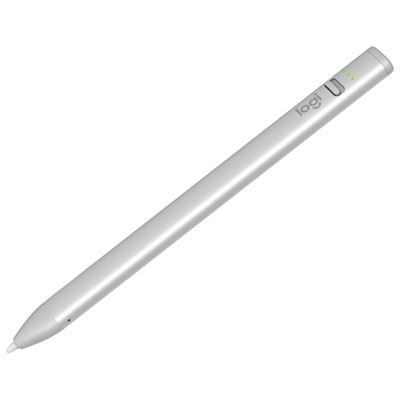 Your price for this item is $88.97
 -
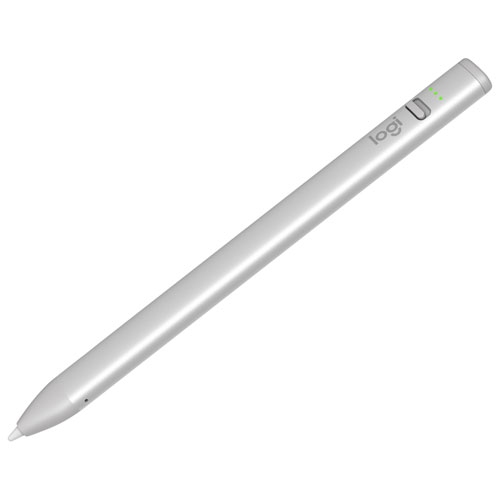 Your price for this item is $118.51
 -
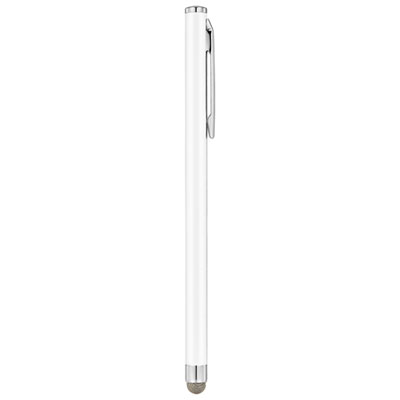 Your price for this item is $9.99
Discover more categories related to Tools for Product Designers
Top Collections:
Pokemon Centers, Kindle Devices, Best Budget Office Chairs, Apple iPhones 16, Best Laptops for Writers, iPhone 15 Apple, Canon G7X Cameras, Refurbished Apple Laptops, Alarm Clock, Motorola Razr Phones
Some products may be subject to Environmental Handling Fees
(EHF) depending on your province.
Learn more about EHFs.