Touch Sensitive Keyboards
Upgrade your typing experience with touch-sensitive keyboards. These innovative keyboards are designed to respond to even the gentlest touch, allowing for effortless and precise typing. Whether you're a professional writer, a gamer looking for lightning-fast response times, or simply want to enhance your everyday computing tasks, touch-sensitive keyboards offer a new level of convenience and comfort.
Sort
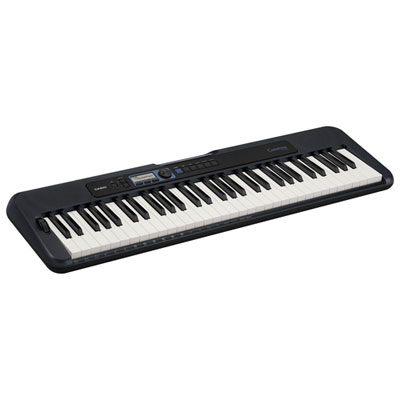
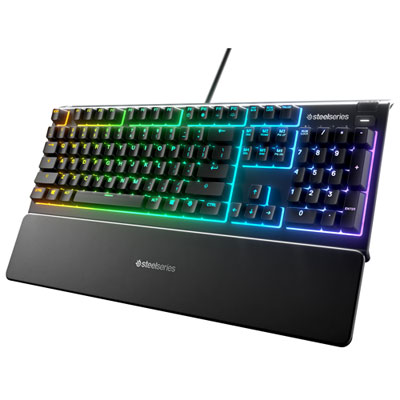
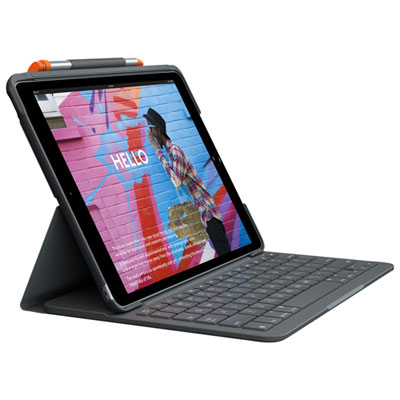
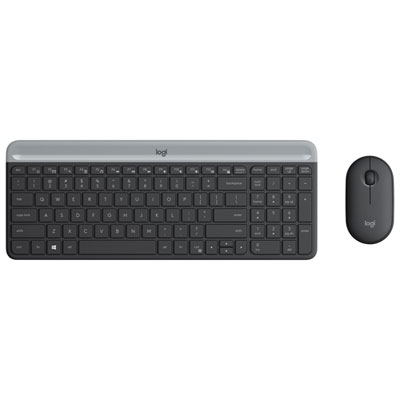

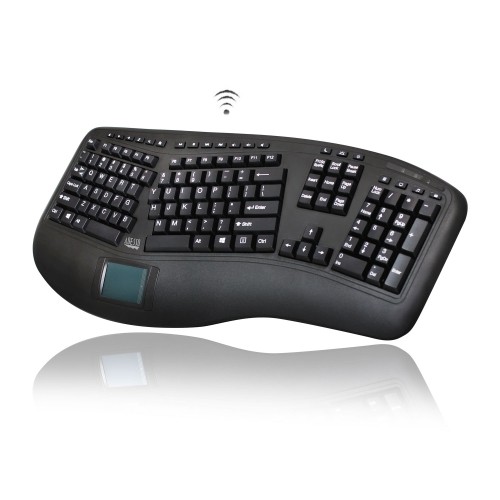
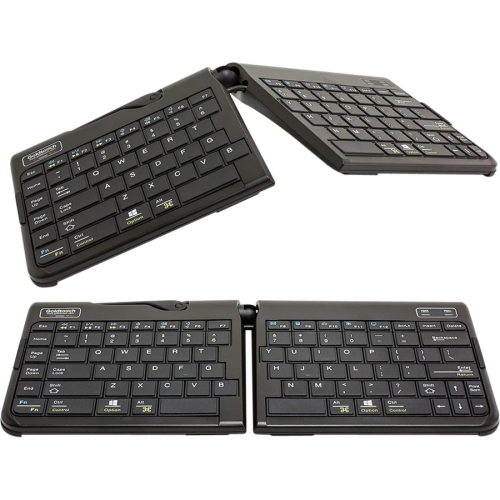
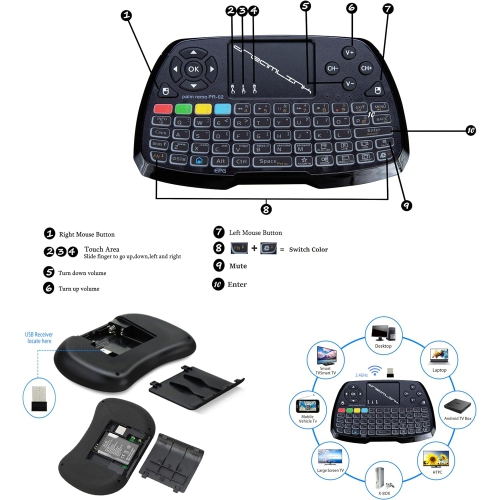
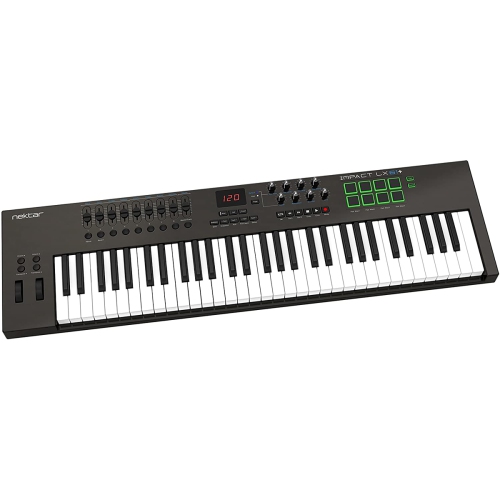
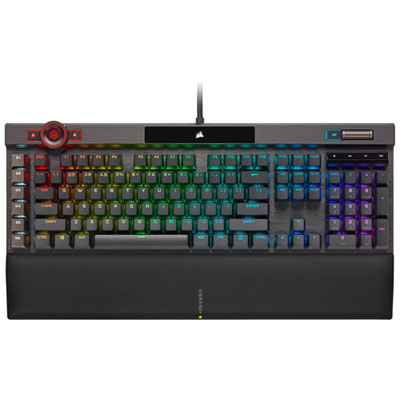
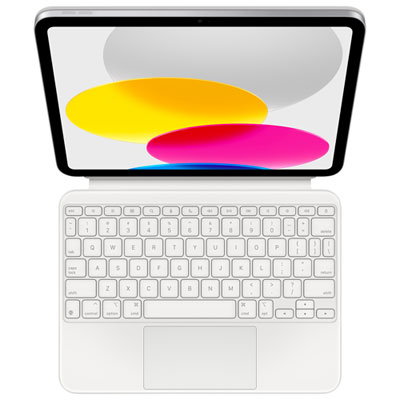
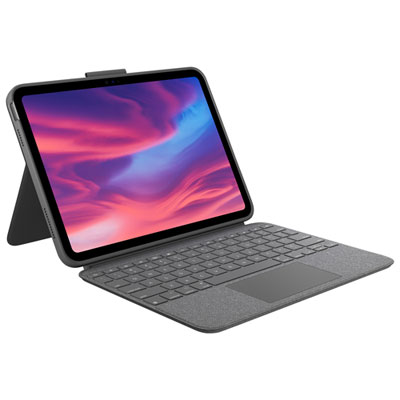
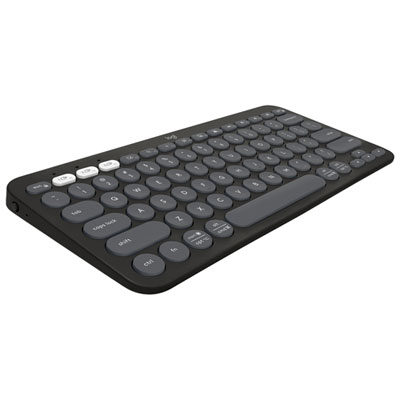

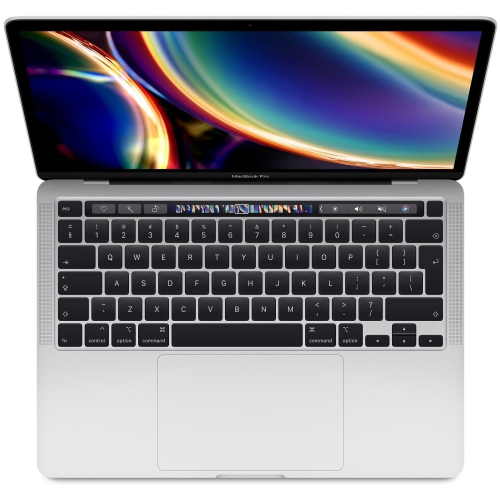
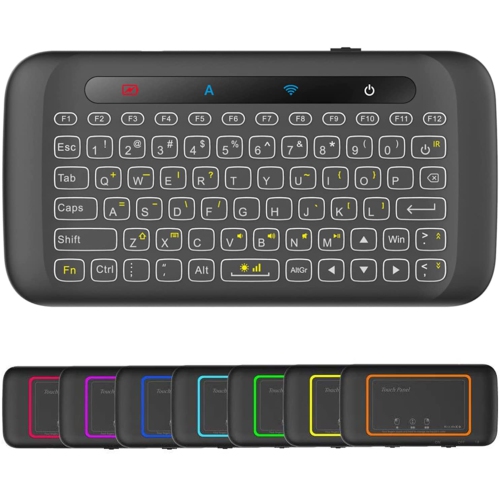
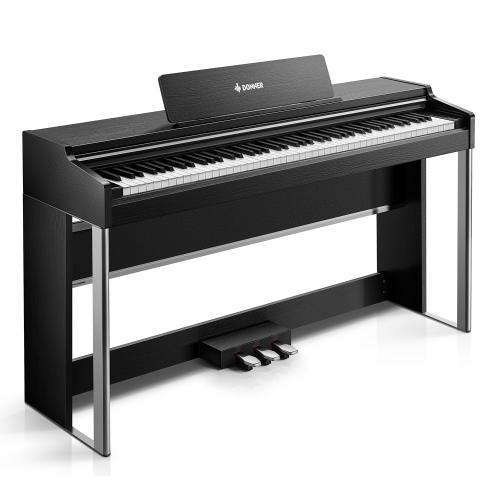
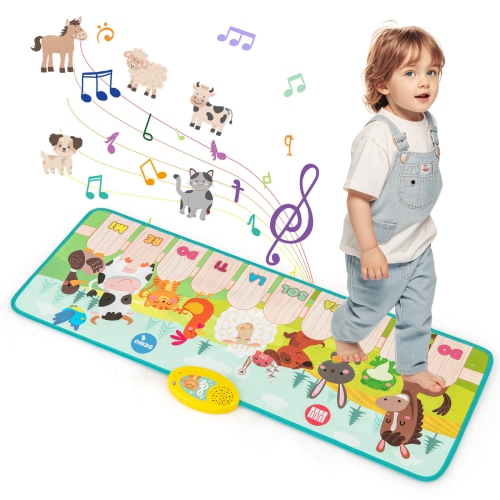
Expressive control for learning, practising, and making music
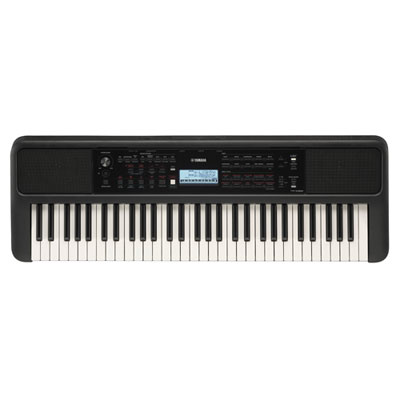
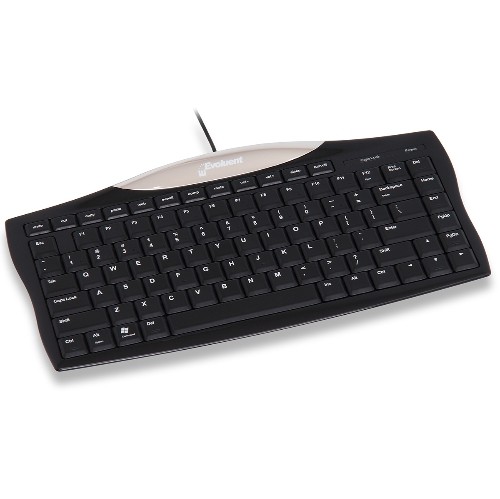
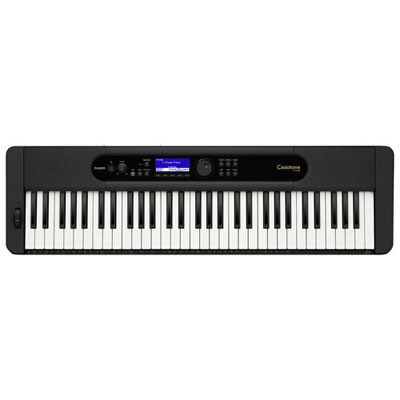
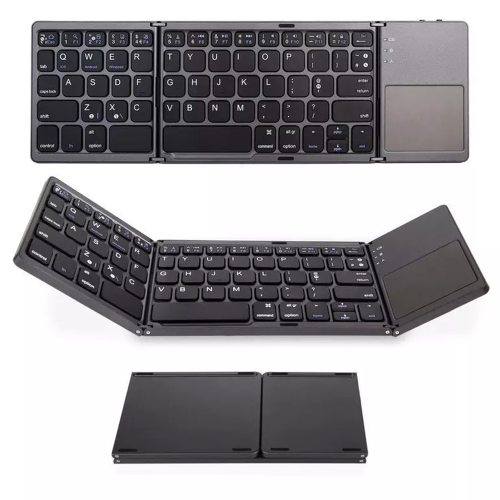
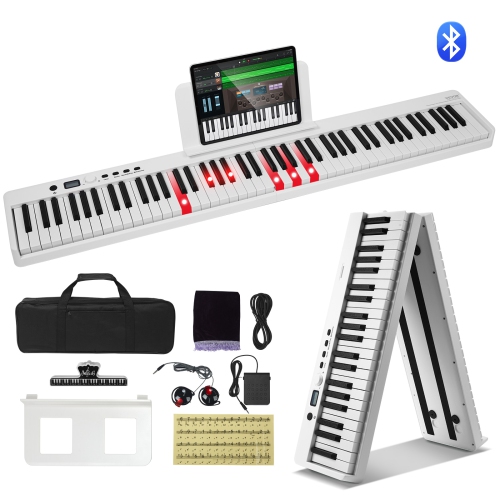
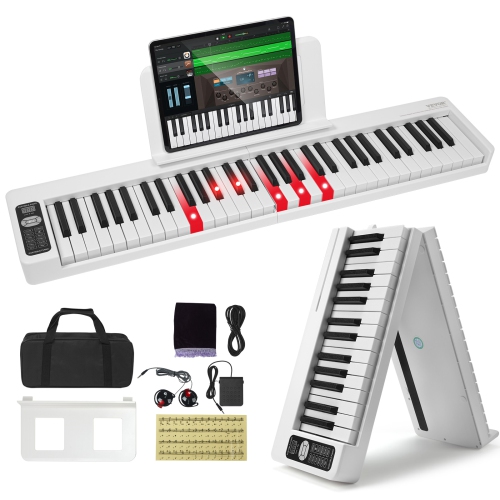
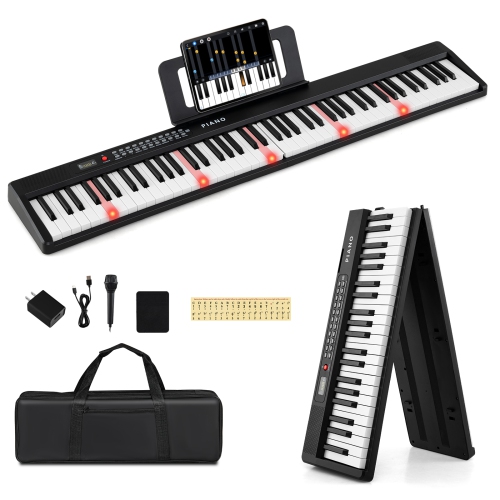
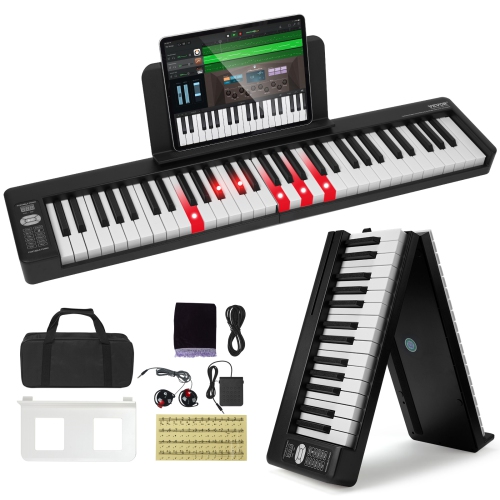
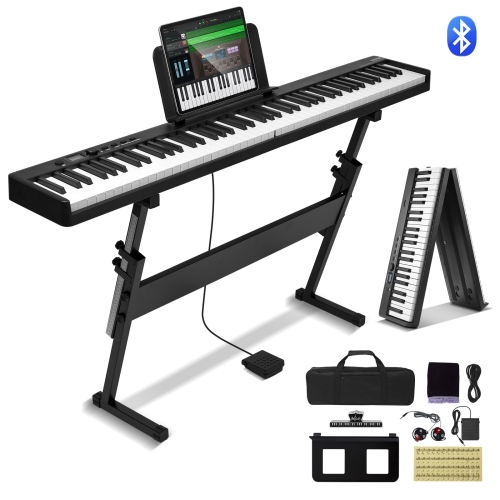
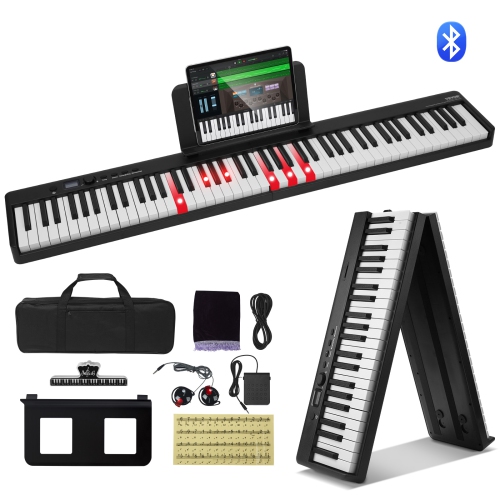
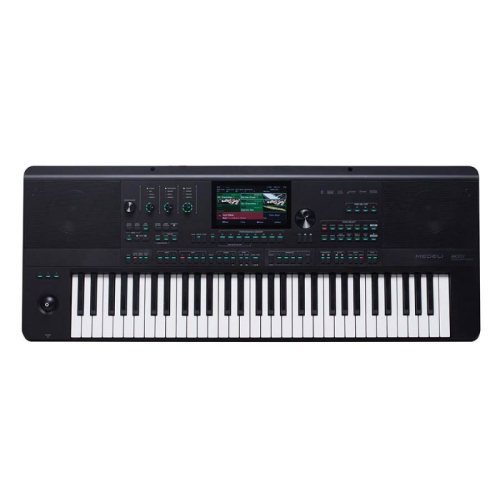
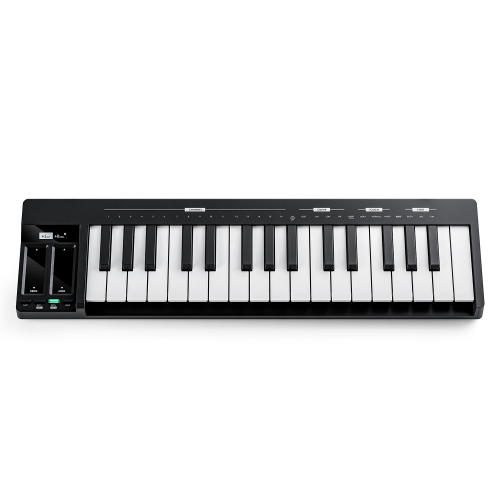
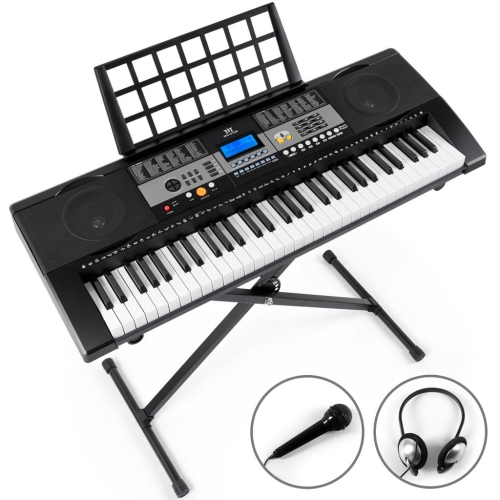
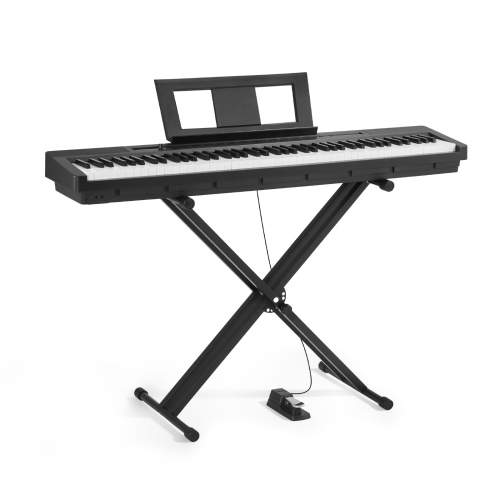
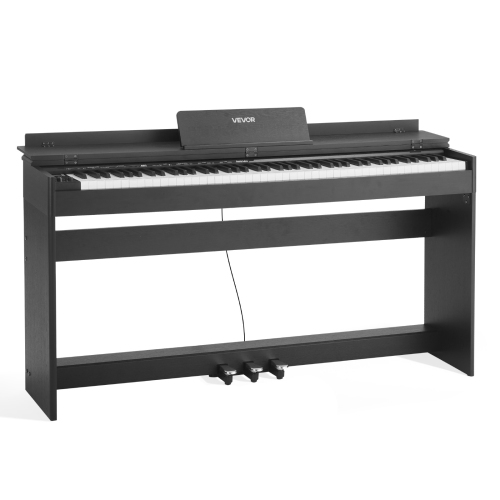
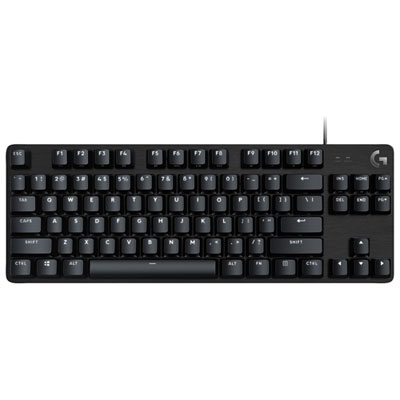
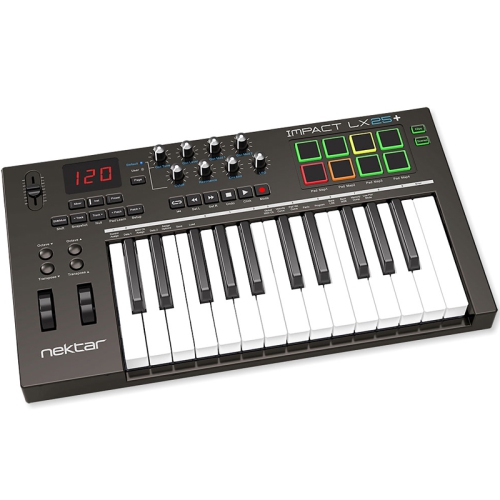
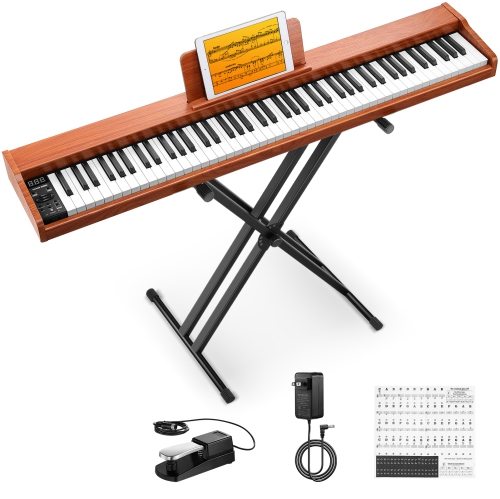
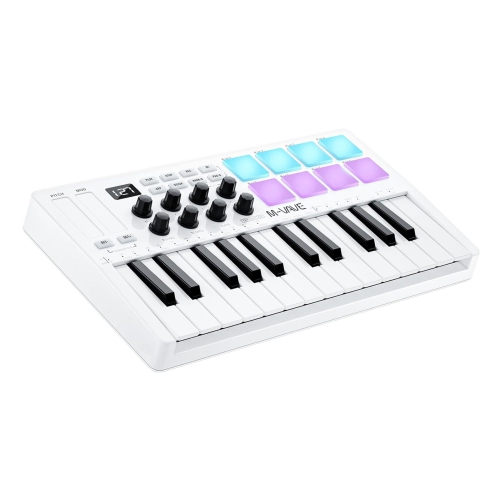
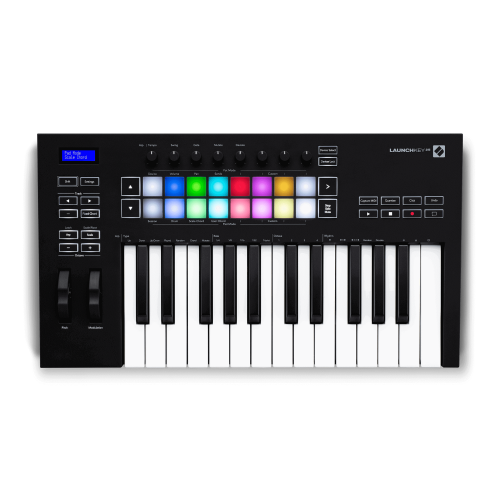
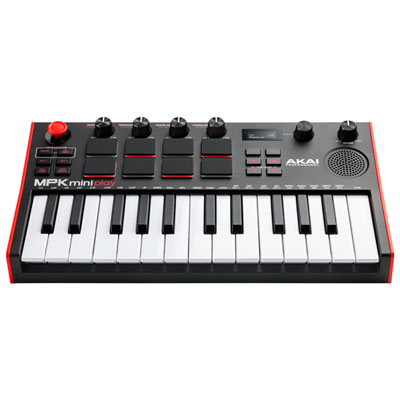
Touch-sensitive keyboards, also called velocity-sensitive or touch-responsive keyboards, are designed to respond to the way you play rather than producing every note at exactly the same volume. Press a key gently and the sound is softer; press it with more force and the note becomes louder and more pronounced. This dynamic response helps a keyboard feel more like an acoustic piano, where the movement and strength of your fingers shape the music. It can make a simple melody sound expressive, give chords more depth, and help a player develop better control from the beginning. For beginners, this feature encourages useful playing habits, including finger strength, steadier rhythm, and attention to musical dynamics. Instead of treating each key as an on-or-off switch, players learn that a note can whisper, speak clearly, or rise above the rest of a phrase. That sense of control can make practice more rewarding, especially when a familiar tune begins to sound less mechanical and more personal. Returning players may also appreciate the natural response of touch-sensitive keys when rebuilding confidence after time away from music. These keyboards can suit lessons, home practice, songwriting, casual playing, and small performances, while their built-in sounds may offer access to piano, electric piano, organ, strings, and other tones. When comparing options, consider the number and size of the keys, the available sounds, the layout of the controls, and the amount of space available in the room. Compact models with fewer keys can be convenient for a bedroom, apartment, cottage, or shared family space, while longer keyboards provide a wider range for advanced pieces and two-handed arrangements. Full-size key layouts can also make the transition to an acoustic piano more familiar, although they may require a sturdier stand and more room. It is worth checking whether the keys have adjustable touch response, since some players prefer a lighter action while others enjoy a firmer feel that demands more deliberate finger movement. Headphone compatibility can be helpful for quiet evening practice during the cooler months, and a built-in metronome can support timing exercises without requiring extra equipment. Speakers are useful for casual playing, while an audio output or USB connection may be important for recording, lessons, or working with music software. Players interested in connecting a keyboard to a computer or mobile device may also want to explore Portable MIDI Keyboards for a different kind of music-making setup.
A touch-sensitive keyboard can be a thoughtful gift for a child taking lessons, a teenager discovering songwriting, an adult returning to an old hobby, or a music lover looking for a practical way to play at home. For a young learner, look for controls that are easy to understand, a stable design, and enough sounds to keep practice engaging without making the instrument feel complicated. A beginner may benefit from features such as lesson functions, recording, a metronome, or illuminated controls, but the most important consideration is whether the keyboard encourages regular playing. A player who is excited to sit down for ten minutes after school or work often makes more progress than someone with a feature-packed instrument that feels intimidating. Families may also want to think about volume control, headphone use, and whether the keyboard can be placed safely on a desk, stand, or dedicated music area. For songwriting and arranging, a model with a broad selection of voices, recording functions, and straightforward connections can help capture ideas before they disappear. A few notes played into a phone or computer can grow into a complete arrangement, and touch response makes those early sketches more expressive. When shopping for an instrument for an experienced pianist, pay closer attention to key range, response settings, connectivity, and the playing feel, since these details are more likely to influence long-term satisfaction than the number of built-in sounds alone. Those who are used to an acoustic piano may prefer a larger keyboard and a more substantial action, while performers who move between rooms may value a lighter design that is easier to carry. A keyboard used for lessons may need to fit neatly into a study area, whereas one intended for rehearsals or gatherings may benefit from stronger speakers and convenient controls. It is also helpful to consider accessories such as a stand, bench, sustain pedal, music rest, or protective cover, depending on how the instrument will be used. A sustain pedal can add warmth and continuity to piano parts, while a stand can place the keys at a comfortable height and reduce awkward wrist angles. Whether it is used to learn scales at home, accompany singing, experiment with sounds on a quiet afternoon, or play a favourite song for family and friends, a touch-sensitive keyboard offers a responsive foundation for developing musical expression. The best fit balances the player’s experience level, available space, preferred sound, playing style, and plans for learning, so the instrument remains approachable on the first day and useful as skills continue to grow.
A touch-sensitive keyboard can be a thoughtful gift for a child taking lessons, a teenager discovering songwriting, an adult returning to an old hobby, or a music lover looking for a practical way to play at home. For a young learner, look for controls that are easy to understand, a stable design, and enough sounds to keep practice engaging without making the instrument feel complicated. A beginner may benefit from features such as lesson functions, recording, a metronome, or illuminated controls, but the most important consideration is whether the keyboard encourages regular playing. A player who is excited to sit down for ten minutes after school or work often makes more progress than someone with a feature-packed instrument that feels intimidating. Families may also want to think about volume control, headphone use, and whether the keyboard can be placed safely on a desk, stand, or dedicated music area. For songwriting and arranging, a model with a broad selection of voices, recording functions, and straightforward connections can help capture ideas before they disappear. A few notes played into a phone or computer can grow into a complete arrangement, and touch response makes those early sketches more expressive. When shopping for an instrument for an experienced pianist, pay closer attention to key range, response settings, connectivity, and the playing feel, since these details are more likely to influence long-term satisfaction than the number of built-in sounds alone. Those who are used to an acoustic piano may prefer a larger keyboard and a more substantial action, while performers who move between rooms may value a lighter design that is easier to carry. A keyboard used for lessons may need to fit neatly into a study area, whereas one intended for rehearsals or gatherings may benefit from stronger speakers and convenient controls. It is also helpful to consider accessories such as a stand, bench, sustain pedal, music rest, or protective cover, depending on how the instrument will be used. A sustain pedal can add warmth and continuity to piano parts, while a stand can place the keys at a comfortable height and reduce awkward wrist angles. Whether it is used to learn scales at home, accompany singing, experiment with sounds on a quiet afternoon, or play a favourite song for family and friends, a touch-sensitive keyboard offers a responsive foundation for developing musical expression. The best fit balances the player’s experience level, available space, preferred sound, playing style, and plans for learning, so the instrument remains approachable on the first day and useful as skills continue to grow.
Top selling and popular products
-
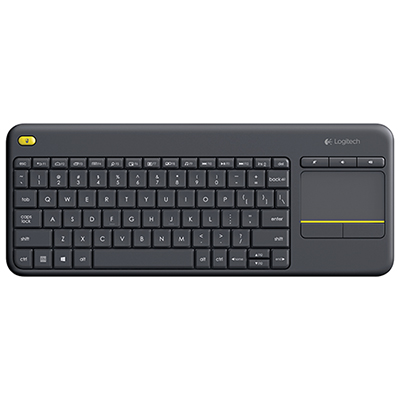 Your price for this item is $39.99
 -
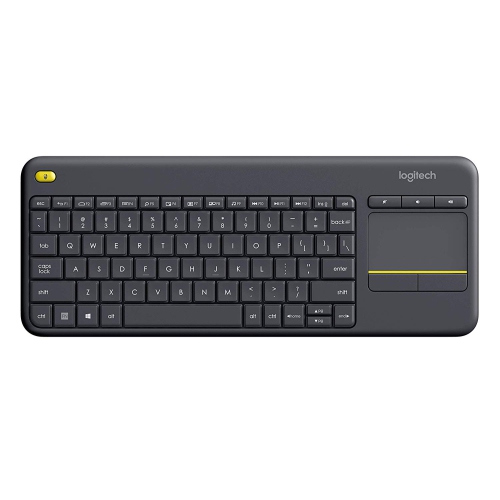 Your price for this item is $49.72
 -
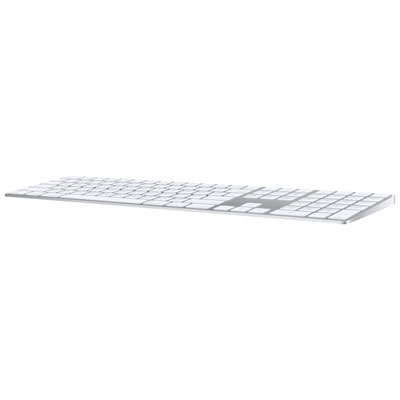 Your price for this item is $159
 -
 Your price for this item is $219.99
 -
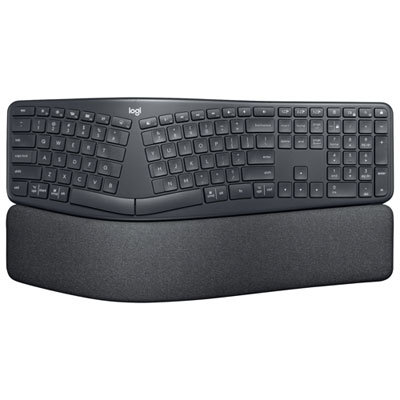 Your price for this item is $199.99
 -
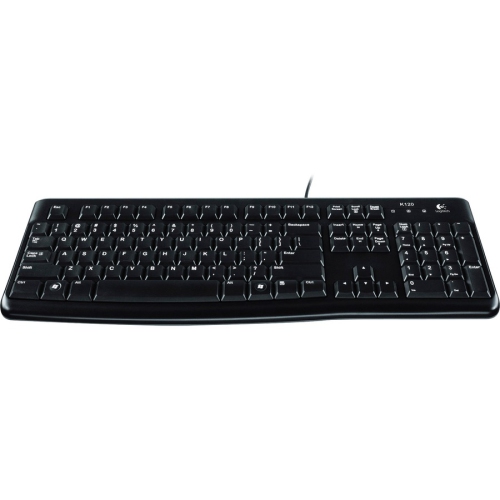 Your price for this item is $44.69
 -
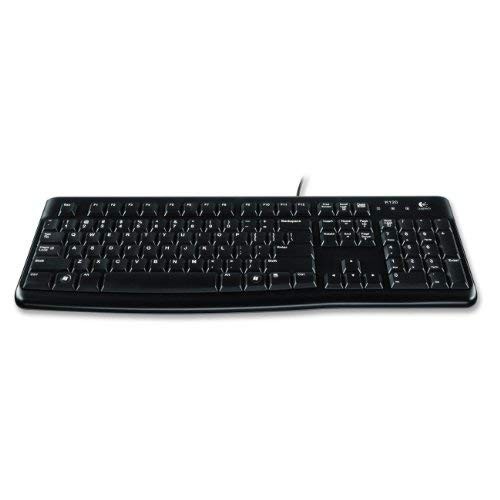 Your price for this item is $29.99
 -
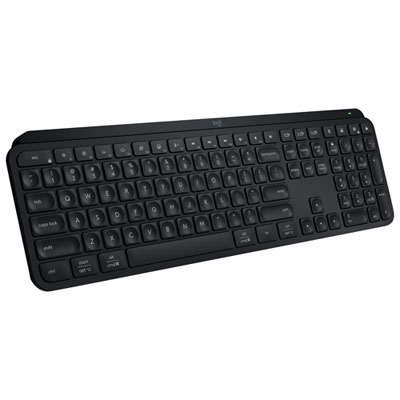 Your price for this item is $169.99
Discover more categories related to Touch Sensitive Keyboards
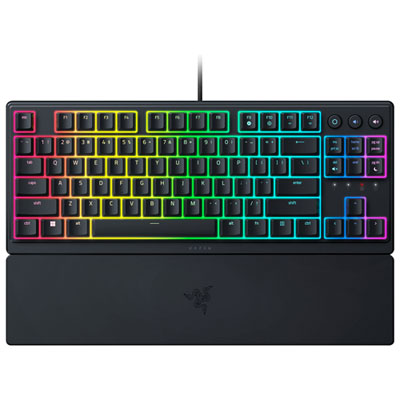
Top Collections:
Pokemon Centers, Budget 4K TVs, Kindle Devices, Canon G7X Cameras, Apple iPhones 16, iPhone 15 Apple, Laptops for Business Work, Flip Phones, Xiaomi Phones, Refurbished Apple Laptops
Some products may be subject to Environmental Handling Fees
(EHF) depending on your province.
Learn more about EHFs.