Cyber Monday Deals Coming Soon
Our Cyber Monday Sale returns in December 2026. In the meantime, shop our current top deals below.

Cyber Monday Deals On Armoires
Get ready to upgrade your home storage with incredible Cyber Monday deals on armoires at Best Buy Canada. Whether you're looking to organize your clothing, accessories, or even electronics, our wide selection of stylish and functional armoires has got you covered. With unbeatable discounts and exclusive offers, now is the perfect time to find armoires that suit your needs and complement your home decor. Don't miss out on these limited-time deals and make the most of Cyber Monday shopping with Best Buy Canada. Remember, our Low Price Guarantee means you can shop confidently knowing that you'll find the best price at Best Buy, all year round. We encourage you to check our website frequently for the most up-to-date information on our latest offers and savings opportunities.
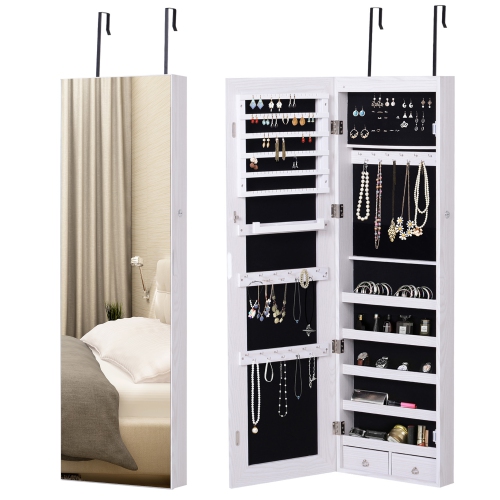
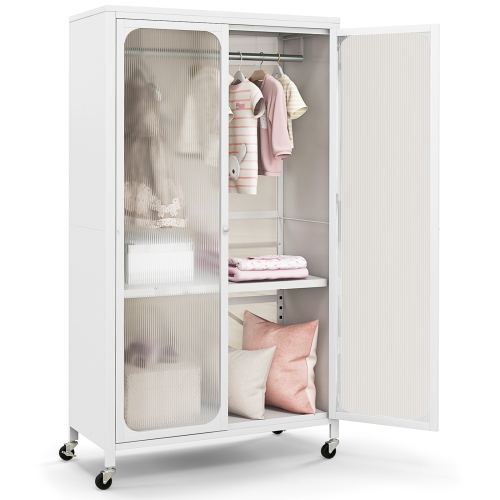
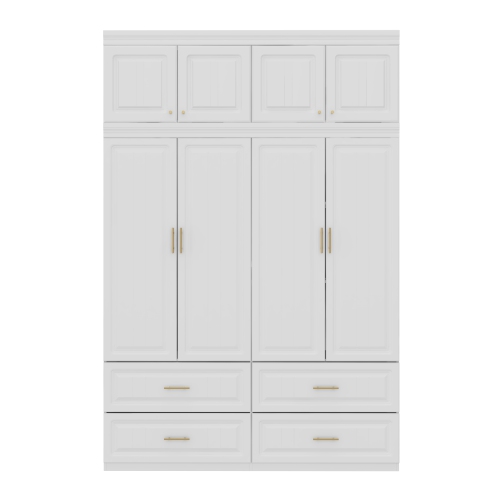



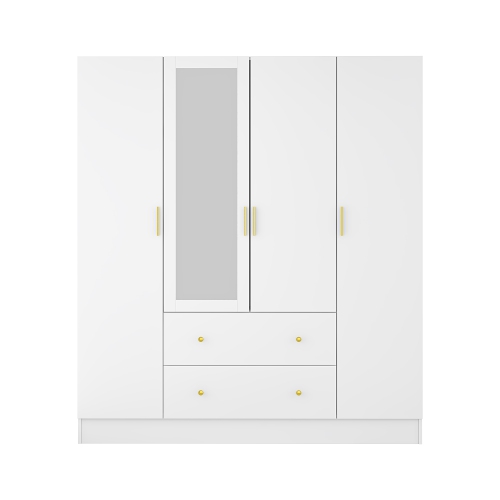
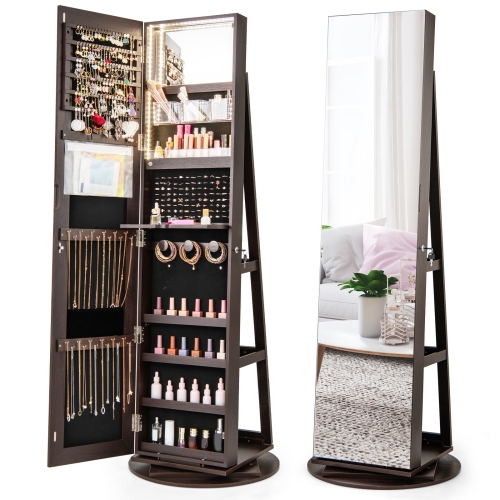
An armoire’s interior matters as much as its size
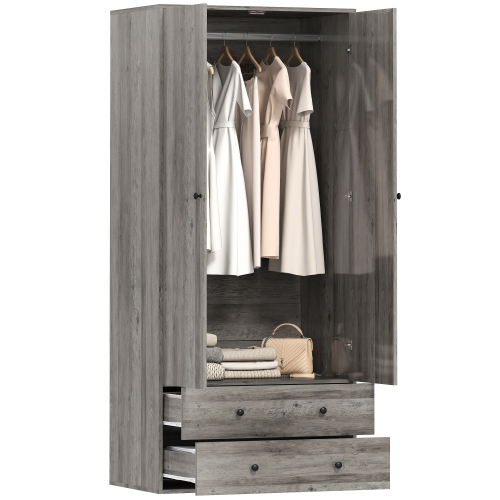
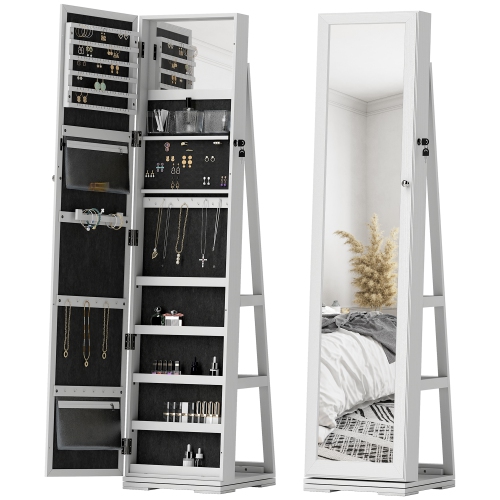
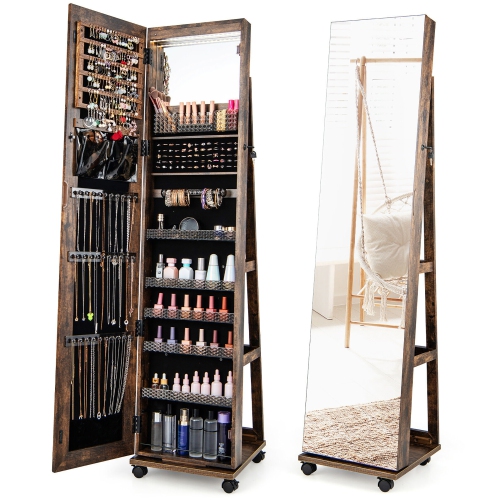
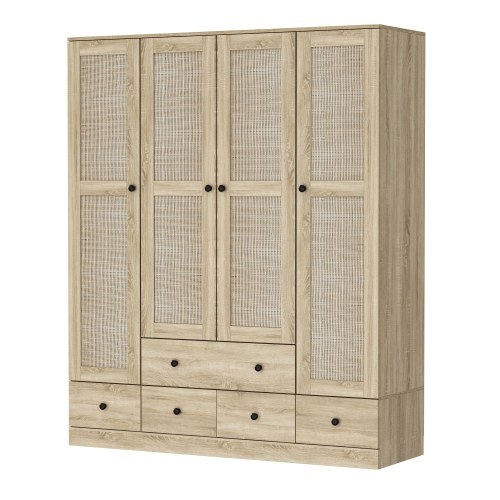
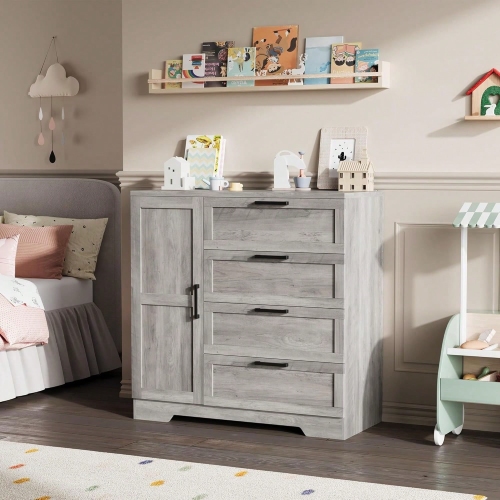
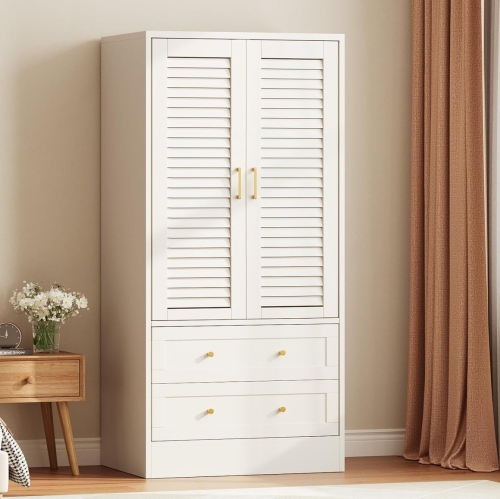
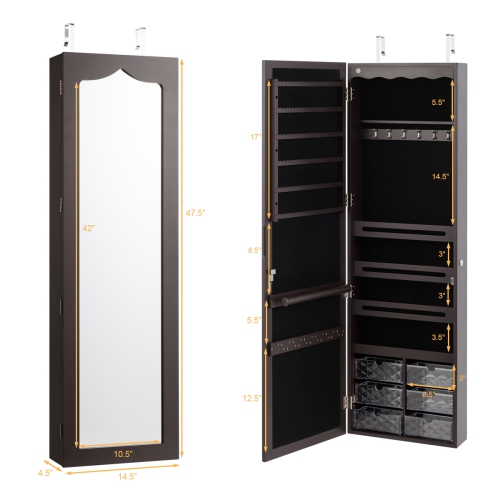
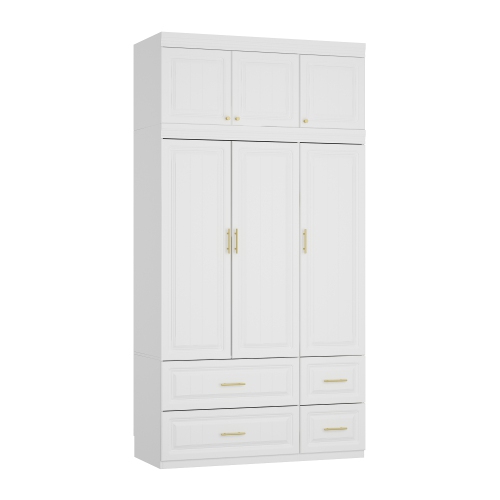
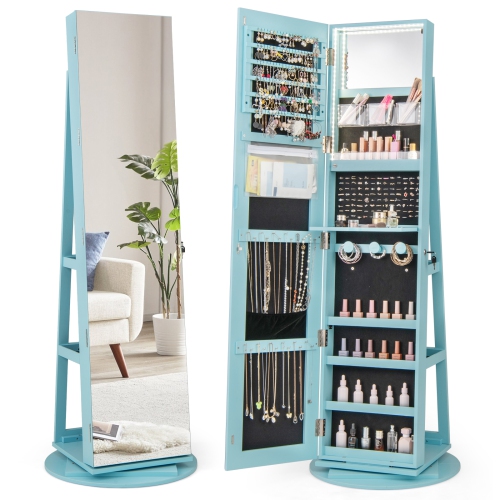
Fit involves more than finding an empty section of wall. The cabinet’s width, depth, and height need to work with the room, but the doors and drawers also need room to move. Hinged doors require clear space in front, particularly beside a bed or bedside table, while sliding doors can reduce the amount of swing space required. Sliding designs usually expose only part of the interior at once, so their convenience depends on how the compartments are arranged. A drawer near the floor should pull out fully without blocking the main walkway, and a projecting handle should not become an obstacle in a narrow passage. Baseboards may keep the cabinet slightly away from the wall, and nearby outlets, vents, switches, and curtain panels can affect placement. Measuring the route into the room matters too, including doorways, stair turns, lift openings, and any tight landing where a large package must change direction. Flat-packed furniture still needs a clear assembly area, and some designs require enough ceiling clearance to raise the cabinet after it has been assembled on the floor. Following the assembly sequence helps prevent damaged panels, misaligned doors, and unnecessary lifting. Larger armoires often call for two people during assembly or positioning, particularly when fitting heavy doors or moving the completed unit. Once positioned, the cabinet should sit level so doors meet evenly and drawers travel smoothly. Furniture restraints should be installed according to the manufacturer’s instructions, using hardware suitable for the wall construction; this is especially important in homes with children or pets. Heavy contents belong lower in the cabinet, and shelves, rods, and drawers should stay within their stated weight limits. Intended use also affects placement. A guest-room armoire benefits from a clear hanging section and an accessible shelf, while daily clothing storage works best where the doors can open comfortably during a busy morning. Leaving a practical path between the wardrobe, bed, and room entrance makes even a compact bedroom easier to use.
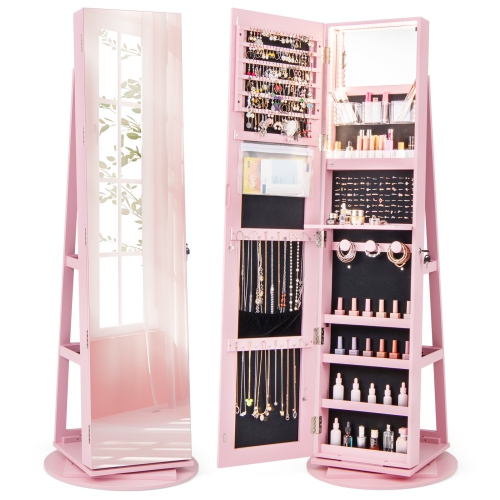
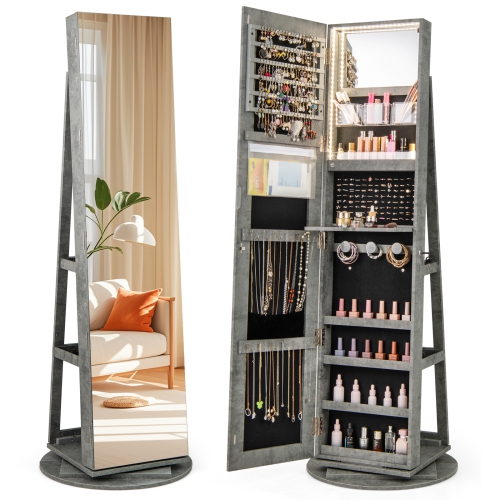
Materials and construction influence an armoire’s appearance, weight, maintenance, and ability to handle everyday use. Solid wood brings natural grain variation and can be substantial, though its response to indoor humidity means it needs consistent care and sensible placement away from direct heat sources. Wood veneer provides a real wood surface over a supporting core, while laminate and other manufactured finishes can offer a uniform colour and a surface that is straightforward to wipe clean. Engineered wood is common in panel construction, but performance depends on the panel quality, protective finish, connections, and assembly rather than the material name alone. Metal cabinets offer a different look and may suit utility-focused spaces, although hinges, coatings, and shelf construction still determine how well they stand up to use. Across materials, securely fitted hardware, well-supported shelves, smooth drawer runners, and doors that align properly are useful signs of careful construction. Soft-close hardware can reduce slamming, but it does not replace proper adjustment or respect for weight limits. For care, a soft cloth and the manufacturer’s recommended cleaning method are safer than harsh cleaners or abrasive pads. Moisture should not be left sitting along panel edges or around joints, and mirrored or glass sections need cleaning without soaking the surrounding frame. Periodically checking fasteners and door alignment can help keep a frequently used cabinet working smoothly. Style matters alongside these practical details. Pale finishes can give a large cabinet a less imposing presence, darker tones create stronger contrast, and visible wood grain adds texture beside plain bedding or painted walls. Handles, door profiles, and the shape of the base help connect an armoire with other furniture without requiring every finish to match exactly. For a broader room arrangement, Cyber Monday deals on bedroom sets offers a related furniture category to consider alongside wardrobe storage. A well-proportioned armoire should complement the bed and nearby pieces while leaving enough open space for comfortable movement and easy access to its contents.
Top selling and popular products
-
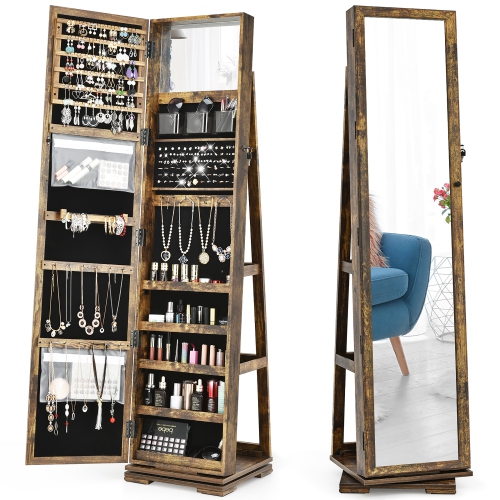 Your price for this item is $224.99
 -
 Your price for this item is $289.99
 -
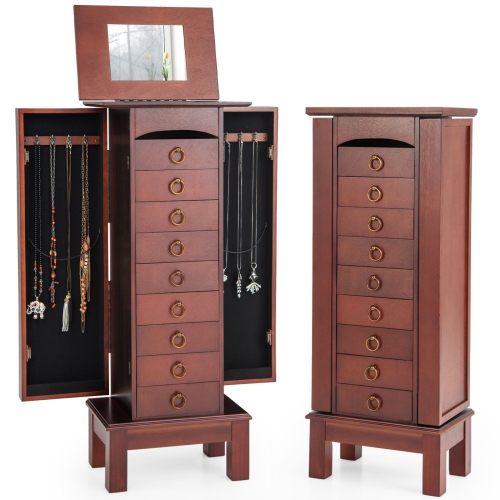 Your price for this item is $199.99
 -
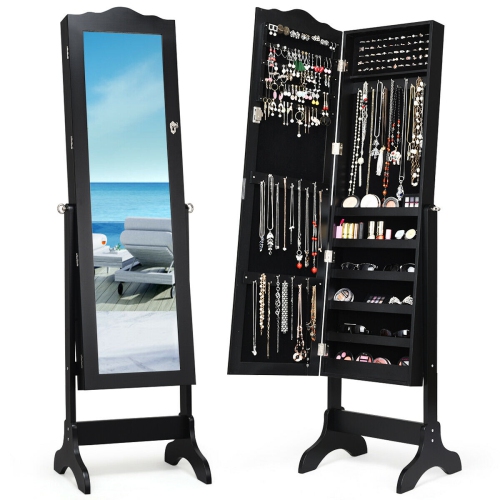 Your price for this item is $169.99
 -
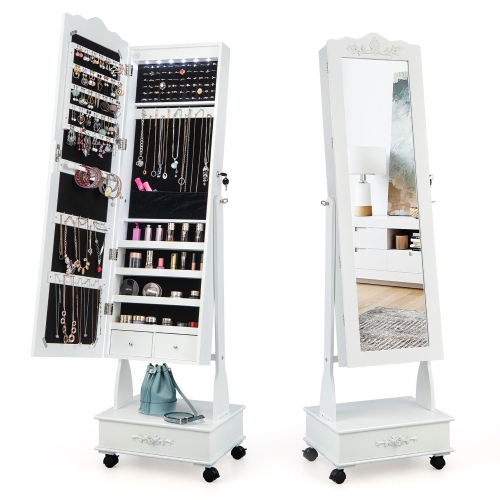 Your price for this item is $189.99
 -
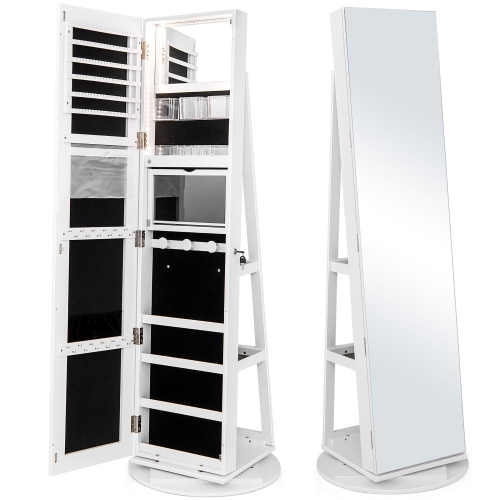 Your price for this item is $199.99
 -
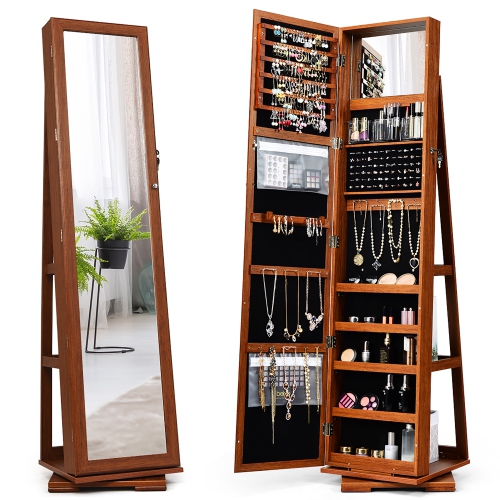 Your price for this item is $229.99
 -
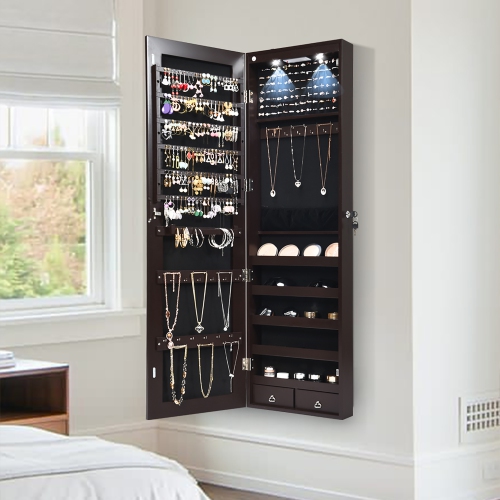 Your price for this item is $169.99