Cyber Monday Deals Coming Soon
Our Cyber Monday Sale returns in December 2026. In the meantime, shop our current top deals below.

Cyber Monday Deals On Dining Tables
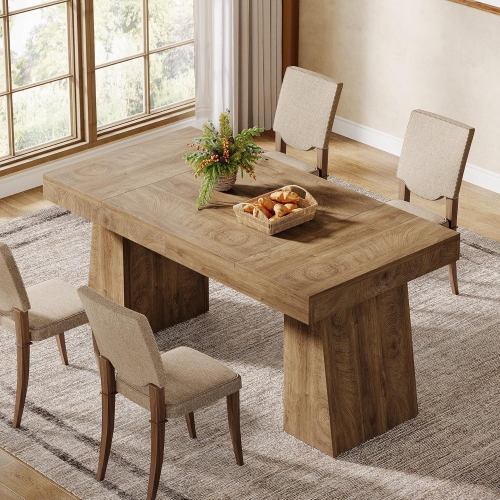
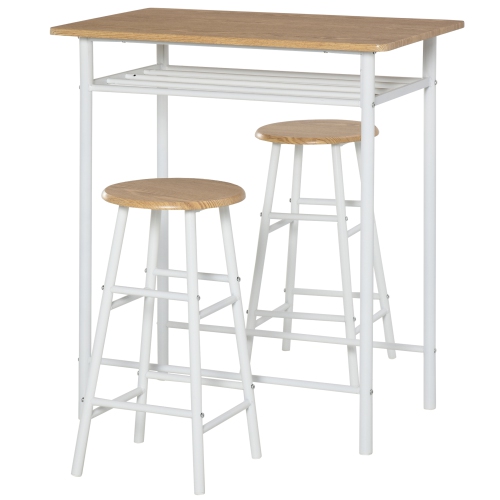
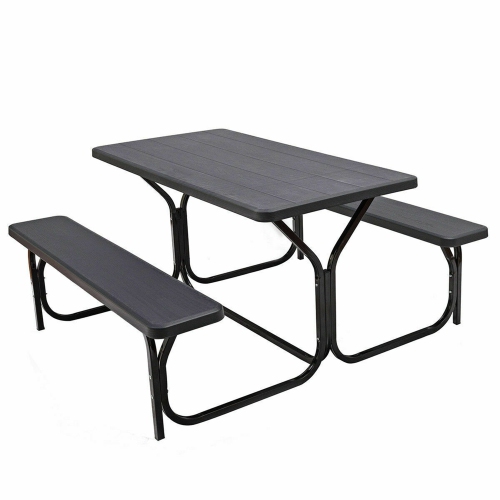
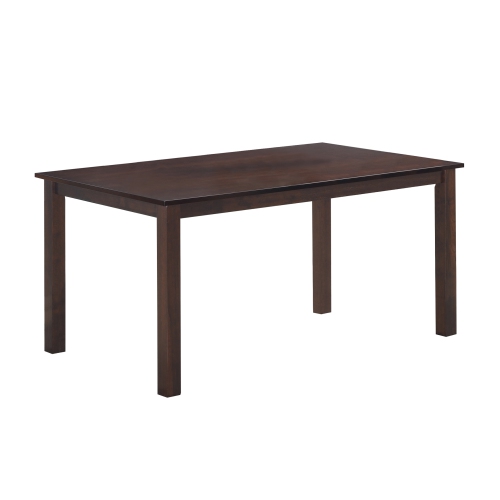
Get ready to upgrade your dining space with incredible Cyber Monday deals on dining tables. Whether you're looking for a sleek and modern design or a classic and timeless style, we've got you covered. From rectangular to round, extendable to drop-leaf, our Cyber Monday deals on dining tables will help you create the perfect setting for memorable meals with family and friends. Remember, our Low Price Guarantee means you can shop confidently knowing that you'll find the best price at Best Buy, all year round. We encourage you to check our website frequently for the most up-to-date information on our latest offers and savings opportunities.

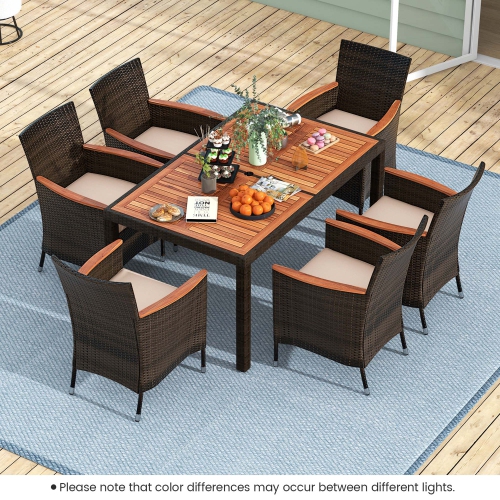
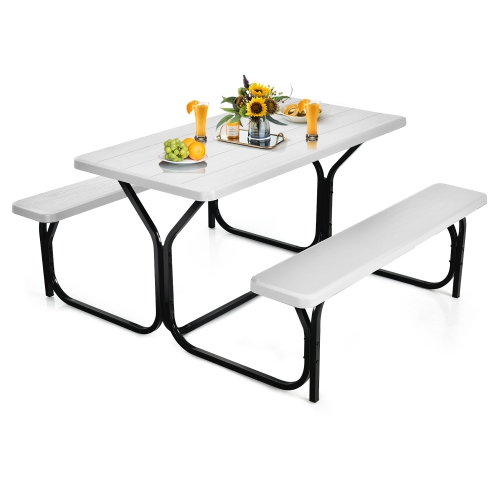
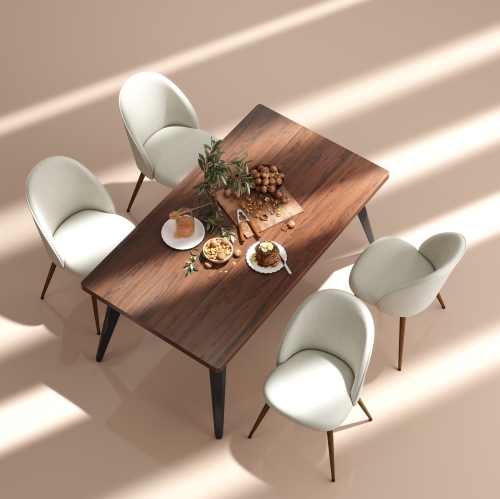
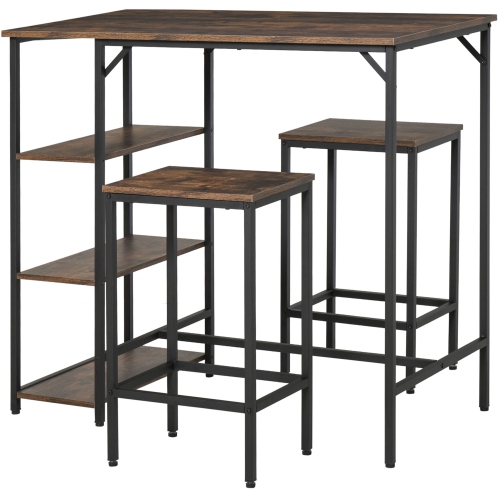


How dining table proportions shape everyday comfort
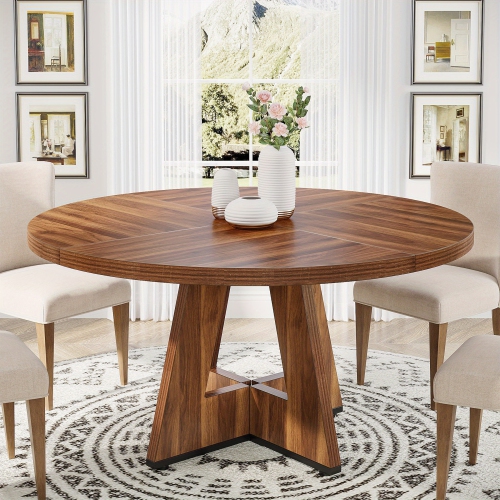
Materials influence a dining table’s appearance, weight, upkeep, and response to daily use. Solid wood brings visible grain and variation that can give a room warmth without requiring elaborate styling. Its surface may develop small marks over time, and some solid wood tables can be refinished, depending on their construction and finish. Wood also responds to changes in indoor humidity, so steady conditions and distance from strong heat sources help reduce movement and drying. Wood veneer offers a real wood surface over a supporting core, with a consistent look across larger tabletops; because the wood layer is thin, deep sanding is generally unsuitable. Engineered wood with a laminate surface can be practical for busy eating areas, particularly when spills are wiped up promptly and exposed edges are kept dry. Glass creates a lighter visual impression in a small room and allows an interesting base to remain visible, though fingerprints and crumbs tend to show clearly. Tempered glass is designed for greater strength than ordinary glass, but its edges still need protection from hard knocks. Stone and stone-look surfaces vary considerably: natural marble can stain or etch from acidic foods, while the care requirements of ceramic, sintered stone, and composite surfaces depend on the material and finish. Metal bases can give a table a slim profile and a sturdy feel, with the quality of the joints, finish, and floor contact contributing to everyday stability. Durability is not determined by material alone. Secure connections, well-supported leaves, a suitable protective finish, and a base that sits evenly all help a table withstand repeated use. For households with children, rounded corners and surfaces that tolerate frequent wiping can make meals and craft sessions easier to manage. Placemats, coasters, and trivets help protect against scratches, moisture rings, and hot dishes, while a soft cloth and a cleaner suited to the surface are usually preferable to abrasive scrubbing. Manufacturer care directions remain important, especially for sealed stone, painted finishes, and textured surfaces where residue can collect. Felt pads beneath the feet can also help protect flooring when the table needs to move.
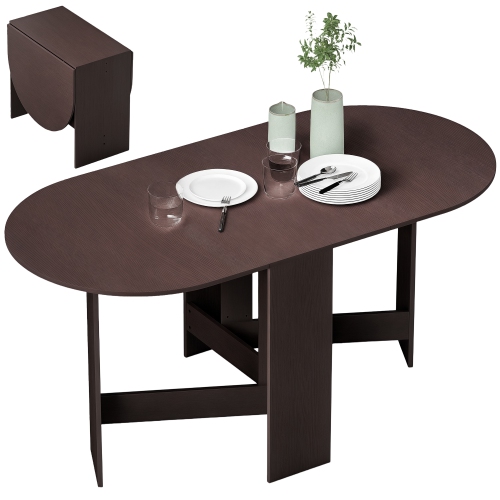
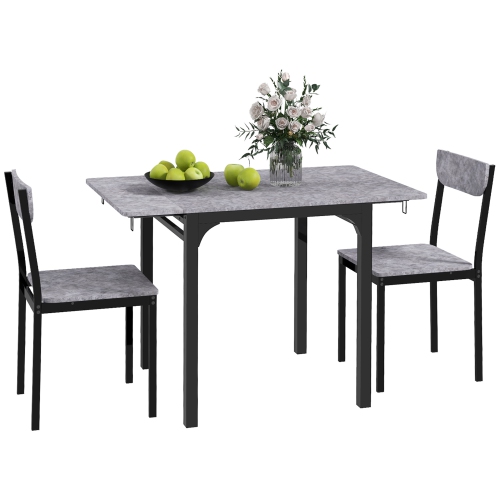
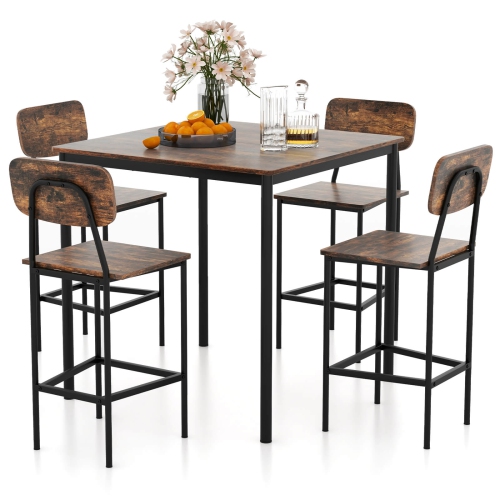
Extendable dining tables offer a useful balance between a smaller everyday footprint and space for guests. A drop-leaf table can sit compactly against a wall between meals, while a butterfly leaf typically folds into the table itself rather than needing a separate storage spot. Removable leaves provide another way to lengthen the surface, but they need somewhere dry and protected when not in use. The room must accommodate the fully extended table, including chairs at the ends and a clear path to the kitchen. Extension hardware should move as intended, lock securely where applicable, and support the added surface without an awkward change in level. Chair compatibility is equally important. Standard dining tables are commonly about 28 to 30 inches high, and a gap of roughly 10 to 12 inches between the seat and the underside of the tabletop generally allows comfortable legroom. A deep apron can reduce that space, and chair arms may not tuck underneath even when the overall table height seems suitable. Counter-height tables create a different sitting position and need appropriately sized seating; they may be less convenient for young children or anyone who finds climbing onto a taller seat uncomfortable. A bench can keep one side visually simple, but people seated in the middle may find getting in and out harder than with individual chairs. These small differences shape how the table feels during a long meal, a puzzle session, or an afternoon spent sorting paperwork. For homes where dining and work share a room, a separate workspace can keep cables and monitors away from place settings; Cyber Monday Deals on Desks is a related option for that part of the layout. Access into the home also deserves attention, including doorway widths, stair turns, lift dimensions, and whether the tabletop and base can be moved separately. A well-suited dining table brings these practical details together: comfortable seating, manageable care, enough surface for the intended use, and proportions that leave the room easy to live in.
Top selling and popular products
-
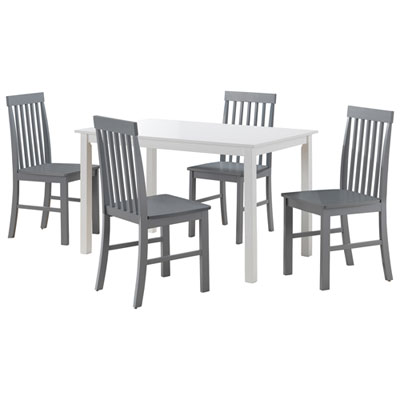 Your price for this item is $872.99
 -
 Your price for this item is $197.99
 -
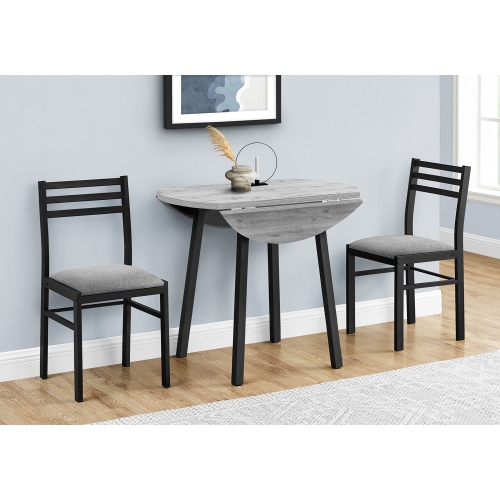 Your price for this item is $219.97
 -
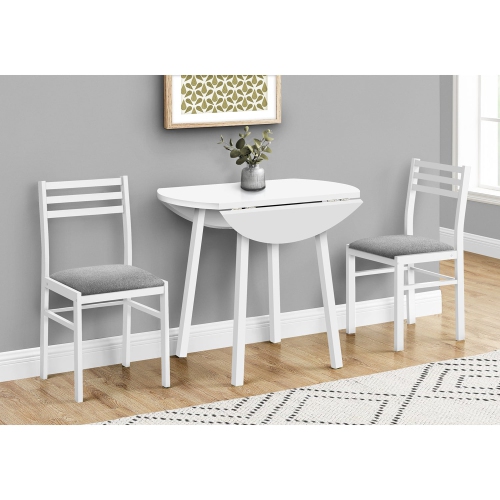 Your price for this item is $219.97
 -
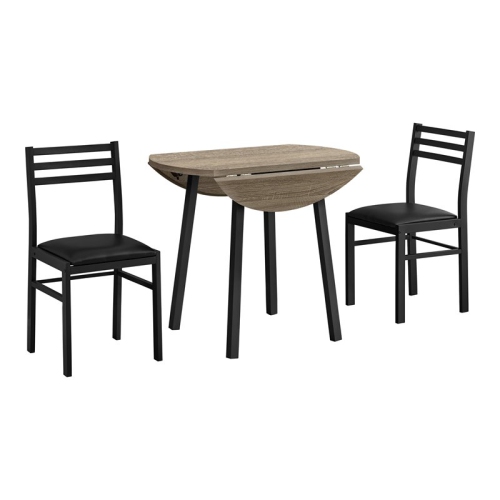 Your price for this item is $219.97
 -
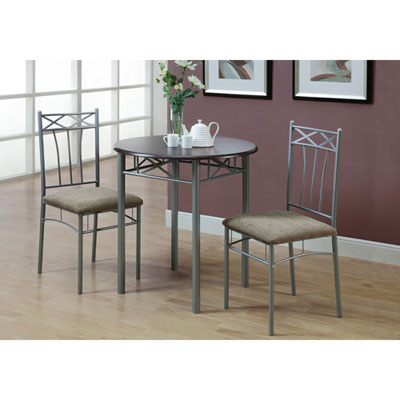 Your price for this item is $299.99
 -
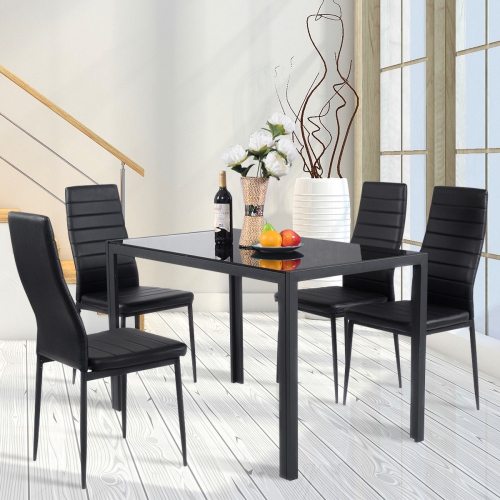 Your price for this item is $325.99
 -
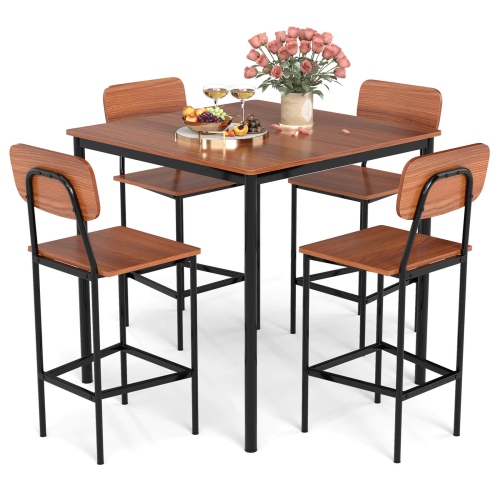 Your price for this item is $265.99