Cyber Monday Deals Coming Soon
Our Cyber Monday Sale returns in December 2026. In the meantime, shop our current top deals below.

Cyber Monday Deals On Drones And Accessories
Cyber Monday is the perfect time to elevate your aerial photography game with incredible deals on drones and accessories. Discover a wide array of cutting-edge options that cater to both novice pilots and seasoned drone enthusiasts. Whether you're capturing breathtaking landscapes or exploring new creative angles, our selection offers something for everyone. Enhance your flying experience with top-notch accessories designed to maximize performance and convenience. Dive into the world of drones this Cyber Monday and soar to new heights with unbeatable savings at Best Buy Canada. Remember, our Low Price Guarantee means you can shop confidently knowing that you'll find the best price at Best Buy, all year round. We encourage you to check our website frequently for the most up-to-date information on our latest offers and savings opportunities.
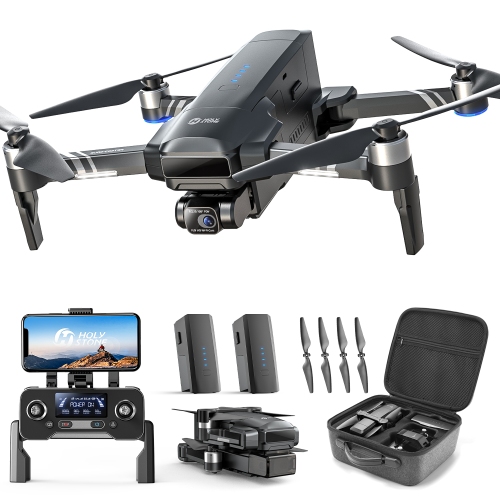
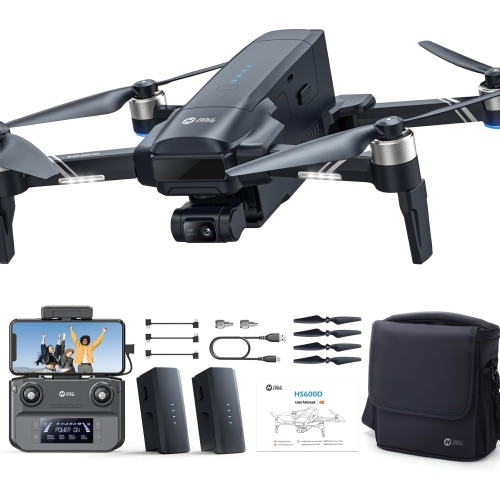
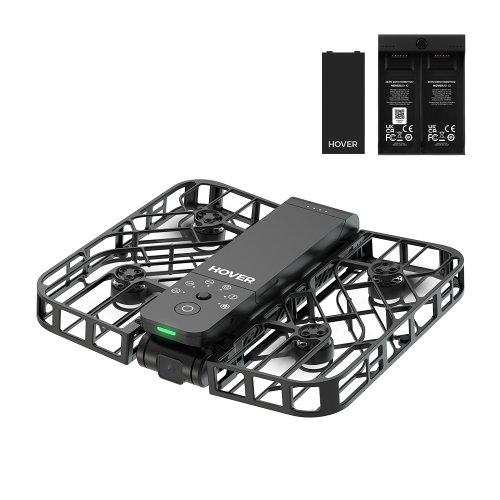
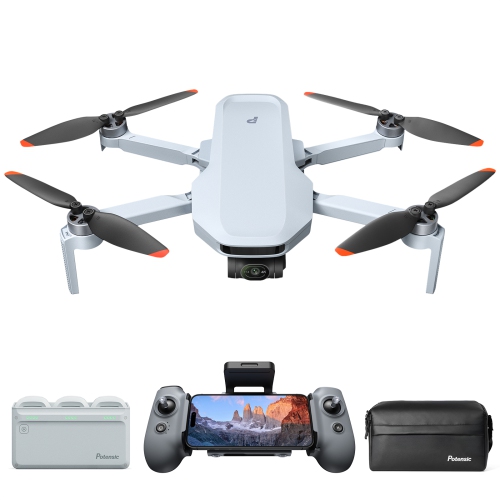
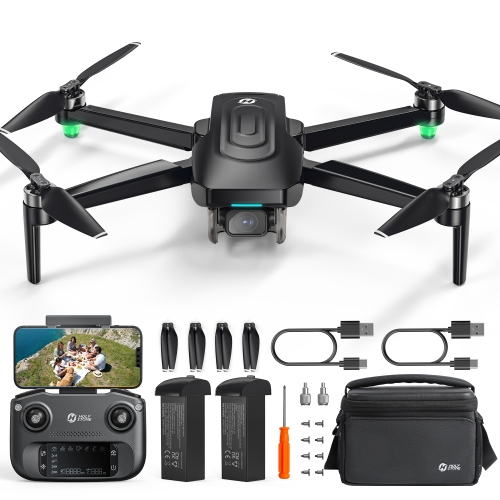
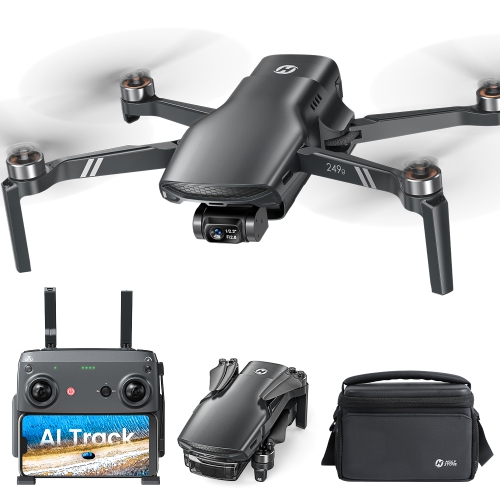
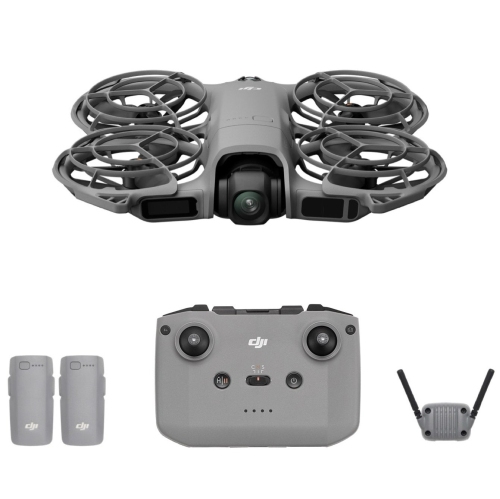


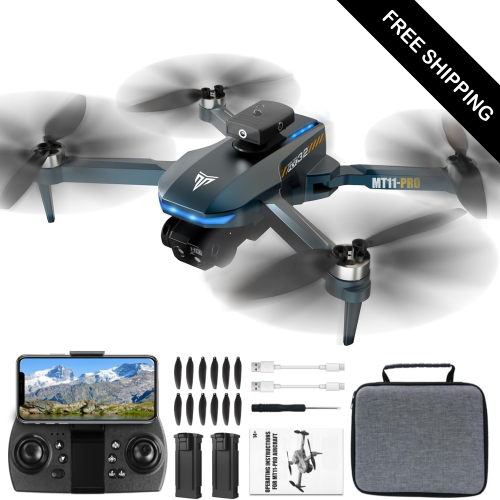
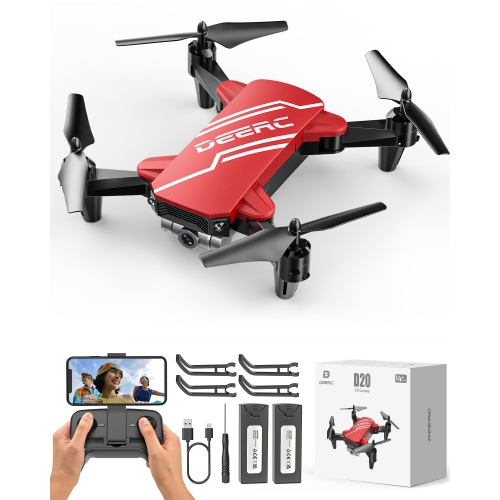
The right drone setup goes beyond the camera
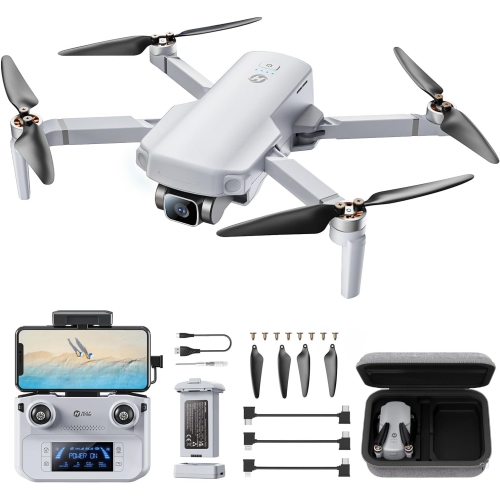
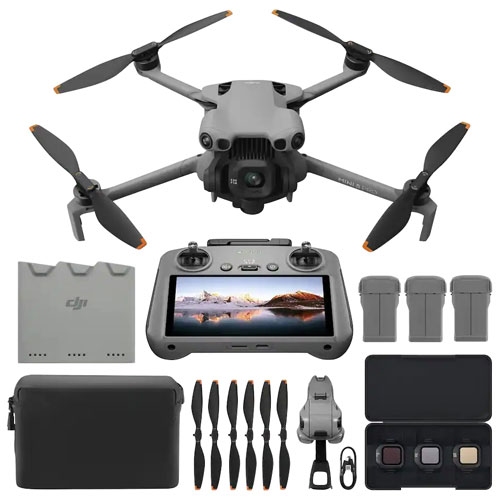
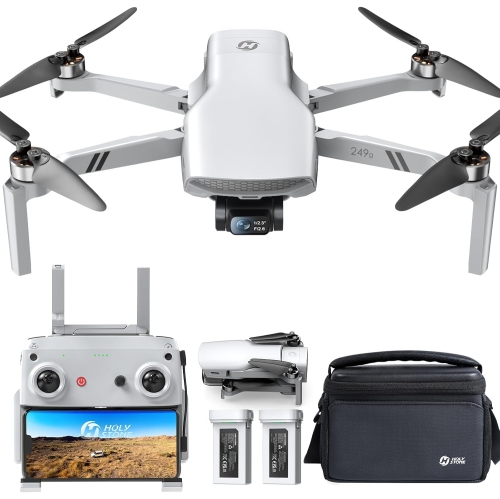
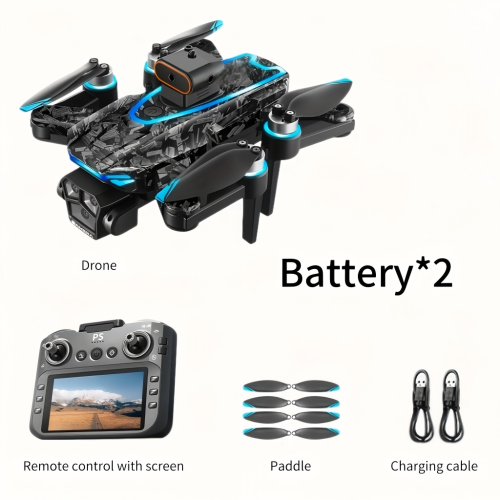
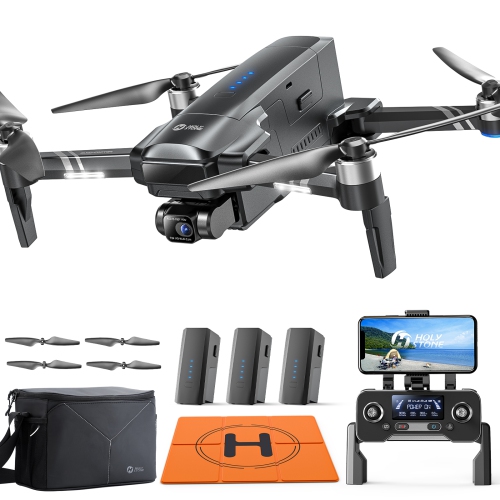
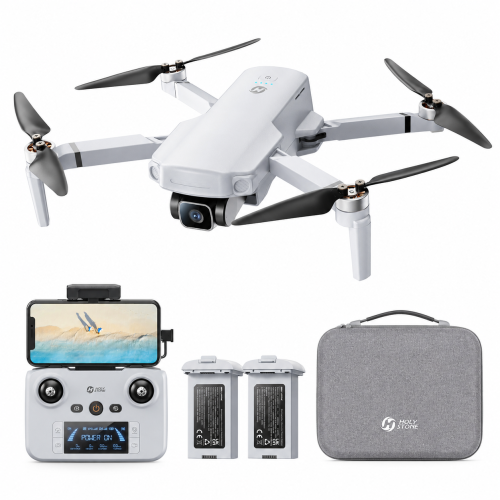
Camera performance involves more than the resolution printed beside a drone’s name. A 4K recording option can provide detail for viewing on a large screen or cropping during editing, but image quality also depends on the sensor, lens, exposure settings, and stabilization. A mechanical gimbal helps keep the camera level as the aircraft moves, while electronic stabilization may crop the image to reduce visible shake. For someone filming a winding path or a wide view across a lake, smooth movement and a steady horizon can matter as much as the number of pixels. Frame-rate options influence how motion looks, and higher frame rates can support slow-motion playback when the recording and editing settings are compatible. Still photographers may appreciate RAW capture for more flexibility when adjusting exposure and colour, while ready-to-share image formats simplify a casual workflow. Camera angle adjustment is another practical detail, allowing a pilot to shift from a forward-facing view to a downward composition without repositioning the entire aircraft. Flight features and camera functions work together, but they are not interchangeable. Satellite positioning can support more consistent hovering, and return-to-home functions may help an aircraft navigate back towards a recorded takeoff point when configured correctly. Neither replaces active supervision or a clear landing area. Obstacle sensing also varies by direction and operating conditions, so it should not be treated as a guarantee against collisions. The viewing setup deserves attention as well: a phone-connected controller depends on device compatibility, a suitable cable, and a secure mount, while a controller with an integrated screen keeps the display built into the flight controls. Compatible FPV goggles create a more immersive view but introduce their own fit, visibility, and operating considerations. Memory cards, card readers, and supported file formats complete the connection between capturing footage and watching it later. Storage capacity determines how much footage fits on a card, while the card’s sustained write speed must meet the camera’s recording requirements.
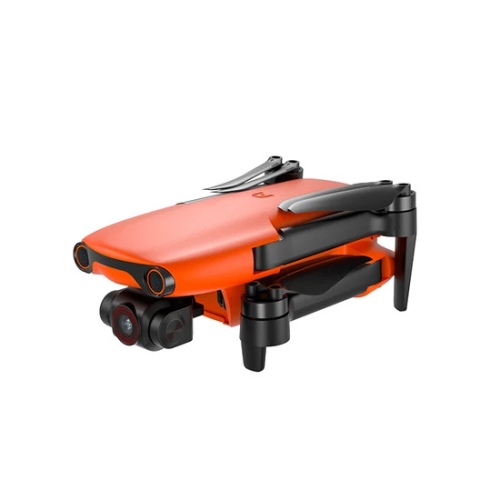
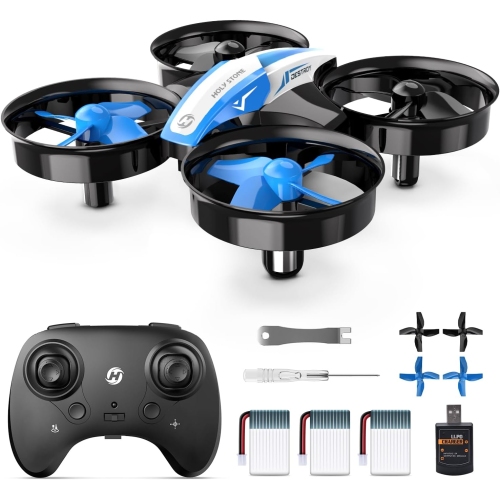
Drone accessories are most useful when they solve a practical need and fit the aircraft precisely. Spare batteries can support separate flight sessions, while compatible charging hubs help organize charging between uses; charging order and simultaneous charging capability vary by design. Battery compatibility includes the electrical specifications, connector, shape, and supported charging equipment, not just whether a pack appears to fit. Propellers are similarly specific, with matched sizes, attachment systems, and rotation directions. A replacement set needs to match the aircraft’s requirements, and cracked, chipped, or distorted blades should not remain in service. Propeller guards can provide a physical barrier around the blades on supported drones, although they do not make close flight around people or pets safe. Carrying cases add another layer of protection: a rigid shell offers structure around the contents, while padded dividers or shaped foam help prevent the drone, controller, and batteries from knocking together. A softer bag can be easier to pack, provided delicate parts remain supported and loose accessories are secured. Many compact drones use lightweight moulded housings, while some performance-focused designs incorporate composite components; durability depends on construction, handling, and the forces involved in an impact, rather than material alone. Folding arms, exposed motors, camera assemblies, and battery contacts benefit from careful handling. Routine care includes checking for debris, inspecting propellers and hinges, and using the manufacturer’s storage and cleaning directions. A gimbal cover can protect a supported camera during transport but must be removed before operation as directed. For gifting, age suitability, the recipient’s flying experience, and the time needed for setup are as important as the aircraft’s features. Someone who already owns a drone may get more use from a correctly matched accessory than from a second aircraft. In Canada, flight requirements depend on factors including aircraft weight, the type of operation, and the location. Transport Canada rules, applicable registration and pilot certification requirements, airspace restrictions, and local site rules remain relevant parts of ownership. Respect for privacy, clear sightlines, and space for a controlled takeoff and landing help make each outing more considered, whether the purpose is practising a new manoeuvre or bringing home a carefully framed aerial photograph.
Top selling and popular products
-
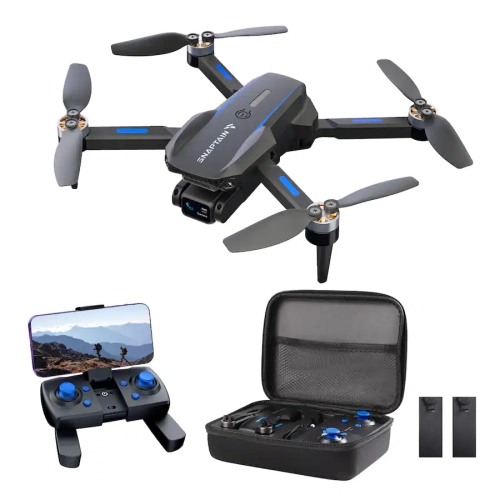 Your price for this item is $109.98
-
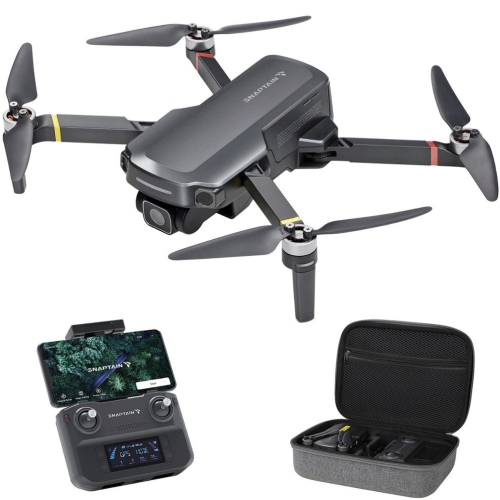 Your price for this item is $279.9
-
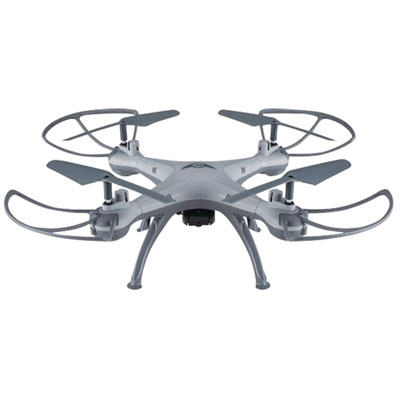 Your price for this item is $64.99
-
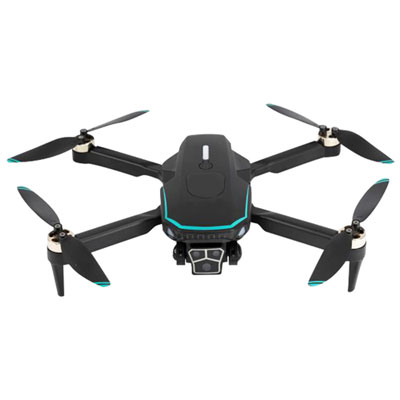 Your price for this item is $99.99
-
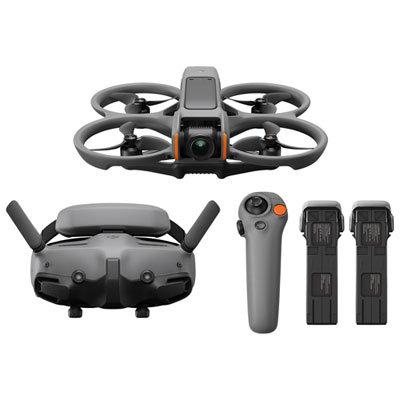 Your price for this item is $1279.99
-
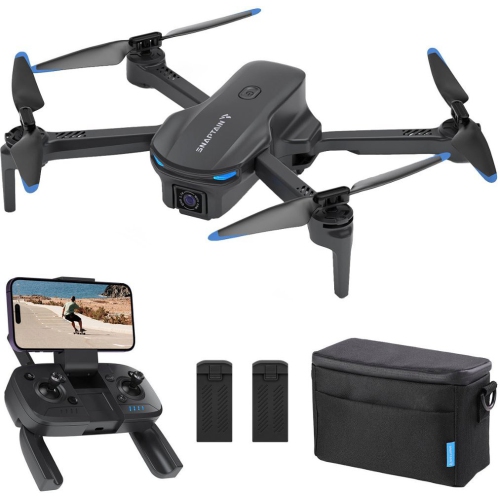 Your price for this item is $189.9
-
 Your price for this item is $205.99
-
 Your price for this item is $15.38