Cyber Monday Deals Coming Soon
Our Cyber Monday Sale returns in December 2026. In the meantime, shop our current top deals below.

Cyber Monday Deals On Golf Equipment
Get ready to hit the green with incredible Cyber Monday deals on golf equipment. Whether you're a seasoned pro or just starting out, Best Buy Canada has you covered with amazing discounts on everything you need to improve your game. From clubs and bags to apparel and accessories, our extensive selection of golf gear ensures that you'll find the perfect equipment to enhance your performance on the course. Don't miss out on these limited-time offers; shop now and take advantage of the best deals on golf equipment this Cyber Monday! Remember, our Low Price Guarantee means you can shop confidently knowing that you'll find the best price at Best Buy, all year round. We encourage you to check our website frequently for the most up-to-date information on our latest offers and savings opportunities.






How club fit and comfort shape your round
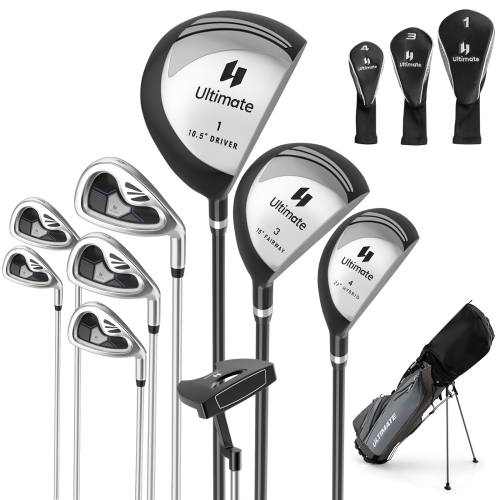
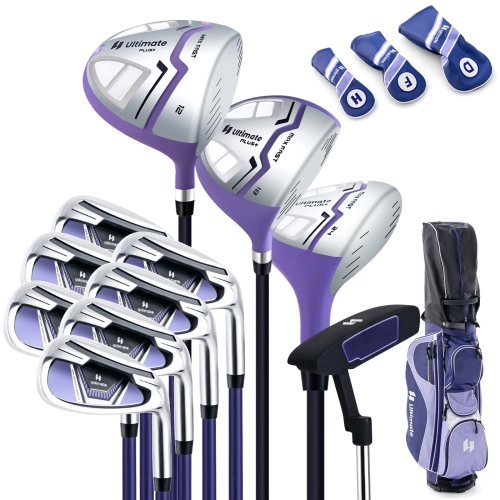
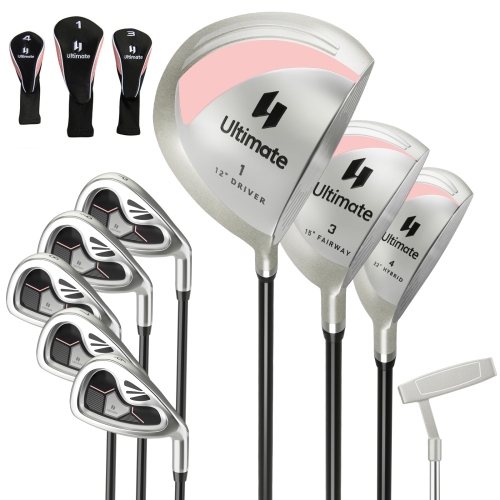
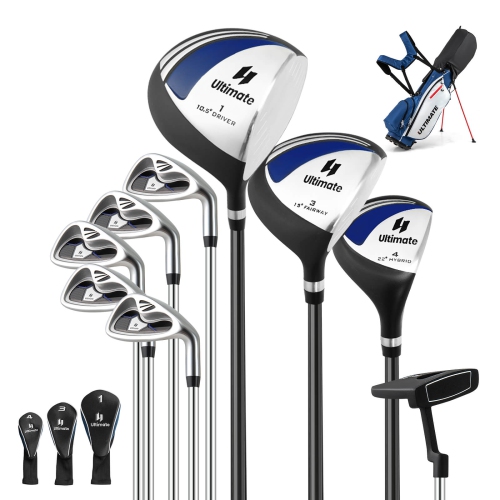
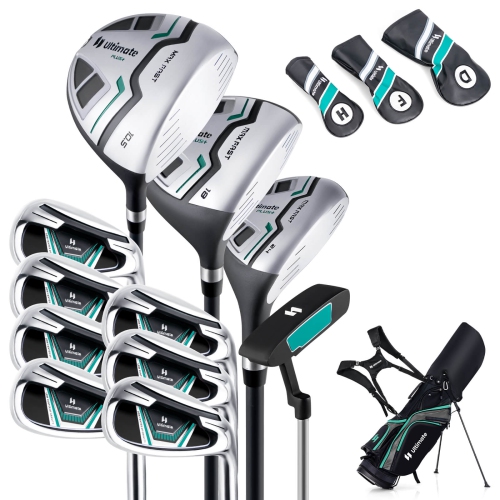
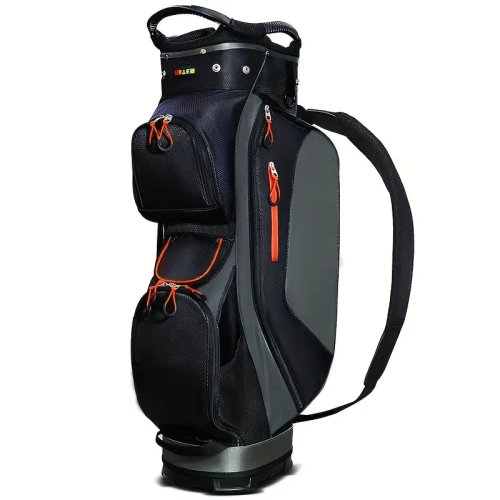
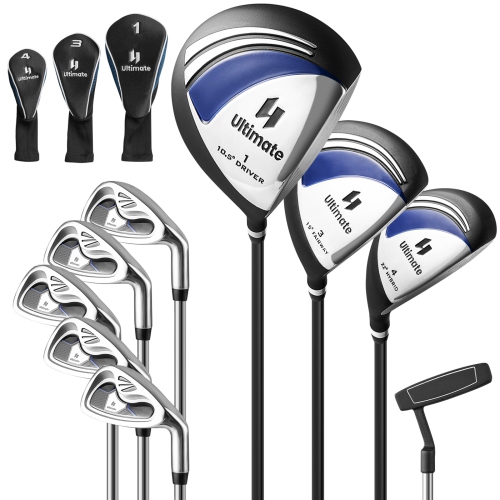
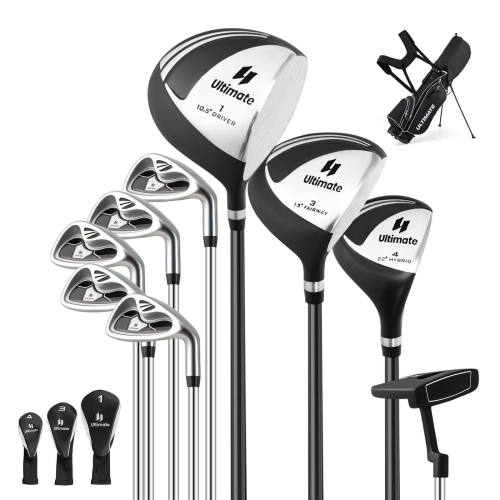
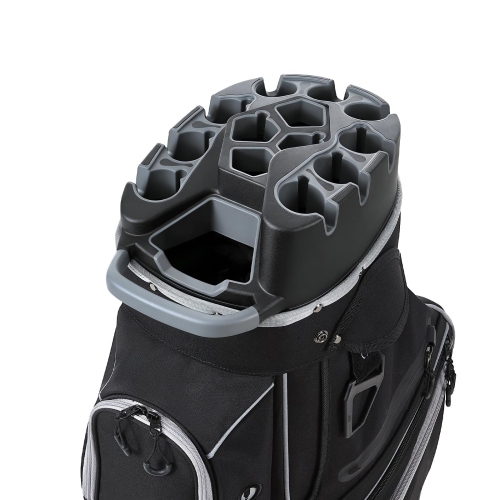
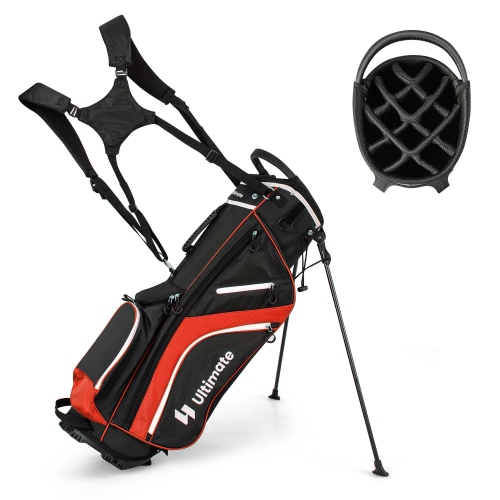
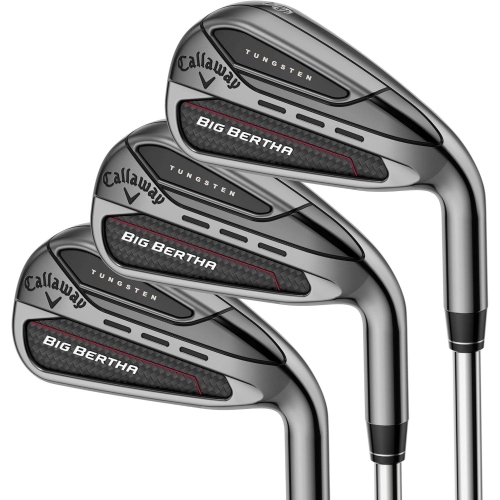
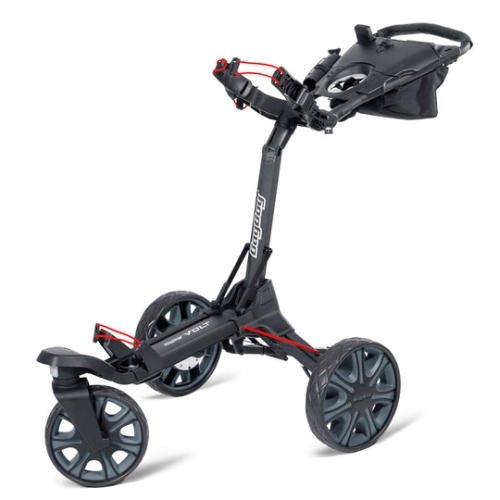
Comfort and organization become especially noticeable over an eighteen-hole round. A golf bag needs to suit the way it will be carried or transported, not simply hold a set of clubs. For someone who walks, overall weight, a balanced strap system, and a stable stand can make repeated lifting and setting down less cumbersome. A cart-focused bag places more emphasis on secure attachment and pockets that remain accessible once it is strapped in place. Dividers help separate clubs, while thoughtfully positioned compartments keep balls, tees, gloves, and personal belongings from becoming a jumble at the bottom of a pocket. Reinforced handles, sturdy zippers, and durable fabric are practical details for equipment that is repeatedly loaded into a vehicle or moved between home, practice facilities, and the course. Footwear deserves similar attention. Golf shoes support walking, turning, and transferring weight through the swing, so heel security, forefoot room, and underfoot cushioning all contribute to comfort. Spiked and spikeless soles provide different traction designs; the appropriate choice depends on intended use, course requirements, and personal preference. Fit should leave enough room for the toes without allowing the foot to slide during a swing. Gloves need a close fit across the palm and fingers without pulling tightly at the seams, and sizing can vary between designs. Leather often provides a supple feel, while synthetic panels can add flexibility and simplify care. Golf clothing works best when shoulder movement, hip rotation, and bending to read a putt feel unrestricted. Stretch fabrics and smooth seams can be useful during repeated movement, particularly where a waistband or sleeve might otherwise catch. Care also affects how well equipment holds up. Clubfaces benefit from having dirt removed from the grooves, grips need cleaning according to their material, and footwear should be cleaned and dried as directed by its manufacturer. Headcovers help limit knocks during transport, and completely drying equipment before storage helps protect finishes, fabrics, and leather components.
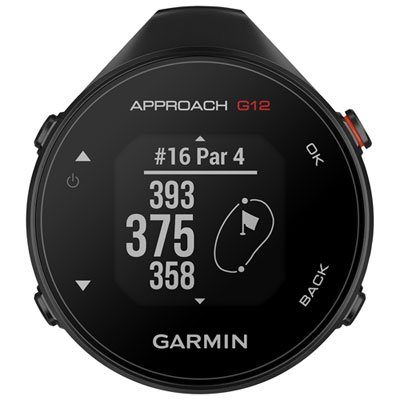
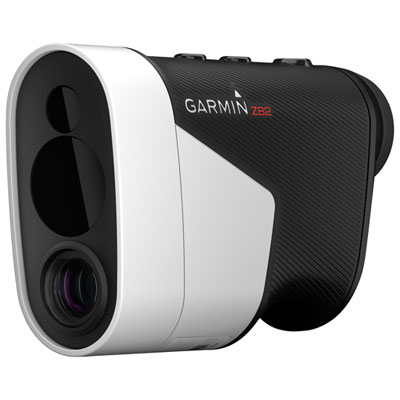
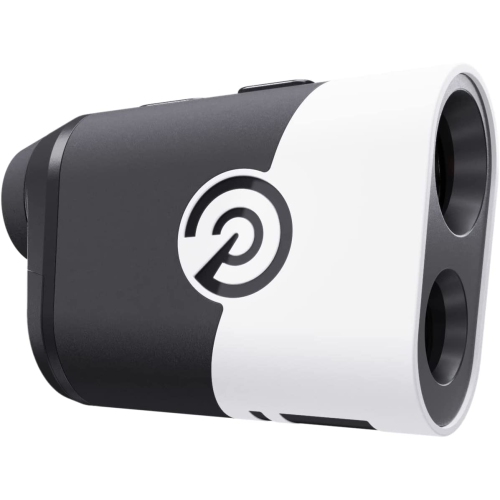
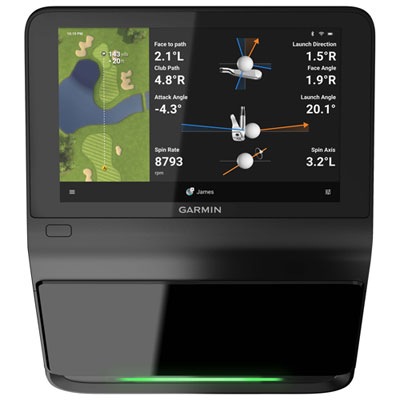
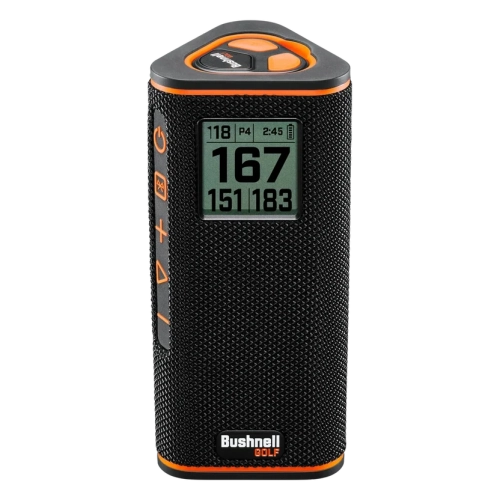
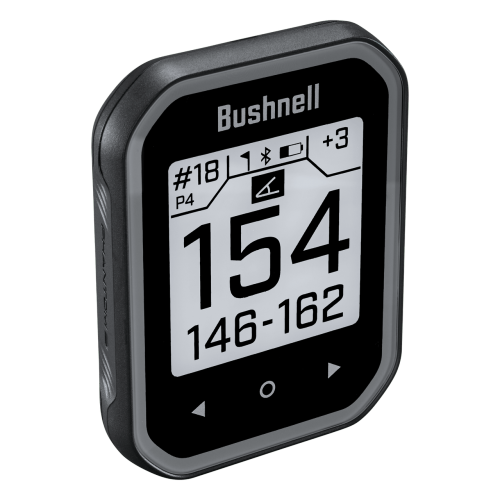
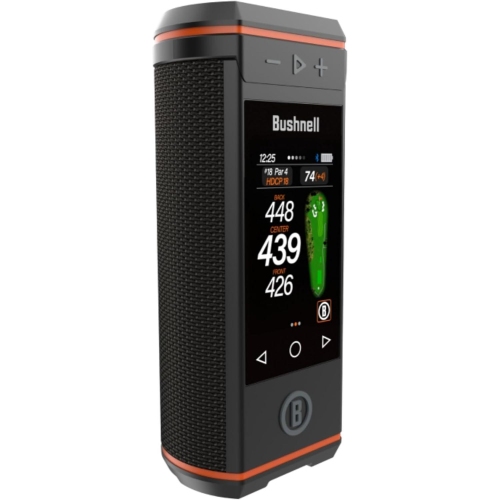
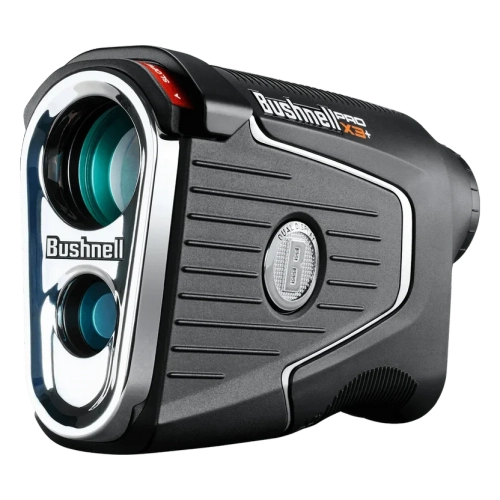
Golf technology and practice equipment serve different purposes, from measuring a shot to making a short practice session more focused. A laser rangefinder measures the distance to a selected target, while a golf GPS device typically uses course mapping to show distances to features such as greens and hazards. Those functions are related but not identical: one golfer may want to measure a flag directly, while another prefers a quick view of the front, centre, and back of a green. Readability, ease of operation, battery requirements, and course coverage all influence everyday usefulness. Features that adjust a distance for elevation changes also warrant attention to the rules of the round or competition, since permitted functions can vary. Launch monitors focus on shot data, although the measurements offered differ by design. Some track ball speed and estimated distance, while others provide additional information about launch or club delivery. The required hitting area, device placement, compatible software, and any separate service requirements are important parts of understanding intended use. For practice at home, mats, nets, and putting surfaces need to suit the available space. A net requires adequate clearance and a safe setup, while a hitting mat should sit securely and provide a suitable surface for the shots being practised. A putting surface can make pace and starting-line practice more convenient, but its feel may differ from a course green. Simple accessories also have a place in a golfer’s routine: a towel keeps hands and clubfaces clean, a ball marker identifies a position on the green, and a divot repair tool supports proper course etiquette. As gifts, golf accessories can suit a friend preparing for a first round, a family member who plays regularly, or a colleague who enjoys practice sessions. Clubs, shoes, and gloves involve more personal fit considerations, so knowing the recipient’s handedness, sizing, and playing preferences makes the choice more meaningful. Equipment that fits an established routine is more likely to earn a lasting place in the bag than something selected for appearance alone.
Top selling and popular products
-
 Your price for this item is $699.99
-
 Your price for this item is $6299.99
-
 Your price for this item is $1376.55
-
 Your price for this item is $2249.95
-
 Your price for this item is $259
-
 Your price for this item is $230
-
 Your price for this item is $300
-
 Your price for this item is $795