Cyber Monday Deals Coming Soon
Our Cyber Monday Sale returns in December 2026. In the meantime, shop our current top deals below.

Cyber Monday Deals On Soccer Equipment
Get ready to score big this Cyber Monday with incredible deals on soccer equipment. Whether you're a seasoned player looking to upgrade your gear or a beginner starting your soccer journey, Best Buy Canada has you covered. Don't miss out on these exclusive savings and get ready to kick off a winning season with Best Buy Canada's Cyber Monday deals on soccer equipment. Remember, our Low Price Guarantee means you can shop confidently knowing that you'll find the best price at Best Buy, all year round. We encourage you to check our website frequently for the most up-to-date information on our latest offers and savings opportunities.
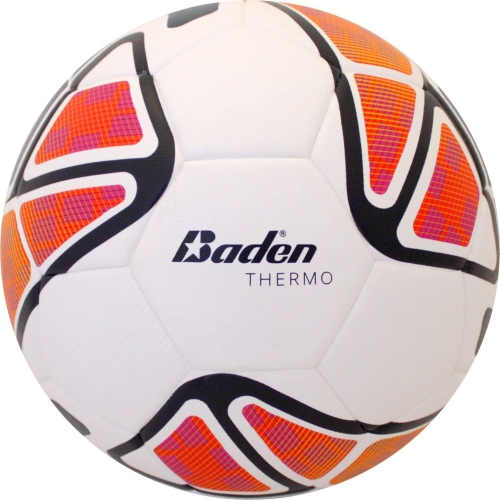
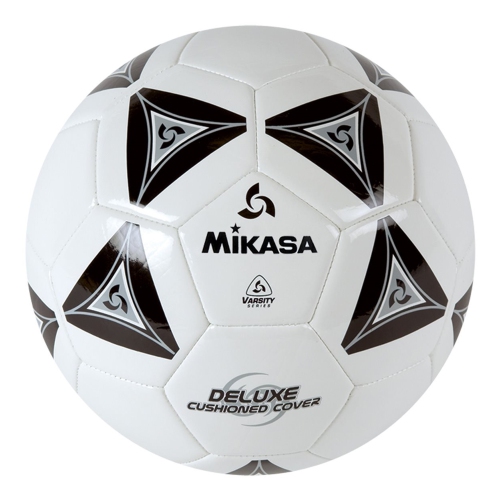

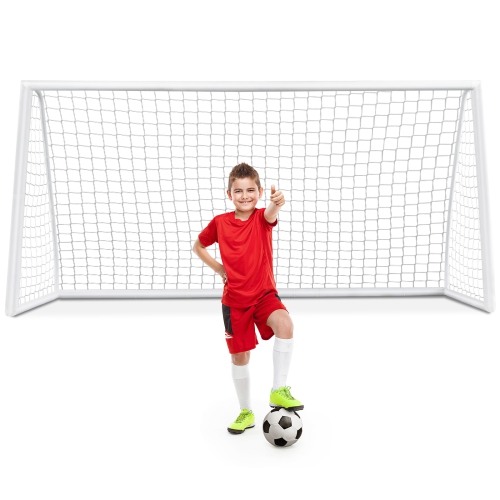


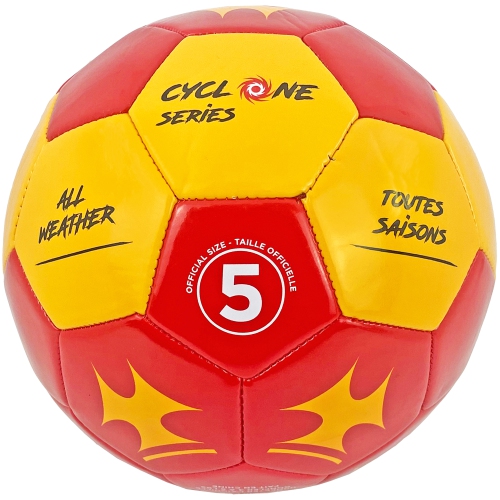

Why soccer gear should match the player and pitch
Fit and surface compatibility are especially important for soccer footwear and protective equipment. Firm-ground, artificial-grass, turf, and indoor shoes have different outsole designs, and the right match depends on both the manufacturer's intended use and the facility's rules. A stud pattern designed for natural grass should not automatically be treated as suitable for artificial turf, while smooth indoor courts generally call for appropriate non-marking footwear. A close fit helps keep the foot from sliding during turns, but the toes should not feel compressed and the heel should not lift with each step. Trying footwear with the socks normally worn for play gives a more useful sense of fit than trying it with thin everyday socks. For children, excessive growing room can make a shoe harder to control, so a secure fit matters more than leaving a large gap at the toe. Upper materials influence the feel as well: some synthetic constructions hold their shape with relatively little change, while leather can soften with use and may need material-specific care. Neither should be expected to resolve an uncomfortable fit simply through wear. Shin guards need to suit the player's leg size, sit securely over the shin, and work comfortably beneath soccer socks. Sleeve-style and strapped designs offer different ways to keep the guard in position; the important detail is that it stays where intended during movement. League rules may also specify protective equipment requirements. Goalkeepers have additional considerations because their hands repeatedly meet the ball and playing surface. Glove sizing, palm construction, closure design, and finger flexibility all affect how a pair feels during catches and throws. A close-fitting glove should still allow natural movement without pressure at the fingertips. Soft grip-focused palms can wear more quickly on abrasive surfaces, particularly when a player pushes up from the ground using the palms. Clothing completes the practical setup: breathable fabrics, comfortable waistbands, smooth seams, and an unrestricted range of motion help players run, reach, and change direction without repeatedly adjusting their kit.
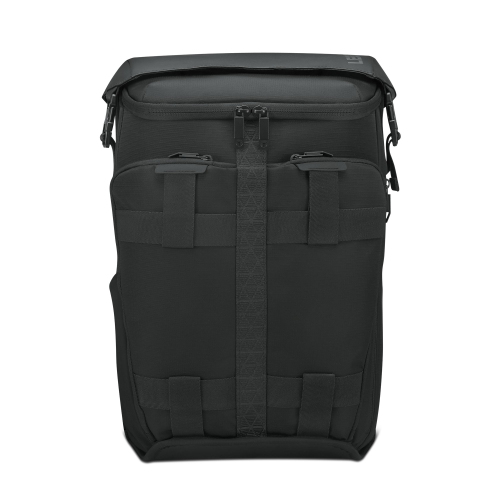
Durability depends as much on the match between equipment and its use as it does on the materials themselves. A ball used for repeated drills on rough pavement faces different wear from one used on a designated pitch, and footwear worn beyond its intended surface may lose useful traction or develop uneven wear. Regular checks help reveal loose stitching, separating soles, cracked guards, worn glove palms, and damaged net attachments before the next session. Care instructions vary, but removing loose dirt promptly and allowing equipment to dry thoroughly are useful habits across many categories. Footwear generally benefits from gentle cleaning suited to the upper material rather than soaking or direct heat, which can affect adhesives and shape. Goalkeeper gloves often need their own cleaning routine, so the manufacturer's directions matter more than treating them like ordinary clothing. Balls should be stored away from sharp objects and excessive heat, with inflation checked using a suitable gauge instead of judged only by touch. A damp kit left zipped inside a bag is unpleasant to unpack; separating footwear from clothing and opening compartments after practice makes cleaning and drying easier. For players travelling between school, work, and training, bag capacity and compartment layout can matter as much as appearance. There should be enough room for the equipment actually carried, without making the load awkward for a younger player. Soccer equipment can also make a thoughtful gift when it reflects the recipient's routine. A new player may need straightforward essentials that meet team requirements, while a regular goalkeeper or club player is more likely to have firm preferences about fit and feel. Confirming sizes, playing surface, and any club specifications helps make the choice personal rather than relying on appearance alone. That same attention is useful when browsing soccer equipment for Boxing Day, whether the recipient is joining a team, building a practice routine, or replacing well-used gear. Equipment that suits the player and the setting is easier to carry, care for, and put to regular use.
Top selling and popular products
-
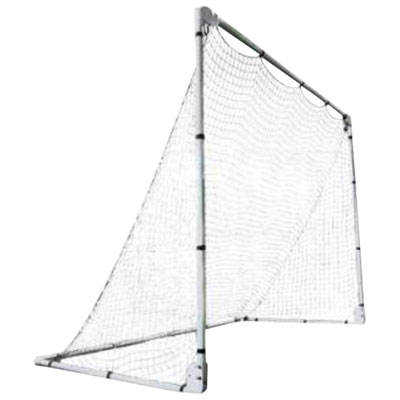 Your price for this item is $199.98
-
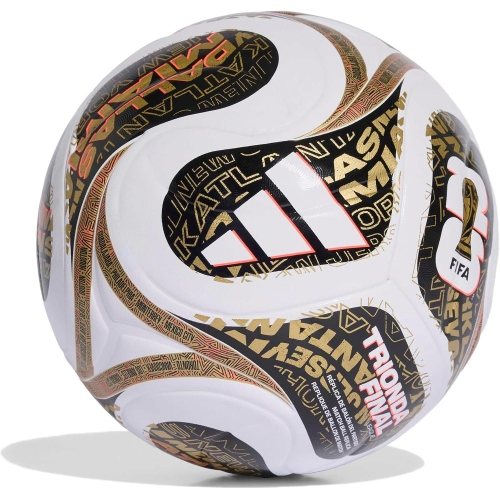 Your price for this item is $69.97
-
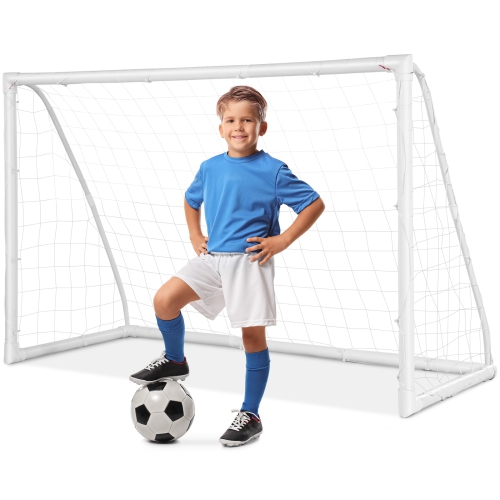 Your price for this item is $81.99
-
 Your price for this item is $49.99
-
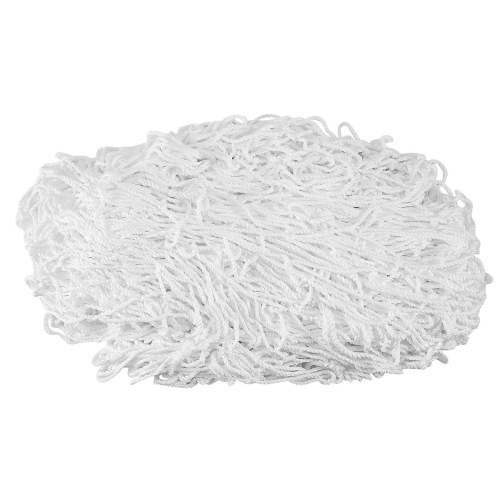 Your price for this item is $61.99
-
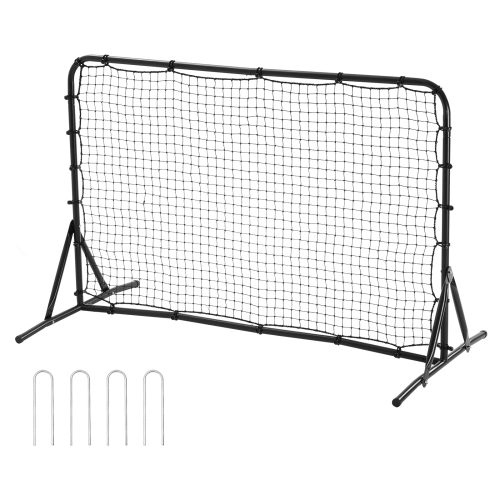 Your price for this item is $64.9
-
 Your price for this item is $45.99
-
 Your price for this item is $59.99