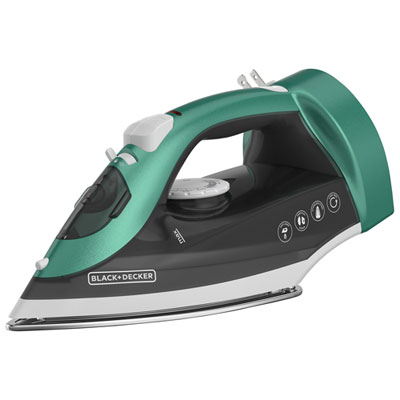
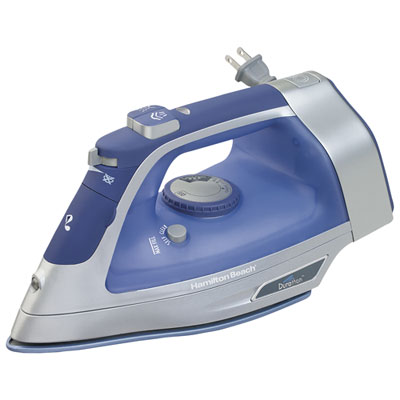
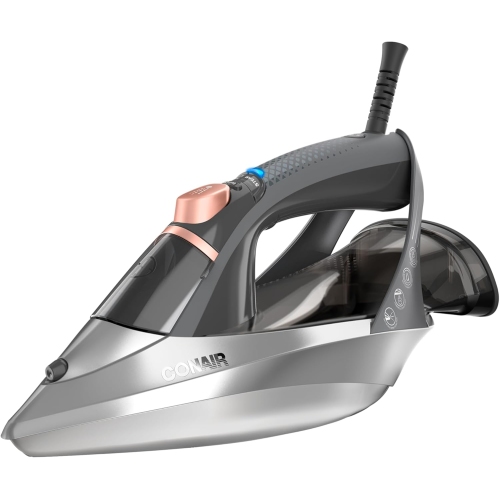
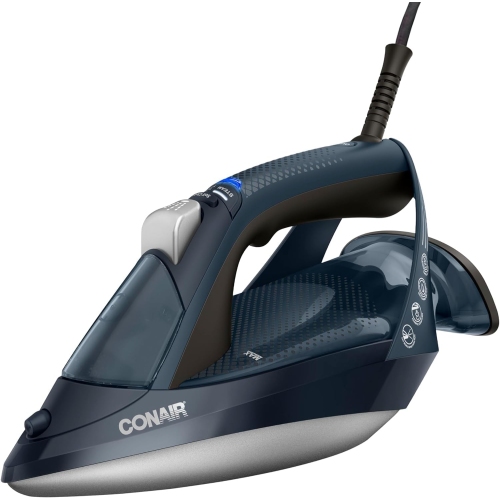
Cyber Monday Deals On Irons
Get ready to upgrade your ironing game with the incredible Cyber Monday deals on irons at Best Buy Canada. Whether you're in need of a new iron for your everyday laundry routine or looking for advanced features to tackle stubborn wrinkles, our Cyber Monday sale has got you covered. Discover a wide range of high-quality irons at unbeatable prices, designed to make your ironing tasks faster, easier, and more efficient. Remember, our Low Price Guarantee means you can shop confidently knowing that you'll find the best price at Best Buy, all year round. We encourage you to check our website frequently for the most up-to-date information on our latest offers and savings opportunities.
Sort
Why your fabrics matter when choosing an iron
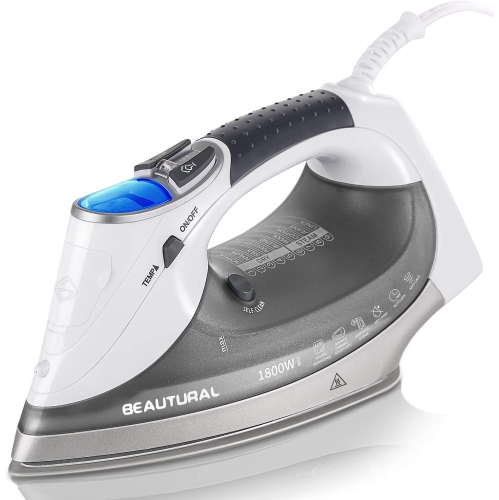
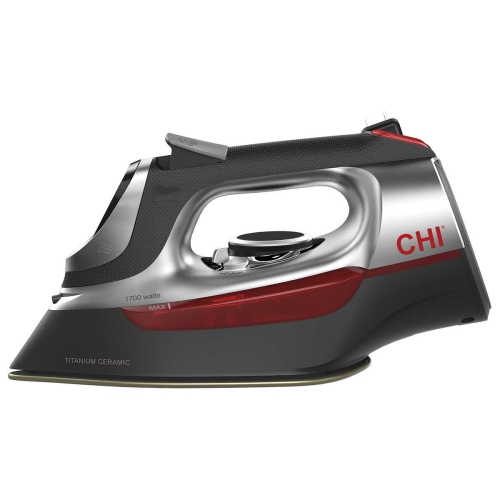
Clothes irons bring a crisp finish to everyday garments and household textiles, from a shirt collar that sits neatly beneath a jacket to a tablecloth with smooth, even edges. Their purpose is straightforward: controlled heat, pressure, and, when appropriate, steam help relax creases so fabric lies flatter. The right balance depends on what gets pressed most often. Cotton shirts, linen trousers, school uniforms, and washable table linens can have different care requirements from delicate blouses or garments with stretch fibres. An adjustable temperature control makes it easier to match the iron to the fabric’s care label, while variable steam adds flexibility for textiles that can tolerate moisture. Dry ironing remains useful when steam is unnecessary or unsuitable. The distinction matters because more heat or more steam is not automatically better; the fabric’s finish, construction, and care instructions determine what is appropriate. A smooth soleplate also contributes to the experience, helping the iron move across a sleeve or around a pocket without excessive pulling. Stainless steel, ceramic-coated, and non-stick soleplates are common options, each with its own handling and care considerations. A polished surface, rounded edges, and a well-shaped tip can be as noticeable in daily use as the soleplate material itself. Narrow tips reach between shirt buttons and into small corners, while a broader pressing surface covers larger sections of fabric. For someone preparing clothes for work, the appeal may be a tidy collar and a sharp cuff; for a household managing uniforms or bedding, comfort and consistent handling through a longer session may matter more. Irons also have a place in sewing and alterations, where pressing a seam open or flattening a hem helps fabric sit correctly before the next stitch. These uses make a clothes iron a practical household tool rather than an appliance reserved only for dress clothes, with its usefulness shaped by the fabrics and routines already part of daily life.
Steam performance is one consideration, but the way an iron feels in the hand often determines how pleasant it is to use. A comfortable handle, accessible controls, and a balanced body can make repeated passes along a trouser leg less awkward. A heavier iron may provide useful pressing weight, while a lighter design can be easier to lift, reposition, and carry to storage. Neither is automatically the better fit for every person. Water-tank capacity creates a similar trade-off: a larger tank can mean fewer refills, but the added water also increases the weight being moved. A clearly visible fill level and an opening that is easy to access help make setup less fiddly. Continuous steam supports regular pressing, while a separate steam burst can provide extra moisture for a stubborn crease when the fabric allows it. A spray function lightly dampens a small area, and an anti-drip feature can help limit water droplets during use under the conditions described by the manufacturer. Some irons also support vertical steaming for suitable hanging garments, although this does not replace the firm support of an ironing board when a defined crease is wanted. Steam should never be directed towards skin or clothing being worn. Cord length and movement matter, too, particularly when the power outlet is not close to the board. A swivelling cord connection can make changes of direction easier, and a stable heel provides a secure resting position between passes. Automatic shut-off adds a useful safety feature, but it does not replace attentive use or unplugging the appliance when finished. For homes where the ironing board is set up only when needed, the iron’s dimensions, storage position, and cooling space deserve consideration alongside its pressing features. A compact shape may fit a cupboard more comfortably, while clearly marked settings make occasional use simpler after the iron has been stored away.
Durability depends on both construction and care. A soleplate that stays clean and smooth is less likely to drag across fabric, while an intact cord, secure controls, and a stable base support dependable handling. Metal fasteners, rough surfaces, and abrasive cleaning tools can damage some soleplate finishes, so the manufacturer’s cleaning directions are important. Mineral buildup can also affect steam delivery over time. Self-cleaning functions, anti-scale systems, or removable scale collectors may simplify maintenance, but their operation and upkeep vary by design. Water requirements vary as well: some irons are intended for tap water, while others have specific instructions based on water hardness. Following those directions is more reliable than assuming distilled water is always necessary. Unless expressly permitted, fragrance, starch, and other additives do not belong in the water tank. After use, the iron needs a suitable place to cool before storage, with any remaining water handled according to its instructions and the cord kept away from the hot soleplate. These small care habits help preserve the finish and keep the appliance ready for its next task. Intended use also helps distinguish a useful choice from one with features that rarely get touched. Someone pressing a few shirts at a time may appreciate straightforward controls and easy storage, while a frequent sewer may place greater value on a precise tip, comfortable balance, and dependable temperature adjustment. A person setting up a first apartment may need an iron that works comfortably within limited cupboard space, along with a stable board and a suitable pressing surface. As a practical gift, an iron makes the most sense when the recipient has expressed an interest in garment care, sewing, or completing a household setup. Familiarity with their routines is more useful than assuming that the most elaborate feature set will suit them best. For household shopping that also includes the kitchen, explore Cyber Monday deals on cookware alongside garment-care essentials.
Top selling and popular products
Top Collections:
Pokemon Centers, Best Black Friday Deals This Year, Best Black Friday Deals On Electronics, Kindle Devices, Best Budget Office Chairs, Best Black Friday Deals On Apple Products, Best Cameras for Sports Photography, Pokémon 30th Celebration Cards, Dyson Airwrap, Canon G7X Cameras
Some products may be subject to Environmental Handling Fees
(EHF) depending on your province.
Learn more about EHFs.