Cyber Monday Deals Coming Soon
Our Cyber Monday Sale returns in December 2026. In the meantime, shop our current top deals below.

Cyber Monday Deals On Mattresses
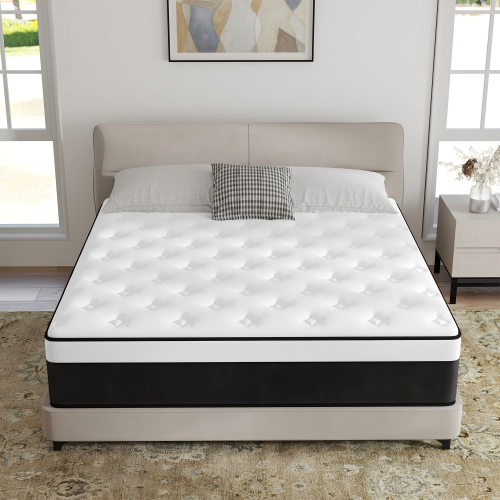
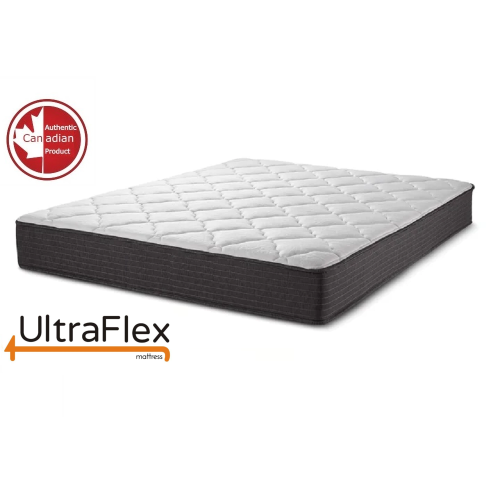
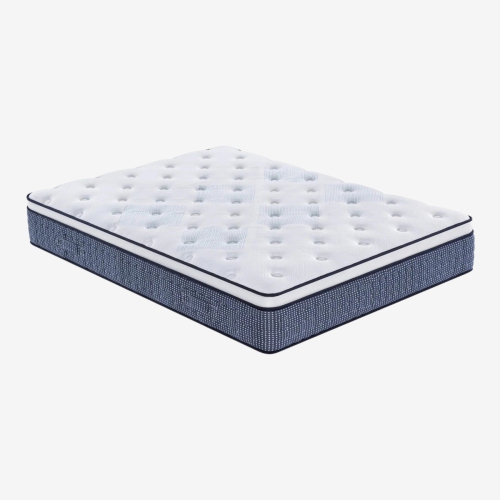
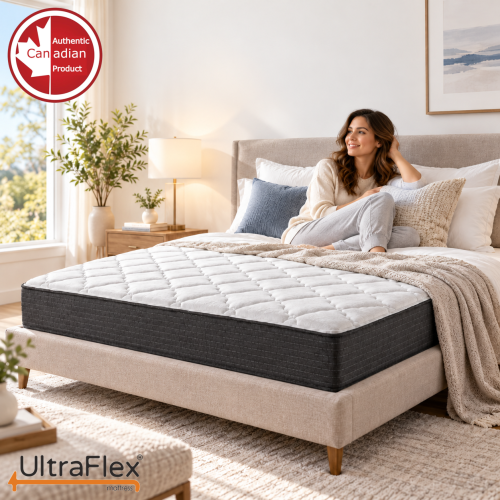
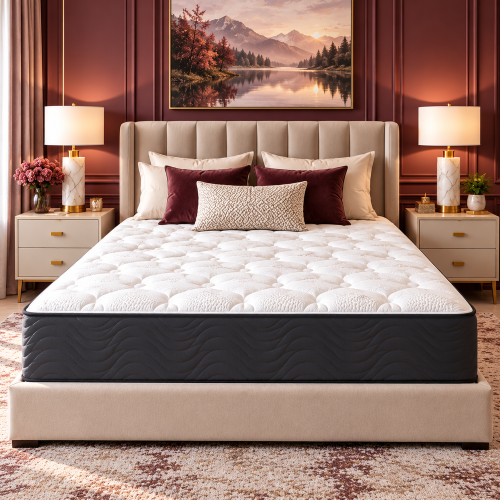
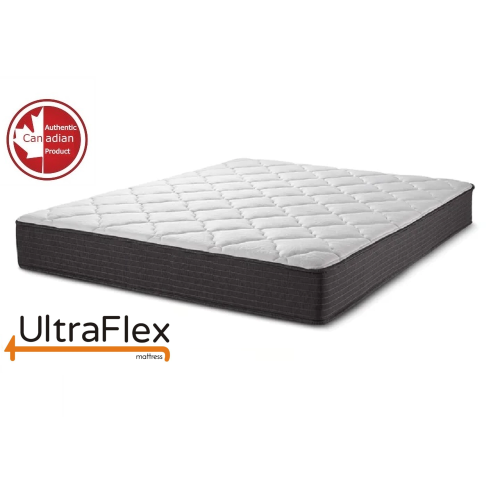
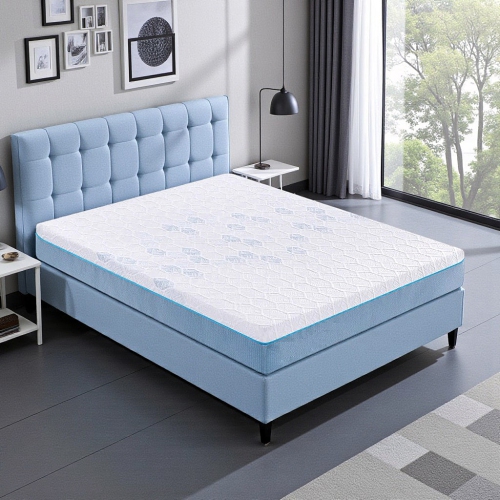
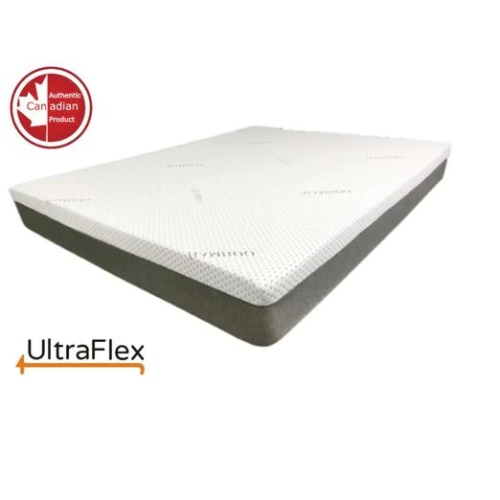
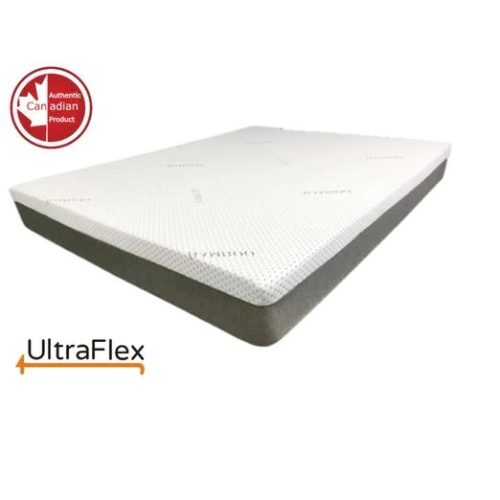
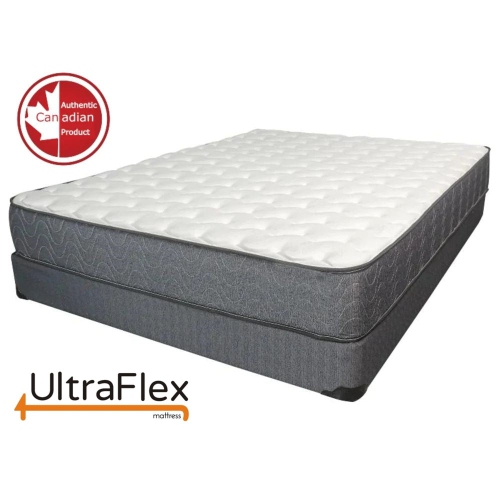
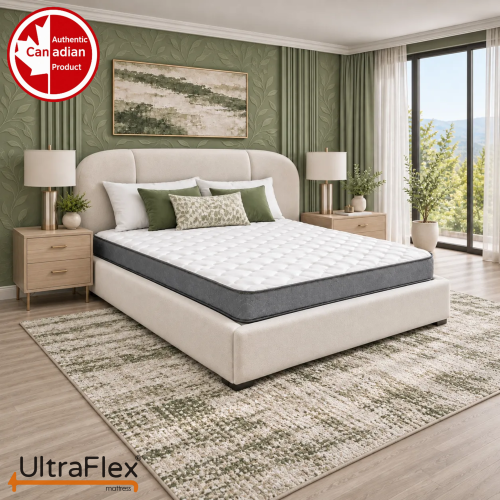
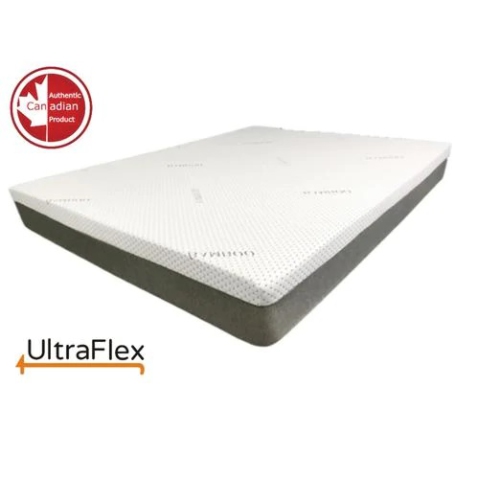
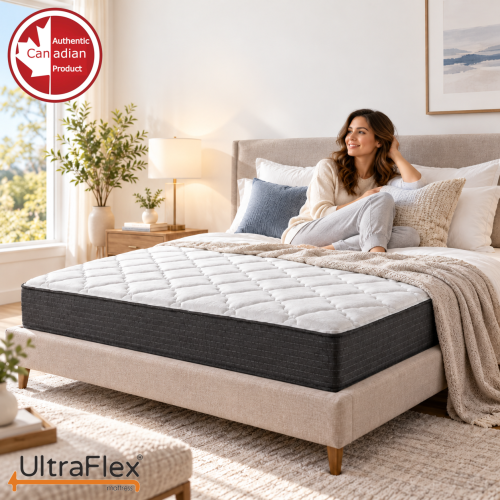
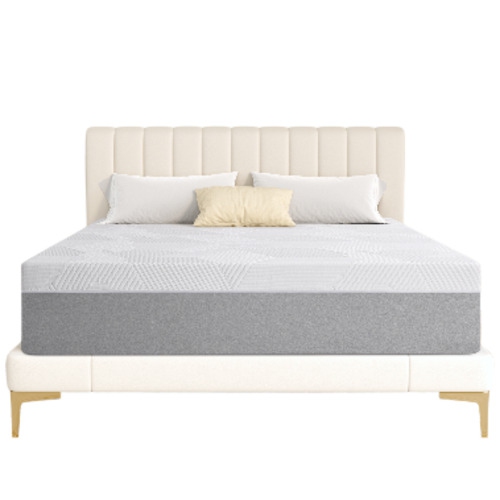
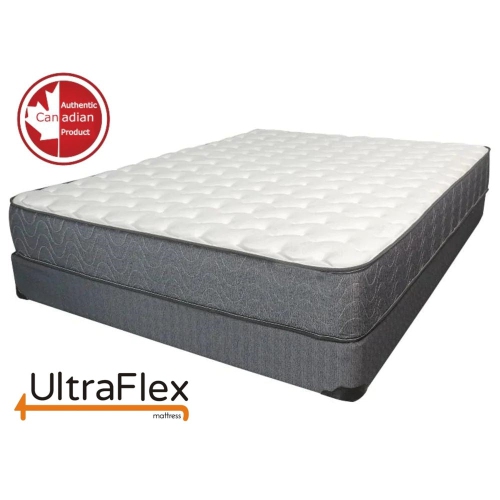
Get ready to upgrade your sleep experience with incredible Cyber Monday deals on mattresses. Whether you're in need of a new mattress for yourself, your guest room, or your child's bedroom, now is the perfect time to find the perfect fit at unbeatable prices. With a wide selection of mattresses to choose from, you'll discover options that cater to almost every sleep preference and budget. From memory foam to hybrid designs, our Cyber Monday mattress deals are designed to provide you with the ultimate comfort and support for a rejuvenating night's sleep. Don't miss out on these limited-time offers and get ready to wake up feeling refreshed and energized almost every morning. Remember, our Low Price Guarantee means you can shop confidently knowing that you'll find the best price at Best Buy, all year round. We encourage you to check our website frequently for the most up-to-date information on our latest offers and savings opportunities.




Why mattress comfort goes beyond firmness
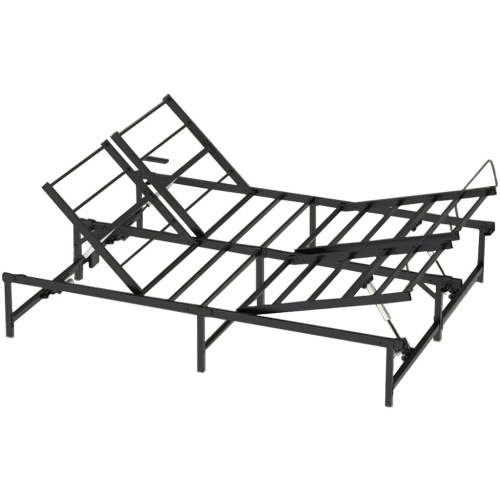
Size and fit matter just as much as the comfort layers. Common Canadian mattress dimensions are approximately 38 by 75 inches for a twin, 38 by 80 inches for a twin XL, 54 by 75 inches for a double, 60 by 80 inches for a queen, and 76 by 80 inches for a king; actual measurements should always be checked against the bed frame. A twin can suit a child's room or a compact guest space, while a twin XL adds length for a taller sleeper without taking up substantially more floor space. A double gives a solo sleeper extra width, though couples may find a queen or king more comfortable for everyday use. The room still needs to work around the bed. Space to open drawers, walk past the footboard, and reach both sides can be more useful than choosing the largest mattress that fits between the walls. For a broader bedroom refresh, bedroom furniture can help bring the bed frame, bedside storage, and other furnishings into the same plan. Mattress depth deserves attention too: a thick mattress on a tall base can make climbing into bed awkward, while a low setup may be difficult for someone who needs a comfortable seated position before standing. The combined height of the frame, foundation, and mattress is what determines that everyday experience. Fitted sheets and protectors also need pockets deep enough to cover the mattress securely without slipping off the corners. Compatibility underneath is equally important. Some mattresses require a particular foundation or a maximum spacing between slats, and an older box spring may not provide the support a newer design requires. Adjustable bases need mattresses specifically suited to bending and flexing with their movement. In a shared bed, split configurations can accommodate separate positioning preferences, but they require compatible dimensions, bedding, and base arrangements. These details make the difference between a mattress that simply fits the frame and a bed that works comfortably as a whole.
Everyday use helps determine which mattress features deserve the most attention. A main-bedroom mattress supports a nightly routine, while a guest-room mattress may need a broadly comfortable, medium-feeling surface for people with different preferences. For a child's first larger bed, fit with the frame and any guardrails matters alongside comfort; bunk beds in particular have mattress-thickness limits that must be followed to preserve the required guardrail clearance. A mattress intended for an adult bed should never substitute for a properly fitted crib mattress. When helping a family member furnish a new home or giving a mattress as a practical gift, involving the sleeper in decisions about size and feel is usually more useful than choosing by appearance. Delivery access is worth considering before the mattress reaches the bedroom, especially where narrow staircases, tight landings, or small lifts limit manoeuvring space. Compressed mattresses can be easier to move while packaged, but they may still be heavy and need to be opened near the intended bed. Follow the manufacturer's directions for unpacking, expansion, ventilation, and first use rather than assuming every mattress follows the same schedule. Once the bed is set up, a well-fitted protector helps shield the surface from spills, perspiration, and everyday marks. Washable does not necessarily describe the mattress cover itself: some covers must remain in place, even if they have a zipper. Care instructions should determine whether spot cleaning is permitted, which cleaning agents are appropriate, and how thoroughly the surface needs to dry before bedding goes back on. Avoid saturating the comfort layers. Rotation may help distribute wear if the manufacturer recommends it, but many layered mattresses are designed for one-sided use and should not be flipped. A suitable foundation, secure frame, and consistent care all contribute to durability. Over time, lasting impressions, sagging, damaged edges, or a noticeable change in comfort can signal that the setup needs attention. Warranty terms and trial or return conditions vary, so understanding the requirements for support, protection, and documentation is part of choosing a mattress that fits both the bedroom and daily life.
Top selling and popular products
-
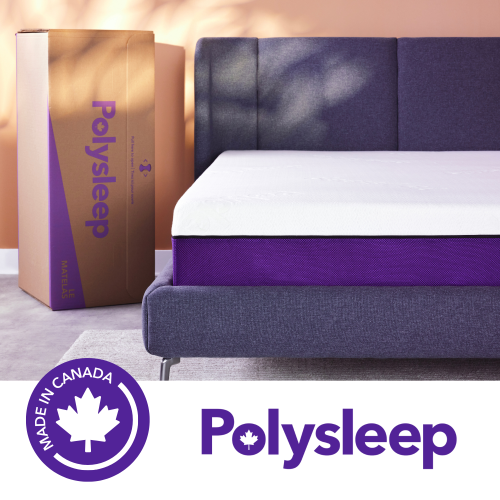 Your price for this item is $1195
-
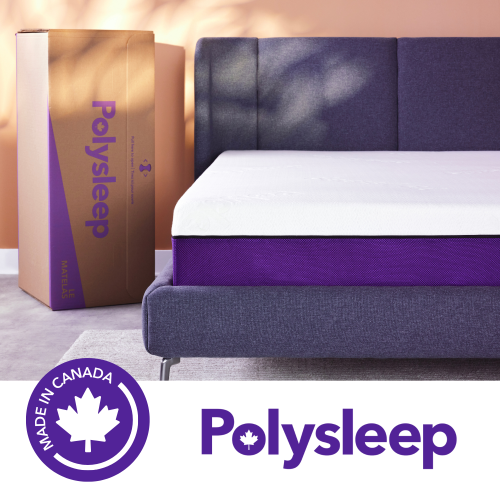 Your price for this item is $1095
-
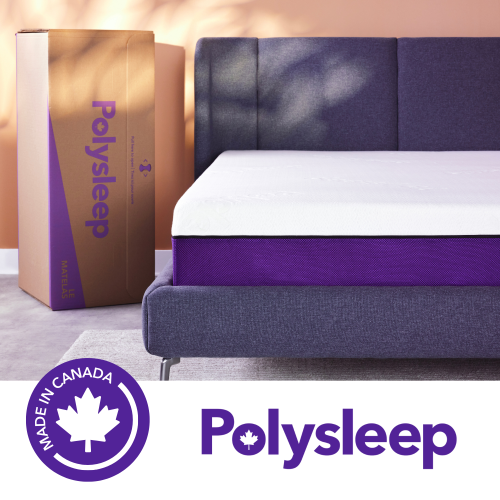 Your price for this item is $945
-
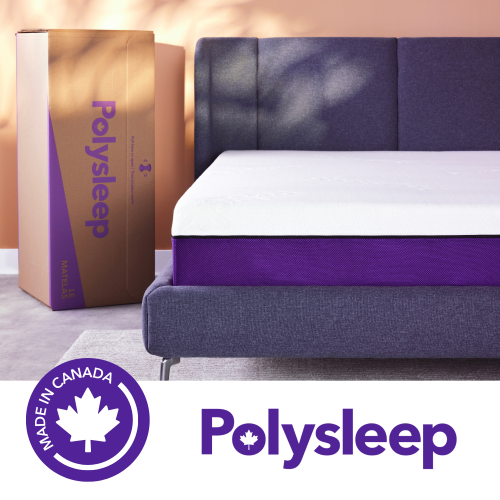 Your price for this item is $1395
-
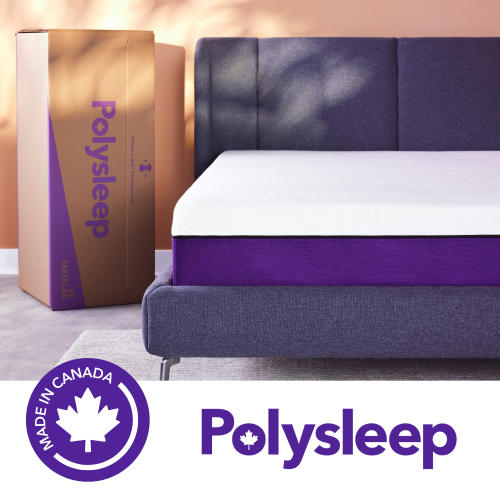 Your price for this item is $1395
-
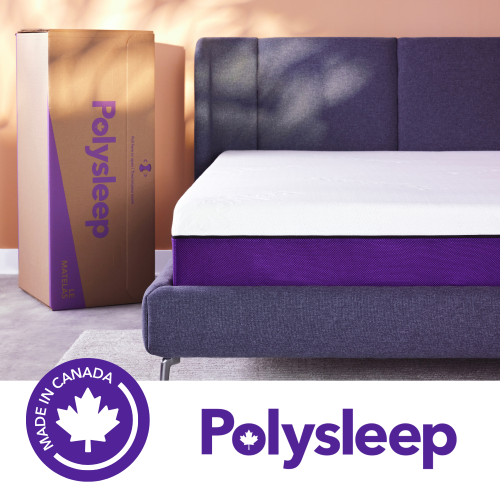 Your price for this item is $895
-
 Your price for this item is $1199
-
 Your price for this item is $644