Industrial Dishwashers
If you're looking for a dishwasher that can handle the heavy workload of a busy restaurant, or if you want to clean your dishes in the comfort of your own home, an industrial dishwasher might be just what you need. These machines are built to last and can stand up to the wear and tear of constant use. Here are some great options available.
Sort


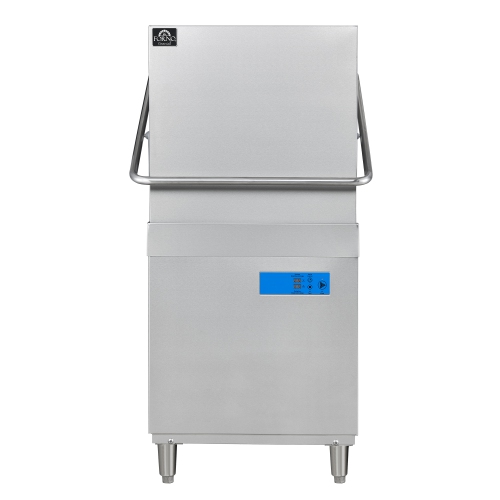
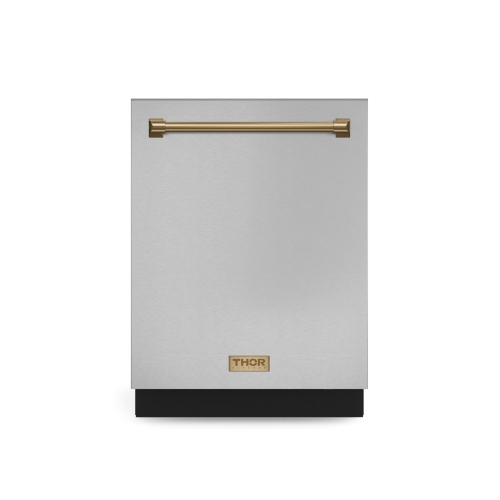
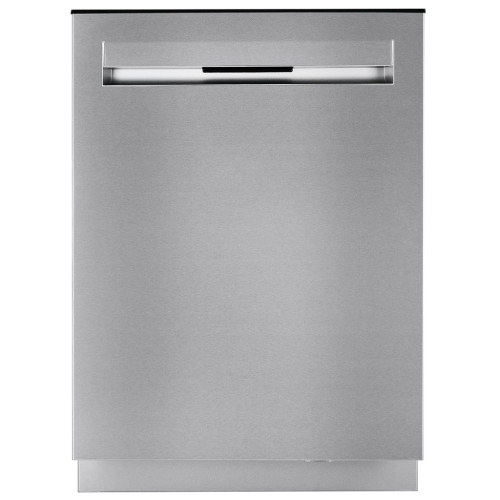
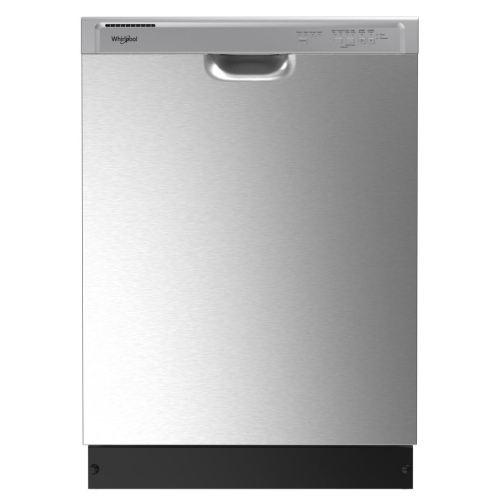
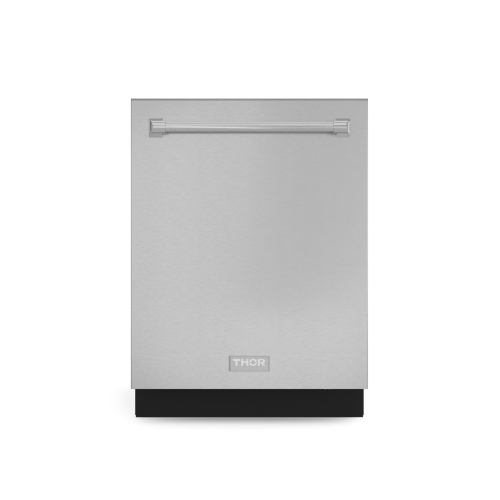

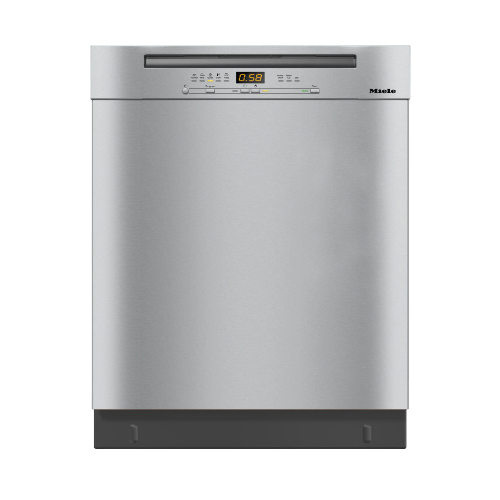


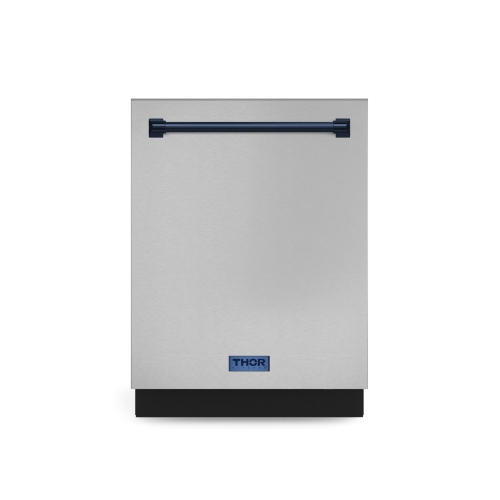
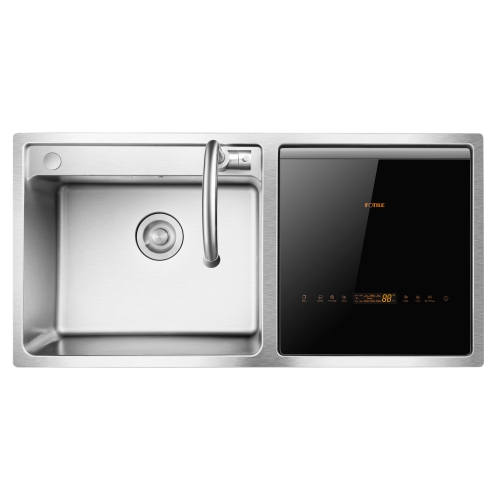
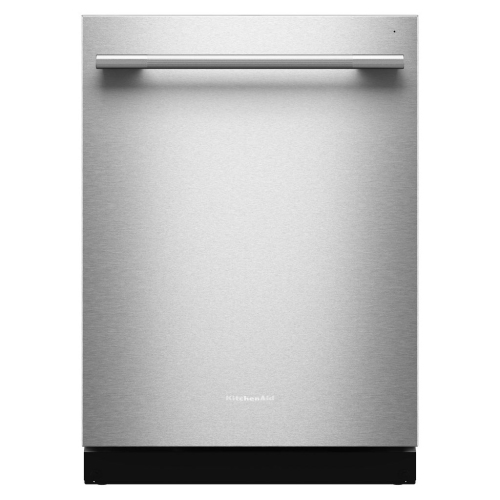
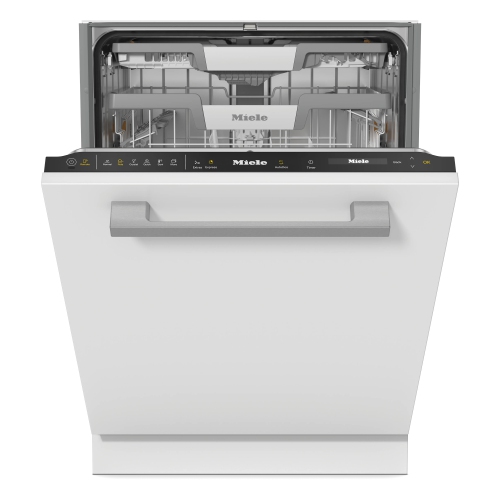
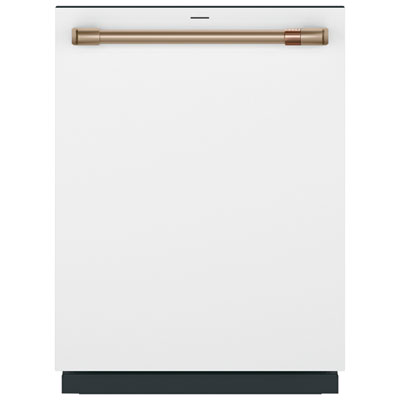
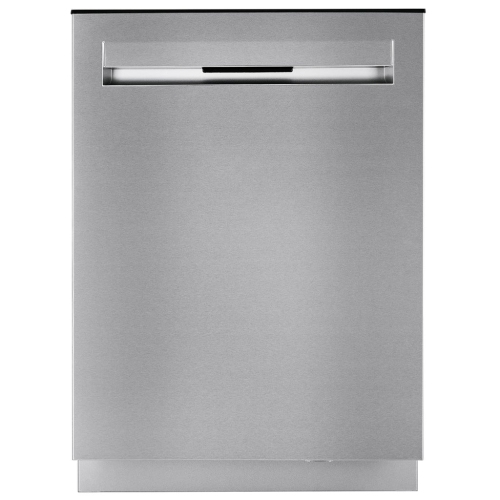
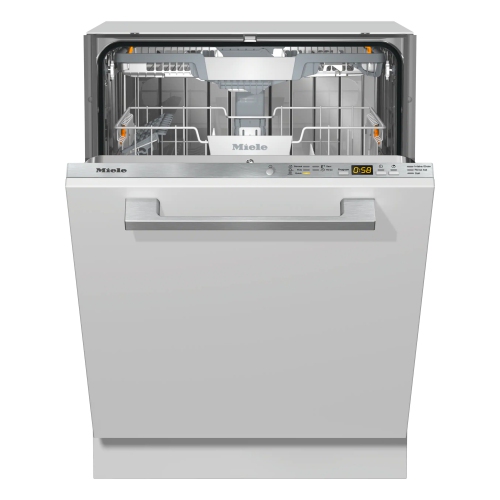
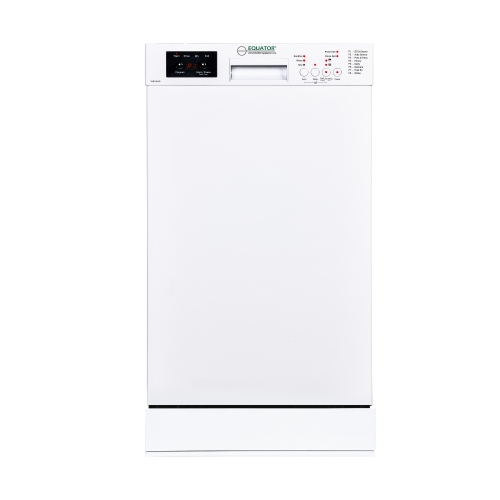


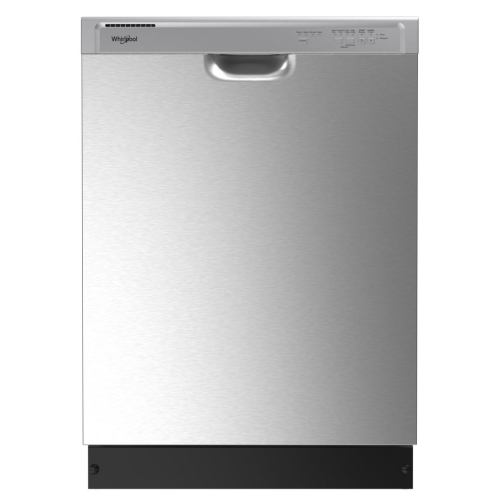


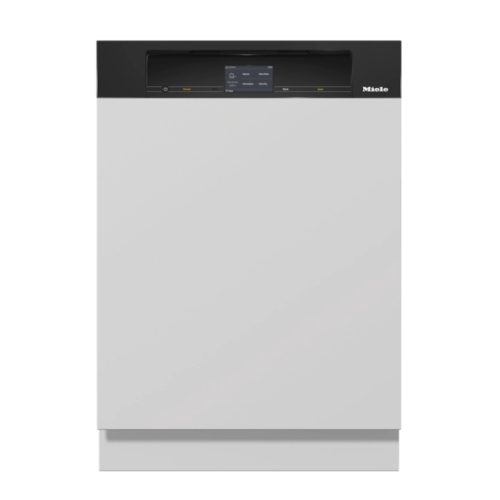
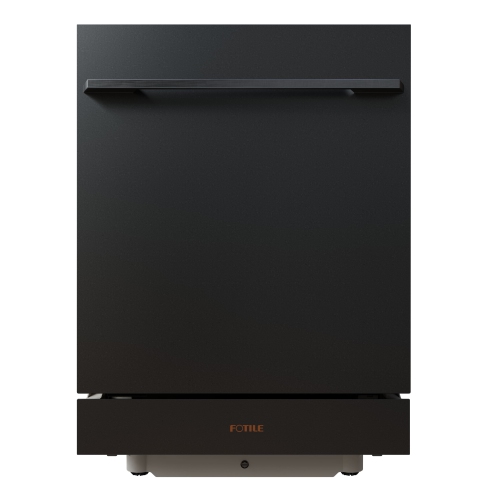
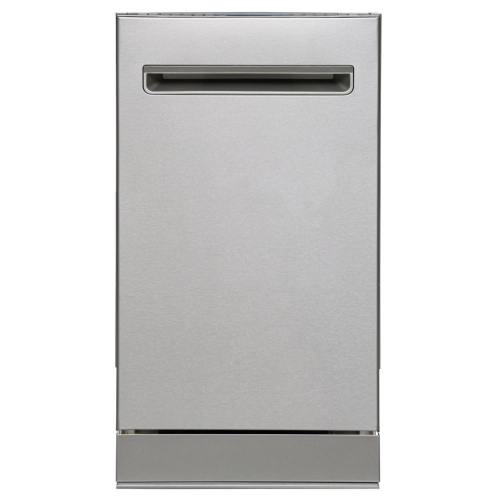

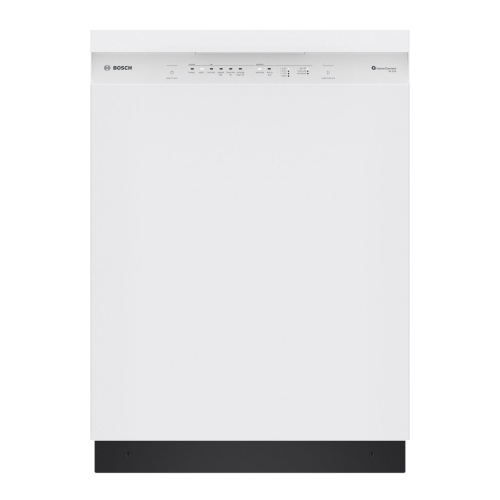
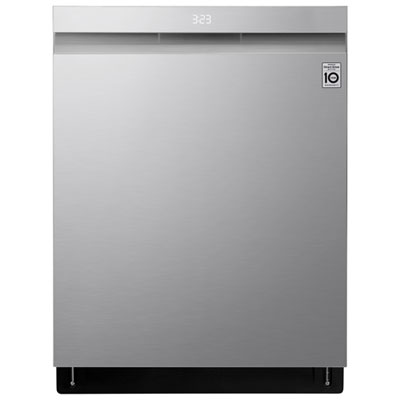
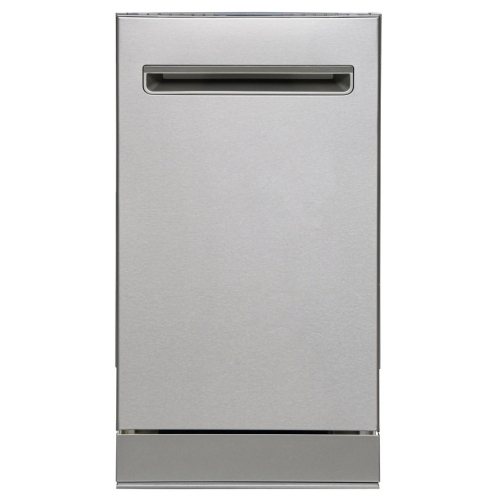
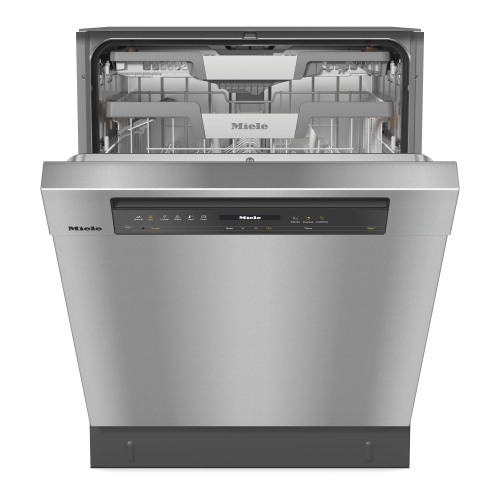
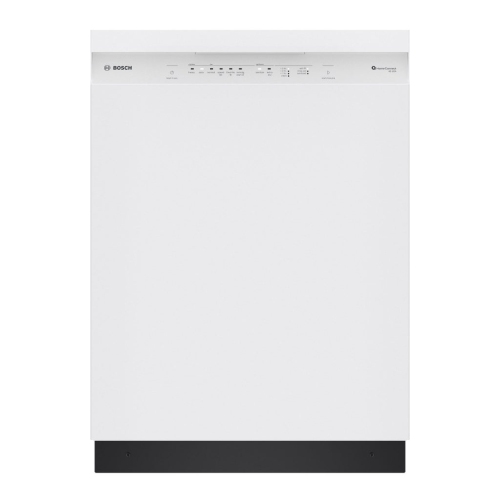

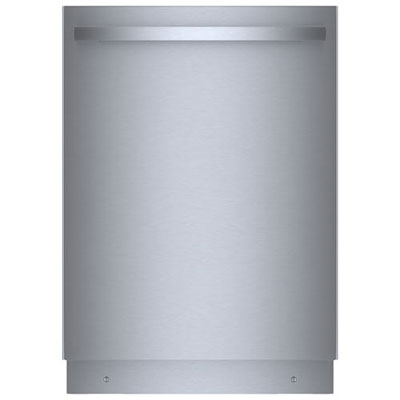
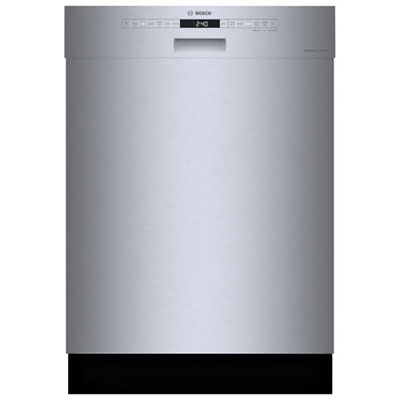
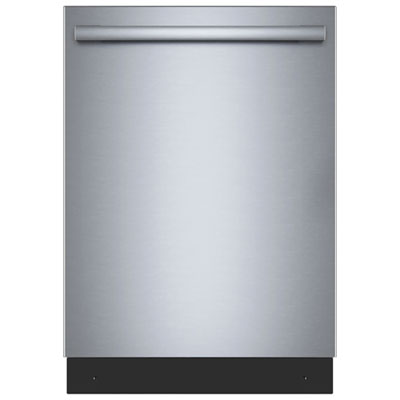


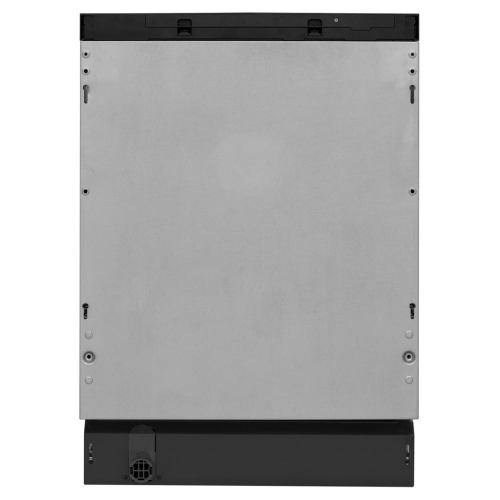
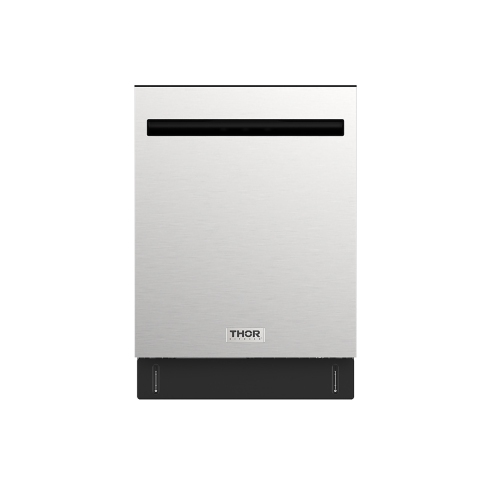

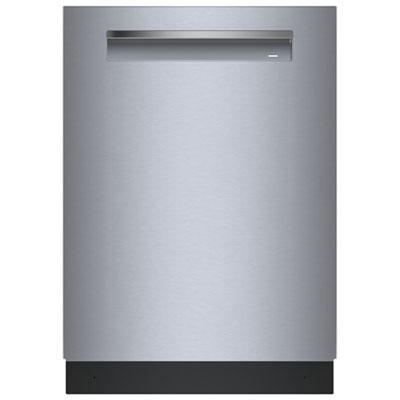

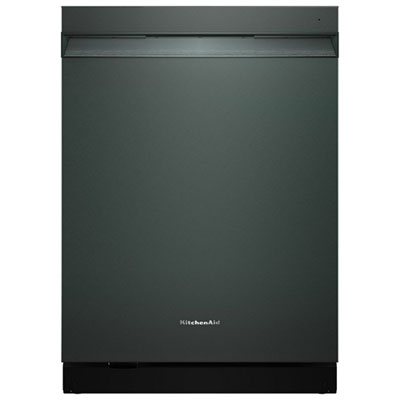
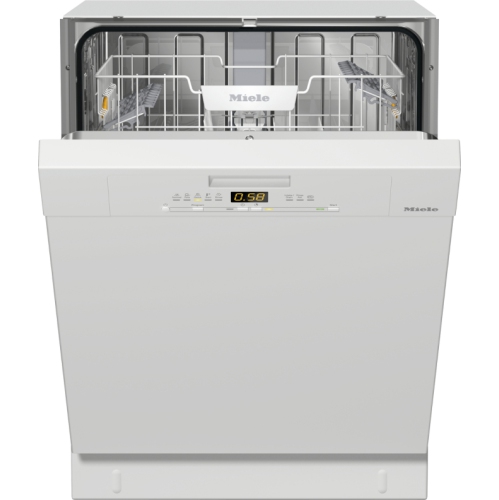
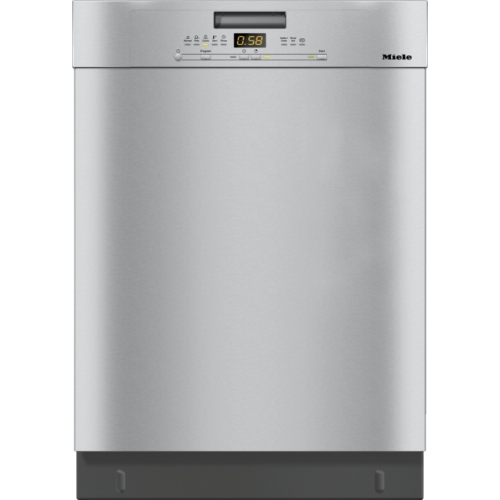
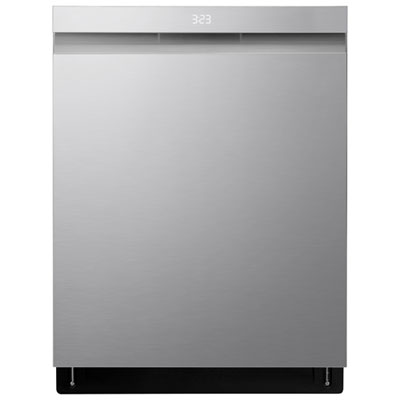

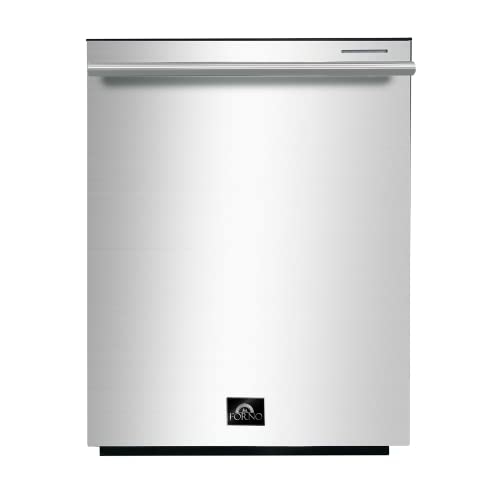

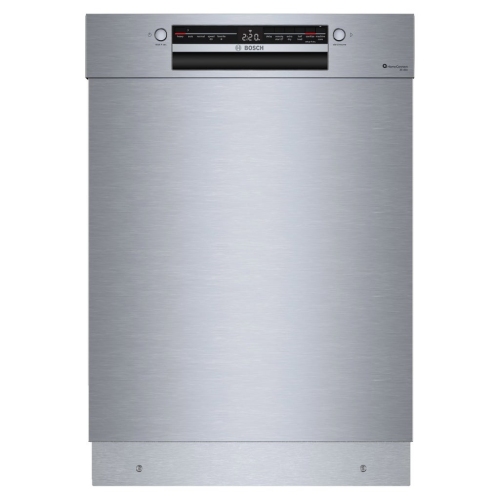

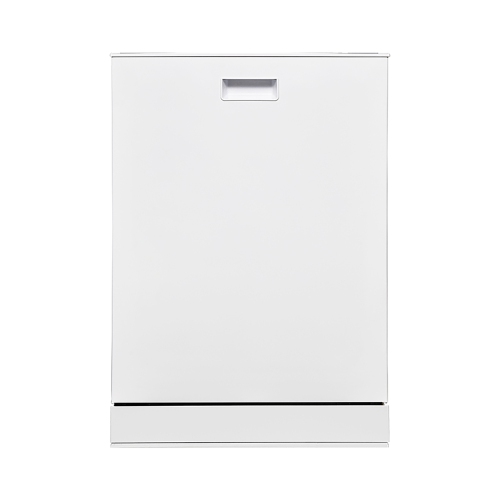
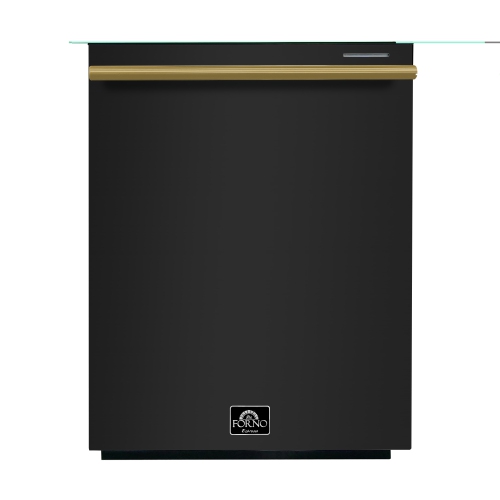
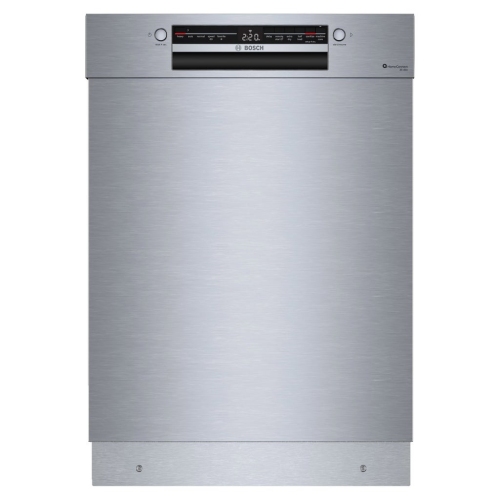


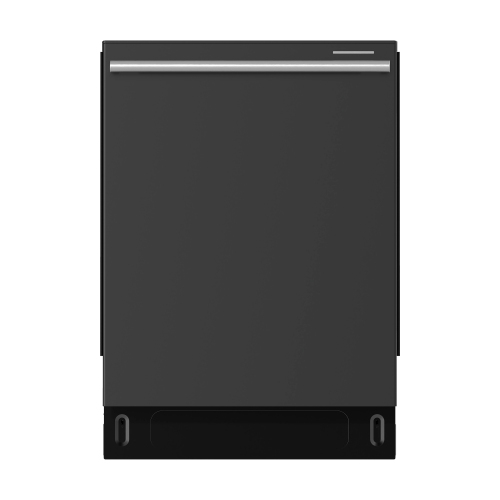
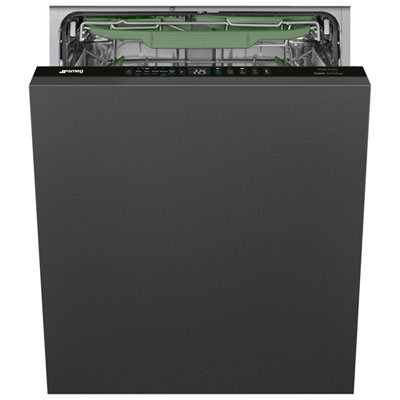

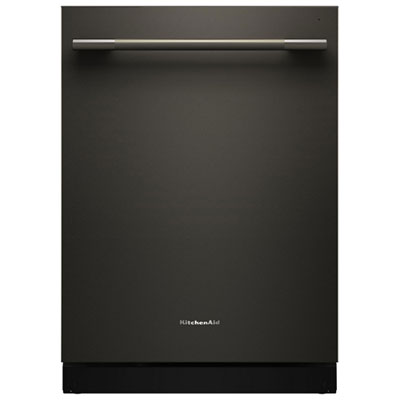
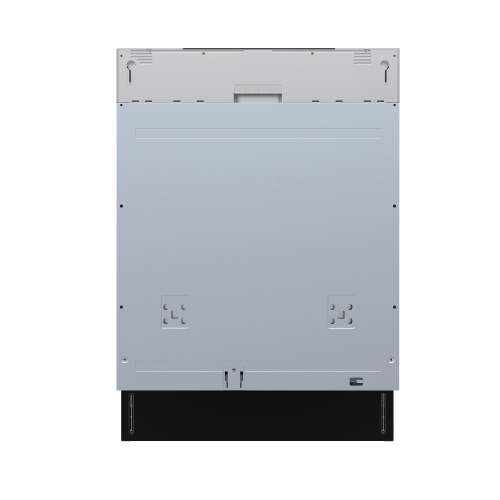


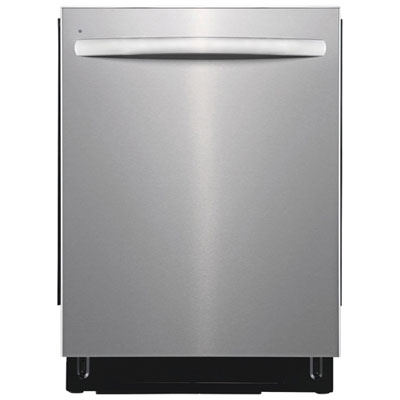

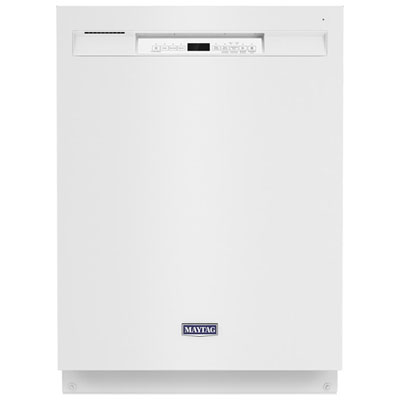

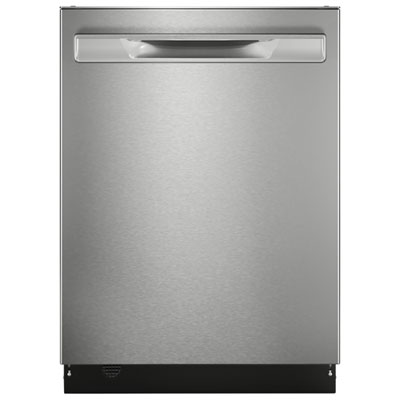
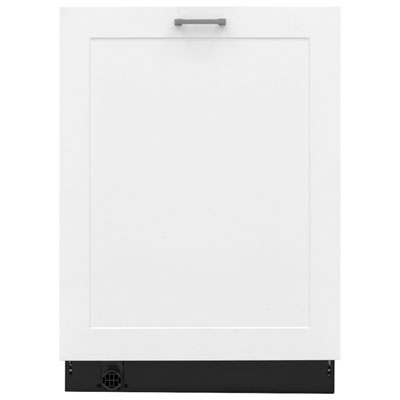
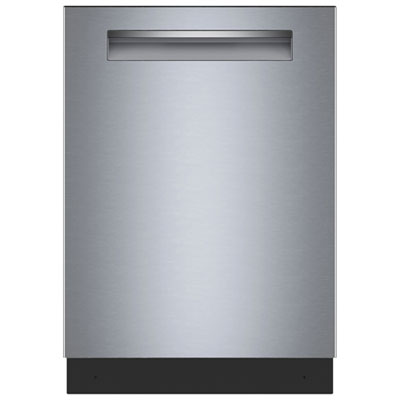
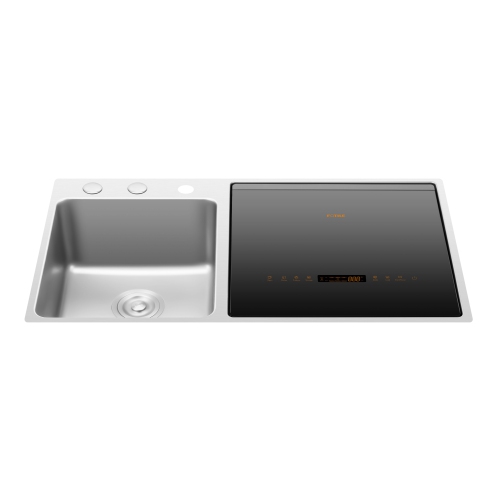
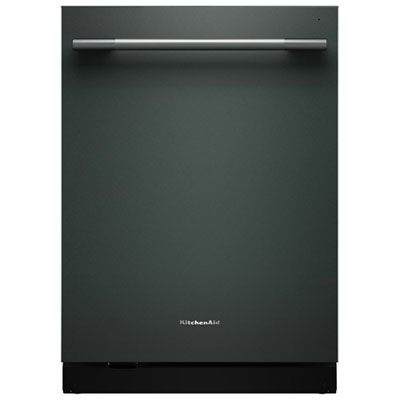
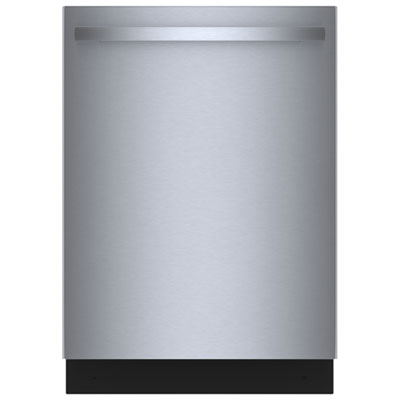

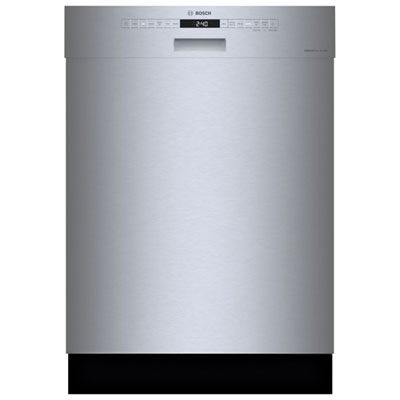
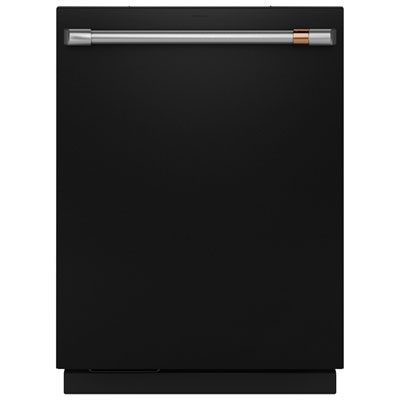


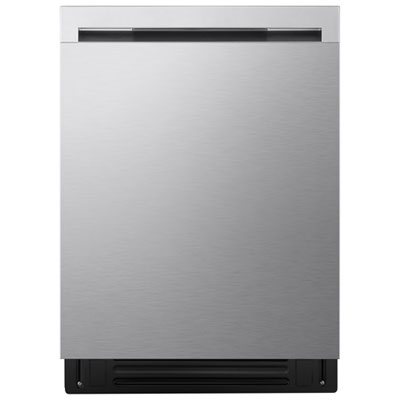

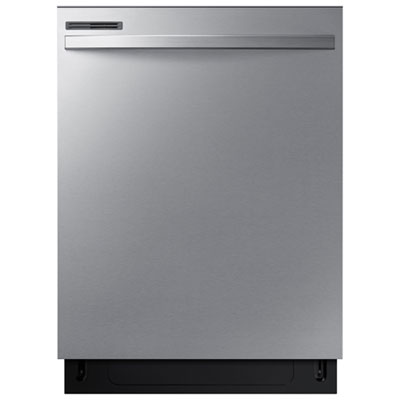
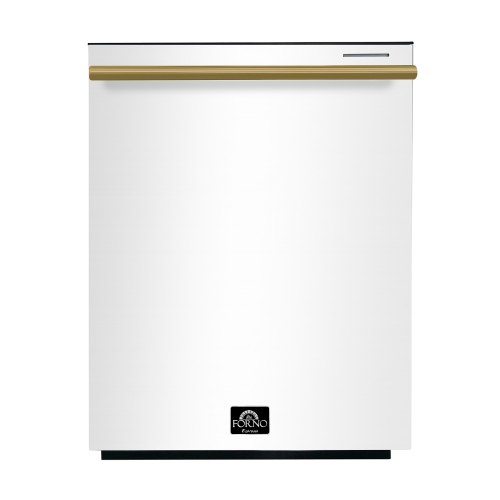
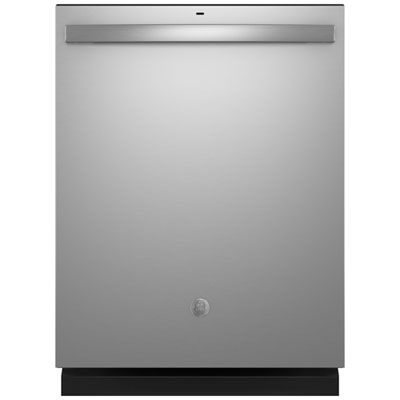
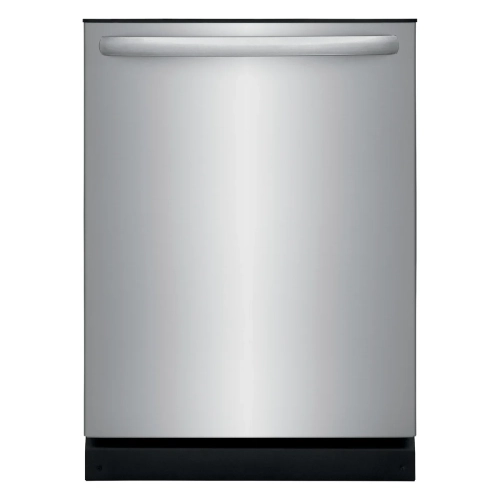
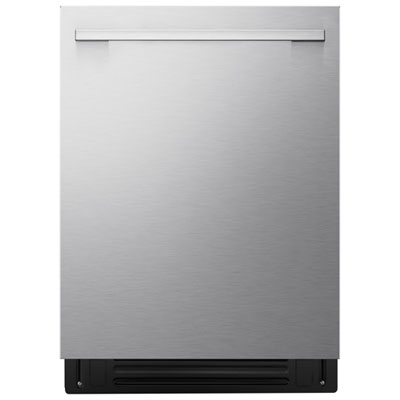
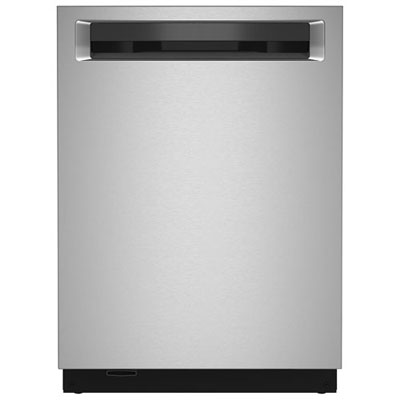

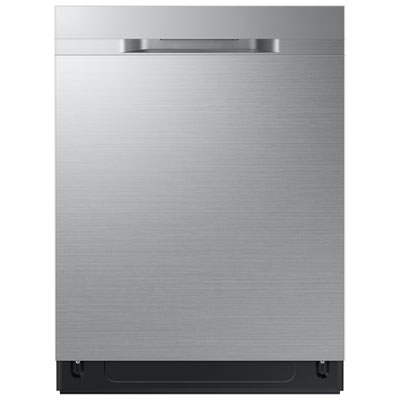
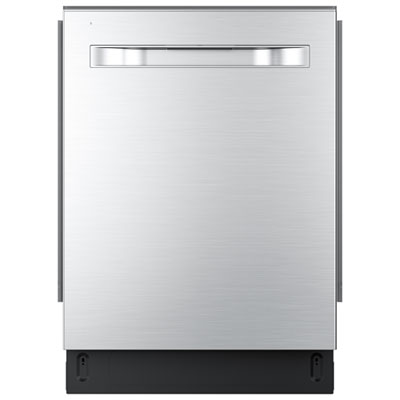
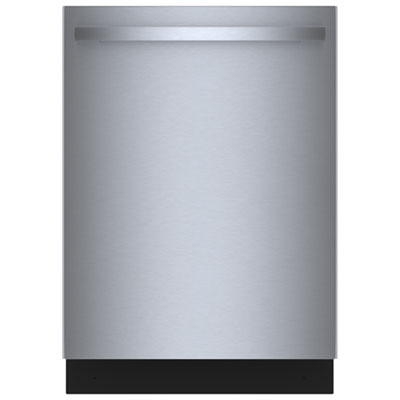
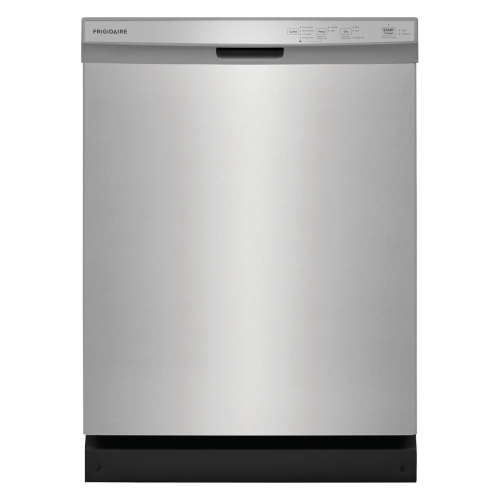
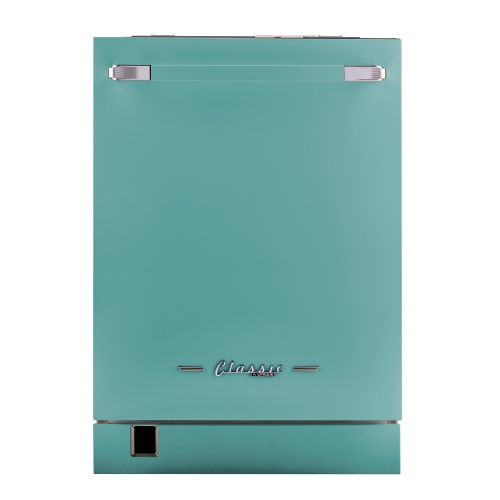
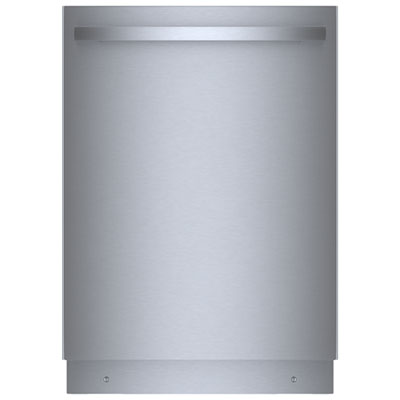
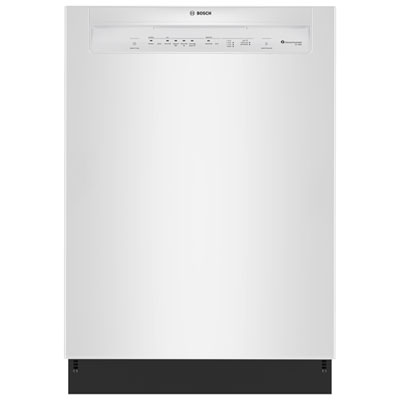


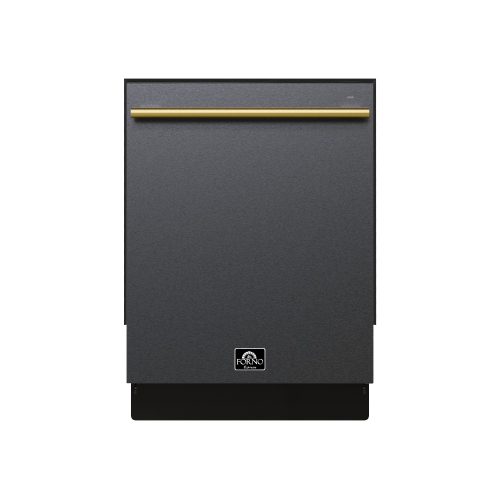


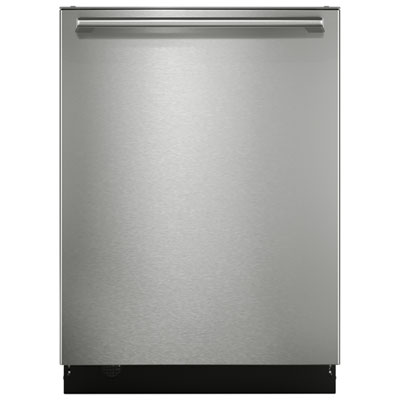
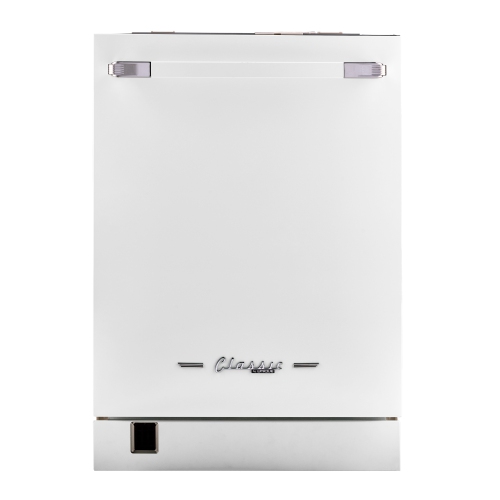
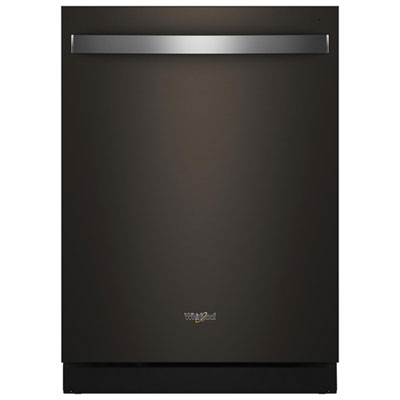

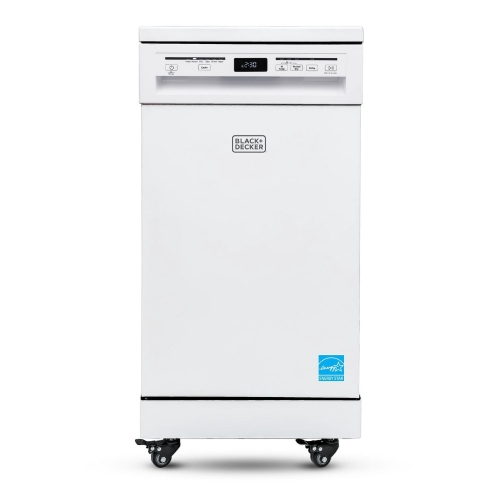
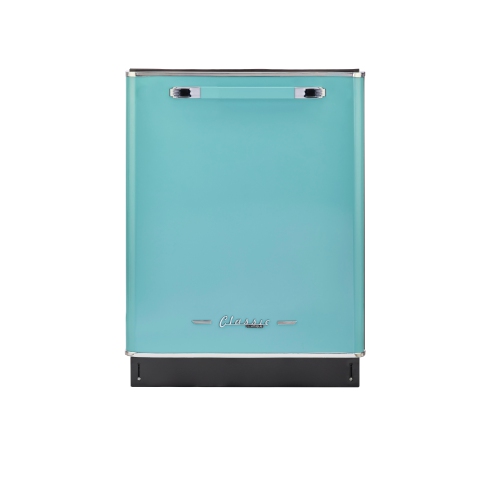
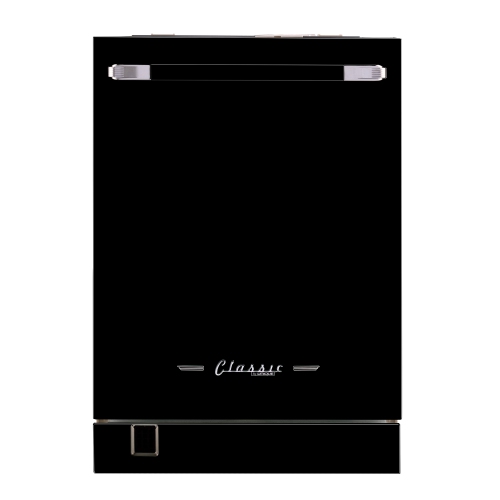

Built for demanding kitchens with continuous dishwashing needs
Industrial dishwashers are built for demanding food-service environments where dishes, glassware, trays, and utensils move continuously from the dining room or preparation area to the wash station. They are commonly used in restaurants, cafés, bars, hotels, catering operations, retirement residences, schools, hospitals, workplaces, community halls, and other facilities that serve meals to large groups. Unlike a household dishwasher designed for a few racks per day, an industrial dishwasher is made to support a steady rhythm of loading, washing, unloading, and sanitizing throughout a busy service. Selecting the right type starts with understanding the available space and the volume of items that need to be cleaned. Undercounter units are compact options for smaller kitchens, cafés, bars, and secondary wash areas, while door-type or hood-style dishwashers are suited to medium-sized commercial kitchens that need more rack capacity and a faster handoff between staff members. Conveyor dishwashers use a moving belt or rack system to handle a continuous stream of dishware, making them useful for large restaurants, cafeterias, hotels, hospitals, and institutional kitchens. Flight-type systems are intended for very high-volume operations, with extended configurations that can occupy a dedicated section of a large dishwashing room. When comparing industrial dishwashers, consider the number of meals served during the busiest period rather than the average number served across an entire day. A kitchen that handles a quiet breakfast and a crowded evening service may need enough capacity to keep up with the peak rush, when racks accumulate beside the sink and clean plates are needed in the pass without delay. It is also important to account for the kinds of items being washed, including dinner plates, bowls, cutlery, cookware, trays, glassware, and oversized serving pieces. Rack dimensions, door clearance, loading height, cycle duration, and the direction of workflow can all affect how easily staff can work around the machine. For kitchens with limited floor space, an undercounter format may help keep the wash area compact. Larger operations may benefit from a hood-style, conveyor, or flight-style design that separates dirty and clean zones and supports a more organized one-way process.
Sanitization performance is another central consideration. Industrial dishwashers may use high-temperature water, chemical sanitizers, or a combination of wash and rinse processes designed for commercial food-service requirements. High-temperature units can reach rinse temperatures around 82°C (180°F), with exterior or surface heat often considered separately from the water temperature used during sanitization. Exact requirements vary by local public-health rules, the type of operation, and the items being washed, so installation and operation should be reviewed with the appropriate authority and a qualified service professional. Chemical-sanitizing models may be suitable where the available plumbing or electrical setup makes a high-temperature system less practical, but they require the correct chemical supply, dispensing equipment, storage, and staff procedures. Whichever sanitizing method is used, consistent results depend on more than the dishwasher itself. Scraping or pre-rinsing heavily soiled items, avoiding overloaded racks, placing items at the correct angle, and allowing clean dishes to dry properly can all influence performance. Water quality also matters. Hard water can contribute to mineral deposits on heating elements, spray arms, and interior surfaces, while grease and food debris can affect filters and drainage. Check whether the installation may require water treatment, a booster heater, a floor drain, an air gap, or other supporting equipment. Many commercial units require dedicated electrical service in the 208–240V range, and some may need specific amperage, ventilation, plumbing connections, or clearance around the cabinet. Measuring the route from the receiving area to the final installation point is just as important as measuring the wash station itself, since doorways, corners, elevators, and service corridors must accommodate delivery and future maintenance access. A professional installer can help confirm whether the building can support the required water, drainage, ventilation, and electrical connections before purchase. For operations seeking a robust cleaning solution for demanding daily use, browsing Heavy Duty Dishwashers can help narrow the selection by considering capacity, format, and installation needs together rather than focusing on cycle speed alone.
The best industrial dishwasher should fit the entire kitchen routine, from the moment a used plate leaves the table to the moment a clean rack returns to service. Think about where bussing carts will arrive, where staff will scrape food, where racks will be stored, and how clean dishes will travel without crossing paths with dirty ones. In a restaurant, a fast door-type or conveyor format may help the dish pit keep pace with several seating turns, while a compact undercounter unit can be a practical choice behind a small bar or in a café with limited back-of-house space. In a school, care facility, hospital, or workplace dining room, quiet operation, straightforward controls, accessible service points, and repeatable sanitizing cycles may be especially valuable because many staff members may use the machine across different shifts. Catering businesses and event venues should consider transport, temporary kitchen layouts, and the varied sizes of loads created by receptions, conferences, and community gatherings. During the warmer part of the year, outdoor events and busy patios can increase the flow of glassware and service pieces; during the cooler months, holiday gatherings, indoor events, and higher demand for warm meals can place similar pressure on a commercial wash area. A machine with suitable rack capacity and dependable cycle timing can help staff spend less time waiting for dishware and more time keeping preparation and service moving. Before choosing a model, review its rated capacity, cycle options, wash and rinse temperatures, water consumption, detergent and sanitizer requirements, noise level, controls, maintenance access, warranty coverage, and compatibility with the building’s electrical and plumbing systems. Operators should also plan for staff training, daily filter and spray-arm checks, regular descaling where needed, and prompt attention to leaks, unusual sounds, or incomplete cleaning. Industrial dishwashers are significant equipment for any commercial kitchen, but the right match can make the wash station feel less like a bottleneck and more like a steady, well-organized part of the operation.
Top selling and popular products
-
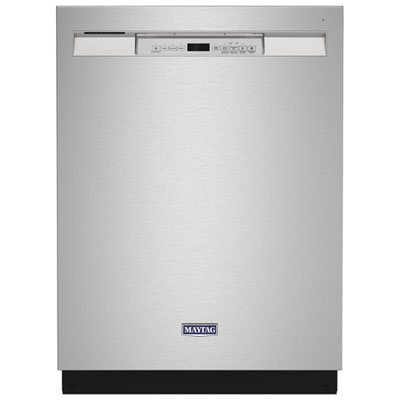 Your price for this item is $799.99
-
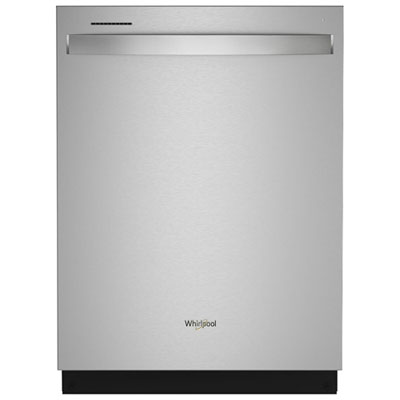 Your price for this item is $799.99
-
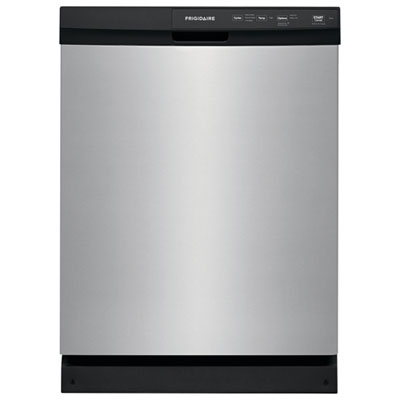 Your price for this item is $479.99
-
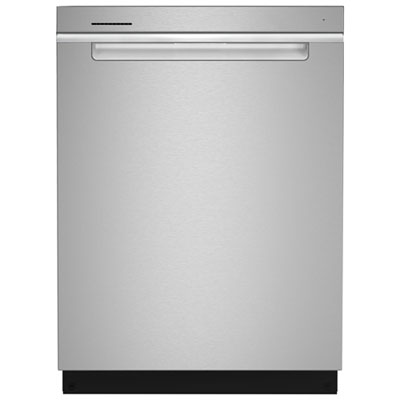 Your price for this item is $799.99
-
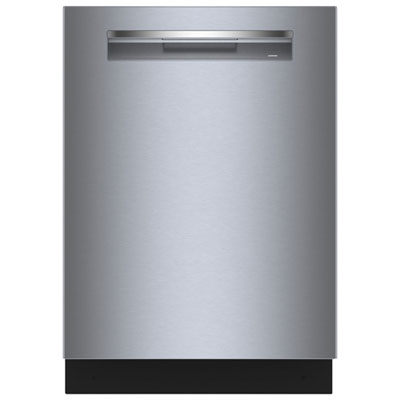 Your price for this item is $2599.99
-
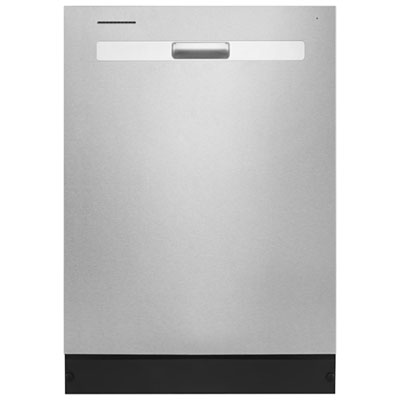 Your price for this item is $649.99
-
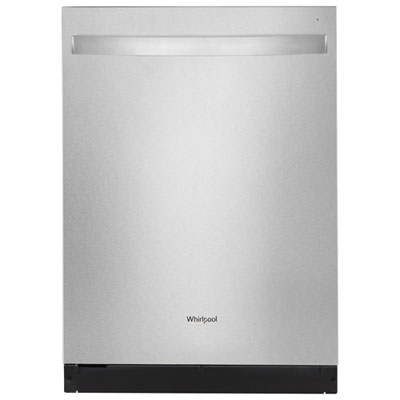 Your price for this item is $699.99
-
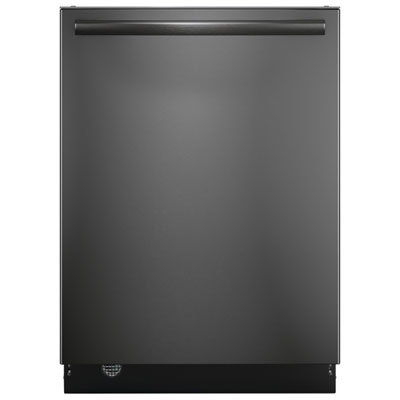 Your price for this item is $949.99
Discover more categories related to Industrial Dishwashers

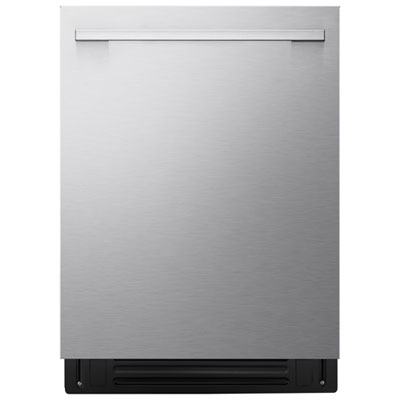
Top Collections:
Pokemon Centers, Best Cameras for Sports Photography, Kindle Devices, Samsung Galaxy Phones, Canon G7X Cameras, Pokémon 30th Celebration Cards, Refurbished Apple Laptops, iPhone 15 Apple, Laptops for Students, Budget Smartphones
Some products may be subject to Environmental Handling Fees
(EHF) depending on your province.
Learn more about EHFs.