Wet Clothes Dryers
Discover the ultimate solution for your laundry needs with a wet clothes dryer, designed to efficiently tackle damp garments and streamline your laundry routine. Whether you're dealing with rainy days or simply need a quick turnaround for freshly washed clothes, these dryers offer convenience and reliability. Explore our range of options that cater to various household sizes and preferences, ensuring you find the perfect match for your home. With energy-efficient models and advanced drying technologies, getting your clothes dry has never been easier or more efficient. Transform your laundry experience with a wet clothes dryer that fits seamlessly into your lifestyle.
Sort
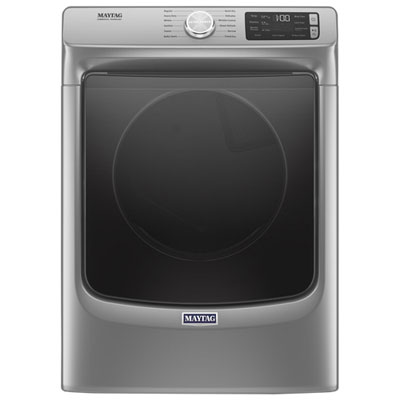
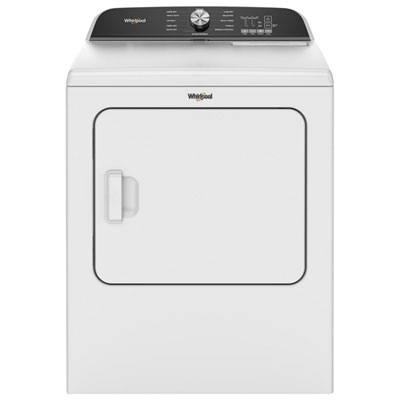
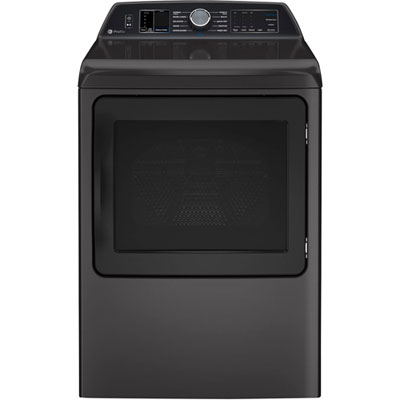
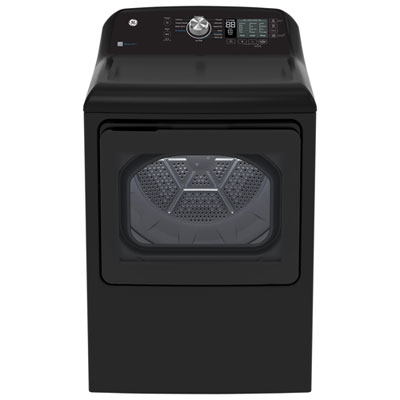
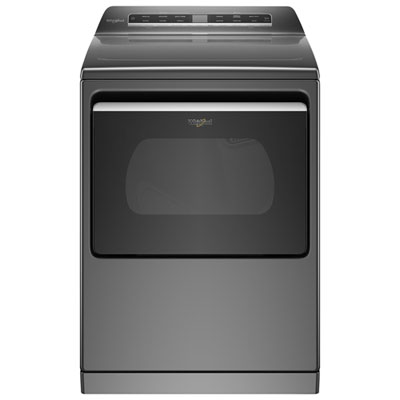
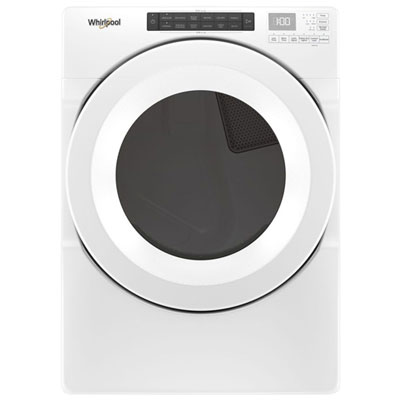
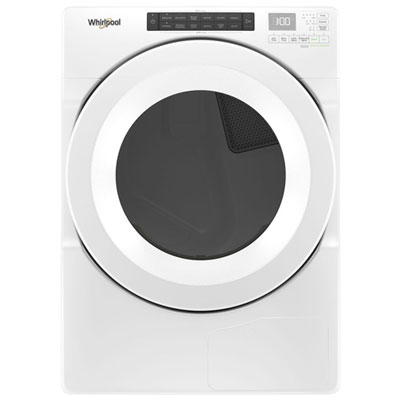
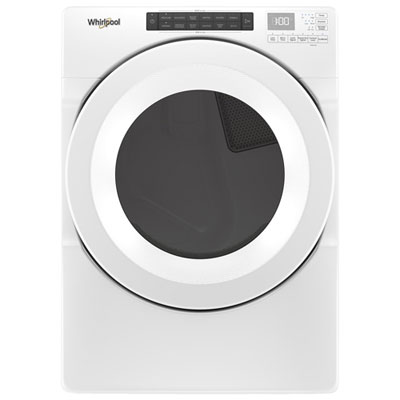
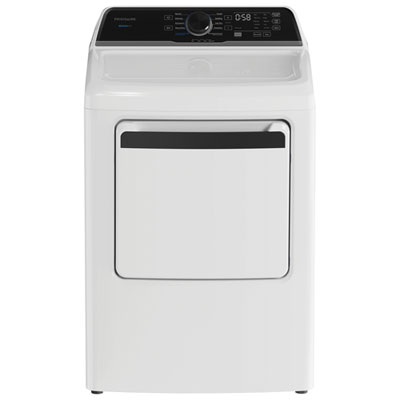
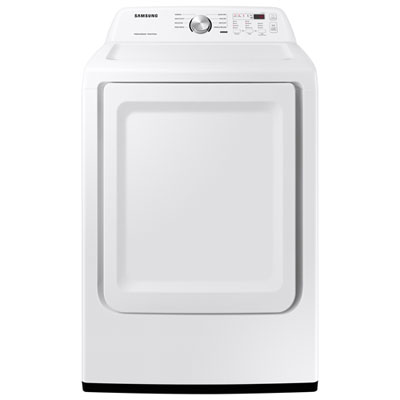
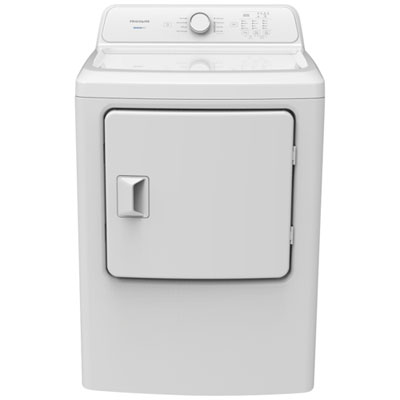
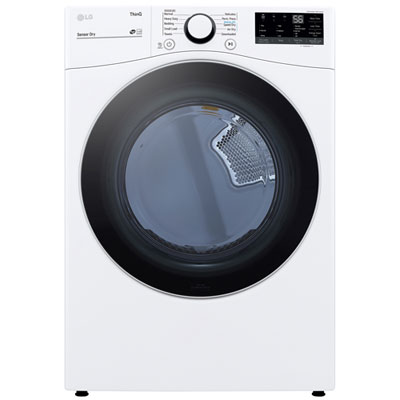
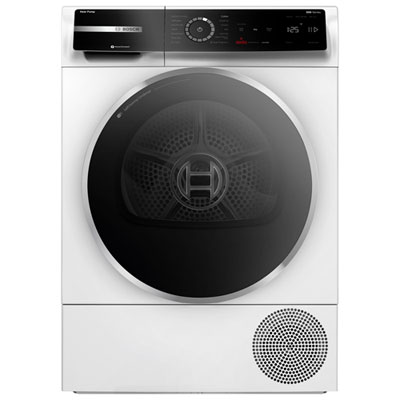
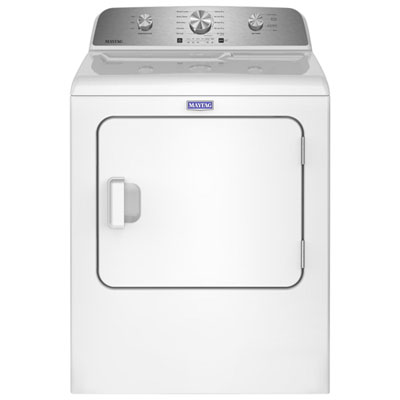
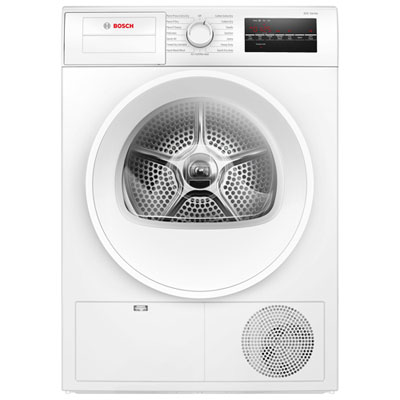

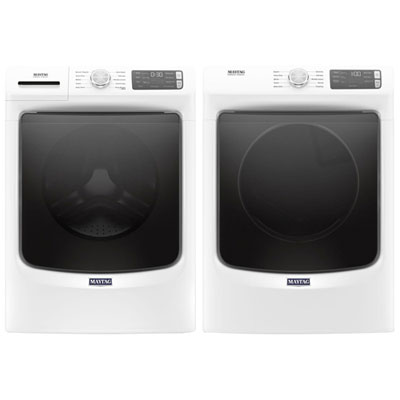
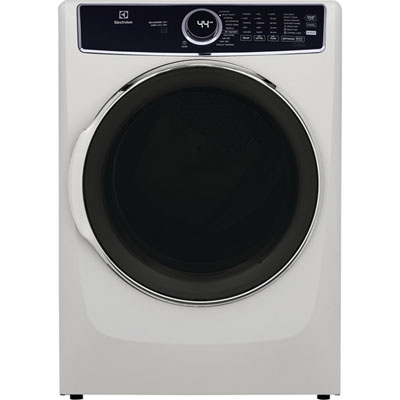
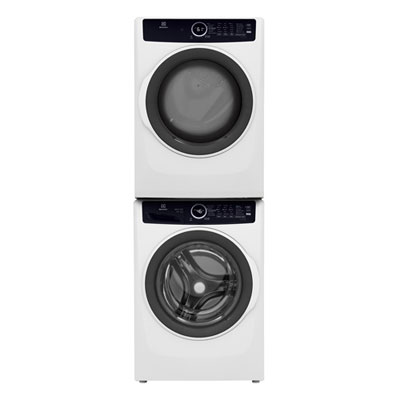
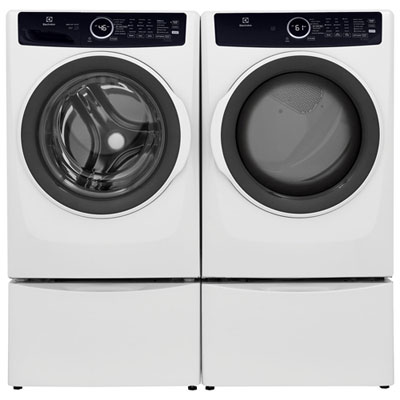
Better drying starts with properly prepared laundry
Clothes dryers are designed to remove moisture from damp laundry after excess water has been extracted, usually by a washing machine’s spin cycle. Soaking wet, dripping clothes should not go straight into a tumble dryer. The extra water makes the load heavier, lengthens drying time, and can place additional strain on the appliance, particularly if the load exceeds its rated capacity. Laundry that is still saturated after washing generally needs another suitable spin cycle before drying; hand-washed garments need excess water gently pressed out according to their care labels, without twisting fabrics that may stretch. With properly prepared laundry, a dryer provides a practical place to finish everything from everyday shirts and socks to bath towels and washable bedding. The right capacity depends on the loads a household actually washes, rather than simply how much can be squeezed through the door. Clothes need room to tumble and separate so that air can move between them. A tightly packed drum can leave damp patches inside sleeves, along waistbands, and in the folds of sheets, even when the outside of the load feels dry. Larger households may value space for frequent laundry, while someone washing smaller loads may find a compact appliance a better fit. Bulky bedding requires particular attention to both the dryer’s capacity and the textile’s care instructions, since a large drum does not make every duvet suitable for machine drying. Fabric type also shapes everyday use. Cotton towels hold more water than lightweight synthetic tops, and drying them together can leave the tops finished well before the towels. Separate settings for different fabrics, adjustable heat, and moisture-sensing cycles can help accommodate those differences. Where included, a moisture sensor adjusts drying time in response to the load rather than relying only on a fixed timer. Delicate garments, wool, waterproof layers, and clothing with bonded details may require low heat, a specialist programme, or drying away from the machine altogether, as directed by the garment label.
Dryer designs differ in how they handle moist air, making installation just as important as drum size. Vented dryers send moist air outdoors through a suitable exhaust duct. Condenser and heat-pump dryers collect moisture as water, which is emptied from a container or directed to a drain, depending on the appliance and its installation. A ventless design can suit some laundry spaces without an outdoor exhaust connection, but it still needs the clearances, room conditions, electrical supply, and drainage arrangements specified by its manufacturer. Heat-pump drying commonly uses lower operating temperatures than conventional heated drying, and cycle lengths can differ noticeably between technologies. Gas and electric appliances also have different connection requirements, so the existing laundry setup helps determine which type belongs in the space. Physical fit involves more than measuring the opening between two cabinets. Depth with the door open, access to controls, space behind the appliance for connections, and a clear route through doorways all affect placement. In a narrow laundry cupboard, the direction of the door swing can determine whether transferring a basket of wet washing feels straightforward or awkward. Front controls may be easier to reach in a stacked arrangement, while a side-by-side layout can provide room above the machines for folding when the installation permits it. Stacking requires compatible appliances and the correct approved kit; simply placing one machine on another is not an appropriate substitute. For apartments, shared homes, and laundry areas near bedrooms, published sound information and vibration control may also matter. Controls should suit the people using them, whether that means clearly marked dials, an easy-to-read display, or a straightforward selection of frequently used cycles. Features such as interior lighting, an end-of-cycle signal, and a wrinkle-reducing tumble option can make the routine easier, although their operation varies by model. Connected controls, where included, may provide cycle notifications, but loading, filter cleaning, and checking fabric suitability remain hands-on tasks. A useful feature set is one that supports ordinary laundry habits without making a simple load unnecessarily complicated.
Materials and upkeep influence how a clothes dryer stands up to repeated use. Stainless steel drums resist corrosion, while coated drums provide a finished surface whose condition should be checked over time. A smooth interior matters because rough spots or damaged surfaces can catch fabric. Secure fasteners, emptied pockets, and suitable laundry bags for small washable garments help limit loose objects and snagging, provided the garment and bag instructions allow tumble drying. Household routines also affect performance: lint needs to be removed from the filter as directed, commonly after each load, and vents, condenser components, or additional filters need the maintenance specified for that design. Lint buildup can restrict airflow, increase drying time, and create a fire hazard. Clothes that remain damp after a normal cycle do not automatically mean the dryer needs replacing; an overloaded drum, mixed fabric weights, a blocked filter, or restricted exhaust airflow may be involved. For vented appliances, the exhaust path and outdoor outlet need to remain clear, with inspection or servicing handled safely and according to the installation instructions. Ventless models have their own maintenance points, including water containers, filters, and accessible heat-exchanger areas where applicable. Drying racks, when approved for the appliance, can support suitable pieces without tumbling, but footwear and other structured objects should only enter a dryer when both the object’s care instructions and the appliance instructions permit it. Small-garment categories such as Sock Dryers may also be relevant for households that handle socks separately from larger loads. For everyday use, the most suitable clothes dryers bring together manageable capacity, appropriate fabric settings, accessible maintenance, and a sound fit with the laundry space. That combination supports familiar routines, from finishing a basket of school clothes to drying fresh towels, without treating every fabric or load as though it needs the same cycle.
Top selling and popular products
-
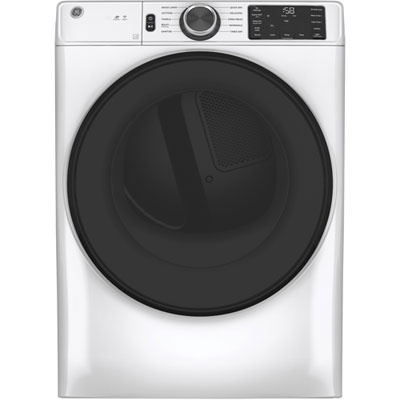 Your price for this item is $1199.99
-
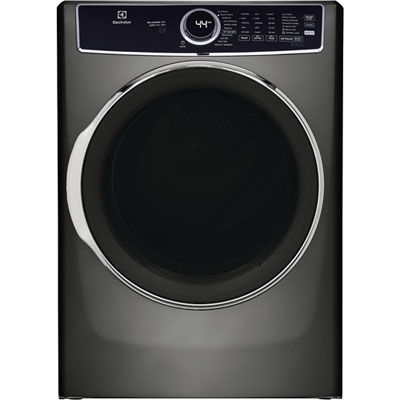 Your price for this item is $1149.99
-
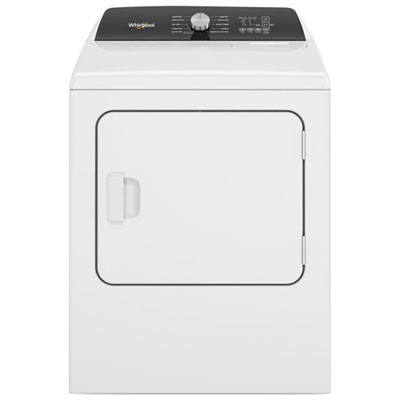 Your price for this item is $799.99
-
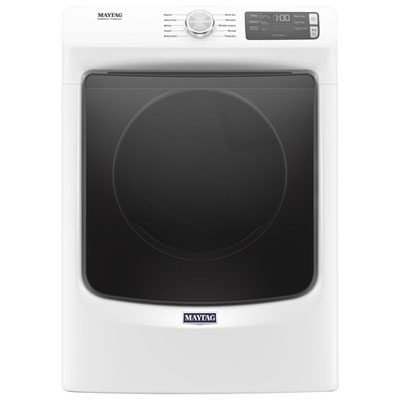 Your price for this item is $1099.99
-
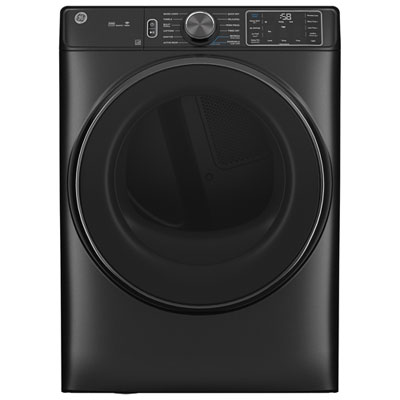 Your price for this item is $1449.99
-
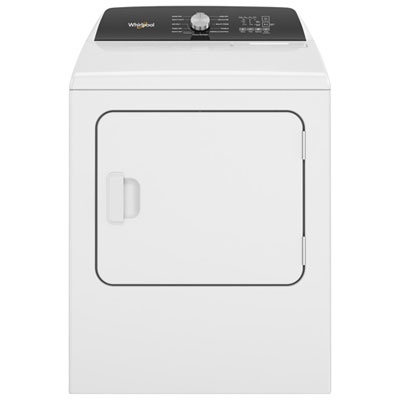 Your price for this item is $789.99
-
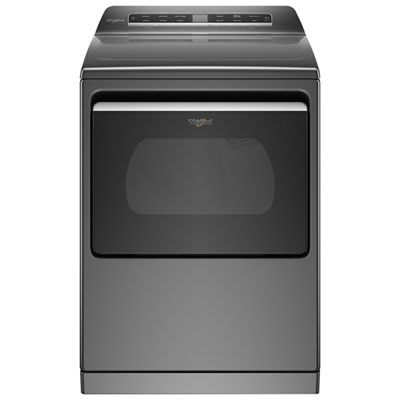 Your price for this item is $1149.97
-
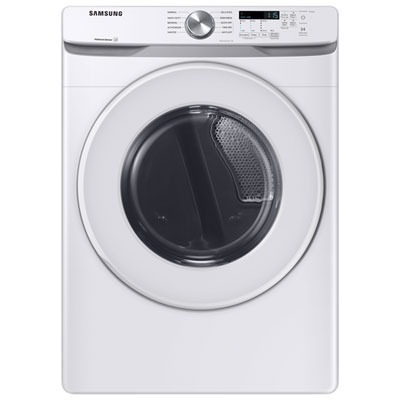 Your price for this item is $899.99
Discover more categories related to Wet Clothes Dryers
Top Collections:
Best Black Friday Deals This Year, Best Black Friday Deals On Electronics, Kindle Devices, Best Black Friday Deals On Apple Products, Best Budget Office Chairs, Best Cameras for Sports Photography, Dyson Airwrap, Canon G7X Cameras, Best Laptops for Writers, Samsung Galaxy Phones
Some products may be subject to Environmental Handling Fees
(EHF) depending on your province.
Learn more about EHFs.