Large Capacity Dryers
If you're in the market for a new dryer, you'll want to consider a large-capacity model. These dryers have enough space to fit a large amount of laundry, so you can do more in less time. A large-capacity dryer can save you time, energy, and money in the long run. Here are some great large-capacity dryers available on the market.
Sort
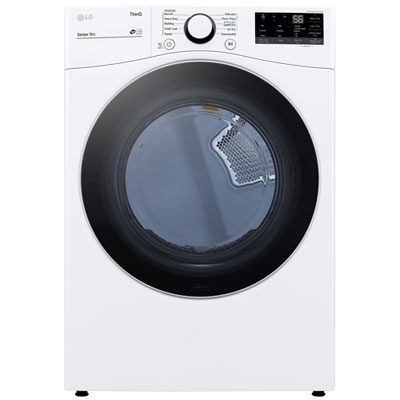
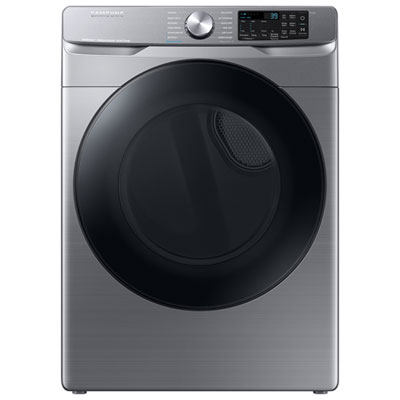
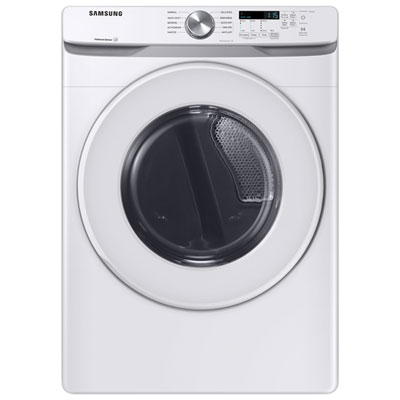
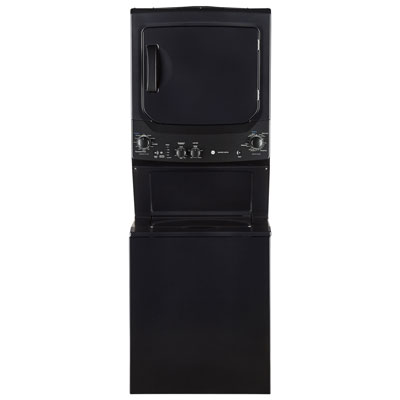
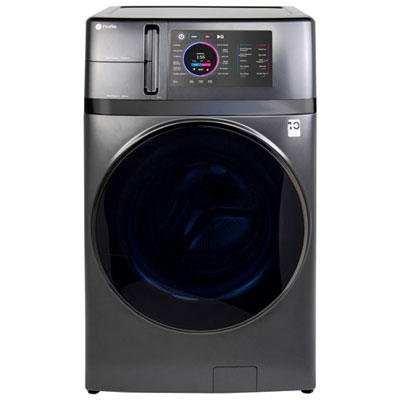
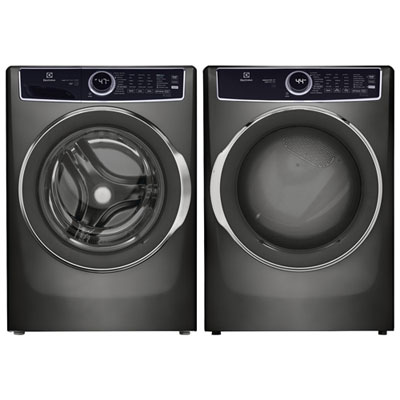
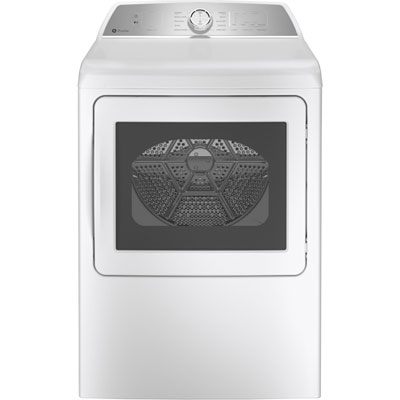
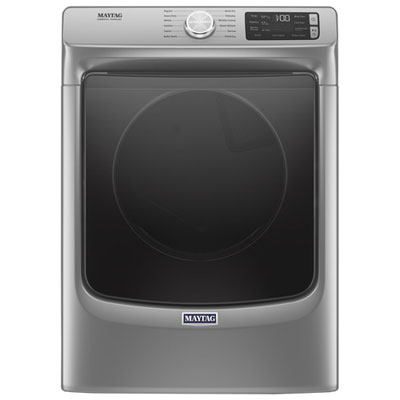
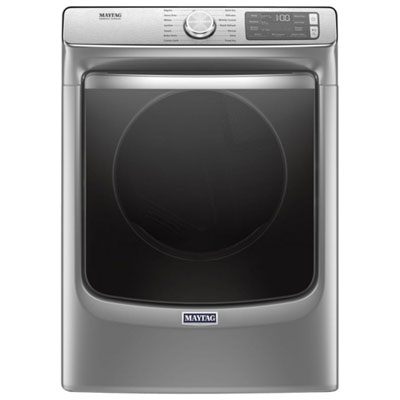
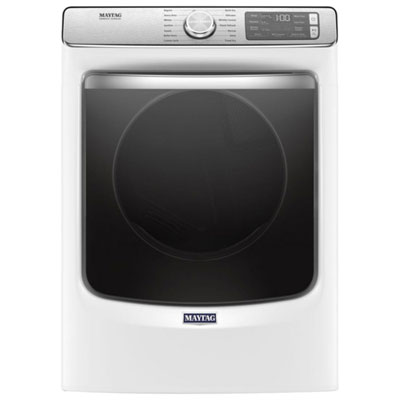
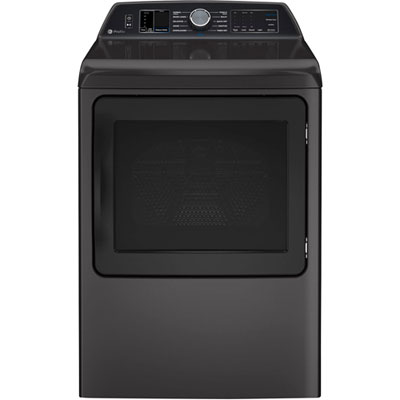
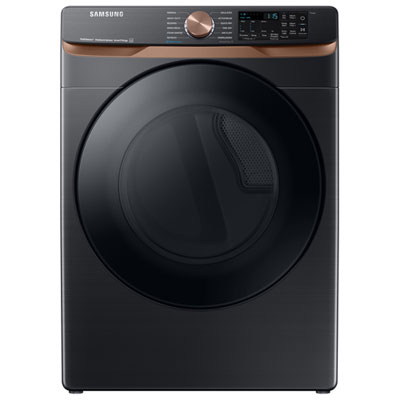
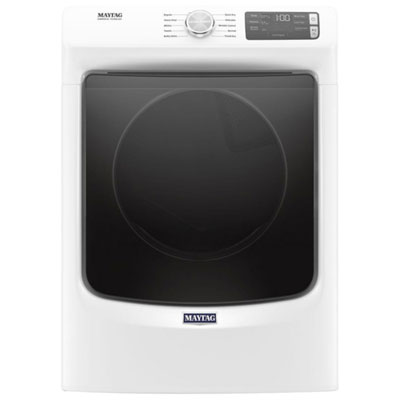
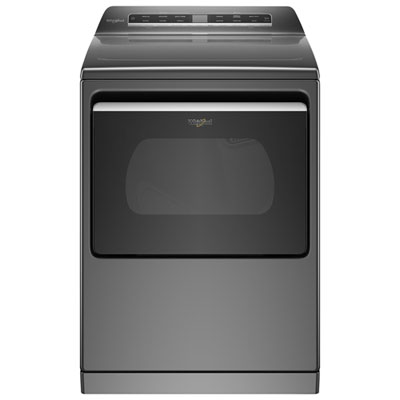
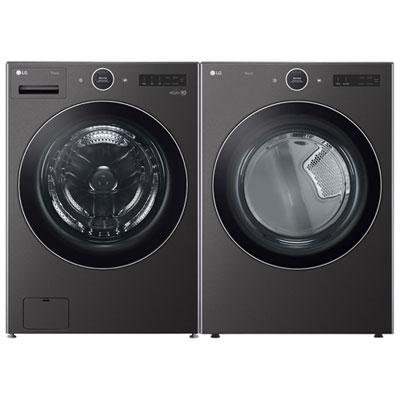
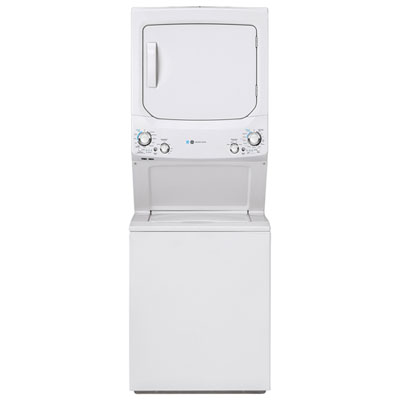
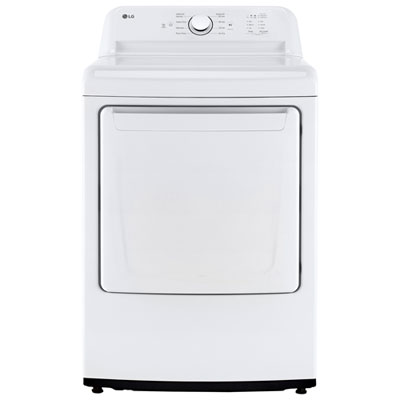
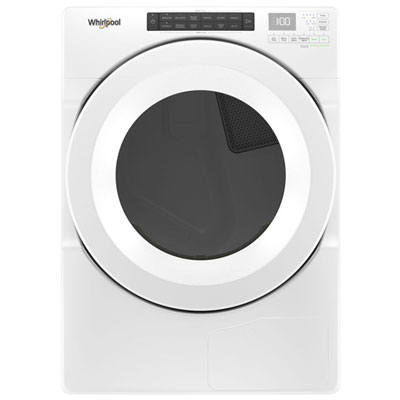
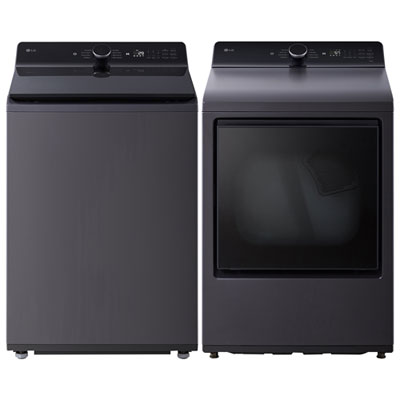
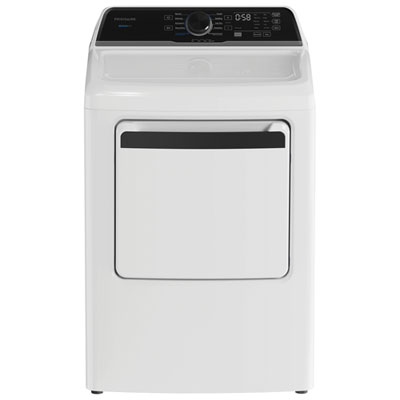
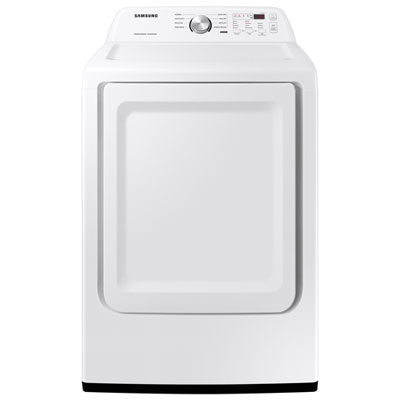

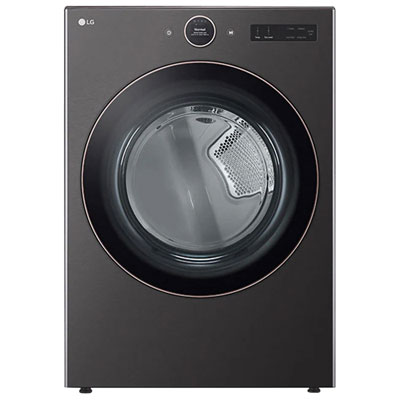
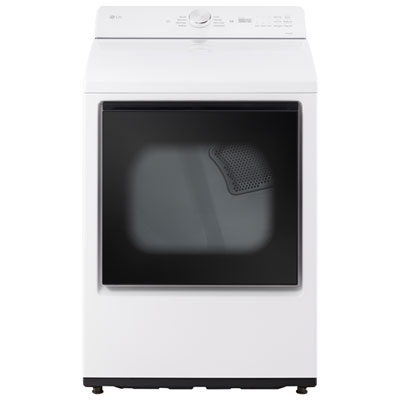
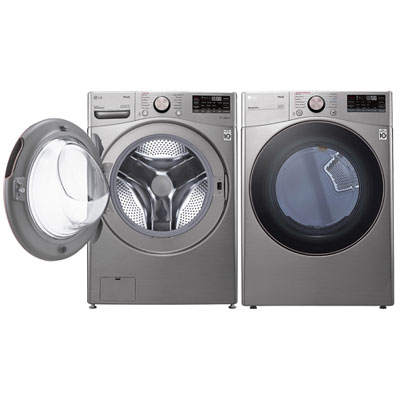
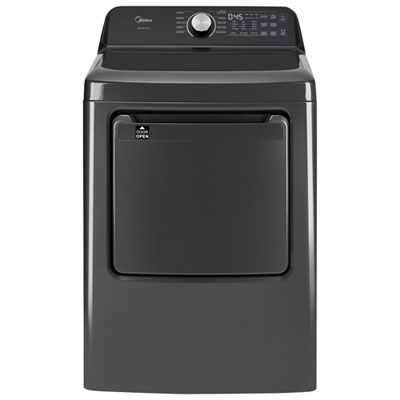
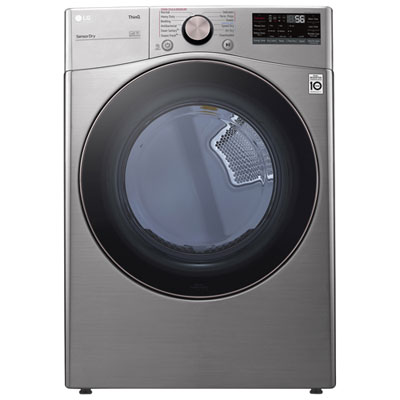
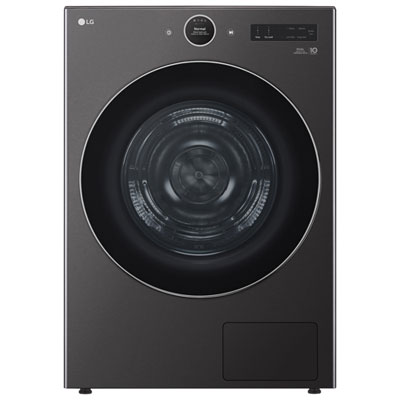
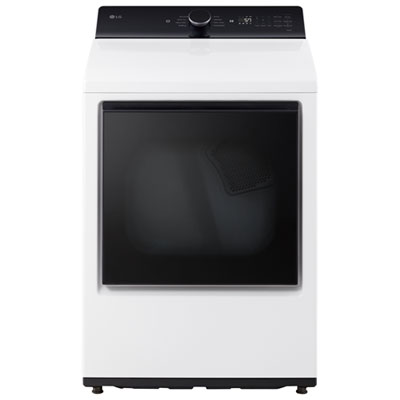
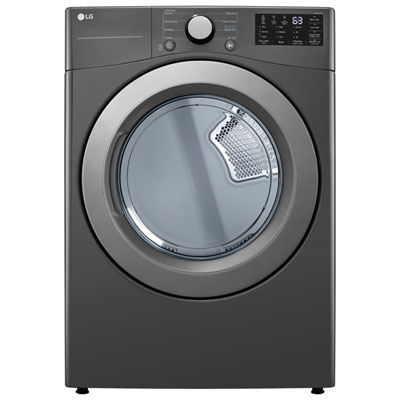
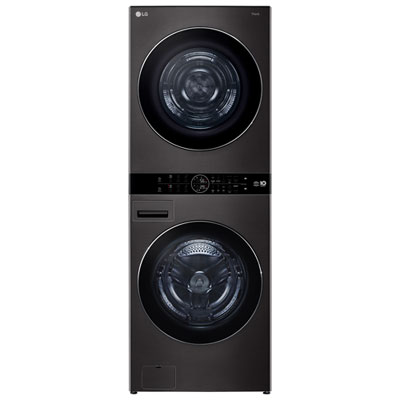
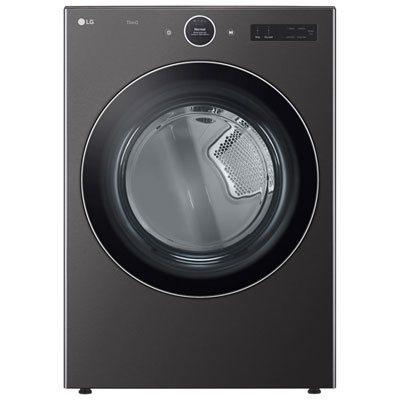
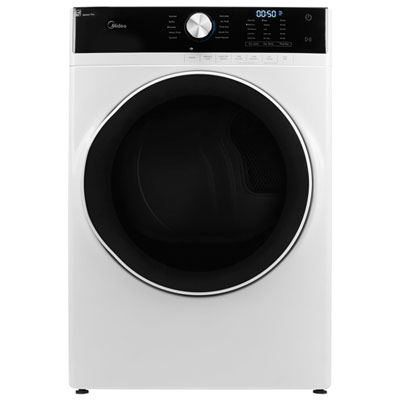
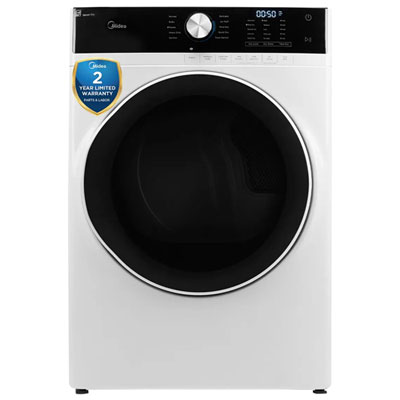
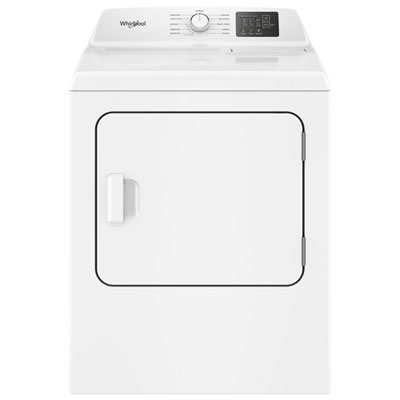
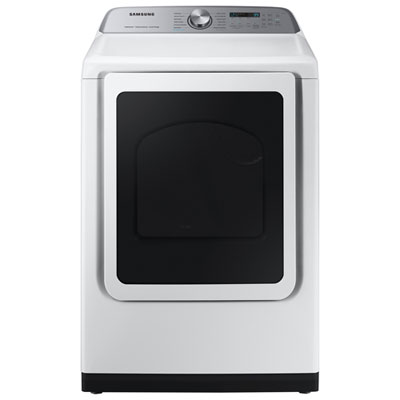
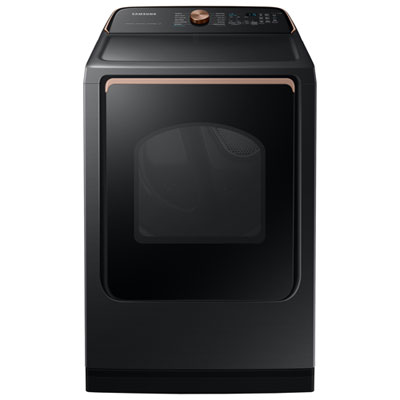
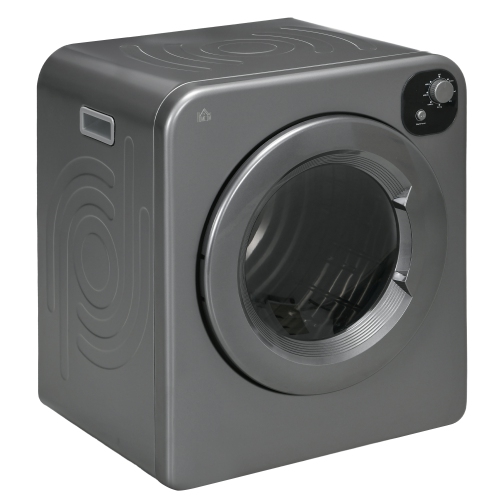
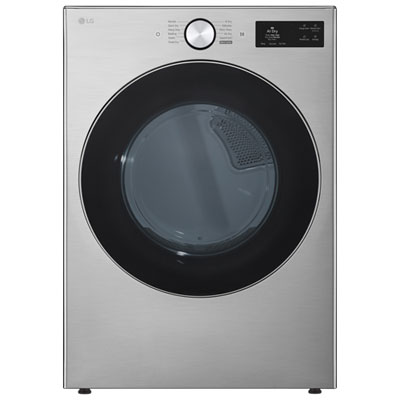
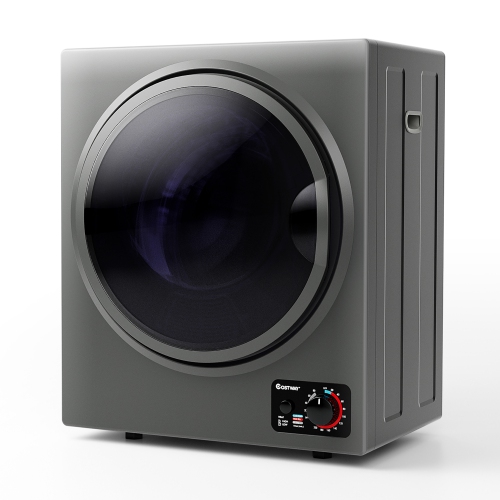
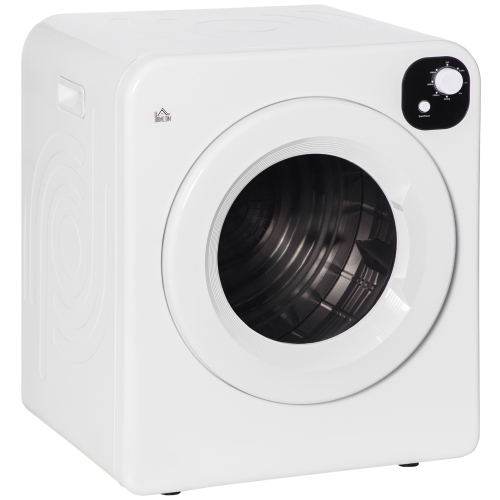
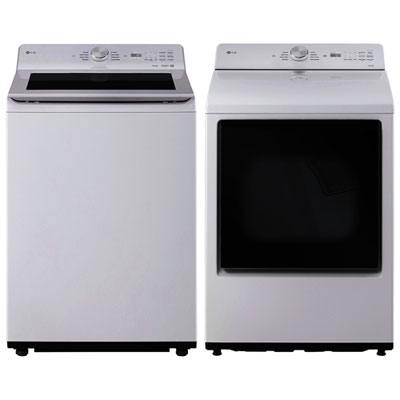
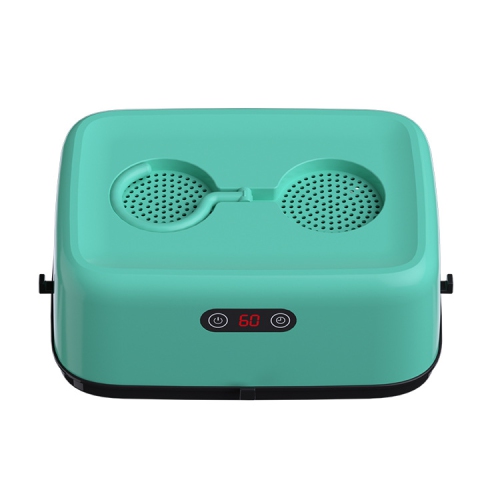
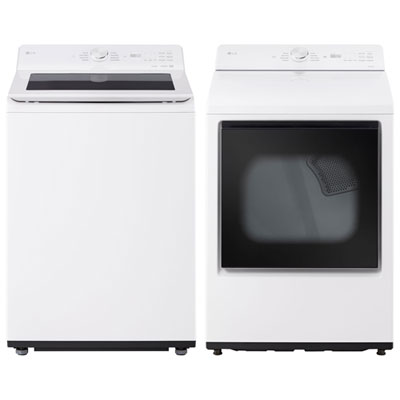
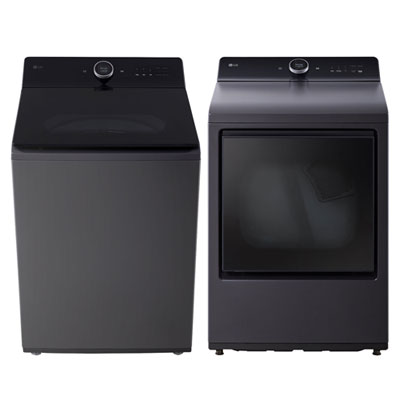
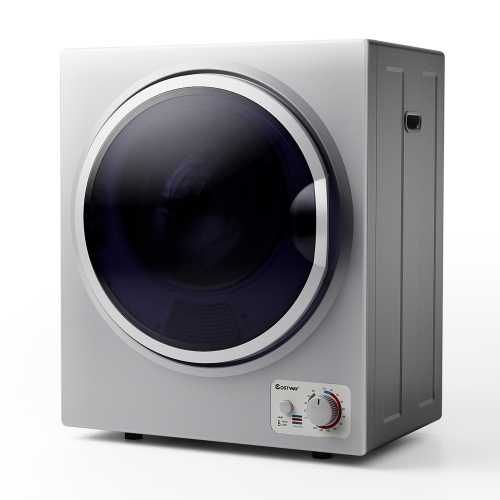
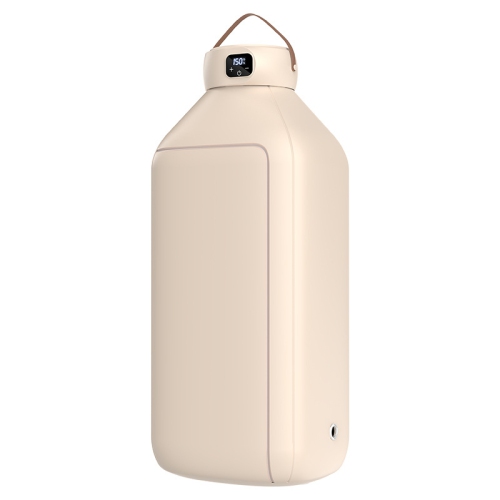
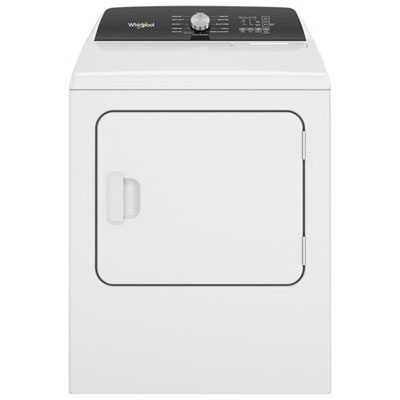
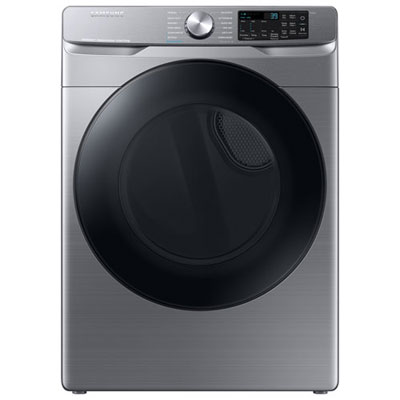
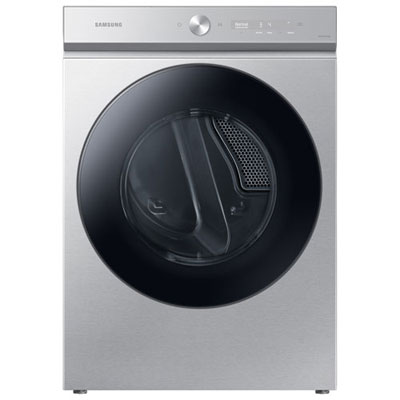
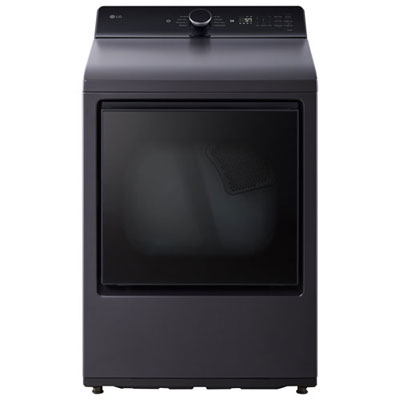
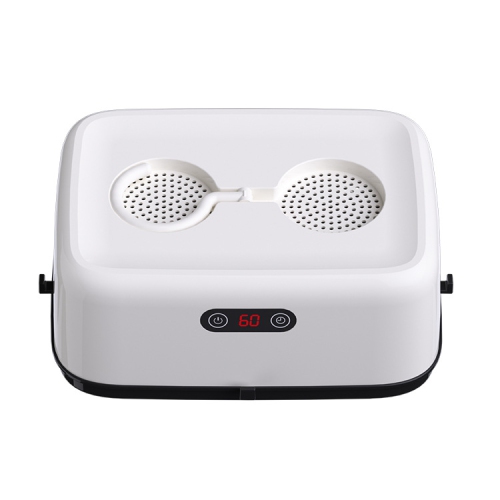
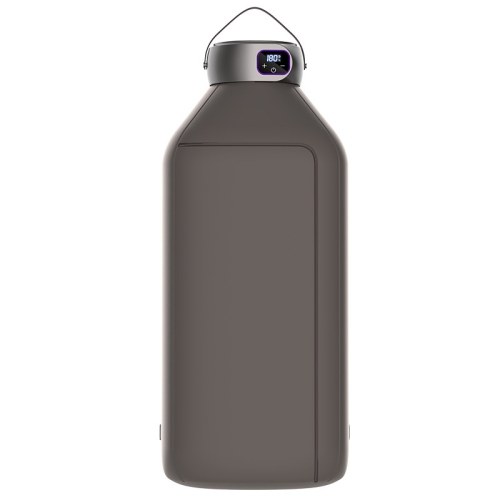
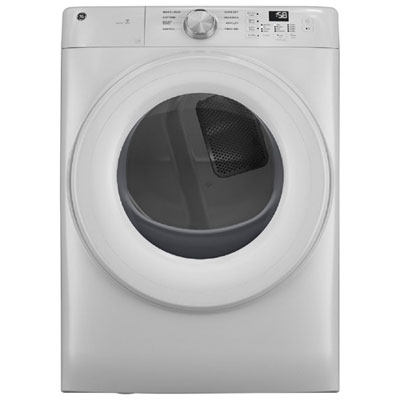
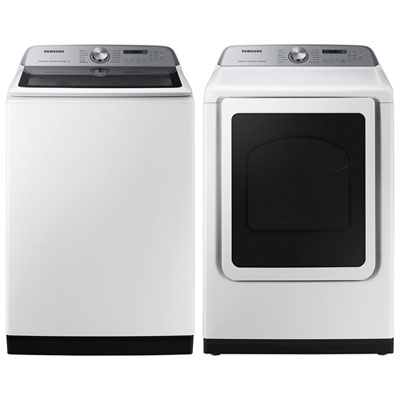
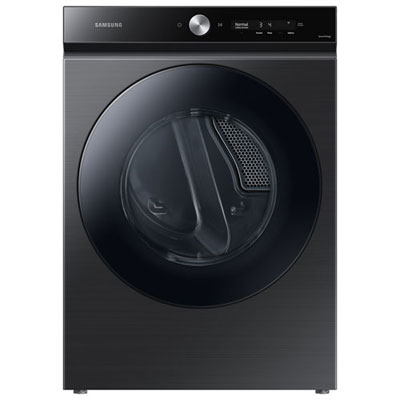
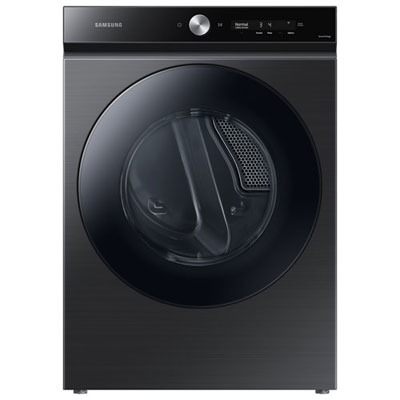
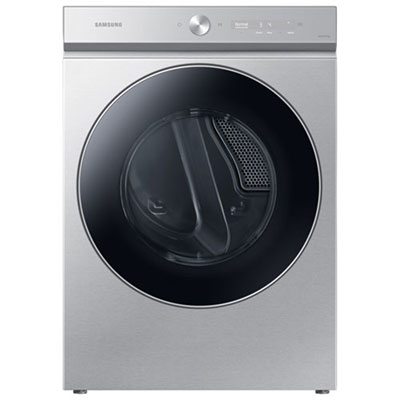
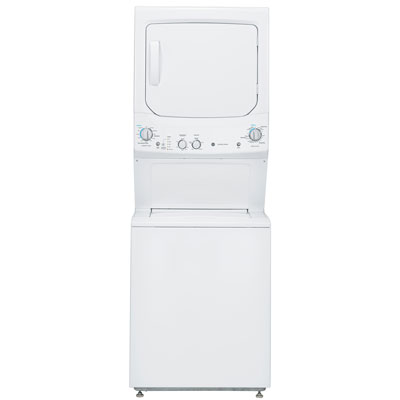
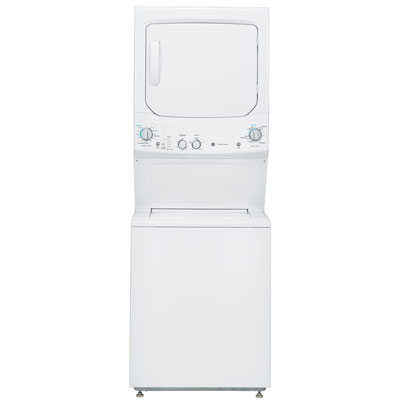

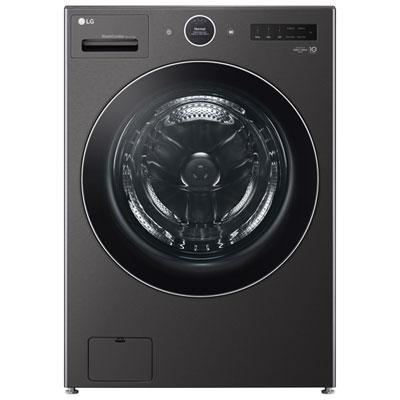
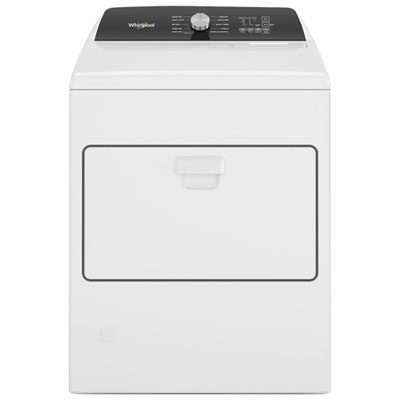
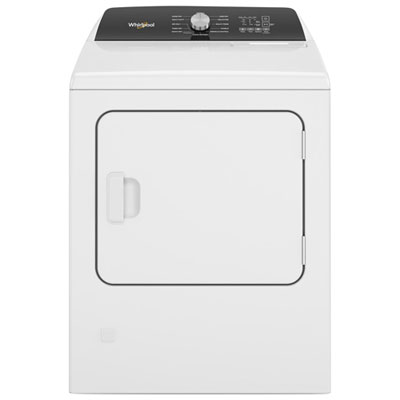

More room for bulky loads and fewer cycles
Large capacity dryers are designed to handle larger loads and bulky laundry with fewer cycles. In general, a large capacity dryer has a drum measuring 7.0 cubic feet or more, giving clothing, bedding, towels, and other items enough room to tumble freely. That added space can be especially helpful for busy households, families with children, shared homes, and anyone who prefers to finish laundry in fewer batches. A standard load of everyday clothing may fit comfortably, while a spacious drum can also accommodate bulky comforters, duvet covers, bath sheets, winter layers, and washable pet bedding. During the cooler months, when heavier fabrics become part of the regular laundry routine, a large capacity dryer can make it easier to move through full hampers without compressing items tightly together. For households that frequently wash sports uniforms, work clothing, large blankets, or multiple sets of towels, the extra room can be a practical upgrade rather than an occasional luxury. It may also suit people who host guests, care for young children, or simply want more flexibility when laundry piles up after a busy week. When comparing options, consider the capacity of your washing machine as well as the dryer. A dryer that is slightly larger than the washer can provide enough space for wet fabrics to expand and tumble properly, particularly when washing bulky items. It is also worth checking the available installation area, including width, depth, height, door clearance, and the direction in which the door opens. A reversible door can be useful in a compact laundry room or a side-by-side installation, while a wide-opening door may make it easier to load a comforter or remove a full basket without awkward lifting.
Drying technology can make a noticeable difference in how each load is managed. Sensor Dry systems monitor moisture levels and adjust the cycle to help prevent clothes from remaining damp or running through unnecessary heat after they are dry. This can be useful when loads contain a mixture of fabrics, such as cotton tops, athletic clothing, denim, and towels. Timed drying gives you more direct control for specific items, while preset cycles can simplify everyday laundry by matching the setting to common fabric types or load sizes. Look for settings designed for bulky items, delicate fabrics, air drying, wrinkle reduction, and towels if those categories are part of your routine. Steam functions may help refresh lightly worn garments, relax wrinkles, or make it easier to fold clothing that has been sitting in the drum. Some models include an interior light, which can help reveal small socks or dark garments, and a lint filter that is easy to reach and clean. Noise levels, controls, and cycle visibility also deserve attention, particularly if the laundry area is near a bedroom, living room, or home office. A clear display and straightforward controls can be valuable when several people share the same appliance. Wi-Fi connectivity and app-based features may allow you to receive cycle notifications, check progress, or access additional settings from a compatible mobile device. These conveniences can be useful for someone who starts laundry before leaving for work or who wants to coordinate washing and drying around school, sports, and household schedules. Gas and electric dryers have different installation requirements, so confirm which connection is available in your home before making a decision. Electric models are often suitable for homes with the appropriate high-voltage outlet, while gas models require a compatible gas connection and proper venting. For either type, the exhaust path and vent configuration should be reviewed carefully, since a qualified installer can help confirm that the dryer is positioned and connected safely.
Choosing among large capacity dryers often comes down to matching the appliance to the way laundry is actually done at home. A couple may appreciate the room for oversized bedding or towels, while a larger family may depend on the capacity for frequent clothing loads, uniforms, and linens. People with limited time may prefer sensor-based cycles and automatic notifications, whereas those who wash delicate garments or specialty fabrics may place greater importance on low-heat, air-dry, and customizable options. If you regularly wash comforters, check the manufacturer’s recommendations for the item and confirm that the drum has enough room for it to move without being tightly packed. Overloading can restrict airflow and leave fabrics damp, even in a large drum, so capacity should be viewed as usable space rather than a reason to fill every corner. It is also helpful to think about how the controls feel, whether the lint filter is convenient to access, and whether the door opening suits the height and layout of your laundry area. For anyone replacing an older appliance, measure the existing space and compare vent location, power requirements, stacking compatibility, and clearance around the unit before ordering. Large capacity dryers can be a thoughtful household gift for someone moving into a new home, welcoming a growing family, or replacing an appliance that no longer keeps up with regular laundry demands. They may also be a practical choice for a cottage, rental property, or shared laundry area where bulky items need to be handled efficiently. Those looking for equipment built with frequent, demanding laundry in mind can also explore Heavy Duty Clothes Dryers for additional options. By comparing drum size, drying cycles, installation type, door design, controls, and smart features, shoppers can find a large capacity dryer that fits their space and makes everyday laundry more manageable from one load to the next.
Drying technology can make a noticeable difference in how each load is managed. Sensor Dry systems monitor moisture levels and adjust the cycle to help prevent clothes from remaining damp or running through unnecessary heat after they are dry. This can be useful when loads contain a mixture of fabrics, such as cotton tops, athletic clothing, denim, and towels. Timed drying gives you more direct control for specific items, while preset cycles can simplify everyday laundry by matching the setting to common fabric types or load sizes. Look for settings designed for bulky items, delicate fabrics, air drying, wrinkle reduction, and towels if those categories are part of your routine. Steam functions may help refresh lightly worn garments, relax wrinkles, or make it easier to fold clothing that has been sitting in the drum. Some models include an interior light, which can help reveal small socks or dark garments, and a lint filter that is easy to reach and clean. Noise levels, controls, and cycle visibility also deserve attention, particularly if the laundry area is near a bedroom, living room, or home office. A clear display and straightforward controls can be valuable when several people share the same appliance. Wi-Fi connectivity and app-based features may allow you to receive cycle notifications, check progress, or access additional settings from a compatible mobile device. These conveniences can be useful for someone who starts laundry before leaving for work or who wants to coordinate washing and drying around school, sports, and household schedules. Gas and electric dryers have different installation requirements, so confirm which connection is available in your home before making a decision. Electric models are often suitable for homes with the appropriate high-voltage outlet, while gas models require a compatible gas connection and proper venting. For either type, the exhaust path and vent configuration should be reviewed carefully, since a qualified installer can help confirm that the dryer is positioned and connected safely.
Choosing among large capacity dryers often comes down to matching the appliance to the way laundry is actually done at home. A couple may appreciate the room for oversized bedding or towels, while a larger family may depend on the capacity for frequent clothing loads, uniforms, and linens. People with limited time may prefer sensor-based cycles and automatic notifications, whereas those who wash delicate garments or specialty fabrics may place greater importance on low-heat, air-dry, and customizable options. If you regularly wash comforters, check the manufacturer’s recommendations for the item and confirm that the drum has enough room for it to move without being tightly packed. Overloading can restrict airflow and leave fabrics damp, even in a large drum, so capacity should be viewed as usable space rather than a reason to fill every corner. It is also helpful to think about how the controls feel, whether the lint filter is convenient to access, and whether the door opening suits the height and layout of your laundry area. For anyone replacing an older appliance, measure the existing space and compare vent location, power requirements, stacking compatibility, and clearance around the unit before ordering. Large capacity dryers can be a thoughtful household gift for someone moving into a new home, welcoming a growing family, or replacing an appliance that no longer keeps up with regular laundry demands. They may also be a practical choice for a cottage, rental property, or shared laundry area where bulky items need to be handled efficiently. Those looking for equipment built with frequent, demanding laundry in mind can also explore Heavy Duty Clothes Dryers for additional options. By comparing drum size, drying cycles, installation type, door design, controls, and smart features, shoppers can find a large capacity dryer that fits their space and makes everyday laundry more manageable from one load to the next.
Top selling and popular products
-
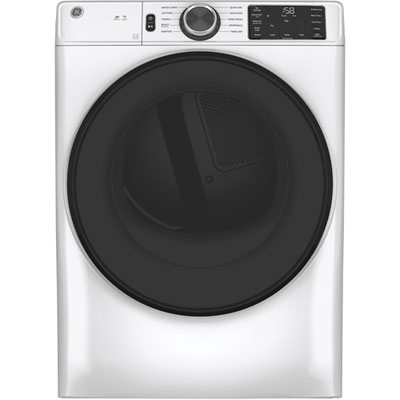 Your price for this item is $1999.99
 -
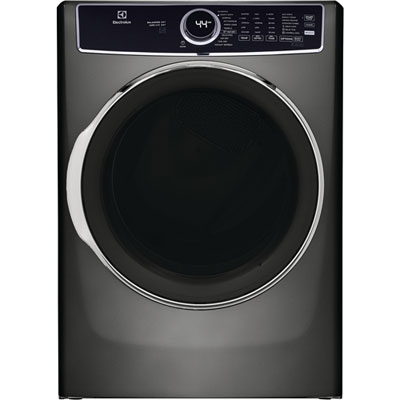 Your price for this item is $1169.99
 -
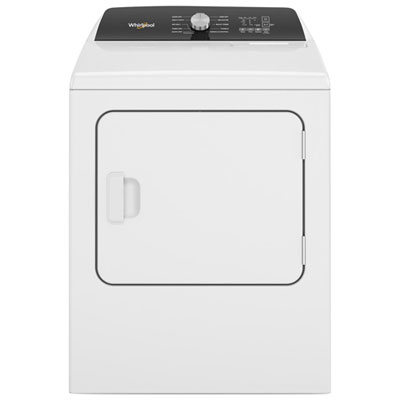 Your price for this item is $849.99
 -
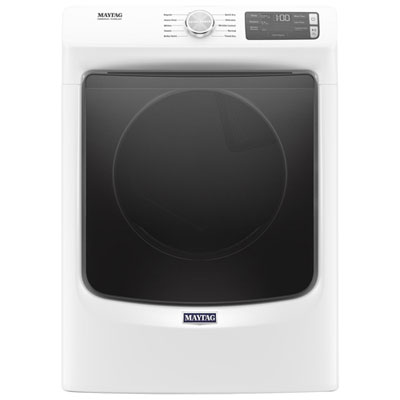 Your price for this item is $999.99
 -
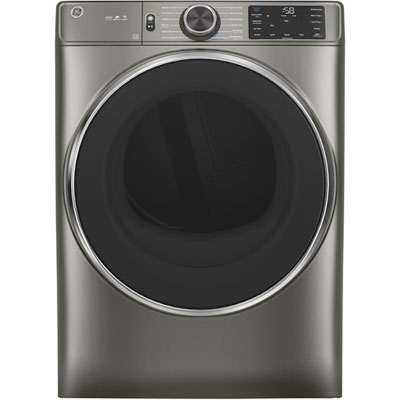 Your price for this item is $1949.99
 -
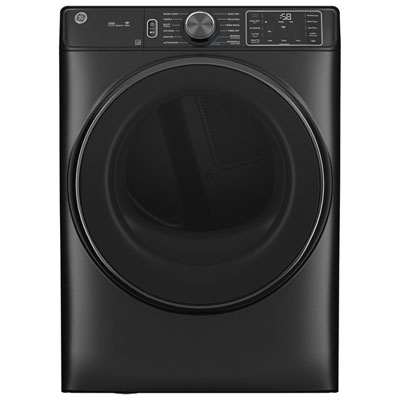 Your price for this item is $1199.99
 -
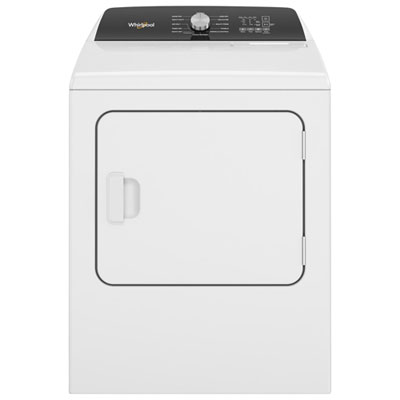 Your price for this item is $799.99
 -
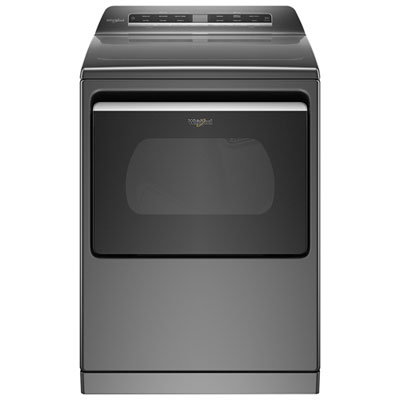 Your price for this item is $1149.97
Discover more categories related to Large Capacity Dryers
Top Collections:
Pokemon Centers, Kindle Devices, Best Budget Office Chairs, Apple iPhones 16, Best Laptops for Writers, iPhone 15 Apple, Canon G7X Cameras, Refurbished Apple Laptops, Alarm Clock, Motorola Razr Phones
Some products may be subject to Environmental Handling Fees
(EHF) depending on your province.
Learn more about EHFs.