Segway Superscooter GT2
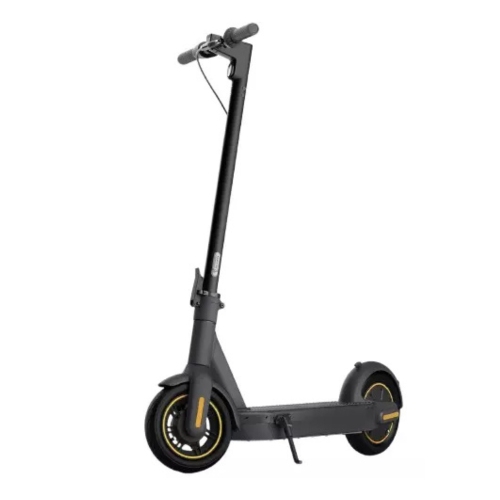
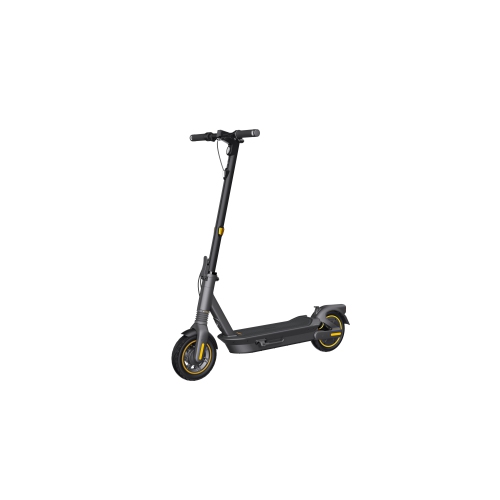
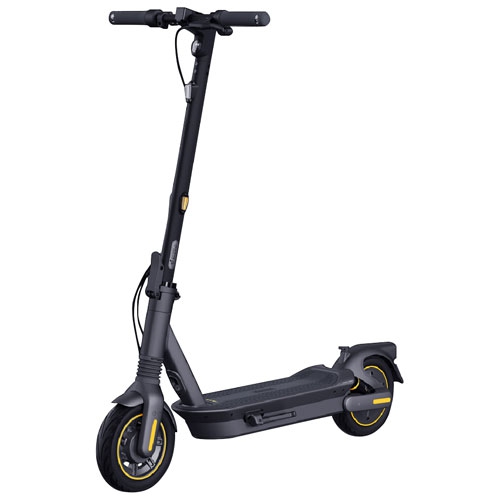
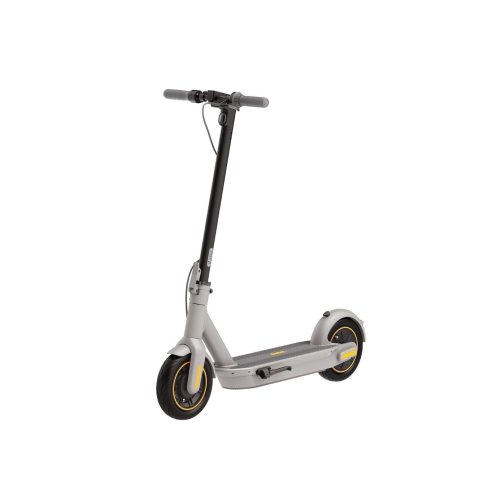
Discover the ultimate combination of style, speed, and innovation with the Segway Superscooter GT2. Whether you're commuting to work, running errands, or simply exploring the city, this cutting-edge electric scooter offers a seamless and exhilarating ride. With its sleek design and advanced features, the Segway Superscooter GT2 is engineered to elevate your urban transportation experience to new heights. Explore our range of electric scooters today and redefine how you move through your day.
Sort
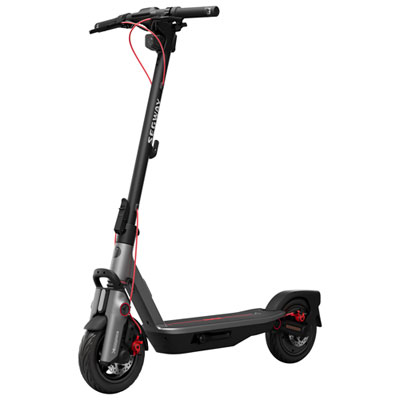
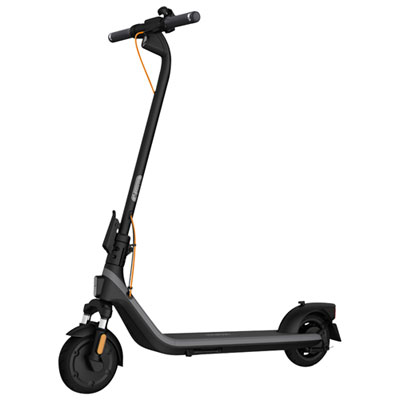
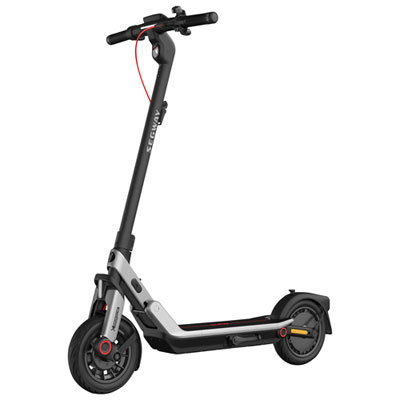
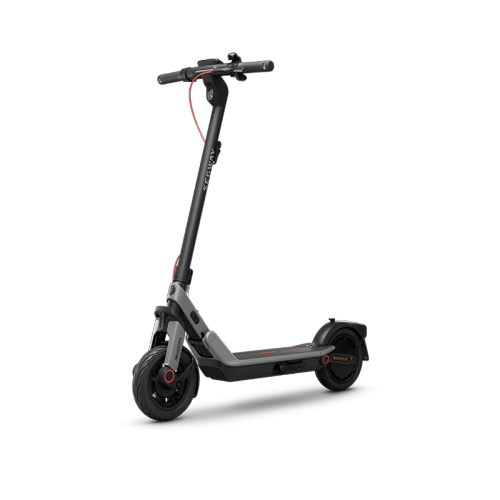
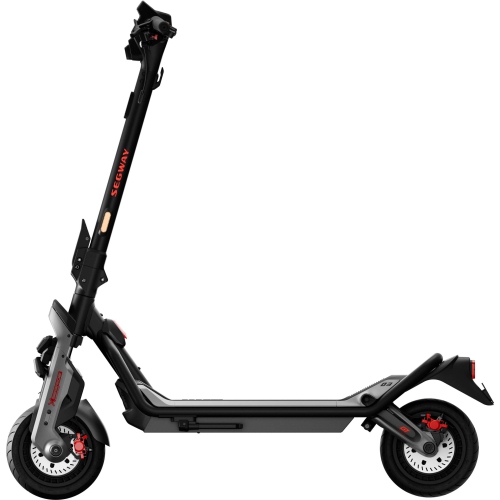
Why scooter performance means more than top speed
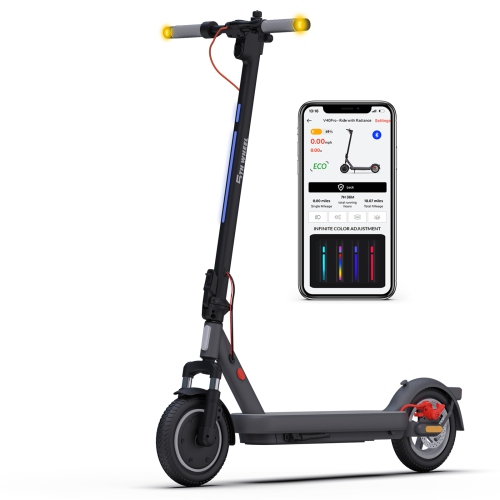
High-performance electric scooters bring a more substantial chassis, stronger acceleration and more advanced ride controls to the familiar standing scooter format. They are designed for adults who value a planted feel, responsive handling and the ability to cover longer distances between charges, rather than simply the smallest possible folded package. Within this category, dual-motor configurations can deliver power to both wheels, while selectable riding modes let riders adjust how readily that power responds to the throttle. Motor ratings deserve a little context: nominal power describes ongoing output under specified conditions, while peak power describes a higher output that is not necessarily maintained throughout a ride. Neither figure alone tells the whole story of acceleration, hill-climbing ability or ride quality. Battery capacity, total load, controller settings and the design of the drivetrain all play a part. Likewise, an advertised maximum range is a test-based figure, not a promise for every trip. Frequent starts, steep gradients, higher speeds and a heavier load can reduce the distance travelled on a charge. For a rider travelling between home and a permitted destination, a comfortable range margin matters more than achieving the longest published distance. Top speed is also a capability figure rather than a suitable target for every setting; legal limits and permitted riding areas vary across Canada, and some high-performance scooters may not qualify for public-road or shared-path use at all. Their appeal can instead lie in controlled power delivery, substantial braking hardware and a more composed ride where their use is permitted. The broader Segway Scooters collection provides context for how different scooter formats balance performance, size and everyday practicality. A large performance-oriented design serves a different purpose from a lightweight model carried onto transit: it prioritizes riding capability, with greater demands on storage space, handling and transport.
Much of the character of a performance electric scooter comes from the parts between the rider and the riding surface. A rigid frame, often built from aluminium alloy, supports the battery and drivetrain while helping the steering and deck feel connected under load. Frame material matters, but so do weld quality, steering-column construction, fasteners and the strength of any folding mechanism. A broad deck can provide room to stagger the feet comfortably, although usable standing space is more meaningful than the scooter’s overall dimensions. Grip texture, handlebar height and the distance to the controls influence whether the riding position feels natural. A taller rider may need more room through the arms and torso, while a rider with smaller hands may be especially sensitive to brake-lever reach. Suspension adds another layer to that fit. Front and rear systems can help manage surface irregularities, and adjustable damping on some designs changes how quickly the suspension moves and settles. Adjustment is not a substitute for staying within the rated load limit, which needs to account for the rider and anything carried. Pneumatic tyres can soften minor surface vibration, while tyre width, pressure and tread affect handling and steering feel. Tubeless construction removes the inner tube, and some tyres include a sealing layer intended to address certain small punctures; neither feature makes a tyre immune to damage. Hydraulic disc brakes, where fitted, offer controlled braking through fluid-operated callipers, but stopping distance still depends on speed, grip, load and maintenance. Electronic traction features may help manage wheel slip, yet cannot create grip that the surface does not provide. Clear displays, accessible controls, effective lighting and visible indicators can make the scooter easier to operate and help communicate a rider’s presence or intentions. These details are especially valuable when attention needs to remain on the route rather than on finding a small button or reading a crowded screen.
Living with a substantial electric scooter involves more than the time spent riding it. Weight and folded dimensions shape whether it fits naturally into a daily routine. A folding steering column may reduce height without making the scooter easy to lift, and a wide deck or handlebar can still require considerable floor space. A ground-level storage area with a clear path to the door presents a very different ownership experience from a narrow stairwell or an apartment entrance with several steps. Vehicle transport also depends on cargo space, lifting ability and a suitable way to secure the scooter, rather than on the presence of a folding latch alone. Charging is another practical consideration: a larger battery may support longer outings, but replenishing it can take several hours depending on the charger and battery design. The supplied or manufacturer-approved charger, an appropriate electrical outlet and a charging location that follows the manual are essential parts of that setup. Battery certification and electrical safety information are useful specifications to review alongside performance figures. Routine care helps preserve both durability and ride consistency. Tyre pressure needs regular attention, brake pads and discs wear with use, and steering joints or folding hardware can develop play that requires inspection. Gentle cleaning with methods approved by the manufacturer helps remove grit without exposing electrical parts or bearings to unsuitable cleaning products or high-pressure washing. A scooter’s water-resistance rating is not permission to immerse it or rinse every component freely. For longer periods without use, the manufacturer’s battery storage and charging directions take precedence over general habits carried over from other devices. Access to compatible replacement tyres, brake parts and qualified service also matters for a machine intended to see repeated use. These scooters may appeal to experienced adult riders who enjoy the feel of responsive electric power, or to someone with a suitable permitted route and enough space to store a heavier vehicle. As a gift, the fit is highly personal: the recipient’s experience, physical handling needs, local riding rules and interest in regular upkeep all matter. A properly fitted helmet, appropriate protective equipment and familiarity with the controls belong alongside the scooter’s performance capabilities, helping keep the focus on confident, responsible riding rather than specifications alone.
Much of the character of a performance electric scooter comes from the parts between the rider and the riding surface. A rigid frame, often built from aluminium alloy, supports the battery and drivetrain while helping the steering and deck feel connected under load. Frame material matters, but so do weld quality, steering-column construction, fasteners and the strength of any folding mechanism. A broad deck can provide room to stagger the feet comfortably, although usable standing space is more meaningful than the scooter’s overall dimensions. Grip texture, handlebar height and the distance to the controls influence whether the riding position feels natural. A taller rider may need more room through the arms and torso, while a rider with smaller hands may be especially sensitive to brake-lever reach. Suspension adds another layer to that fit. Front and rear systems can help manage surface irregularities, and adjustable damping on some designs changes how quickly the suspension moves and settles. Adjustment is not a substitute for staying within the rated load limit, which needs to account for the rider and anything carried. Pneumatic tyres can soften minor surface vibration, while tyre width, pressure and tread affect handling and steering feel. Tubeless construction removes the inner tube, and some tyres include a sealing layer intended to address certain small punctures; neither feature makes a tyre immune to damage. Hydraulic disc brakes, where fitted, offer controlled braking through fluid-operated callipers, but stopping distance still depends on speed, grip, load and maintenance. Electronic traction features may help manage wheel slip, yet cannot create grip that the surface does not provide. Clear displays, accessible controls, effective lighting and visible indicators can make the scooter easier to operate and help communicate a rider’s presence or intentions. These details are especially valuable when attention needs to remain on the route rather than on finding a small button or reading a crowded screen.
Living with a substantial electric scooter involves more than the time spent riding it. Weight and folded dimensions shape whether it fits naturally into a daily routine. A folding steering column may reduce height without making the scooter easy to lift, and a wide deck or handlebar can still require considerable floor space. A ground-level storage area with a clear path to the door presents a very different ownership experience from a narrow stairwell or an apartment entrance with several steps. Vehicle transport also depends on cargo space, lifting ability and a suitable way to secure the scooter, rather than on the presence of a folding latch alone. Charging is another practical consideration: a larger battery may support longer outings, but replenishing it can take several hours depending on the charger and battery design. The supplied or manufacturer-approved charger, an appropriate electrical outlet and a charging location that follows the manual are essential parts of that setup. Battery certification and electrical safety information are useful specifications to review alongside performance figures. Routine care helps preserve both durability and ride consistency. Tyre pressure needs regular attention, brake pads and discs wear with use, and steering joints or folding hardware can develop play that requires inspection. Gentle cleaning with methods approved by the manufacturer helps remove grit without exposing electrical parts or bearings to unsuitable cleaning products or high-pressure washing. A scooter’s water-resistance rating is not permission to immerse it or rinse every component freely. For longer periods without use, the manufacturer’s battery storage and charging directions take precedence over general habits carried over from other devices. Access to compatible replacement tyres, brake parts and qualified service also matters for a machine intended to see repeated use. These scooters may appeal to experienced adult riders who enjoy the feel of responsive electric power, or to someone with a suitable permitted route and enough space to store a heavier vehicle. As a gift, the fit is highly personal: the recipient’s experience, physical handling needs, local riding rules and interest in regular upkeep all matter. A properly fitted helmet, appropriate protective equipment and familiarity with the controls belong alongside the scooter’s performance capabilities, helping keep the focus on confident, responsible riding rather than specifications alone.
Top selling and popular products
-
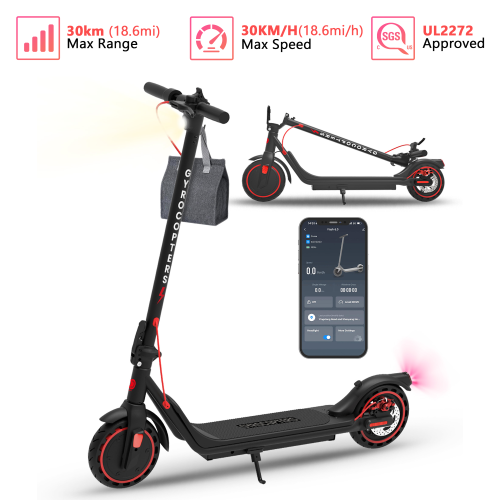 Your price for this item is $269.97
 -
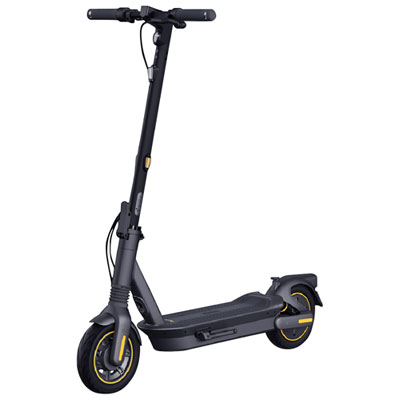 Your price for this item is $1199.99
 -
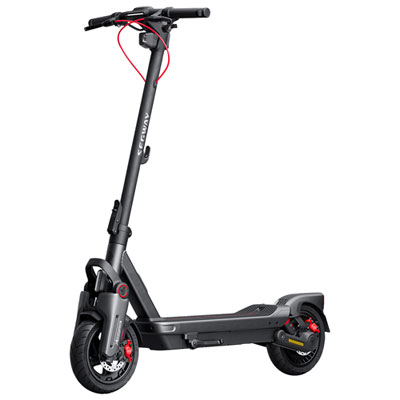 Your price for this item is $1199.99
 -
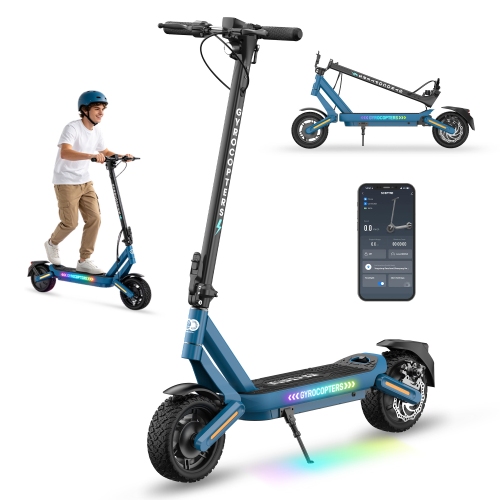 Your price for this item is $599.97
 -
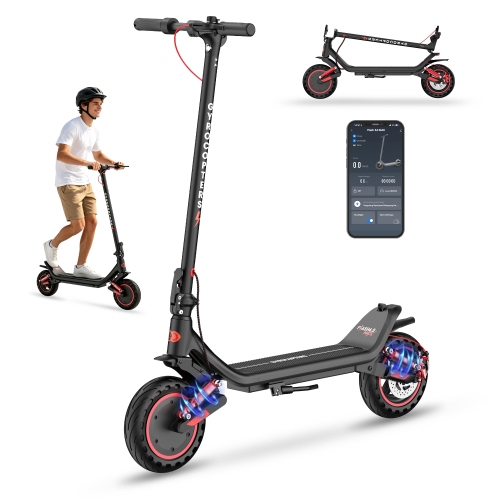 Your price for this item is $499.97
 -
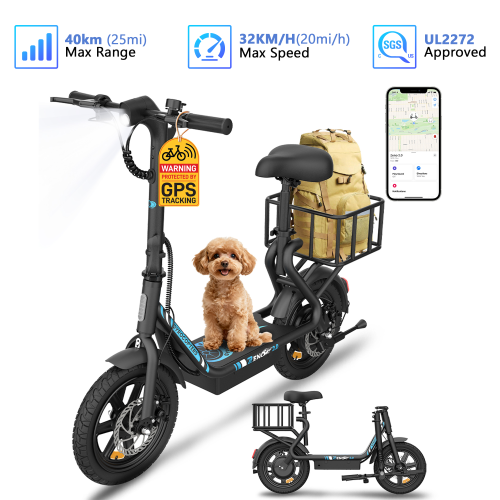 Your price for this item is $499.97
 -
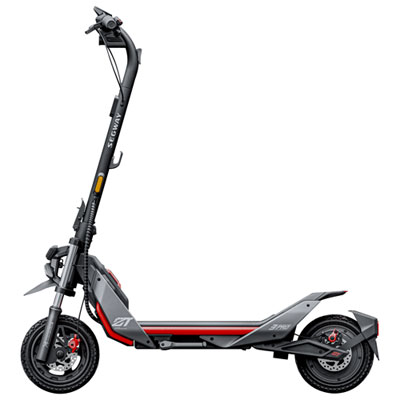 Your price for this item is $1599.99
 -
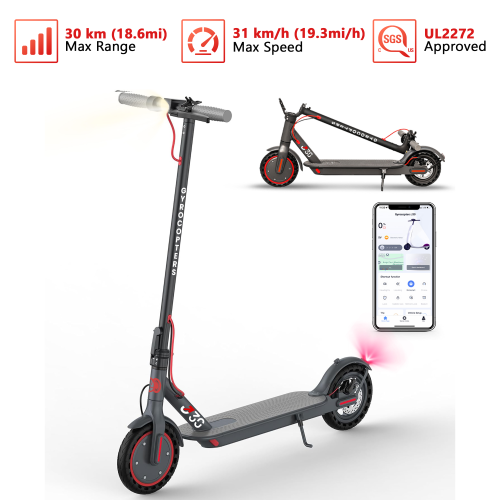 Your price for this item is $319.97
Discover more categories related to Segway Superscooter GT2
Top Collections:
Pokemon Centers, Kindle Devices, Best Budget Office Chairs, Apple iPhones 16, Best Laptops for Writers, iPhone 15 Apple, Canon G7X Cameras, Refurbished Apple Laptops, Alarm Clock, Motorola Razr Phones
Some products may be subject to Environmental Handling Fees
(EHF) depending on your province.
Learn more about EHFs.