Solar Electronics
Solar electronics are devices that use the power of the sun to produce electricity. They can be used in a variety of applications, from powering remote sensors to charging batteries. Here are some excellent solar electronics available today.
Sort
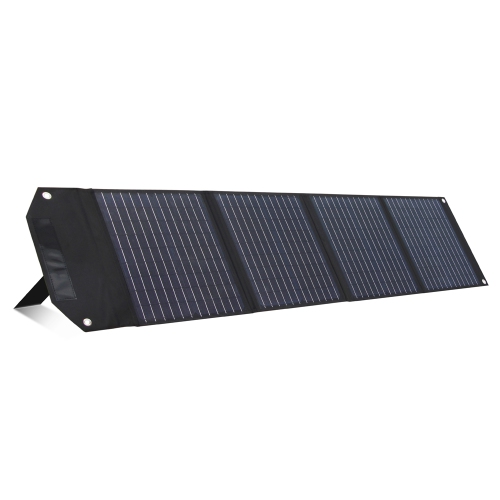
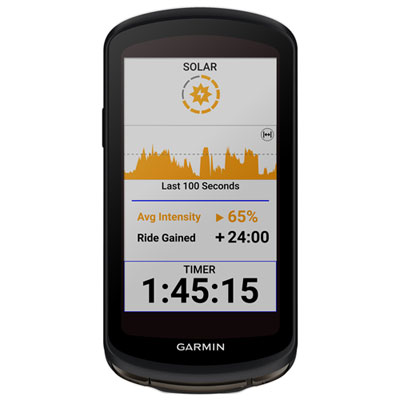

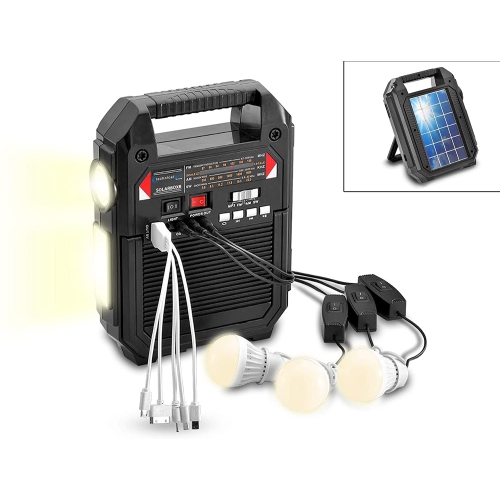

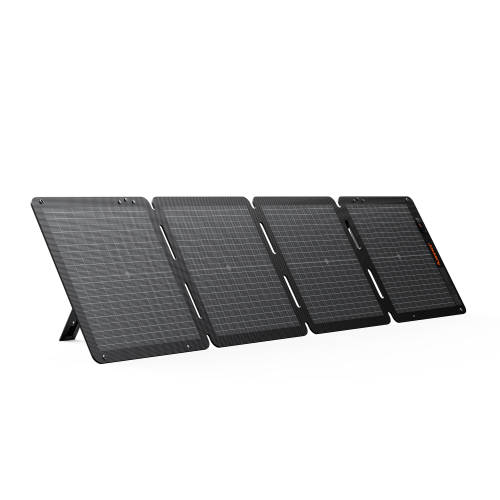
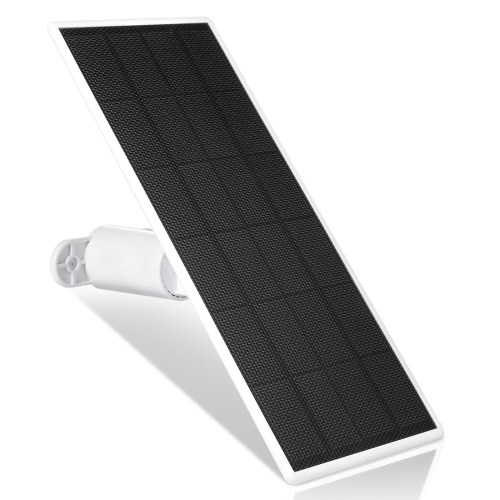


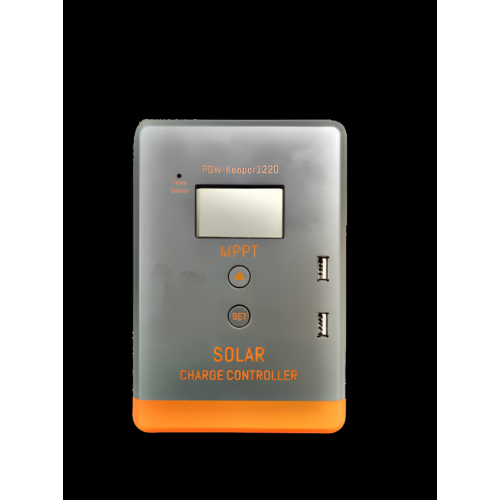
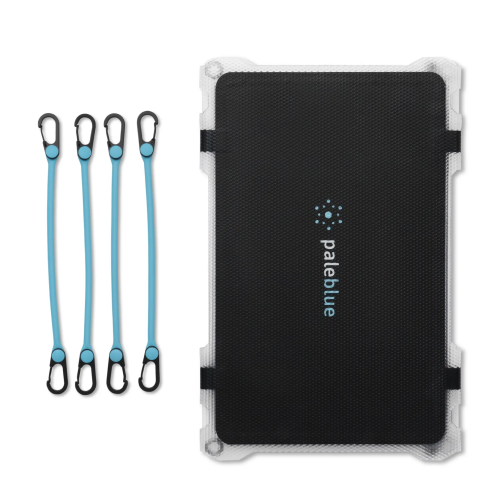
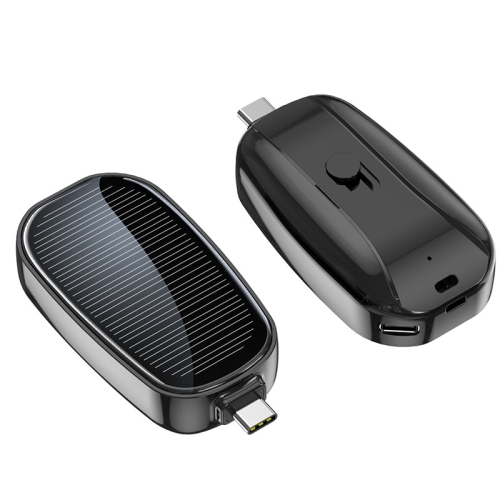



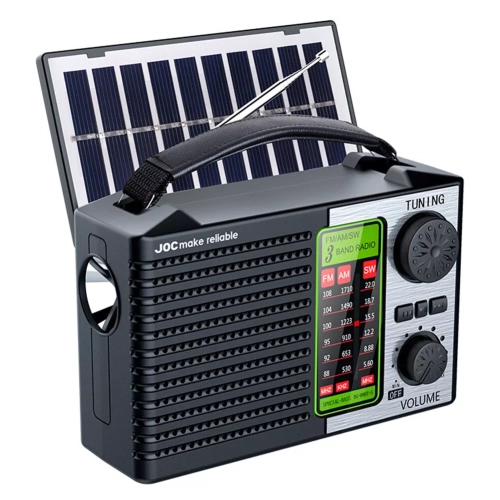
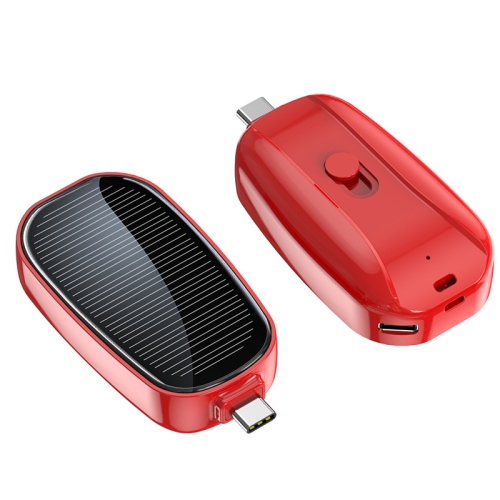
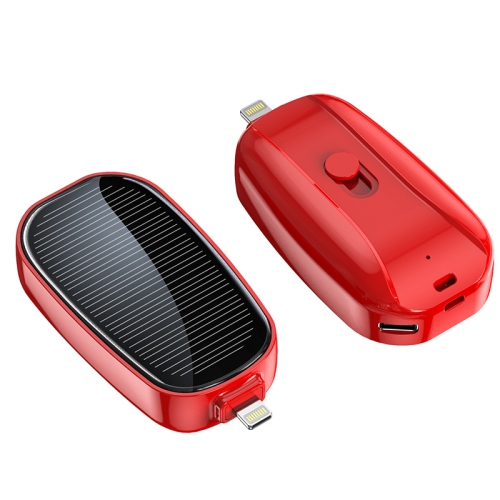
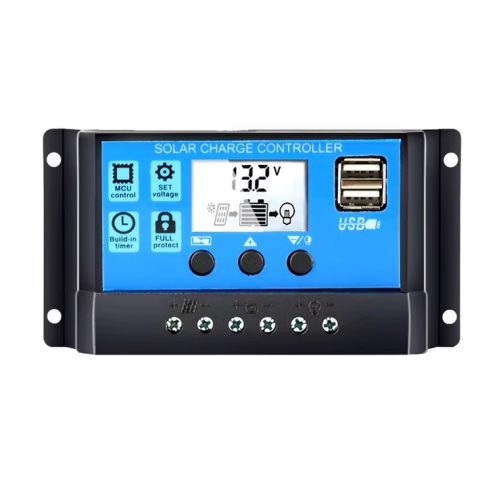
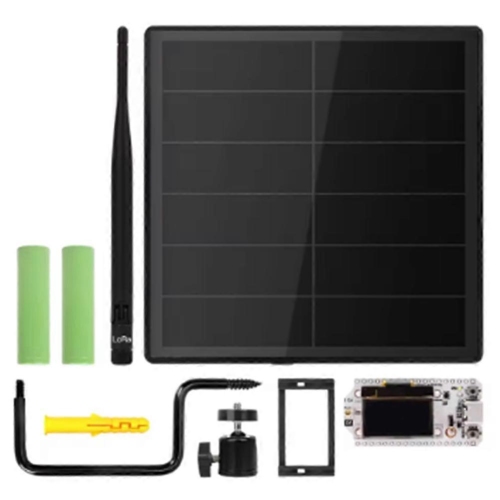
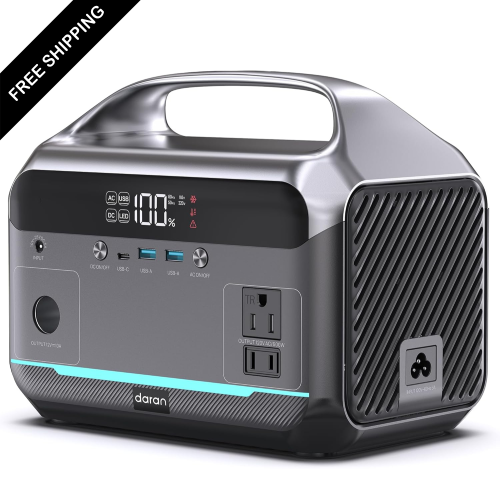
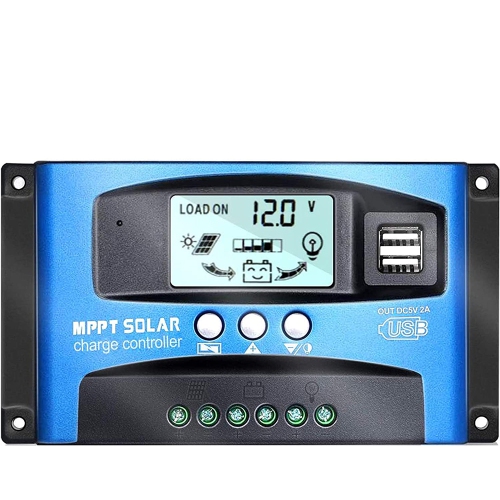

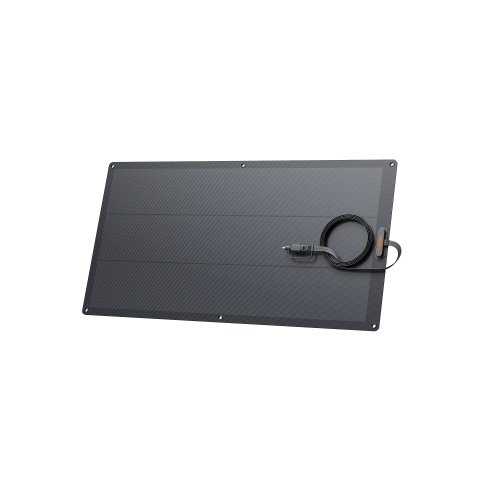
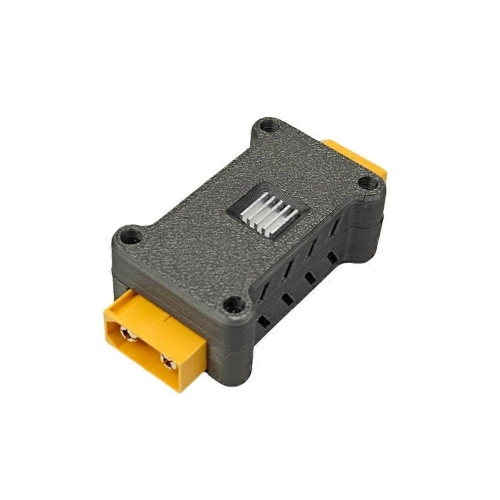

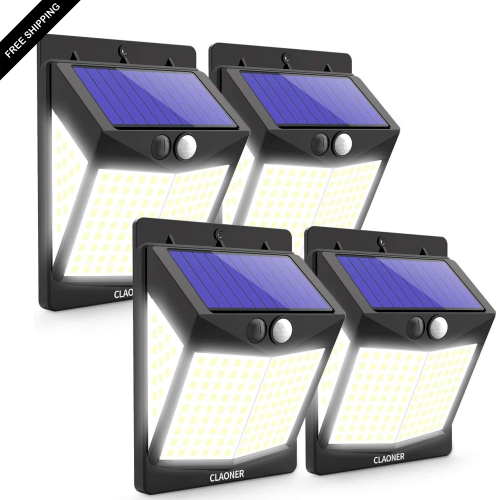
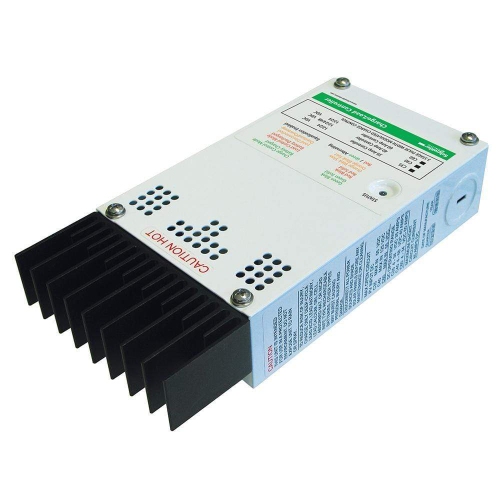
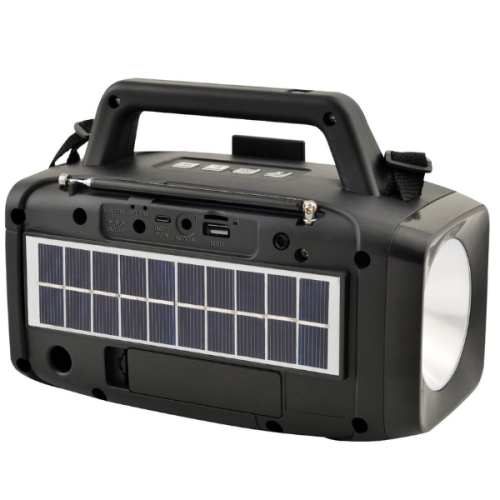
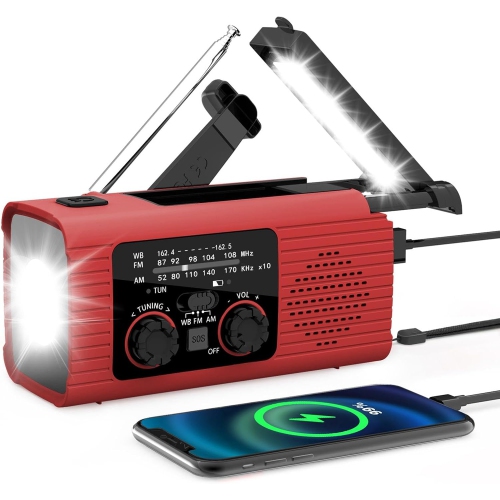

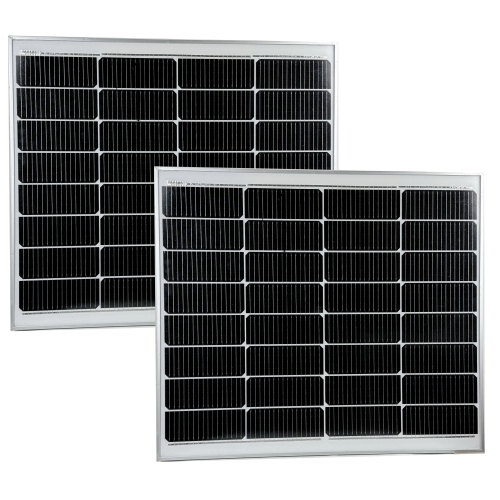
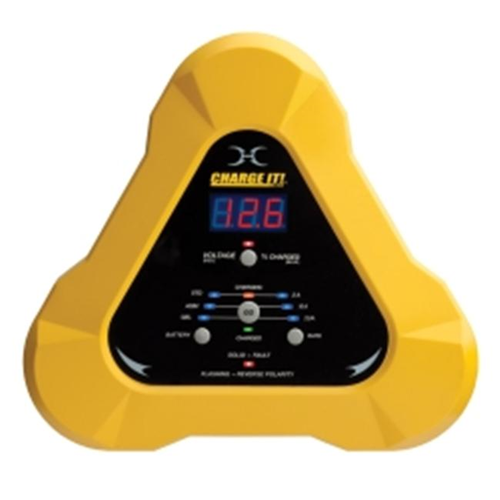


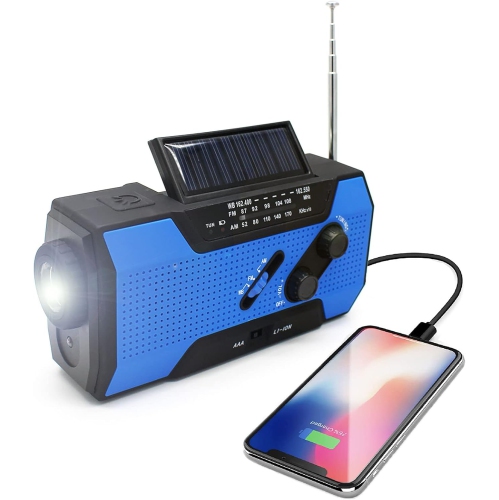
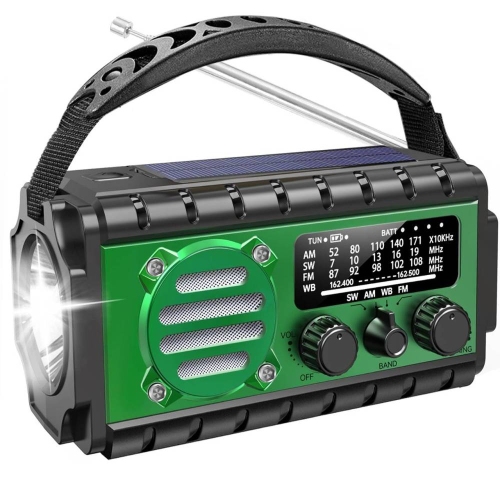
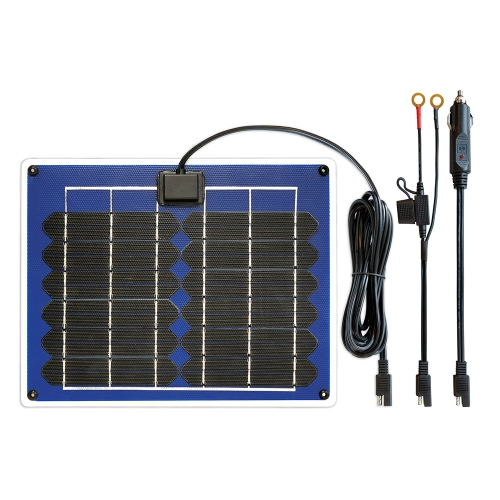
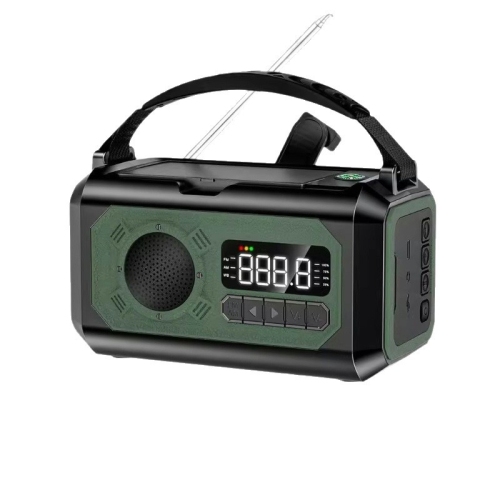


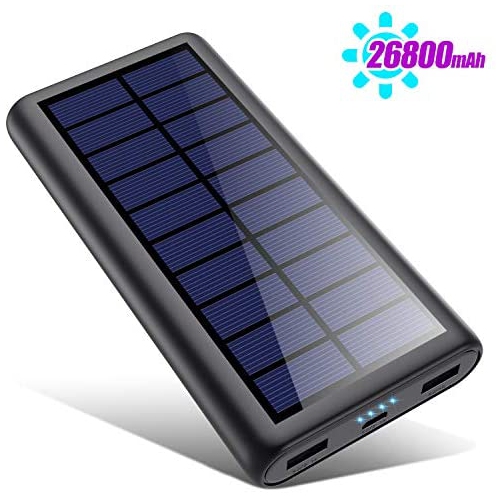


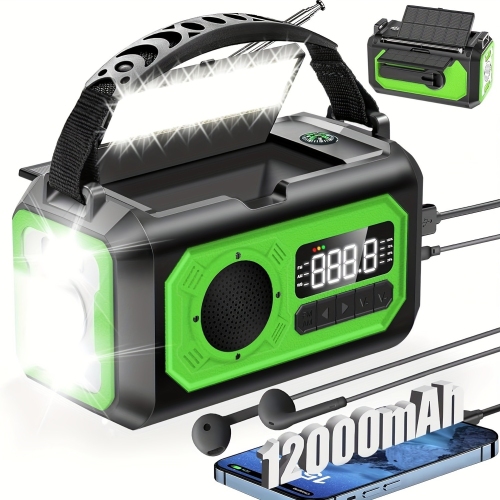
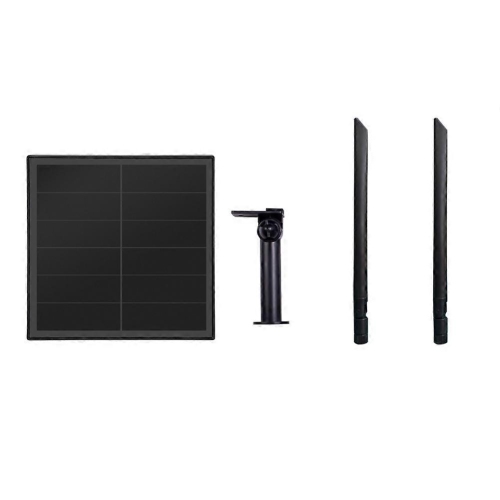
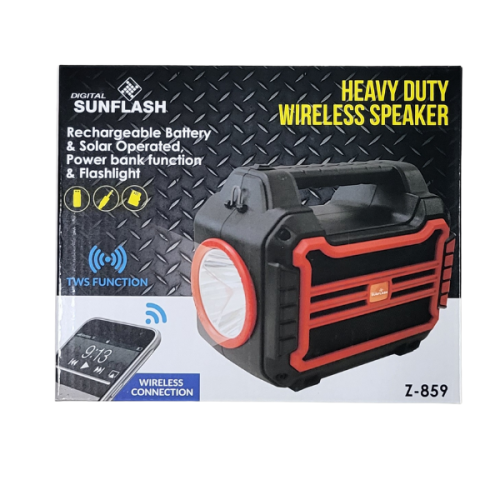
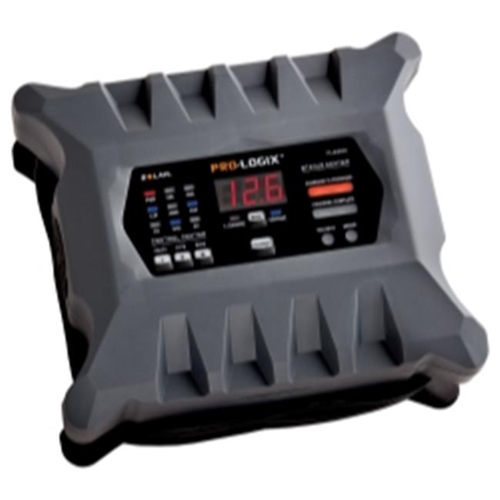

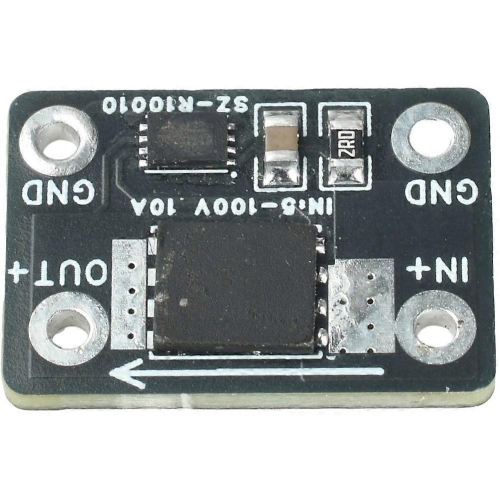
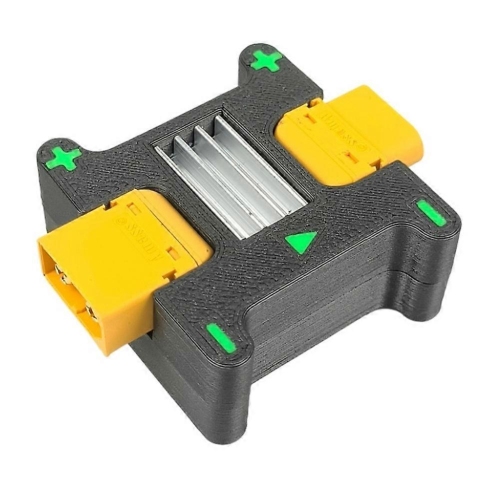


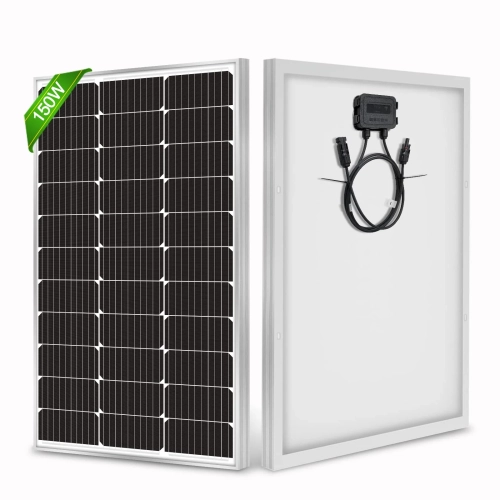
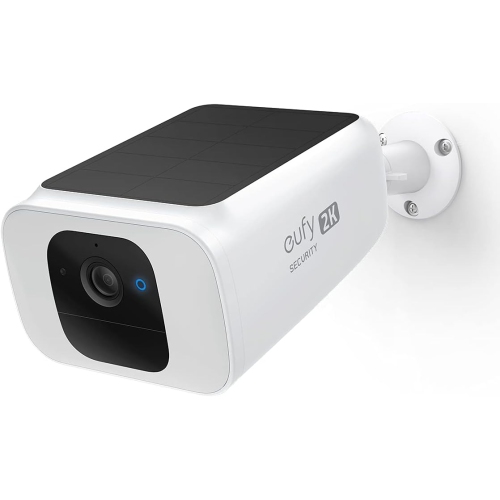
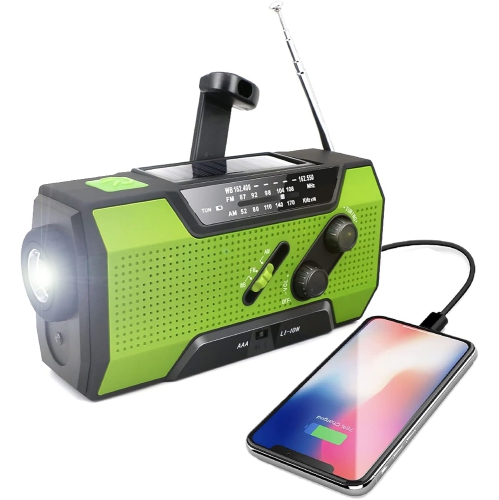
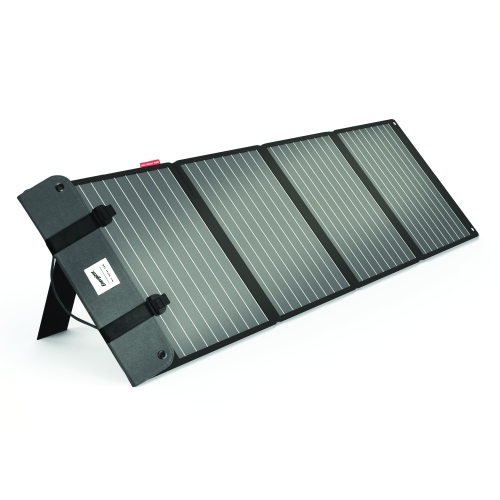


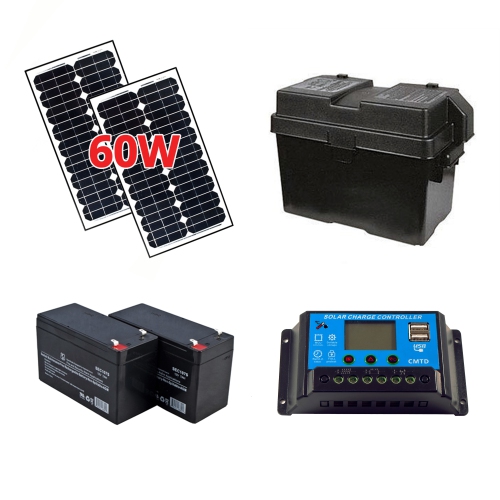
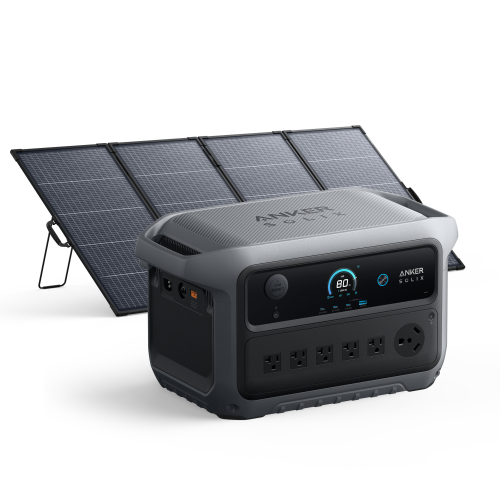
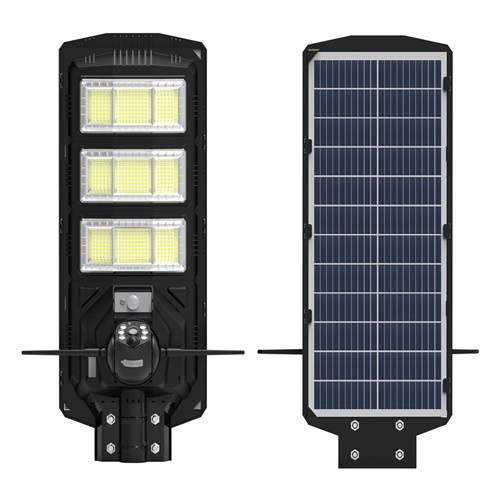
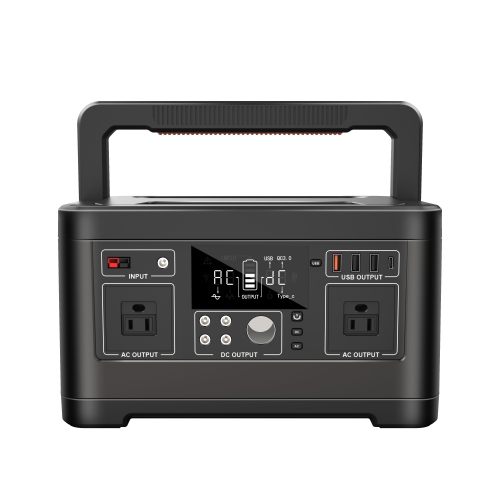

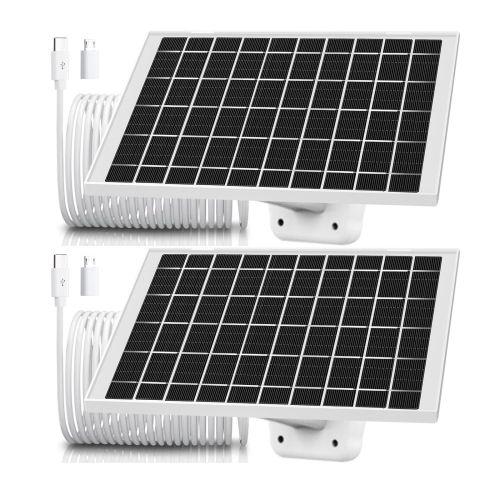
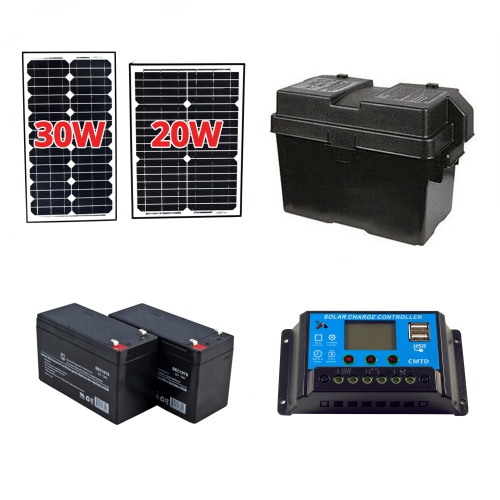

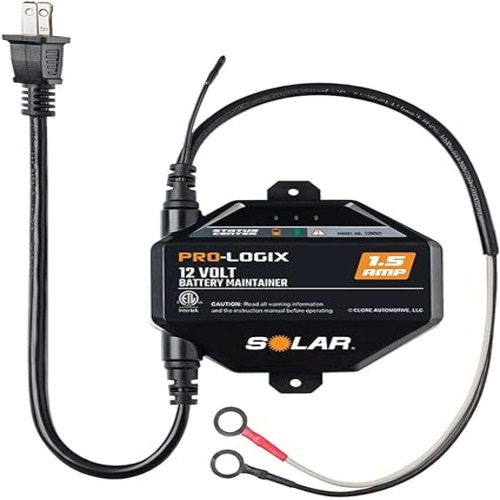



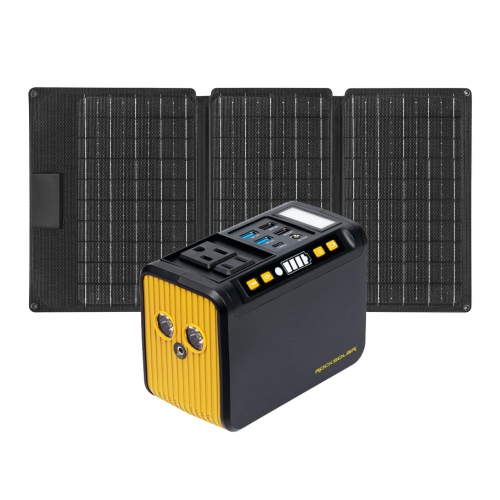
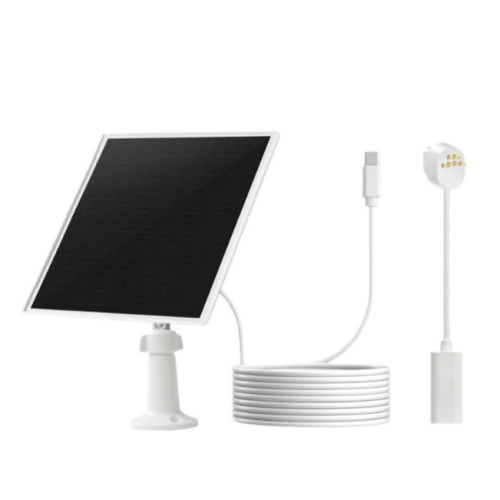
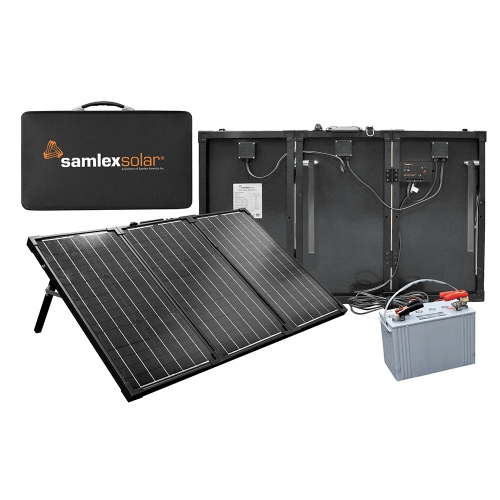

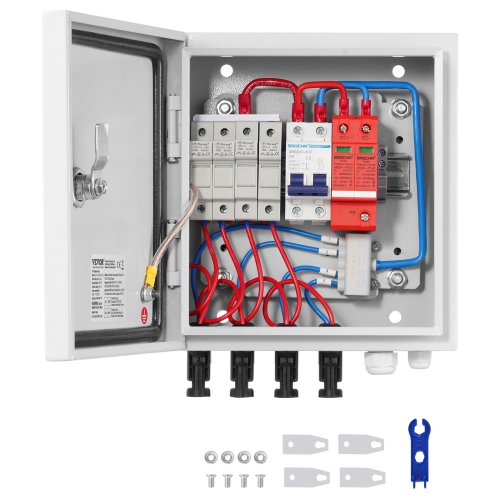
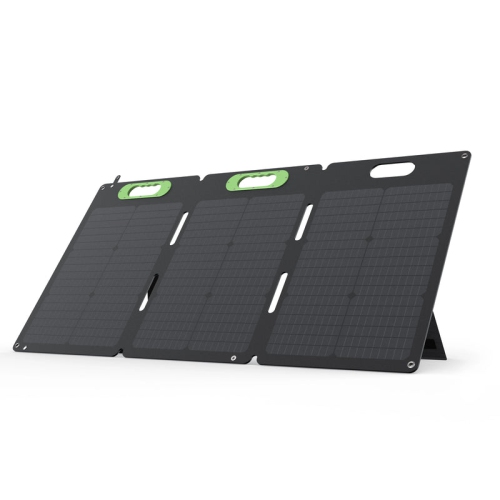
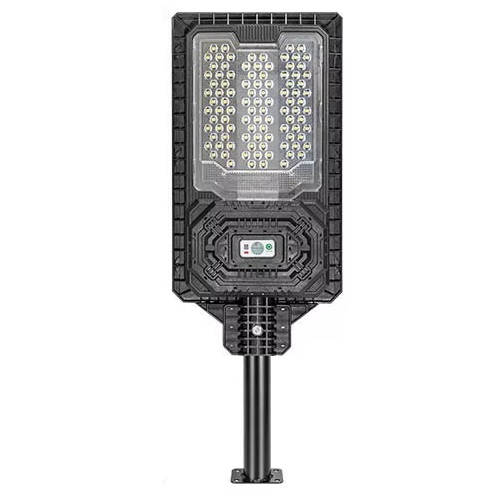
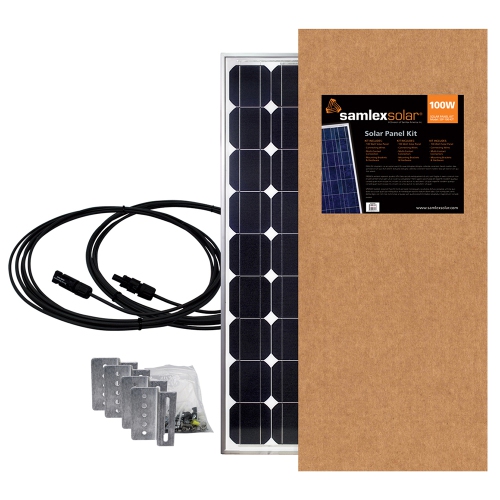
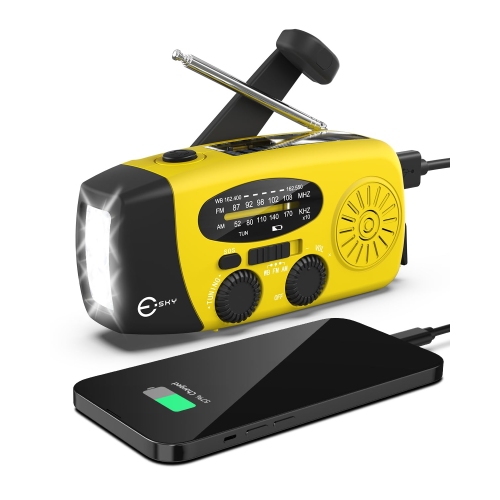


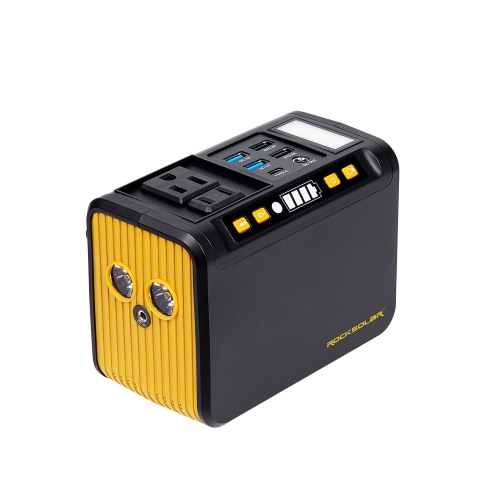
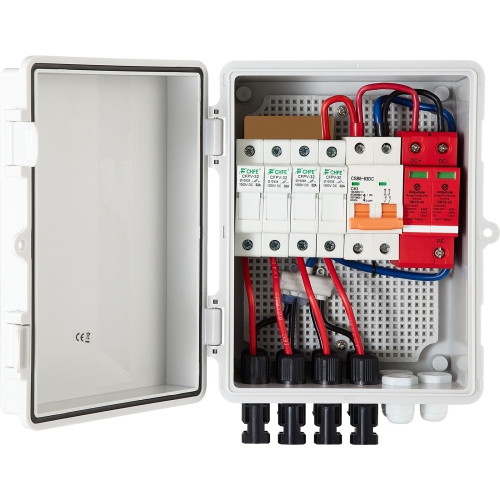

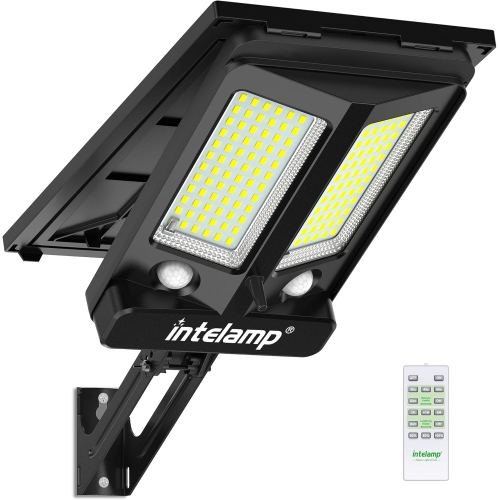


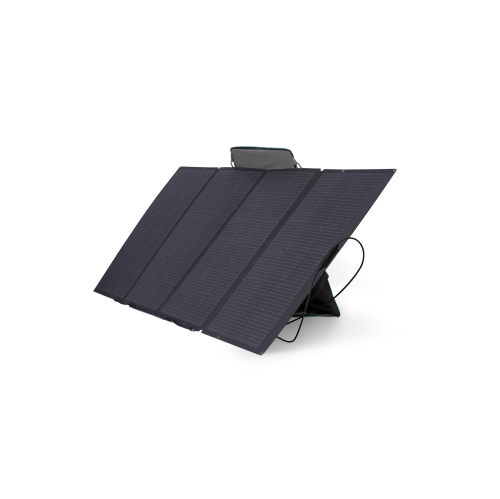
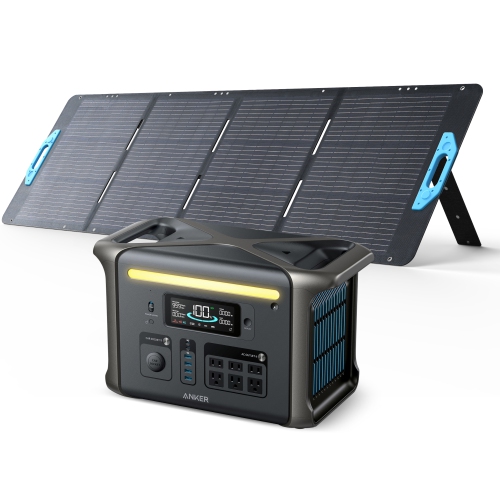
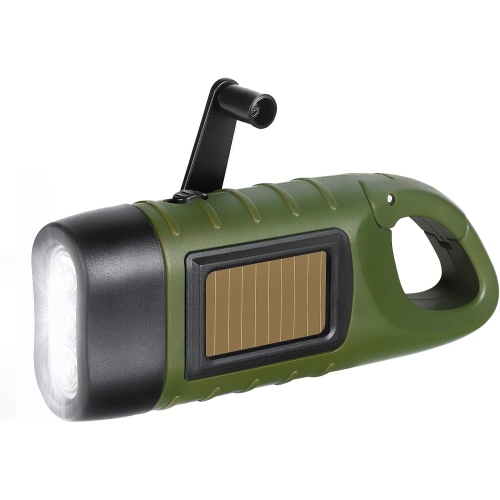
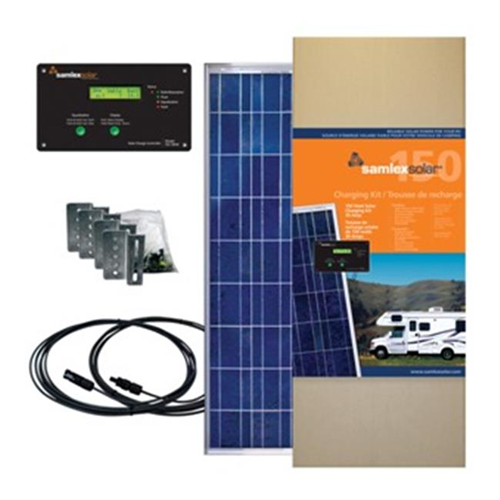
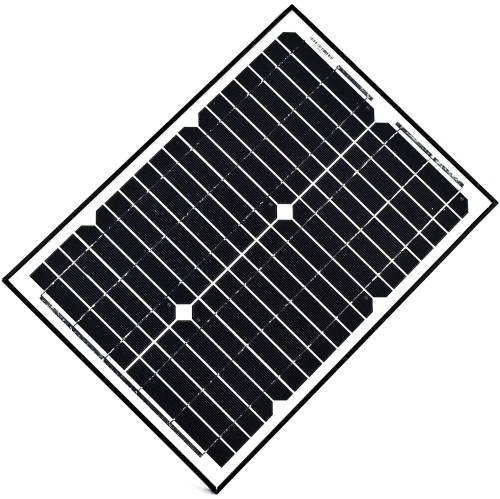
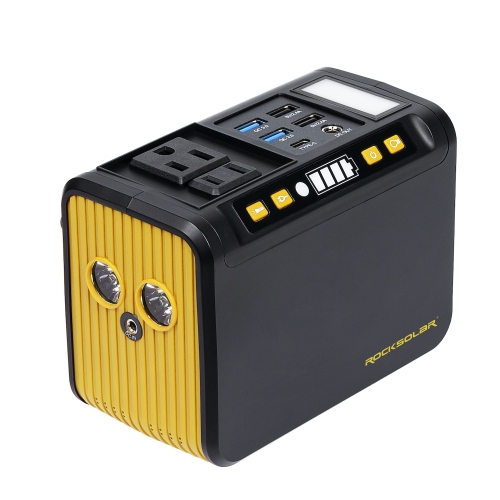
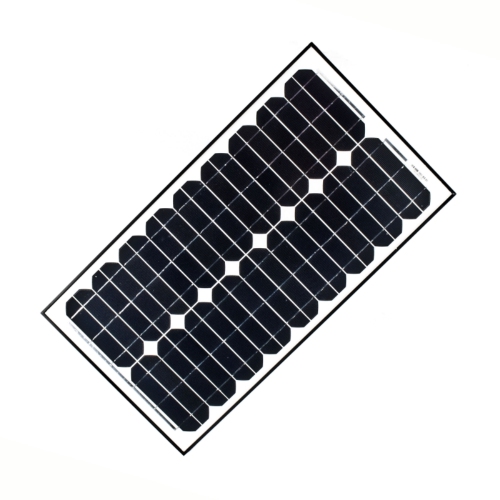

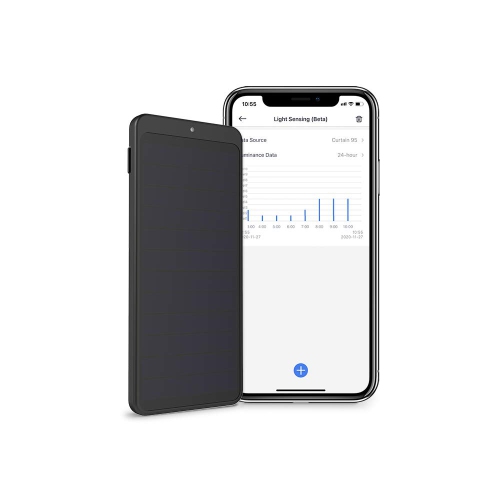






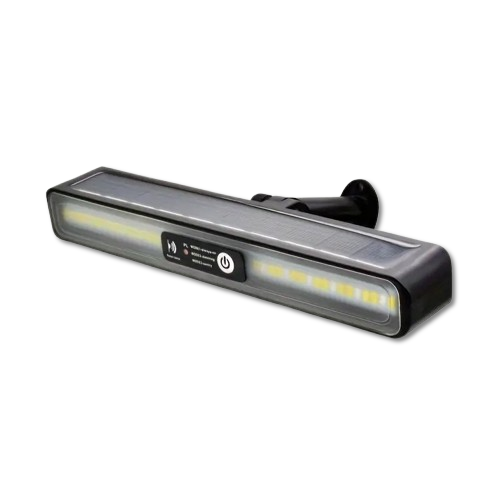

Understand how solar components work together across applications
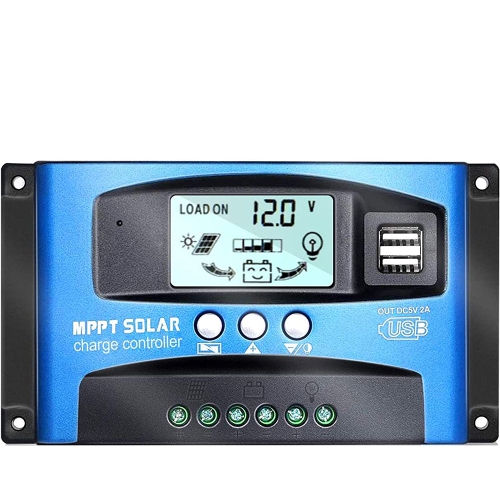
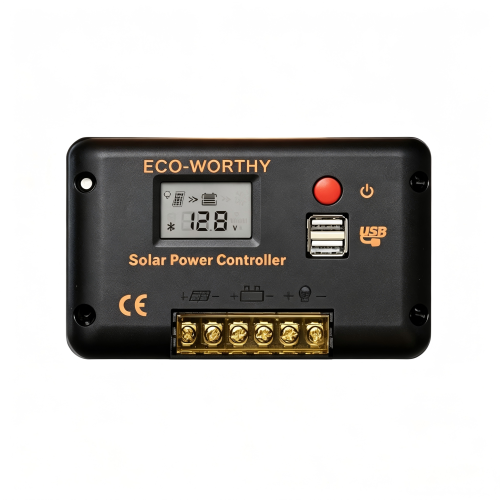
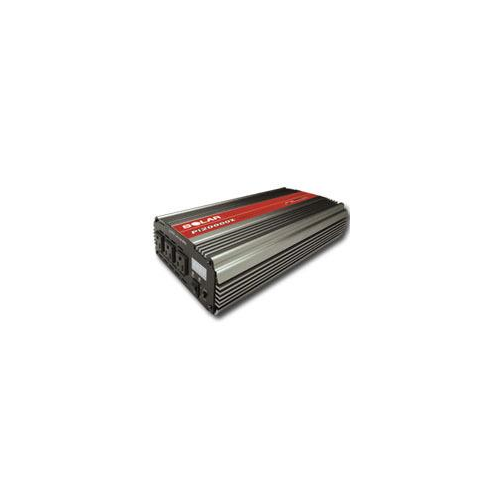
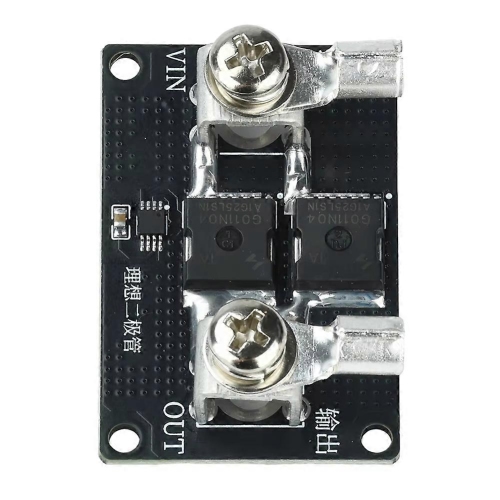
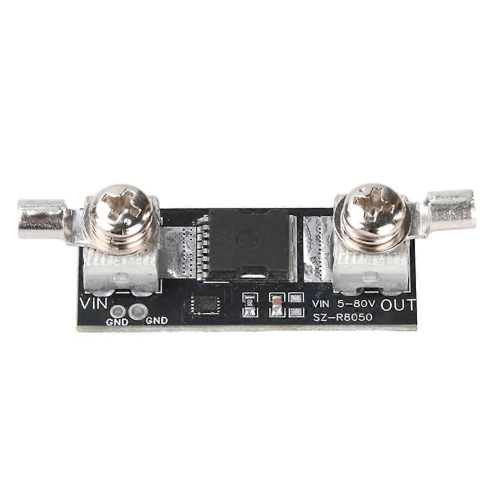
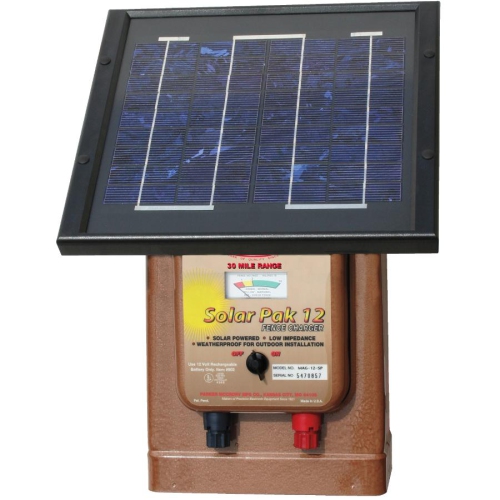
Solar electronics are the hardware and circuitry that capture, regulate, convert, store, and monitor electricity produced by photovoltaic systems. They can be used in a grid-tied home installation, an off-grid cabin, an RV or marine setup, a workshop, or a portable backup arrangement, and each application calls for a slightly different combination of components. Solar panels generate direct current (DC), but many household appliances, chargers, and electronic devices are designed to use alternating current (AC). An inverter performs that essential conversion, while a converter can adjust voltage between devices or batteries with different electrical requirements. A solar charge controller sits between the panels and a battery bank to manage the flow of power, helping prevent overcharging, excessive discharge, and voltage irregularities. Basic pulse-width modulation controllers can suit smaller, straightforward systems, while maximum power point tracking (MPPT) controllers are designed to draw more usable energy from changing sunlight conditions by continually adjusting the operating point of the panels. When comparing solar electronics, check the system voltage, maximum current, input voltage range, connector type, and compatibility with the battery chemistry being used. A component that works well in a compact 12-volt setup may not be appropriate for a larger 24- or 48-volt system. It is also worth confirming whether the unit is intended for indoor installation, sheltered outdoor use, vehicle mounting, or a dedicated electrical enclosure, since temperature, moisture, dust, and ventilation can all affect performance and service life.
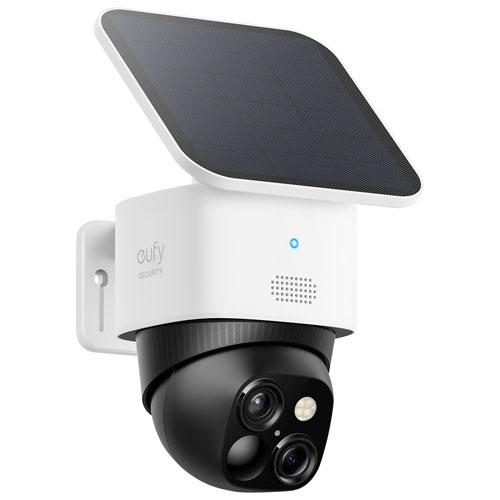
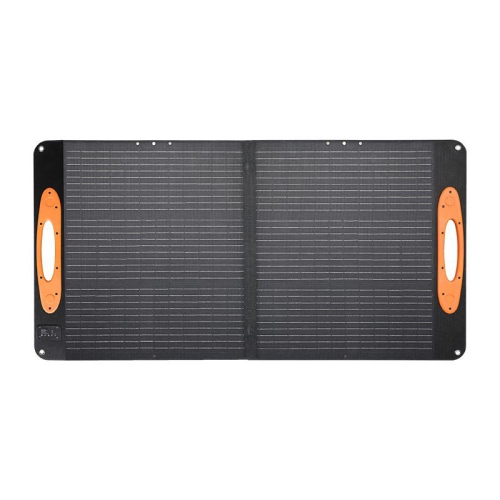
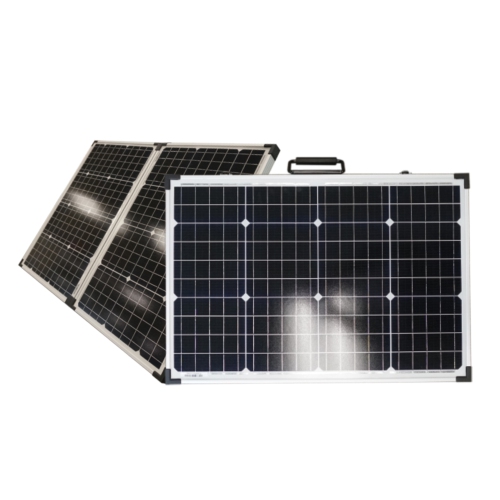
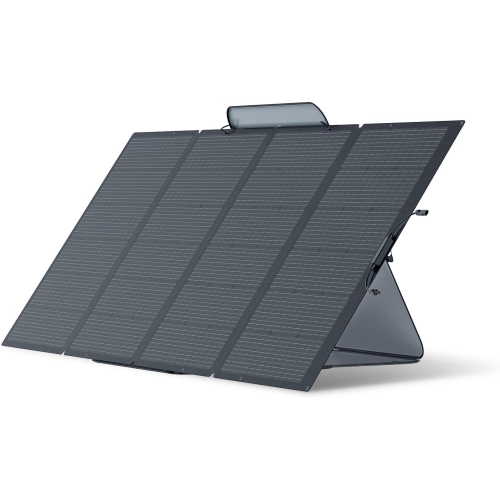
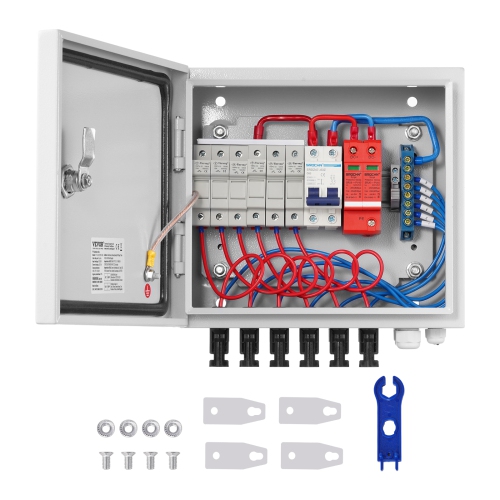
For people building a complete solar setup, the relationship between each component matters as much as the specifications of any single device. An inverter should have enough continuous output for the equipment that will run at the same time, along with sufficient surge capacity for appliances and tools that draw extra power when starting. Pure sine wave output is often preferred for sensitive electronics, motors, medical equipment, and modern appliances because it more closely resembles utility power. Battery management systems help monitor cell voltage, temperature, charging, and discharge limits in compatible battery packs, and can disconnect the system when conditions move outside safe operating ranges. Module-level power electronics, including microinverters and DC optimizers, work with individual solar panels rather than treating an entire array as one unit. This can be useful when panels face different directions, receive partial shade, or are installed across more than one roof section. Monitoring hardware adds another layer of visibility by tracking energy production, battery levels, voltage, current, faults, and historical performance through a display, data logger, or connected application. Safety equipment is equally important. Fuse blocks, circuit breakers, disconnects, grounding accessories, surge protection, and rapid shutdown equipment can help protect people and property while supporting a properly designed installation. Anyone connecting equipment to a building’s electrical system should follow local electrical requirements and consult a qualified professional where necessary. Before purchasing, sketch out the intended power path—from Solar Panels through the controller, battery, inverter, and connected loads—and record the wattage of everything you expect to operate. This simple exercise can reveal whether you need additional capacity, a different connector, a larger enclosure, or a separate circuit for high-draw equipment.
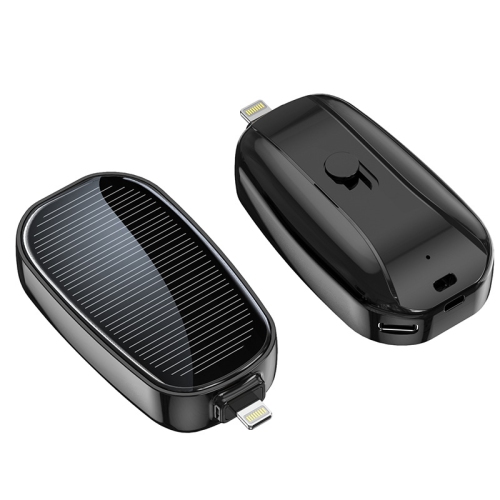
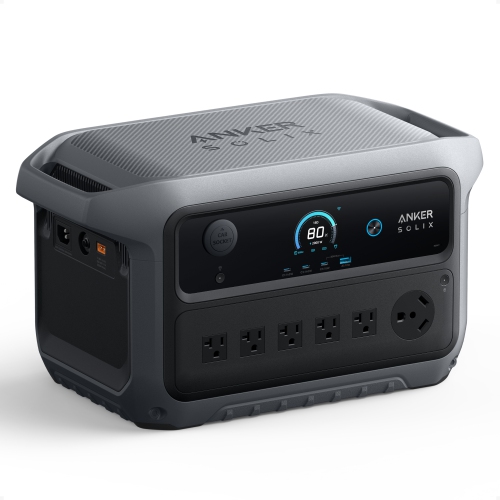
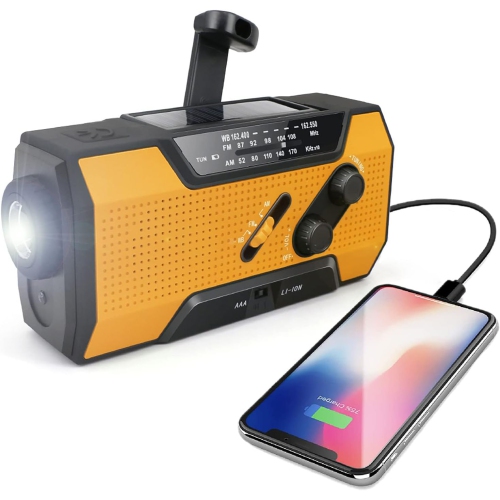
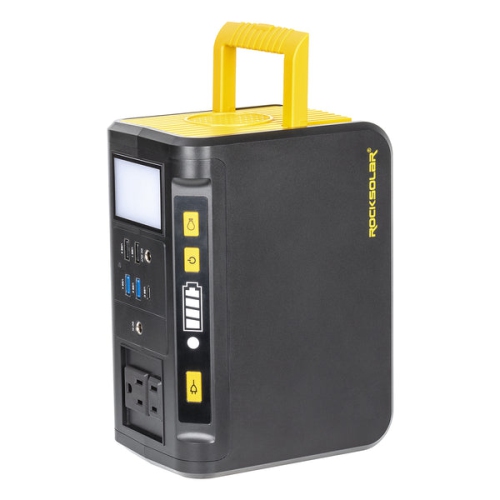
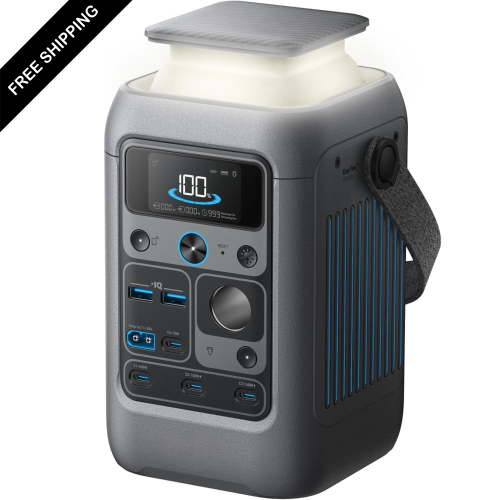
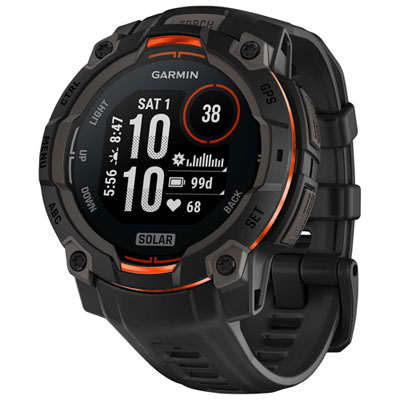
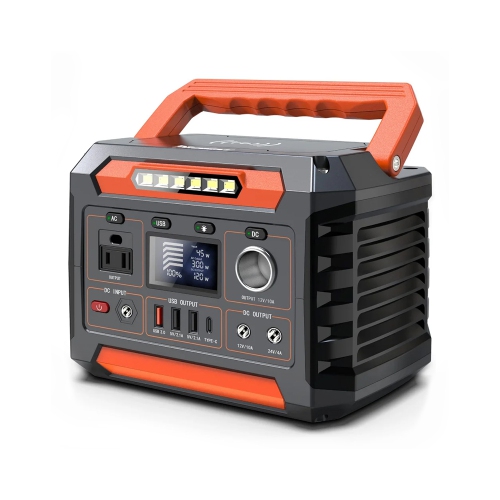
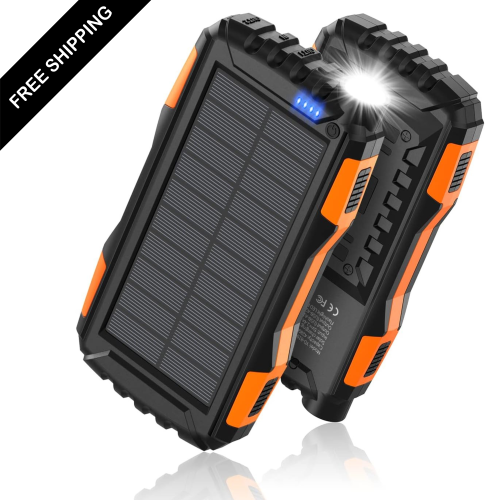
Solar electronics can also be practical for everyday travel, outdoor recreation, emergency preparation, and thoughtful gifting. A compact solar charging accessory may be useful for someone who spends long days at a campsite, keeps a vehicle equipped for remote trips, or enjoys photography, cycling, boating, and other activities where access to an outlet is limited. Portable power equipment can help run small electronics, recharge communication devices, or keep essential gear available during a power interruption, provided its output and battery capacity match the intended loads. For a family member who maintains an RV, cabin, or workshop, a charge controller, inverter, monitoring device, or cable and protection accessory can be a useful addition to an existing system, especially when chosen to match the voltage and connector standards already in place. During the warmer season, solar electronics can support time spent outdoors, while during cooler months they may be kept ready for travel, remote work, or backup use at home. Good purchasing decisions begin with the use case: determine whether the system will be portable or permanently mounted, whether it needs to charge batteries or power AC devices, how much energy is required each day, and whether sunlight will be consistent or interrupted by shade and weather. Look for clear ratings, readable status information, suitable safety features, durable construction, and installation instructions that match your experience level. With the right combination of controllers, inverters, converters, battery management, monitoring, and protection hardware, solar electronics can form an orderly power system that is easier to understand, maintain, and expand as your needs change.
Top selling and popular products
-
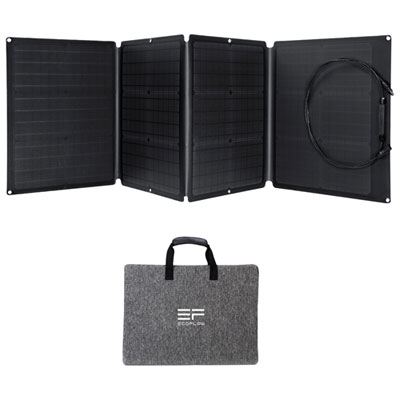 Your price for this item is $301.98
-
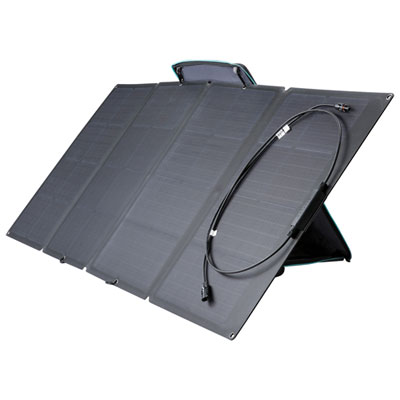 Your price for this item is $401.98
-
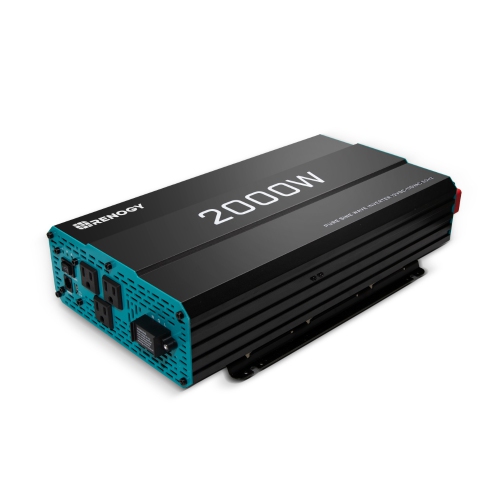 Your price for this item is $464.99
-
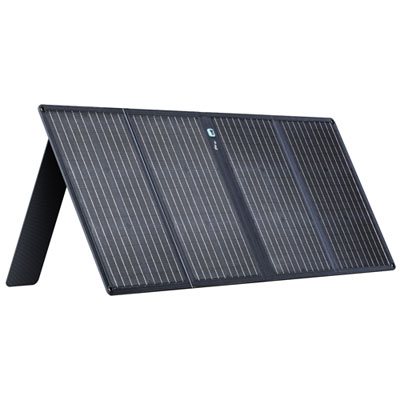 Your price for this item is $399.99
-
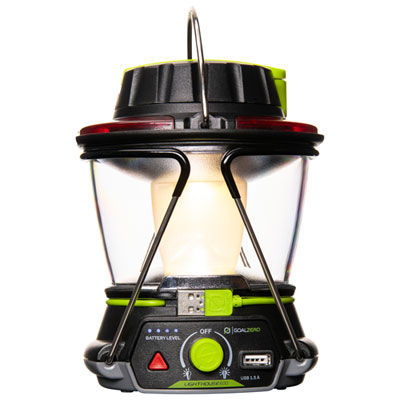 Your price for this item is $99.99
-
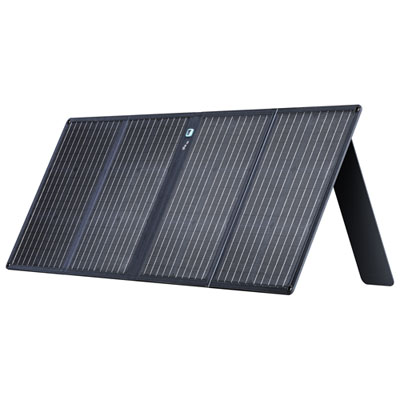 Your price for this item is $439.99
-
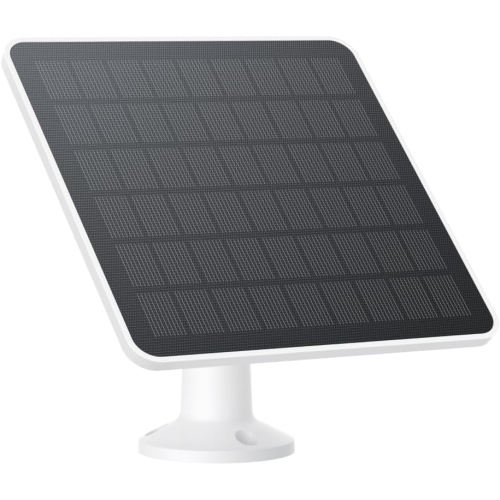 Your price for this item is $69.99
-
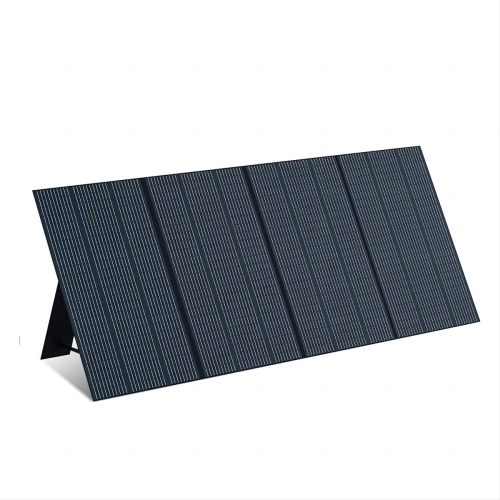 Your price for this item is $999
Discover more categories related to Solar Electronics
Top Collections:
Pokemon Centers, Best Cameras for Sports Photography, Kindle Devices, Samsung Galaxy Phones, Canon G7X Cameras, Pokémon 30th Celebration Cards, Refurbished Apple Laptops, iPhone 15 Apple, Laptops for Students, Budget Smartphones
Some products may be subject to Environmental Handling Fees
(EHF) depending on your province.
Learn more about EHFs.