Solar Power Systems
Harness the power of the sun with our selection of solar power systems. Whether you're looking to reduce your carbon footprint, save on energy costs, or simply have a reliable backup power source, our range of solar power systems has you covered. From compact options for outdoor adventures to larger setups for residential or commercial use, we have everything you need to embrace clean and sustainable energy solutions. Explore our collection and take a step towards a greener future with solar power systems that seamlessly integrate into your lifestyle.
Sort
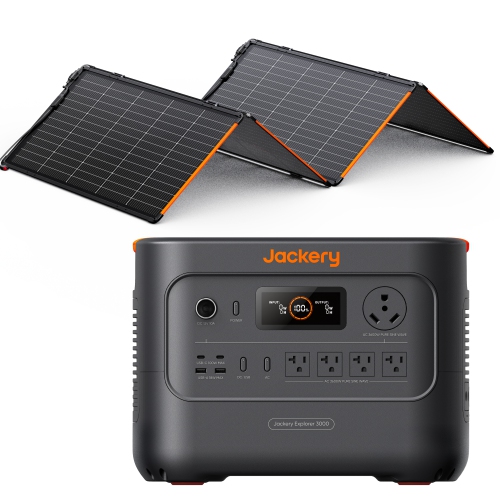
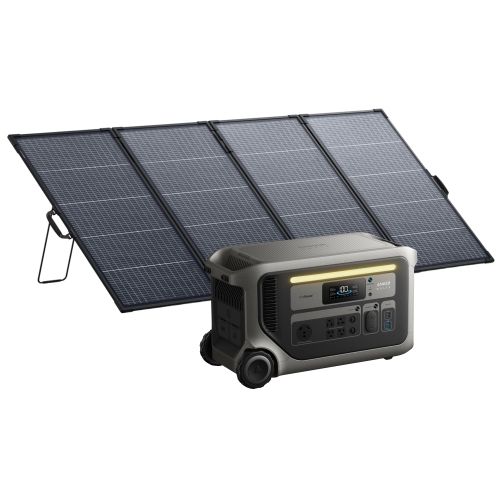
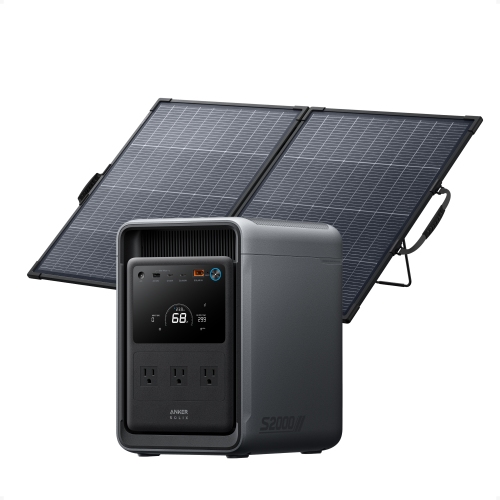
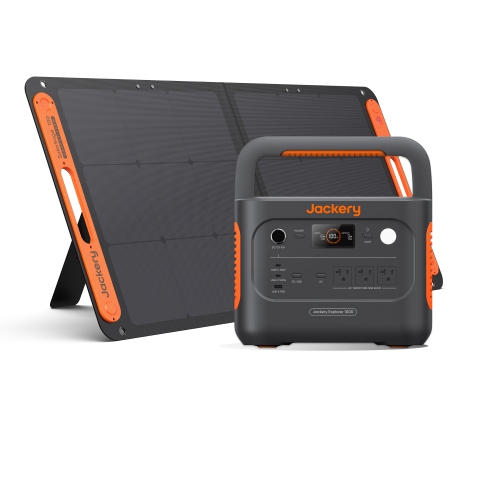
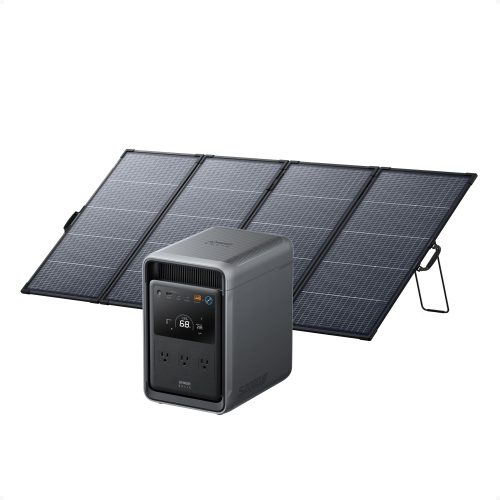
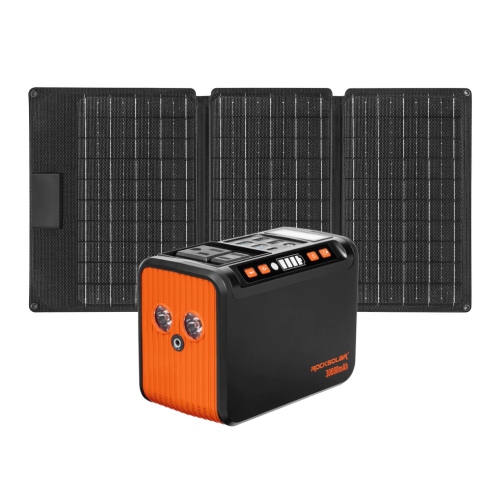
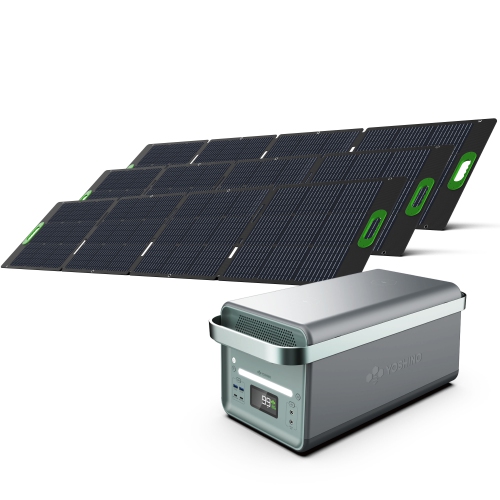
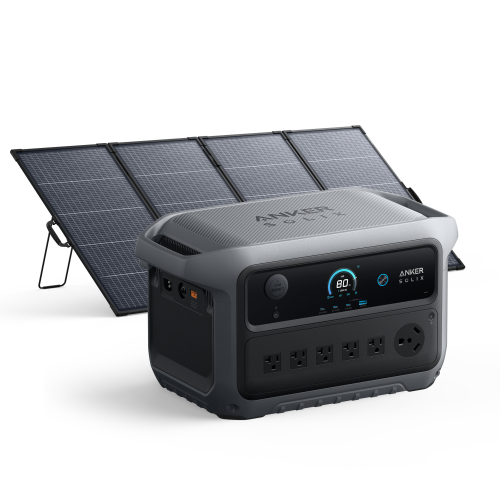
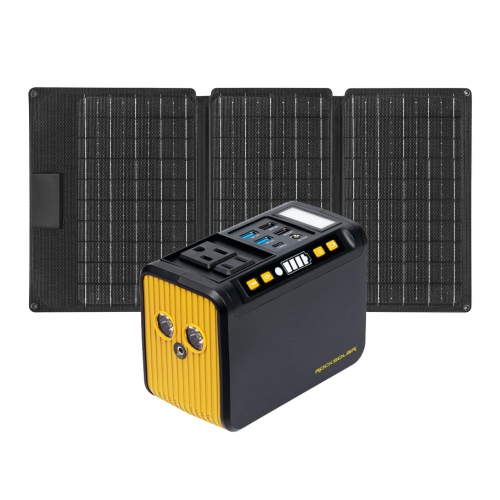
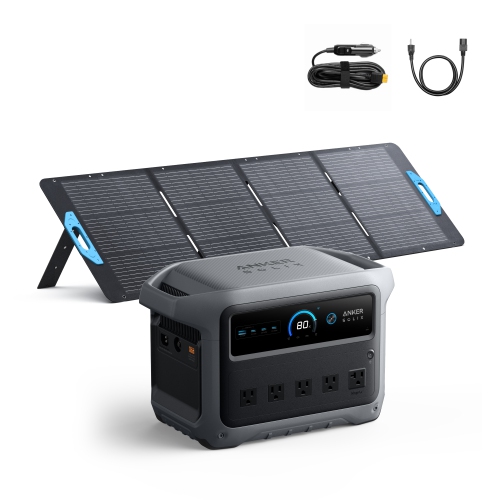
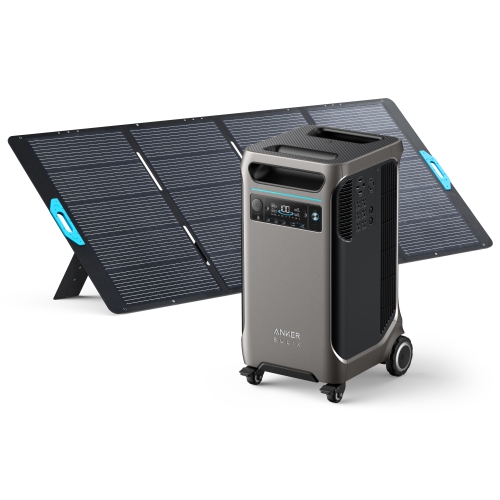
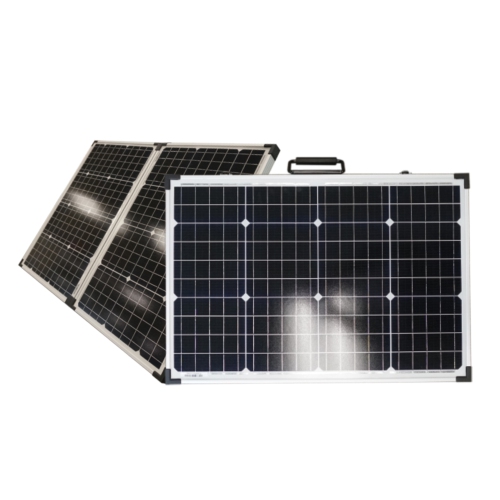



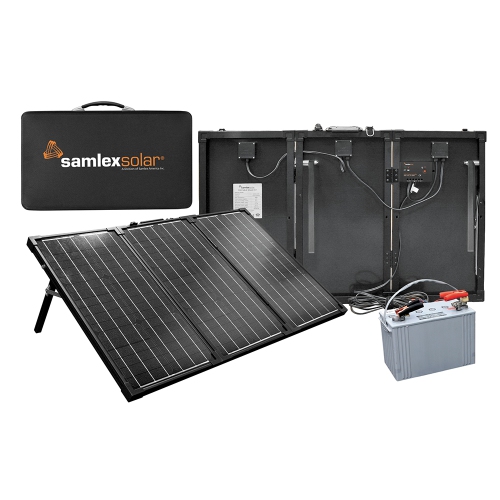
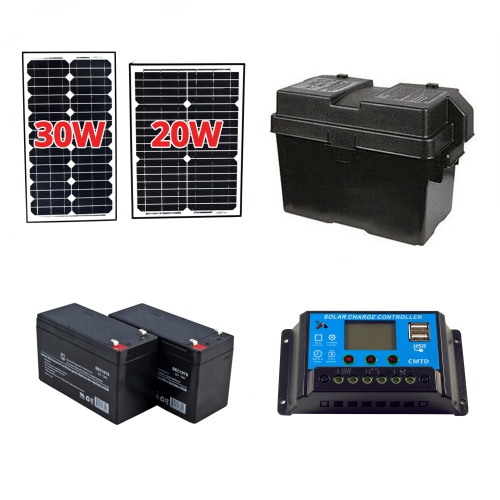


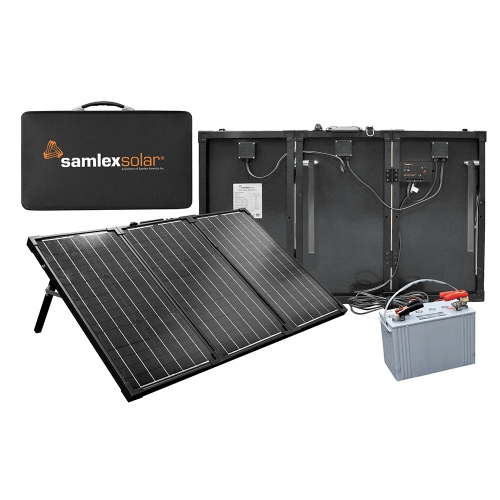
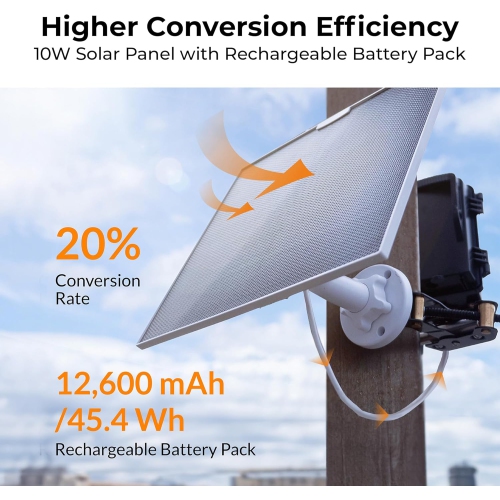
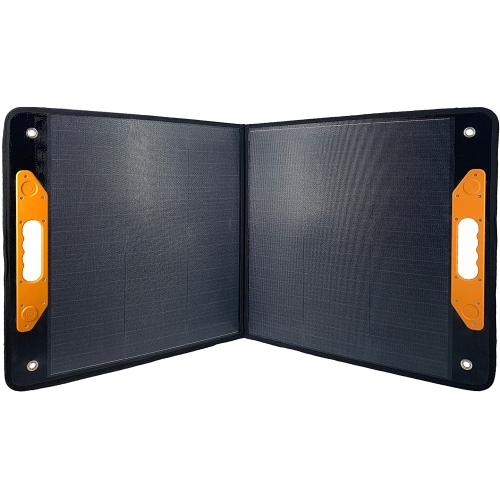
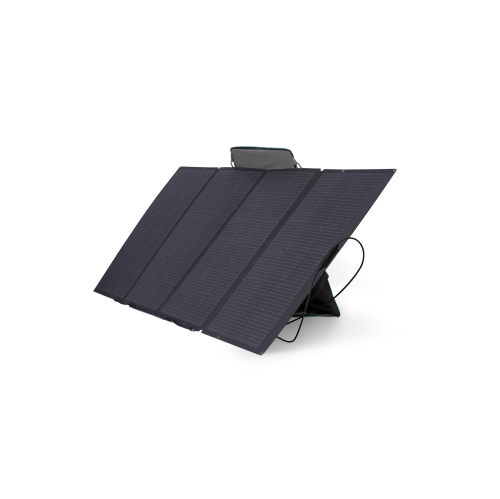
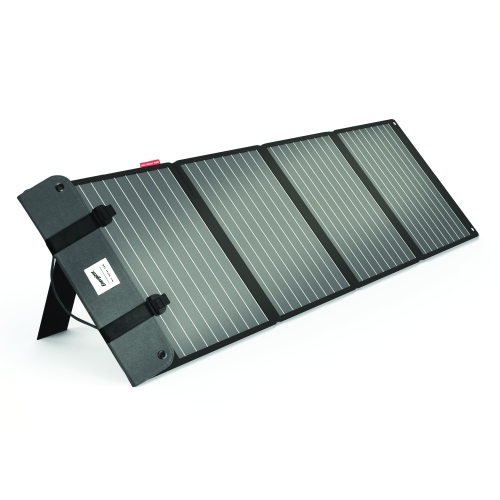
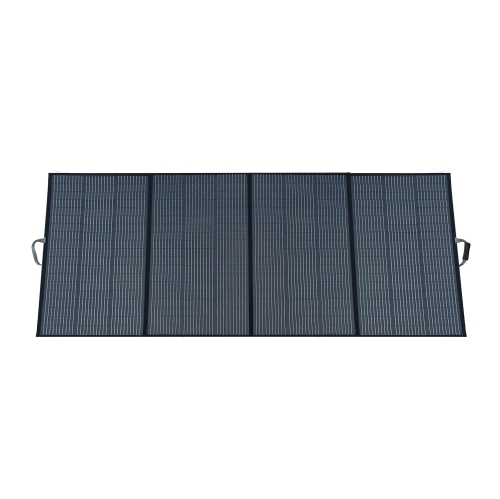










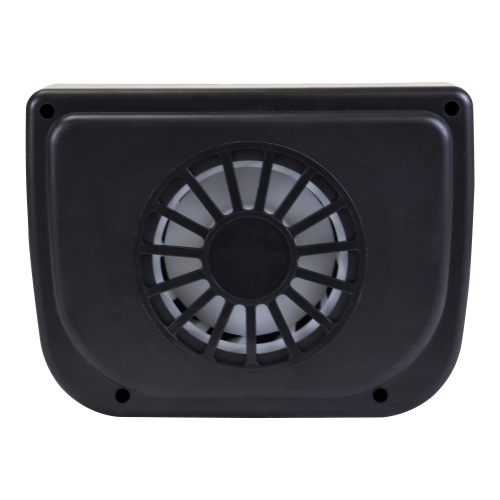
How panels, batteries, and inverters work together
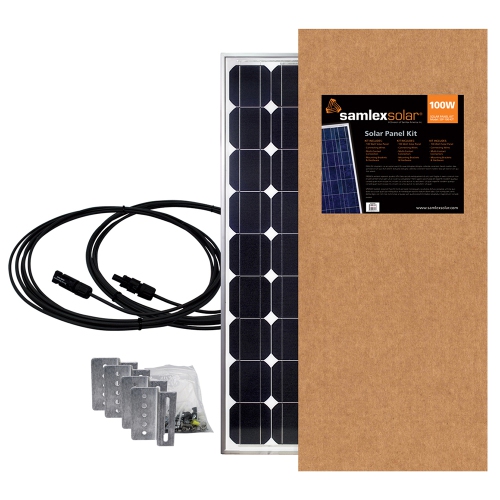
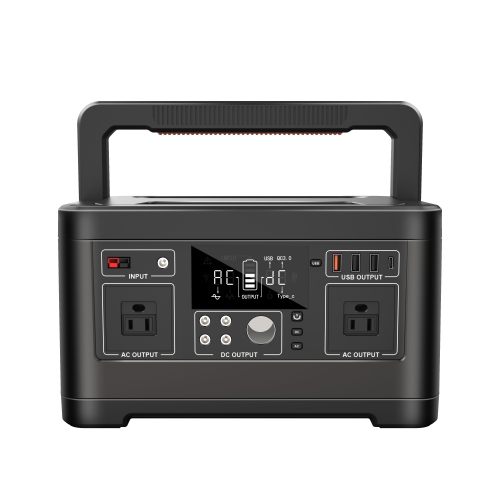
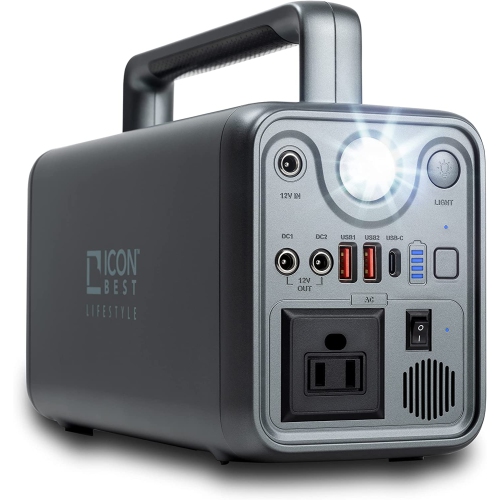
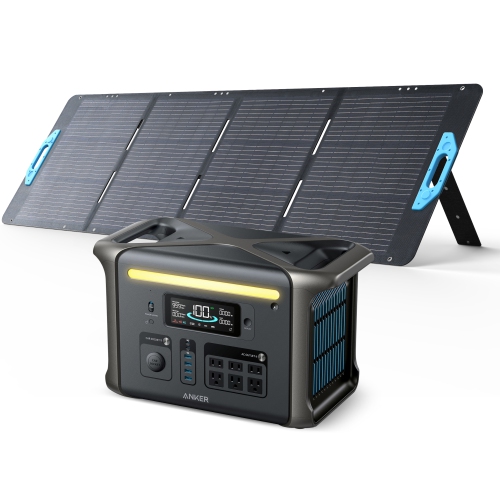
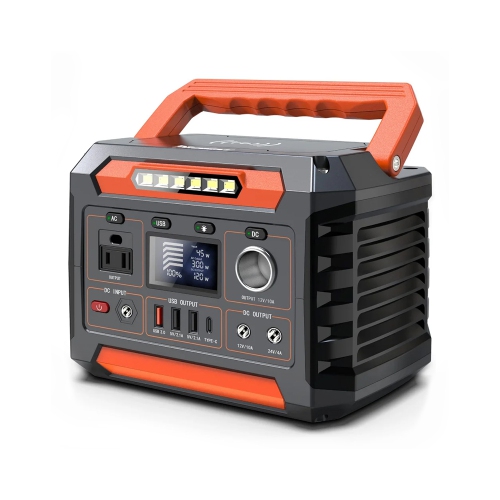
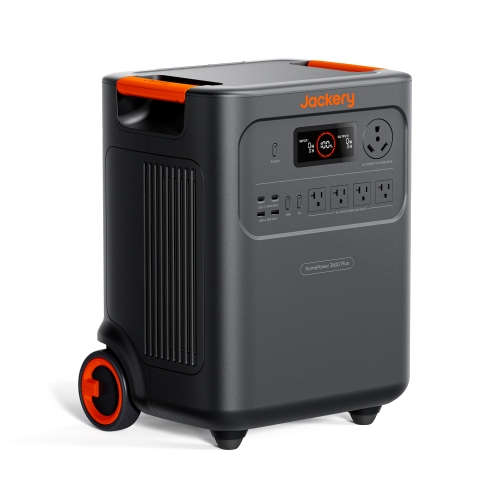
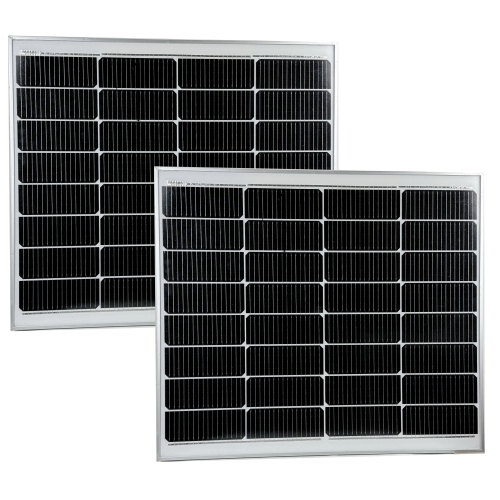
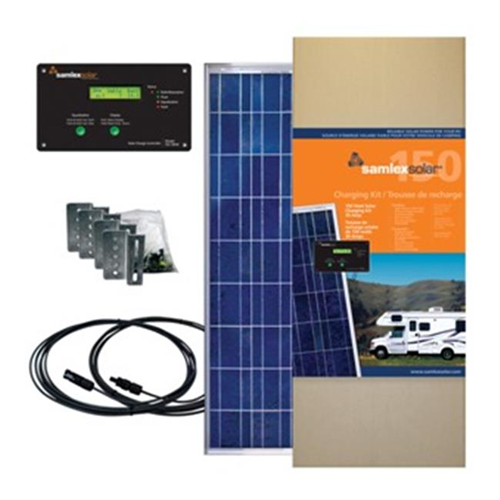
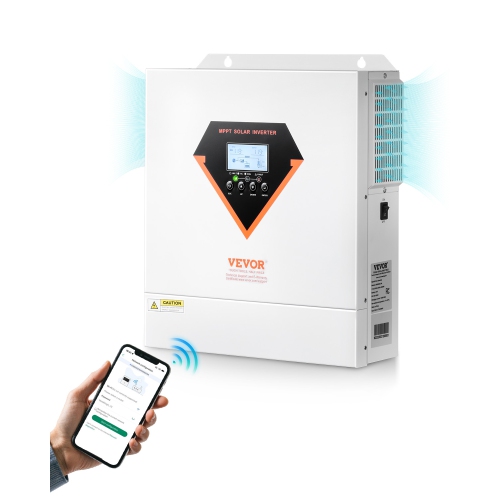
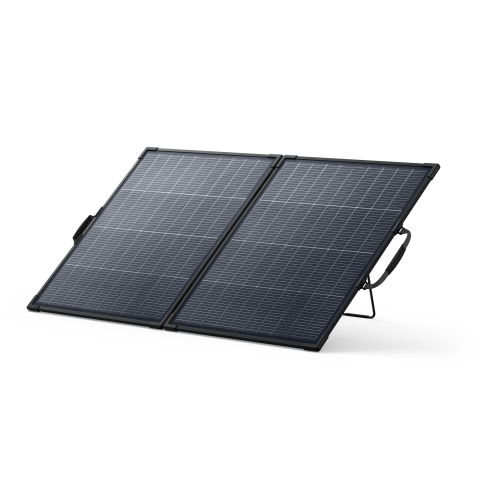
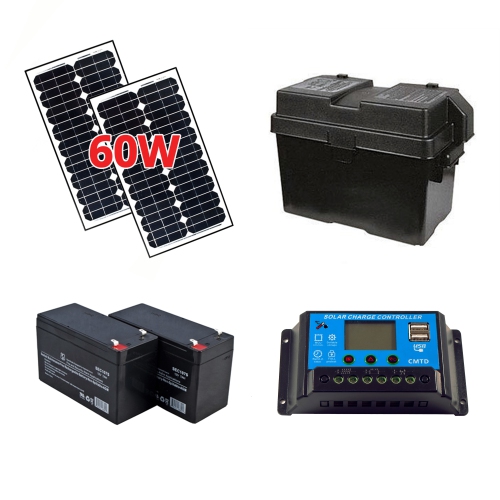
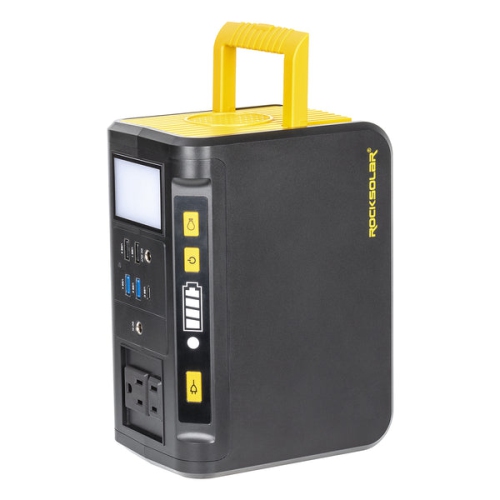
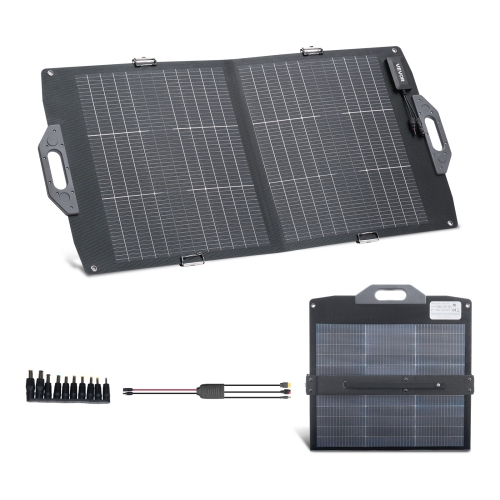
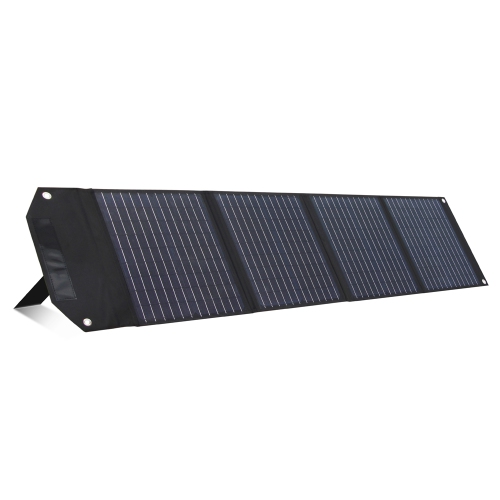
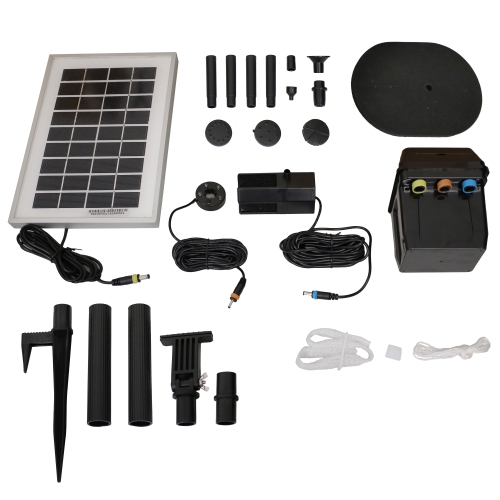
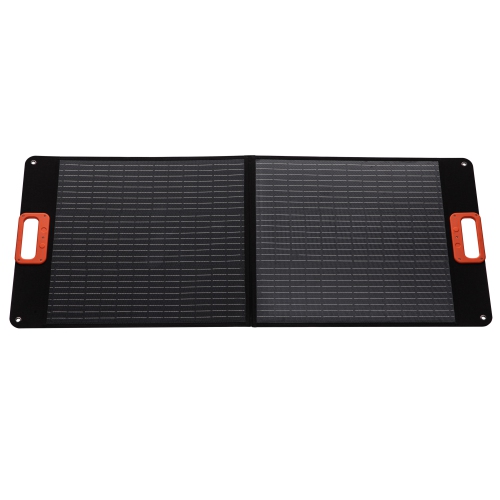
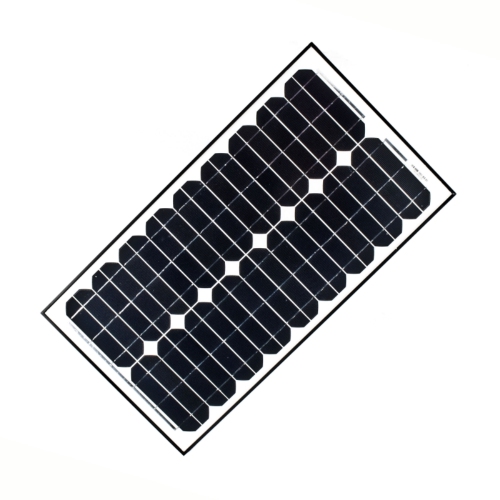
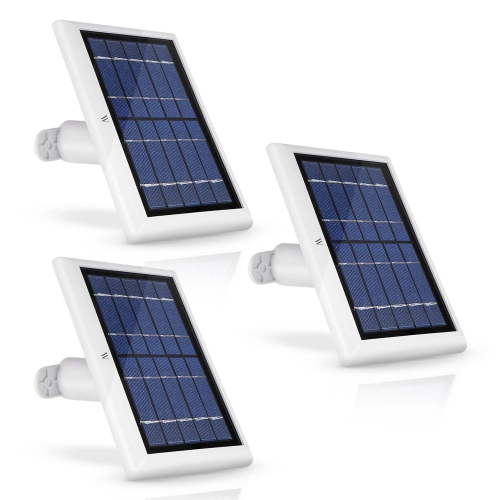
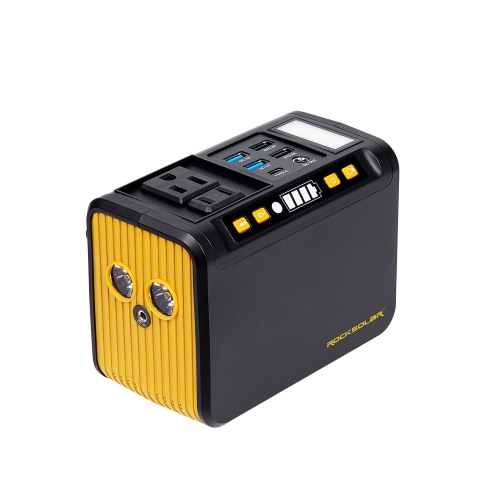
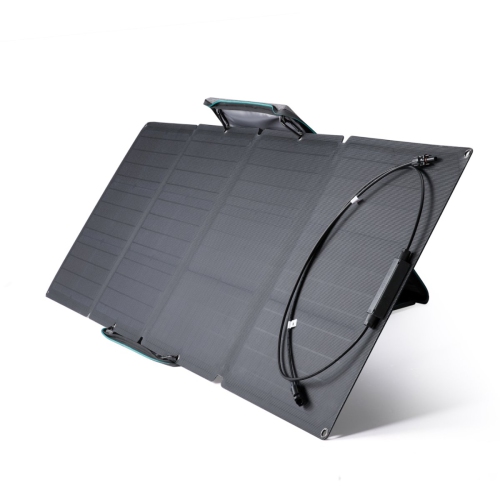
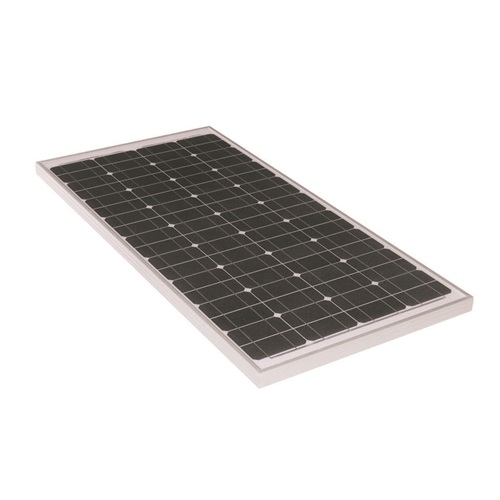
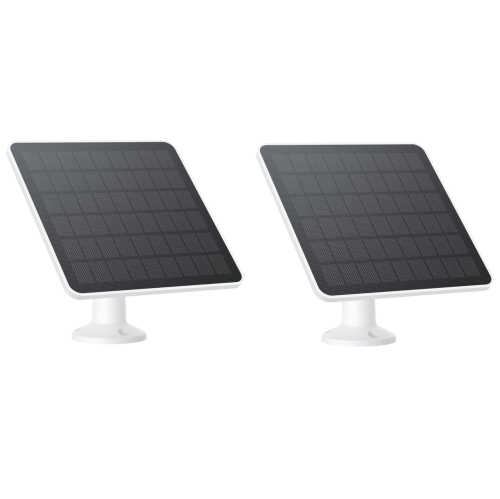
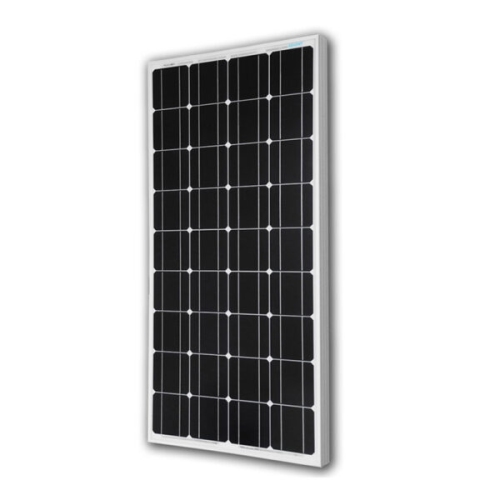
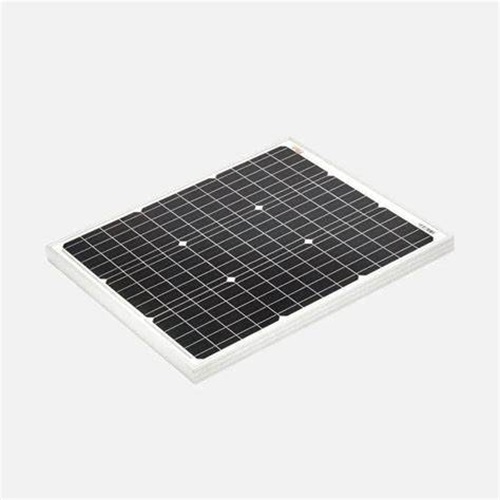
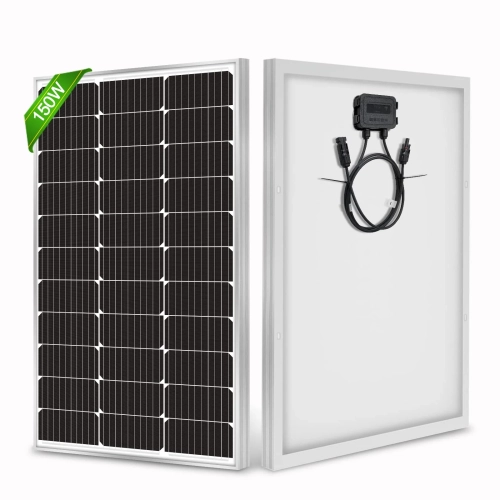
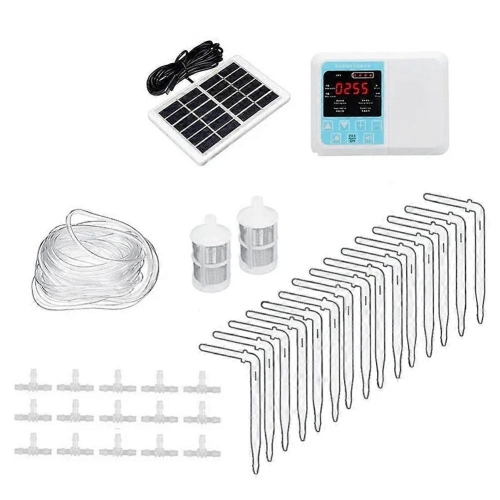
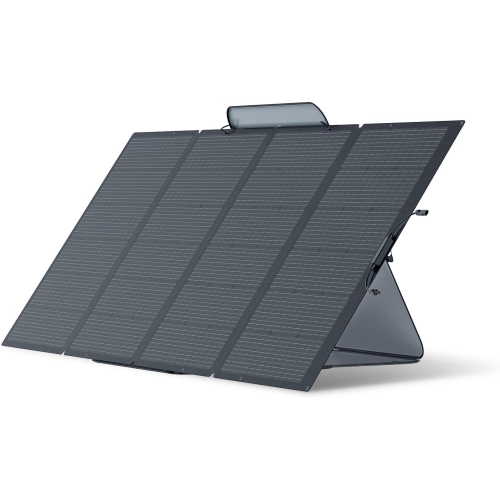
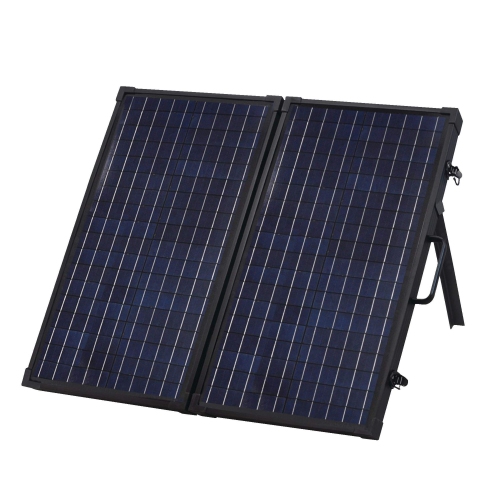
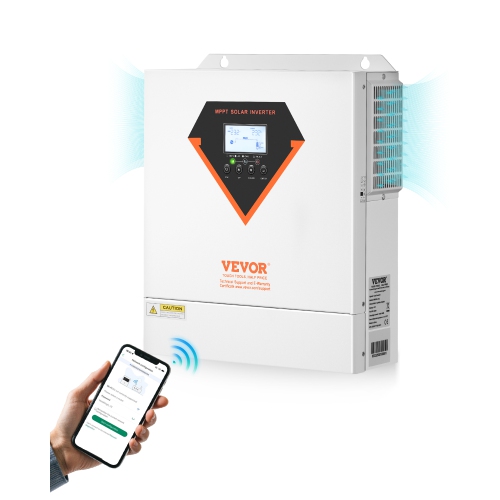
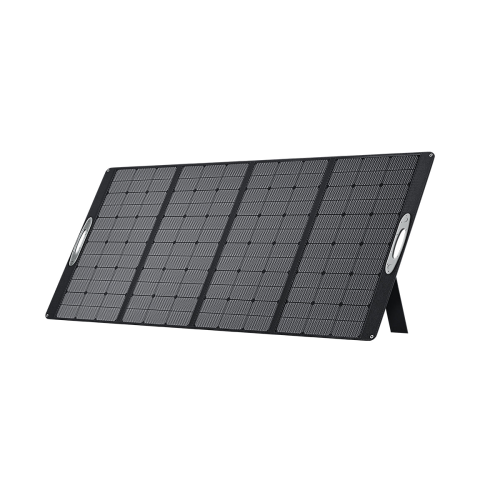
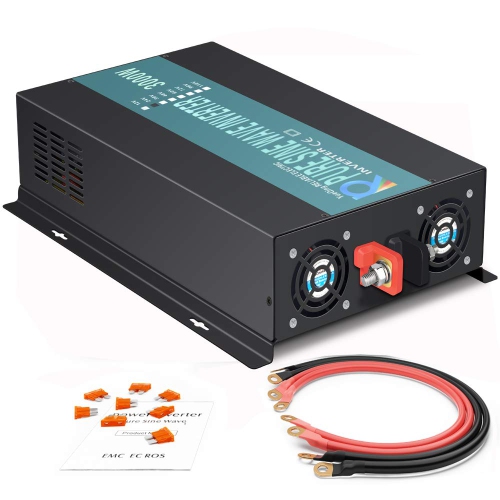
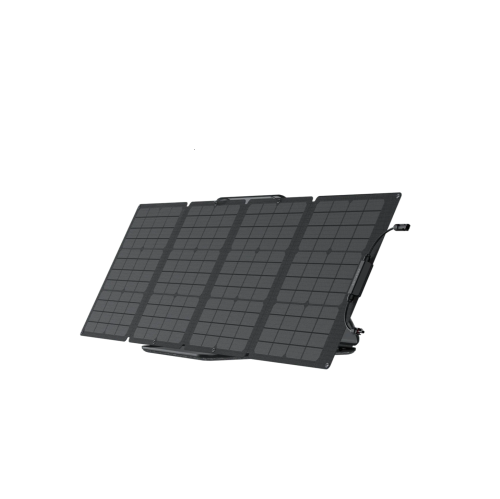
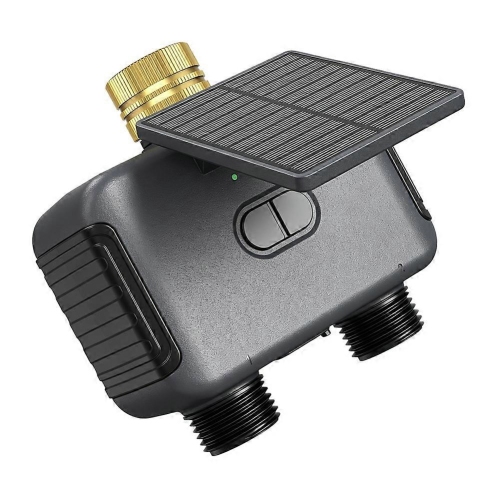
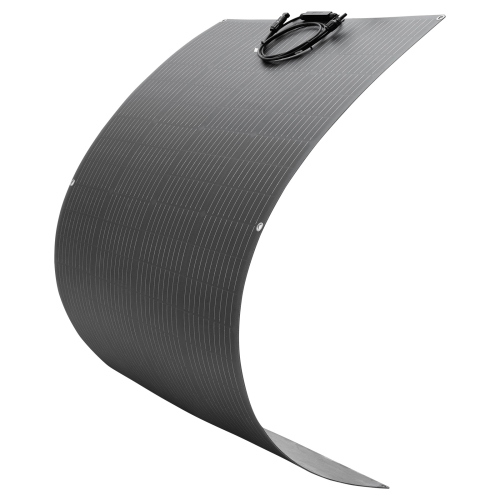
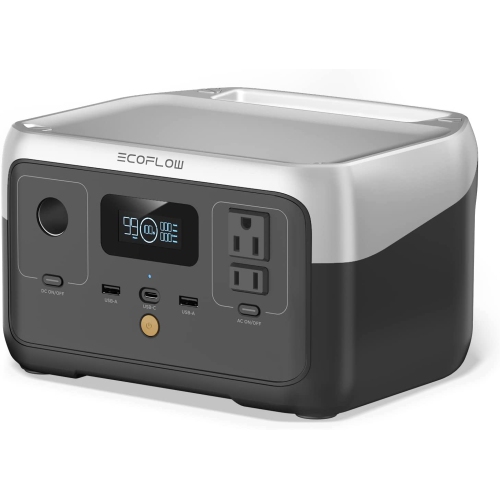
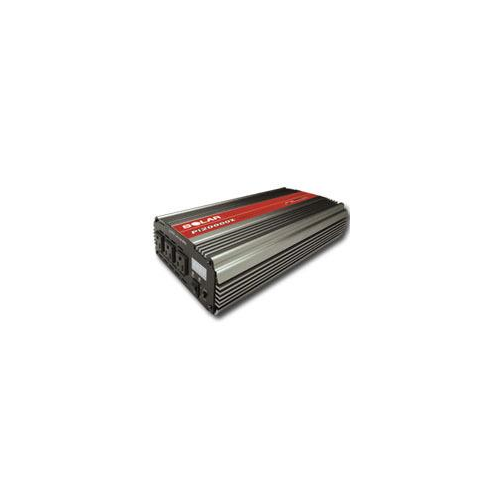
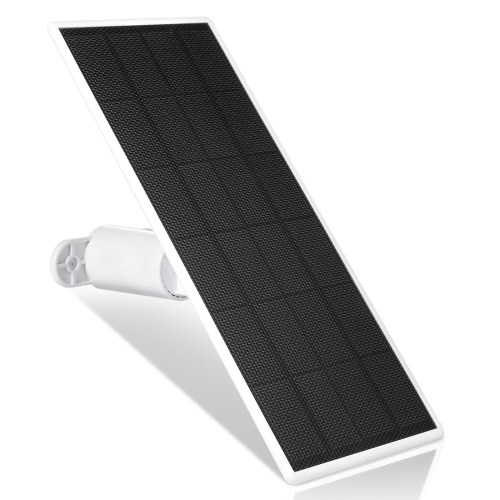
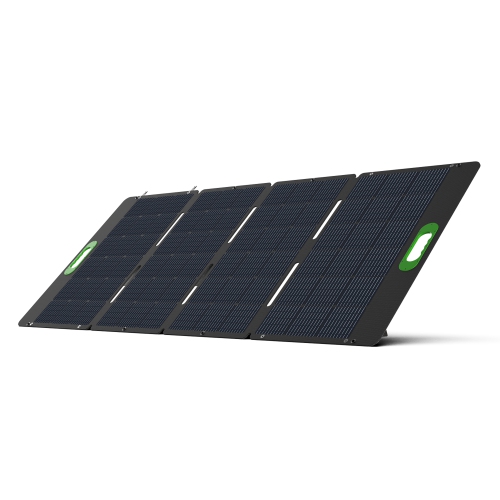
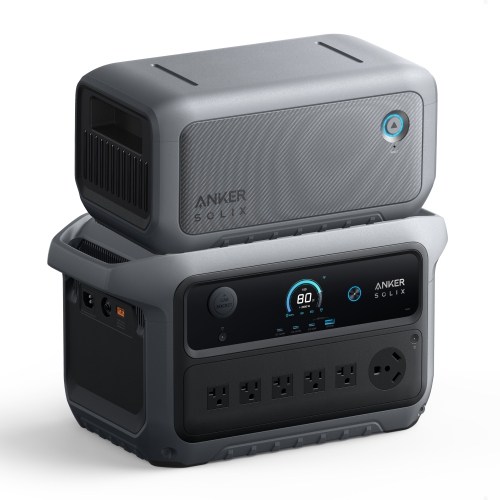
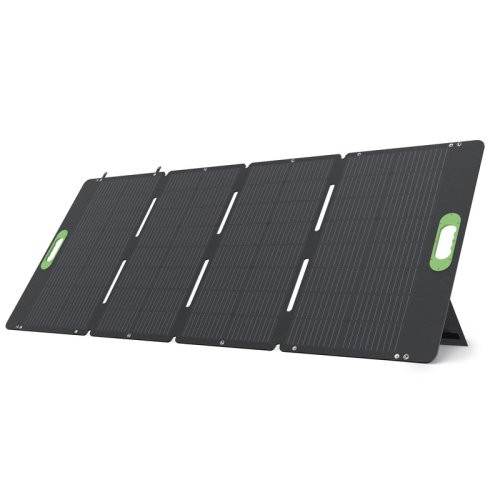
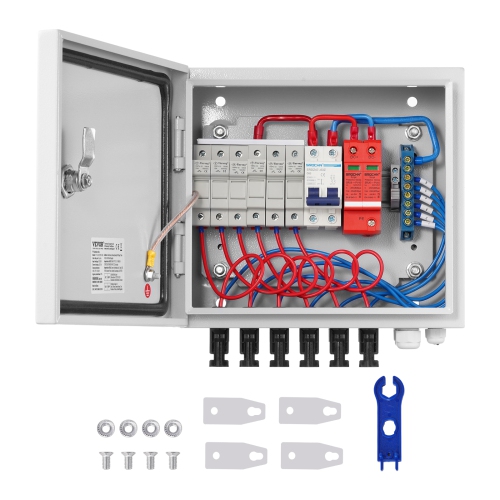
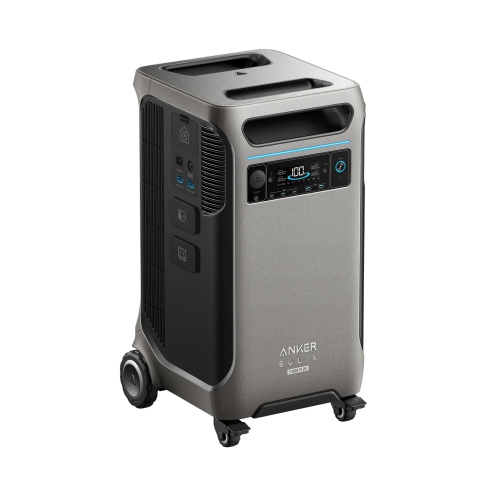
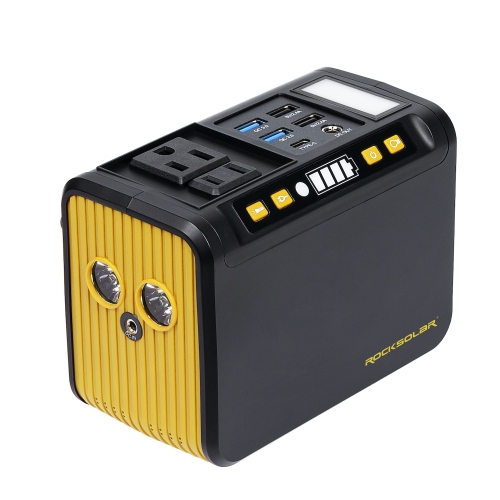
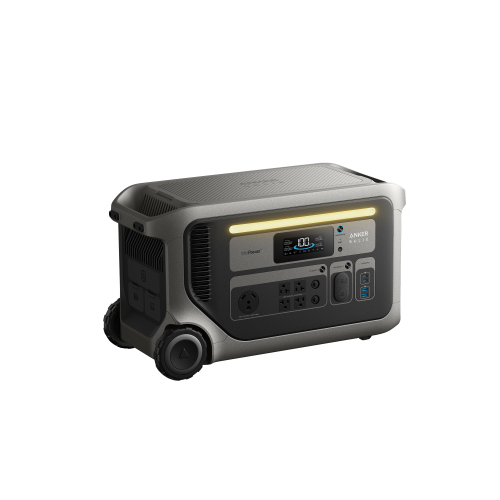
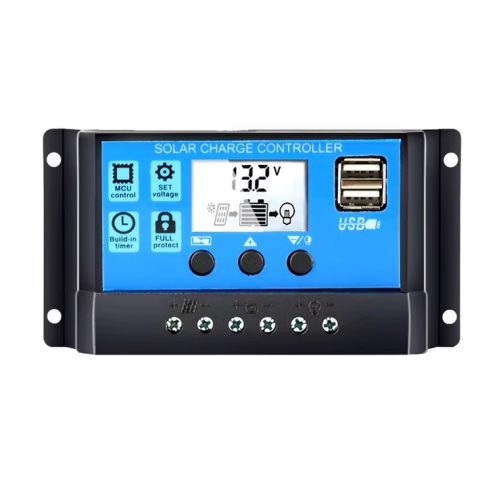
Solar power systems bring together several components that capture sunlight, convert it into usable electricity, and manage how that power is stored or distributed. Solar panels absorb light and produce direct current (DC) electricity, while an inverter changes that DC power into alternating current (AC) for household appliances, lighting, electronics, and other standard devices. Mounting racks and hardware keep panels secure on a roof, wall, balcony structure, or ground-based frame, with the angle and orientation affecting how much sunlight they receive throughout the day. Depending on the setup, a charge controller may regulate power flowing into a battery, while monitoring equipment can show energy production, battery levels, and household consumption. Browse Solar Panels when comparing the collection options available for building a system around your space and power needs. A complete solar power system may be grid-tied, off-grid, or hybrid. Grid-tied systems connect to the local utility network, allowing a home or building to use solar-generated electricity first and draw from the grid when production is lower. In some regions, excess electricity can be sent to the grid under local utility programs, although eligibility, equipment requirements, and billing arrangements vary across Canada. Off-grid systems operate independently and generally require batteries sized to cover expected usage when sunlight is limited. Hybrid systems combine a utility connection with battery storage, offering the convenience of grid power while keeping selected devices running during an outage. The right arrangement depends on whether the goal is to power a remote cabin, support a recreational vehicle, operate equipment in a workshop, reduce reliance on the grid, or provide backup power for essential home loads. Solar power systems can also suit detached garages, sheds, seasonal properties, and locations where extending conventional electrical service is difficult or costly.
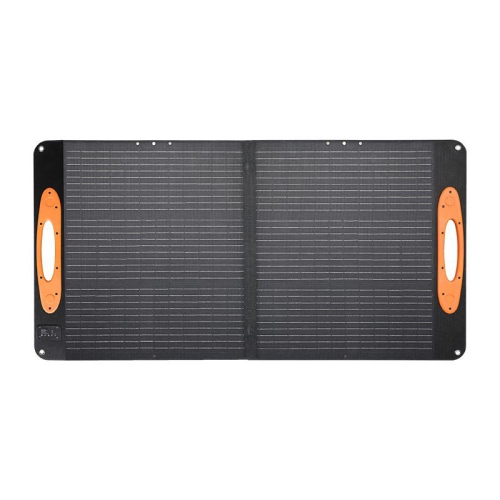
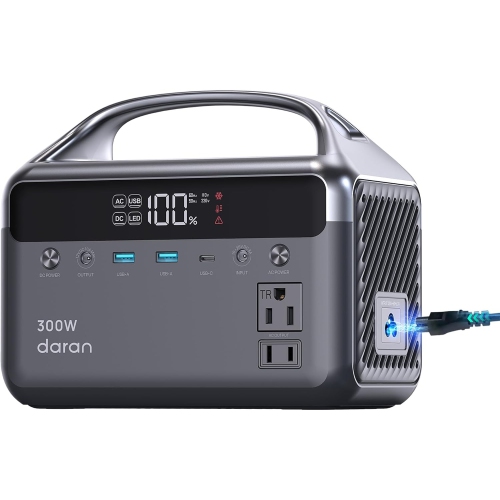
Before choosing a solar power system, begin with the devices you intend to run and how long you expect to use them. A small setup for charging phones, running lights, or powering a compact refrigerator has very different requirements from one intended for pumps, tools, heating equipment, kitchen appliances, or a full home. Check each device’s wattage and account for both continuous demand and the higher starting surge required by motors and compressors. Panel wattage describes potential generation under specific test conditions, while battery capacity indicates how much energy can be stored; inverter output must be large enough for the equipment connected to it. Pay attention to the inverter’s continuous and peak ratings, battery chemistry, usable capacity, charging requirements, operating temperature range, and compatibility between the system components. During the cooler months, shorter daylight hours, overcast skies, and snow accumulation can reduce panel production, so an off-grid system may need additional panels or battery capacity to maintain dependable service. Batteries should be installed in a suitable location that follows the manufacturer’s temperature, ventilation, and clearance requirements. Roof installations also call for careful consideration of roof age, available surface area, shade from trees or nearby buildings, structural support, cable routing, and access for inspection. In Canada, electrical permits, building requirements, utility approvals, and installation rules can differ by province, territory, and municipality; a qualified electrician or solar installer can help confirm what applies before permanent equipment is connected. Portable or modular systems may be more suitable for occasional use, camping, emergency preparedness, or a seasonal property, while larger fixed systems require more detailed planning and professional installation. Solar power systems can be a practical choice for homeowners, cottage owners, tradespeople, outdoor enthusiasts, and anyone who wants a clearly planned source of electricity for specific loads. A thoughtful setup starts with an accurate energy estimate, leaves room for changing needs, and balances panel production, inverter capacity, battery storage, installation conditions, and local electrical requirements.
Before choosing a solar power system, begin with the devices you intend to run and how long you expect to use them. A small setup for charging phones, running lights, or powering a compact refrigerator has very different requirements from one intended for pumps, tools, heating equipment, kitchen appliances, or a full home. Check each device’s wattage and account for both continuous demand and the higher starting surge required by motors and compressors. Panel wattage describes potential generation under specific test conditions, while battery capacity indicates how much energy can be stored; inverter output must be large enough for the equipment connected to it. Pay attention to the inverter’s continuous and peak ratings, battery chemistry, usable capacity, charging requirements, operating temperature range, and compatibility between the system components. During the cooler months, shorter daylight hours, overcast skies, and snow accumulation can reduce panel production, so an off-grid system may need additional panels or battery capacity to maintain dependable service. Batteries should be installed in a suitable location that follows the manufacturer’s temperature, ventilation, and clearance requirements. Roof installations also call for careful consideration of roof age, available surface area, shade from trees or nearby buildings, structural support, cable routing, and access for inspection. In Canada, electrical permits, building requirements, utility approvals, and installation rules can differ by province, territory, and municipality; a qualified electrician or solar installer can help confirm what applies before permanent equipment is connected. Portable or modular systems may be more suitable for occasional use, camping, emergency preparedness, or a seasonal property, while larger fixed systems require more detailed planning and professional installation. Solar power systems can be a practical choice for homeowners, cottage owners, tradespeople, outdoor enthusiasts, and anyone who wants a clearly planned source of electricity for specific loads. A thoughtful setup starts with an accurate energy estimate, leaves room for changing needs, and balances panel production, inverter capacity, battery storage, installation conditions, and local electrical requirements.
Top selling and popular products
-
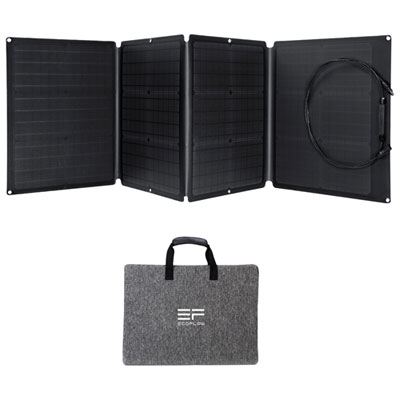 Your price for this item is $301.98
-
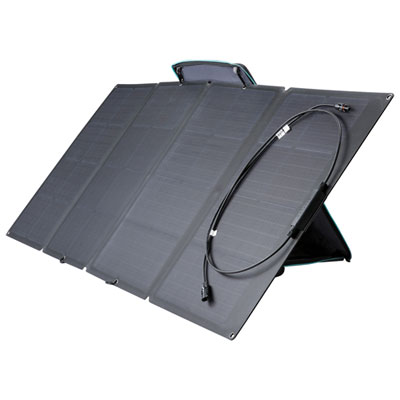 Your price for this item is $401.98
-
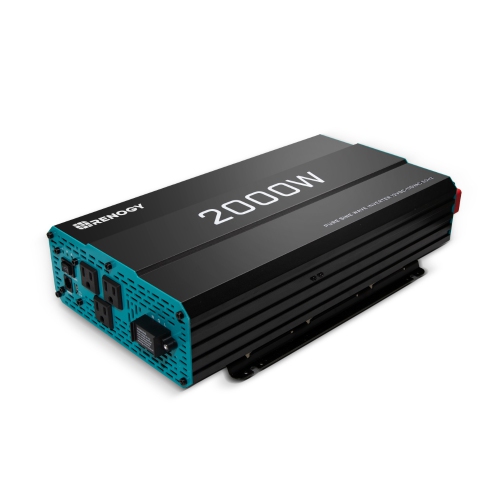 Your price for this item is $464.99
-
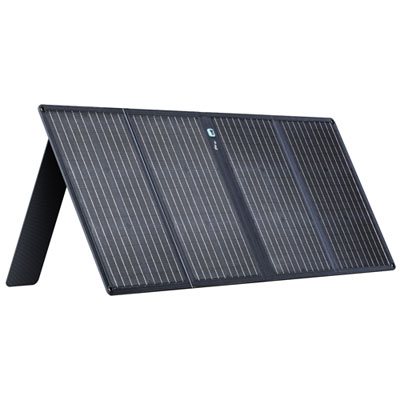 Your price for this item is $399.99
-
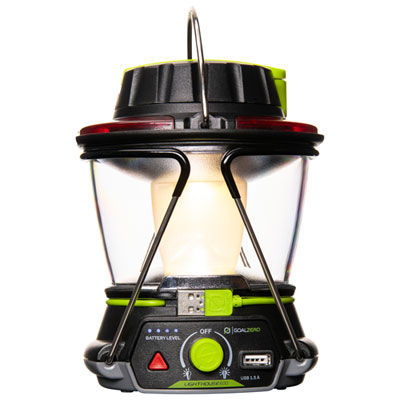 Your price for this item is $99.99
-
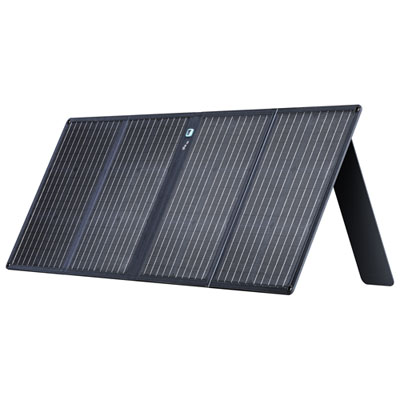 Your price for this item is $439.99
-
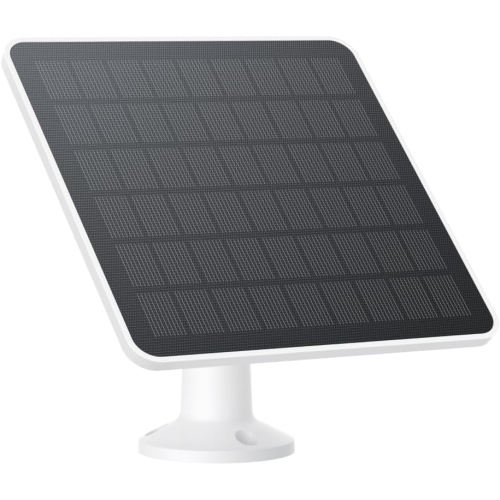 Your price for this item is $69.99
-
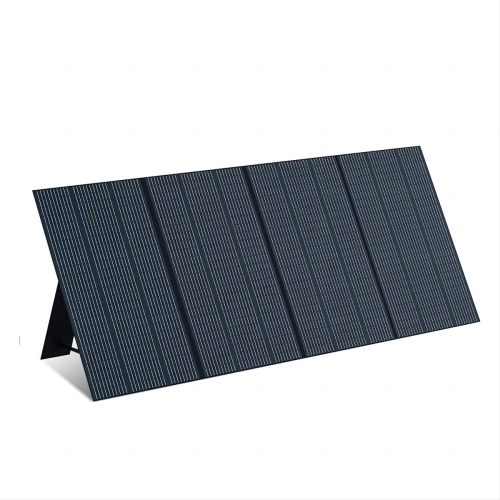 Your price for this item is $999
Discover more categories related to Solar Power Systems
Top Collections:
Pokemon Centers, Best Cameras for Sports Photography, Kindle Devices, Samsung Galaxy Phones, Canon G7X Cameras, Pokémon 30th Celebration Cards, Refurbished Apple Laptops, iPhone 15 Apple, Laptops for Students, Budget Smartphones
Some products may be subject to Environmental Handling Fees
(EHF) depending on your province.
Learn more about EHFs.