Fitness Aerobic Steps

Find fitness aerobic steps for step aerobics, cardio sessions, and strength exercises at home. When choosing a step platform, compare its height, surface area, weight capacity, and storage needs to find an option that suits your workout space and routine.

Read More

Sort

Studio-style step workouts at your own pace

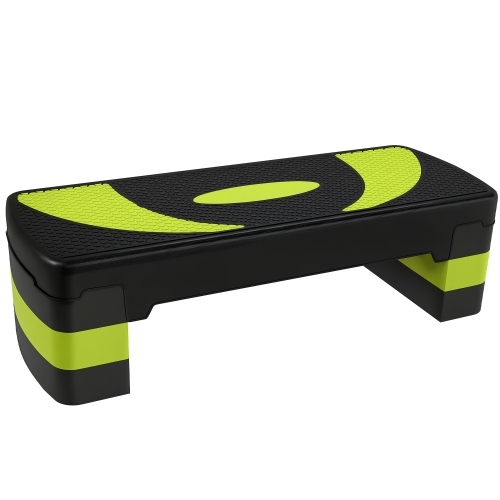
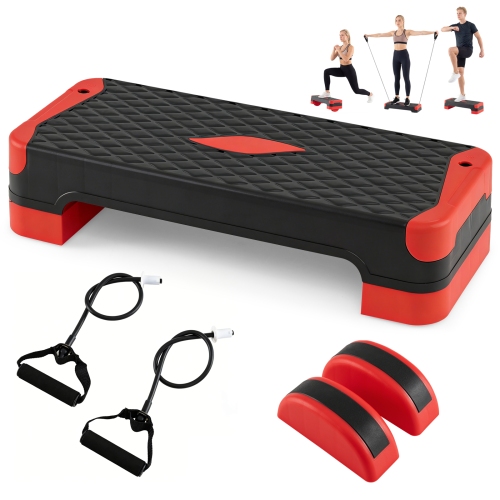
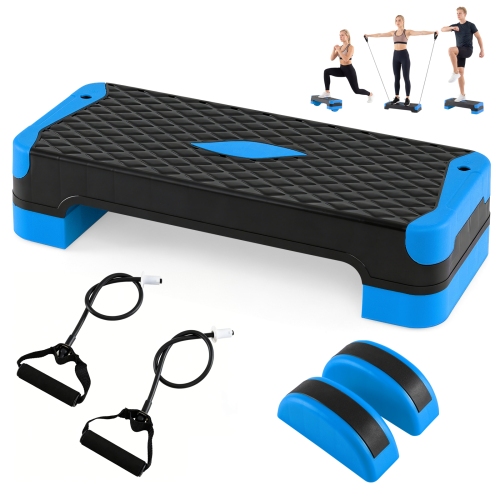
Fitness aerobic steps bring a familiar studio workout format into a home exercise space: a broad, raised platform for stepping up, stepping down, and moving through rhythmic sequences. Their straightforward design supports a wide range of routines, from an unhurried introduction to step exercise to a brisk session with coordinated arm movements and changes of direction. Unlike a machine that sets the movement path, an aerobic step leaves the pace and sequence to the person using it. That flexibility suits people who enjoy following workout videos, building short movement breaks into the day, or adding a cardio component to an existing strength routine. A basic step-up can be easy to learn, while more involved combinations add a coordination challenge without requiring a room full of equipment. Many platforms have adjustable heights, usually through removable risers, so the same piece of equipment can accommodate different routines. A lower setting generally makes the stepping movement less demanding, while a higher setting increases the distance travelled with each ascent. Height is only one part of the experience, though; pace, session length, and movement choice also affect the effort involved. For someone returning to regular exercise, a steady sequence on a low platform may be more suitable than fast choreography. A confident participant might prefer a wider deck that leaves room for travelling movements learned in a class. Step exercise can involve less impact than routines built around repeated jumping, although its suitability still depends on the movements and the individual. The platform can also serve as an elevated surface for certain bodyweight exercises when its design and instructions permit. It should not be treated as a weight bench, jumping box, or support for heavy lifting unless it is specifically rated for that purpose. This distinction matters because equipment that looks similar can be built for very different loads and movement patterns.

The details of an aerobic step become especially noticeable once a workout gets moving. Many platforms use rigid moulded plastic, with a textured deck or a separate rubberized contact surface to help provide traction under athletic shoes. A textured surface can offer useful grip, but it still needs to be clean and dry; no tread pattern eliminates the possibility of slipping. The usable stepping area matters more than the outer dimensions alone. A broad top gives shoes room to land fully, while a narrower deck may call for more precise foot placement during sideways movements. For someone with larger shoes or a routine that includes lateral sequences, that difference can be significant. Overall length and width also affect how comfortably the platform fits into a room, particularly when the workout includes stepping off either end. There needs to be clear floor space around it, not simply enough space to set it down. Adjustable designs deserve attention at the connection points: risers should fit securely, sit evenly, and be assembled in the configuration described by the manufacturer. Improvised height extensions or mismatched supports can undermine stability. The stated weight capacity is another important consideration, alongside any restrictions on the kinds of exercise the platform supports. Rubber feet or contact pads may help limit movement, but their performance depends on the floor beneath them. A level, firm surface is essential, and a soft rug or thick cushioning layer can make a platform less steady. If a protective mat is used, it should be compatible with the equipment and should not introduce rocking or sliding. Durability comes from the whole construction, including a rigid deck, secure risers, intact feet, and a top surface that remains firmly attached. A platform that feels solid during a slow step-up should also remain stable throughout the movements allowed by its instructions. For shared households, easy height changes and clearly fitting components can make it simpler for different people to use the same equipment without leaving parts loosely assembled between sessions.

Practical fit extends beyond the workout itself. In a multipurpose room, a platform that can be carried comfortably and stored neatly is more likely to become part of a regular routine than one that is awkward to move. Some designs allow risers to nest beneath the deck, while others require separate storage, so the full set of components needs a suitable place when not in use. Low-profile storage can be convenient, provided the platform is kept where it will not become a trip hazard or have its contact surface damaged by other objects. For people comparing compact cardio equipment, Mini Steppers offer a different movement format, using pedals rather than an open deck for stepping sequences. An aerobic platform is better understood as a surface for moving on and around, with enough surrounding space to complete the intended routine. Its simplicity also makes regular care relatively straightforward. Following the cleaning instructions helps preserve the deck texture and any attached padding; a mild cleaning solution and a soft cloth may be suitable where the manufacturer allows them. Harsh cleaners, abrasive scrubbing, or soaking components can damage some finishes and materials. The surface should be completely dry before use, and shoes should be free of grit that could reduce traction or scratch the deck. Periodic checks for cracks, loose pads, worn tread, or damaged riser connections help identify problems before another session. These small habits are particularly useful when equipment is moved often or shared by several people. As a gift, an aerobic step can suit someone who already enjoys step classes, follows home fitness sessions, or has asked for versatile workout equipment. Their available floor space, preferred platform height, and storage needs matter more than choosing the largest design. For personal use or gifting, the strongest match is a platform whose dimensions, construction, and permitted uses fit the routines it will actually support, whether that means a measured sequence of basic steps or a lively, carefully practised combination.
Read More

FAQ

Some products may be subject to Environmental Handling Fees (EHF) depending on your province. Learn more about EHFs.